Species

17 other cultivars
- ‘Vates Champion’Vates Champion Collard Greens
- ‘Richmond's Pride’Ornamental Kale
- ‘Darkibor’Darkibor Kale
- ‘Caraflex’Caraflex cabbage
- ‘Terek’Terek Kale
- ‘Veronica’Romanesco Cauliflower 'Veronica'
- ‘Pixie’Pixie Cabbage
- ‘Mix’Ornamental Kale Mix
- ‘Snow Crown’Snow Crown Cauliflower
- ‘Dinosaur’Dinosaur Lacinato Kale
- ‘Fioretto’Fioretto Sprouting Cauliflower
- ‘Graffiti’Purple Cauliflower
- ‘Ruby Ball’Ruby Ball Cabbage
- ‘Red Russian’Red Russian Kale
- ‘italica’Broccoli
- ‘Dwarf Blue Curled’Dwarf Blue Curled Kale
- ‘Golden Acre’Golden Acre Cabbage




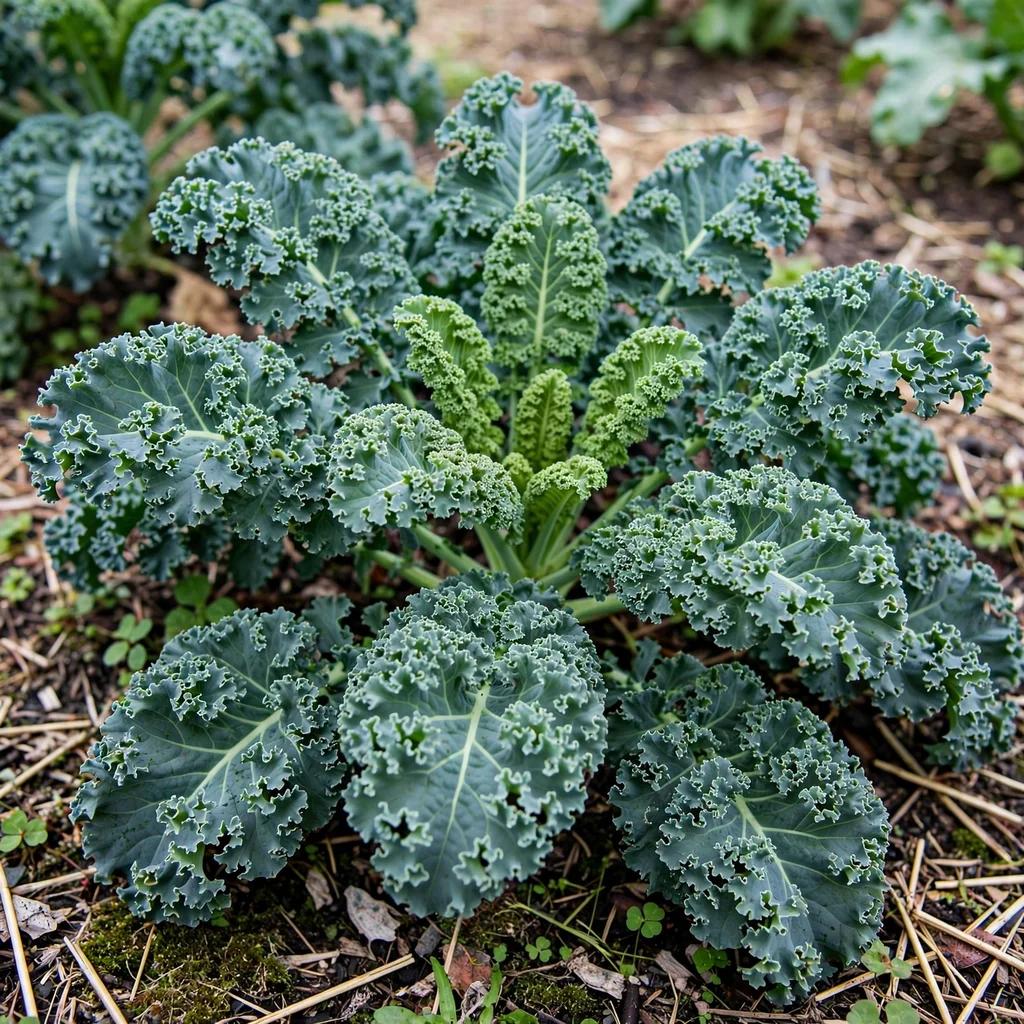
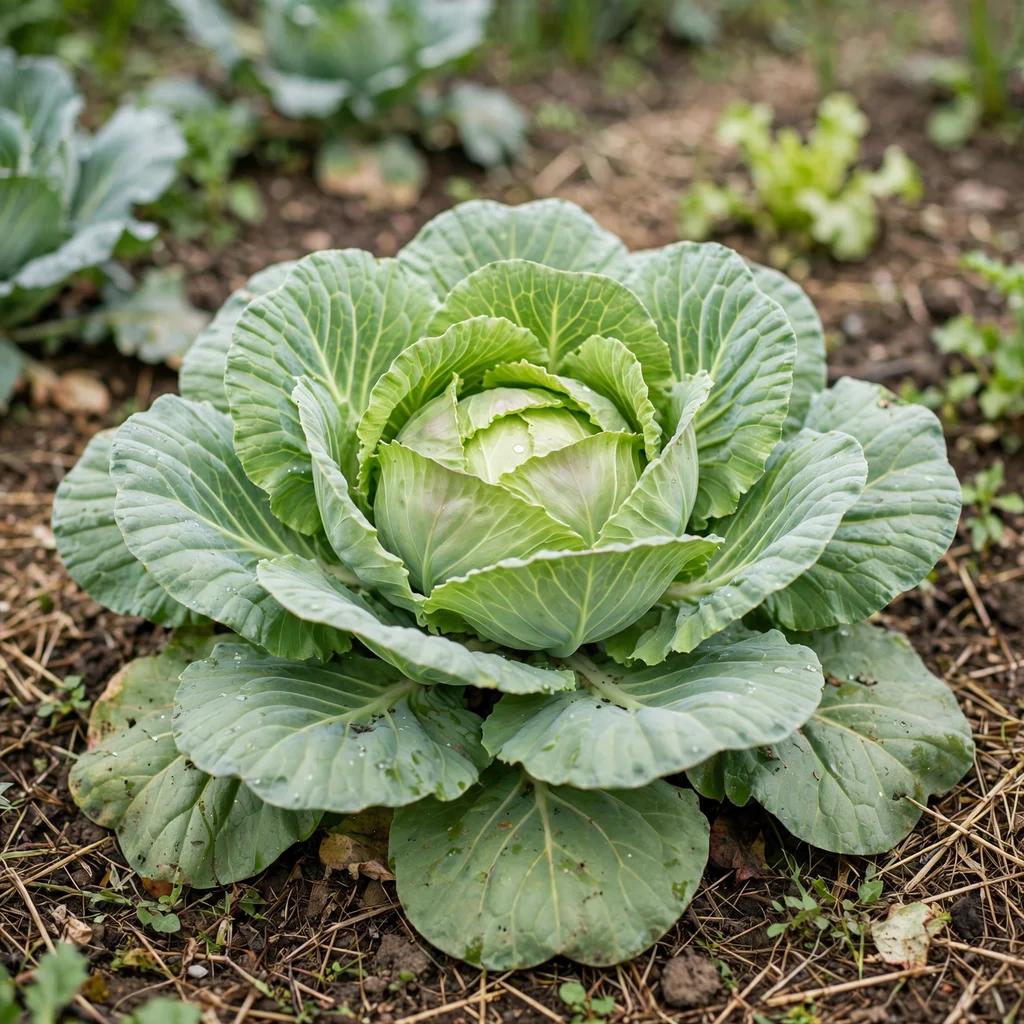
The Story
Plant Bio
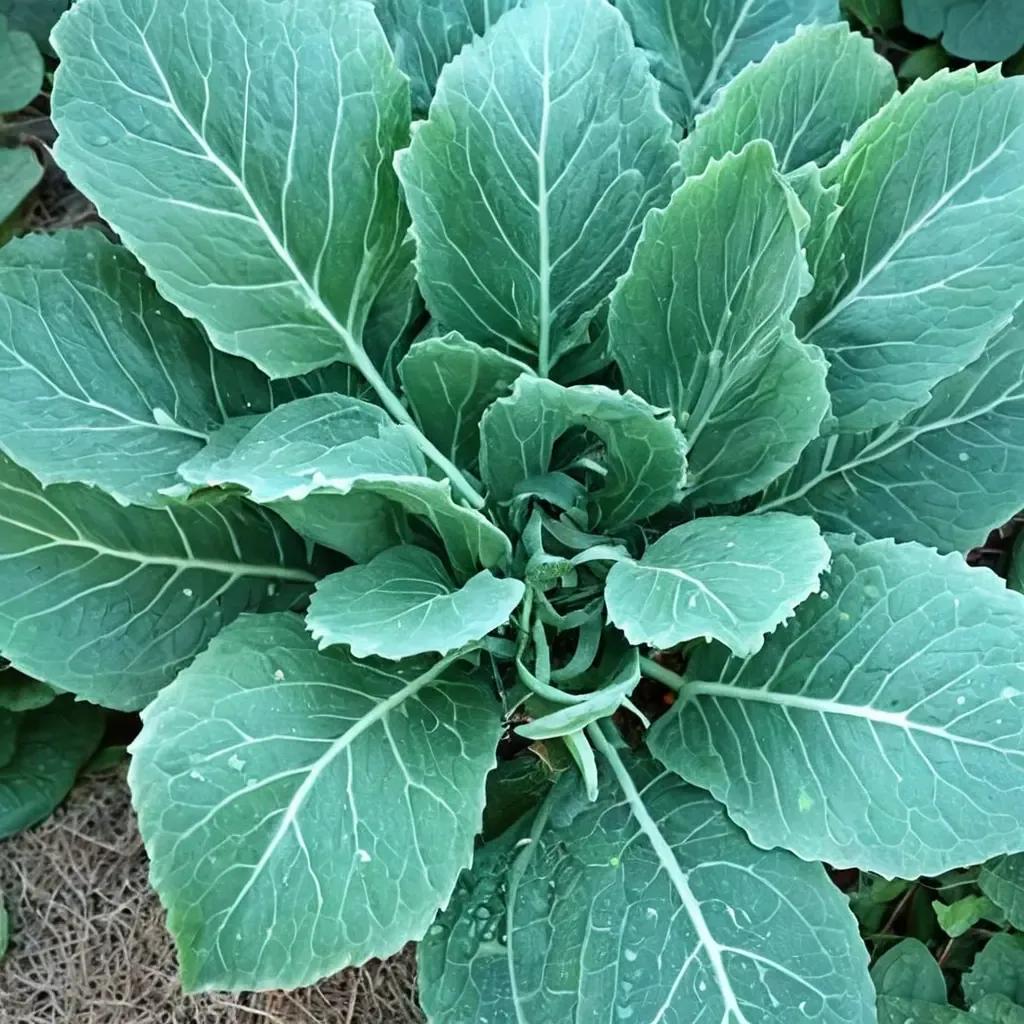
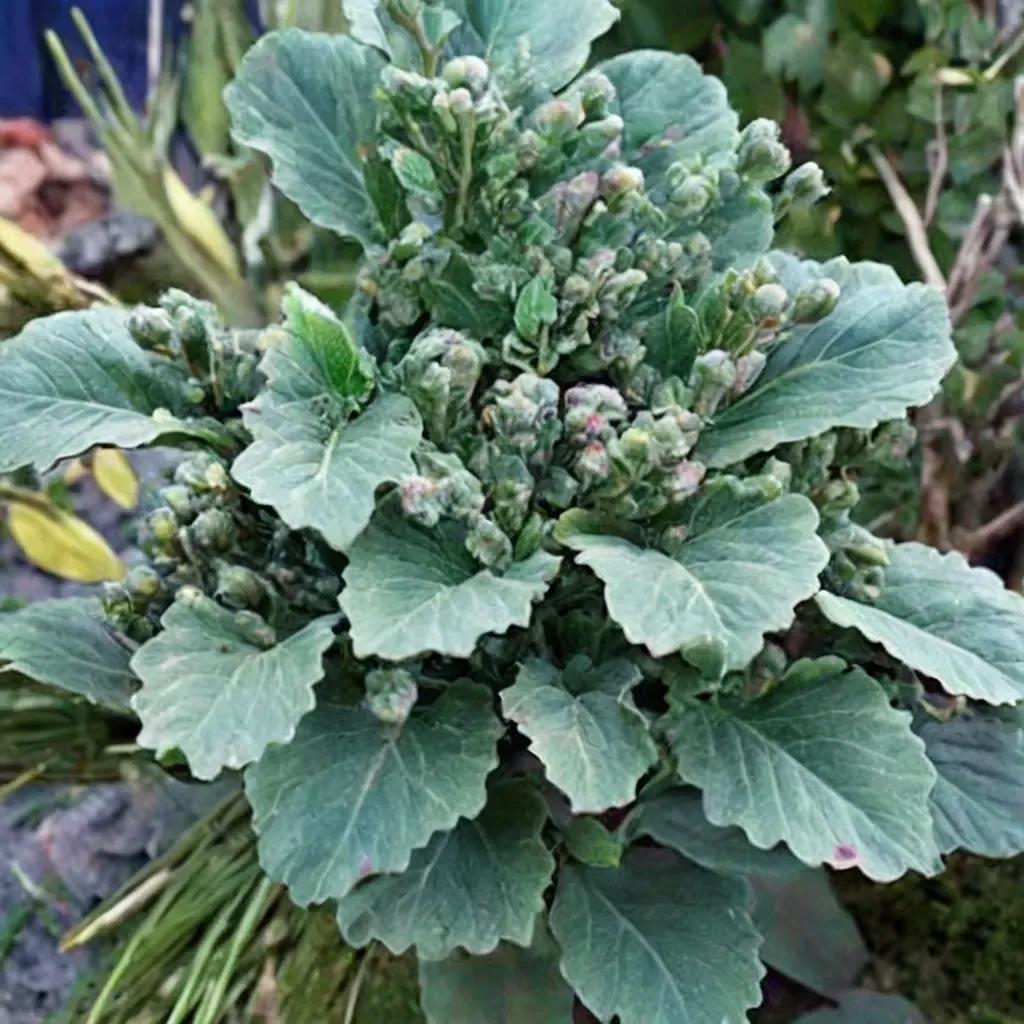
Brassica oleracea, the wild cabbage, is a biennial brassica that makes a stout upright stalk with thick, more or less fleshy leaves in its first year. In its second year it sends up a branched stalk of cross-shaped yellow flowers that set slender pods, but vegetable crops are harvested long before flowering.
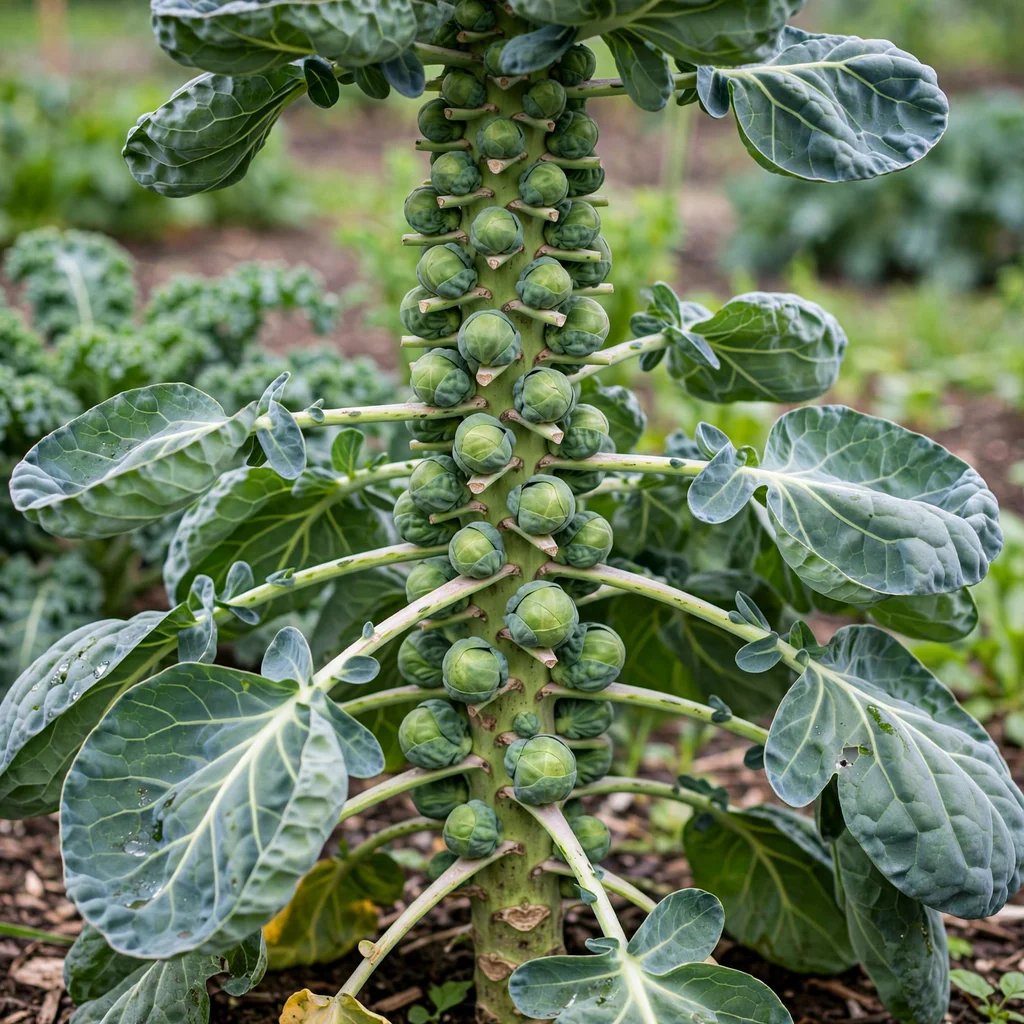
'Long Island Improved' is a semi-dwarf heirloom Brussels sprouts selection reaching about 24 inches with a thick upright stalk lined with 75 to 100 miniature cabbage heads 1 to 2 inches across. It matures in 90 to 120 days from transplant for fall harvest, with flavor that sweetens after the first frost.
Uses & Benefits:
Essentials
At a Glance
Plant Type
Fruit Vegetable
Height
24"
Width
18"
Light
Full Sun, Partial Sun
Zones
4, 5, 6, 7, 8, 9, 10
Water
Even moisture
Humidity
Low to moderate
Lifespan
Biennial grown as annual
Native To
Europe and Mediterranean
Toxicity
Non-toxic, edible
Bloom period
Late spring – Summer
In flower about 4 months of the year
Planting
How to Grow
- Plant in full sun with room for a 24-inch stalk; tolerates partial shade but sizes best in sun.
- Sow seed 6 to 8 weeks before transplanting, then set transplants in very firm soil for a late summer planting.
- Give steady water and fertilizer for 90 to 120 days to maturity; do not let plants stall in late summer heat.
- Leave sprouts on the stalk until after the first frost for best flavor, then pick firm sprouts from the bottom up before leaves yellow.
- Pull spent stalks at season end and rotate to a new bed next year to reduce soil disease.
Pro Tip
Firm the soil hard around each transplant and wait for frost to pick; loose soil grows loose sprouts and early picking stays bitter.
Keep It Thriving
Care Guide
Do
- Do firm soil hard around roots at transplanting.
- Do wait until after frost to harvest for sweetness.
- Do check leaf undersides weekly for caterpillars.
Don't
- Don't plant in loose fluffy soil; it makes loose sprouts.
- Don't harvest too early when sprouts are small and bitter.
- Don't plant brassicas in the same spot year after year.
Seasonal Care Calendar
| Task | Jan | Feb | Mar | Apr | May | Jun | Jul | Aug | Sep | Oct | Nov | Dec |
|---|---|---|---|---|---|---|---|---|---|---|---|---|
| Fertilize | ||||||||||||
| Harvest | ||||||||||||
| Mulch | ||||||||||||
| Pest Check | ||||||||||||
| Plant |
Watch Out For
Pests & Diseases
Common Pests
Common Diseases
In the Garden
Landscape Uses & Companions
Landscape Uses
Companion Plants
Multiply
Propagation Methods
Good to Know
Common Questions
Long Island Improved Brussels Sprouts questions
What zones can Long Island Improved Brussels Sprouts grow in?
Long Island Improved Brussels Sprouts is hardy in USDA Zones 4–10: in that range it survives winter in the ground.
Is Long Island Improved Brussels Sprouts deer resistant?
Not reliably. Deer may browse Long Island Improved Brussels Sprouts, especially tender spring growth — plan on repellents or fencing where pressure is high.
When does Long Island Improved Brussels Sprouts bloom?
Long Island Improved Brussels Sprouts typically blooms from late spring to late summer. Exact timing shifts a week or two with your zone — Sow's bloom calendar maps it to your garden.
Does Long Island Improved Brussels Sprouts need full sun?
Long Island Improved Brussels Sprouts does best in full sun to part shade. In hot climates, afternoon shade keeps blooms fresher longer.
More Brassica to compare
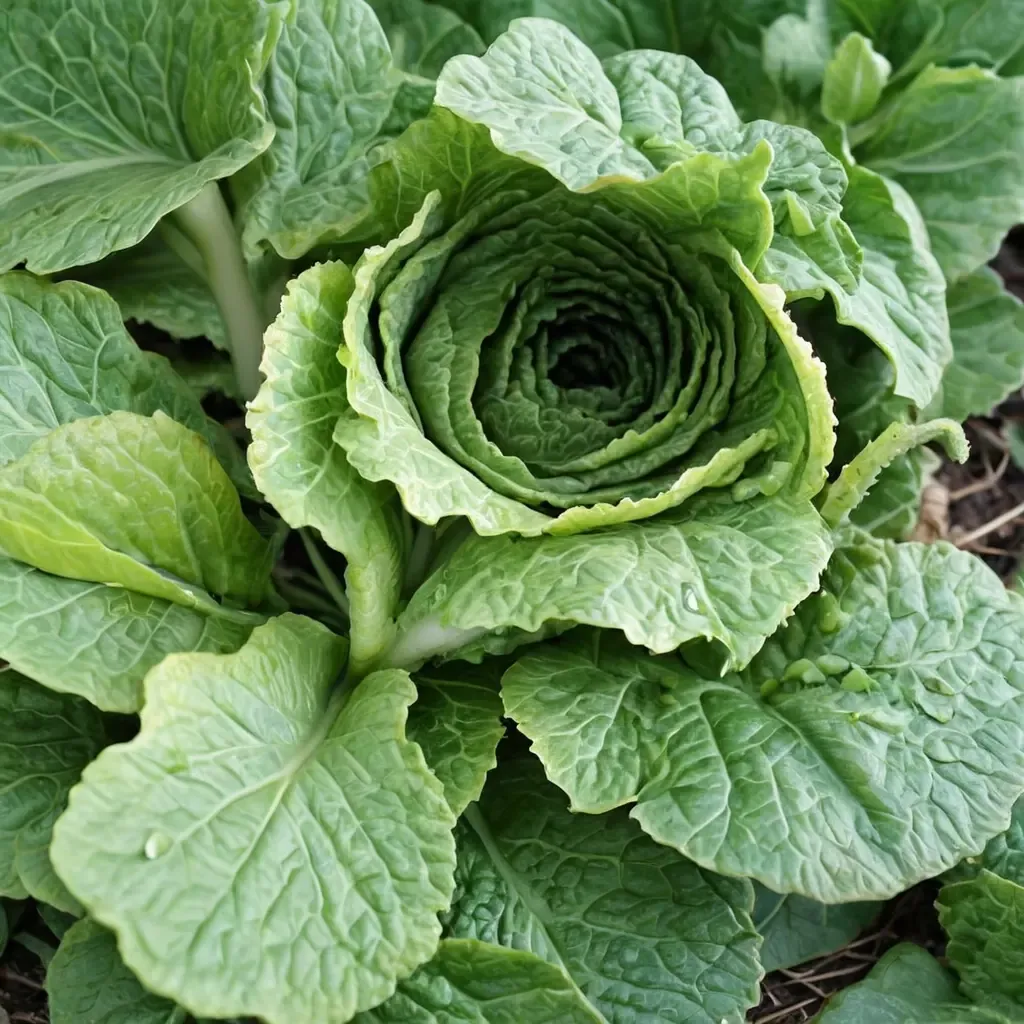
Chinese Cabbage
Brassica rapa 'Chinese Cabbage'
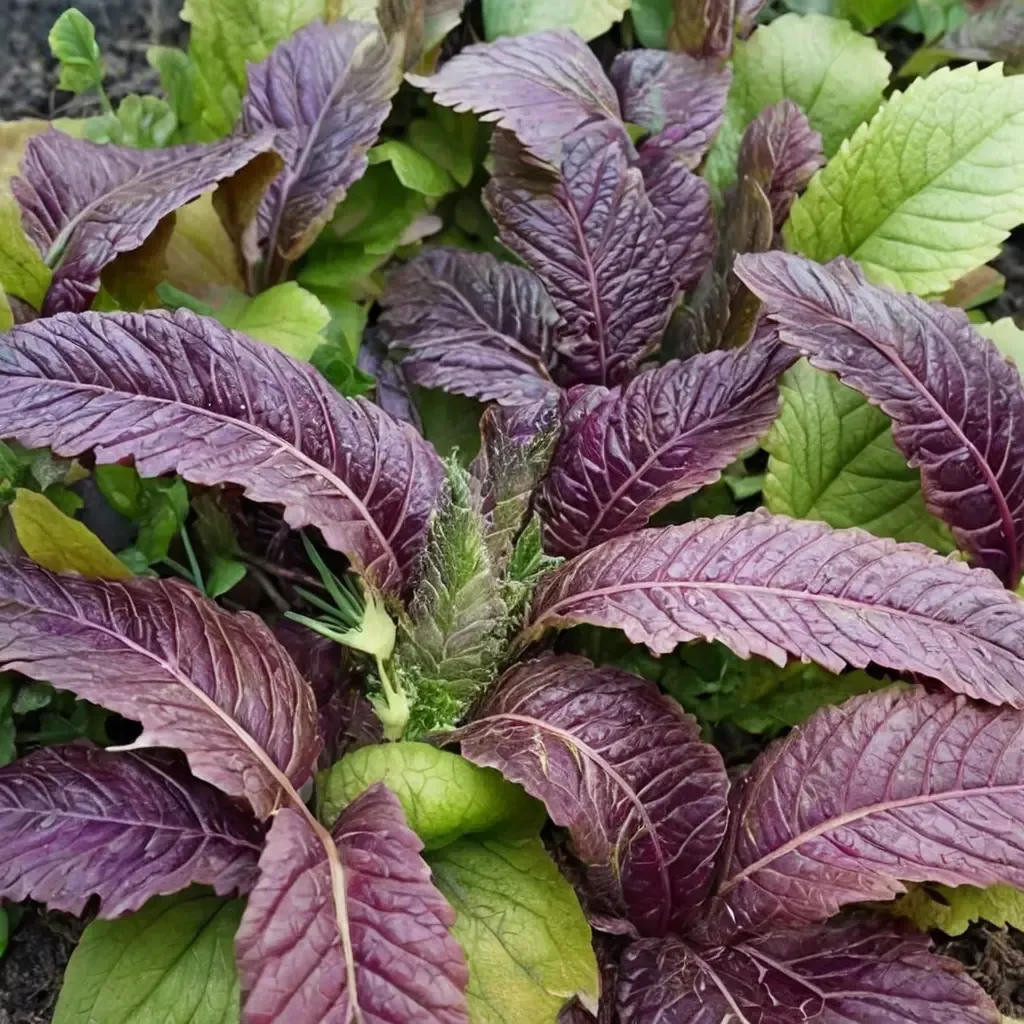
Osaka Purple Mustard
Brassica juncea 'Osaka Purple'
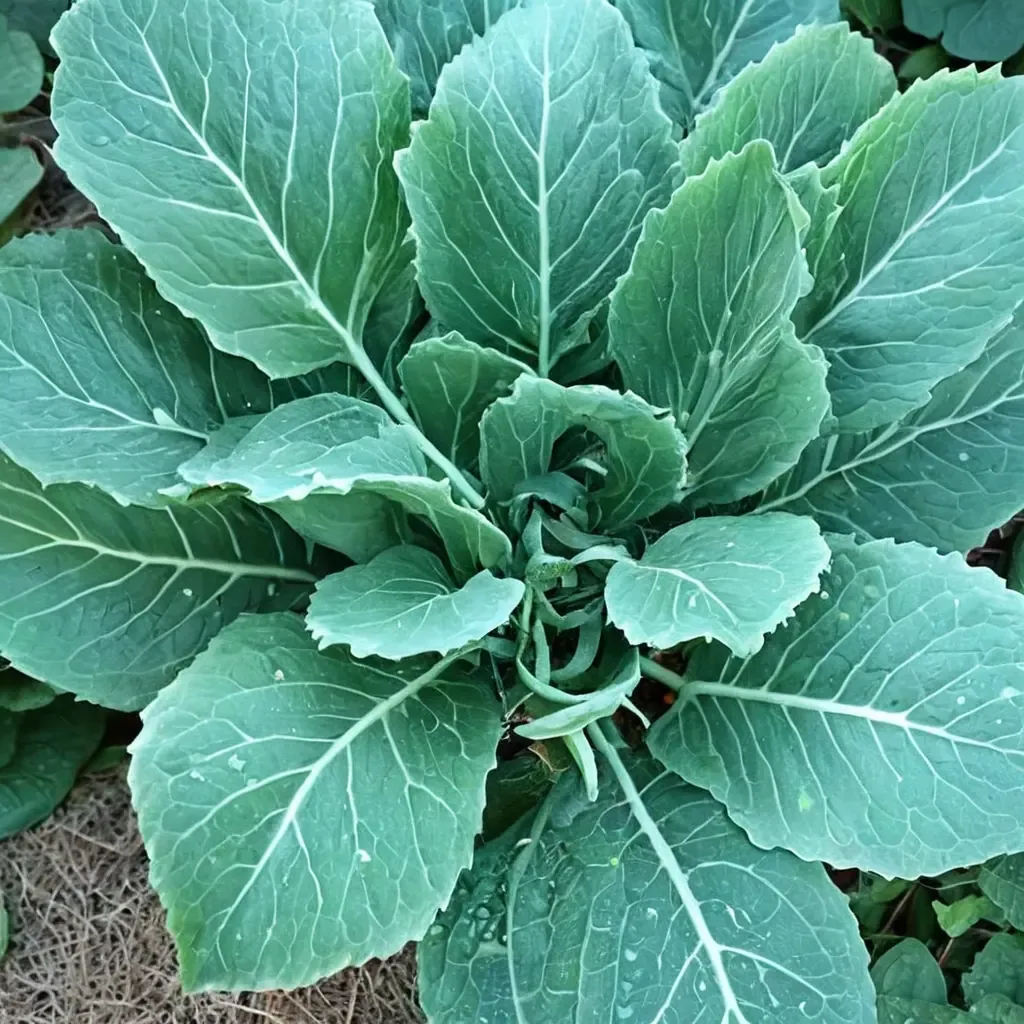
Vates Champion Collard Greens
Brassica oleracea 'Vates Champion'
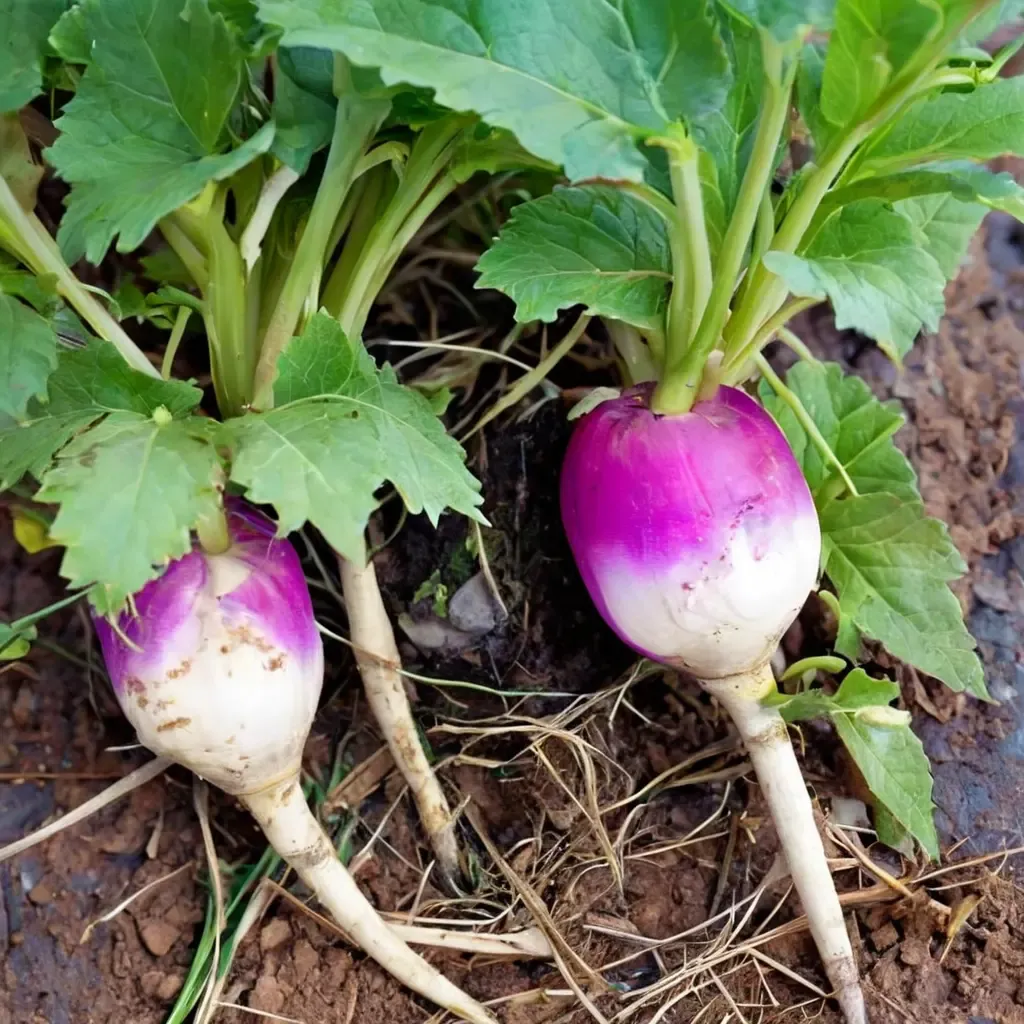
Purple Top Turnip
Brassica rapa 'Purple Top'
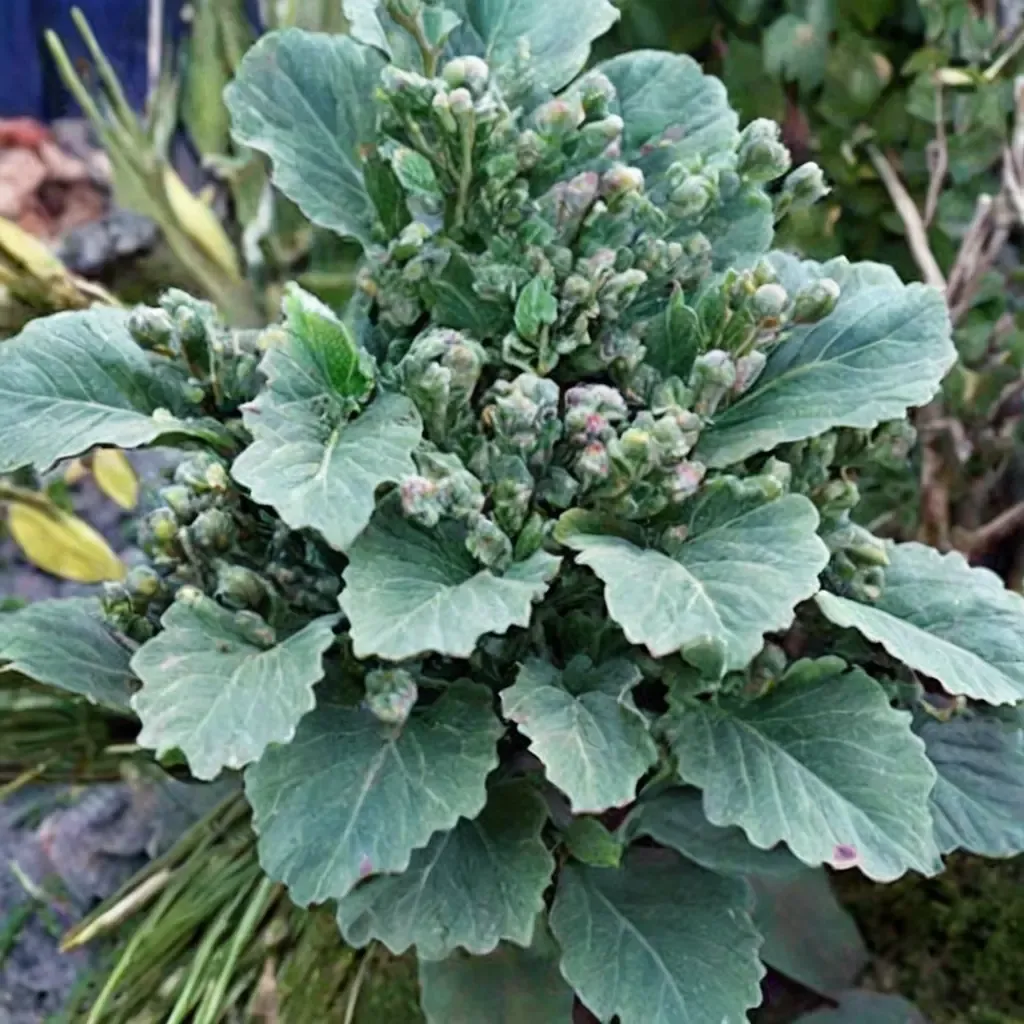
Ornamental Kale
Brassica oleracea 'Richmond's Pride'
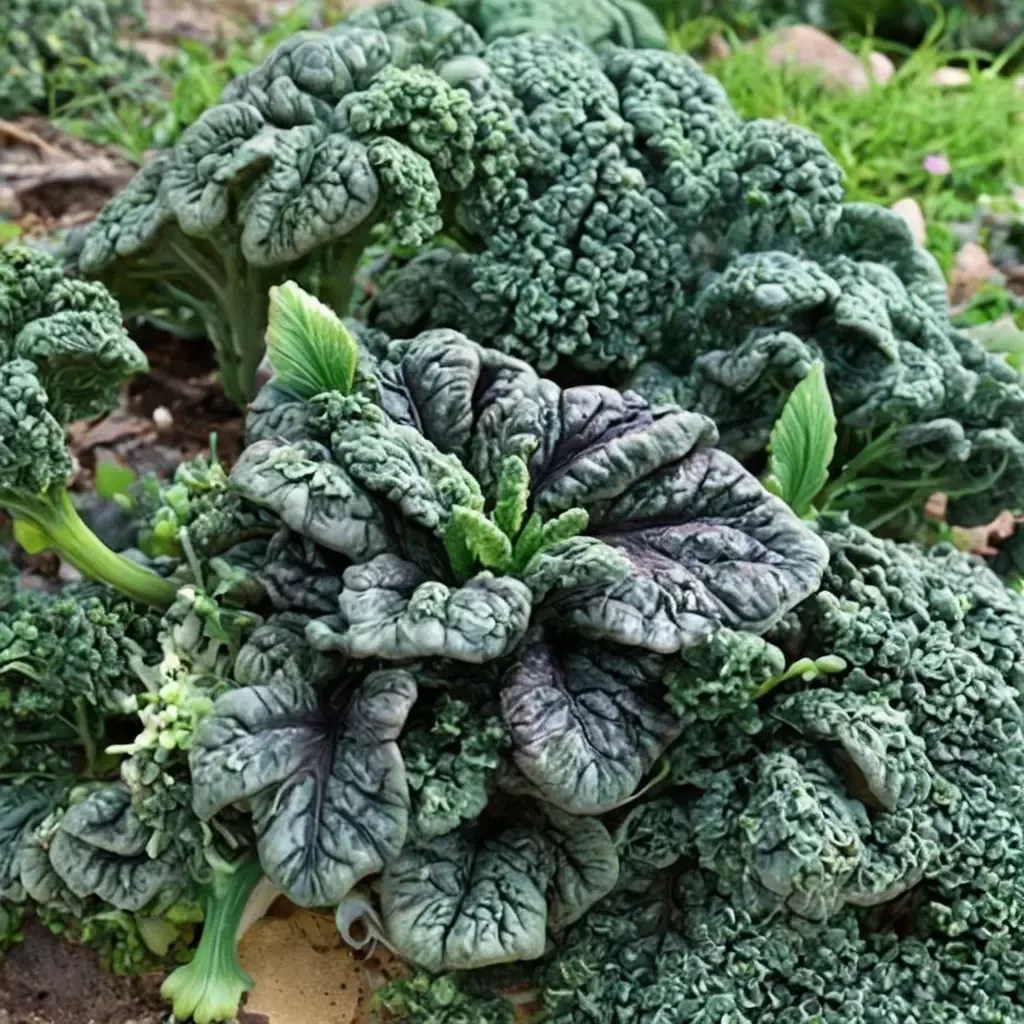
Darkibor Kale
Brassica oleracea 'Darkibor'
Keep exploring
Explore the genus
Grow Long Island Improved Brussels Sprouts with confidence
See it in a design of your actual yard, get zone-matched care reminders, and track it season by season in your garden journal.