Garden hybrid
This is a garden hybrid, bred from more than one wild species, so it has no single species page of its own.
96 other cultivars
- ‘Double White’Double White Rhododendron
- ‘Double Pink’Rhododendron x hybrida Double Pink
- ‘Bone Hardy Azalea Sampler’Bone Hardy Azalea
- ‘Double Dark Pink’Double Dark Pink Rhododendron
- ‘Mezitt Elite Star’Mezitt Elite Star Rhododendron
- ‘Elite Star’Elite Star Rhododendron
- ‘Daviesii’Daviesii Azalea
- ‘Golden Lights’Golden Lights Rhododendron
- ‘Klondyke’Klondyke azalea
- ‘Narcissiflorum’Narcissiflorum Azalea
- ‘Arneson Gem’Arneson Gem Azalea
- ‘NCRX8’Perfecto Mundo Red Azalea
- ‘Holden’Holden Rhododendron
- ‘Inkarho’Inkarho Rhododendron
- ‘Mandarin Lights’Mandarin Lights Azalea
- ‘Delaware Valley White’Delaware Valley White Azalea
- ‘Rosebud’Rosebud Azalea
- ‘Pjm Elite’PJM Elite Rhododendron
- ‘Girard's Crimson’Girard's Crimson Azalea
- ‘Stewartstonian’Stewartstonian Azalea
- ‘Girard Fuchsia’Girard's Fuchsia Azalea
- ‘Karens’Karens Azalea
- ‘Scintillation’Scintillation Rhododendron
- ‘Hinode-Giri’Hinode-giri Azalea
- ‘Black Hat’Black Hat Rhododendron
- ‘Blaauw's Pink’Blaauw's Pink Azalea
- ‘Cascade’Cascade Evergreen Azalea
- ‘Admiral Semmes’Admiral Semmes Deciduous Azalea
- ‘Roblet’Encore Autumn Sunburst Azalea
- ‘Minnetonka’Minnetonka Rhododendron
- ‘Hino Crimson’Hino Crimson Azalea
- ‘RLH1-2P8’Bloom-A-Thon Pink Double Azalea
- ‘Encore Autumn Jewel’Encore Autumn Jewel Azalea
- ‘Encore Autumn Lilac’Encore Autumn Lilac Azalea
- ‘Pjm Compacta’PJM Compact Rhododendron
- ‘Rosy Lights’Rosy Lights Azalea
- ‘Yaku Prince’Yaku Prince Rhododendron
- ‘Purple Passion’Purple Passion Rhododendron
- ‘Robled’Encore Autumn Chiffon Azalea
- ‘Girard Rose’Girard's Rose Azalea
- ‘Pjm’PJM Rhododendron
- ‘Herbert’Herbert Azalea
- ‘Girard Hot Shot’Girard's Hot Shot Azalea
- ‘Farrow’Bollywood Azalea
- ‘Roblez’Encore Autumn Fire Azalea
- ‘Encore Autumn Debutante’Encore Autumn Debutante Azalea
- ‘Hardy Gardenia’Hardy Gardenia Azalea
- ‘Roblec’Encore Autumn Carnation Azalea
- ‘Anah Kruschke’Anah Kruschke Rhododendron
- ‘Aglo’Aglo Rhododendron
- ‘Roblezd’Encore Autumn Majesty Azalea
- ‘Roblex’Encore Autumn Lily Azalea
- ‘Midnight Flare’Midnight Flare Evergreen Azalea
- ‘Roblen’Encore Autumn Sunset Azalea
- ‘Yaku Princess’Yaku Princess Rhododendron
- ‘NCRX3’Perfecto Mundo Double Pink Azalea
- ‘Conlea’Encore Autumn Rouge Azalea
- ‘Conled’Encore Autumn Coral Azalea
- ‘Roblev’Encore Autumn Ivory Azalea
- ‘Robleg’Autumn Angel Azalea
- ‘Elsie Lee’Elsie Lee Azalea
- ‘Encore Autumn Sundance’Encore Autumn Sundance Azalea
- ‘Bixby’Bixby Evergreen Azalea
- ‘Robleza’Encore Autumn Bonfire Azalea
- ‘Capistrano David Leach’Capistrano Rhododendron
- ‘Robleze’Encore Autumn Starburst Azalea
- ‘Roblee’Encore Autumn Sangria Azalea
- ‘Encore Autumn Bravo’Encore Autumn Bravo Azalea
- ‘Conlee’Conlee Autumn Amethyst Azalea
- ‘Hershey's Red’Hershey's Red Evergreen Azalea
- ‘Gumpo Pink’Gumpo Pink Azalea
- ‘Mootum’Encore Autumn Moonlight Azalea
- ‘Roblea’Encore Autumn Princess Azalea
- ‘Chinzan’Chinzan Azalea
- ‘Tradition’Tradition Rhododendron
- ‘Gumpo White’Gumpo White Azalea
- ‘Dandy Man Color Wheel’Rhododendron Dandy Man Color Wheel
- ‘Hilda Niblett’Hilda Niblett Azalea
- ‘Conversation Piece’Conversation Piece Azalea
- ‘Coral Bells’Coral Bells Azalea
- ‘Percy Wiseman’Percy Wiseman Rhododendron
- ‘Formosa Red’Formosa Azalea
- ‘George Lindley Taber’George L. Taber Azalea
- ‘Conleb’Autumn Embers Azalea
- ‘Conles’Autumn Empress Azalea
- ‘Pink Ruffles’Pink Ruffles Azalea
- ‘NCRX4’Perfecto Mundo Double Purple Azalea
- ‘Conlec’Autumn Royalty Azalea
- ‘Robles’Autumn Lilac Azalea
- ‘Autumn Kiss’Autumn Kiss Azalea
- ‘George Tabor’George Tabor Azalea
- ‘Conlep’Autumn Twist Azalea
- ‘Robleja’Autumn Sweetheart Azalea
- ‘Formosa’Formosa Azalea
- ‘Wolfpack Red’Wolfpack Red Azalea
- ‘Mother's Day’Mother's Day Azalea





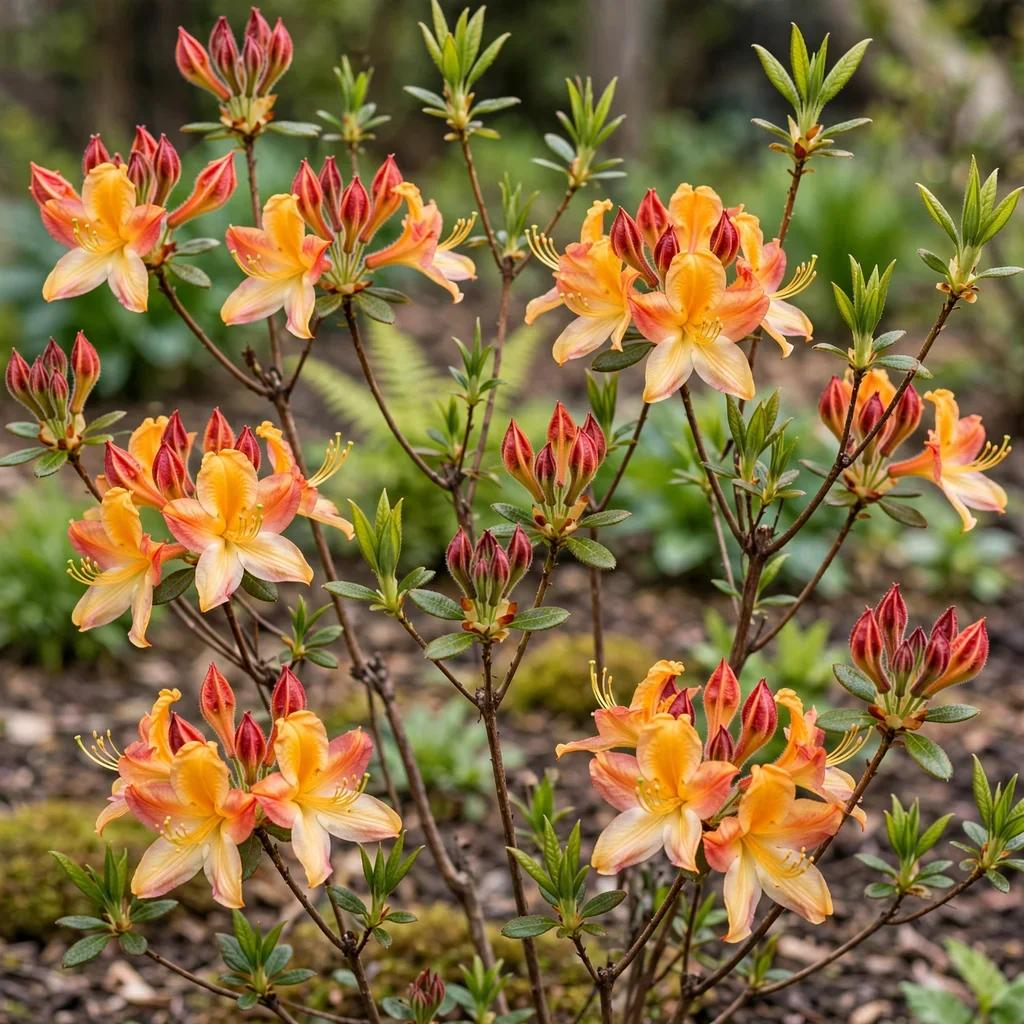


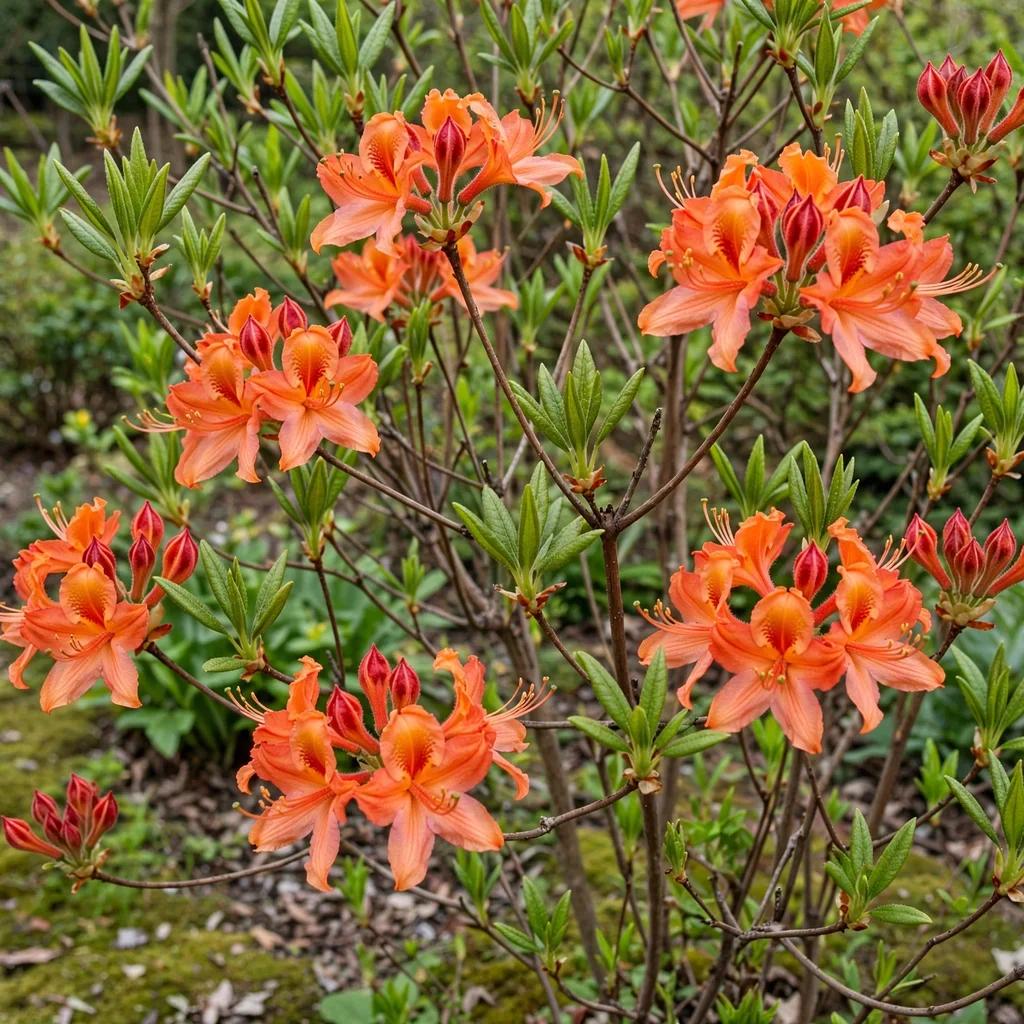


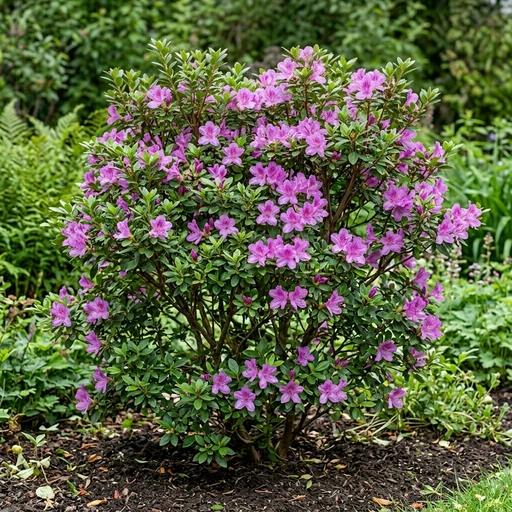


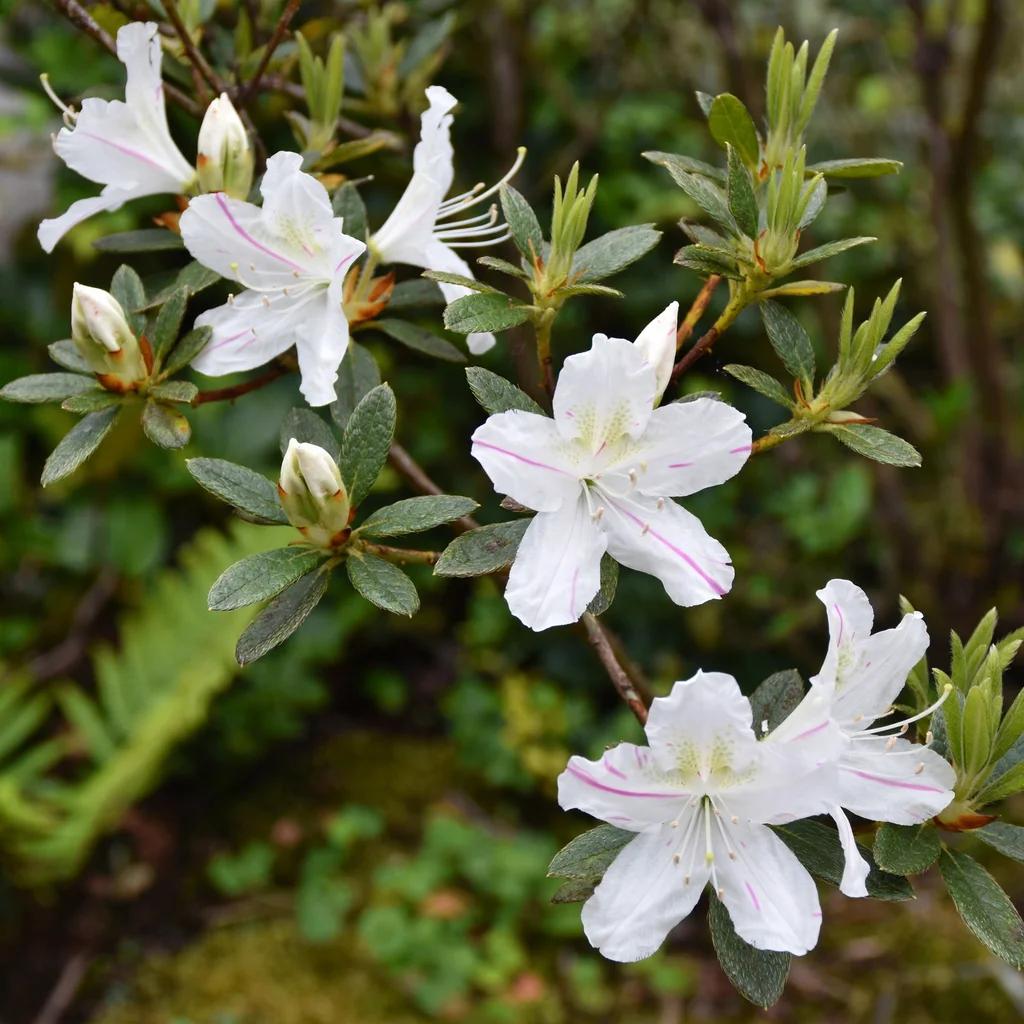










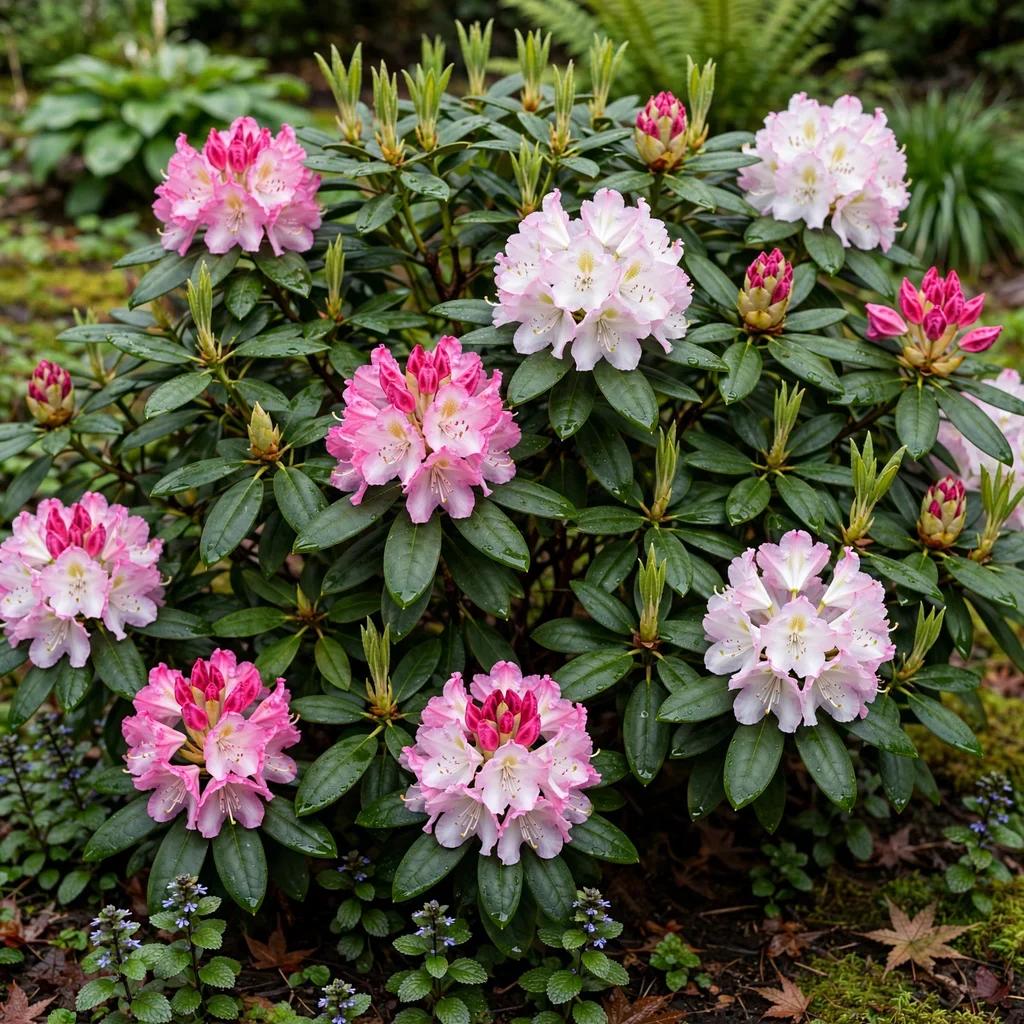
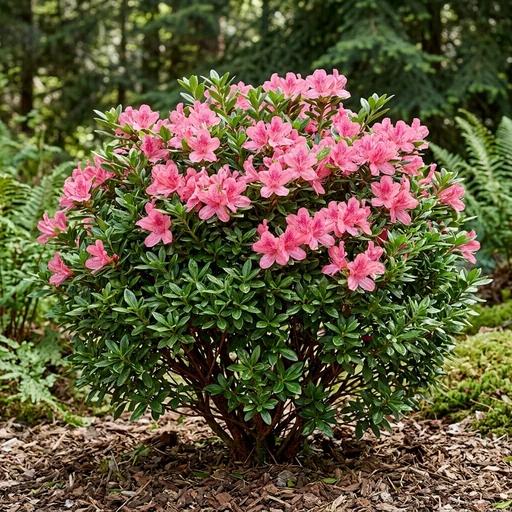

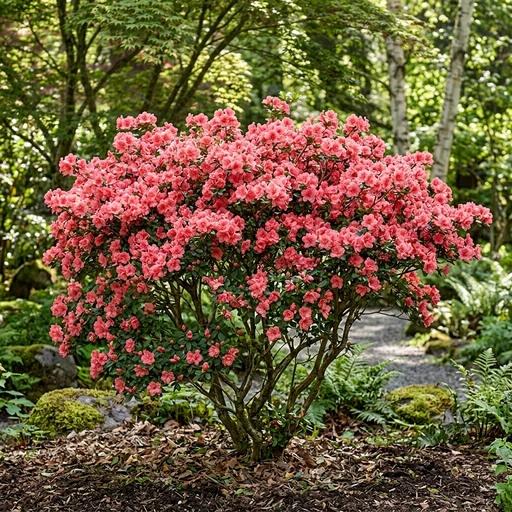

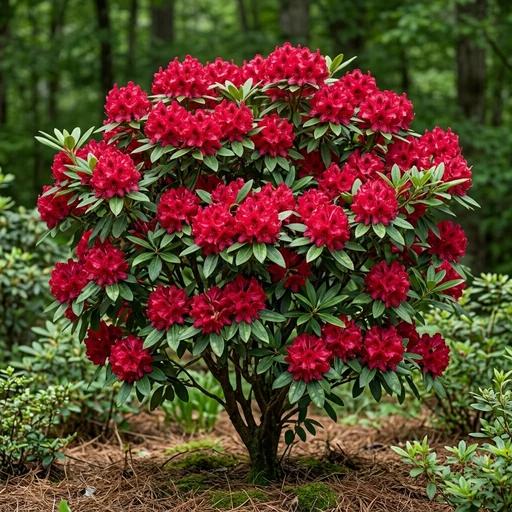


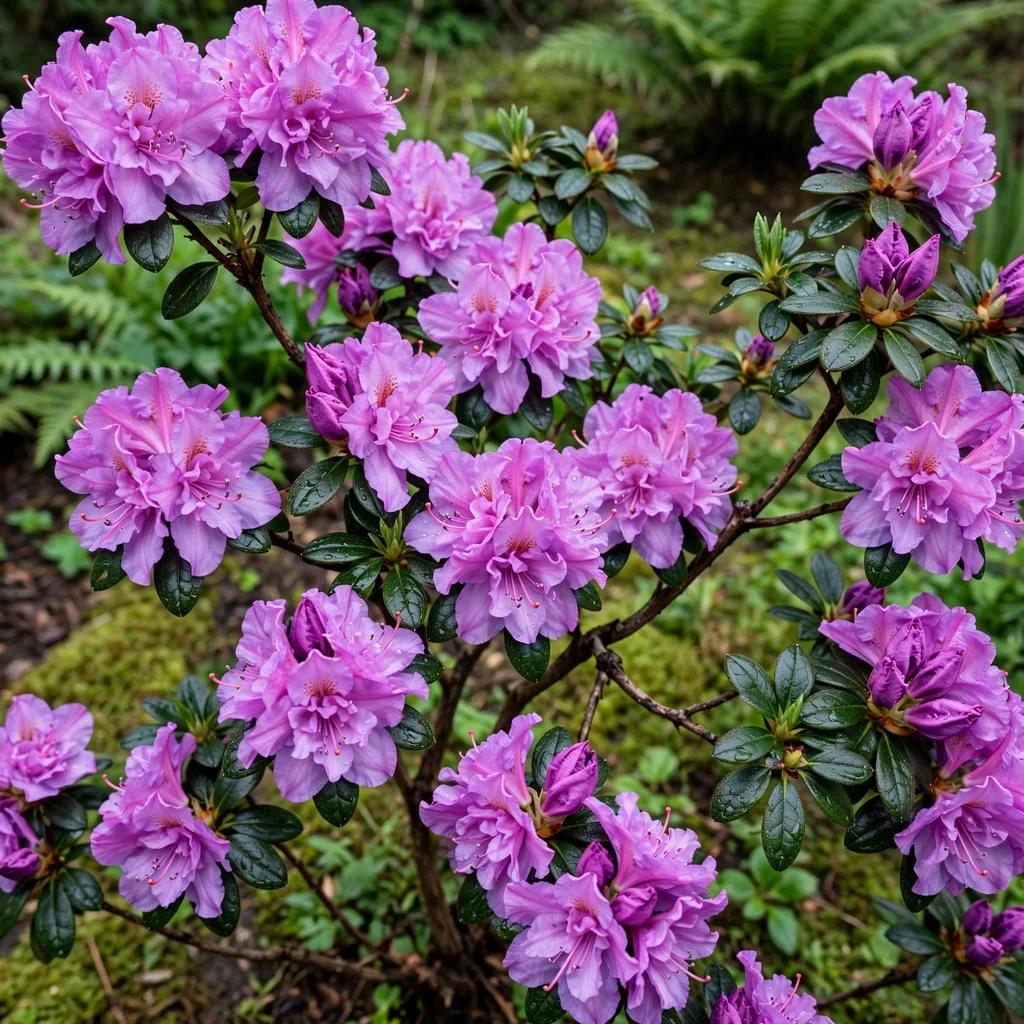
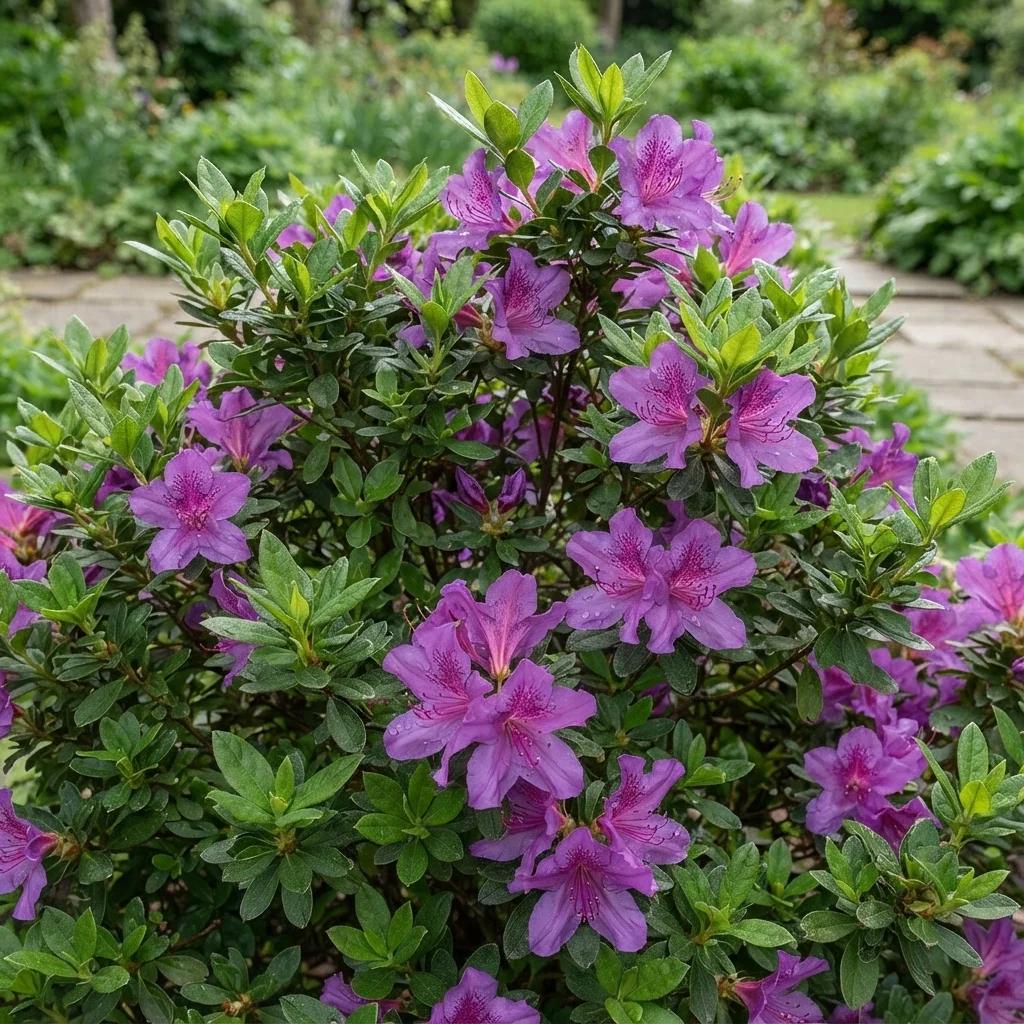


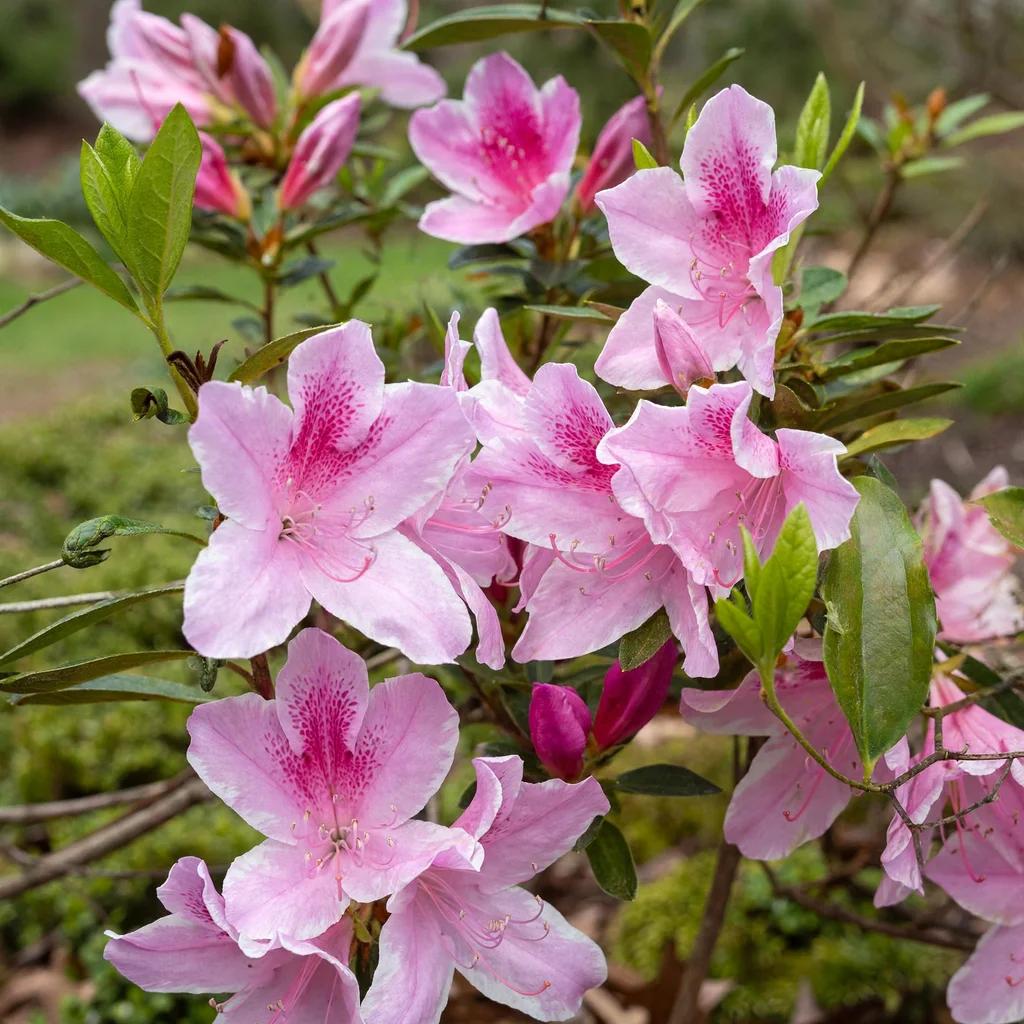


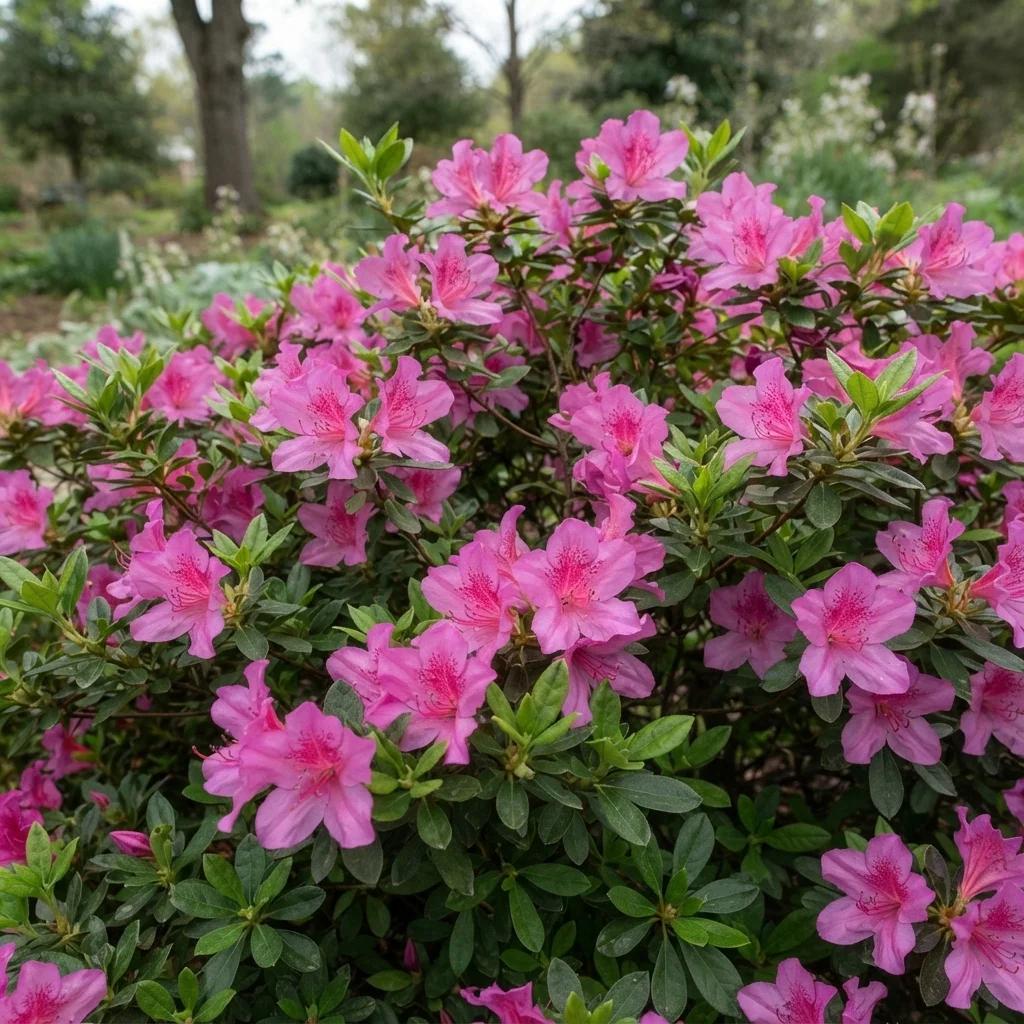
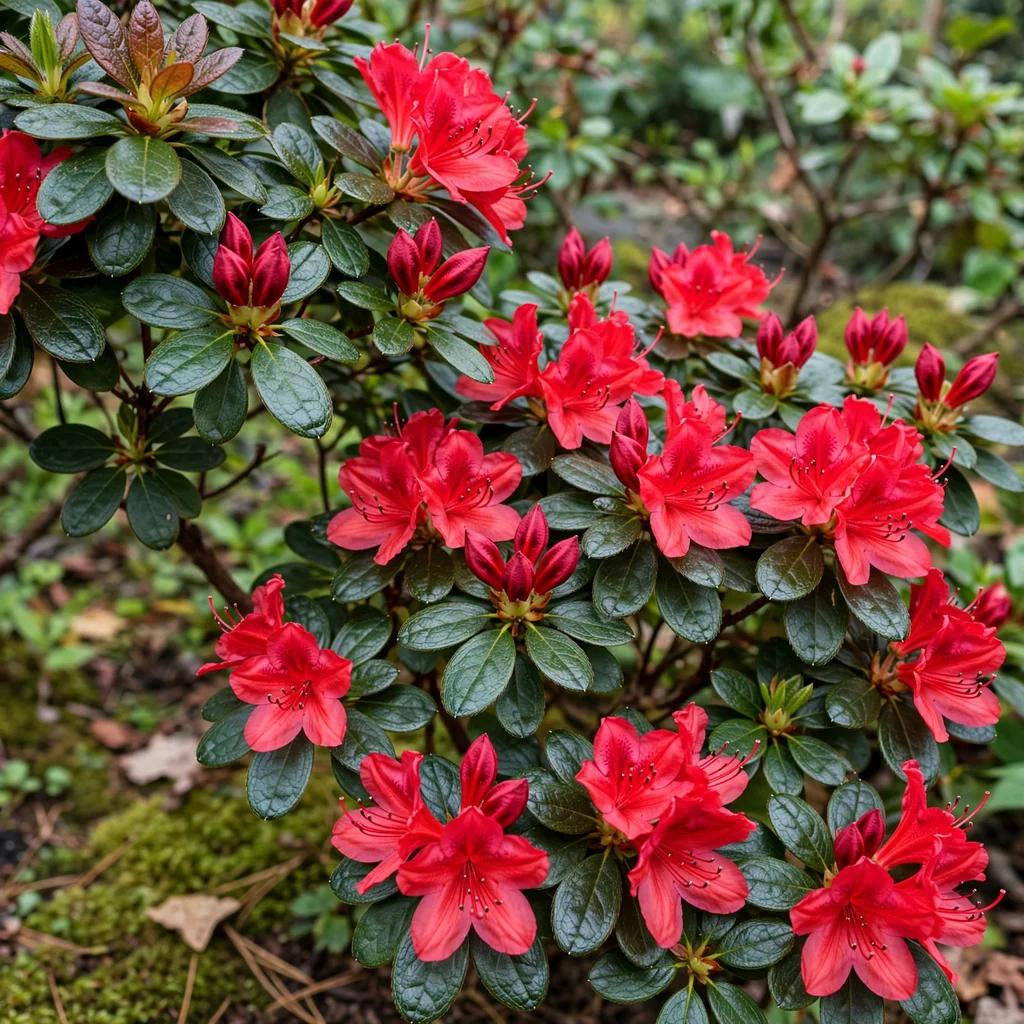

The Story
Plant Bio
Rhododendron is a vast genus of woody flowering shrubs prized for their showy bloom displays and preference for acidic soils. Most evergreen species feature thick leathery foliage and shallow root systems that depend on steady moisture and rapid drainage.
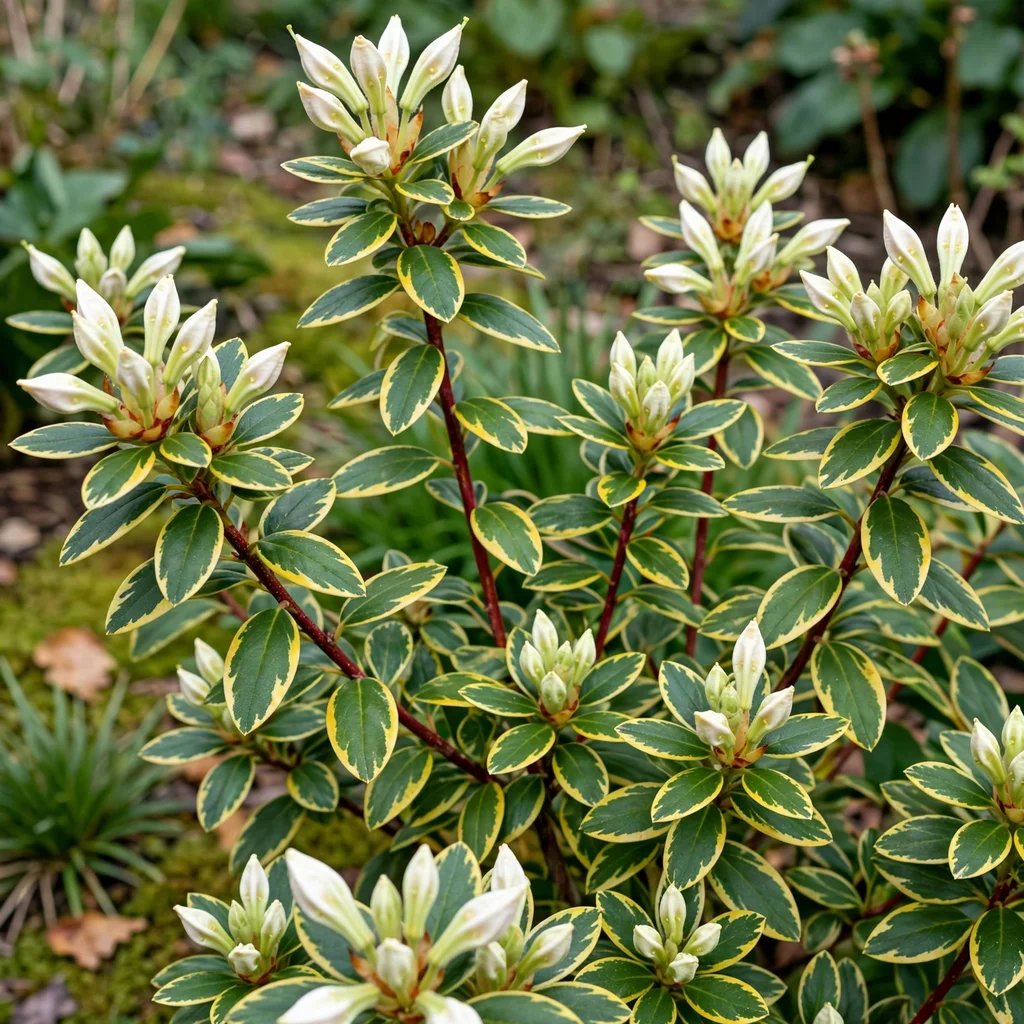
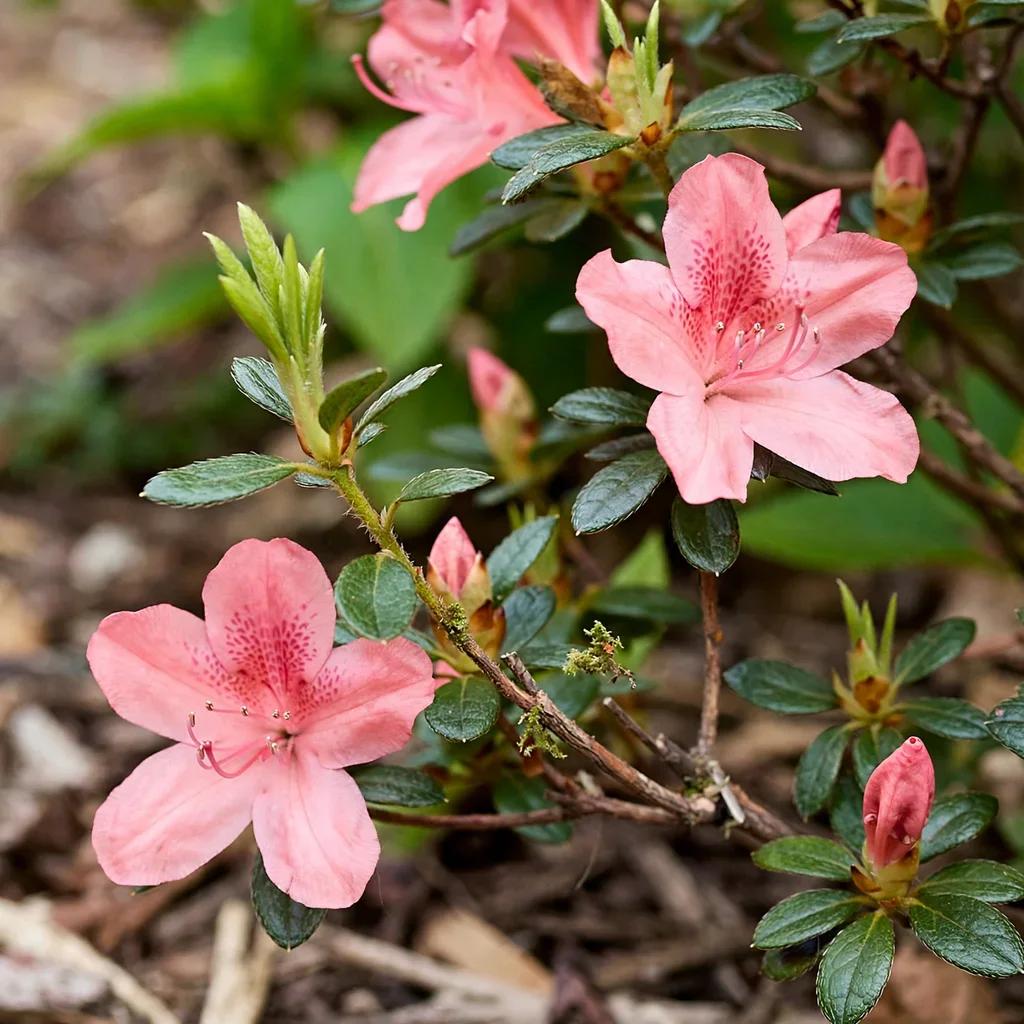
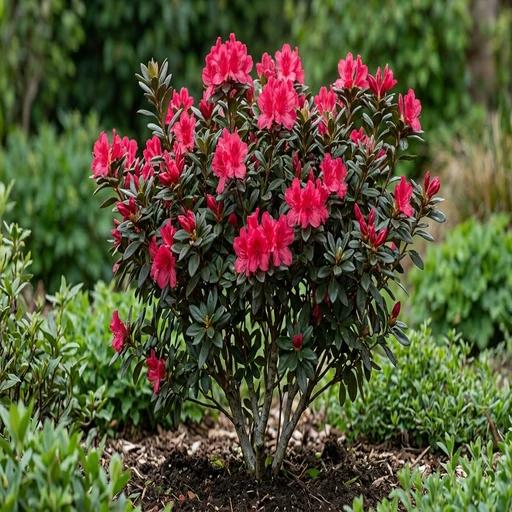
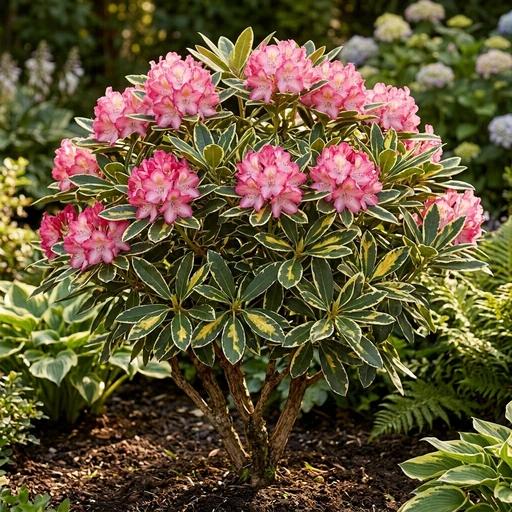
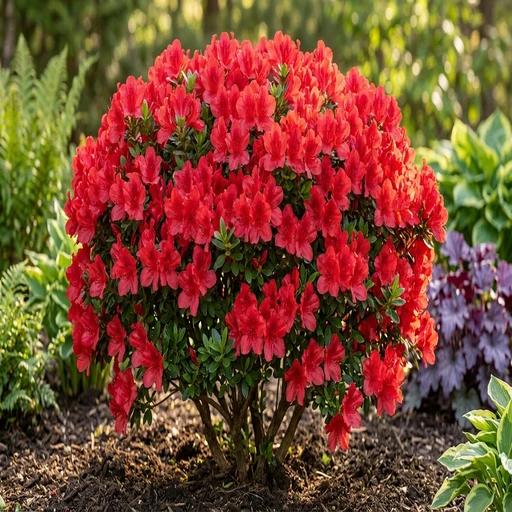
'Roblezf' is an evergreen shrub with stable variegated leaves displaying emerald green and chartreuse-yellow margins. It produces repeat flushes of funnel-shaped creamy white flowers speckled with purple from spring into fall.
Uses & Benefits:
Bred from more than one wild species, so it has no species page of its own.
Essentials
At a Glance
Plant Type
Shrub
Height
60"
Width
48"
Light
Full Sun, Partial Sun
Zones
7, 8, 9, 10
Water
Moderate
Humidity
High
Lifespan
Perennial
Native To
North America (cultivar origin)
Toxicity
Toxic if ingested
Bloom period
Spring – Fall
In flower about 9 months of the year
Planting
How to Grow
- Select a planting site receiving four to six hours of direct sunlight, preferably with morning sun and afternoon shade.
- Amend native soil with organic compost or peat moss to lower soil pH between 5.0 and 6.0 and improve aeration.
- Dig a shallow hole twice as wide as the root ball, setting the plant so the top of the root flare sits one inch above grade.
- Backfill with amended soil, water thoroughly, and spread a 2 to 4 inch layer of pine bark mulch around the base without touching the stem.
Pro Tip
Plant with the root flare resting slightly above the surrounding soil level to prevent stem rot, and prune only immediately after the spring bloom flush.
Keep It Thriving
Care Guide
Do
- Maintain consistent soil moisture, especially during heat spells in summer.
- Apply an acid-forming fertilizer formulated for azaleas in early spring.
- Maintain a protective layer of organic mulch over the shallow root zone.
Don't
- Do not plant in heavy, compacted clay or low-lying areas subject to standing water.
- Do not prune late in summer or fall, which removes the next season's flower buds.
- Do not bury the main stem or stack mulch directly against the root flare.
Seasonal Care Calendar
| Task | Jan | Feb | Mar | Apr | May | Jun | Jul | Aug | Sep | Oct | Nov | Dec |
|---|---|---|---|---|---|---|---|---|---|---|---|---|
| Fertilize | ||||||||||||
| Mulch | ||||||||||||
| Pest Check | ||||||||||||
| Prune |
Watch Out For
Pests & Diseases
Common Pests
Common Diseases
In the Garden
Landscape Uses & Companions
Landscape Uses
Companion Plants
Multiply
Propagation Methods
Good to Know
Common Questions
Autumn Moonstruck Azalea questions
What zones can Autumn Moonstruck Azalea grow in?
Autumn Moonstruck Azalea is hardy in USDA Zones 7–10: in that range it survives winter in the ground. Colder than Zone 7, grow it in a container you can move to shelter for the winter.
Is Autumn Moonstruck Azalea deer resistant?
Not reliably. Deer may browse Autumn Moonstruck Azalea, especially tender spring growth — plan on repellents or fencing where pressure is high.
When does Autumn Moonstruck Azalea bloom?
Autumn Moonstruck Azalea typically blooms from spring to fall. Exact timing shifts a week or two with your zone — Sow's bloom calendar maps it to your garden.
Does Autumn Moonstruck Azalea need full sun?
Autumn Moonstruck Azalea does best in full sun to part shade. In hot climates, afternoon shade keeps blooms fresher longer.
More Rhododendron to compare
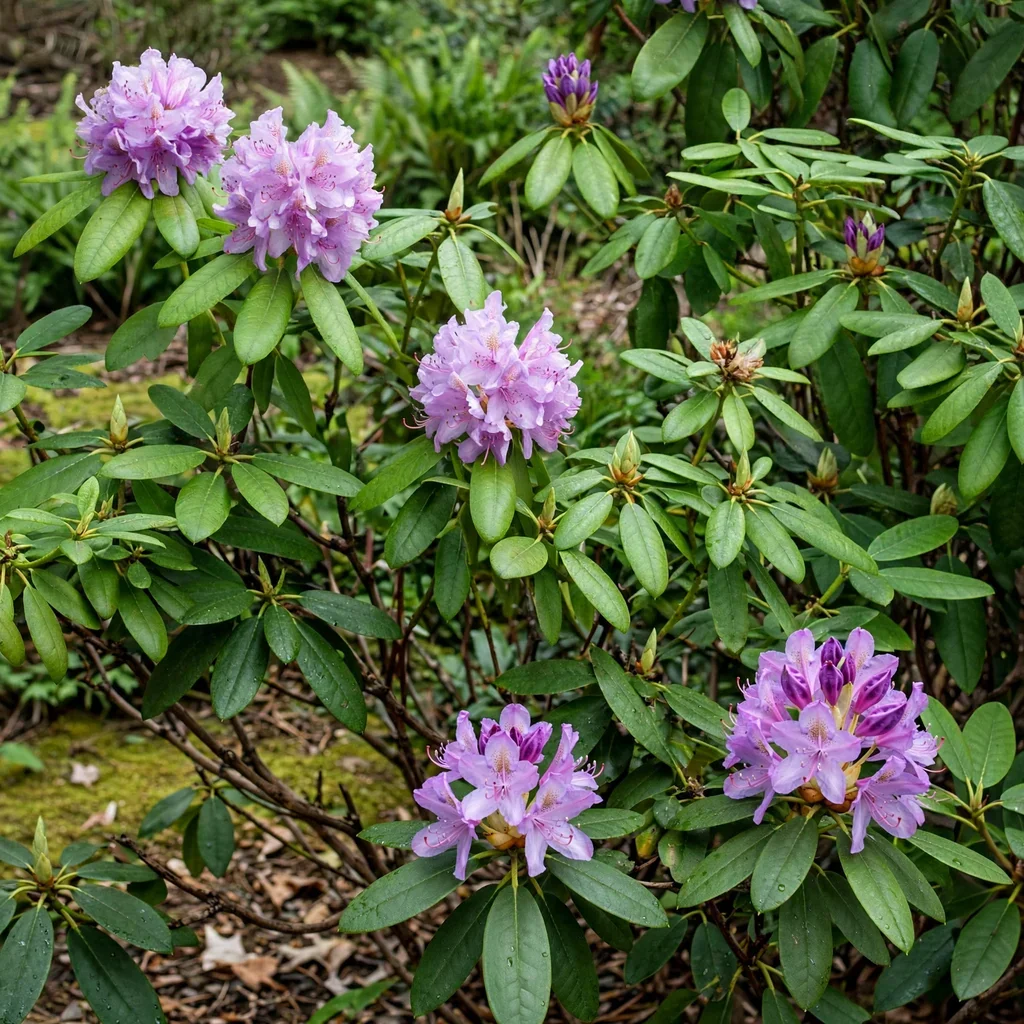
Catawba Rhododendron
Rhododendron catawbiense
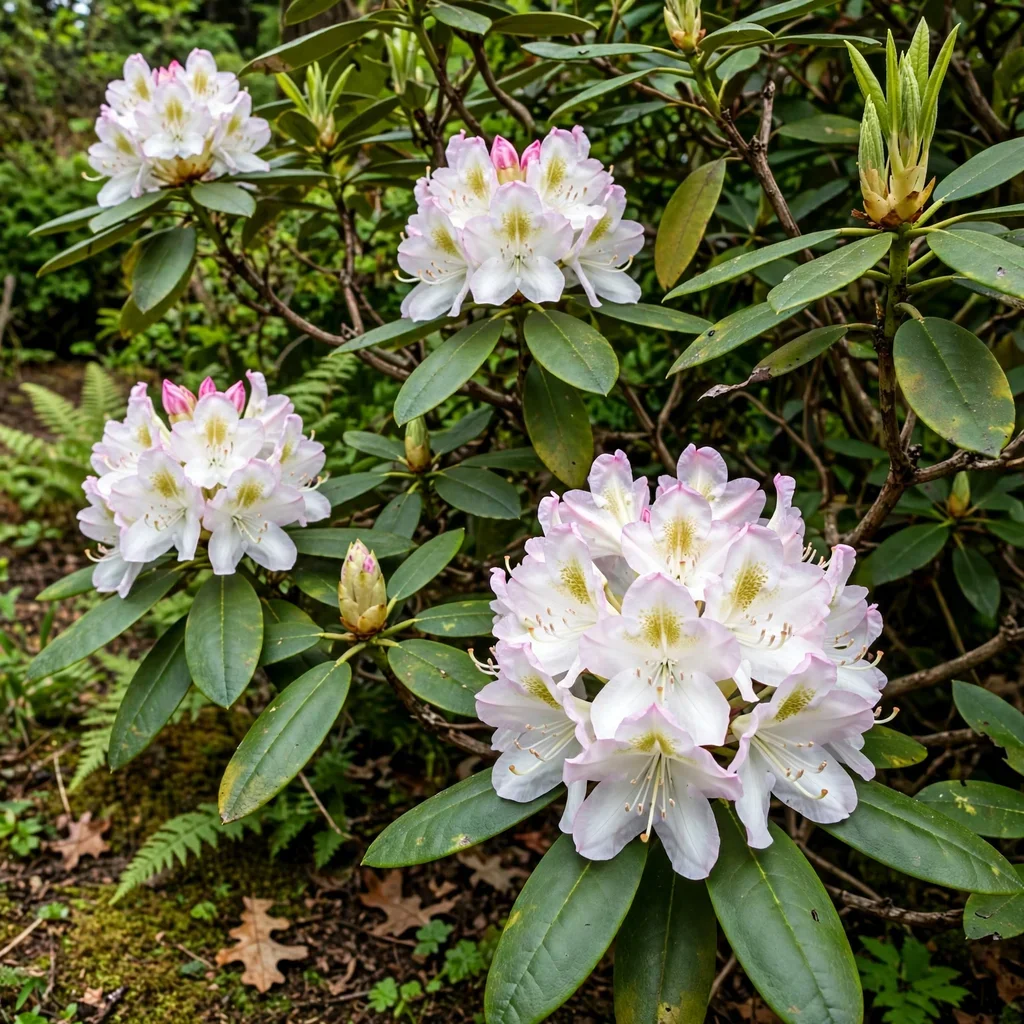
Great Laurel Rhododendron
Rhododendron maximum
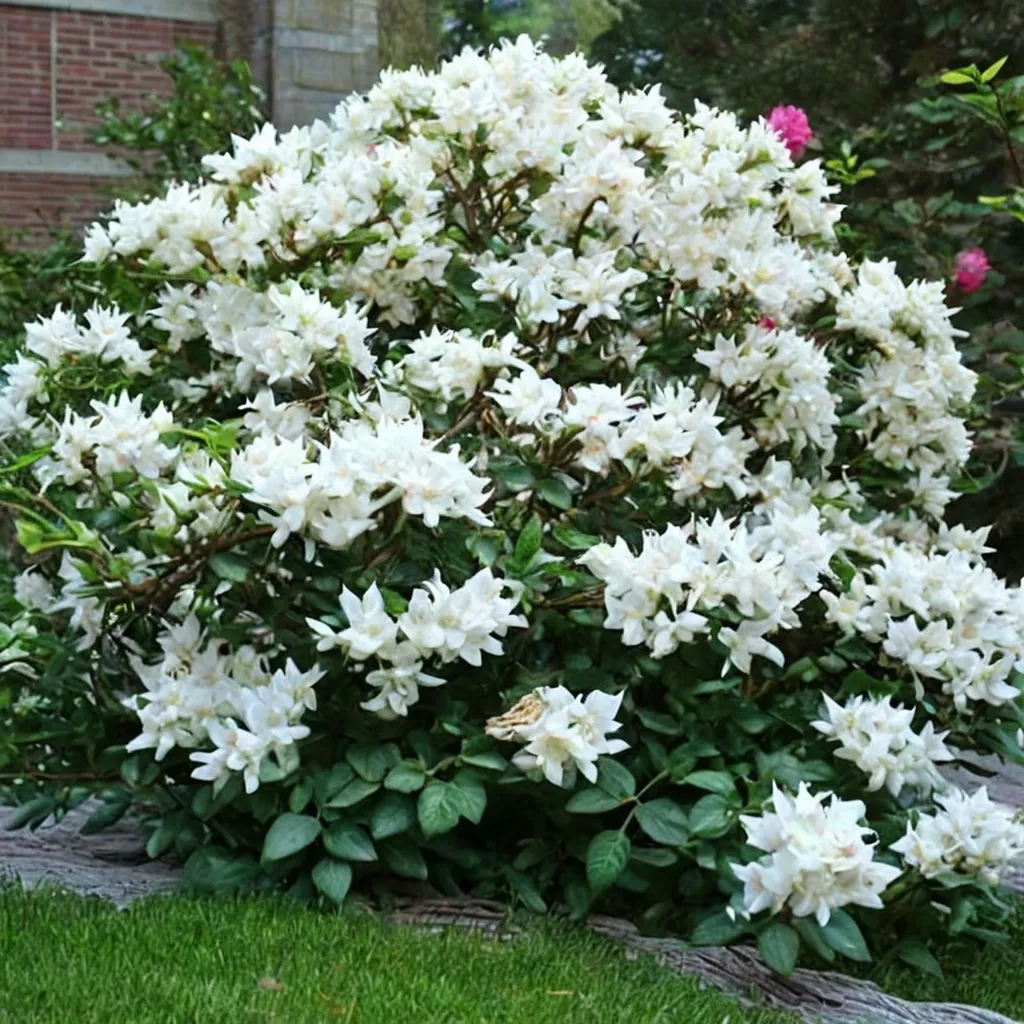
Double White Rhododendron
Rhododendron x hybrida 'Double White'
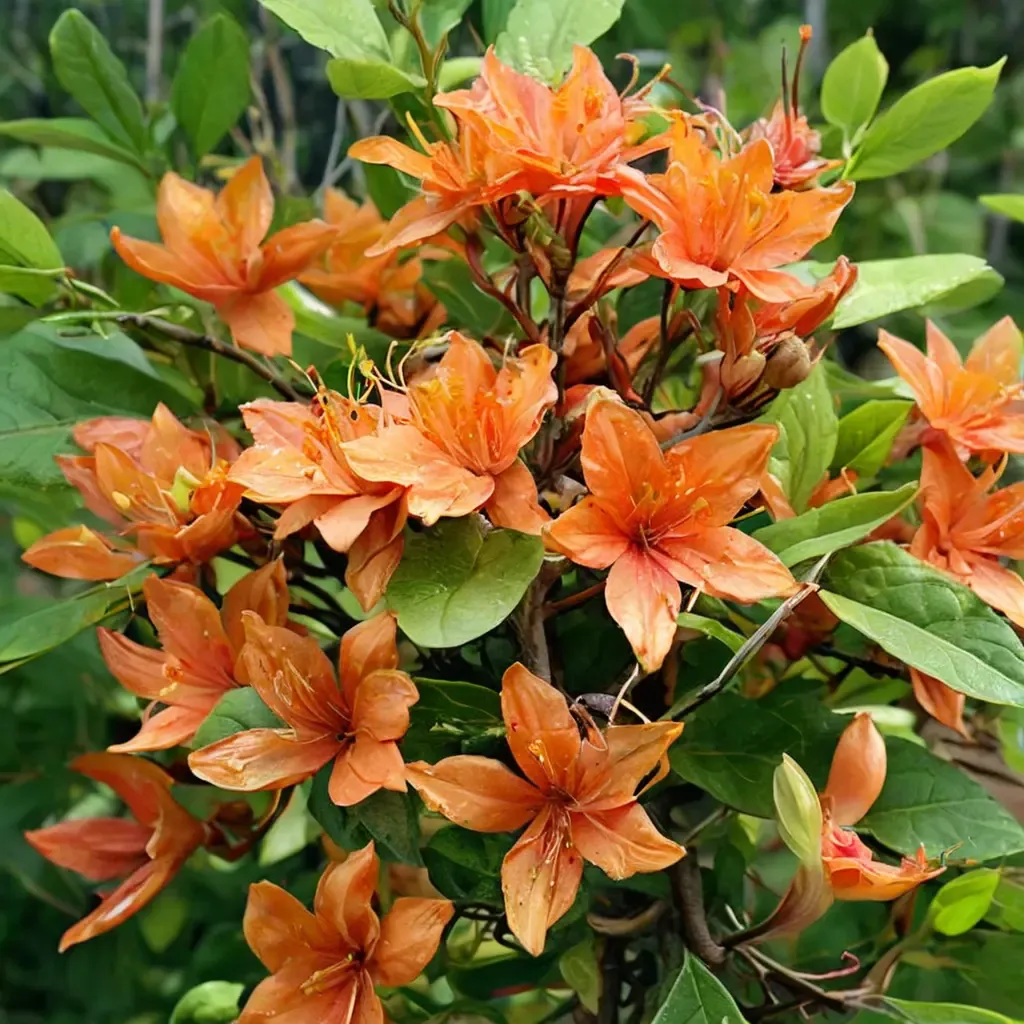
Flame Azalea
Rhododendron calendulaceum
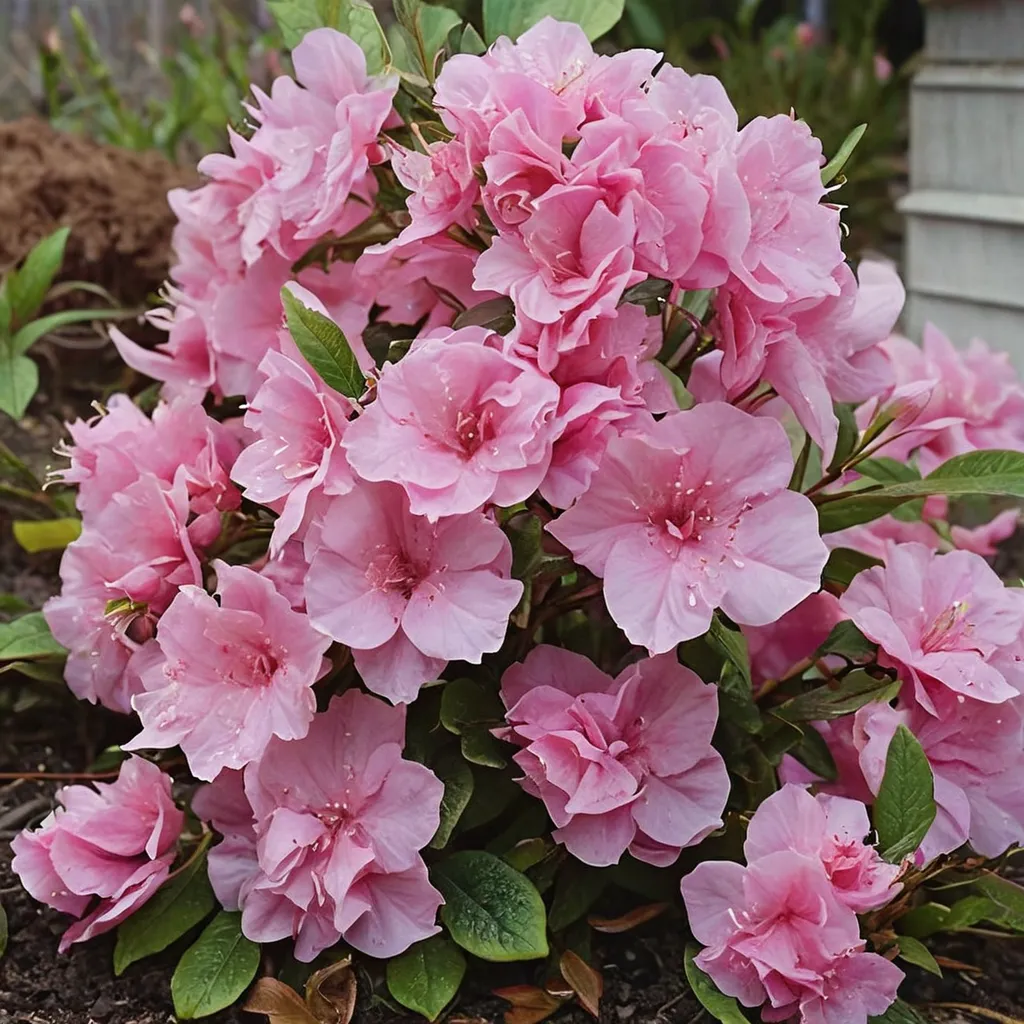
Rhododendron x hybrida Double Pink
Rhododendron x hybrida 'Double Pink'
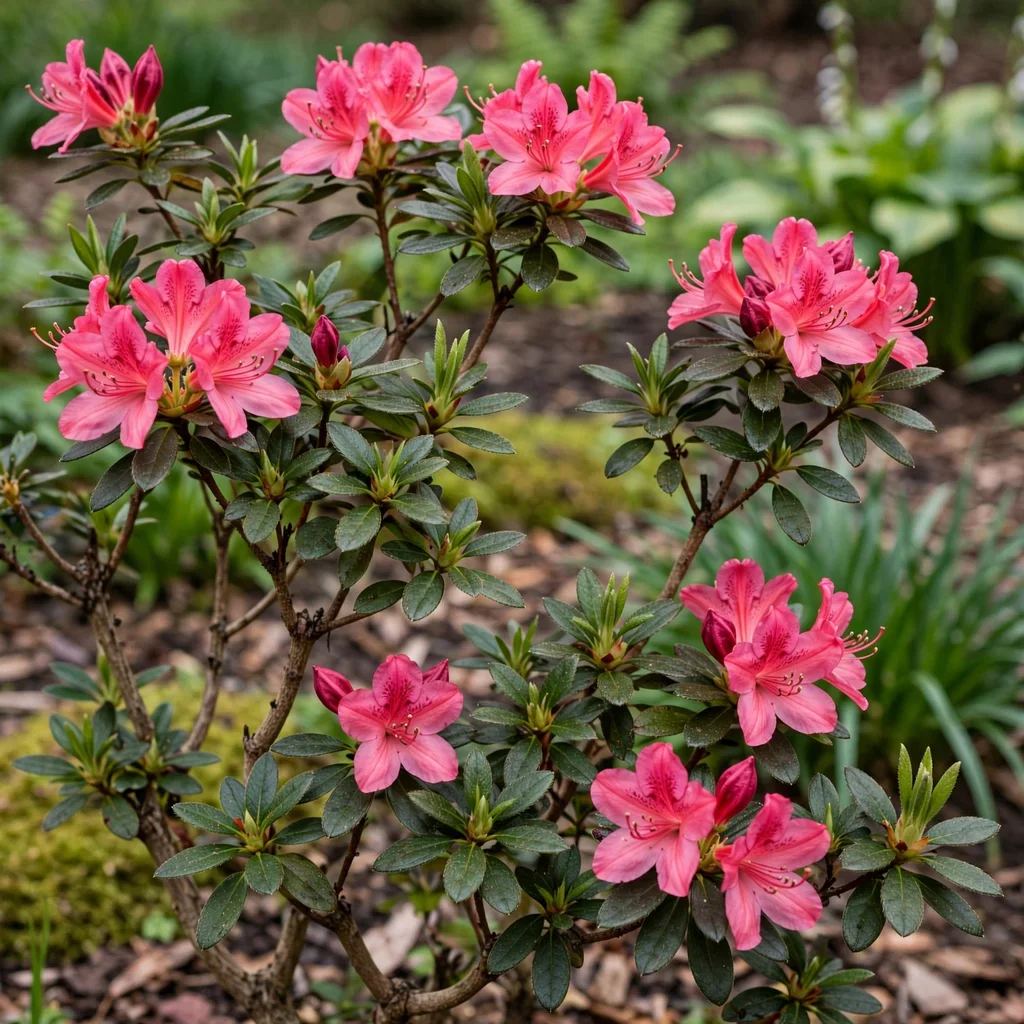
Bone Hardy Azalea
Rhododendron x hybrida 'Bone Hardy Azalea Sampler'
Keep exploring
Hardy in your zone?
Grow Autumn Moonstruck Azalea with confidence
See it in a design of your actual yard, get zone-matched care reminders, and track it season by season in your garden journal.