The Story
Plant Bio
Brachychiton bidwillii, commonly known as little kurrajong, is a deciduous shrub or small tree native to dry rainforest margins and open forests in eastern Australia. It forms a swollen, water-storing caudex when young and bears lobed, felty leaves that drop in spring as clusters of bell-shaped pinkish-red flowers burst directly from bare stems and the main trunk.
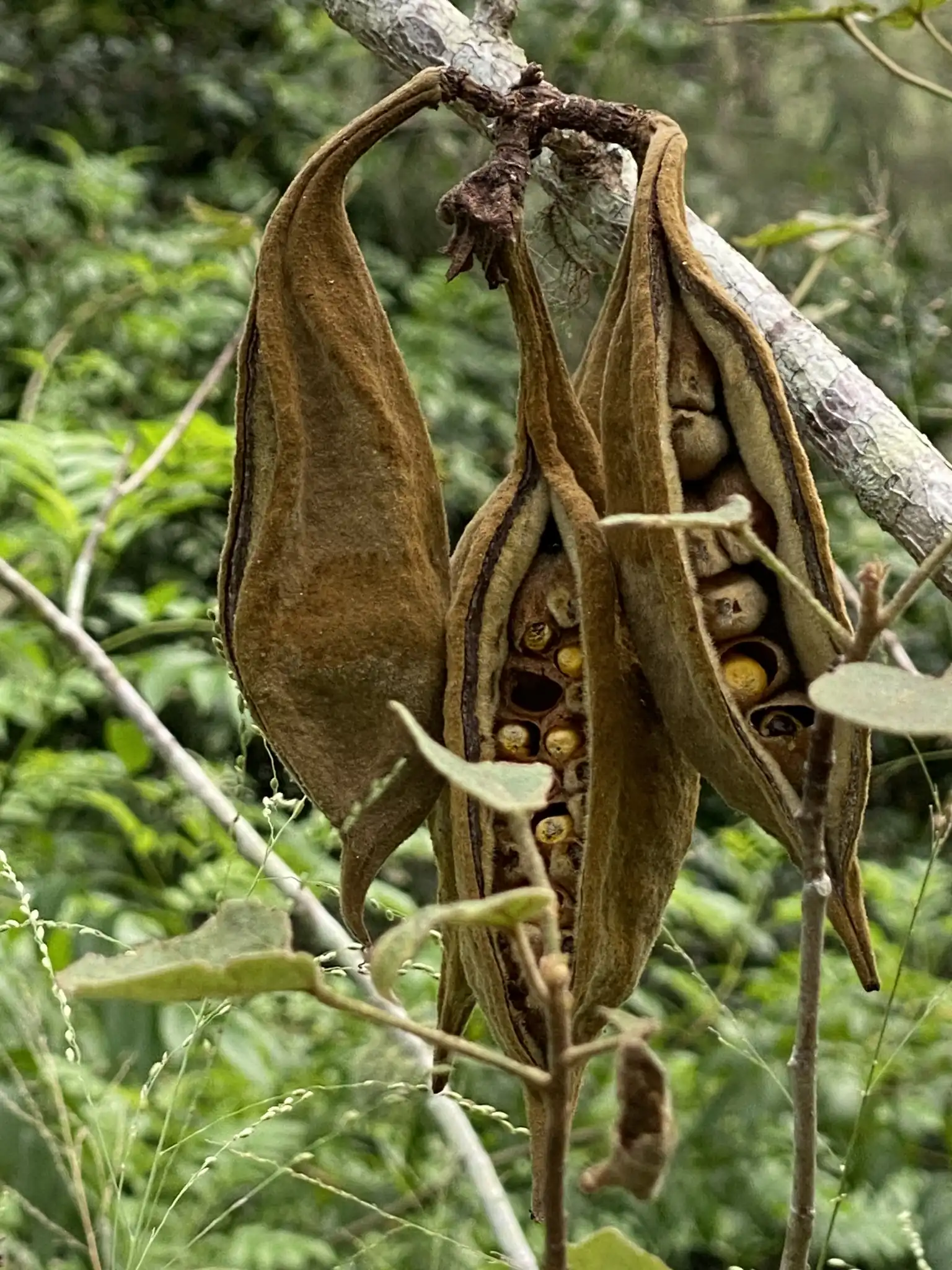
New leaf flushes emerge covered in dense rust-colored down before turning dull green above and paler beneath. The mature woody seed pods are densely filled with stiff, irritating hairs that cause mechanical skin irritation.
Uses & Benefits:
Essentials
At a Glance
Plant Type
Shrub
Height
118"
Width
118"
Light
Full Sun
Zones
9, 10
Water
Low
Humidity
Moderate
Lifespan
Perennial
Native To
Australia (Queensland, New South Wales)
Toxicity
Irritating seed pod hairs cause skin and eye dermatitis
Bloom period
Spring – Early summer
In flower about 4 months of the year
Planting
How to Grow
- Plant in a location that receives full sun to promote dense flower production.
- Ensure soil has exceptional drainage; incorporate coarse sand or gravel into heavy sites.
- Water regularly during the first growing season until the caudex establishes.
- Allow the soil to dry out between waterings once established to prevent root rot.
Pro Tip
Avoid heavy pruning into old leafless wood that lacks visible buds, as wood without active buds will fail to produce shoots.
Keep It Thriving
Care Guide
Do
- Do plant in loose, sharply draining soil mixtures.
- Do wear thick gloves when handling mature seed pods.
- Do protect container plants from freezing temperatures.
Don't
- Don't overwater during the winter dormancy period.
- Don't prune aggressively into bare, old leafless wood.
- Don't leave container plants sitting in saucers of standing water.
Seasonal Care Calendar
| Task | Jan | Feb | Mar | Apr | May | Jun | Jul | Aug | Sep | Oct | Nov | Dec |
|---|---|---|---|---|---|---|---|---|---|---|---|---|
| Fertilize | ||||||||||||
| Pest Check | ||||||||||||
| Prune | ||||||||||||
| Winter Prep |
Watch Out For
Pests & Diseases
Common Pests
Common Diseases
In the Garden
Landscape Uses & Companions
Landscape Uses
Companion Plants
Multiply
Propagation Methods
Good to Know
Common Questions
Little Kurrajong questions
What zones can Little Kurrajong grow in?
Little Kurrajong is hardy in USDA Zones 9–10: in that range it survives winter in the ground. Colder than Zone 9, grow it in a container you can move to shelter for the winter.
Is Little Kurrajong deer resistant?
Not reliably. Deer may browse Little Kurrajong, especially tender spring growth — plan on repellents or fencing where pressure is high.
When does Little Kurrajong bloom?
Little Kurrajong typically blooms from early spring to early summer. Exact timing shifts a week or two with your zone — Sow's bloom calendar maps it to your garden.
Does Little Kurrajong need full sun?
Little Kurrajong does best in full sun (6+ hours).
Is Little Kurrajong drought tolerant?
Yes — once established (usually after the first full season), Little Kurrajong handles dry spells with minimal watering. Water deeply its first year to build the root system that makes that possible.
More Brachychiton to compare
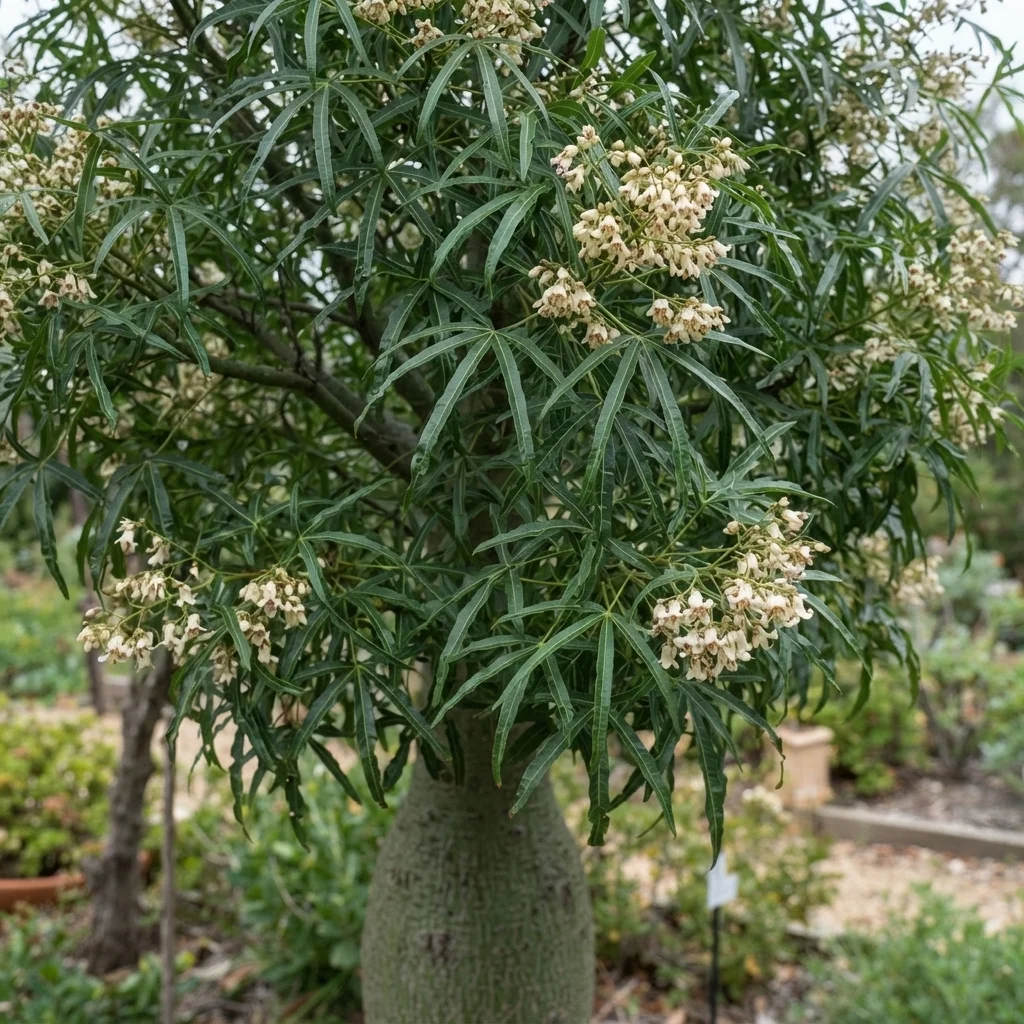
Queensland Bottle Tree
Brachychiton rupestris
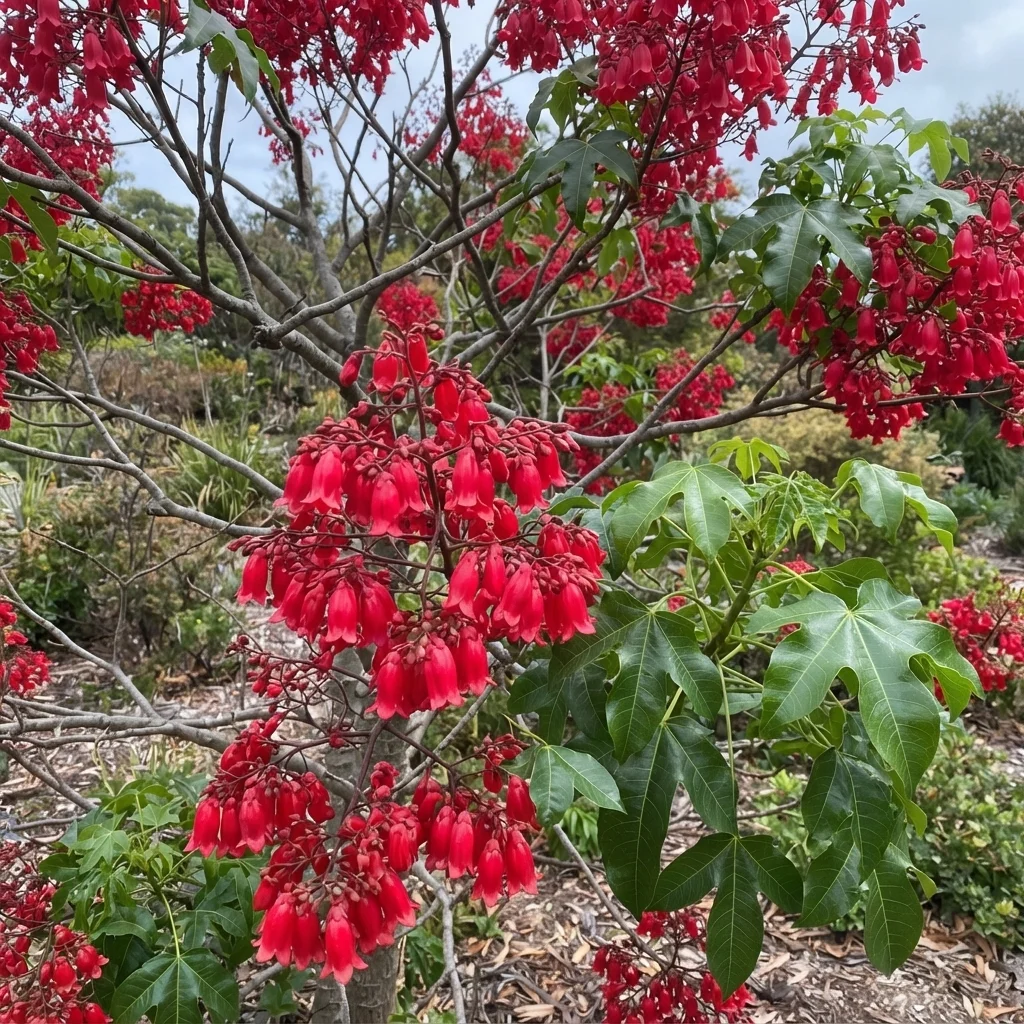
Illawarra Flame Tree
Brachychiton acerifolius
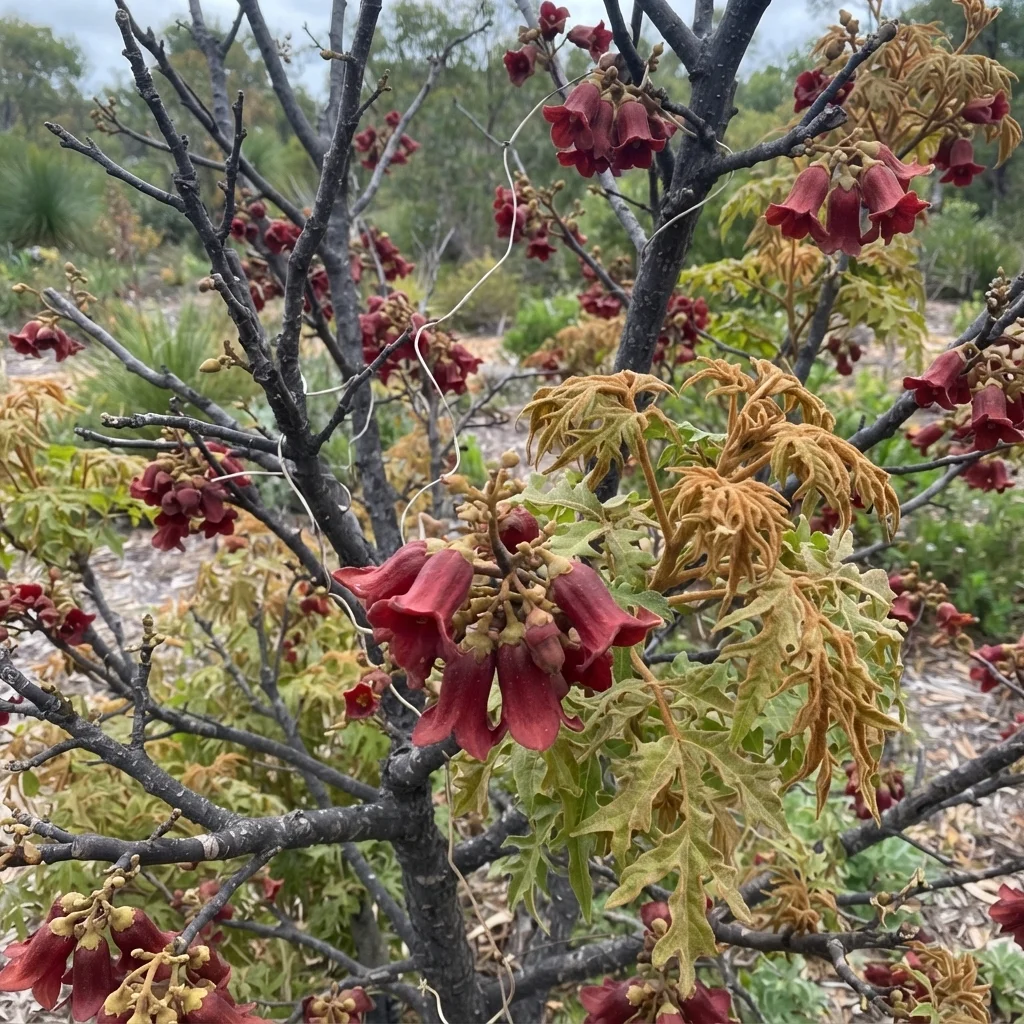
Red-flowered Kurrajong
Brachychiton paradoxus
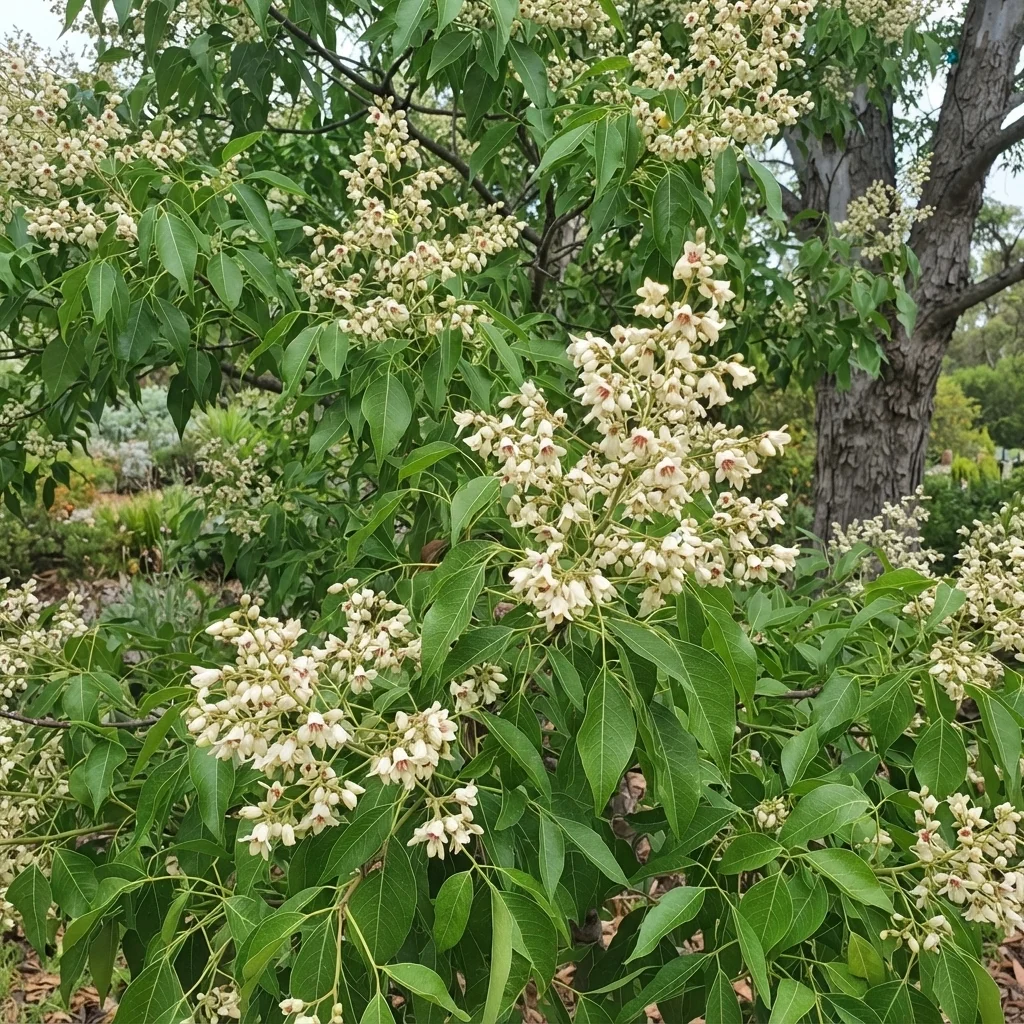
Kurrajong
Brachychiton populneus
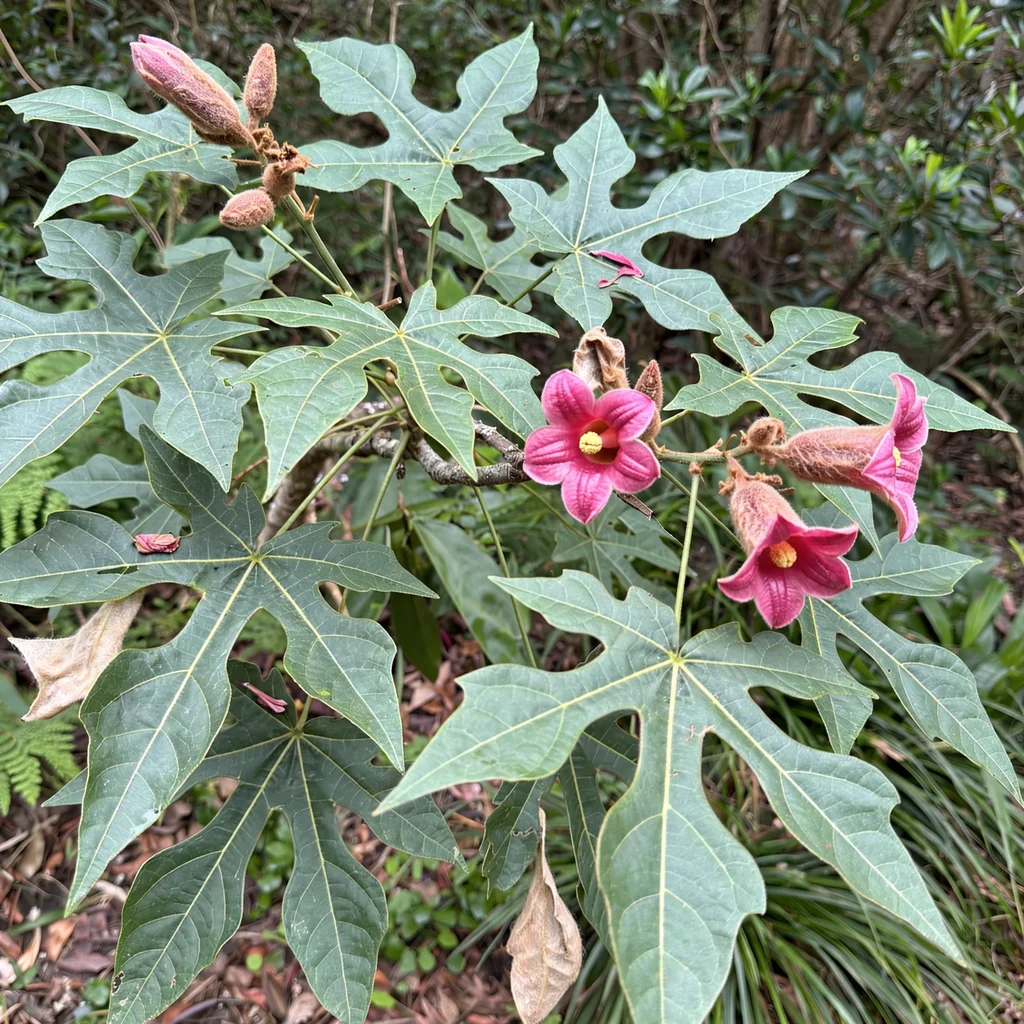
Lacebark
Brachychiton discolor
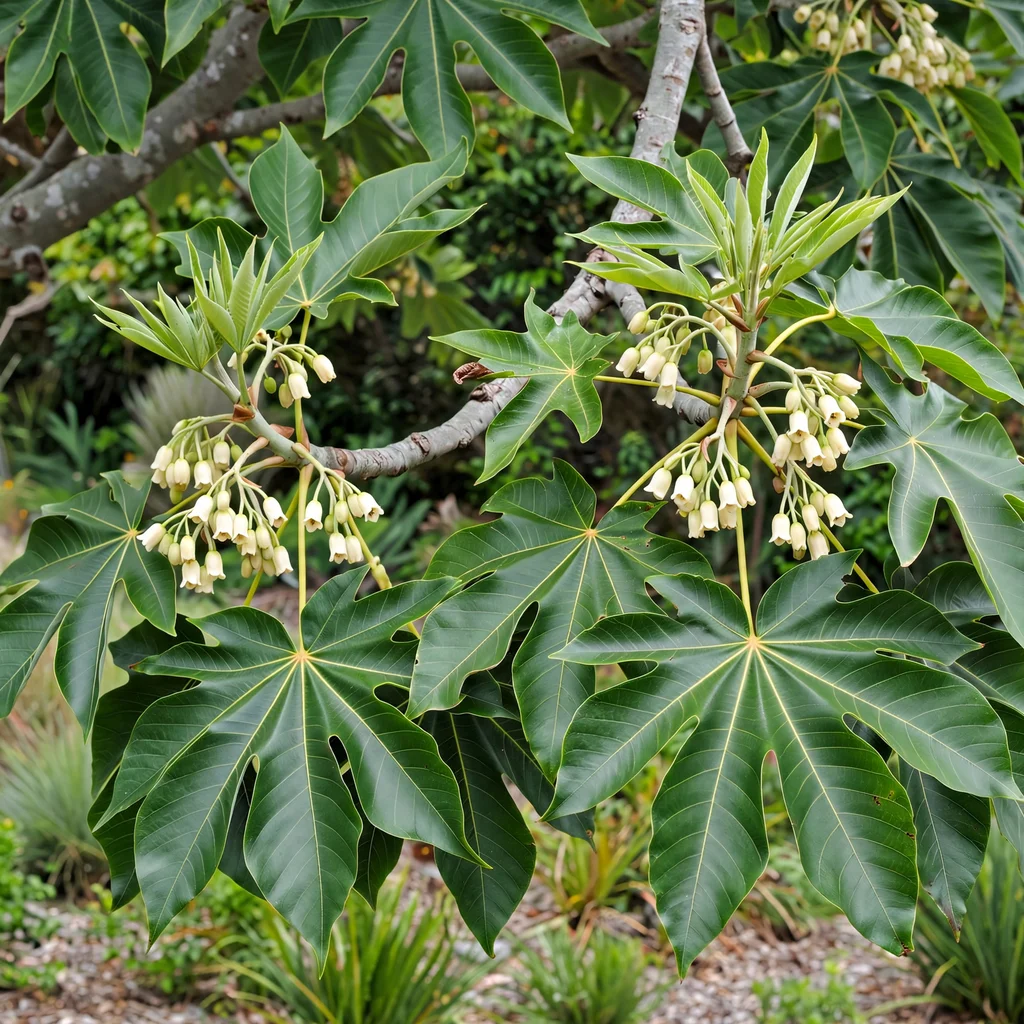
Broad-leaved Bottle Tree
Brachychiton australis
Keep exploring
Explore the genus
Hardy in your zone?
Grow Little Kurrajong with confidence
See it in a design of your actual yard, get zone-matched care reminders, and track it season by season in your garden journal.