The Story
Plant Bio
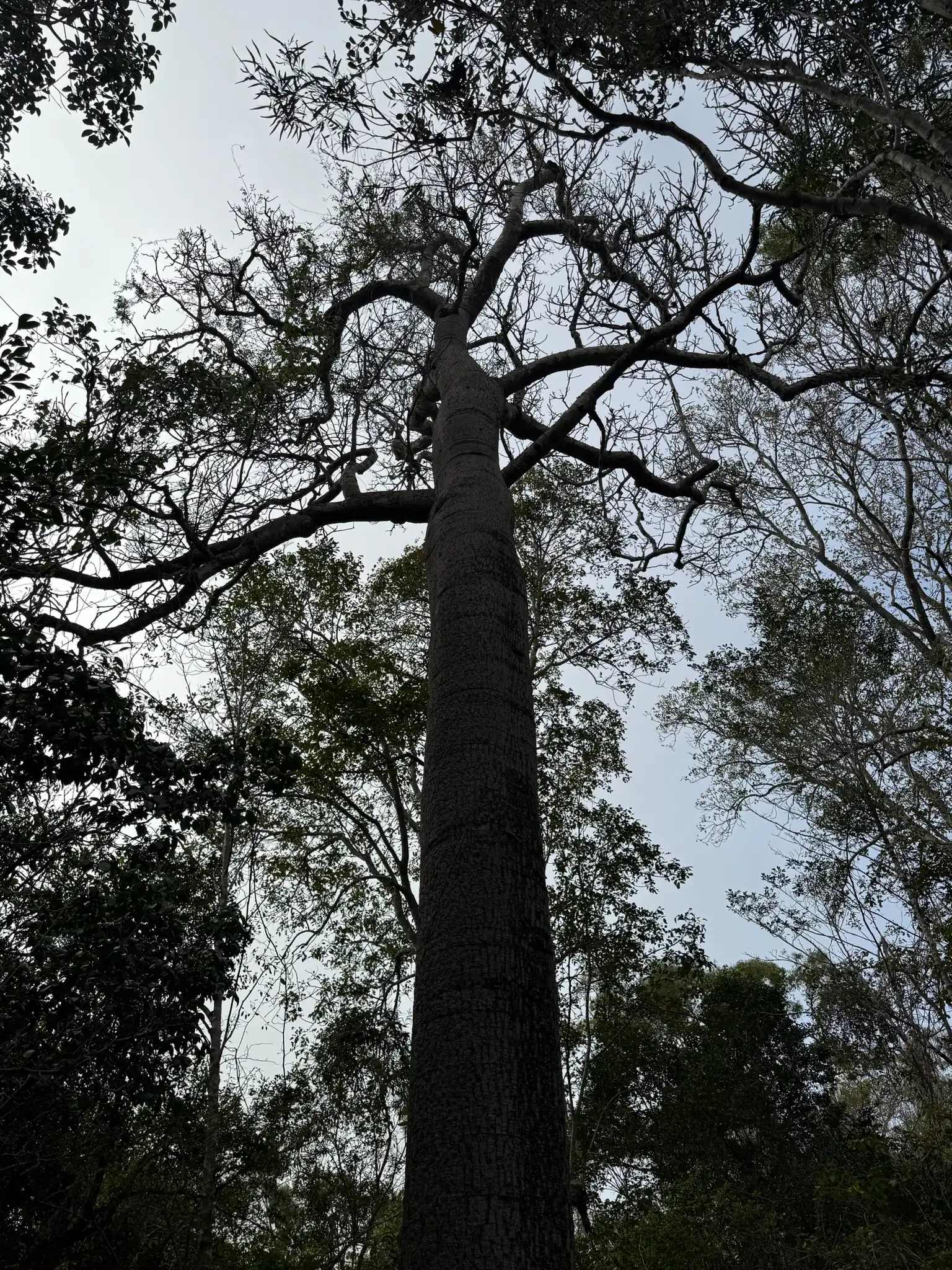
Brachychiton australis, the broad-leaved bottle tree, is a deciduous tree native to Queensland that develops a swollen, water-storing pachycaul trunk as it matures. It produces glossy, palmately lobed leaves up to eight inches wide and drops its canopy in winter before producing clusters of bell-shaped white to cream flowers.
Unlike the closely related Queensland bottle tree, this species features distinctly broader leaves with deep palmate lobes and a pale trunk. Its leafless winter flowering period exposes dense clusters of pale, star-shaped blooms across the branches before fresh spring foliage emerges.
Uses & Benefits:
Essentials
At a Glance
Plant Type
Tree
Height
472"
Width
236"
Light
Full Sun
Zones
9, 10
Water
Low
Humidity
Low to Moderate
Lifespan
Perennial
Native To
Australia
Toxicity
Irritating seed hairs
Bloom period
Winter – Late spring
In flower about 6 months of the year
Planting
How to Grow
- Select a planting location in full sun with sharp drainage and ample space for the swollen trunk to expand.
- Dig a planting hole twice as wide as the root ball and equal in depth to the container, maintaining the existing trunk line.
- Backfill with unamended native soil, firming gently around the base to eliminate air pockets.
- Water thoroughly to settle the soil, then allow the substrate to dry out significantly between subsequent irrigations.
Pro Tip
Plant in free-draining soil and withhold supplemental water during winter dormancy; excess soil moisture while the tree is leafless causes trunk rot.
Keep It Thriving
Care Guide
Do
- Plant in soil with sharp drainage to prevent root rot.
- Allow the root zone to dry out completely between waterings.
- Wear protective gloves when handling mature seed pods.
Don't
- Do not overwater during winter when the canopy is leafless.
- Avoid heavy pruning into old, leafless woody branches.
- Do not apply heavy applications of high-nitrogen fertilizer.
Seasonal Care Calendar
| Task | Jan | Feb | Mar | Apr | May | Jun | Jul | Aug | Sep | Oct | Nov | Dec |
|---|---|---|---|---|---|---|---|---|---|---|---|---|
| Fertilize | ||||||||||||
| Pest Check | ||||||||||||
| Prune | ||||||||||||
| Winter Prep |
Watch Out For
Pests & Diseases
Common Pests
Common Diseases
In the Garden
Landscape Uses & Companions
Landscape Uses
Multiply
Propagation Methods
Good to Know
Common Questions
Broad-leaved Bottle Tree questions
What zones can Broad-leaved Bottle Tree grow in?
Broad-leaved Bottle Tree is hardy in USDA Zones 9–10: in that range it survives winter in the ground. Colder than Zone 9, winters are too cold for it to survive outdoors.
When does Broad-leaved Bottle Tree bloom?
Broad-leaved Bottle Tree typically blooms from winter to spring. Exact timing shifts a week or two with your zone — Sow's bloom calendar maps it to your garden.
Does Broad-leaved Bottle Tree need full sun?
Broad-leaved Bottle Tree does best in full sun (6+ hours).
Is Broad-leaved Bottle Tree drought tolerant?
Yes — once established (usually after the first full season), Broad-leaved Bottle Tree handles dry spells with minimal watering. Water deeply its first year to build the root system that makes that possible.
More Brachychiton to compare
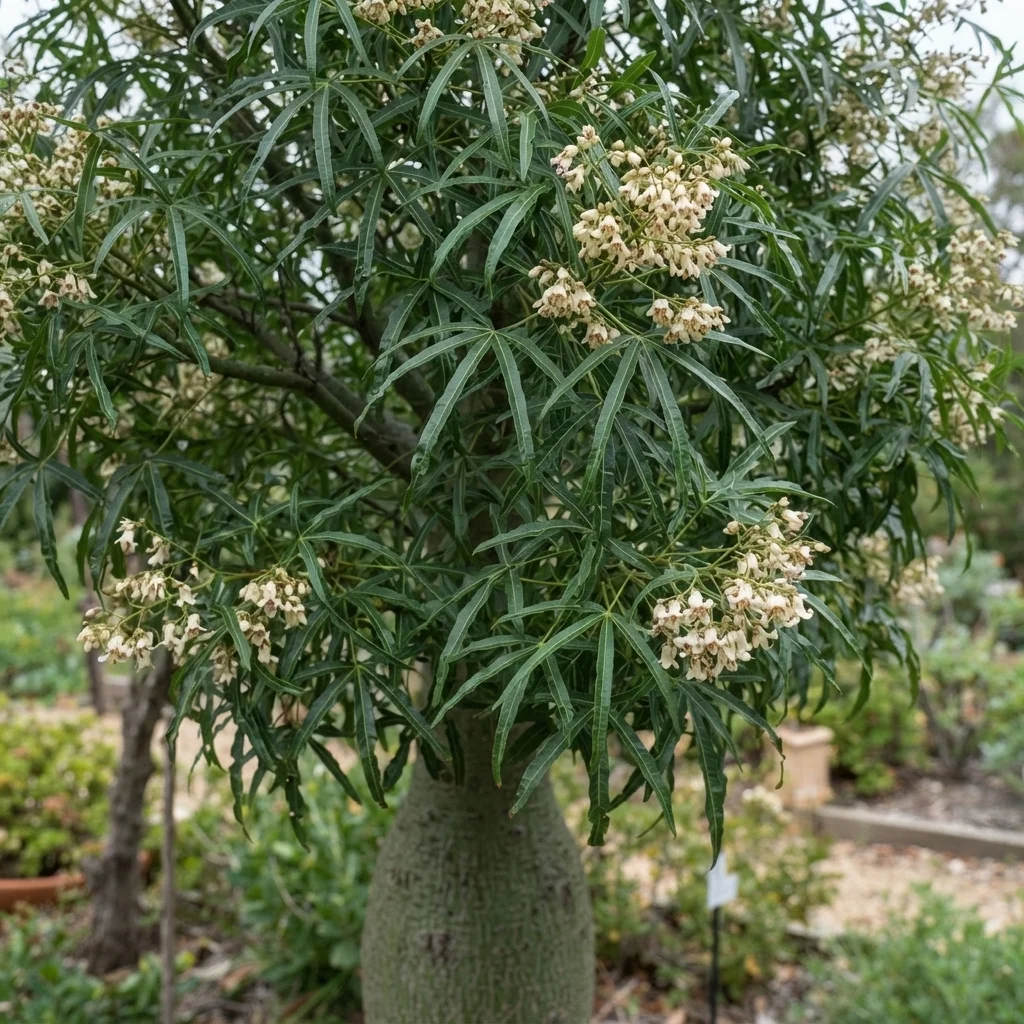
Queensland Bottle Tree
Brachychiton rupestris
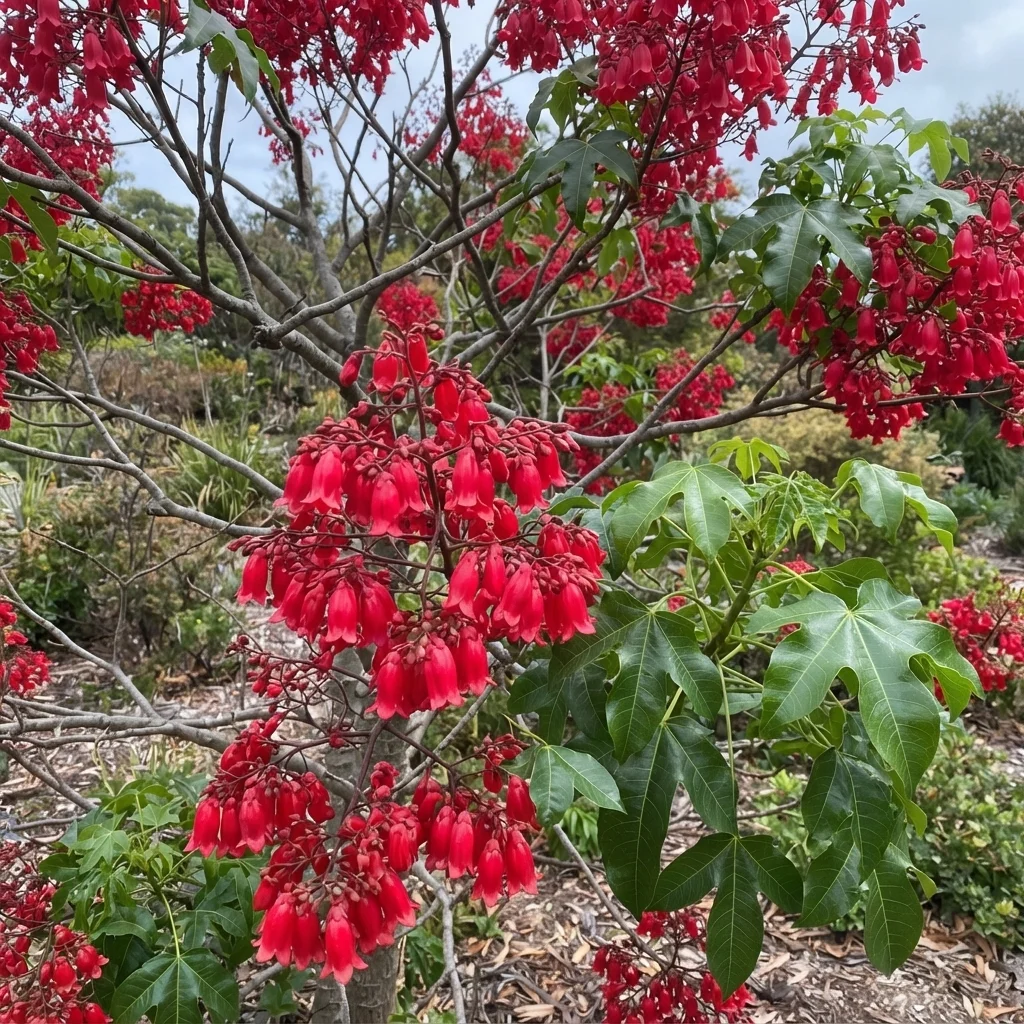
Illawarra Flame Tree
Brachychiton acerifolius
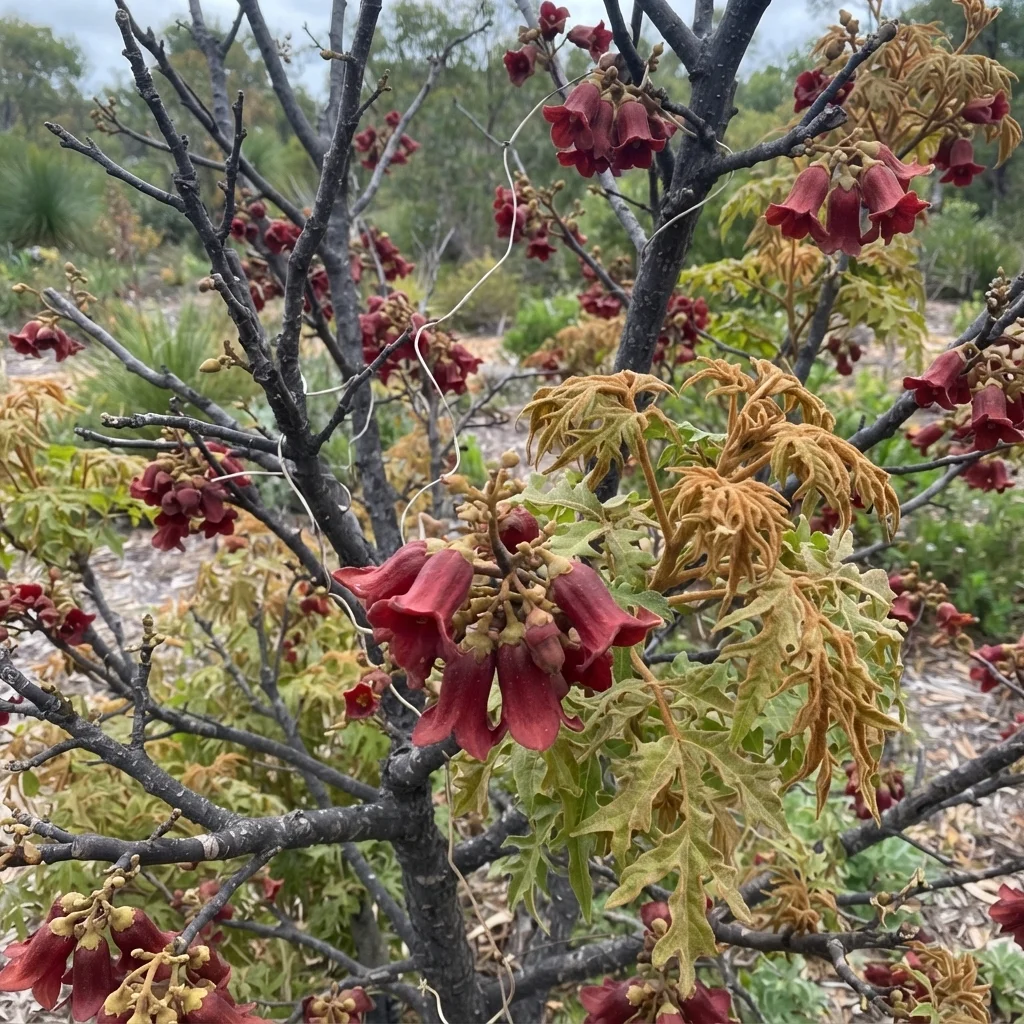
Red-flowered Kurrajong
Brachychiton paradoxus
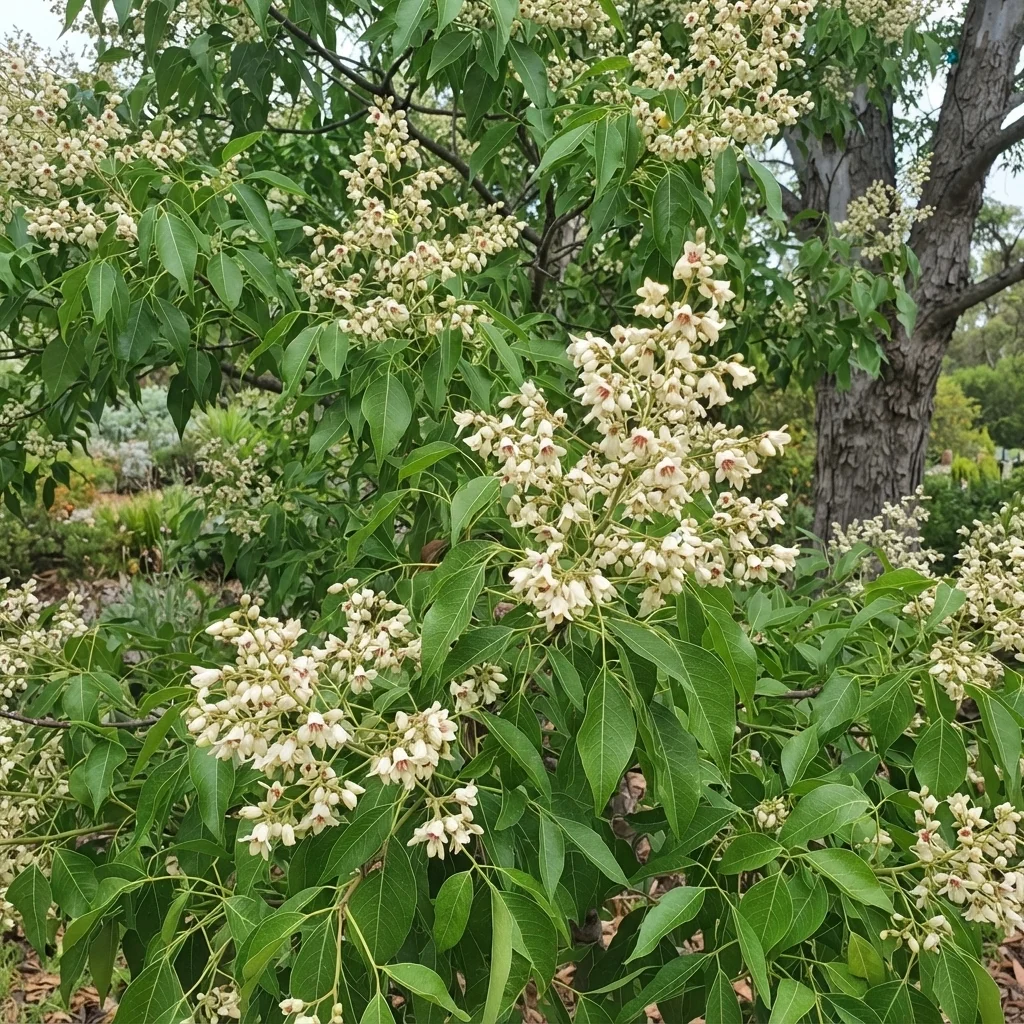
Kurrajong
Brachychiton populneus
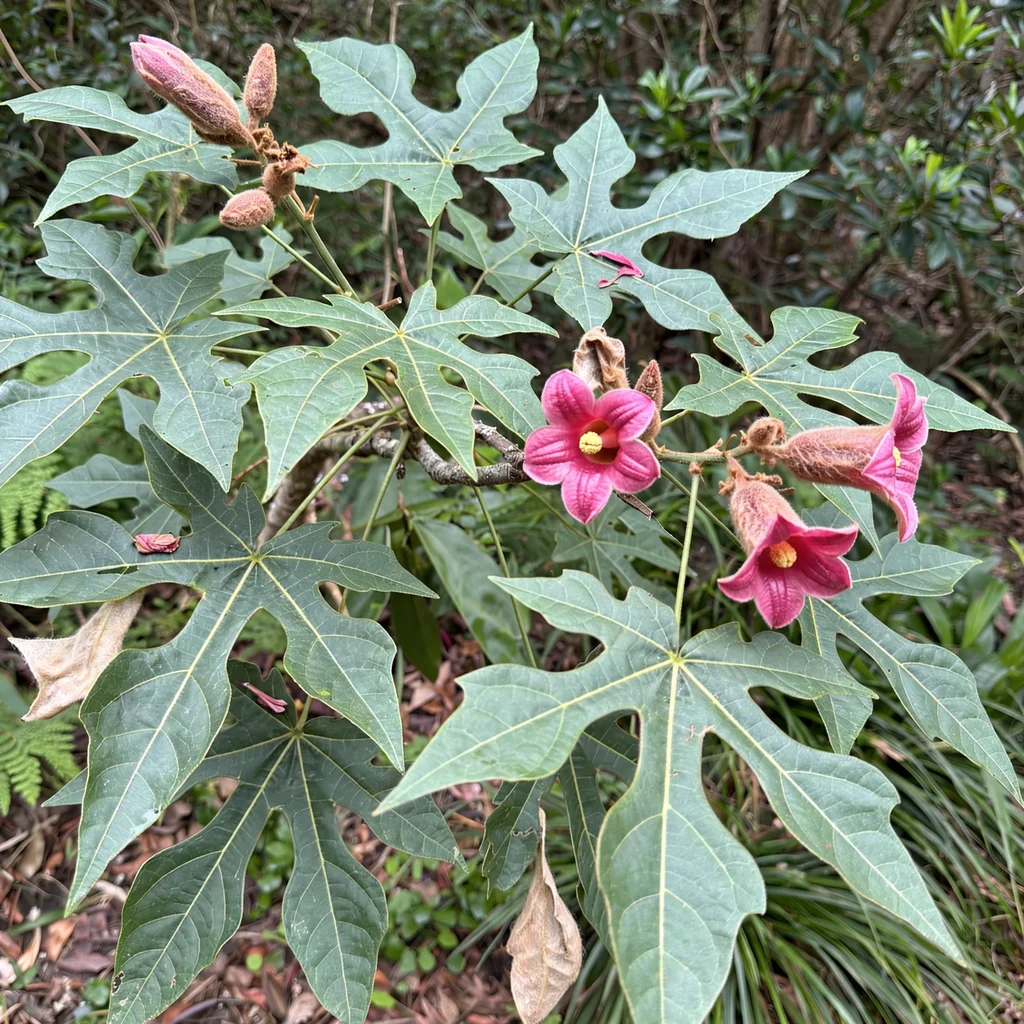
Lacebark
Brachychiton discolor
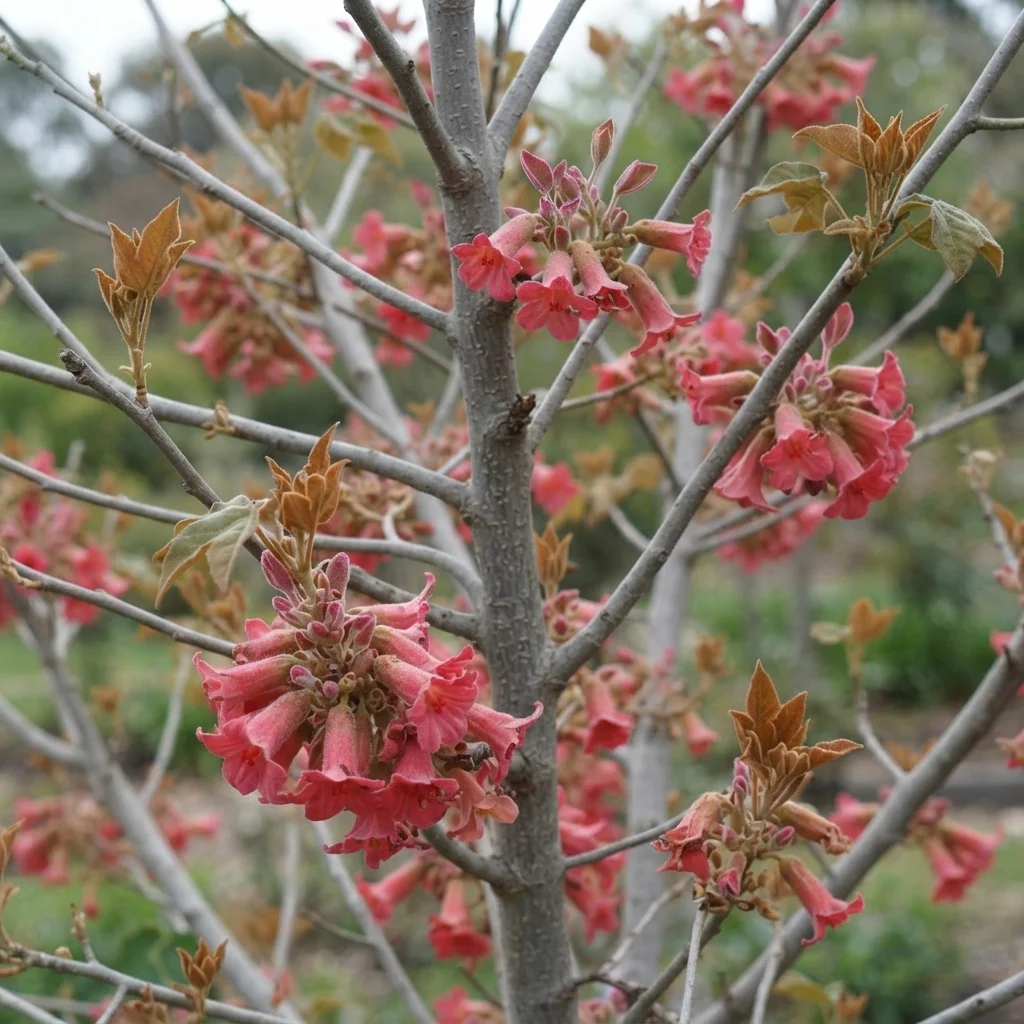
Little Kurrajong
Brachychiton bidwillii
Keep exploring
Explore the genus
Hardy in your zone?
Grow Broad-leaved Bottle Tree with confidence
See it in a design of your actual yard, get zone-matched care reminders, and track it season by season in your garden journal.