The Story
Plant Bio
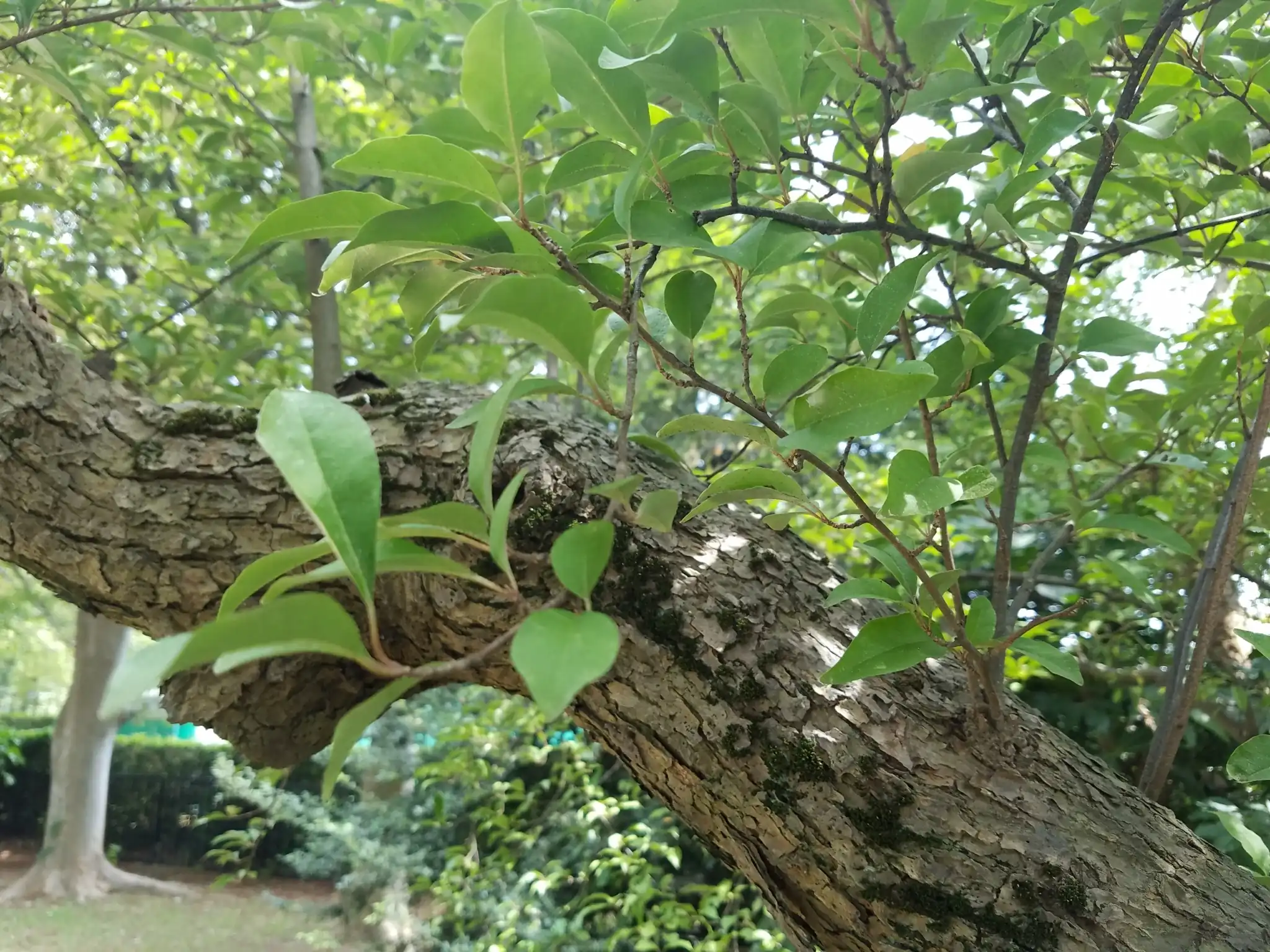
Elaeagnus multiflora is a rounded, multi-stemmed deciduous shrub reaching six to ten feet tall and wide, with green leaves that shimmer silvery-green above and silver beneath. The small apetalous bells open silvery-white in fragrant spring clusters, followed by bright red silver-speckled drupes on long stalks in early summer, while Frankia nodules on the roots fix nitrogen.
Unlike autumn olive and Russian olive, goumi bears its cherry-sized red fruit on distinct stalks about a half to one inch long and remains the least aggressive spreader of the commonly grown elaeagnus. It crops heaviest in full sun, and the early-summer fruit softens to cherry flavor but is stripped quickly by birds if left uncovered.
Uses & Benefits:
Essentials
At a Glance
Plant Type
Shrub
Height
120"
Width
120"
Light
Full Sun, Partial Sun
Zones
4, 5, 6, 7, 8, 9
Water
Medium
Humidity
Adaptable
Lifespan
Woody deciduous shrub
Native To
China, Japan, Korea
Toxicity
Non-toxic
Bloom period
Spring – Early summer
In flower about 4 months of the year
Planting
How to Grow
- Plant in full sun for heaviest fruit, with part shade tolerated, in average well-drained soil.
- Set the crown at nursery depth with room to reach six to ten feet tall and wide for air flow.
- Water to keep soil evenly moist until established, then water during extended dry spells.
- Net branches as fruit colors to red in early summer and pick when fully red and soft.
- Thin after harvest to remove damaged wood and keep the center open.
Pro Tip
Site in full sun with room for air flow and net the branches as the drupes turn red; birds take the crop just before it tastes ripe.
Keep It Thriving
Care Guide
Do
- Plant in full sun where you want fruit and allow space for air circulation.
- Keep soil medium-moist and well-drained until rooted, using sand or clay loam.
- Net shrubs before the red-speckled drupes fully ripen.
Don't
- Do not use overhead watering that keeps foliage wet.
- Do not leave ripe fruit unpicked where birds will disperse seed.
- Do not confuse it with autumn olive, Russian olive or thorny olive, which spread aggressively.
Seasonal Care Calendar
| Task | Jan | Feb | Mar | Apr | May | Jun | Jul | Aug | Sep | Oct | Nov | Dec |
|---|---|---|---|---|---|---|---|---|---|---|---|---|
| Harvest | ||||||||||||
| Mulch | ||||||||||||
| Pest Check | ||||||||||||
| Plant | ||||||||||||
| Prune |
Watch Out For
Pests & Diseases
Common Pests
Common Diseases
In the Garden
Landscape Uses & Companions
Landscape Uses
Multiply
Propagation Methods
Good to Know
Common Questions
Goumi questions
What zones can Goumi grow in?
Goumi is hardy in USDA Zones 4–9: in that range it survives winter in the ground. Warmer than Zone 9, winter isn't the problem: it prefers colder winters, and summer heat can shorten its life.
When does Goumi bloom?
Goumi typically blooms from early spring to early summer. Exact timing shifts a week or two with your zone — Sow's bloom calendar maps it to your garden.
Does Goumi need full sun?
Goumi does best in full sun to part shade. In hot climates, afternoon shade keeps blooms fresher longer.
Is Goumi drought tolerant?
Yes — once established (usually after the first full season), Goumi handles dry spells with minimal watering. Water deeply its first year to build the root system that makes that possible.
More Elaeagnus to compare
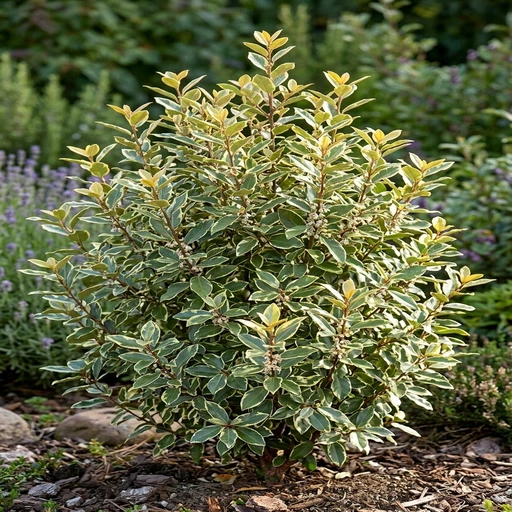
Viveleg Ebbing's Silverberry
Elaeagnus ebbingei 'Viveleg'
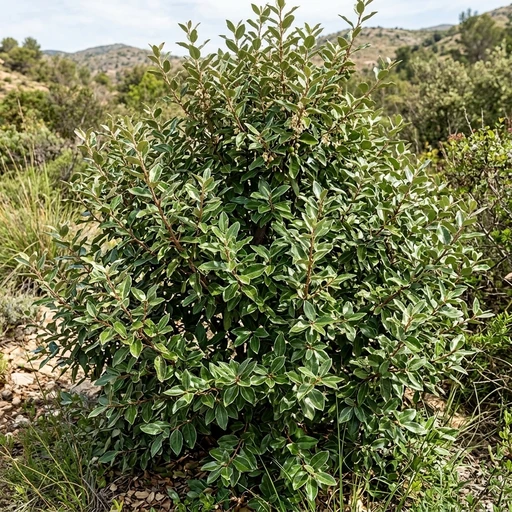
Thorny Olive
Elaeagnus pungens
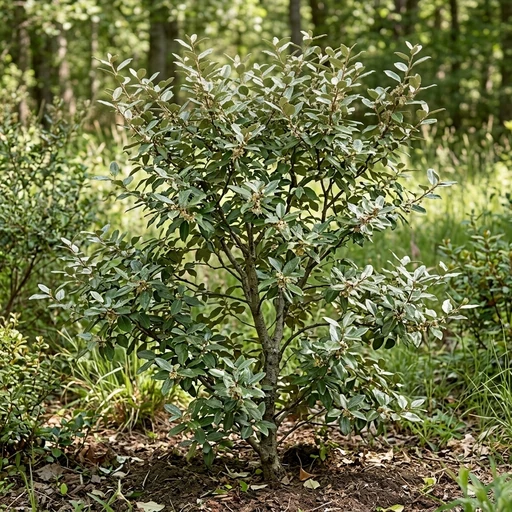
Ebbing's Silverberry
Elaeagnus ebbingei
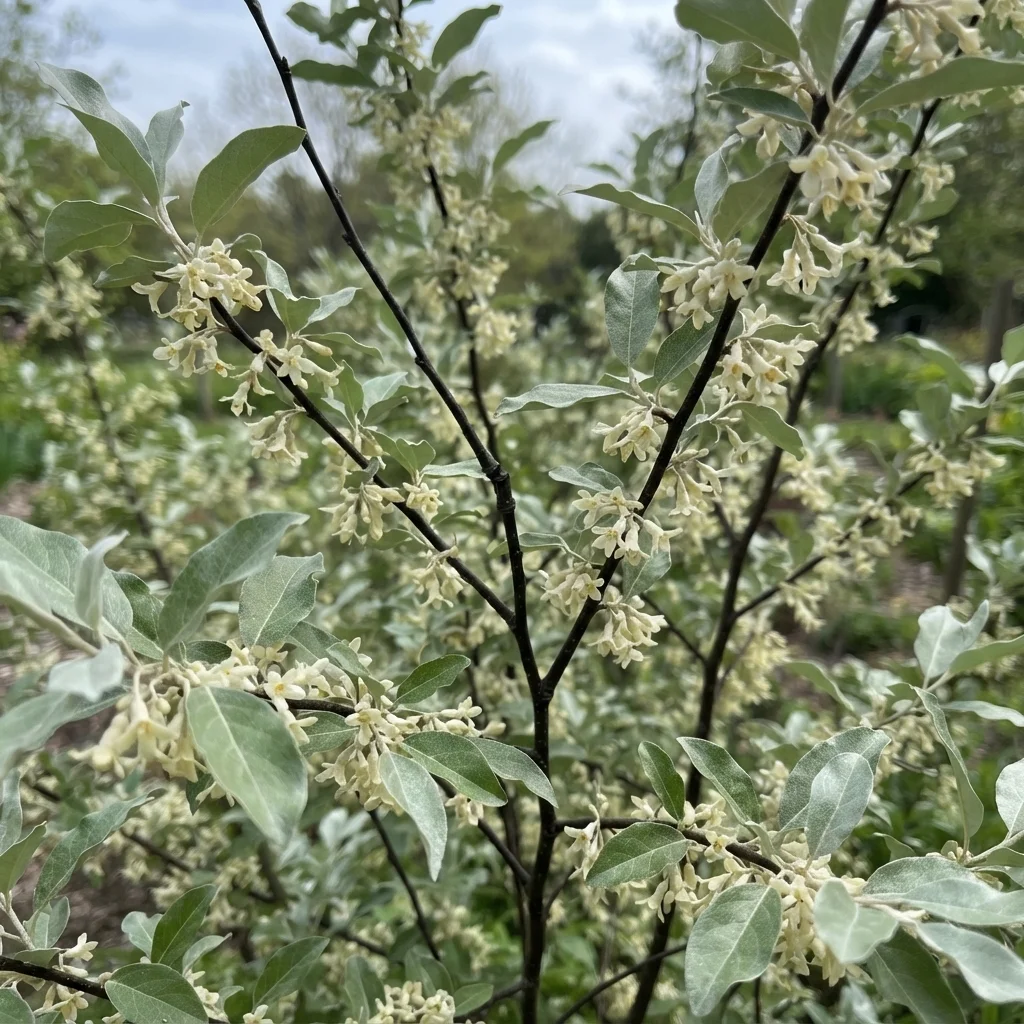
Autumn Olive
Elaeagnus umbellata
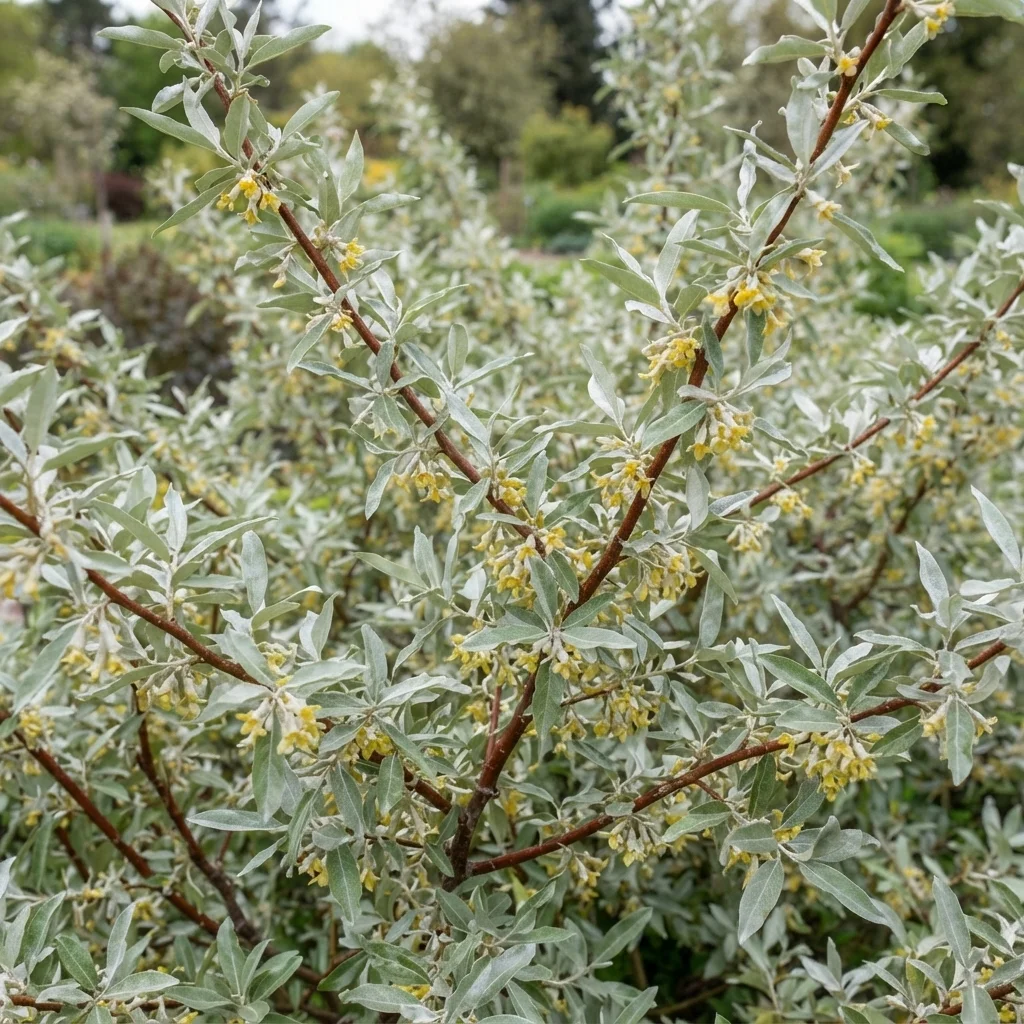
Russian Olive
Elaeagnus angustifolia
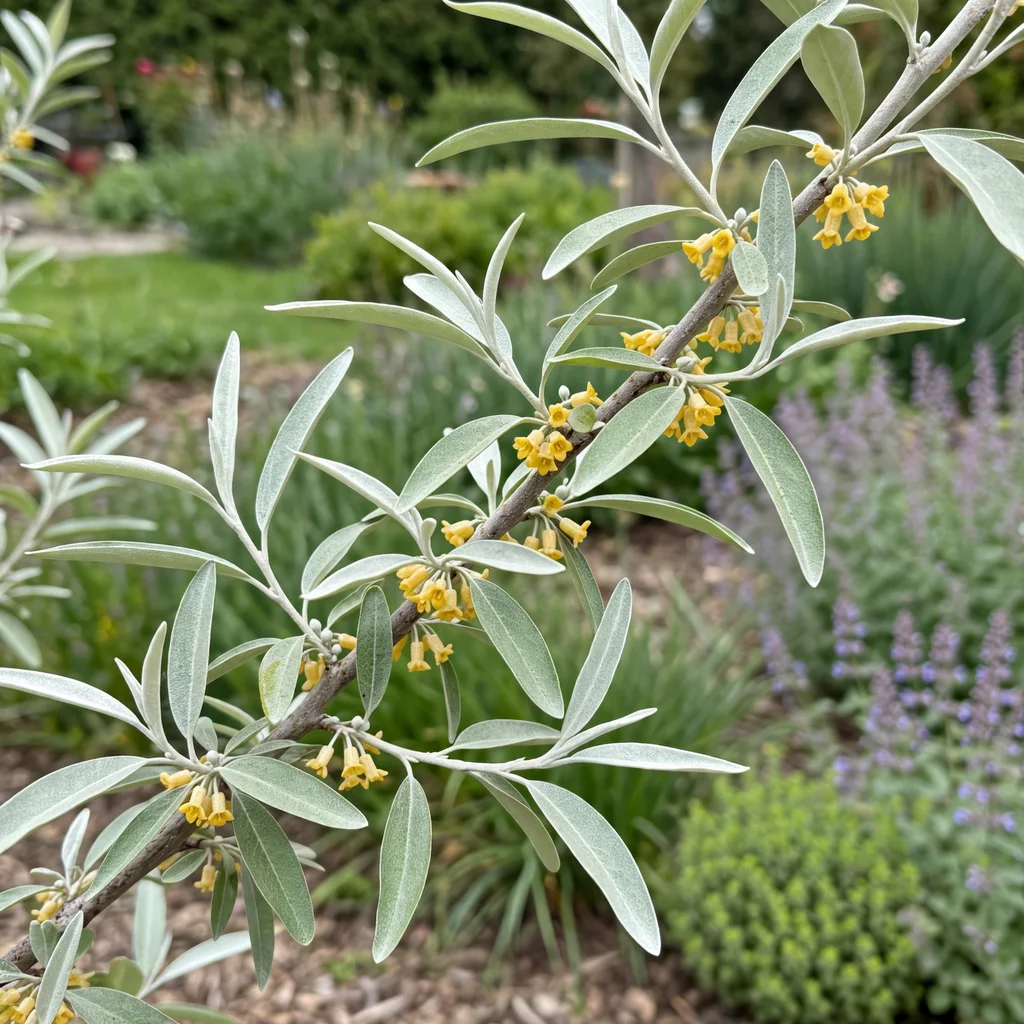
Silverberry
Elaeagnus commutata
Keep exploring
Explore the genus
Grow Goumi with confidence
See it in a design of your actual yard, get zone-matched care reminders, and track it season by season in your garden journal.