The Story
Plant Bio
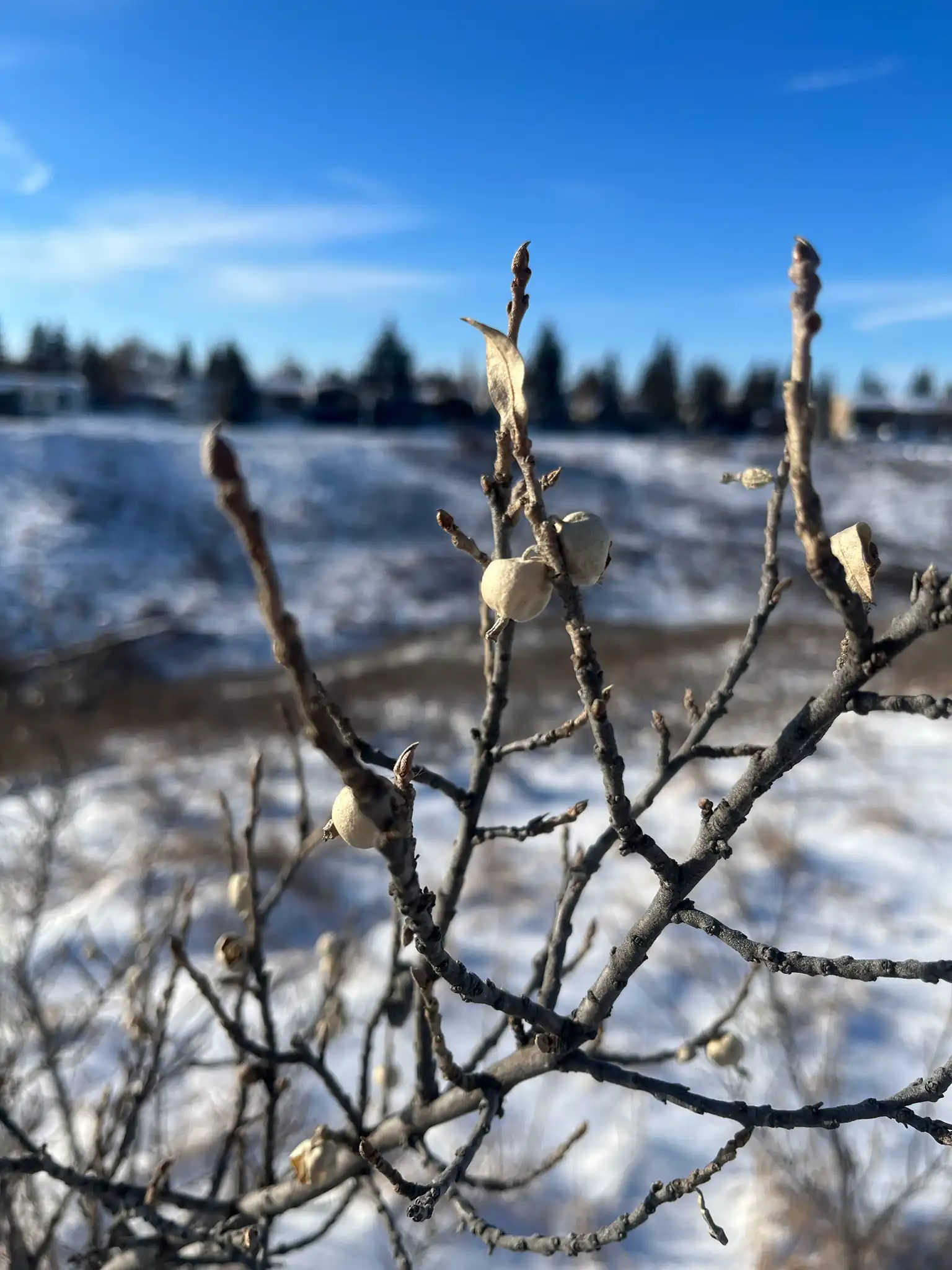
Elaeagnus commutata, commonly known as silverberry, is an upright deciduous shrub native to North America that grows up to twelve feet tall and spreads via underground rhizomes. Its alternate leaves are coated in tiny silver scales on both surfaces, giving the foliage a metallic sheen from spring until late fall.
Intensely fragrant yellow calyxes lack petals and bloom in small clusters along the leaf axils in late spring, attracting native pollinators and hummingbirds. The silvery-brown drupes that follow provide wildlife value and remain palatable to local birds into the cooler months.
Uses & Benefits:
Essentials
At a Glance
Plant Type
Shrub
Height
144"
Width
120"
Light
Full Sun, Partial Sun
Zones
4, 5, 6, 7, 8
Water
Low to Moderate
Humidity
Tolerant of dry to moderate humidity
Lifespan
Perennial
Native To
North America
Toxicity
Non-toxic
Bloom period
Late spring – Early summer
In flower about 2 months of the year
Planting
How to Grow
- Select a full sun or partial shade site with well-draining soil.
- Dig a hole twice as wide as the root ball and set the crown level with the soil surface.
- Backfill with native soil and water deeply to settle the roots.
- Apply a two-inch layer of organic mulch around the base, keeping it clear of the stem.
Pro Tip
Install deep subterranean root barriers at planting if containment is required, as the vigorous suckering rhizomes quickly expand beyond their designated garden bed.
Keep It Thriving
Care Guide
Do
- Plant in full sun for maximum foliar silvery sheen and fruit production.
- Install deep root barriers if you wish to prevent root suckers from spreading into adjacent beds.
- Provide deep, occasional watering during the first growing season until the root system establishes.
Don't
- Do not overwater or plant in heavy, waterlogged soils that remain permanently saturated.
- Do not apply synthetic nitrogen fertilizers, as actinomycete root nodules fix atmospheric nitrogen.
- Do not shear heavily into old bare wood without leafy nodes.
Seasonal Care Calendar
| Task | Jan | Feb | Mar | Apr | May | Jun | Jul | Aug | Sep | Oct | Nov | Dec |
|---|---|---|---|---|---|---|---|---|---|---|---|---|
| Mulch | ||||||||||||
| Pest Check | ||||||||||||
| Plant | ||||||||||||
| Prune |
Watch Out For
Pests & Diseases
Common Pests
Common Diseases
In the Garden
Landscape Uses & Companions
Landscape Uses
Multiply
Propagation Methods
Good to Know
Common Questions
Silverberry questions
What zones can Silverberry grow in?
Silverberry is hardy in USDA Zones 4–8: in that range it survives winter in the ground. Warmer than Zone 8, winter isn't the problem: it prefers colder winters, and summer heat can shorten its life.
Is Silverberry deer resistant?
Yes — Silverberry is rated deer-resistant. Deer typically pass it over, though extreme hunger can override any plant's defenses.
When does Silverberry bloom?
Silverberry typically blooms from late spring to early summer. Exact timing shifts a week or two with your zone — Sow's bloom calendar maps it to your garden.
Does Silverberry need full sun?
Silverberry does best in full sun to part shade. In hot climates, afternoon shade keeps blooms fresher longer.
Is Silverberry drought tolerant?
Yes — once established (usually after the first full season), Silverberry handles dry spells with minimal watering. Water deeply its first year to build the root system that makes that possible.
More Elaeagnus to compare
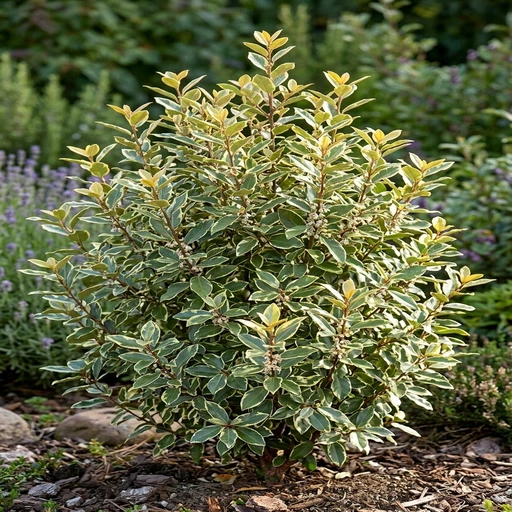
Viveleg Ebbing's Silverberry
Elaeagnus ebbingei 'Viveleg'
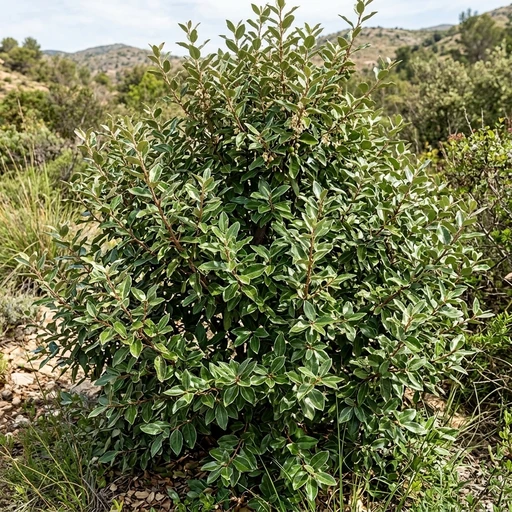
Thorny Olive
Elaeagnus pungens
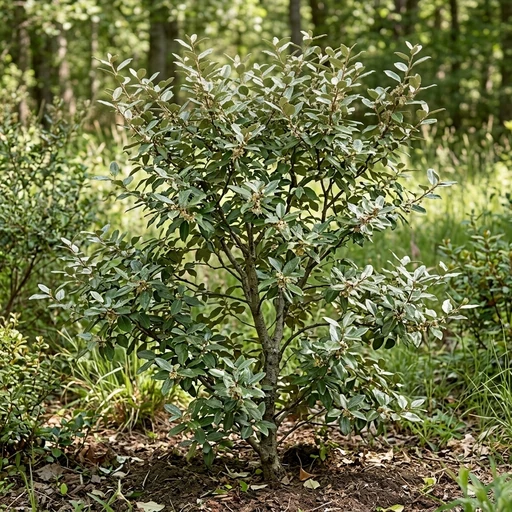
Ebbing's Silverberry
Elaeagnus ebbingei
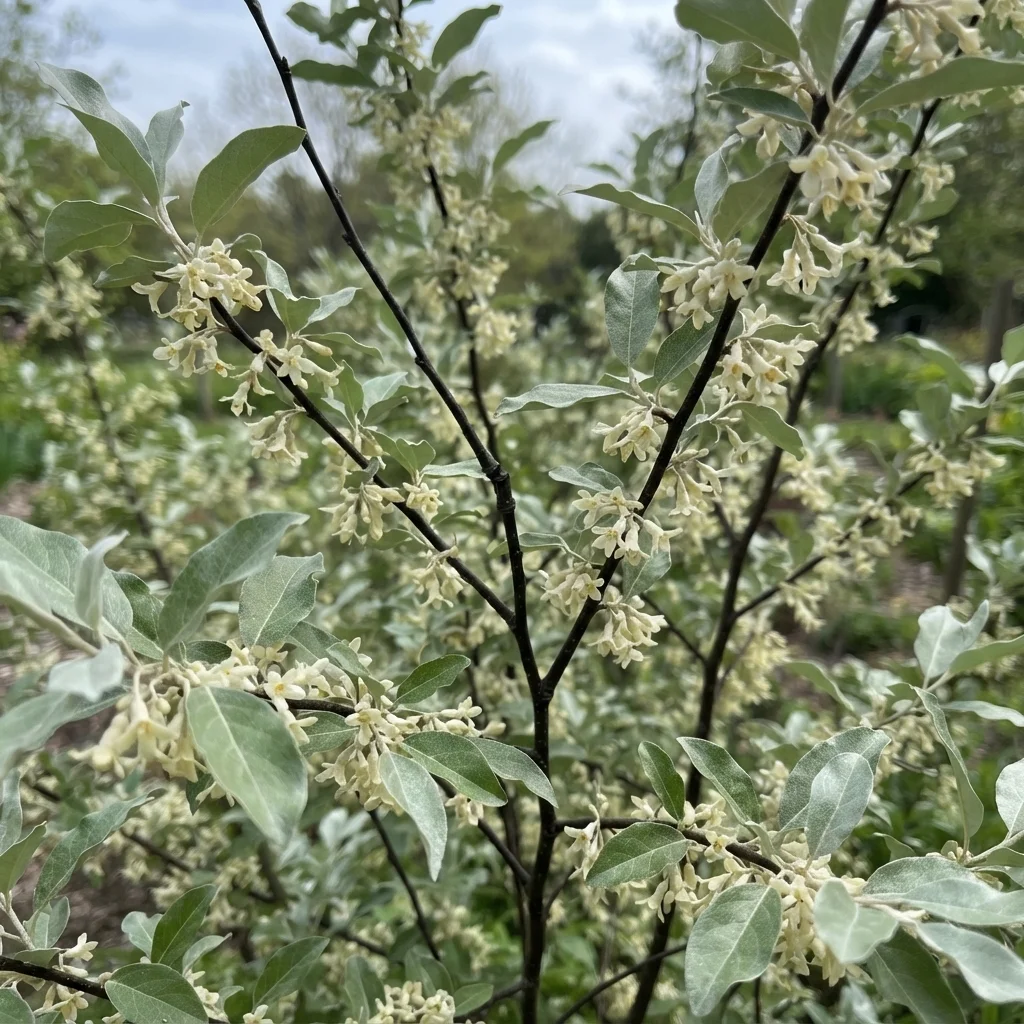
Autumn Olive
Elaeagnus umbellata
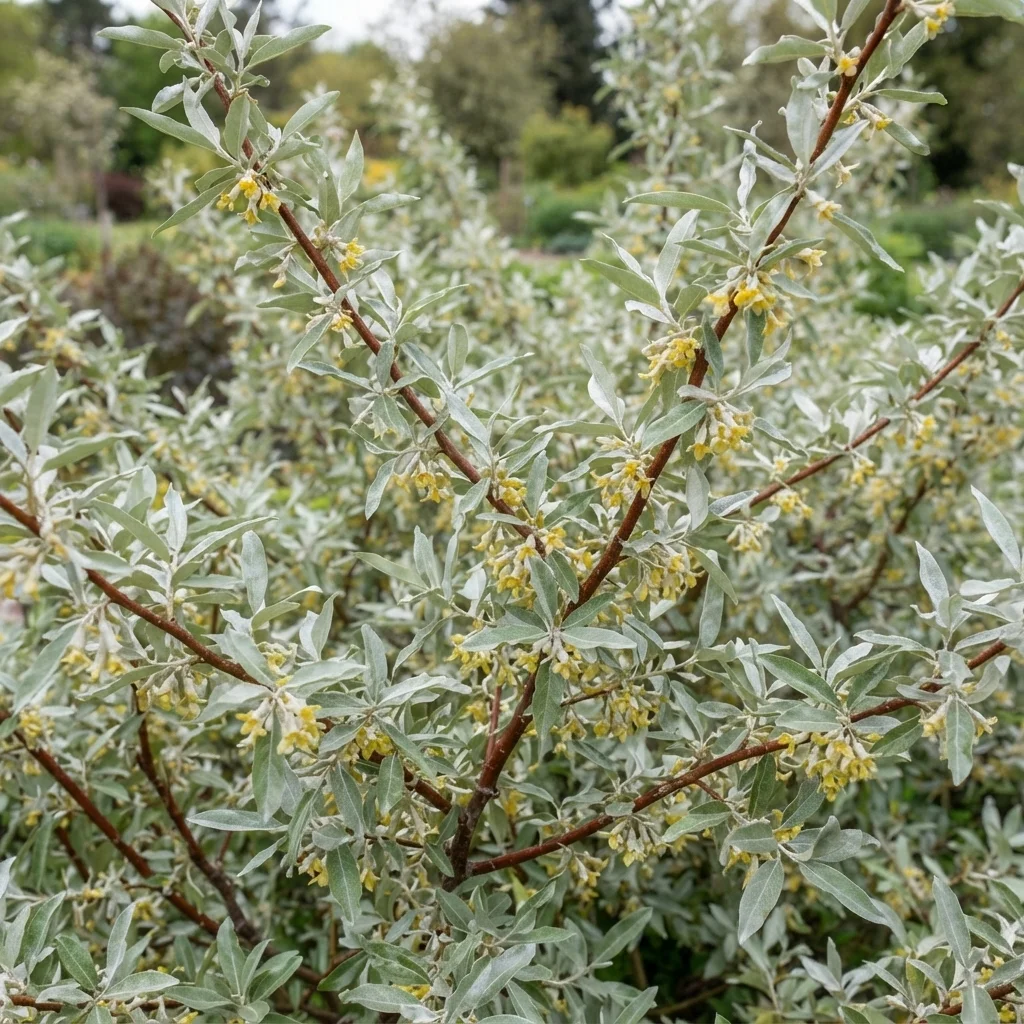
Russian Olive
Elaeagnus angustifolia
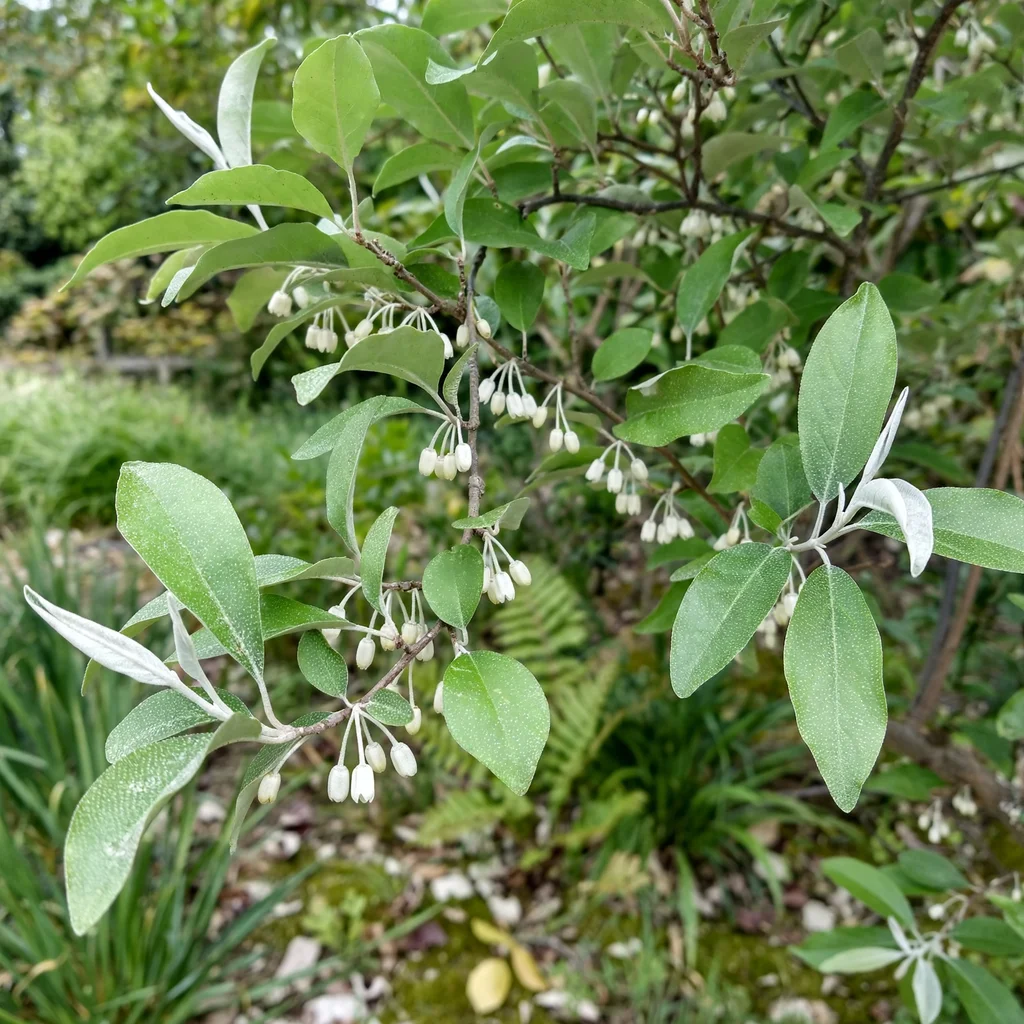
Goumi
Elaeagnus multiflora
Keep exploring
Explore the genus
Hardy in your zone?
Grow Silverberry with confidence
See it in a design of your actual yard, get zone-matched care reminders, and track it season by season in your garden journal.