The Story
Plant Bio
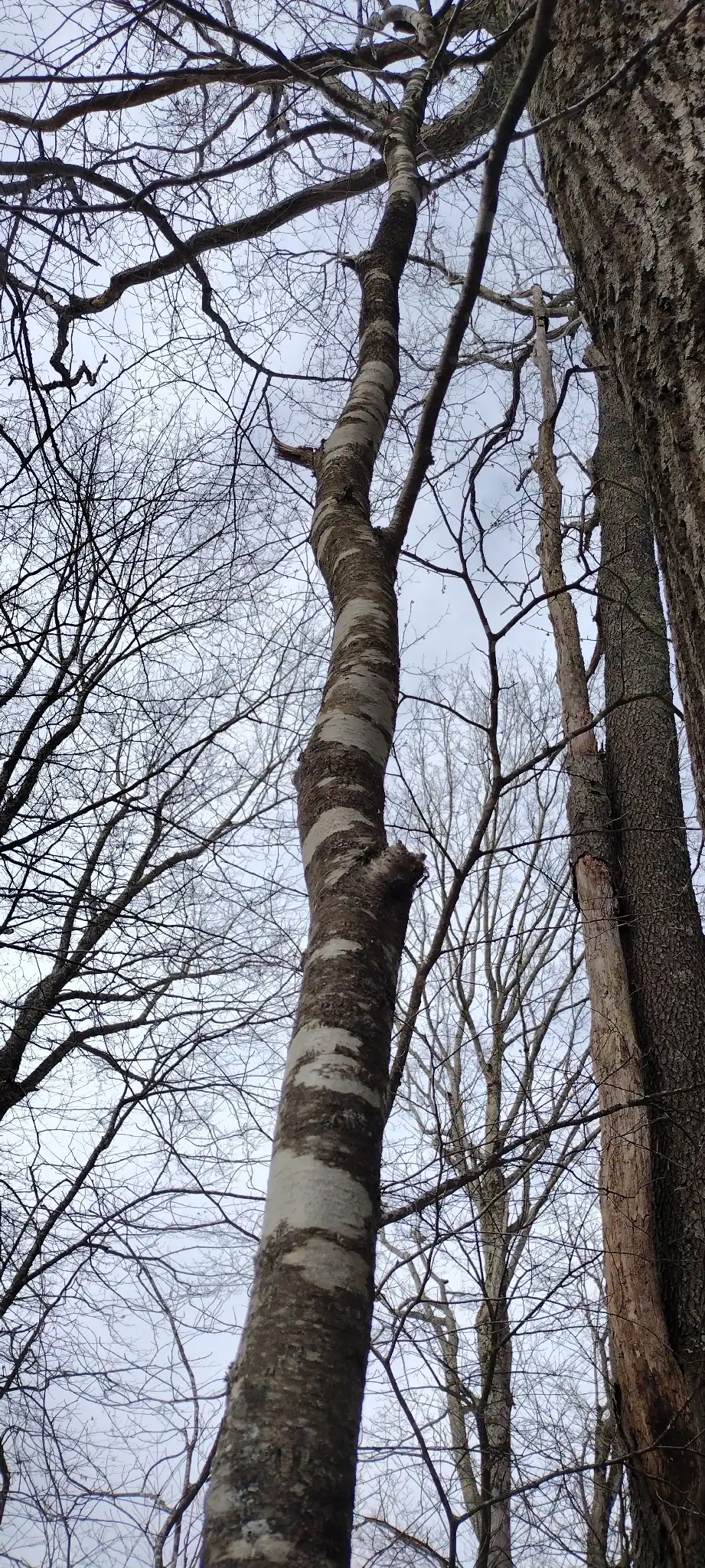
Betula lenta is a native North American deciduous tree reaching 40 to 75 feet in height with dark, cherry-like bark that releases a wintergreen scent when scraped. Its simple, finely toothed ovate leaves open bright green in spring and turn a brilliant yellow in fall.
Unlike white-barked birches, this species forms smooth, dark brown to black bark with horizontal lenticels that cracks into thick plates as it matures. Slender pendulous male catkins form in late autumn and persist through winter before expanding in early spring.
Uses & Benefits:
Essentials
At a Glance
Plant Type
Tree
Height
720"
Width
480"
Light
Full Sun, Partial Sun
Zones
4, 5, 6, 7, 8
Water
Medium to High
Humidity
Medium
Lifespan
Long-lived
Native To
Eastern North America
Toxicity
Non-toxic
Bloom period
Early spring – Mid spring
In flower about 2 months of the year
Planting
How to Grow
- Select a planting site in full sun or light shade with rich, acidic, well-draining soil away from heat-radiating pavement.
- Dig a planting hole twice as wide as the root ball and equal in depth, ensuring the trunk flare sits level with the surrounding ground.
- Backfill with native topsoil, watering deeply to settle air pockets around the root system.
- Spread a 3-inch layer of organic acidic mulch across the root zone while keeping it 2 inches away from the trunk base.
Pro Tip
Plant in acidic, moist, well-drained soil with a generous mulch layer to keep root zones cool, and prune exclusively between mid-summer and late fall to prevent heavy sap bleeding.
Keep It Thriving
Care Guide
Do
- Maintain a consistent organic mulch layer over the root zone to retain moisture and cool the soil.
- Plant in acidic, moist, well-drained sandy or rocky loams.
- Prune only from mid-summer to late fall to avoid excessive sap pressure and bleeding.
Don't
- Do not prune during late winter or early spring when heavy sap flow bleeds from cuts.
- Do not plant in compacted clay street pits or urban heat islands where high temperatures cause rapid decline.
- Do not allow the root zone to dry out completely during extended summer heat waves.
Seasonal Care Calendar
| Task | Jan | Feb | Mar | Apr | May | Jun | Jul | Aug | Sep | Oct | Nov | Dec |
|---|---|---|---|---|---|---|---|---|---|---|---|---|
| Mulch | ||||||||||||
| Pest Check | ||||||||||||
| Prune | ||||||||||||
| Spring Cleanup |
Watch Out For
Pests & Diseases
Common Pests
Common Diseases
In the Garden
Landscape Uses & Companions
Landscape Uses
Multiply
Propagation Methods
Good to Know
Common Questions
Sweet Birch questions
What zones can Sweet Birch grow in?
Sweet Birch is hardy in USDA Zones 4–8: in that range it survives winter in the ground. Warmer than Zone 8, winter isn't the problem: it prefers colder winters, and summer heat can shorten its life.
Is Sweet Birch deer resistant?
Not reliably. Deer may browse Sweet Birch, especially tender spring growth — plan on repellents or fencing where pressure is high.
When does Sweet Birch bloom?
Sweet Birch typically blooms in early to mid-spring. Exact timing shifts a week or two with your zone — Sow's bloom calendar maps it to your garden.
Does Sweet Birch need full sun?
Sweet Birch does best in full sun to part shade. In hot climates, afternoon shade keeps blooms fresher longer.
More Betula to compare
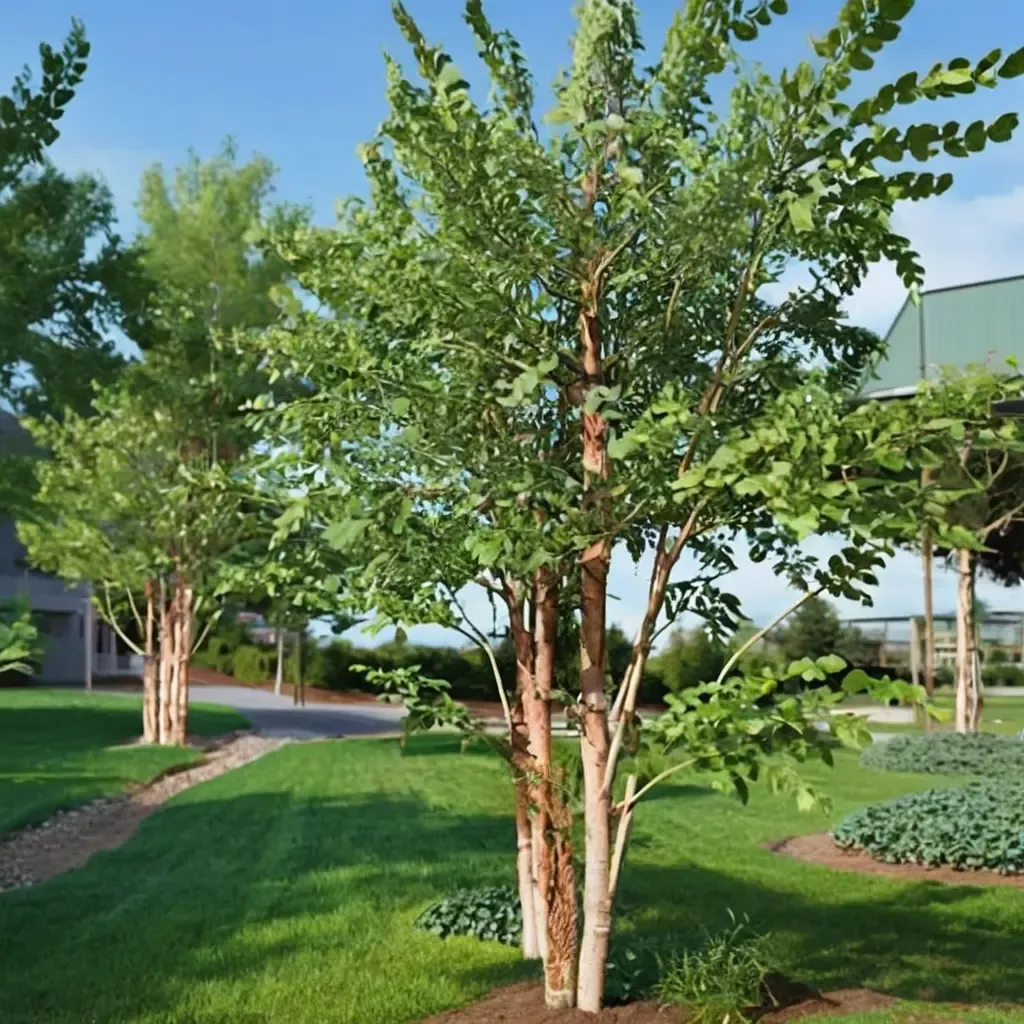
River Birch
Betula nigra
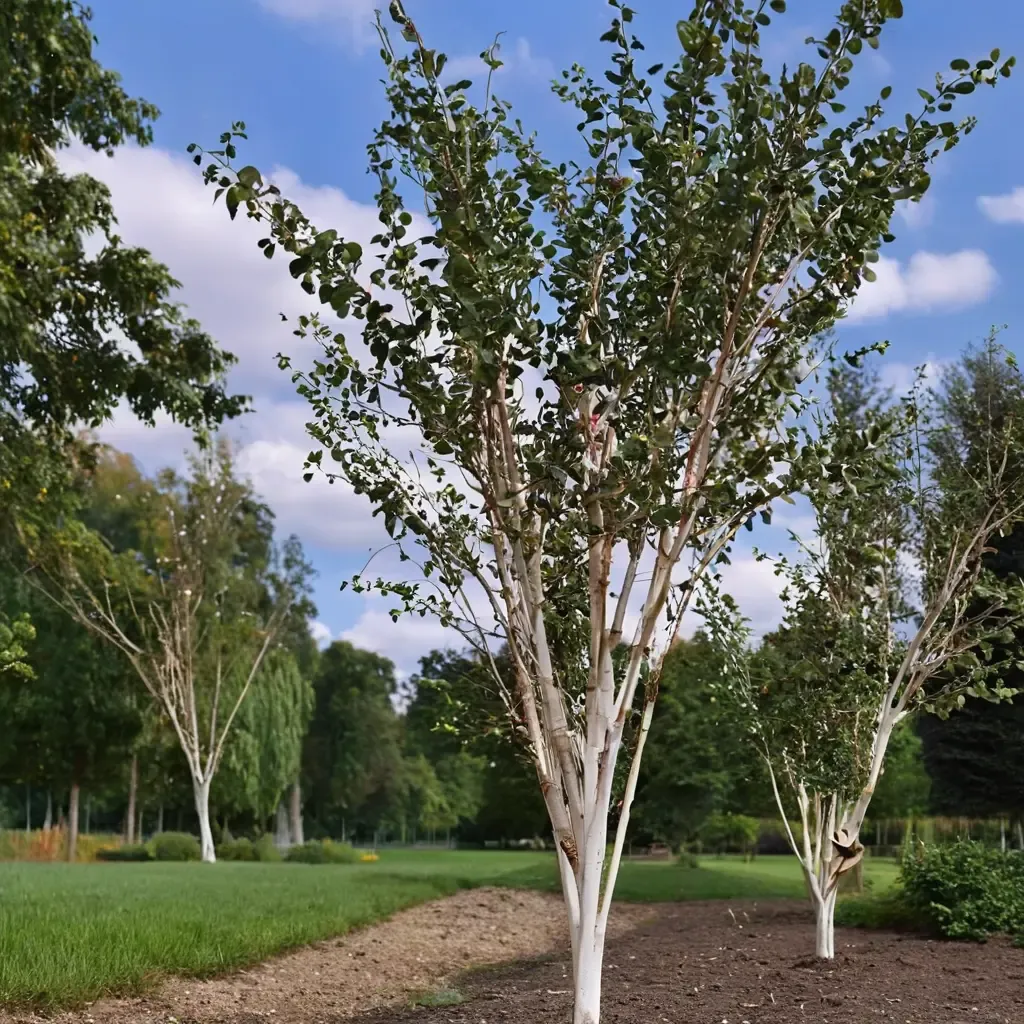
Himalayan Birch
Betula utilis
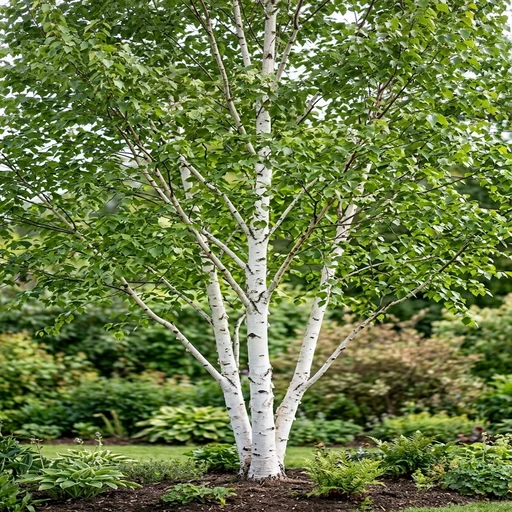
Paper Birch
Betula papyrifera
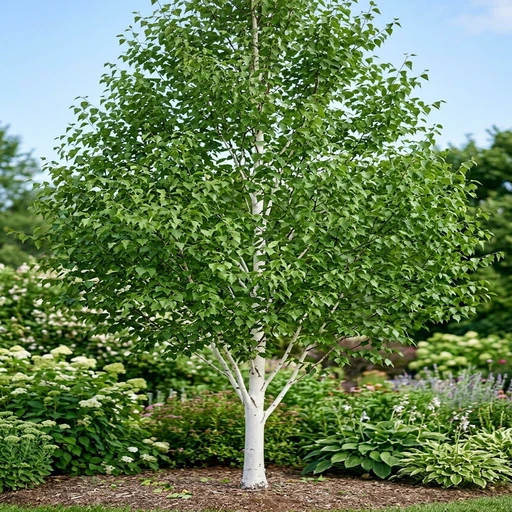
Whitespire Birch
Betula platyphylla 'Whitespire'
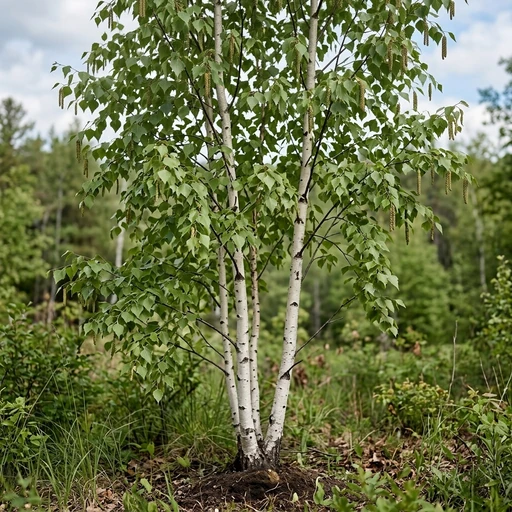
Gray Birch
Betula populifolia
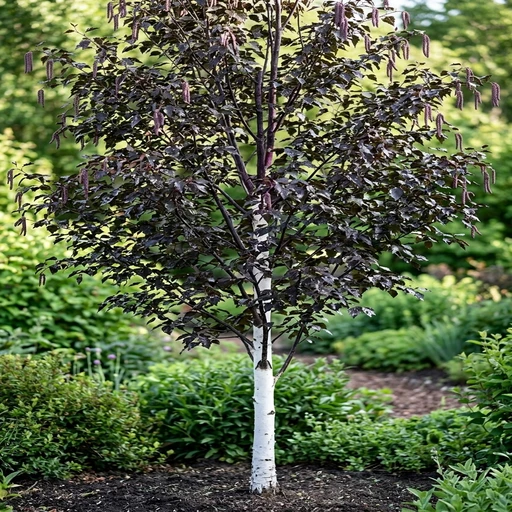
Birch
Betula x hybrida 'Royal Frost'
Keep exploring
Explore the genus
Hardy in your zone?
Grow Sweet Birch with confidence
See it in a design of your actual yard, get zone-matched care reminders, and track it season by season in your garden journal.