
Species
 Ilex verticillataWinterberry
9 other cultivars
 ‘Winter Red’Winter Red Winterberry
 ‘Afterglow’Afterglow Winterberry Holly
 ‘Roberta Case’Berry Heavy Gold Winterberry
 ‘Farrowmrp’Mr. Poppins Winterberry
 ‘Sparkleberry’Sparkleberry Winterberry
 ‘Jim Dandy’Jim Dandy Winterberry
 ‘Southern Gentleman’Southern Gentleman Winterberry
 ‘Red Sprite’Red Sprite Winterberry
 ‘Spravy’Berry Heavy Winterberry
The Story
Plant Bio
Ilex verticillata is a deciduous holly native to eastern North America. It is dioecious, meaning plants are either male or female. Male plants produce pollen but no berries.
'Apollo' is a male cultivar selected for its vigorous growth and ability to pollinate a wide range of late-blooming female winterberries, such as 'Sparkleberry' and 'Winter Red'. It does not produce berries.
Uses & Benefits:
Essentials
At a Glance
Plant Type
Shrub
Height
144"
Width
144"
Light
Full Sun, Partial Sun
Zones
4, 5, 6, 7, 8
Water
Moderate to High
Humidity
Adaptable
Lifespan
Long-lived deciduous shrub
Native To
Eastern North America
Toxicity
Non-toxic
Bloom period
Late spring – Early summer
In flower about 2 months of the year
Planting
How to Grow
- Site in full sun to part shade in acidic, moist soil.
- Plant within 50 feet of the female plants you wish to pollinate.
- Dig a hole twice as wide as the container.
- Set the plant at the same depth it was growing in the pot.
- Backfill with native soil and water thoroughly.
- Mulch with acidic material like pine bark or needles.
Pro Tip
One 'Apollo' can pollinate up to ten female plants. Plant it in the background, as it offers little ornamental value itself.
Keep It Thriving
Care Guide
Do
- Ensure it blooms at the same time as your female hollies.
- Provide consistent moisture for best health.
- Prune to maintain a manageable size if needed.
- Plant it where it gets enough sun to produce plenty of pollen.
Don't
- Don't expect it to produce berries; it is a male plant.
- Don't plant it as a standalone ornamental specimen.
- Don't plant in dry, alkaline soil.
- Don't remove it thinking it's a 'dud' - it's essential for fruit.
Seasonal Care Calendar
| Task | Jan | Feb | Mar | Apr | May | Jun | Jul | Aug | Sep | Oct | Nov | Dec |
|---|---|---|---|---|---|---|---|---|---|---|---|---|
| Prune |
Watch Out For
Pests & Diseases
Common Pests
Common Diseases
In the Garden
Landscape Uses & Companions
Landscape Uses
Multiply
Propagation Methods
Good to Know
Common Questions
Winterberry Holly questions
What zones can Winterberry Holly grow in?
Winterberry Holly is hardy in USDA Zones 4–8. Inside that range it survives winter in the ground; outside it, grow it as an annual or a container plant you protect.
Is Winterberry Holly deer resistant?
Yes — Winterberry Holly is rated deer-resistant. Deer typically pass it over, though extreme hunger can override any plant's defenses.
When does Winterberry Holly bloom?
Winterberry Holly typically blooms in late spring through early summer. Exact timing shifts a week or two with your zone — Sow's bloom calendar maps it to your garden.
Does Winterberry Holly need full sun?
Winterberry Holly does best in full sun to part shade. In hot climates, afternoon shade keeps blooms fresher longer.
More Ilex to compare
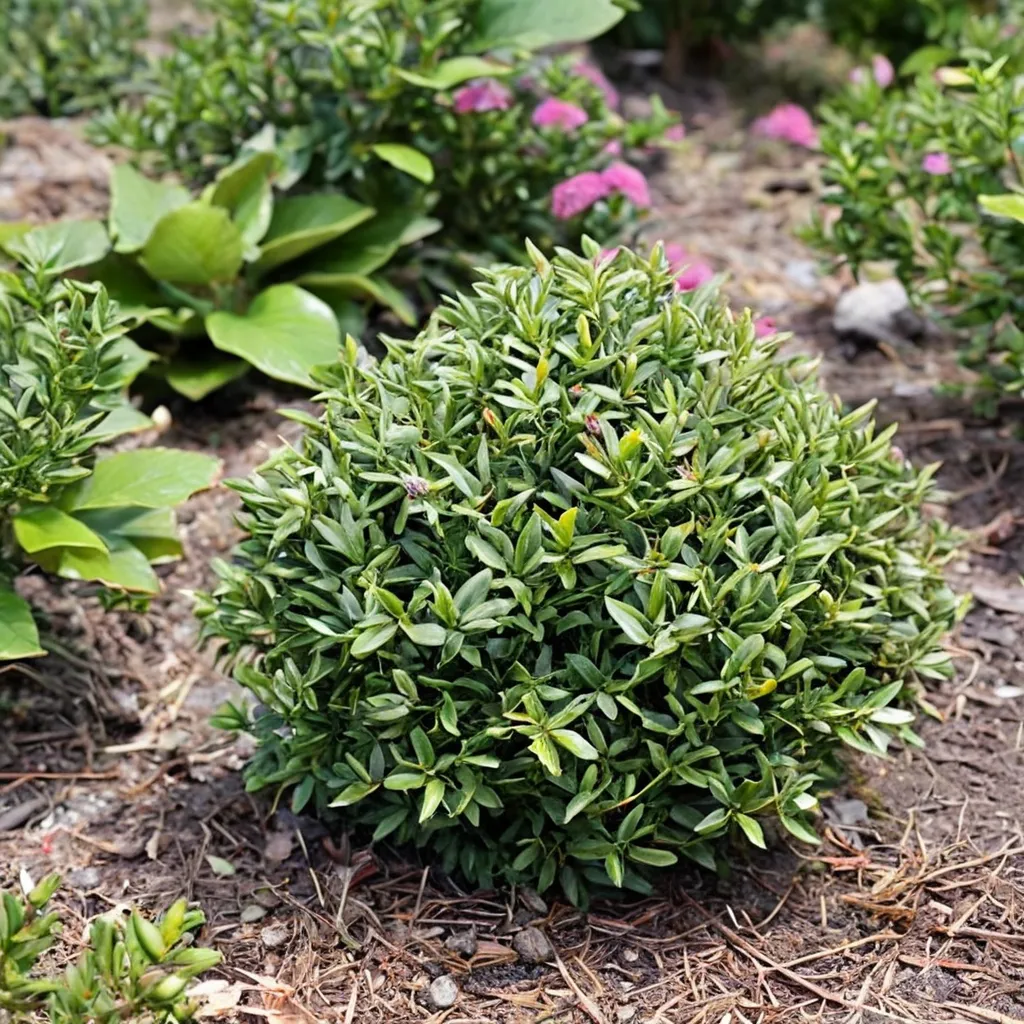
Gem Box Inkberry Holly
Ilex glabra 'Gem Box'
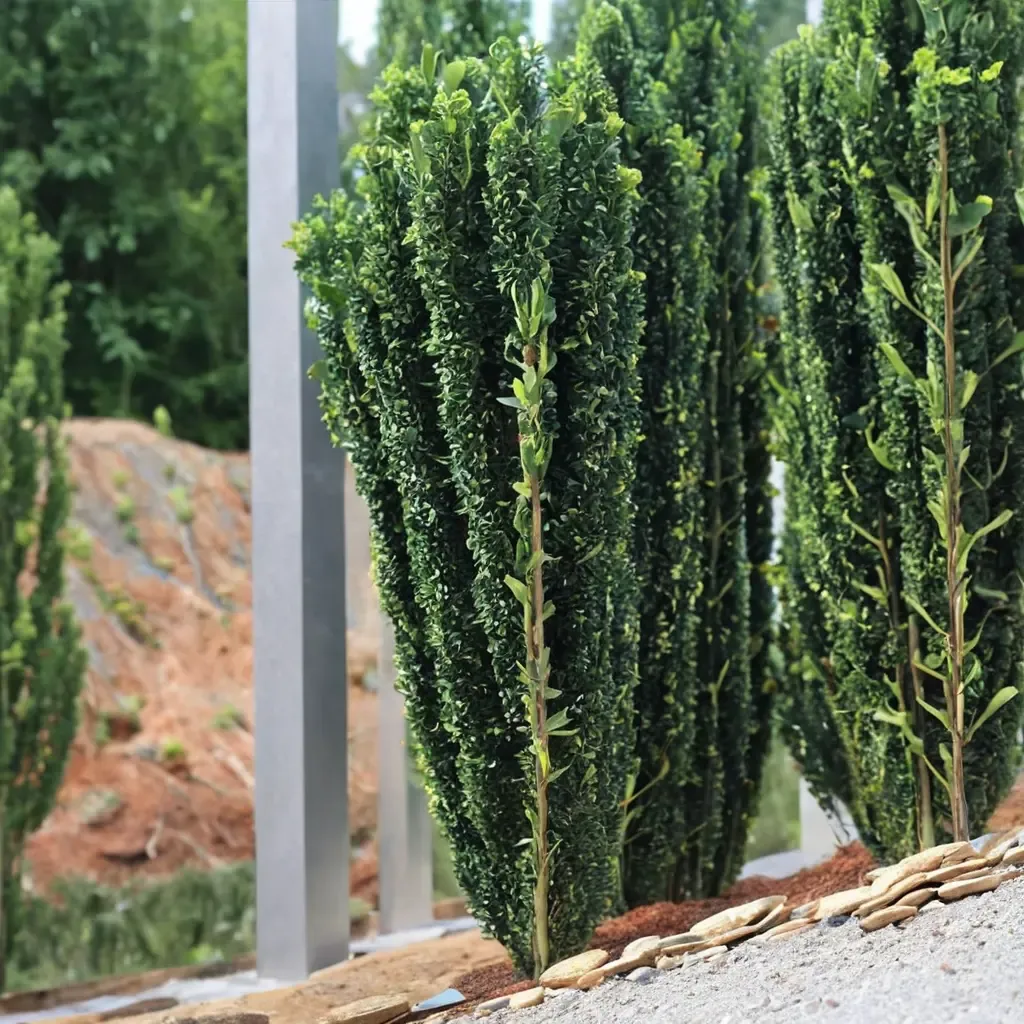
Sky Pencil Holly
Ilex crenata 'Sky Pencil'
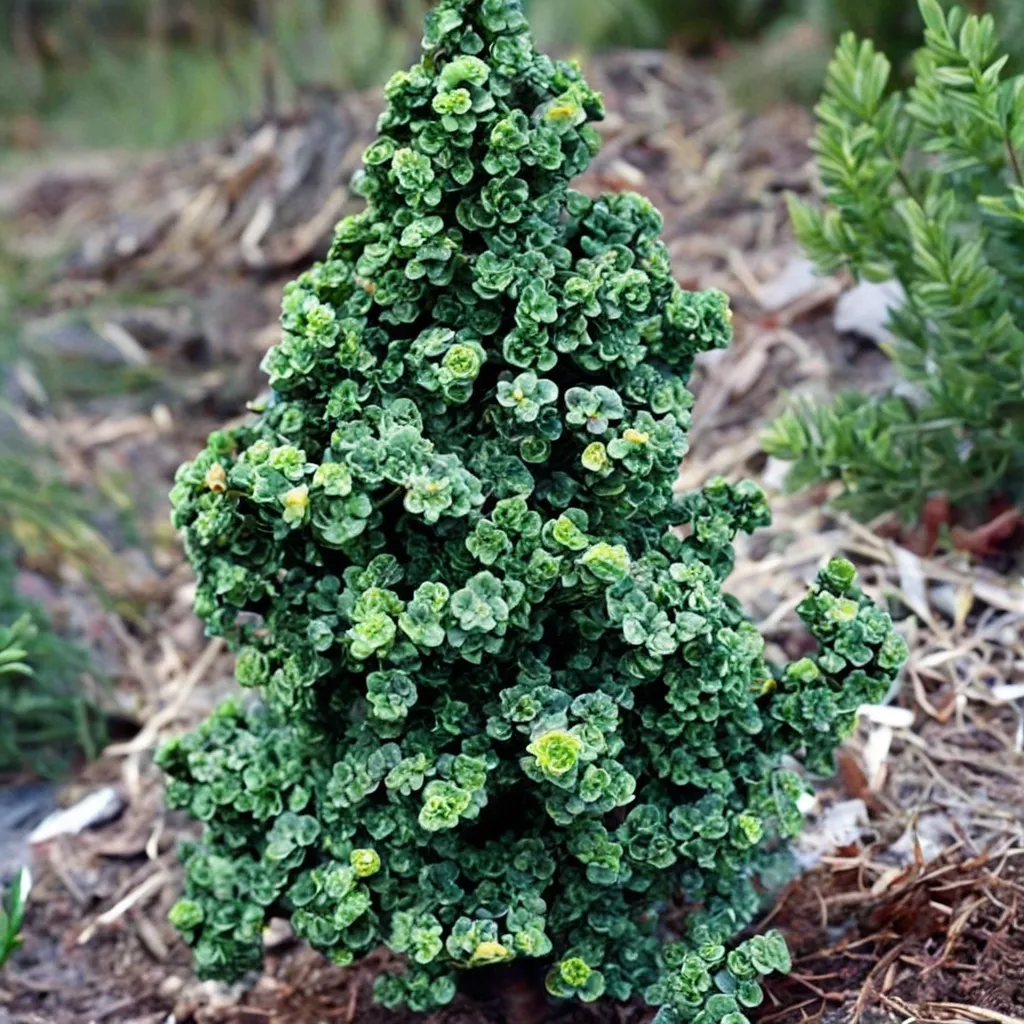
Dwarf Pagoda Holly
Ilex crenata 'Dwarf Pagoda'
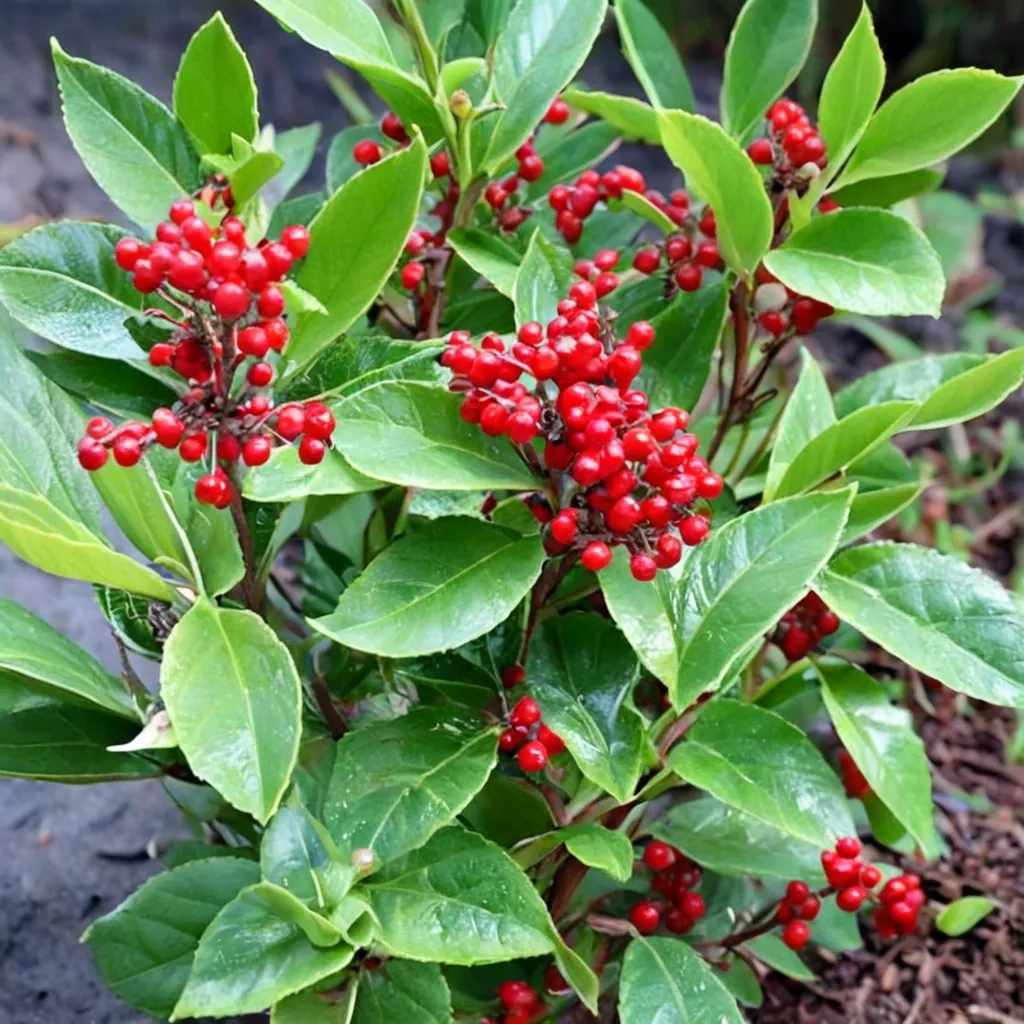
Mr Poppins Holly
Ilex x meserveae 'Mr Poppins'
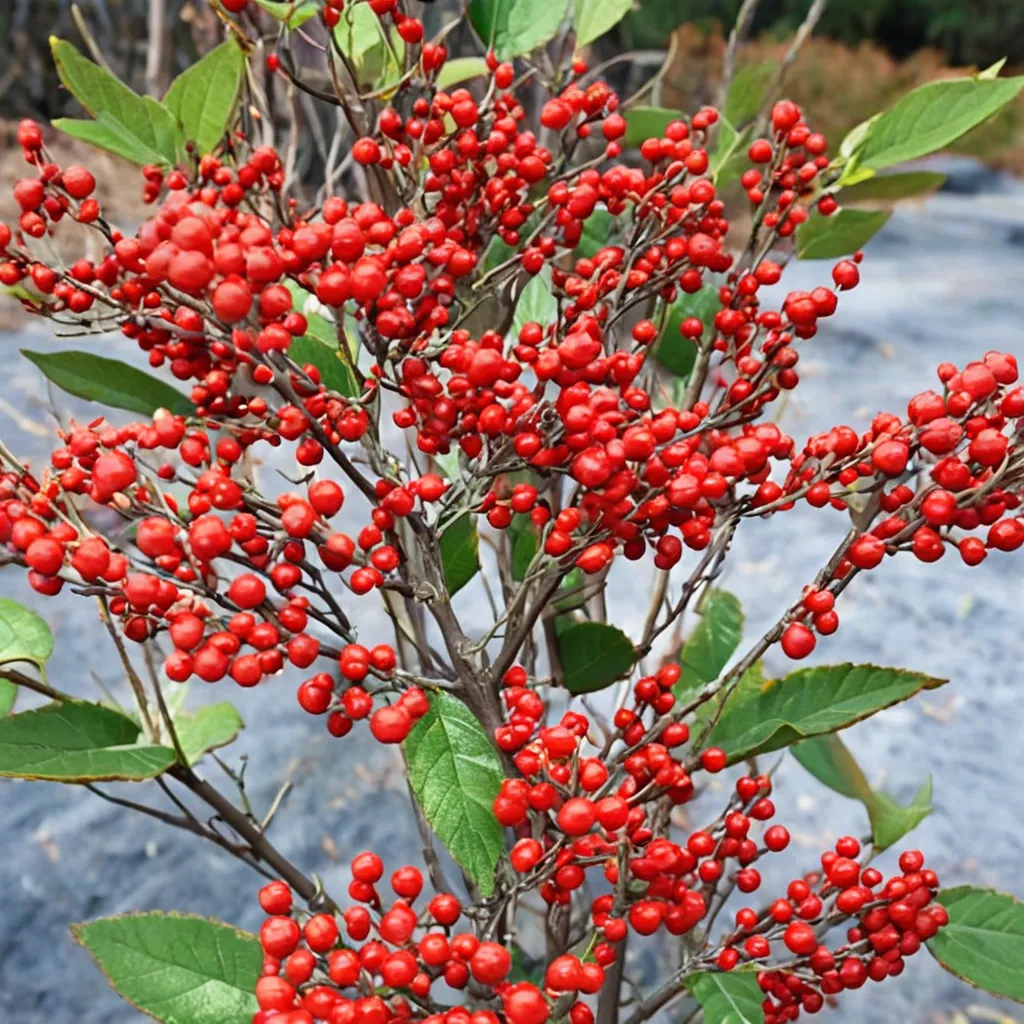
Blue Holly Berry Poppins
Ilex x meserveae 'Berry Poppins'
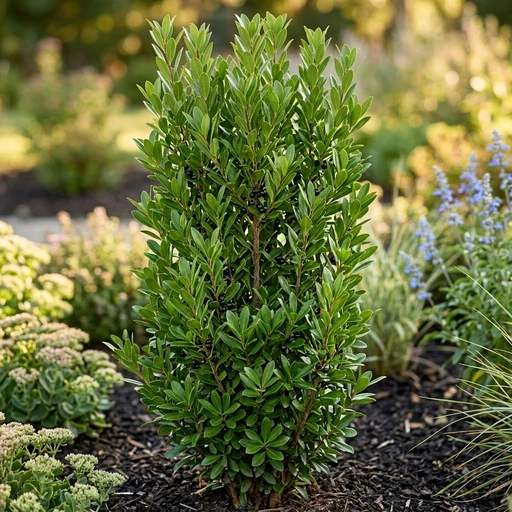
Squeeze Box Inkberry Holly
Ilex glabra 'Squeeze Box'
Keep exploring
Explore the genus
Hardy in your zone?
Grow Winterberry Holly with confidence
See it in a design of your actual yard, get zone-matched care reminders, and track it season by season in your garden journal.