
Species
 Ilex verticillataWinterberry
9 other cultivars
 ‘Winter Red’Winter Red Winterberry
 ‘Afterglow’Afterglow Winterberry Holly
 ‘Roberta Case’Berry Heavy Gold Winterberry
 ‘Farrowmrp’Mr. Poppins Winterberry
 ‘Sparkleberry’Sparkleberry Winterberry
 ‘Jim Dandy’Jim Dandy Winterberry
 ‘Southern Gentleman’Southern Gentleman Winterberry
 ‘Apollo’Winterberry Holly
 ‘Red Sprite’Red Sprite Winterberry
The Story
Plant Bio
Ilex verticillata is a deciduous holly native to eastern North America, prized for the dense clusters of brightly colored berries that persist on bare branches through winter. It is dioecious, requiring both male and female plants for fruit production.
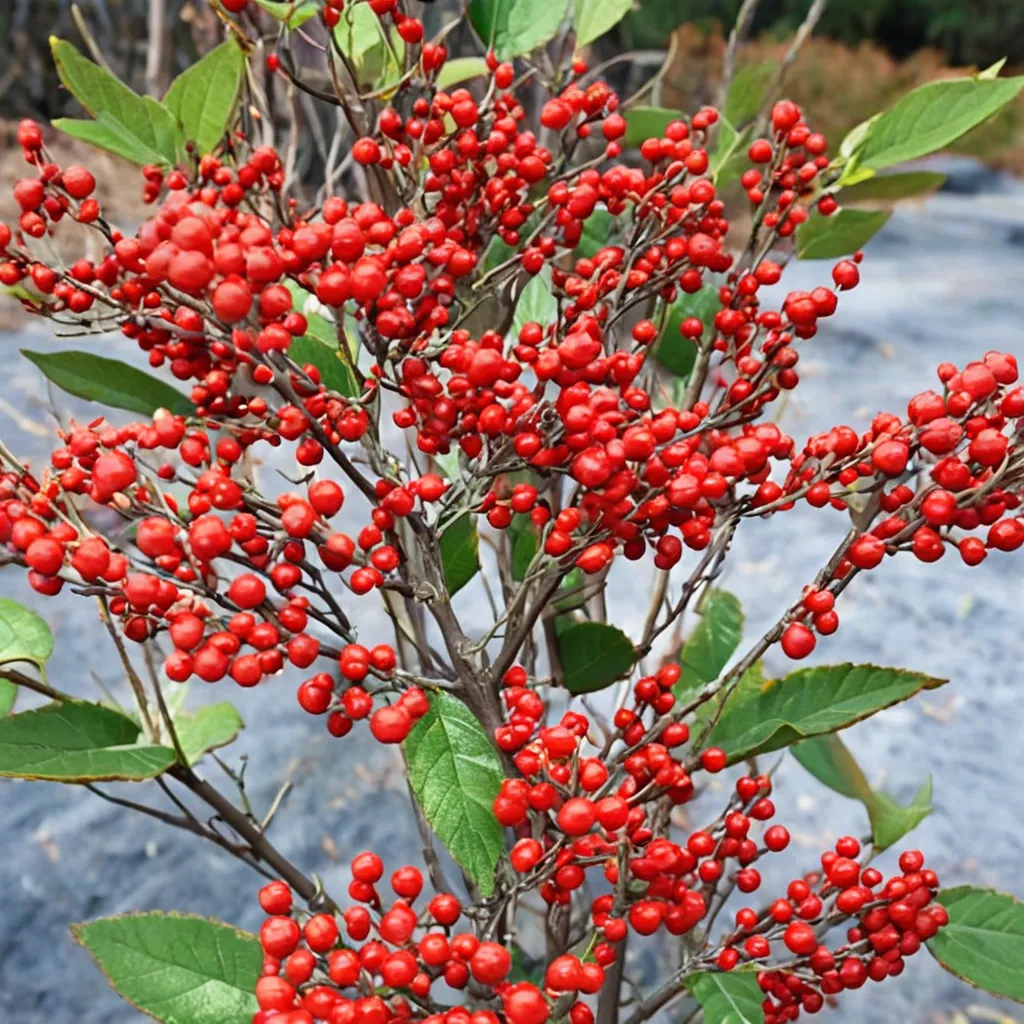
'Spravy', sold as Berry Heavy®, is a female cultivar selected for its extremely abundant, large, bright red berries that create a spectacular winter display. It needs a male pollinator like 'Jim Dandy' or 'Mr. Poppins'.
Uses & Benefits:
Essentials
At a Glance
Plant Type
Shrub
Height
96"
Width
96"
Light
Full Sun, Partial Sun
Zones
4, 5, 6, 7, 8, 9
Water
Moderate to High
Humidity
Adaptable
Lifespan
Long-lived deciduous shrub
Native To
Eastern North America
Toxicity
Berries are toxic if ingested by humans and pets
Bloom period
Late spring – Early summer
In flower about 2 months of the year
Planting
How to Grow
- Select a site with full sun to part shade and acidic soil.
- Amend soil with peat moss or compost if it is alkaline.
- Dig a hole as deep and twice as wide as the pot.
- Plant the holly, ensuring the crown is at soil level.
- Plant a compatible male pollinator within 50 feet.
- Water well and apply a layer of acidic mulch like pine needles.
Pro Tip
Plant one male pollinator ('Jim Dandy') for every 5-10 female plants, ensuring they are within 50 feet for good berry production.
Keep It Thriving
Care Guide
Do
- Provide consistent moisture, as it is native to moist areas.
- Test and amend soil pH if leaves turn yellow (chlorosis).
- Prune to shape in early spring before new growth appears.
- Plant in groups for the best visual impact and pollination.
Don't
- Do not let the soil dry out completely, especially during summer.
- Don't plant without a male pollinator if you want berries.
- Avoid planting in high pH, alkaline soils.
- Don't prune after it has started to leaf out, or you may remove flower buds.
Seasonal Care Calendar
| Task | Jan | Feb | Mar | Apr | May | Jun | Jul | Aug | Sep | Oct | Nov | Dec |
|---|---|---|---|---|---|---|---|---|---|---|---|---|
| Plant | ||||||||||||
| Prune |
Watch Out For
Pests & Diseases
Common Pests
Common Diseases
In the Garden
Landscape Uses & Companions
Landscape Uses
Multiply
Propagation Methods
Good to Know
Common Questions
Berry Heavy Winterberry questions
What zones can Berry Heavy Winterberry grow in?
Berry Heavy Winterberry is hardy in USDA Zones 4–9. Inside that range it survives winter in the ground; outside it, grow it as an annual or a container plant you protect.
Is Berry Heavy Winterberry deer resistant?
Yes — Berry Heavy Winterberry is rated deer-resistant. Deer typically pass it over, though extreme hunger can override any plant's defenses.
When does Berry Heavy Winterberry bloom?
Berry Heavy Winterberry typically blooms in late spring through early summer. Exact timing shifts a week or two with your zone — Sow's bloom calendar maps it to your garden.
Does Berry Heavy Winterberry need full sun?
Berry Heavy Winterberry does best in full sun to part shade. In hot climates, afternoon shade keeps blooms fresher longer.
More Ilex to compare
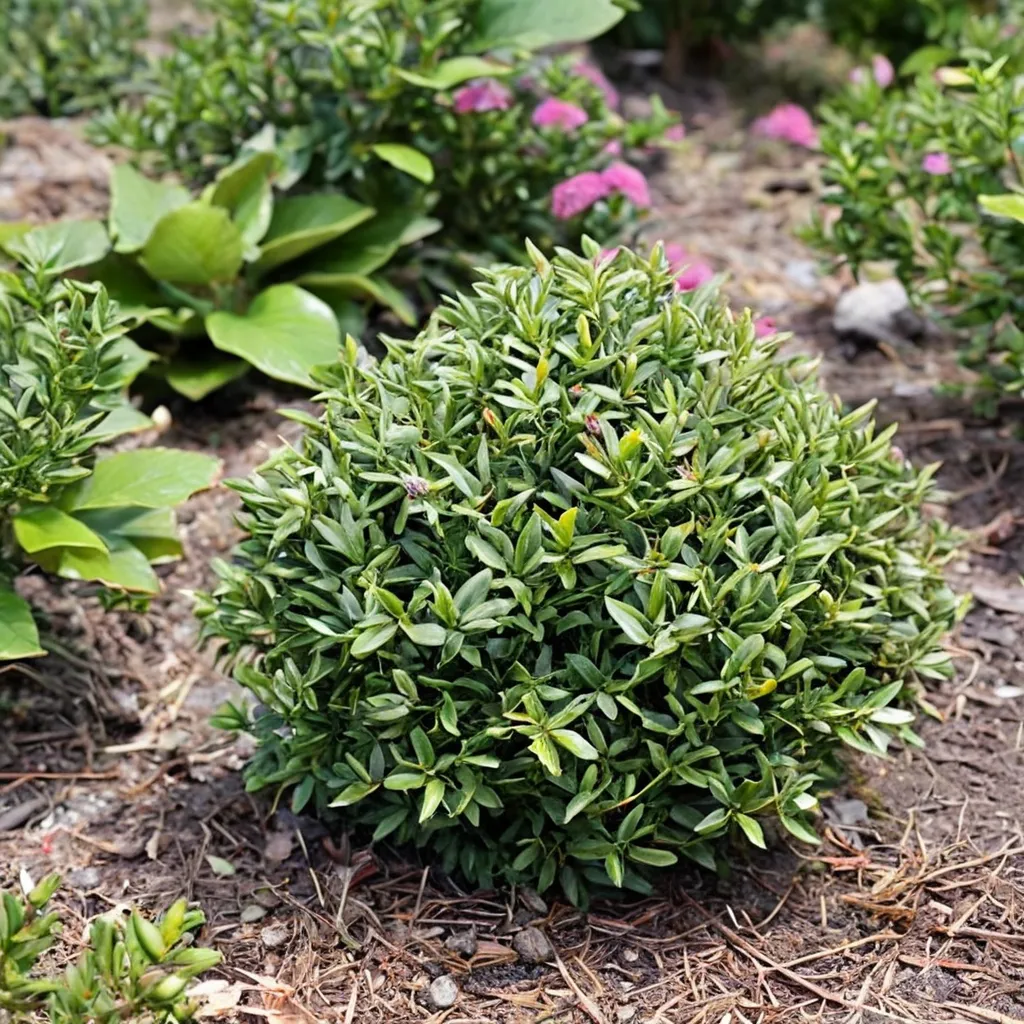
Gem Box Inkberry Holly
Ilex glabra 'Gem Box'
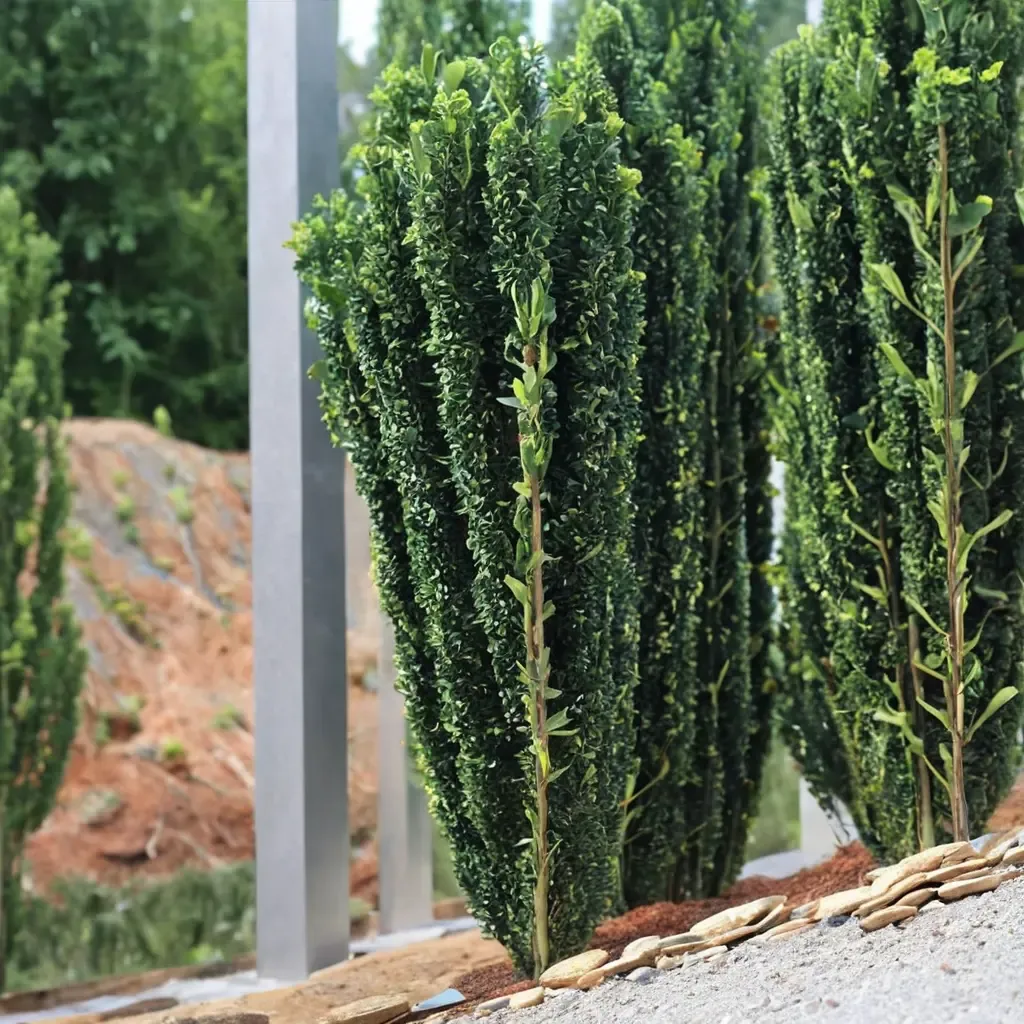
Sky Pencil Holly
Ilex crenata 'Sky Pencil'
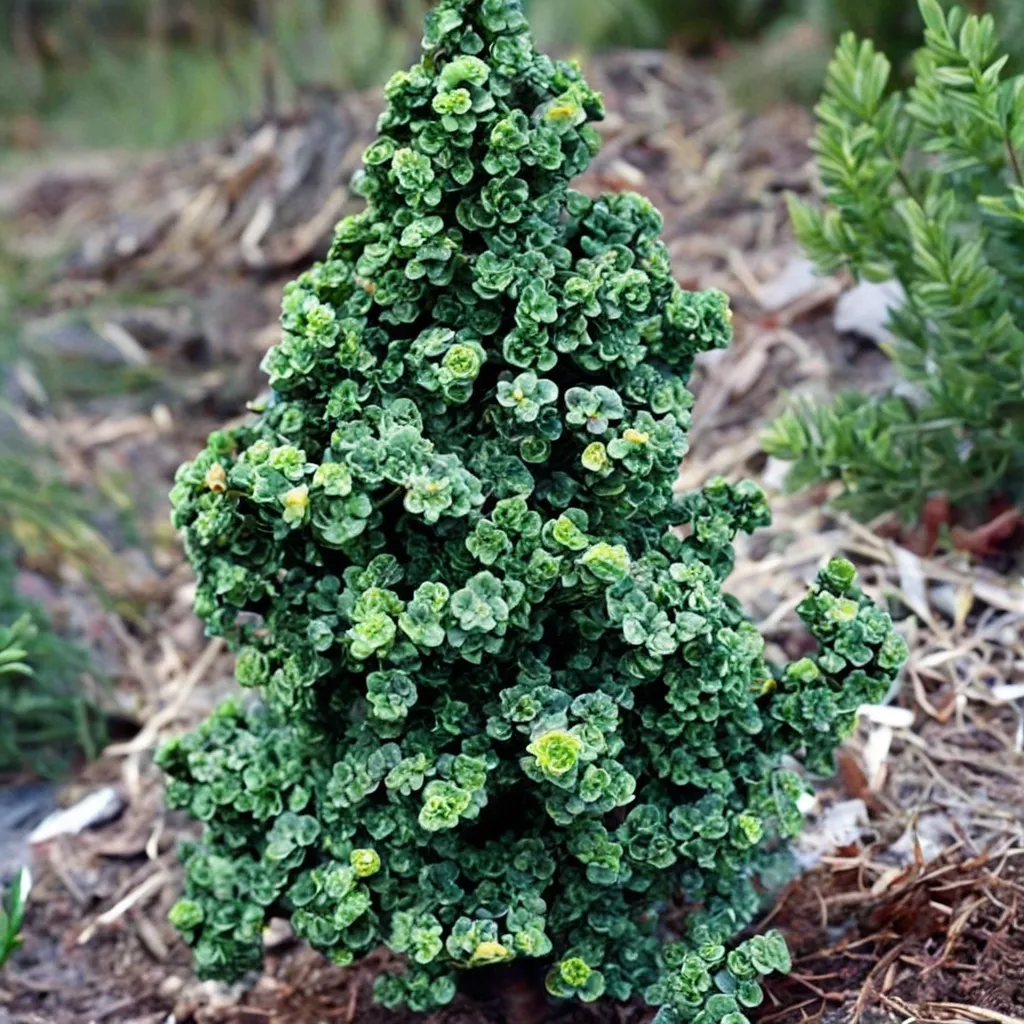
Dwarf Pagoda Holly
Ilex crenata 'Dwarf Pagoda'
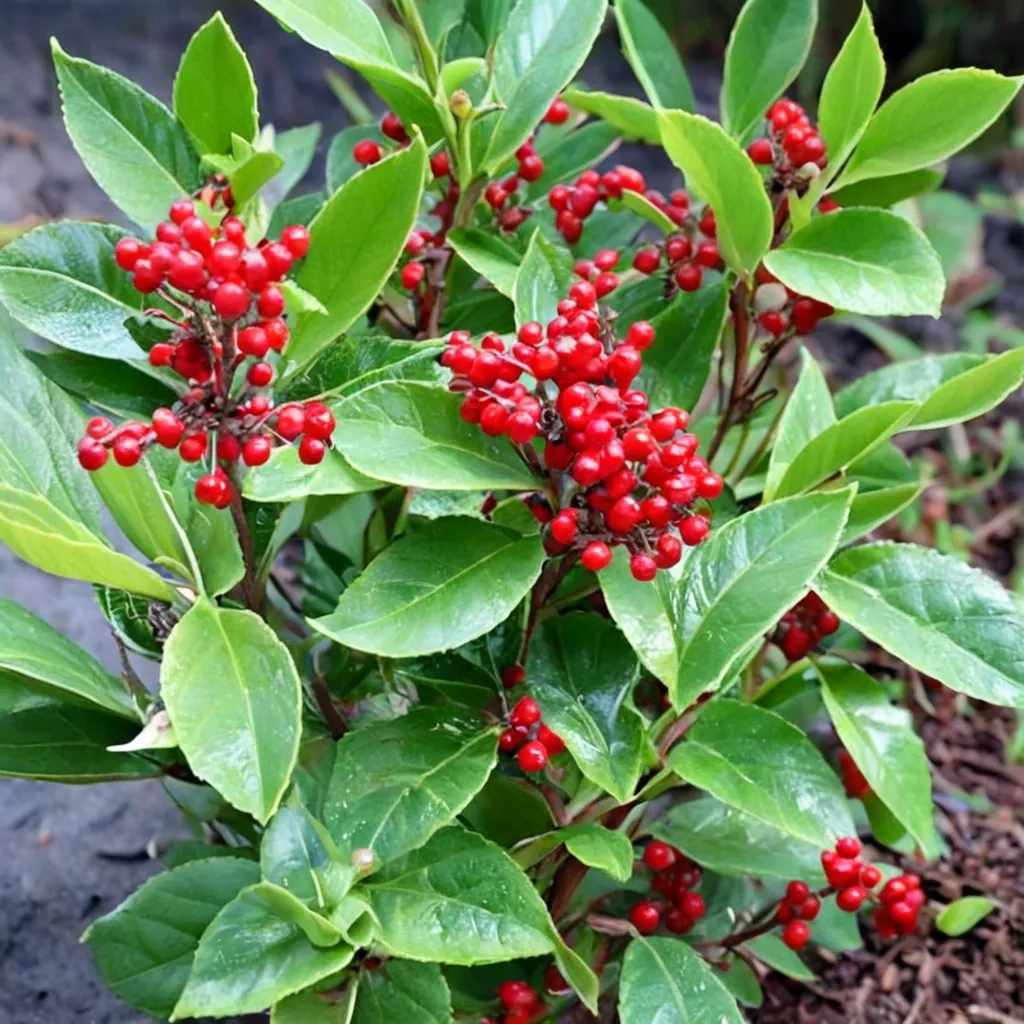
Mr Poppins Holly
Ilex x meserveae 'Mr Poppins'
Blue Holly Berry Poppins
Ilex x meserveae 'Berry Poppins'
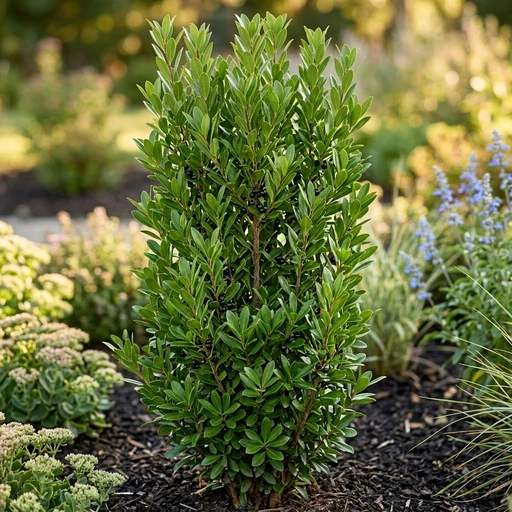
Squeeze Box Inkberry Holly
Ilex glabra 'Squeeze Box'
Keep exploring
Explore the genus
Grow Berry Heavy Winterberry with confidence
See it in a design of your actual yard, get zone-matched care reminders, and track it season by season in your garden journal.