The Story
Plant Bio
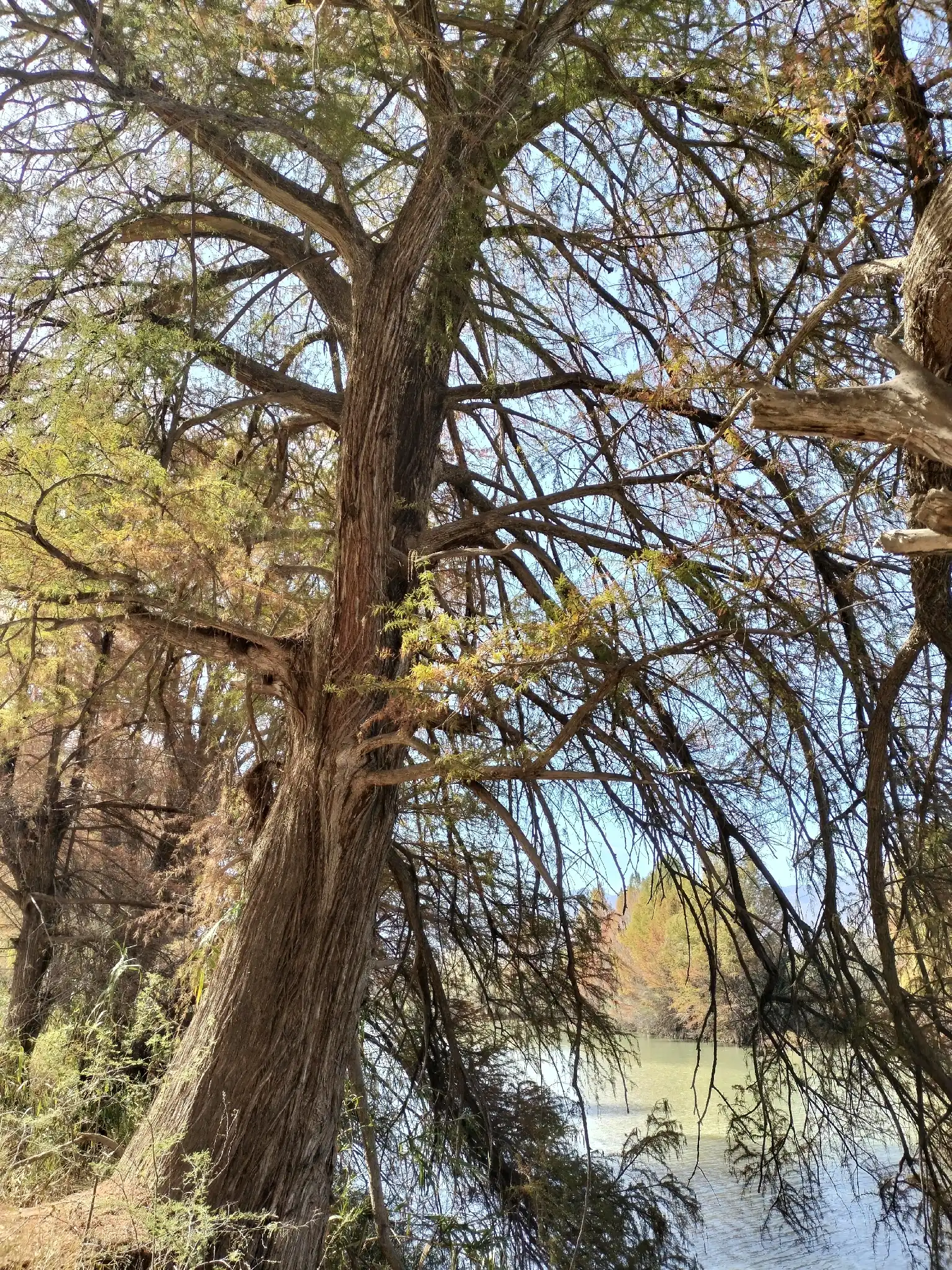
Taxodium mucronatum is a large long-lived conifer with a tall straight trunk, broad spreading crown and drooping branchlets of soft linear needles in medium to light green. It grows from wet riverbanks and swamps, forming a massive convoluted buttressed base and bearing small woody cones instead of showy flowers.
It holds its foliage through winter in mild climates where bald cypress drops it, shedding only in cold or dry spells, and it rarely forms the woody knees typical of Taxodium distichum. The small female cones carry a short sharp mucro point on each scale, and the needles bear stomata equally on both surfaces.
Uses & Benefits:
Essentials
At a Glance
Plant Type
Tree
Height
1560"
Width
600"
Light
Full Sun, Partial Sun
Zones
8, 9, 10
Water
High
Humidity
Unknown
Lifespan
Long-lived perennial tree
Native To
Southern Texas to Mexico and Central America
Toxicity
Unknown
Bloom period
Late winter – Spring
In flower about 4 months of the year
Marketplace
Where to Buy
Shipping costs Year-round shipping Free shipping
Planting
How to Grow
- Plant container stock in full sun in deep, permanently moist loam, clay or sandy loam beside a pond, stream or low swale.
- Set the root ball level with the soil surface in a hole twice as wide, backfill, then water deeply to settle air pockets.
- Mulch 3 inches deep to the drip line, keeping mulch off the trunk, and irrigate to keep soil wet through the first two summers.
- Stake only if the leader leans and remove the stake after one season so the trunk can flex and buttress.
- Leave at least 30 feet of clearance for the broad crown and buttressed base, clear of paving and foundations.
Pro Tip
Give it constant wet soil and room for its buttressed base; it grows fast in warm wet ground but takes winter damage north of central Texas.
Keep It Thriving
Care Guide
Do
- Keep soil consistently wet, with flooding or pond-edge moisture tolerated.
- Mulch deeply to hold soil moisture through summer heat.
- Leave the crown unpruned except to remove dead wood.
Don't
- Do not plant in dry upland soil and let the root ball dry out.
- Do not shear or cut back into bare interior wood to control size.
- Do not plant where hard freezes occur north of zone 8 without shelter.
Seasonal Care Calendar
| Task | Jan | Feb | Mar | Apr | May | Jun | Jul | Aug | Sep | Oct | Nov | Dec |
|---|---|---|---|---|---|---|---|---|---|---|---|---|
| Mulch | ||||||||||||
| Pest Check | ||||||||||||
| Plant | ||||||||||||
| Propagate | ||||||||||||
| Prune |
Watch Out For
Pests & Diseases
Common Pests
Common Diseases
In the Garden
Landscape Uses & Companions
Landscape Uses
Multiply
Propagation Methods
Good to Know
Common Questions
Montezuma Bald Cypress questions
What zones can Montezuma Bald Cypress grow in?
Montezuma Bald Cypress is hardy in USDA Zones 8–10: in that range it survives winter in the ground. Colder than Zone 8, winters are too cold for it to survive outdoors.
When does Montezuma Bald Cypress bloom?
Montezuma Bald Cypress typically blooms from late winter to late spring. Exact timing shifts a week or two with your zone — Sow's bloom calendar maps it to your garden.
Does Montezuma Bald Cypress need full sun?
Montezuma Bald Cypress does best in full sun to part shade. In hot climates, afternoon shade keeps blooms fresher longer.
More Taxodium to compare
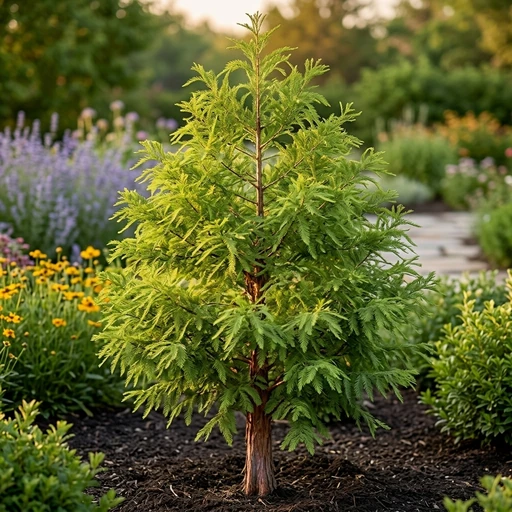
Green Whisper Bald Cypress
Taxodium distichum 'Green Whisper '
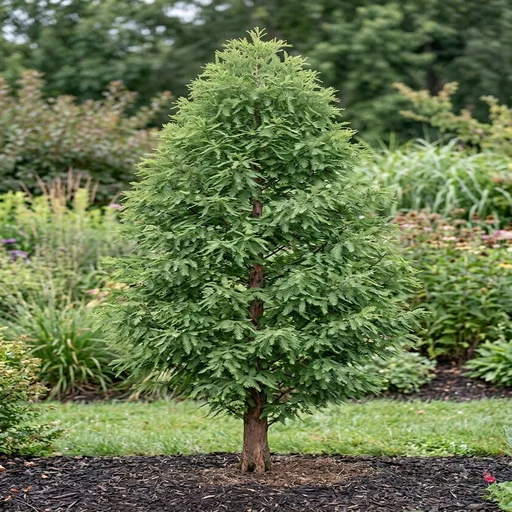
Shawnee Brave Bald Cypress
Taxodium distichum 'Mickelson'
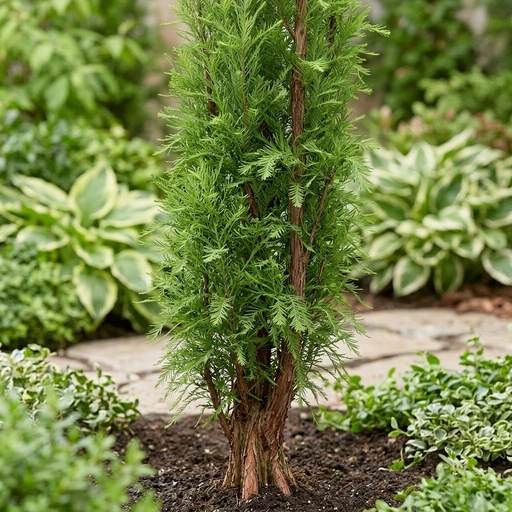
Lindsey's Skyward Bald Cypress
Taxodium distichum 'Skyward'
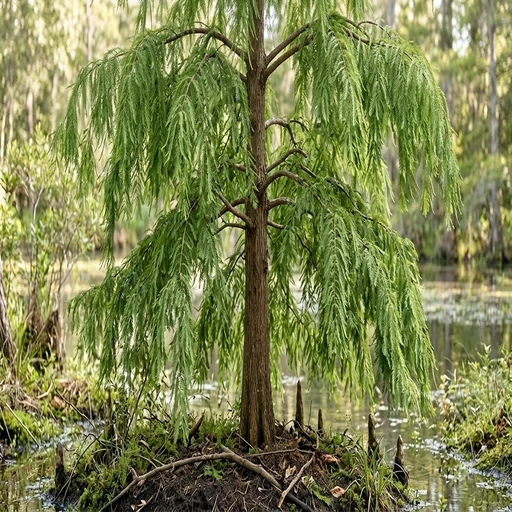
Falling Waters Weeping Bald Cypress
Taxodium distichum 'Falling Waters'
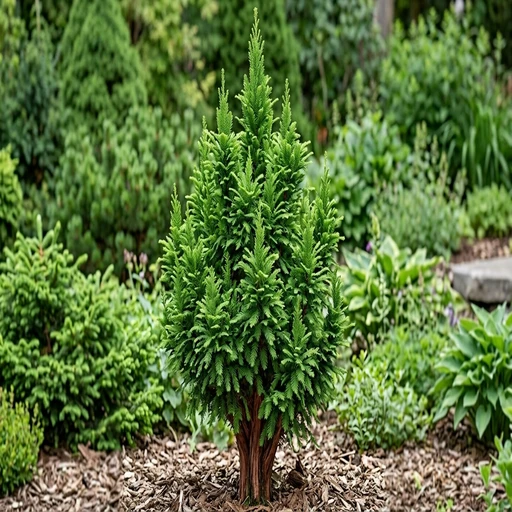
Peve Minaret Bald Cypress
Taxodium distichum 'Peve Minaret'
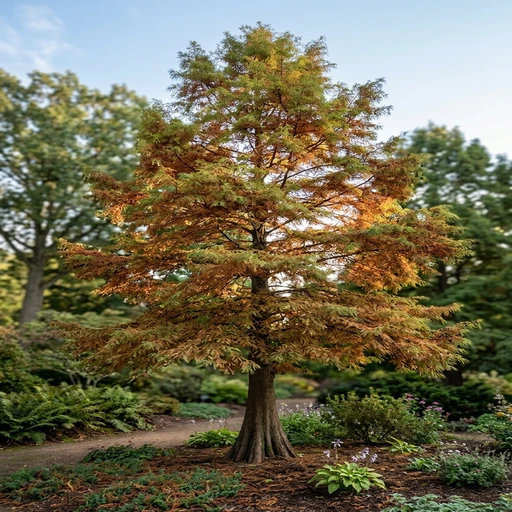
Bald Cypress
Taxodium distichum
Keep exploring
Explore the genus
Hardy in your zone?
Grow Montezuma Bald Cypress with confidence
See it in a design of your actual yard, get zone-matched care reminders, and track it season by season in your garden journal.