The Story
Plant Bio
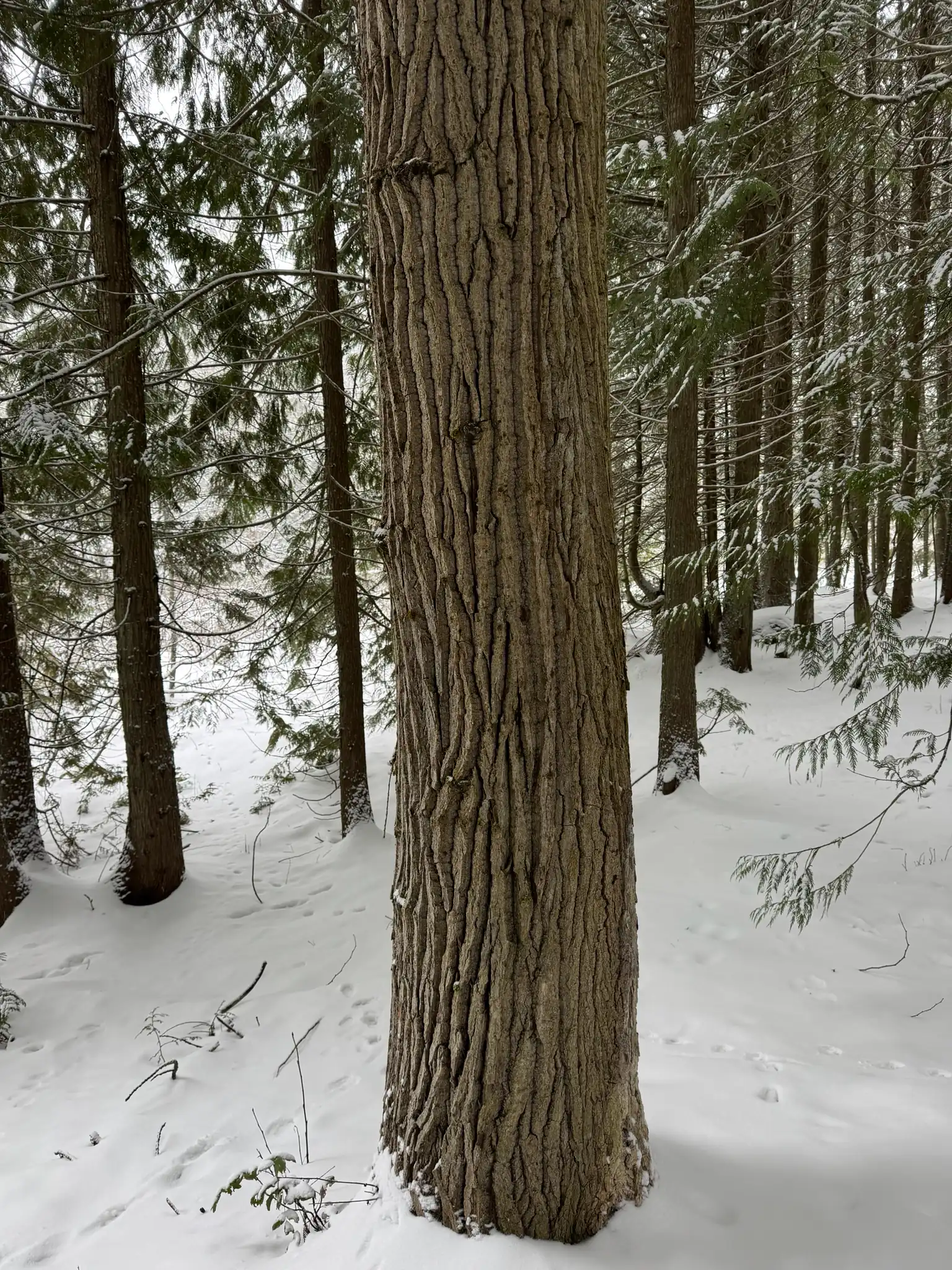
Populus balsamifera subsp. trichocarpa is a massive deciduous tree native to western North America, capable of reaching extreme heights along riverbanks and floodplains. The dark green leaves feature pale, resinous undersides that release a distinct balsam fragrance as they open in spring.
This tree is distinguished by its deeply furrowed dark gray bark, exceptionally fast growth rate, and resin-coated winter buds. Dioecious catkins appear before the leaves, with female trees producing airborne, cotton-tufted seeds in early summer.
Uses & Benefits:
Essentials
At a Glance
Plant Type
Tree
Height
1772"
Width
787"
Light
Full Sun
Zones
4, 5, 6, 7, 8, 9
Water
High
Humidity
Moderate
Lifespan
Perennial
Native To
North America
Toxicity
Non-toxic
Bloom period
Spring
In flower about 3 months of the year
Planting
How to Grow
- Select a site in full sun with deep, consistently moist soil and ample space for a tall, spreading canopy.
- Plant bare-root whips or live stakes during late winter dormancy, pushing stakes deeply into saturated bank soil.
- Water young trees regularly during their first two growing seasons until the root system reaches the local water table.
- Prune strictly in winter to clear dead or damaged branches, avoiding heavy pollarding on mature wood.
Pro Tip
Plant at least 100 feet away from foundations, septic lines, and paved walkways to prevent aggressive surface roots and water-seeking feeder roots from causing structural damage.
Keep It Thriving
Care Guide
Do
- Provide consistent moisture or plant directly adjacent to streams, ponds, or high water tables.
- Install physical tree guards around young trunks to protect against rabbit, beaver, and deer browsing.
- Prune exclusively during dormant winter months to prevent fungal infection and excessive sap bleeding.
Don't
- Do not plant near underground pipes, drainage fields, or building foundations.
- Do not allow young trees to dry out completely during extended summer droughts.
- Do not cut heavily into old, leafless wood, as regrowth is slow and prone to decay.
Seasonal Care Calendar
| Task | Jan | Feb | Mar | Apr | May | Jun | Jul | Aug | Sep | Oct | Nov | Dec |
|---|---|---|---|---|---|---|---|---|---|---|---|---|
| Mulch | ||||||||||||
| Pest Check | ||||||||||||
| Plant | ||||||||||||
| Prune |
Watch Out For
Pests & Diseases
Common Pests
Common Diseases
In the Garden
Landscape Uses & Companions
Landscape Uses
Companion Plants
Multiply
Propagation Methods
Good to Know
Common Questions
Black Cottonwood questions
What zones can Black Cottonwood grow in?
Black Cottonwood is hardy in USDA Zones 4–9: in that range it survives winter in the ground. Warmer than Zone 9, winter isn't the problem: it prefers colder winters, and summer heat can shorten its life.
Is Black Cottonwood deer resistant?
Not reliably. Deer may browse Black Cottonwood, especially tender spring growth — plan on repellents or fencing where pressure is high.
When does Black Cottonwood bloom?
Black Cottonwood typically blooms in spring. Exact timing shifts a week or two with your zone — Sow's bloom calendar maps it to your garden.
Does Black Cottonwood need full sun?
Black Cottonwood does best in full sun (6+ hours).
More Populus to compare
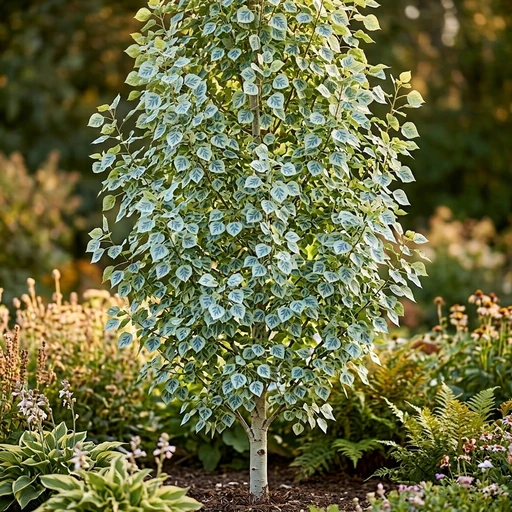
Summer Shimmer Aspen
Populus tremuloides 'Klaus Select'
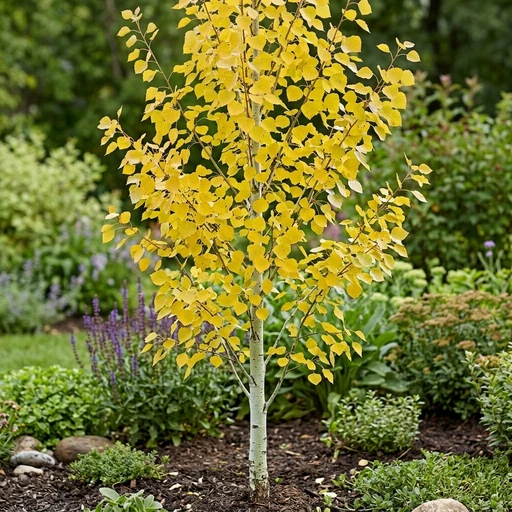
Prairie Gold Quaking Aspen
Populus tremuloides 'Prairie Gold'
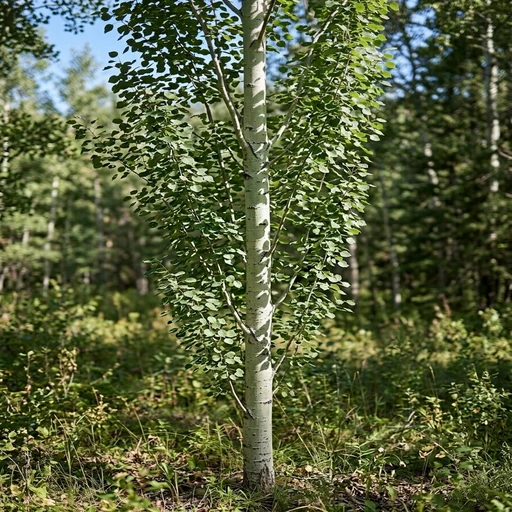
Mountain Sentinel Aspen
Populus tremuloides 'Mountain Sentinel'
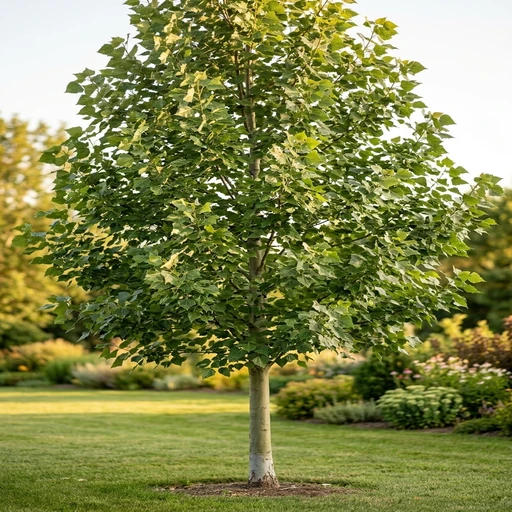
Siouxland Cottonless Poplar
Populus deltoides 'Siouxland'
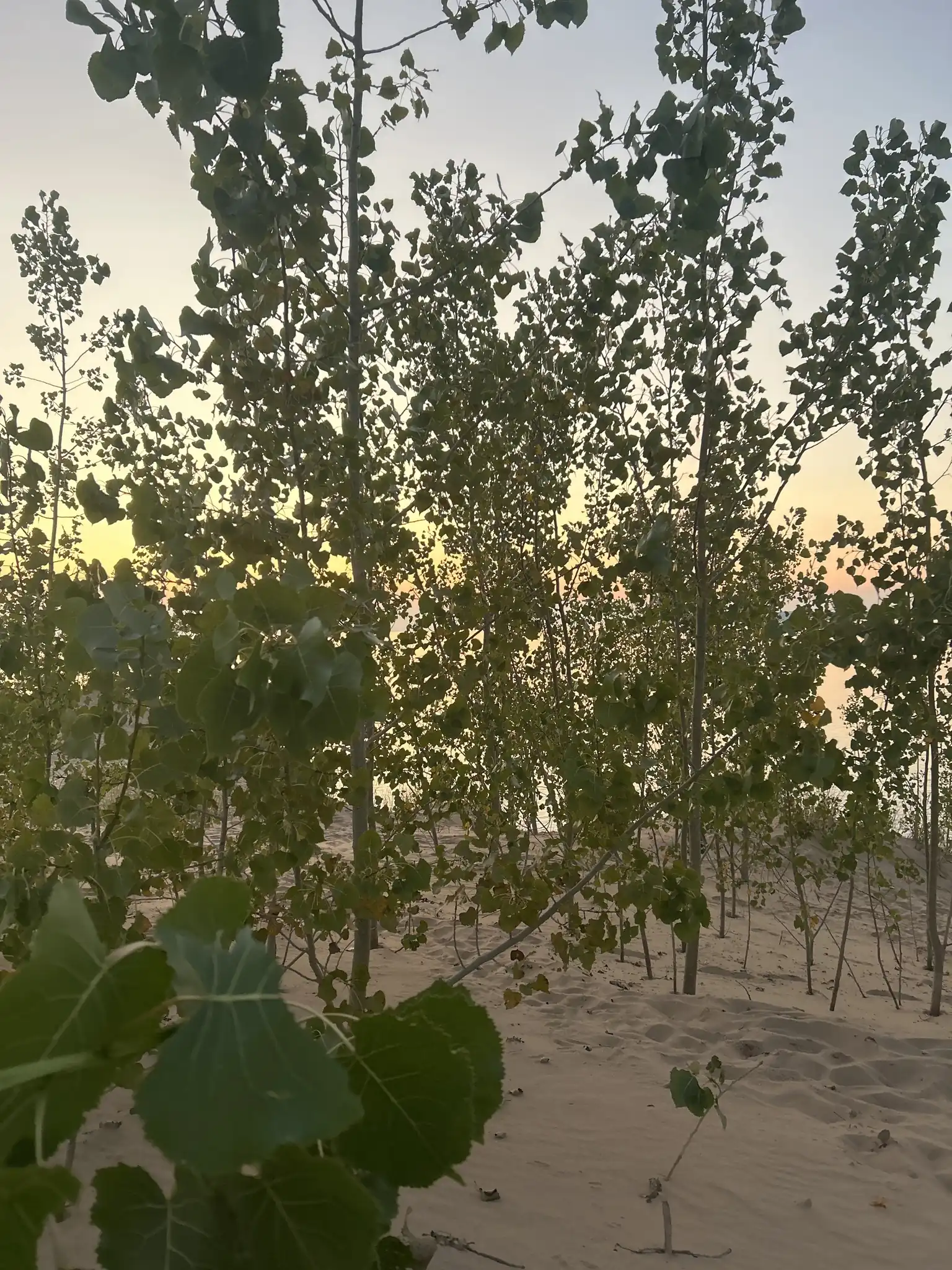
Eastern Cottonwood
Populus deltoides
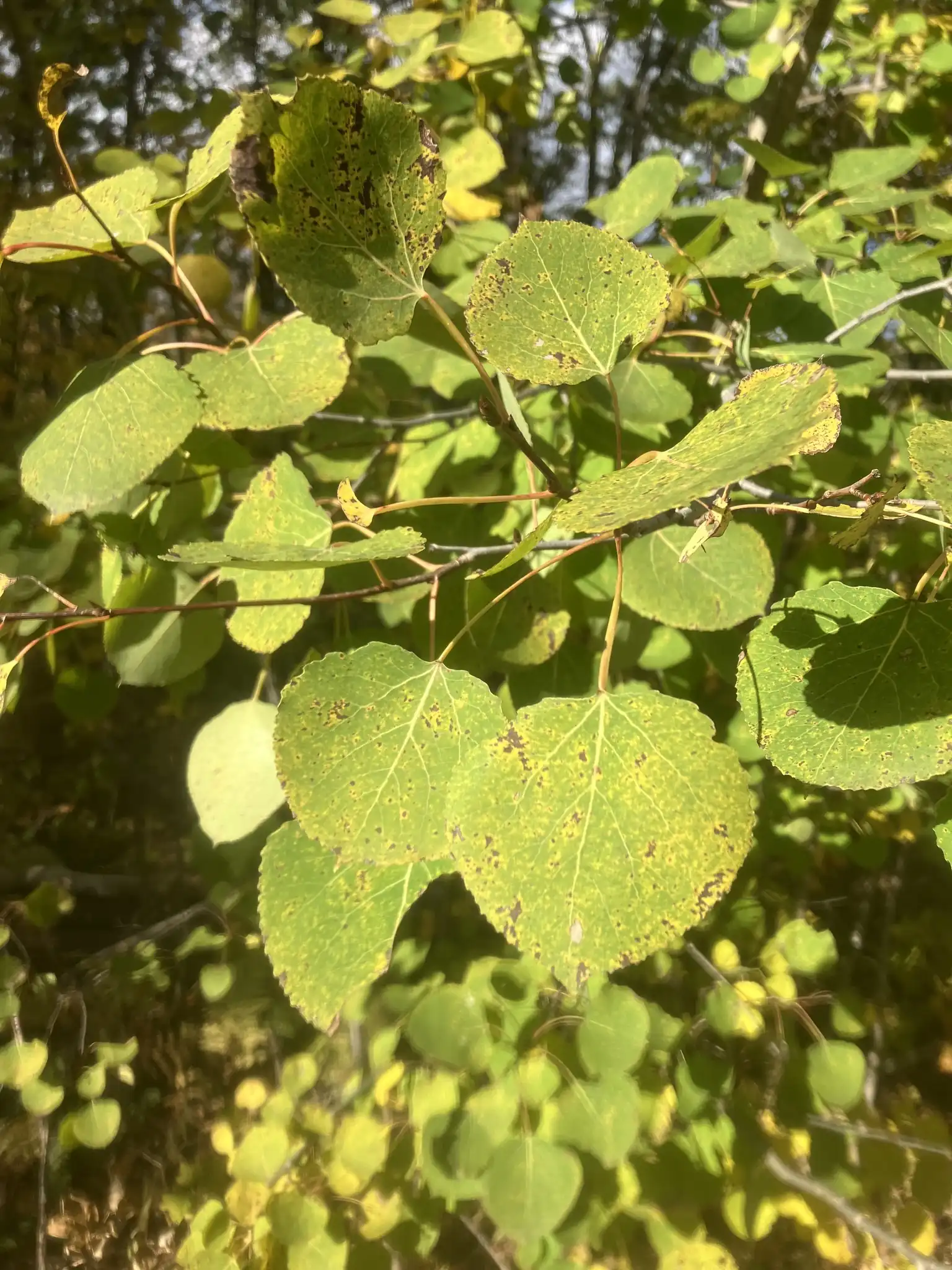
Quaking Aspen
Populus tremuloides
Keep exploring
Explore the genus
Grow Black Cottonwood with confidence
See it in a design of your actual yard, get zone-matched care reminders, and track it season by season in your garden journal.