The Story
Plant Bio
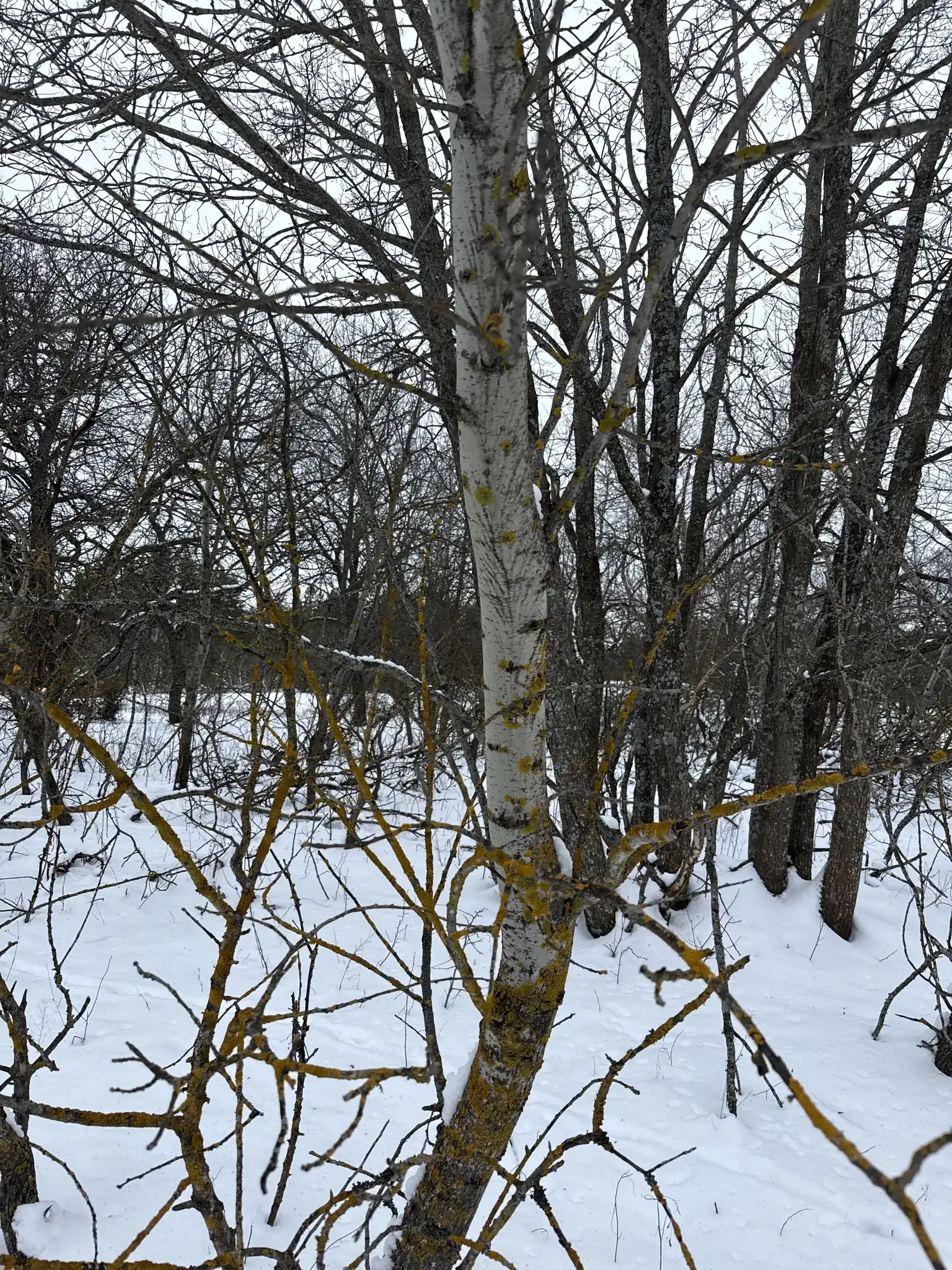
Populus tremula, the European aspen, is a medium-to-large deciduous tree reaching up to seventy feet tall with an open, rounded crown and dark green foliage that shines blue-grey beneath. Flattened petioles cause the leaves to tremble in the light breeze, turning a clear golden yellow before dropping in fall.
The species is dioecious, producing drooping catkins in early spring prior to leaf emergence, with male trees featuring crimson anthers. It spreads vigorously through an aggressive lateral root system, forming large clonal thickets over time.
Uses & Benefits:
Essentials
At a Glance
Plant Type
Tree
Height
827"
Width
472"
Light
Full Sun
Zones
4, 5, 6
Water
Moderate
Humidity
Moderate
Lifespan
Perennial
Native To
Temperate Eurasia and North Africa
Toxicity
Non-toxic
Bloom period
Spring
In flower about 3 months of the year
Planting
How to Grow
- Select a full-sun site with plenty of space far from underground utilities, paving, and septic lines.
- Dig a planting hole twice as wide as the root mass and place the collar level with the soil surface.
- Water thoroughly after planting and maintain consistent soil moisture during the establishment period.
- Mow over or sever root suckers below ground level annually to prevent unwanted thicket expansion.
Pro Tip
Prune strictly during late winter dormancy to prevent severe bleeding and reduce risk of fungal infection through cut surfaces.
Keep It Thriving
Care Guide
Do
- Plant in open, expansive spaces where root spreading will not damage paved structures.
- Prune exclusively during late winter when the tree is fully dormant.
- Sever root suckers deep beneath the soil line to keep a clean, single trunk.
Don't
- Do not plant near sewer pipes, driveways, or building foundations.
- Avoid pruning into old leafless wood, as regrowth will be slow or non-existent.
- Do not prune in early spring while sap flow is active.
Seasonal Care Calendar
| Task | Jan | Feb | Mar | Apr | May | Jun | Jul | Aug | Sep | Oct | Nov | Dec |
|---|---|---|---|---|---|---|---|---|---|---|---|---|
| Mulch | ||||||||||||
| Pest Check | ||||||||||||
| Prune | ||||||||||||
| Spring Cleanup |
Watch Out For
Pests & Diseases
Common Pests
Common Diseases
In the Garden
Landscape Uses & Companions
Landscape Uses
Companion Plants
Multiply
Propagation Methods
Good to Know
Common Questions
European Aspen questions
What zones can European Aspen grow in?
European Aspen is hardy in USDA Zones 4–6: in that range it survives winter in the ground. Warmer than Zone 6, winter isn't the problem: it prefers colder winters, and summer heat can shorten its life.
When does European Aspen bloom?
European Aspen typically blooms in spring. Exact timing shifts a week or two with your zone — Sow's bloom calendar maps it to your garden.
Does European Aspen need full sun?
European Aspen does best in full sun (6+ hours).
Is European Aspen drought tolerant?
Yes — once established (usually after the first full season), European Aspen handles dry spells with minimal watering. Water deeply its first year to build the root system that makes that possible.
More Populus to compare
Summer Shimmer Aspen
Populus tremuloides 'Klaus Select'
Prairie Gold Quaking Aspen
Populus tremuloides 'Prairie Gold'
Mountain Sentinel Aspen
Populus tremuloides 'Mountain Sentinel'
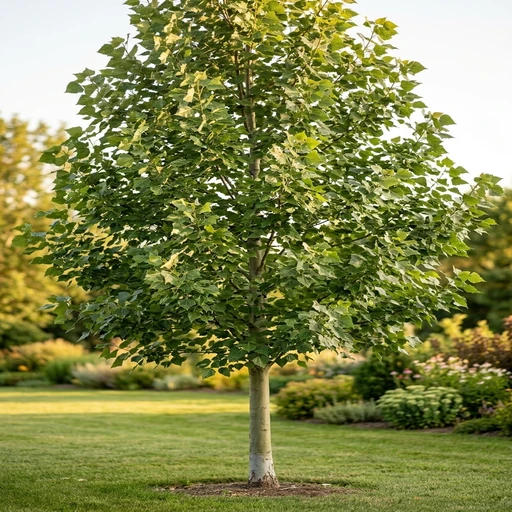
Siouxland Cottonless Poplar
Populus deltoides 'Siouxland'
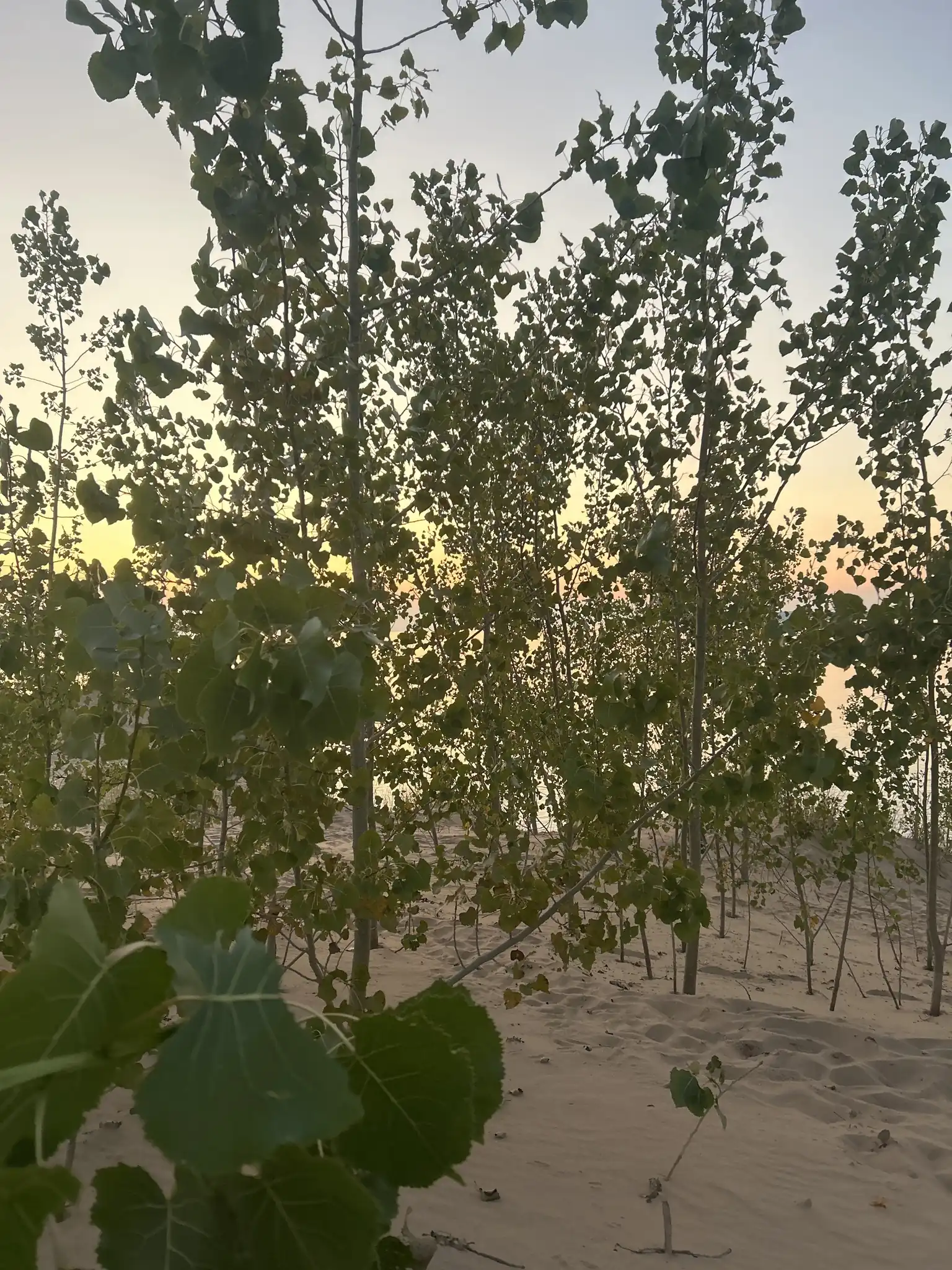
Eastern Cottonwood
Populus deltoides
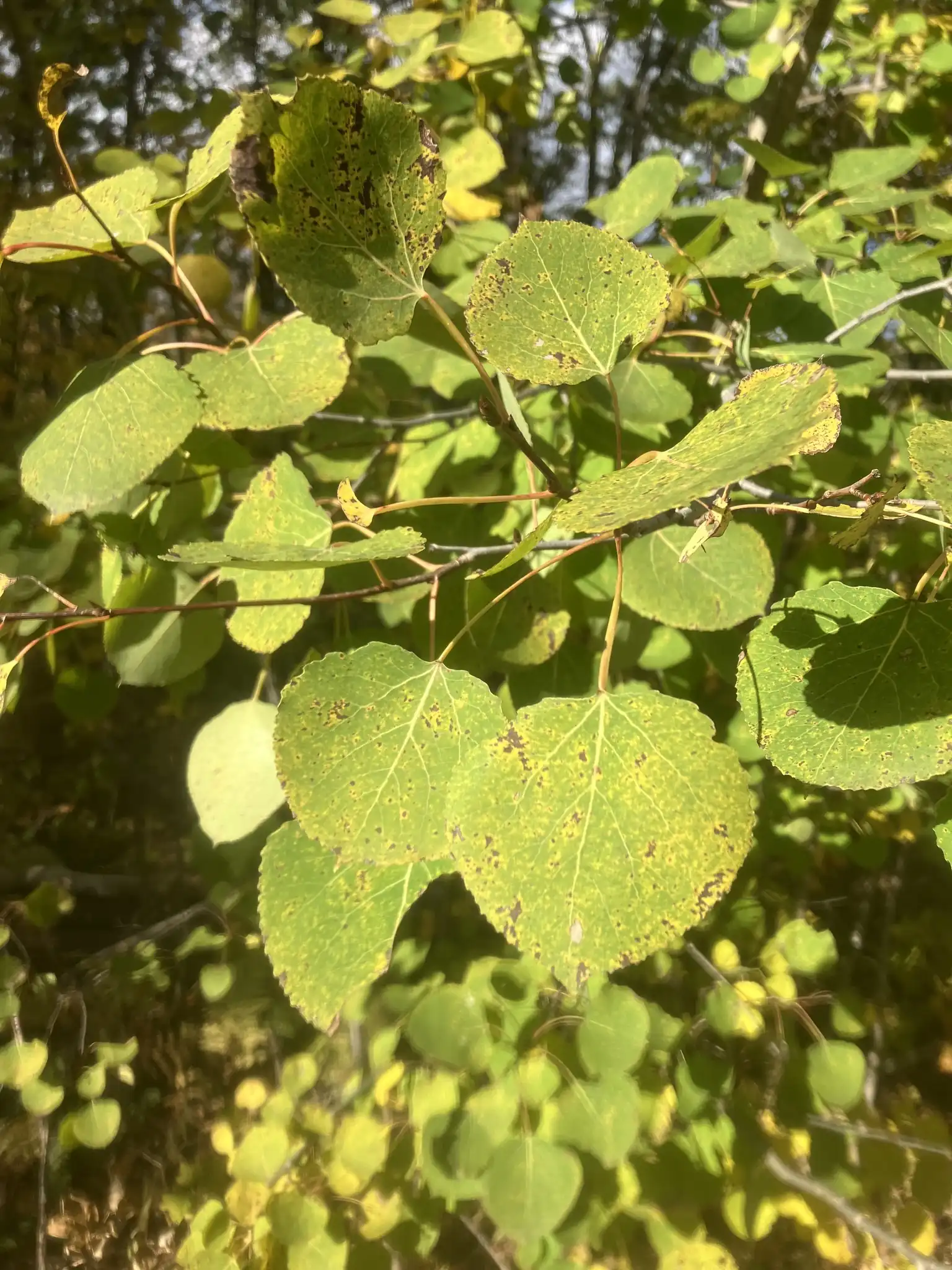
Quaking Aspen
Populus tremuloides
Keep exploring
Explore the genus
Hardy in your zone?
Grow European Aspen with confidence
See it in a design of your actual yard, get zone-matched care reminders, and track it season by season in your garden journal.