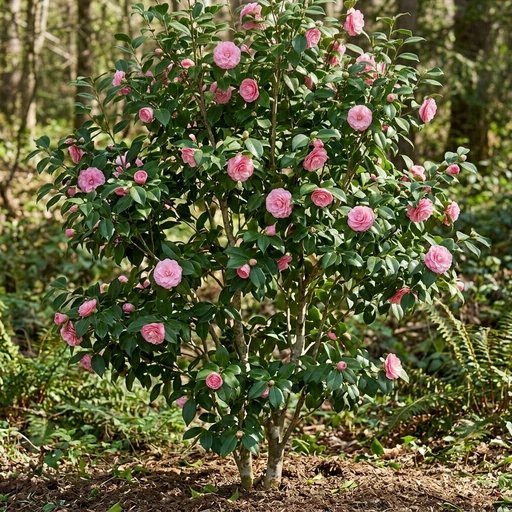
Species
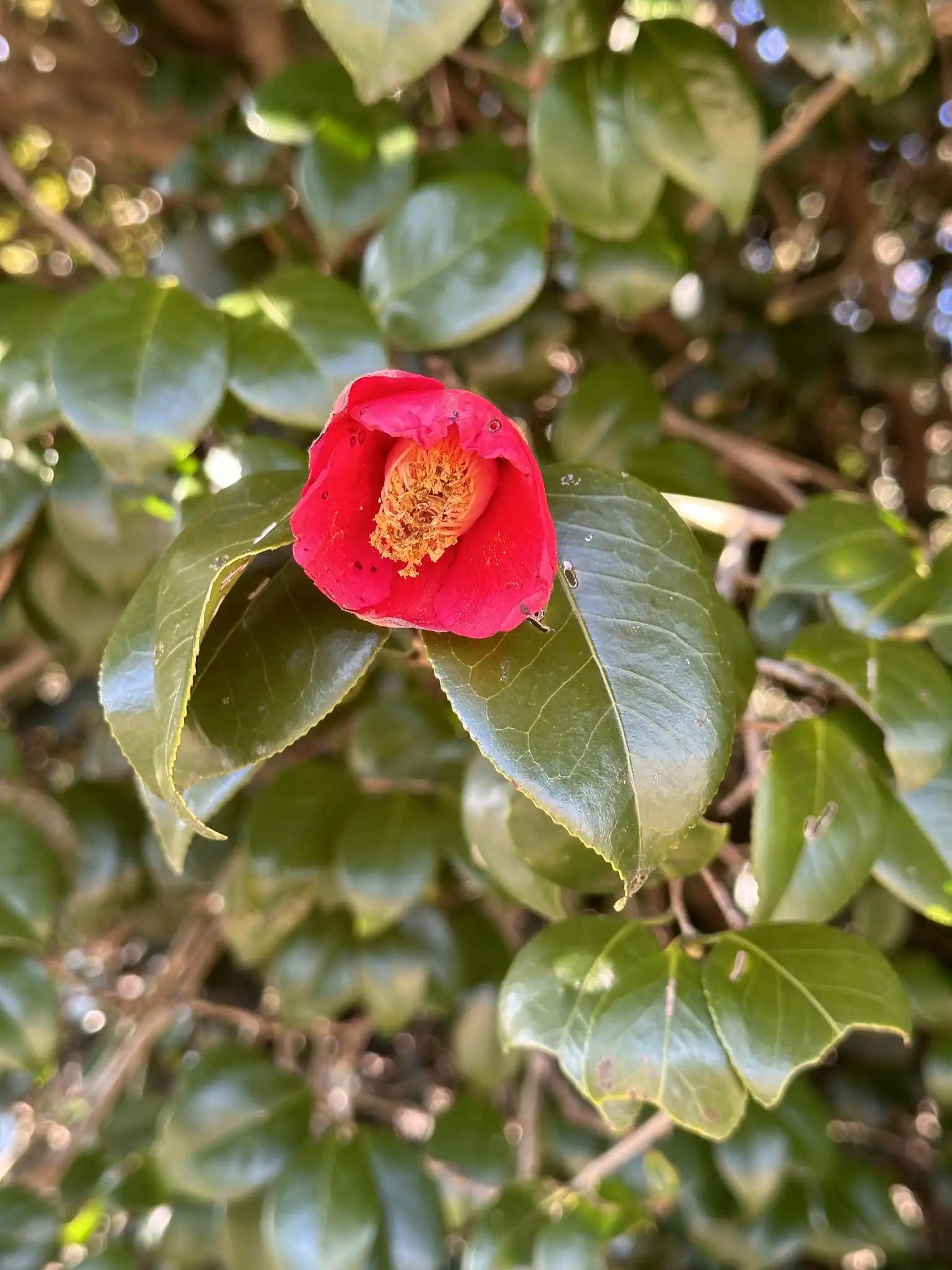 Camellia japonicaJapanese Camellia
23 other cultivars
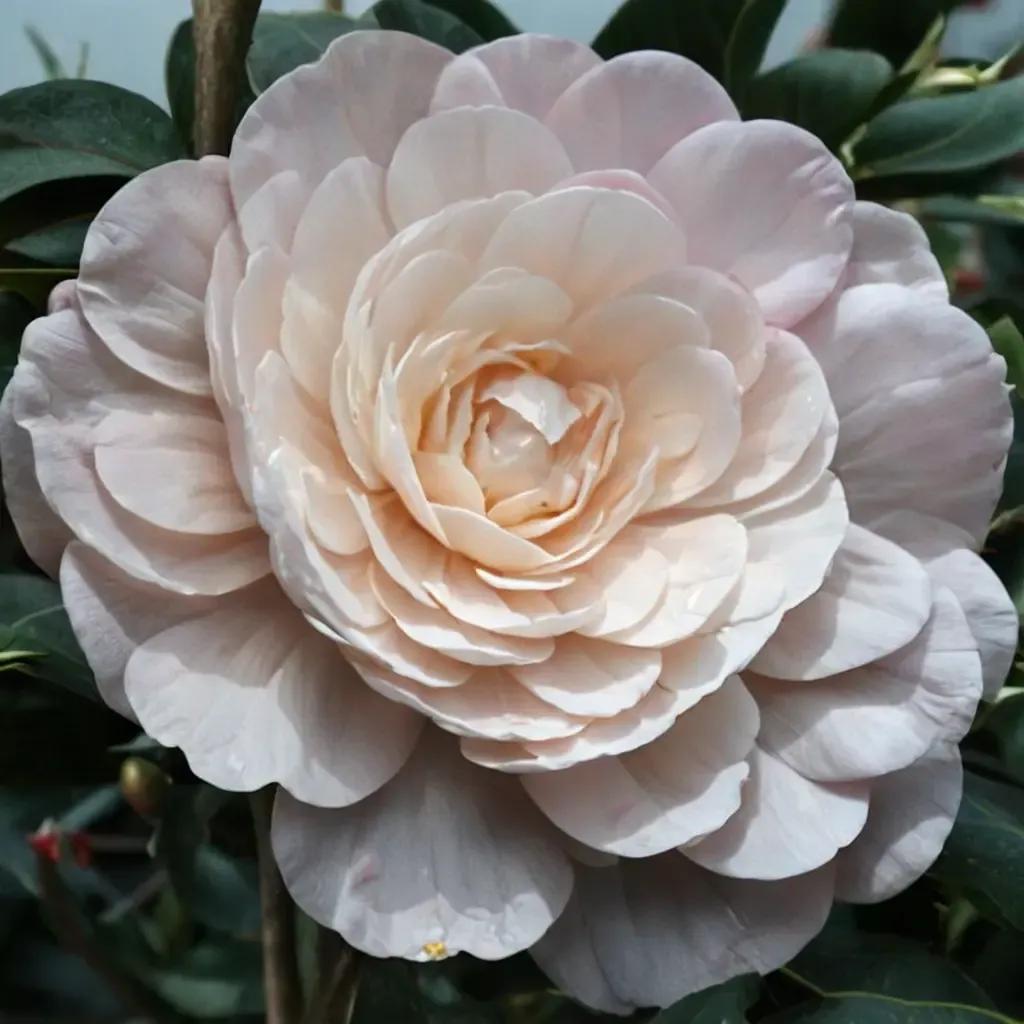 ‘Classic Pink’Classic Pink Camellia
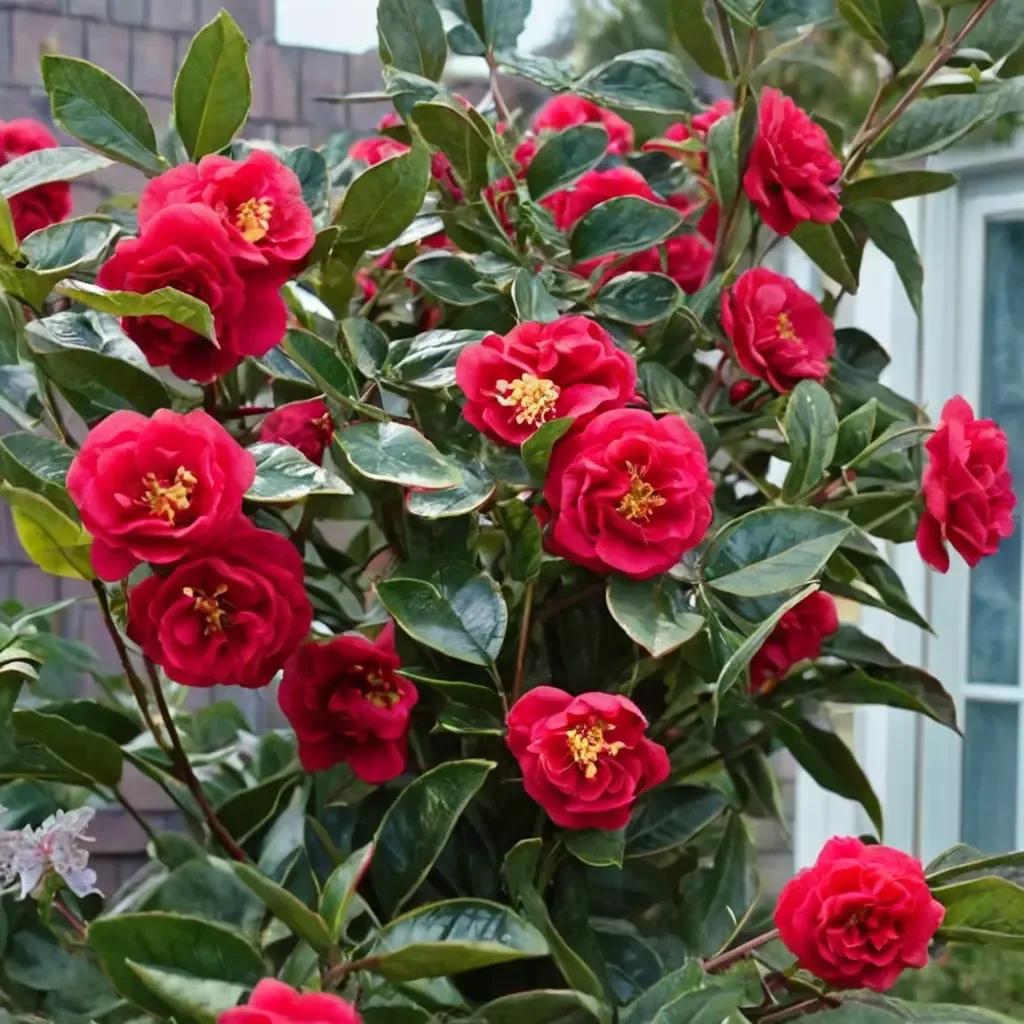 ‘Kramer's Supreme’Kramer's Supreme Camellia
 ‘Sea Foam’Sea Foam Camellia
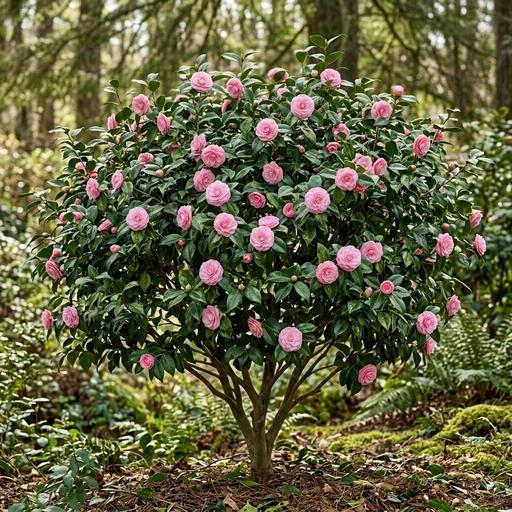 ‘Early Wonder’Early Wonder Camellia
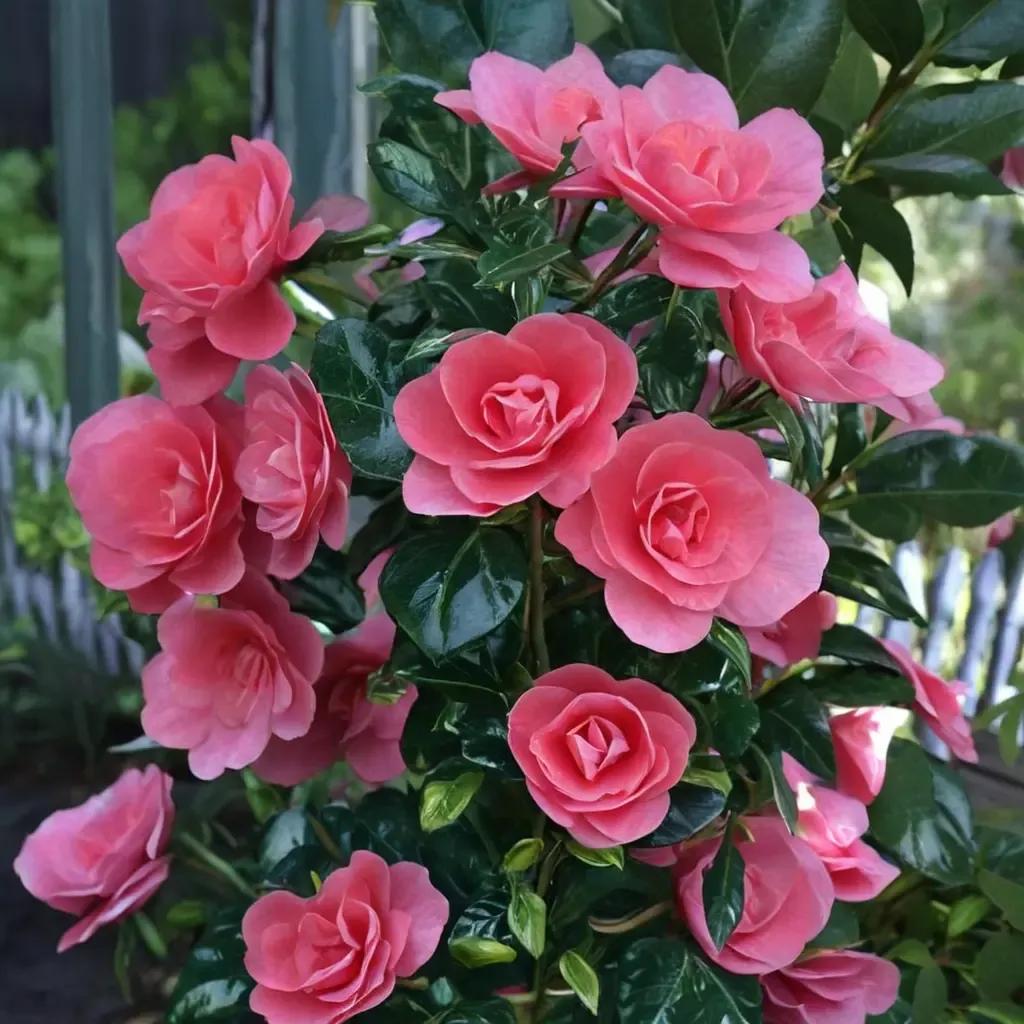 ‘Jerry Hill’Jerry Hill Camellia
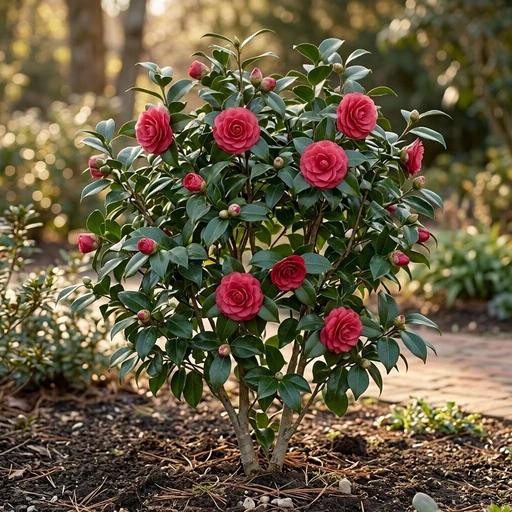 ‘Early Autumn’Early Autumn Camellia
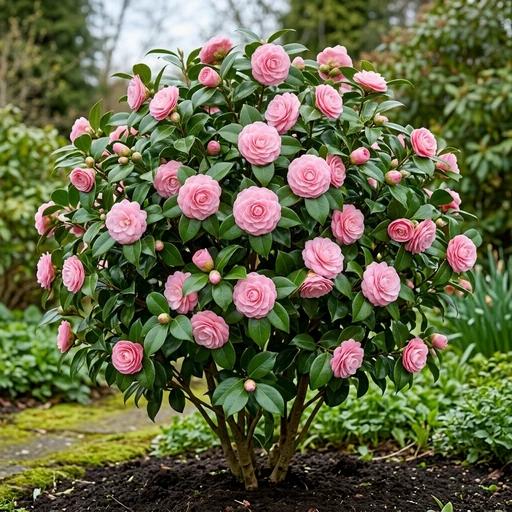 ‘Pink Perfection’Pink Perfection Camellia
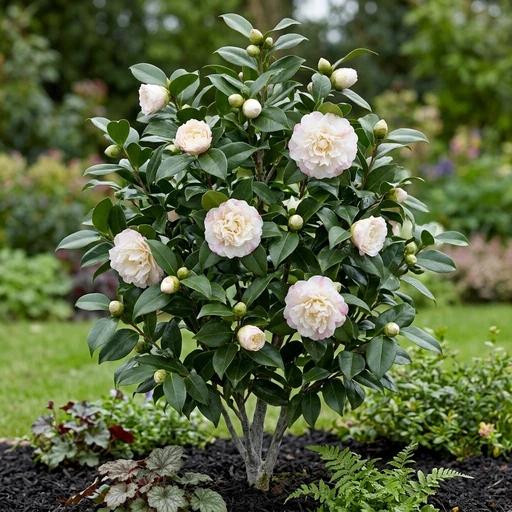 ‘Ice Angels’Spring's Promise Camellia
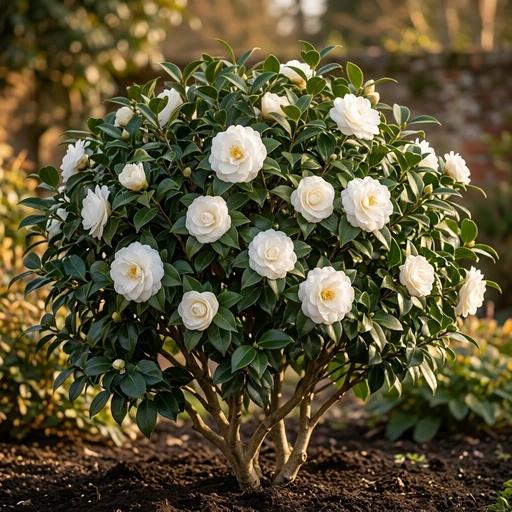 ‘Victory White’Victory White Japanese Camellia
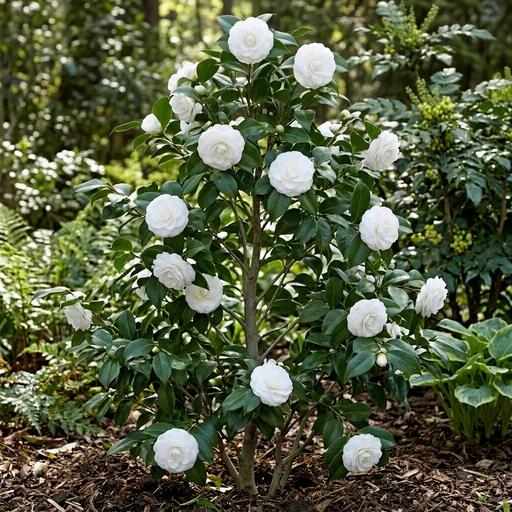 ‘Nuccio'S Gem’Nuccio's Gem Camellia
 ‘Kramer’Kramer's Supreme Camellia
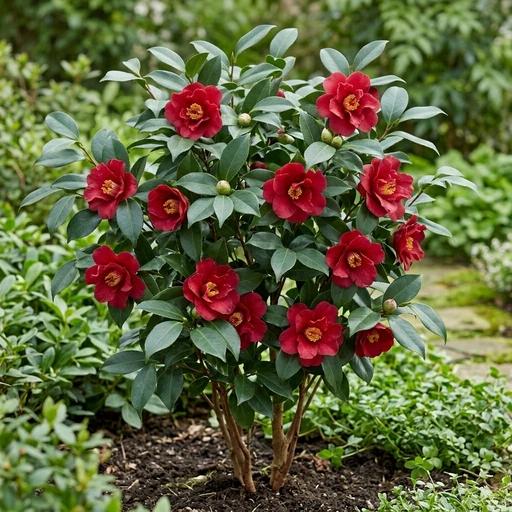 ‘Blood Of China’Blood of China Camellia
 ‘Greensboro Red’Greensboro Red Camellia
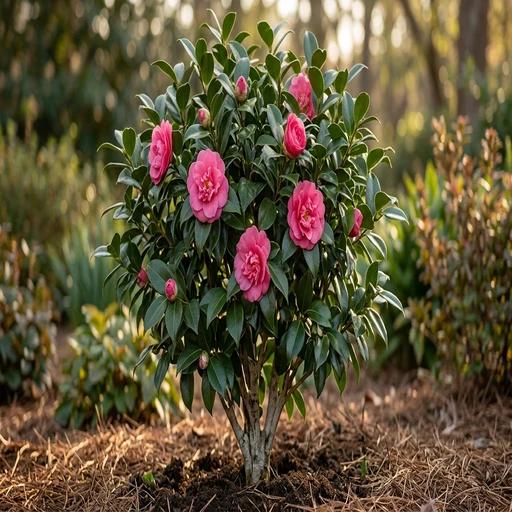 ‘Marie Bracey’Marie Bracy Camellia
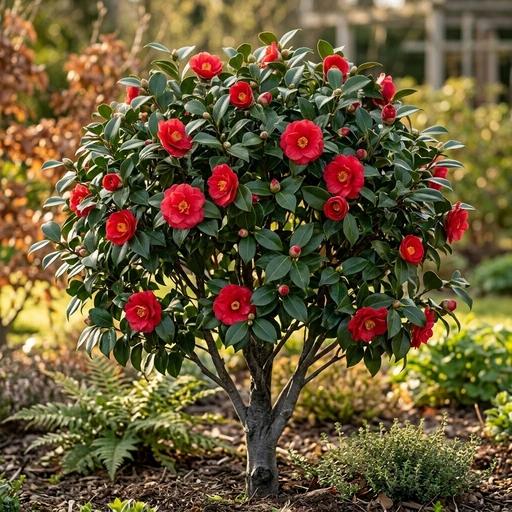 ‘Korean Fire’Korean Fire Camellia
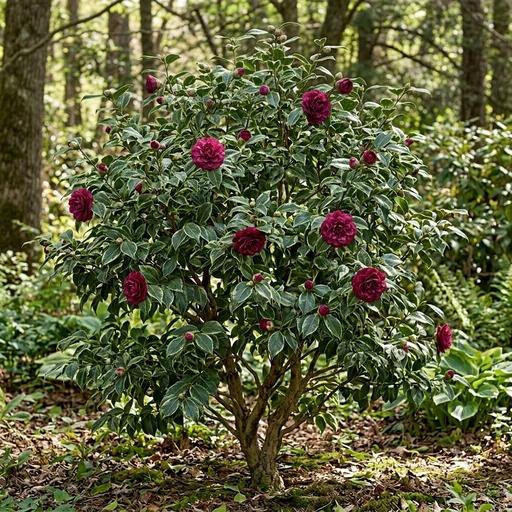 ‘Purple Dawn’Purple Dawn Japanese Camellia
 ‘Professor Charles S Sargent’Professor Sargent Camellia
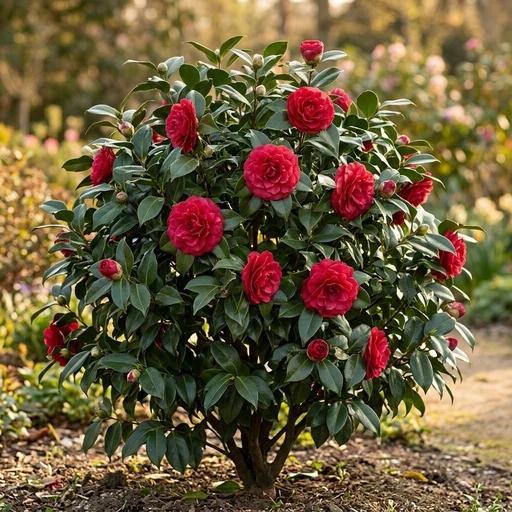 ‘Kramer'S Beauty’Kramer's Beauty Camellia
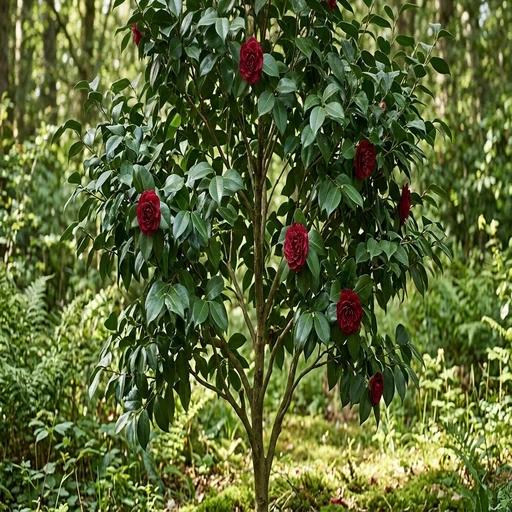 ‘Black Tie’Black Tie Japanese Camellia
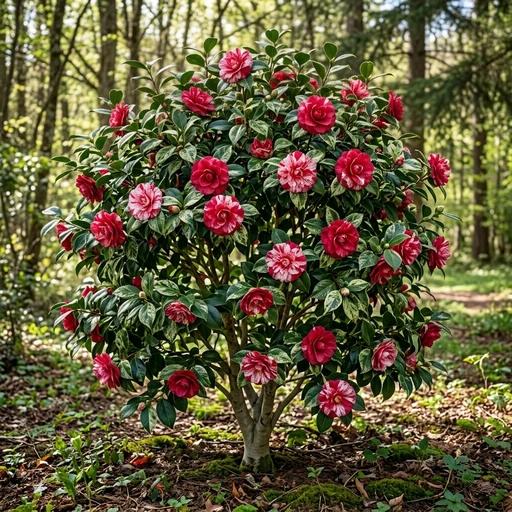 ‘Governor Mouton’Governor Mouton Camellia
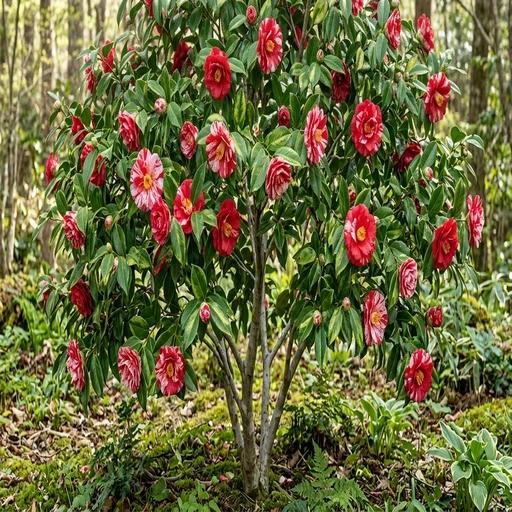 ‘Lady Vansittart’Lady Vansittart Camellia
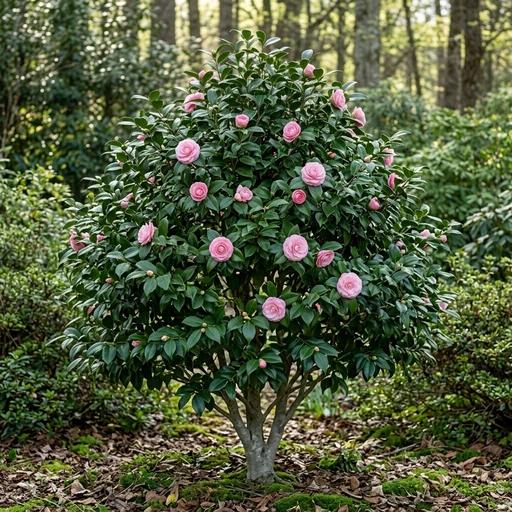 ‘Rose Dawn’Rose Dawn Japanese Camellia
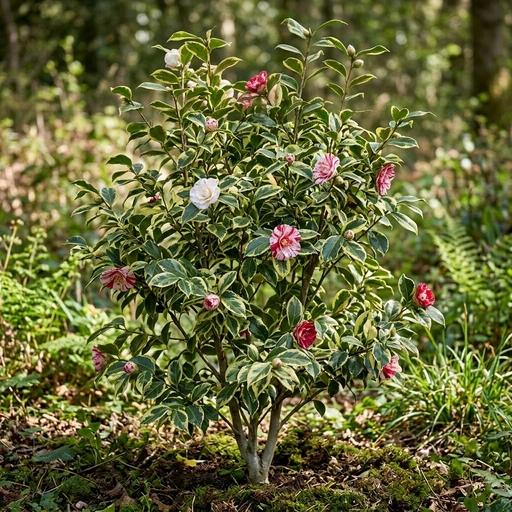 ‘Tricolor’Tricolor Japanese Camellia
The Story
Plant Bio
Camellia japonica is a broadleaf evergreen shrub prized for its large, showy flowers in late winter to spring and glossy, dark green leaves. They prefer sheltered locations with acidic, well-drained soil.
'Debutante' is celebrated for its large, fluffy, peony-style blooms in a delicate light pink. It is a vigorous, early-season bloomer, often producing a profusion of flowers that make a stunning display.
Uses & Benefits:
Essentials
At a Glance
Plant Type
Shrub
Height
96"
Width
96"
Light
Partial Sun, Shade
Zones
7, 8, 9
Water
Moderate
Humidity
Prefers moderate to high
Lifespan
Long-lived evergreen shrub
Native To
Japan, China, Korea
Toxicity
Non-toxic to humans and pets
Bloom period
Late winter – Early spring
In flower about 2 months of the year
Planting
How to Grow
- Choose a site with morning sun and afternoon shade, protected from harsh winds.
- Amend soil with organic matter to ensure it is acidic and well-draining.
- Dig a hole two to three times wider than the root ball.
- Set the plant so the top of the root ball is slightly above soil level.
- Backfill with amended soil, water thoroughly to settle, and create a water well.
- Apply a 2-3 inch layer of pine straw or bark mulch.
Pro Tip
Plant high, with the top of the root ball slightly above soil level, to ensure excellent drainage and prevent root rot.
Keep It Thriving
Care Guide
Do
- Provide consistent moisture, especially during dry spells in summer and fall.
- Use an acid-based fertilizer formulated for camellias or azaleas.
- Mulch annually to protect roots, conserve moisture, and suppress weeds.
- Prune immediately after flowering to shape the plant and encourage bushiness.
Don't
- Do not plant in heavy, waterlogged clay soil.
- Avoid planting in direct, hot afternoon sun which can scorch leaves.
- Never pile mulch directly against the trunk, as it can cause rot.
- Do not fertilize in the late fall, as this can encourage tender new growth.
Seasonal Care Calendar
| Task | Jan | Feb | Mar | Apr | May | Jun | Jul | Aug | Sep | Oct | Nov | Dec |
|---|---|---|---|---|---|---|---|---|---|---|---|---|
| Fertilize | ||||||||||||
| Mulch | ||||||||||||
| Pest Check | ||||||||||||
| Plant | ||||||||||||
| Prune |
Watch Out For
Pests & Diseases
Common Pests
Common Diseases
In the Garden
Landscape Uses & Companions
Landscape Uses
Companion Plants
Multiply
Propagation Methods
Good to Know
Common Questions
Debutante Camellia questions
What zones can Debutante Camellia grow in?
Debutante Camellia is hardy in USDA Zones 7–9. Inside that range it survives winter in the ground; outside it, grow it as an annual or a container plant you protect.
Is Debutante Camellia deer resistant?
Yes — Debutante Camellia is rated deer-resistant. Deer typically pass it over, though extreme hunger can override any plant's defenses.
When does Debutante Camellia bloom?
Debutante Camellia typically blooms in late winter through early spring. Exact timing shifts a week or two with your zone — Sow's bloom calendar maps it to your garden.
Does Debutante Camellia need full sun?
Debutante Camellia does best in part shade.
More Camellia to compare
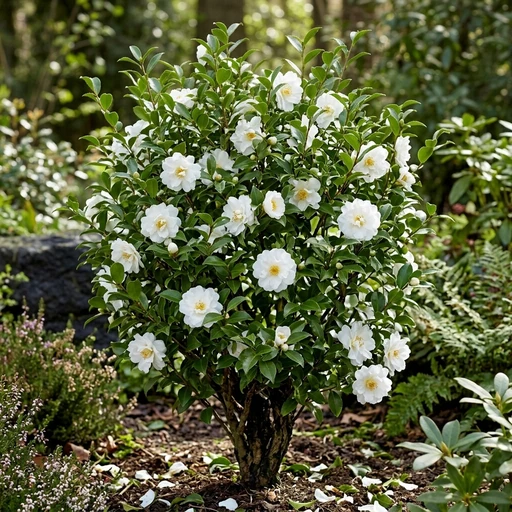
Setsugekka Camellia
Camellia sasanqua 'Setsugekka'
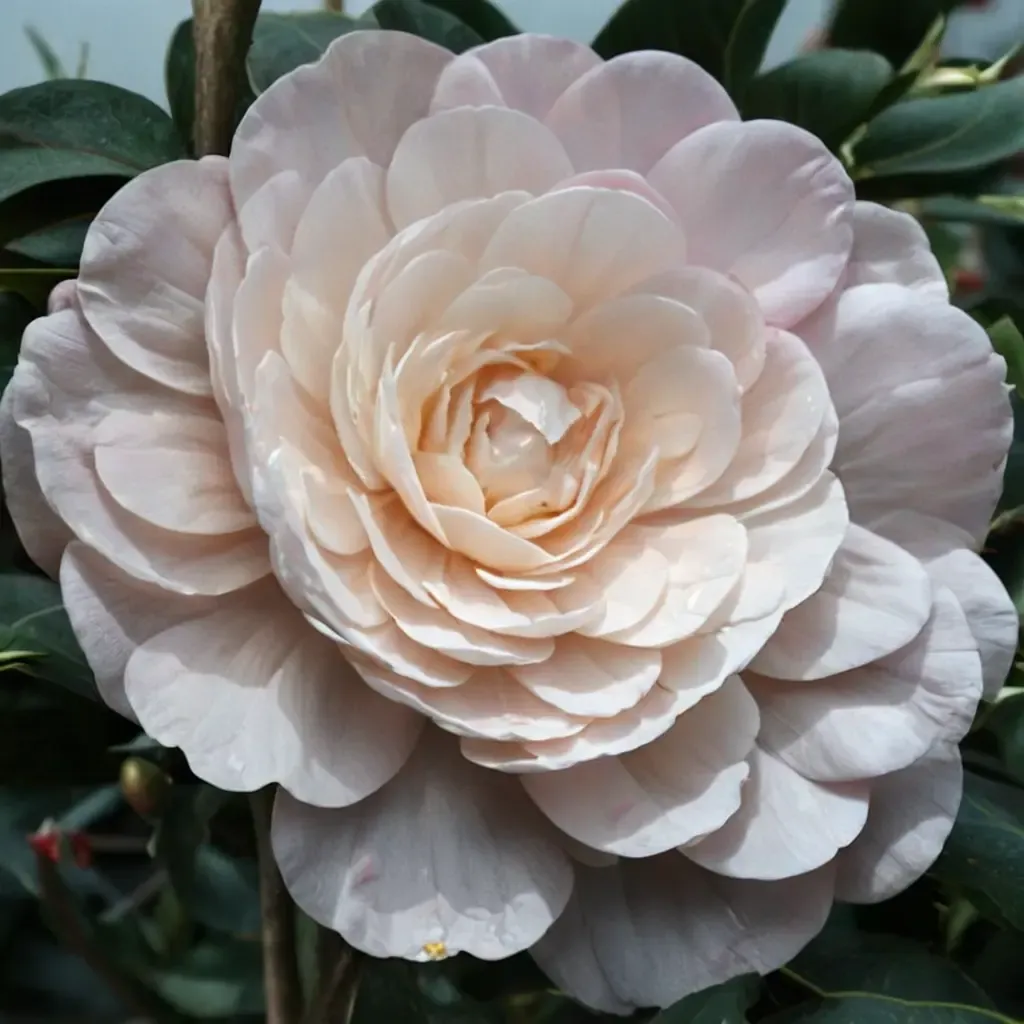
Classic Pink Camellia
Camellia japonica 'Classic Pink'
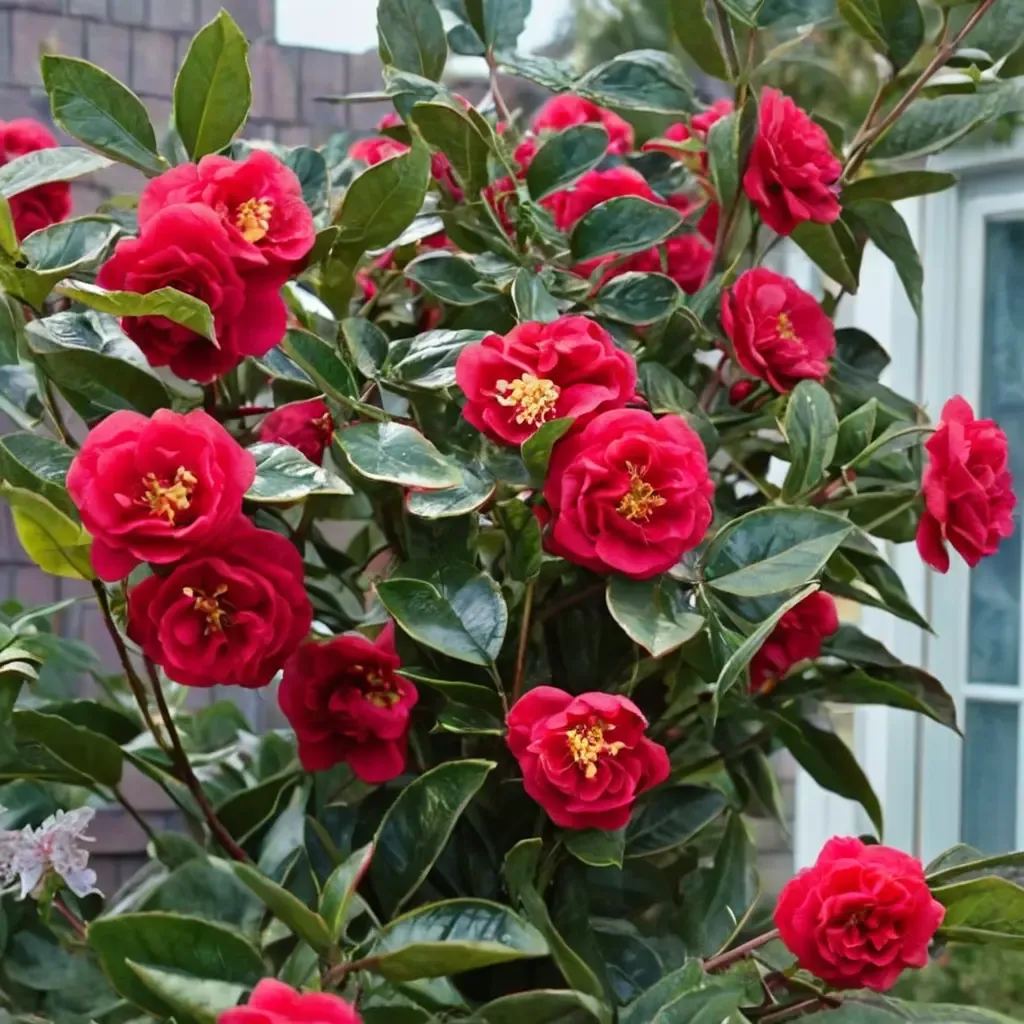
Kramer's Supreme Camellia
Camellia japonica 'Kramer's Supreme'
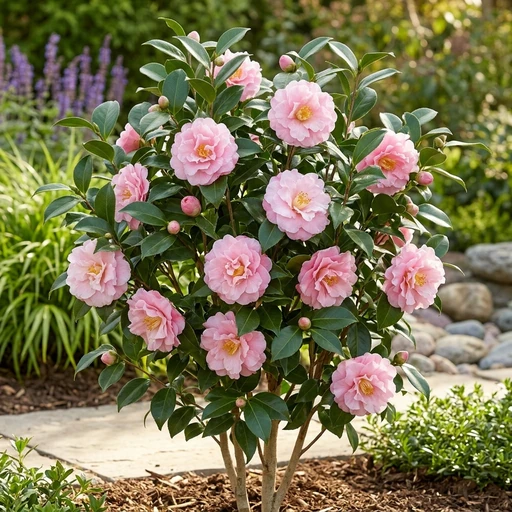
High Fragrance Camellia
Camellia 'High Fragrance'
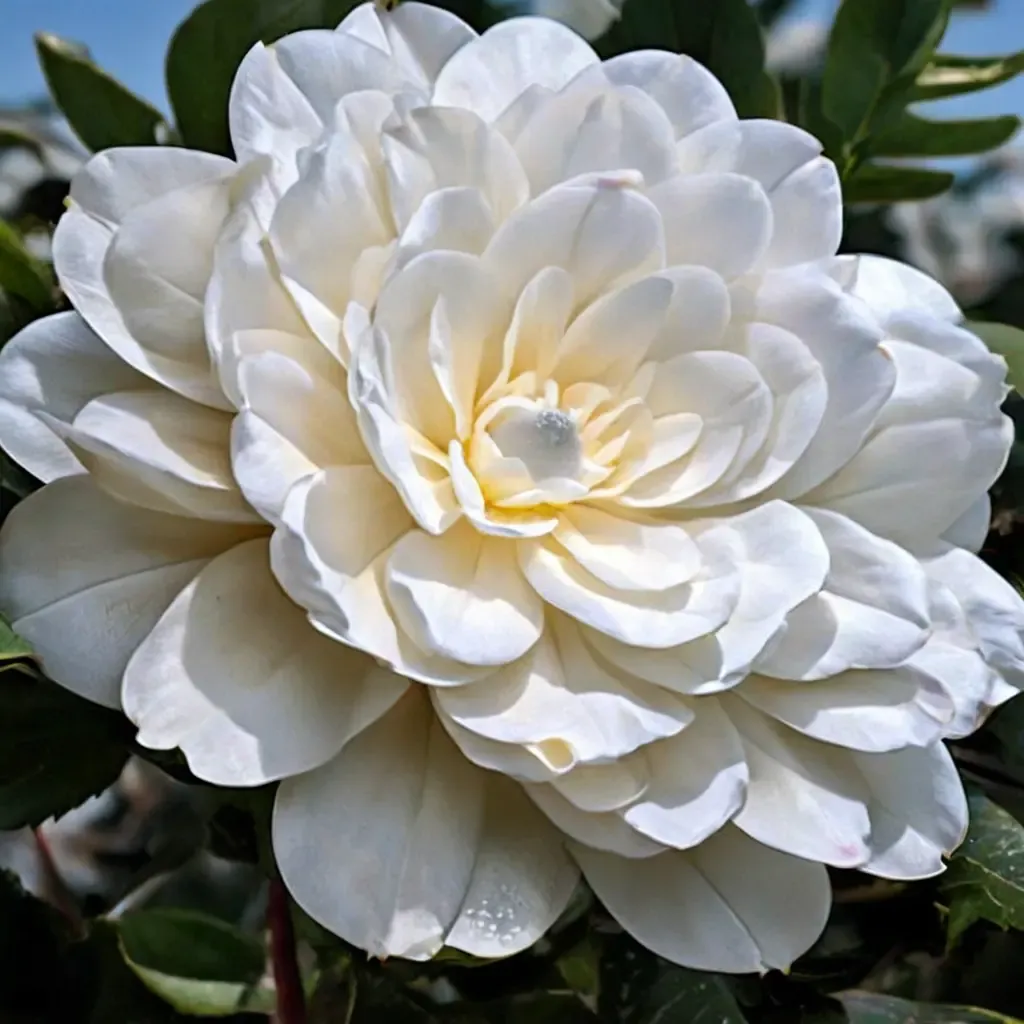
Sea Foam Camellia
Camellia japonica 'Sea Foam'
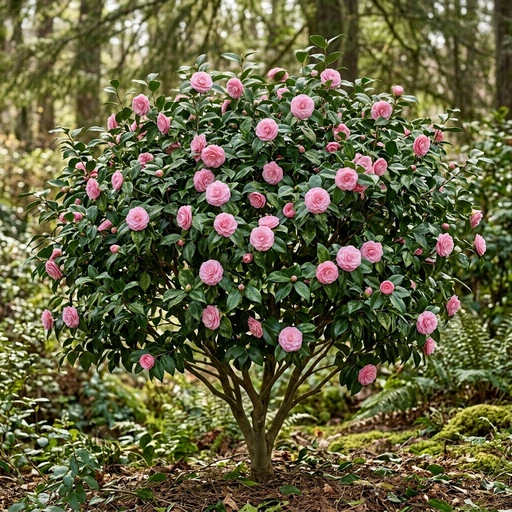
Early Wonder Camellia
Camellia japonica 'Early Wonder'
Keep exploring
Explore the genus
Hardy in your zone?
Grow Debutante Camellia with confidence
See it in a design of your actual yard, get zone-matched care reminders, and track it season by season in your garden journal.