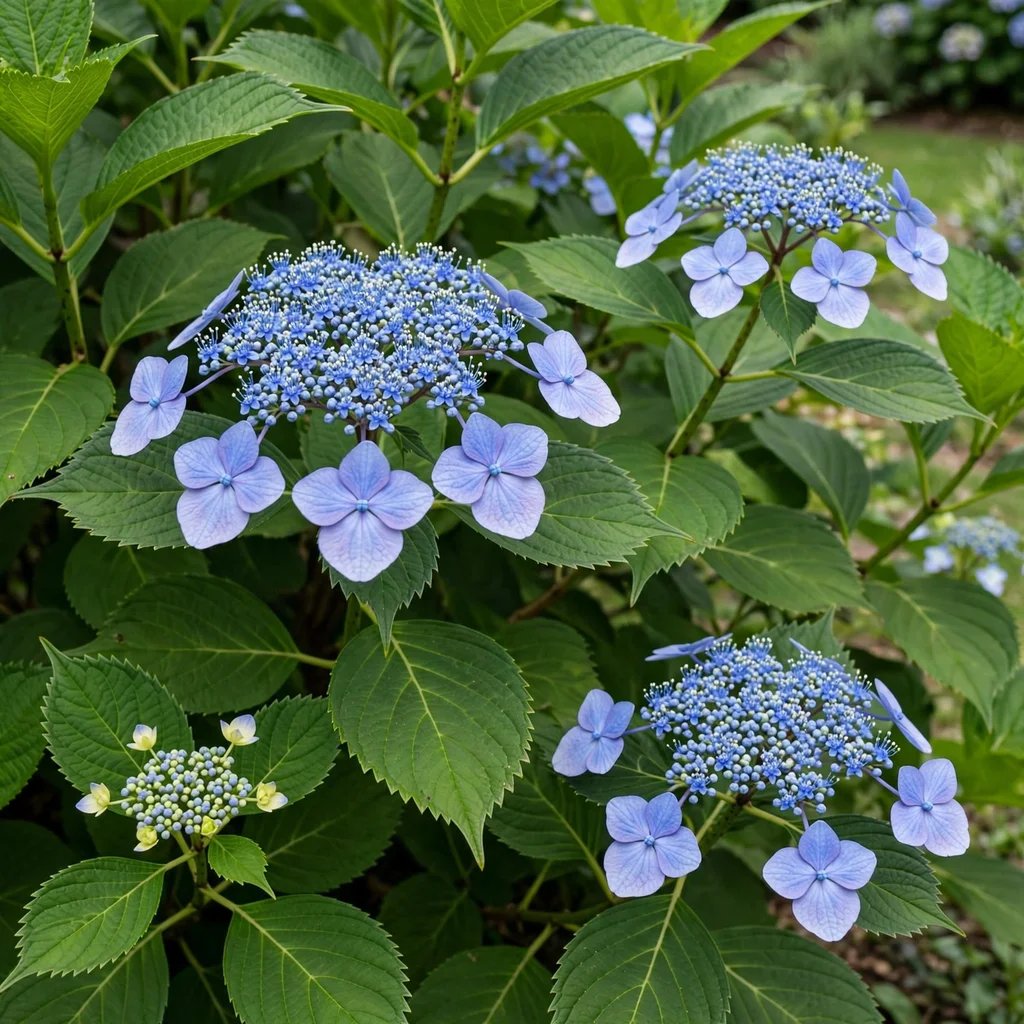
Species
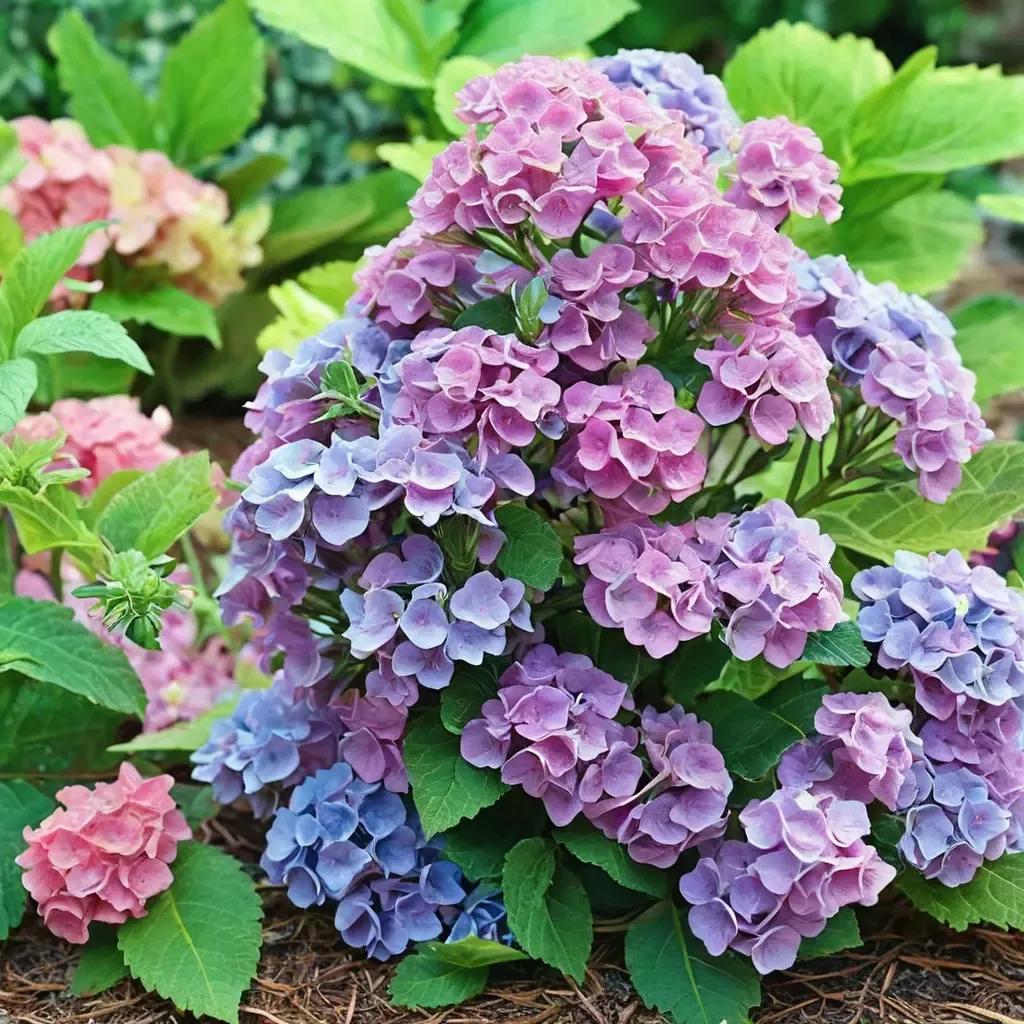 Hydrangea macrophyllaBigleaf Hydrangea
60 other cultivars
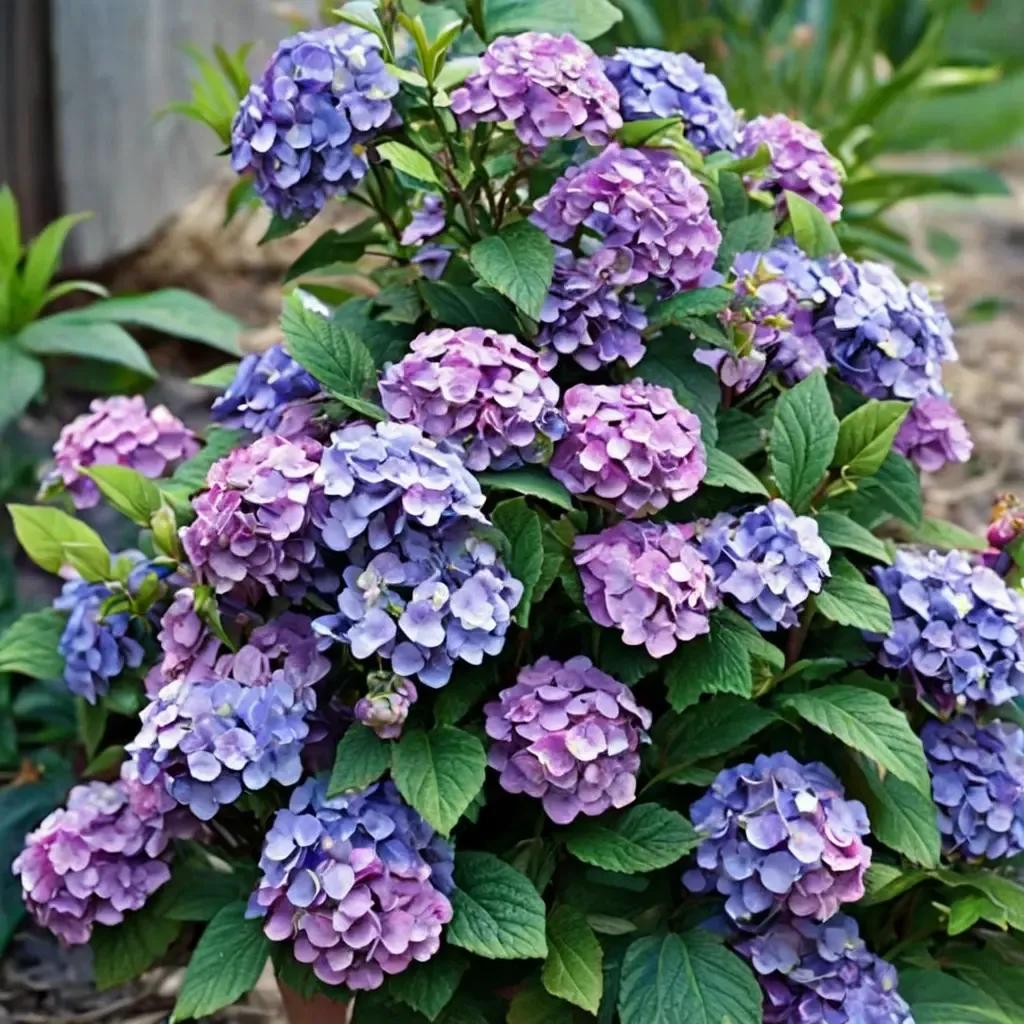 ‘Bloomstruck’Bloomstruck Hydrangea
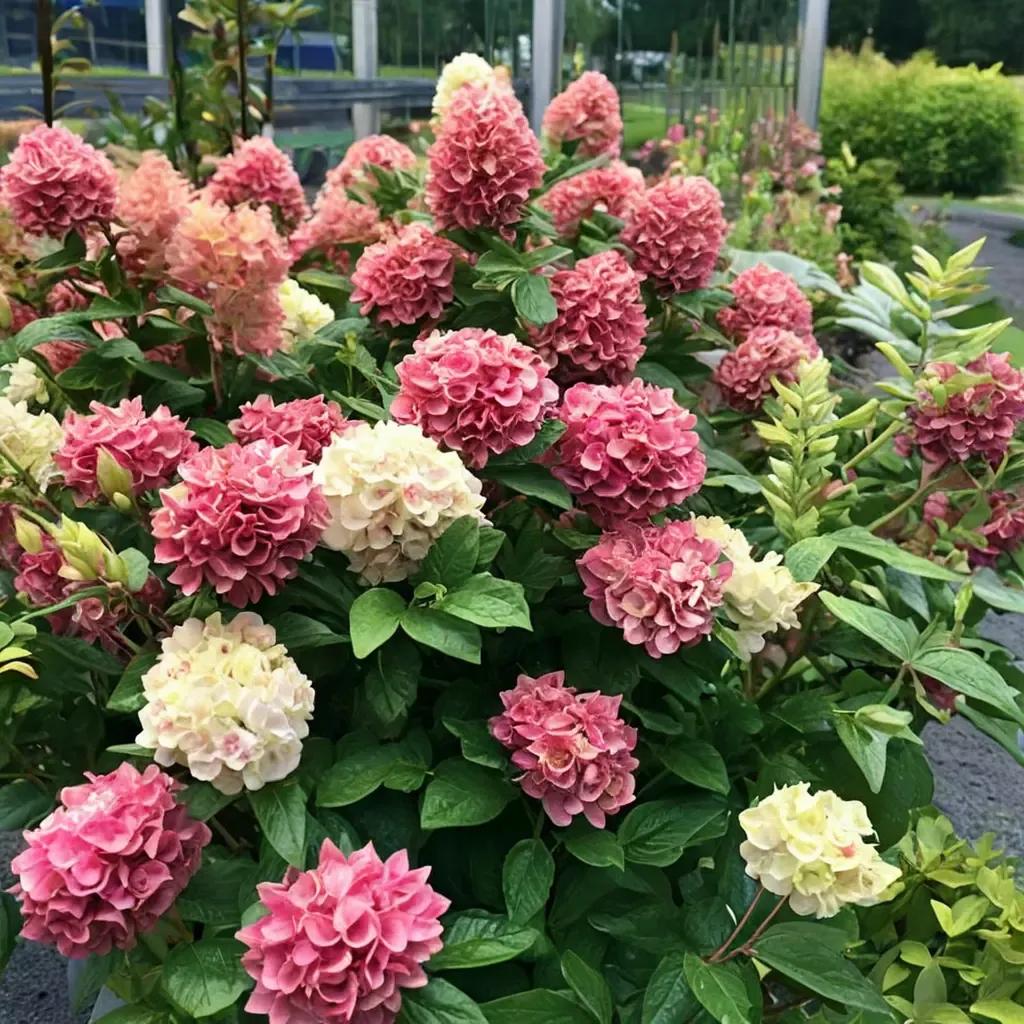 ‘Little Lime Punch’Little Lime Punch Hydrangea
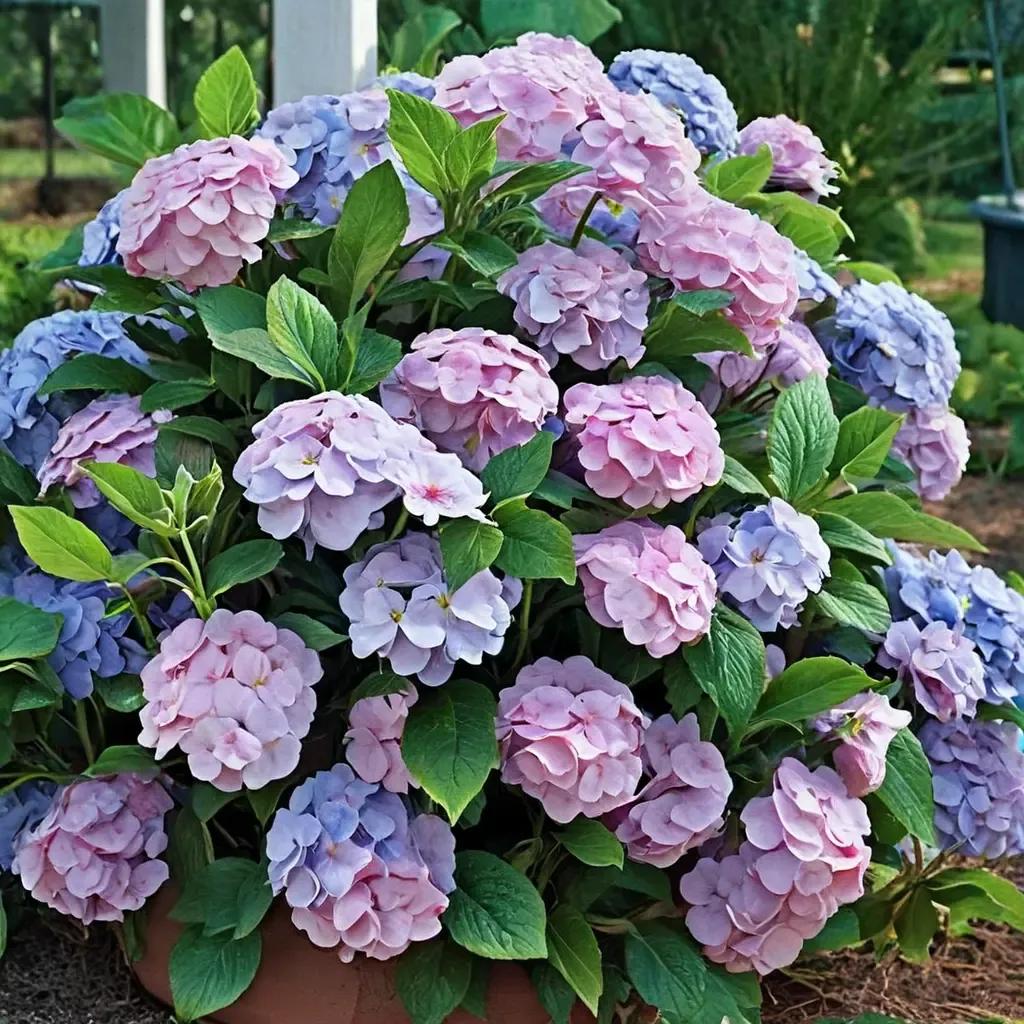 ‘All Summer Beauty’All Summer Beauty Hydrangea
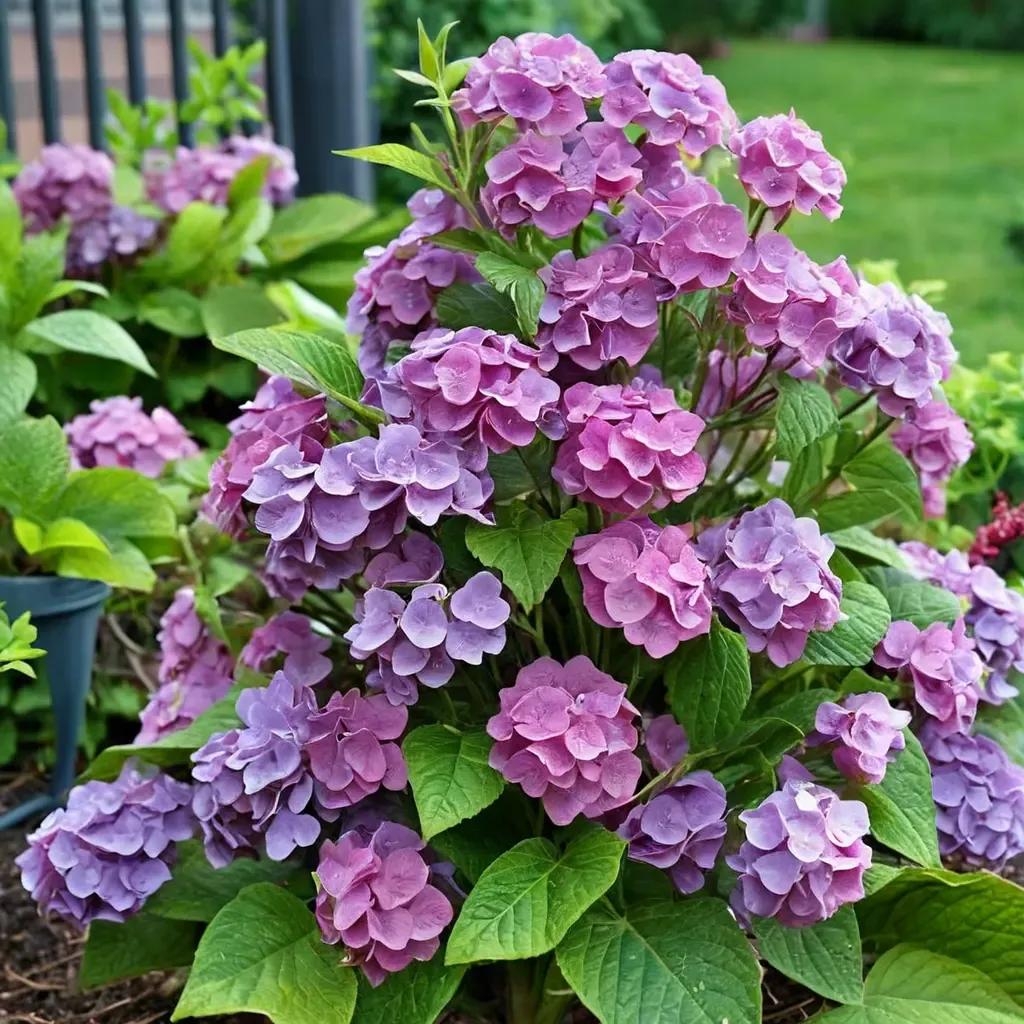 ‘Reblooming’Reblooming Hydrangea
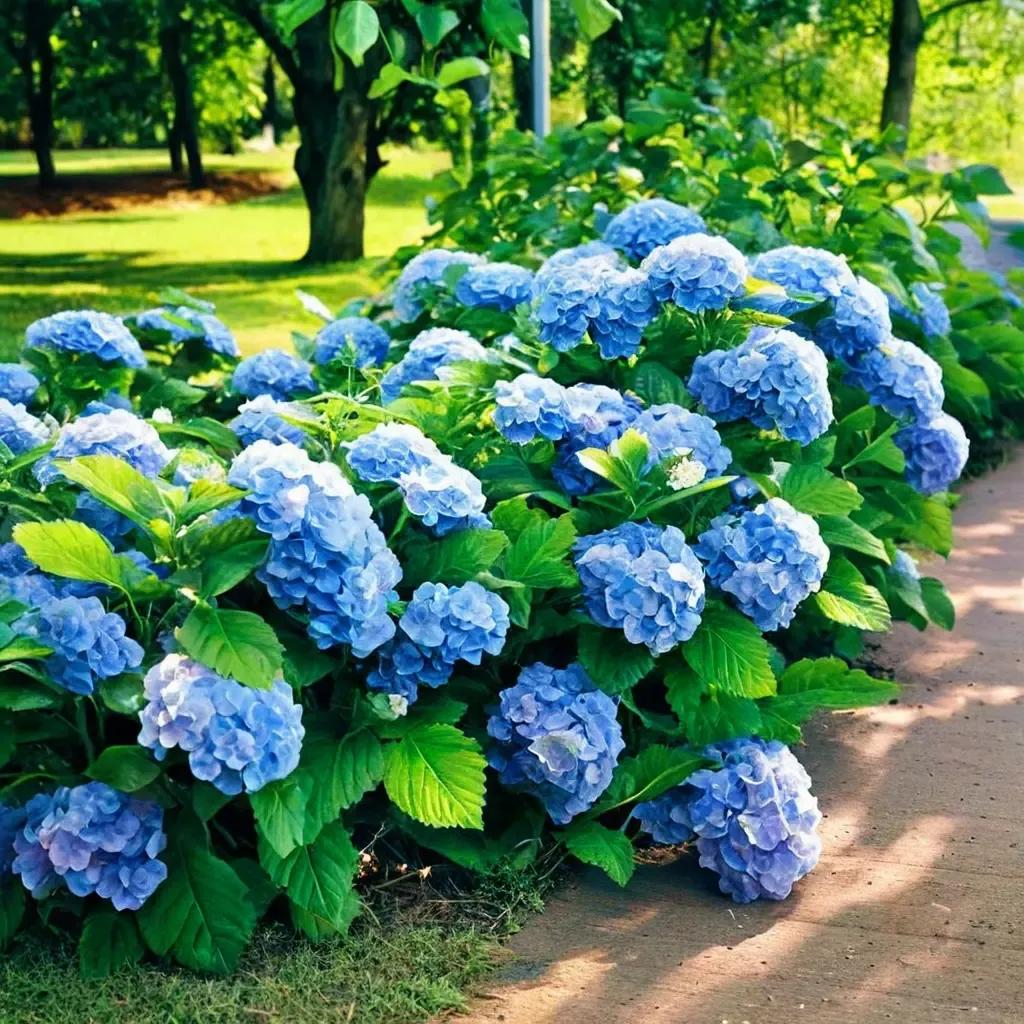 ‘Nikko Blue’Nikko Blue Hydrangea
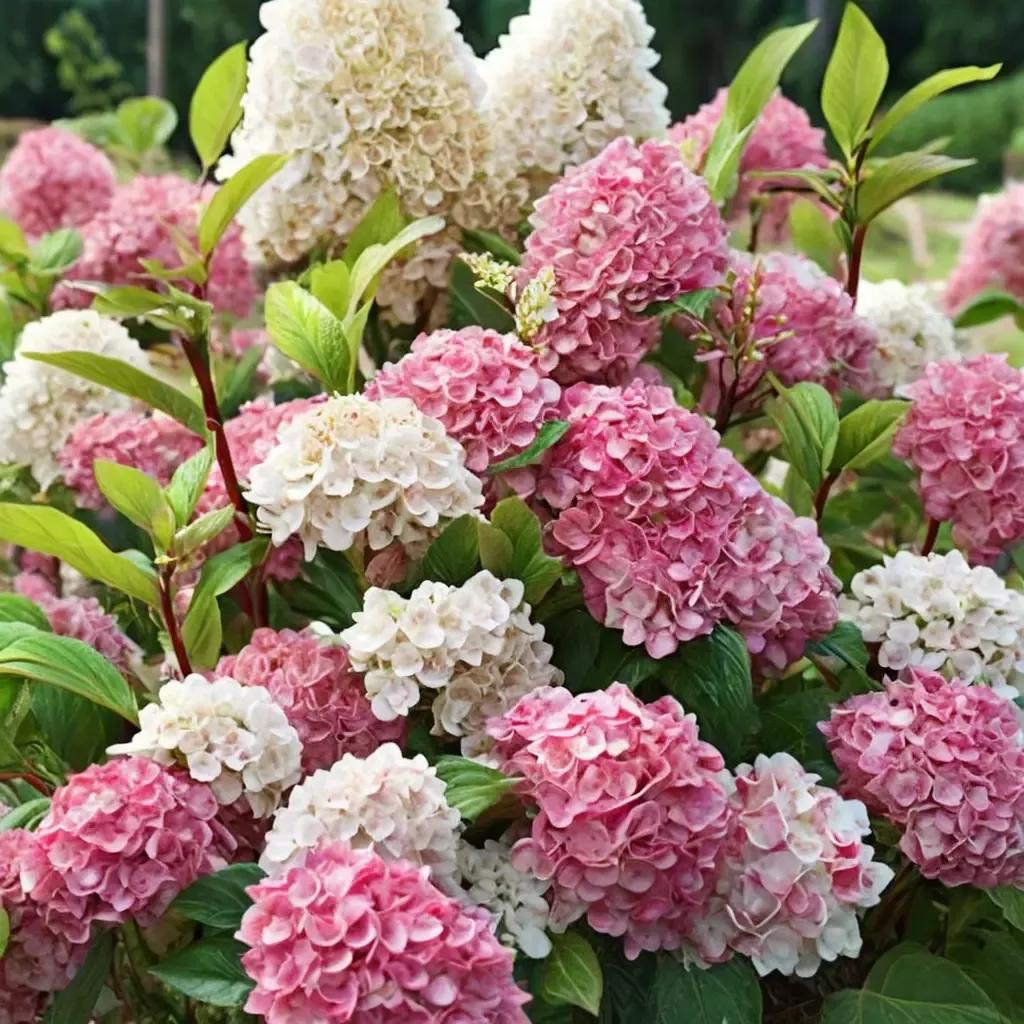 ‘First Editions Vanilla Strawberry’Vanilla Strawberry Hydrangea
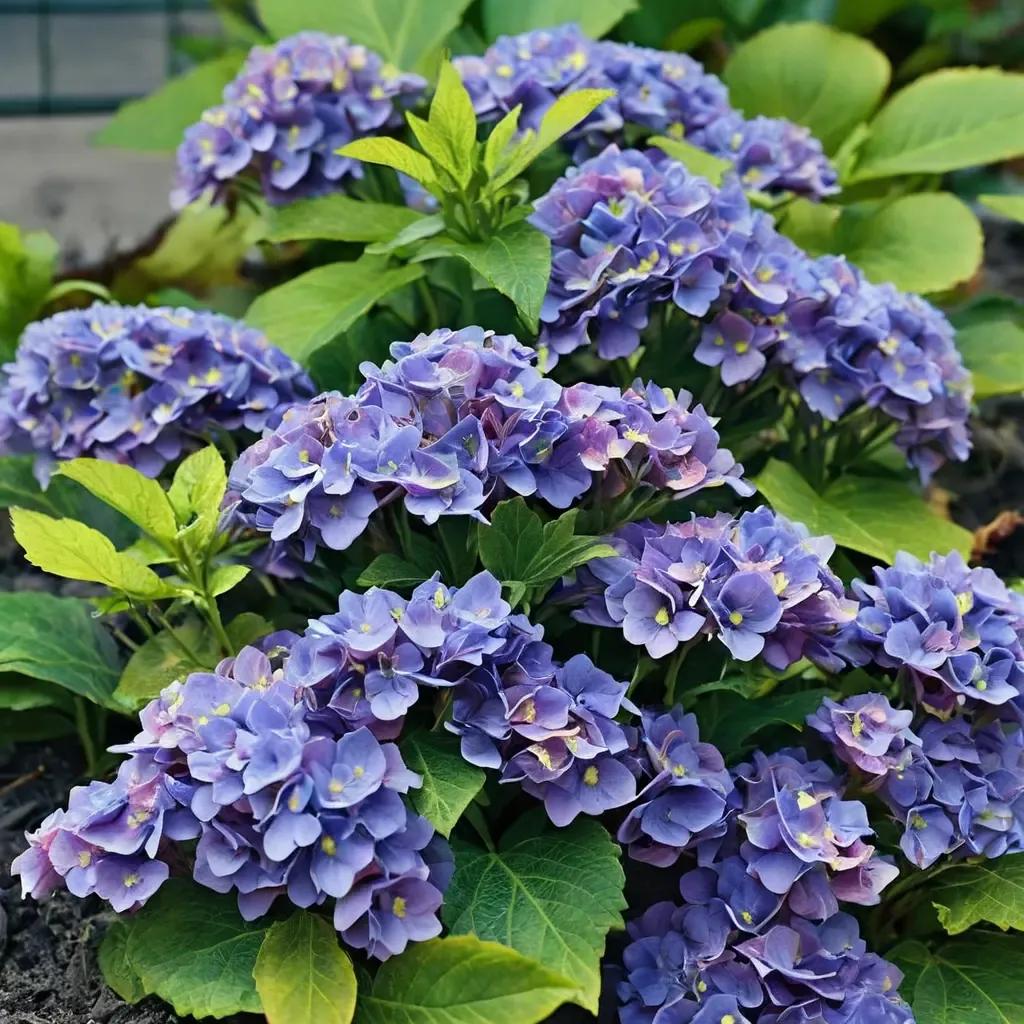 ‘Let's Dance Rhythmic Blue’Let's Dance Rhythmic Blue Hydrangea
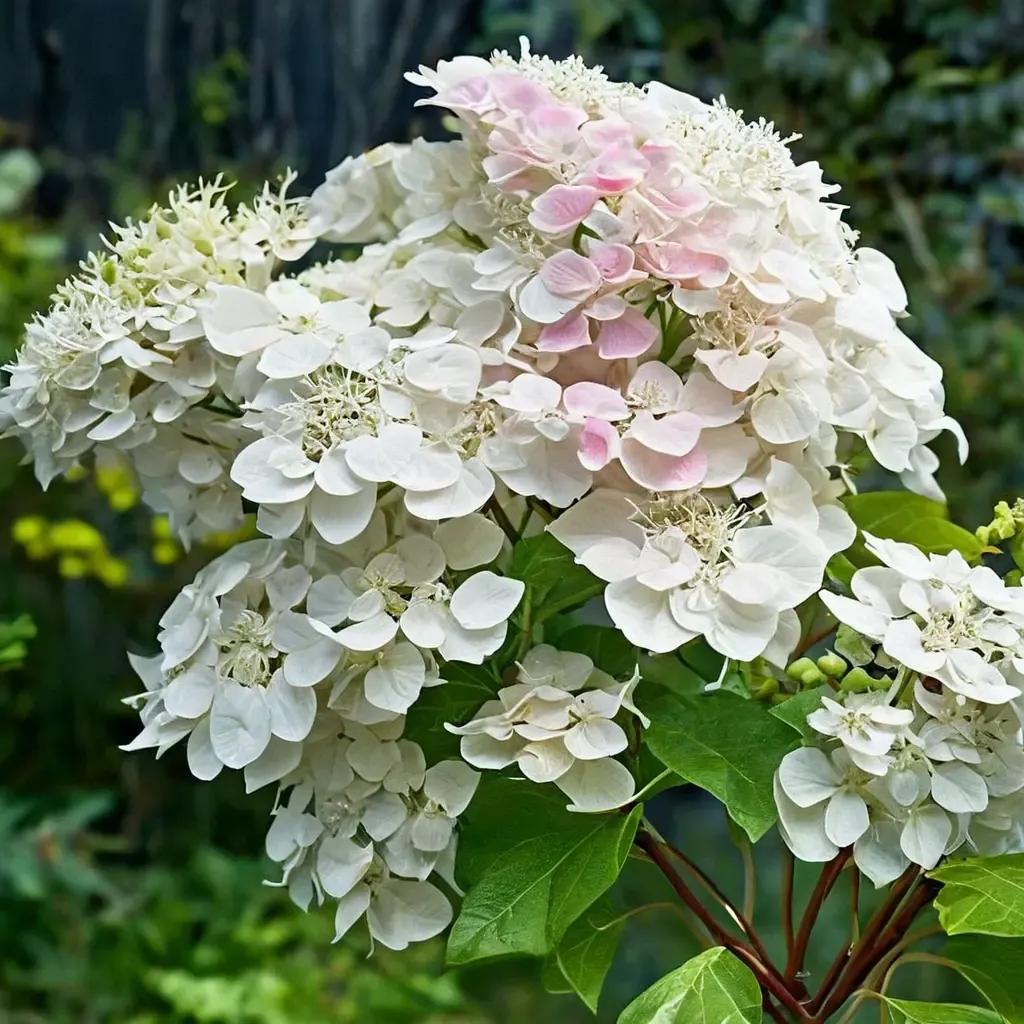 ‘Phantom’Phantom Hydrangea
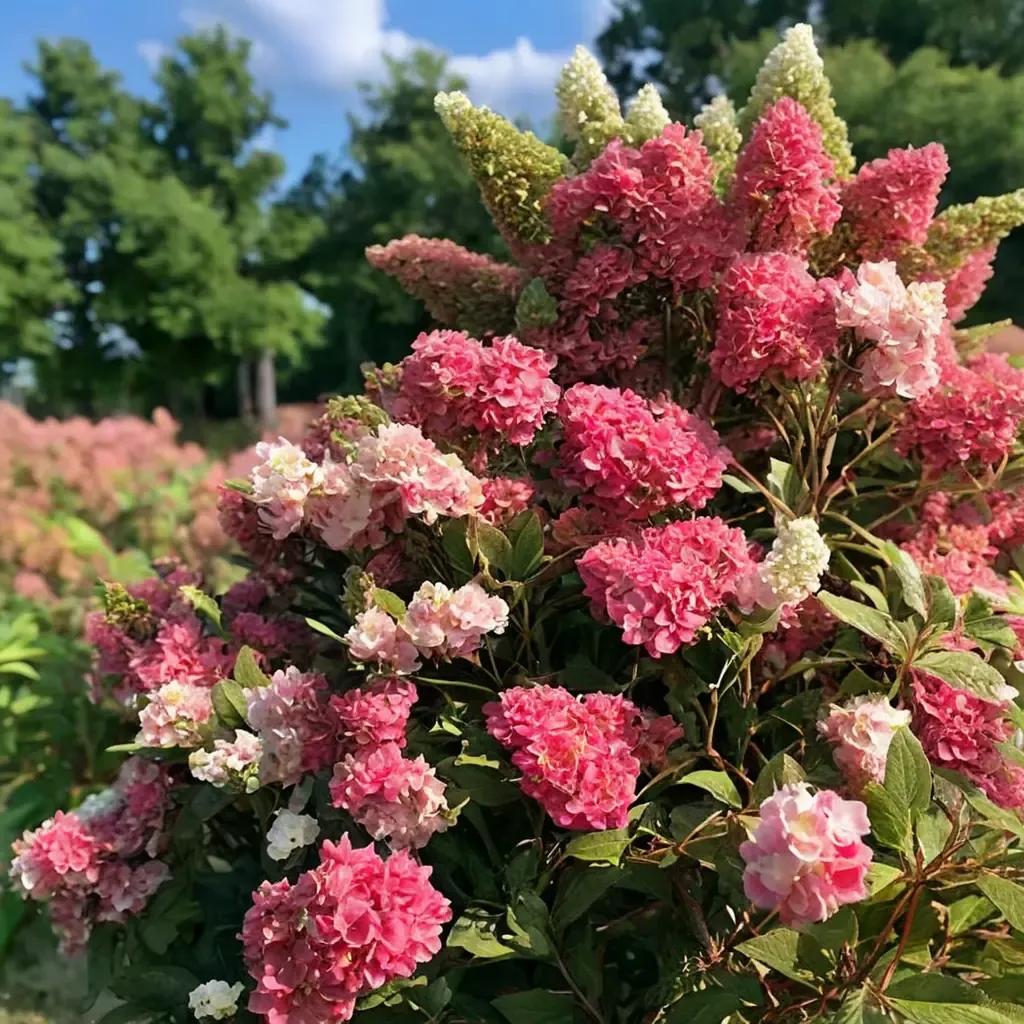 ‘Berry White’Berry White Hydrangea
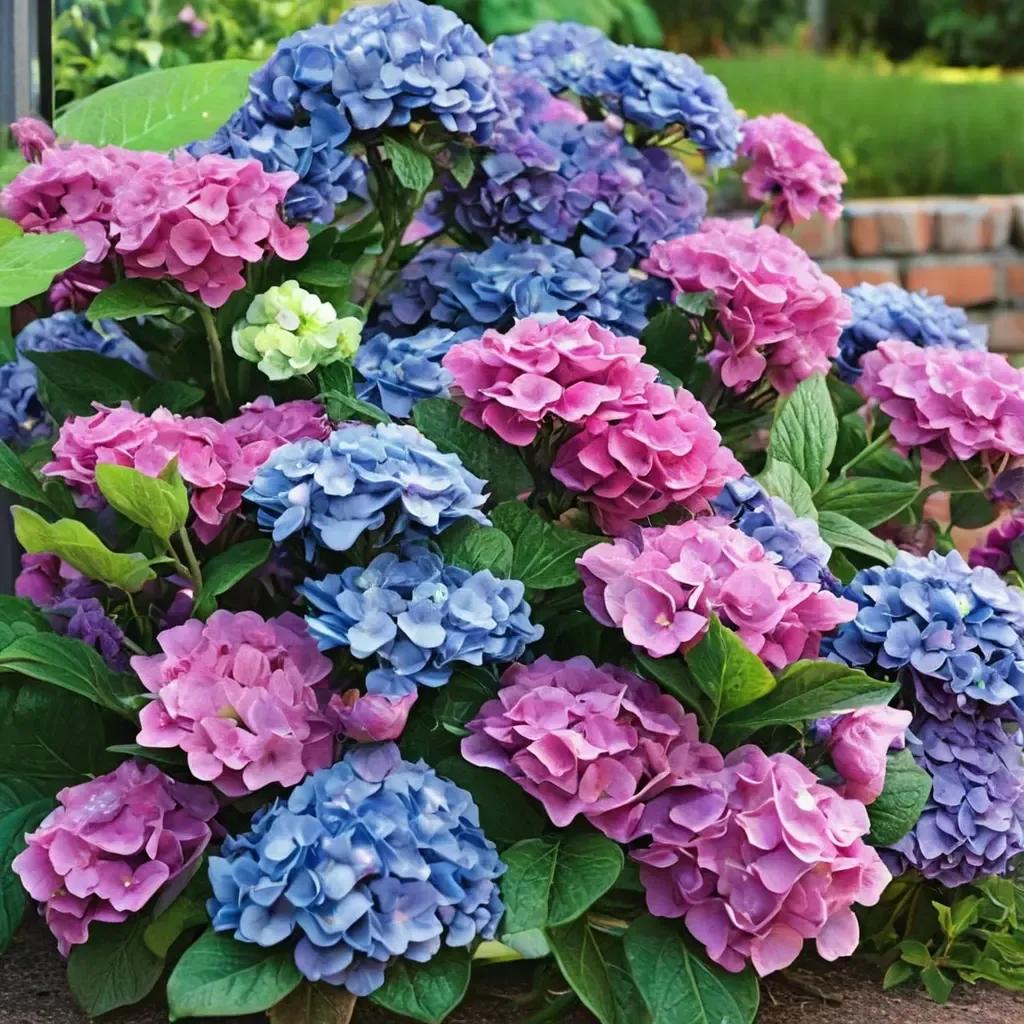 ‘LA Dreamin’LA Dreamin' Hydrangea
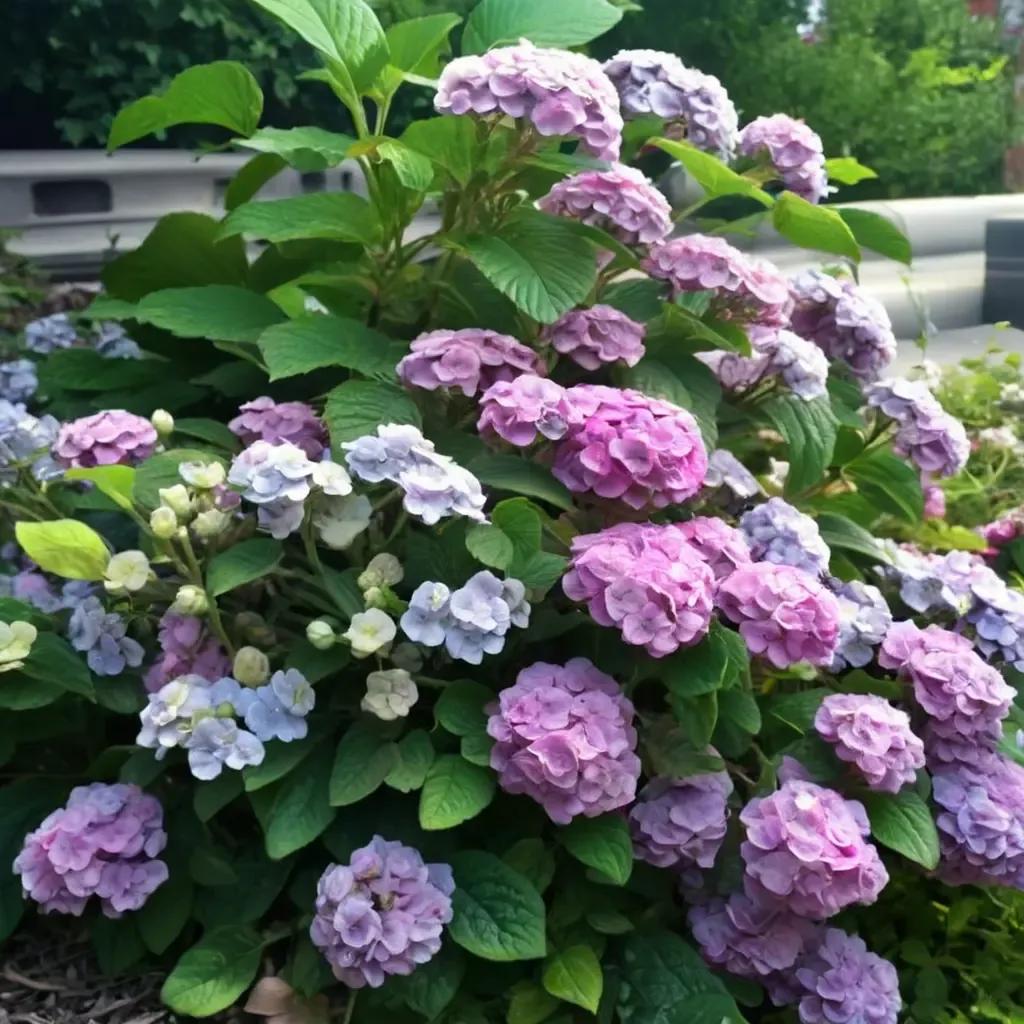 ‘Penny Mac’Penny Mac Hydrangea
 ‘Felicity’Felicity Hydrangea
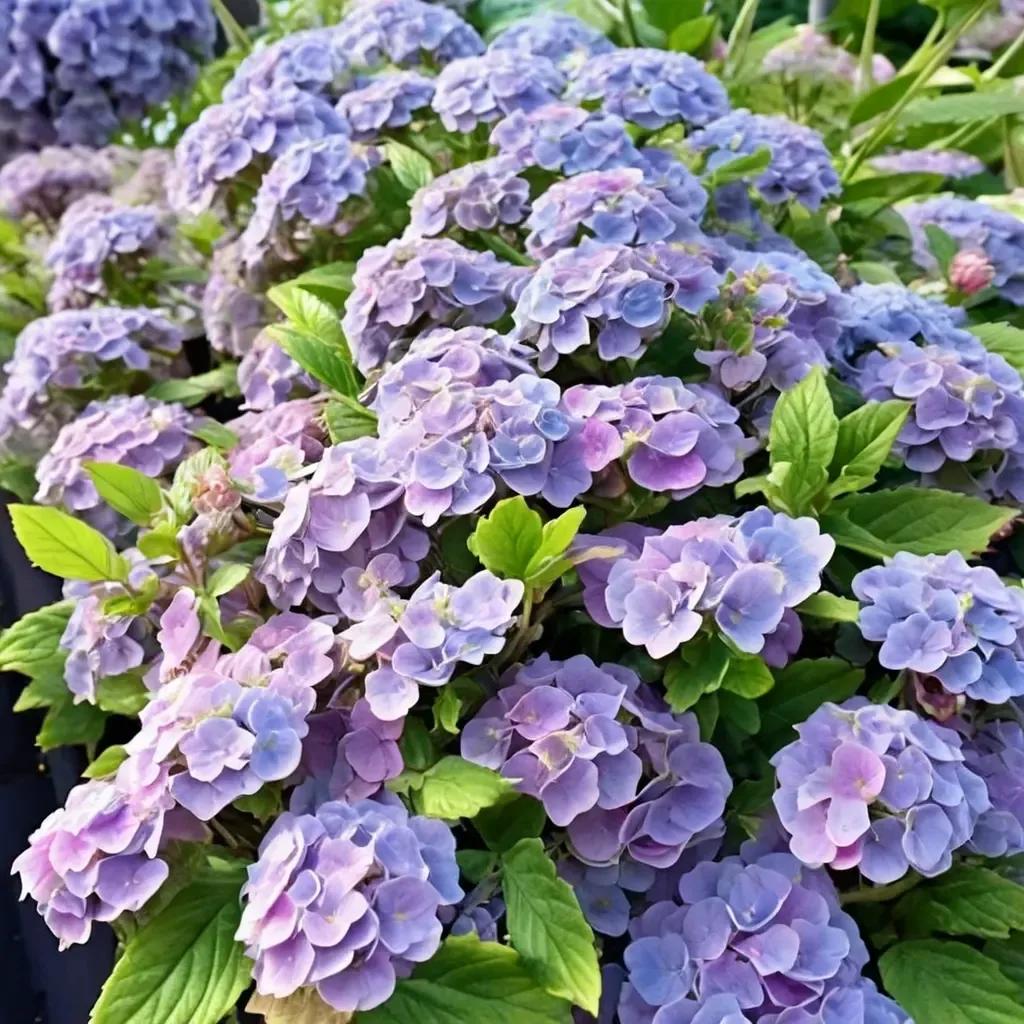 ‘Early Sensation’Early Sensation Hydrangea
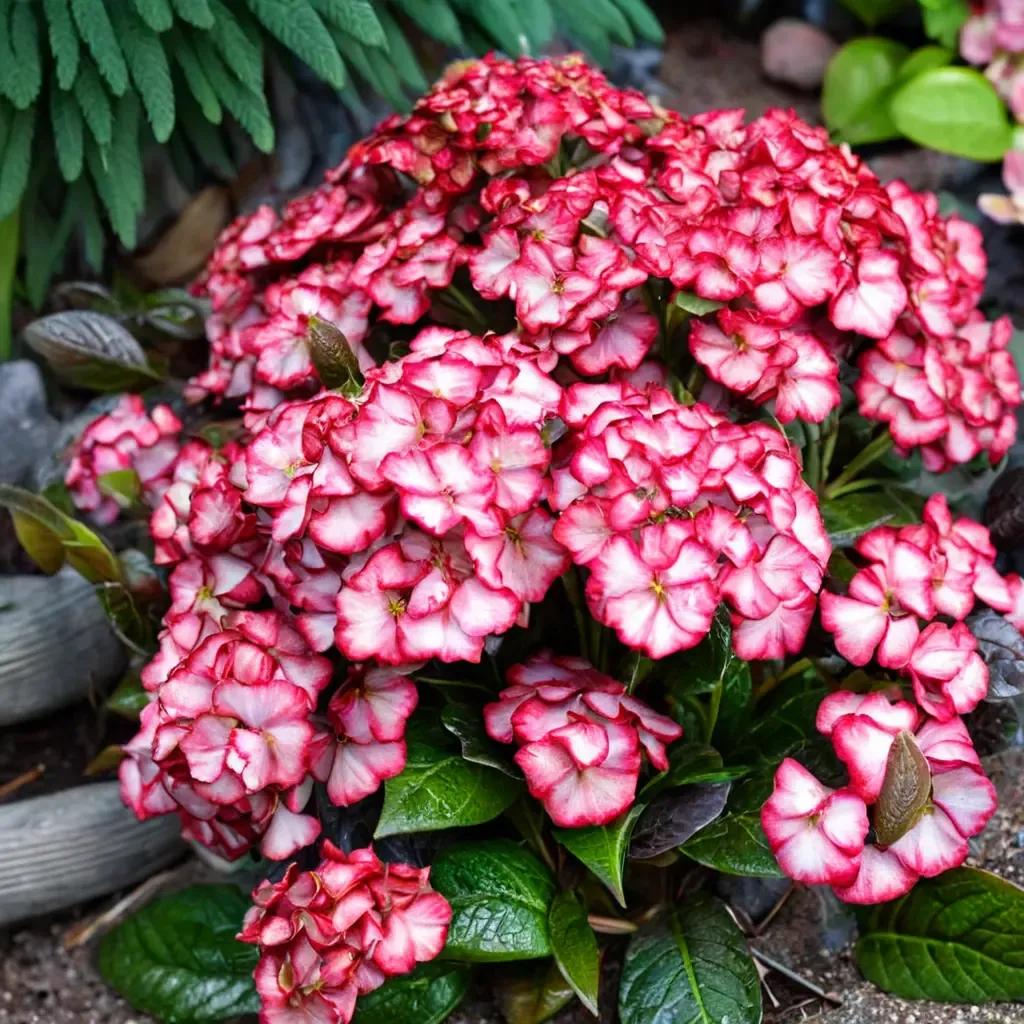 ‘Kimono’Kimono Hydrangea
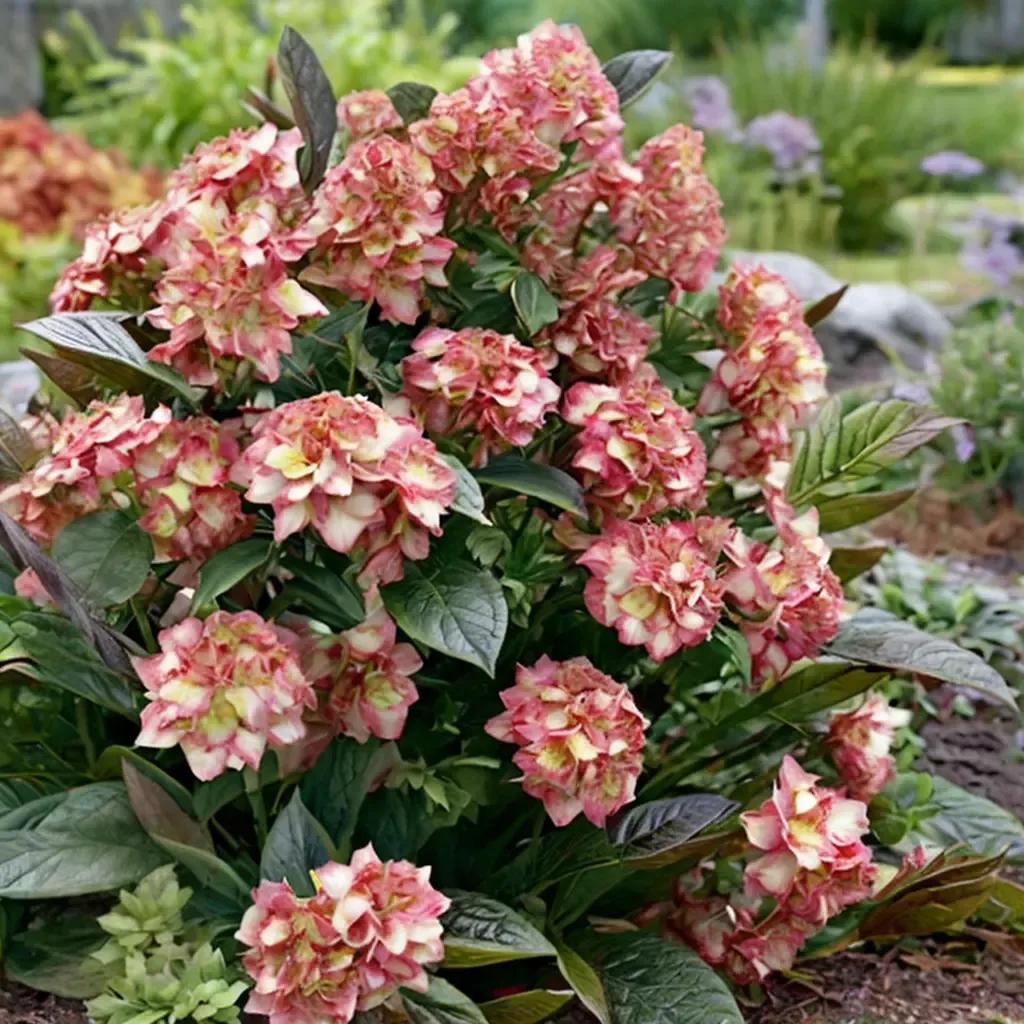 ‘Fire Light’Fire Light Hydrangea
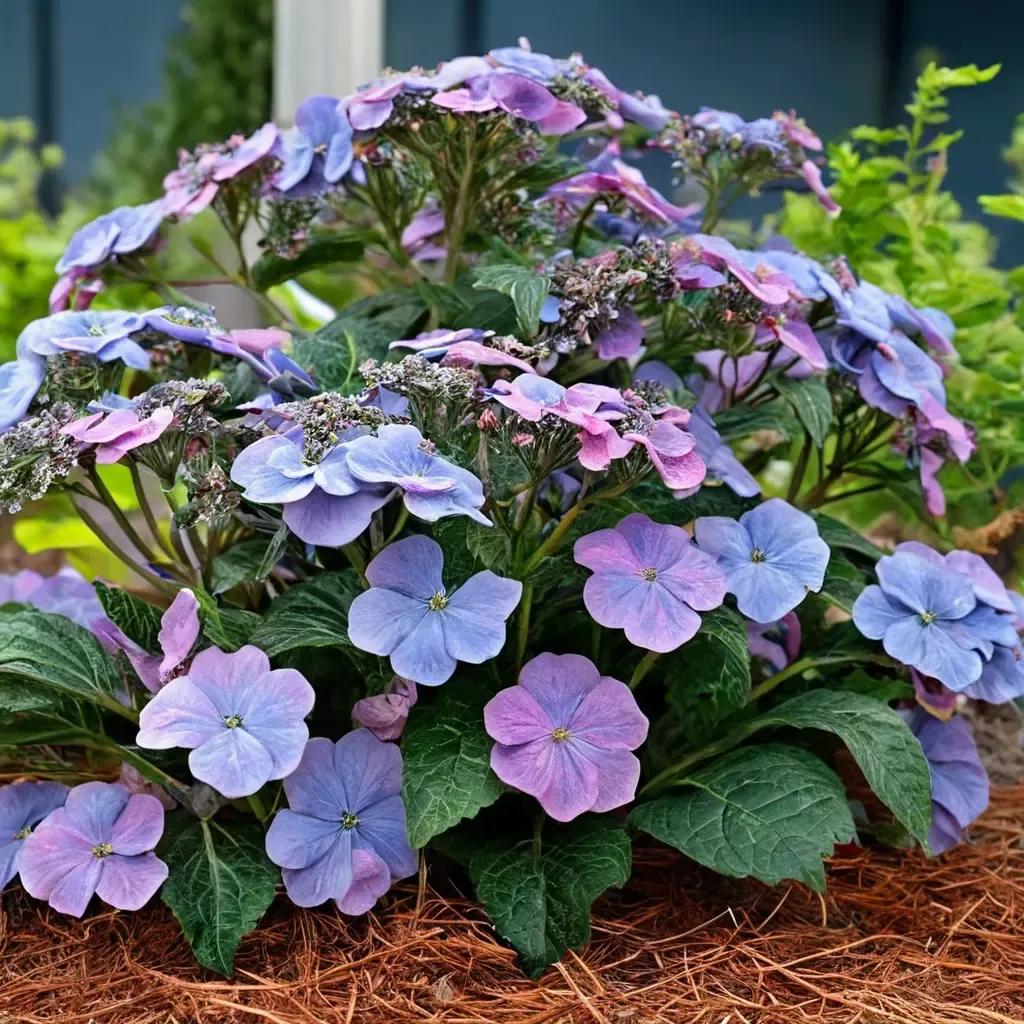 ‘Endless Summer Pop Star’Endless Summer Pop Star Hydrangea
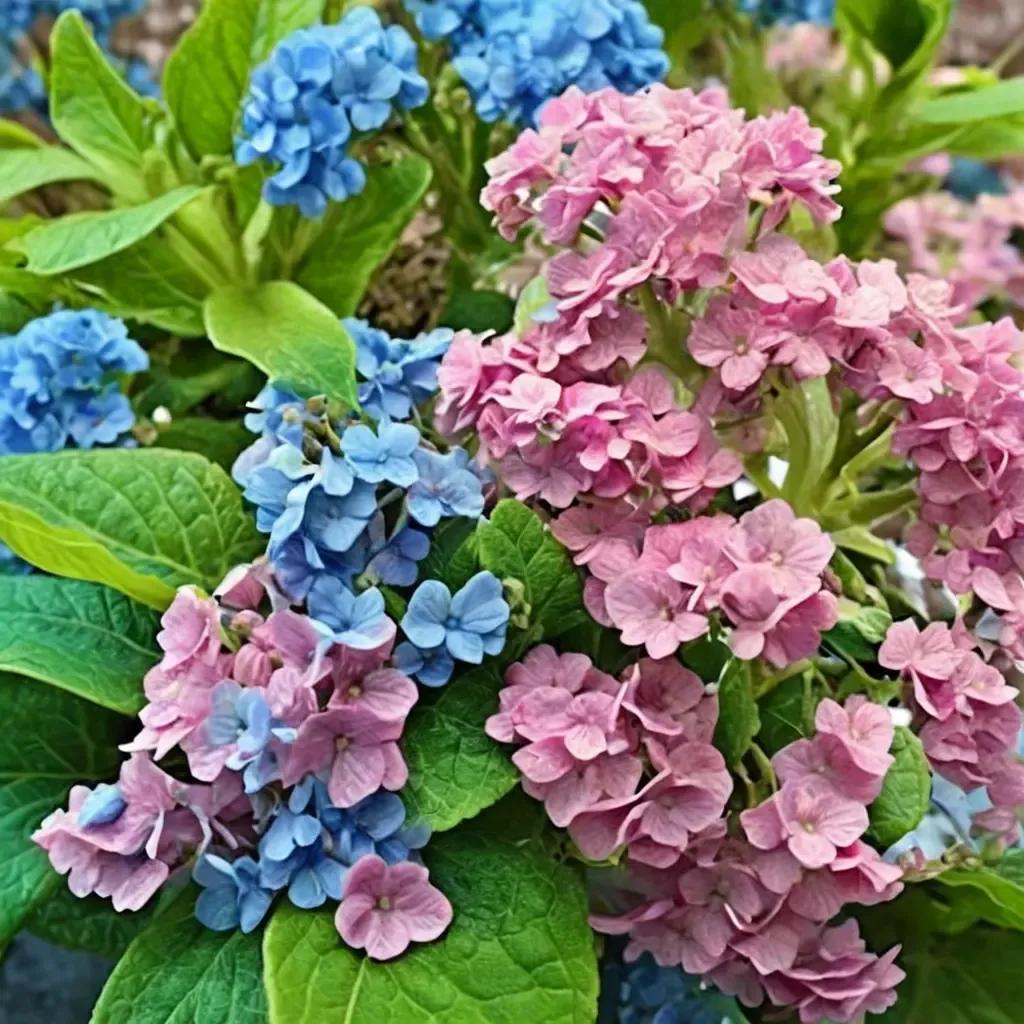 ‘Confetti’Confetti Hydrangea
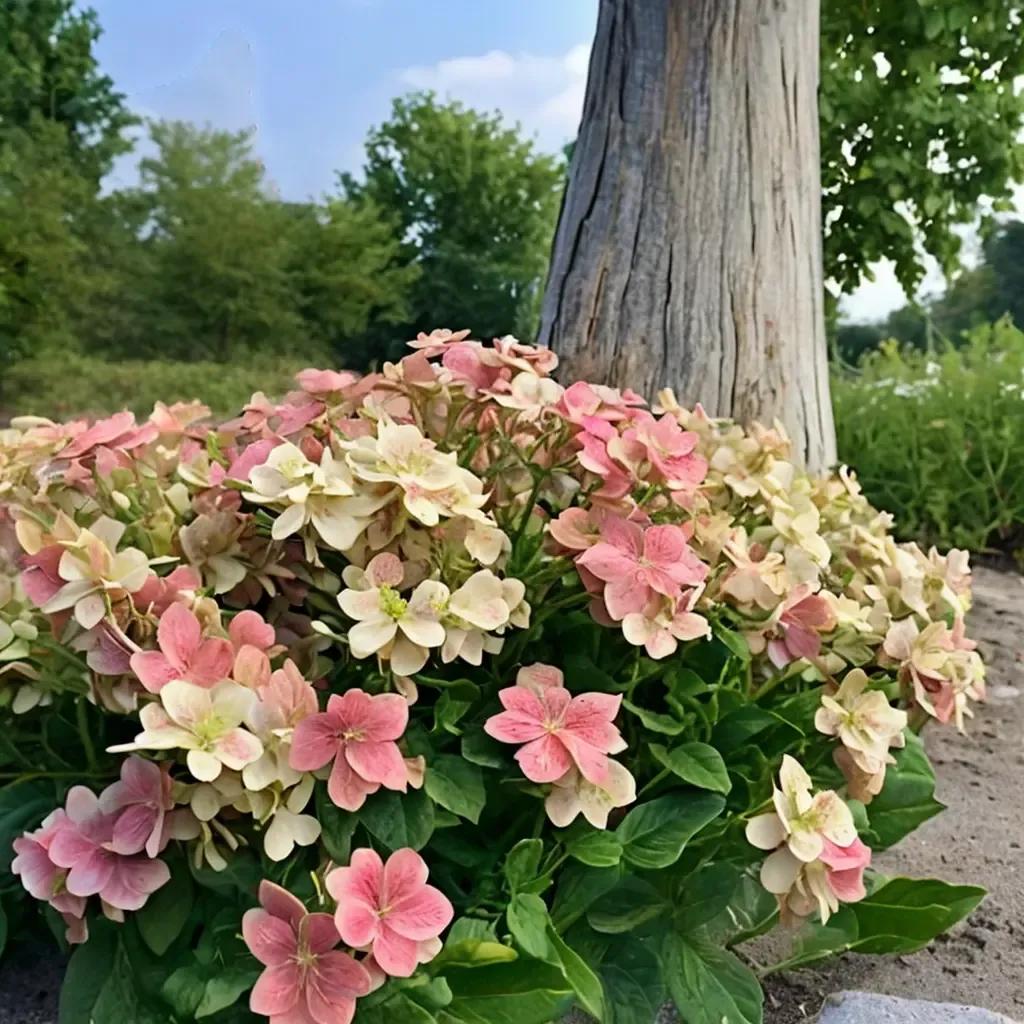 ‘Magical Candle’Magical Candle Hydrangea
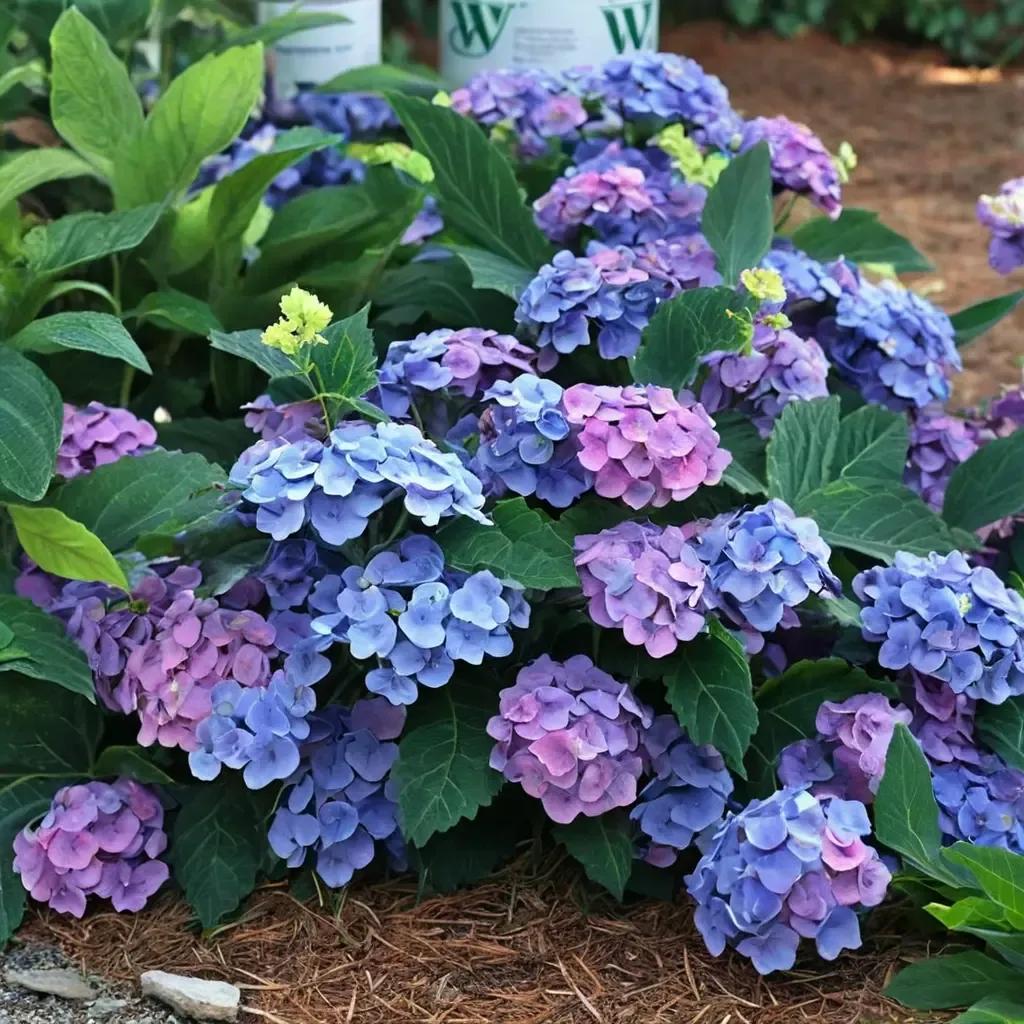 ‘Let's Dance Blue Jangles’Let's Dance Blue Jangles Hydrangea
 ‘Princess Diana’Princess Diana Hydrangea
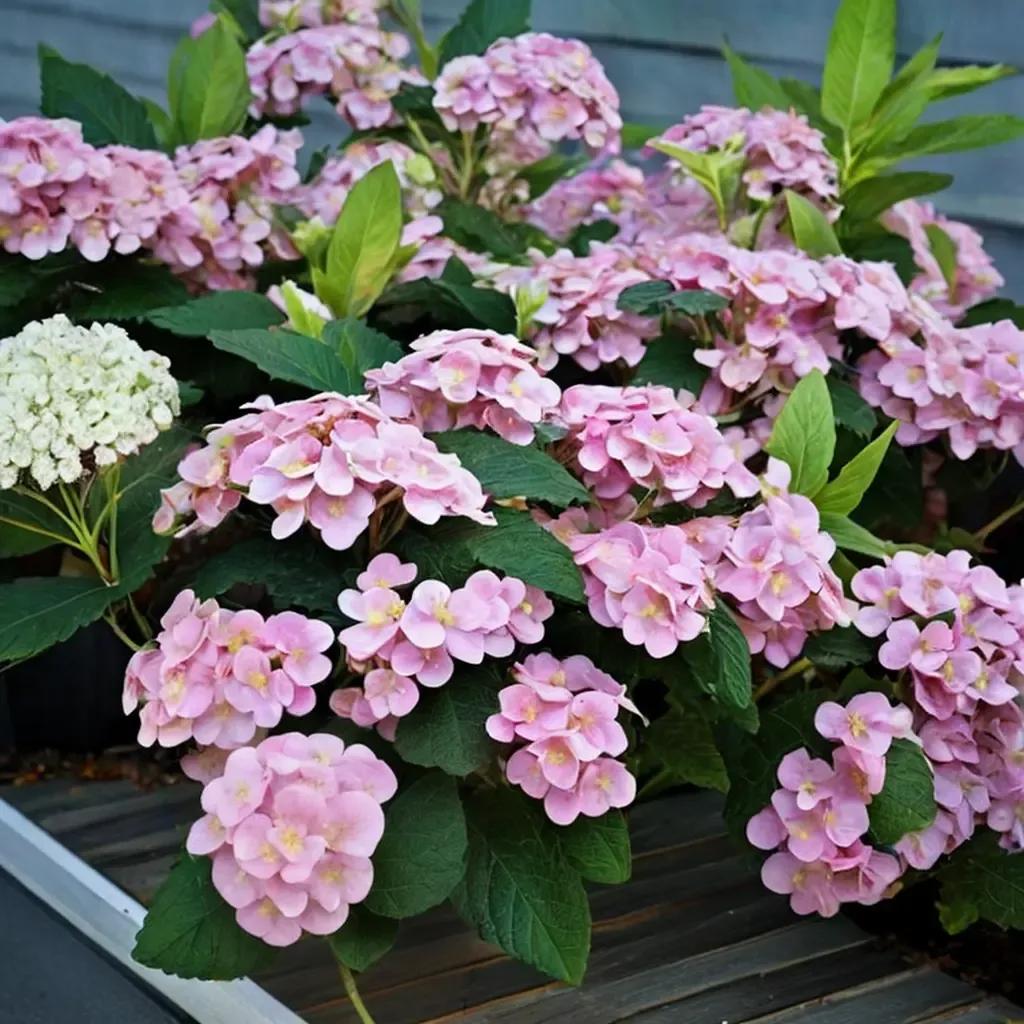 ‘Love’Love Hydrangea
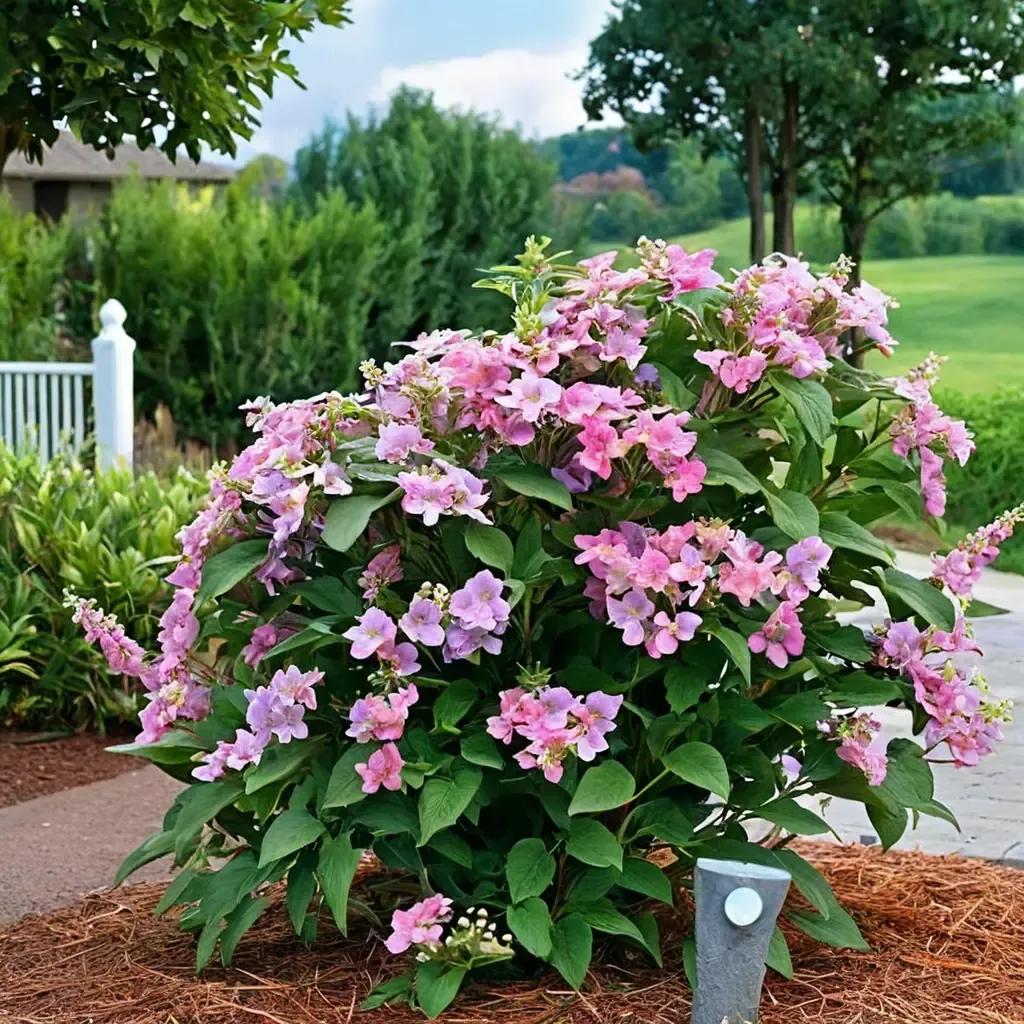 ‘Candelabra’Candelabra Hydrangea
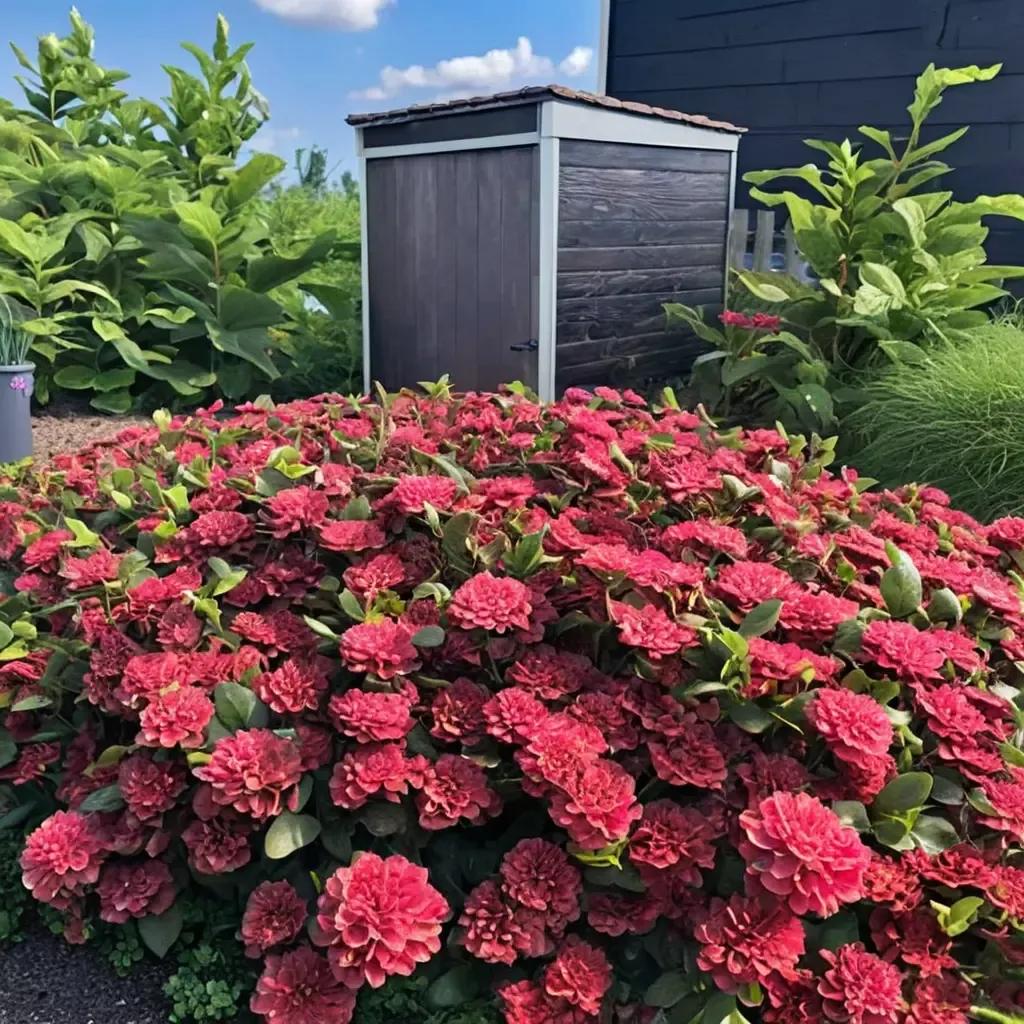 ‘Everlasting Crimson’Everlasting Crimson Hydrangea
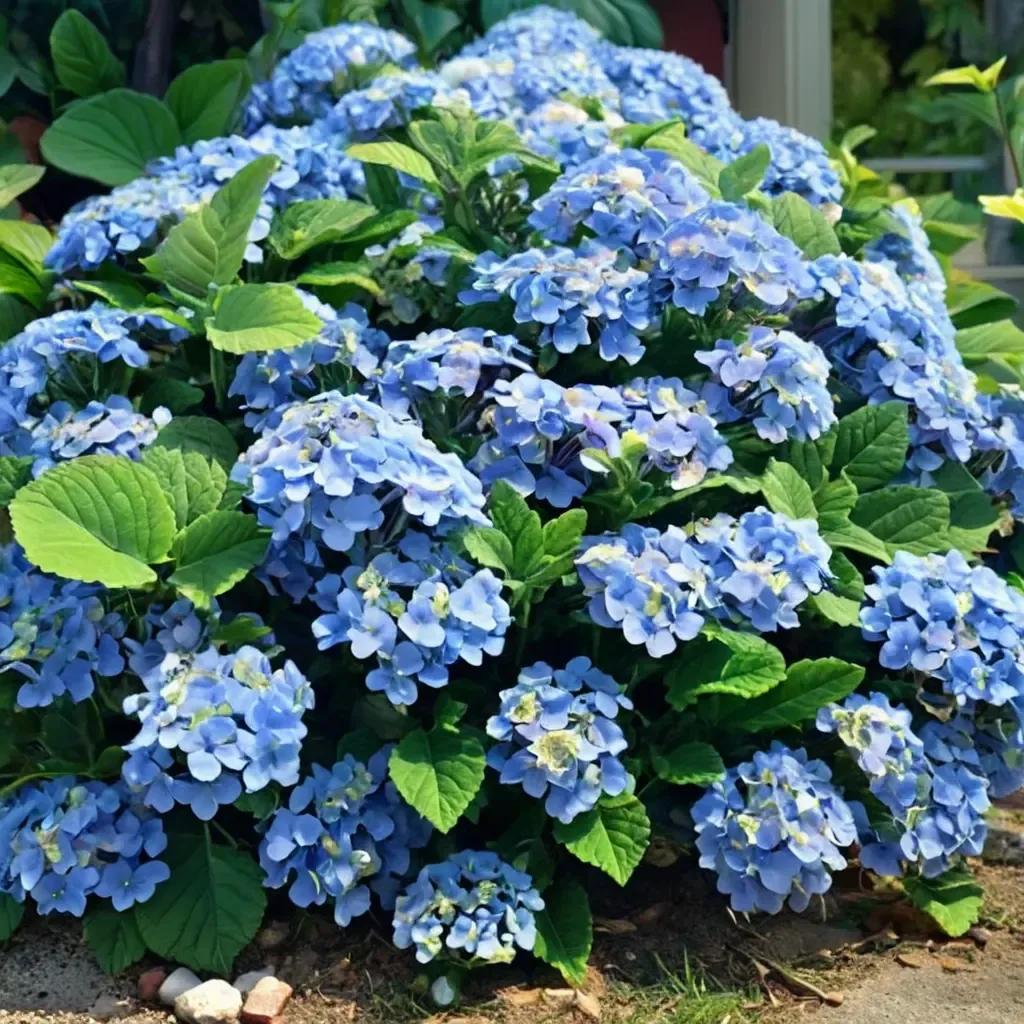 ‘Azure Skies’Azure Skies Hydrangea
 ‘Cherry-Go-Round’Cherry Go Round Hydrangea
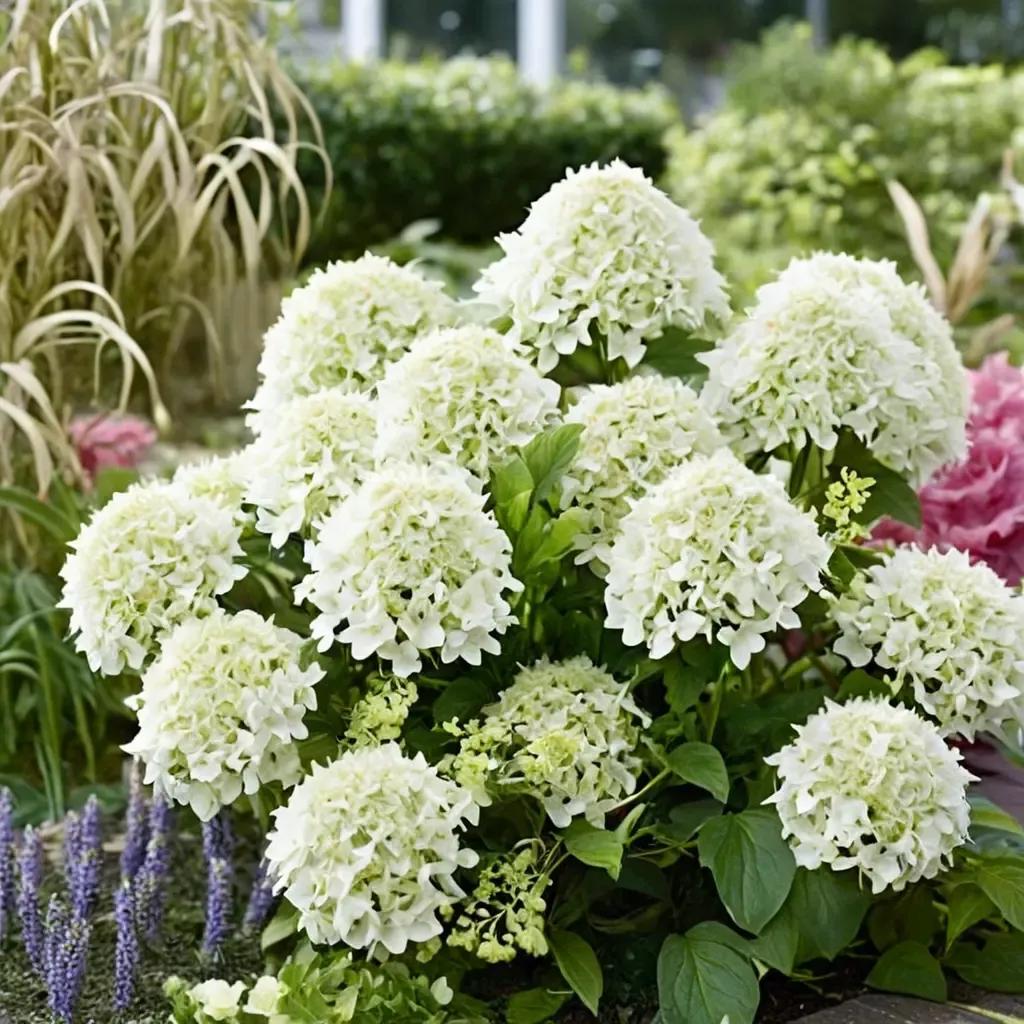 ‘Little Spooky’Little Spooky Hydrangea
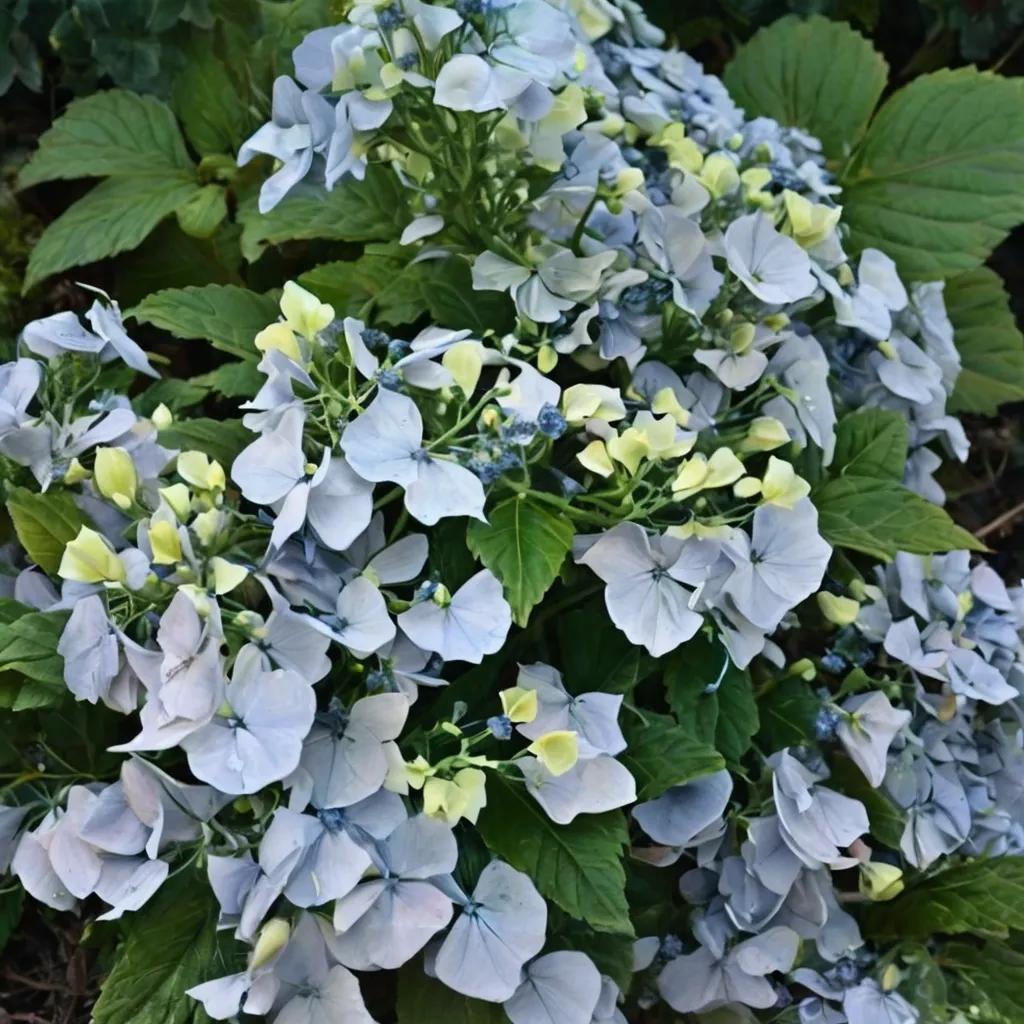 ‘Beaute Vendomoise’Lacecap Hydrangea
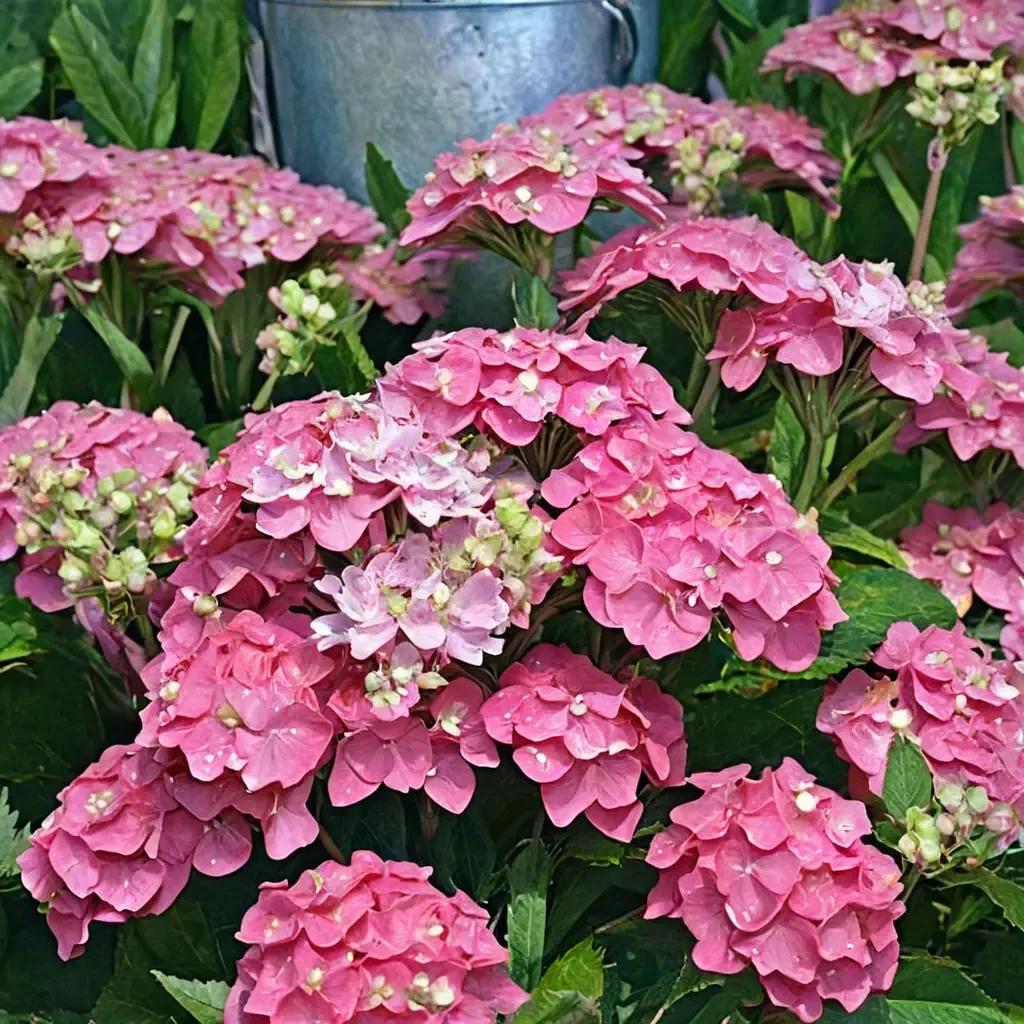 ‘Forever Pink’Forever Pink Hydrangea
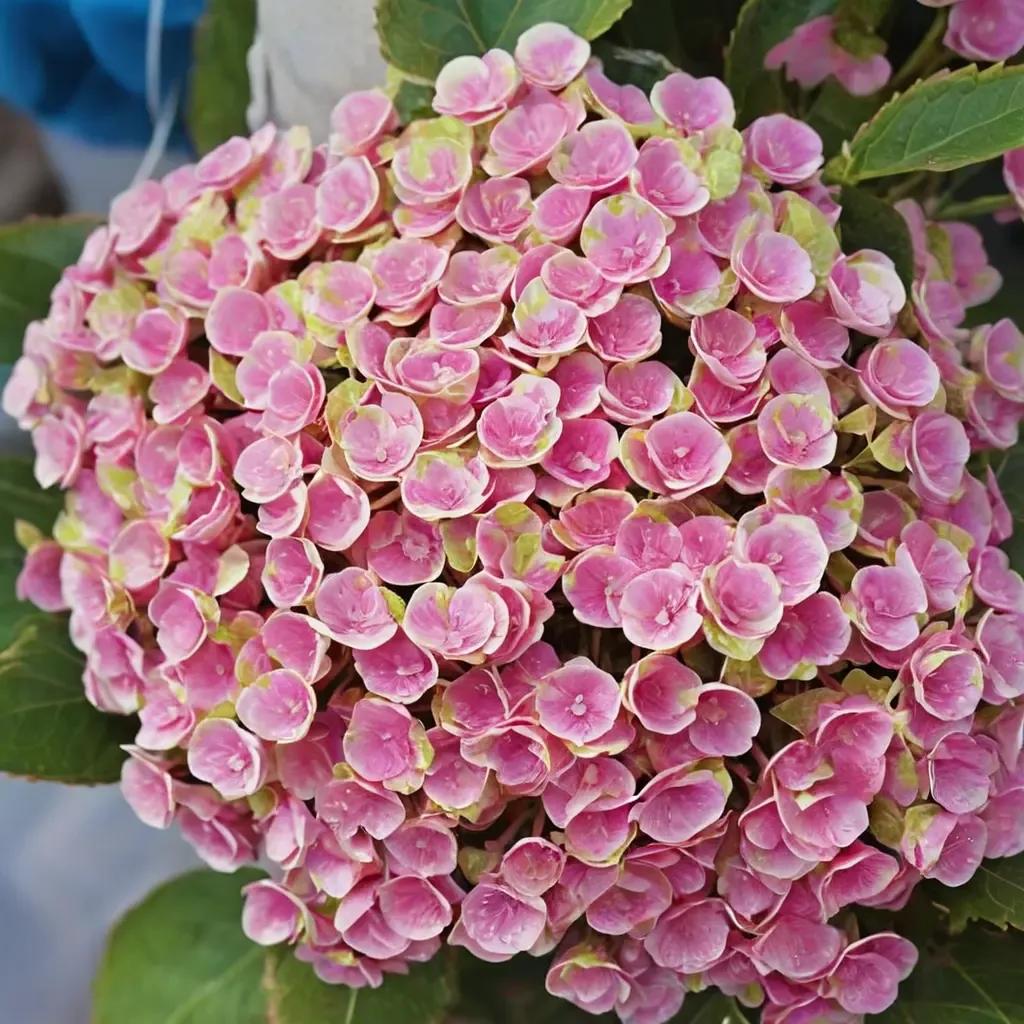 ‘Magical Amazone’Magical Amazone Hydrangea
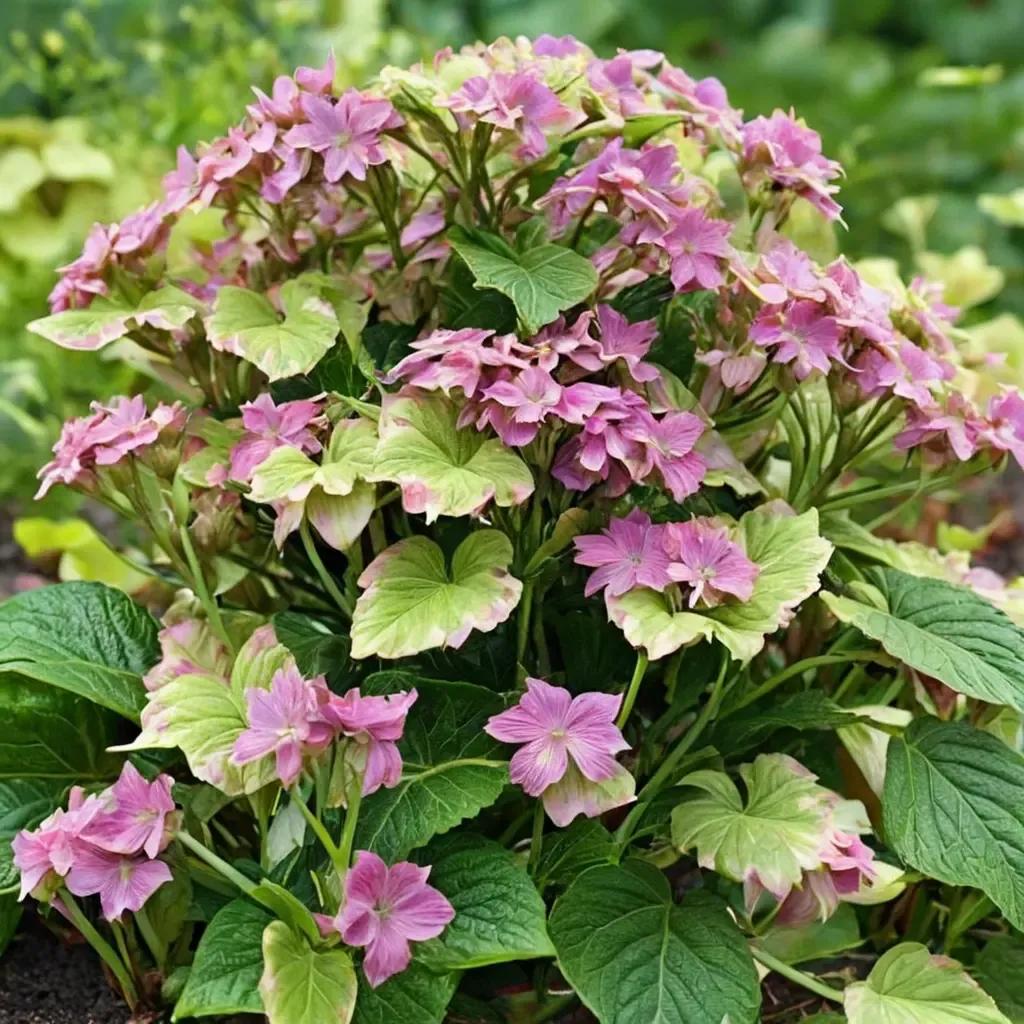 ‘Fantasia’Fantasia Hydrangea
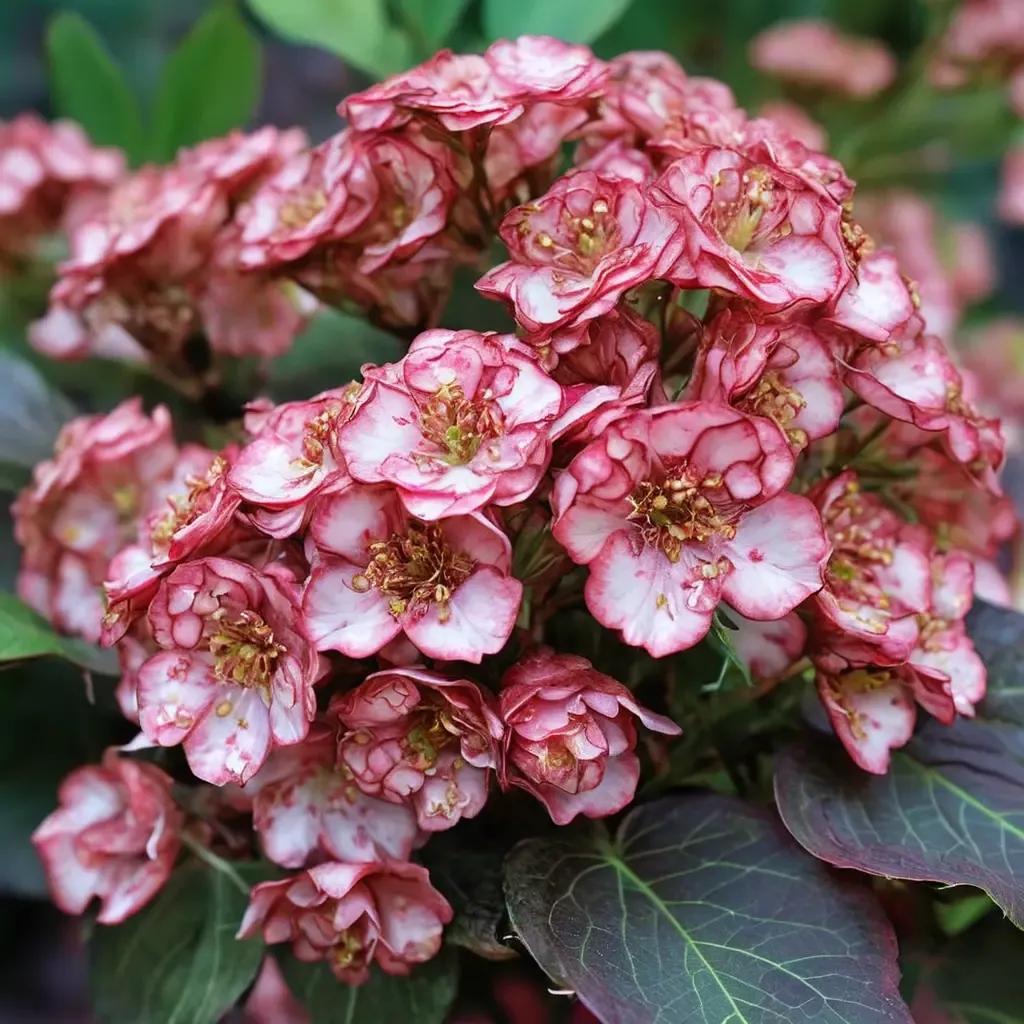 ‘Miss Saori’Miss Saori Hydrangea
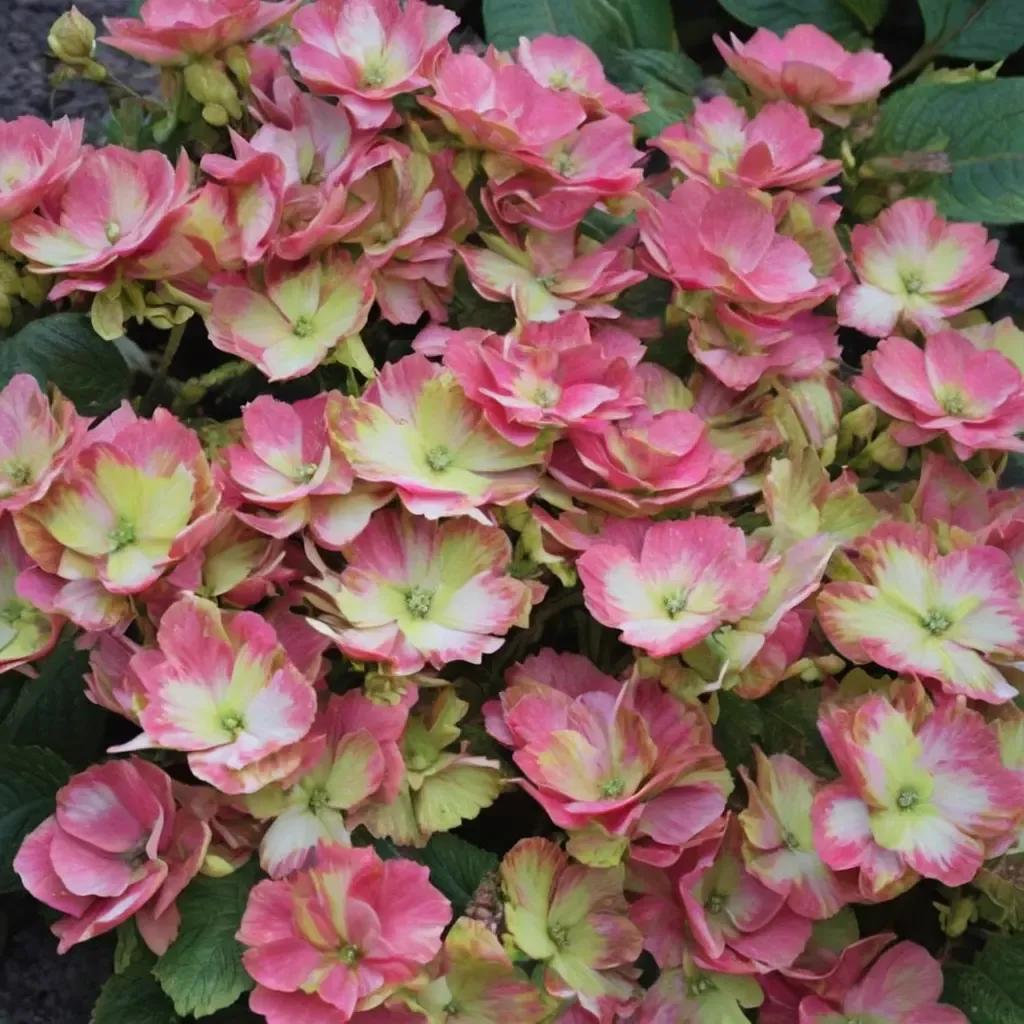 ‘Magical Elegance’Magical Elegance Hydrangea
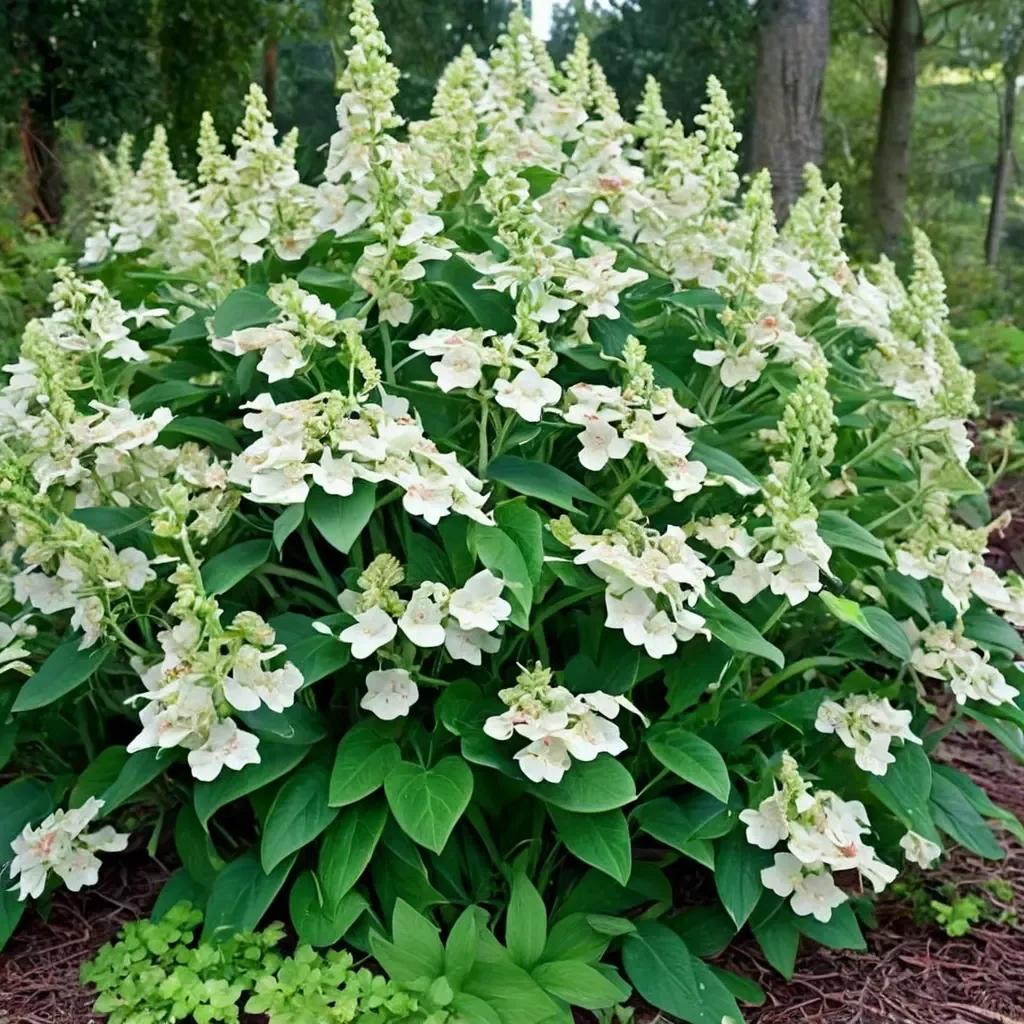 ‘Tardiva’Tardiva Hydrangea
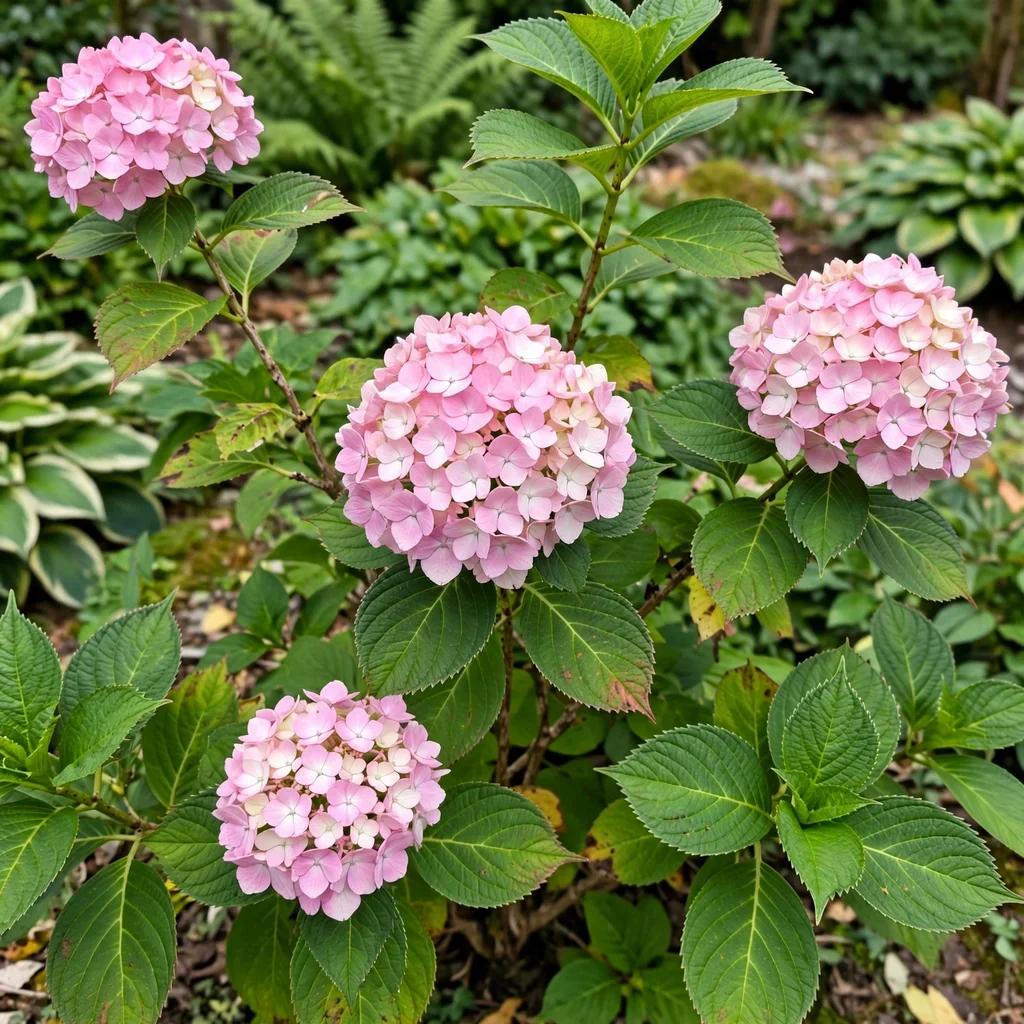 ‘Pink Diamond’Pink Diamond Hydrangea
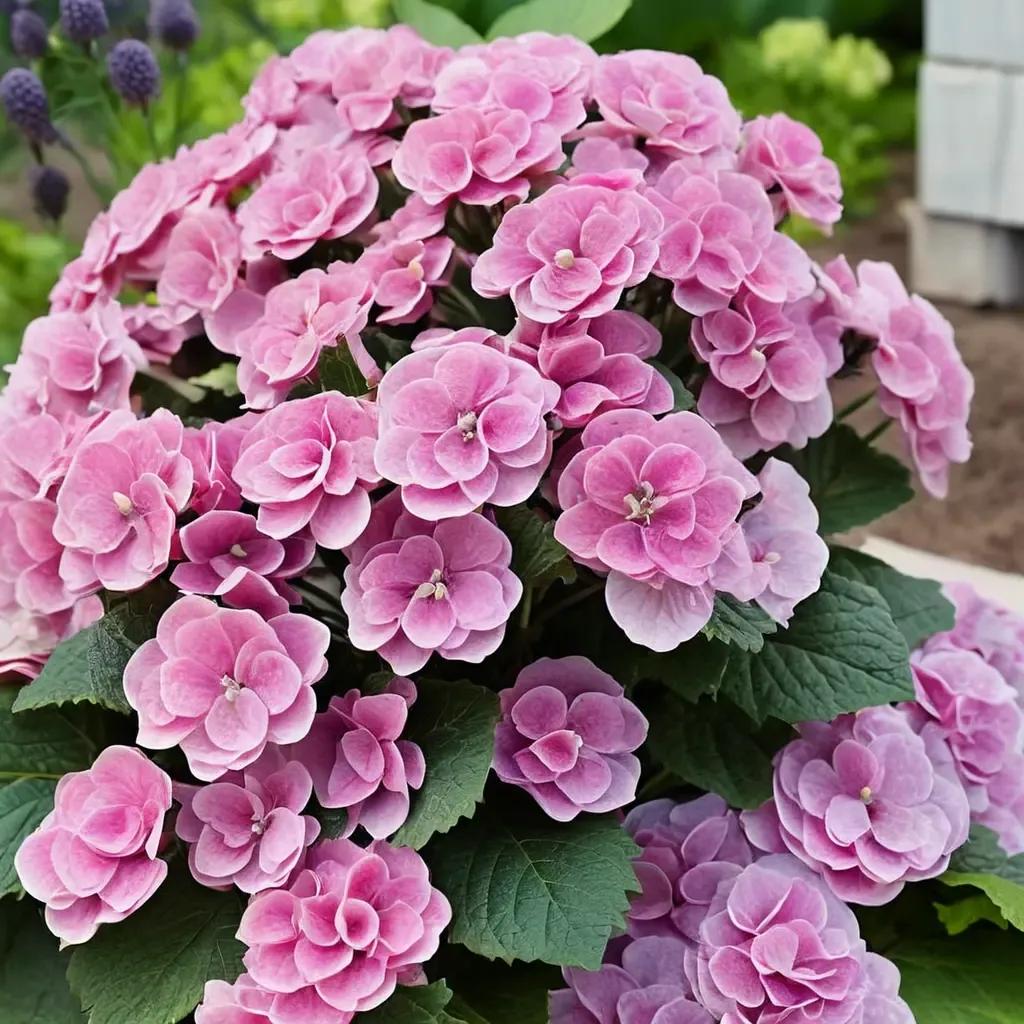 ‘Elizabeth Ashley’Elizabeth Ashley Bigleaf Hydrangea
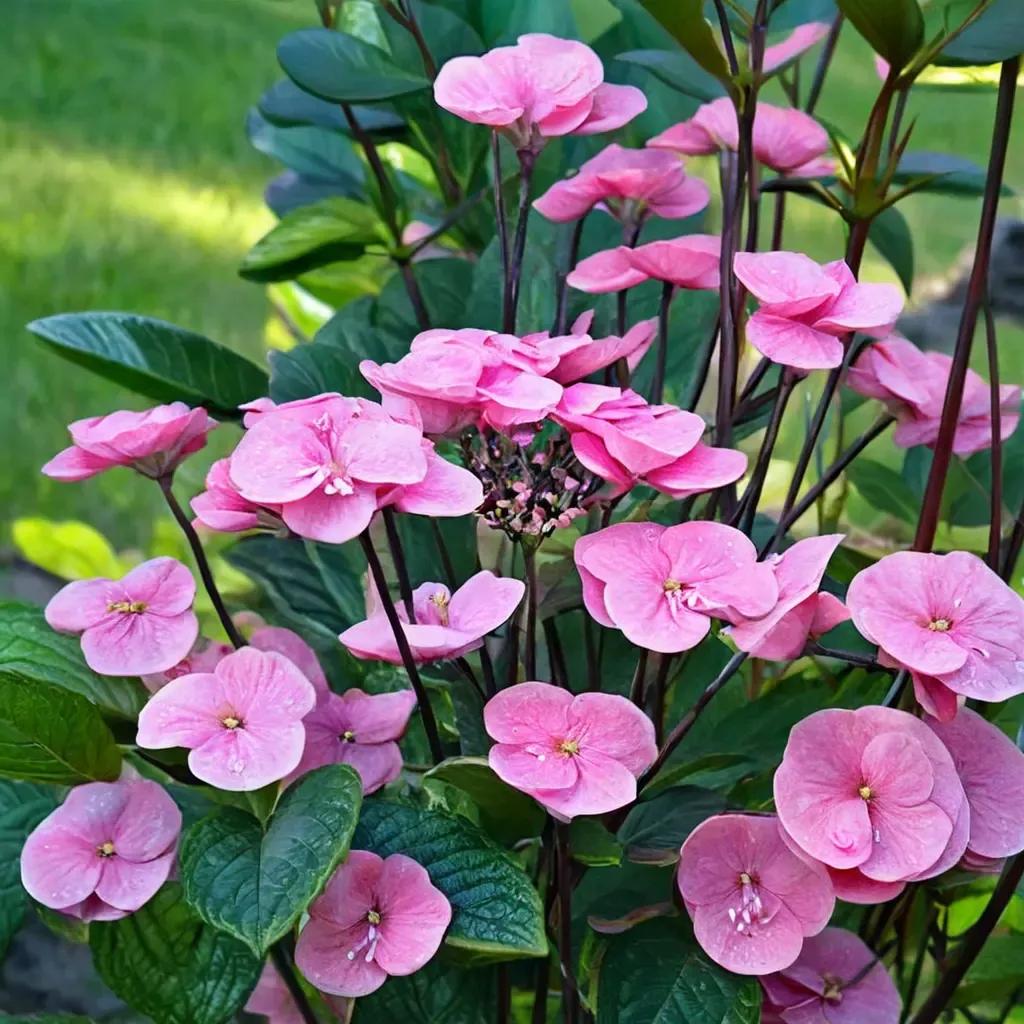 ‘Abracadabra Star’Abracadabra Star Hydrangea
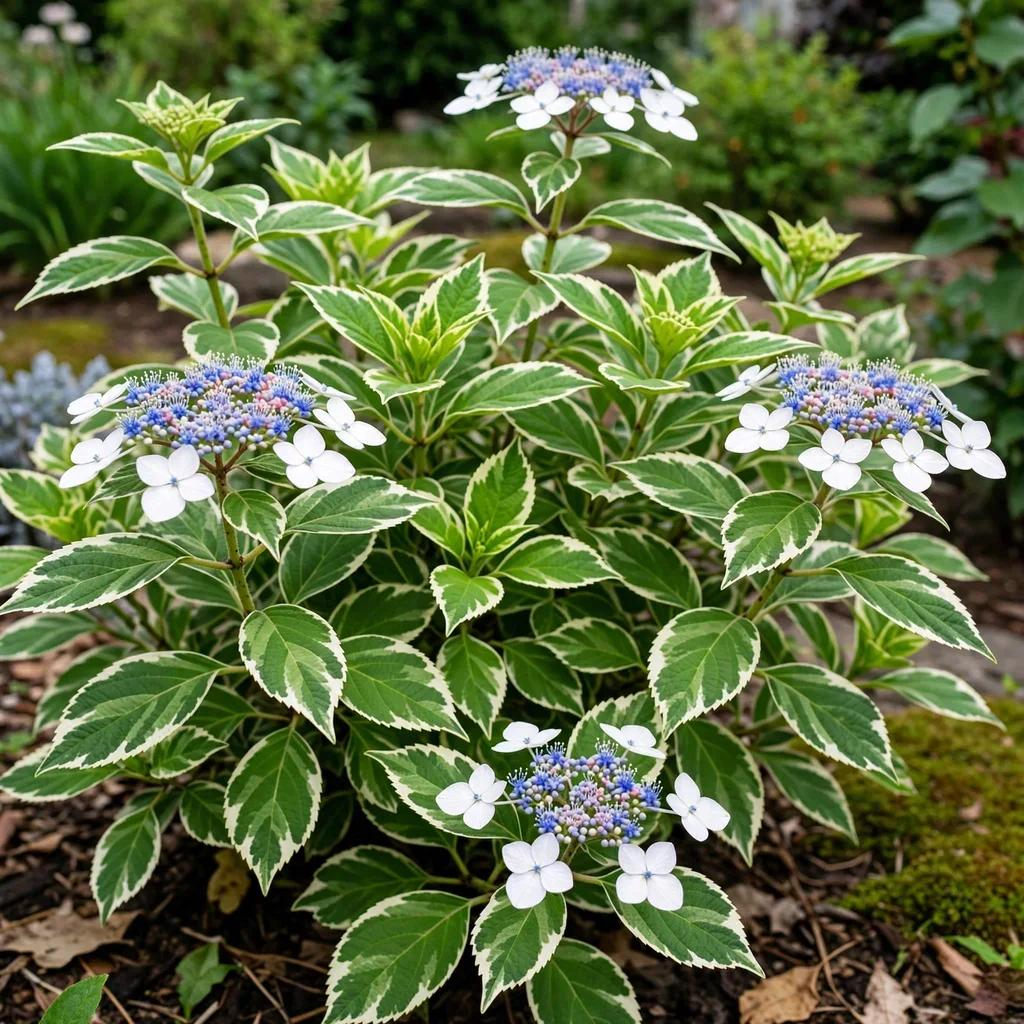 ‘Light-O-Day’Light-O-Day Hydrangea
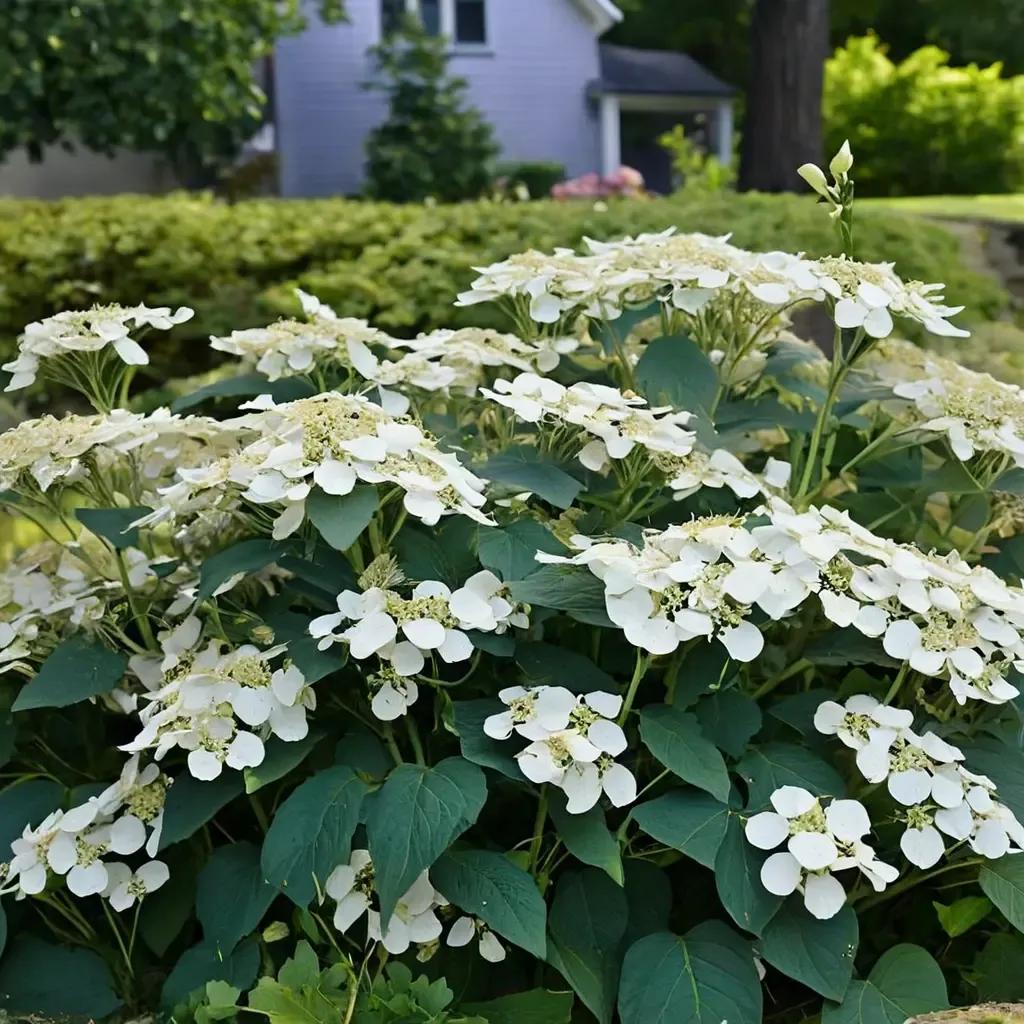 ‘Haas Halo’Haas Halo Hydrangea
 ‘Lets Dance Arriba’Let's Dance Arriba Hydrangea
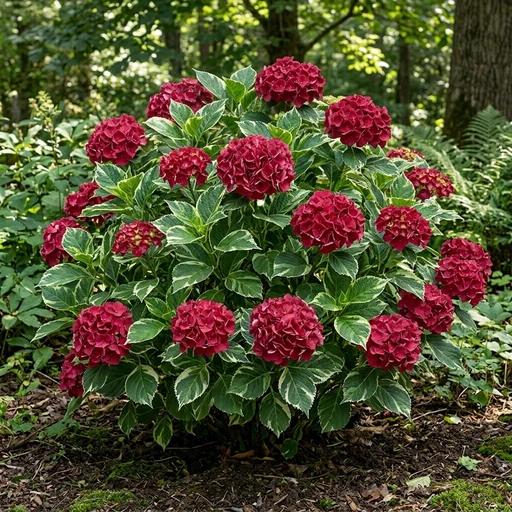 ‘Hortmagitri’Heart Throb Hydrangea
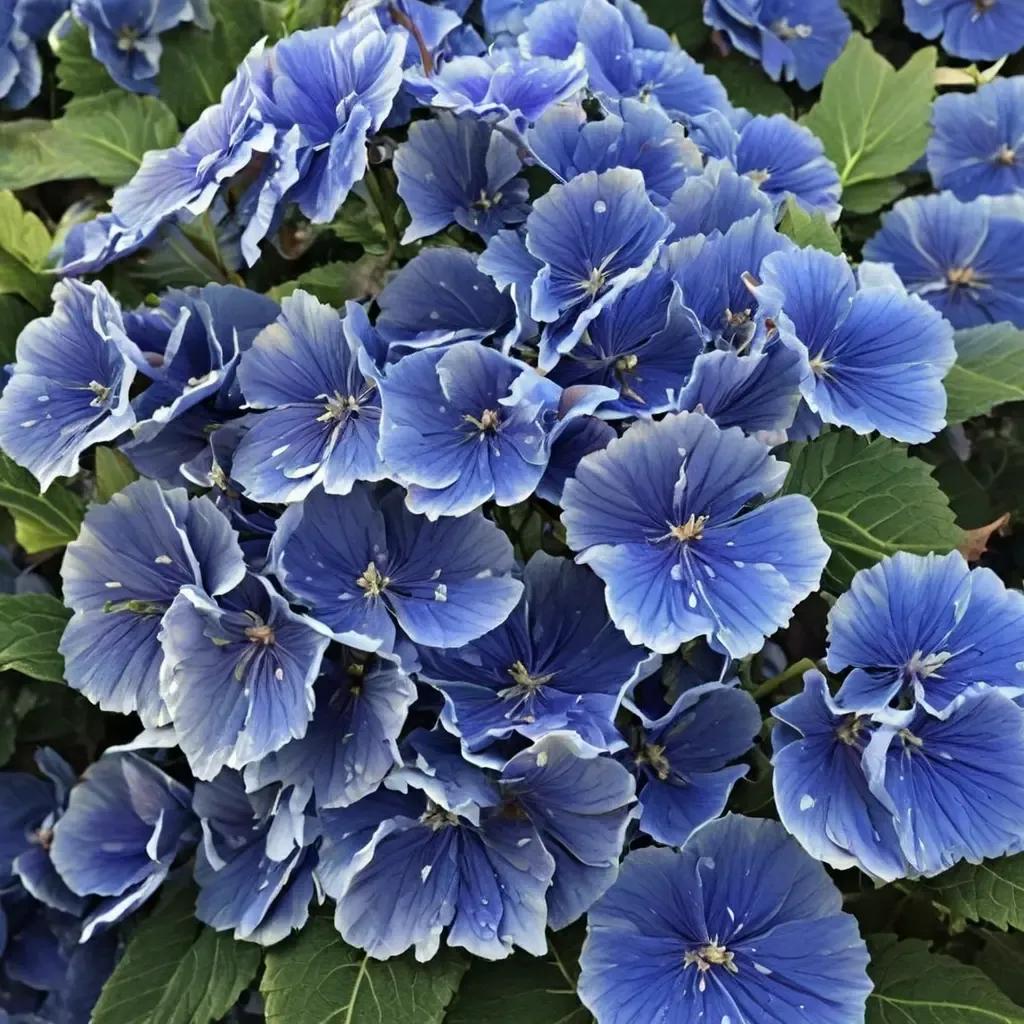 ‘Magical Bluebells’Magical Bluebells Hydrangea
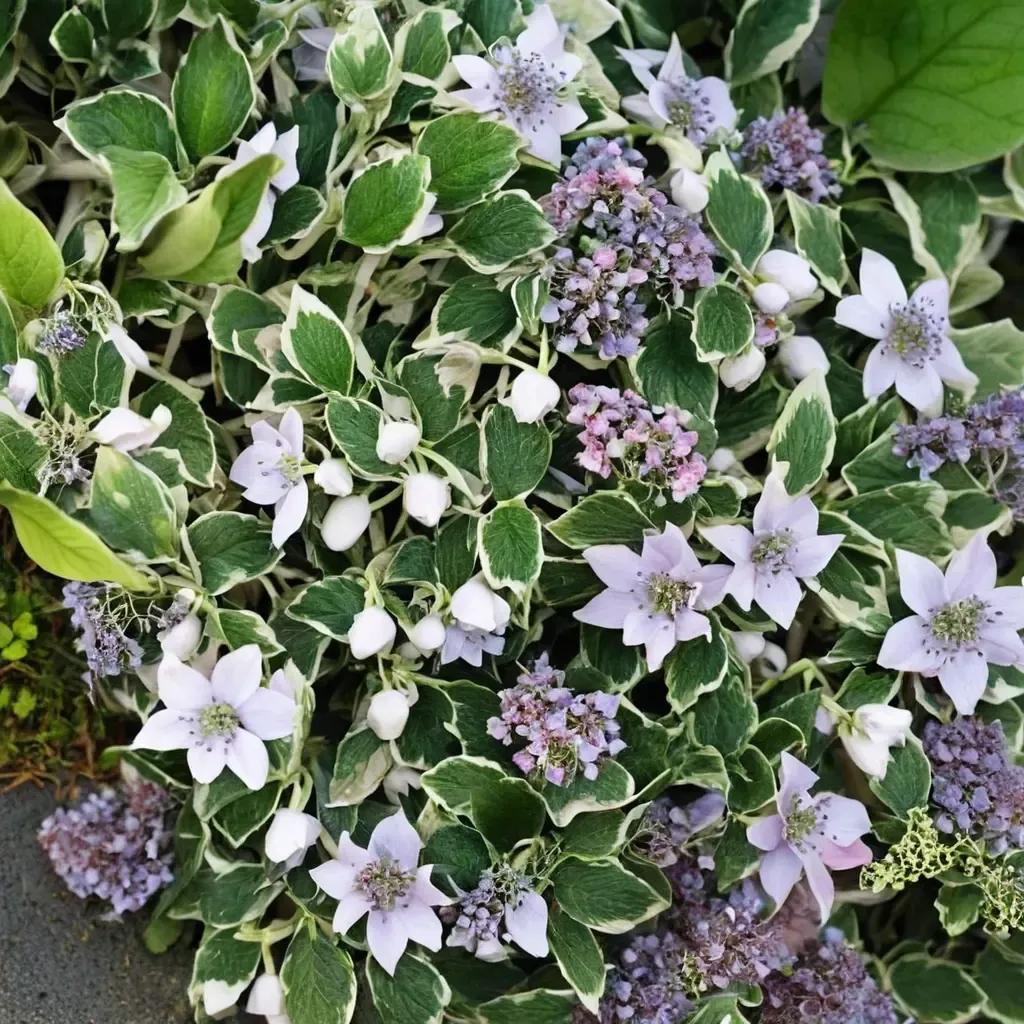 ‘Maculata’Bigleaf Hydrangea Maculata Hydrangea
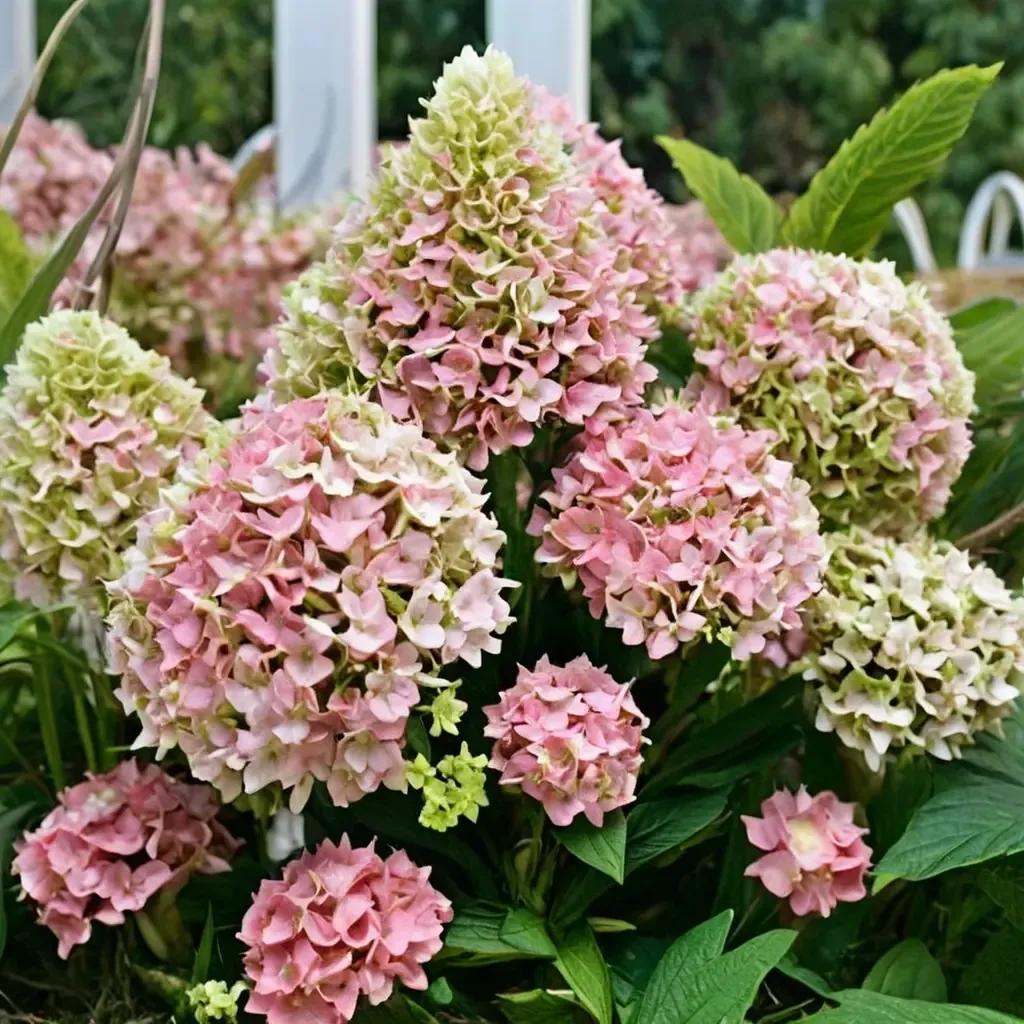 ‘Little Fresco’Little Fresco Hydrangea
 ‘Magical Rhapsody’Magical Rhapsody Hydrangea
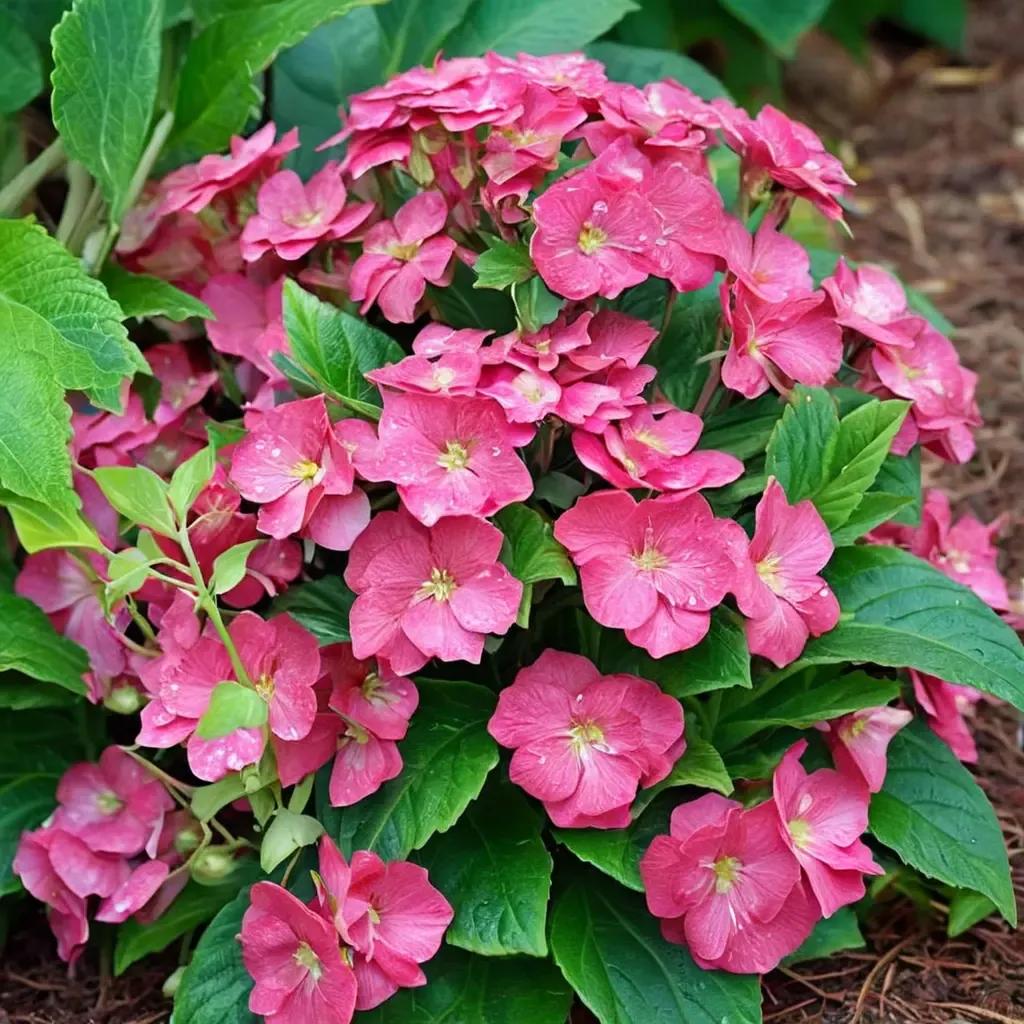 ‘Cityline Paris’Cityline Paris Hydrangea
 ‘Magical Chocolate’Magical Chocolate Hydrangea
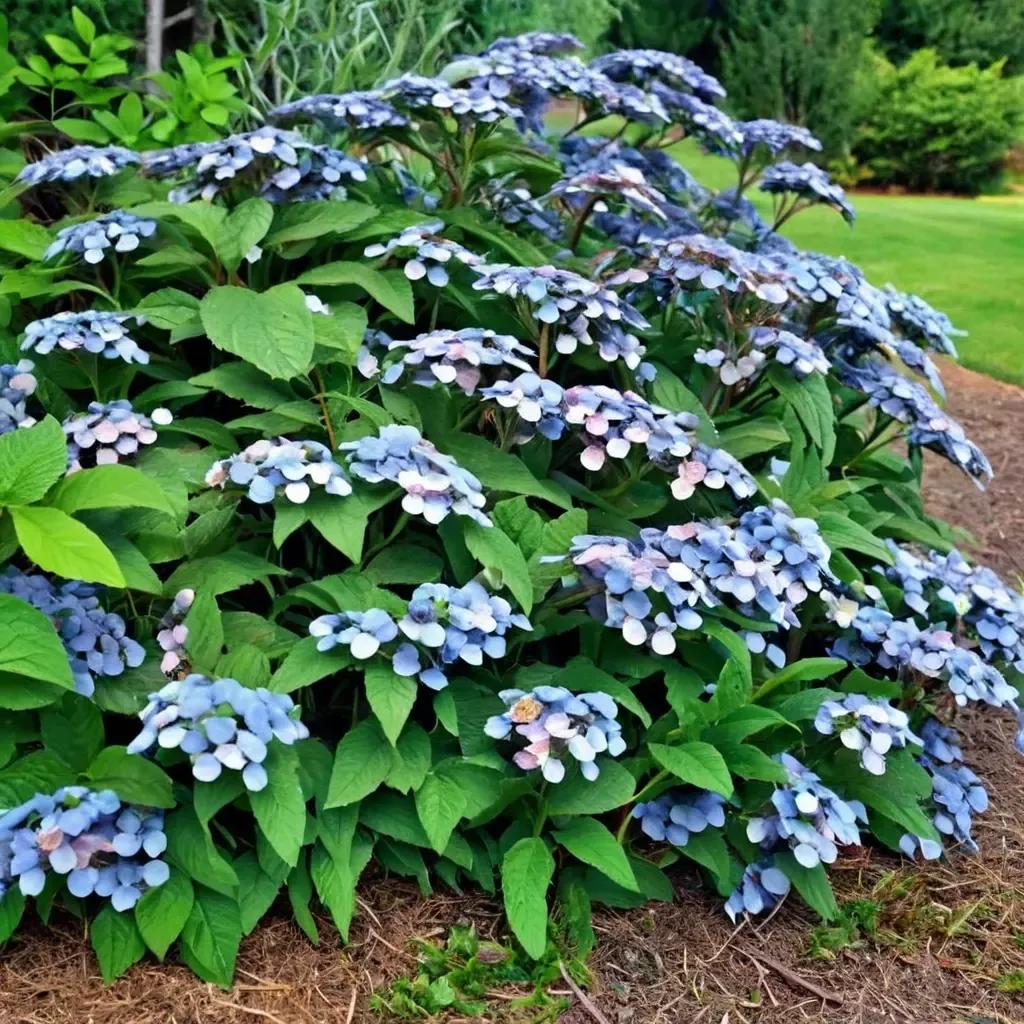 ‘Blue Billow’Blue Billow Hydrangea
 ‘Madame Emile Mouillere’Madame Emile Mouillere Hydrangea
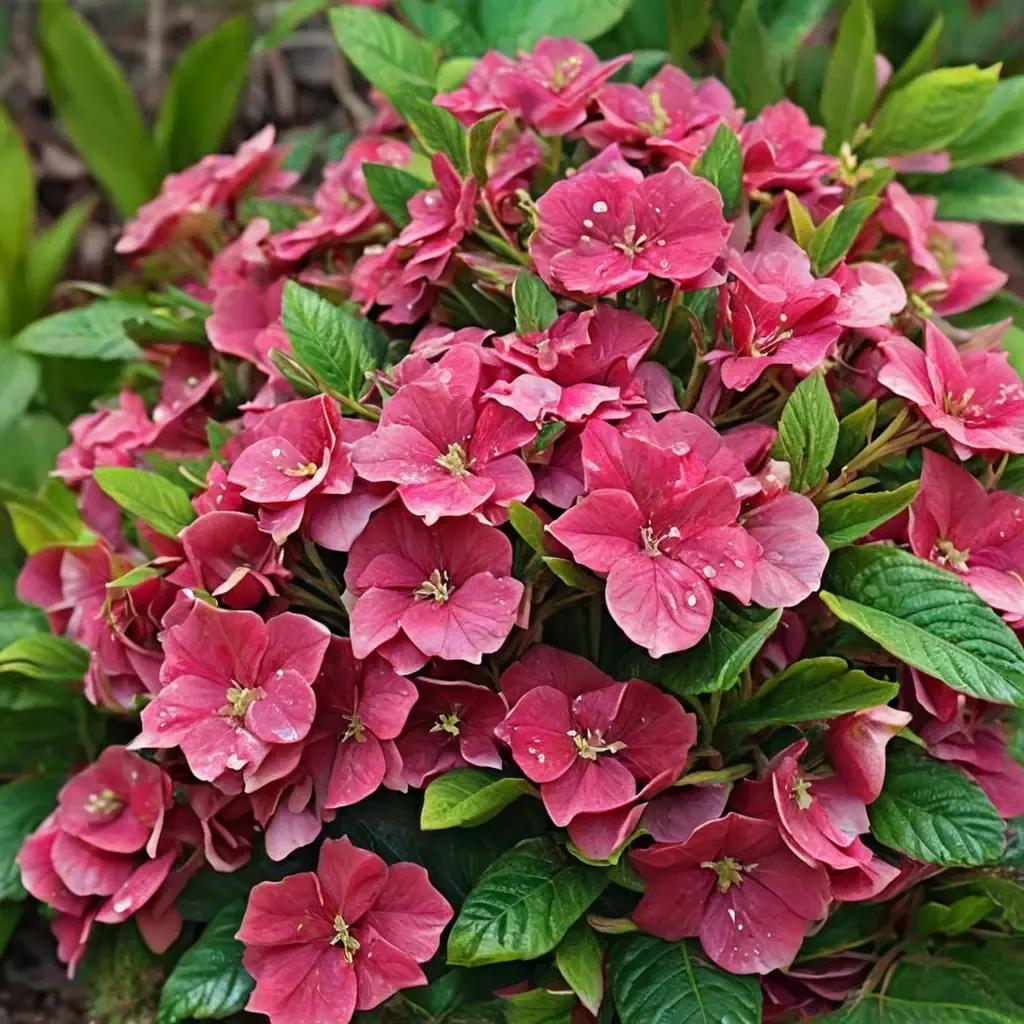 ‘Glowing Embers’Glowing Embers Hydrangea Bigleaf Hydrangea
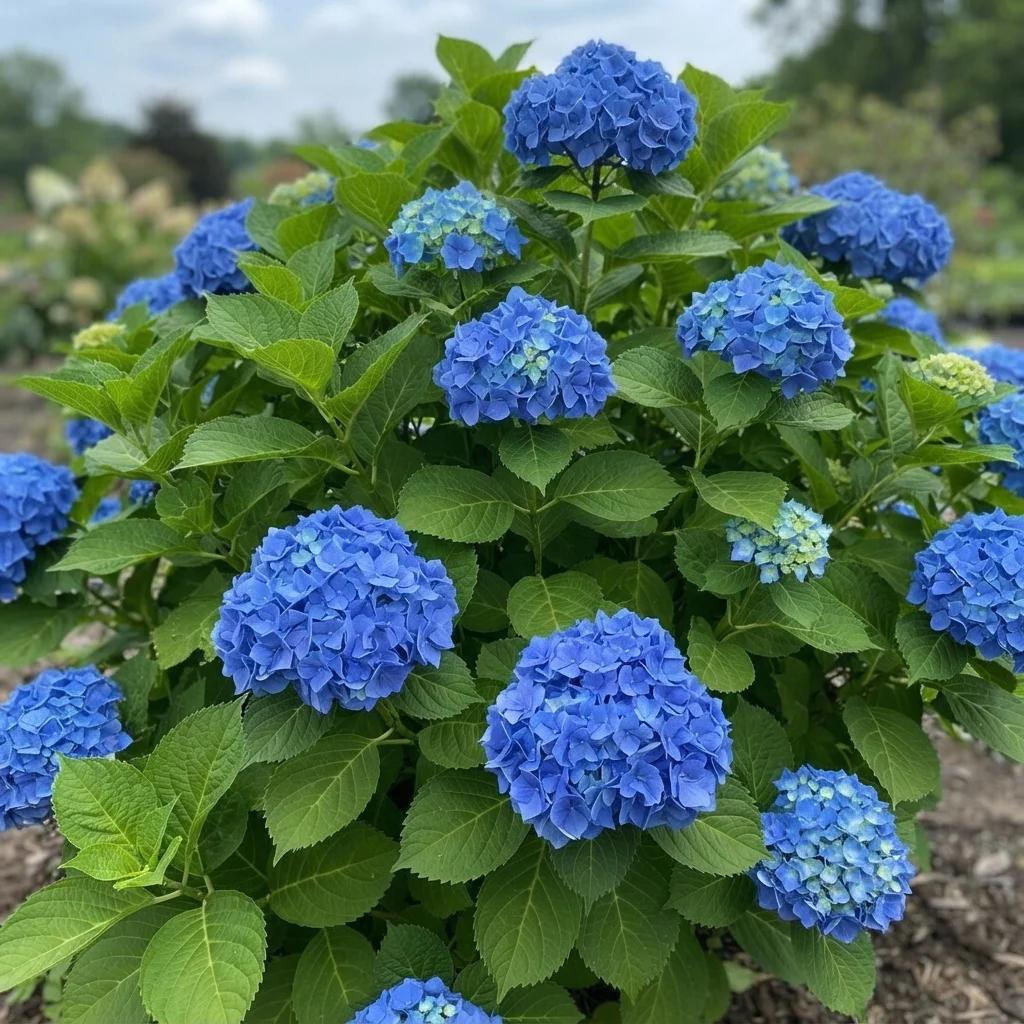 ‘Bailmer’Endless Summer Hydrangea
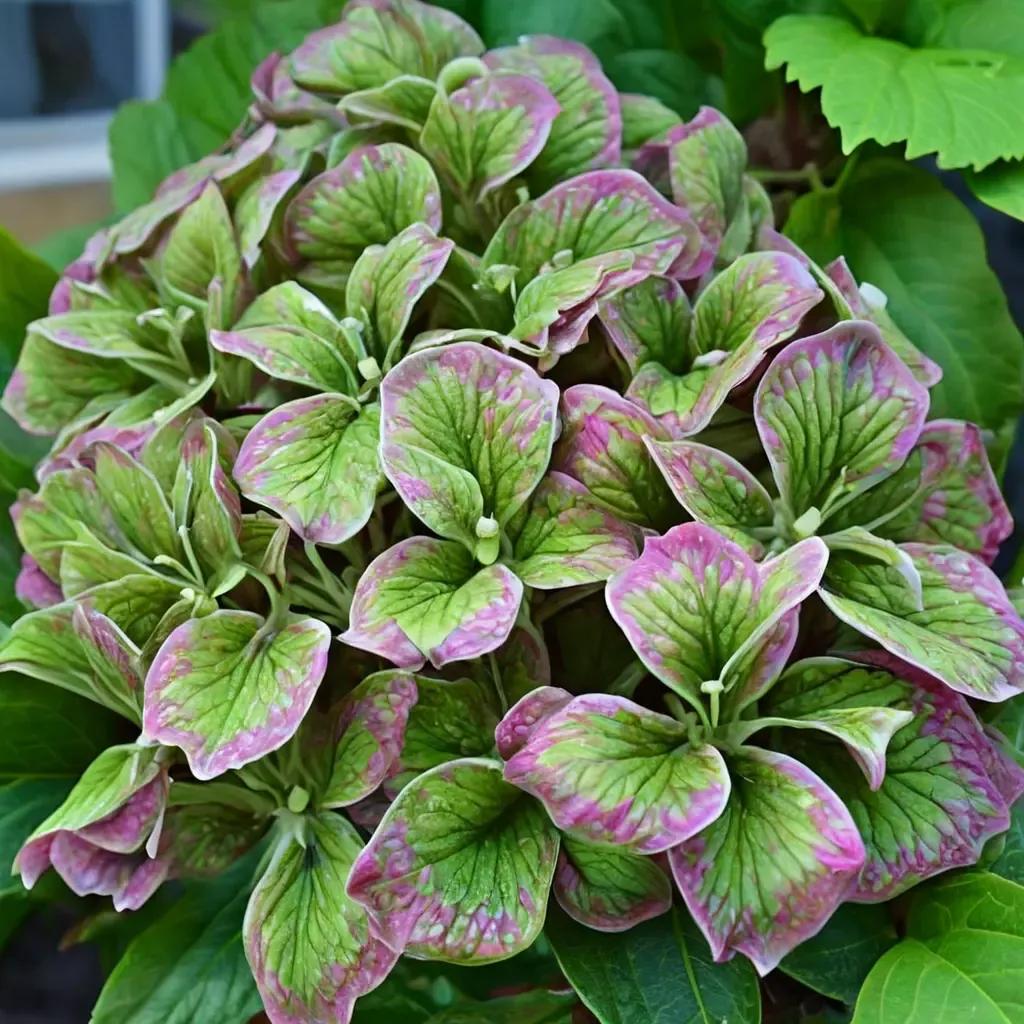 ‘Froggie Bigleaf’Froggie Bigleaf Hydrangea
 ‘Eclipse’Bigleaf Hydrangea
 ‘Wedding Gown’Wedding Gown Hydrangea
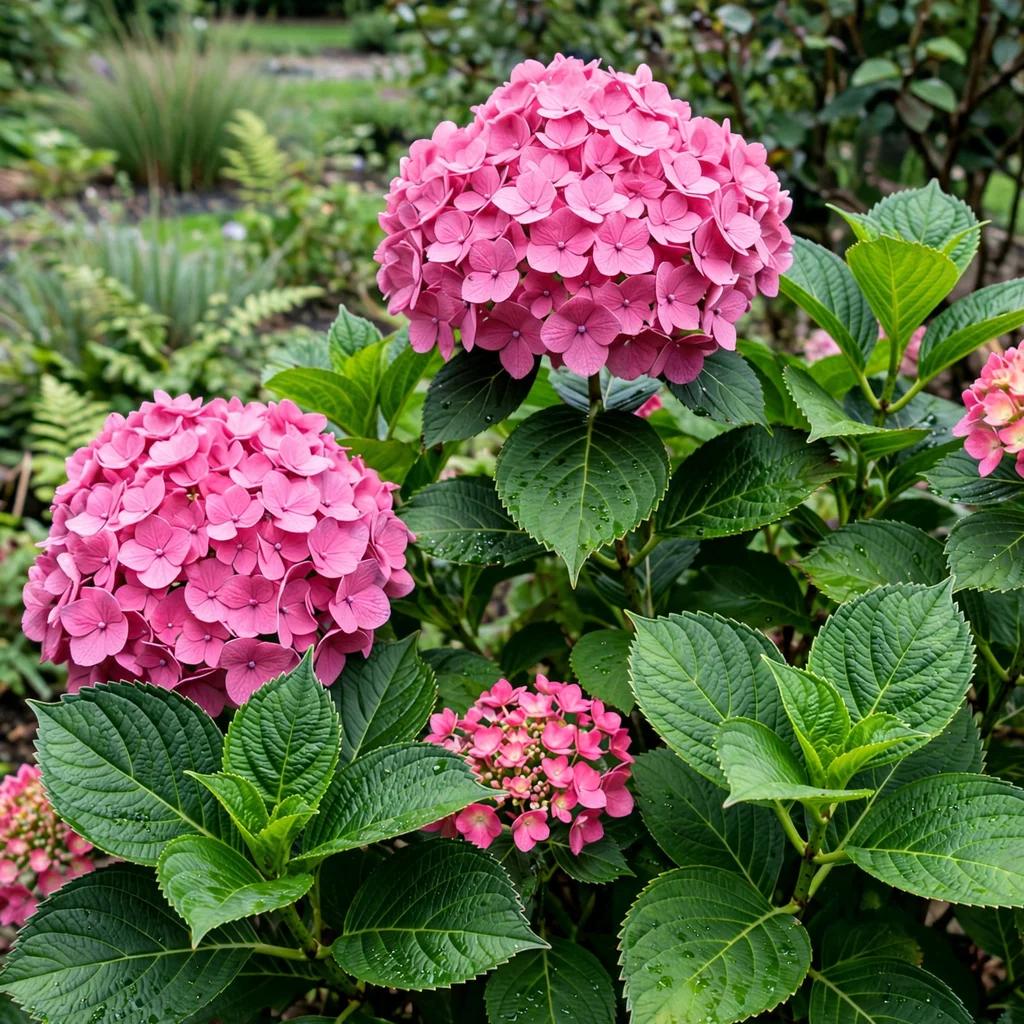 ‘Ruby Blossom’Bigleaf Hydrangea
 ‘Pistachio’Pistachio Hydrangea
 ‘Nantucket Blue’Bigleaf Hydrangea
 ‘Double Down’Bigleaf Hydrangea
 ‘Cherry Explosion’Bigleaf Hydrangea
 ‘Bottstein’Bottstein Hydrangea
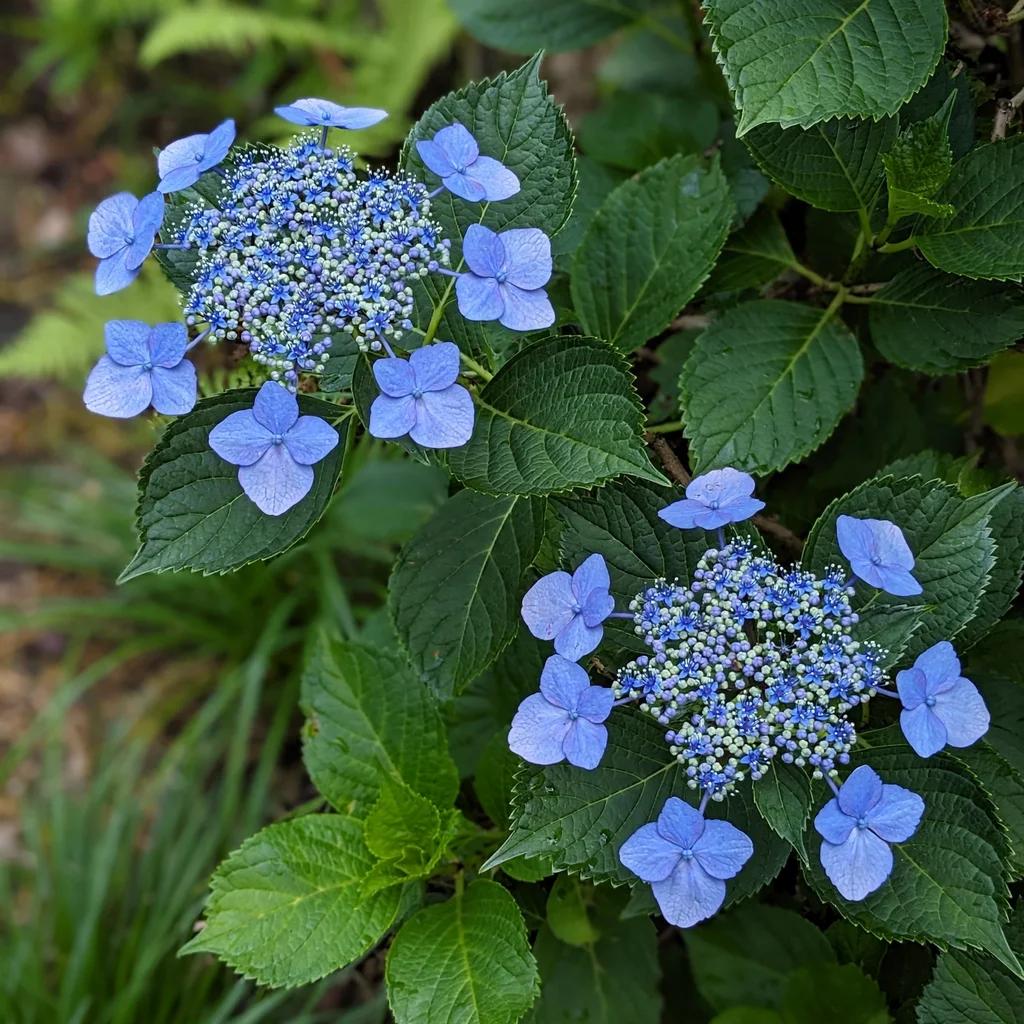 ‘Blue Wave’Bigleaf Hydrangea
The Story
Plant Bio
Hydrangea macrophylla is a multi-stemmed deciduous shrub native to coastal Japan, grown for its broad serrated foliage and expansive summer bloom heads. The species displays either mophead or lacecap inflorescences whose sepal coloration converts based on soil pH and root absorption of aluminum.
'Blue Cassell' is a compact lacecap selection growing four to five feet tall with stiff, upright stems that support large flower heads without drooping. It features flat inflorescences of dark violet-blue sterile sepals in acidic soil and reblooms continuously from early summer into fall on both old and new wood.
Uses & Benefits:
Essentials
At a Glance
Plant Type
Shrub
Height
59"
Width
59"
Light
Full Sun, Partial Sun
Zones
5, 6, 7, 8, 9
Water
Medium to high
Humidity
Moderate
Lifespan
Perennial
Native To
East Asia (Japan)
Toxicity
Low toxicity if ingested; foliage may cause mild contact dermatitis
Bloom period
Early summer – Fall
In flower about 6 months of the year
Planting
How to Grow
- Plant in rich, organic soil that receives bright morning sun and afternoon shade.
- Water regularly to keep the root zone damp, ensuring soil drains freely to prevent root decay.
- Drench the soil with aluminum sulfate in early spring to maintain rich blue flower tones in neutral soils.
- Trim spent flower stems lightly right after the initial summer bloom flush without cutting into base framework.
Pro Tip
Apply aluminum sulfate in early spring before root uptake begins, as amending soil chemistry during flowering is too late to shift current-season blooms to deep blue.
Keep It Thriving
Care Guide
Do
- Keep soil consistently moist throughout hot dry spells.
- Provide shade protection from scorching afternoon sunlight.
- Mulch root zones with organic material to retain moisture.
Don't
- Do not cut structural old wood hard in late winter or early spring.
- Do not allow soil to dry out completely during active blooming.
- Do not over-apply high-nitrogen fertilizers that suppress flower bud development.
Seasonal Care Calendar
| Task | Jan | Feb | Mar | Apr | May | Jun | Jul | Aug | Sep | Oct | Nov | Dec |
|---|---|---|---|---|---|---|---|---|---|---|---|---|
| Fertilize | ||||||||||||
| Mulch | ||||||||||||
| Pest Check | ||||||||||||
| Prune |
Watch Out For
Pests & Diseases
Common Pests
Common Diseases
In the Garden
Landscape Uses & Companions
Landscape Uses
Companion Plants
Multiply
Propagation Methods
Good to Know
Common Questions
Bigleaf Hydrangea questions
What zones can Bigleaf Hydrangea grow in?
Bigleaf Hydrangea is hardy in USDA Zones 5–9. Inside that range it survives winter in the ground; outside it, grow it as an annual or a container plant you protect.
Is Bigleaf Hydrangea deer resistant?
Not reliably. Deer may browse Bigleaf Hydrangea, especially tender spring growth — plan on repellents or fencing where pressure is high.
When does Bigleaf Hydrangea bloom?
Bigleaf Hydrangea typically blooms in early summer through fall. Exact timing shifts a week or two with your zone — Sow's bloom calendar maps it to your garden.
Does Bigleaf Hydrangea need full sun?
Bigleaf Hydrangea does best in full sun to part shade. In hot climates, afternoon shade keeps blooms fresher longer.
More Hydrangea to compare
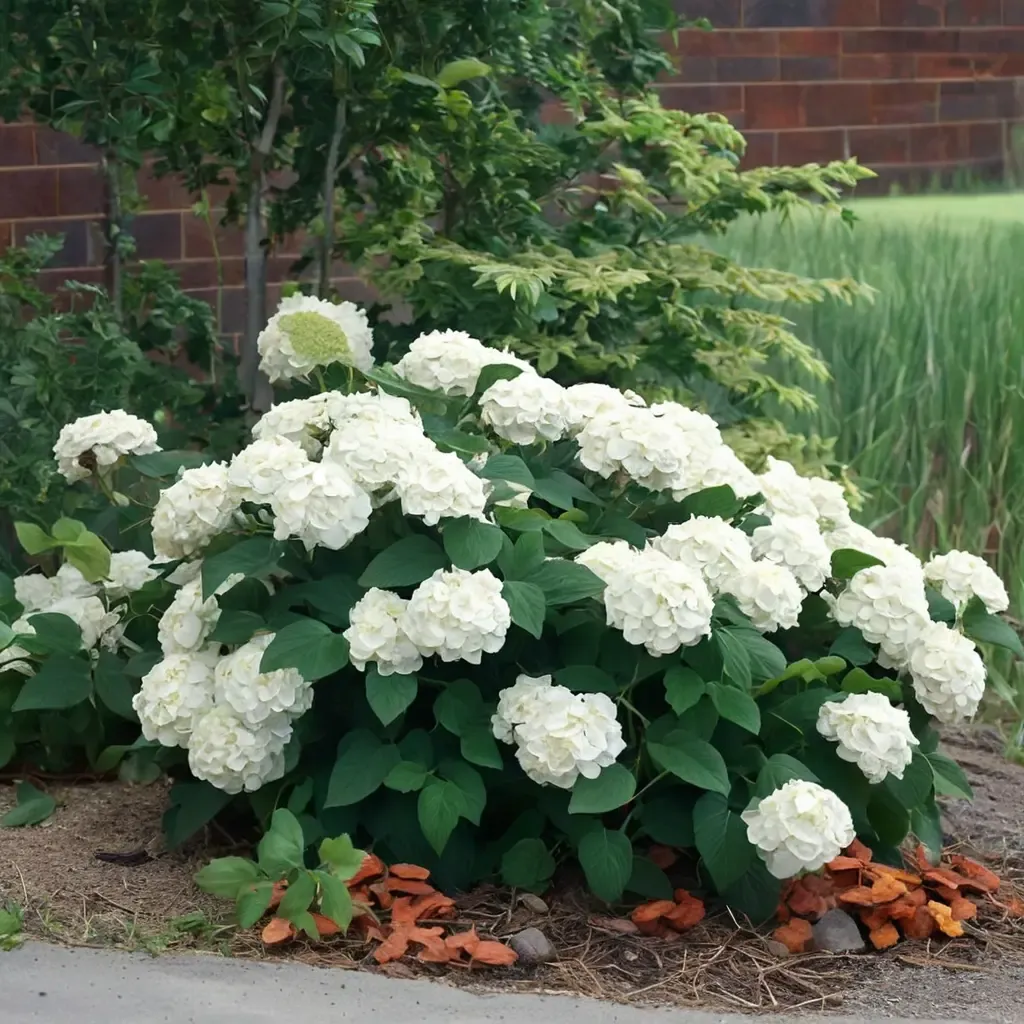
Incrediball Hydrangea
Hydrangea arborescens 'Incrediball'
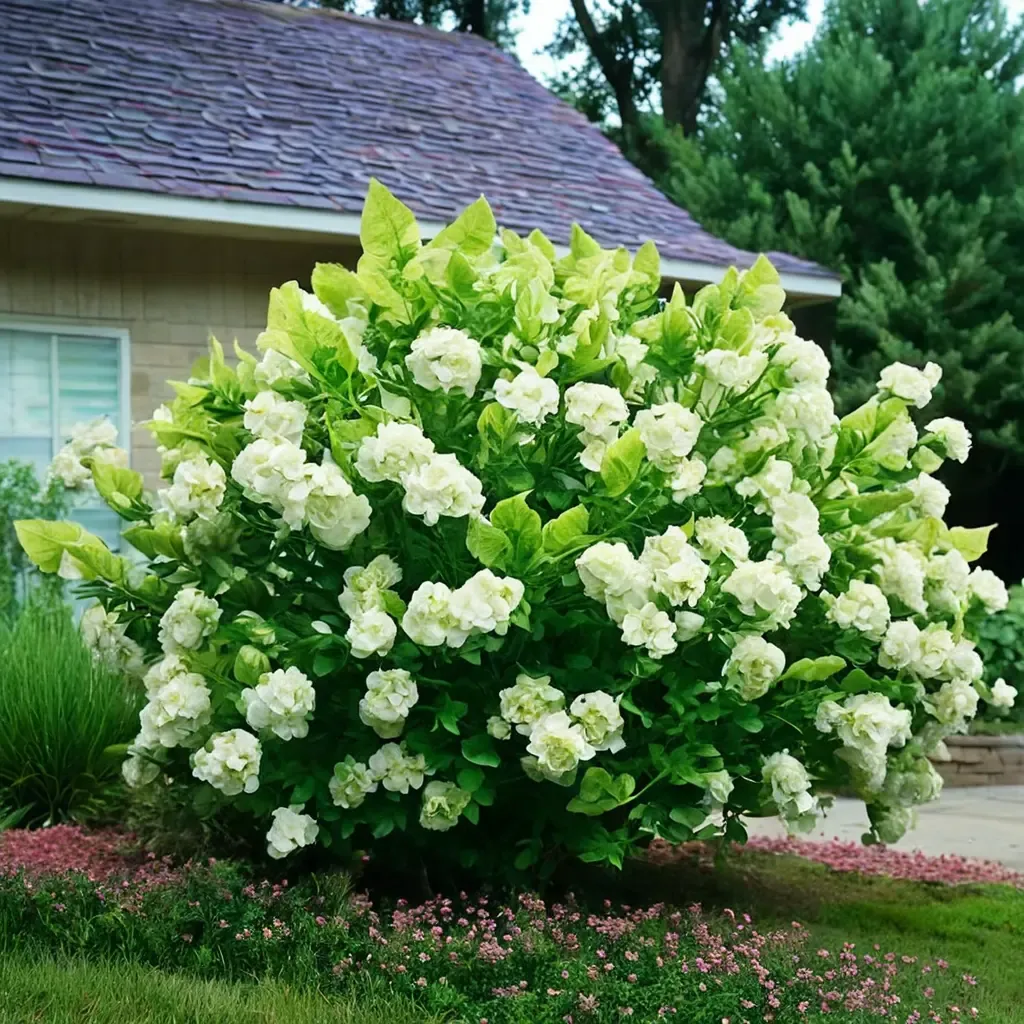
Limelight Hydrangea
Hydrangea paniculata 'Limelight'
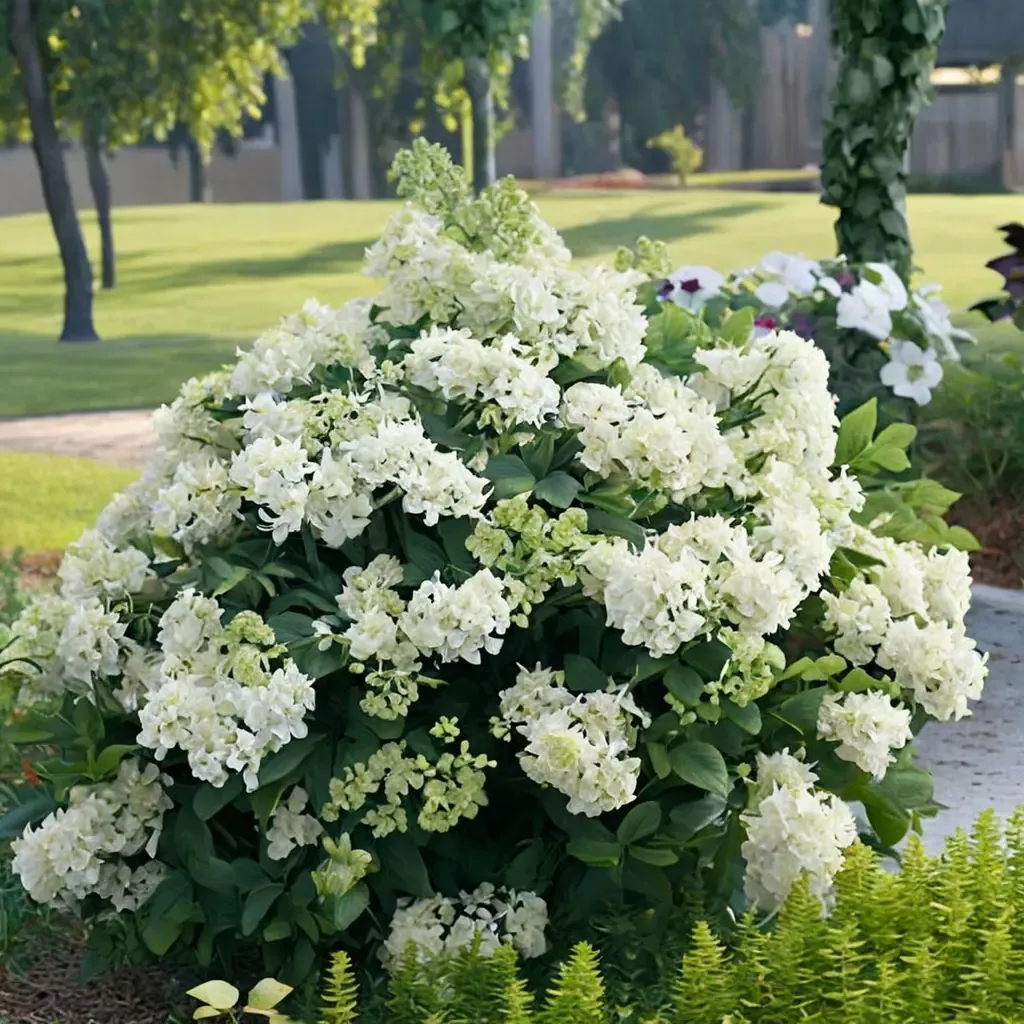
Bobo Hydrangea
Hydrangea paniculata 'ILVOBO'
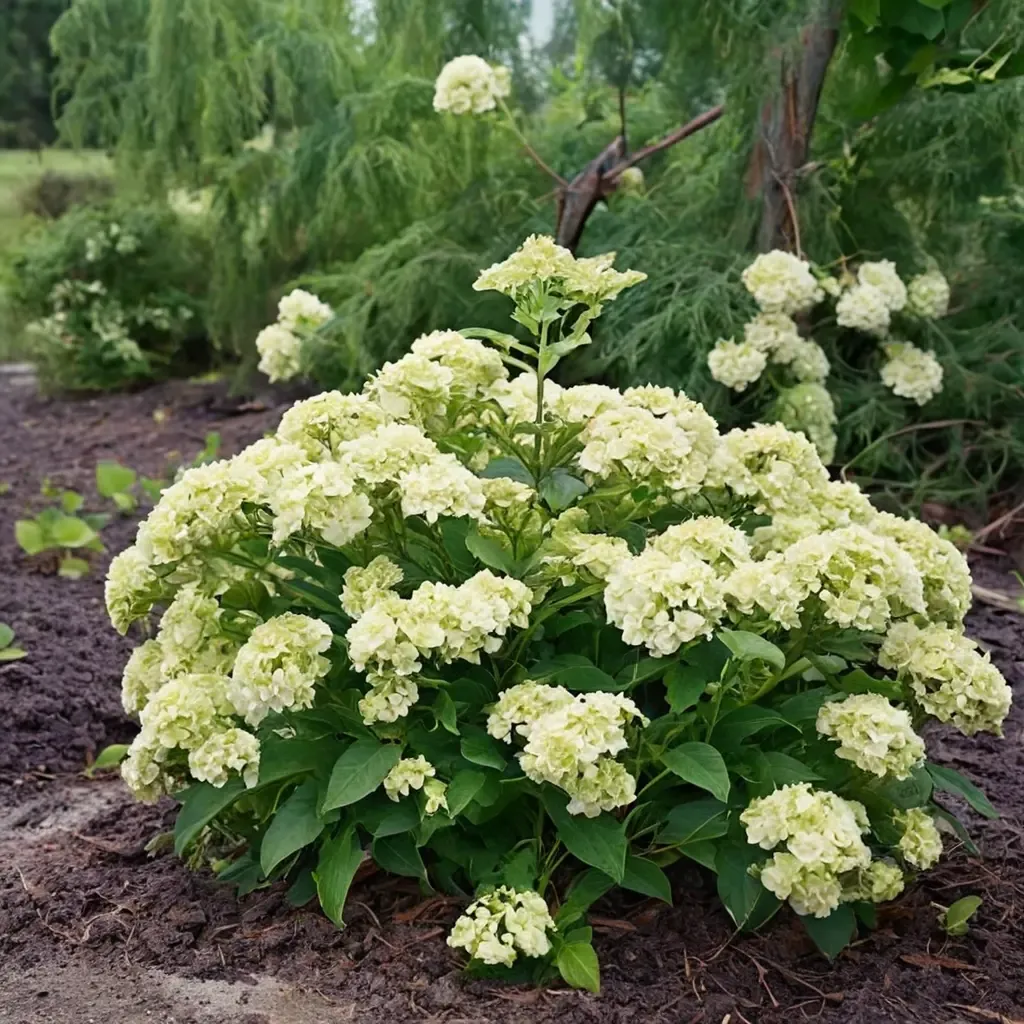
Little Lime Hydrangea
Hydrangea paniculata 'Jane'
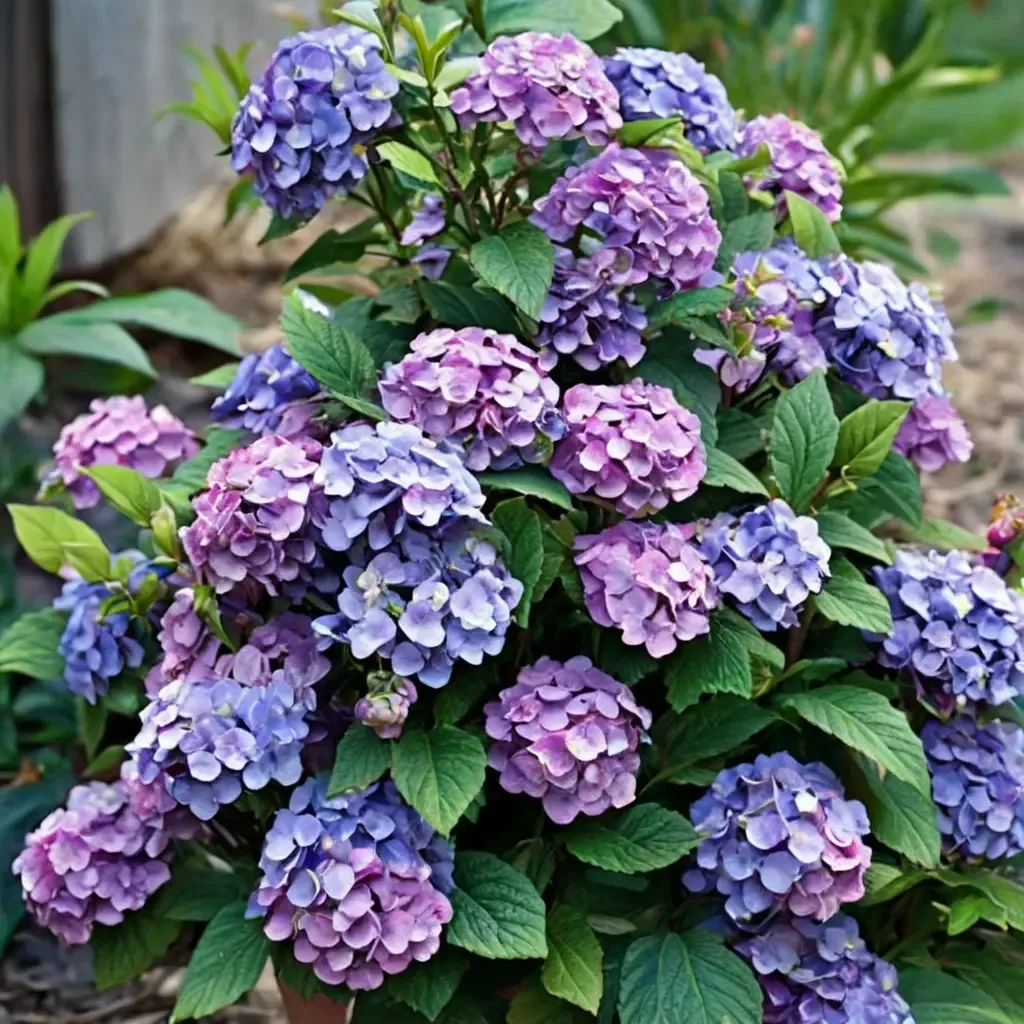
Bloomstruck Hydrangea
Hydrangea macrophylla 'Bloomstruck'
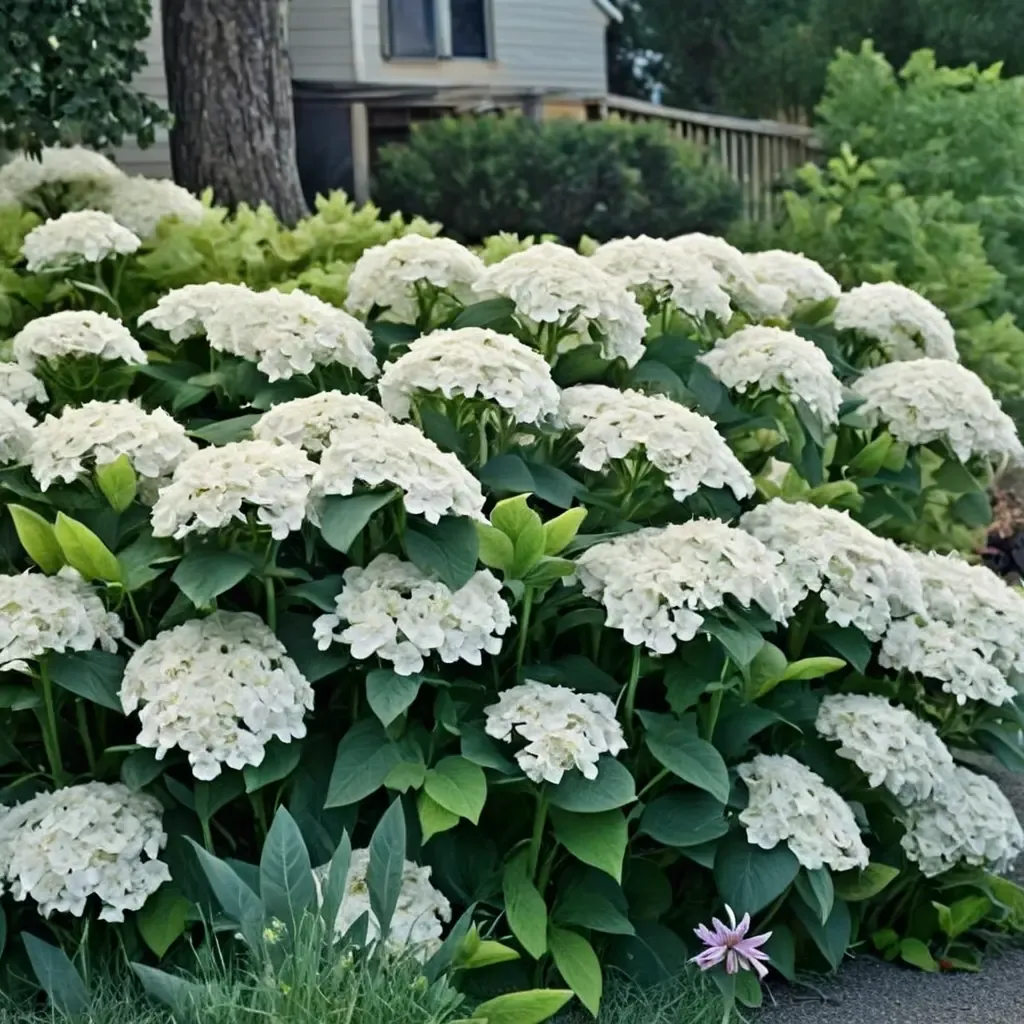
Annabelle Hydrangea Smooth Hydrangea
Hydrangea arborescens 'Annabelle'
Keep exploring
Explore the genus
Hardy in your zone?
Grow Bigleaf Hydrangea with confidence
See it in a design of your actual yard, get zone-matched care reminders, and track it season by season in your garden journal.