Species
52 other cultivars
- ‘Bloomstruck’Bloomstruck Hydrangea
- ‘All Summer Beauty’All Summer Beauty Hydrangea
- ‘Nikko Blue’Nikko Blue Hydrangea
- ‘Reblooming’Reblooming Hydrangea
- ‘Let's Dance Rhythmic Blue’Let's Dance Rhythmic Blue Hydrangea
- ‘Forever Ever Together’Hydrangea Forever Ever Together
- ‘Felicity’Felicity Hydrangea
- ‘LA Dreamin’LA Dreamin' Hydrangea
- ‘Penny Mac’Penny Mac Hydrangea
- ‘Early Sensation’Early Sensation Hydrangea
- ‘Kimono’Kimono Hydrangea
- ‘Endless Summer Pop Star’Endless Summer Pop Star Hydrangea
- ‘Let's Dance Blue Jangles’Let's Dance Blue Jangles Hydrangea
- ‘Princess Diana’Princess Diana Hydrangea
- ‘Confetti’Confetti Hydrangea
- ‘Love’Love Hydrangea
- ‘Cherry-Go-Round’Cherry Go Round Hydrangea
- ‘Everlasting Crimson’Everlasting Crimson Hydrangea
- ‘Azure Skies’Azure Skies Hydrangea
- ‘Forever Pink’Forever Pink Hydrangea
- ‘Beaute Vendomoise’Beaute Vendomoise Lacecap Hydrangea
- ‘Magical Amazone’Magical Amazone Hydrangea
- ‘Fantasia’Fantasia Hydrangea
- ‘Miss Saori’Miss Saori Hydrangea
- ‘Magical Elegance’Magical Elegance Hydrangea
- ‘Pink Diamond’Pink Diamond Hydrangea
- ‘Elizabeth Ashley’Elizabeth Ashley Bigleaf Hydrangea
- ‘Abracadabra Star’Abracadabra Star Hydrangea
- ‘Light-O-Day’Light-O-Day Hydrangea
- ‘Hortmagitri’Heart Throb Hydrangea
- ‘Lets Dance Arriba’Let's Dance Arriba Hydrangea
- ‘Maculata’Bigleaf Hydrangea Maculata Hydrangea
- ‘Magical Bluebells’Magical Bluebells Hydrangea
- ‘Little Fresco’Little Fresco Hydrangea
- ‘Magical Rhapsody’Magical Rhapsody Hydrangea
- ‘Cityline Paris’Cityline Paris Hydrangea
- ‘Magical Chocolate’Magical Chocolate Hydrangea
- ‘Bailmer’Bailmer Endless Summer Hydrangea
- ‘Madame Emile Mouillere’Madame Emile Mouillere Hydrangea
- ‘Glowing Embers’Glowing Embers Hydrangea Bigleaf Hydrangea
- ‘Froggie Bigleaf’Froggie Bigleaf Hydrangea
- ‘Eclipse’Eclipse Bigleaf Hydrangea
- ‘Blue Cassell’Blue Cassell Bigleaf Hydrangea
- ‘Nantucket Blue’Nantucket Blue Bigleaf Hydrangea
- ‘Let's Dance Sky View’Let's Dance Sky View Hydrangea
- ‘Wedding Gown’Wedding Gown Hydrangea
- ‘Bottstein’Bottstein Hydrangea
- ‘Double Down’Double Down Bigleaf Hydrangea
- ‘Cherry Explosion’Cherry Explosion Bigleaf Hydrangea
- ‘Ruby Blossom’Ruby Blossom Bigleaf Hydrangea
- ‘Blue Wave’Blue Wave Bigleaf Hydrangea
- ‘AH-HA’A-HA Bigleaf Hydrangea

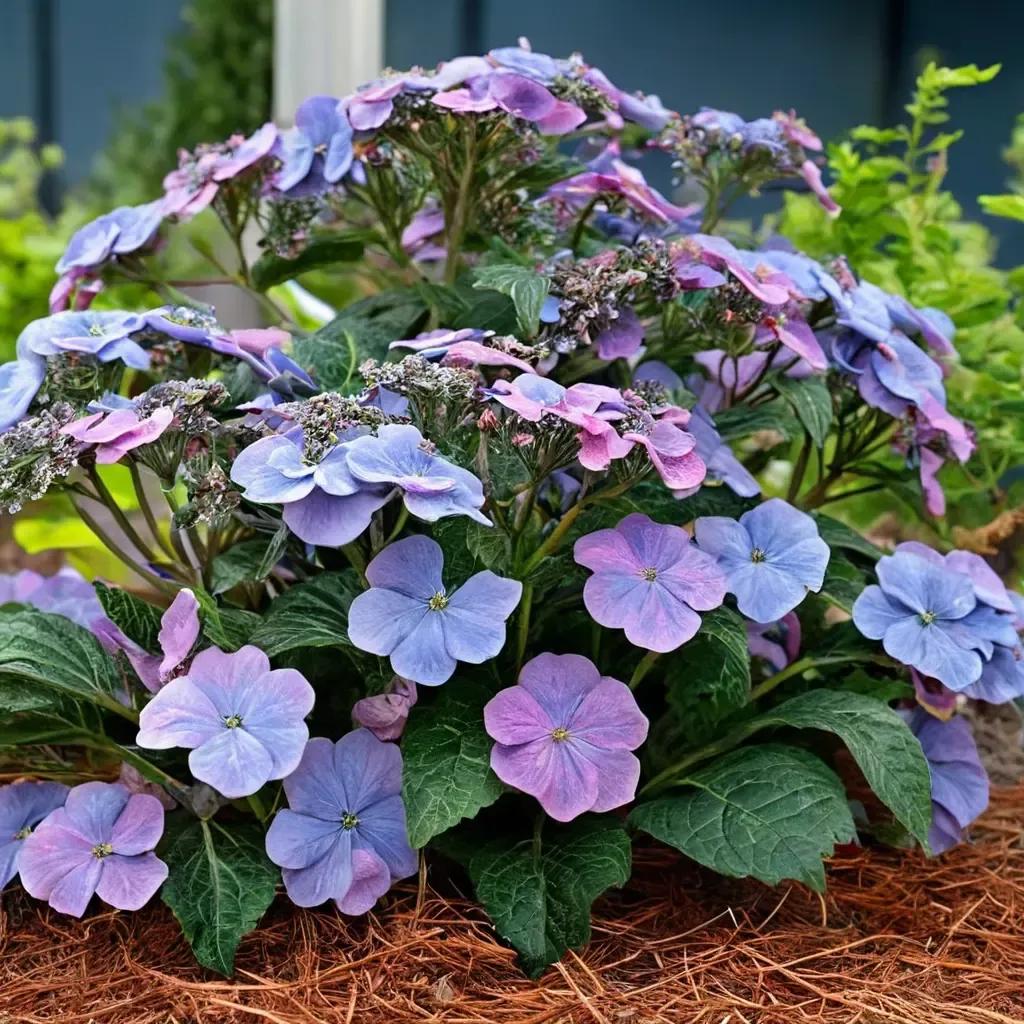
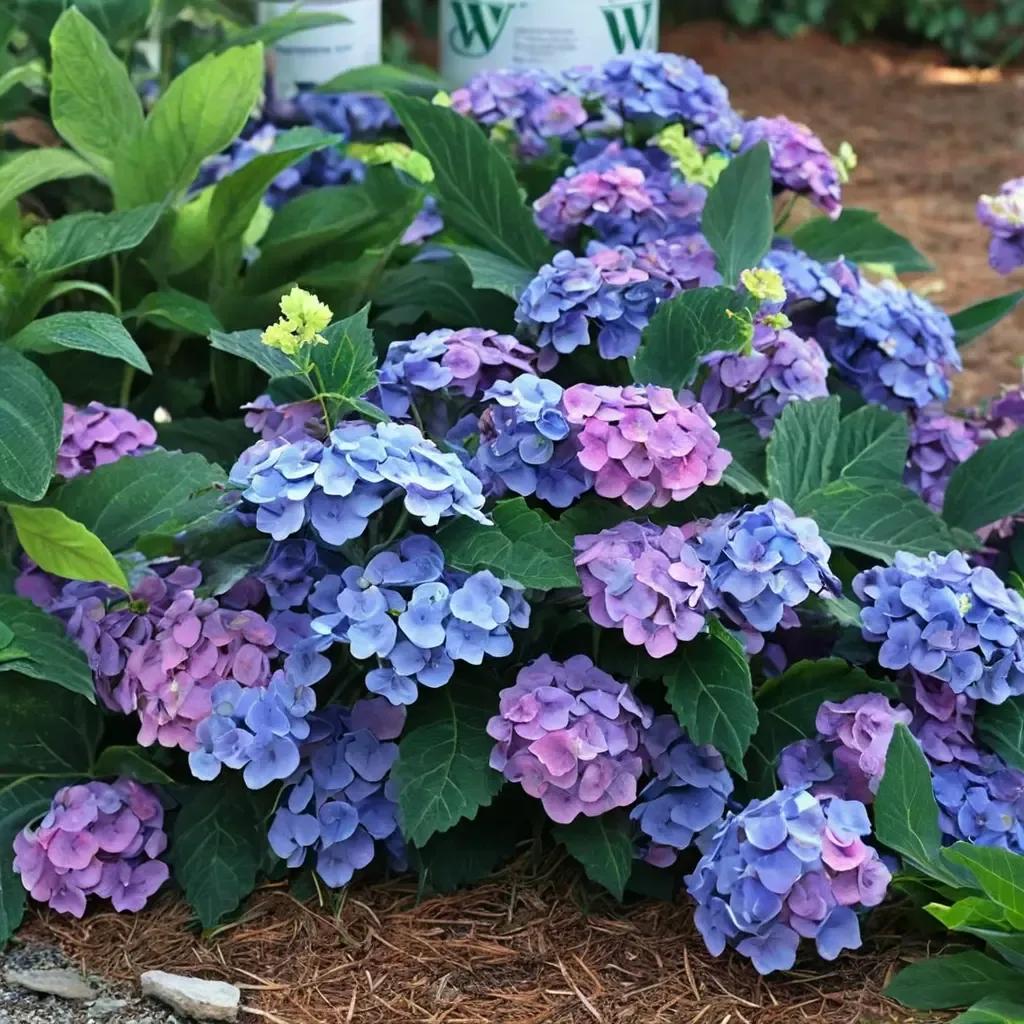

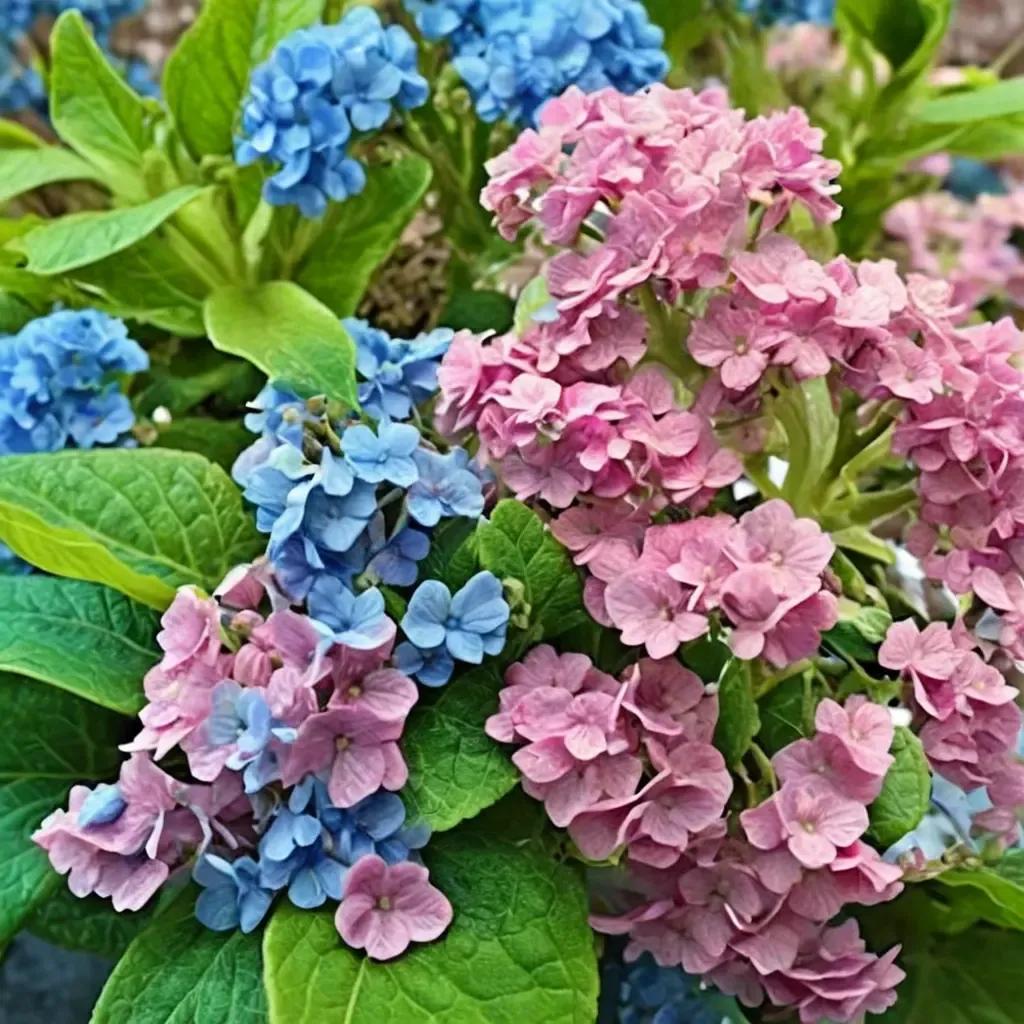
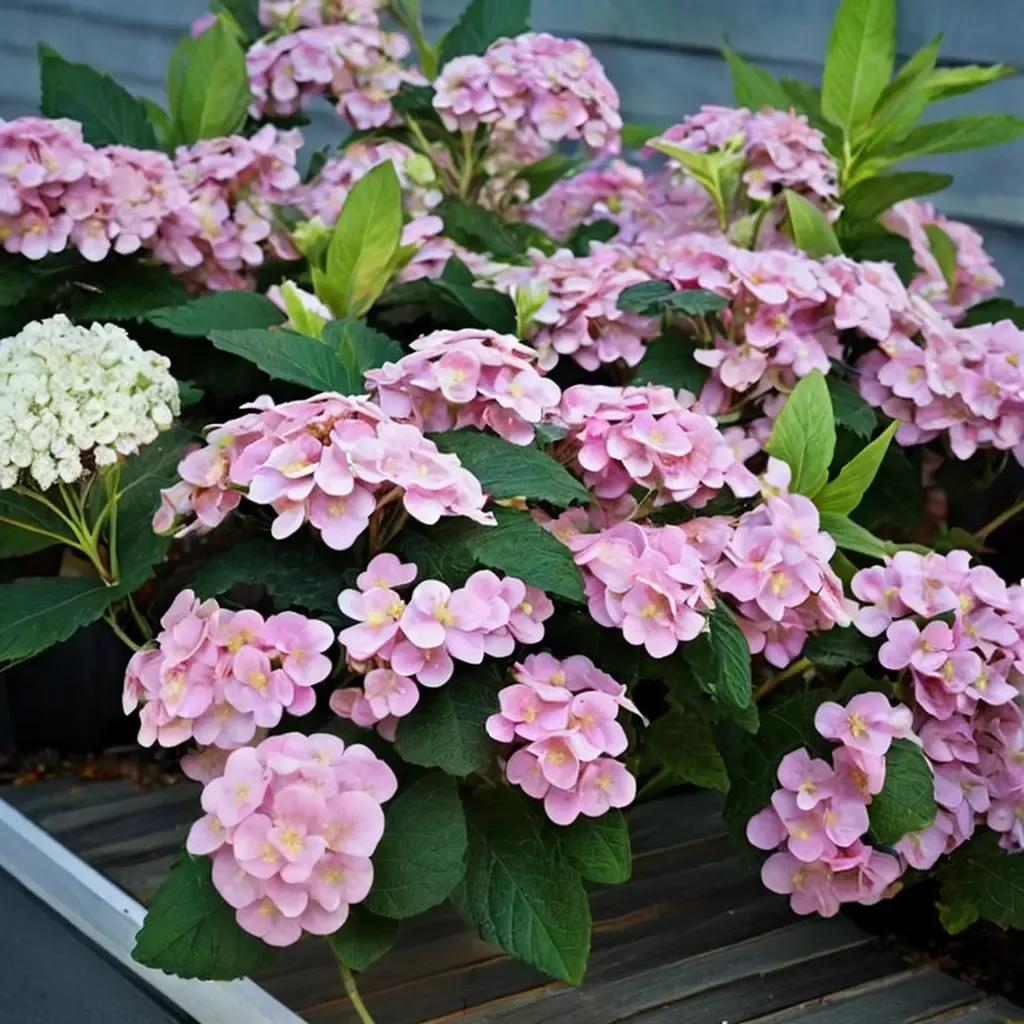

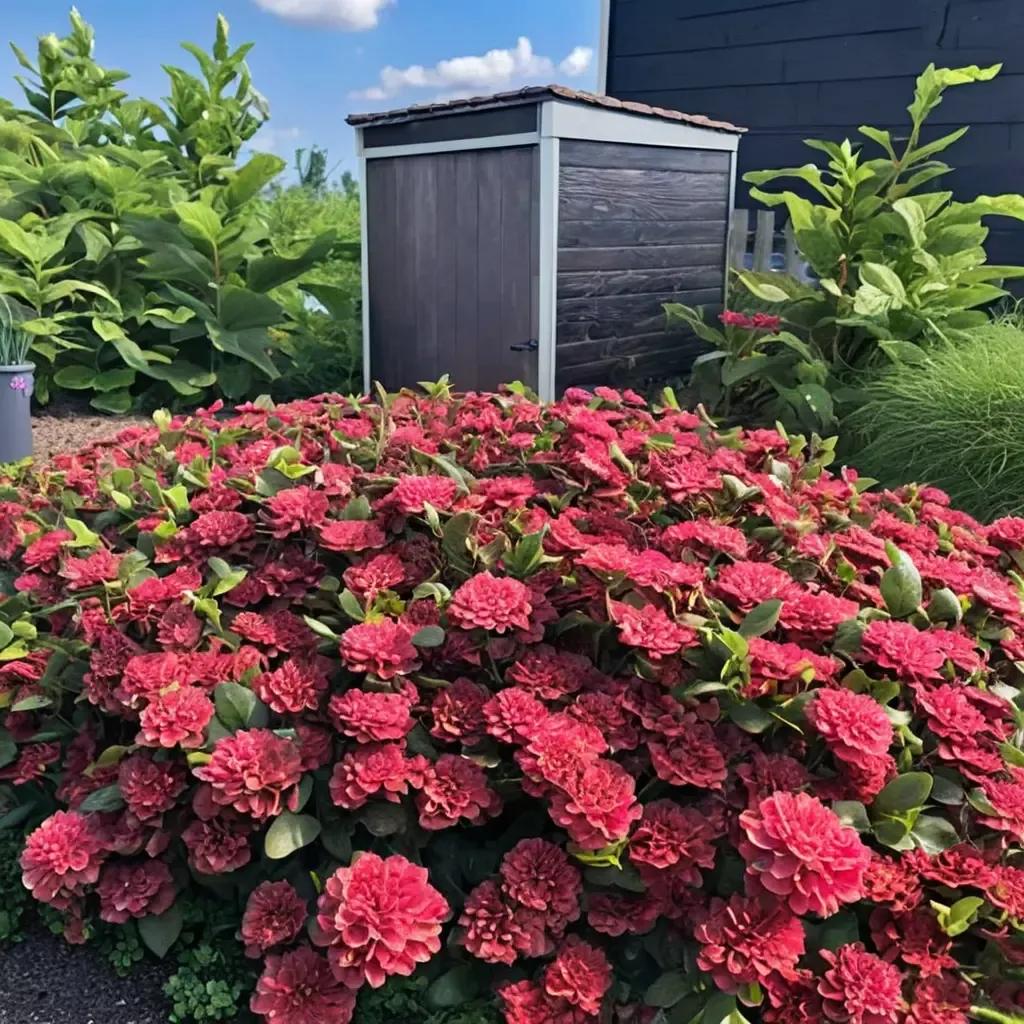
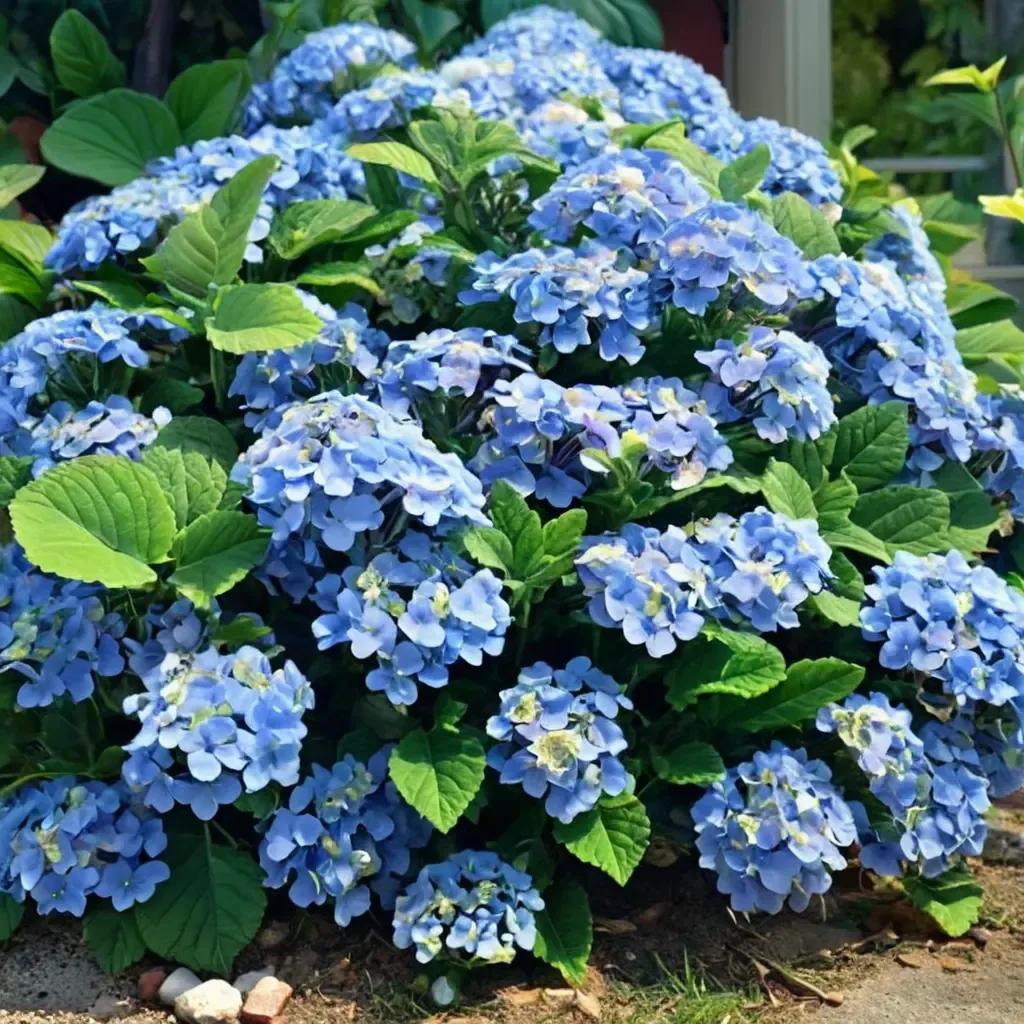
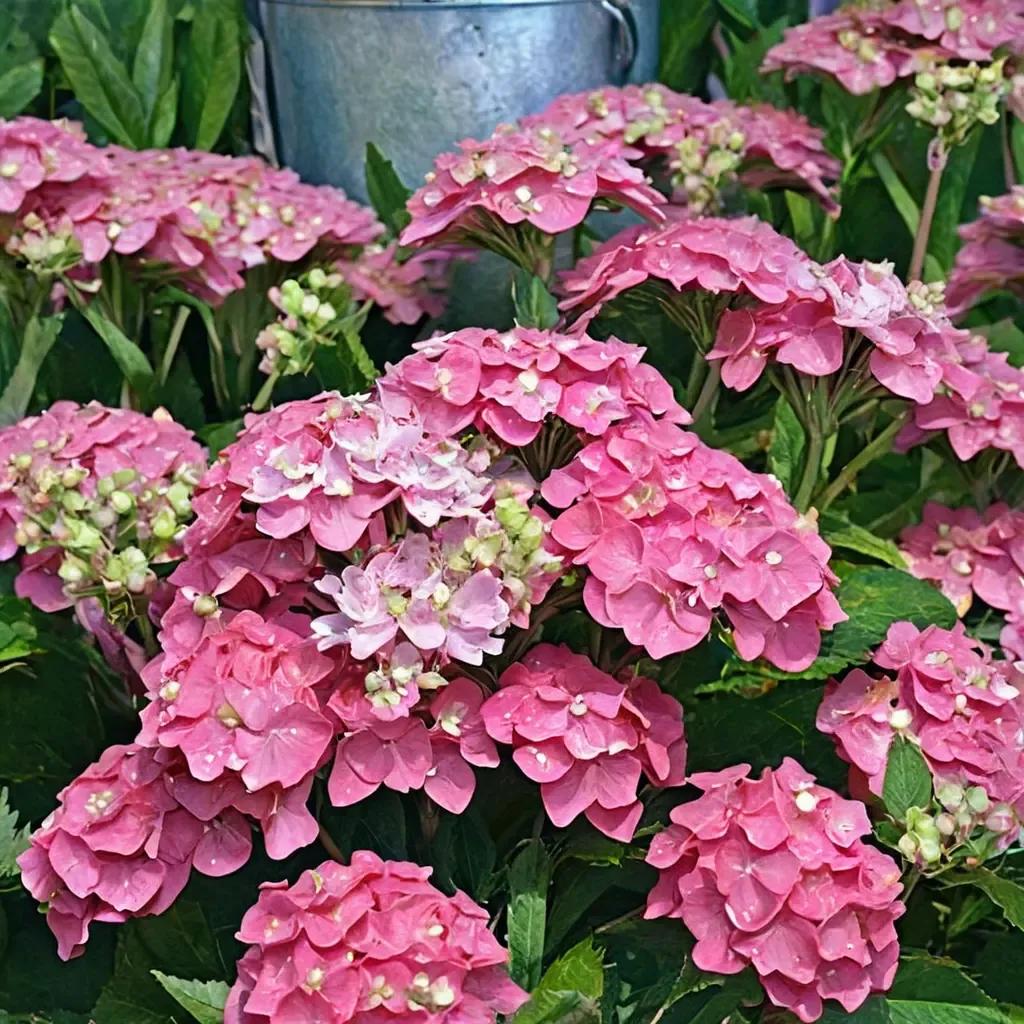
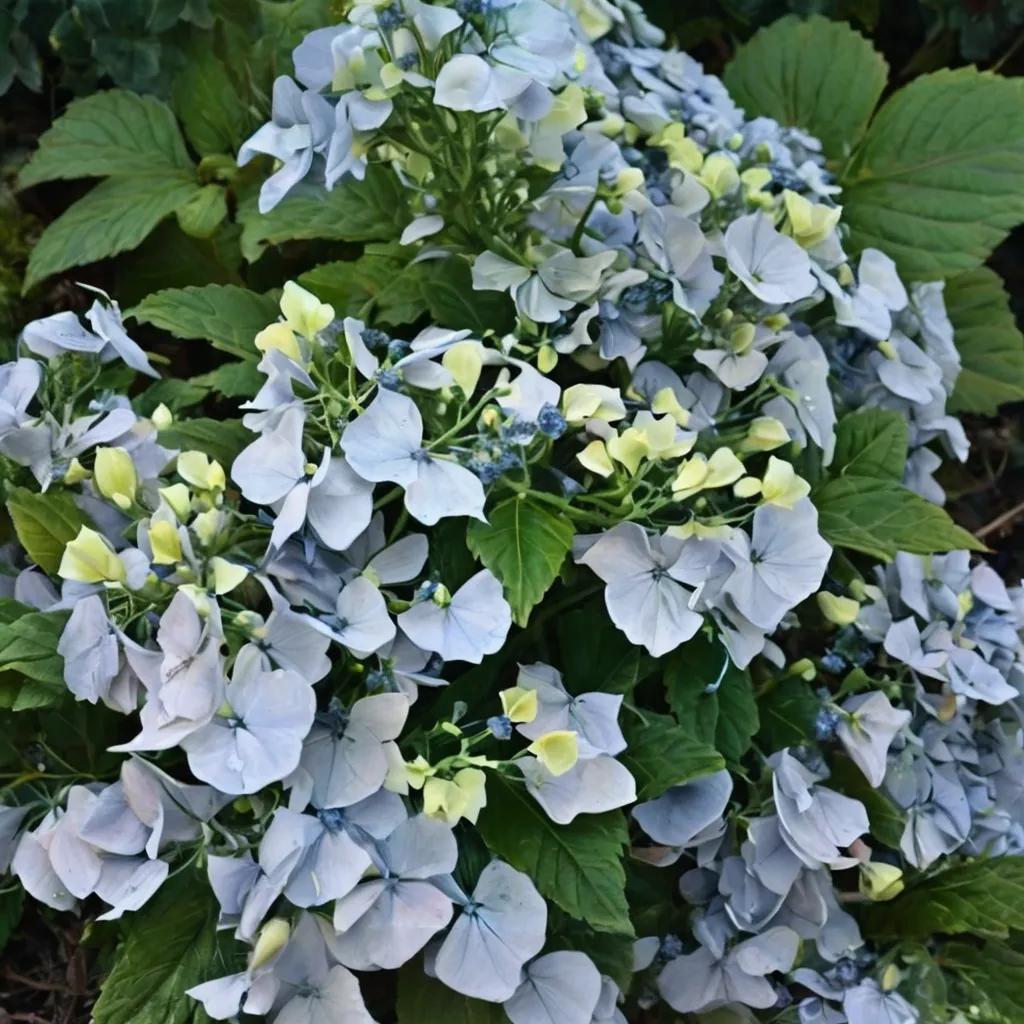


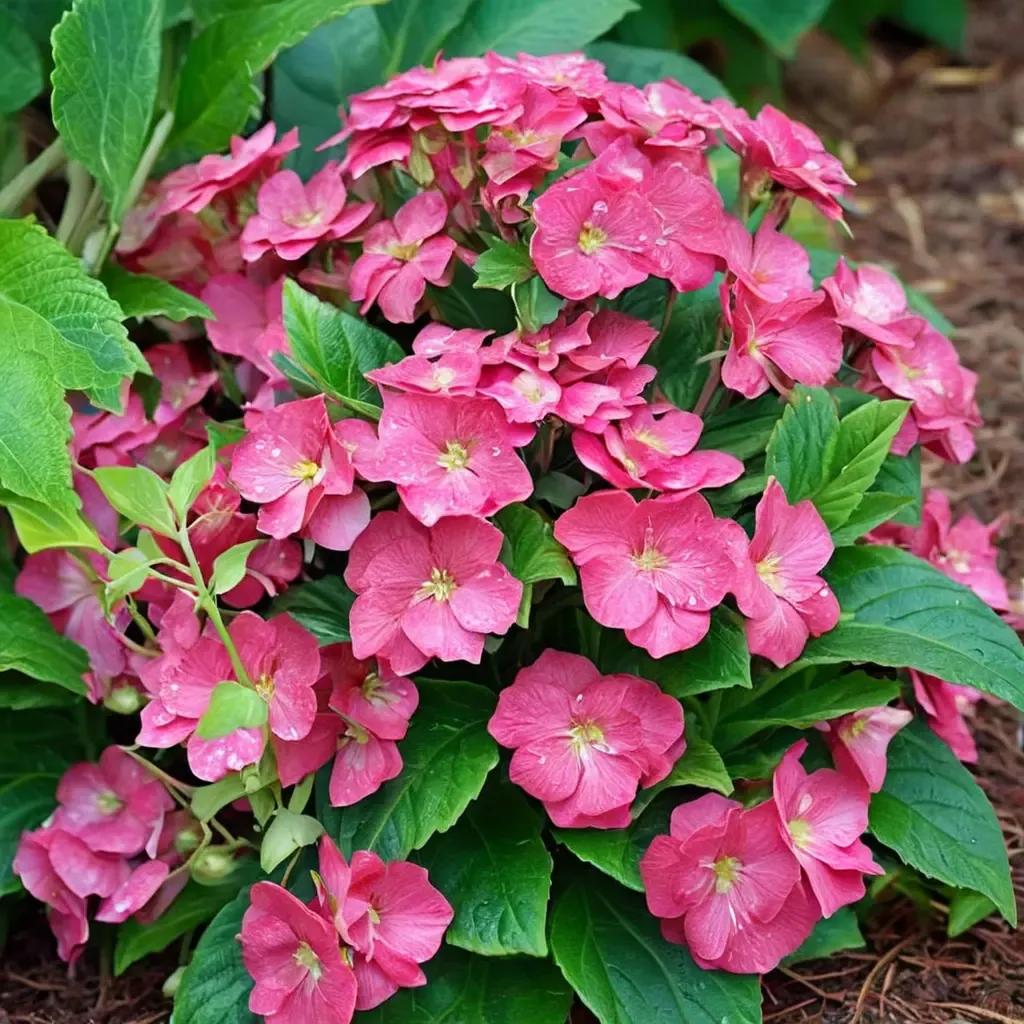

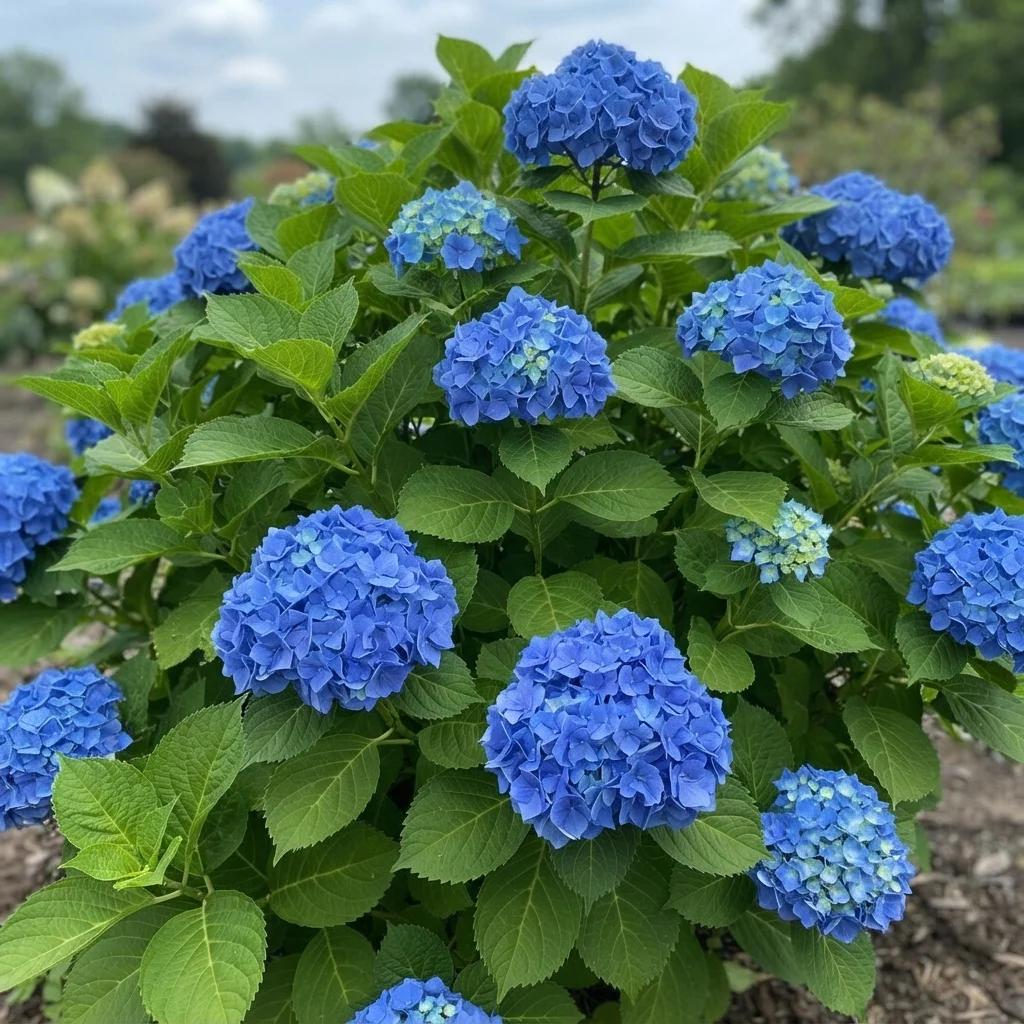

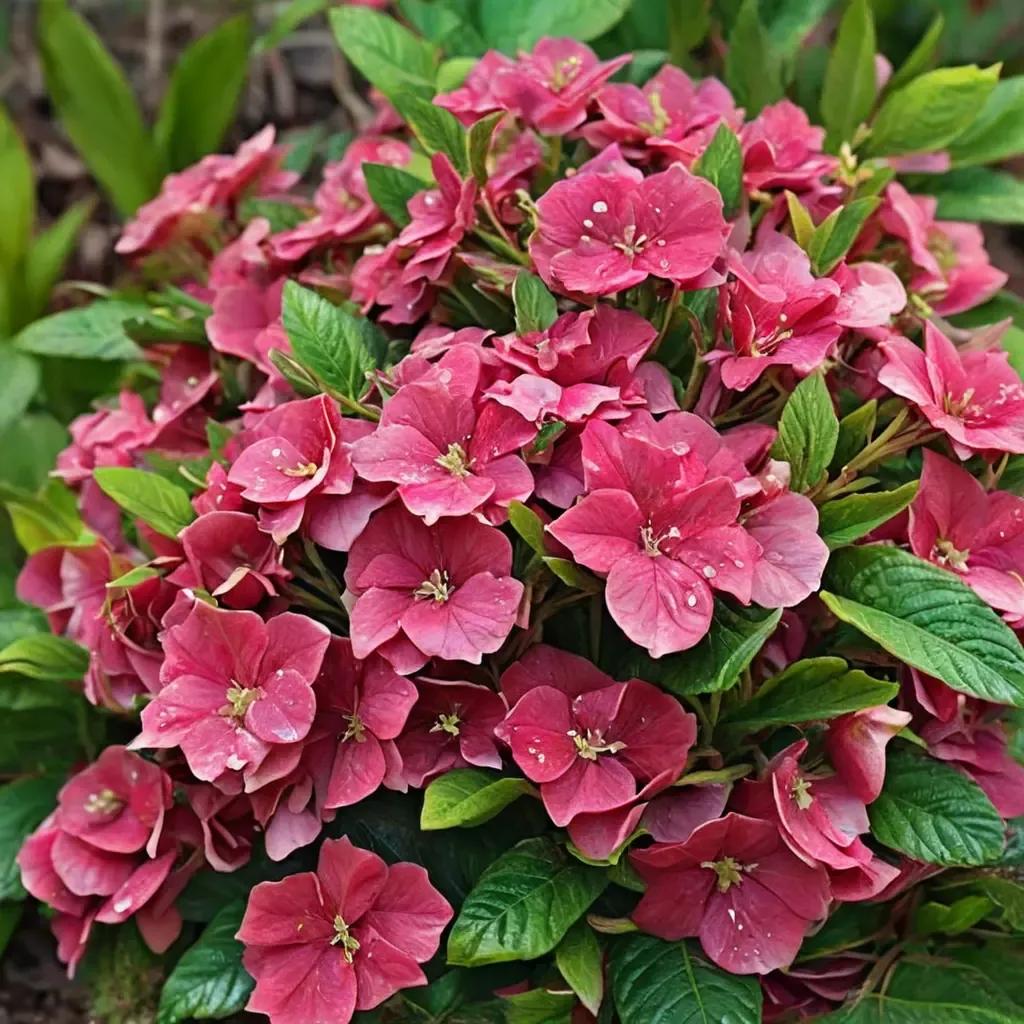




The Story
Plant Bio
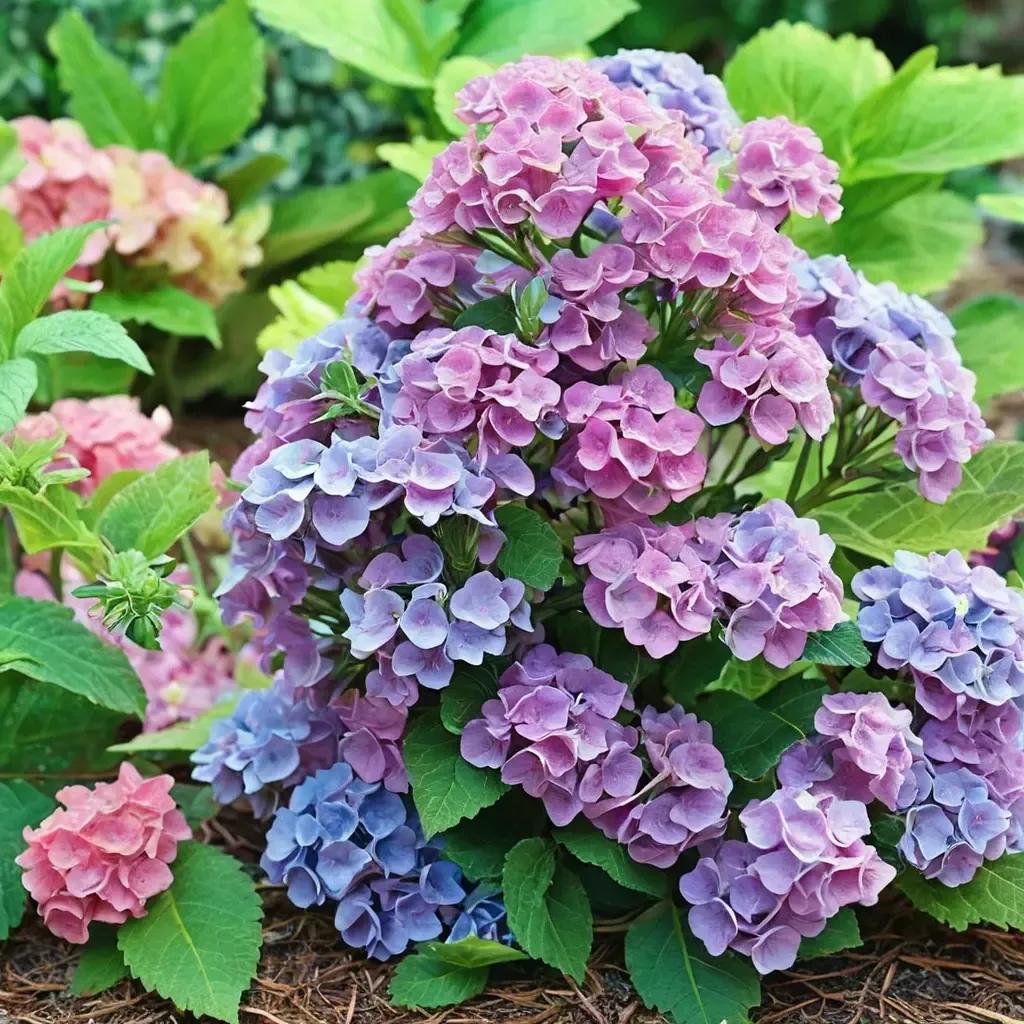
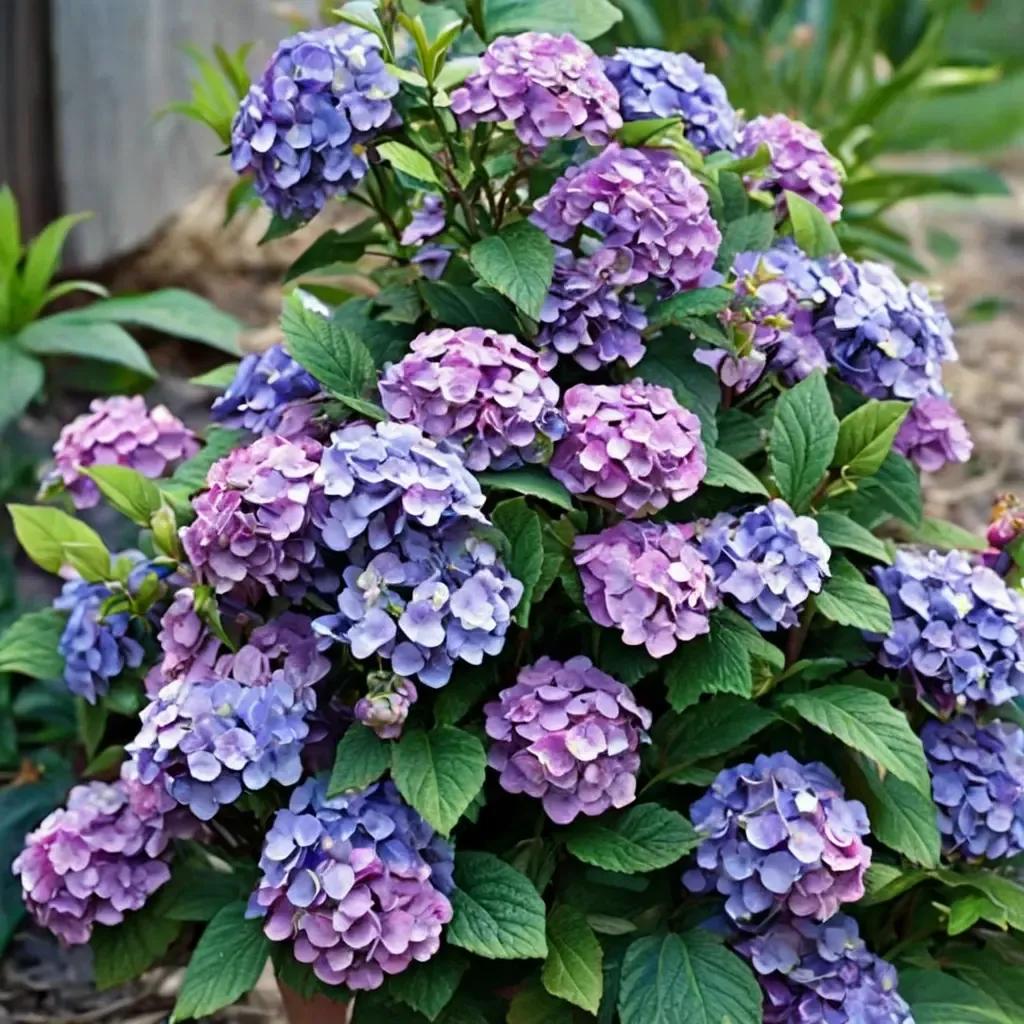
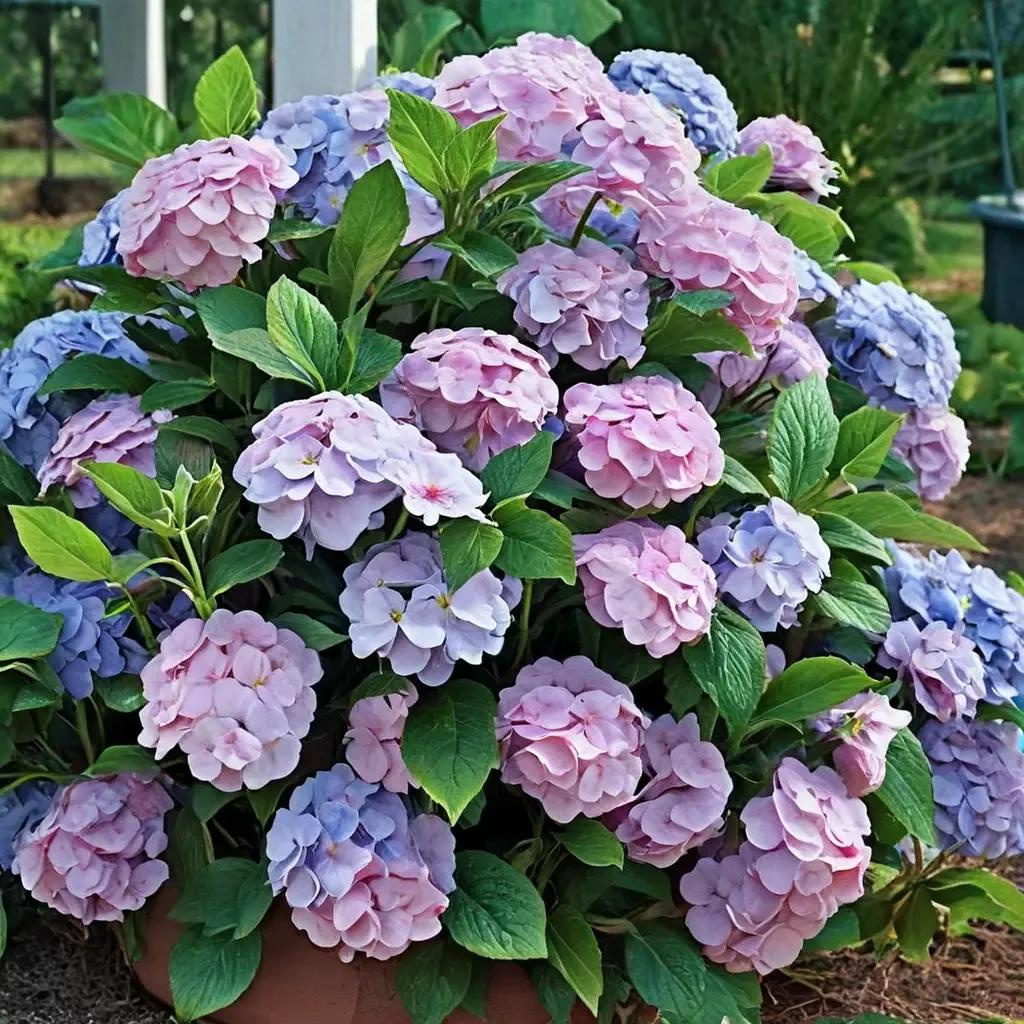
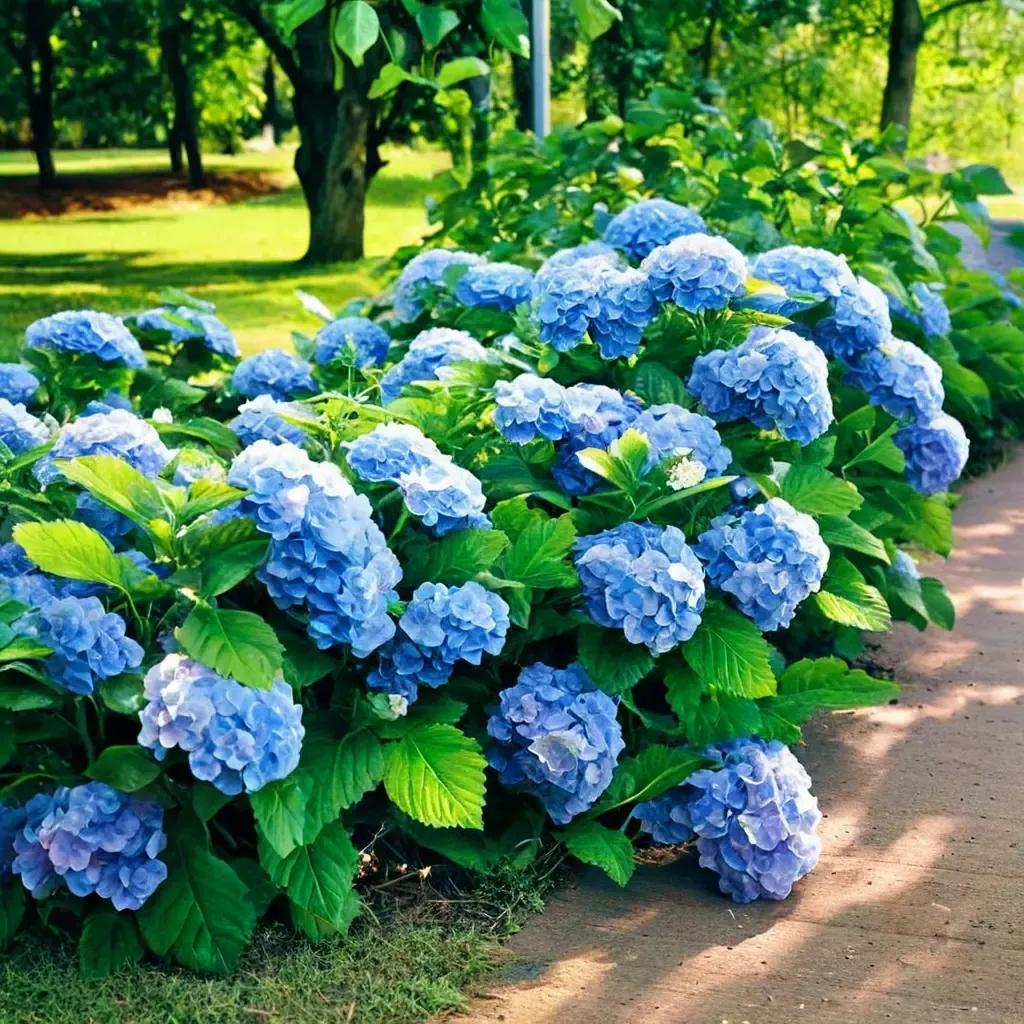
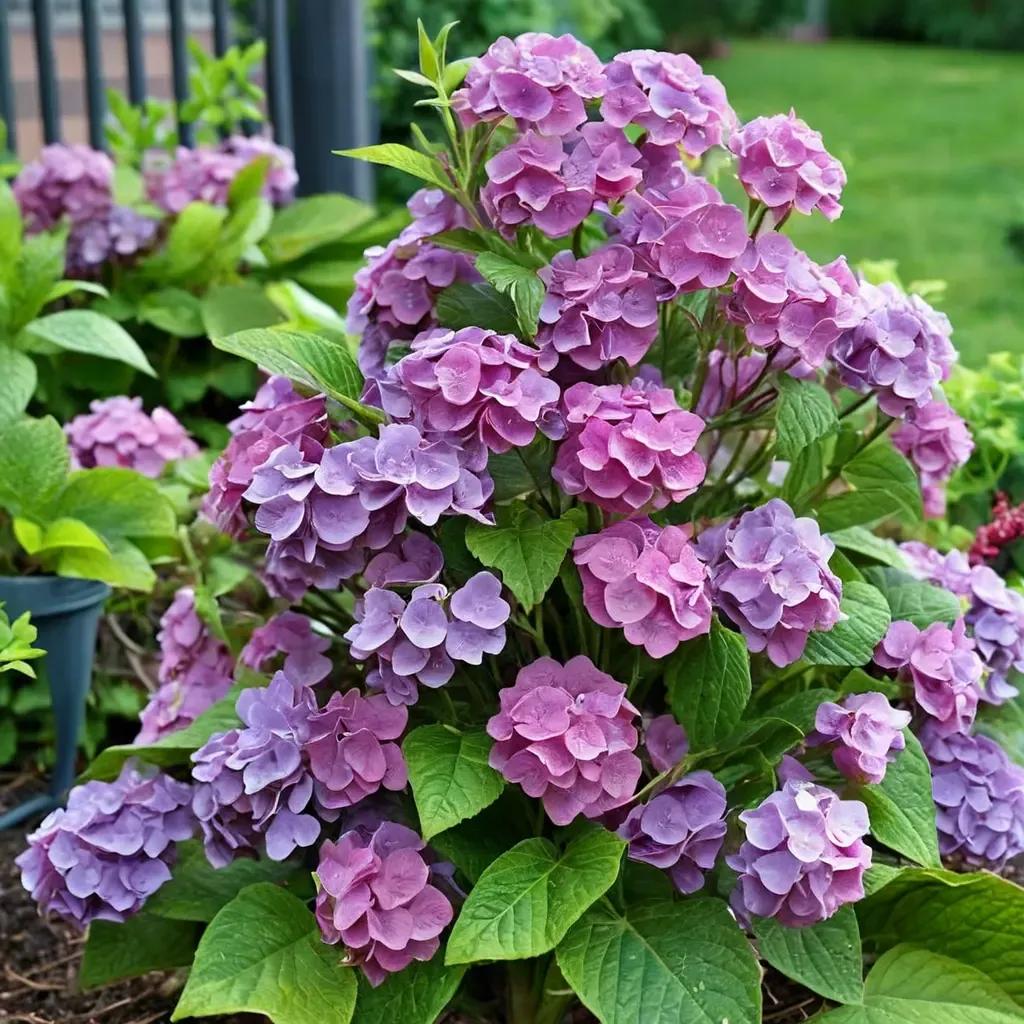
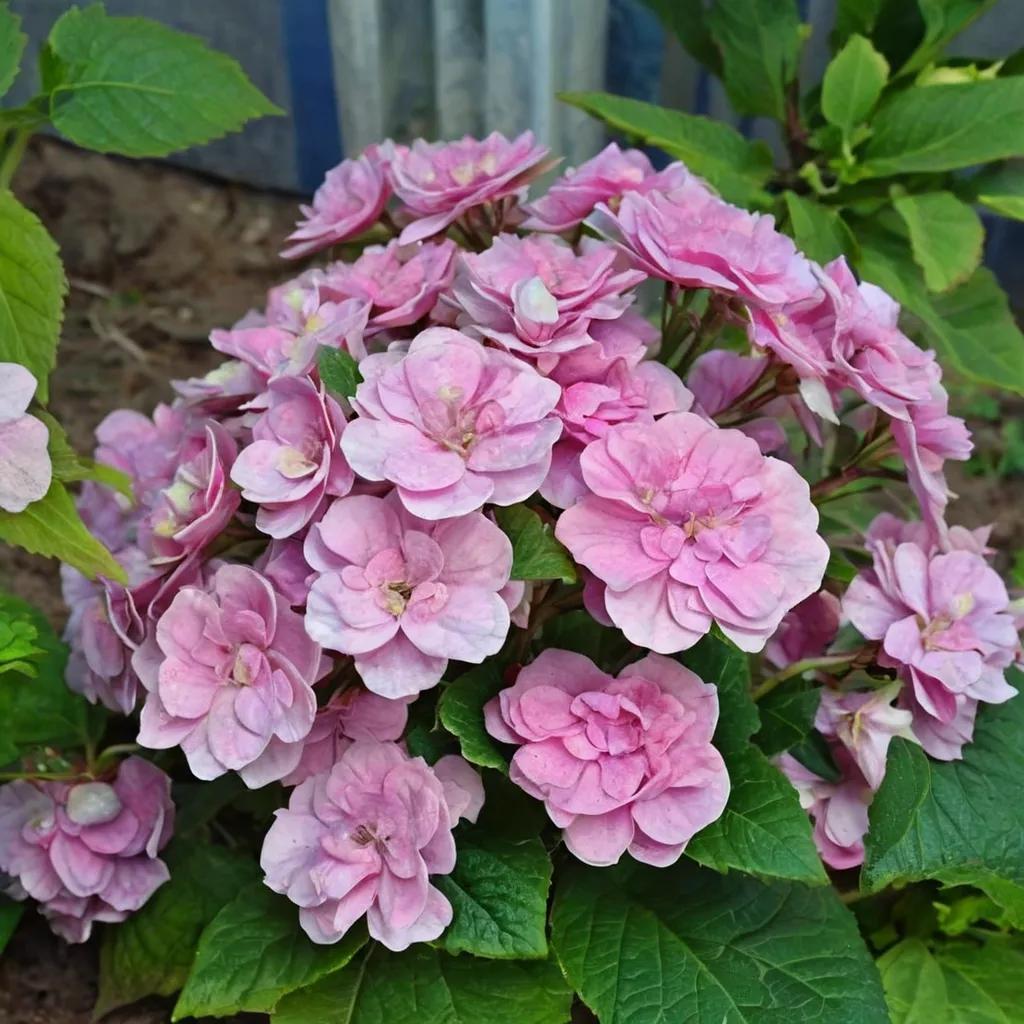
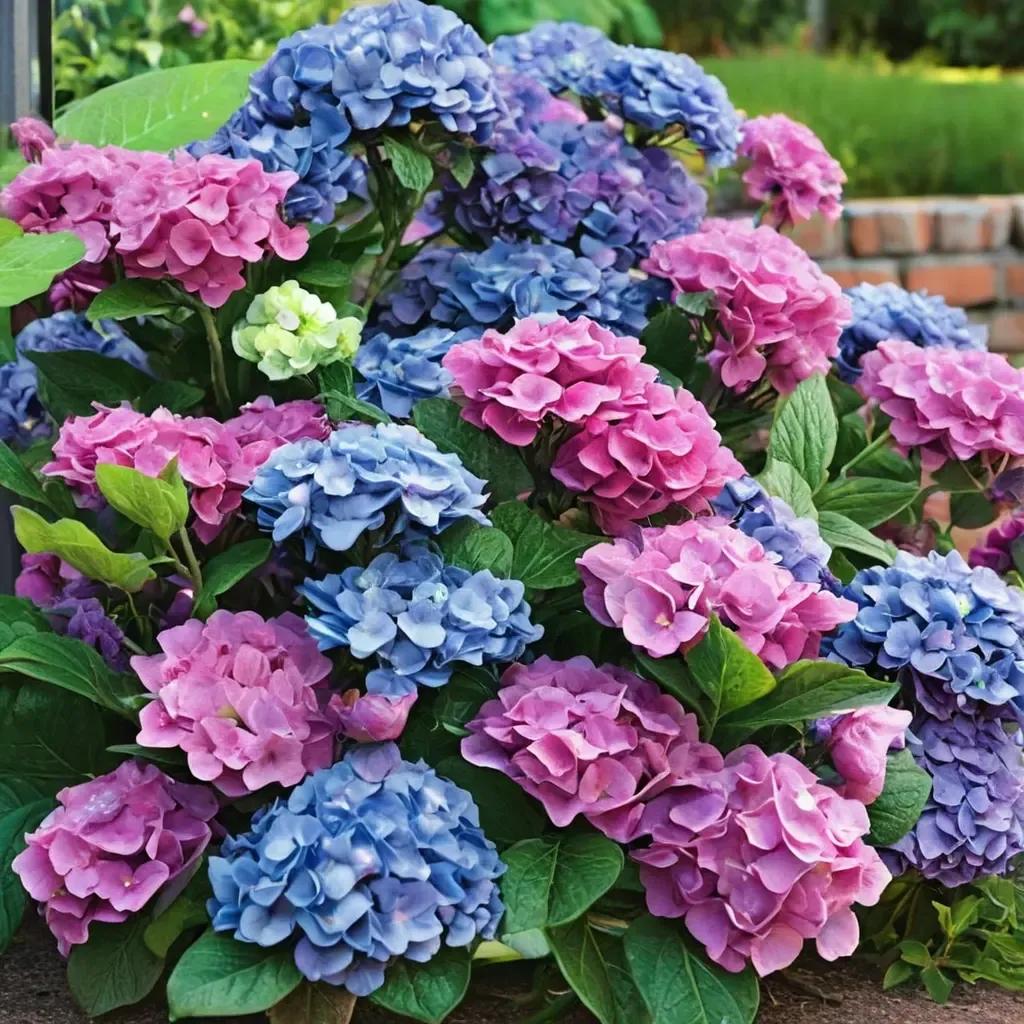
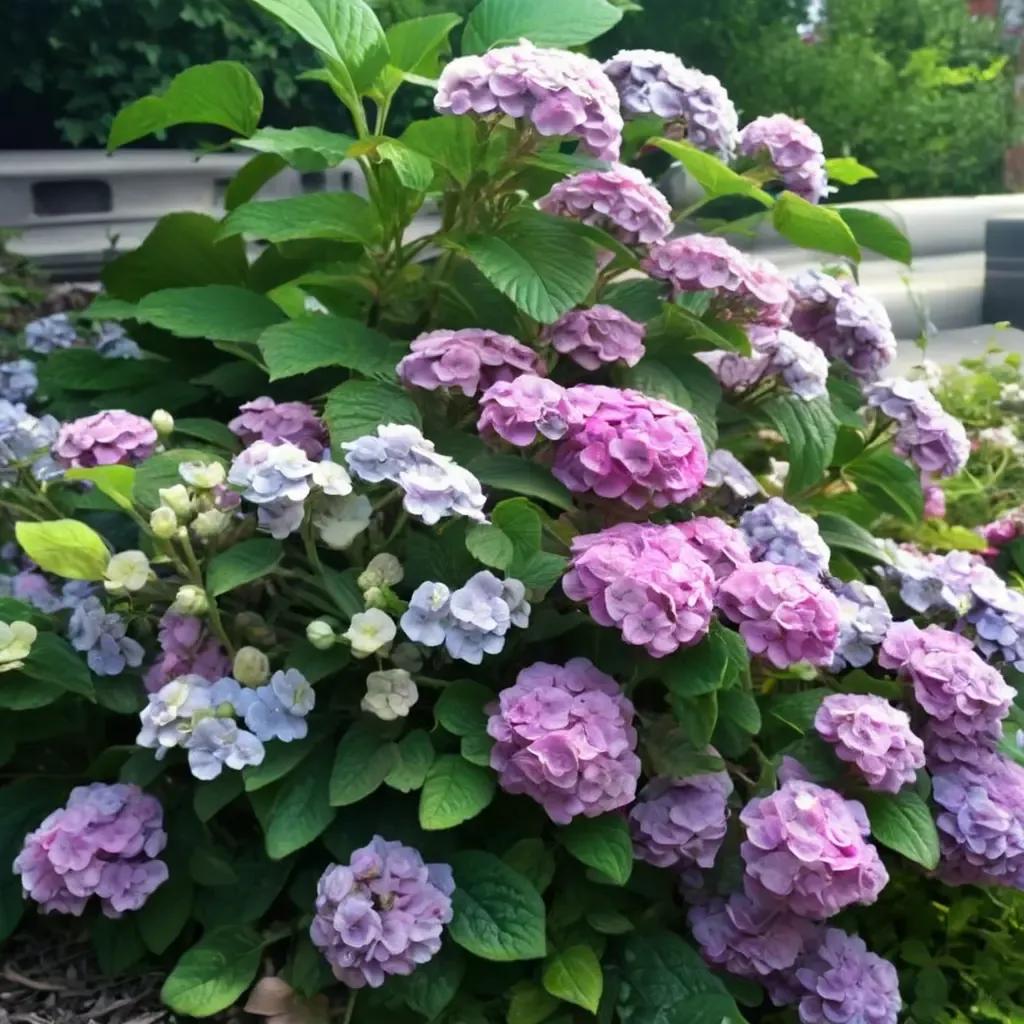
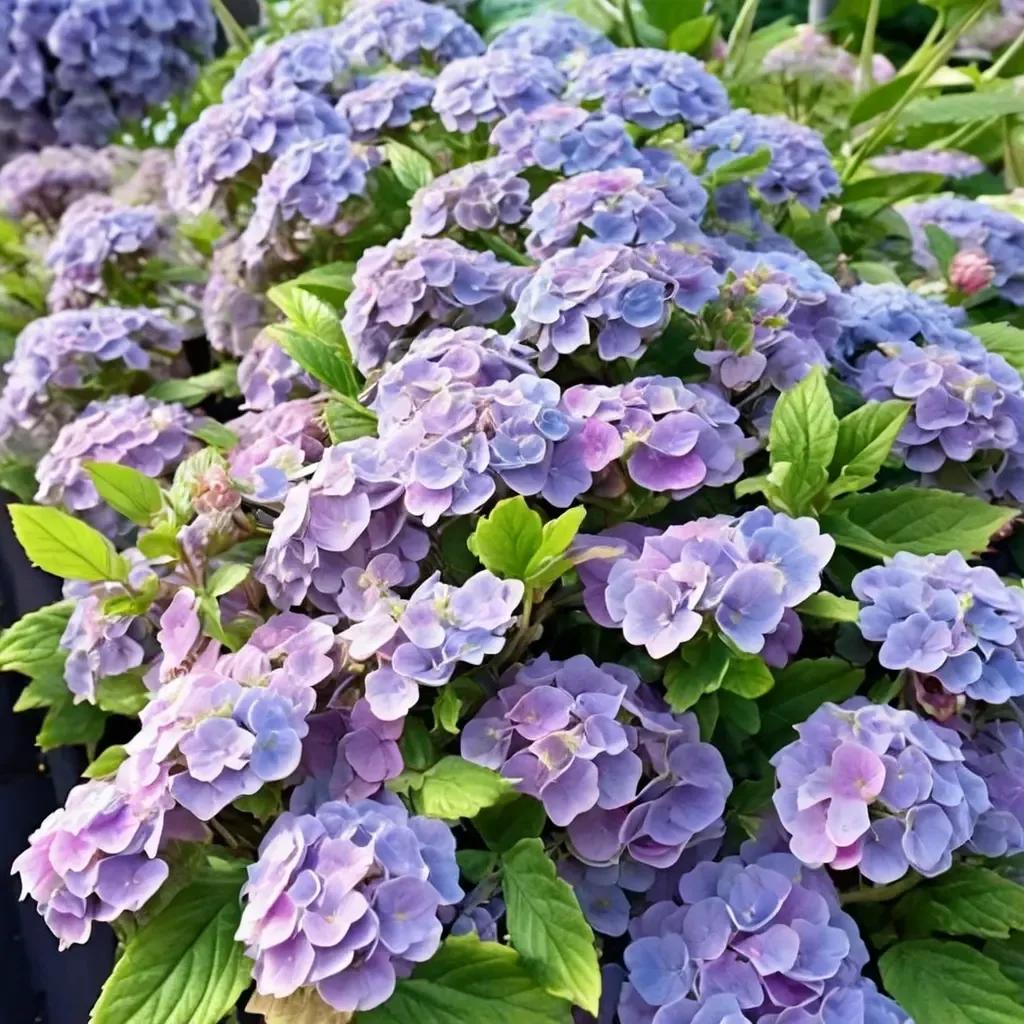
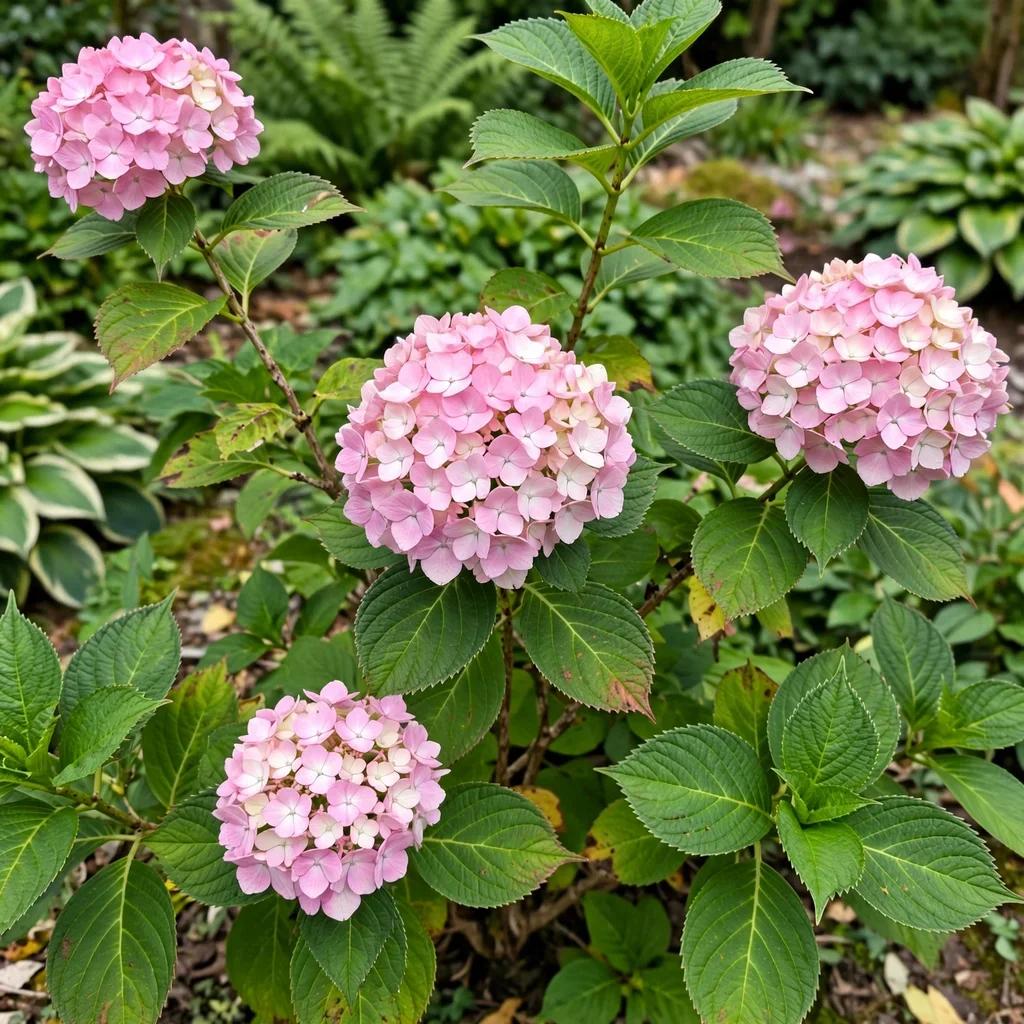
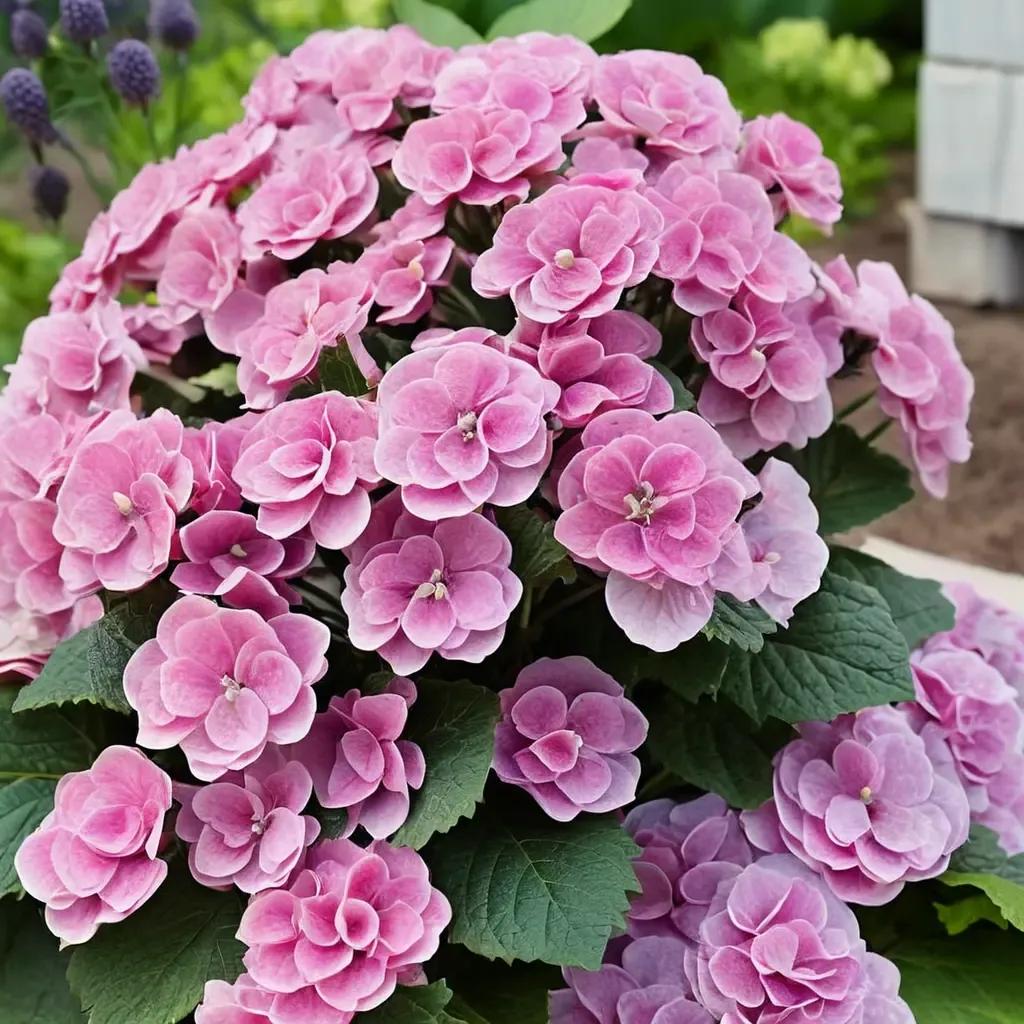
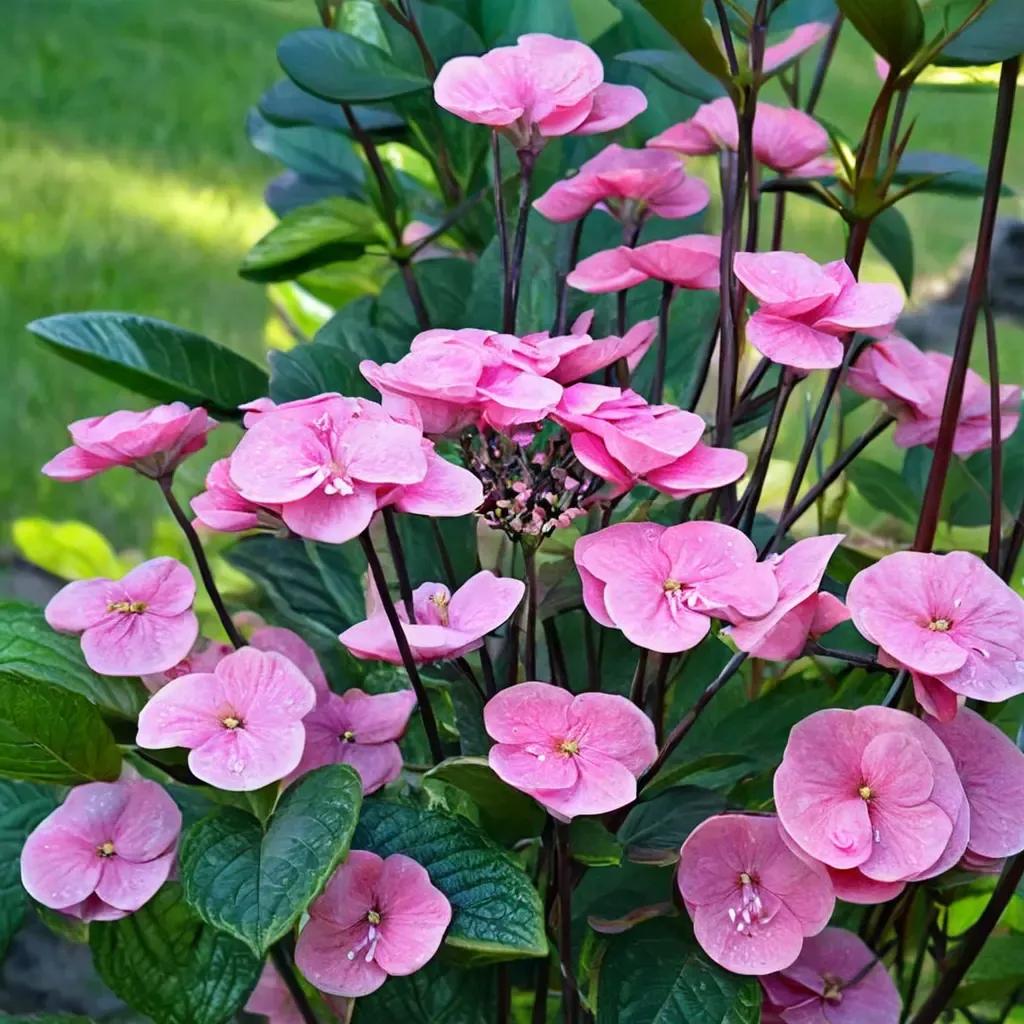
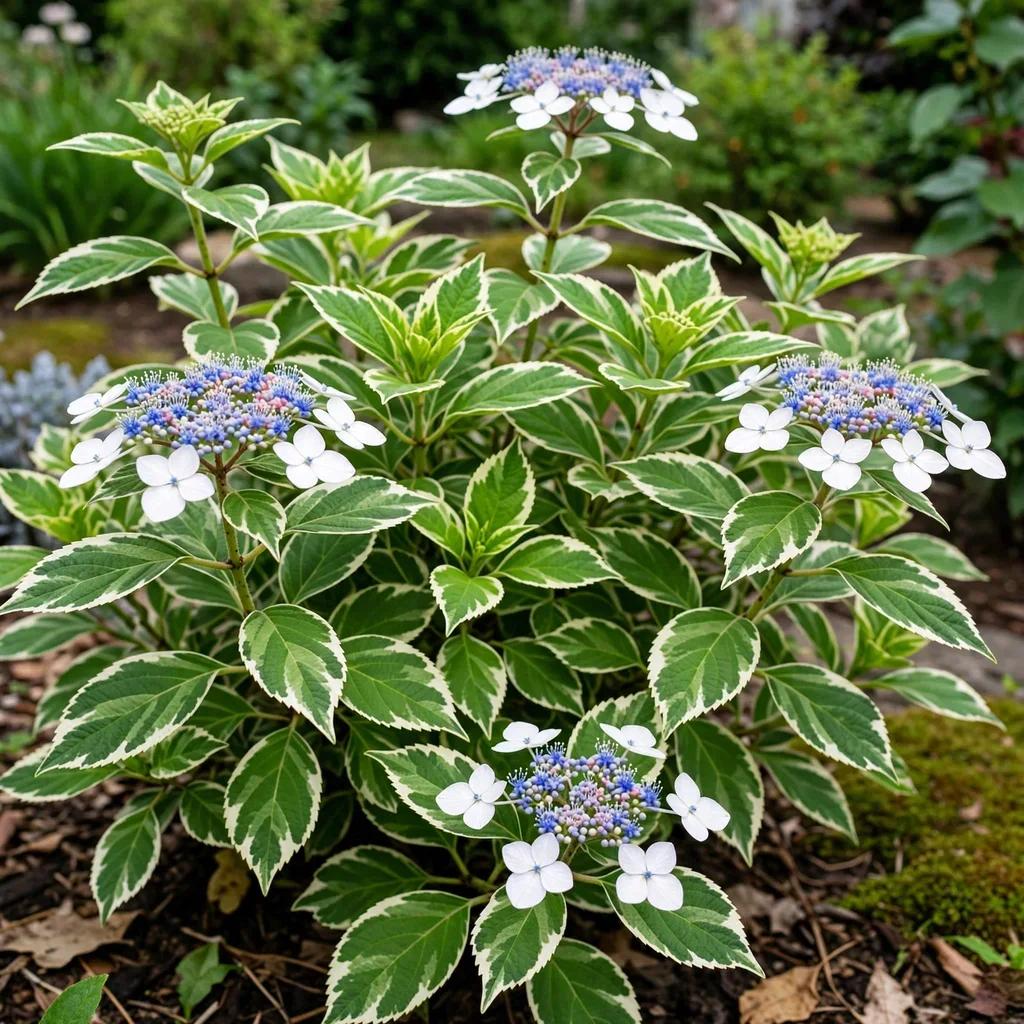
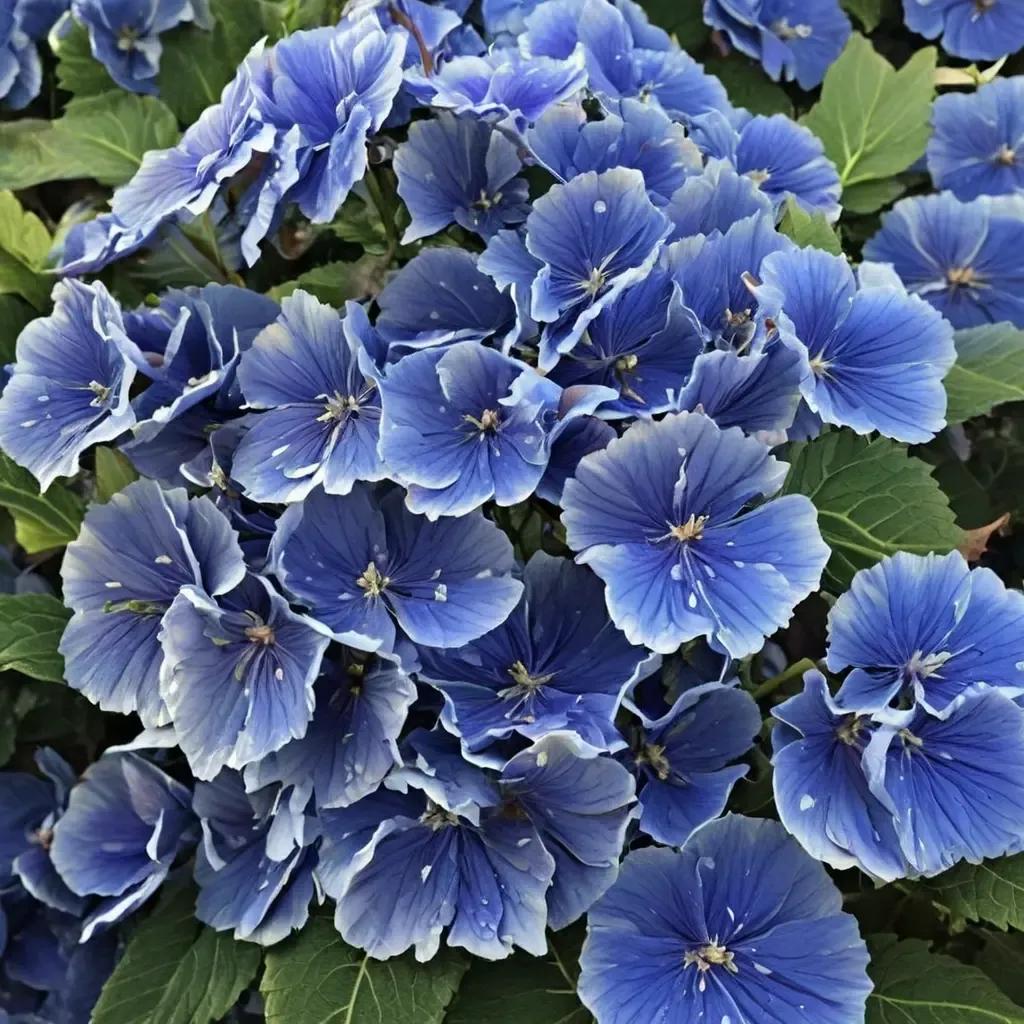
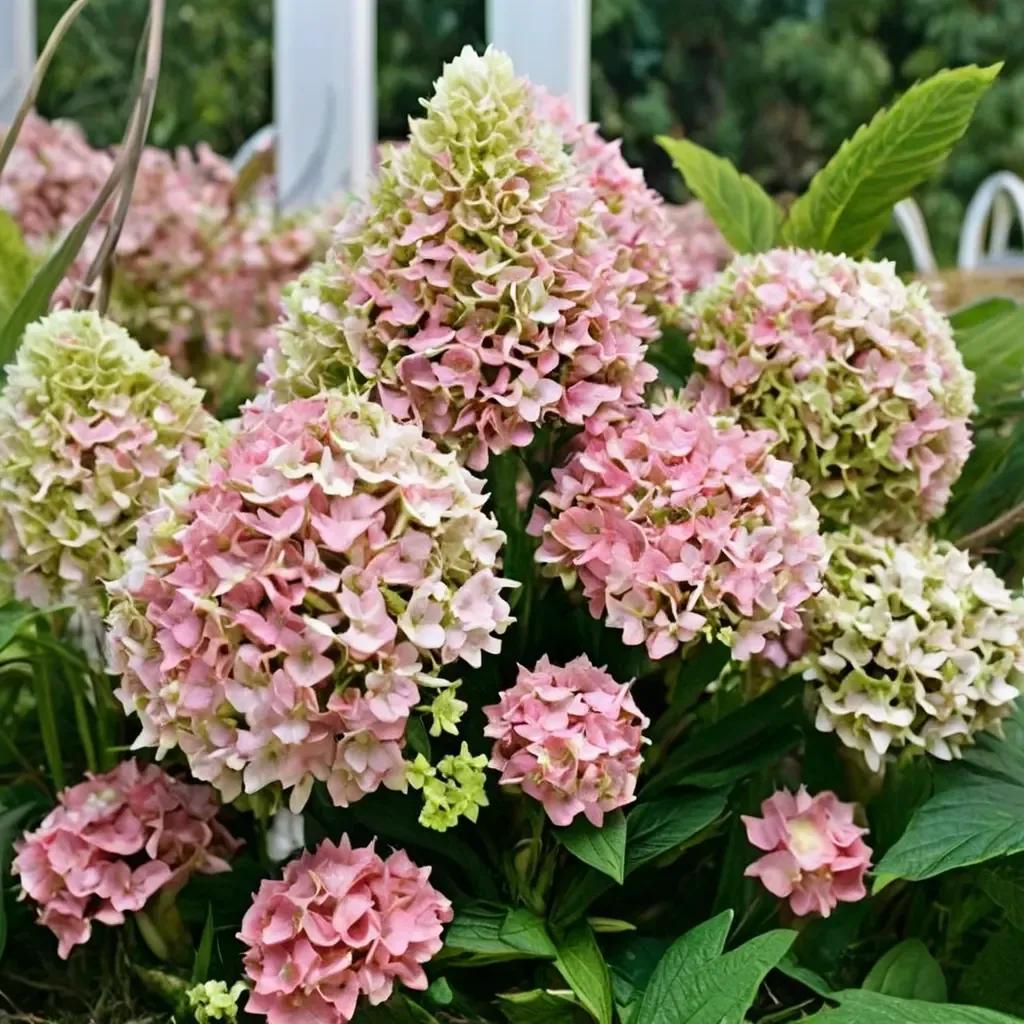
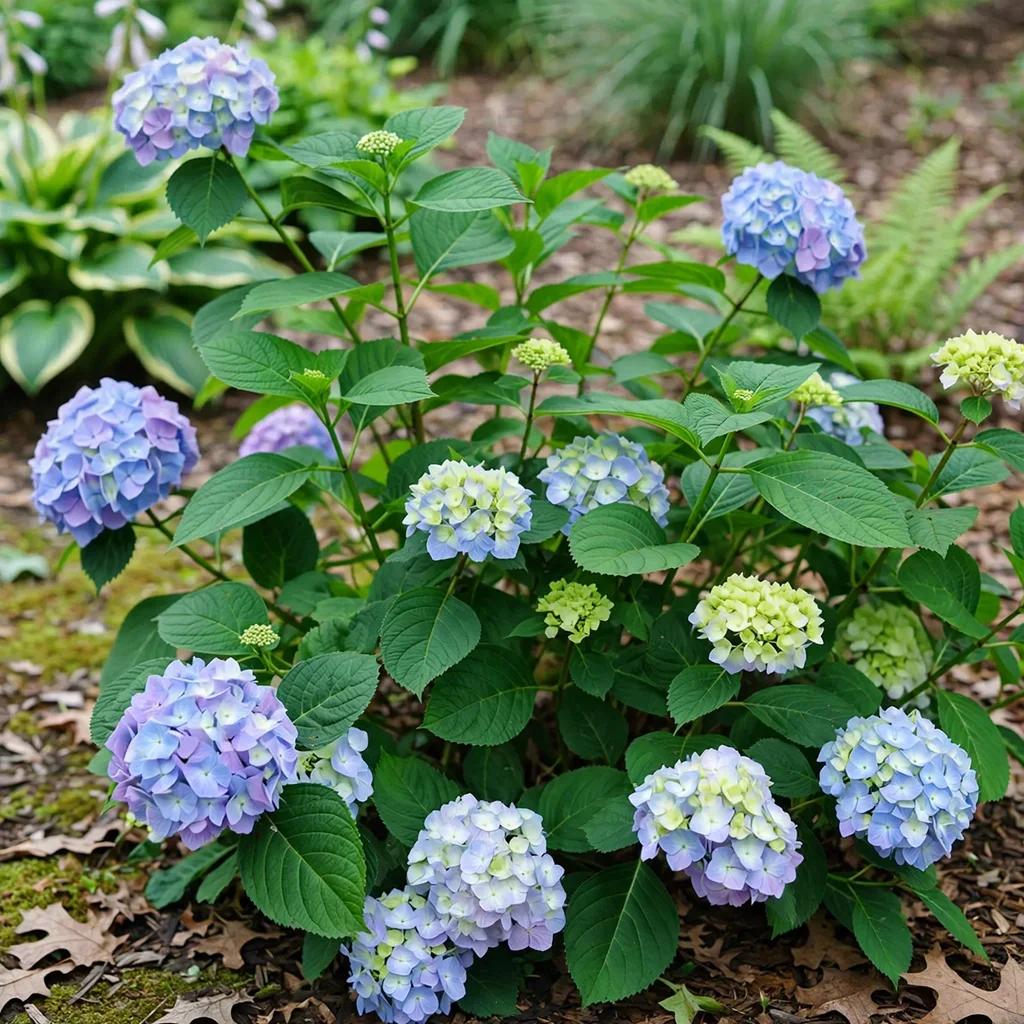
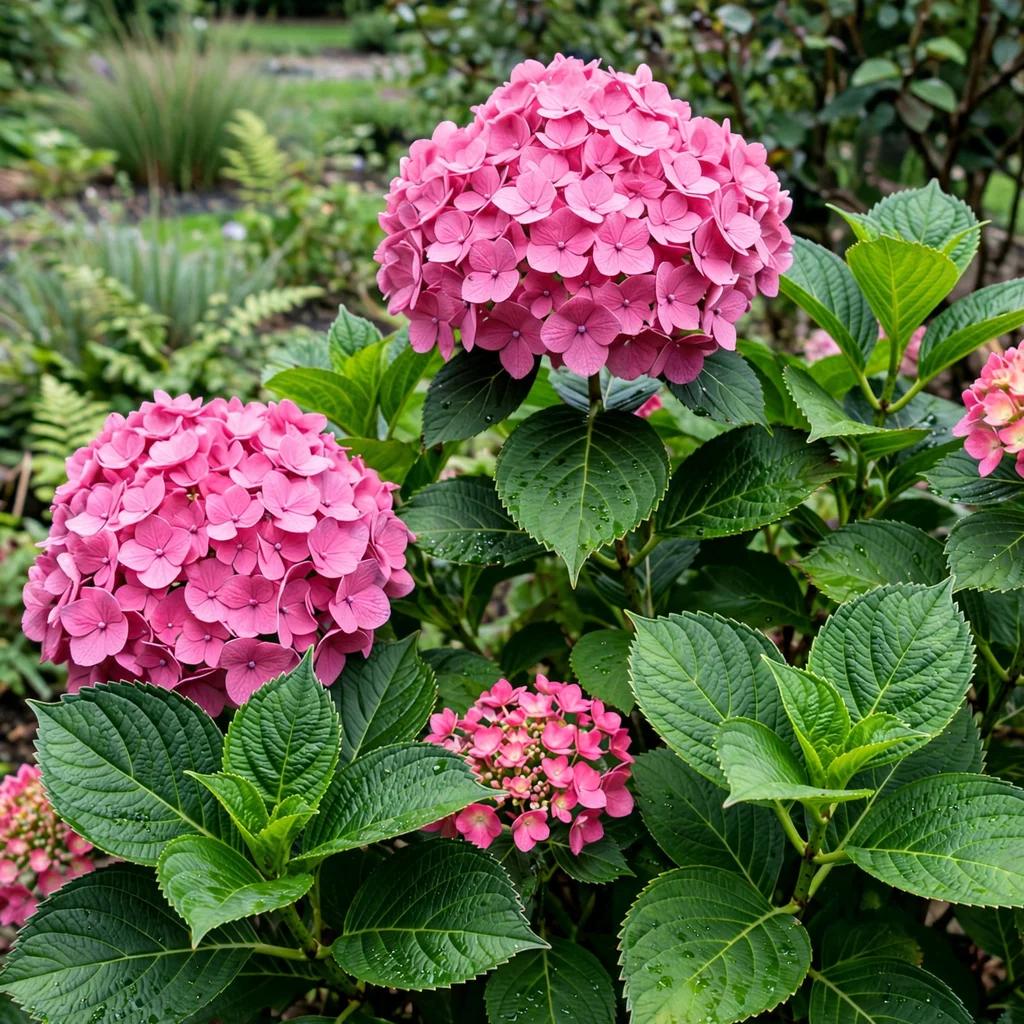
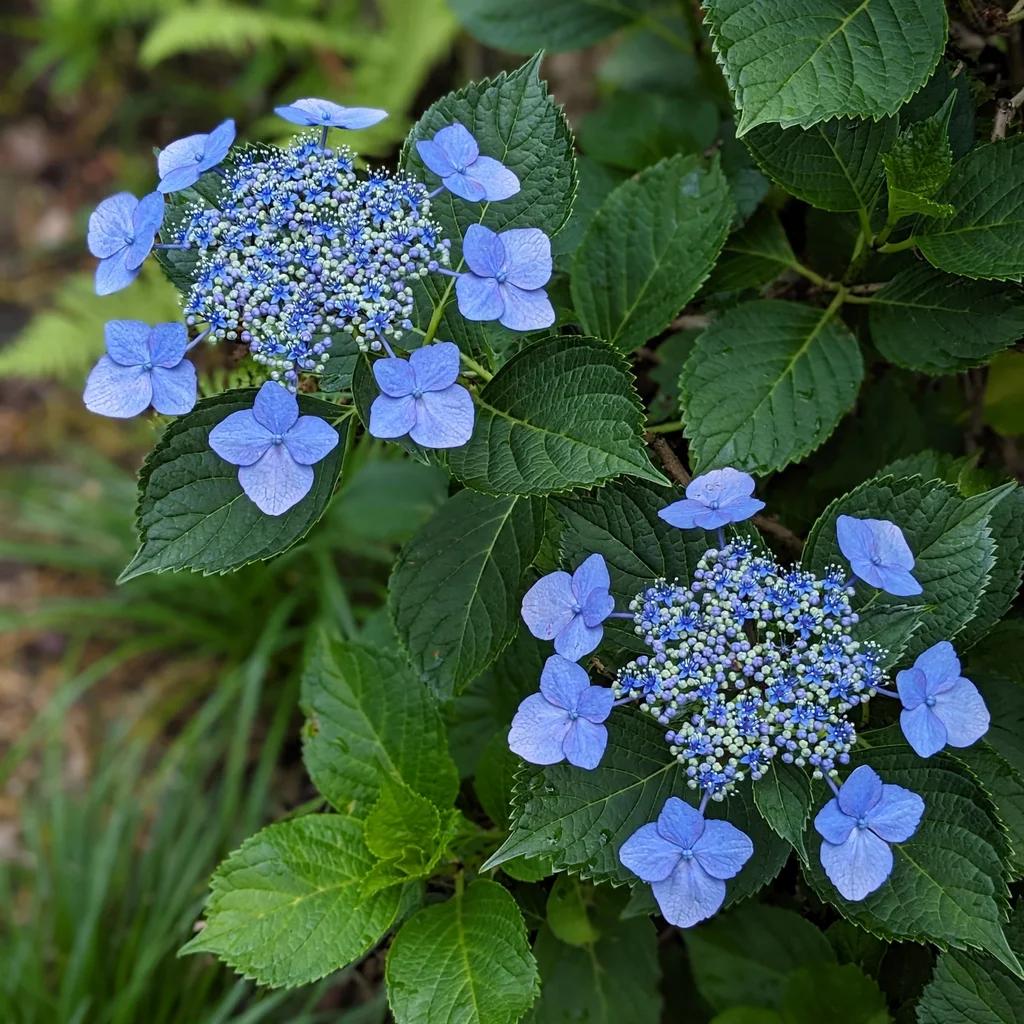
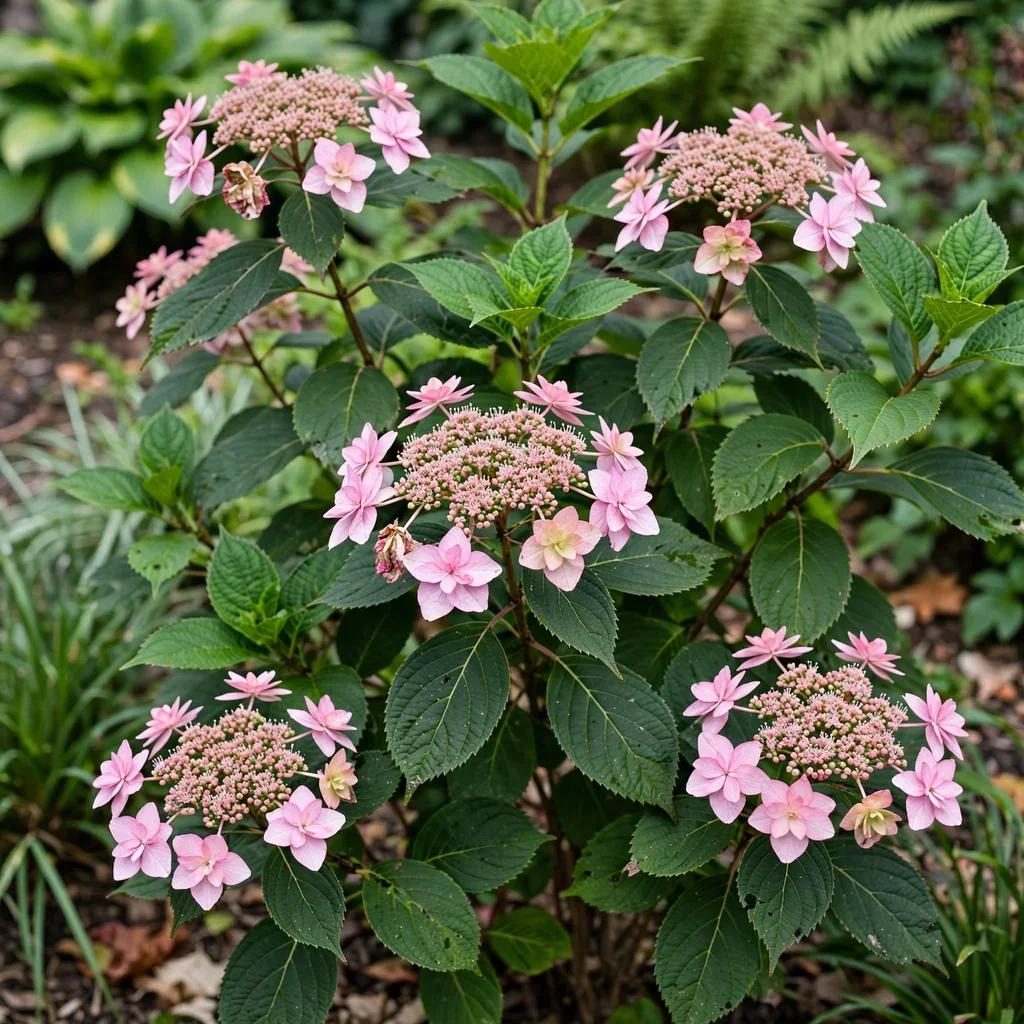
Hydrangea macrophylla is a rounded, broadleaf deciduous Asian shrub prized for its glossy foliage and large domed mophead or lacecap bloom clusters. The species blooms in late spring and summer, with flower colors that shift based on soil acidity and soluble aluminum availability.
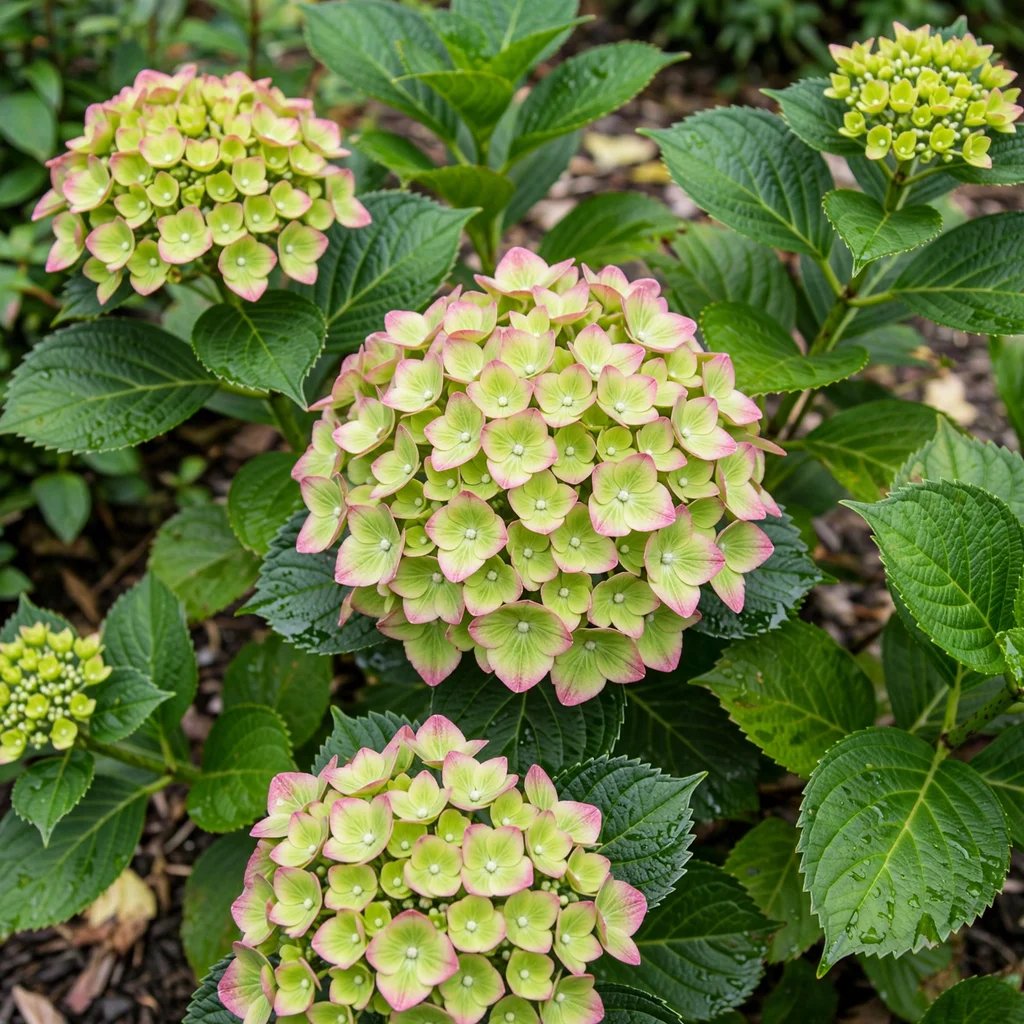
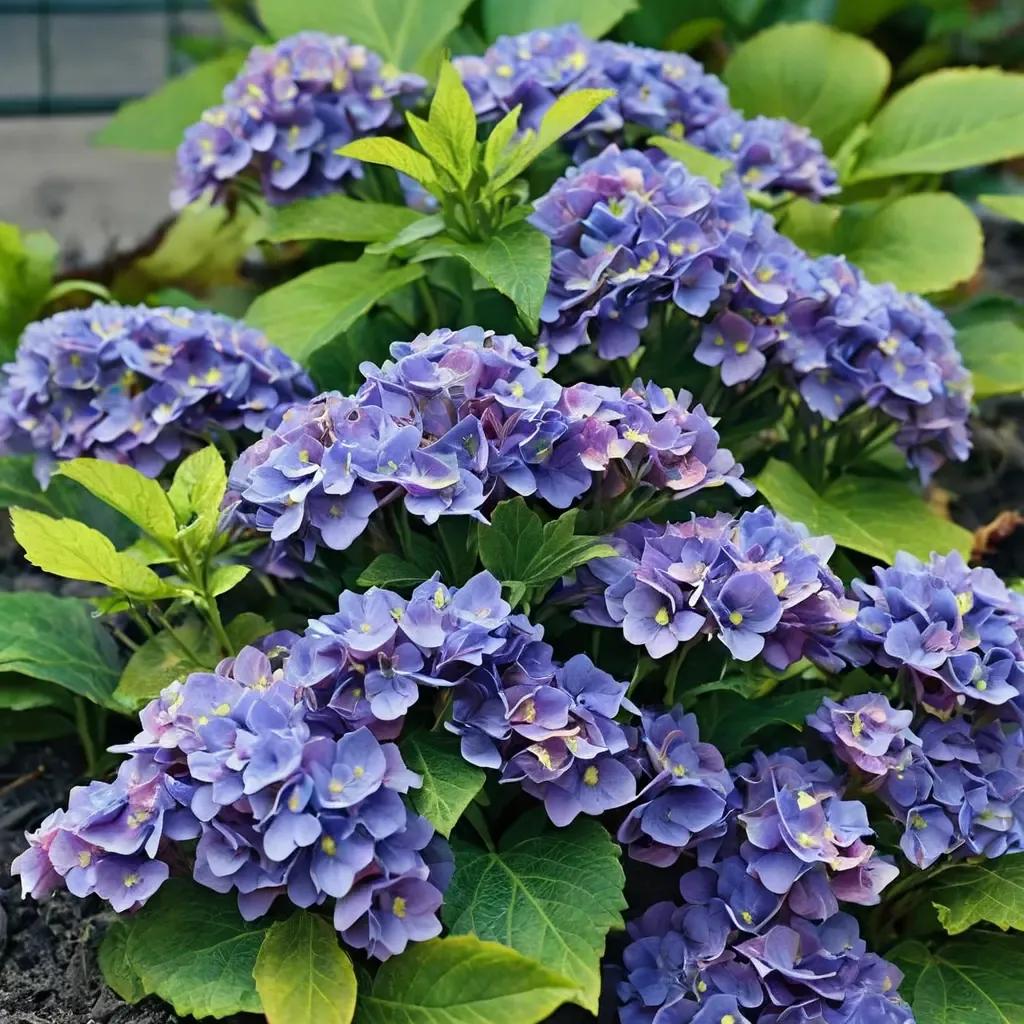
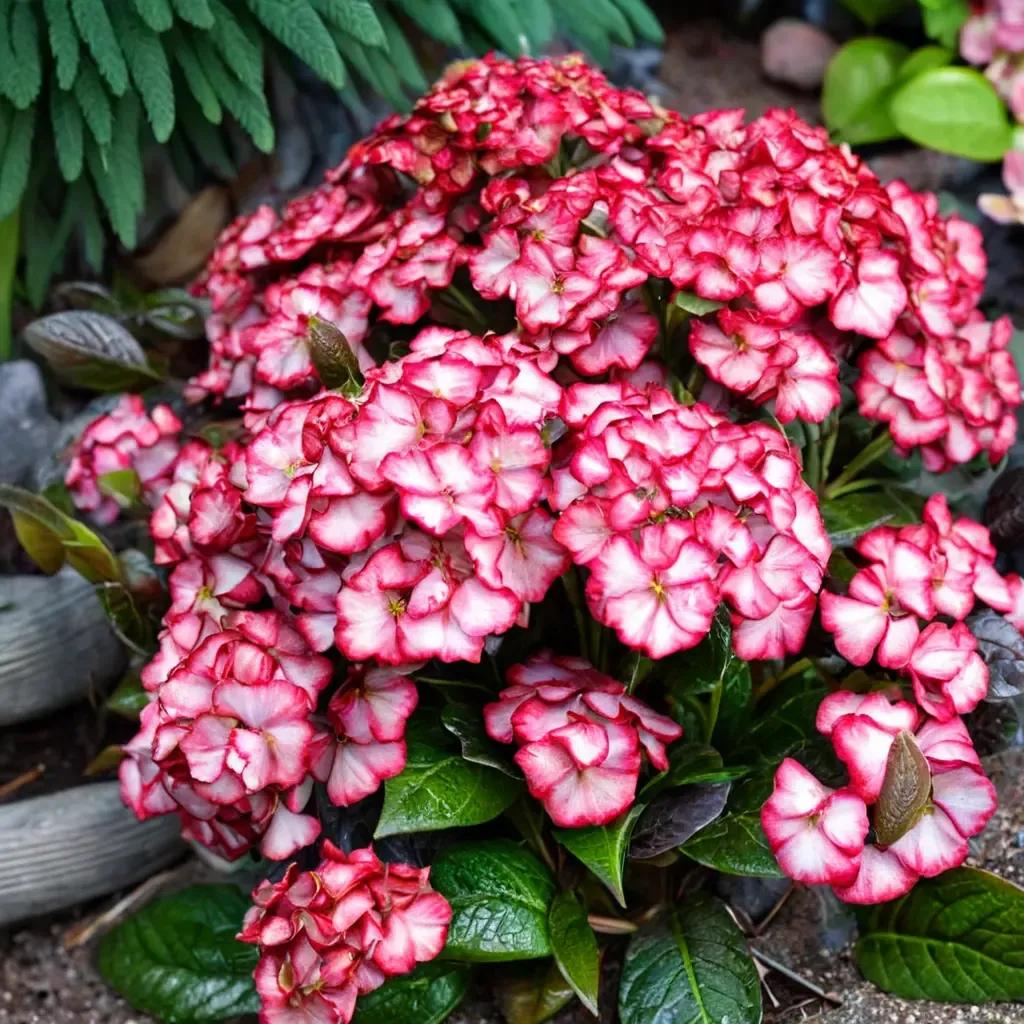
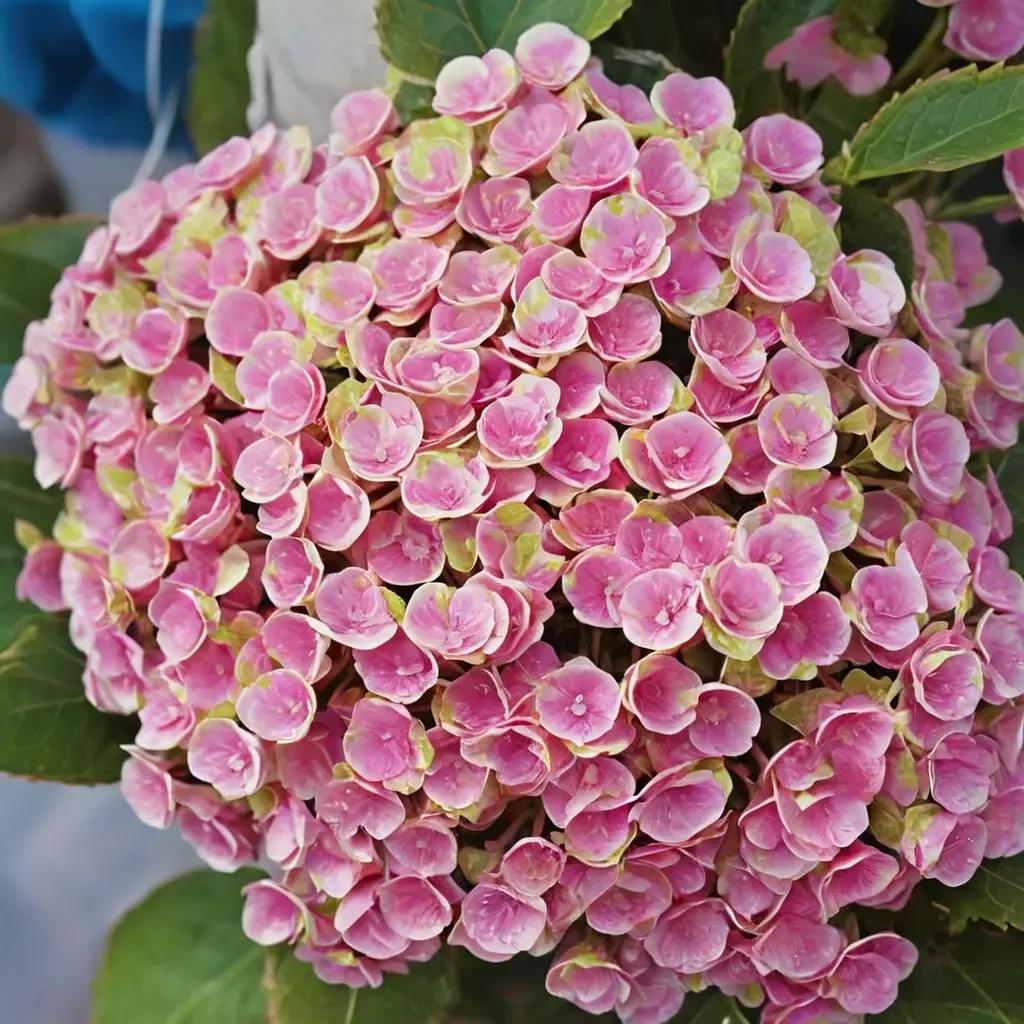
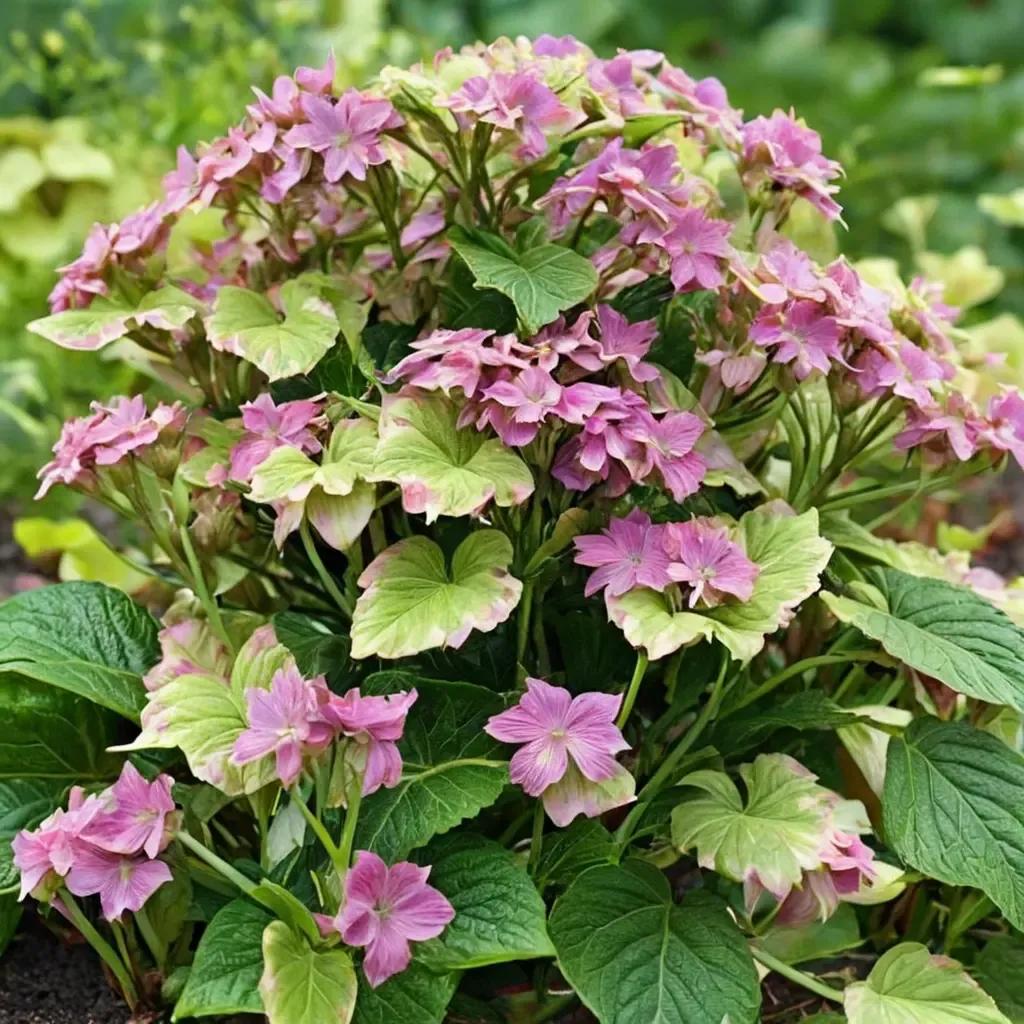
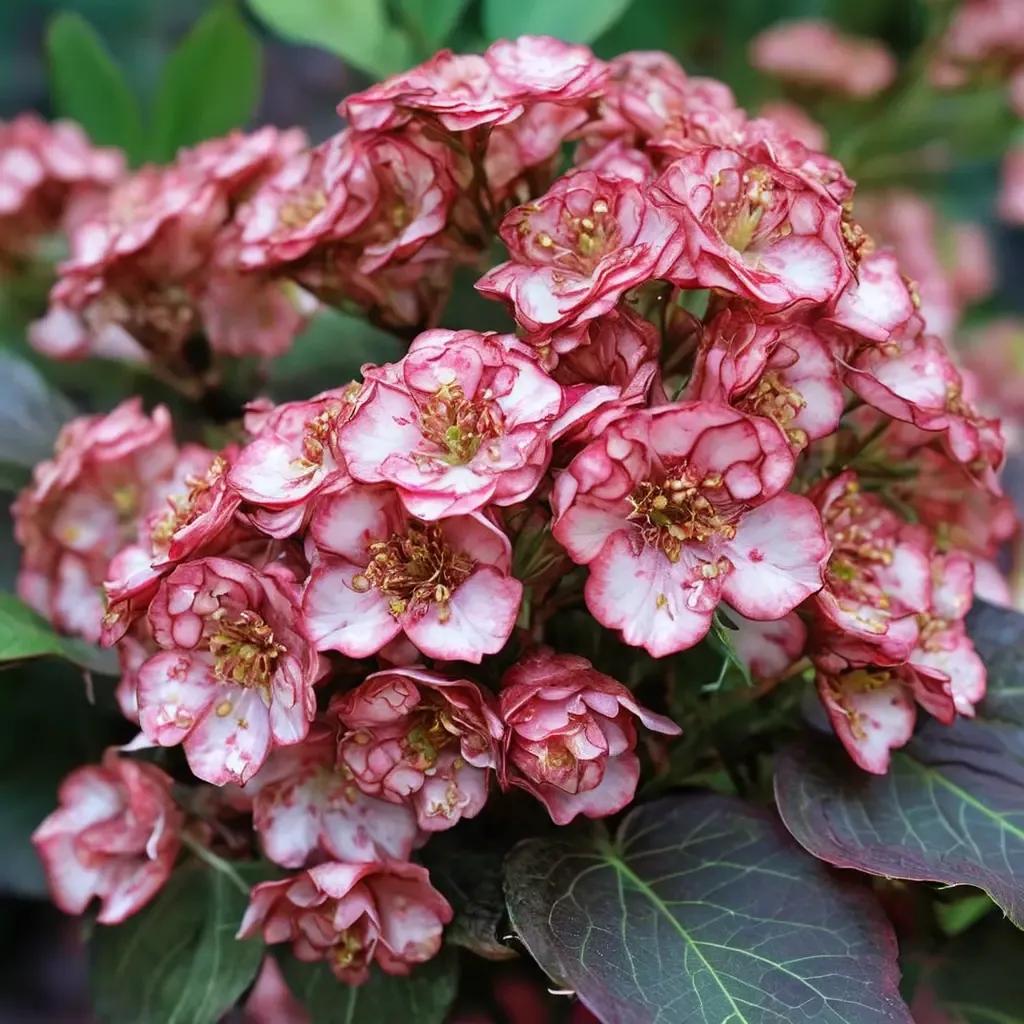
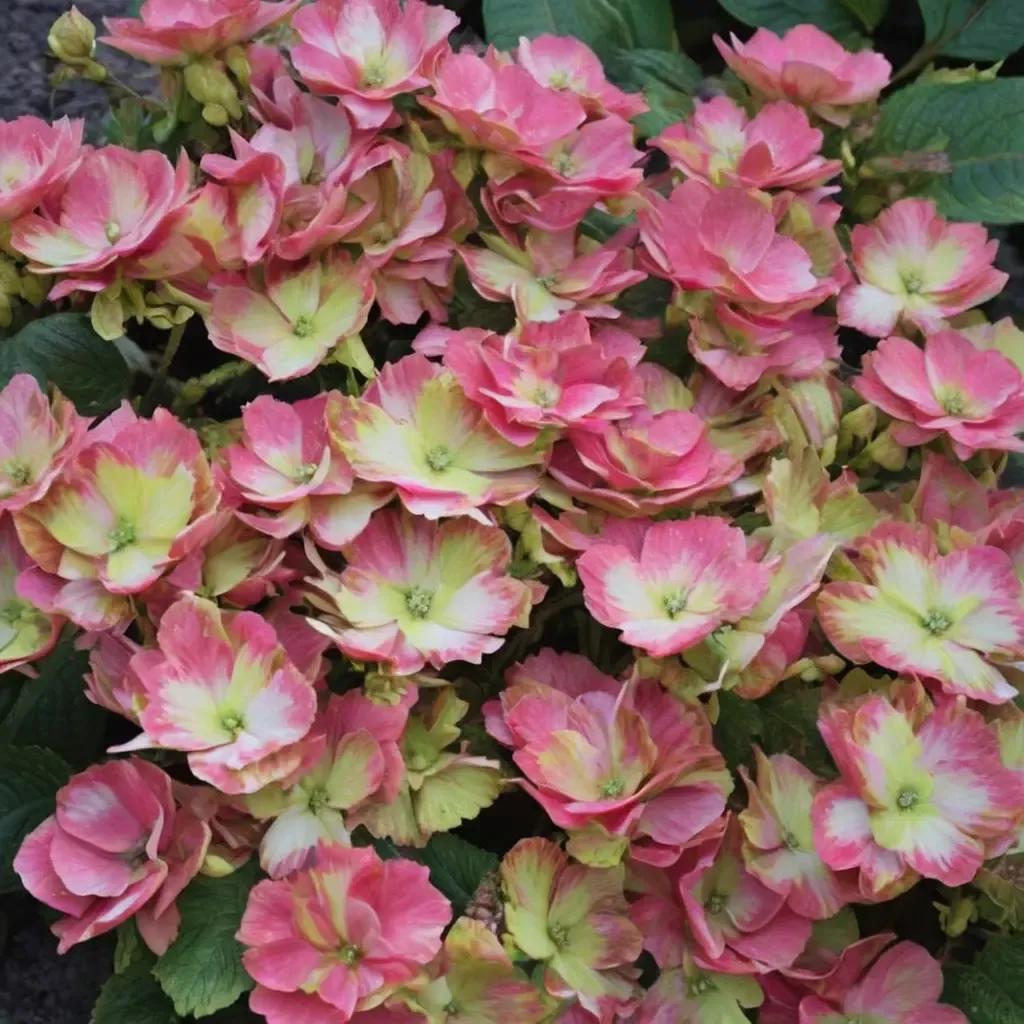
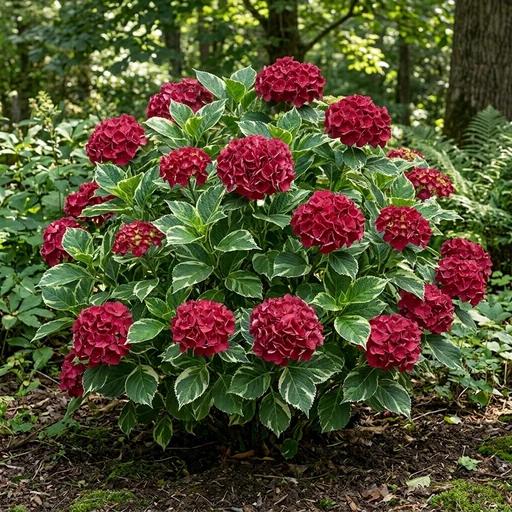
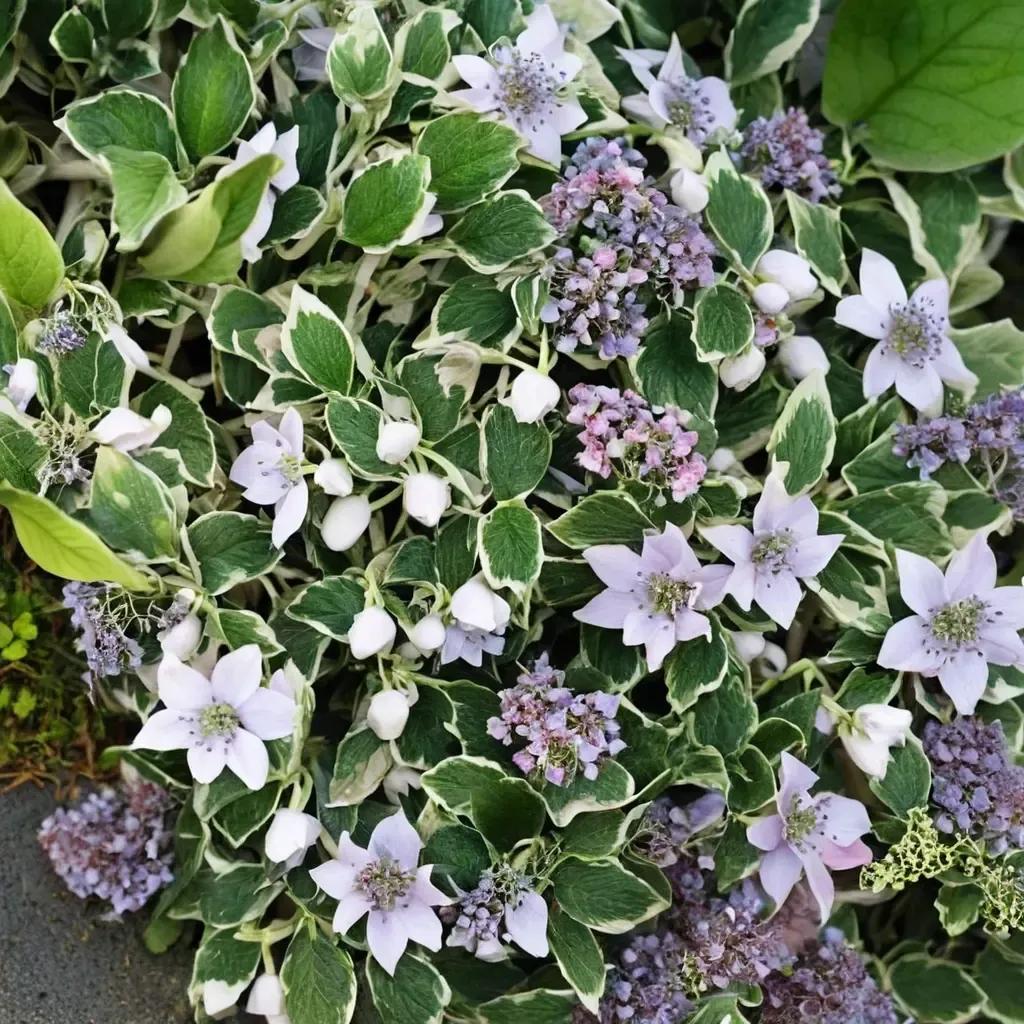
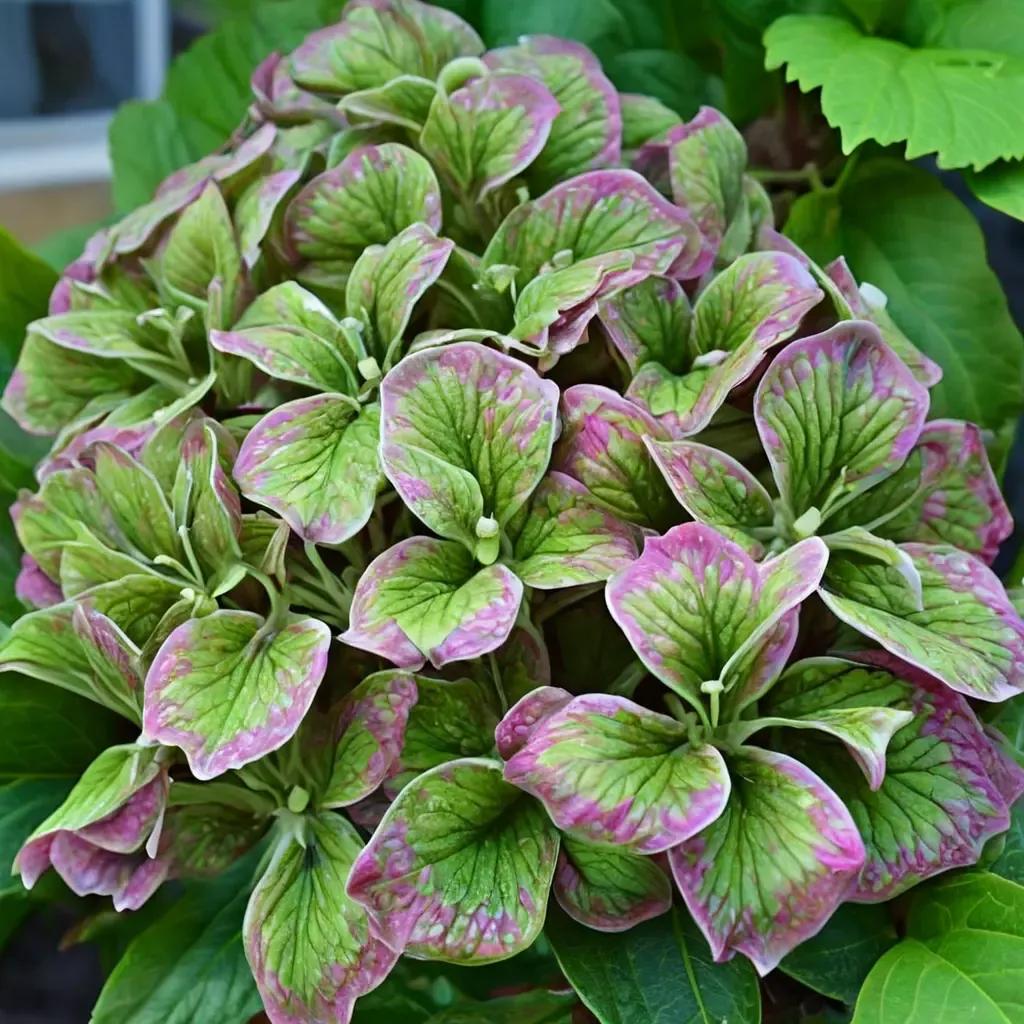
'Pistachio' is a compact reblooming cultivar featuring domed mophead clusters of chartreuse green, hot pink, red, and purple petals surrounding a deep blue eye. Growing two to three feet tall and three to five feet wide, it flowers continuously on both old and new wood from late spring through fall.
Uses & Benefits:
Essentials
At a Glance
Plant Type
Shrub
Height
36"
Width
60"
Light
Partial Sun, Shade
Zones
5, 6, 7, 8, 9
Water
Medium to High
Humidity
High
Lifespan
Perennial shrub
Native To
Asia (cultivar developed in Europe)
Toxicity
Toxic to humans and pets if ingested; sap may irritate skin
Bloom period
Late spring – Fall
In flower about 7 months of the year
Marketplace
Where to Buy
Shipping costs Year-round shipping Free shipping
Planting
How to Grow
- Select a site with partial sun receiving morning light and afternoon shade.
- Amend heavy or sandy soils with abundant organic compost to retain moisture while ensuring free drainage.
- Plant with the root crown flush with the soil surface and drench thoroughly with water.
- Apply a 3-inch layer of organic mulch around the root zone, keeping mulch clear of the main stems.
Pro Tip
Prune only immediately after the primary spring bloom flush; cutting stems back in late winter removes overwintered flower buds and ruins the first display.
Keep It Thriving
Care Guide
Do
- Keep soil consistently moist, especially during hot summer periods.
- Maintain a thick layer of organic mulch to cool soil and retain moisture.
- Deadhead spent blooms back to a strong set of healthy leaves.
Don't
- Do not prune heavily in autumn or winter, which removes dormant flower buds.
- Do not allow soil to dry out completely, which causes leaf scorch and bud drop.
- Do not plant in waterlogged locations prone to standing water.
Seasonal Care Calendar
| Task | Jan | Feb | Mar | Apr | May | Jun | Jul | Aug | Sep | Oct | Nov | Dec |
|---|---|---|---|---|---|---|---|---|---|---|---|---|
| Fertilize | ||||||||||||
| Mulch | ||||||||||||
| Pest Check | ||||||||||||
| Prune |
Watch Out For
Pests & Diseases
Common Pests
Common Diseases
In the Garden
Landscape Uses & Companions
Landscape Uses
Companion Plants
Multiply
Propagation Methods
Good to Know
Common Questions
Pistachio Hydrangea questions
What zones can Pistachio Hydrangea grow in?
Pistachio Hydrangea is hardy in USDA Zones 5–9: in that range it survives winter in the ground. Colder than Zone 5, grow it in a container you can move to shelter for the winter. Warmer than Zone 9, winter isn't the problem: it prefers colder winters, and summer heat can shorten its life.
Is Pistachio Hydrangea deer resistant?
Not reliably. Deer may browse Pistachio Hydrangea, especially tender spring growth — plan on repellents or fencing where pressure is high.
When does Pistachio Hydrangea bloom?
Pistachio Hydrangea typically blooms from late spring to late fall. Exact timing shifts a week or two with your zone — Sow's bloom calendar maps it to your garden.
Does Pistachio Hydrangea need full sun?
Pistachio Hydrangea does best in part shade.
More Hydrangea to compare
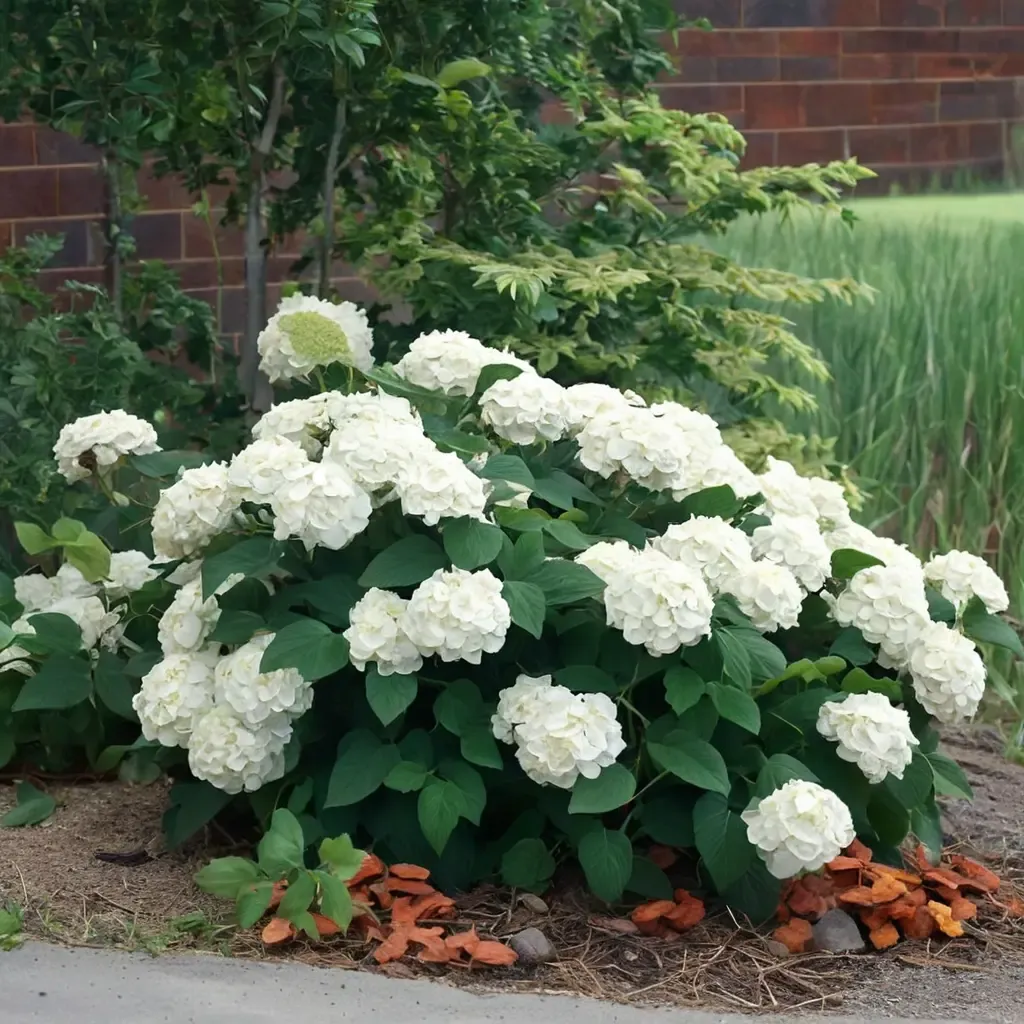
Incrediball Hydrangea
Hydrangea arborescens 'Incrediball'
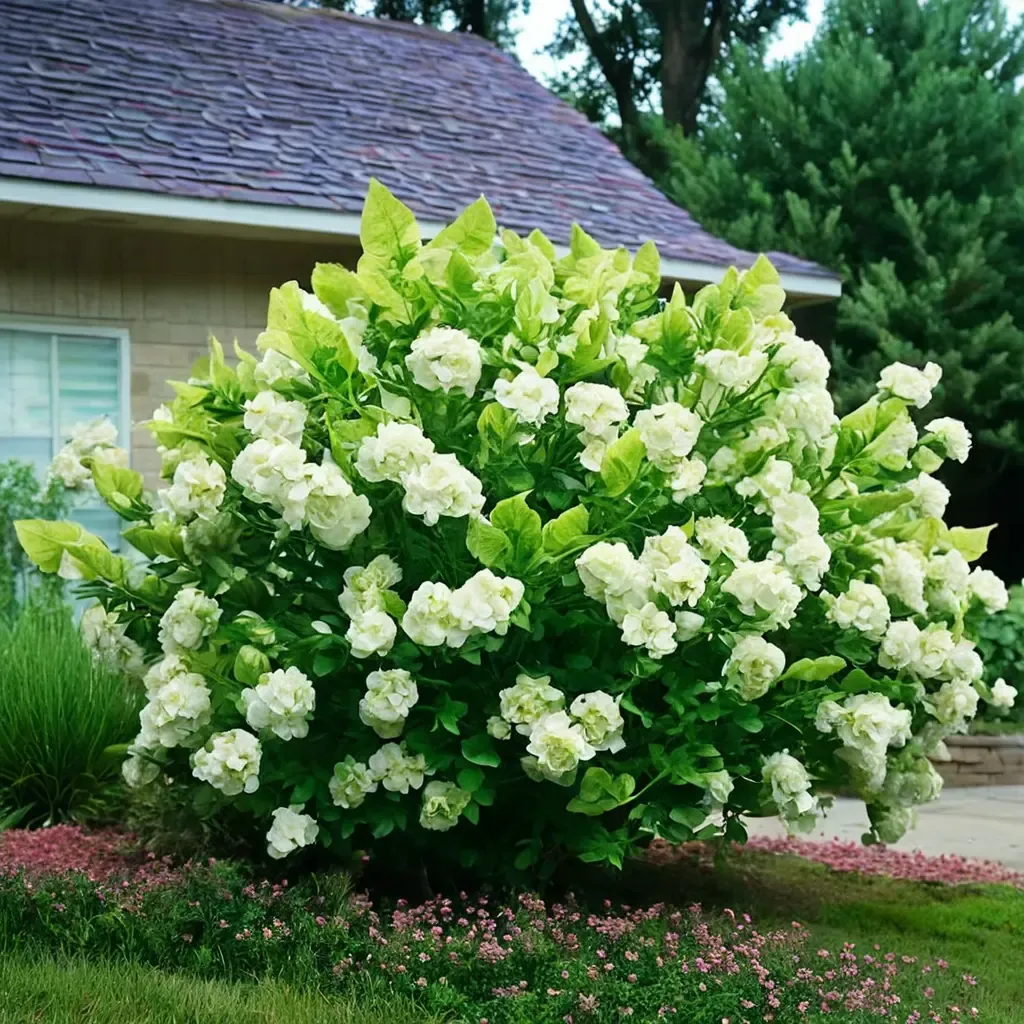
Limelight Hydrangea
Hydrangea paniculata 'Limelight'
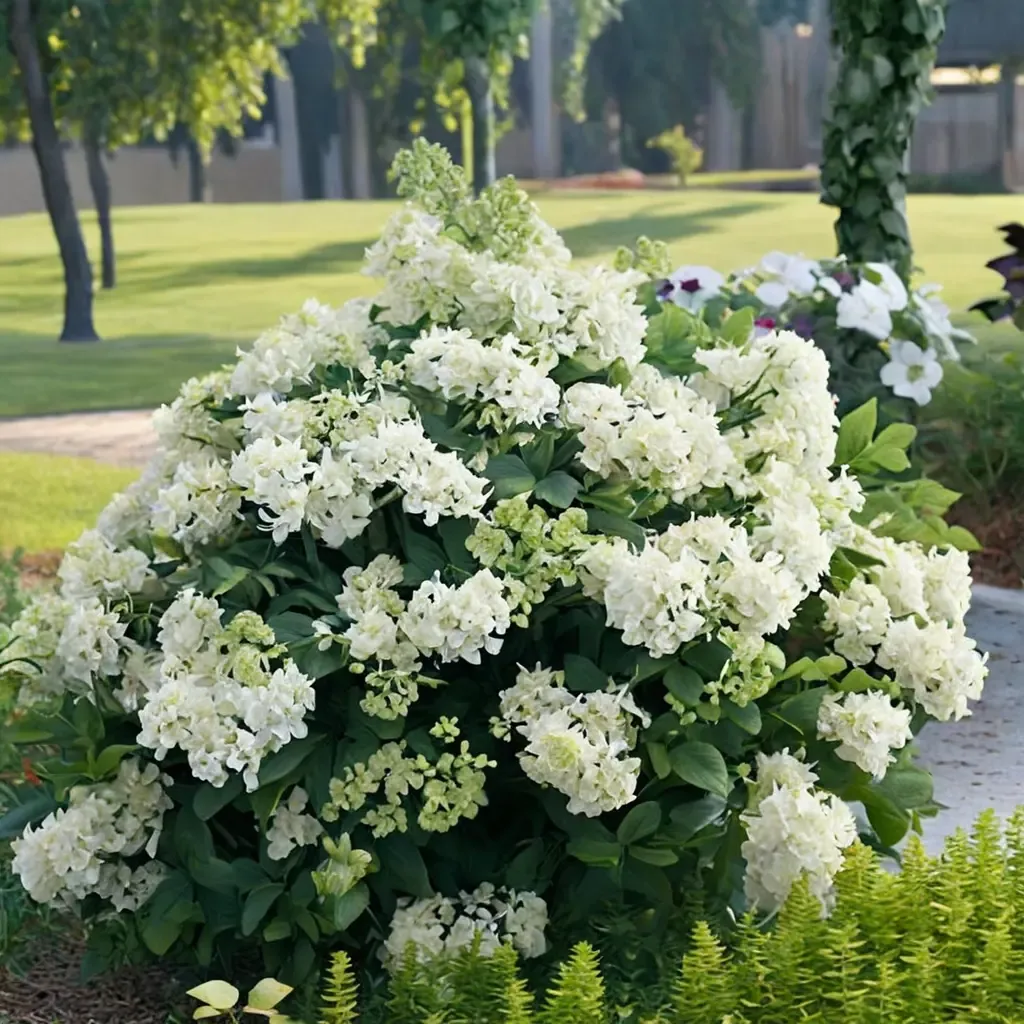
Bobo Hydrangea
Hydrangea paniculata 'ILVOBO'
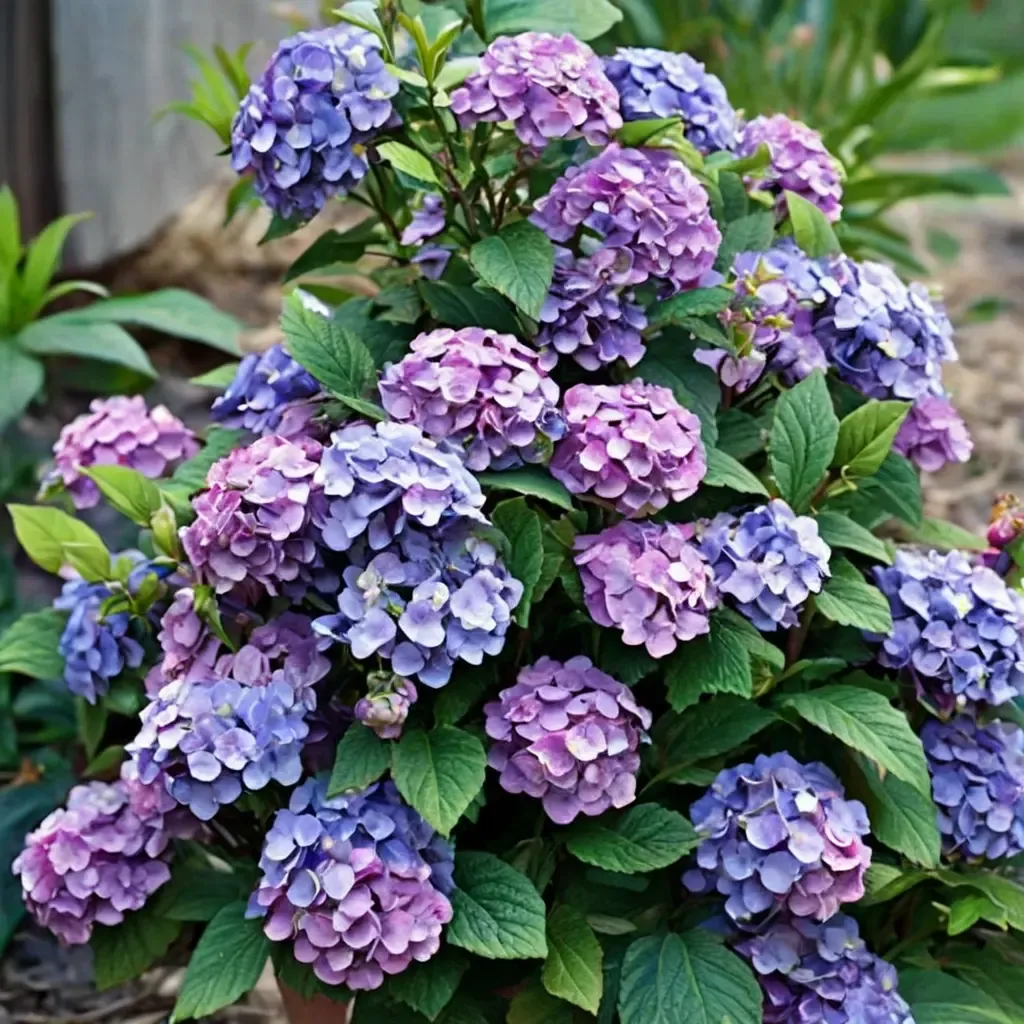
Bloomstruck Hydrangea
Hydrangea macrophylla 'Bloomstruck'
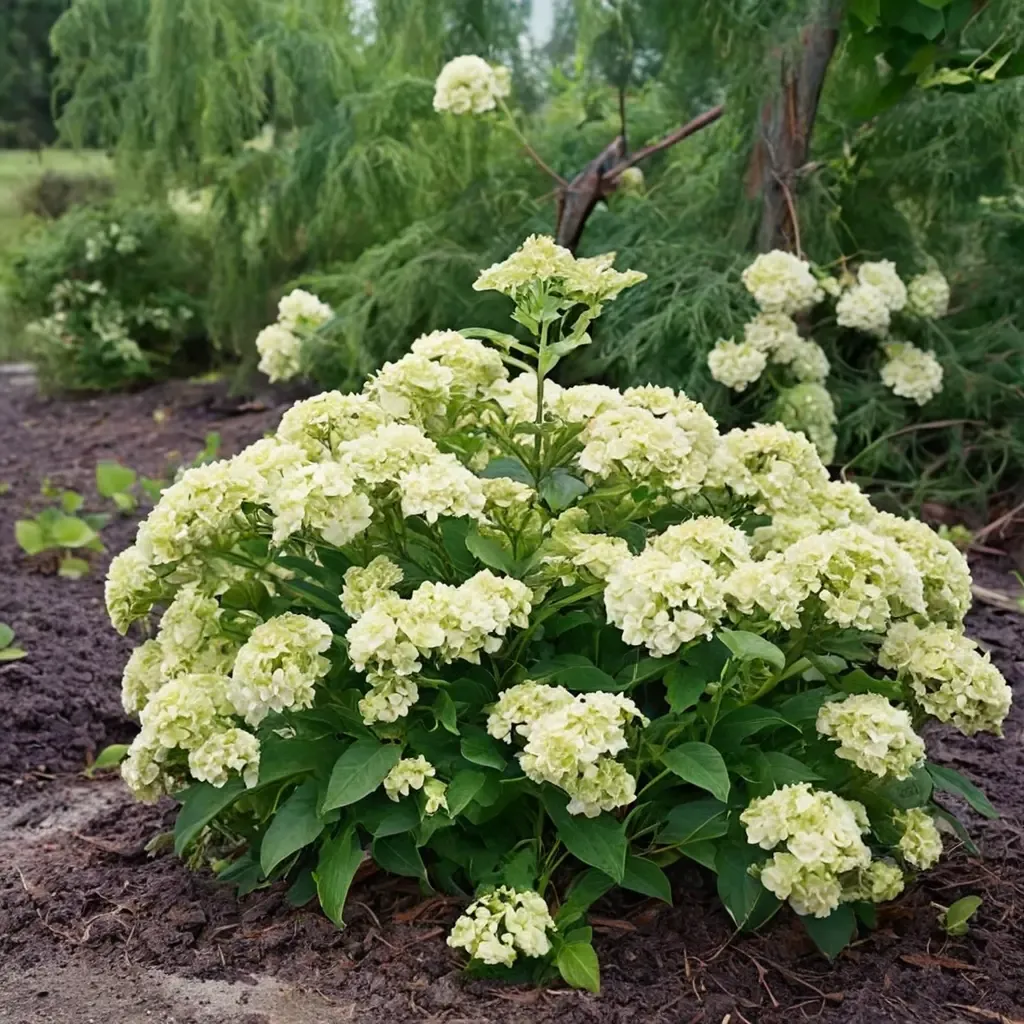
Little Lime Hydrangea
Hydrangea paniculata 'Jane'
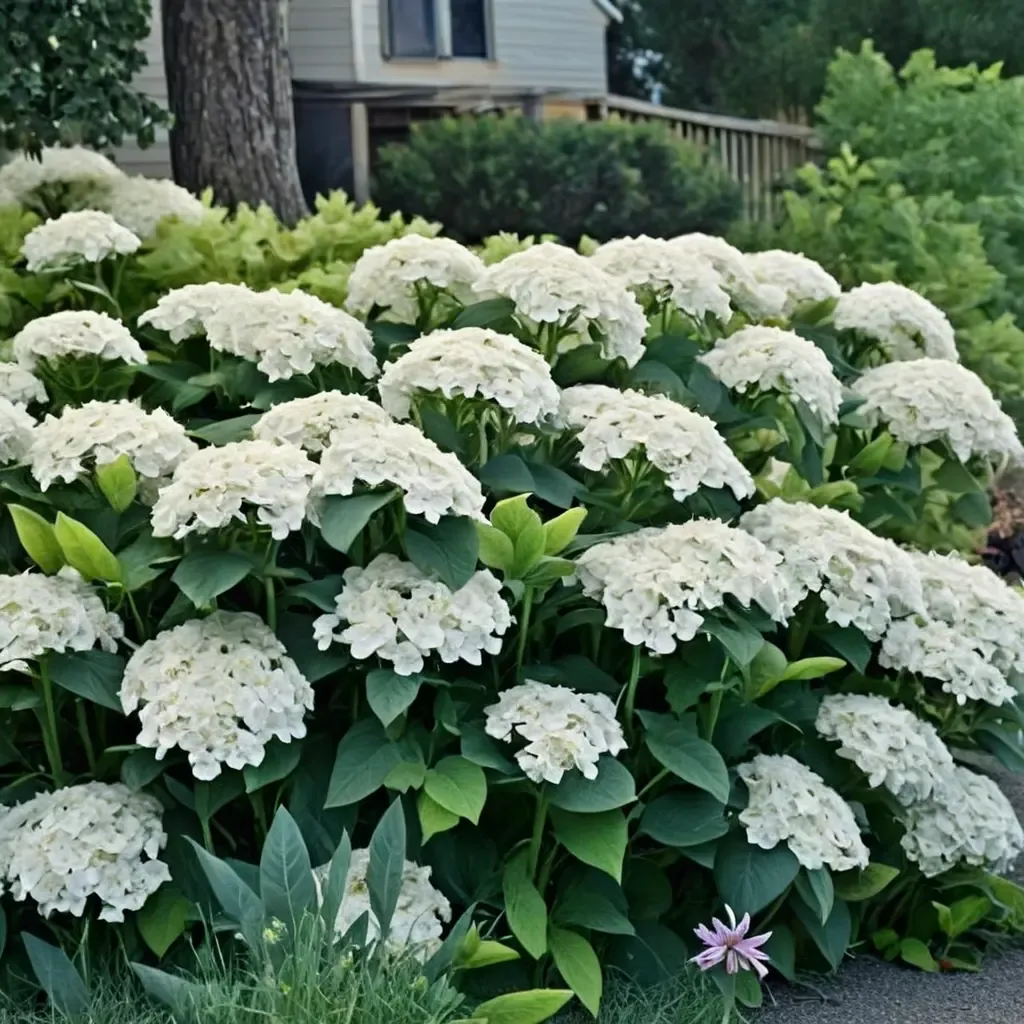
Annabelle Hydrangea Smooth Hydrangea
Hydrangea arborescens 'Annabelle'
Keep exploring
Guides
Hardy in your zone?
Grow Pistachio Hydrangea with confidence
See it in a design of your actual yard, get zone-matched care reminders, and track it season by season in your garden journal.