The Story
Plant Bio
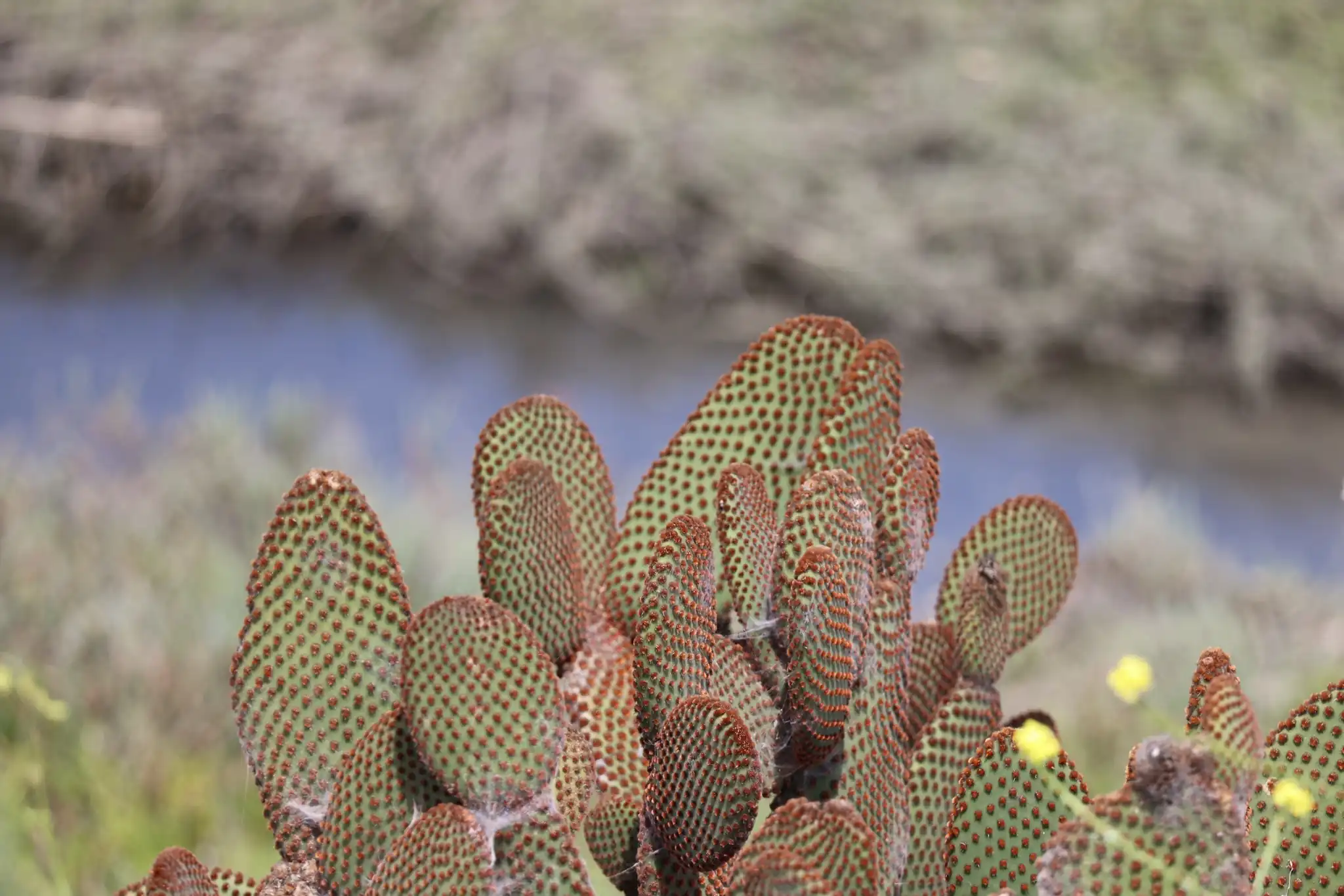
Opuntia microdasys is a branched pad-forming cactus from Mexico that builds upright clumps two to three feet tall and four to five feet wide in cultivation. New flat oval pads emerge from the margins of older pads and root readily where they detach, forming dense colonies over time.
Unlike most prickly pears it produces no long spines, each areole instead bearing a dense cushion of two to three millimeter golden-yellow barbed glochids that shed at a touch. Solitary yellow cup-shaped flowers four to six centimeters across open along the upper edges of the pads from late spring into summer.
Uses & Benefits:
Essentials
At a Glance
Plant Type
Cactus Succulent
Height
30"
Width
54"
Light
Full Sun
Zones
9, 10
Water
Low
Humidity
Unknown
Lifespan
Perennial
Native To
Mexico
Toxicity
Non-toxic, skin/eye irritant
Bloom period
Late spring – Summer
In flower about 4 months of the year
Planting
How to Grow
- Plant in sandy, sharply draining cactus mix in a pot with drainage holes, in full sun outdoors or a south-facing window indoors.
- Water deeply then let the mix dry completely before watering again, keeping winter water to almost none.
- Grow outdoors year-round only in USDA zones 9 to 11 and move pots under cover before a prolonged freeze.
- Feed sparingly or not at all, using at most a half-strength cactus fertilizer in spring.
Pro Tip
Water only when the mix is dry all the way through, and always handle with tongs and gloves — the glochids detach into the air when the plant is bumped.
Keep It Thriving
Care Guide
Do
- Do give full sun and sharp drainage with a sandy cactus mix.
- Do use tongs, gloves and tweezers to handle pads and remove glochids.
- Do let cut pads dry 7 to 10 days until callused before rooting.
Don't
- Do not overwater or let the pot sit in water, which causes root rot.
- Do not overfertilize, which produces weak unnatural growth.
- Do not handle bare-handed or blow on the pads, which launches glochids into skin and eyes.
Seasonal Care Calendar
| Task | Jan | Feb | Mar | Apr | May | Jun | Jul | Aug | Sep | Oct | Nov | Dec |
|---|---|---|---|---|---|---|---|---|---|---|---|---|
| Fertilize | ||||||||||||
| Pest Check | ||||||||||||
| Propagate | ||||||||||||
| Prune | ||||||||||||
| Winter Prep |
Watch Out For
Pests & Diseases
Common Pests
Common Diseases
In the Garden
Landscape Uses & Companions
Landscape Uses
Multiply
Propagation Methods
Good to Know
Common Questions
Bunny Ear Cactus questions
What zones can Bunny Ear Cactus grow in?
Bunny Ear Cactus is hardy in USDA Zones 9–10: in that range it survives winter in the ground. Colder than Zone 9, grow it in a container you can move to shelter for the winter, or as an annual.
When does Bunny Ear Cactus bloom?
Bunny Ear Cactus typically blooms from late spring to late summer. Exact timing shifts a week or two with your zone — Sow's bloom calendar maps it to your garden.
Does Bunny Ear Cactus need full sun?
Bunny Ear Cactus does best in full sun (6+ hours).
Is Bunny Ear Cactus drought tolerant?
Yes — once established (usually after the first full season), Bunny Ear Cactus handles dry spells with minimal watering. Water deeply its first year to build the root system that makes that possible.
More Opuntia to compare
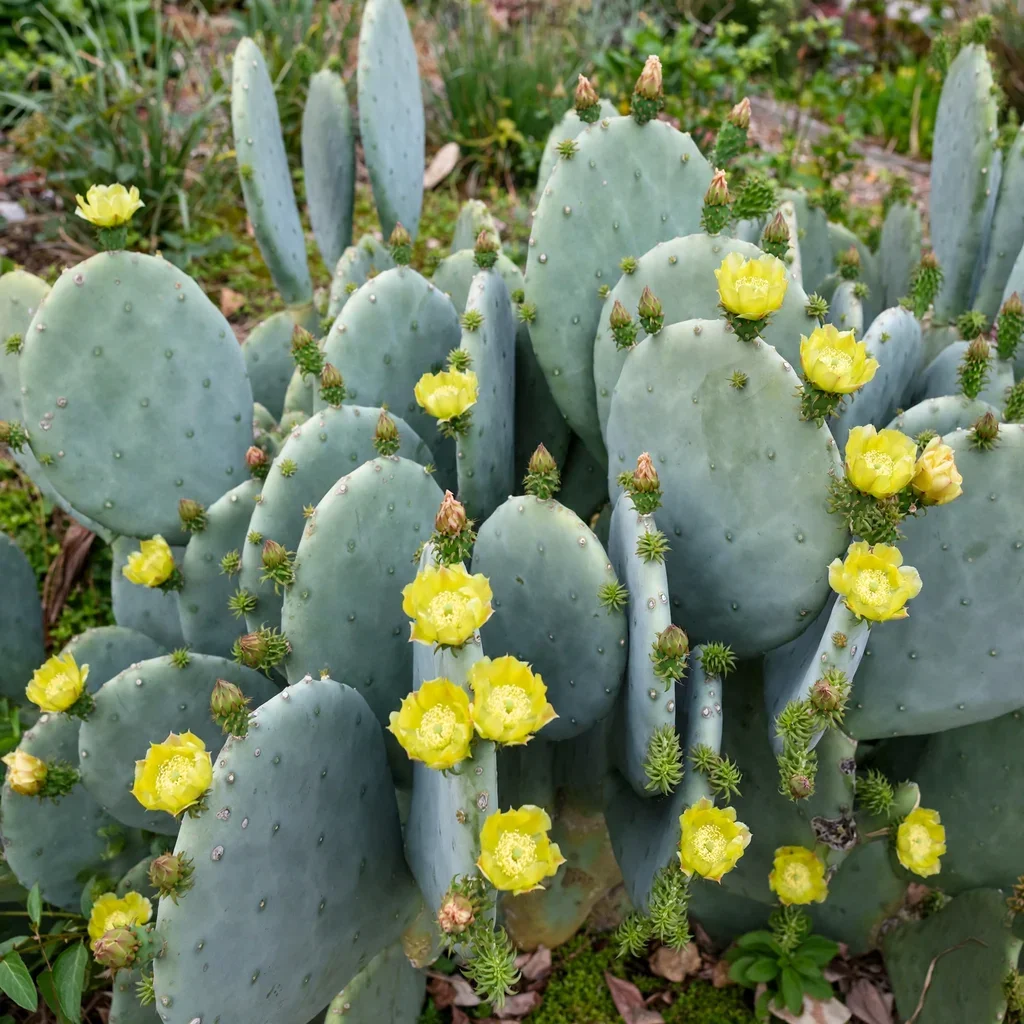
Spineless Prickly Pear
Opuntia cacanapa 'Ellisiana'
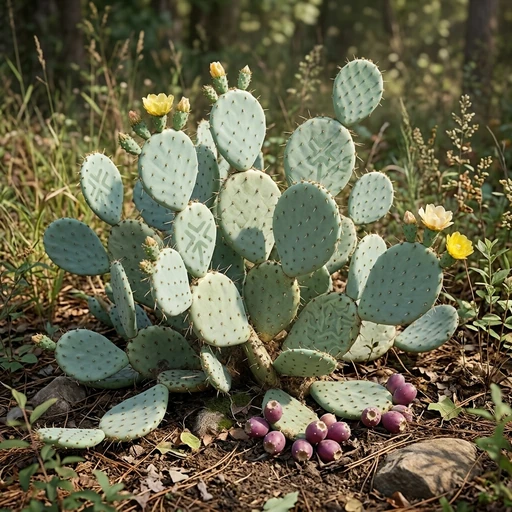
Prickly Pear Cactus
Opuntia humifusa
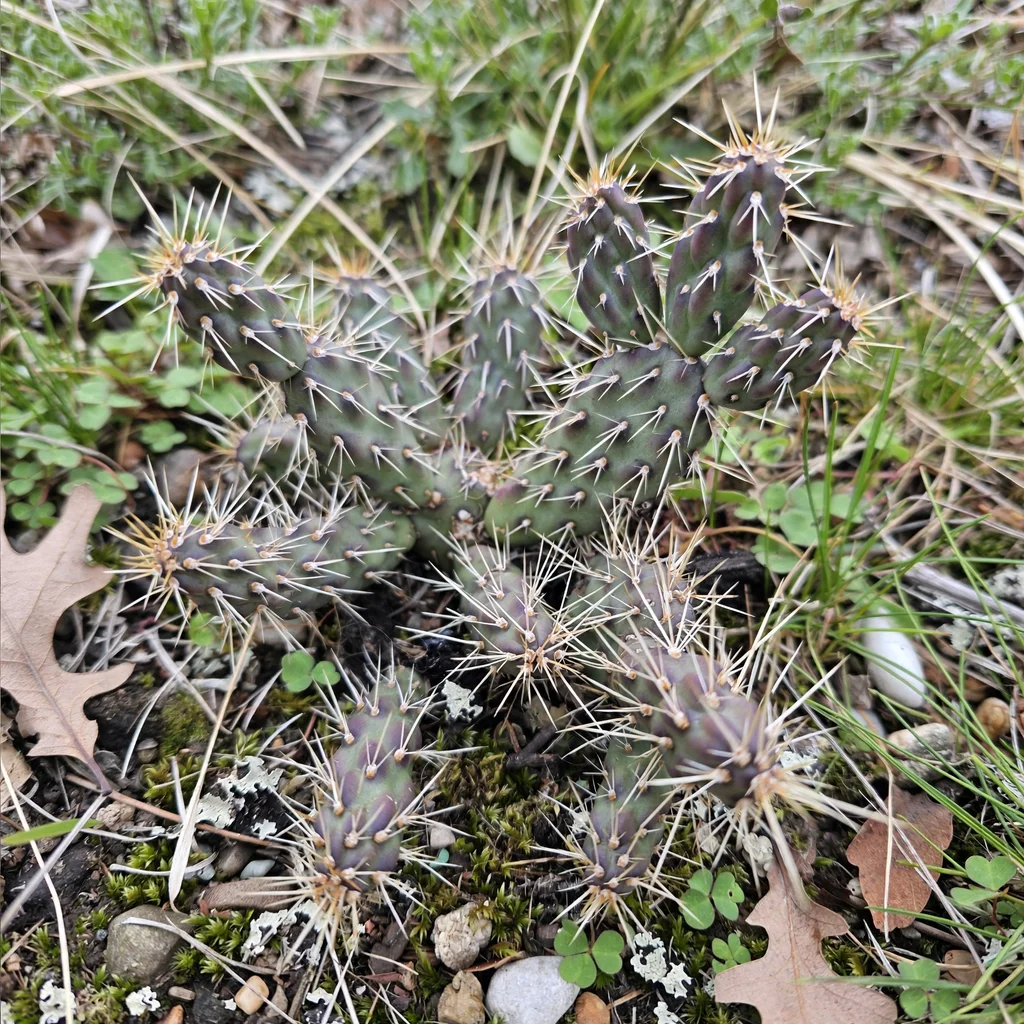
Brittle Prickly Pear
Opuntia fragilis
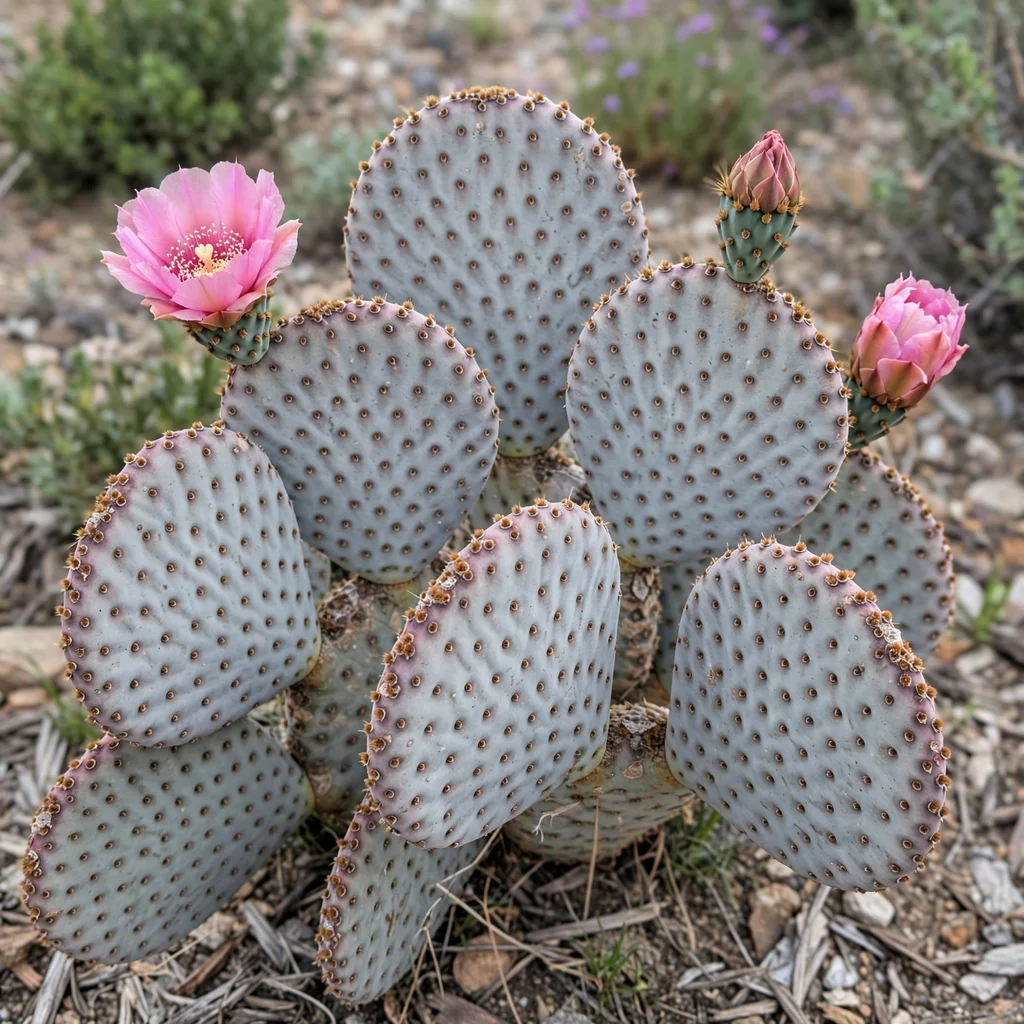
Beavertail Cactus
Opuntia basilaris
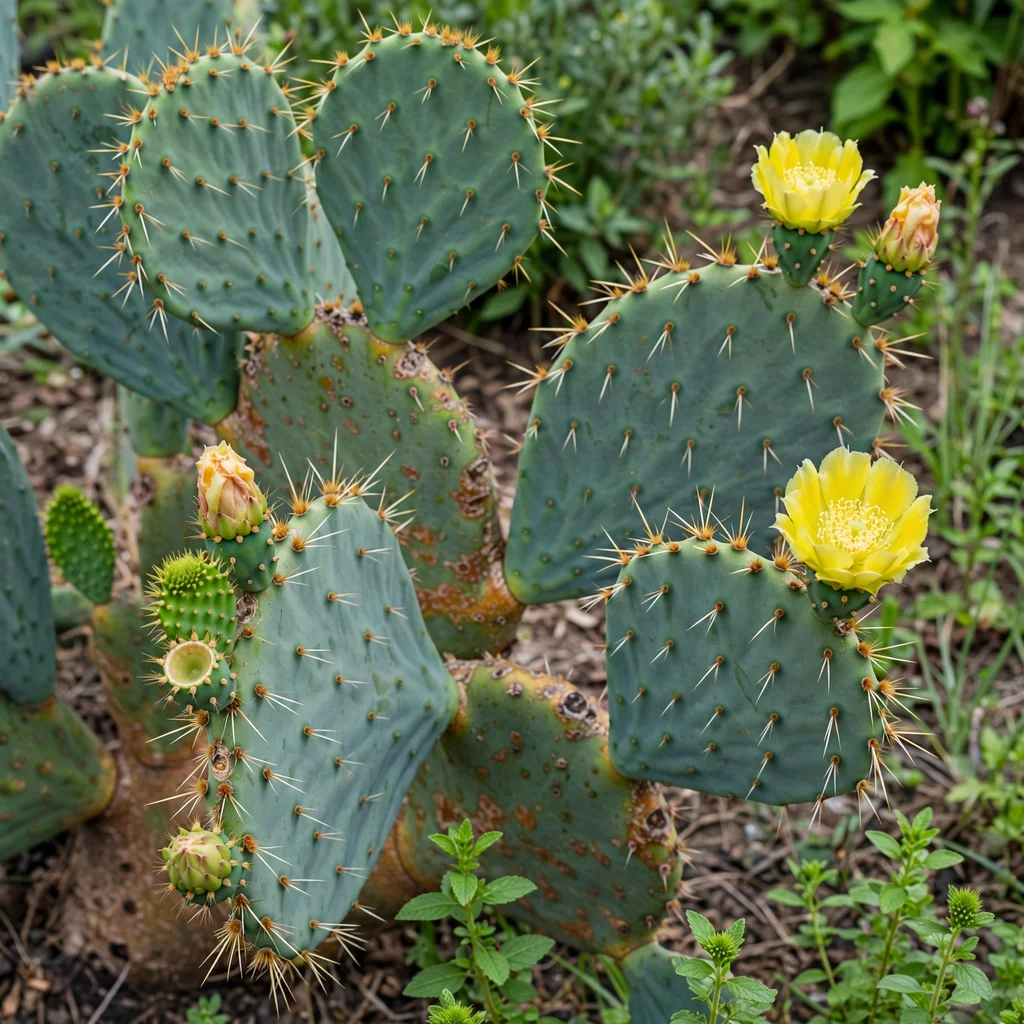
Old Mexico Prickly Pear
Opuntia gomei
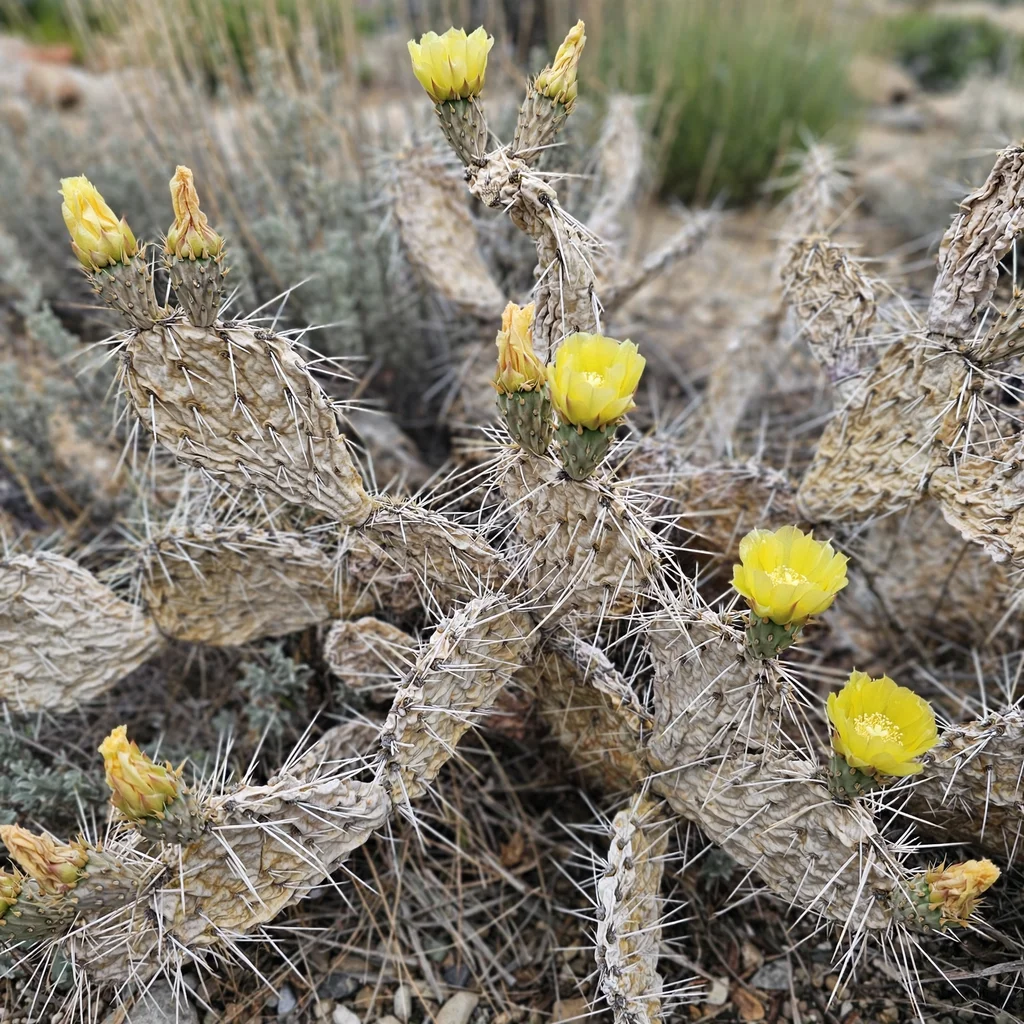
Plains Pricklypear
Opuntia polyacantha
Keep exploring
Explore the genus
Hardy in your zone?
Grow Bunny Ear Cactus with confidence
See it in a design of your actual yard, get zone-matched care reminders, and track it season by season in your garden journal.