Popularity, clearly labeled
The Most Popular Drought-Tolerant Plants in Zone 10
Among plants catalog-rated for drought tolerance, these are the genera Sow gardeners save most. Drought performance still depends on establishment, soil, climate, and the exact variety. Every representative here is catalog-rated hardy in Zone 10, whose standard minimum-temperature band begins near 30°F. The popularity ranking is recomputed only among matching Zone 10 records; hardiness alone does not establish that a plant will thrive on a particular site.
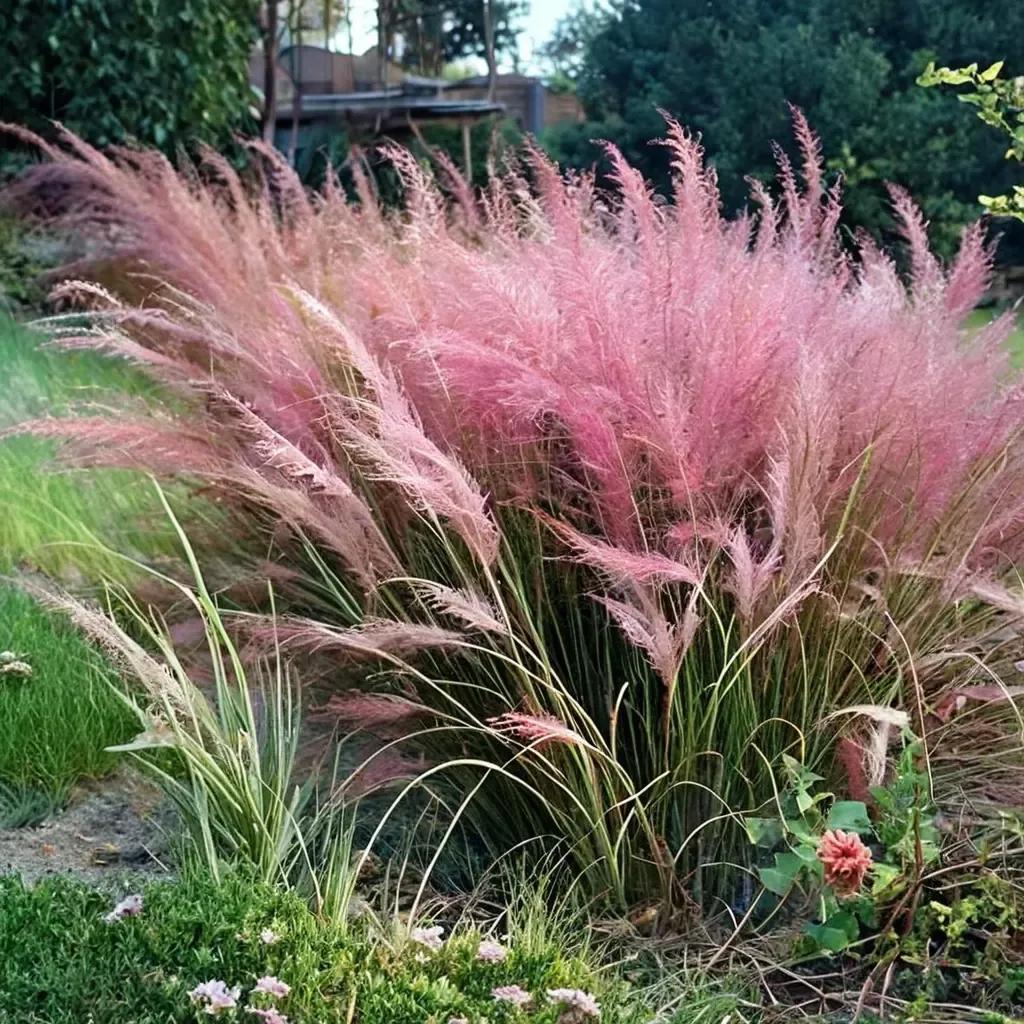
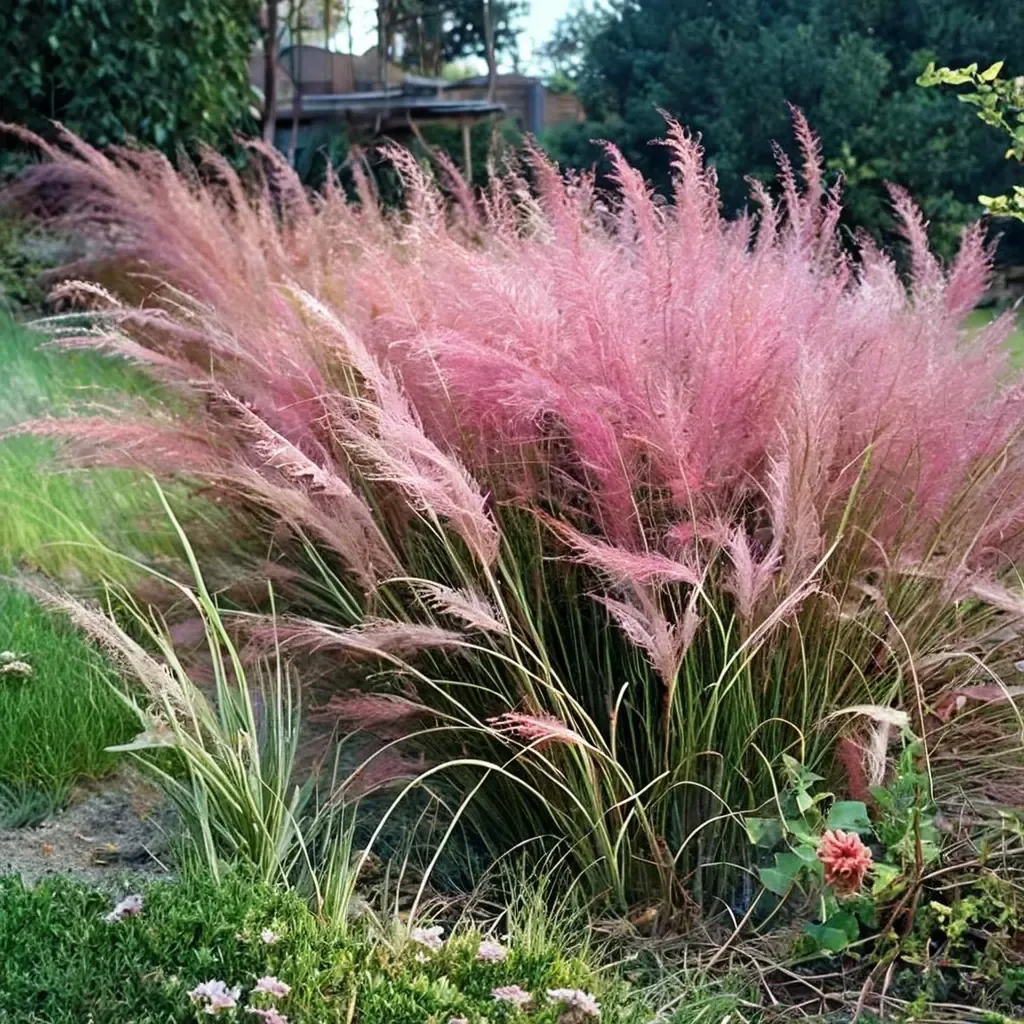
Muhly Grass
Ranked by its most-saved matching variety; the full catalog includes 13 varieties. Airy pink or cream seed heads create a luminous cloud above fine foliage.
Zones 5–10All 13 varieties →
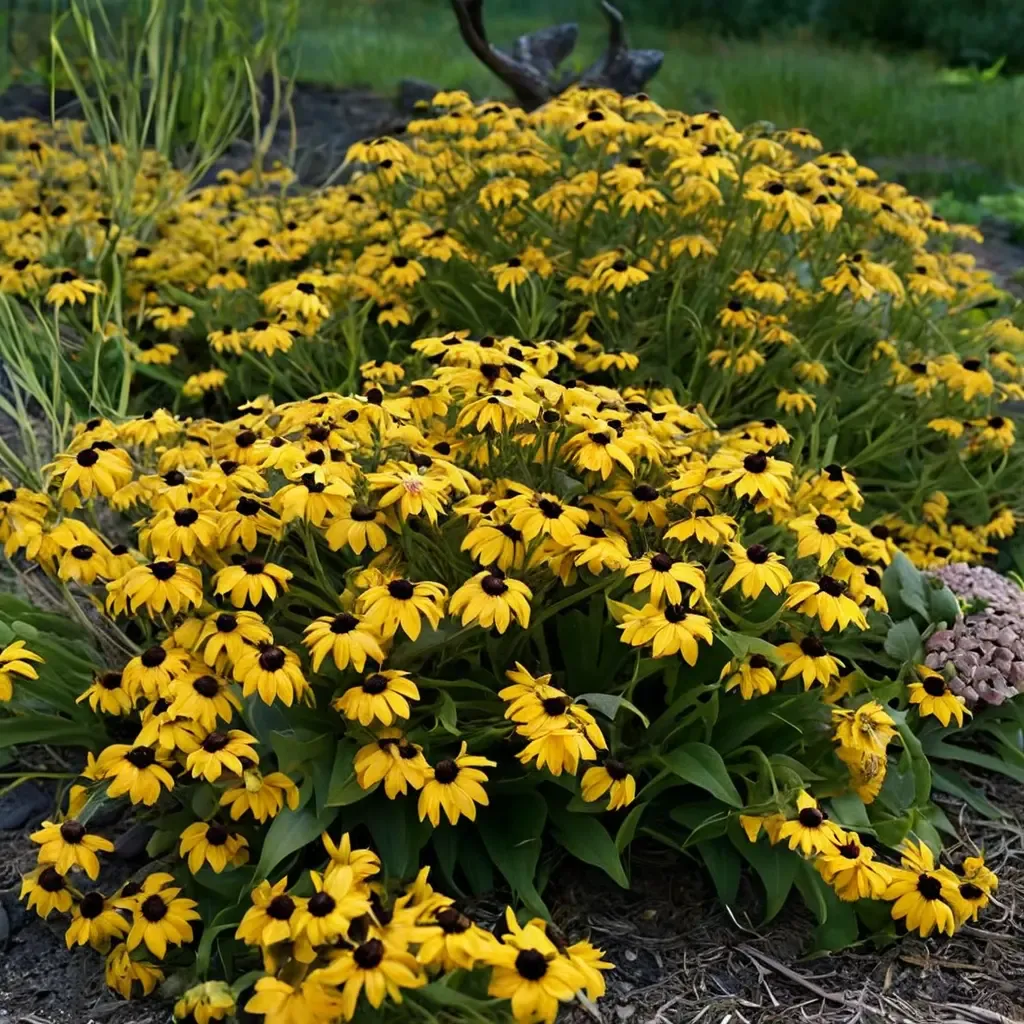
Black-eyed Susan
Ranked by its most-saved matching variety; the full catalog includes 32 varieties. Dark-centered gold daisies create a durable bridge from summer into fall.
Zones 4–10All 32 varieties →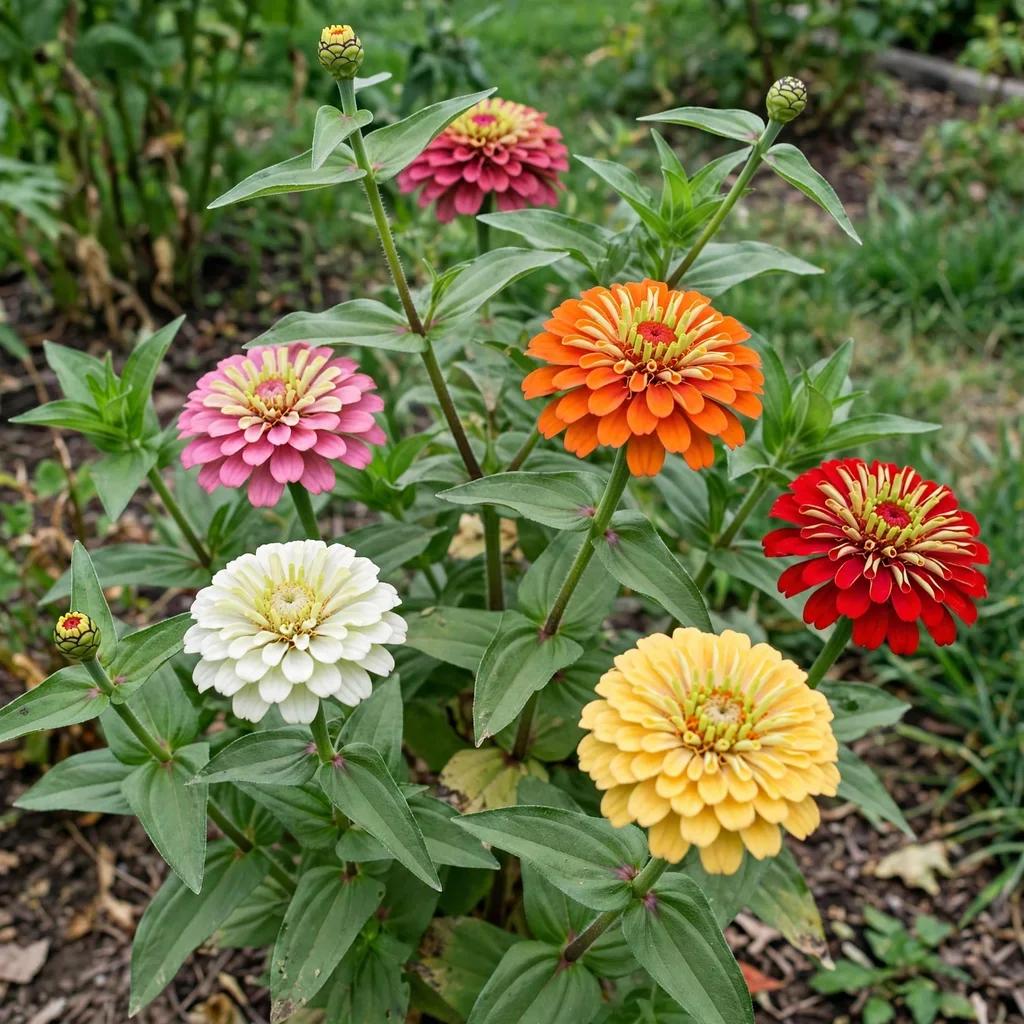
Ranked by its most-saved matching variety; the full catalog includes 20 varieties. Its representative is notable for being North American native and dry-spell tolerant.
Zones 5–10All 20 varieties →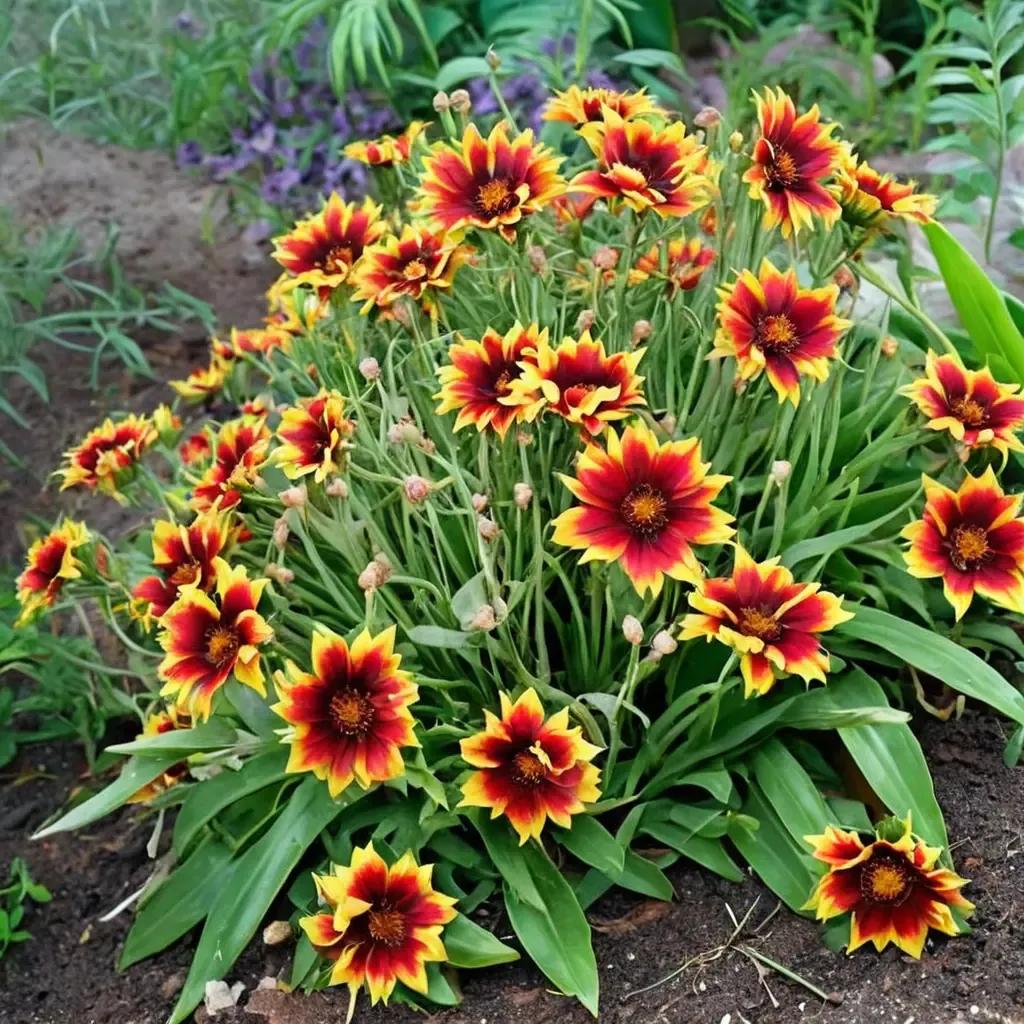
Blanket Flower
Ranked by its most-saved matching variety; the full catalog includes 26 varieties. Warm, banded daisies keep flowering through heat that slows many perennials.
Zones 4–10All 26 varieties →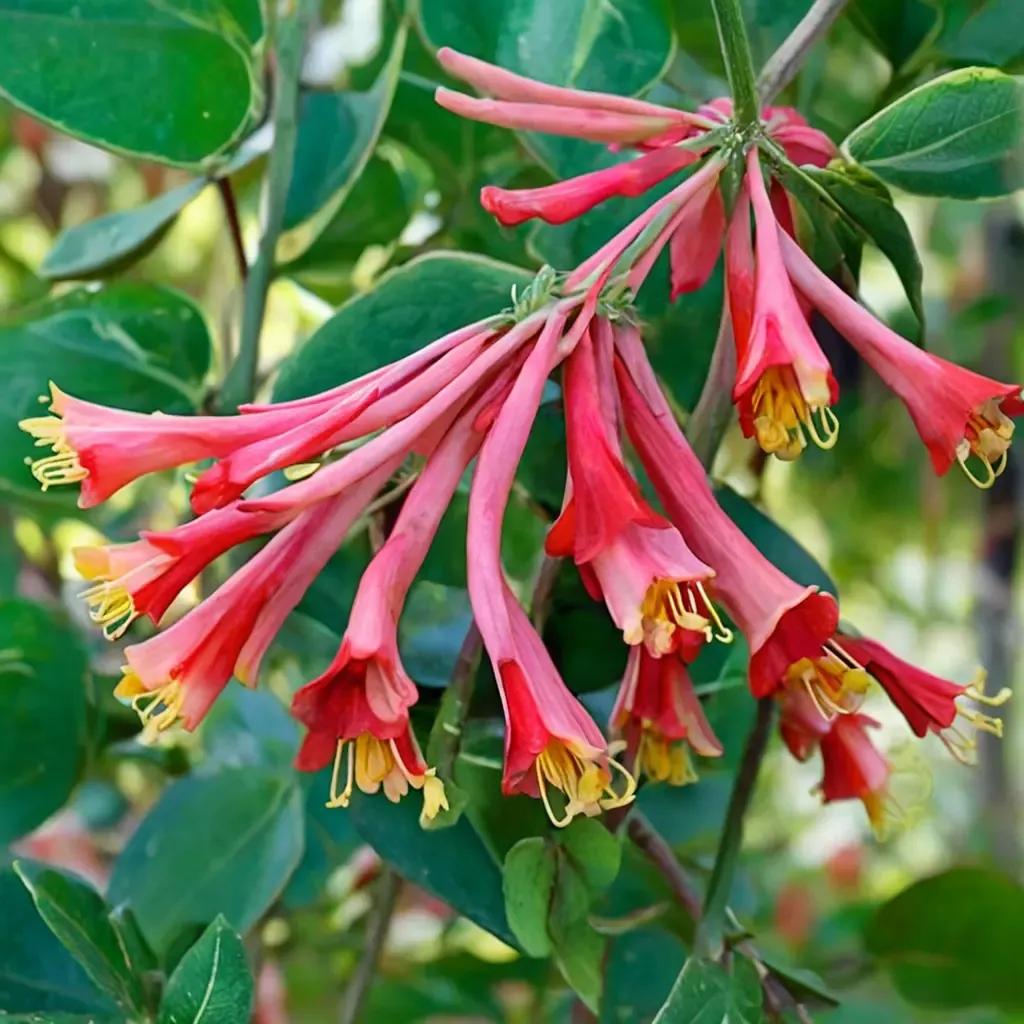
Honeysuckle
Ranked by its most-saved matching variety; the full catalog includes 23 varieties. Tubular, often fragrant flowers turn fences into nectar-rich habitat.
Zones 4–10All 23 varieties →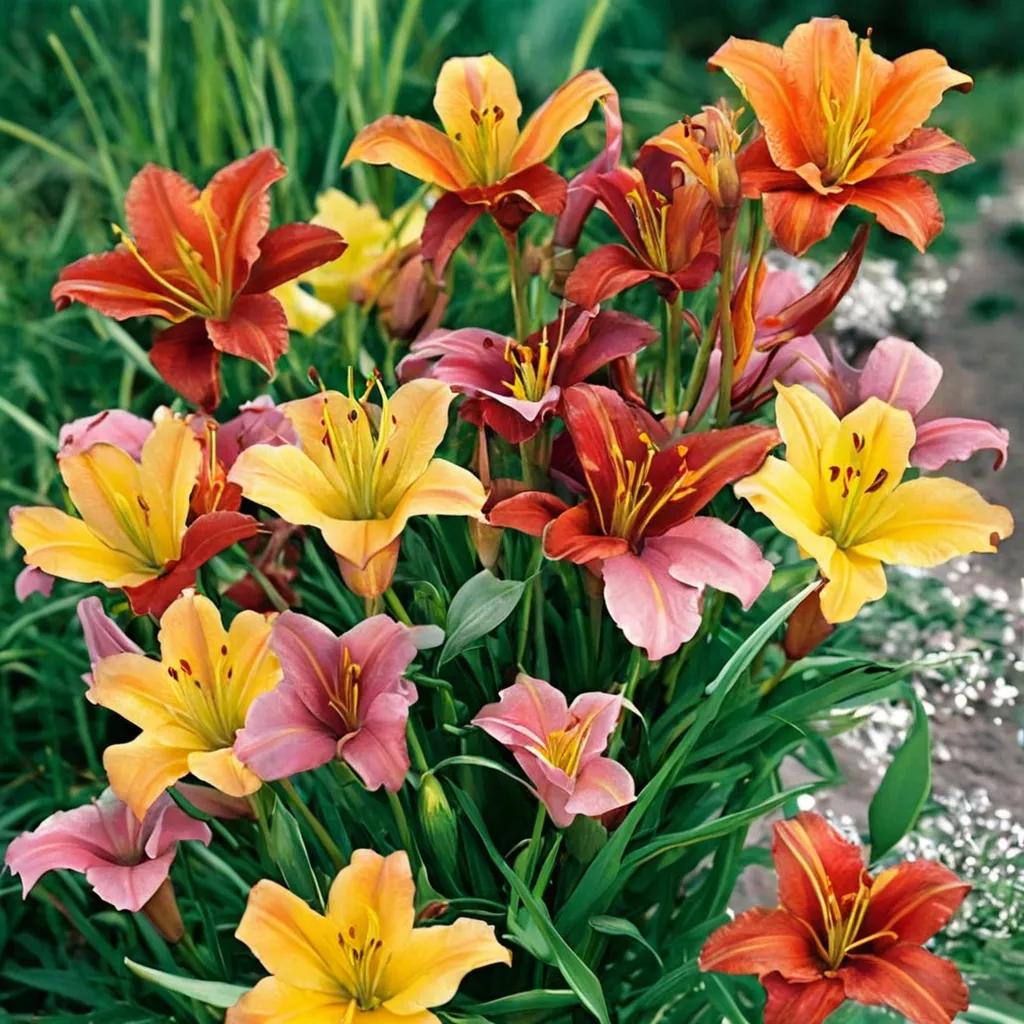
Daylily
Ranked by its most-saved matching variety; the full catalog includes 135 varieties. Each flower lasts a day, but succession from many buds sustains the display.
Zones 4–10All 135 varieties →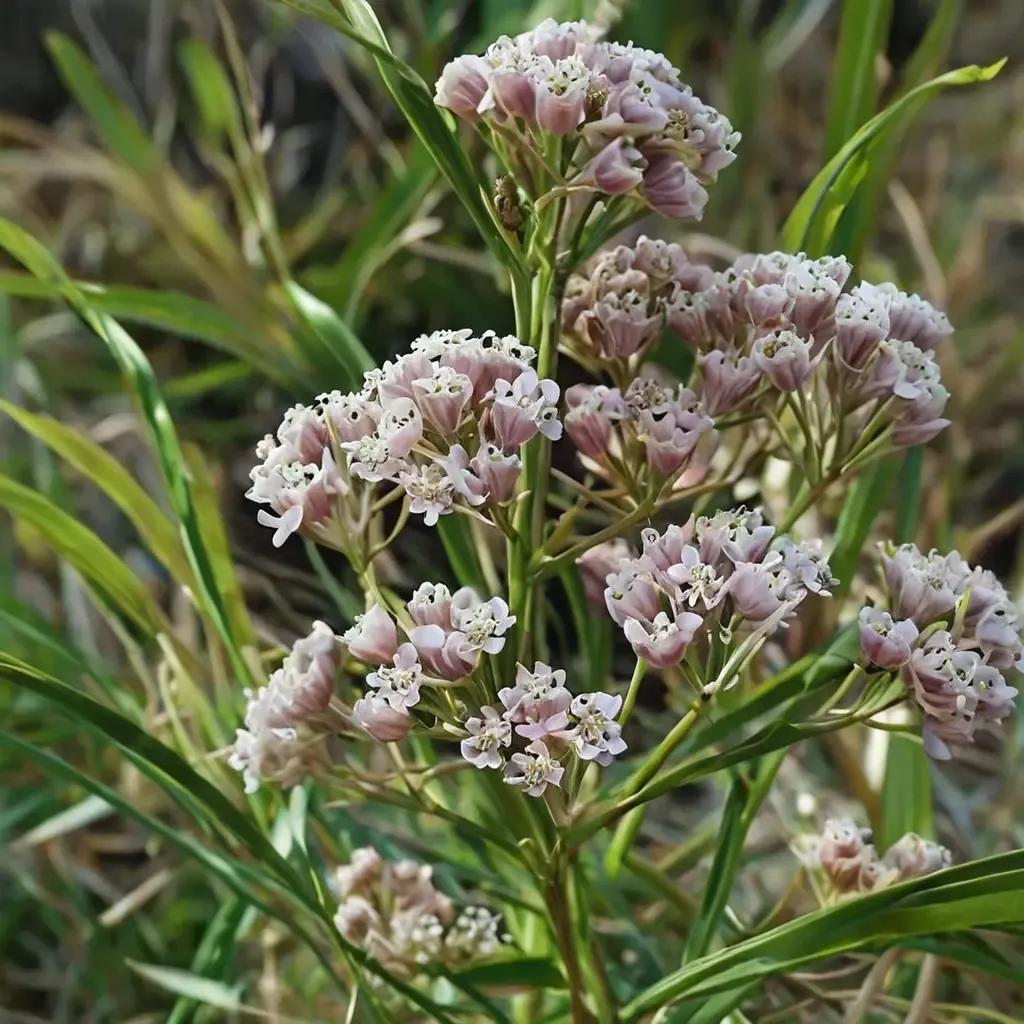
Milkweed
Ranked by its most-saved matching variety; the full catalog includes 18 varieties. Milkweeds are essential monarch host plants as well as rich nectar sources.
Zones 5–10All 18 varieties →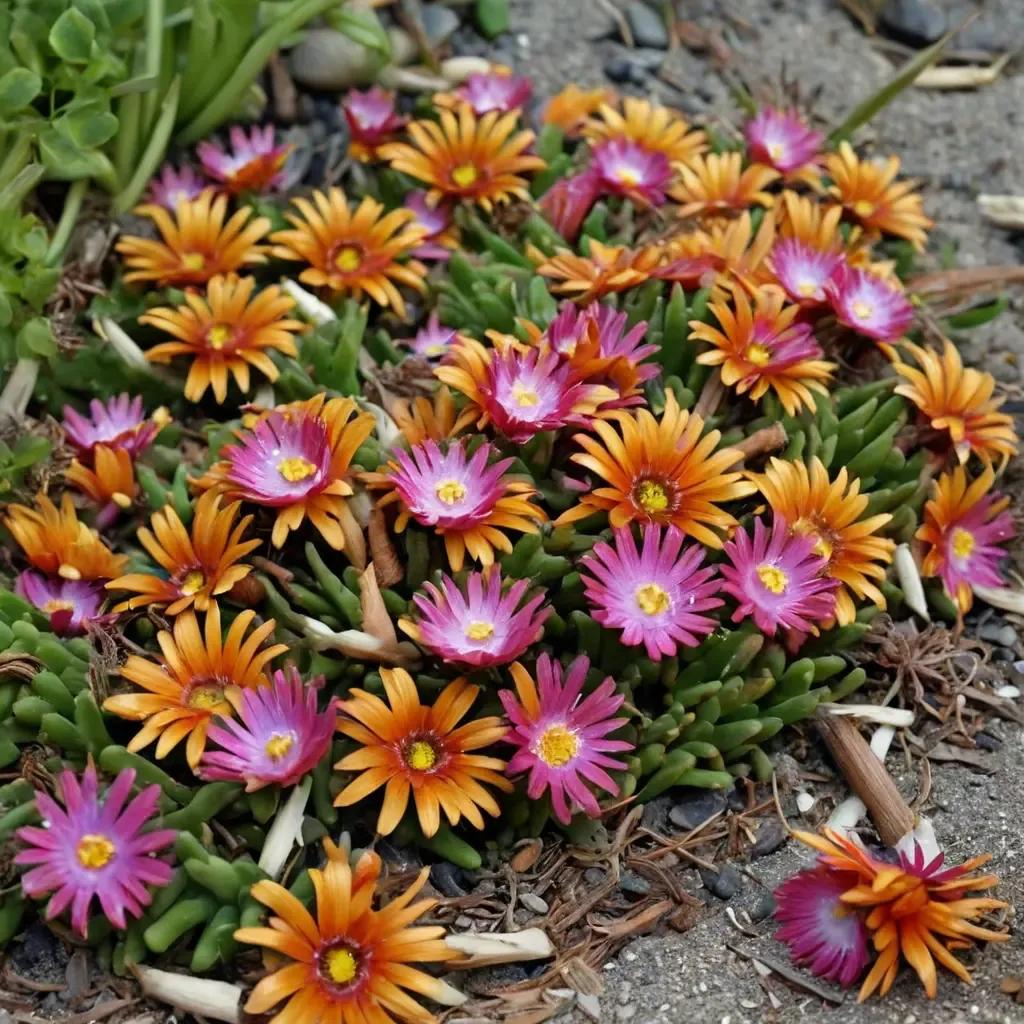
Ice Plant
Ranked by its most-saved matching variety; the full catalog includes 19 varieties. Jewel-bright daisies open over a water-storing mat in hot, dry ground.
Zones 5–10All 19 varieties →
American Aster
Ranked by its most-saved matching variety; the full catalog includes 28 varieties. North American asters provide essential late nectar in clouds of small daisies.
Zones 5–10All 28 varieties →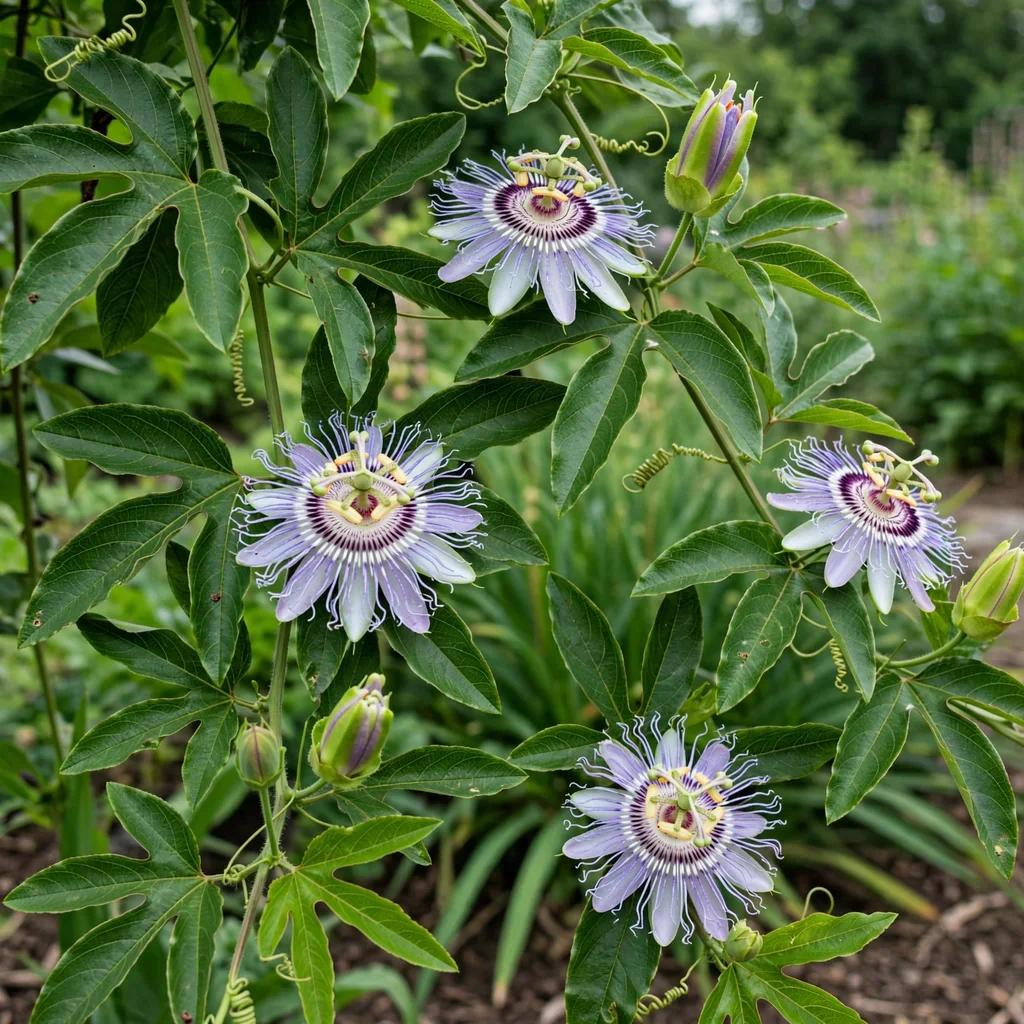
Passion Flower
Ranked by its most-saved matching variety; the full catalog includes 13 varieties. Intricate flowers look almost engineered, followed by fruit on many species.
Zones 5–10All 13 varieties → 11
11Papaver
Poppy
Ranked by its most-saved matching variety; the full catalog includes 43 varieties. Silken, crinkled petals make each short-lived flower feel like an event.
Zones 4–10All 43 varieties →
Red Hot Poker
Ranked by its most-saved matching variety; the full catalog includes 35 varieties. Torch-like flower spikes add blazing vertical color and draw hummingbirds.
Zones 5–10All 35 varieties → 13
13Verbena
Ranked by its most-saved matching variety; the full catalog includes 54 varieties. Small flower clusters on airy stems add nectar without visually crowding a border.
Zones 5–10All 54 varieties →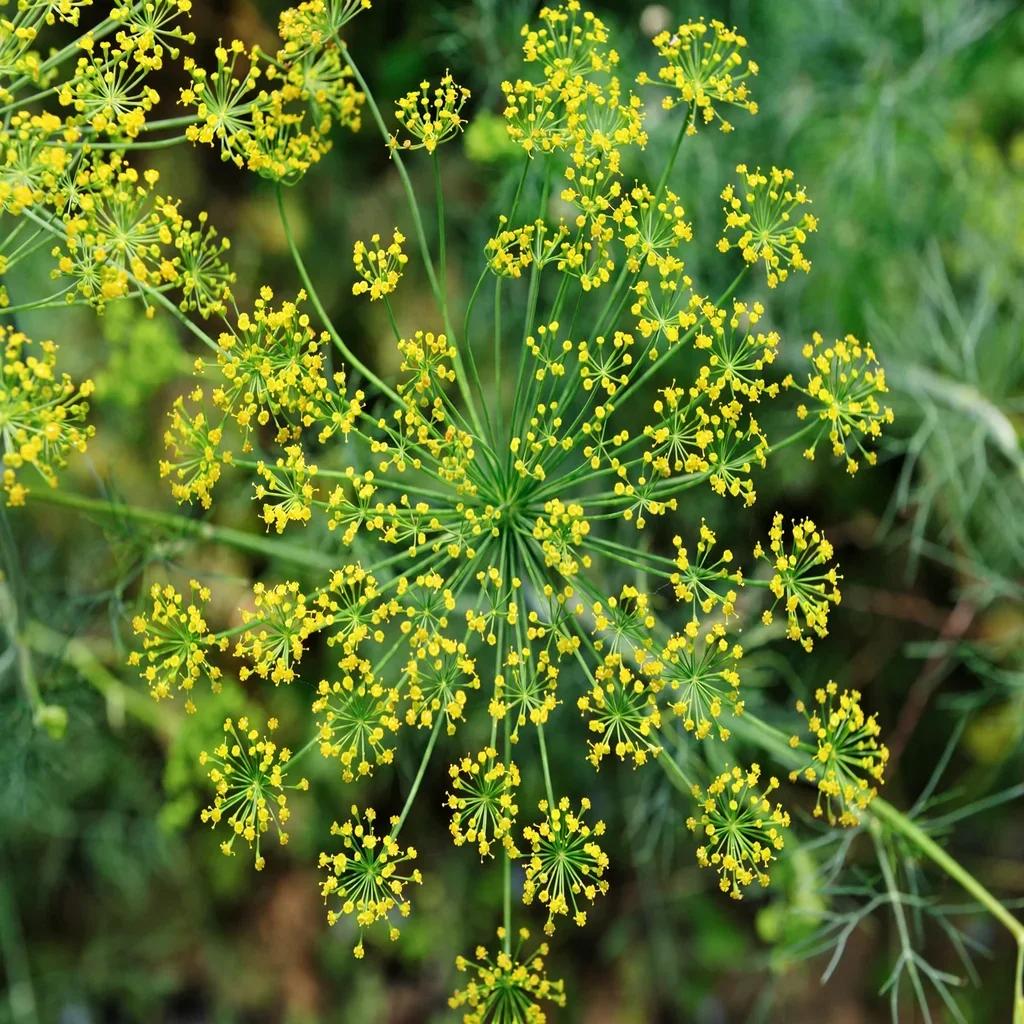
Fennel
Ranked by its most-saved matching variety; the full catalog includes 5 varieties. Feathery, anise-scented foliage supports airy pollinator umbels and an edible harvest.
Zones 4–10All 5 varieties → 15
15Iris
Ranked by its most-saved matching variety; the full catalog includes 258 varieties. Sword-like leaves and intricate flowers give beds a strong architectural rhythm.
Zones 4–10All 258 varieties →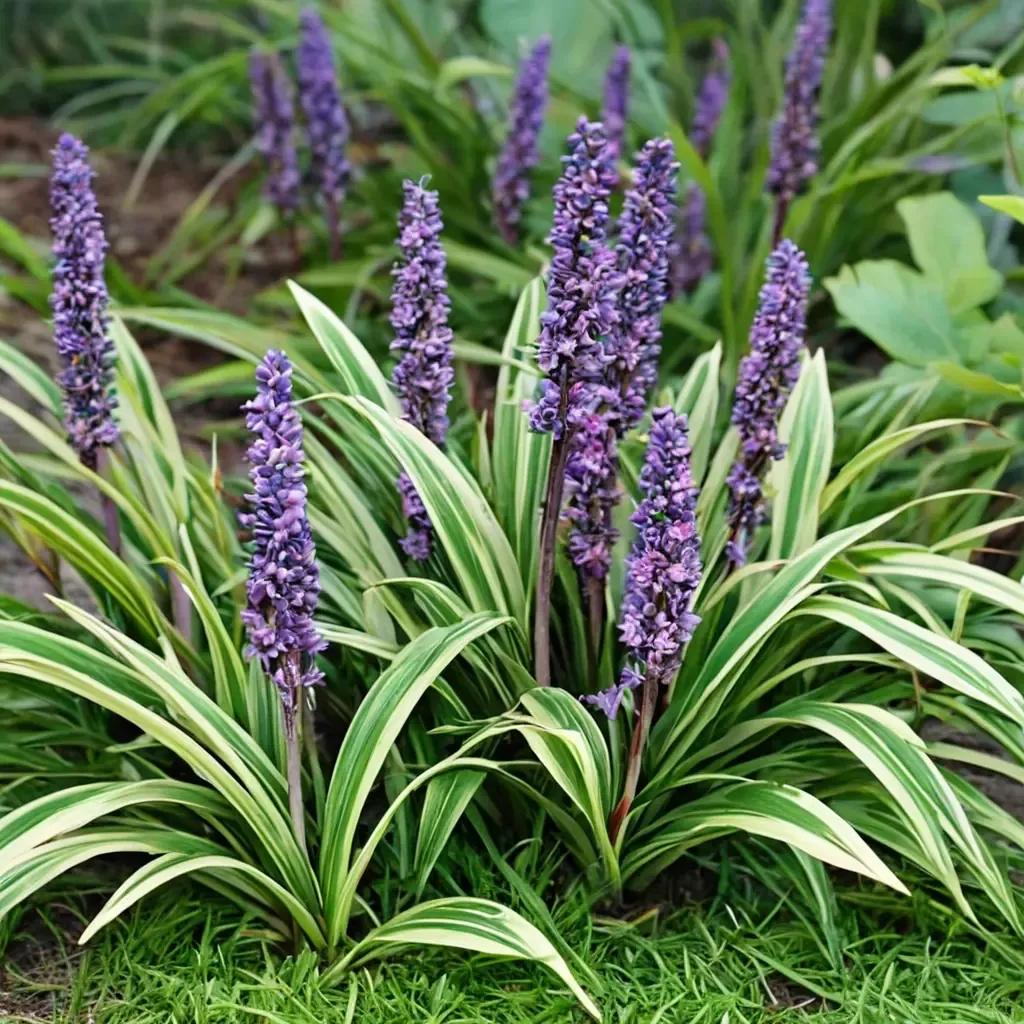 16
16Liriope
Lilyturf
Ranked by its most-saved matching variety; the full catalog includes 20 varieties. Strappy evergreen clumps define edges and tolerate the root competition beneath trees.
Zones 5–10All 20 varieties →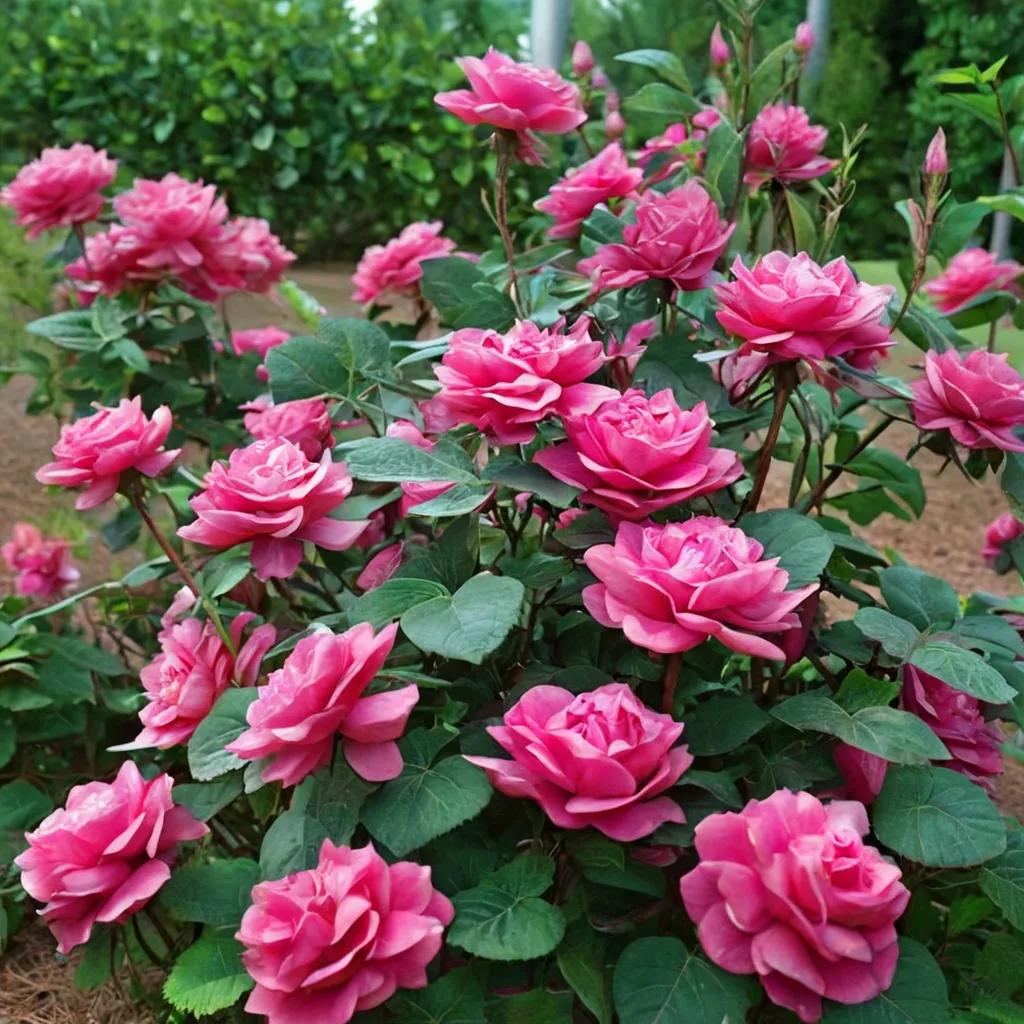 17
17Rosa
Rose
Ranked by its most-saved matching variety; the full catalog includes 293 varieties. No other shrub matches roses for range of habit, fragrance, color, and repeat bloom.
Zones 5–10All 293 varieties →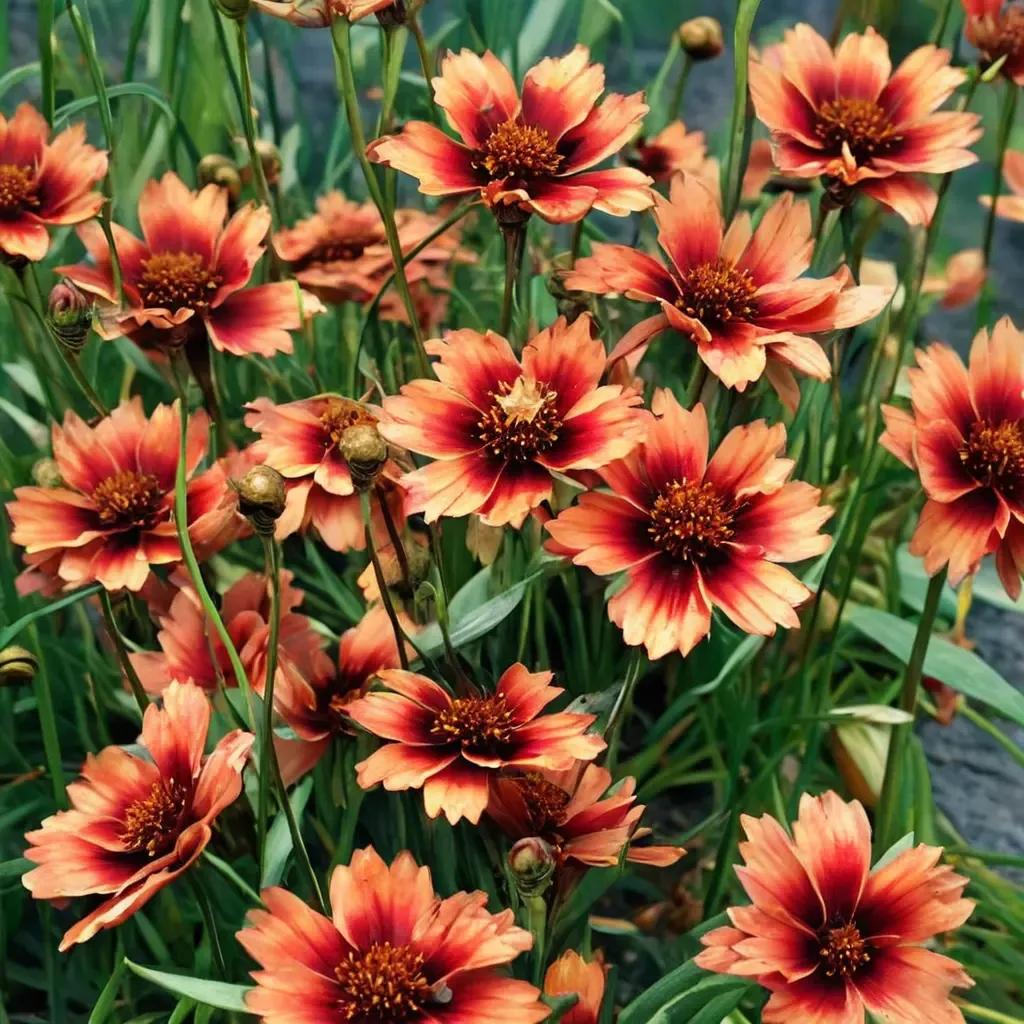
Tickseed
Ranked by its most-saved matching variety; the full catalog includes 63 varieties. Cheerful daisies keep coming over airy foliage through the heat of summer.
Zones 4–10All 63 varieties →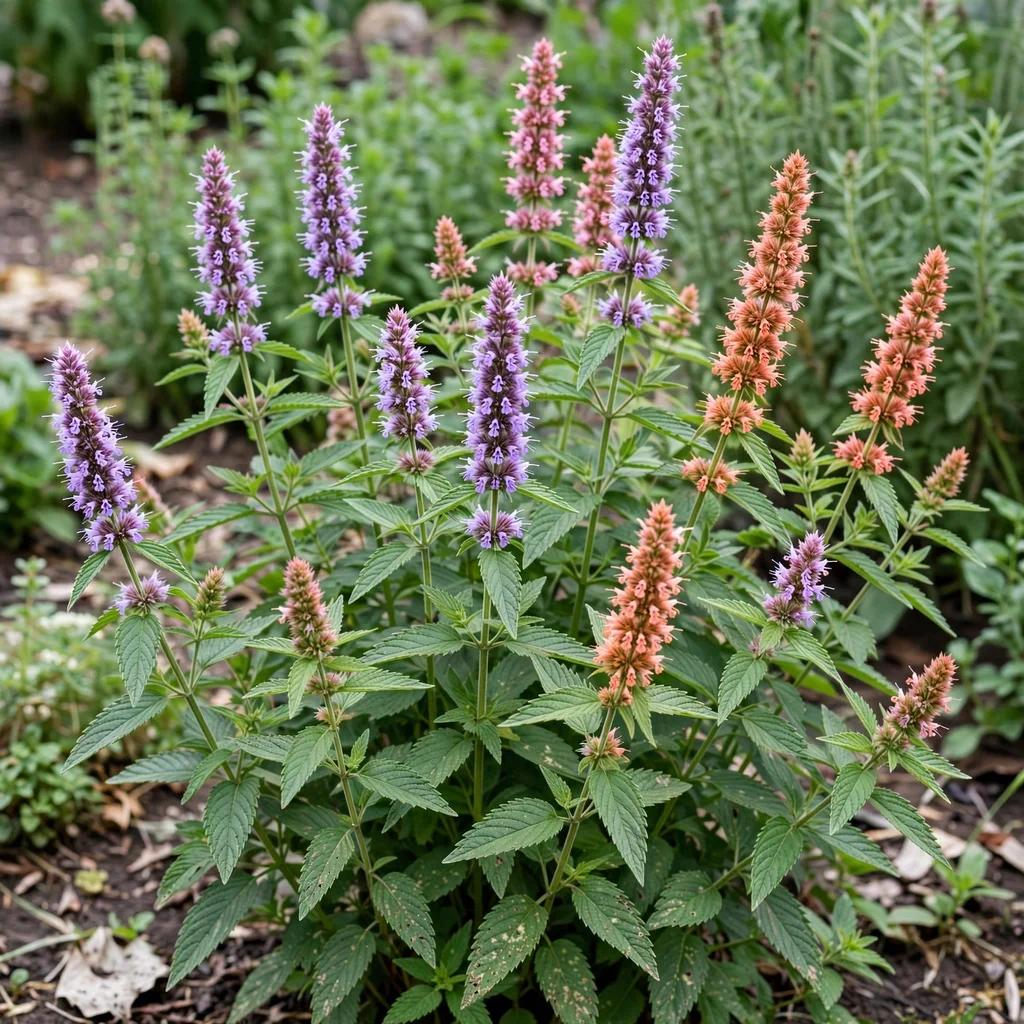
Hyssop
Ranked by its most-saved matching variety; the full catalog includes 59 varieties. Aromatic foliage and nectar-rich flower spikes keep pollinators returning for weeks.
Zones 4–10All 59 varieties →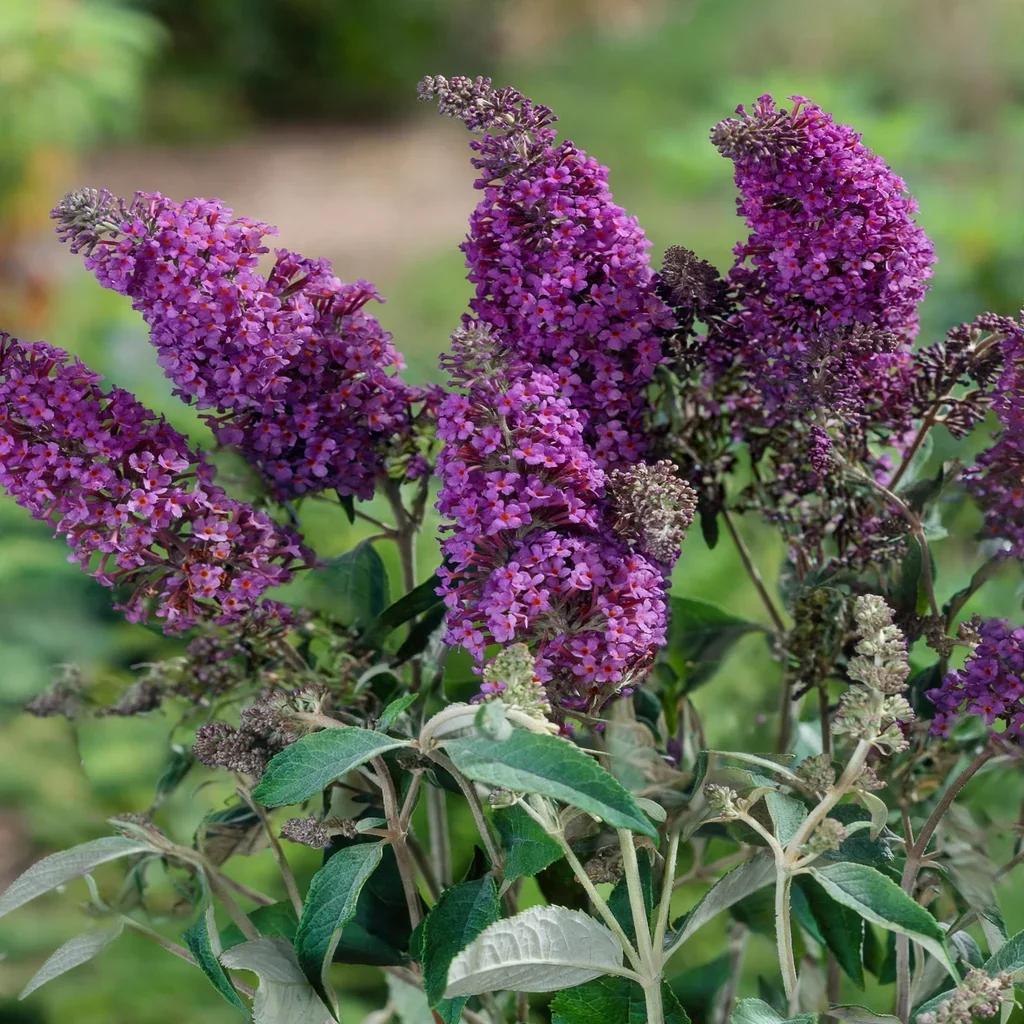 20
20Buddleja
Butterfly Bush
Ranked by its most-saved matching variety; the full catalog includes 83 varieties. Long, fragrant flower panicles become busy landing strips for butterflies.
Zones 5–10All 83 varieties →
About this list
How was this the most popular drought-tolerant plants in zone 10 list ranked?
A plant must first match the catalog filters named in the title. Each genus is represented and ranked by its most-saved matching variety, so genera with many cultivars do not receive an automatic advantage.
Are all of these hardy in Zone 10?
Yes — every plant on this list is rated for Zone 10. Plants that could not survive a Zone 10 winter were excluded before ranking.
Do drought-tolerant plants need any watering?
Yes — in their first season. Water deeply and infrequently while roots establish; most reach true drought tolerance in their second year.
Track these in your garden
Save the ones you plant and get care reminders timed to Zone 10.
Keep exploring
More popularity lists
- Most Popular Perennials for Shade
- Most Popular Deer-Resistant Perennials
- Most Popular Plants Tagged for Pollinators
- Most Popular Drought-Tolerant Plants
- Most Popular Flowering Shrubs
- Most Popular Groundcovers for Shade
- Most Popular Privacy Shrubs and Screening Plants
- Most Popular North American Native Perennials