Texas
Native plants in Fort Worth
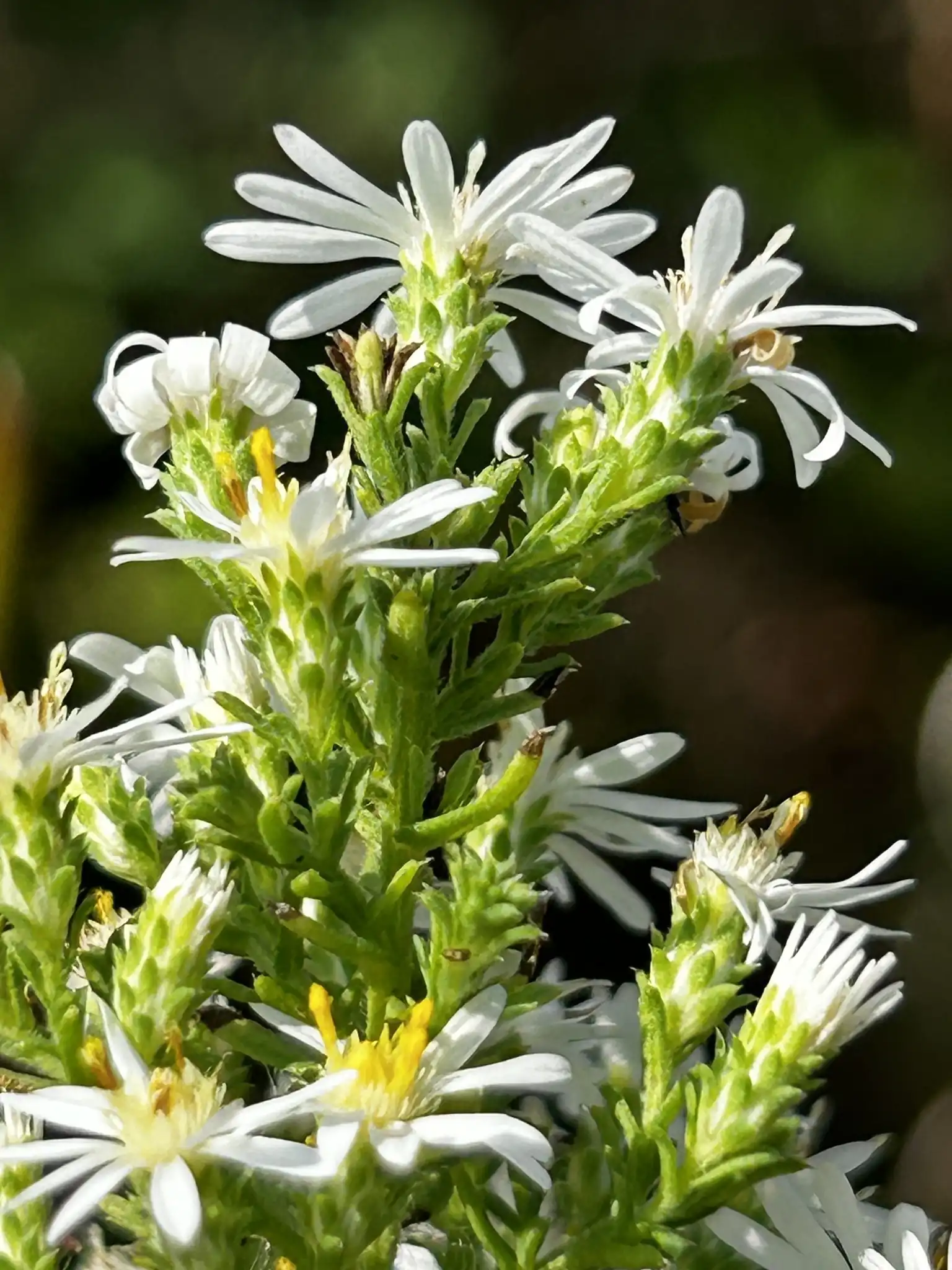
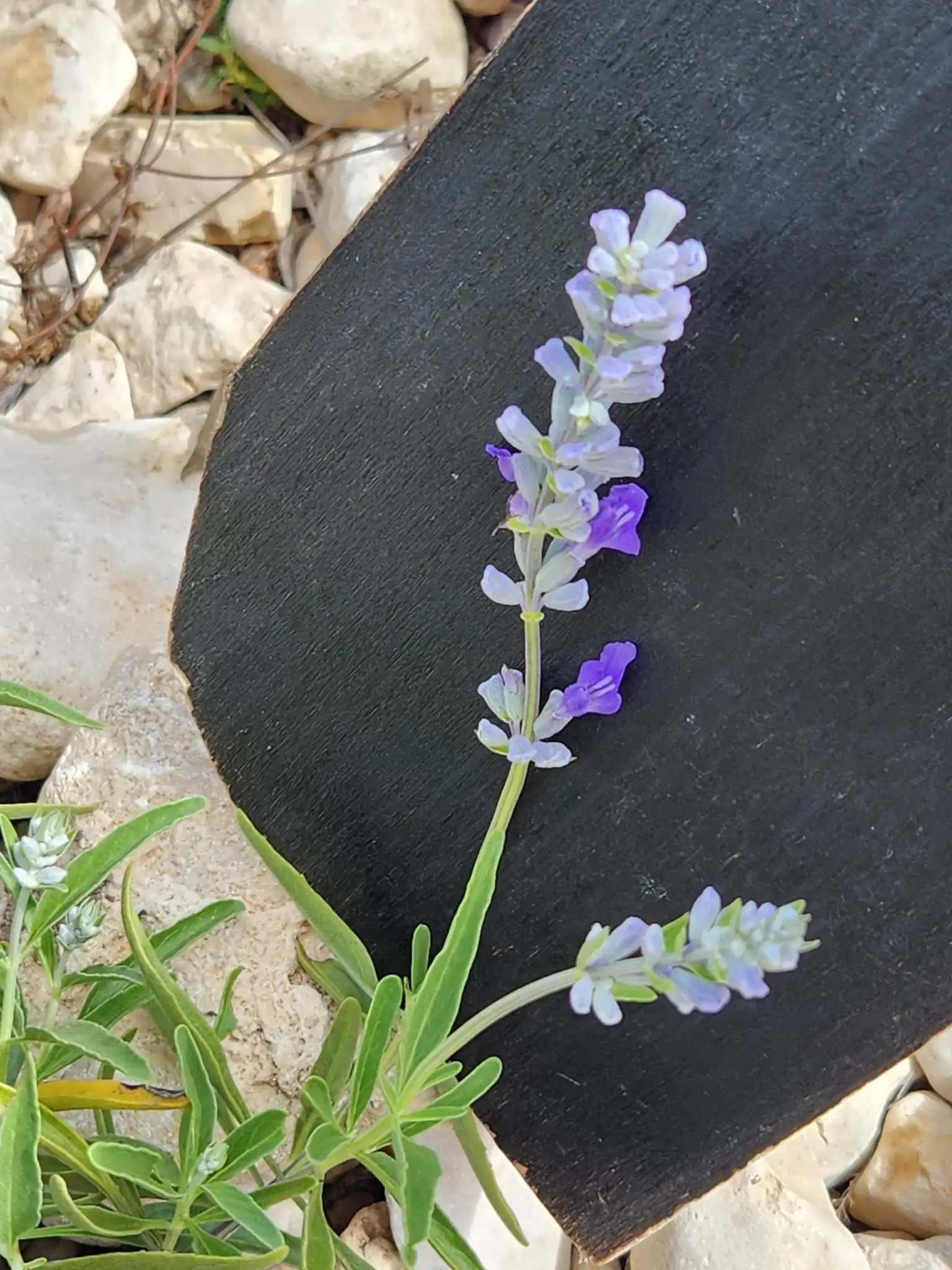
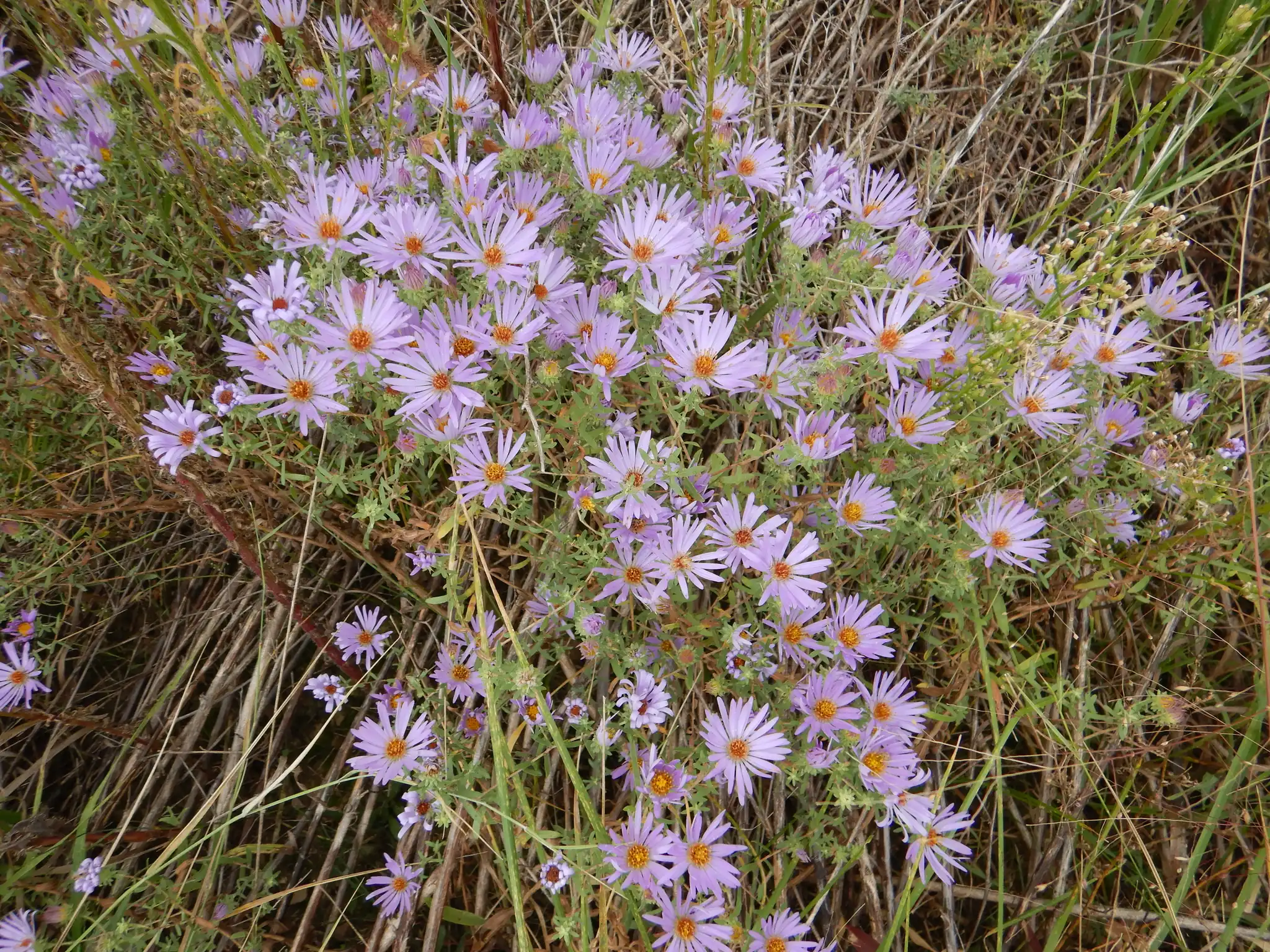
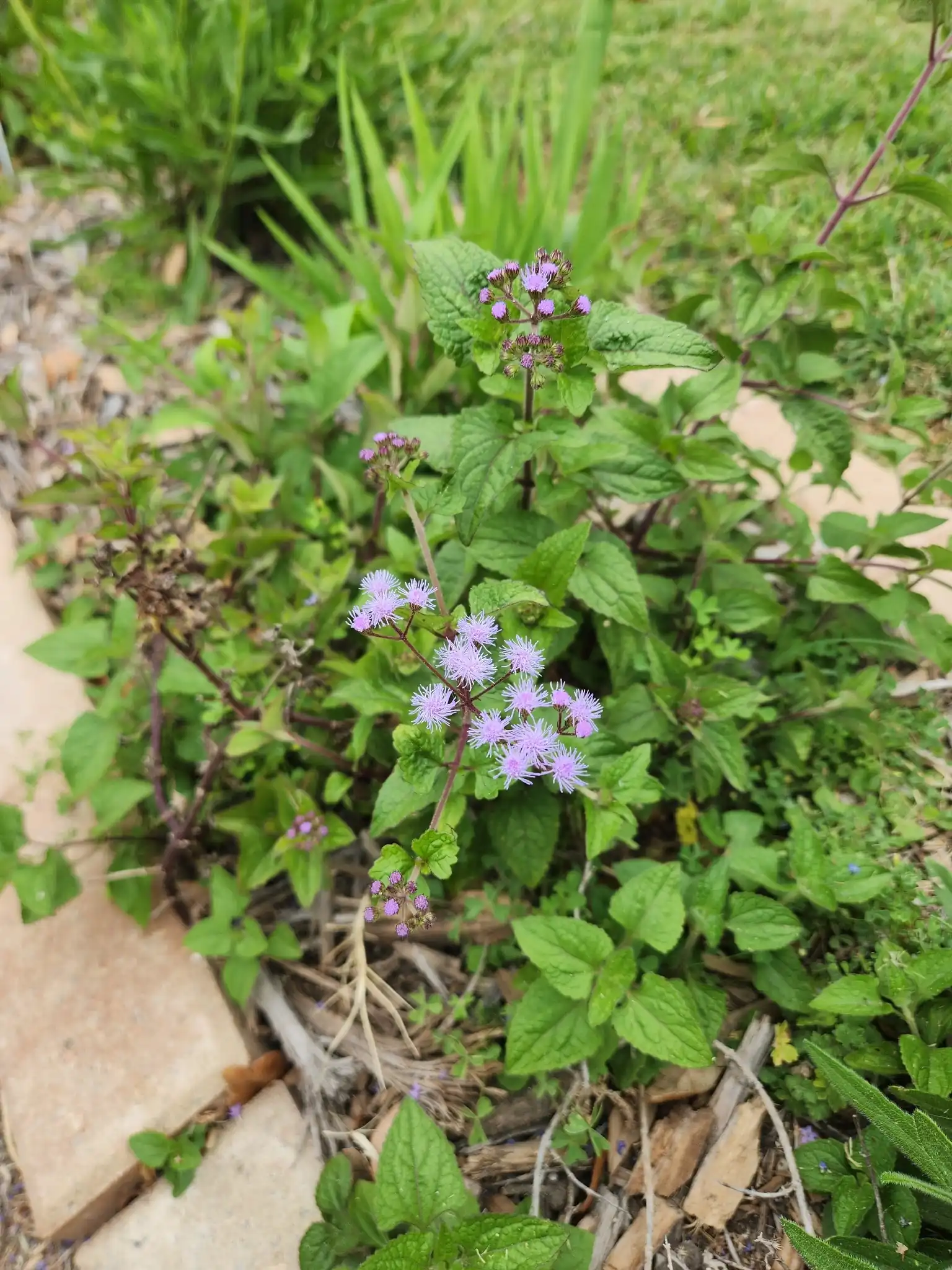
214 plants native to this area with Sow catalog pages.
58 of them need no watering beyond Fort Worth’s own rainfall
Yard rebates in Fort Worth
1 program from the city, the county or local utilities pay residents for yard projects, plus 2 statewide. 1 ask for a plan or plant list before they approve a project.
- Open
Fort Worth Water Free Residential Irrigation Evaluation
Fort Worth Water Department
Free evaluation, one per eligible residential customer (no repairs paid)
- OpenPlan required
Texas A&M Forest Service Invasive Plant Solutions (TIPS) Cost-Share
Texas A&M Forest Service
75% of treatment/removal costs, up to $7,000 per landowner
Up to $7,000 per household
- Open
Texas Comptroller Sales Tax Exemption for Rainwater and Water-Saving Equipment
Texas Comptroller of Public Accounts
State sales tax exempt on qualifying purchases (8.25% max combined rate would otherwise apply; exemption covers the state portion, see notes)
Showing 214 plants
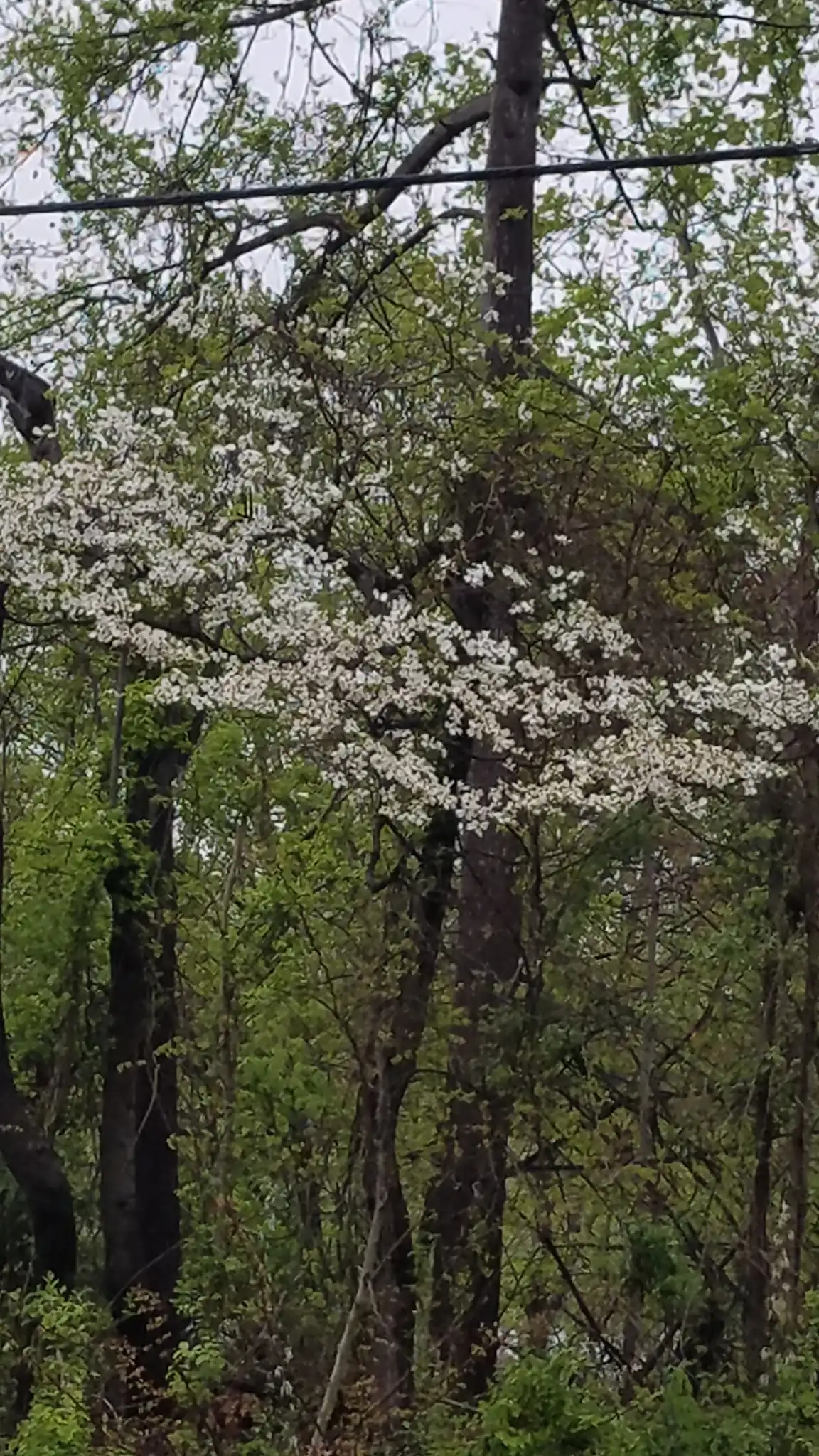
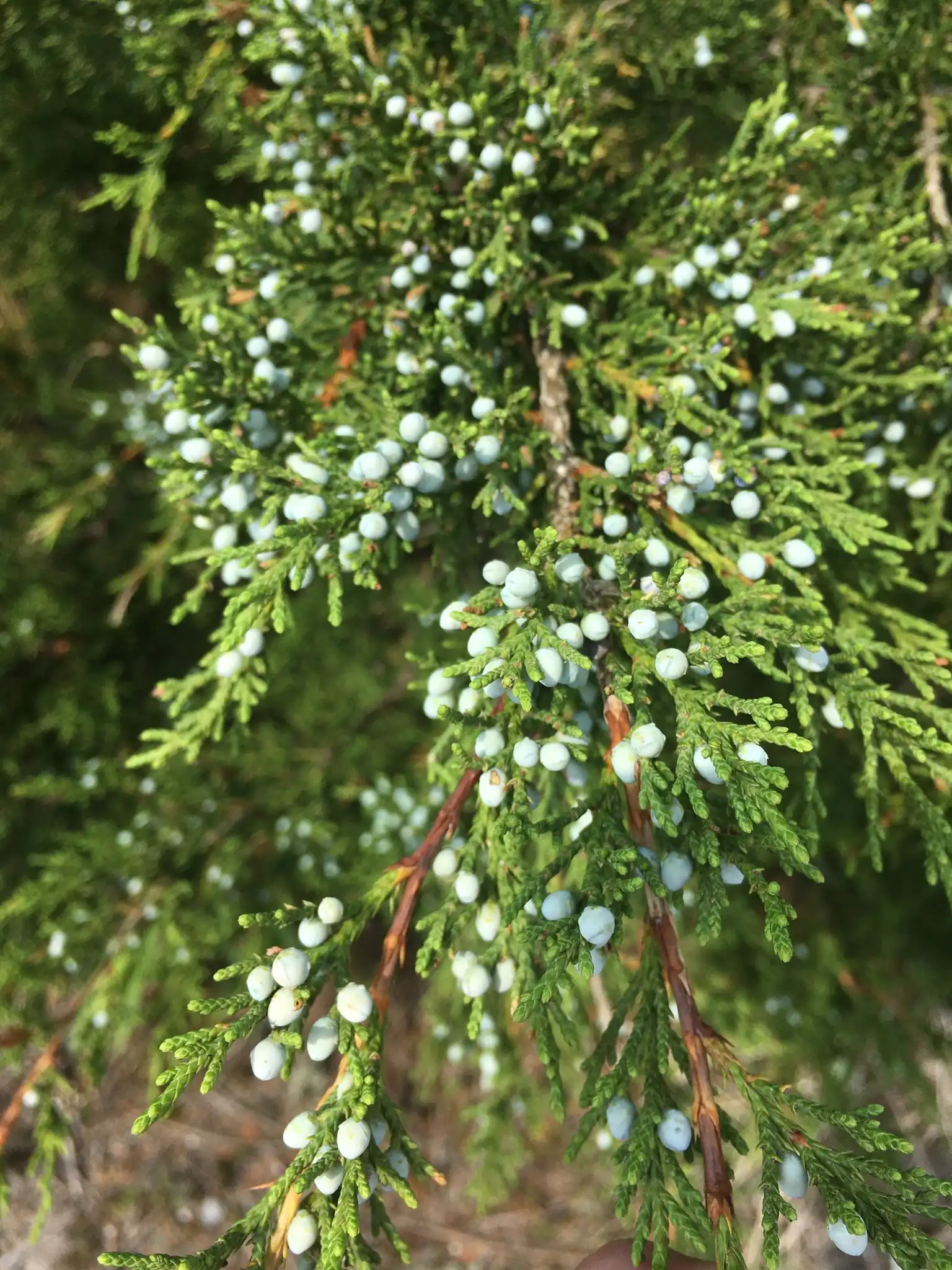
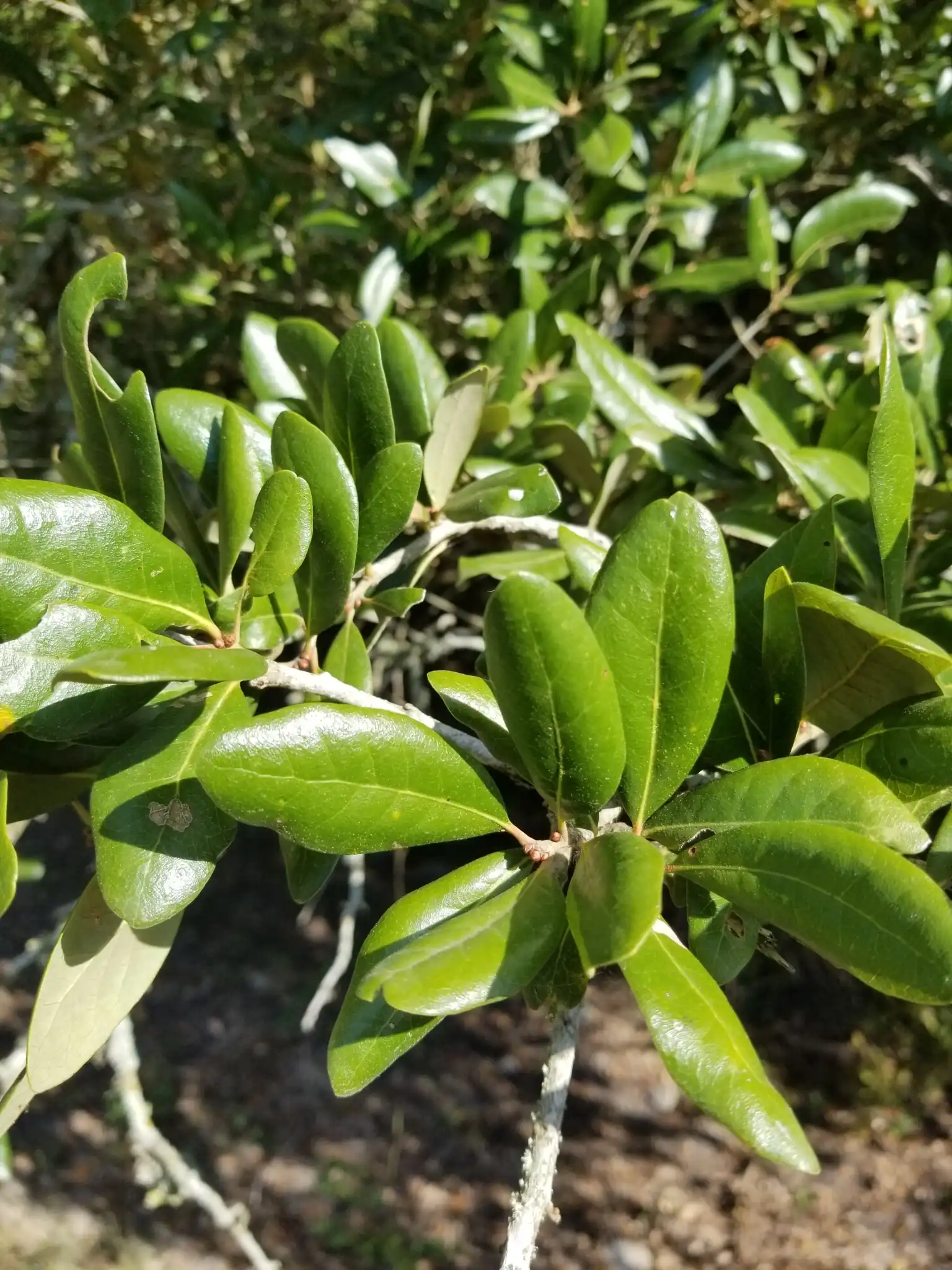
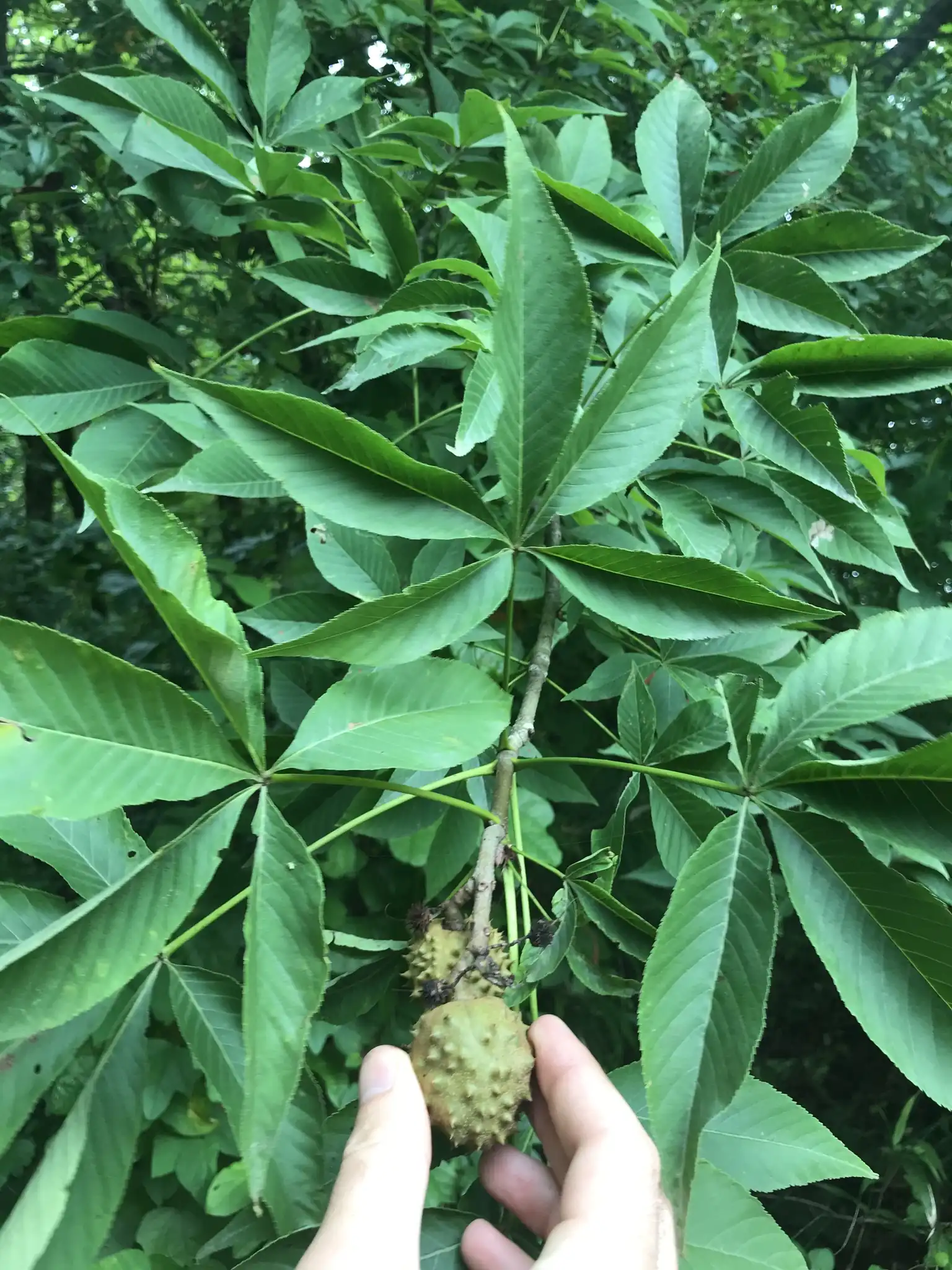
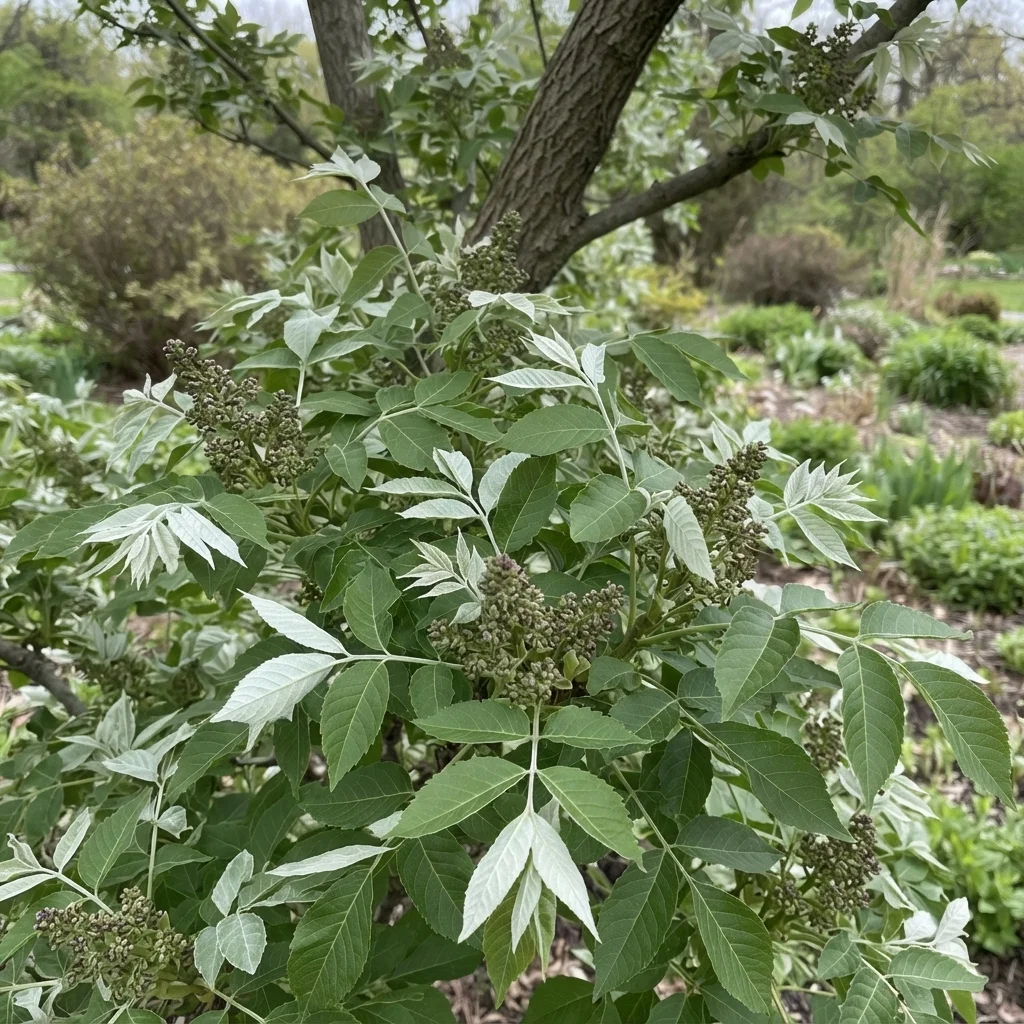
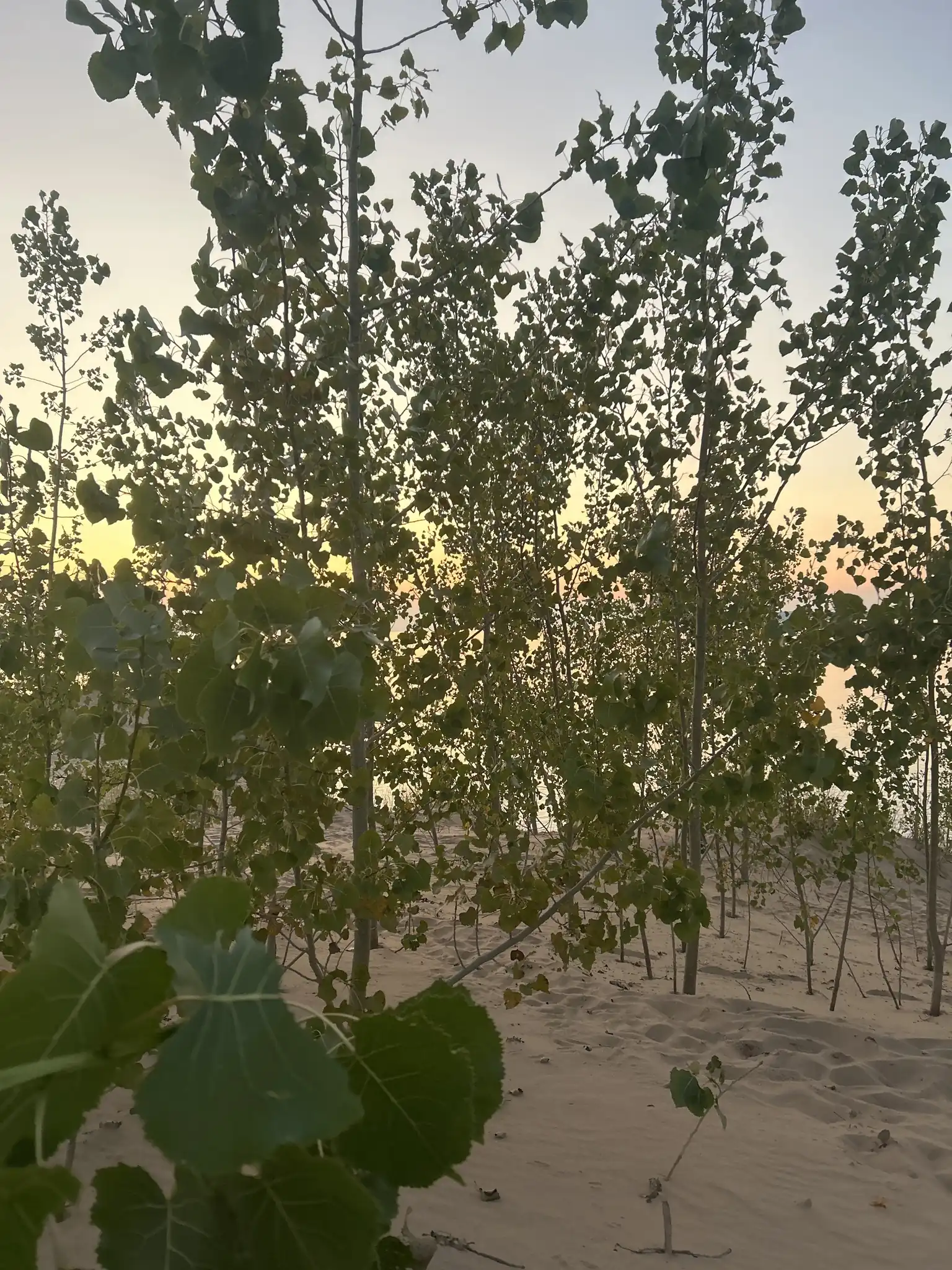
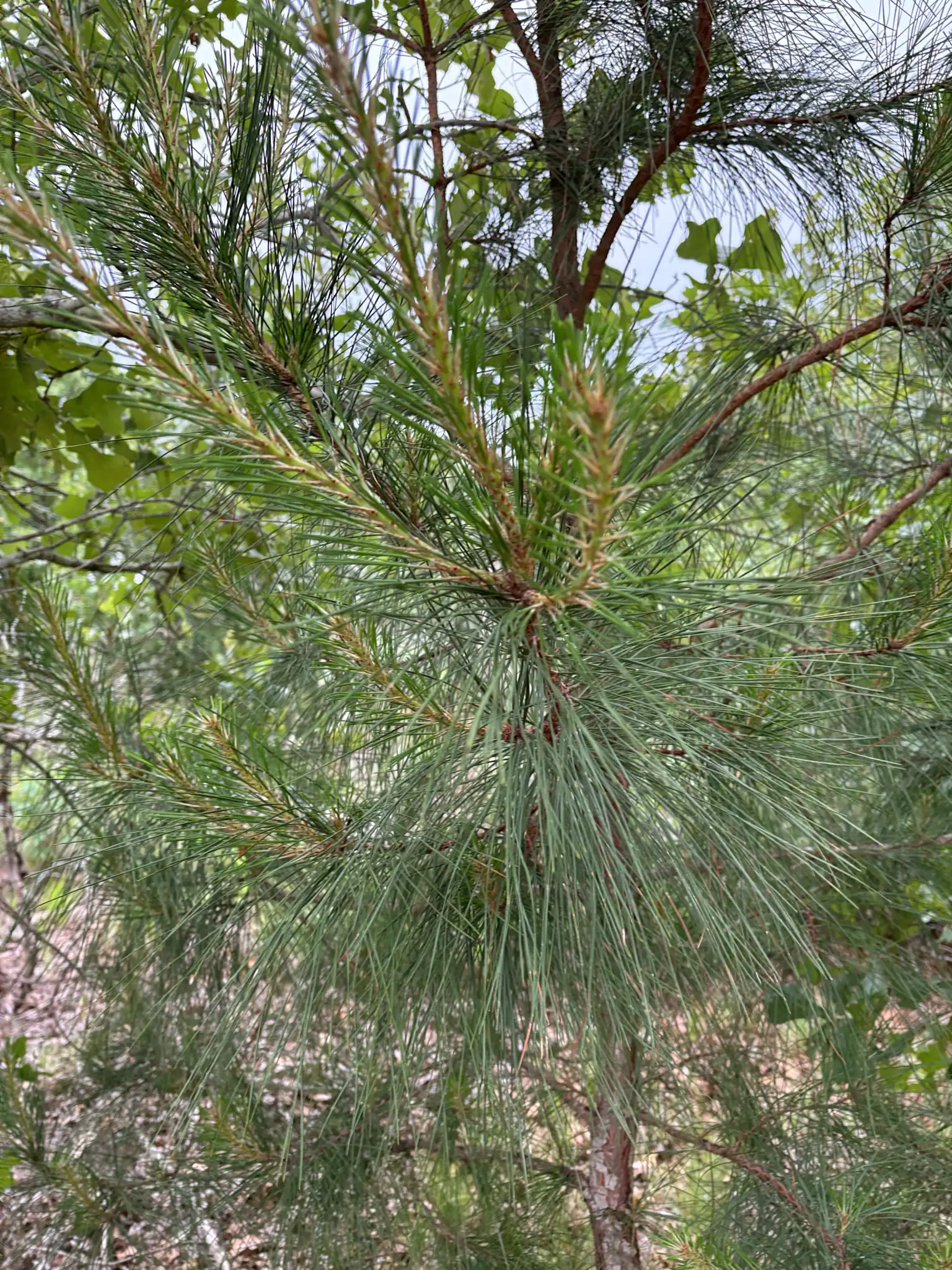
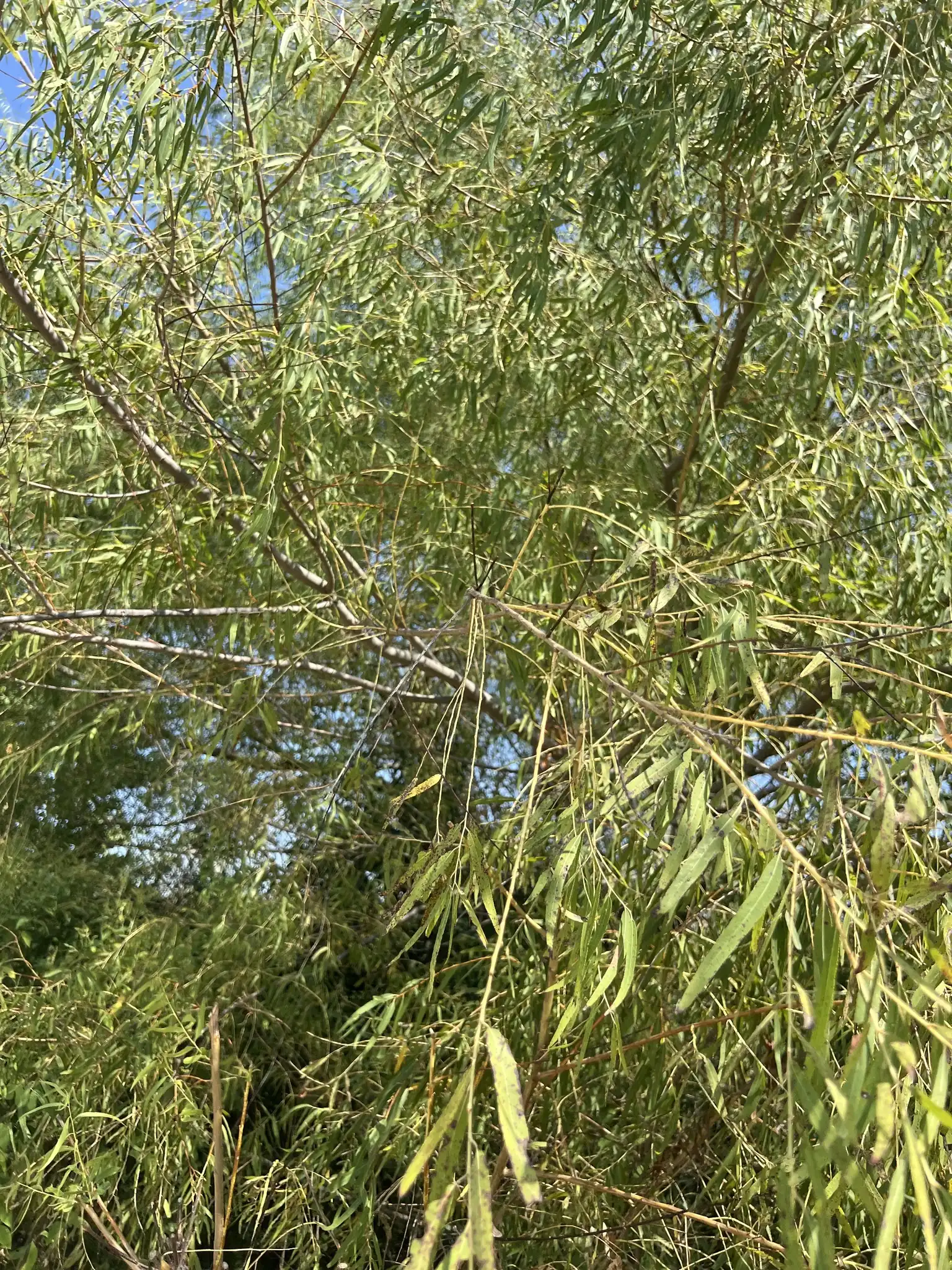
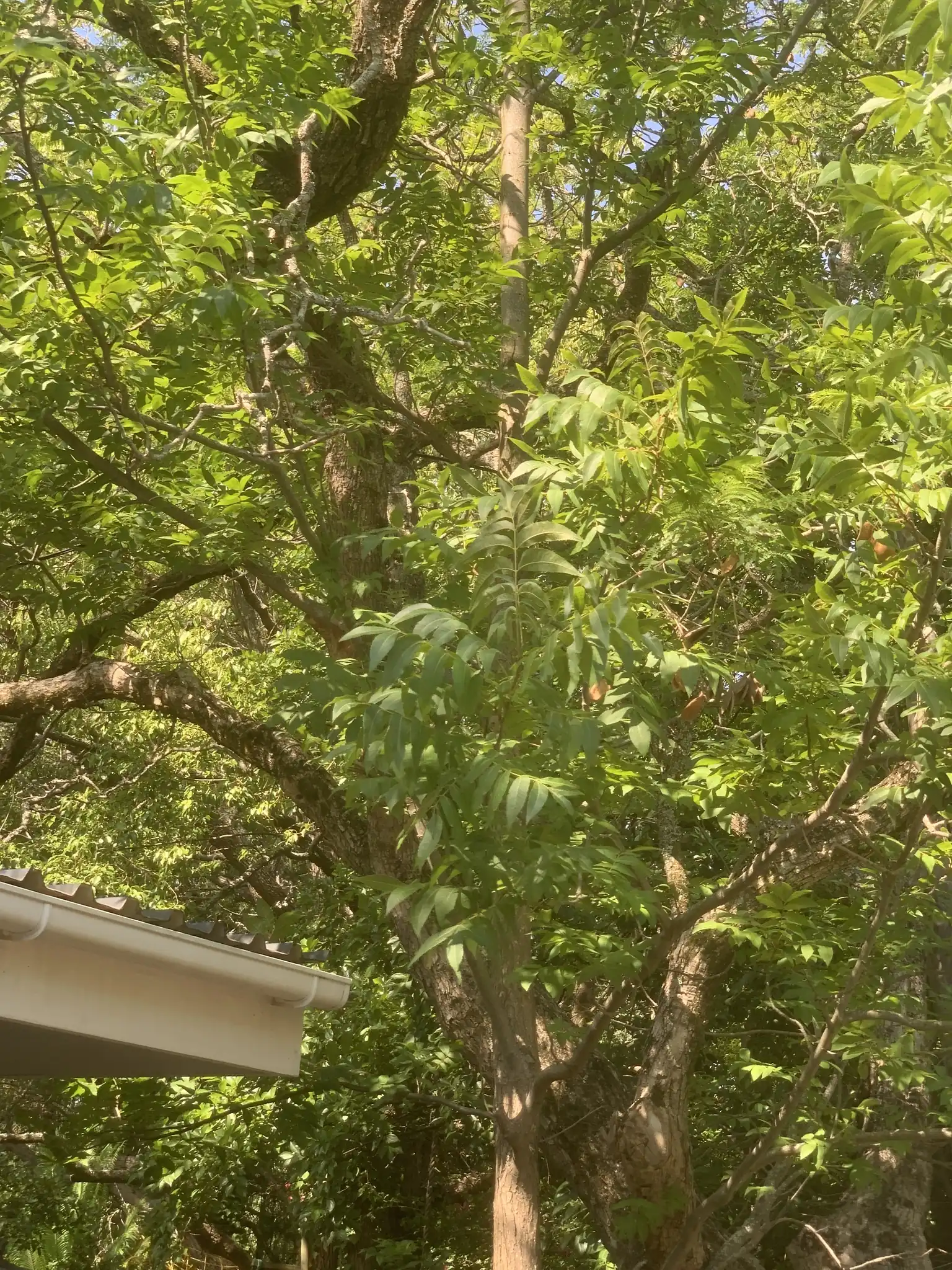
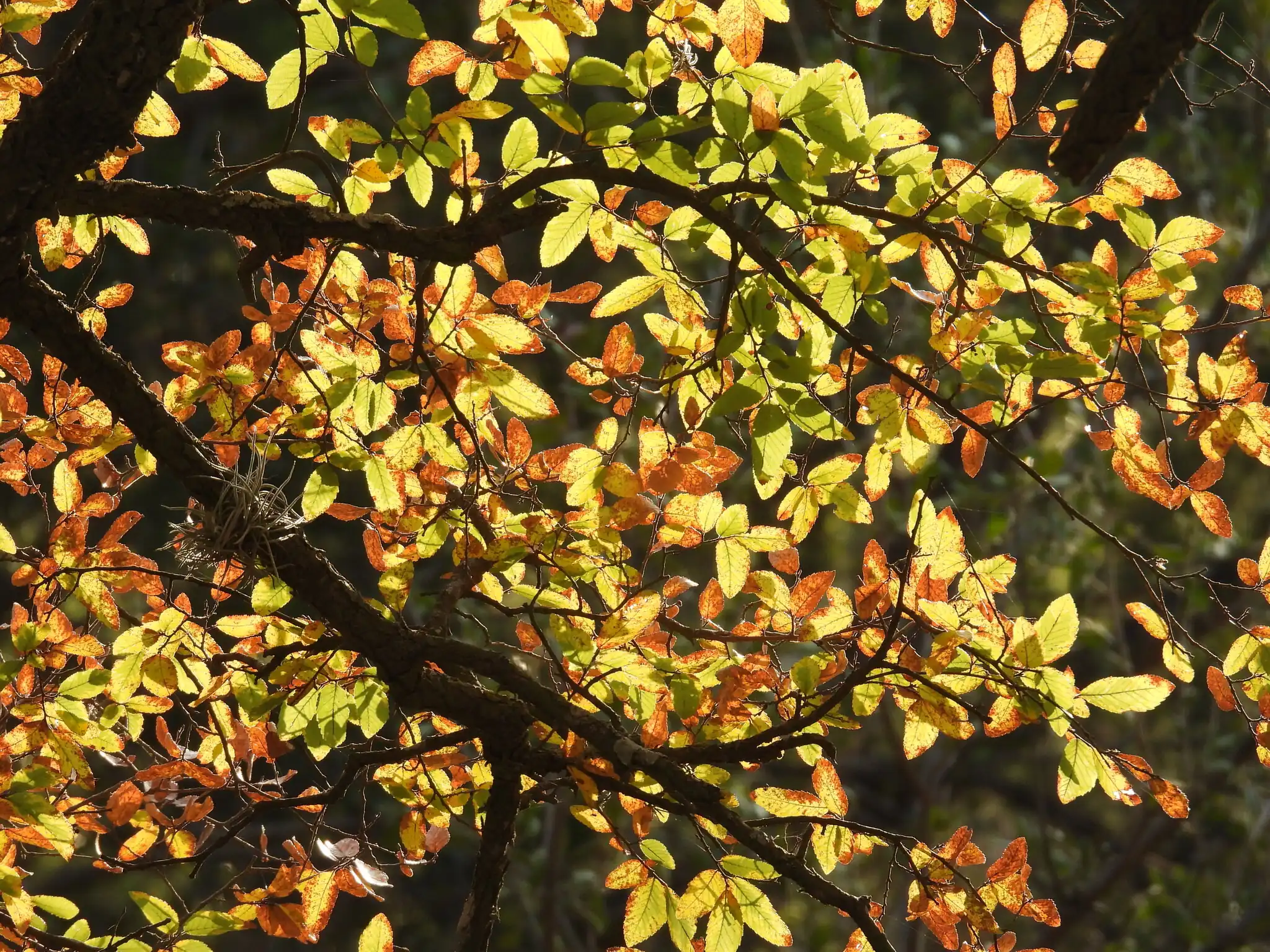
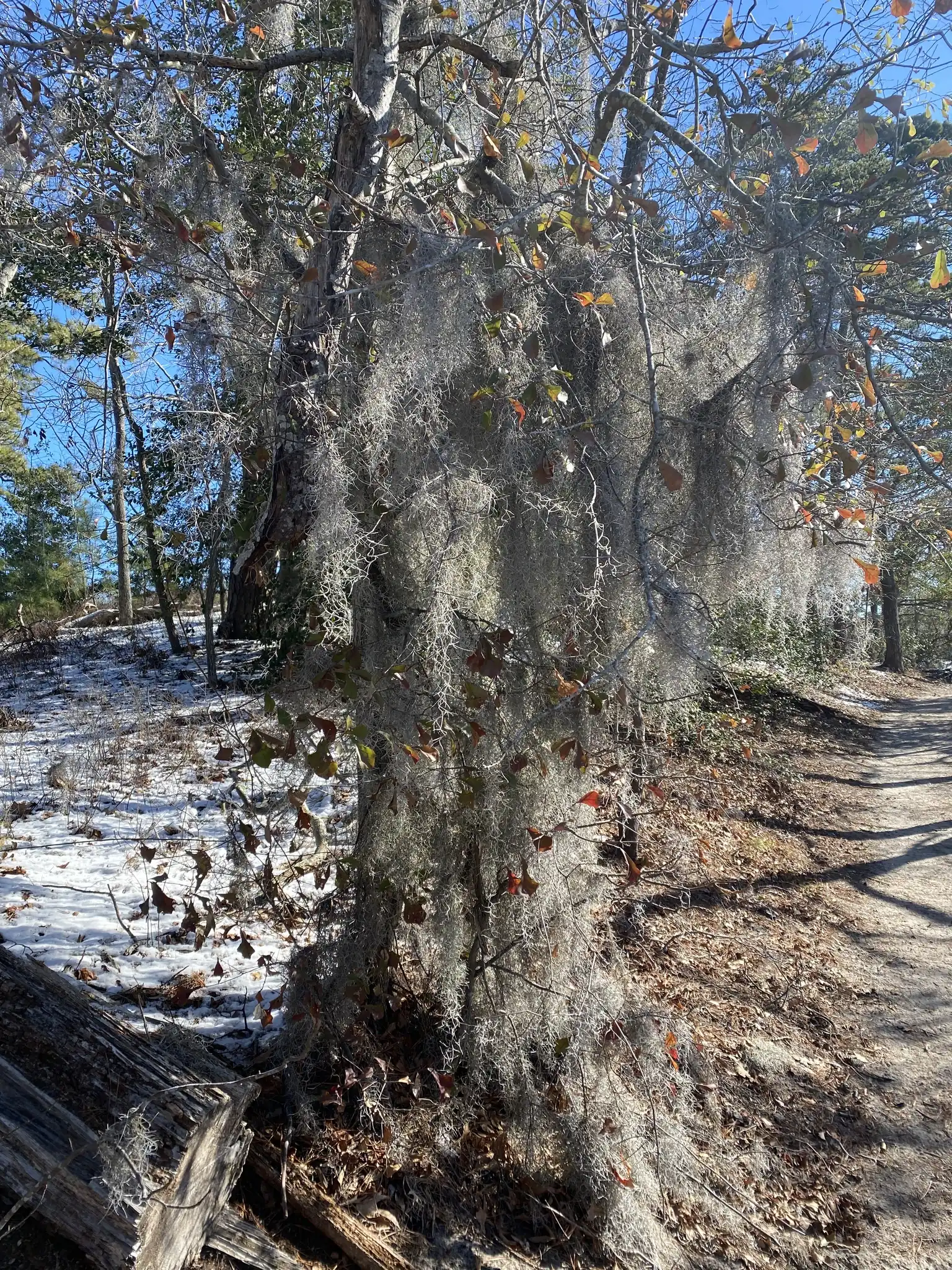
Trees35
Canopy and structure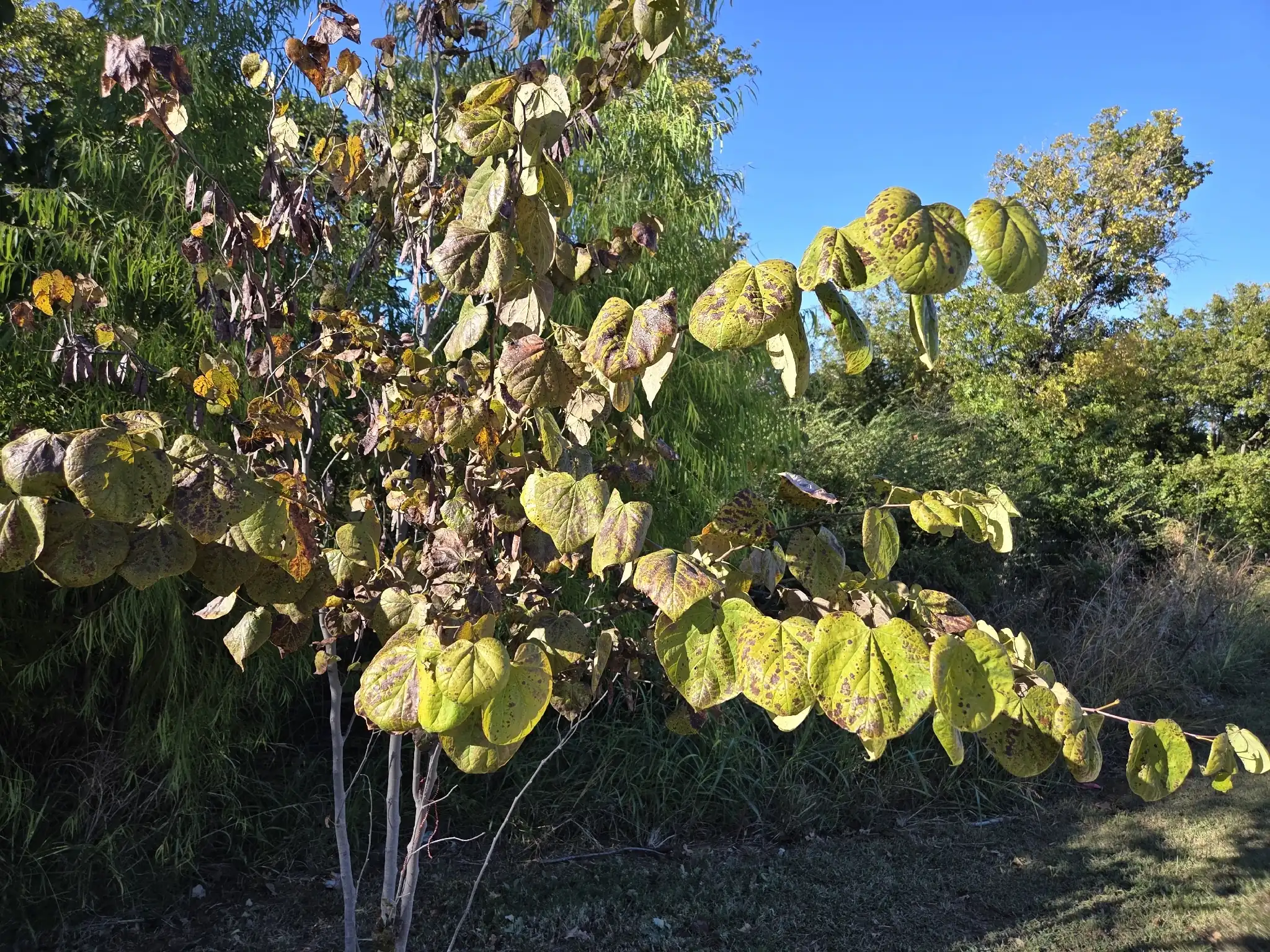
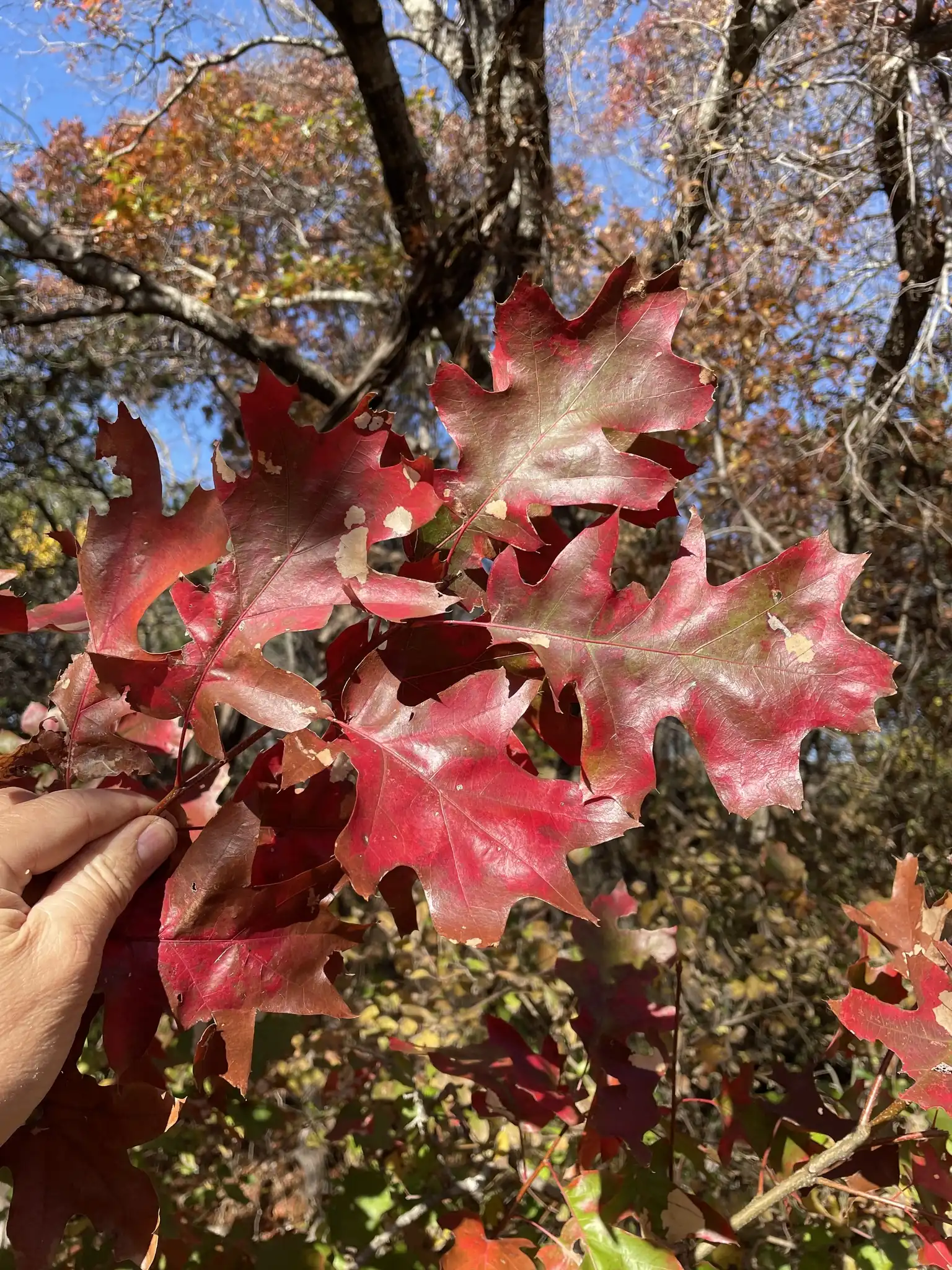
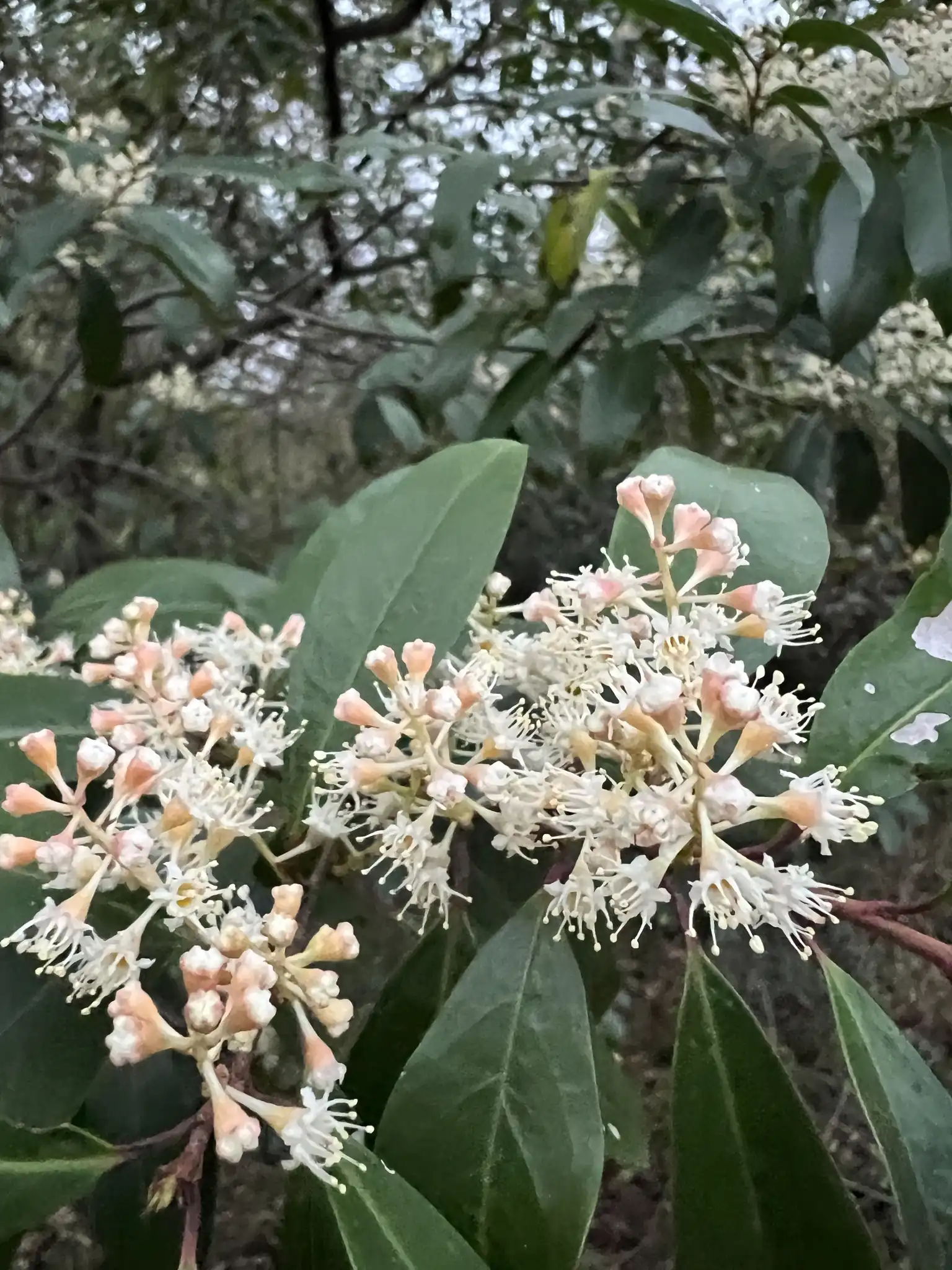
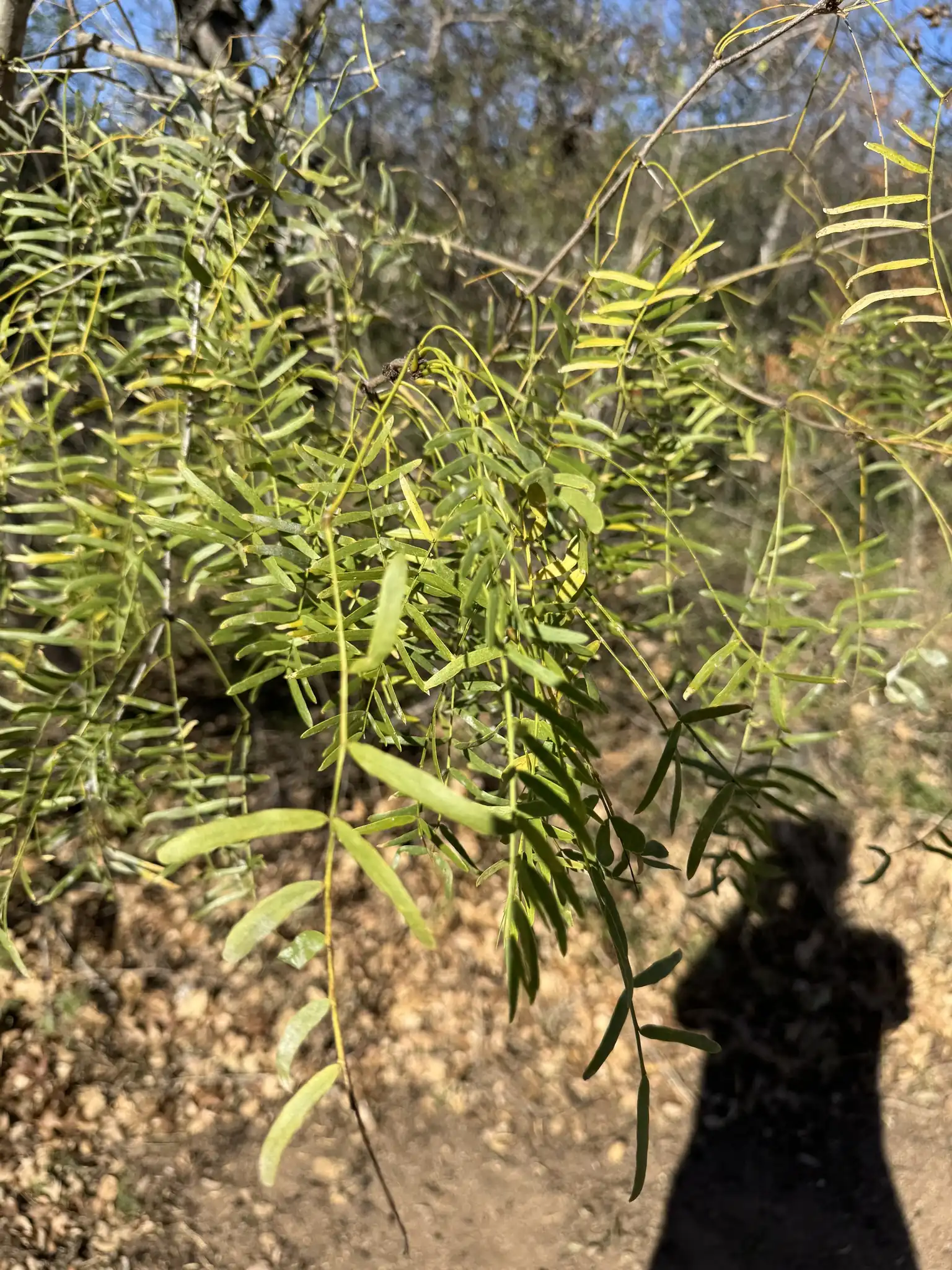
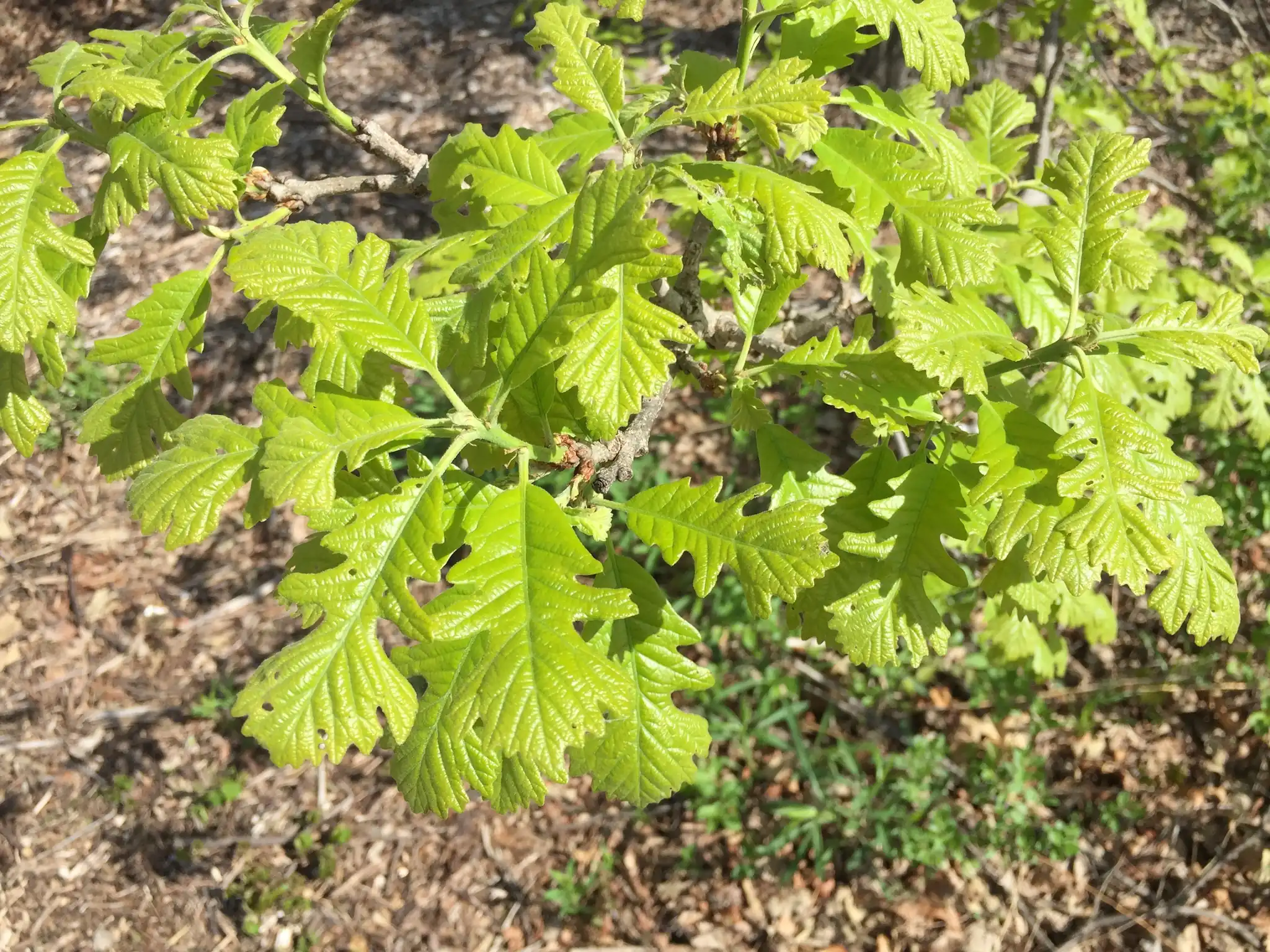
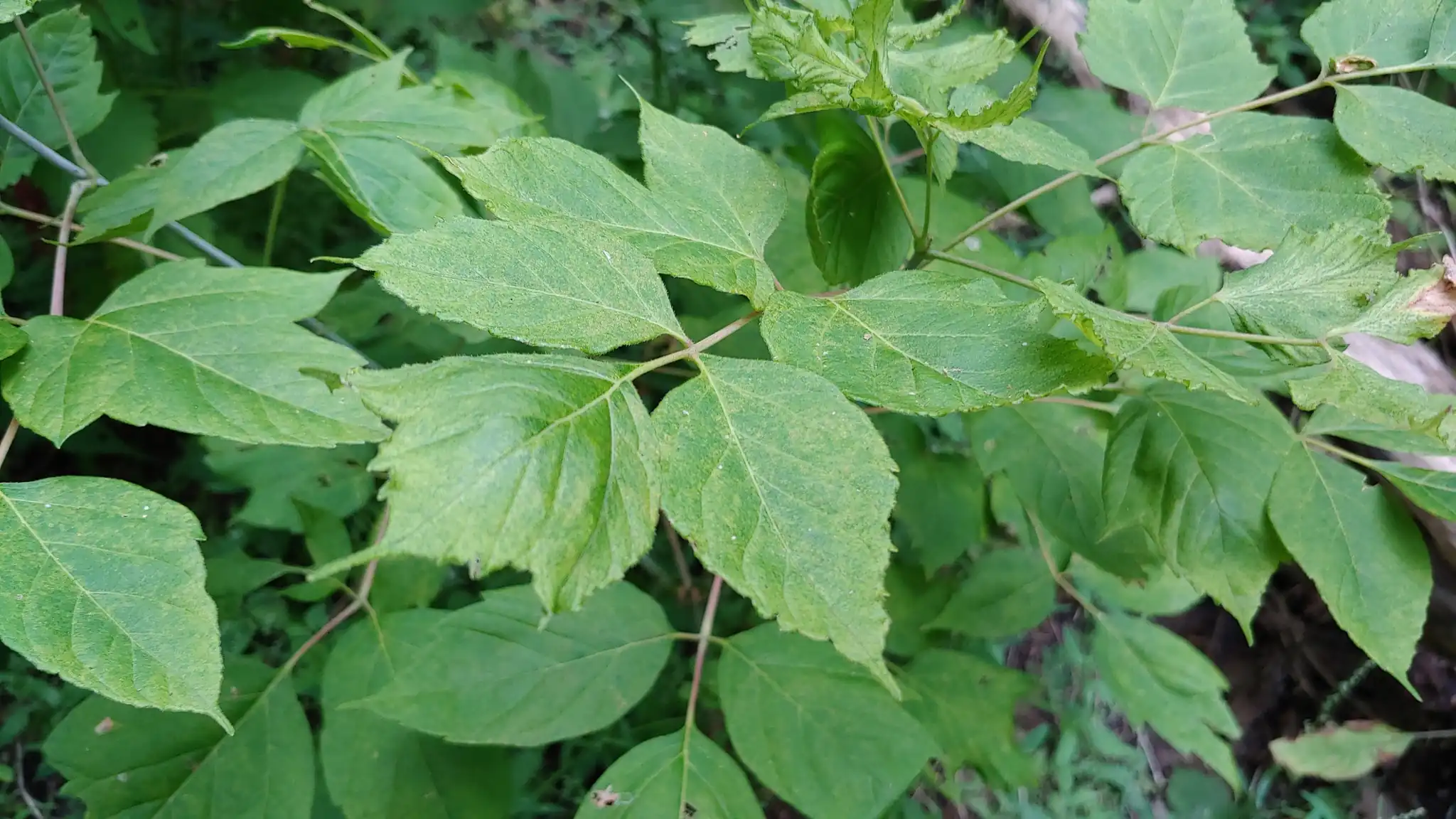
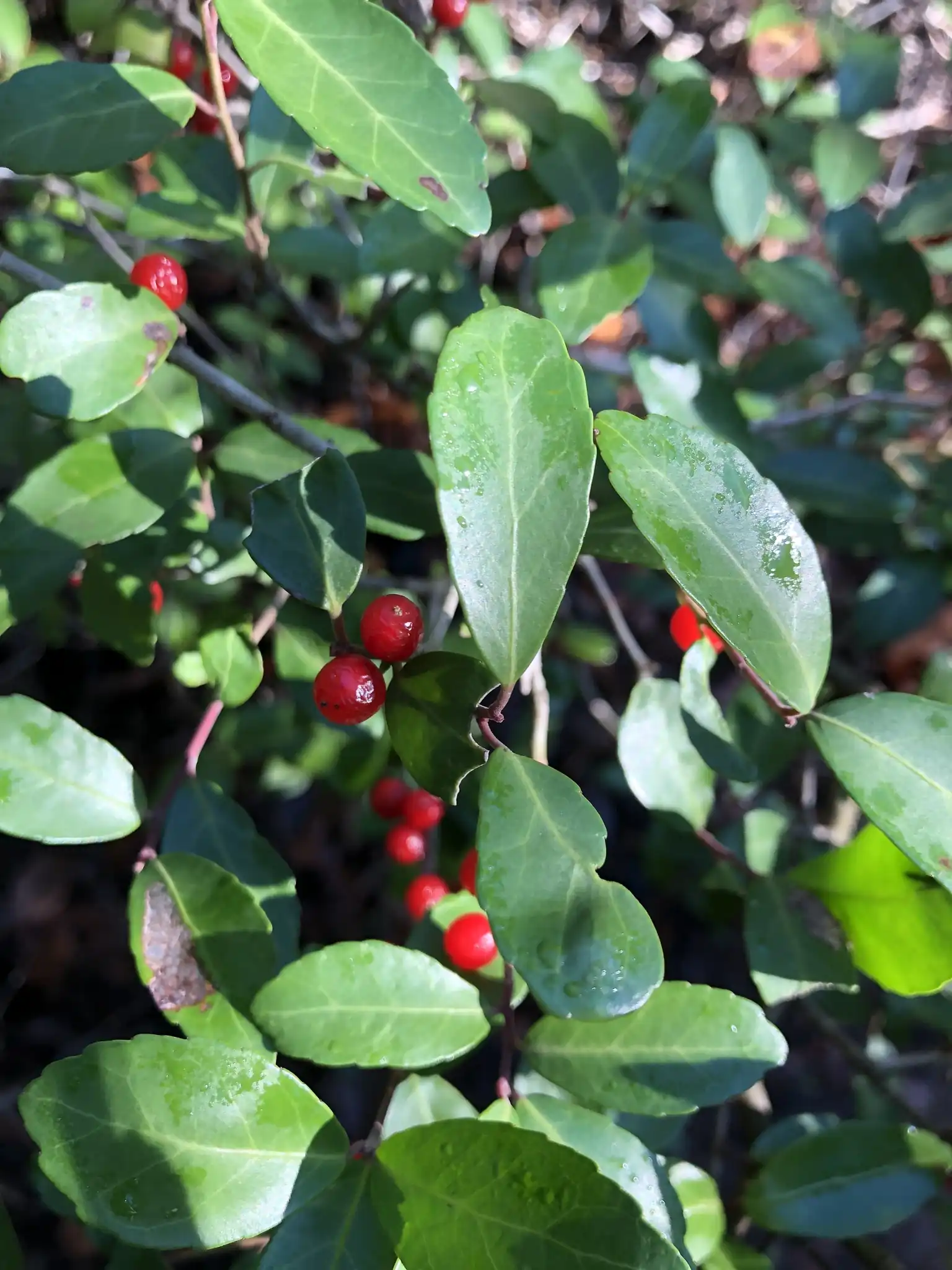
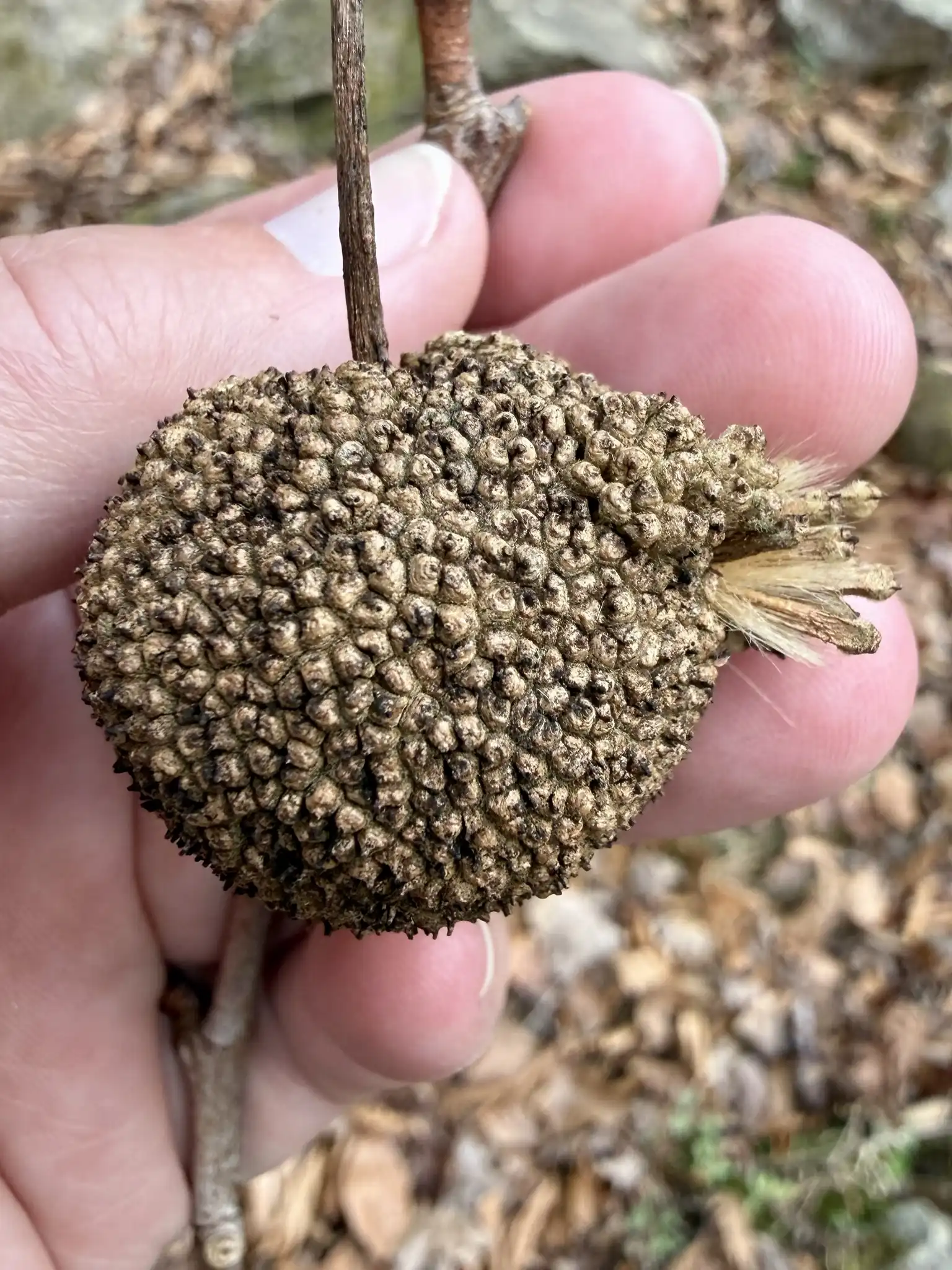
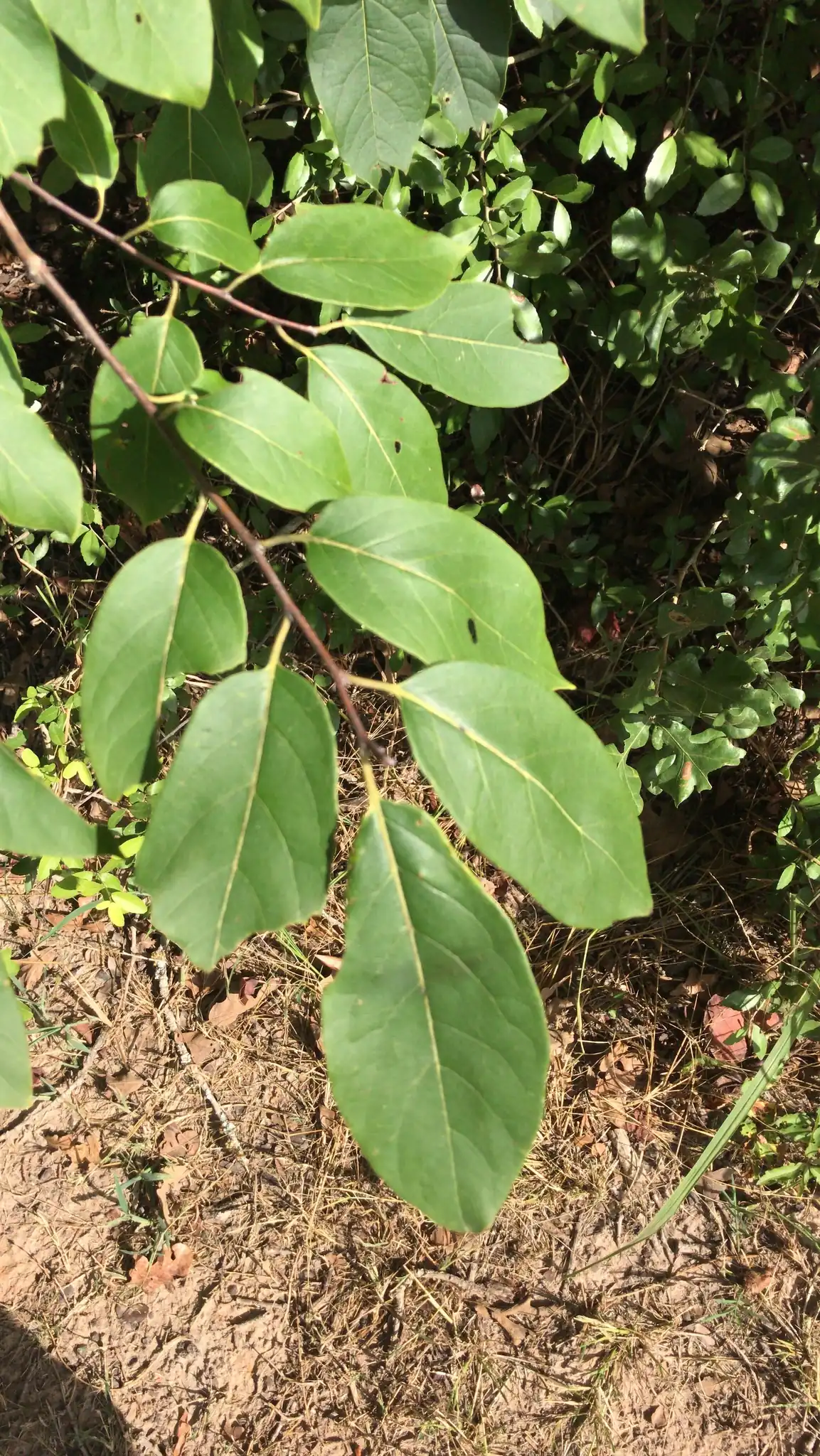
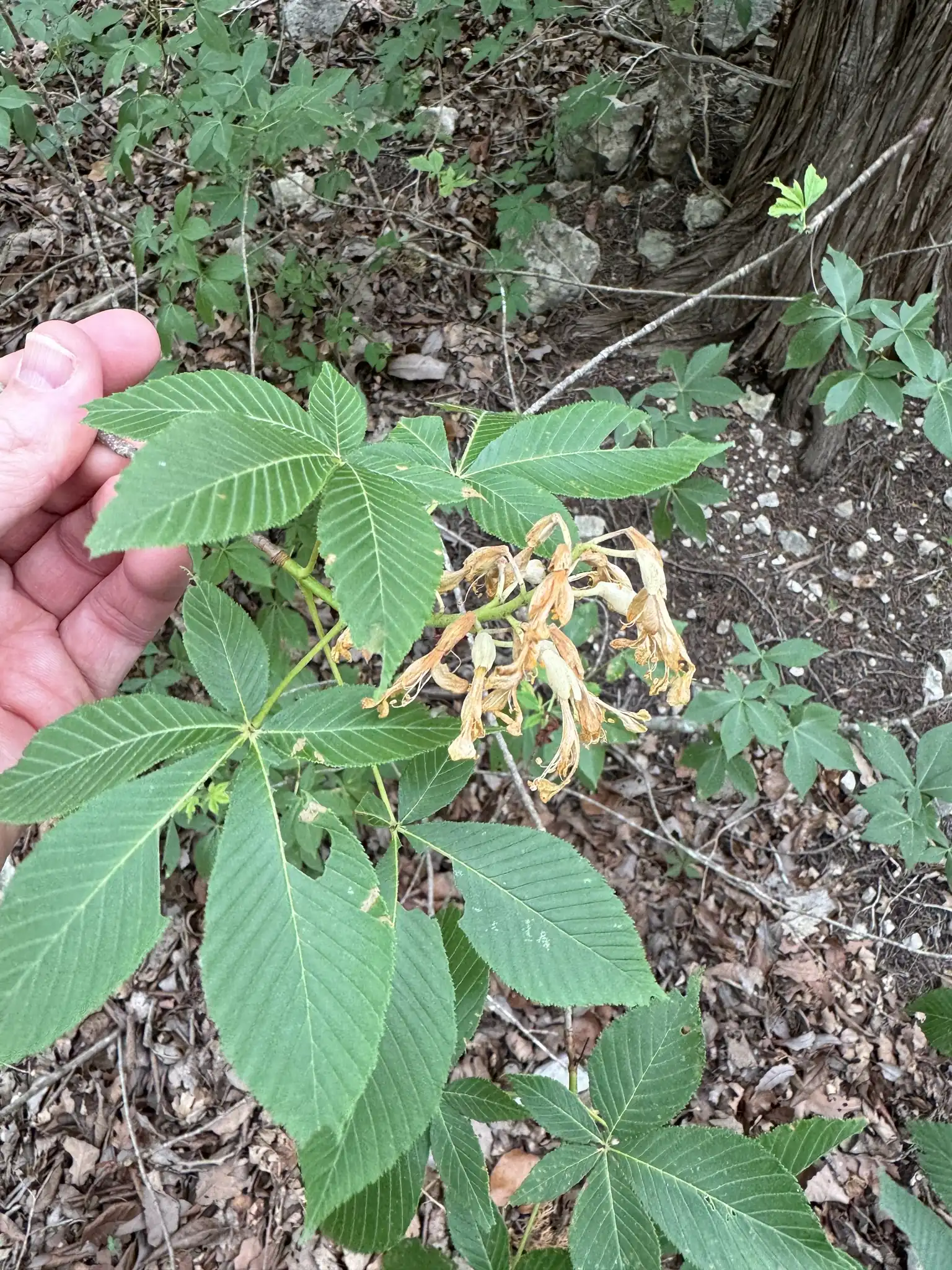
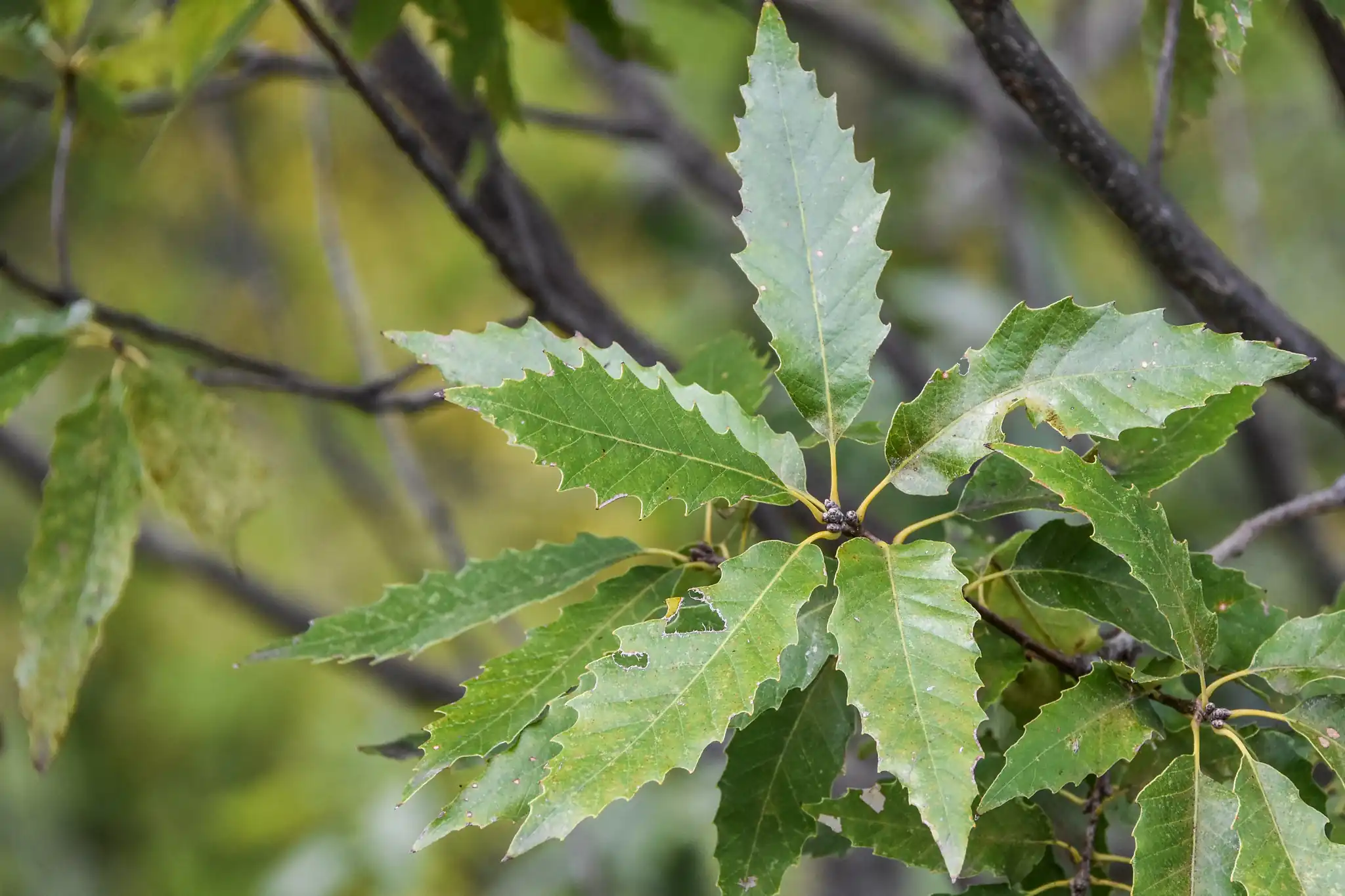
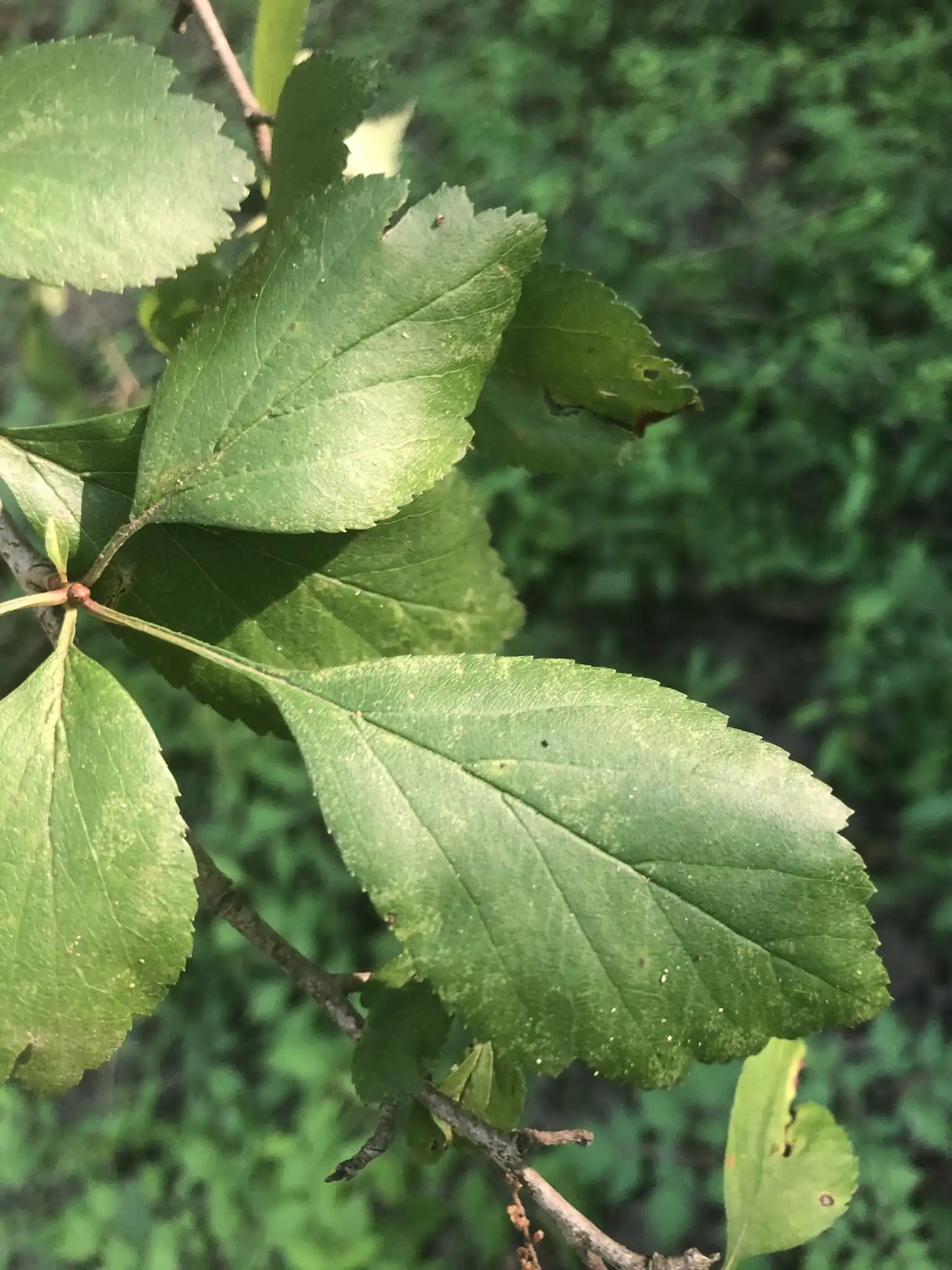
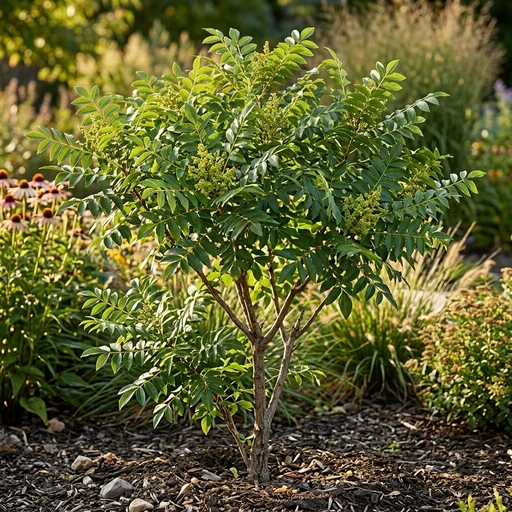
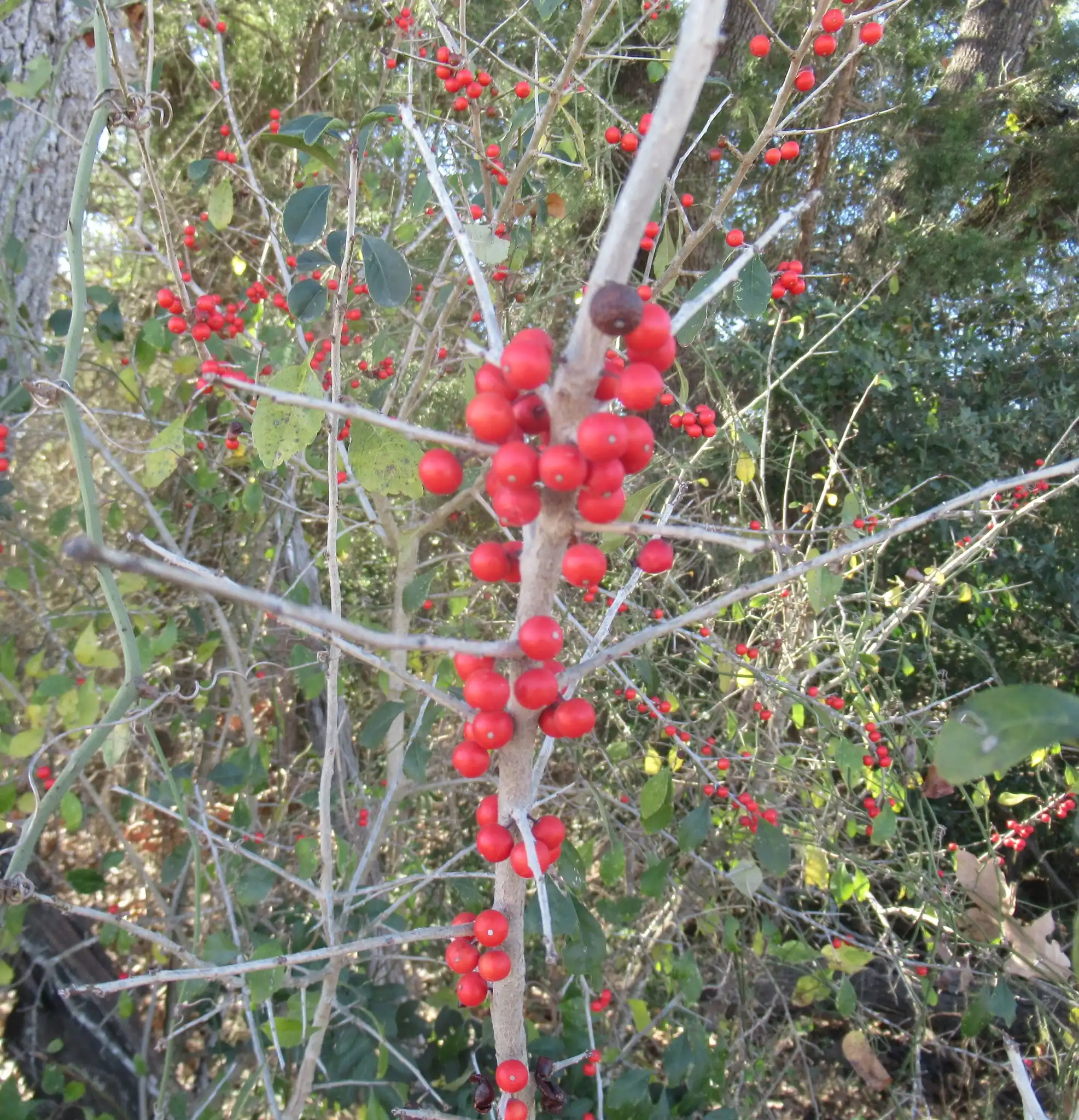
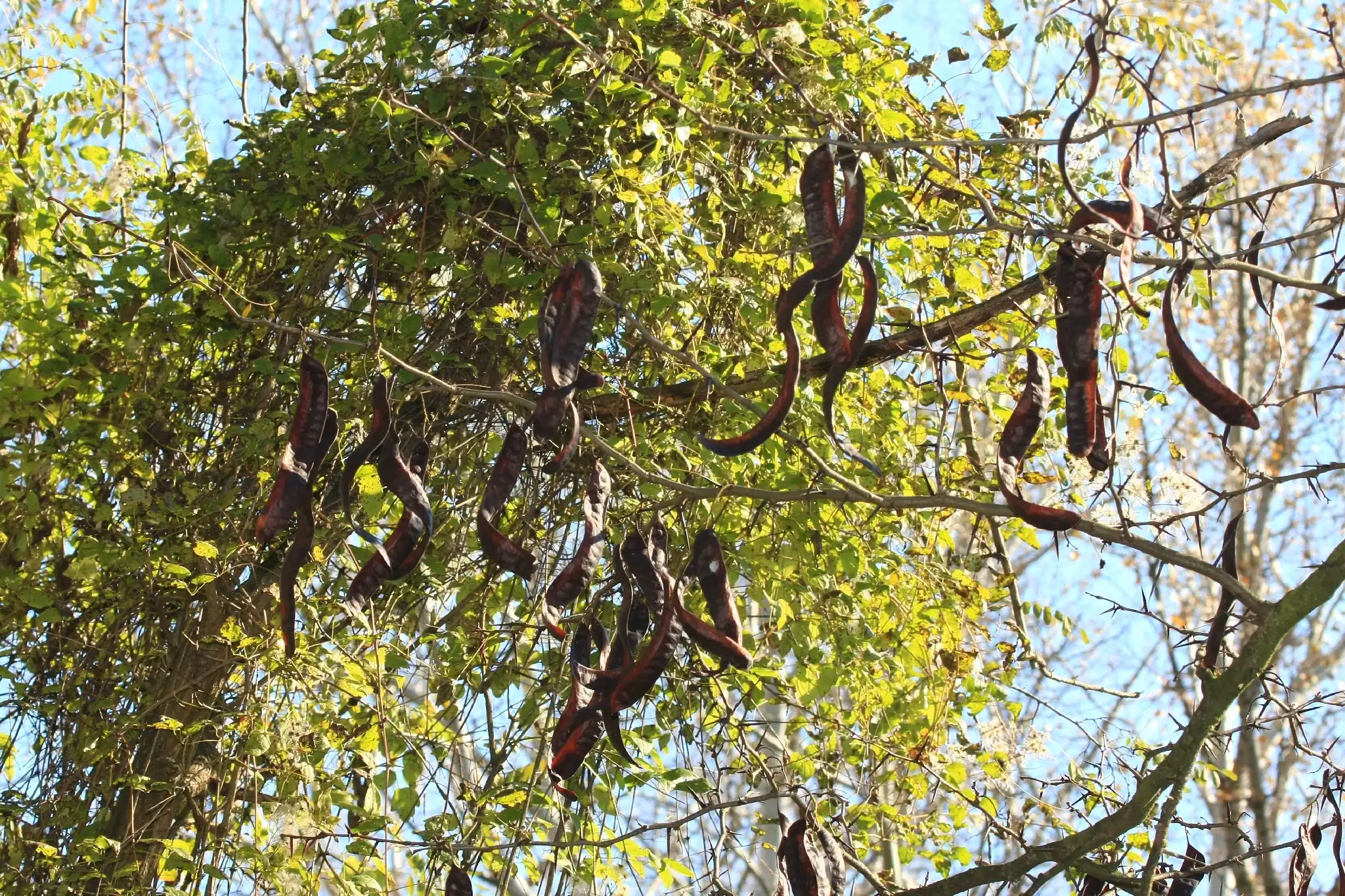
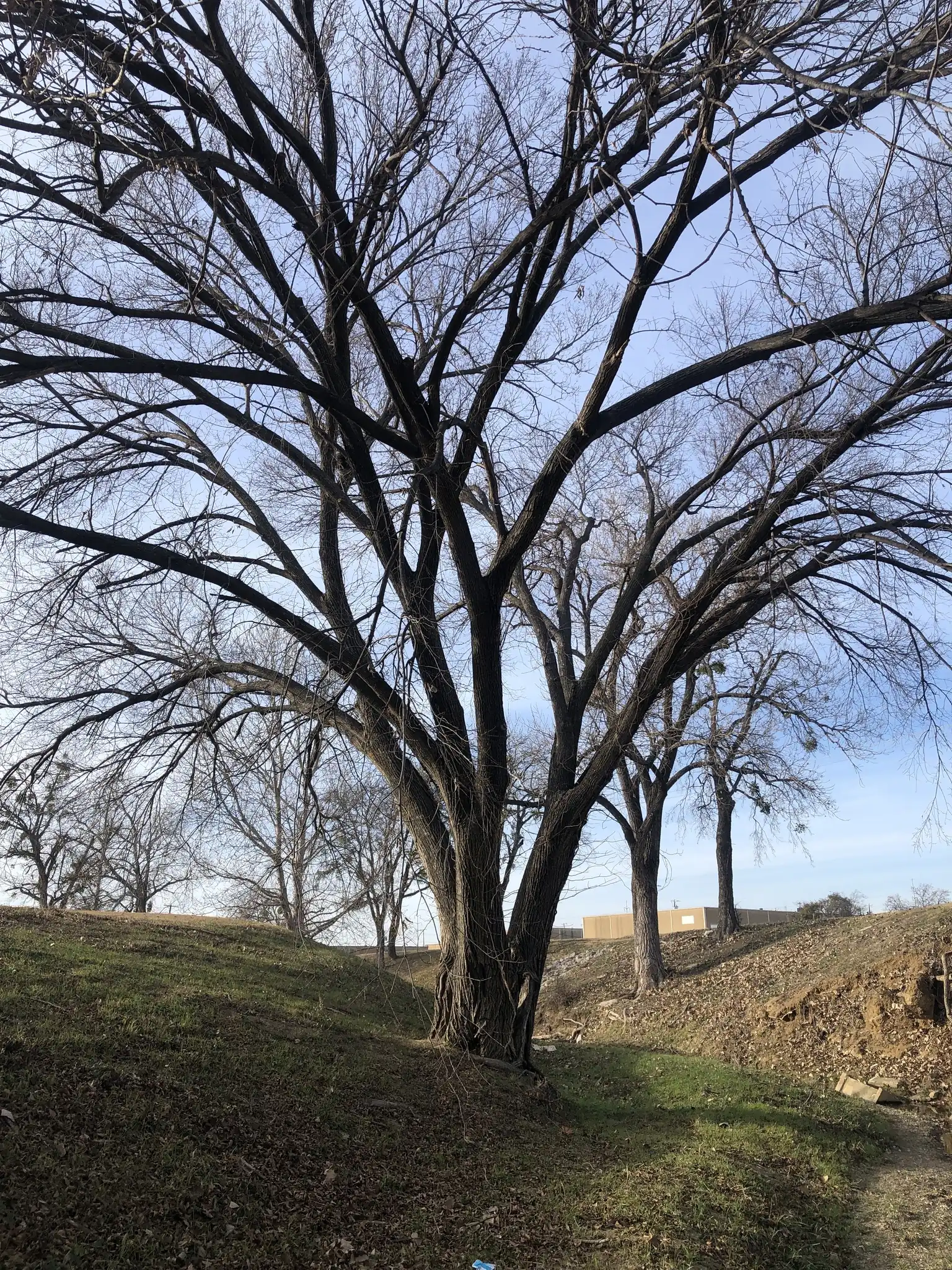
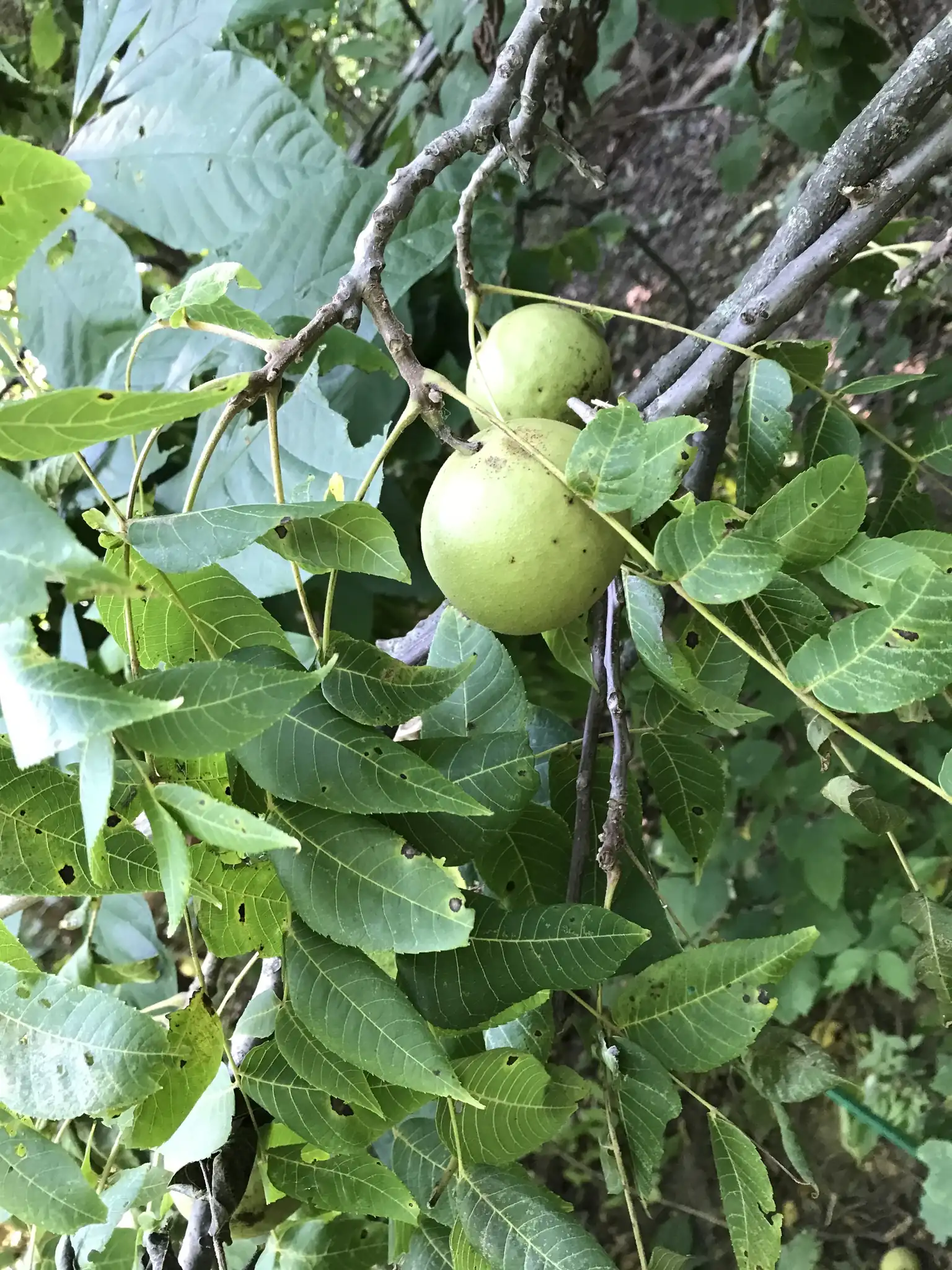
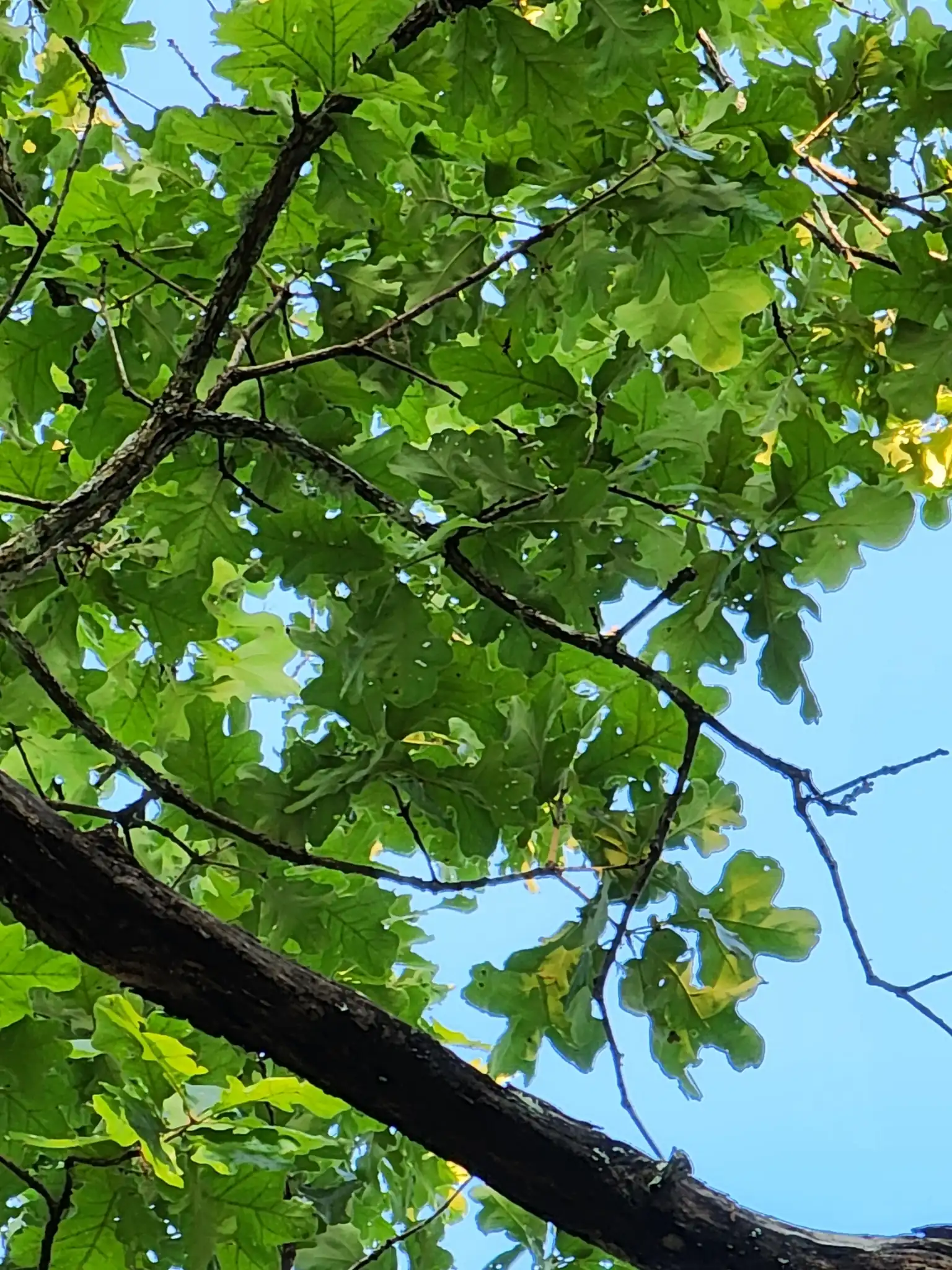
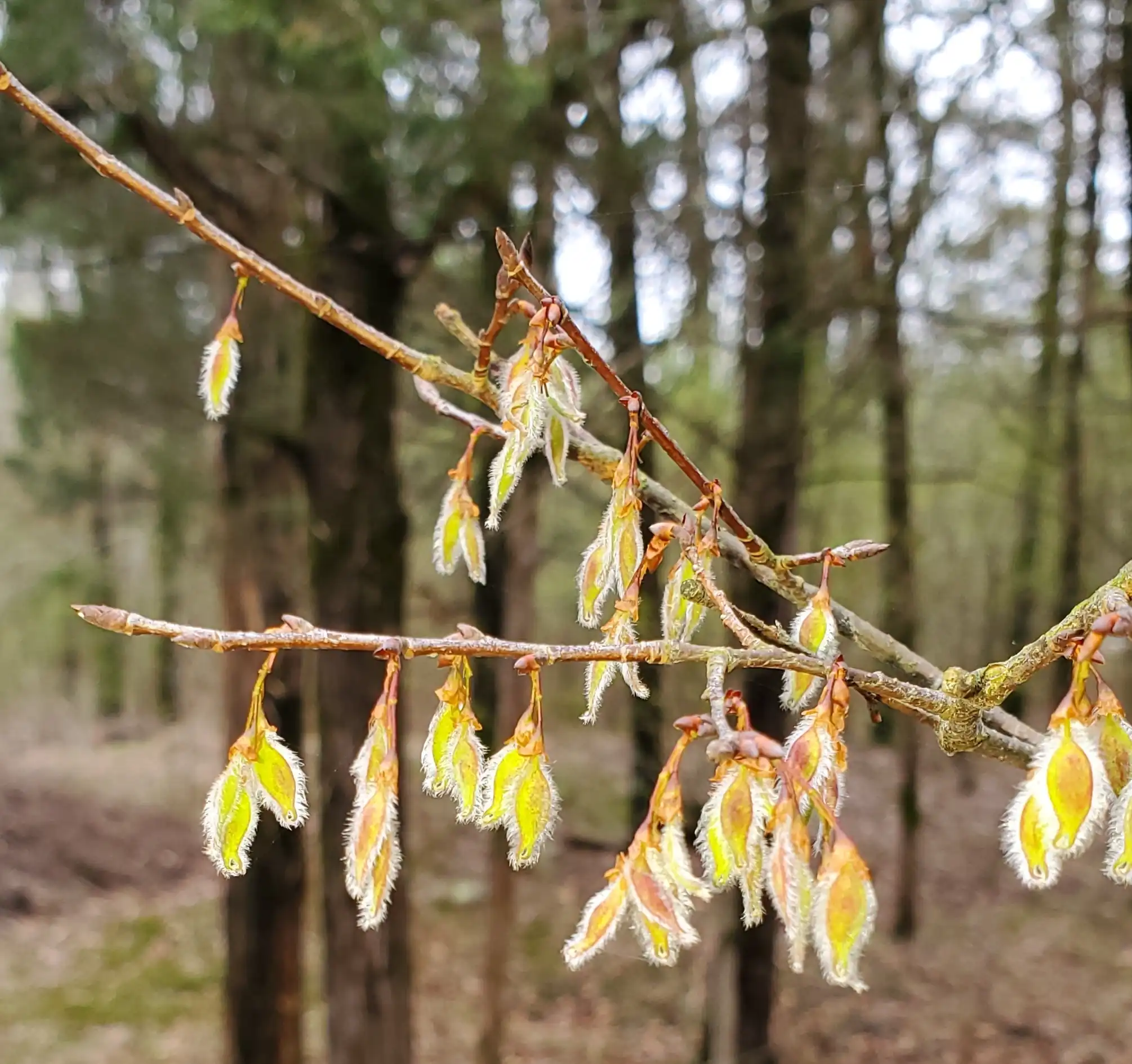
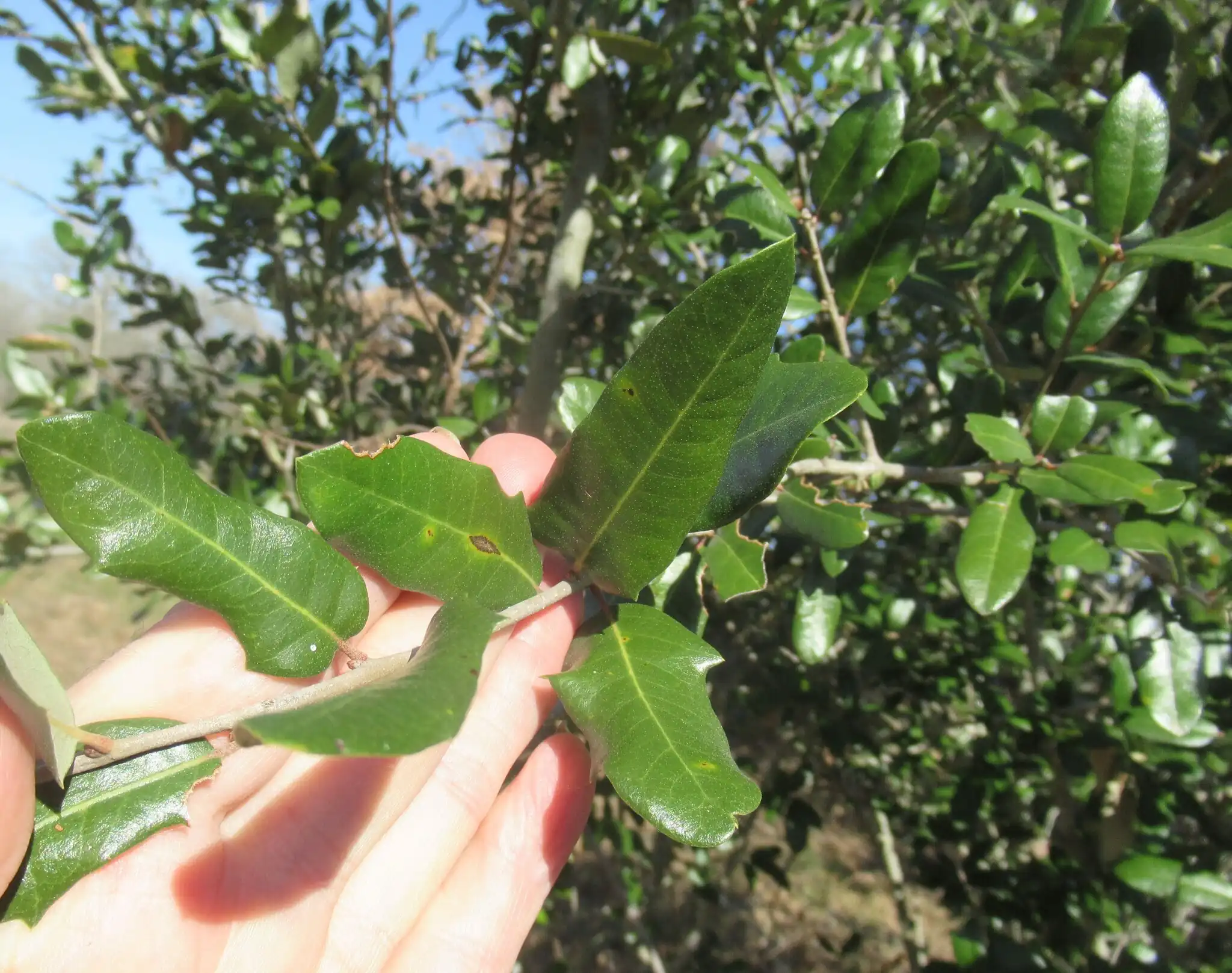
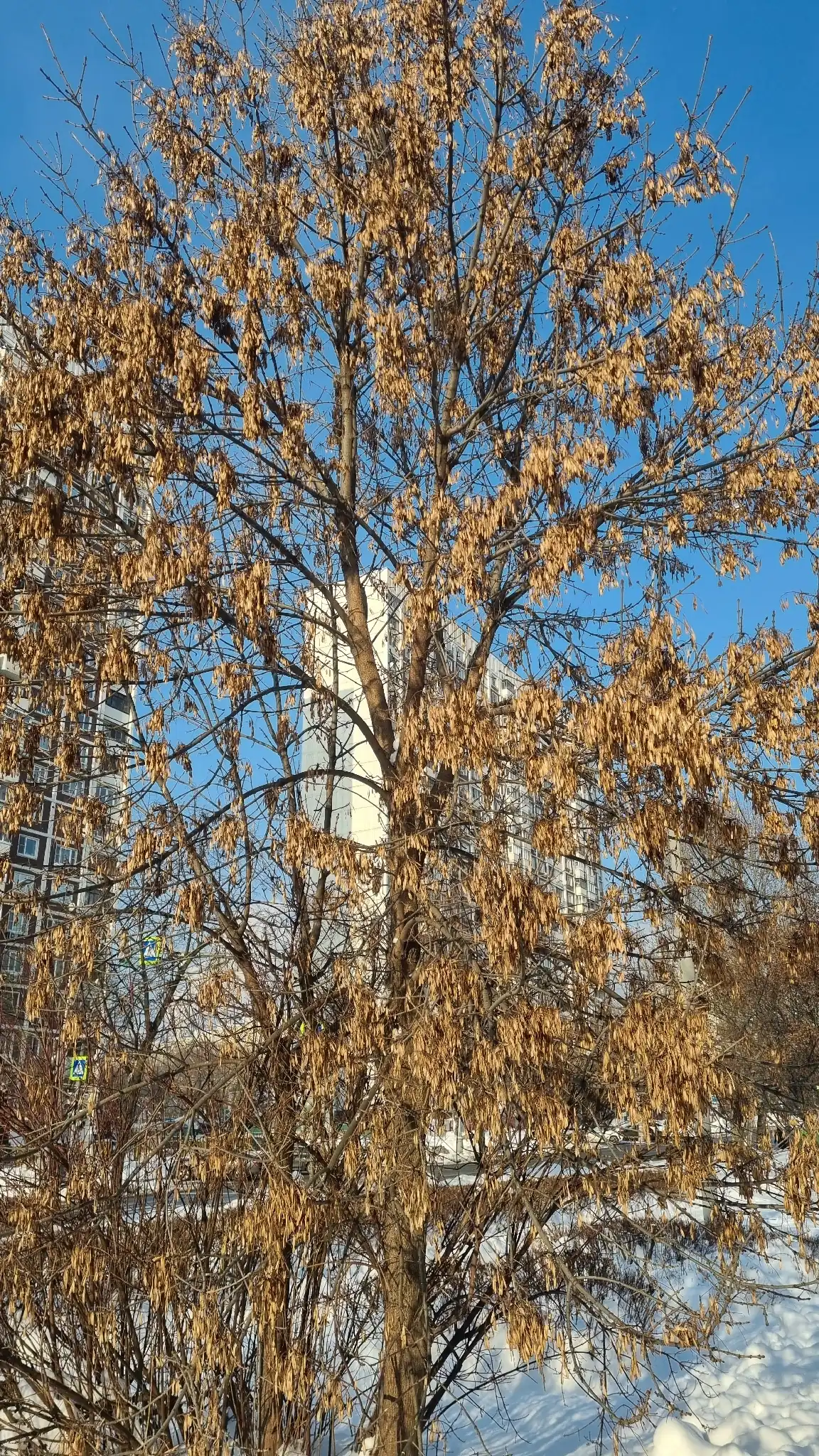
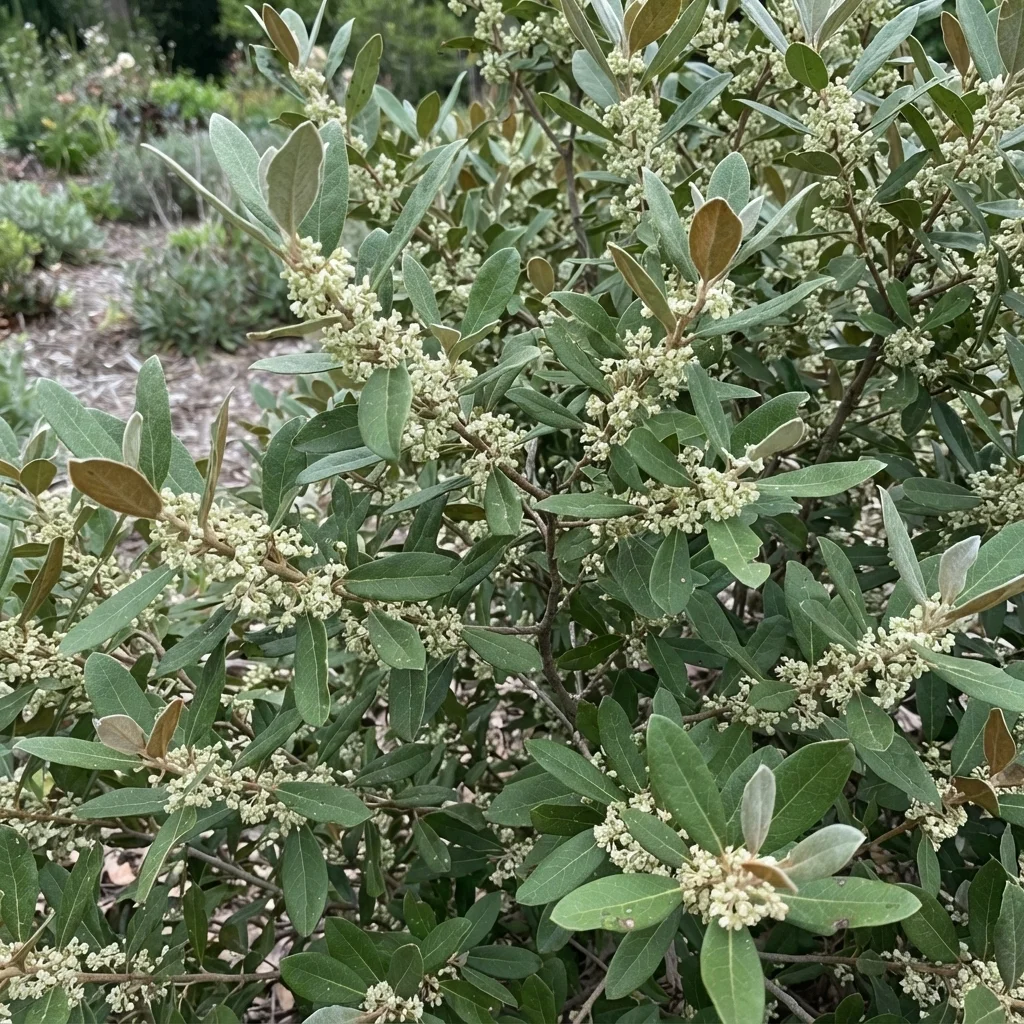
Shrubs39
Backbone planting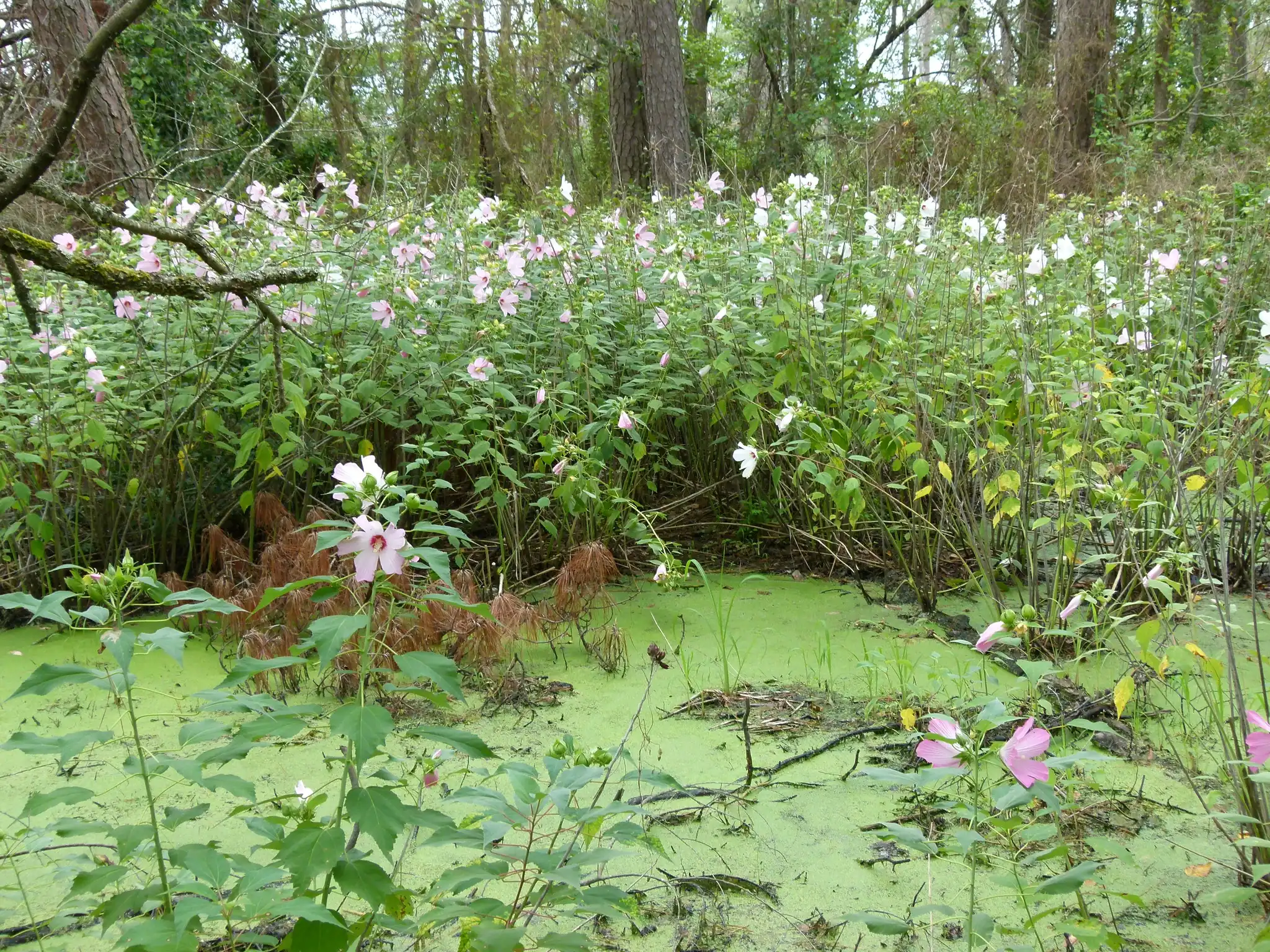
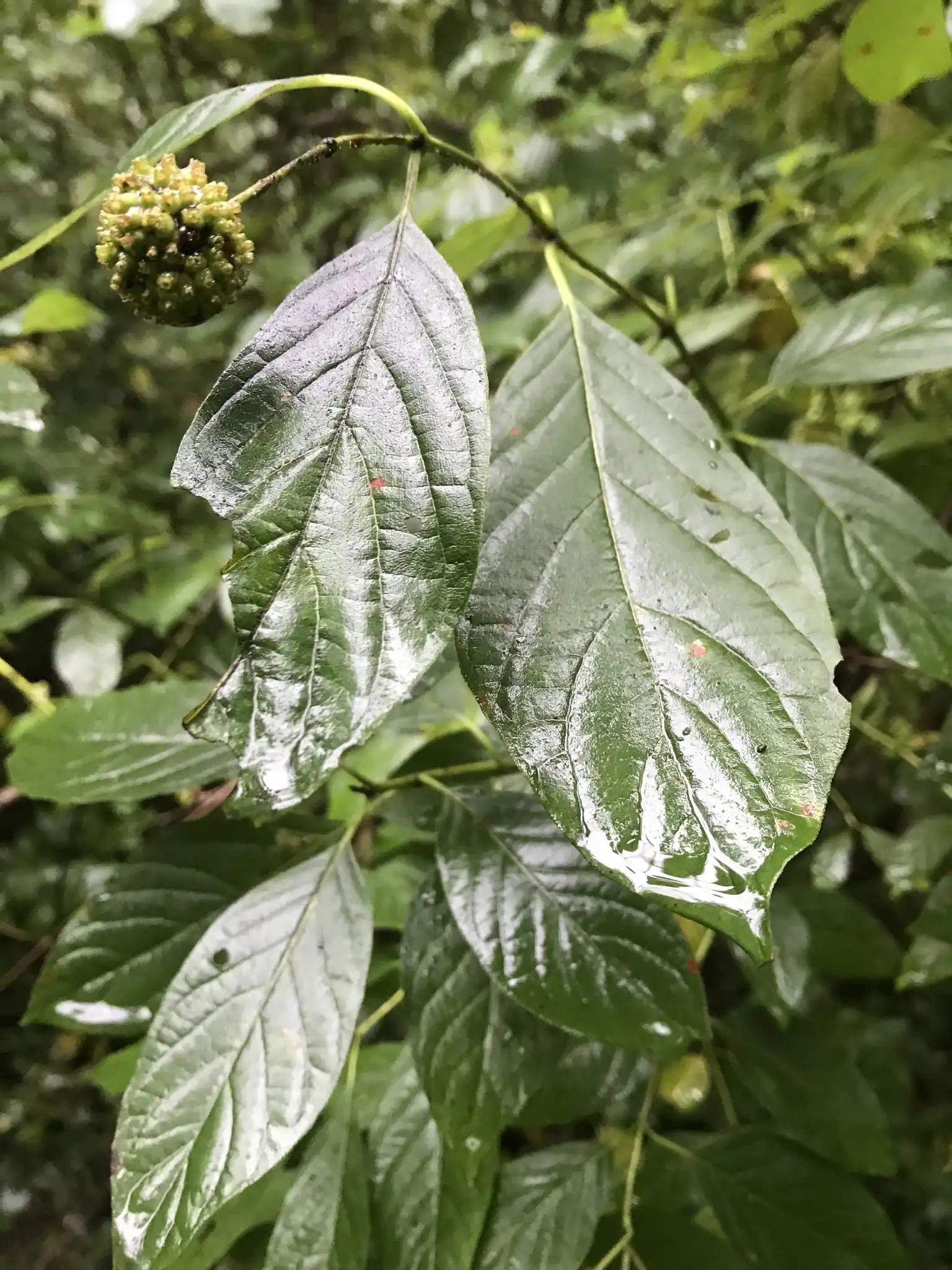
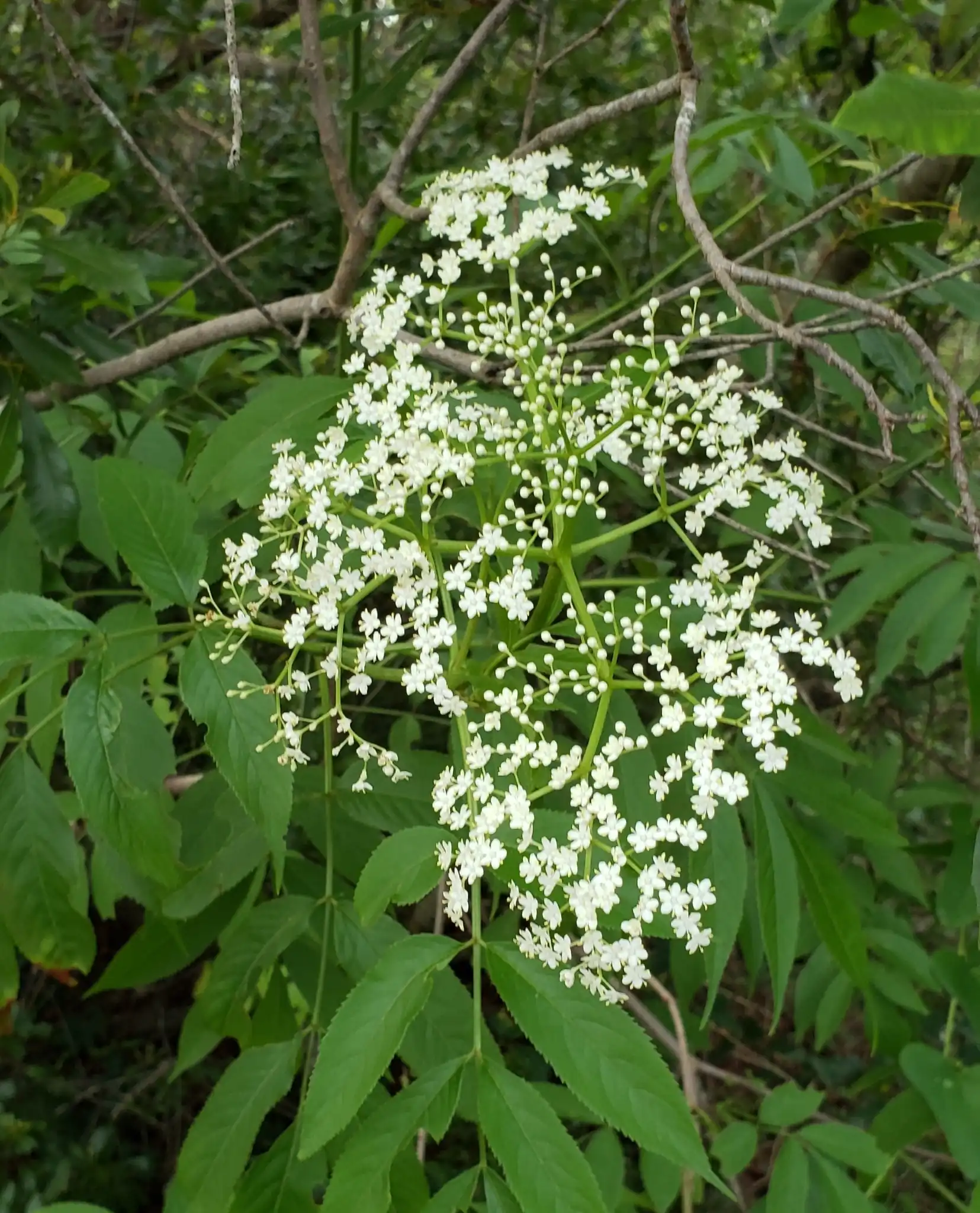
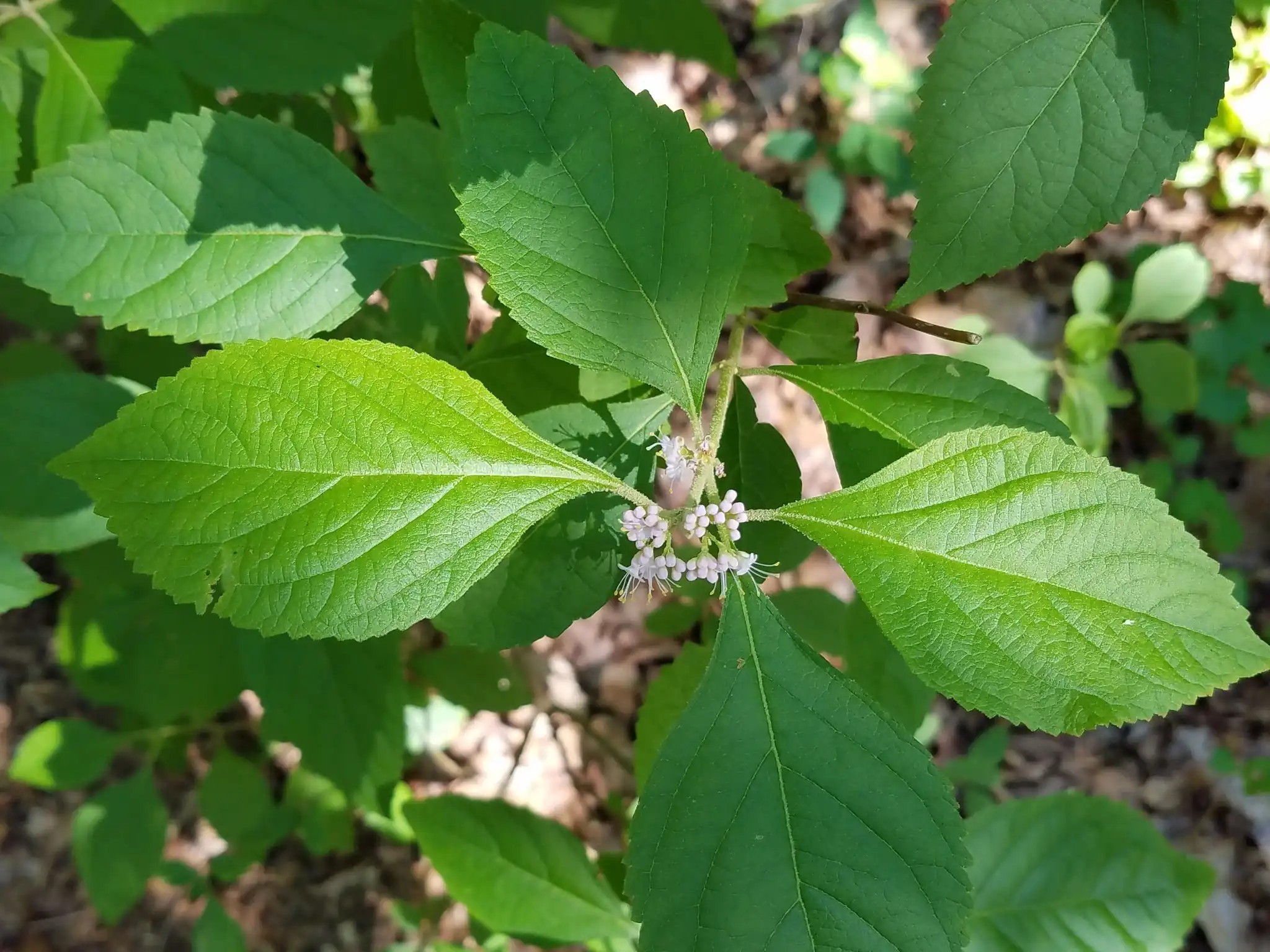
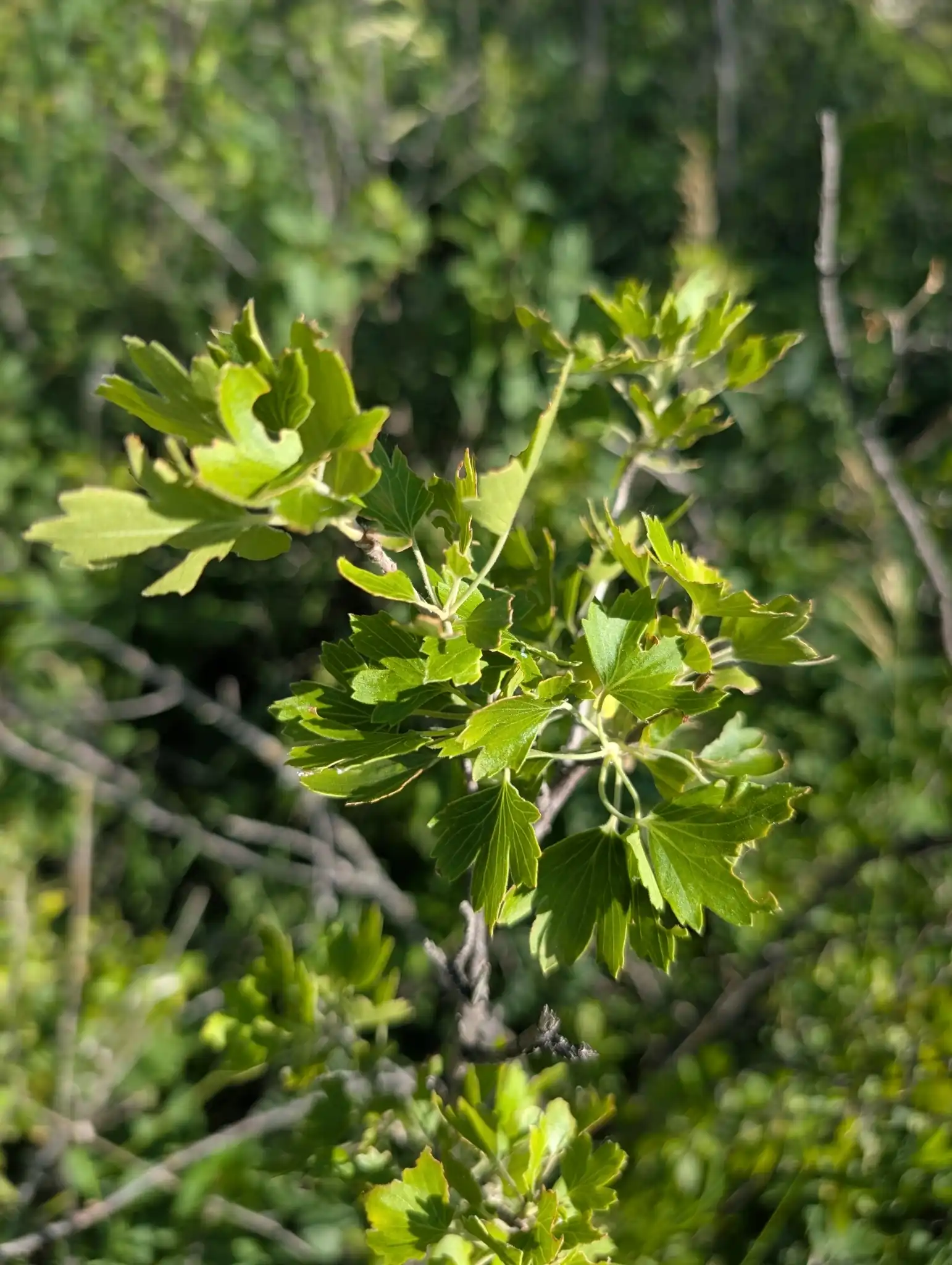
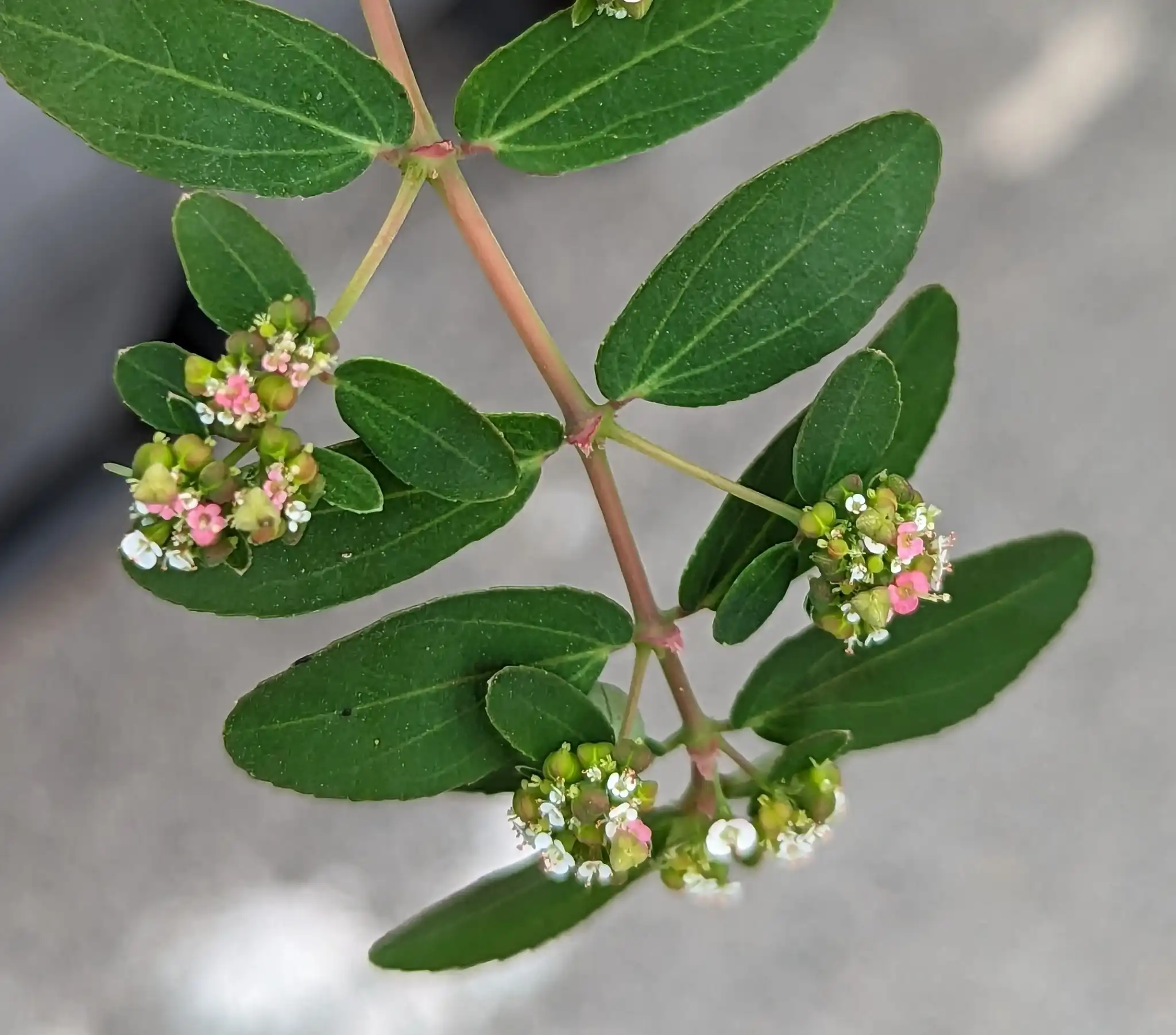
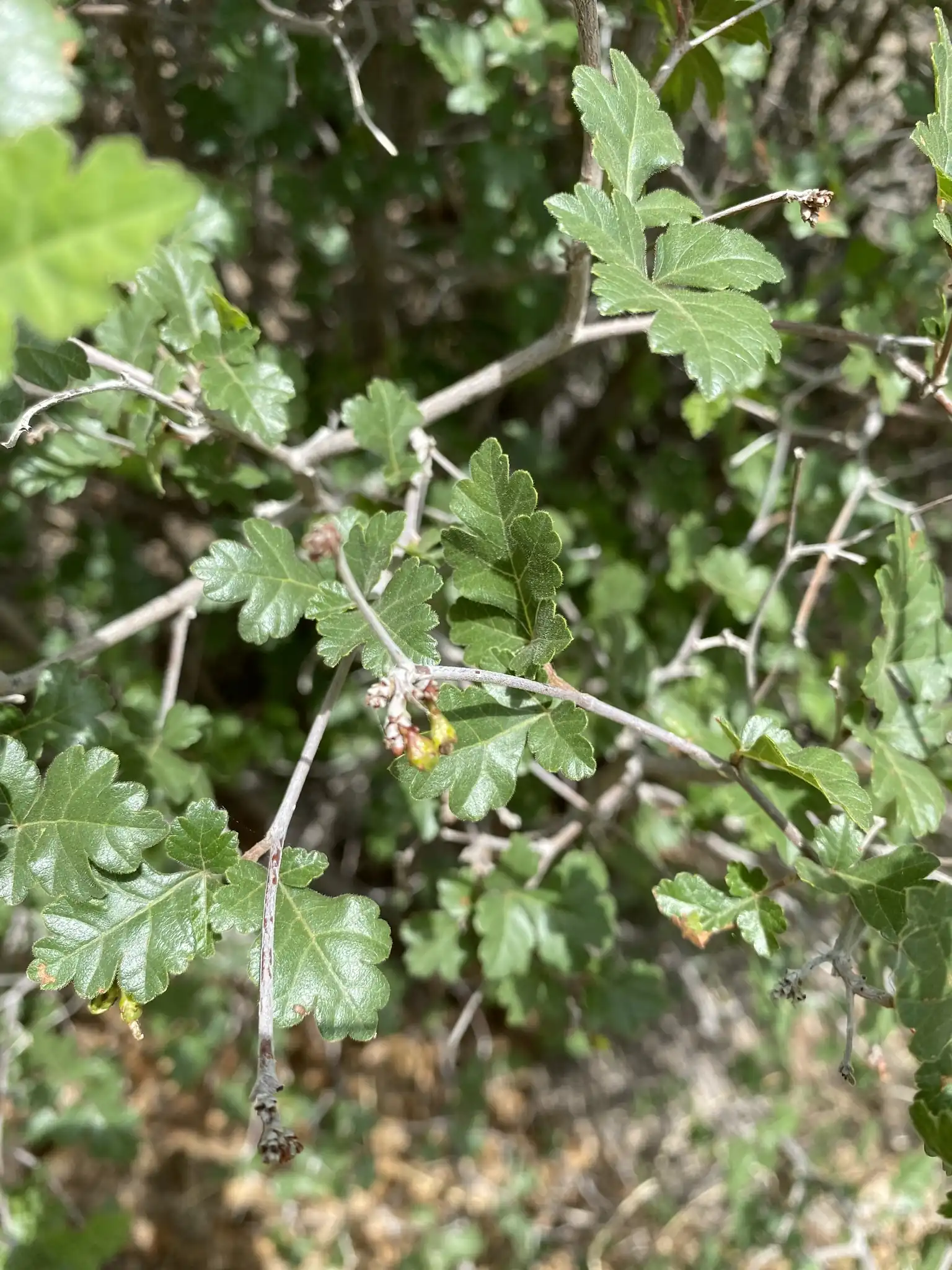
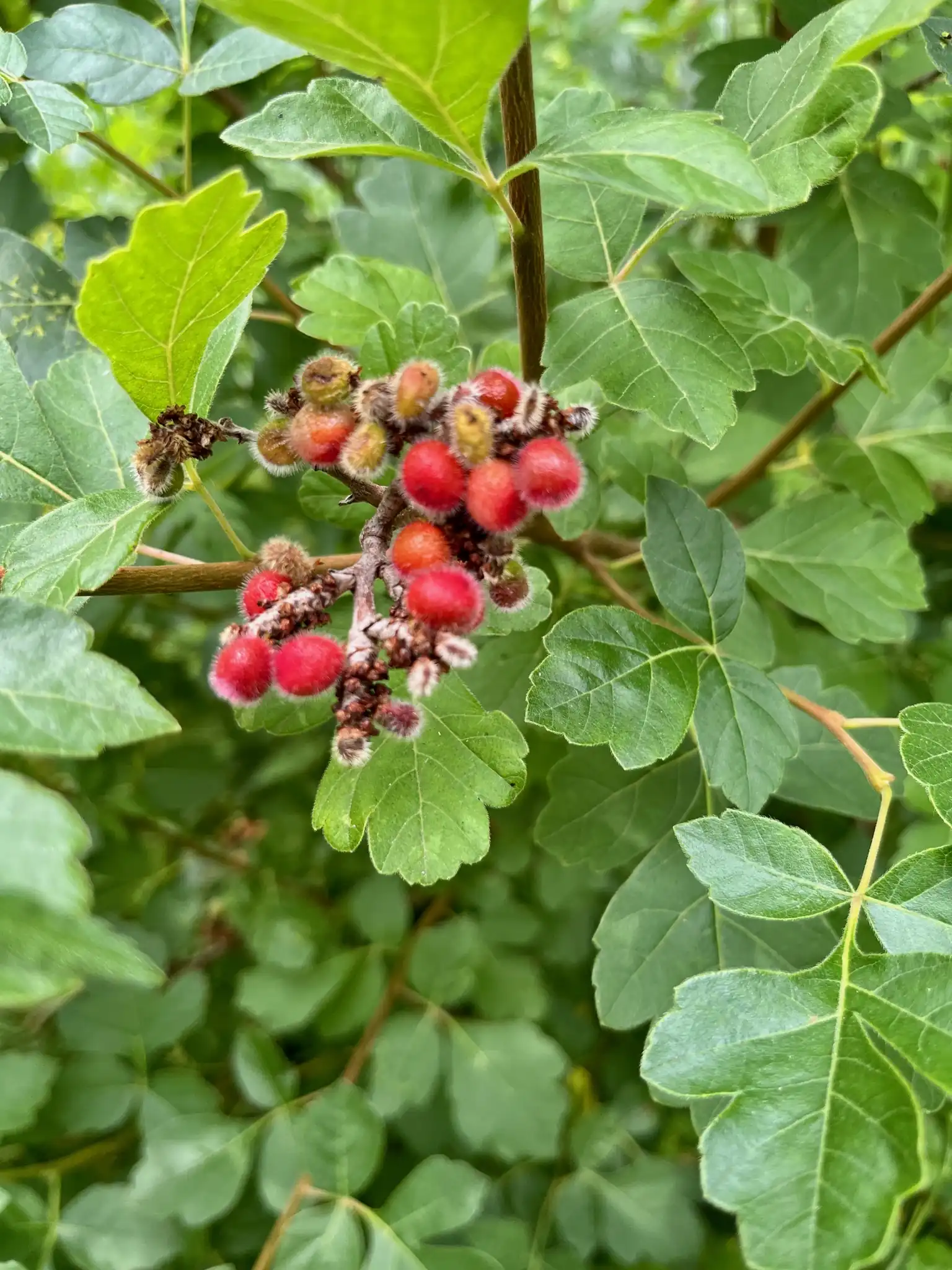
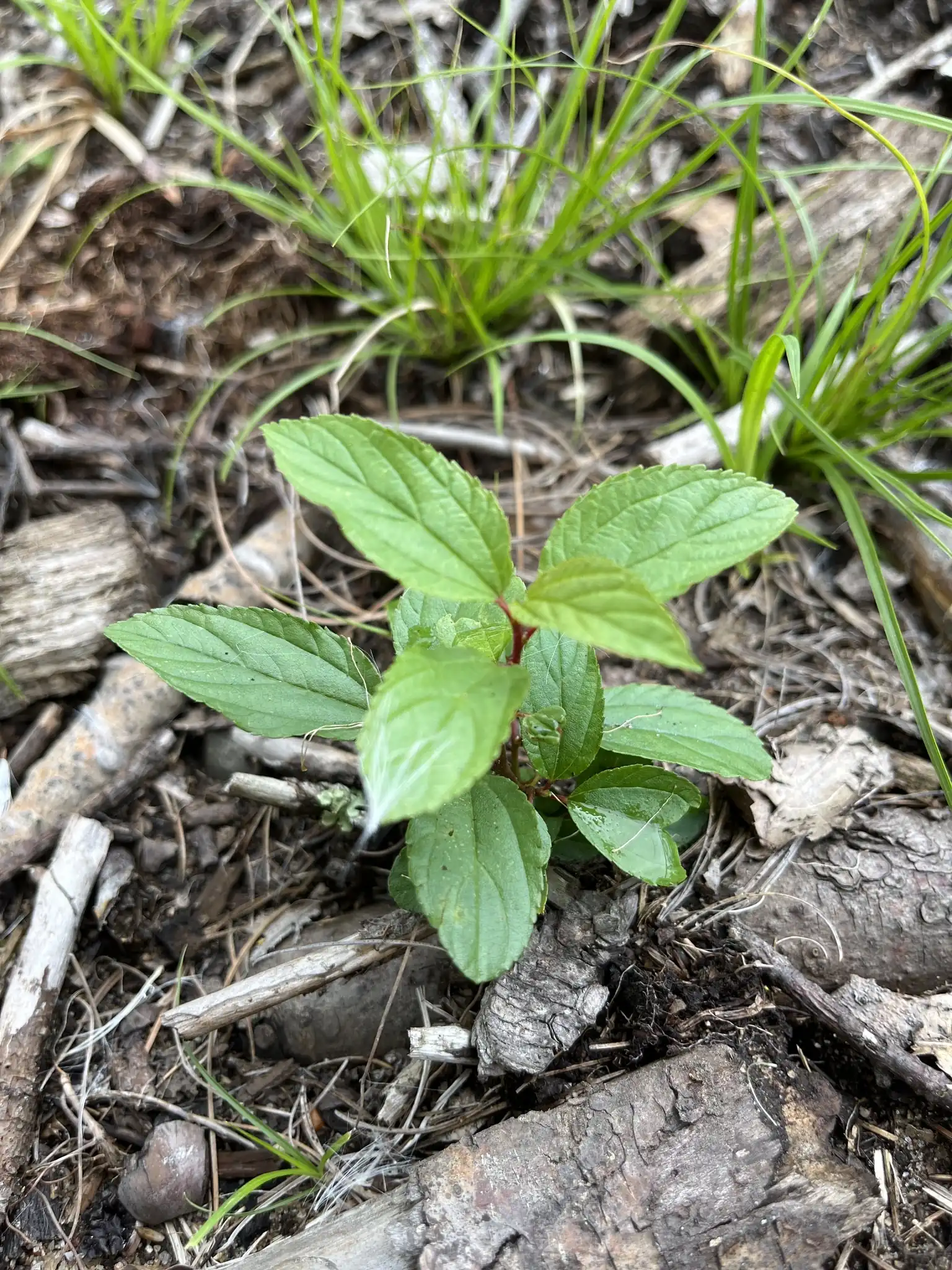
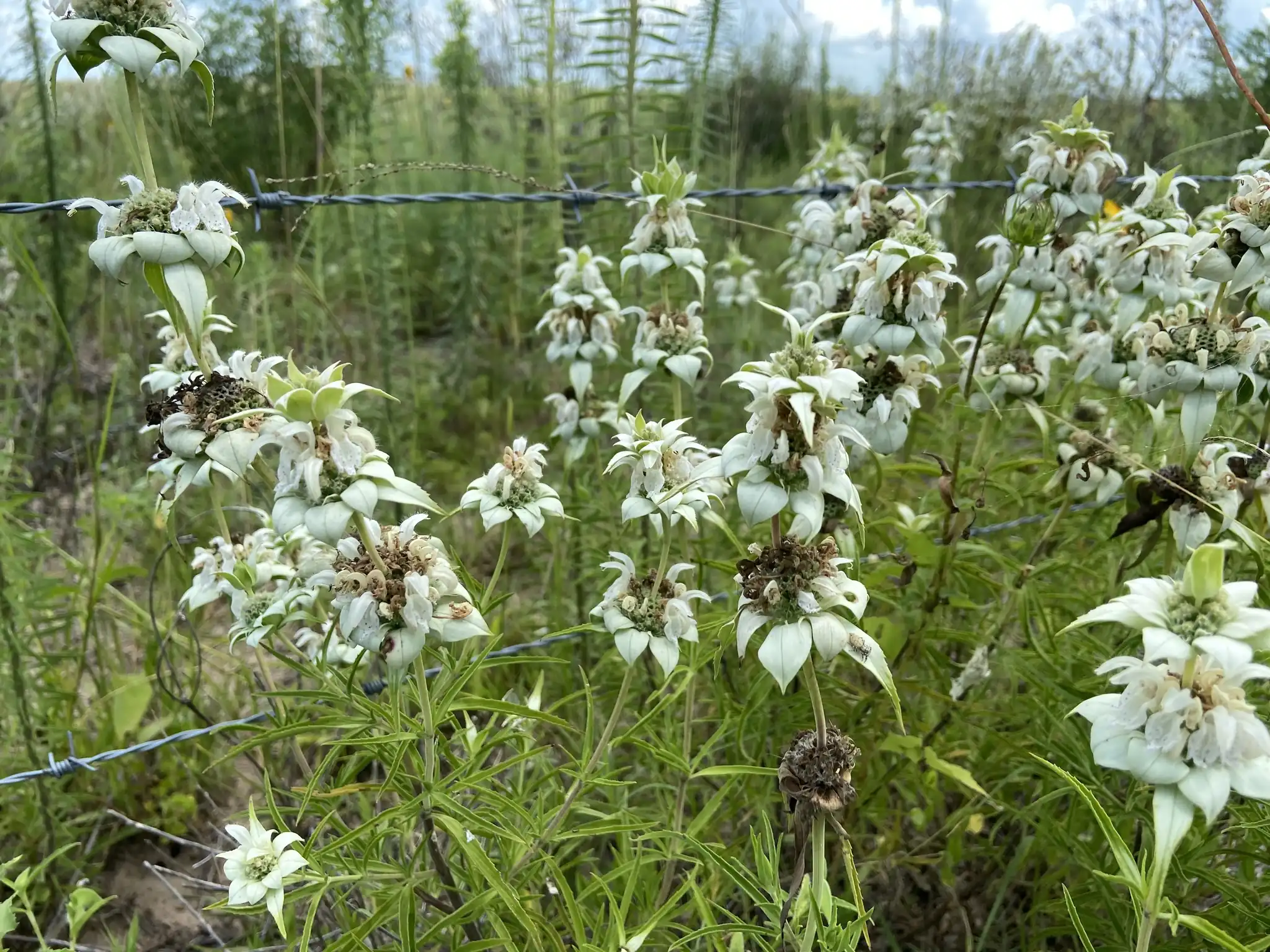
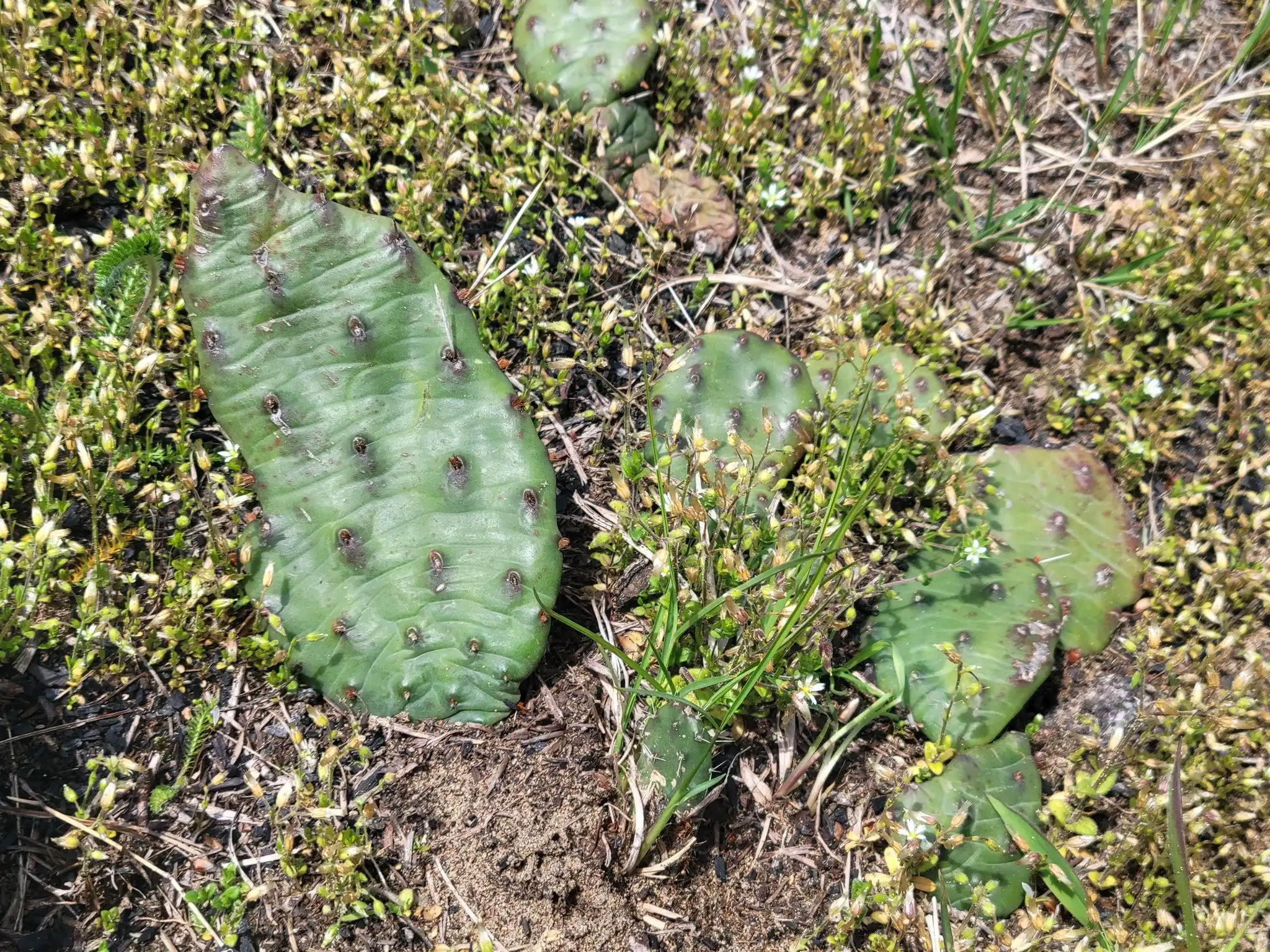
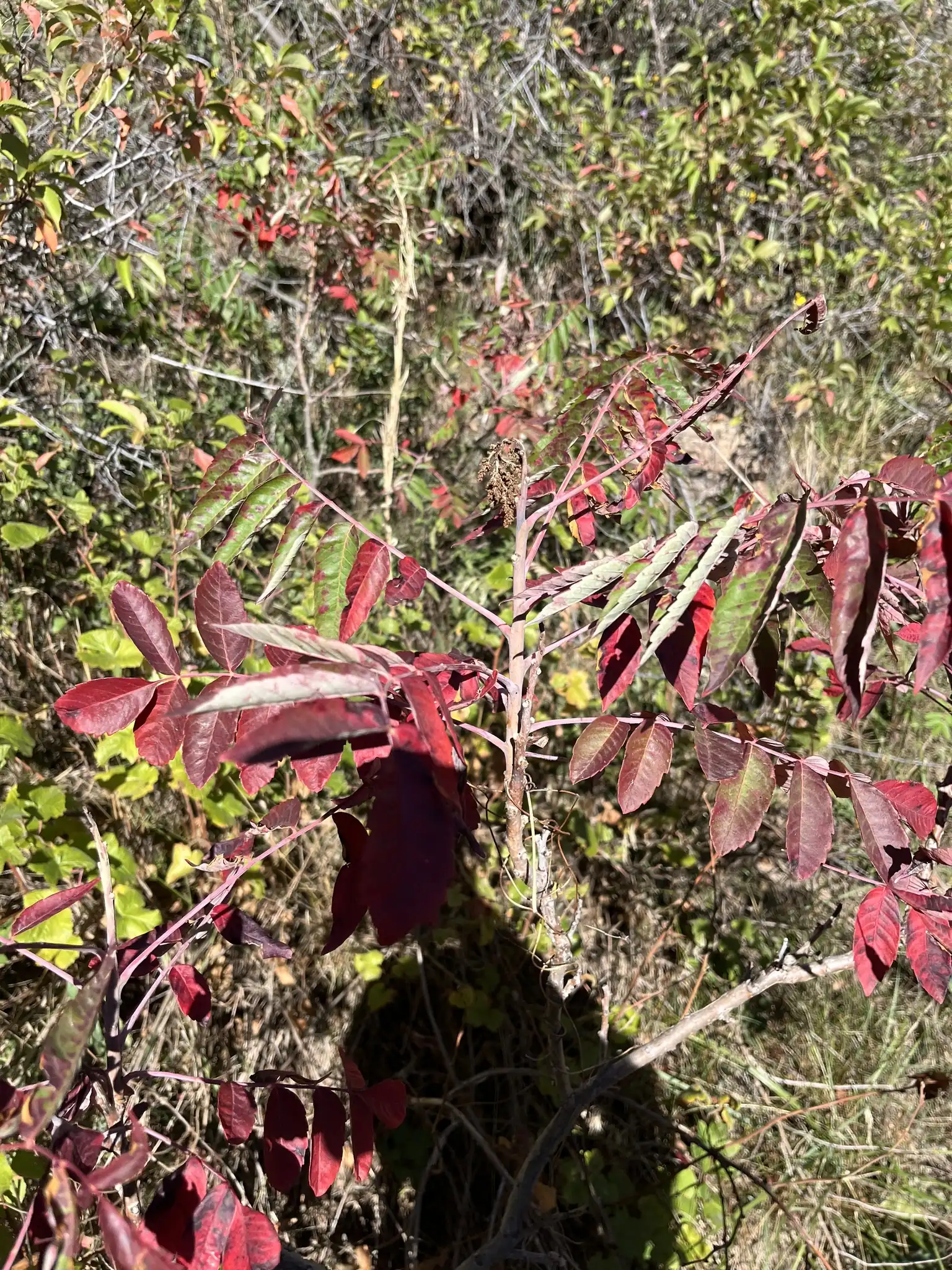
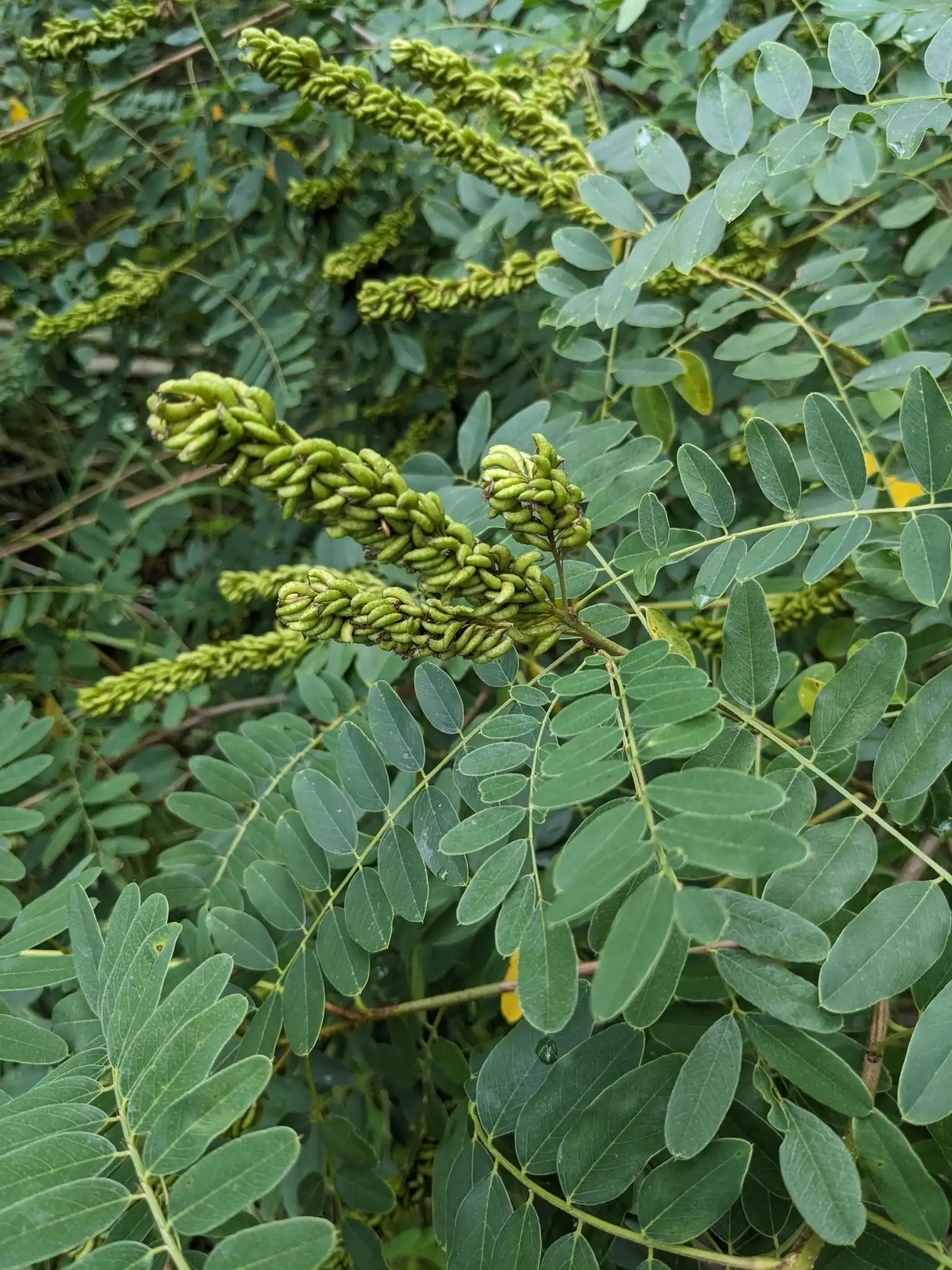
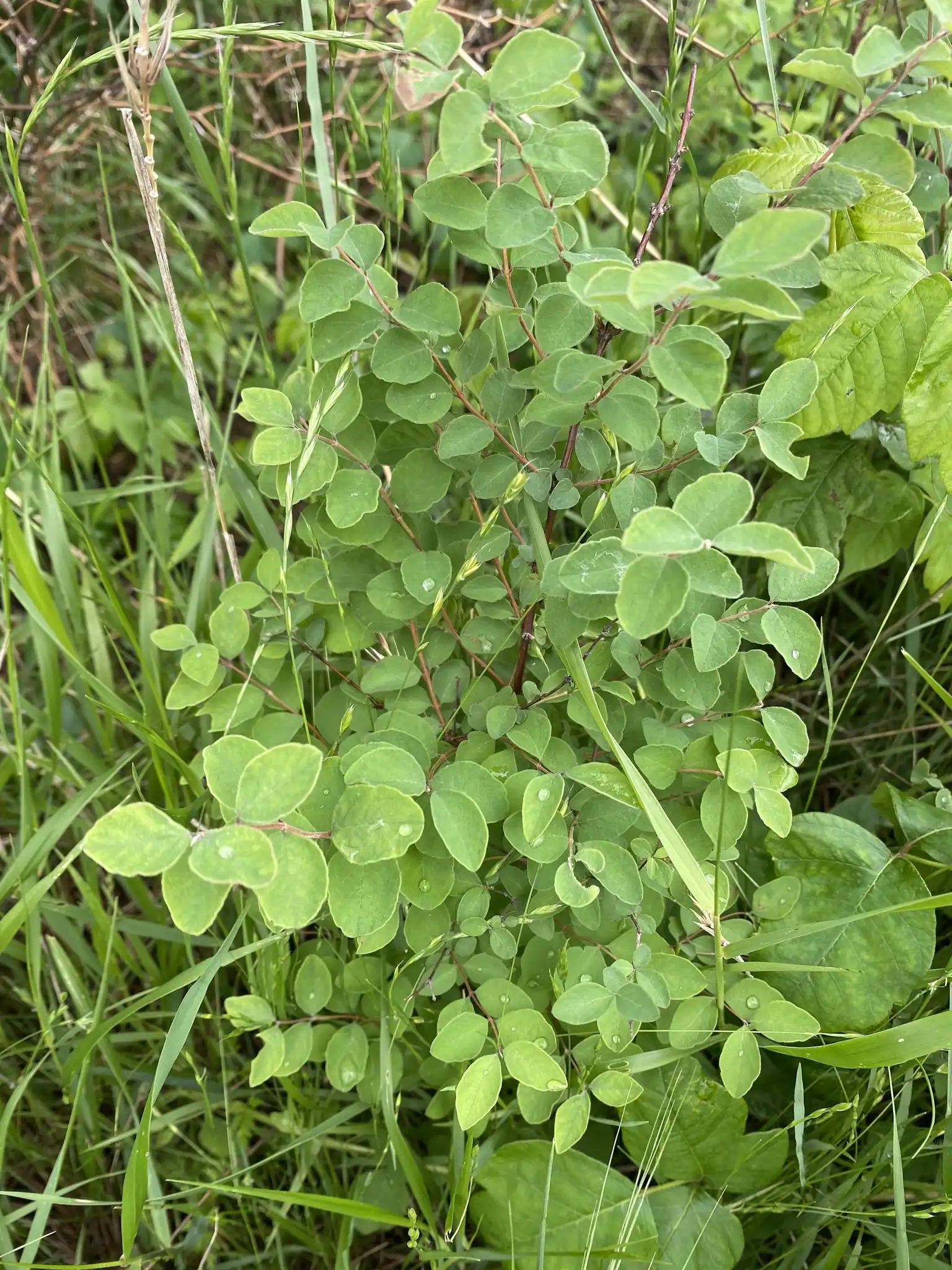
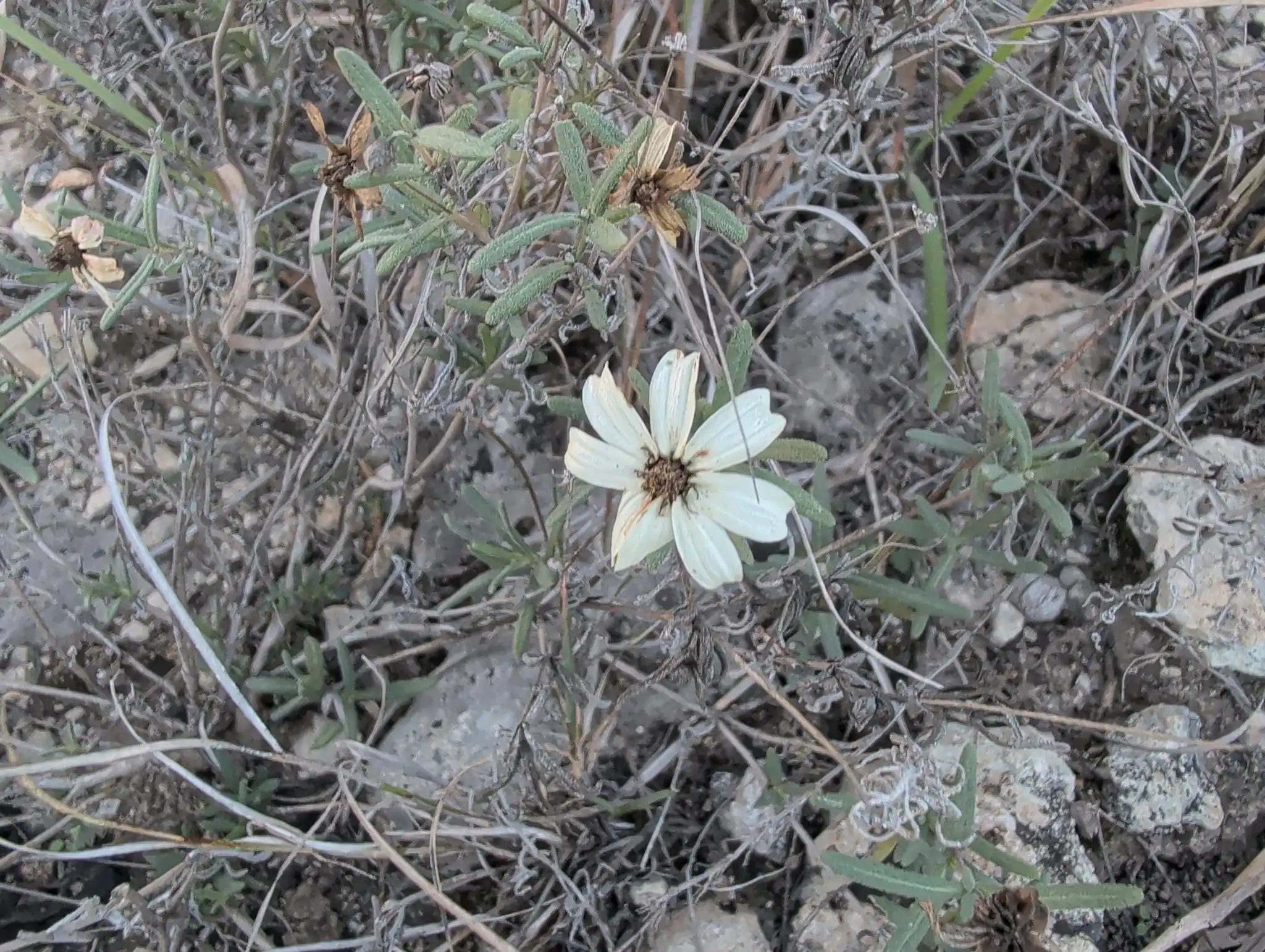
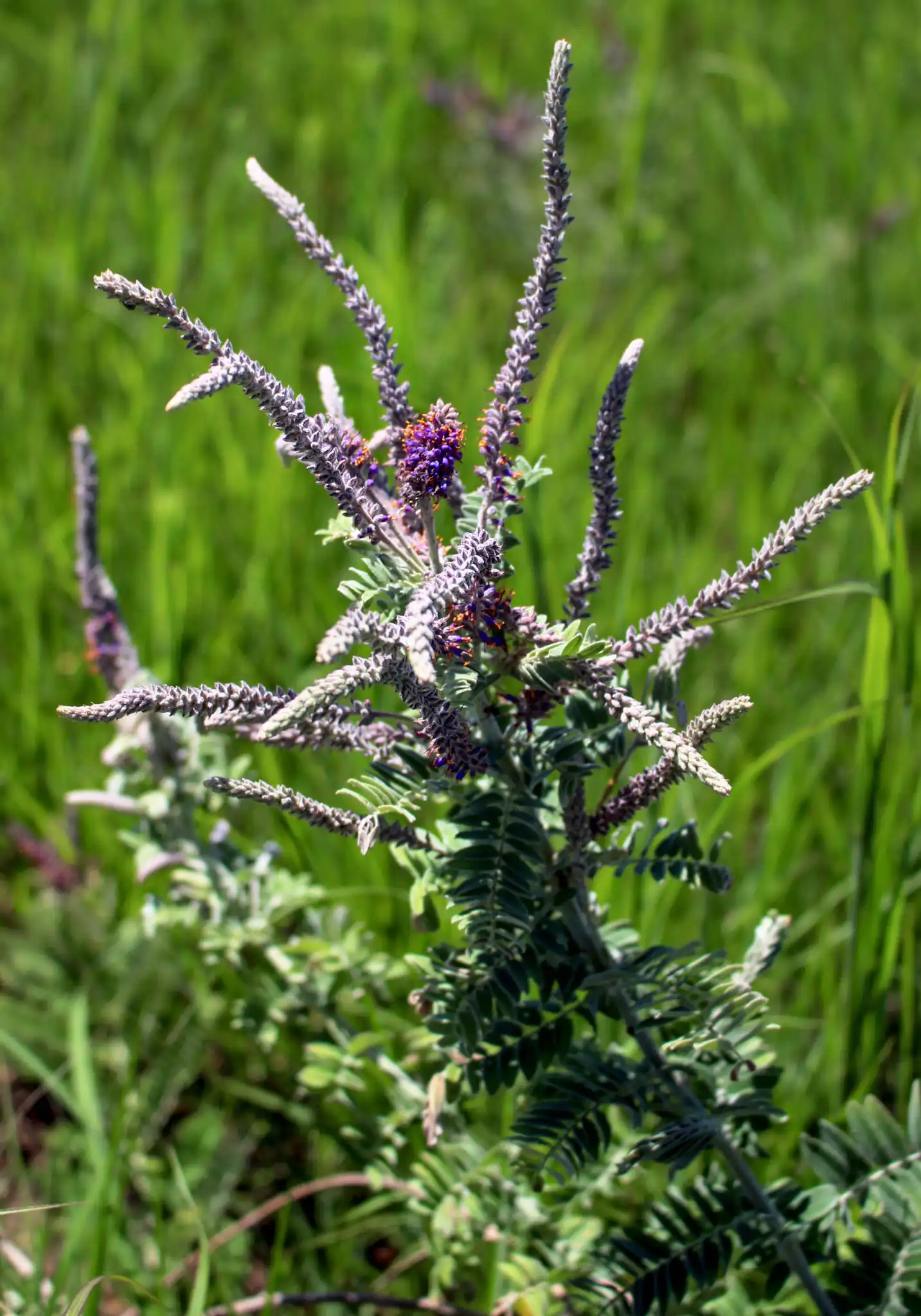
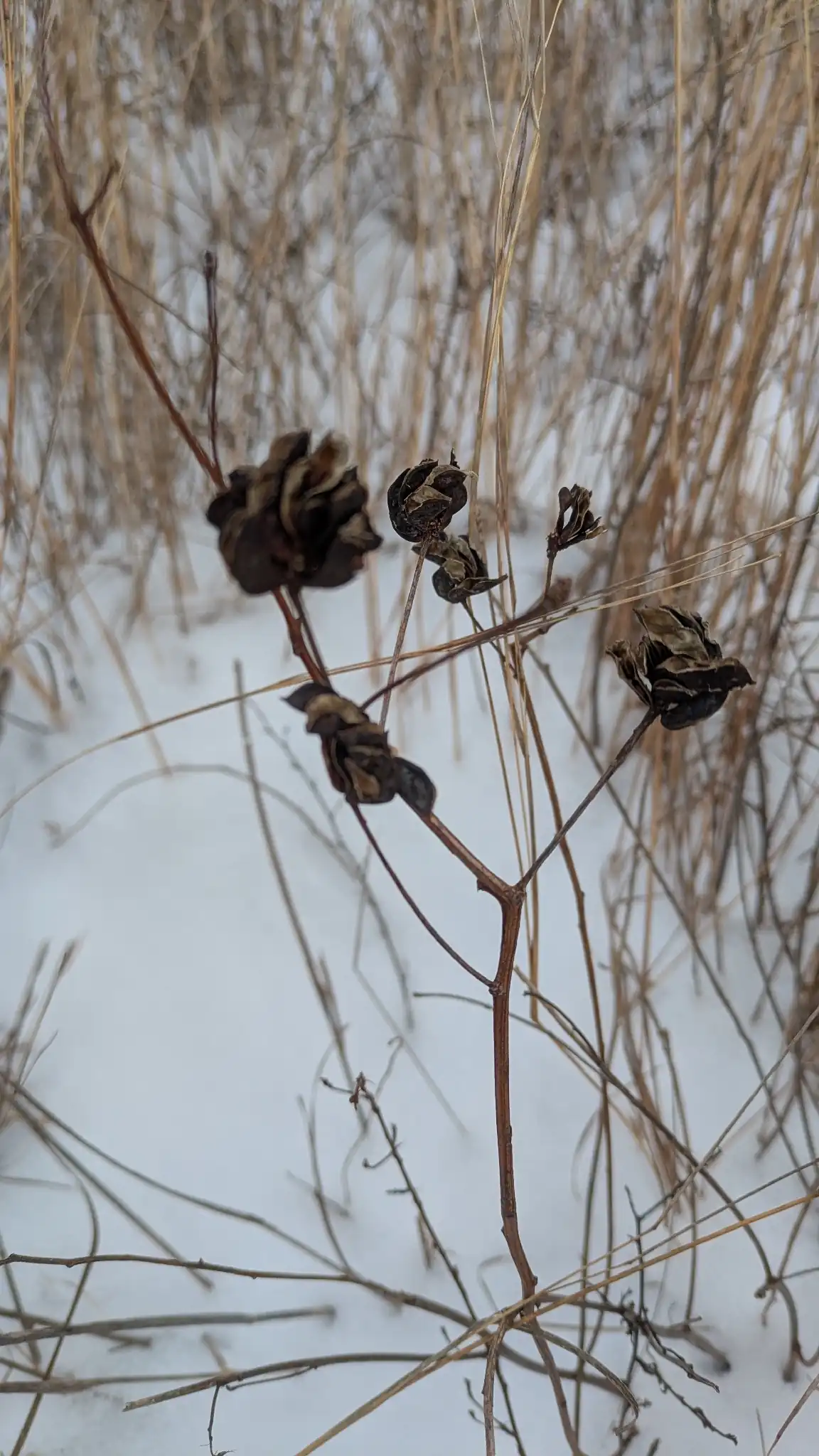
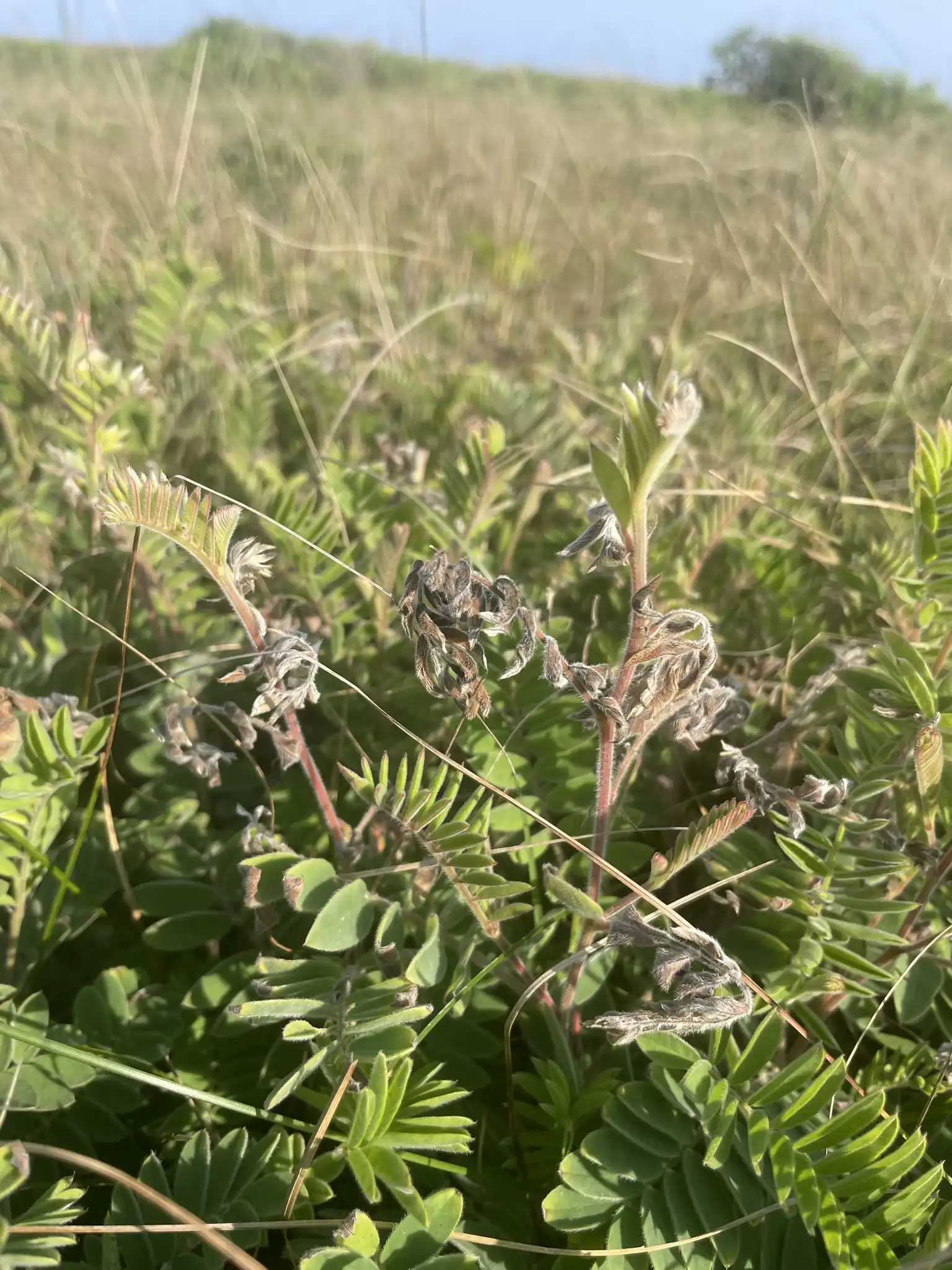
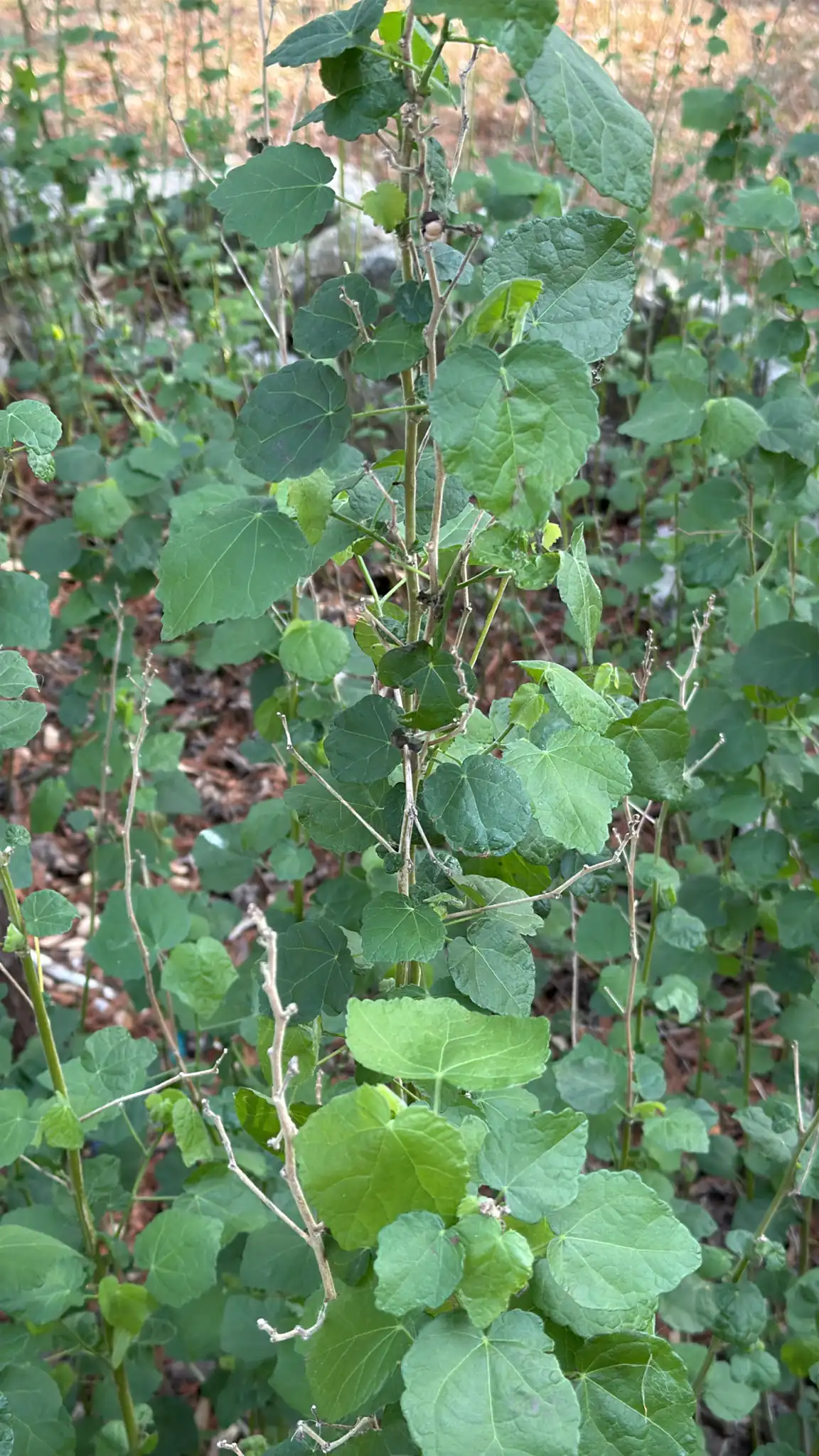
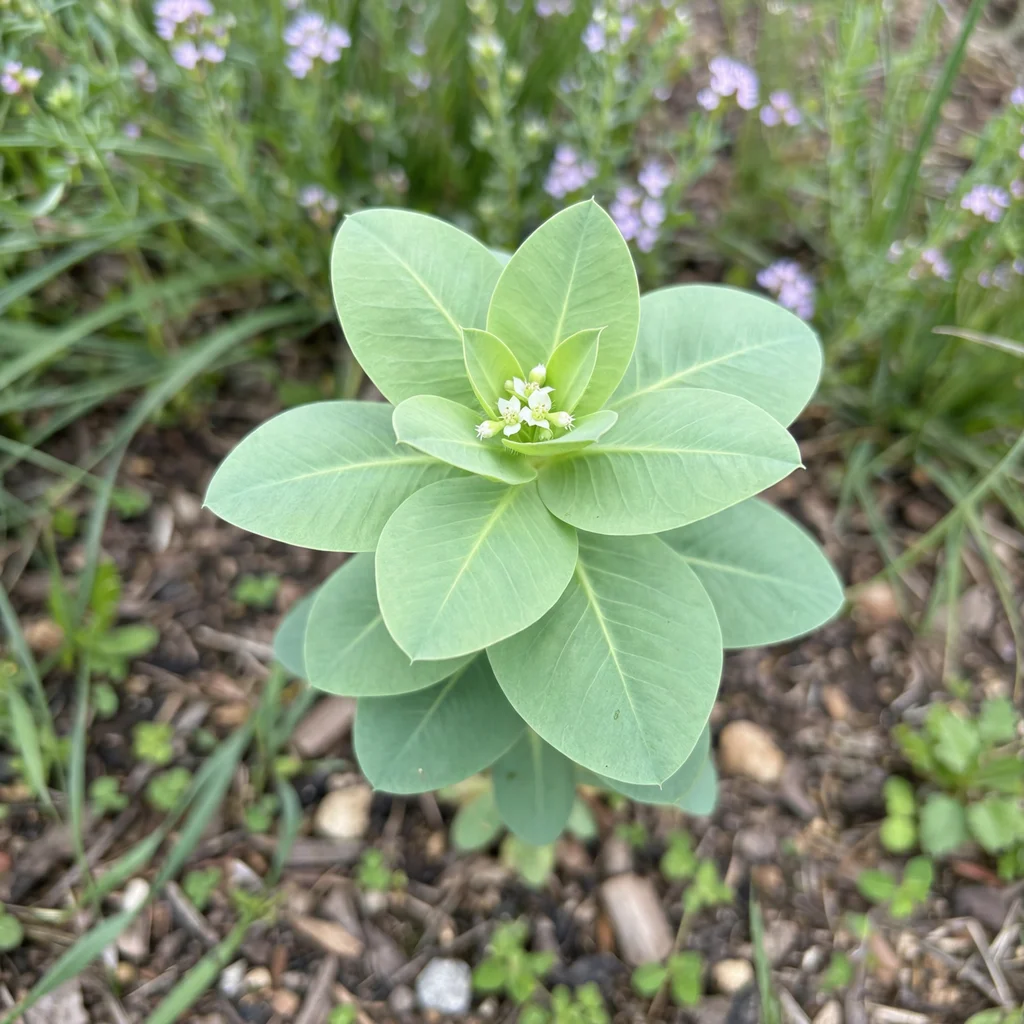
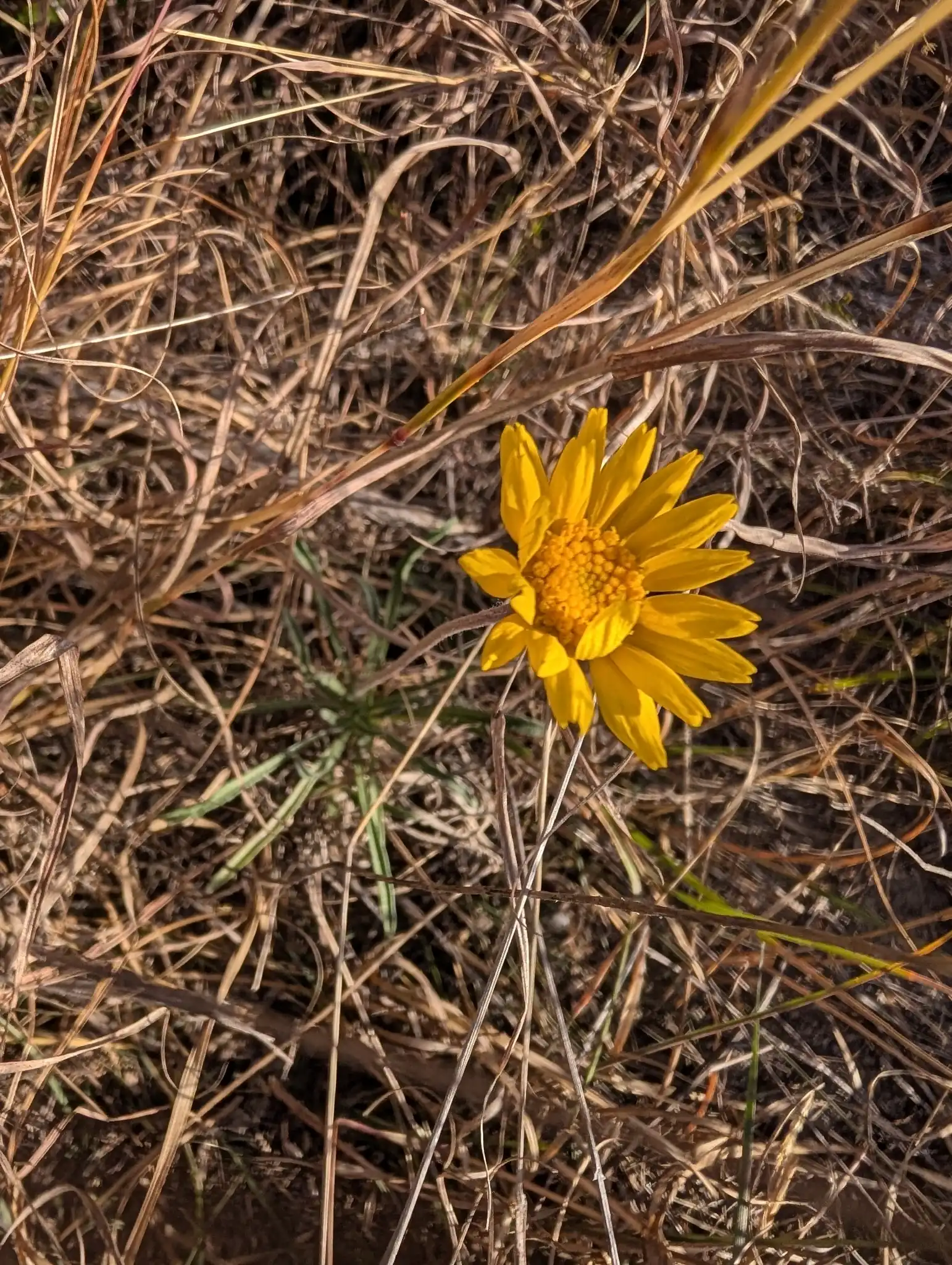
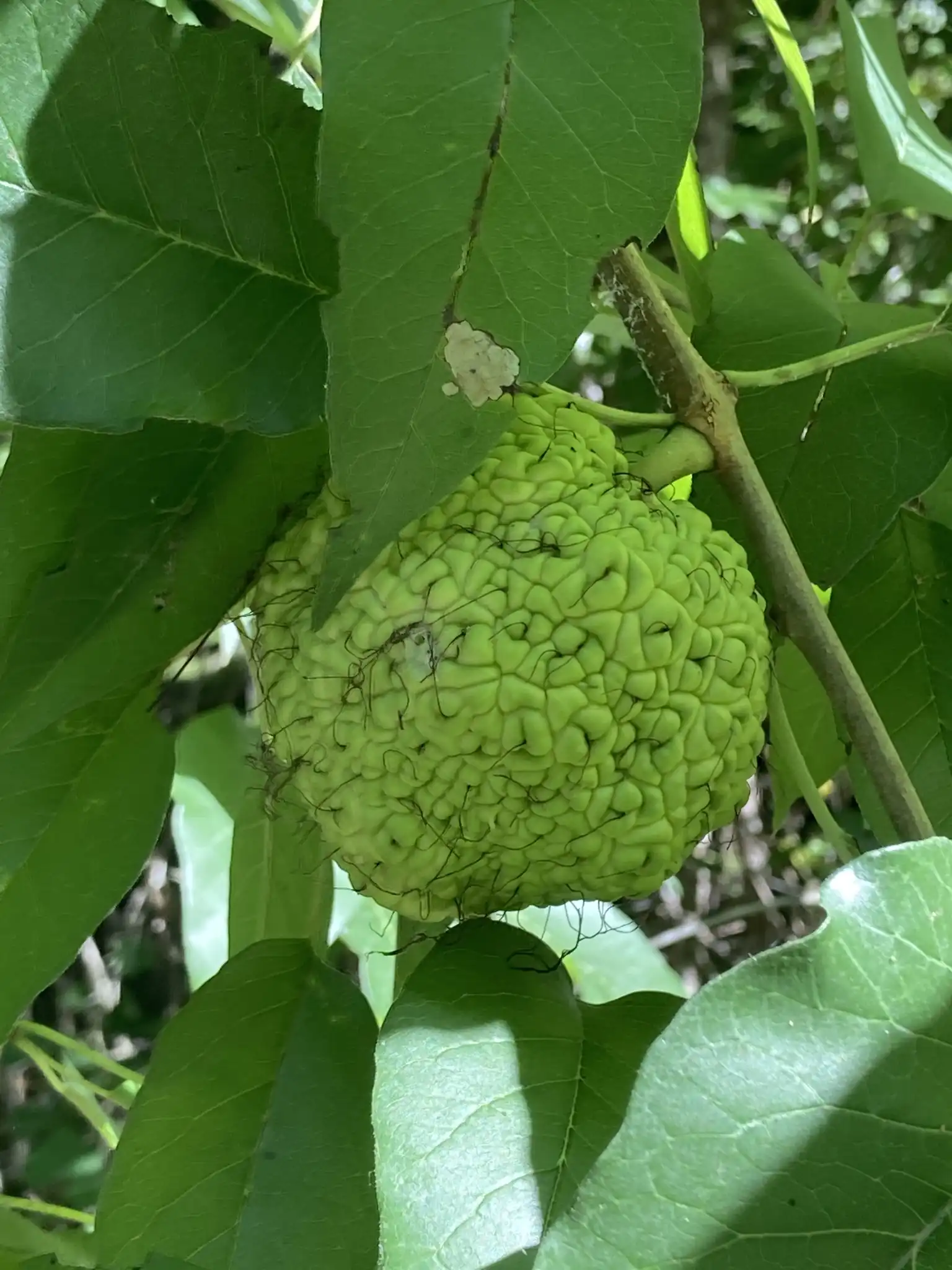
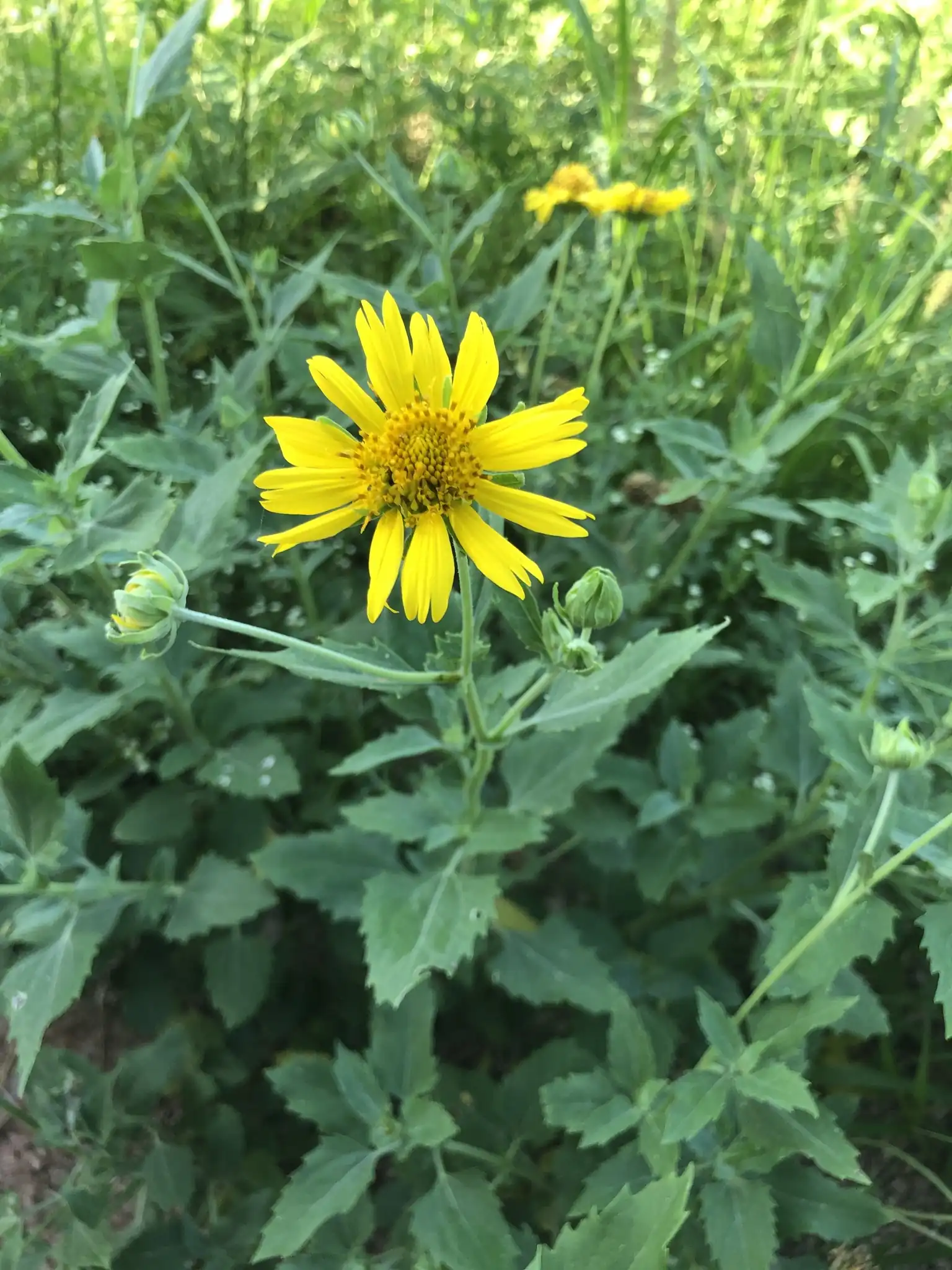
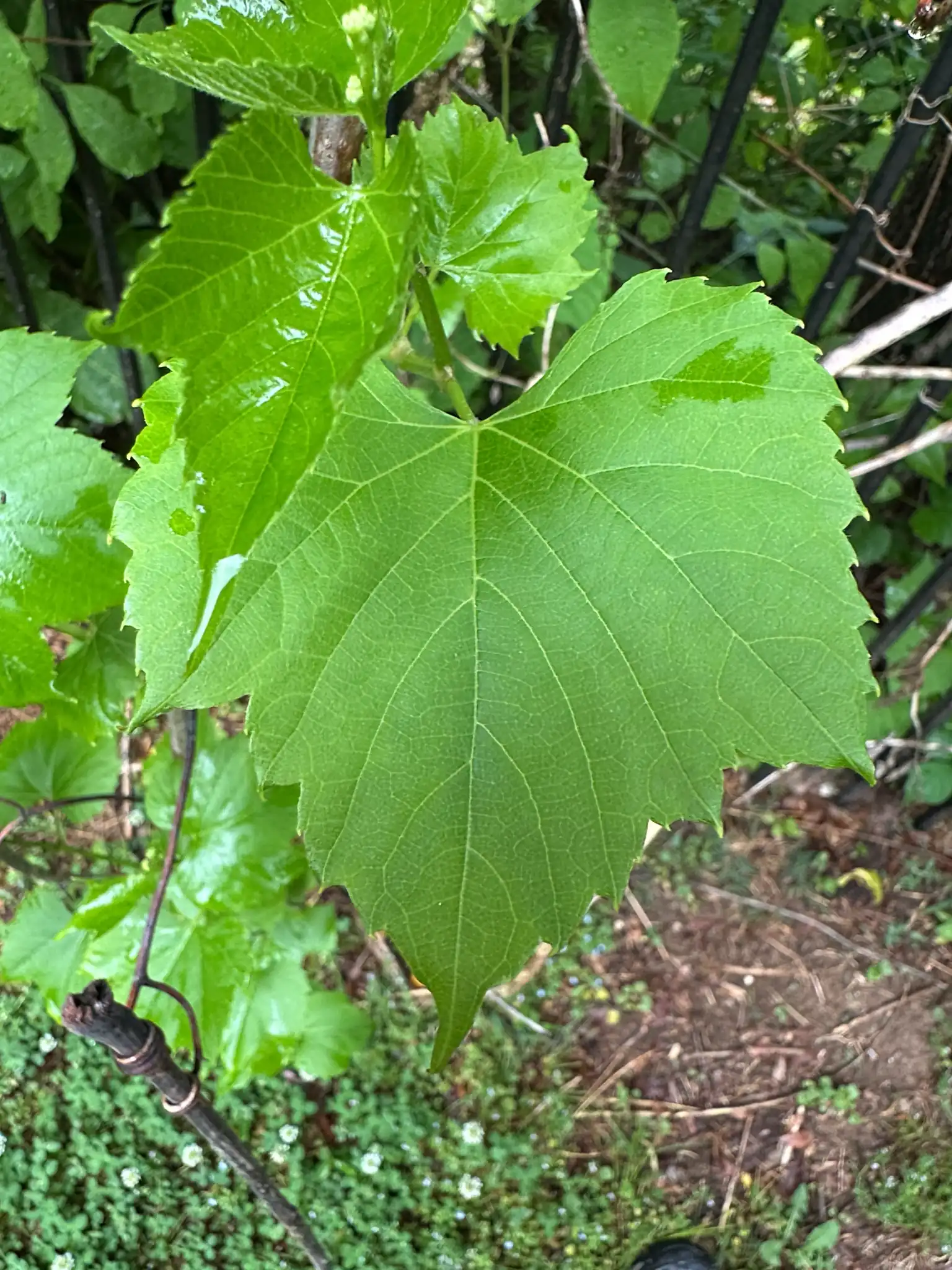
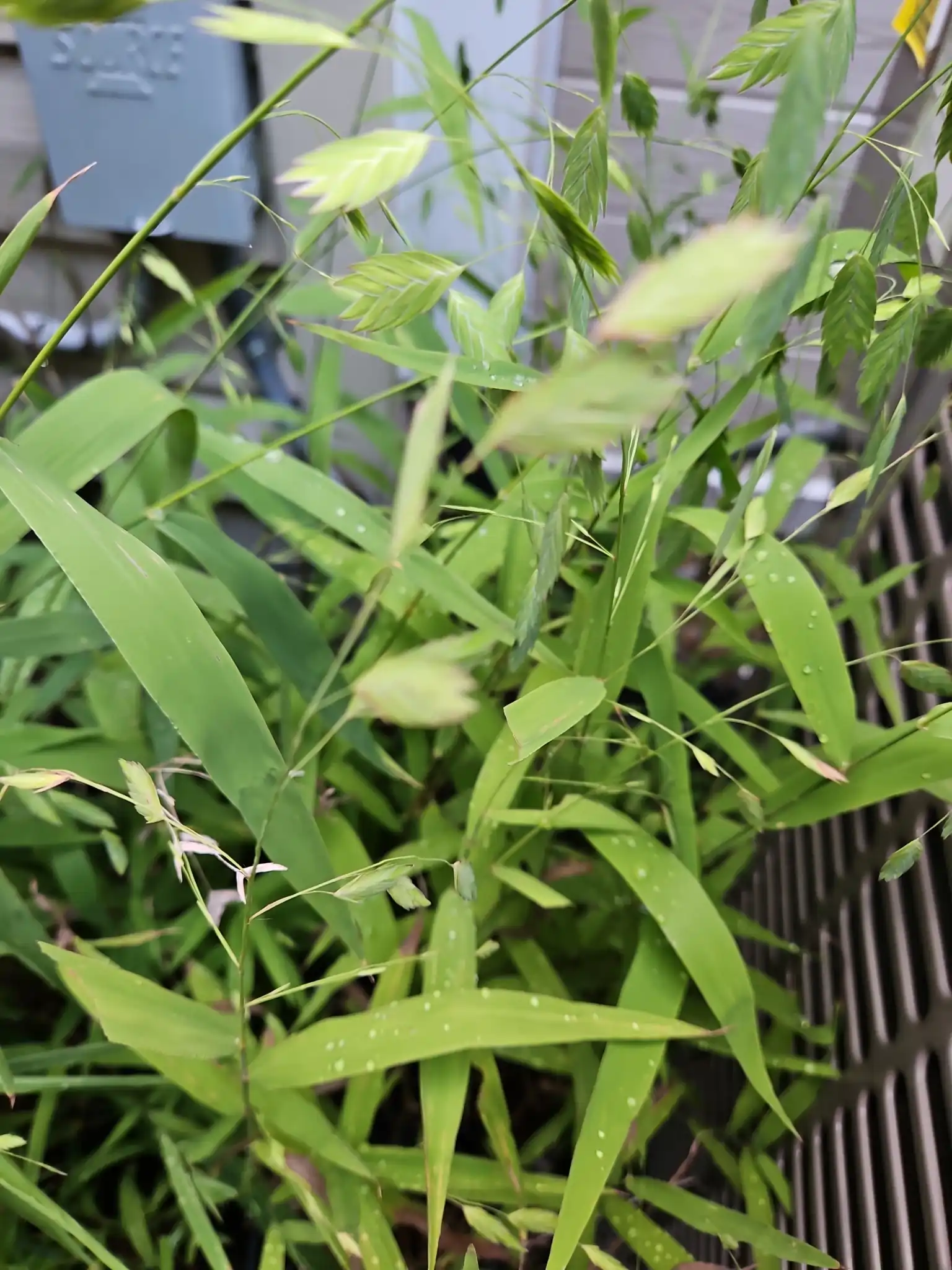
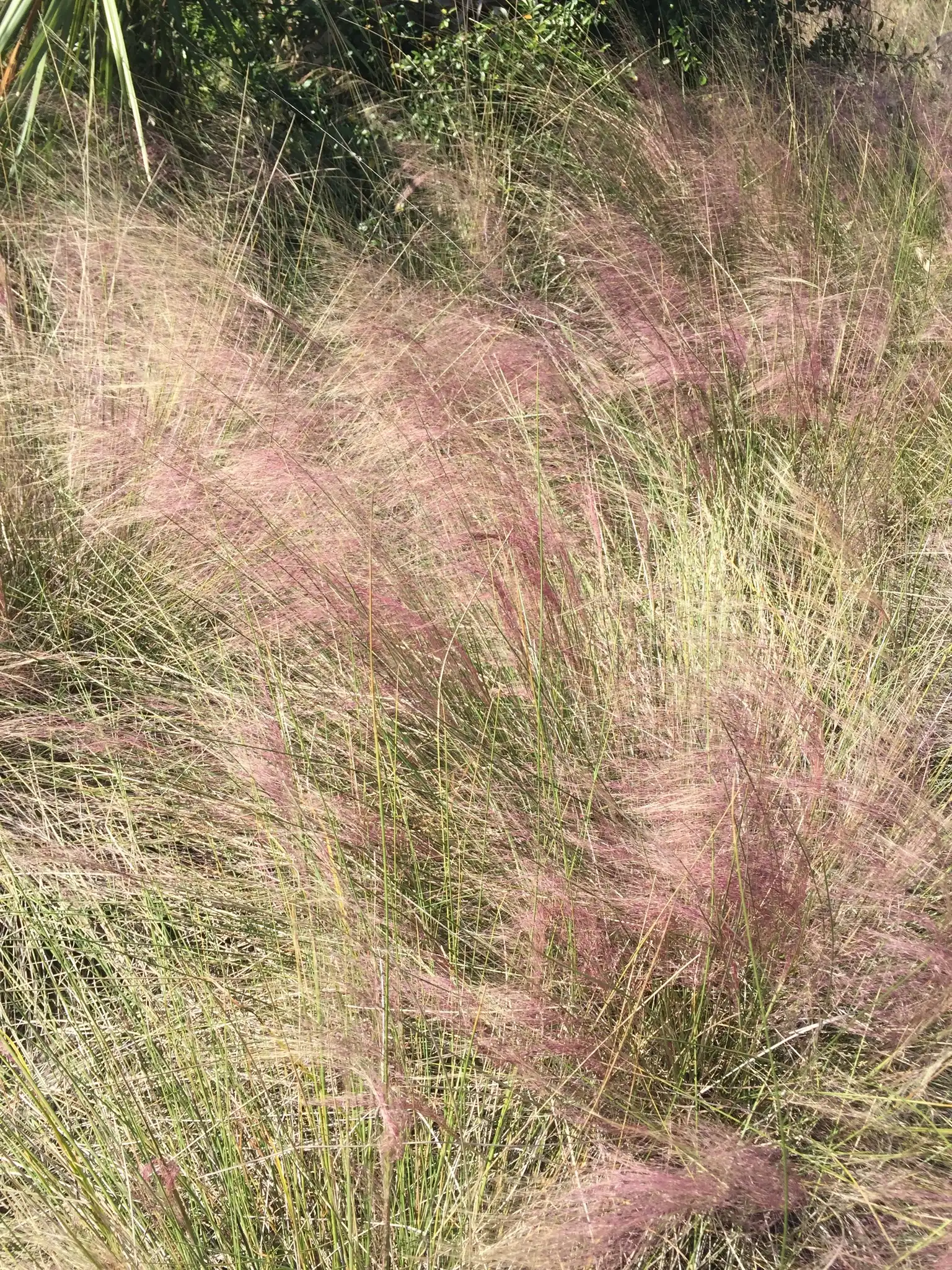
Grasses22
Movement and texture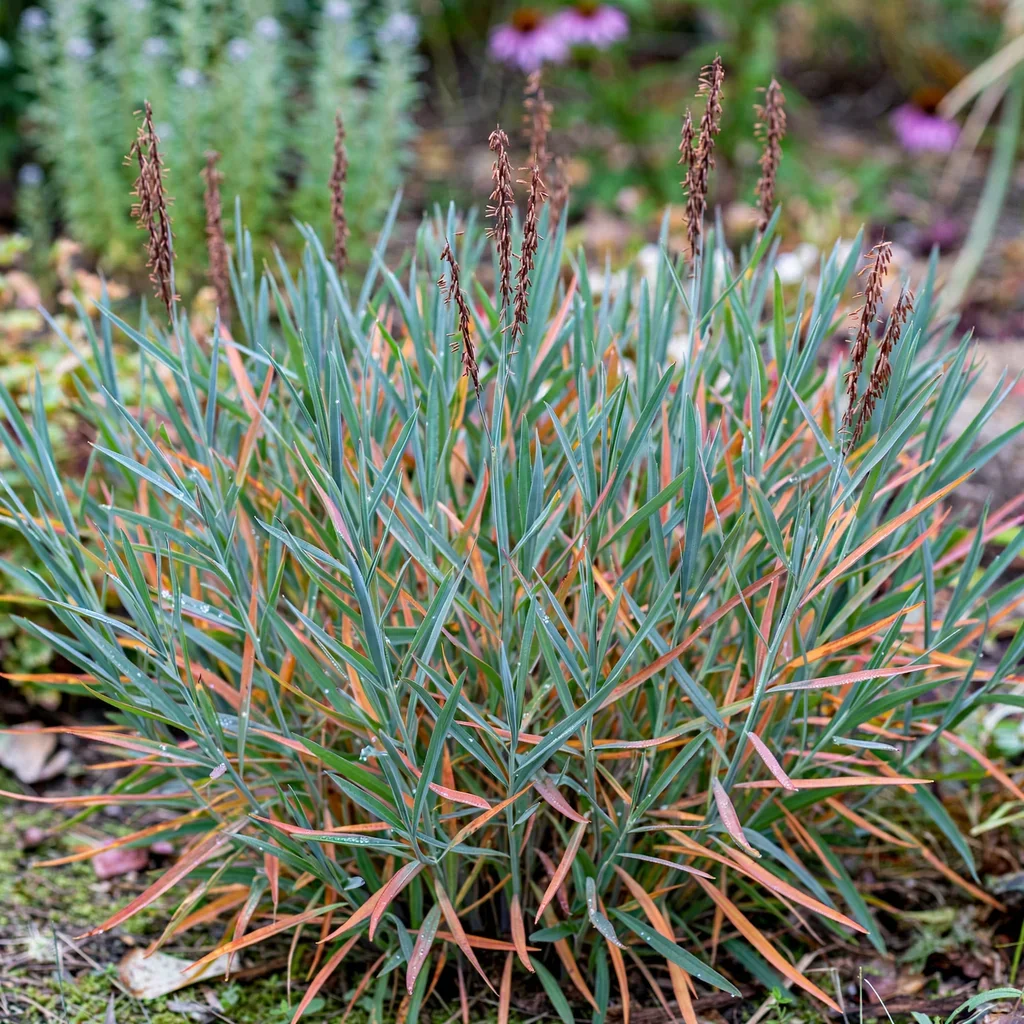
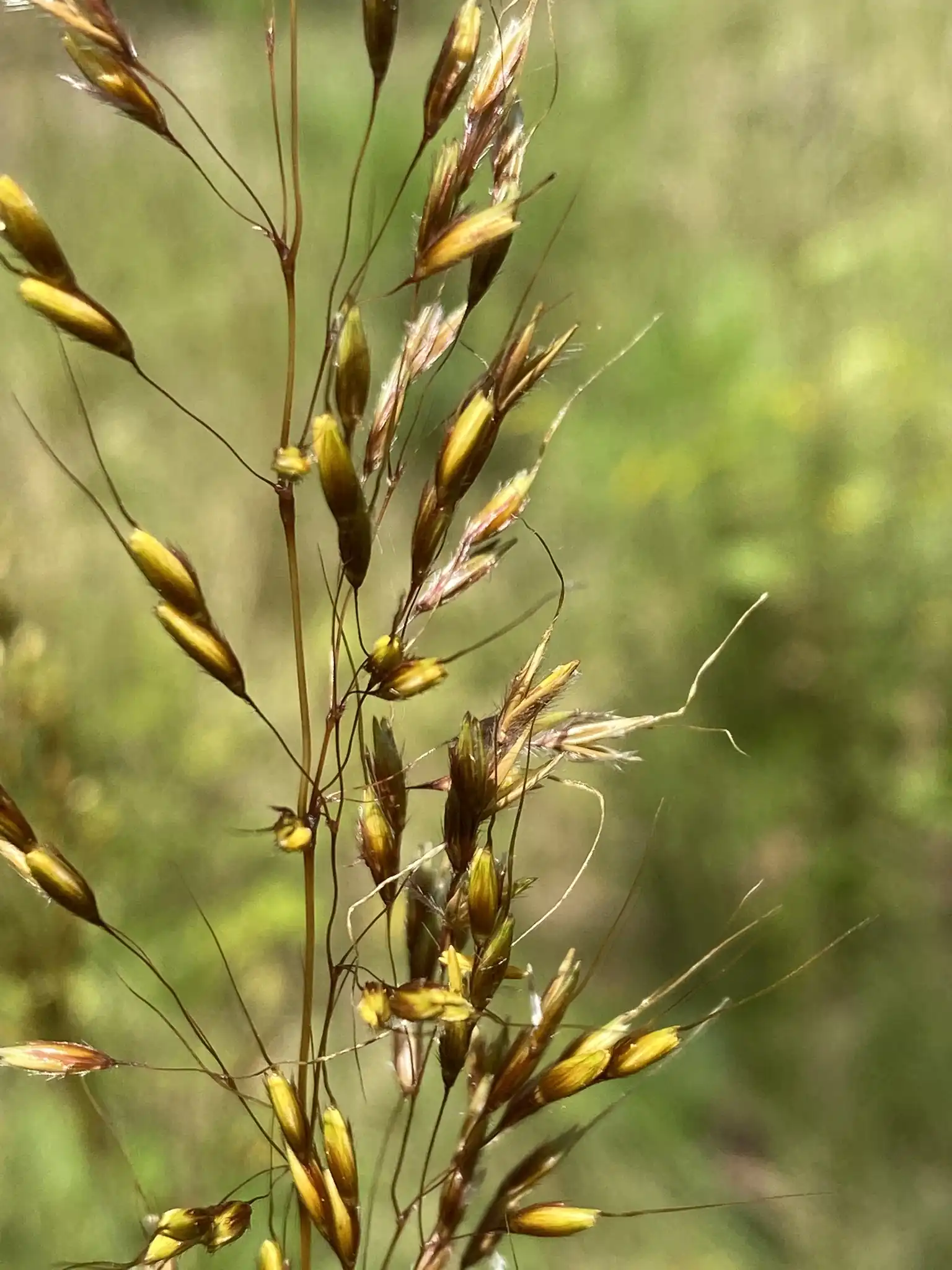
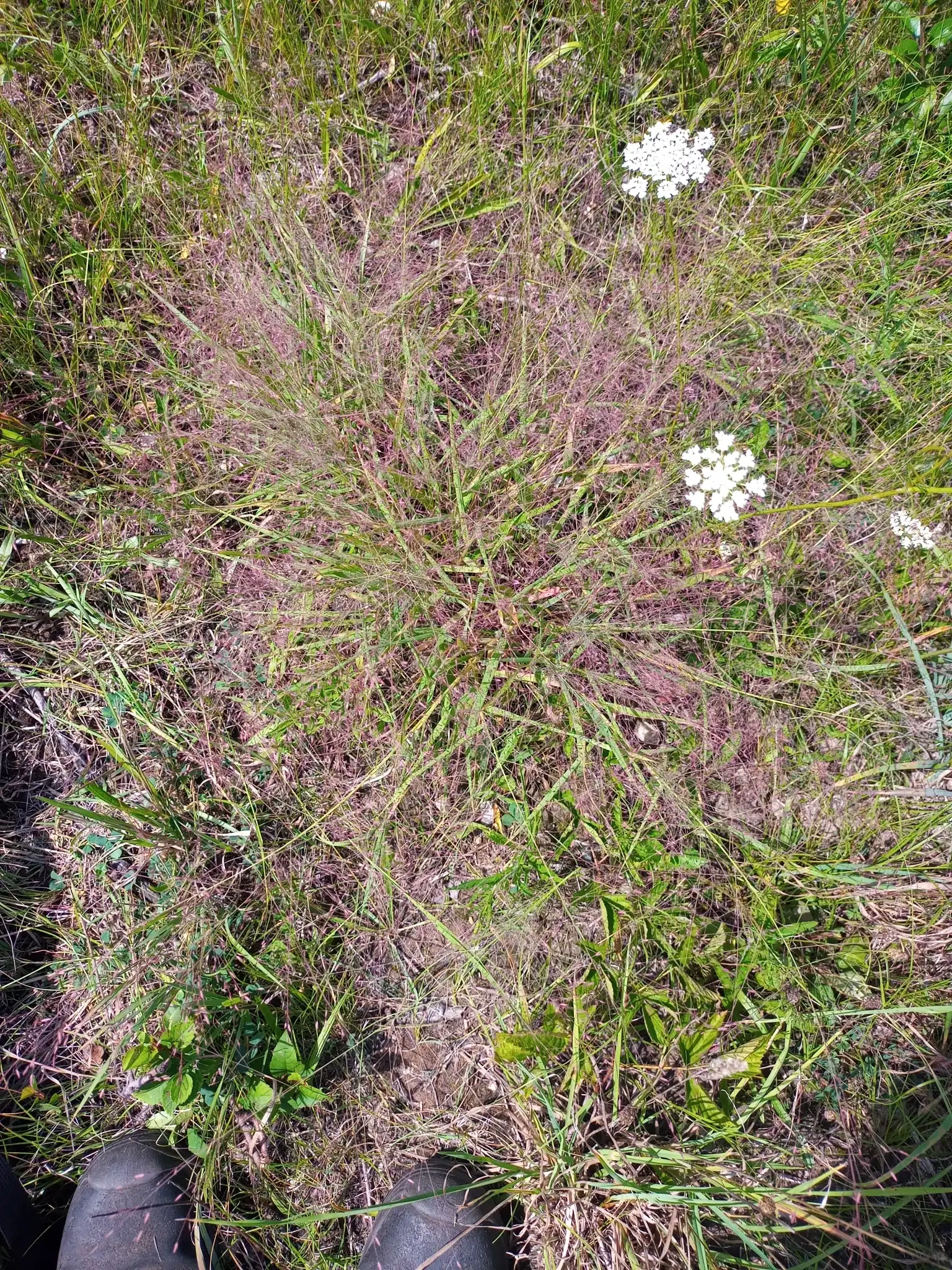
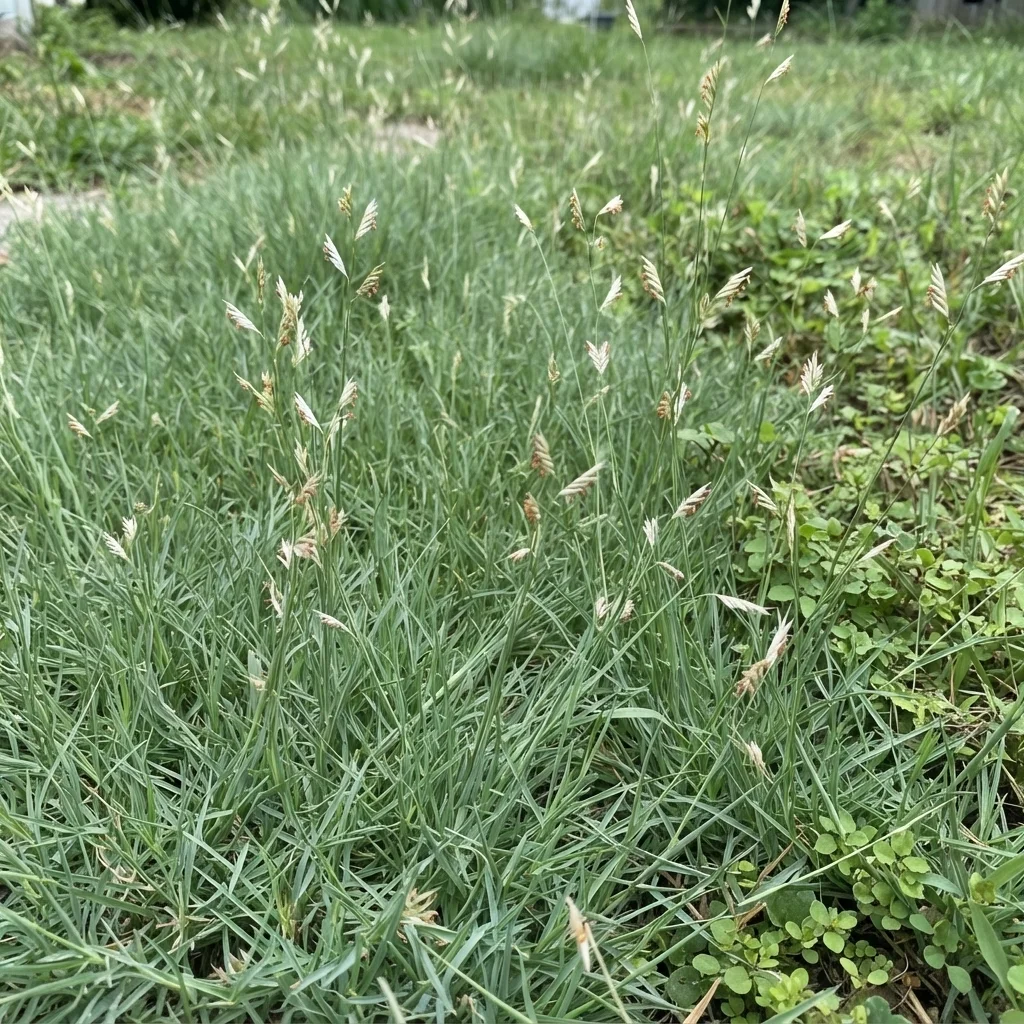
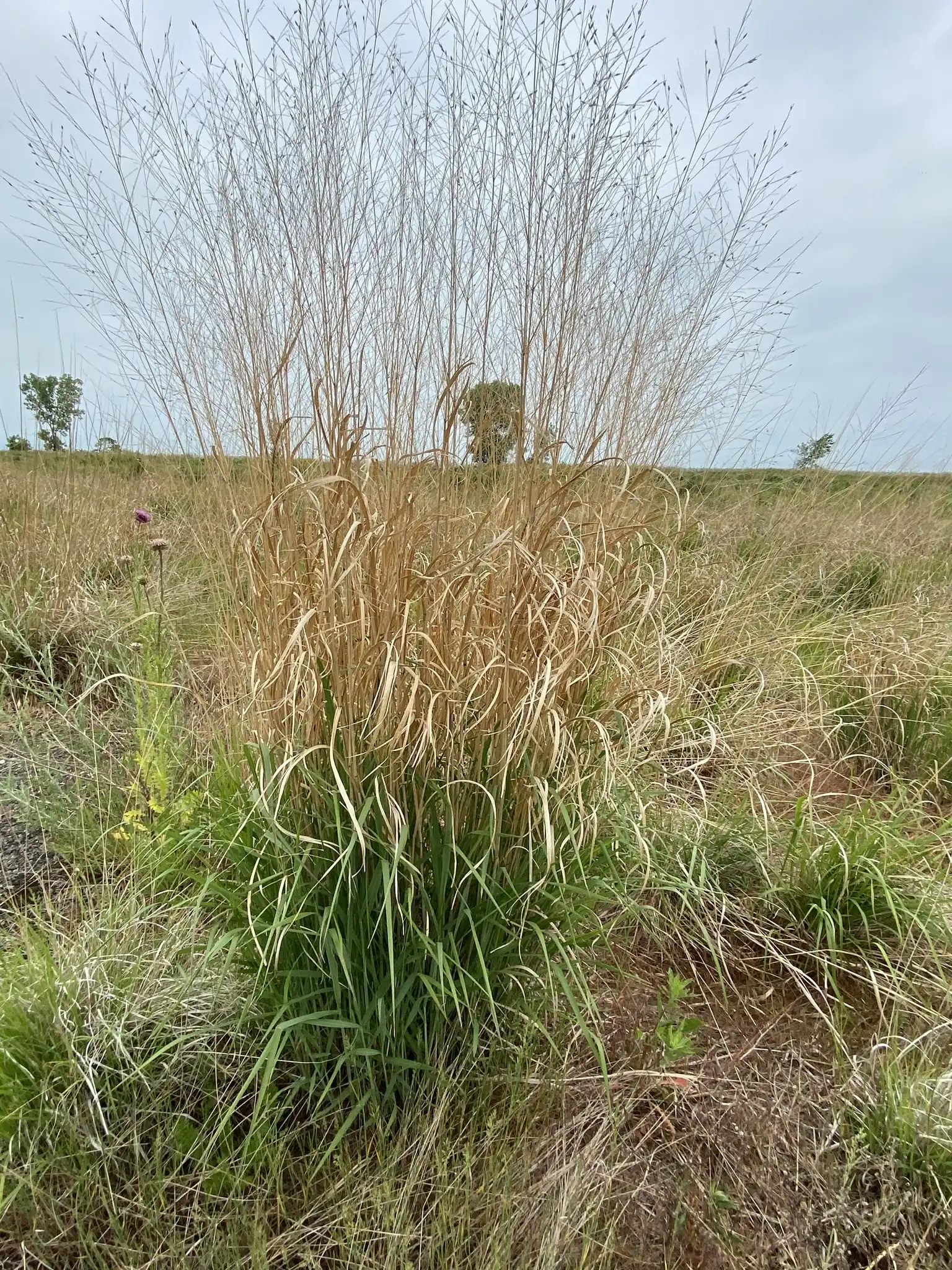
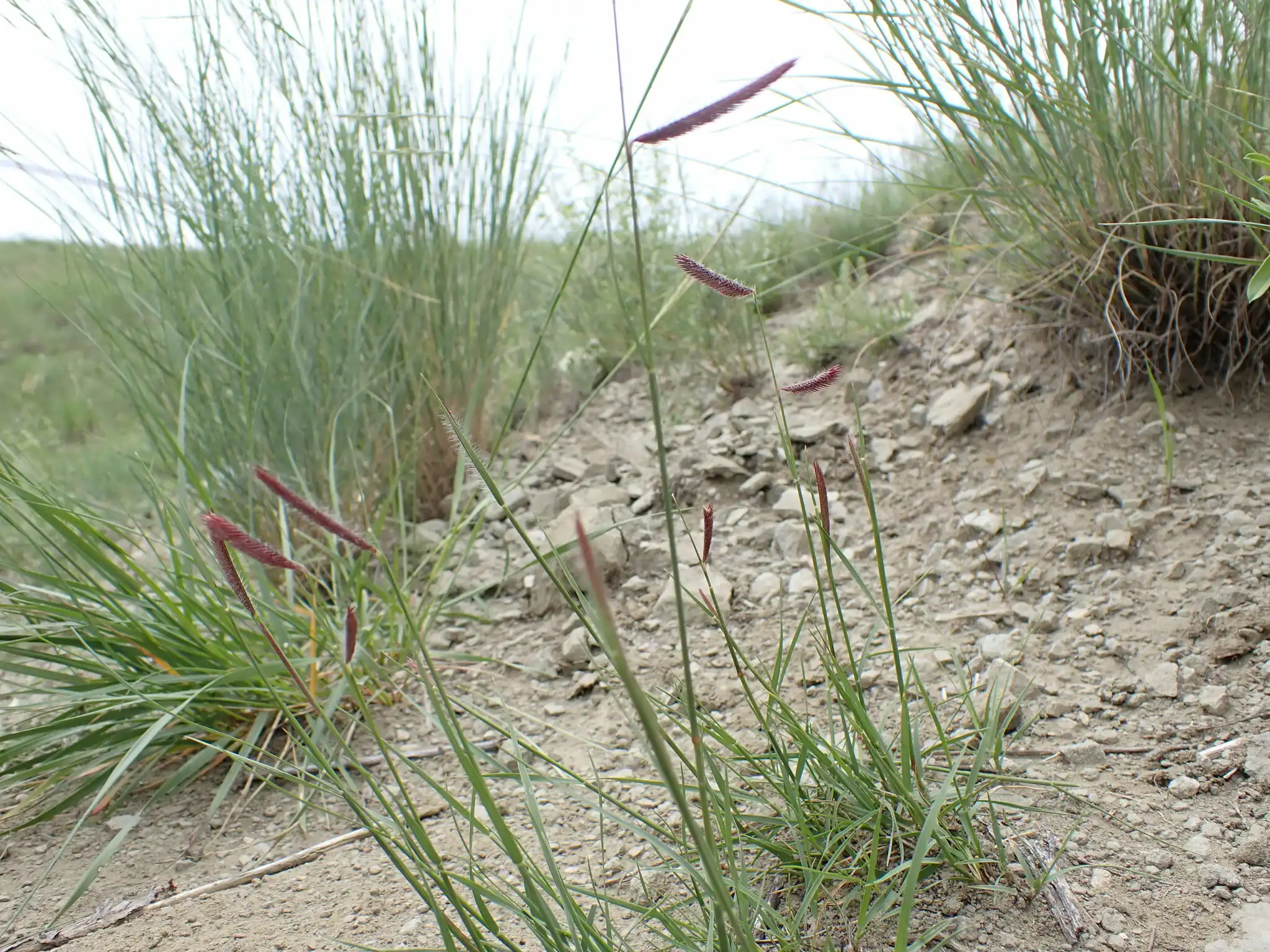
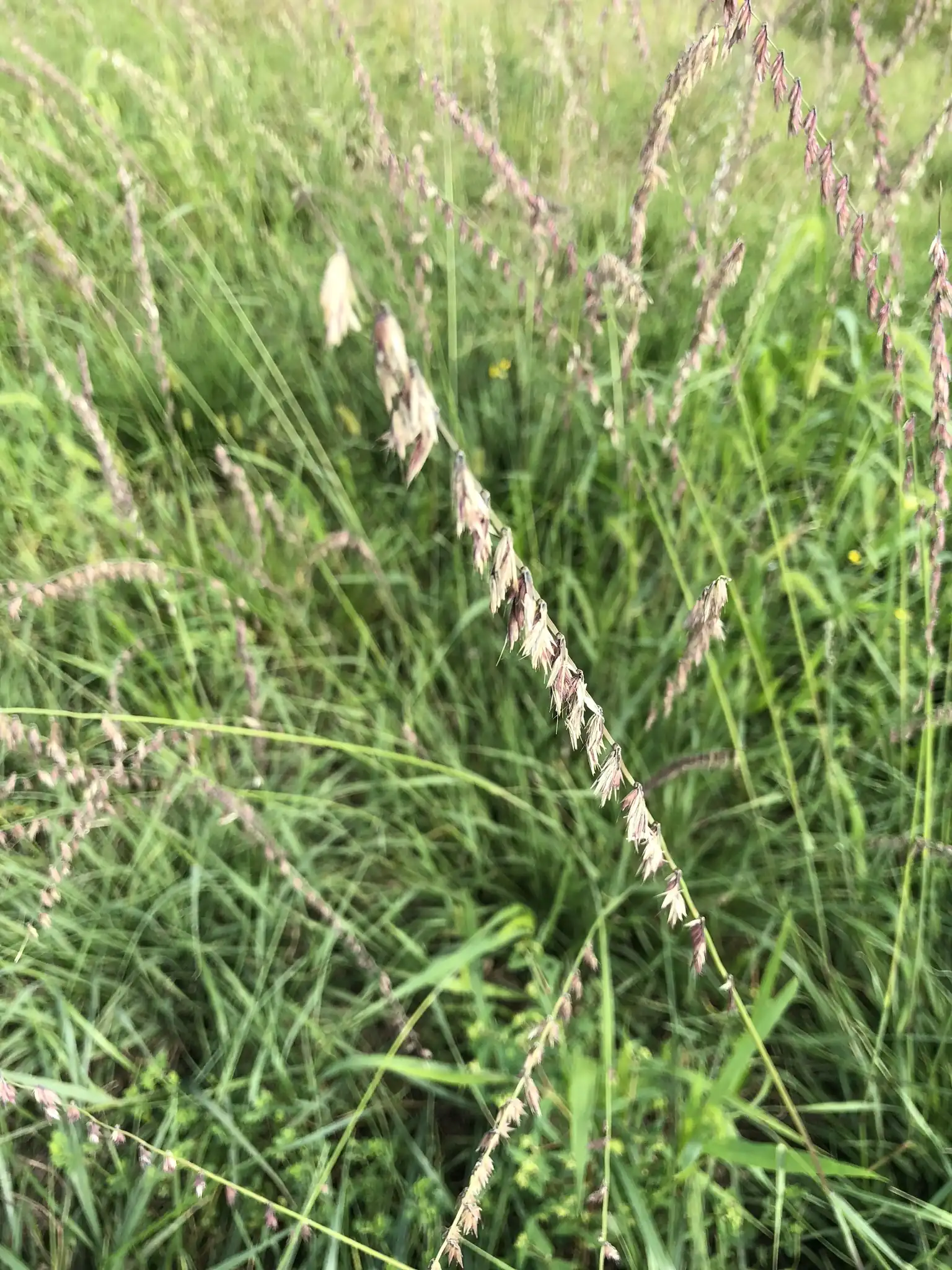
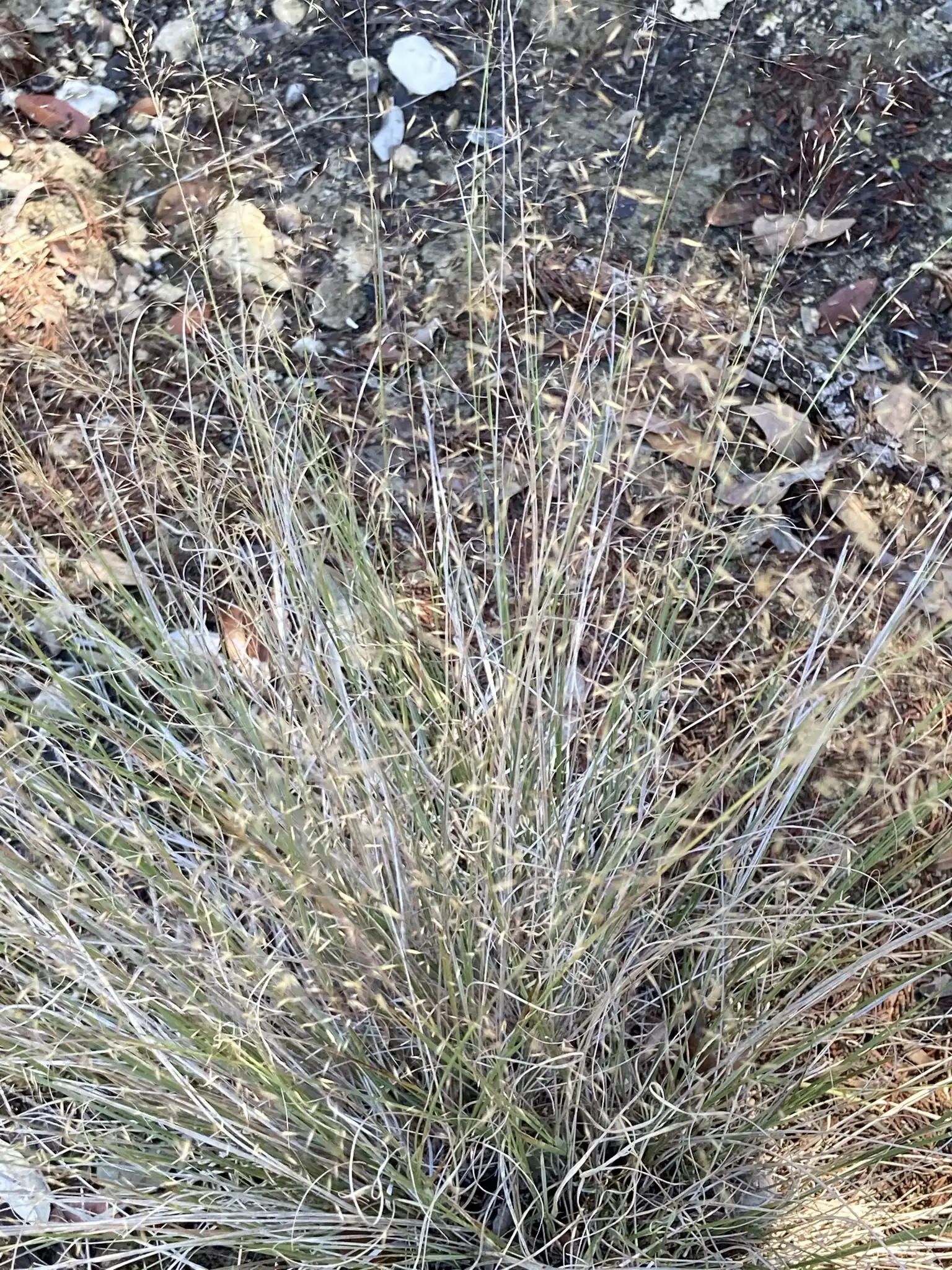
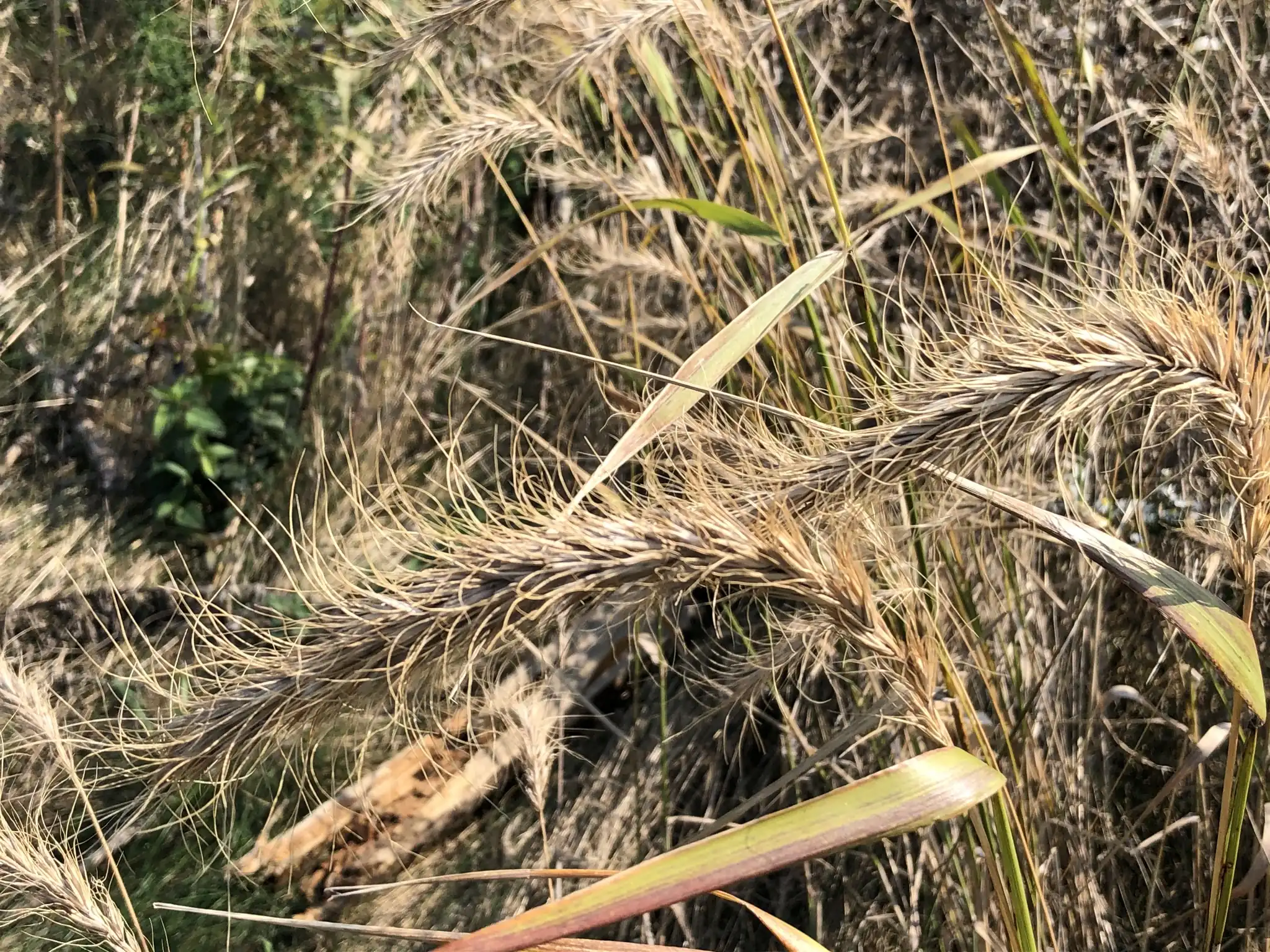
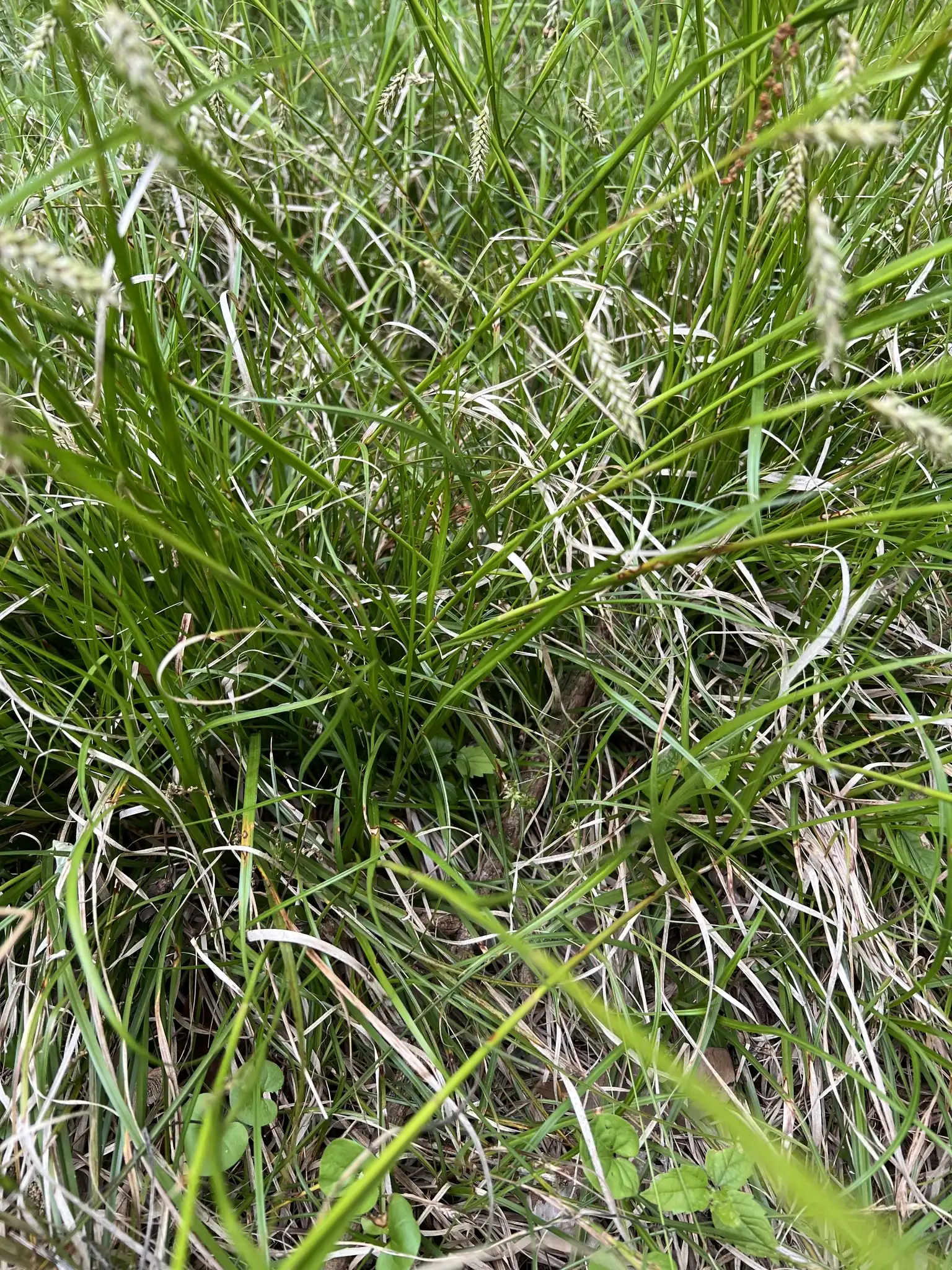
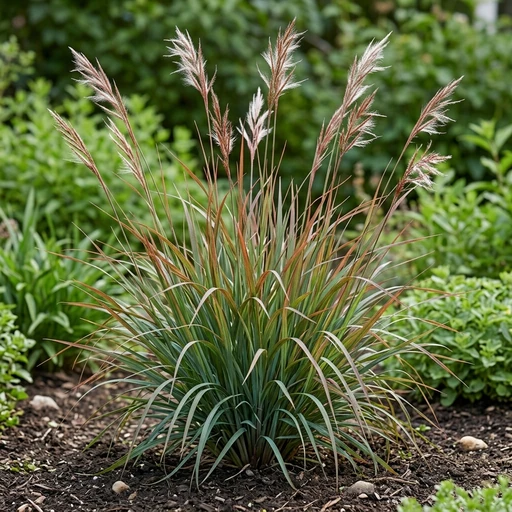
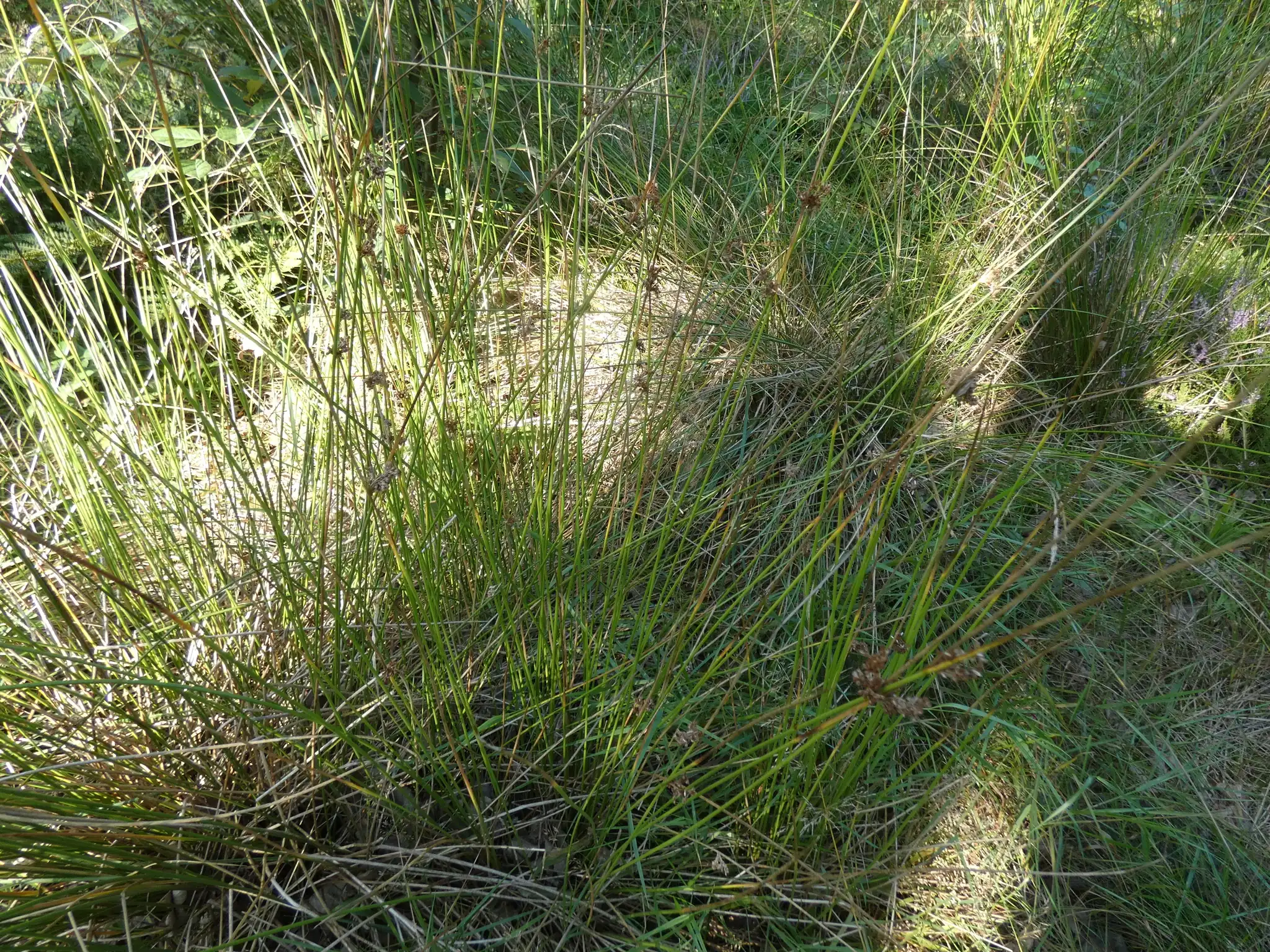
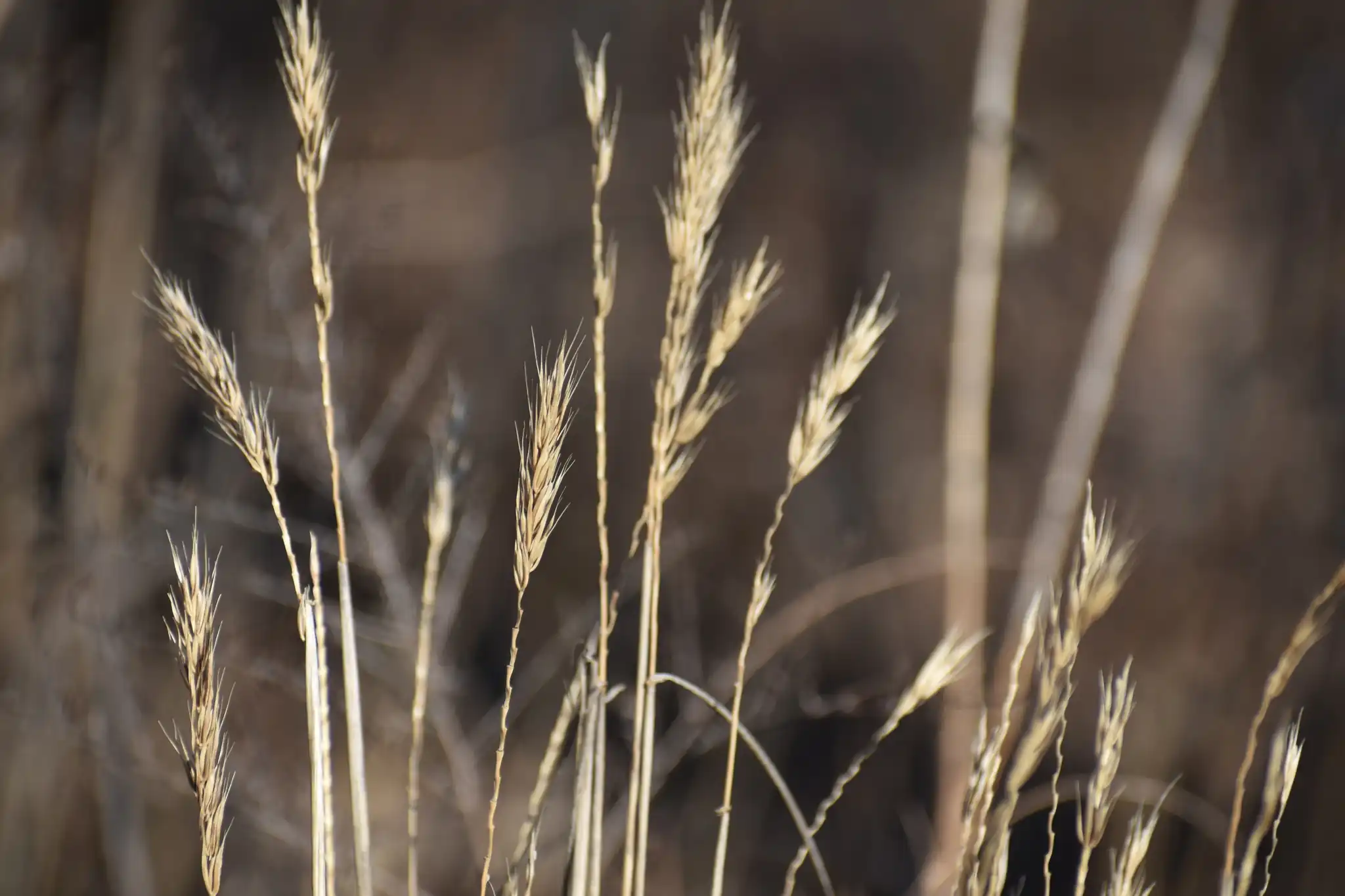
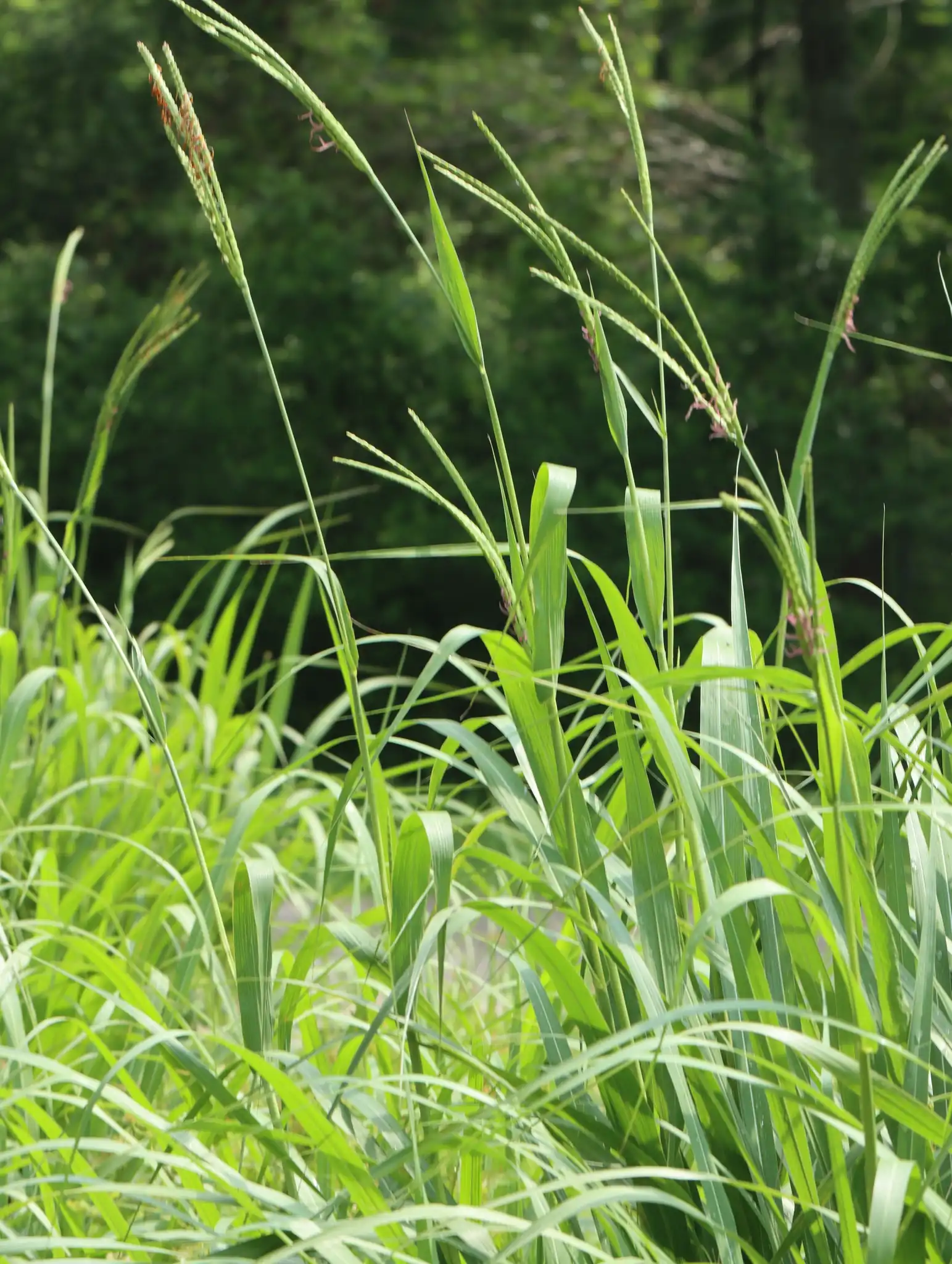
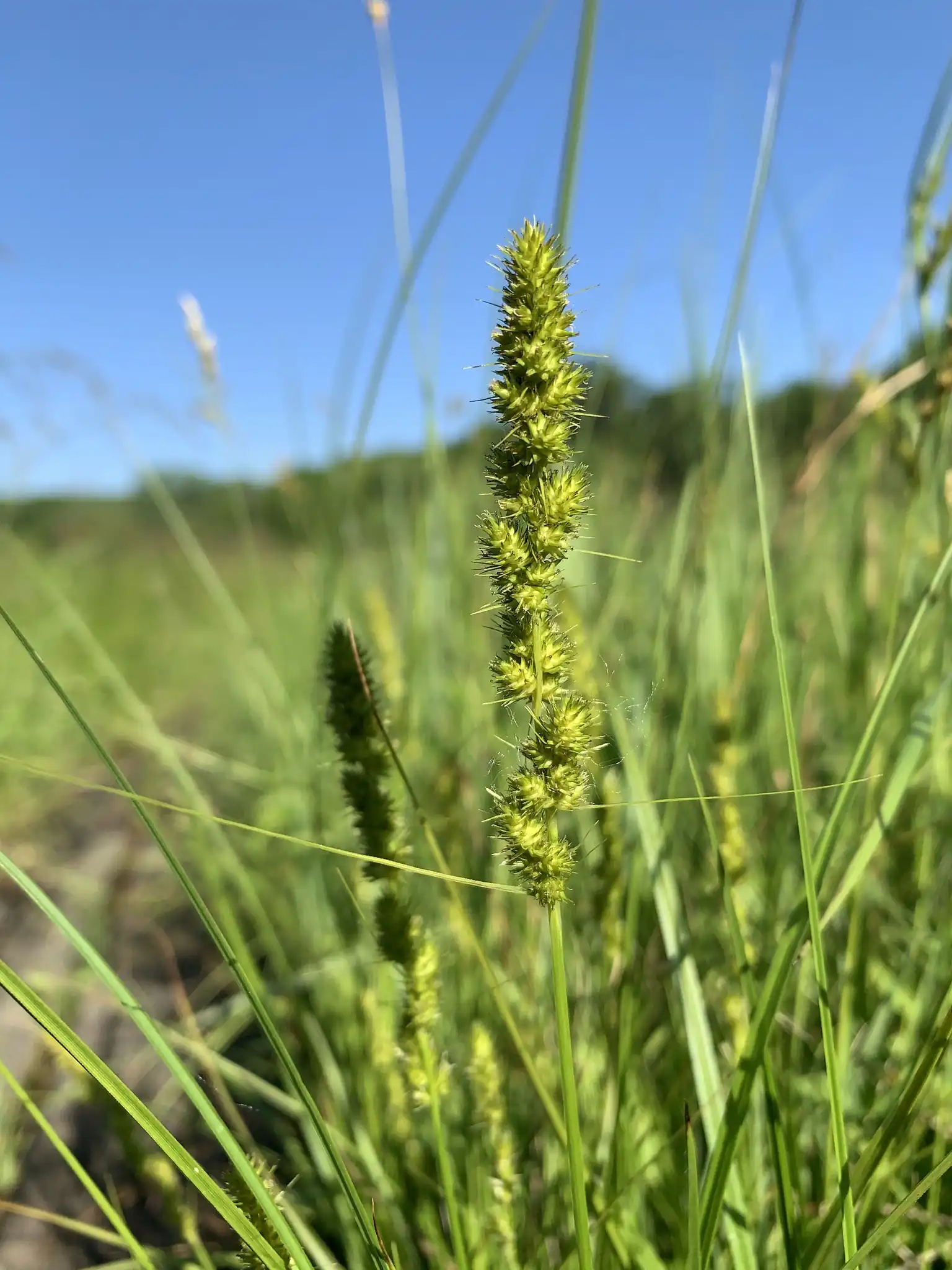
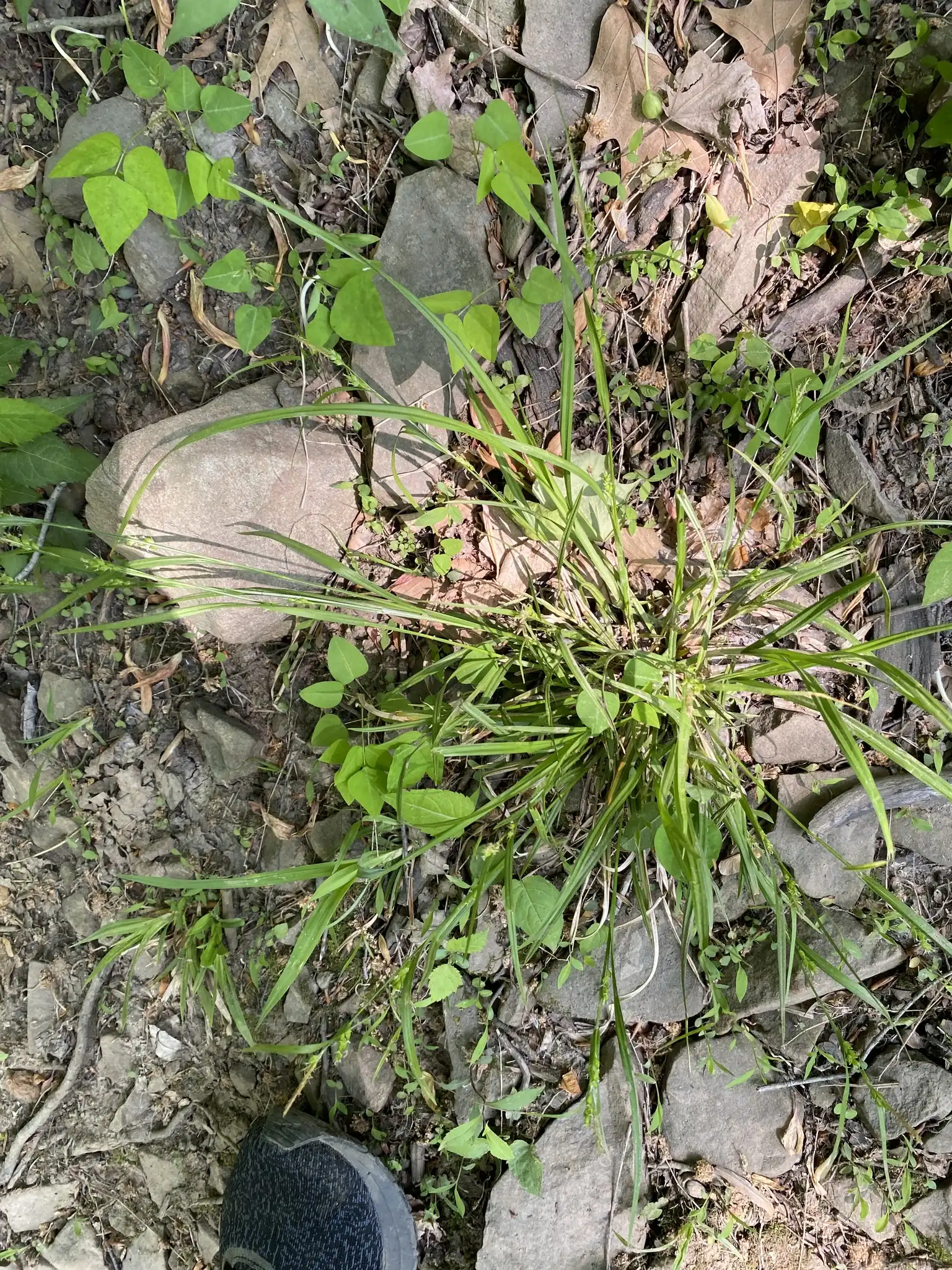
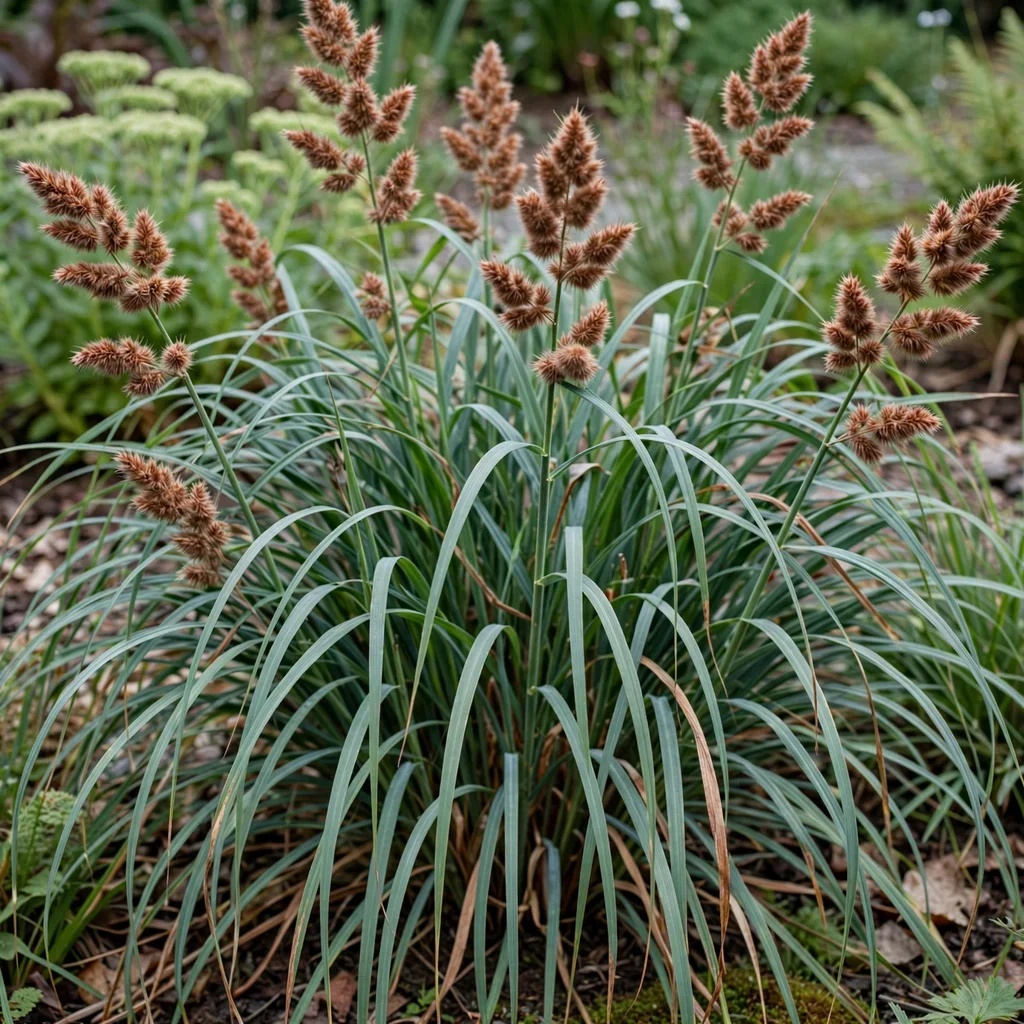
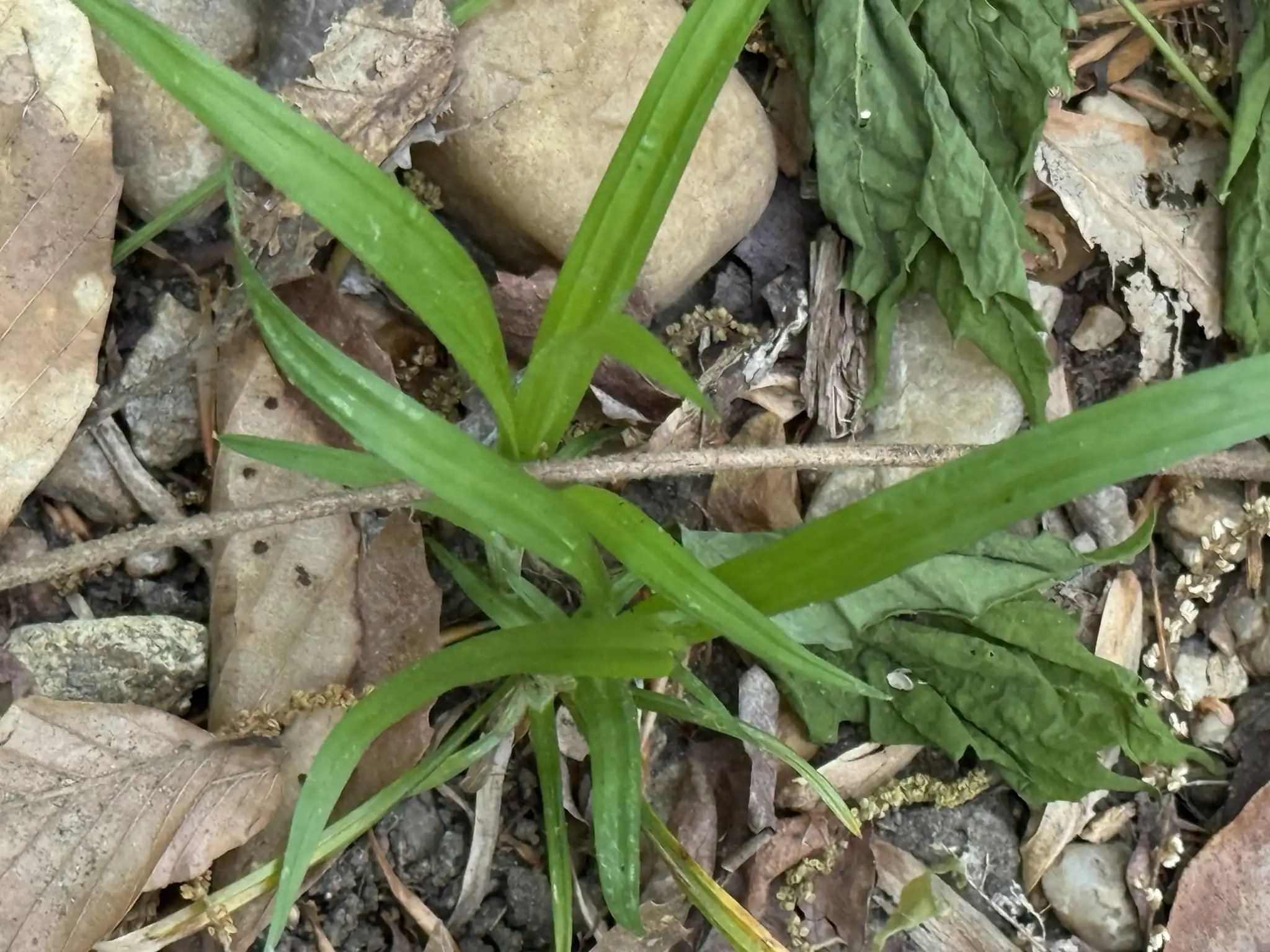
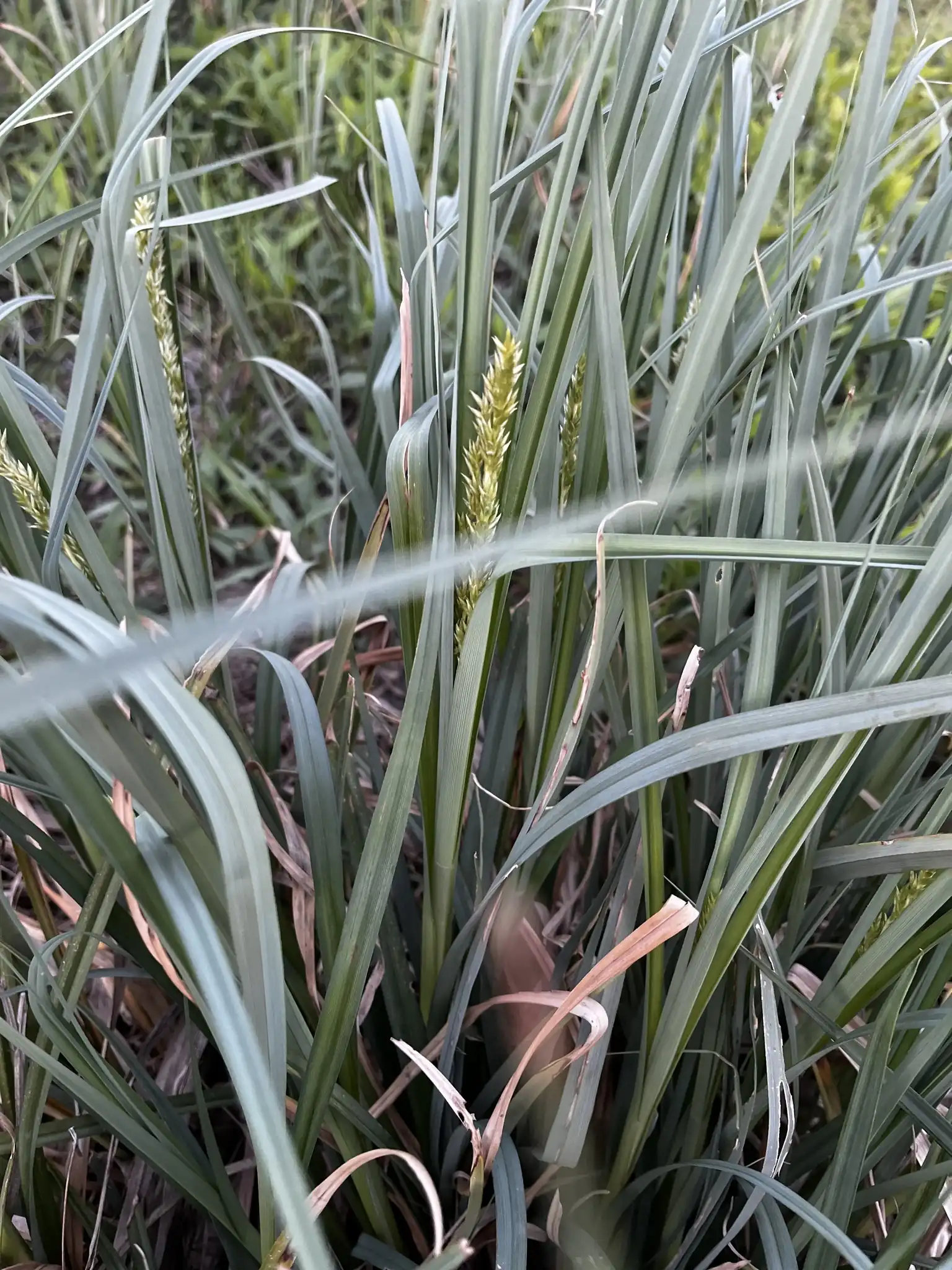
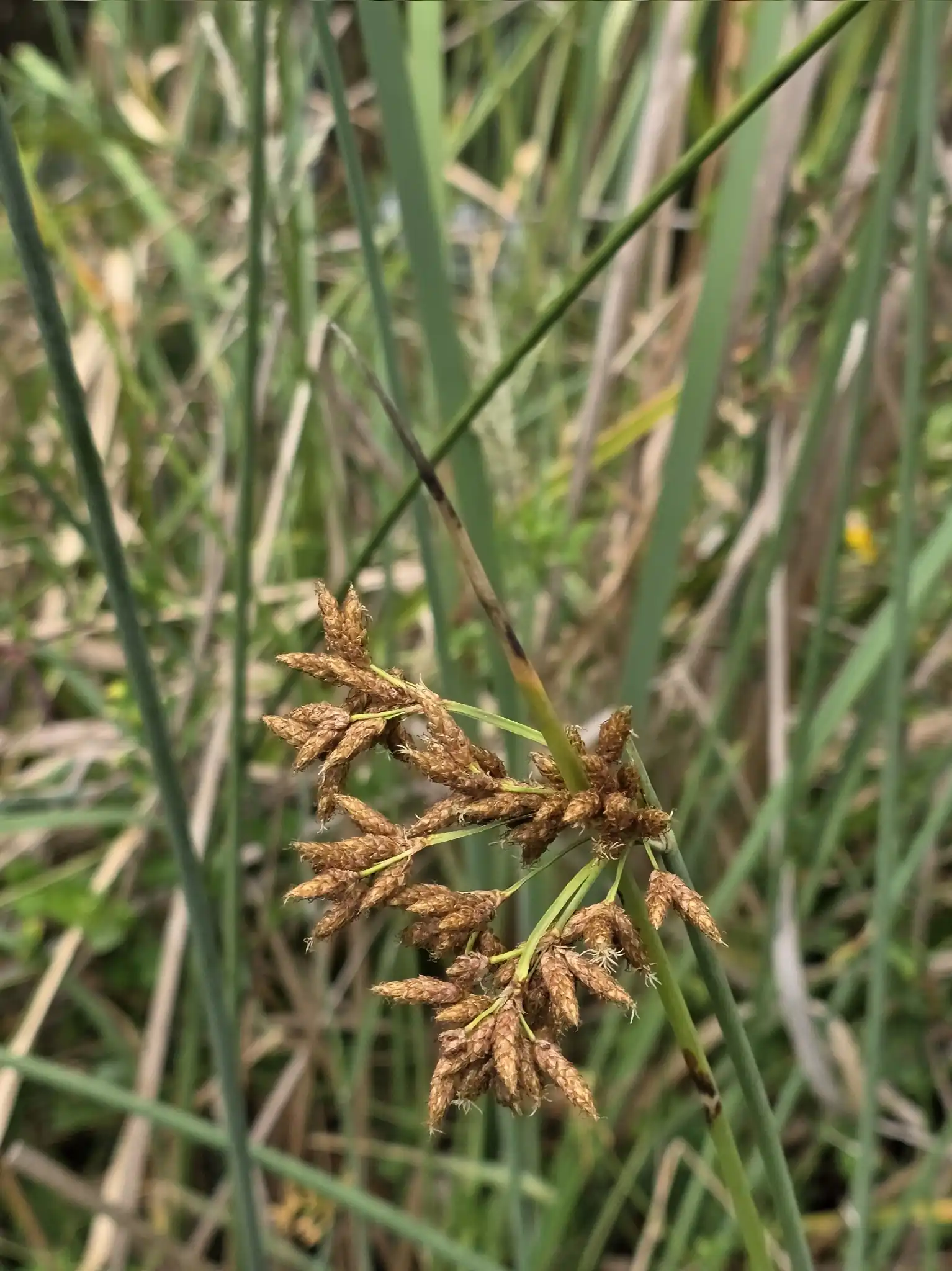
Perennials128
Seasonal colour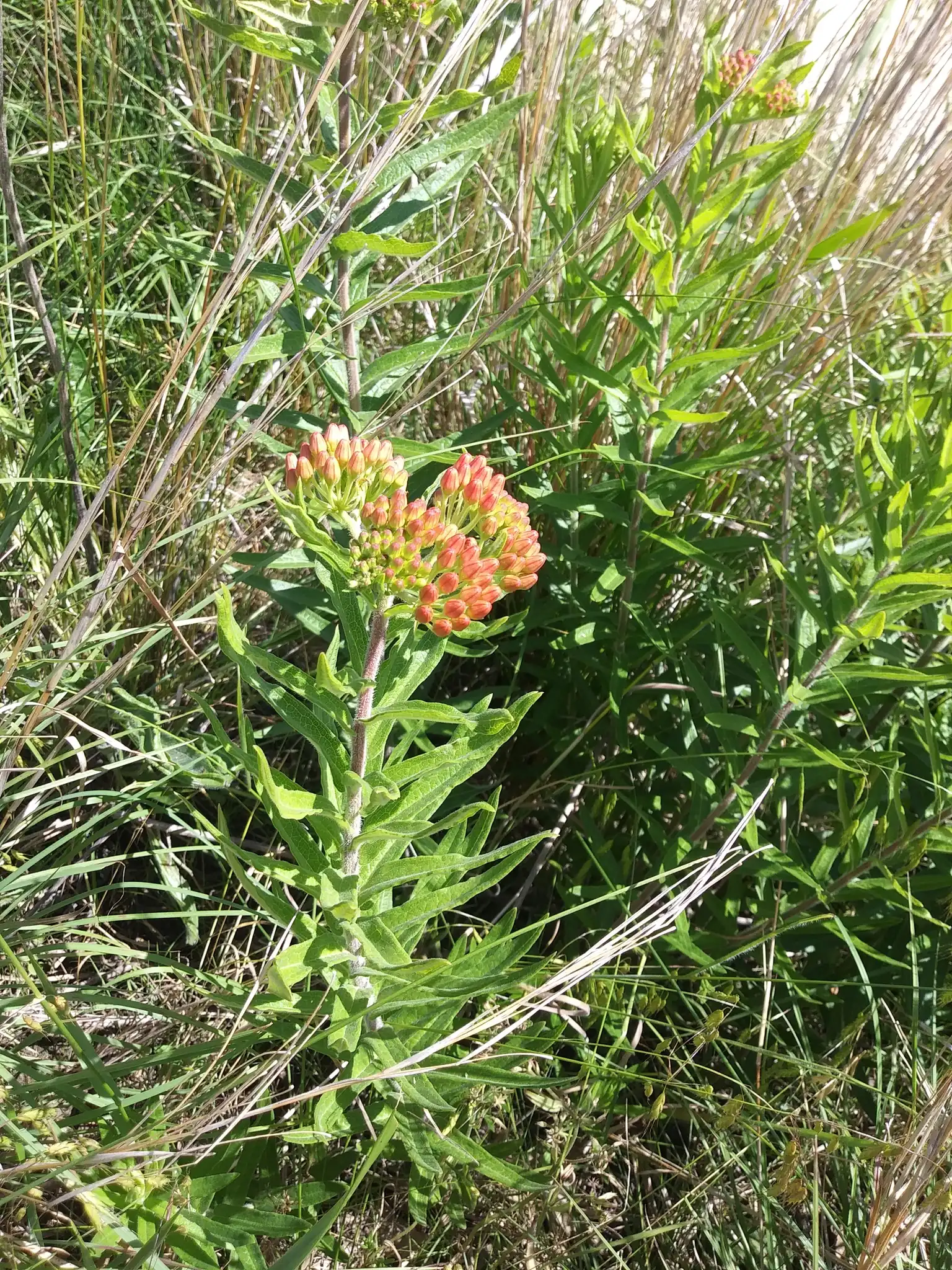
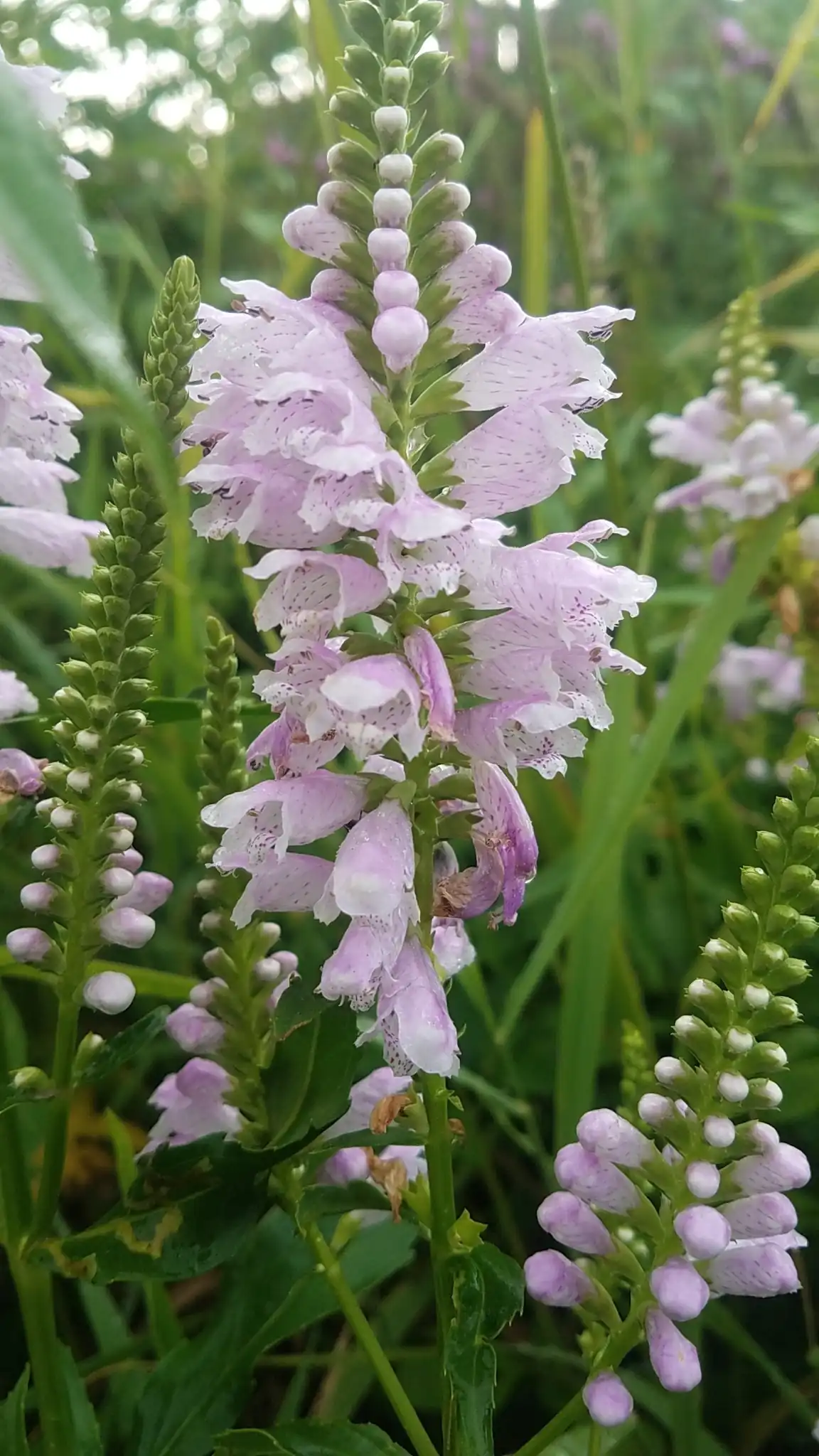
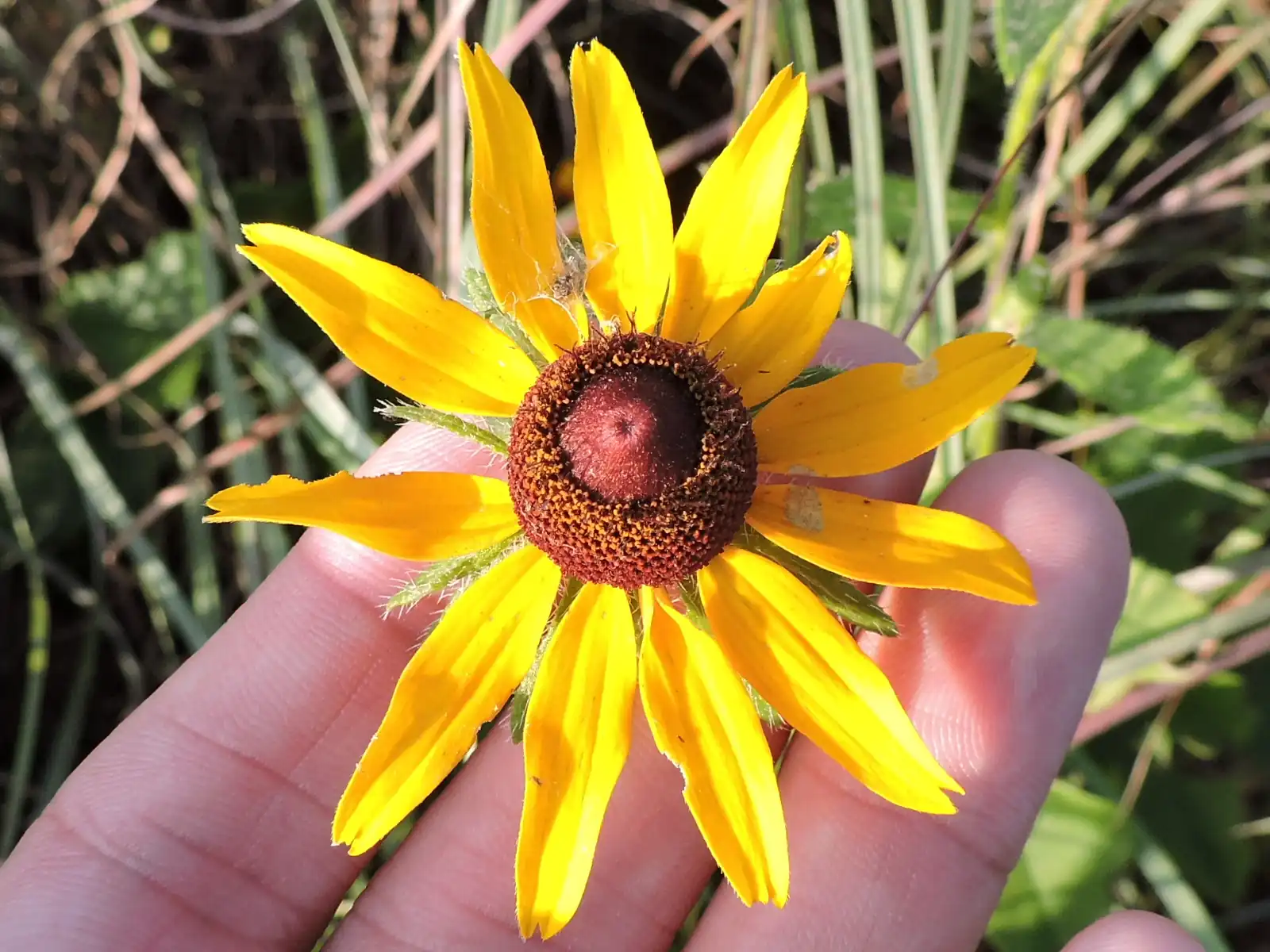
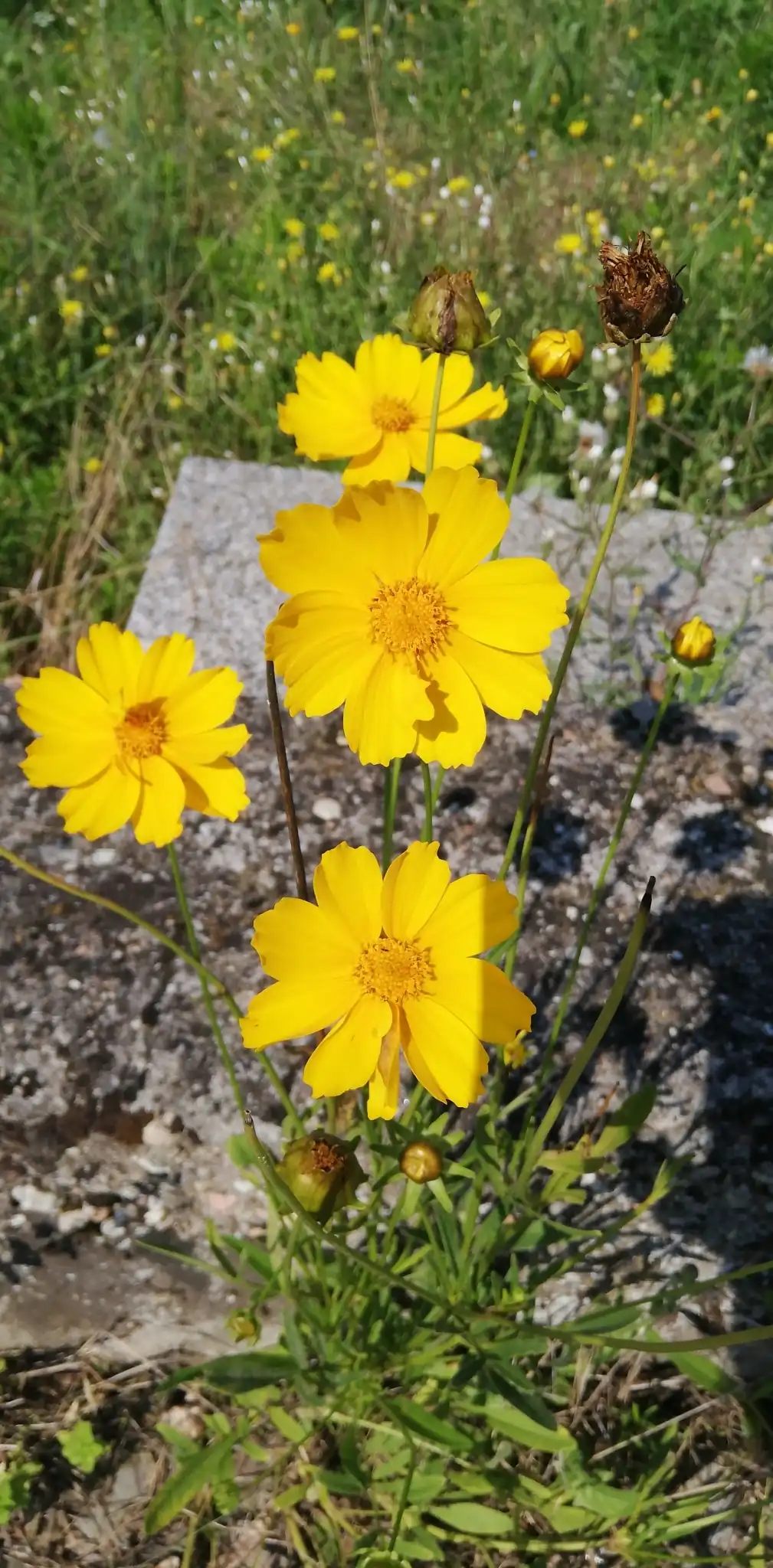
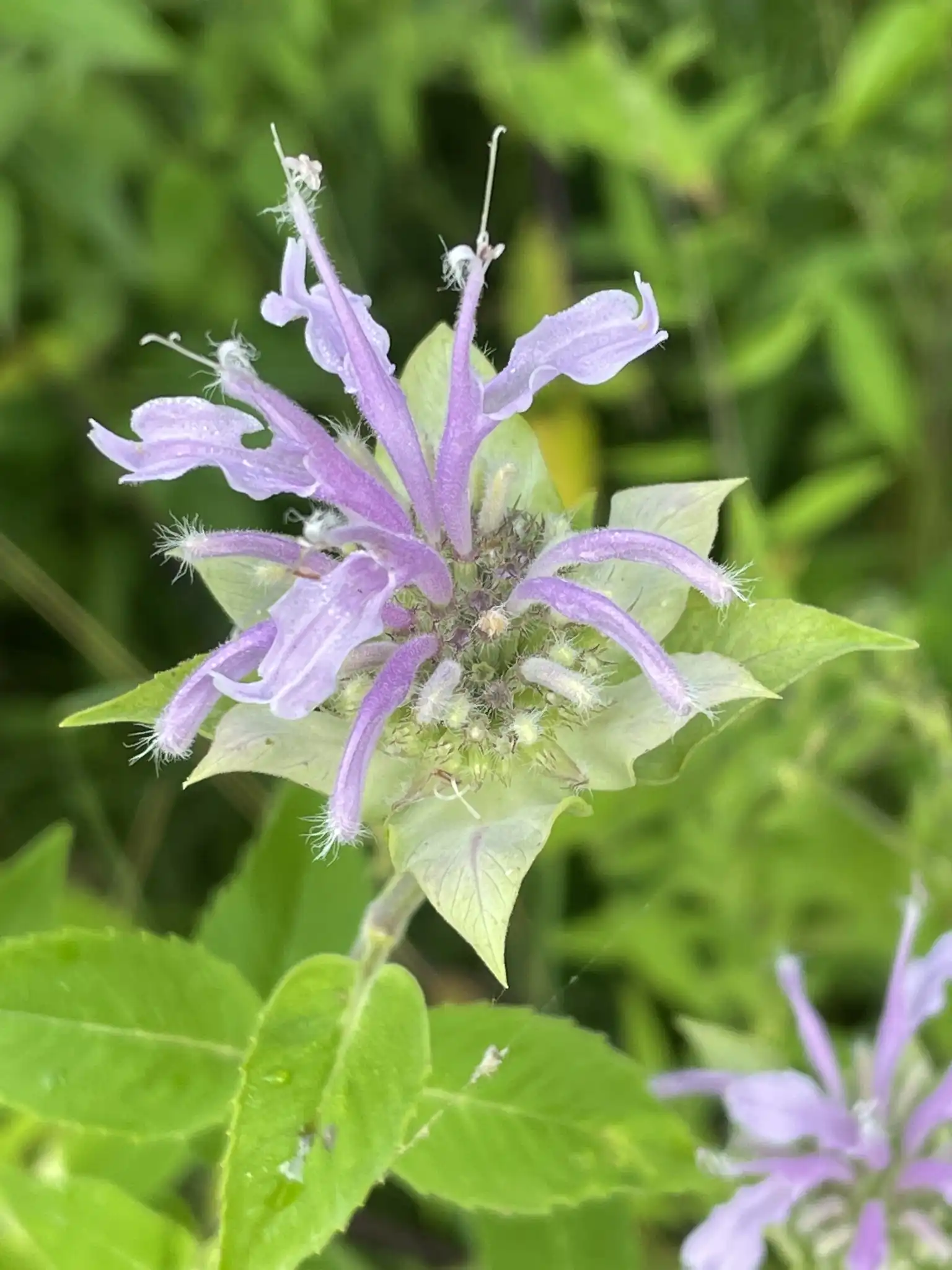
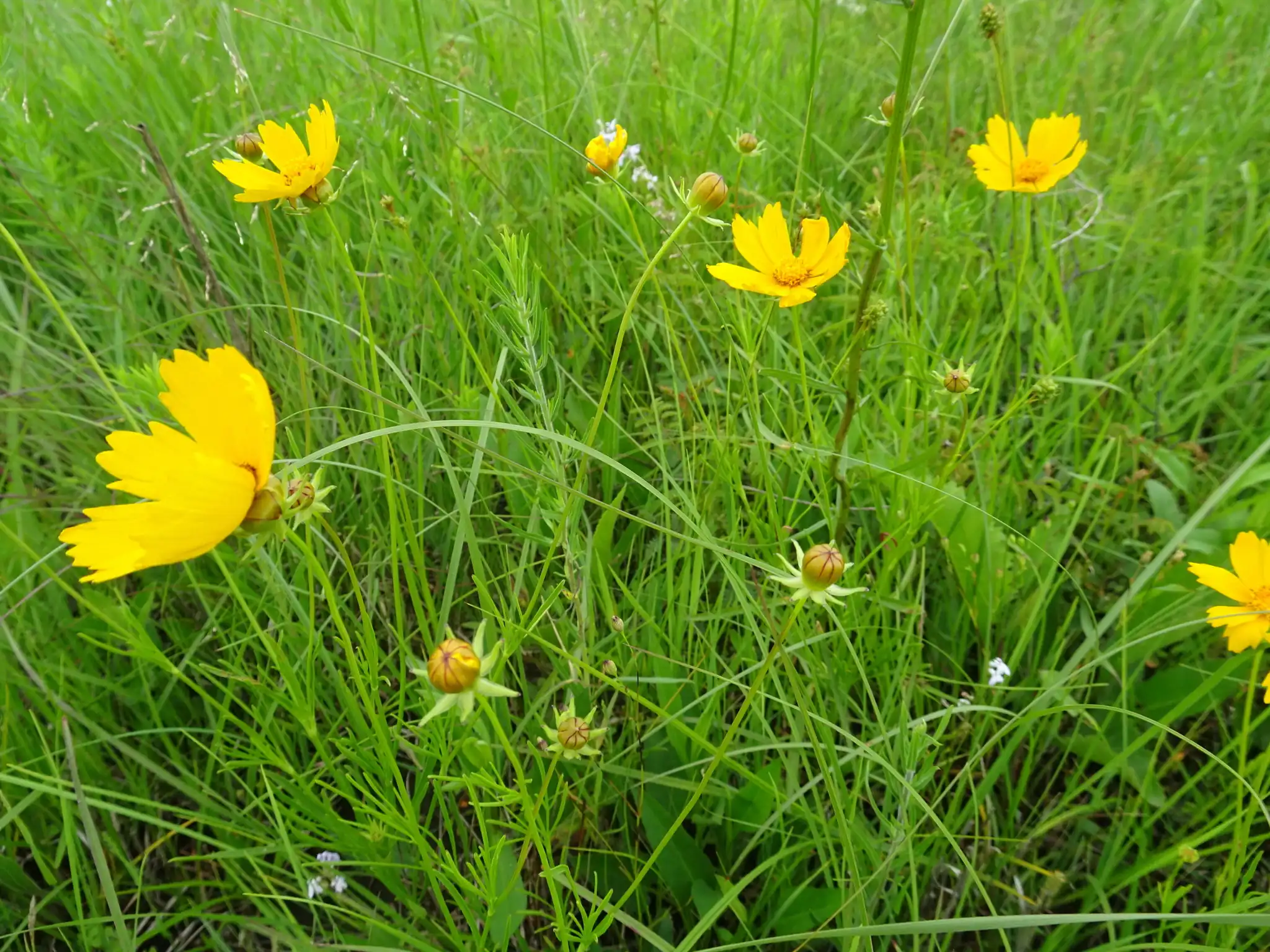
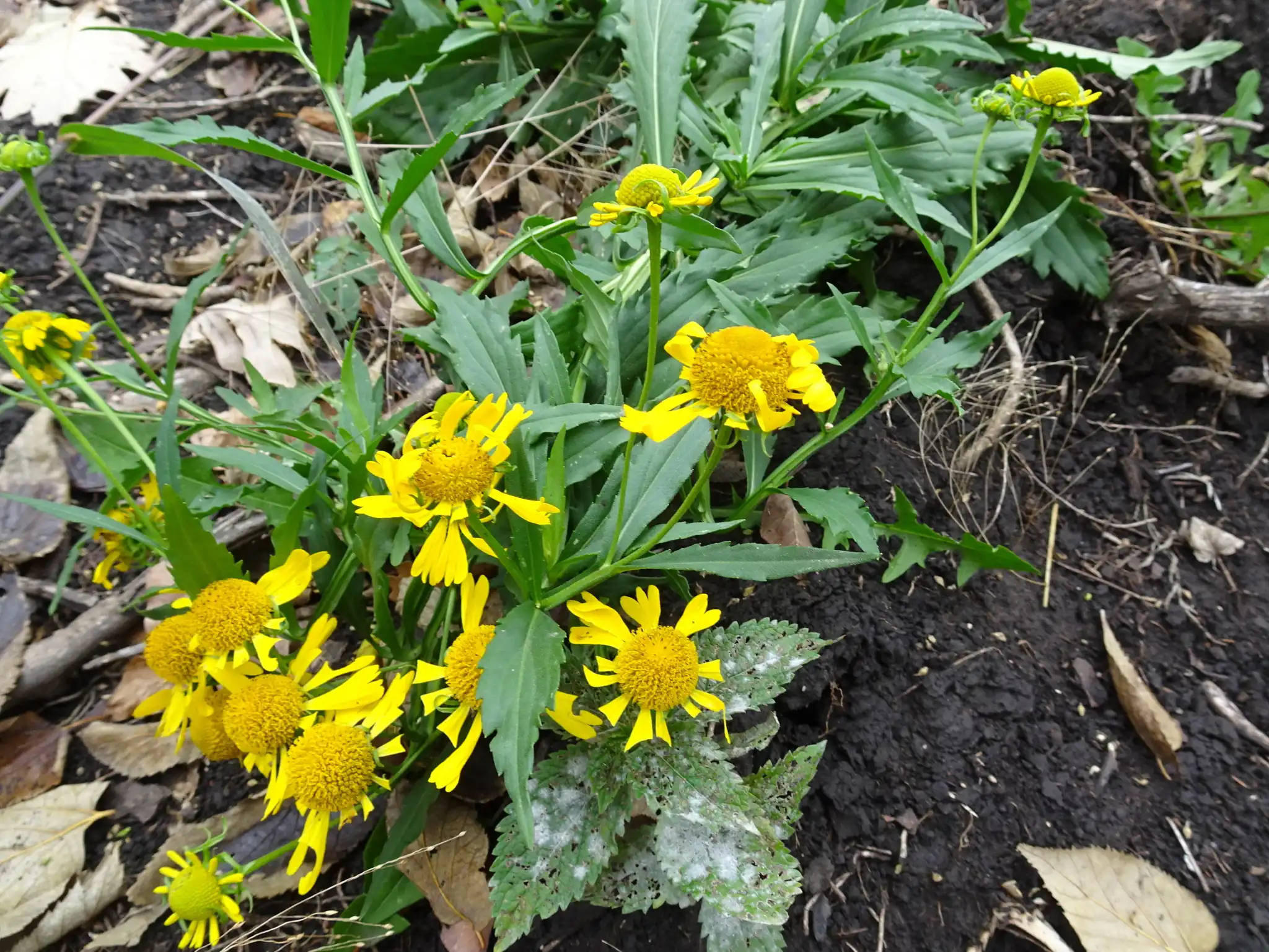
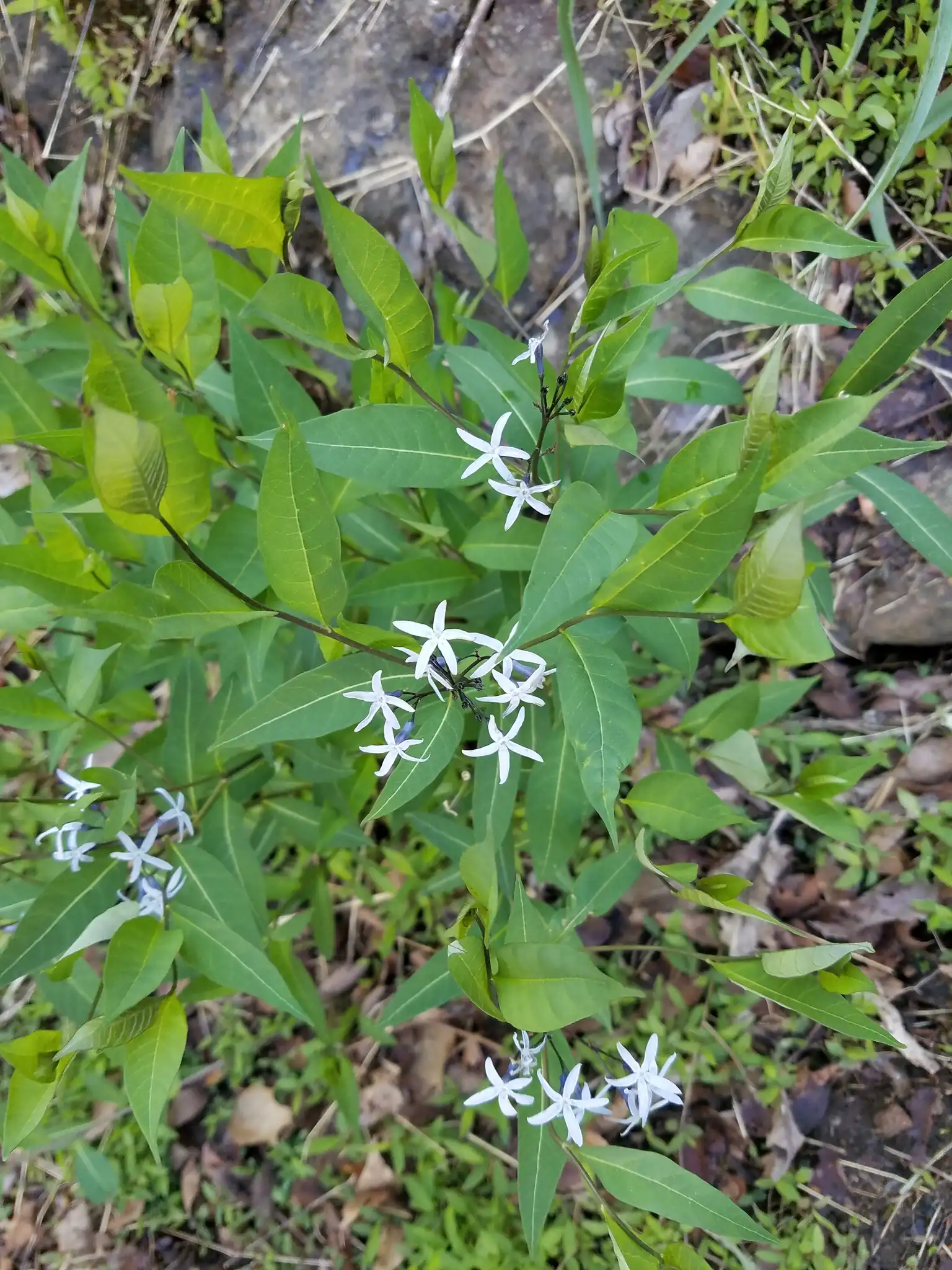
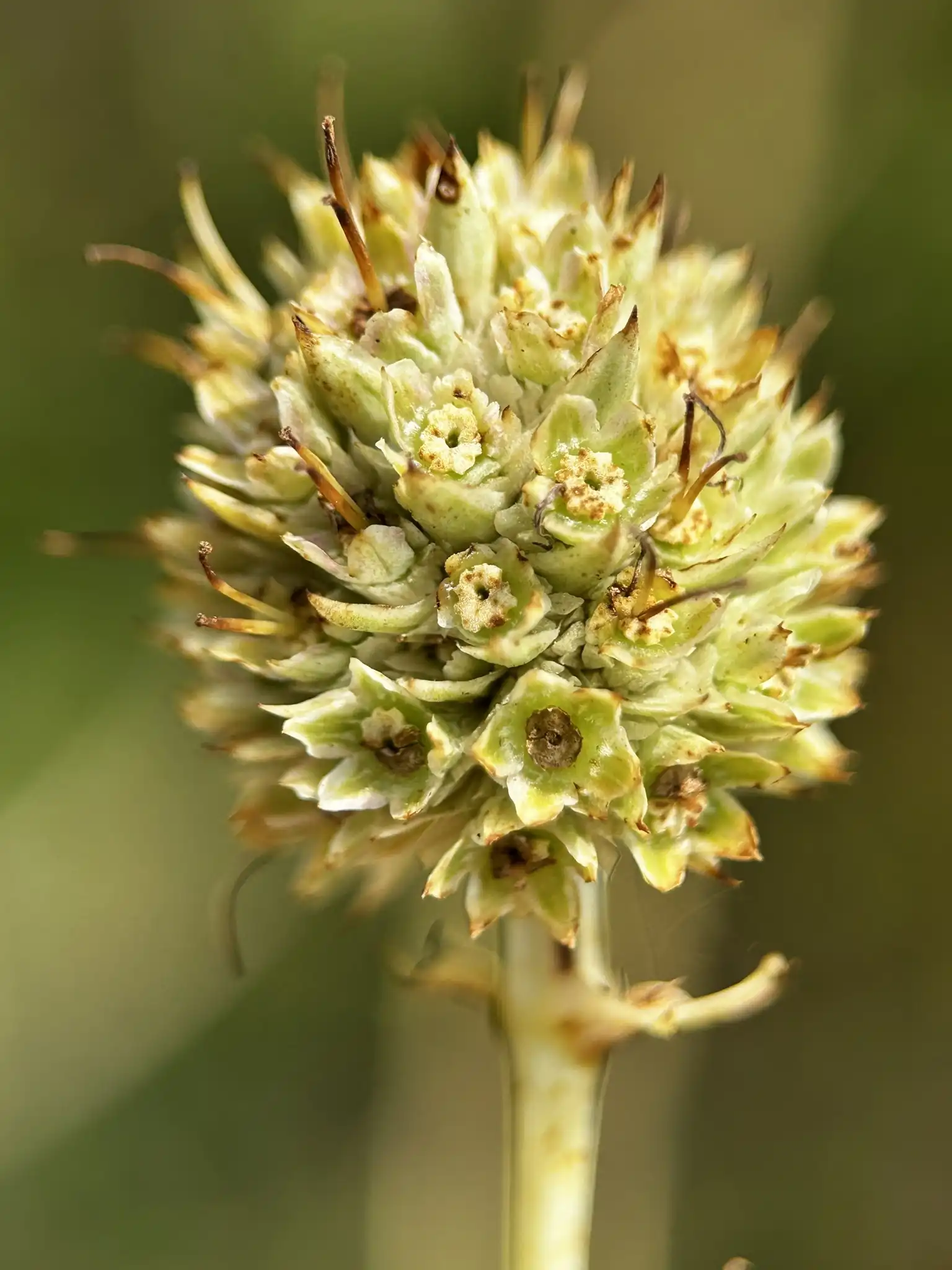
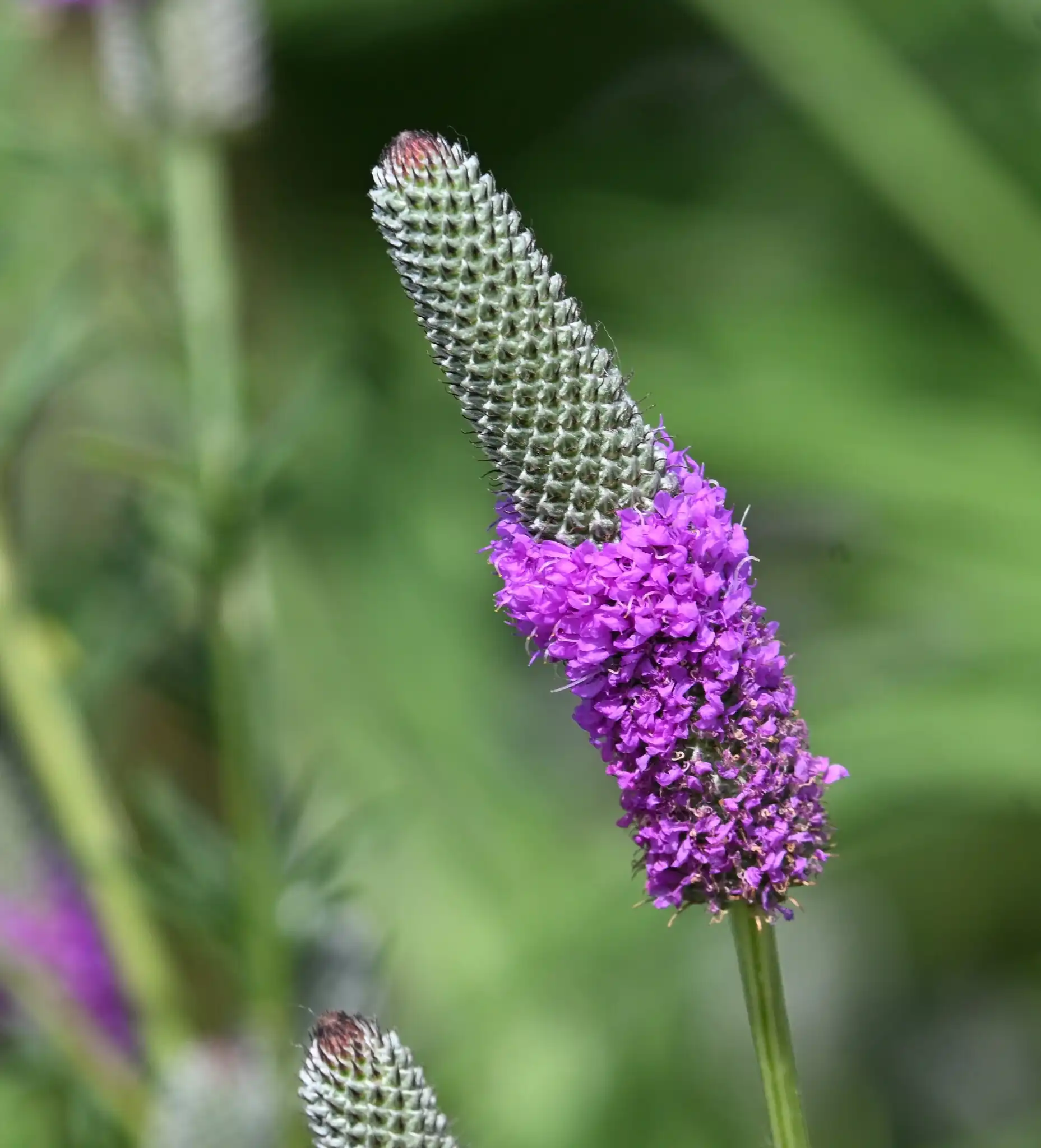
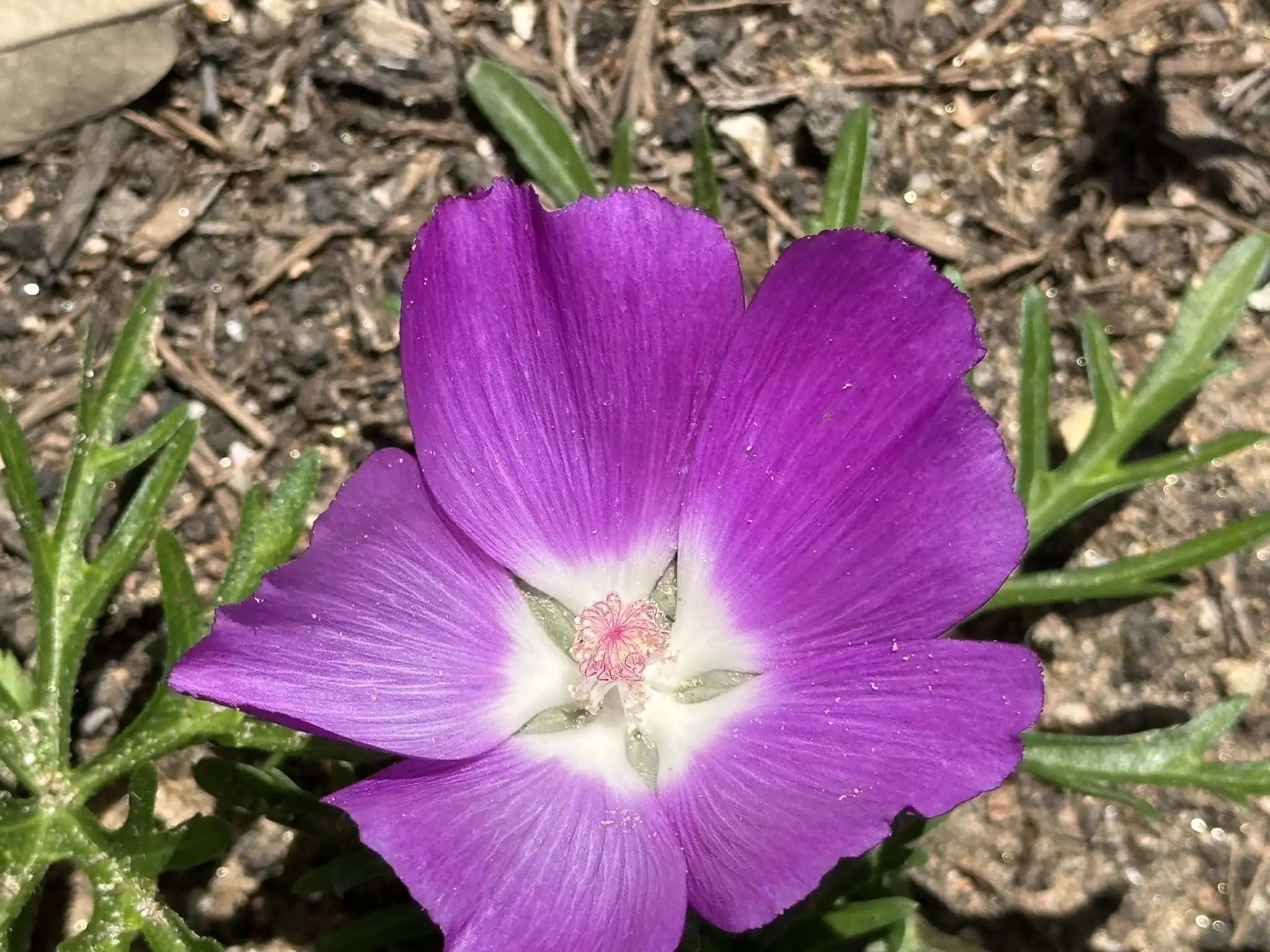
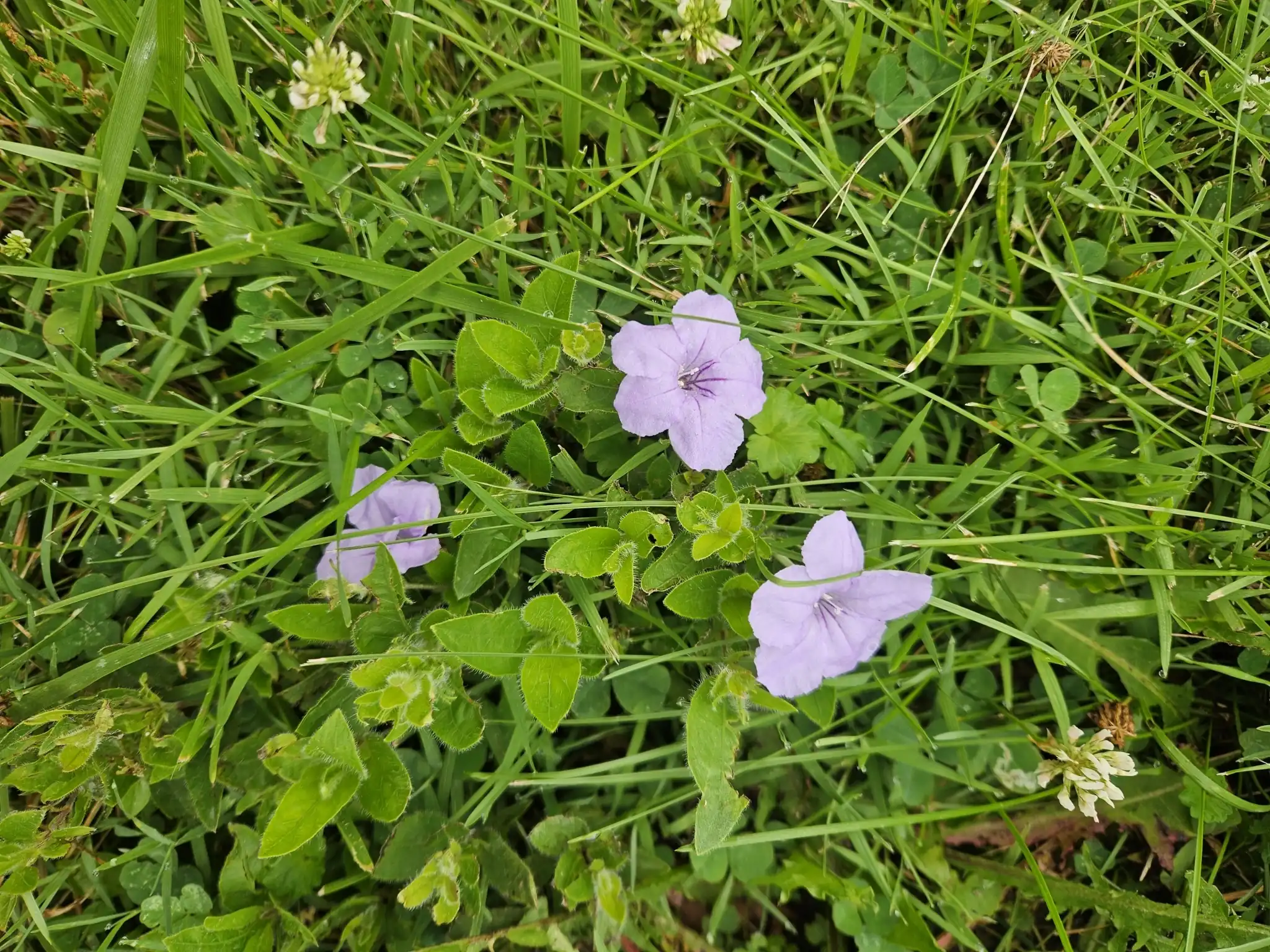
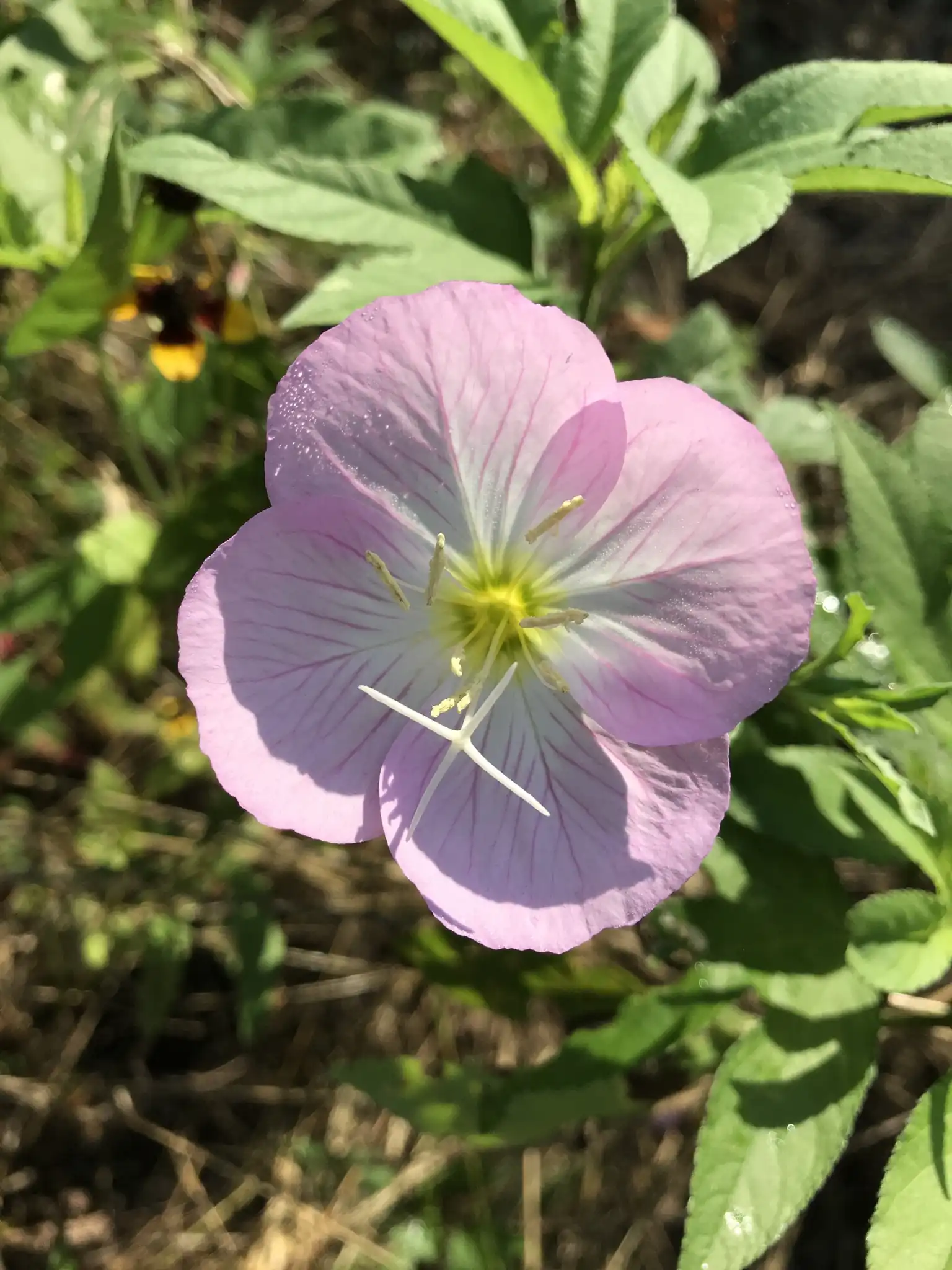
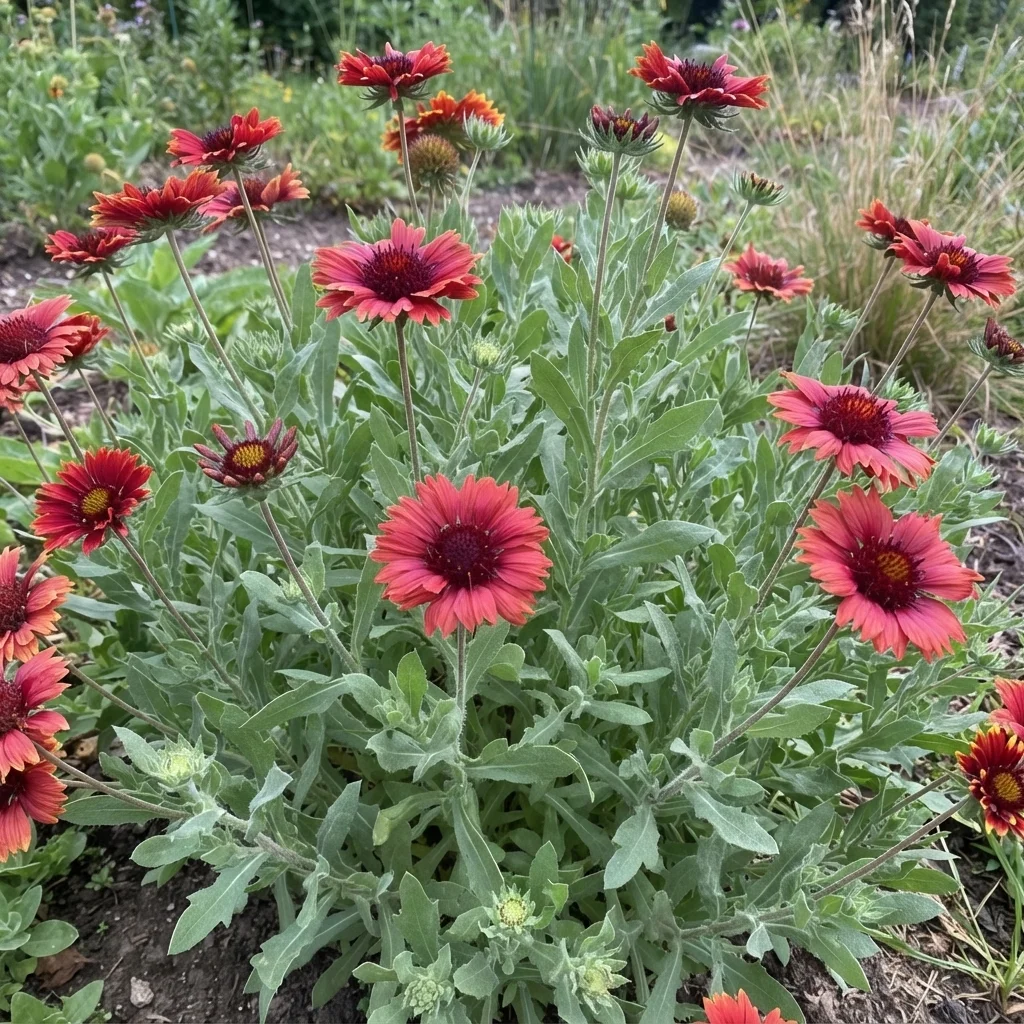
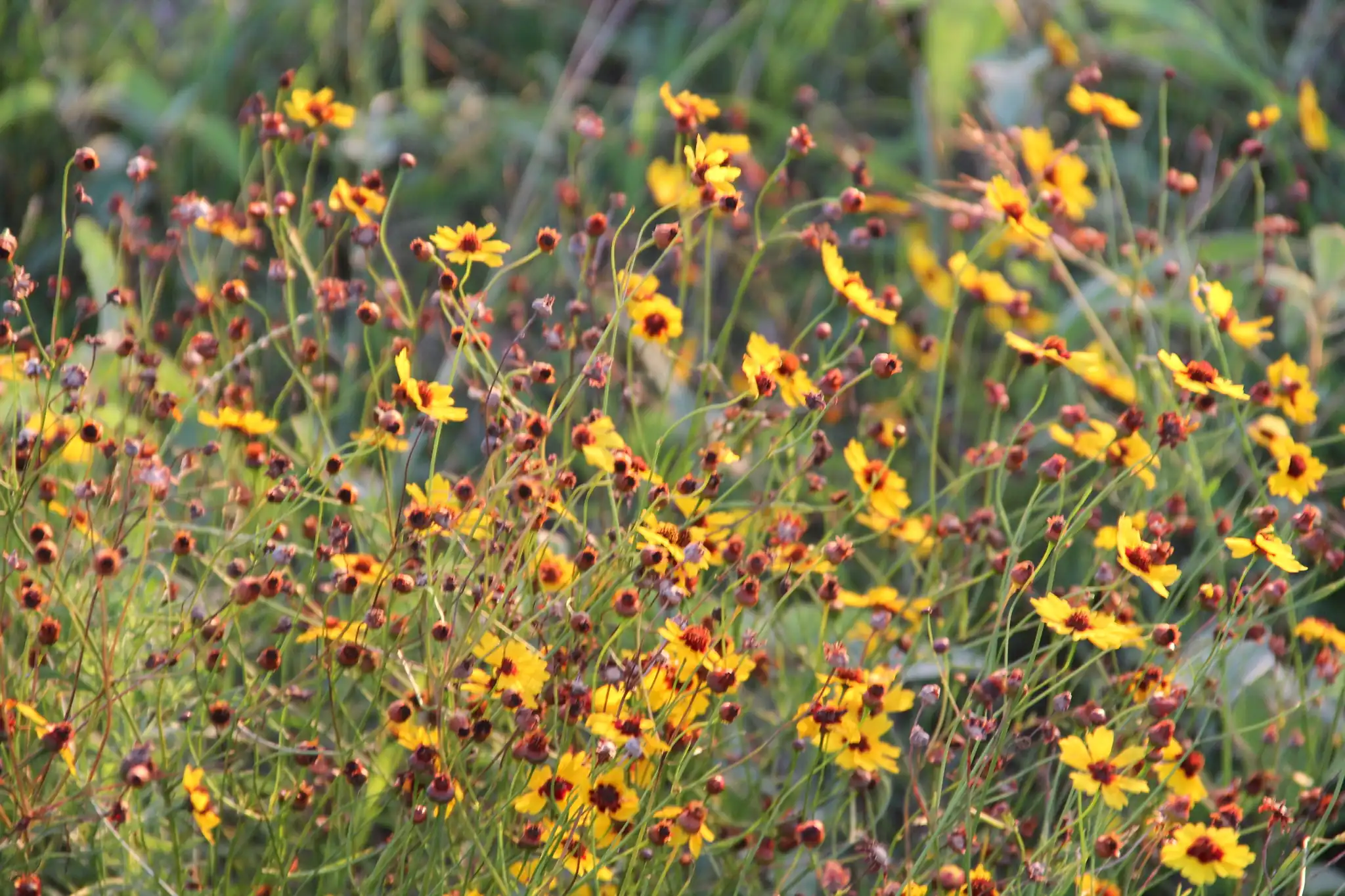
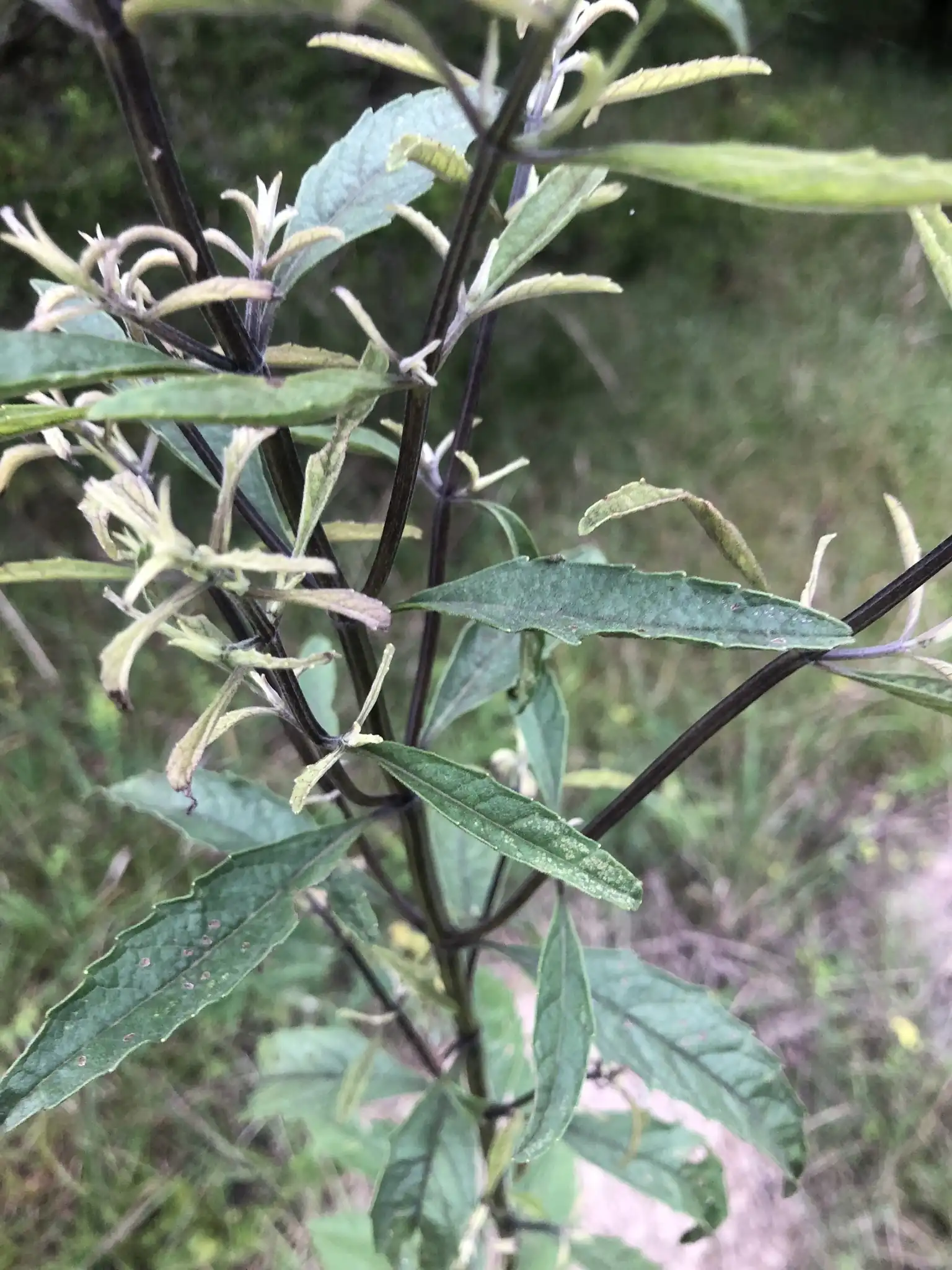
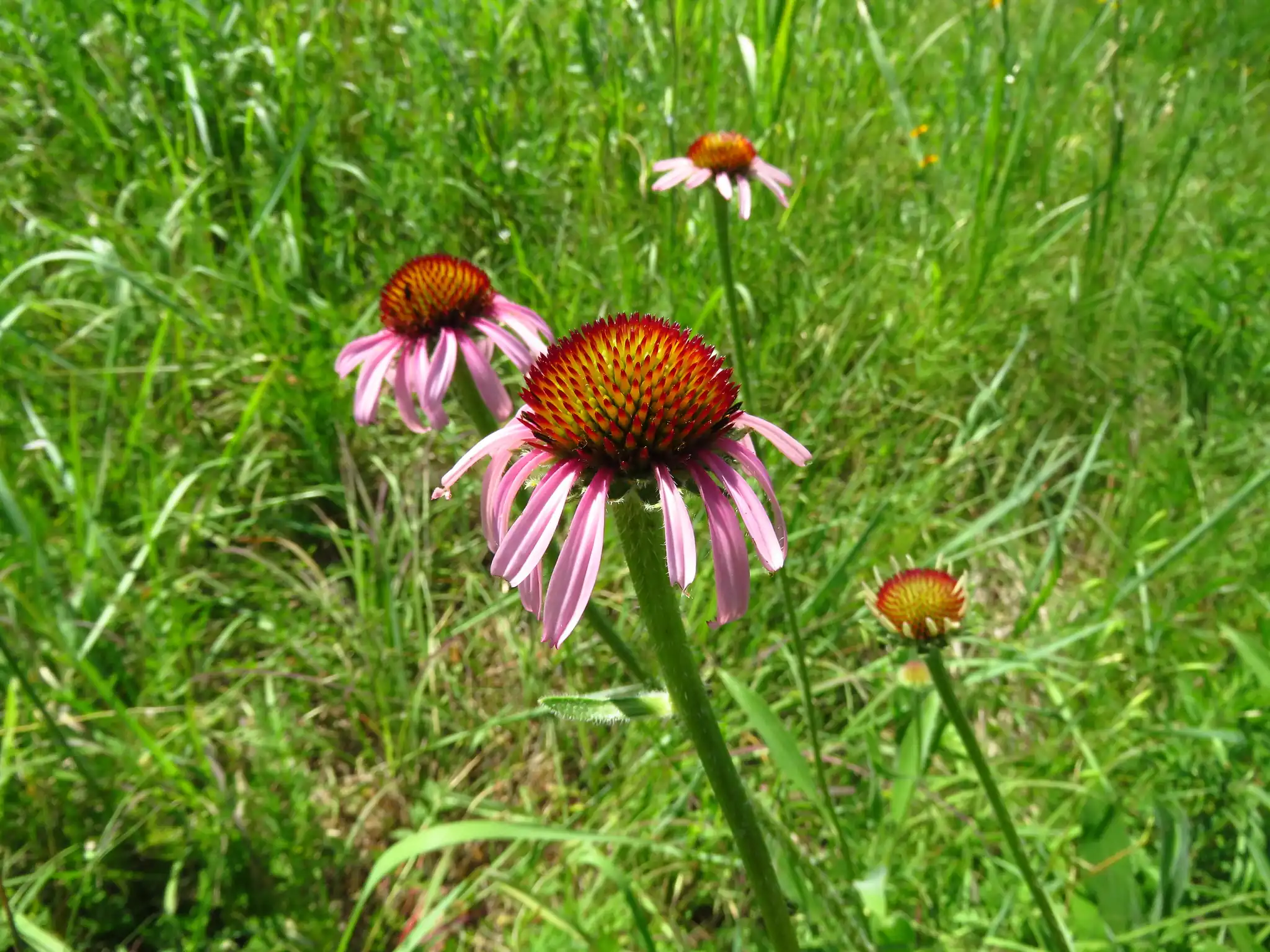
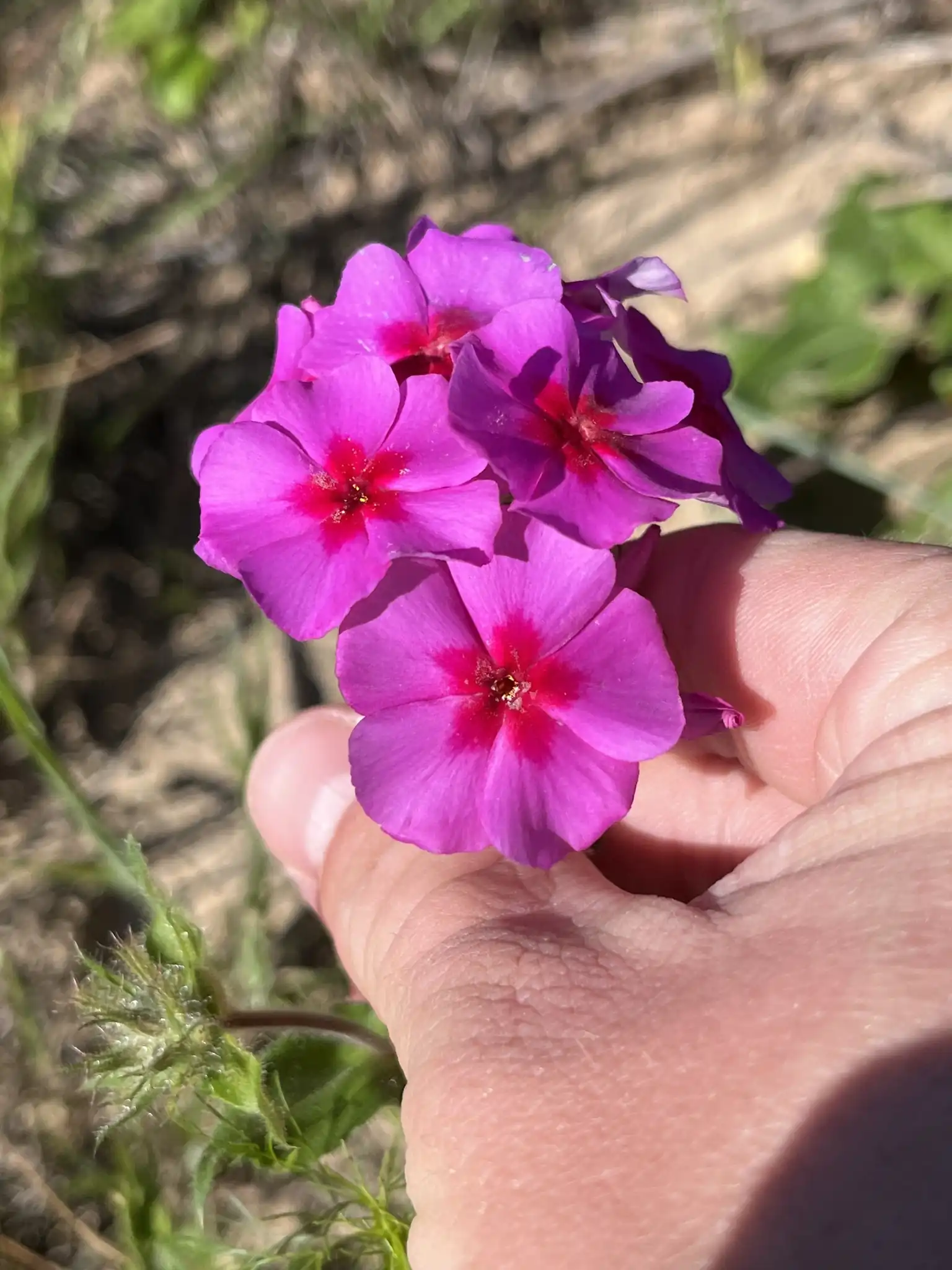
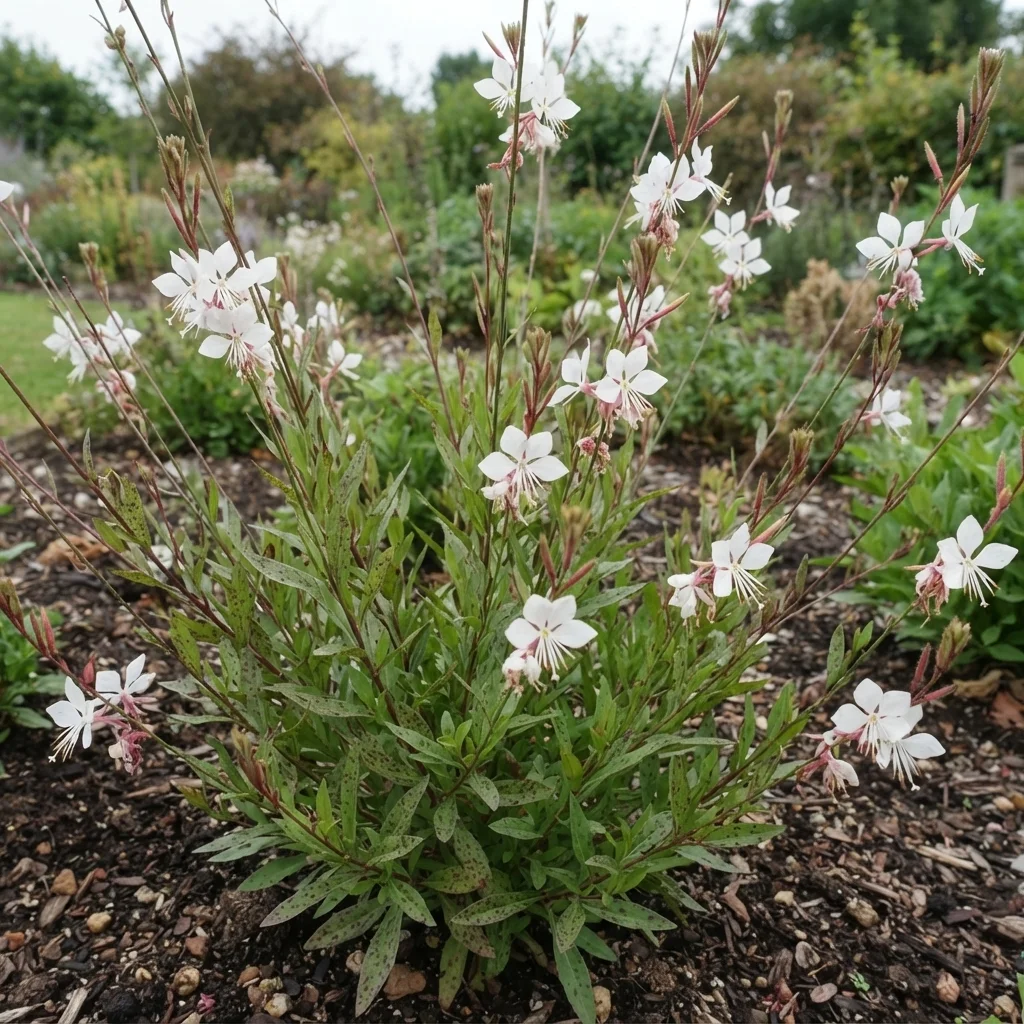
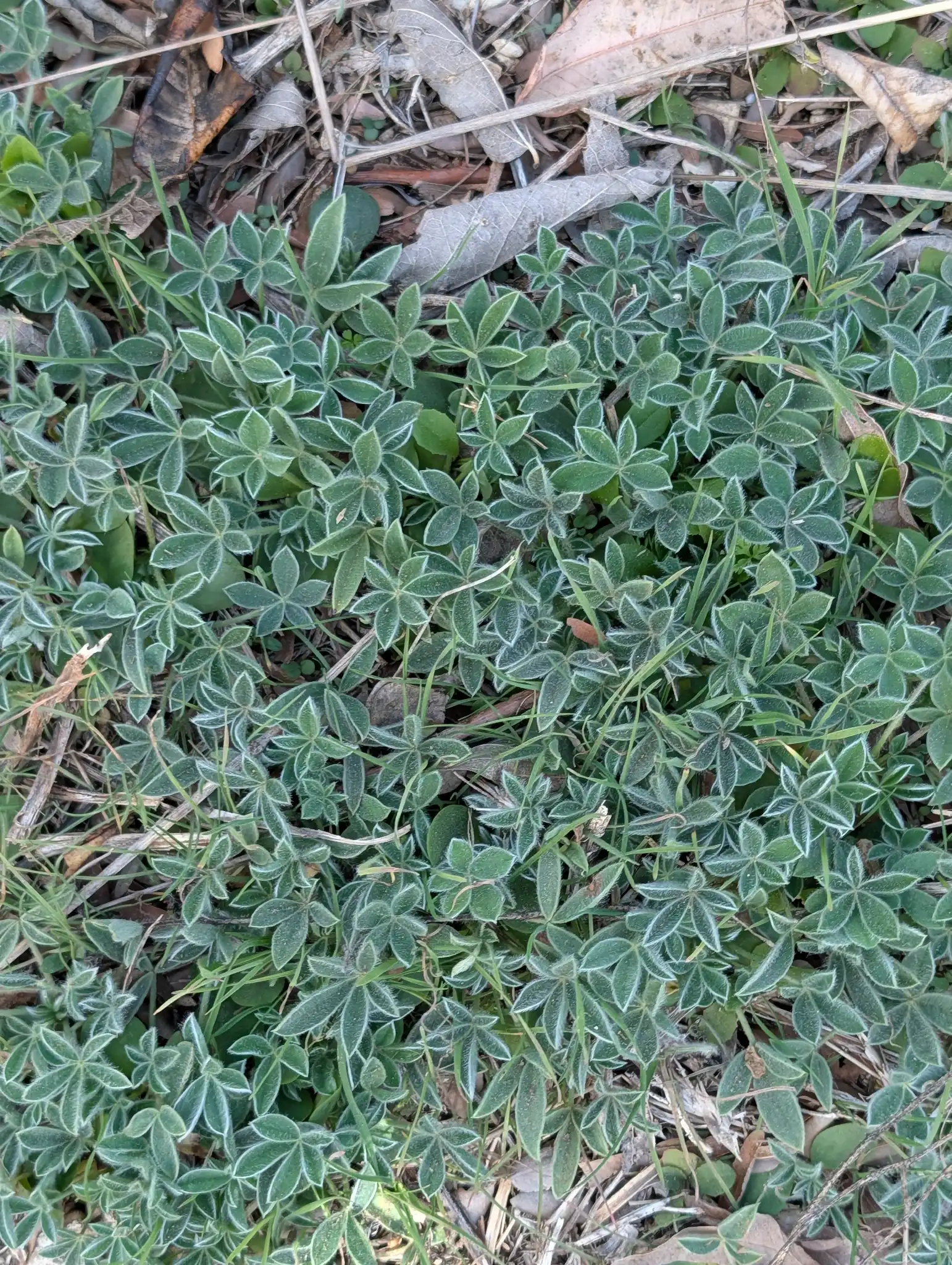
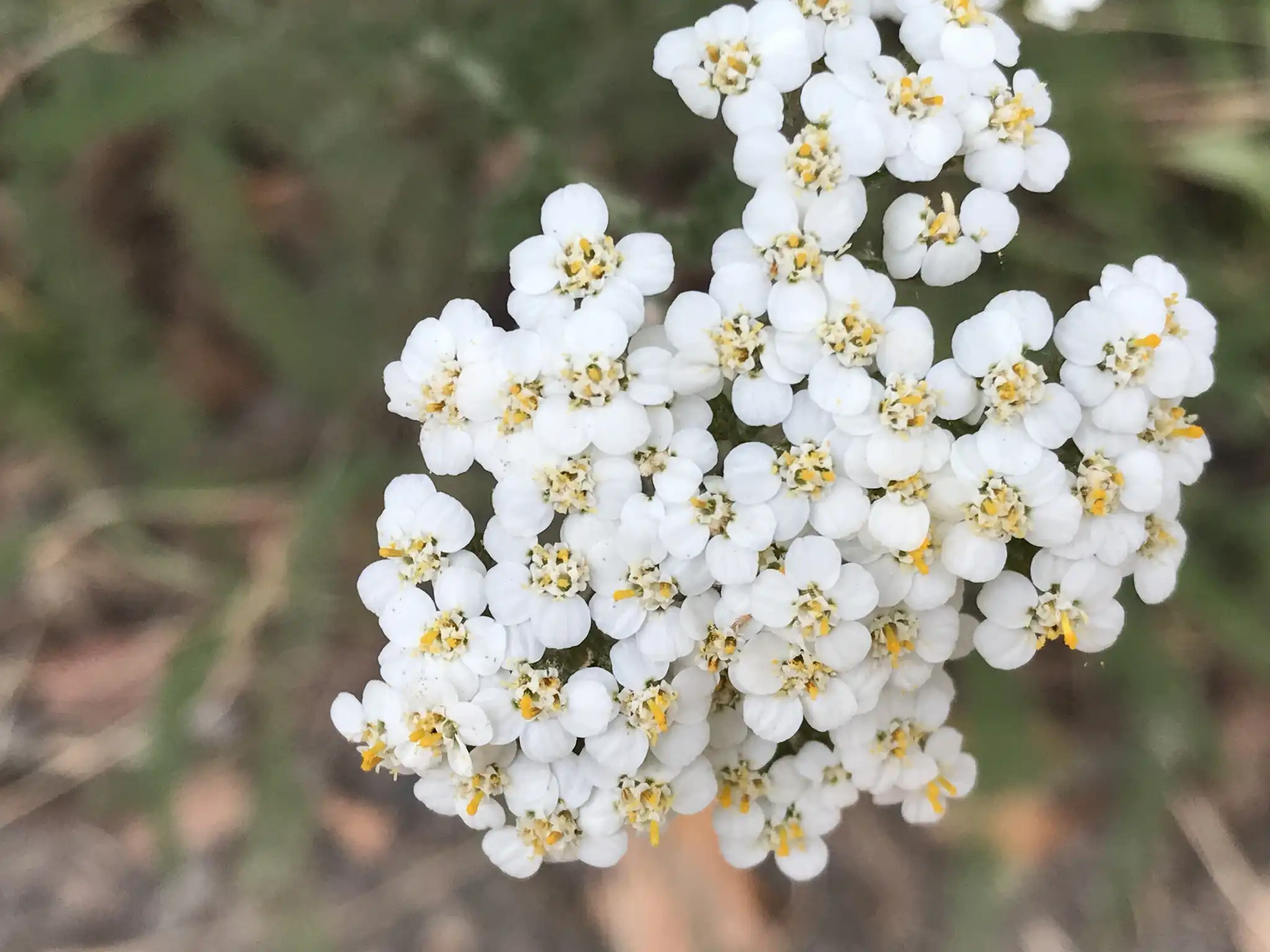
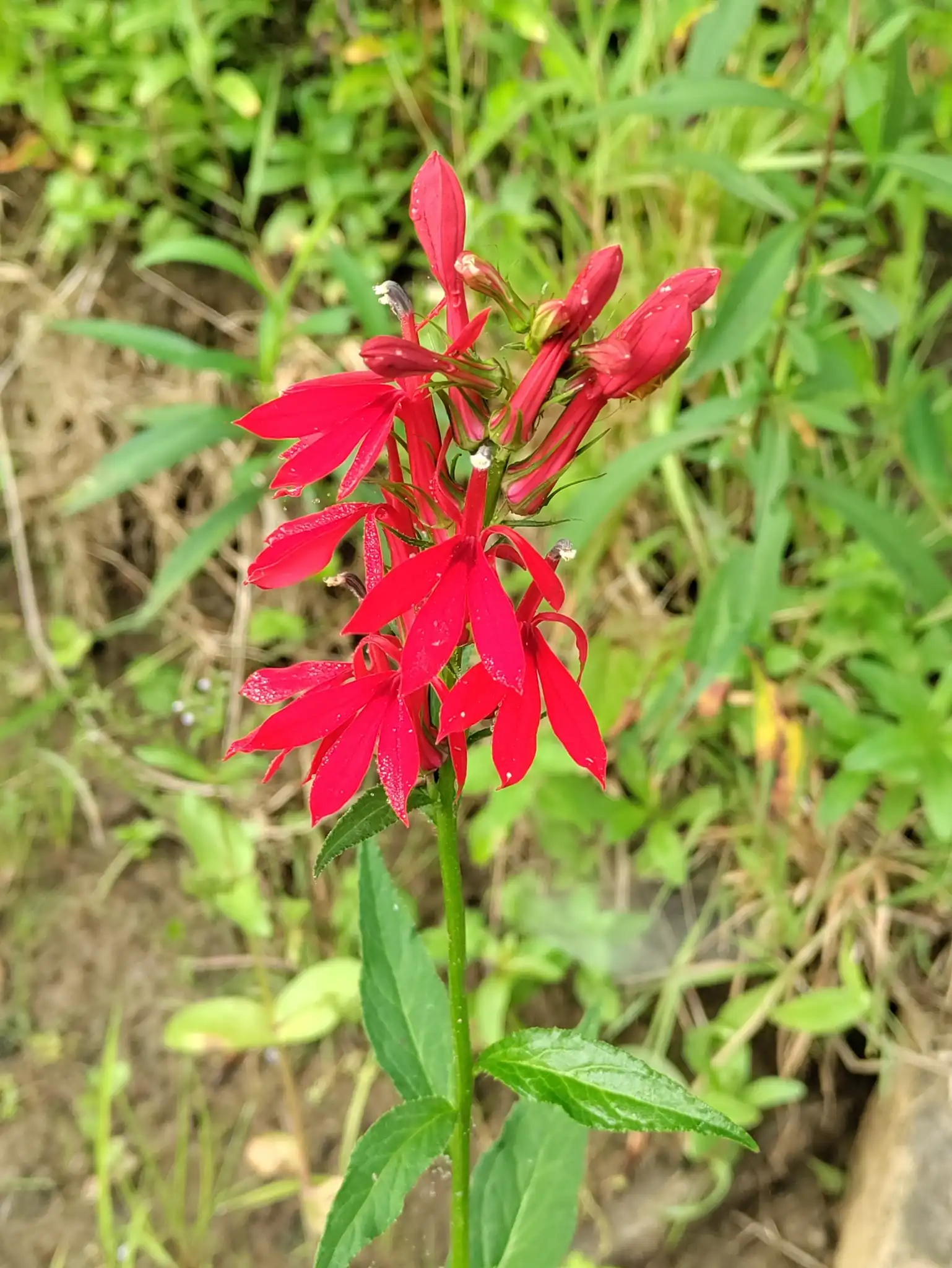
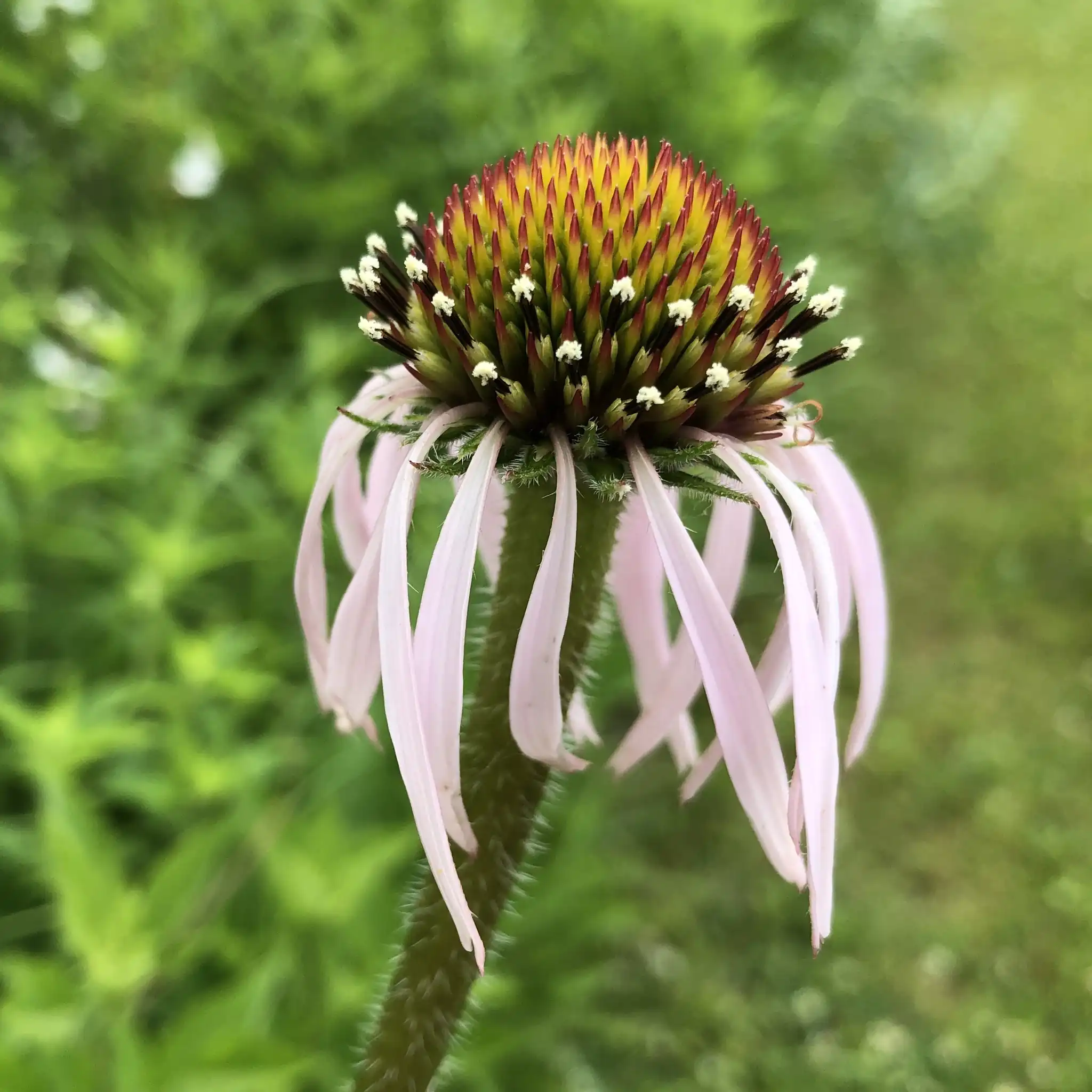
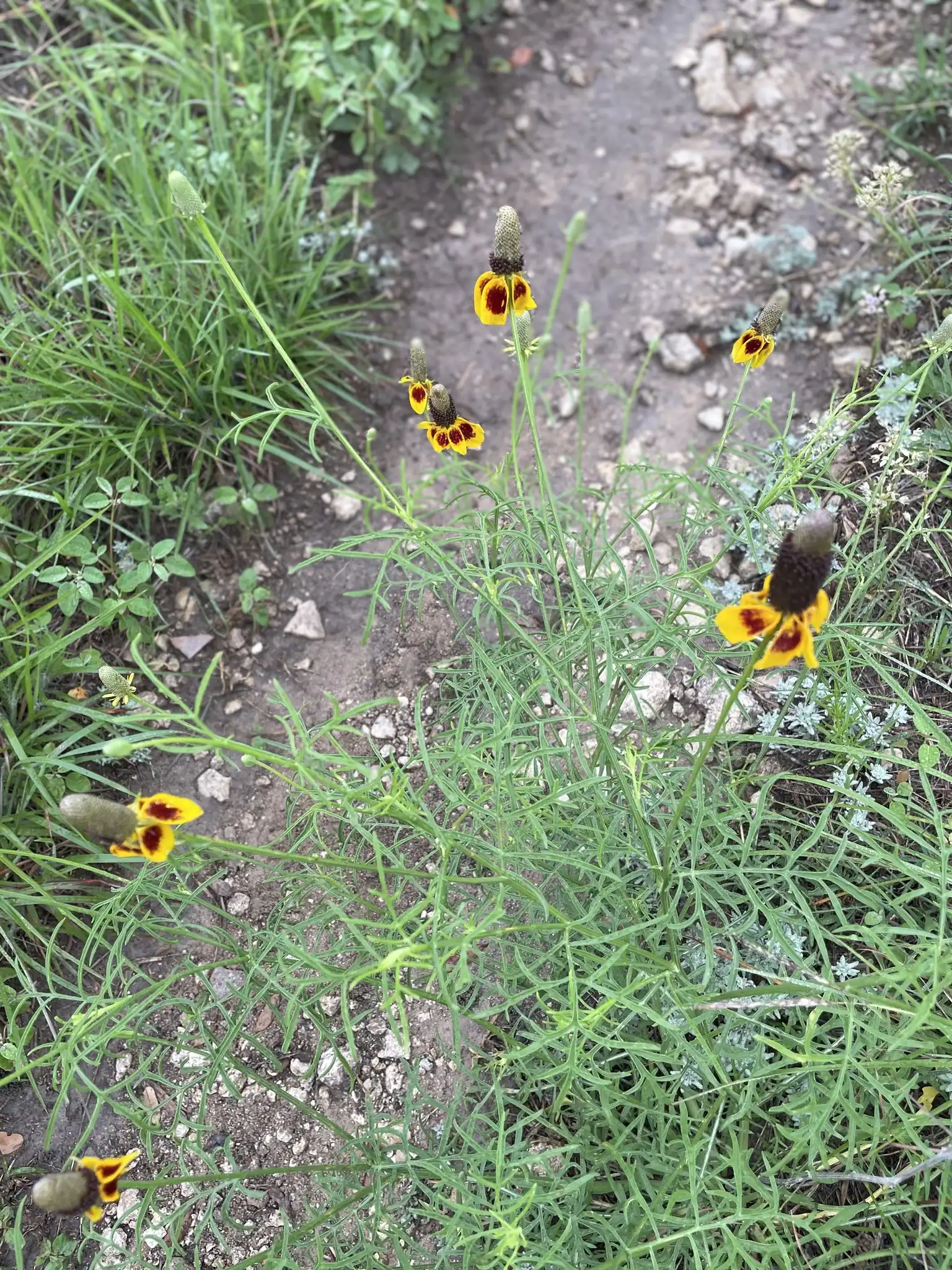
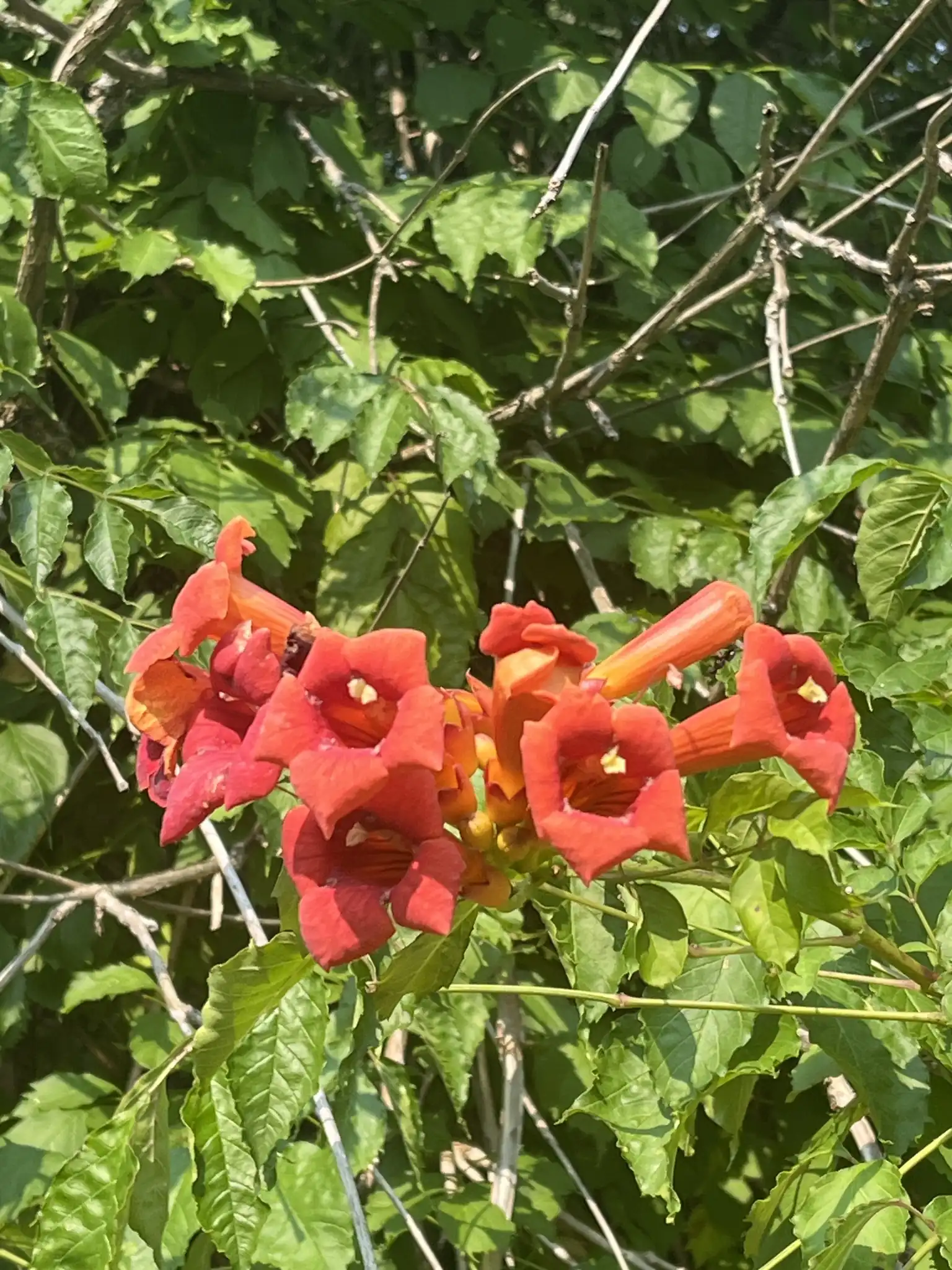
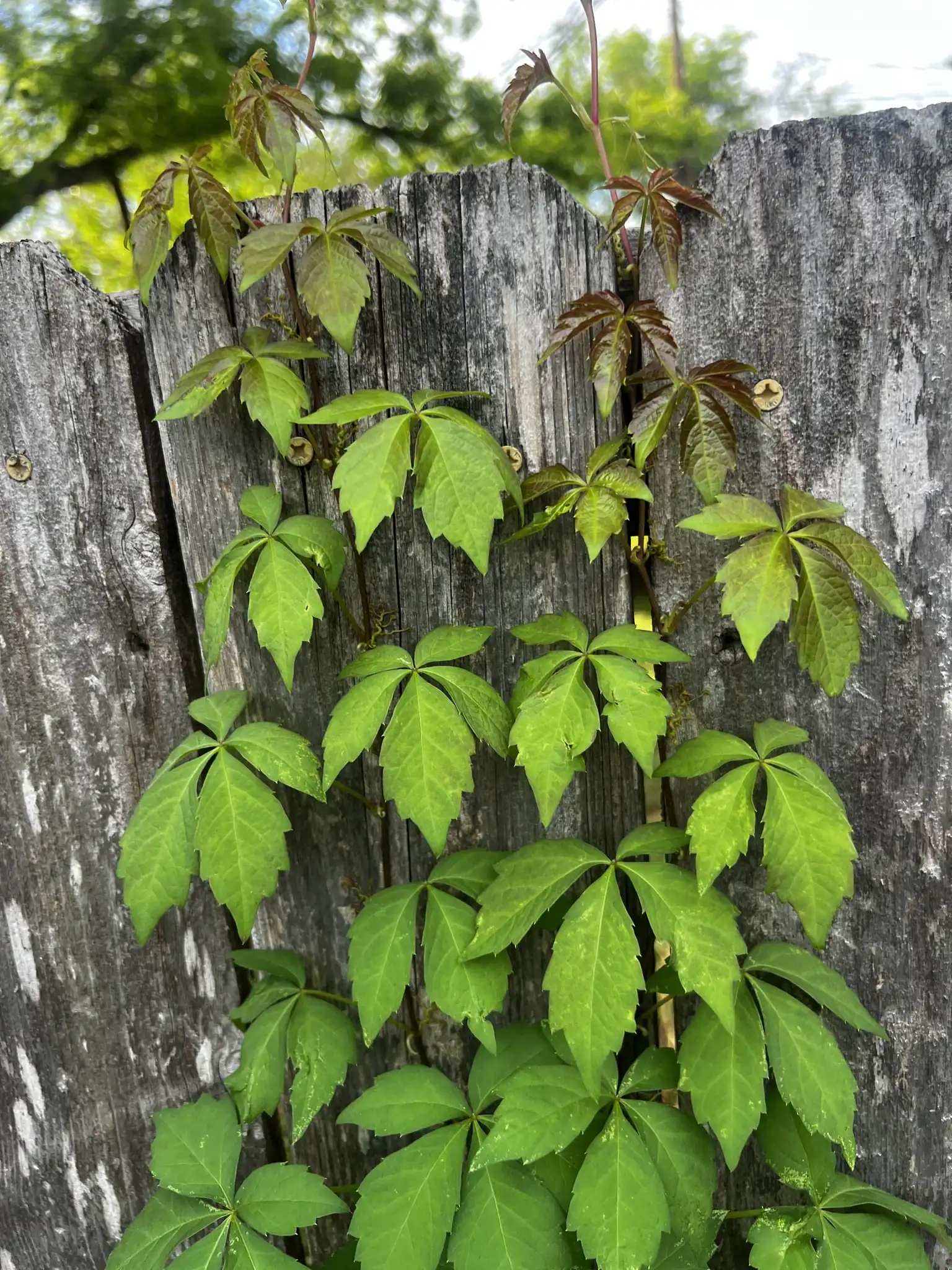
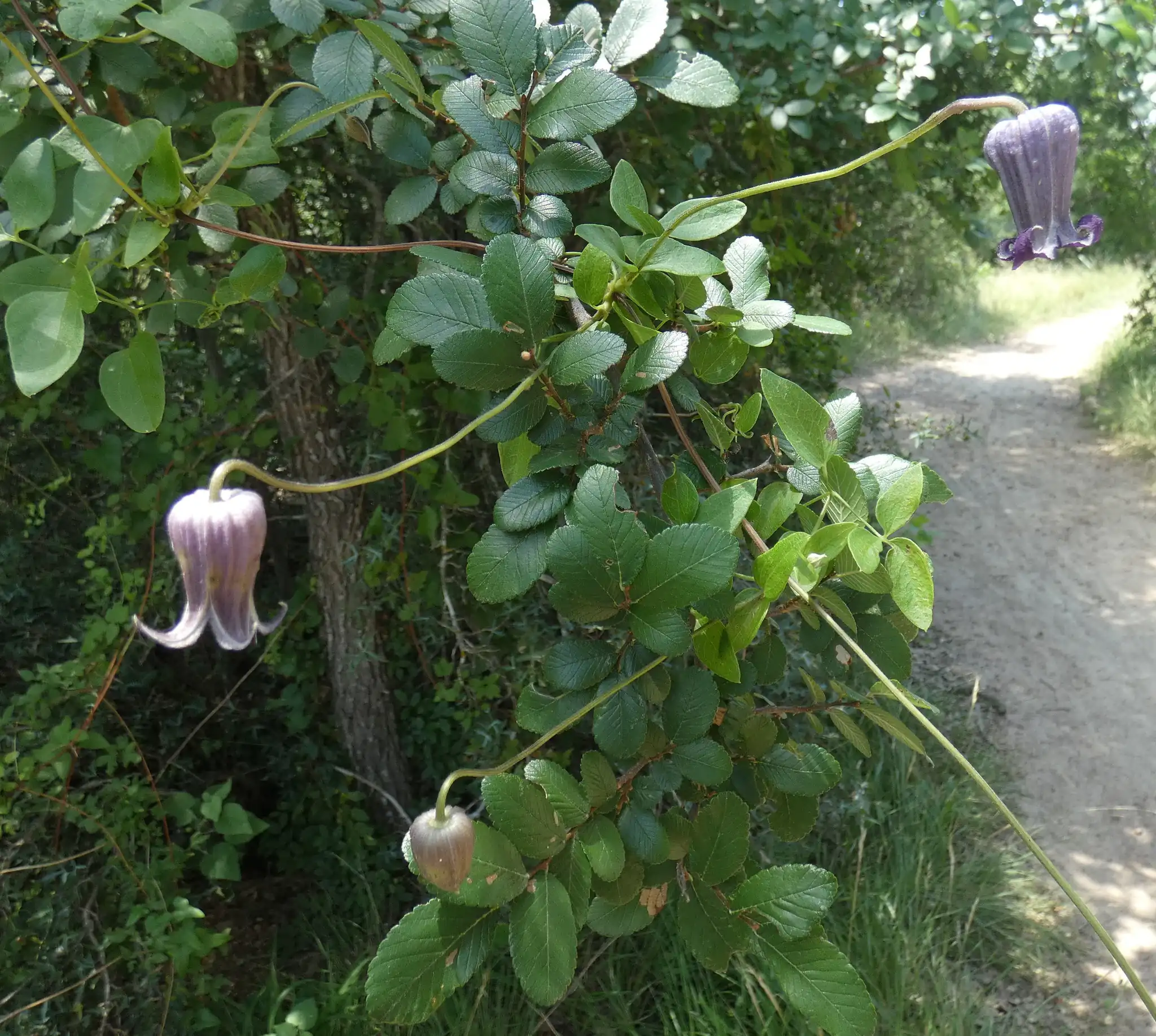
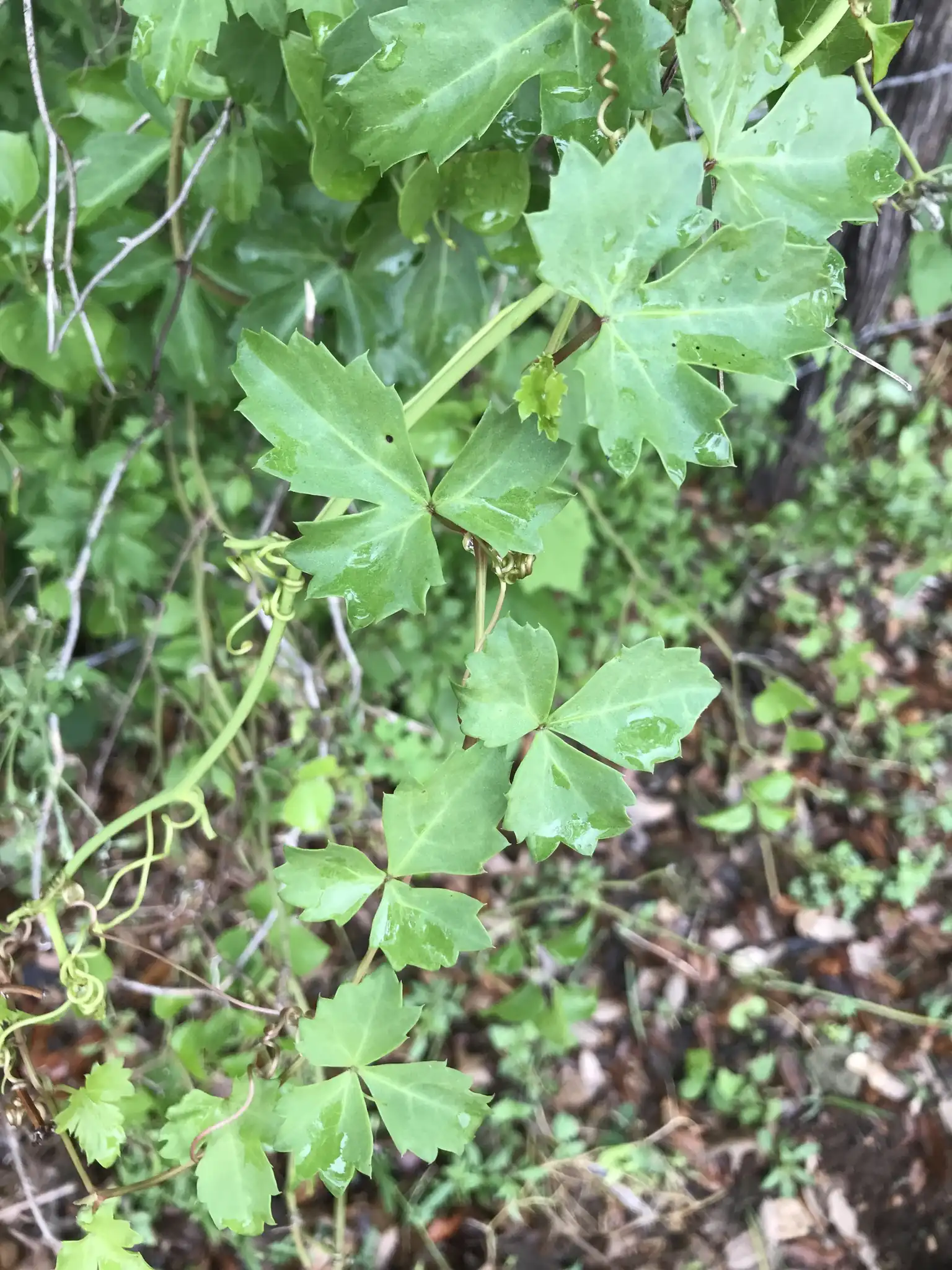
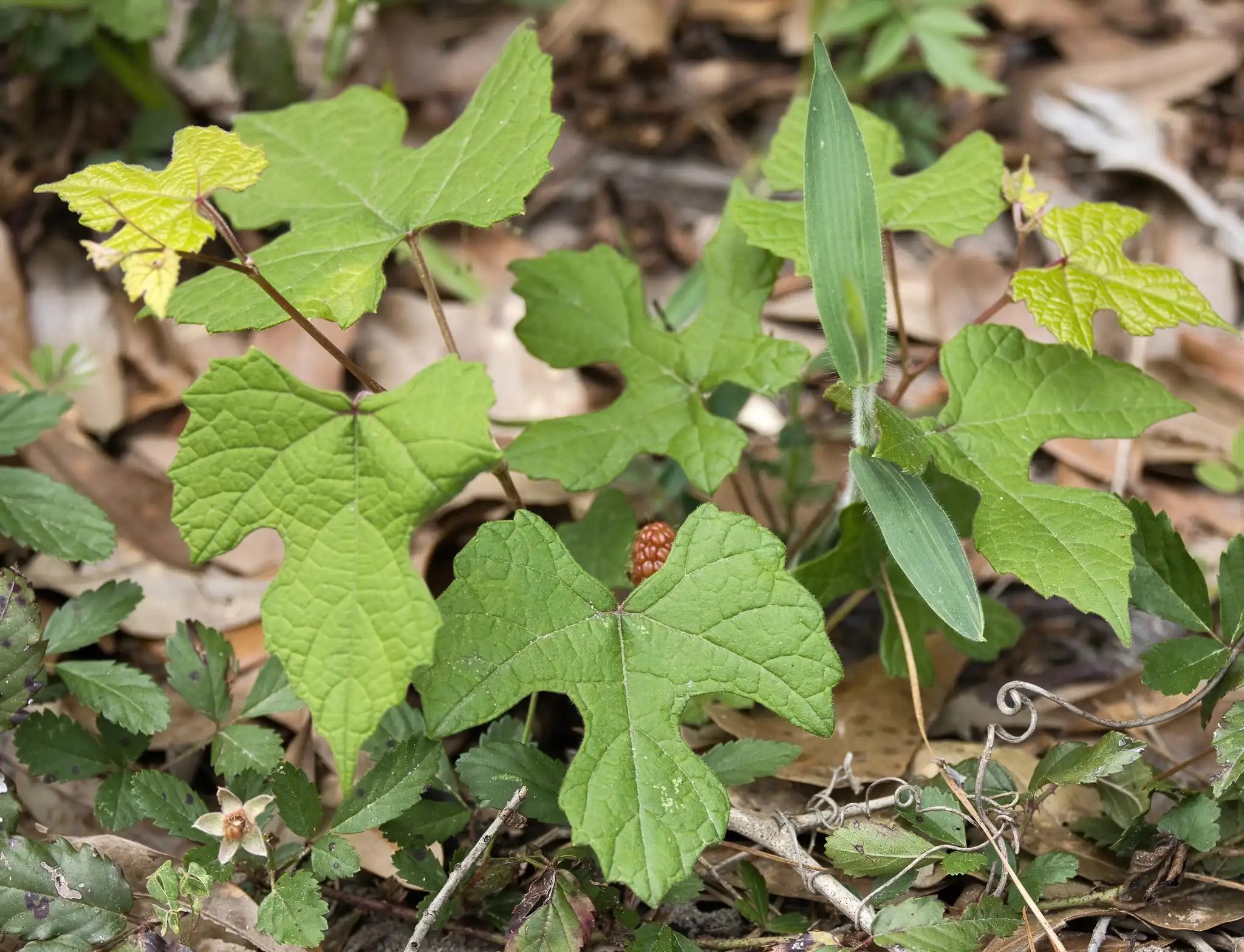
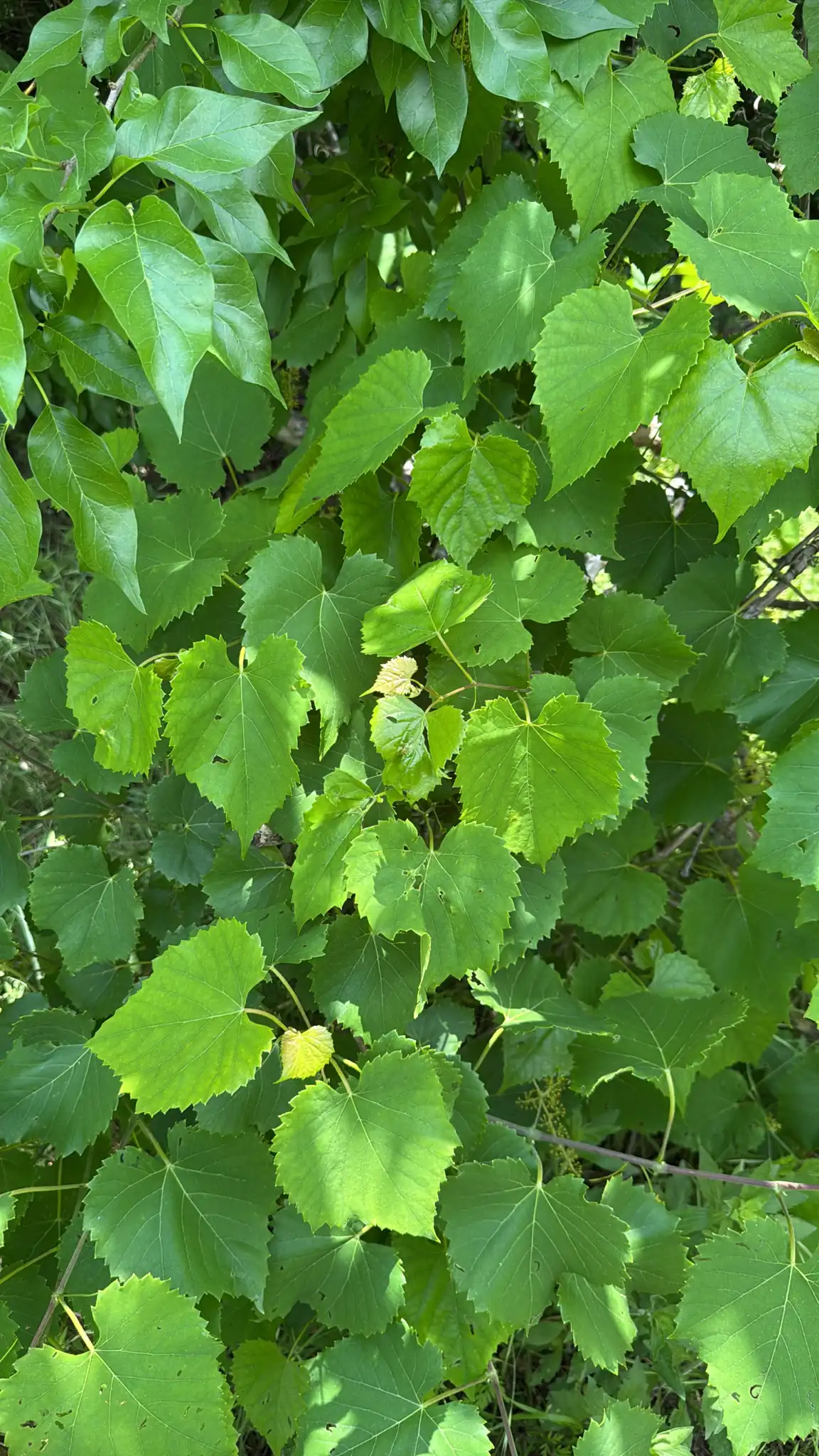
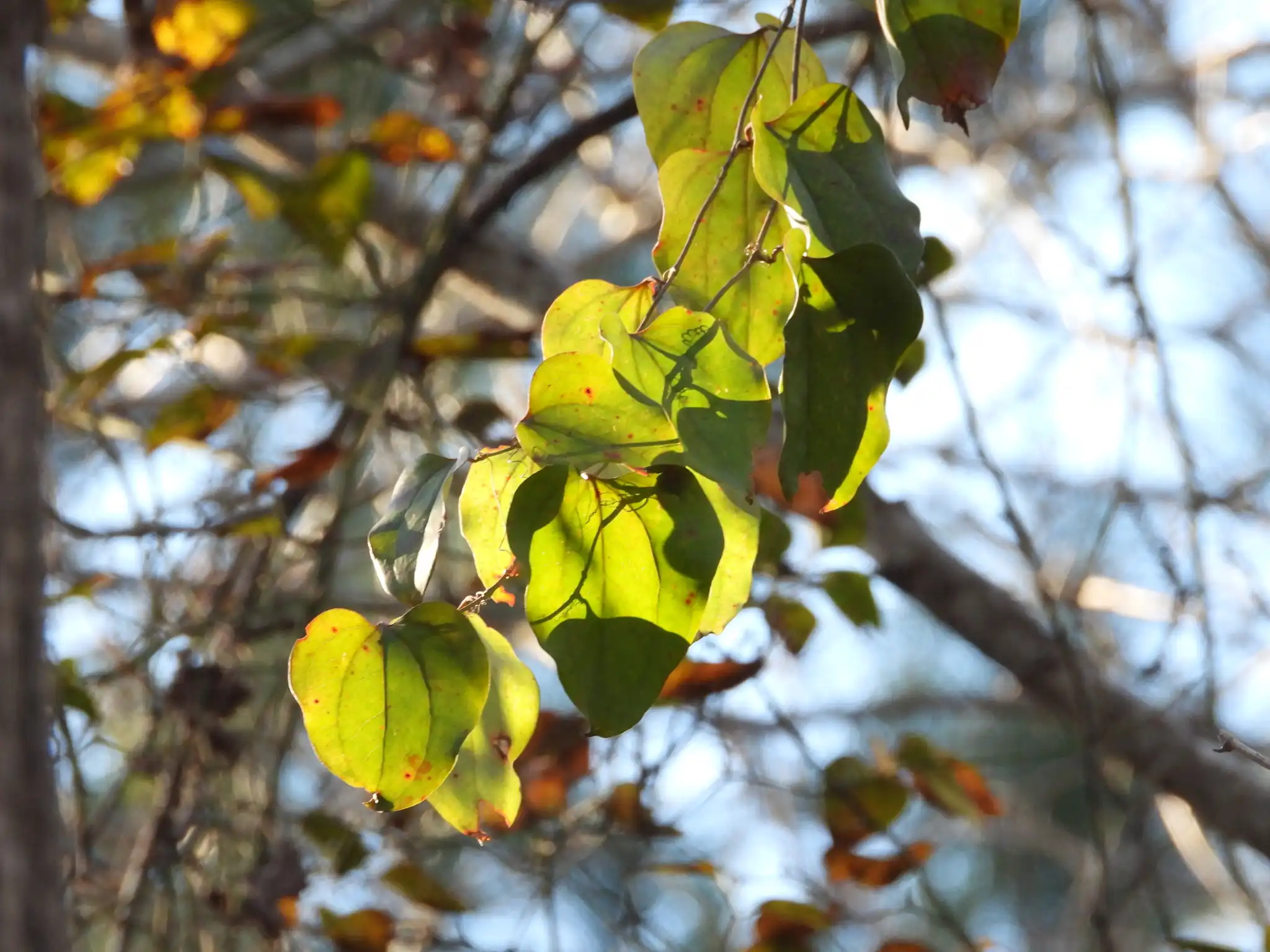
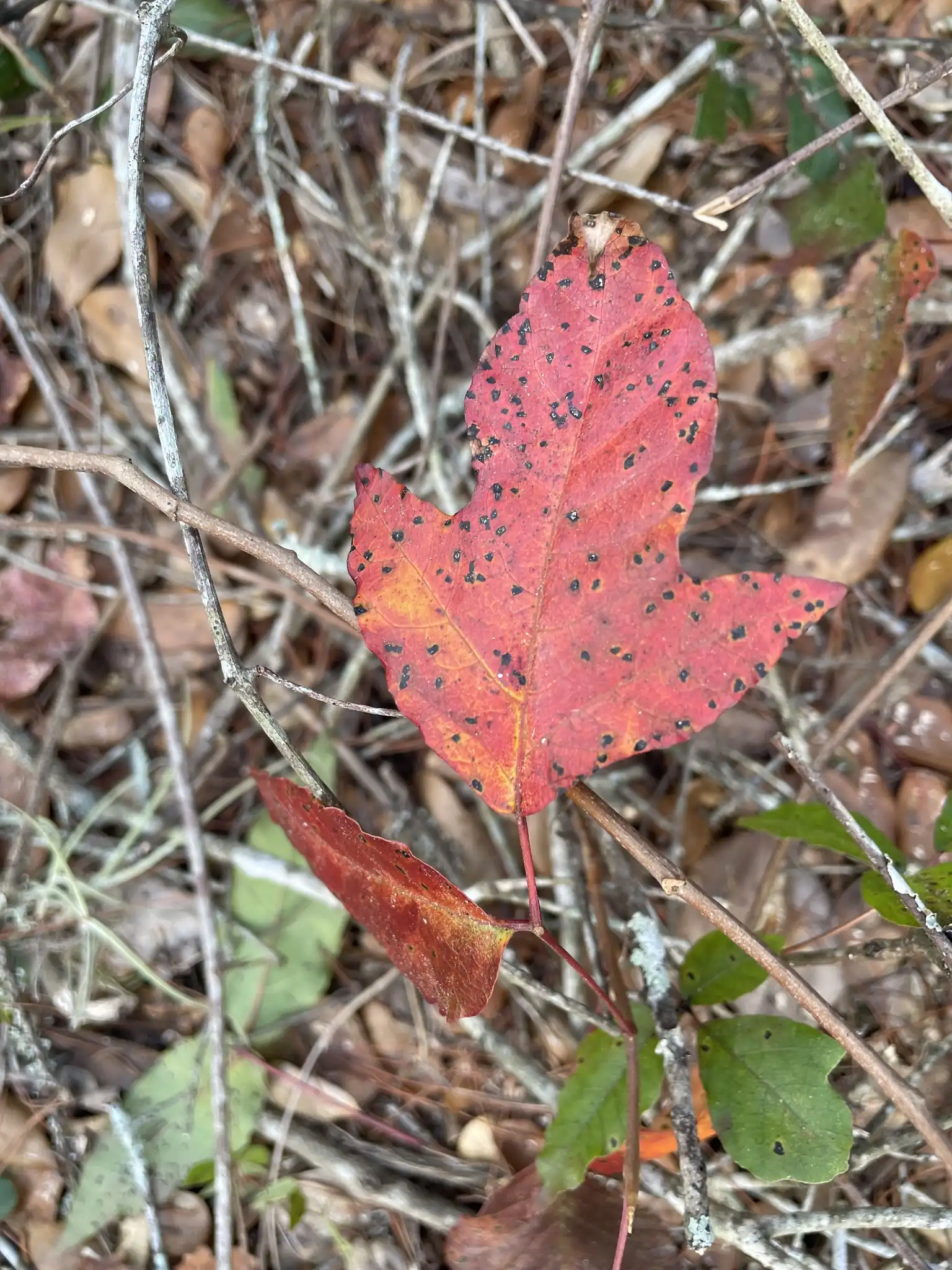
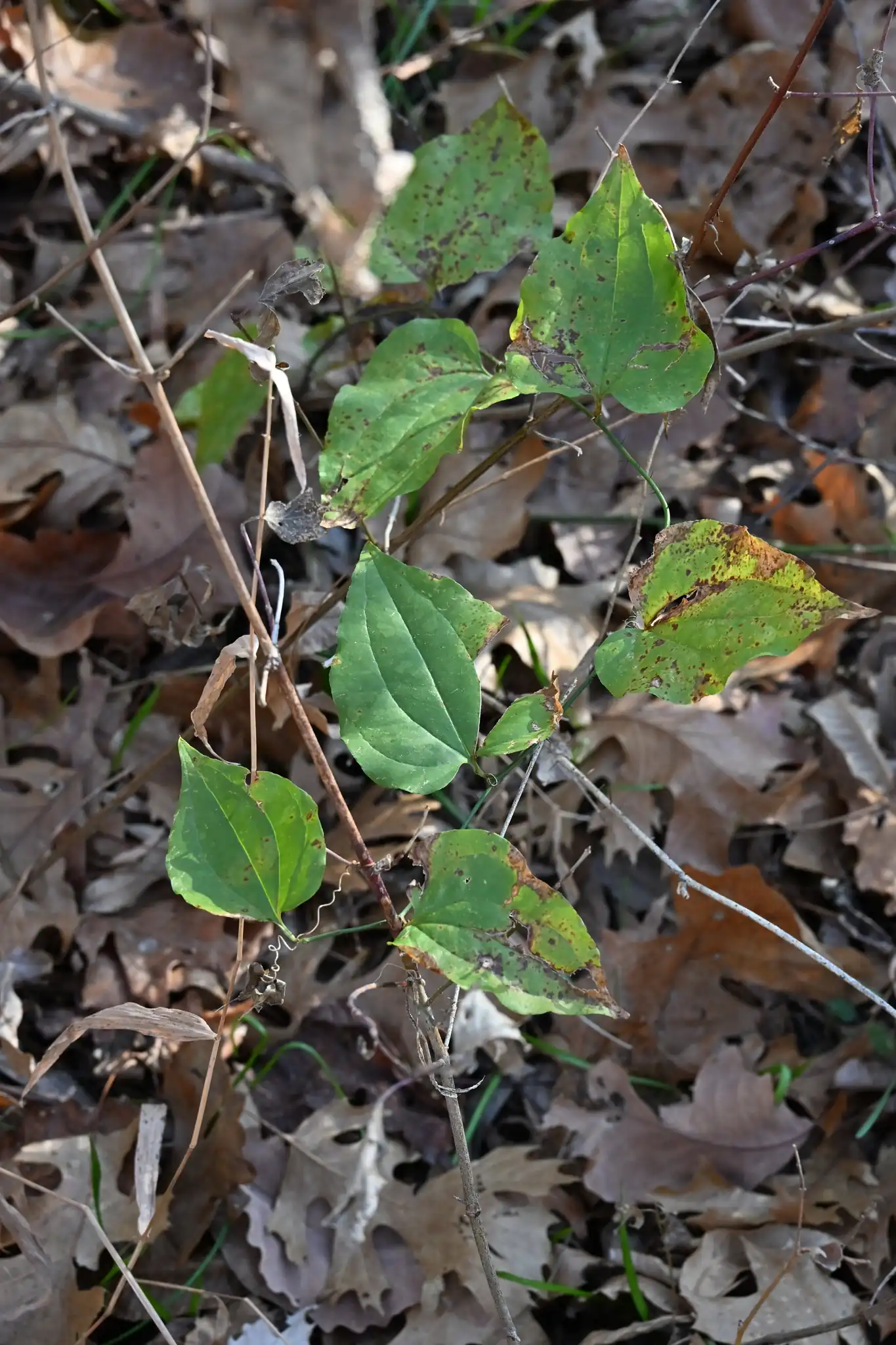
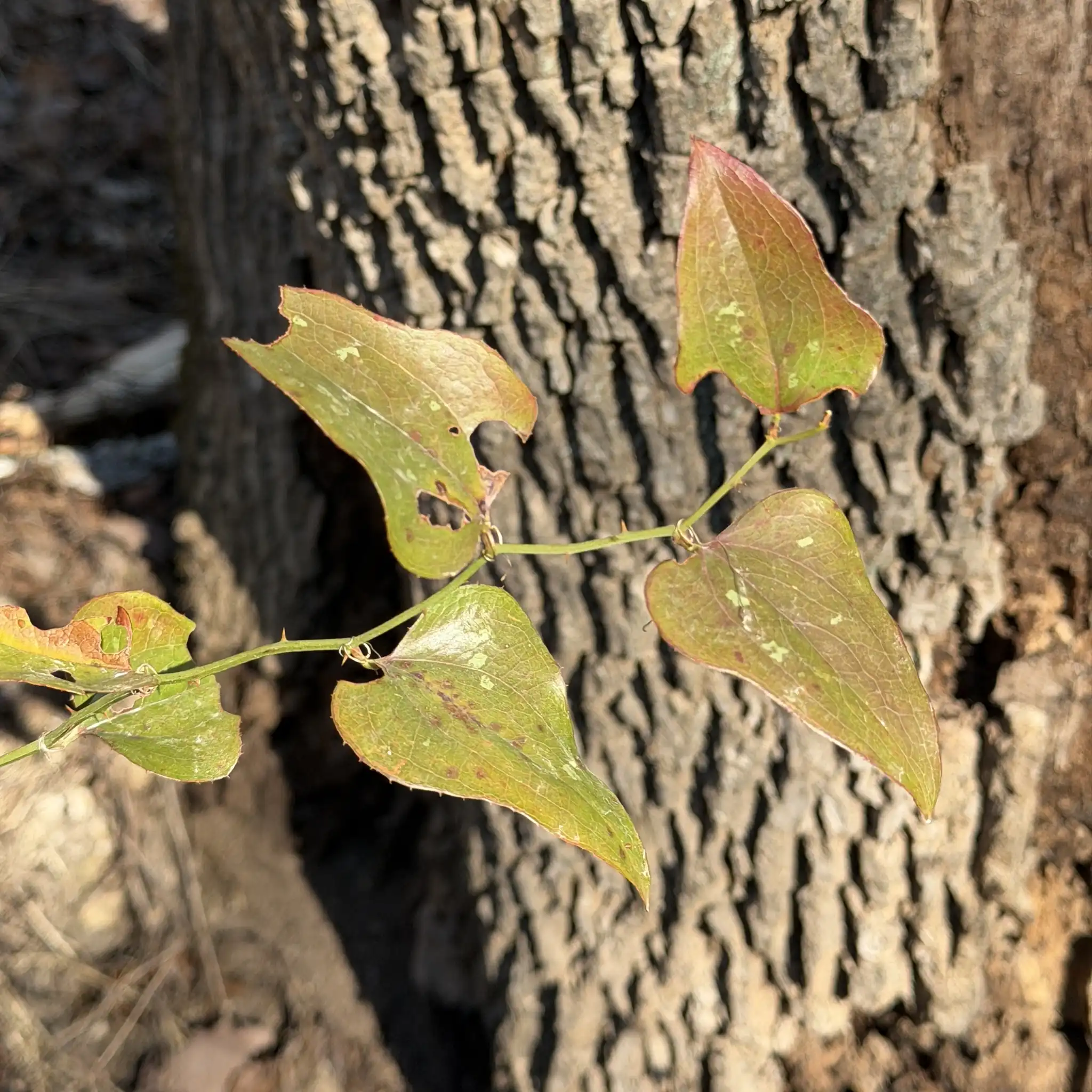
Vines12
Verticals and screens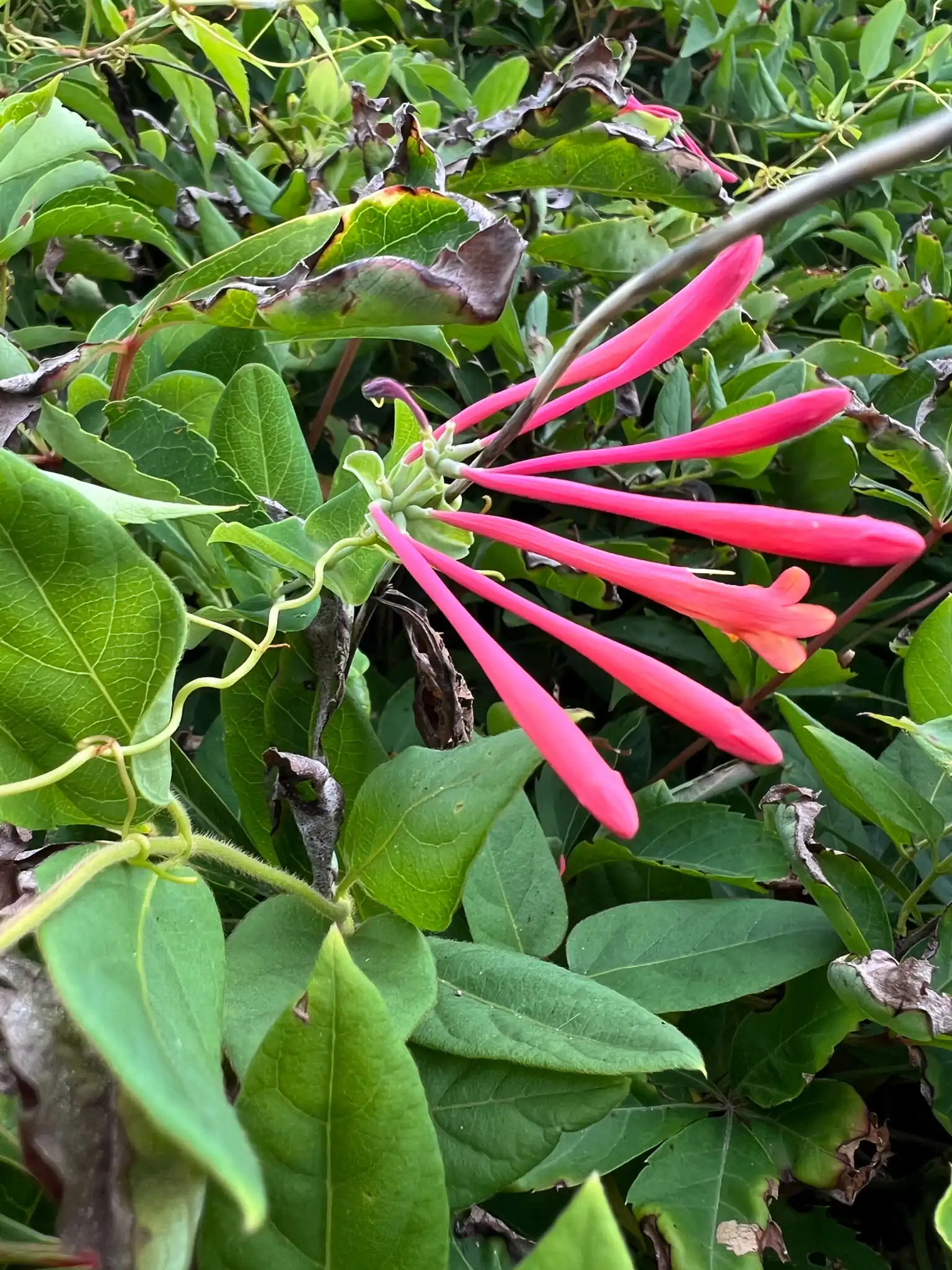
Ferns2
Shade and damp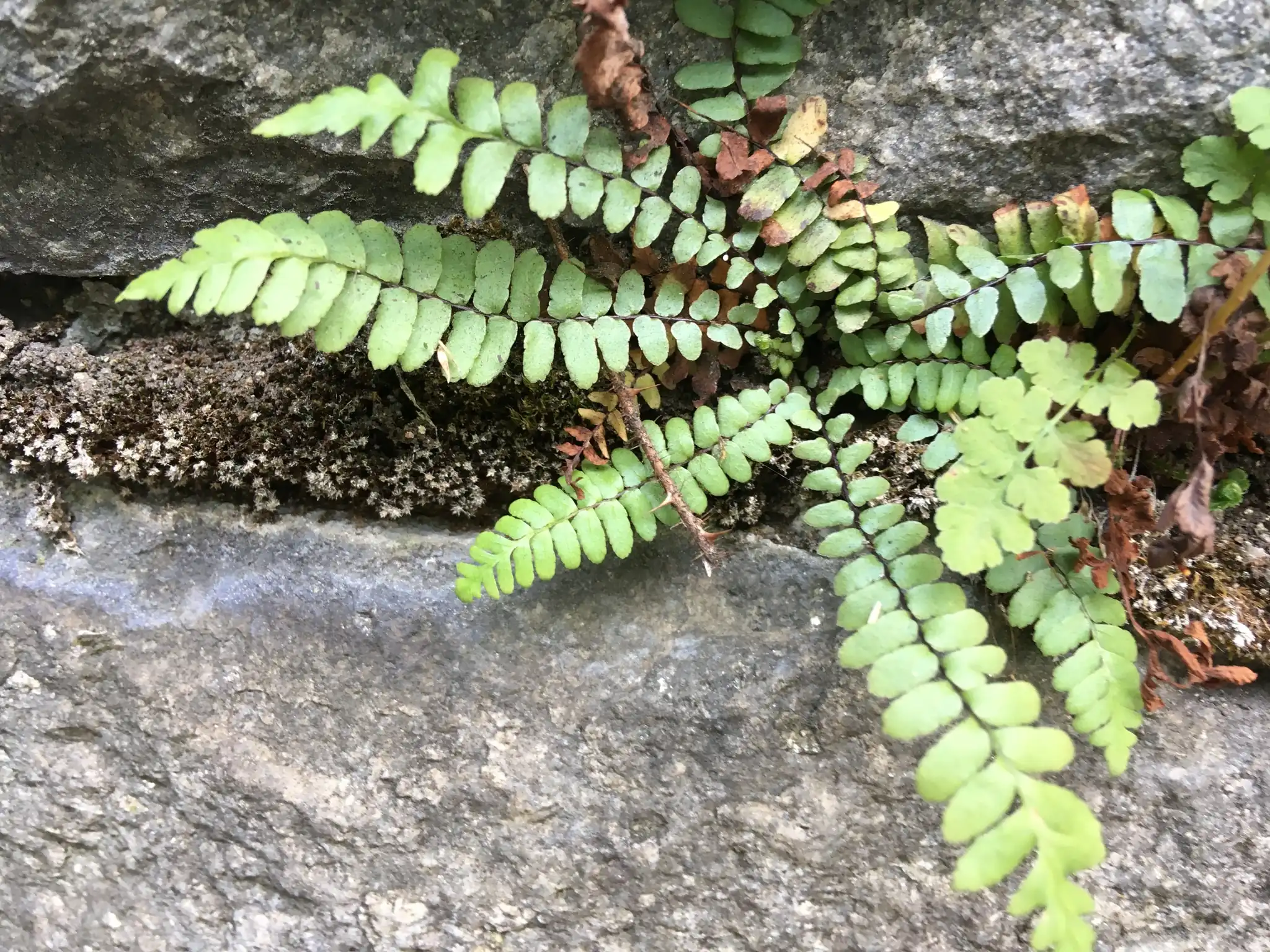
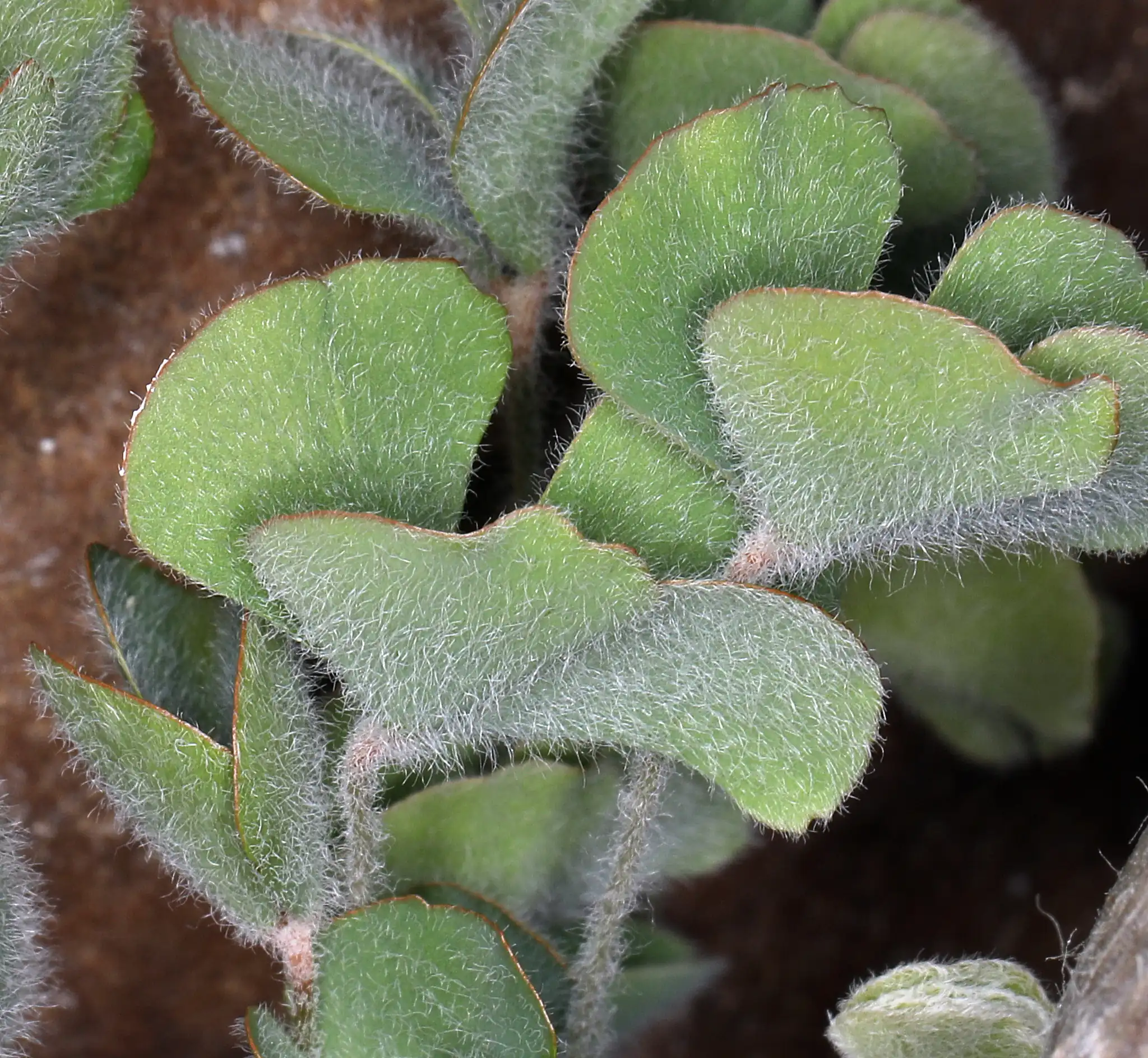
Succulents1
Dry and architecturalWhen to plant in Fort Worth
The median last spring frost is Mar 8 and the median first fall frost is Nov 24 at the Dallas-Fort Worth weather station (NOAA 1991–2020 normals, USDA Zone 8b). Each crop’s guide explains the rule behind its dates.
- Broccoli
Spring transplant: Late Jan – early Feb
Fall transplant: Sep 1 – Sep 20
- Cabbage
Spring transplant: Late Jan – early Feb
Fall transplant: Sep 1 – Sep 20
- Carrots
Spring sowing: Late Jan – early Feb
Fall crop sowing: Aug 18 – Sep 15
- Corn
First sowing: 1–6 weeks after frost
Last sowing (early variety): 12–14 weeks before first freeze
- Cucumbers
Direct sow or transplant: Apr 2 – Apr 30
Last sowing for fall harvest: Aug 21 – Aug 26
- Daffodil bulbs
Plant bulbs: Low-chill types Oct – Nov; chilled bulbs early – mid Dec
- Garlic
Plant cloves (Zones 3–5): See Zones 6–10 column
Plant cloves (Zones 6–10): Oct 20 – Dec 1
- Grass seed
Cool-season grass (best): Ryegrass overseed only
Warm-season grass: Once soil holds 65°F (18°C)
- Green beans
Direct sow: Mar 26 – Apr 16
Last sowing for fall harvest: Aug 1 – Sep 1
- Hydrangeas
Spring planting: Mar 8 – Apr 19
Fall planting: Oct – Dec (best season)
- Lettuce
Spring sowing: Jan 25 – Mar 22
Fall sowing: Sep 1 – Oct 10
- Onions
Late winter or spring planting: Transplants Jan – Feb
Fall planting (short-day types): Sep 25 – Nov 3
- Peas
Direct sow: Mid-Jan – late Feb
Fall sowing: Sep 1 – Sep 22
- Potatoes
Plant seed potatoes: Feb 15 – Mar 8
Fall crop (optional): Early to mid-Aug
- Pumpkins
Direct sow: Apr 2 – Apr 23
Sow for Halloween: Mid-June to mid-July
- Radishes
Spring sowing: Feb 15 – Mar 22
Fall sowing: Sep 15 – Oct 13
- Roses
Bare-root roses: Jan – mid-Feb, before bud break
Container roses: Fall to spring; avoid midsummer
- Strawberries
Plant dormant crowns (spring): Plant plugs in fall (next column)
Plant plugs (fall): Oct 6 – Oct 27
- Sweet potatoes
Plant slips outdoors: Mar 22 – May 3
- Tomatoes
Frost-safe window: Mar 26 – Apr 16
- Tulip bulbs
Plant bulbs: Pre-chill first; see next column
Plant pre-chilled bulbs: Early – mid Dec (pre-chill 6–10 weeks)
- Watermelon
Start planting (soil 65°F): Apr 2 – Apr 9
Last sowing (early varieties): Mid-April; fall crop early to mid-Aug
- Wildflower seeds
Fall sowing window: Sept to early Nov
What sets the date: Texas fall calendar
- Zucchini
Direct sow or transplant: Apr 2 – Apr 23
Last sowing for fall harvest: Aug 1 – Aug 26
More of Texas
- Missouri City
- The Woodlands
- Round Rock
- Conroe
- San Marcos
- Austin
- Georgetown
- New Braunfels
- Sugar Land
- Houston
- Atascocita
- Lewisville
Design a Fort Worth garden with these plants
Snap a photo of your yard and Sow places real, zone-matched plants into it — then keeps the watering and care schedule for everything you plant.