Washington
Native plants in Seattle
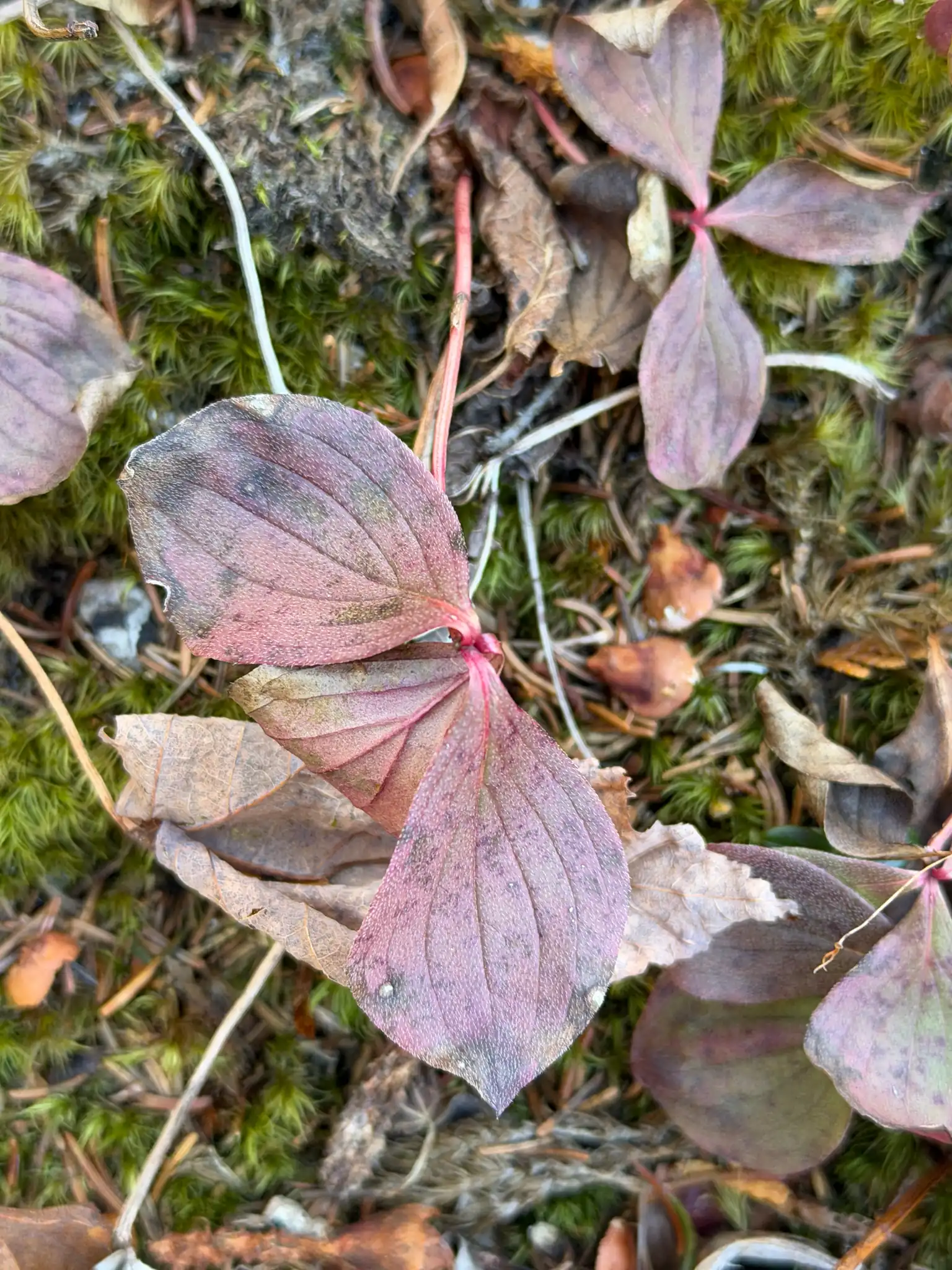
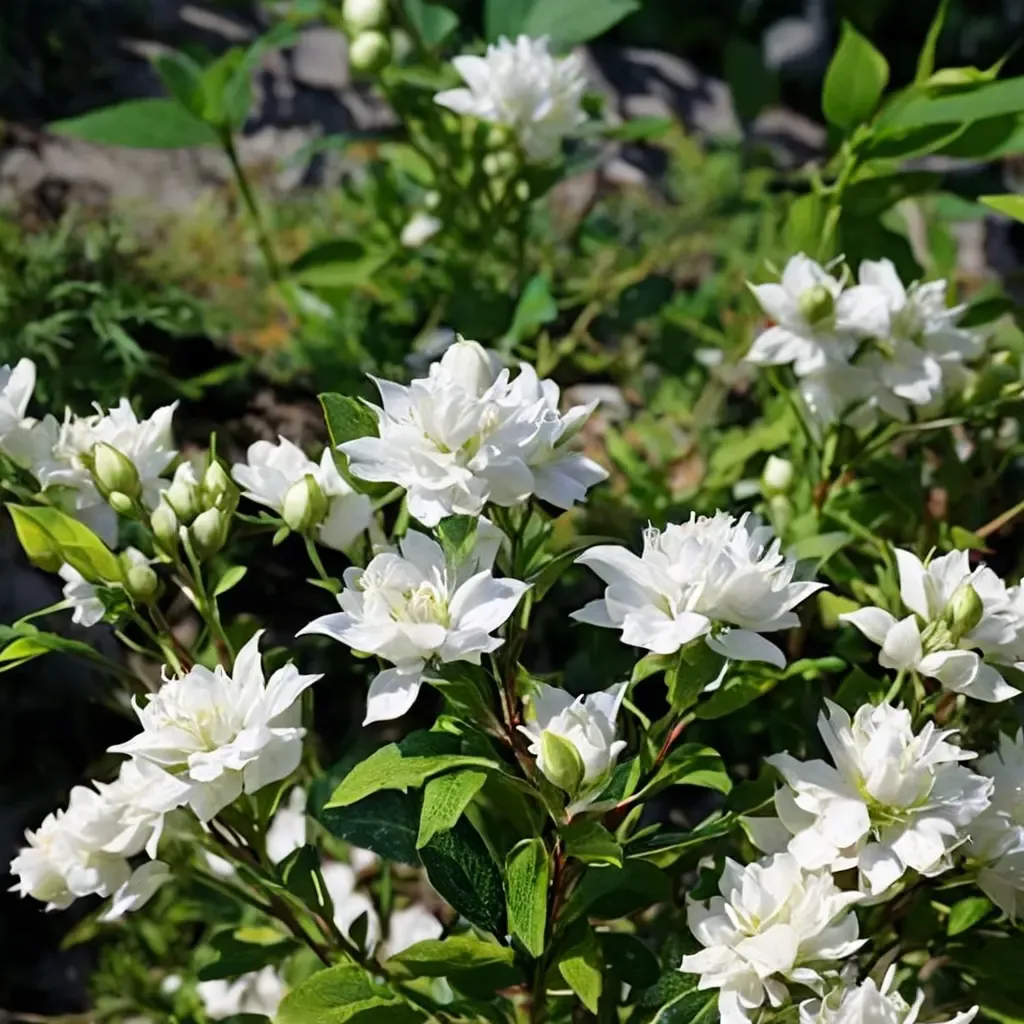
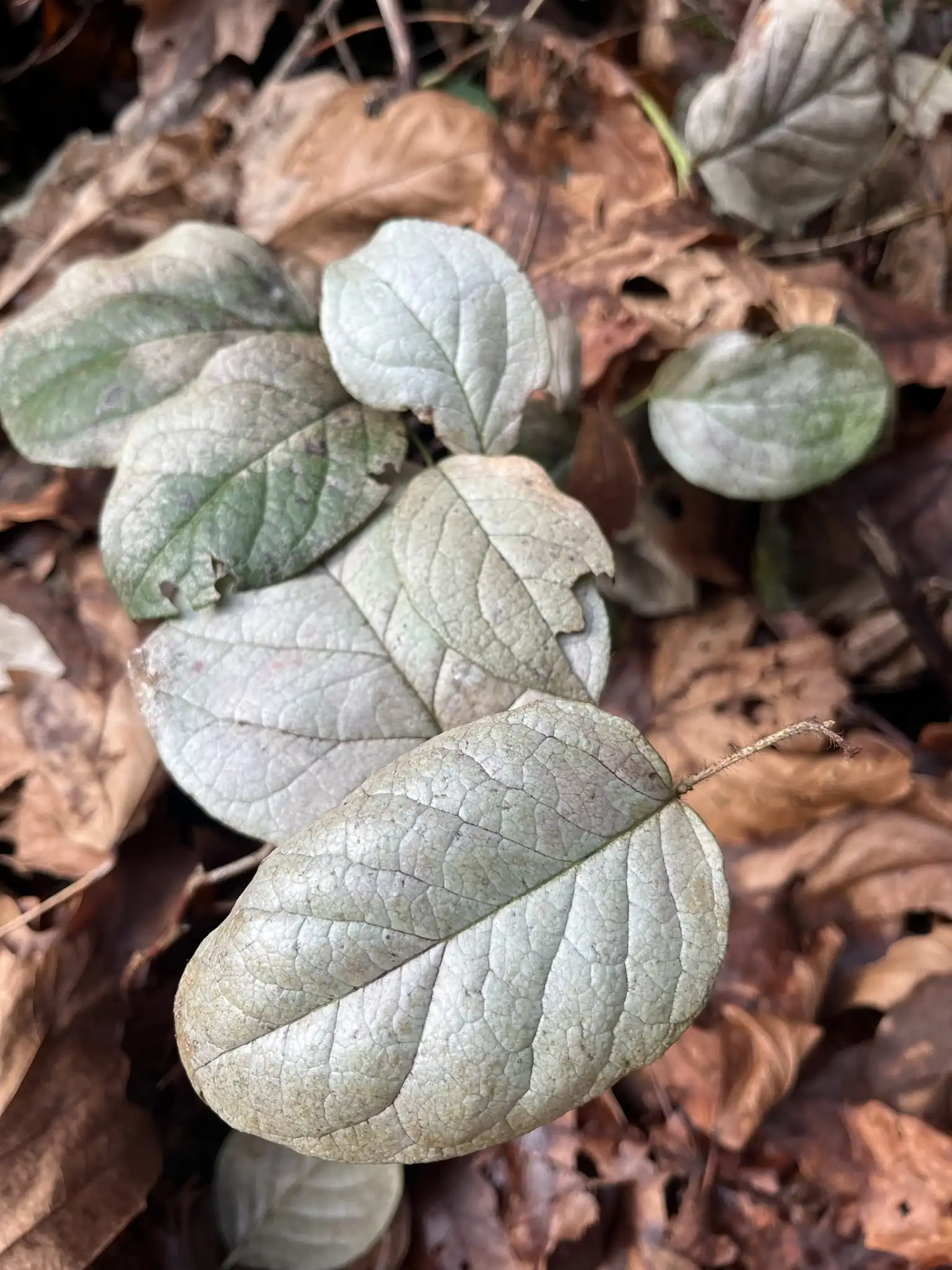
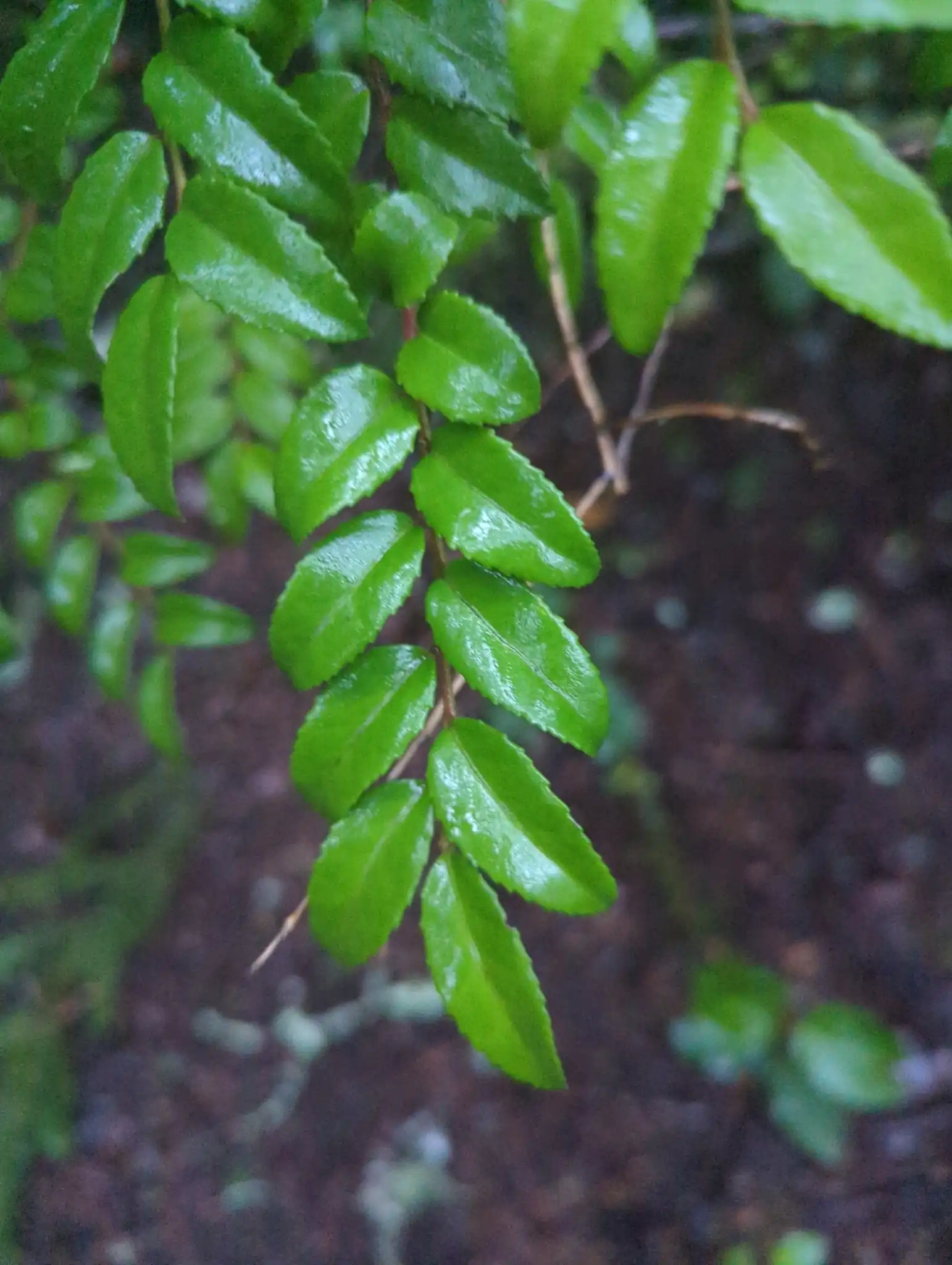
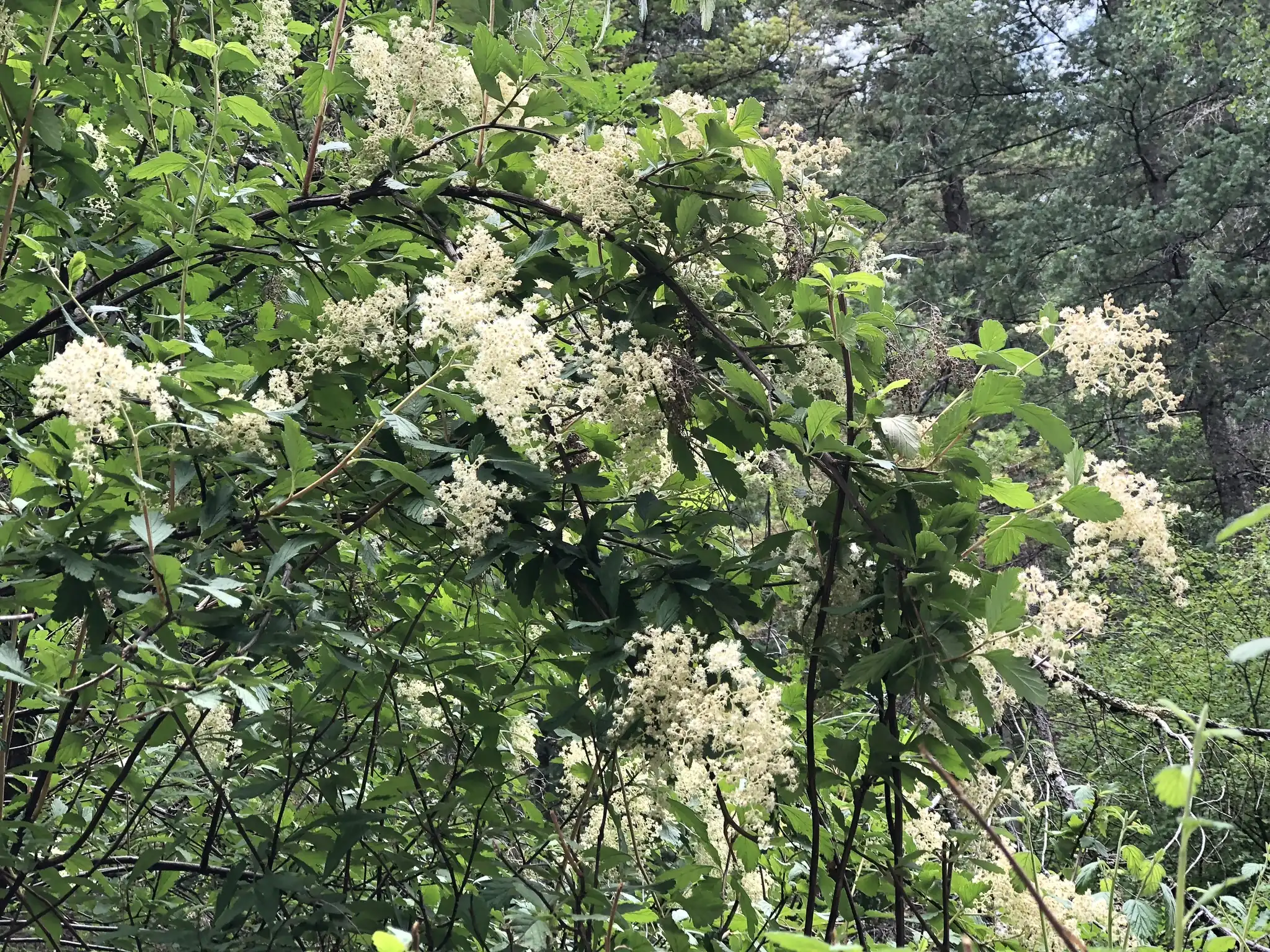
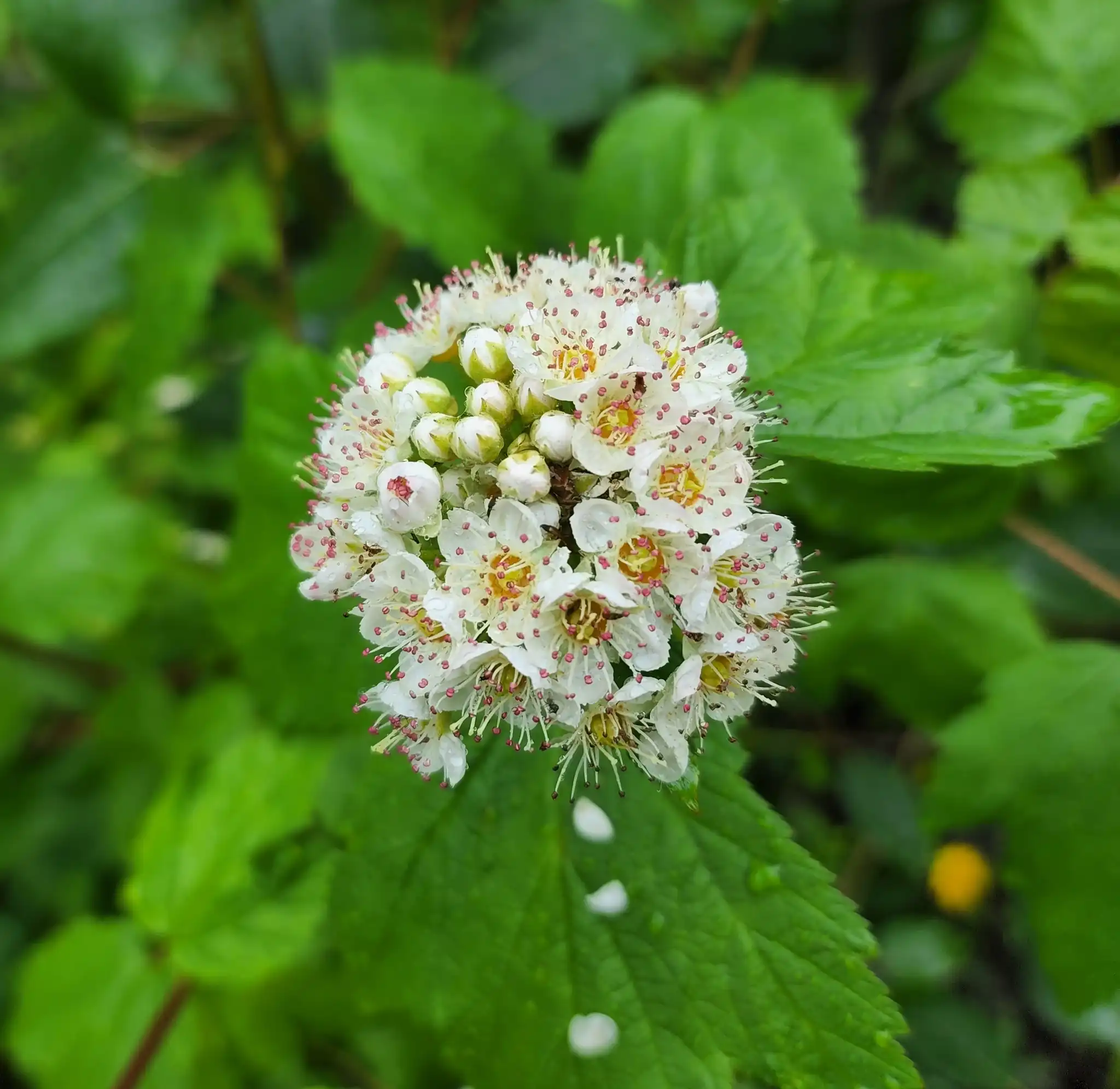
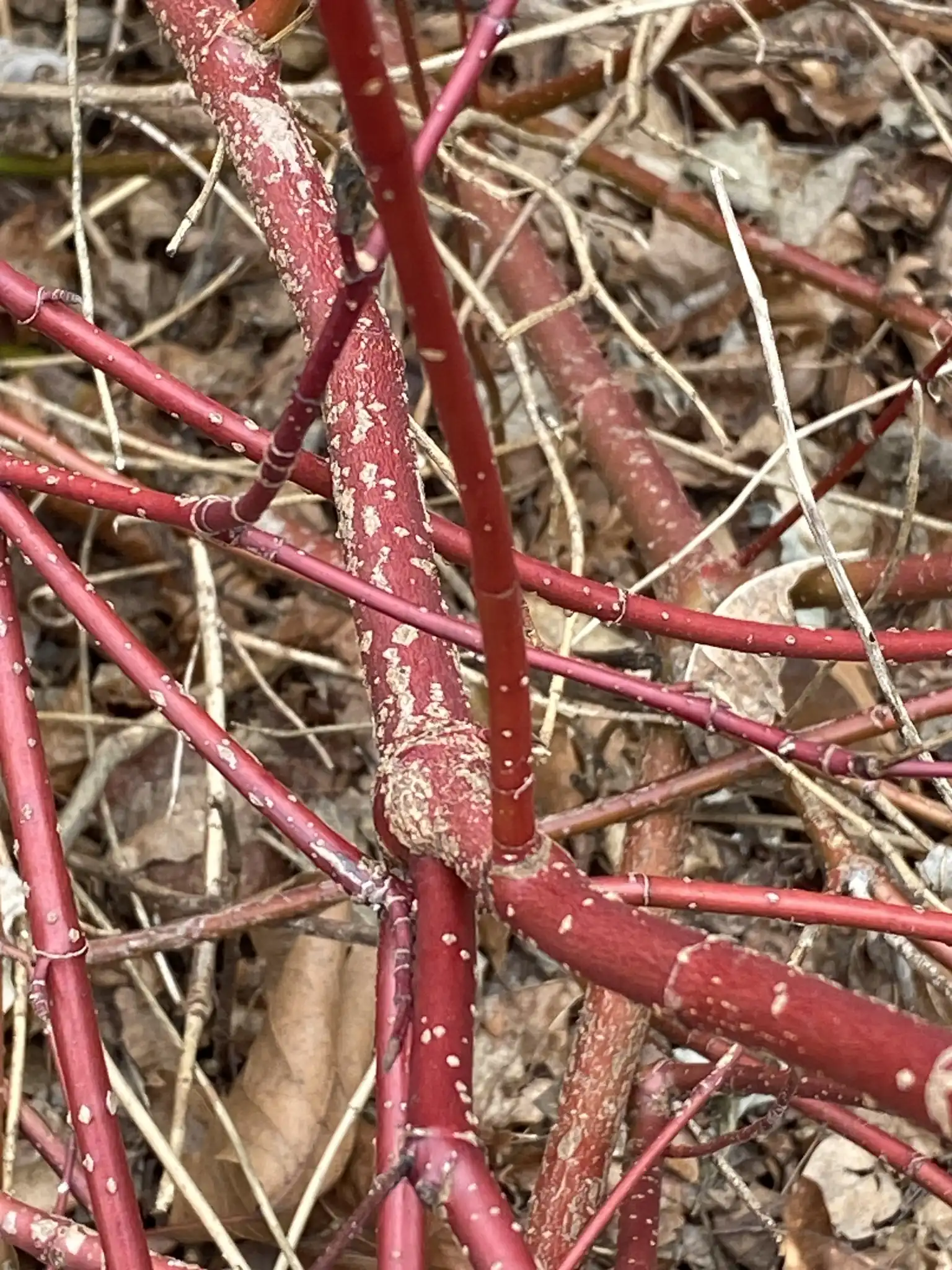
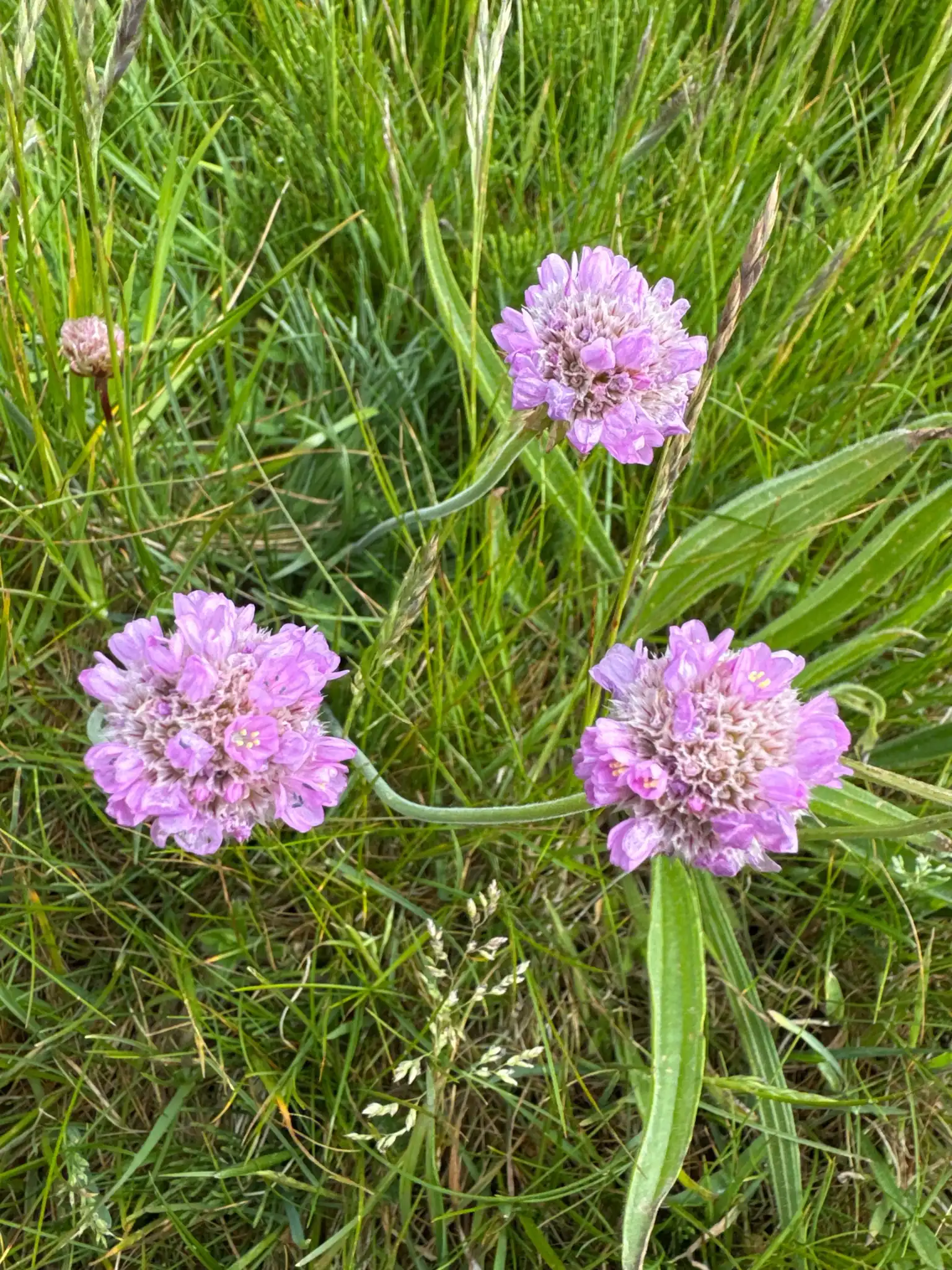
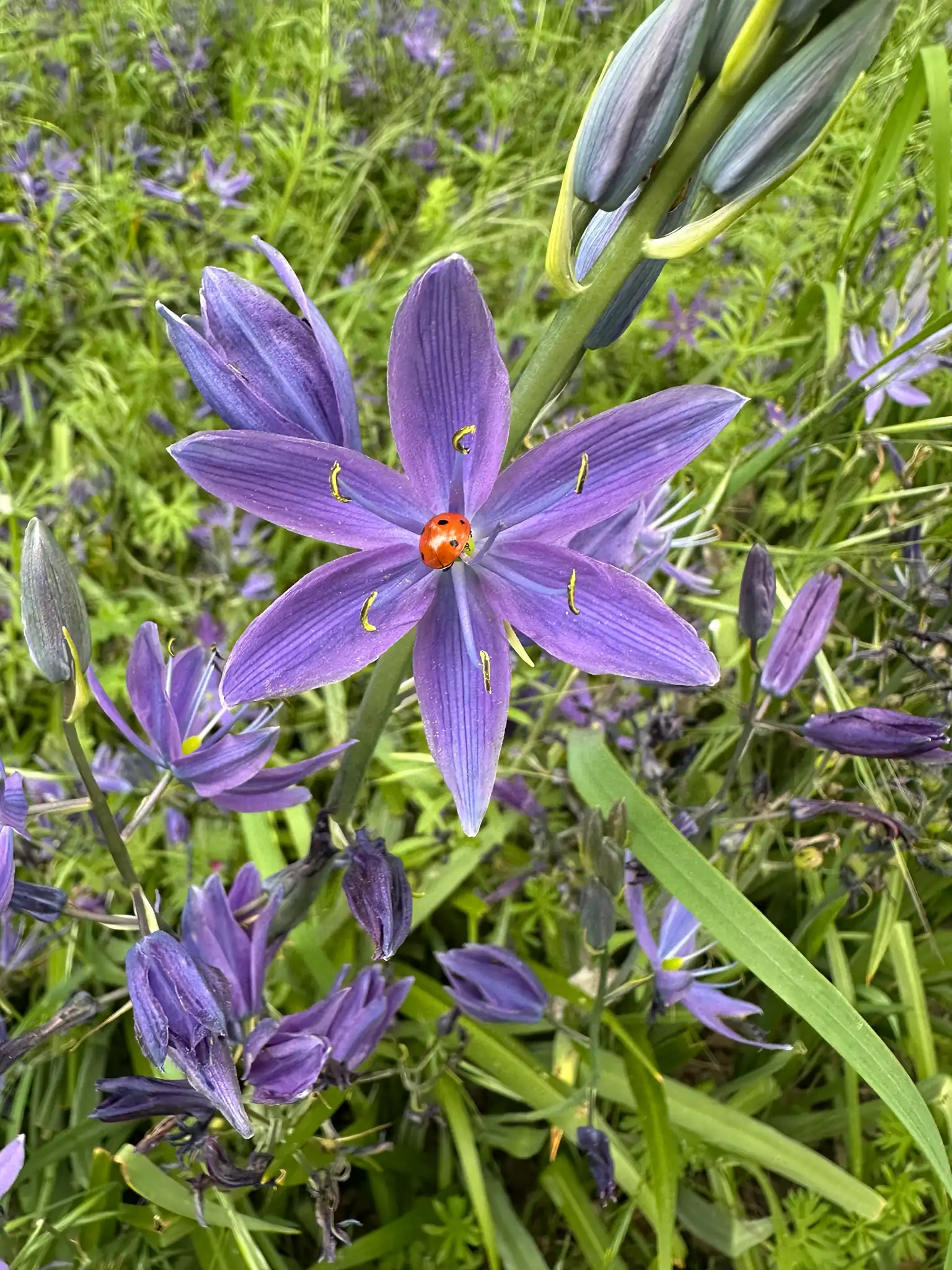
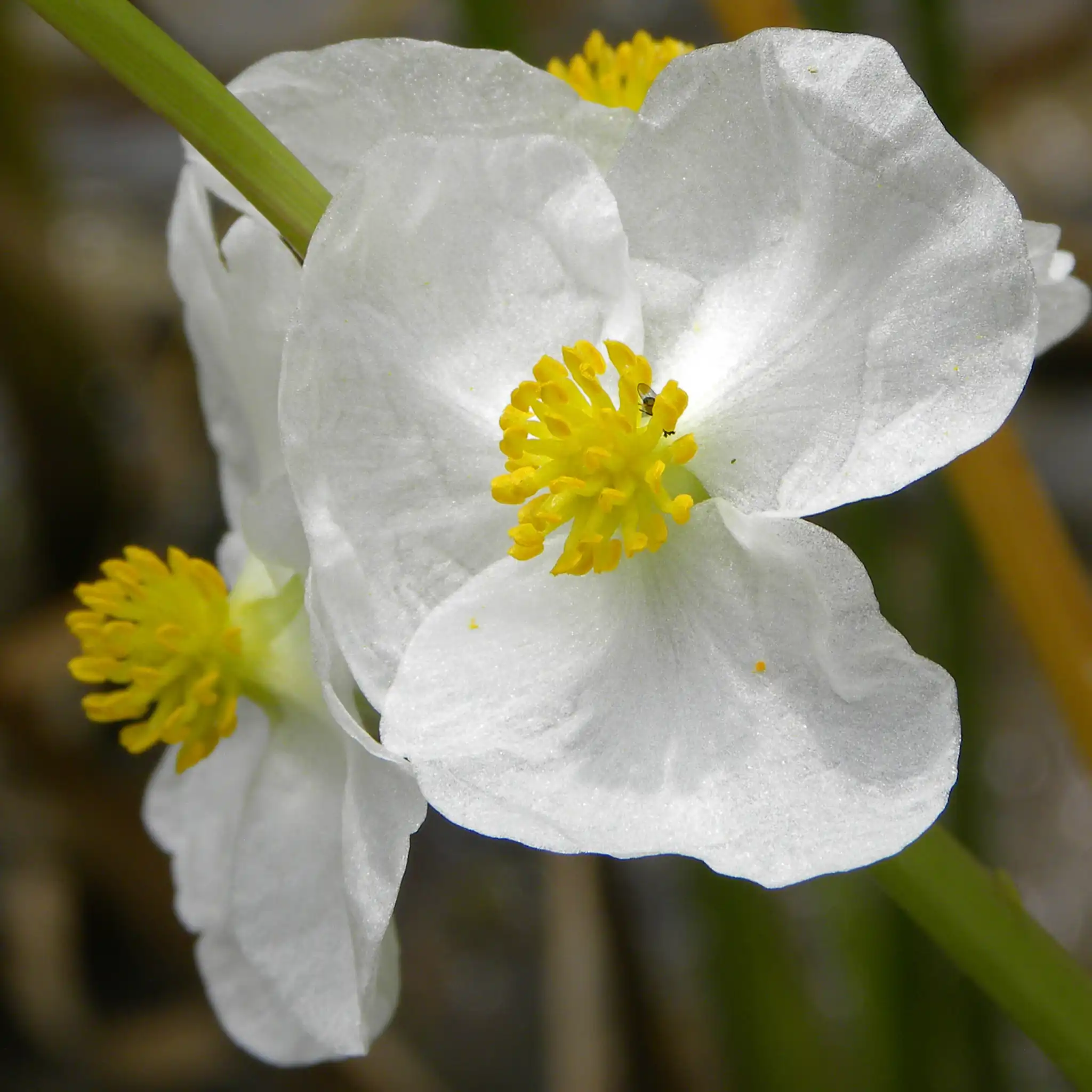
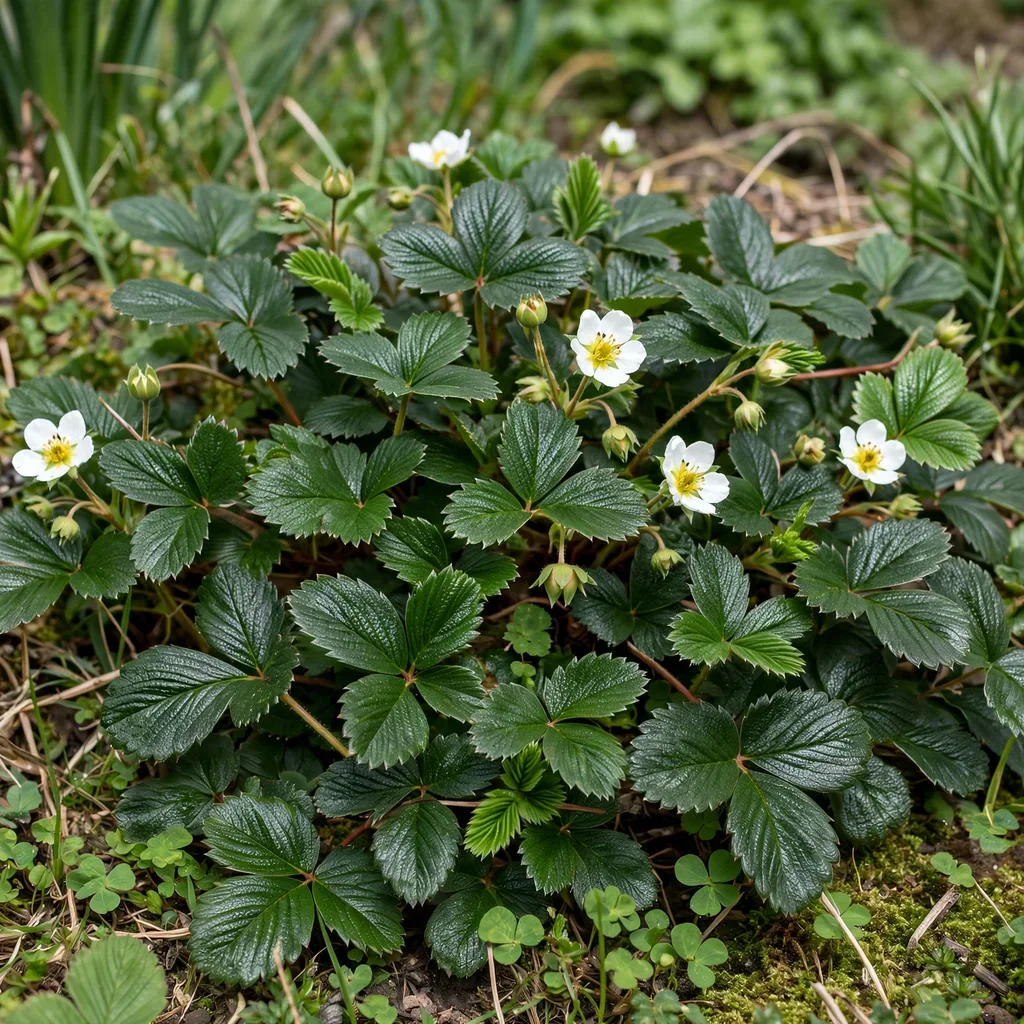
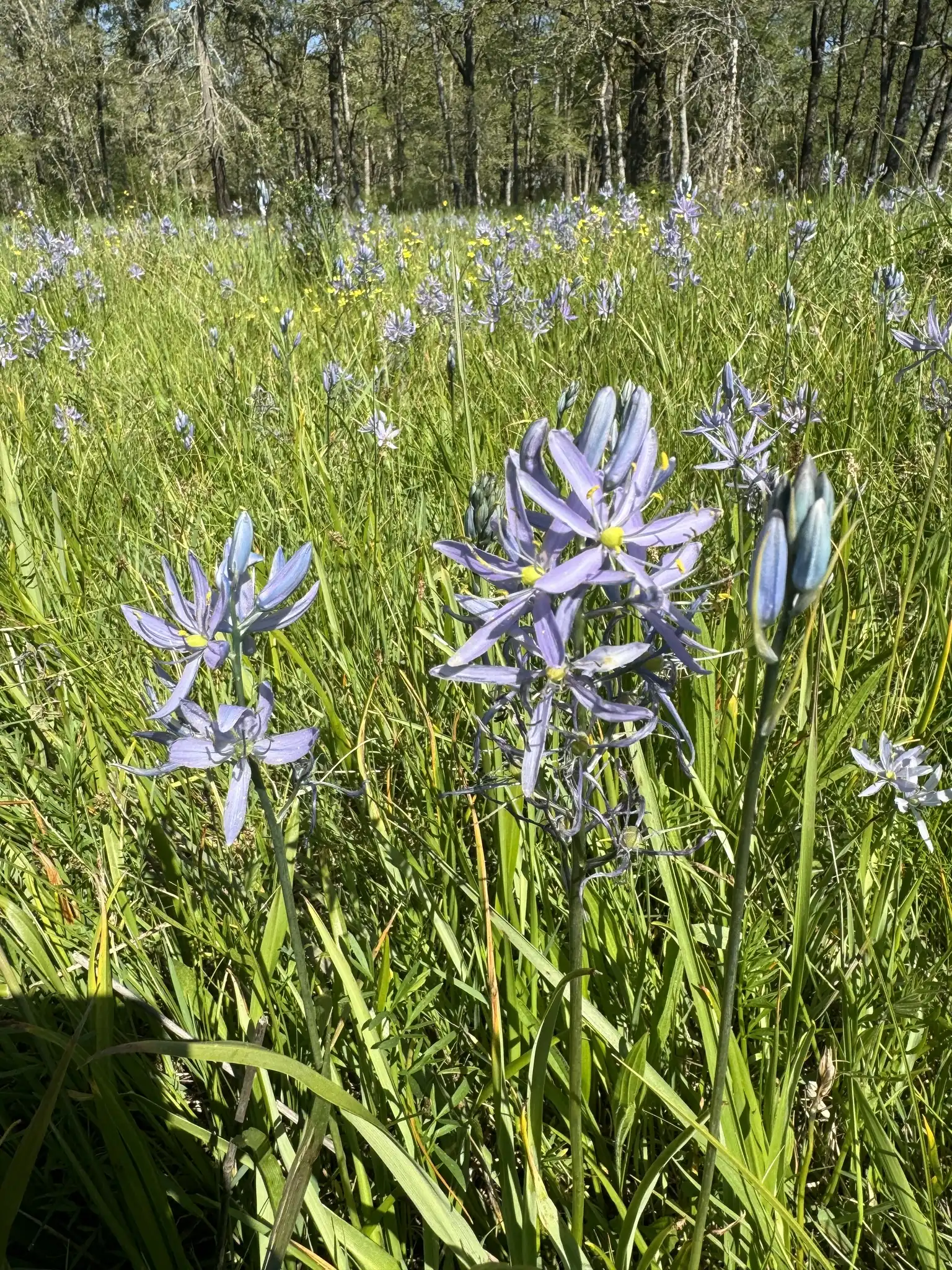
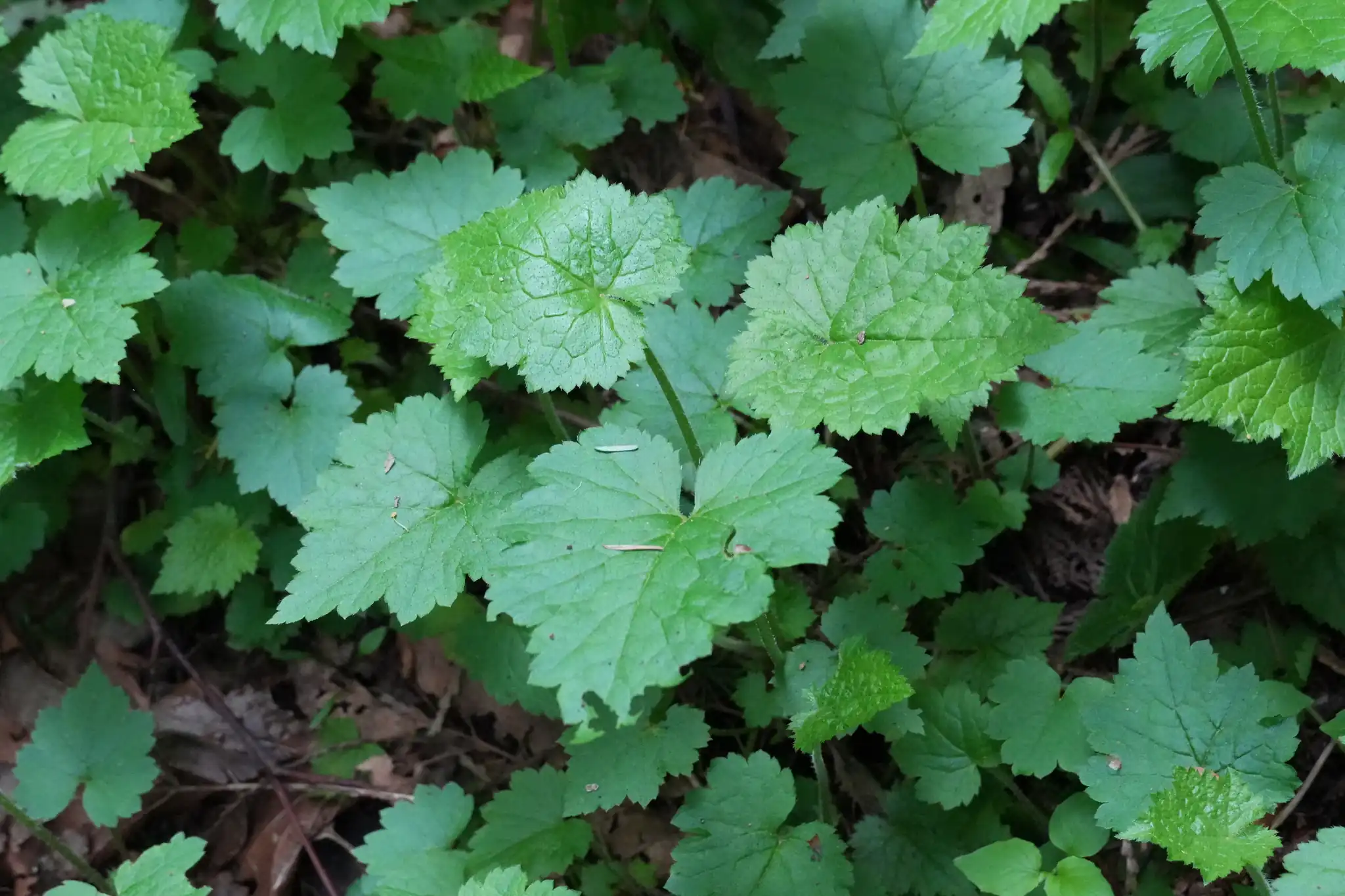
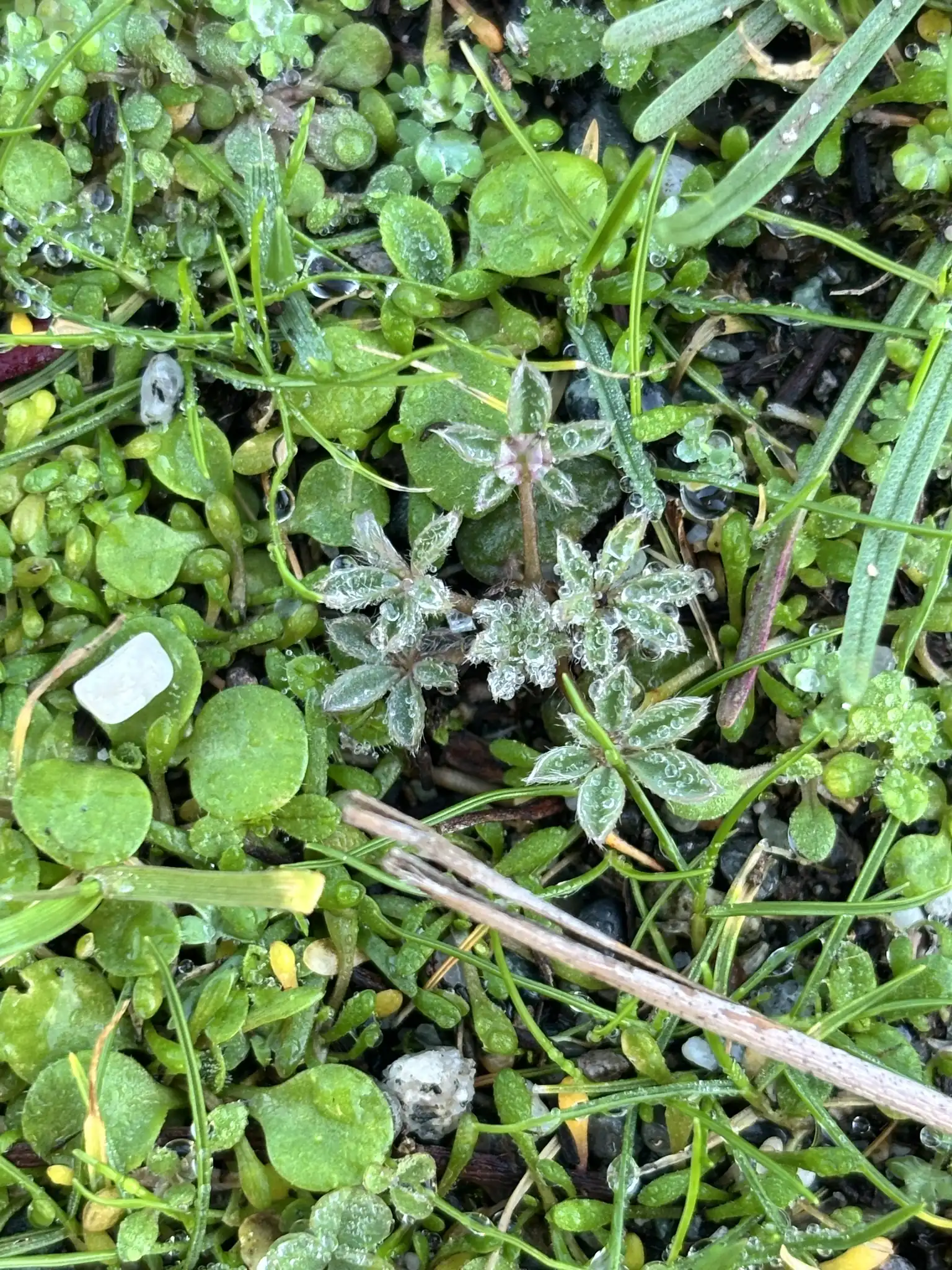
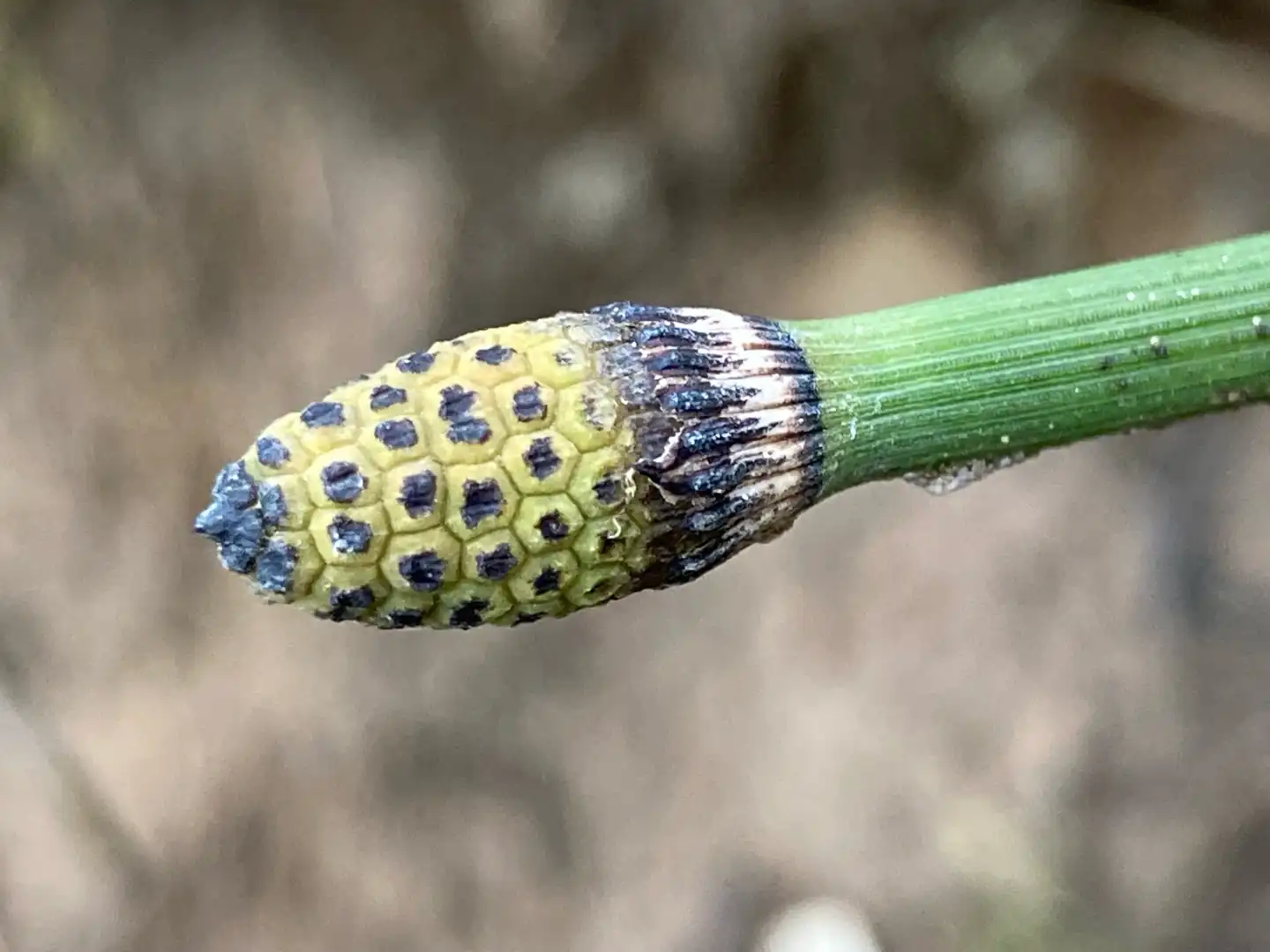
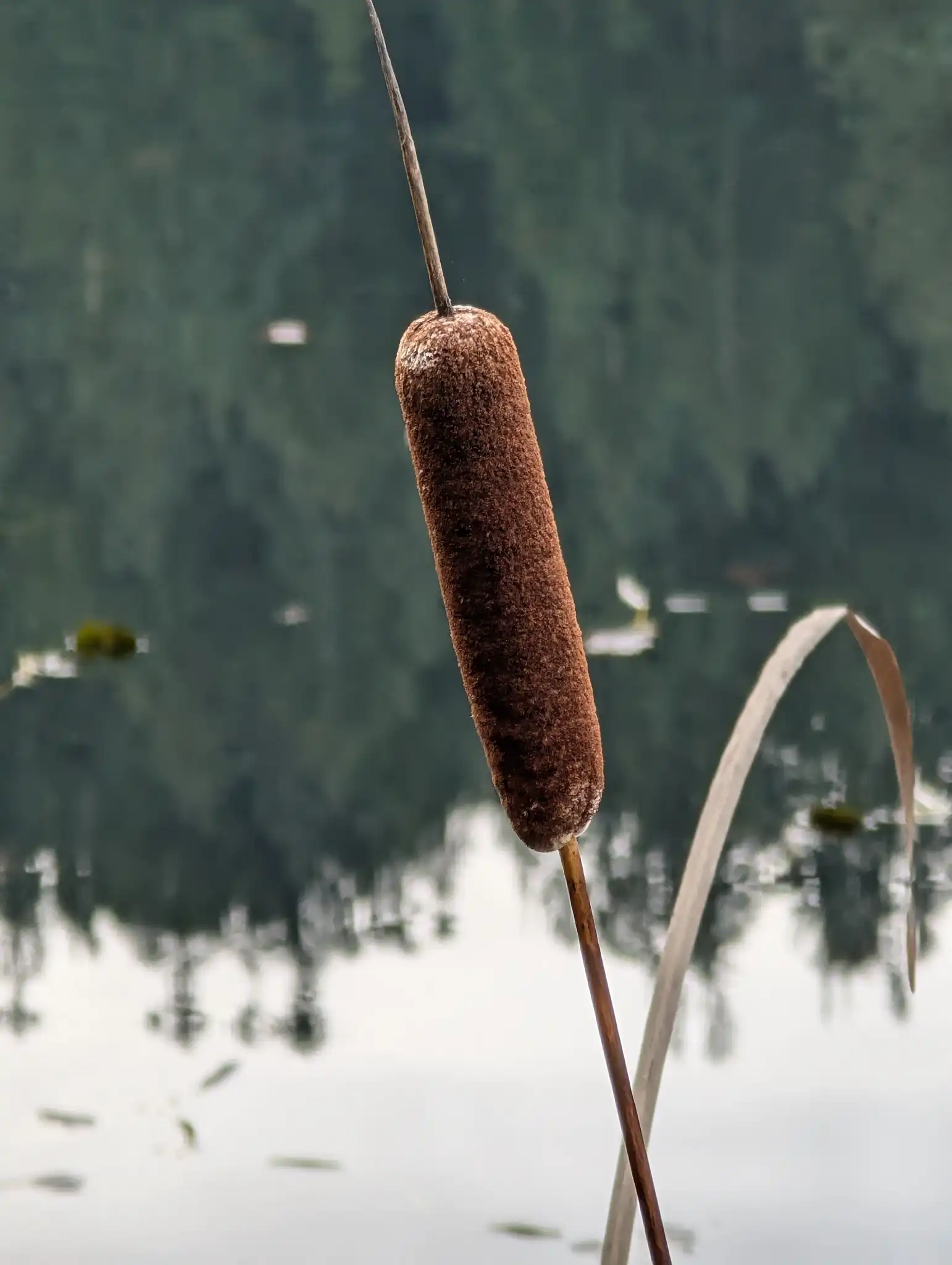
100 plants native to this area with Sow catalog pages.
73 of them need no watering beyond Seattle’s own rainfall
Yard rebates in Seattle
3 programs from the city, the county or local utilities pay residents for yard projects, plus 1 statewide. 3 ask for a plan or plant list before they approve a project.
- OpenPlan required
RainWise Rain Garden and Cistern Rebate
Seattle Public Utilities and King County
Up to $13.12 per sq ft of roof area for rain gardens; up to $9.91 per sq ft of roof area for cisterns; rebates cover 90-100% of installation cost
- Seasonal
Saving Water Partnership Sprinkler Timer Replacement Rebate
Saving Water Partnership
$10 per functioning zone, up to $100
Up to $100 per household
- Seasonal
SPU Trees for Neighborhoods Free Trees
Seattle Public Utilities
Up to 3 free trees per year (lifetime max 6 per property), plus watering bag, mulch, workshop, 5 years of care reminders
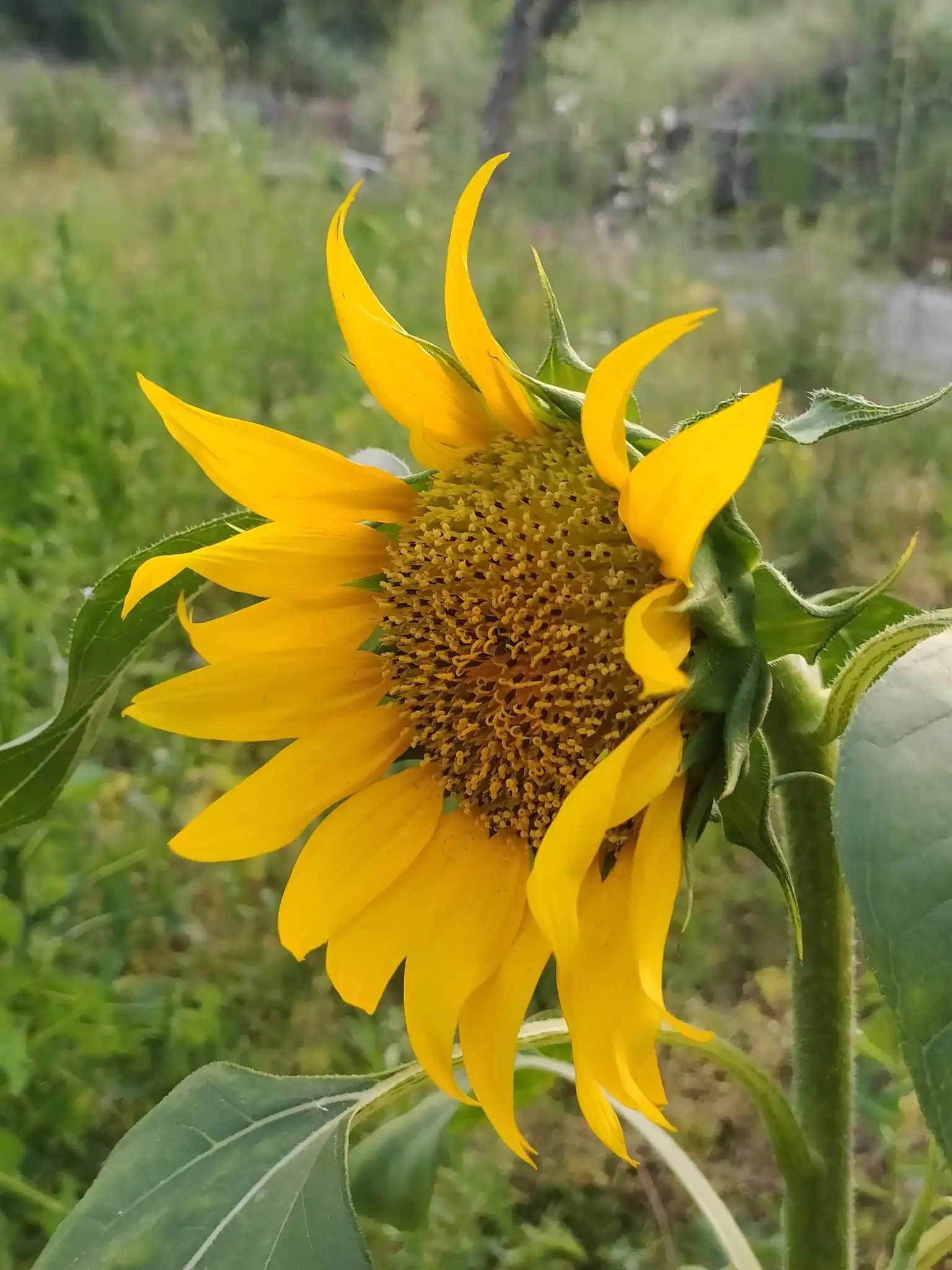
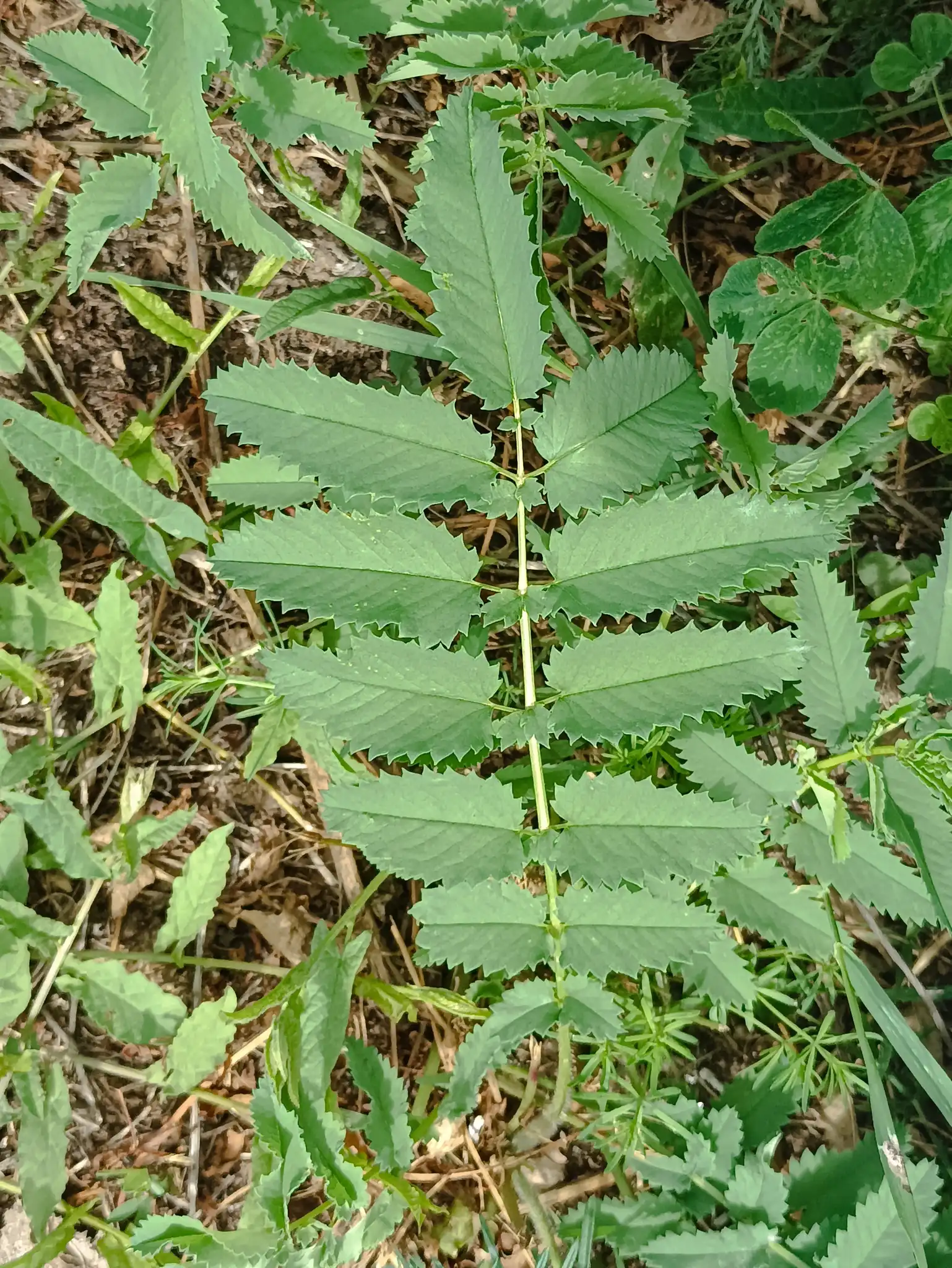
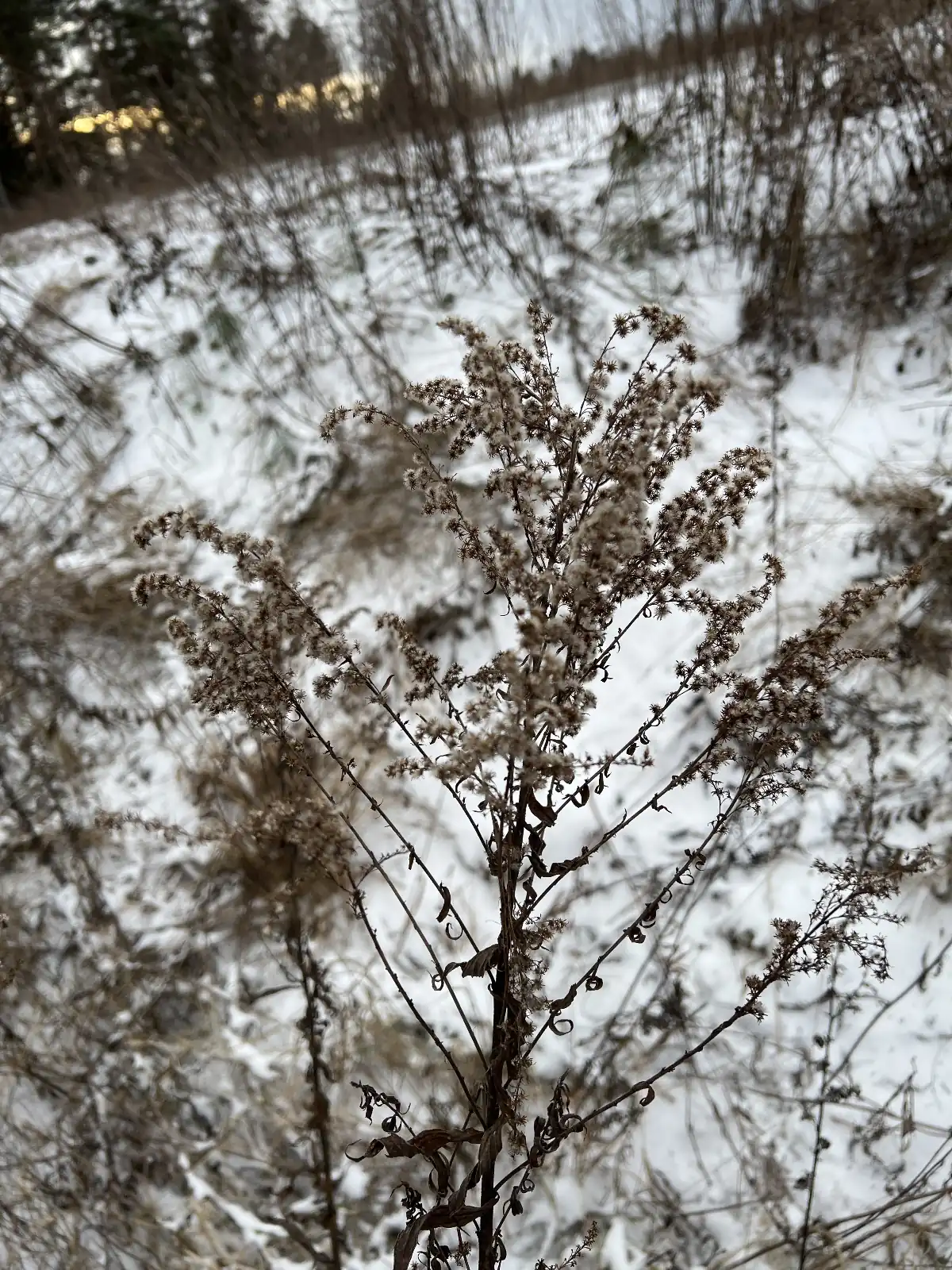
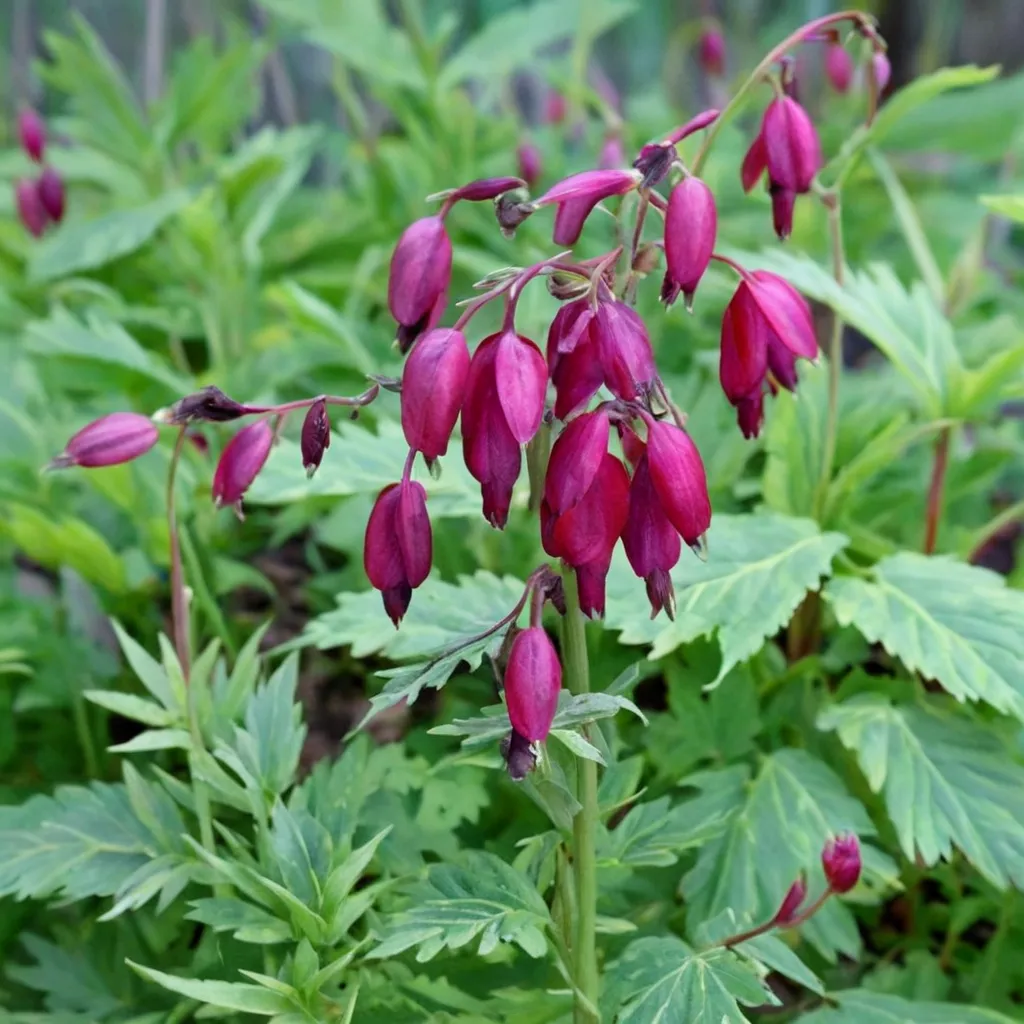
Showing 100 plants
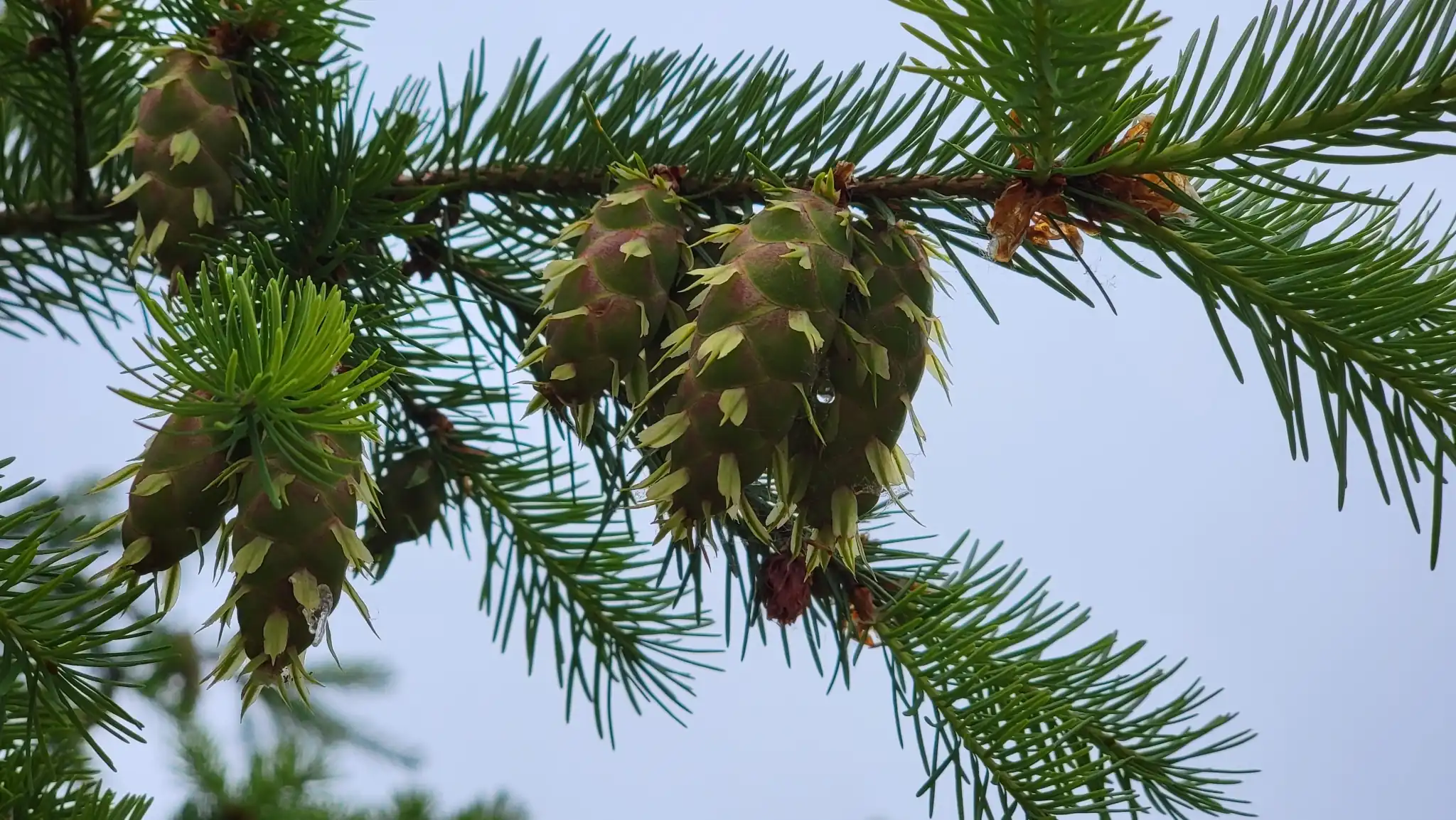
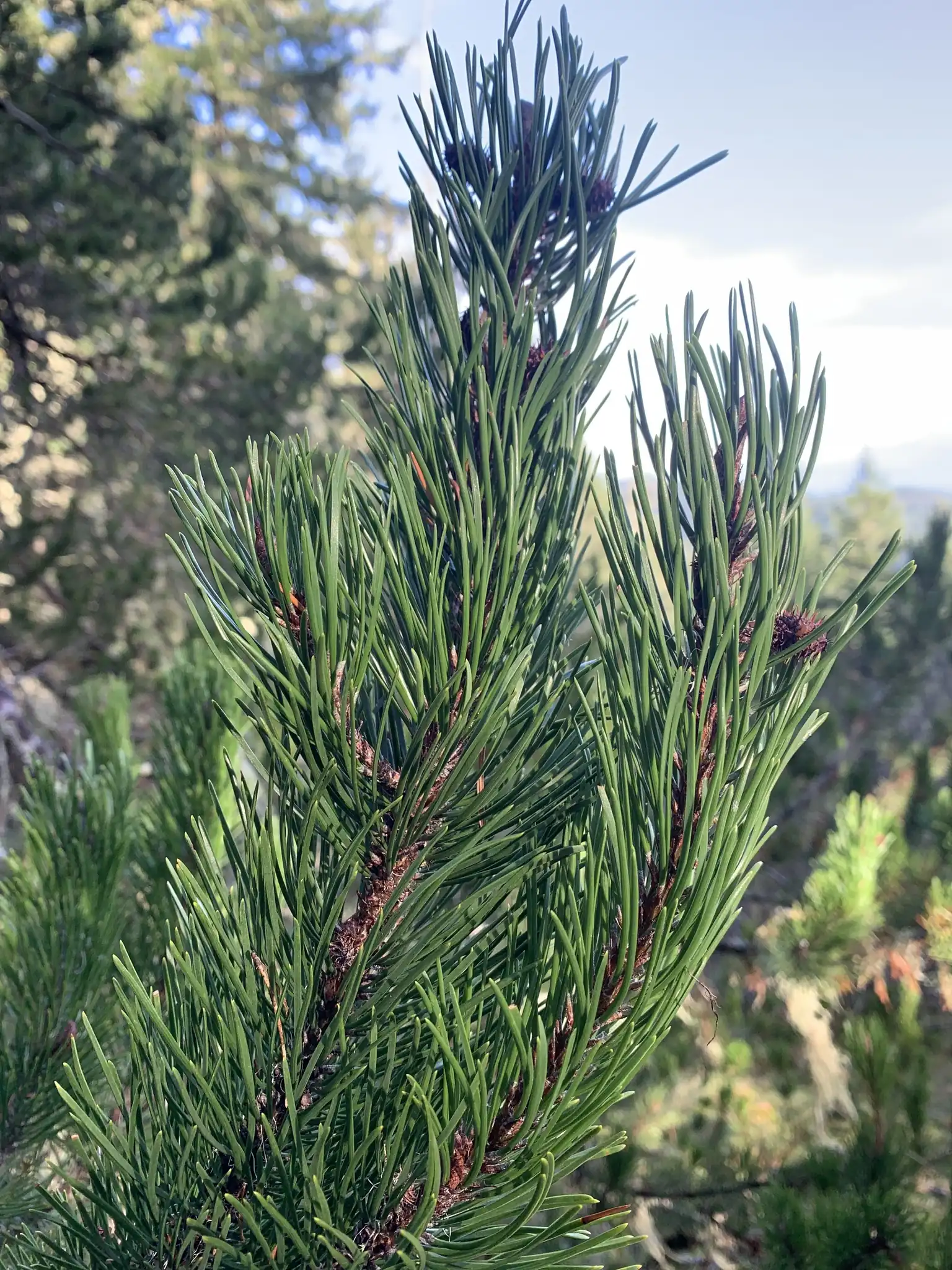
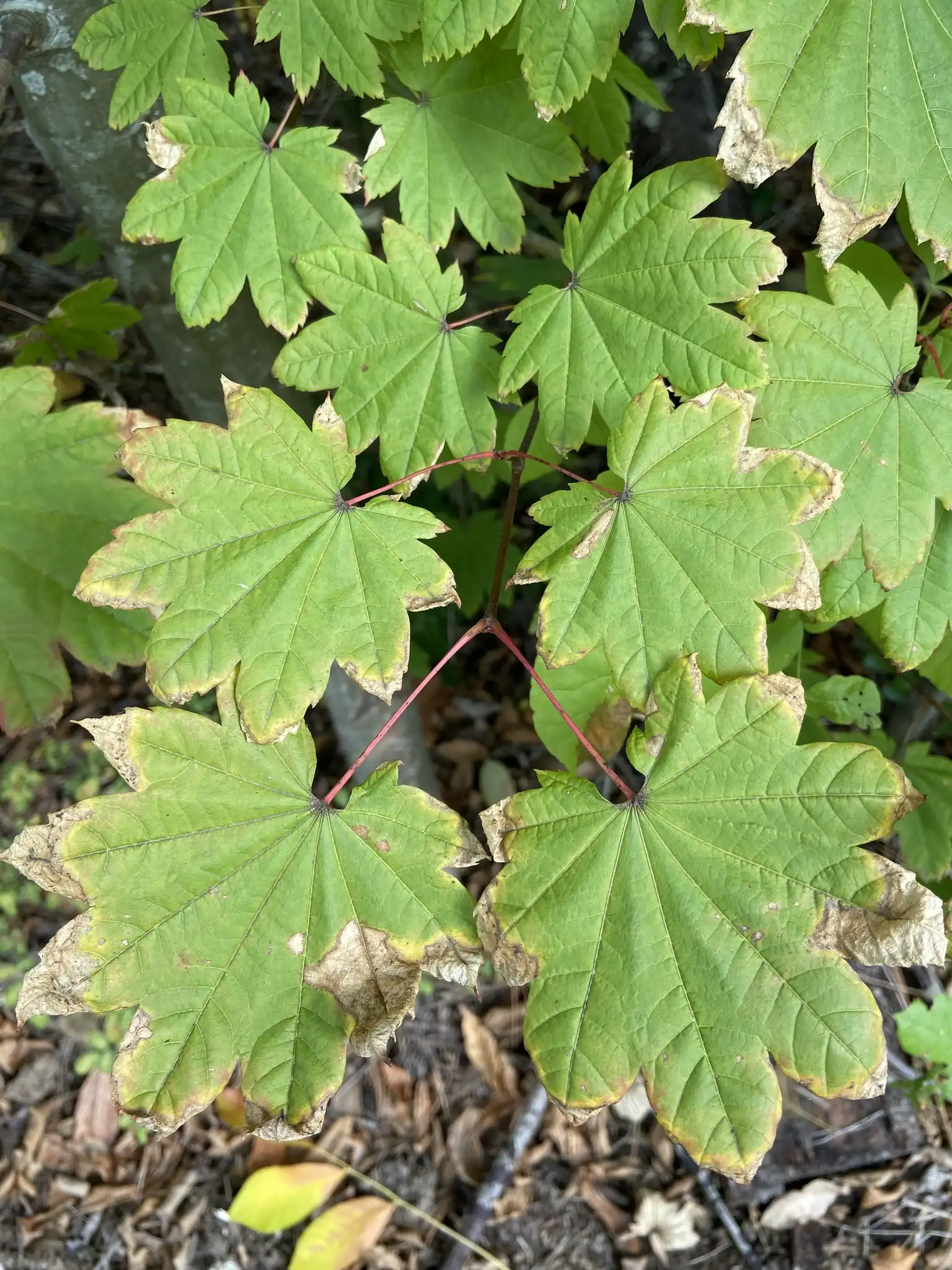
Trees10
Canopy and structure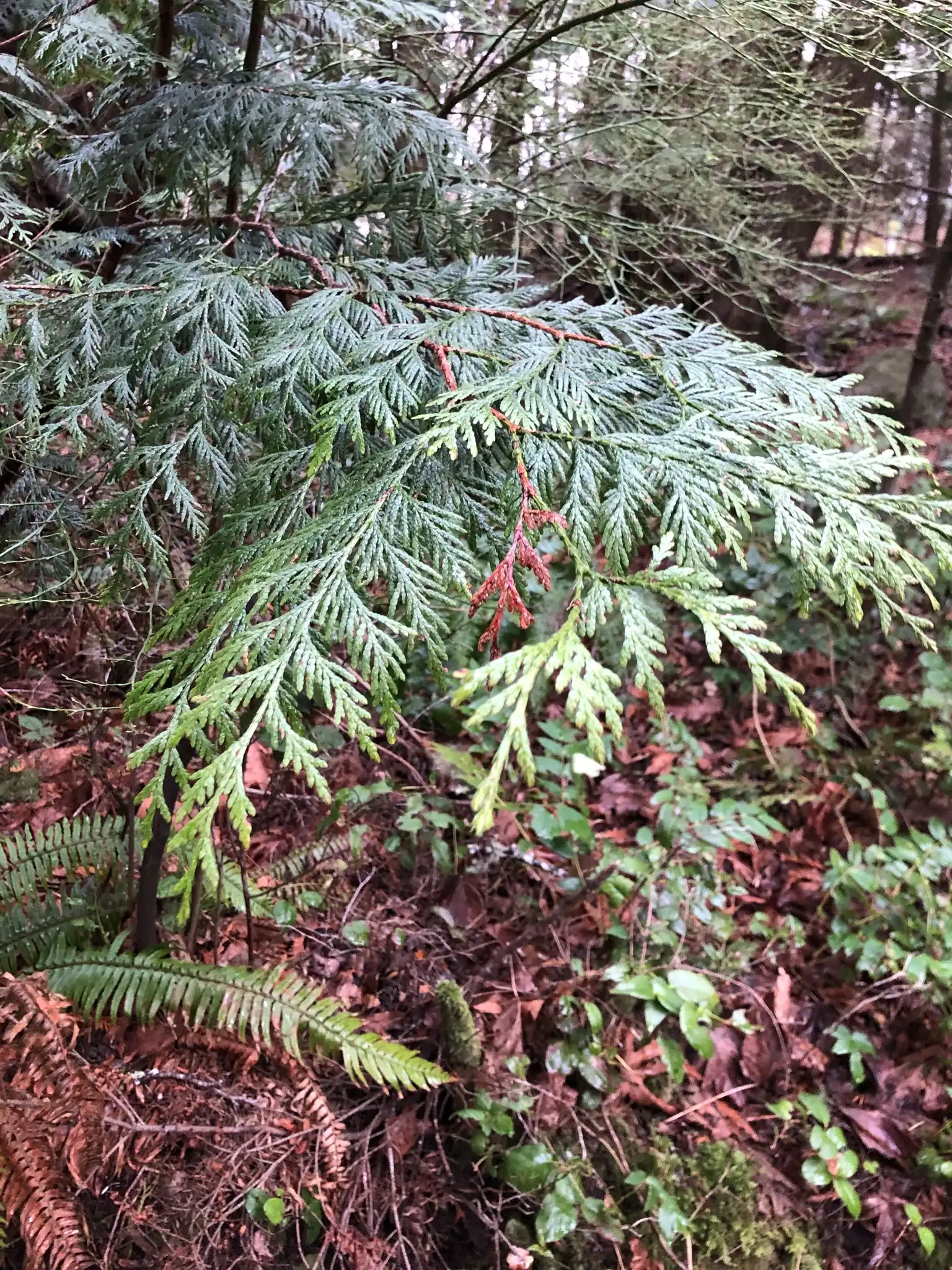
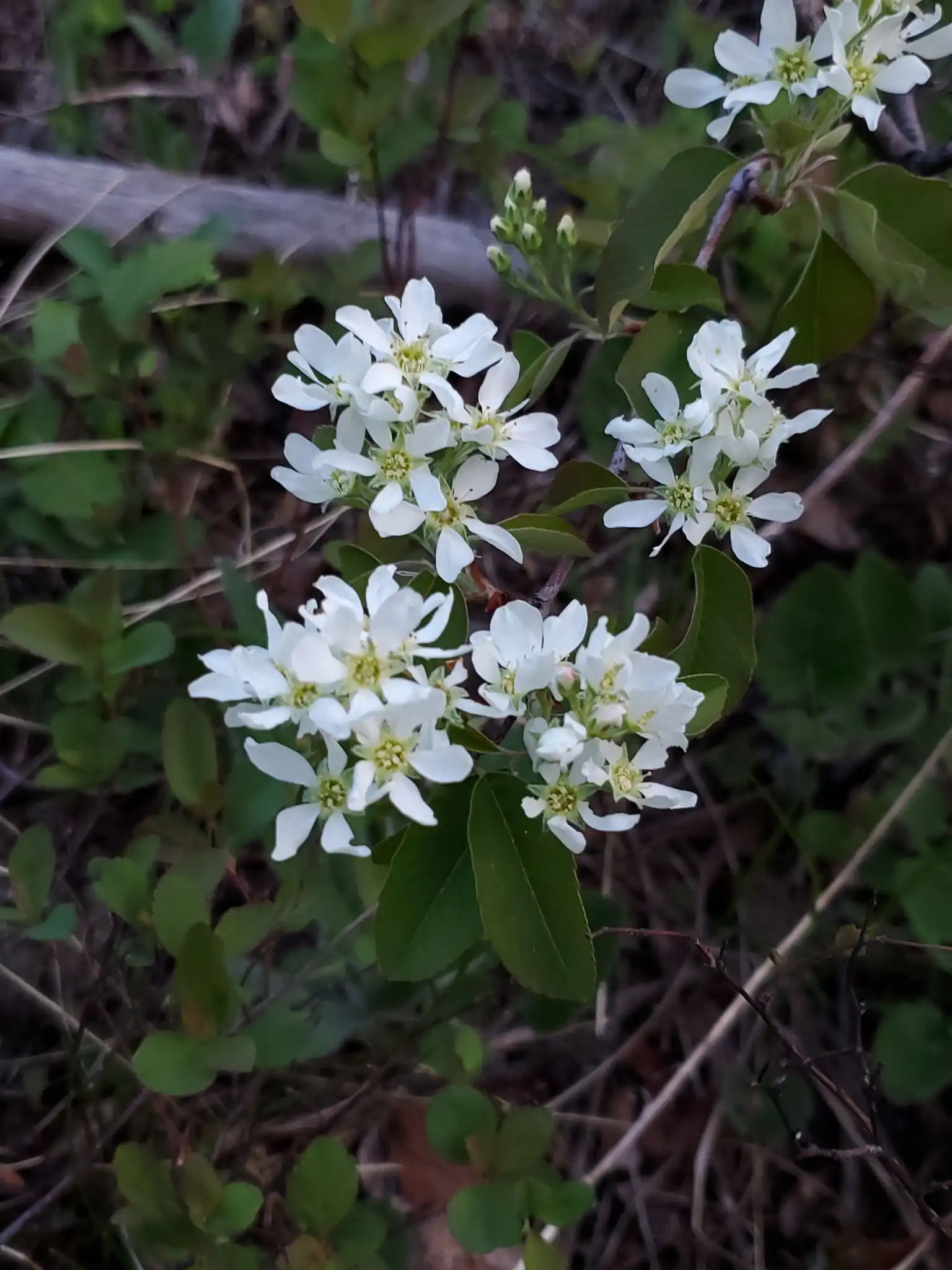
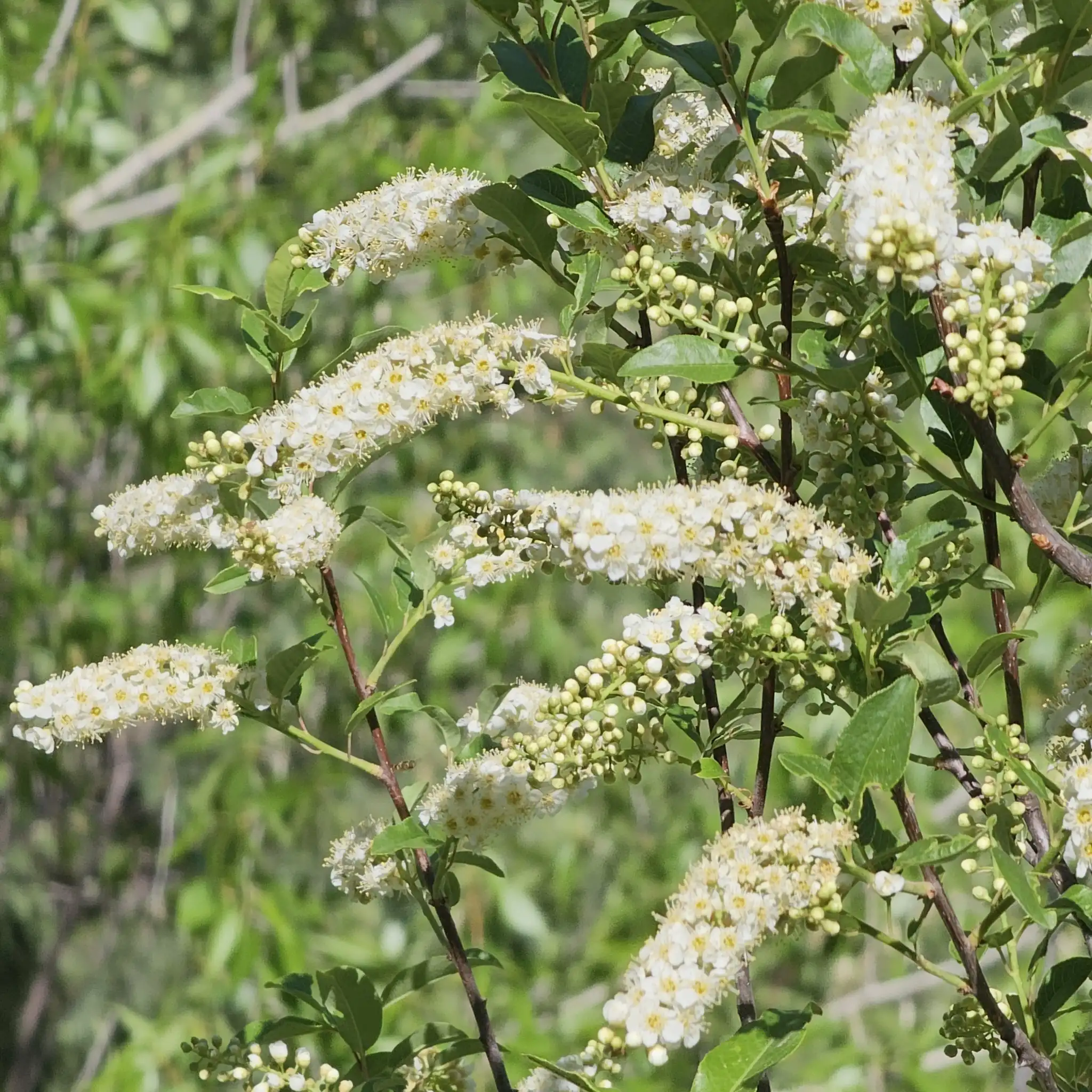

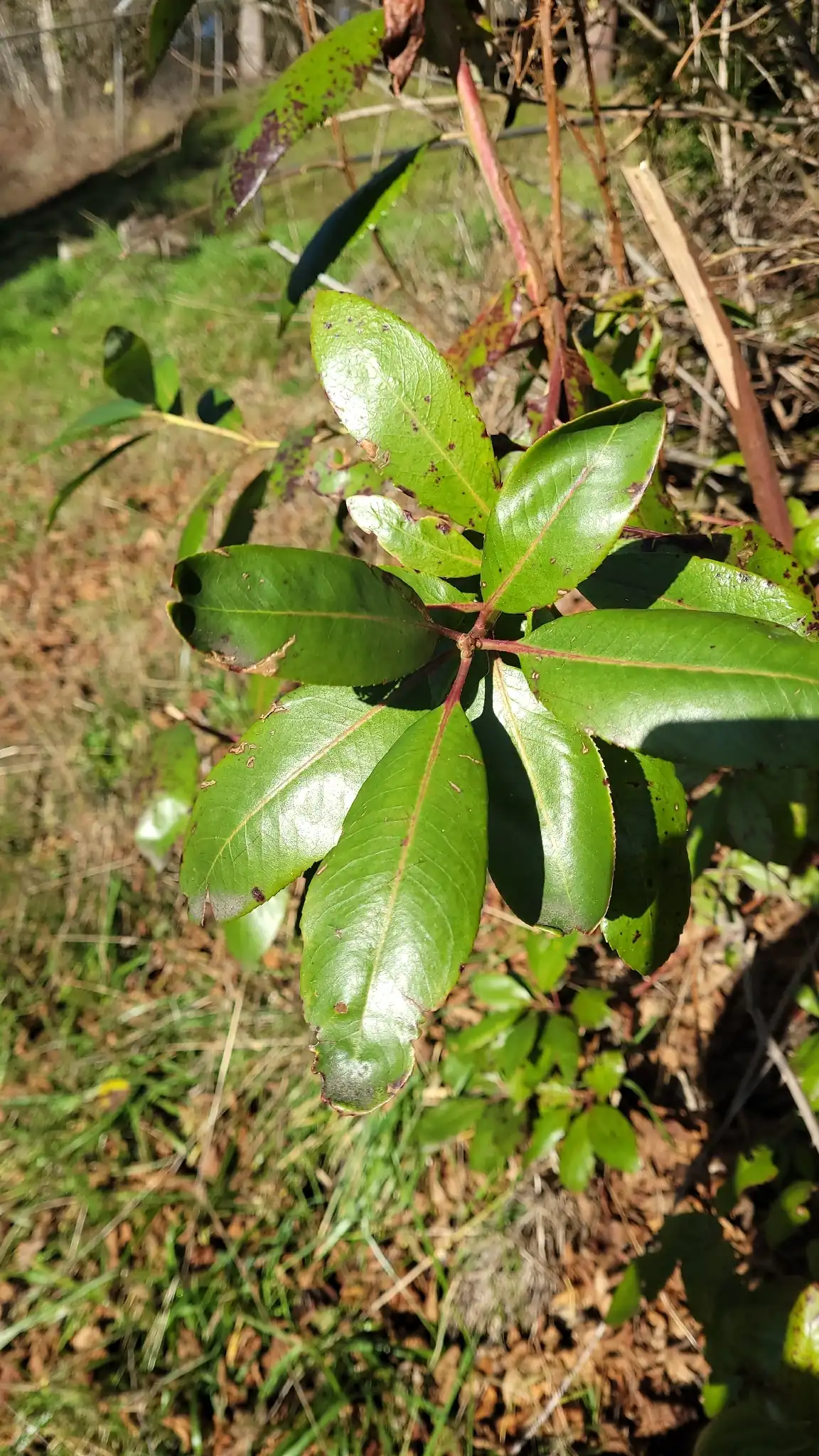
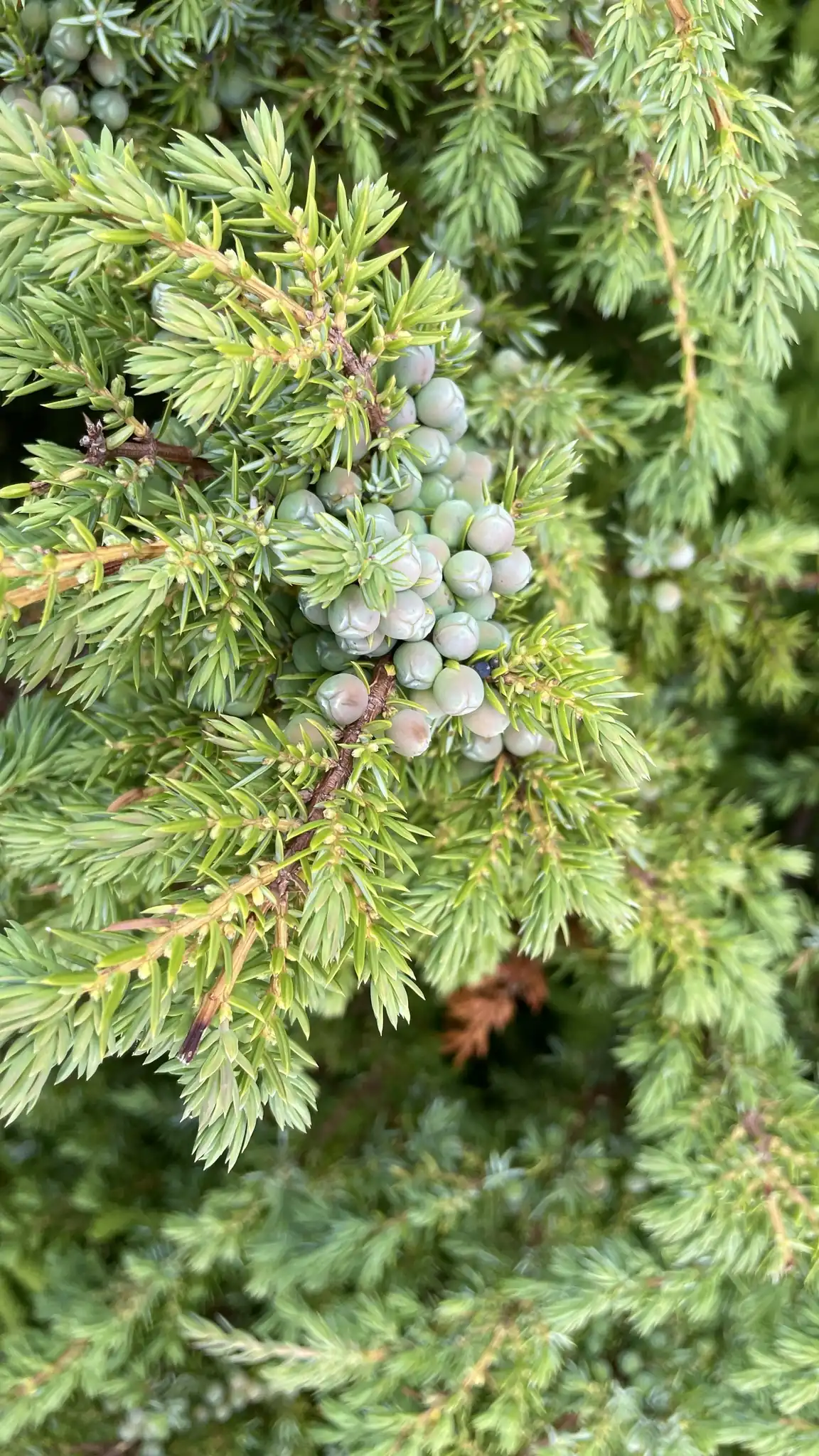
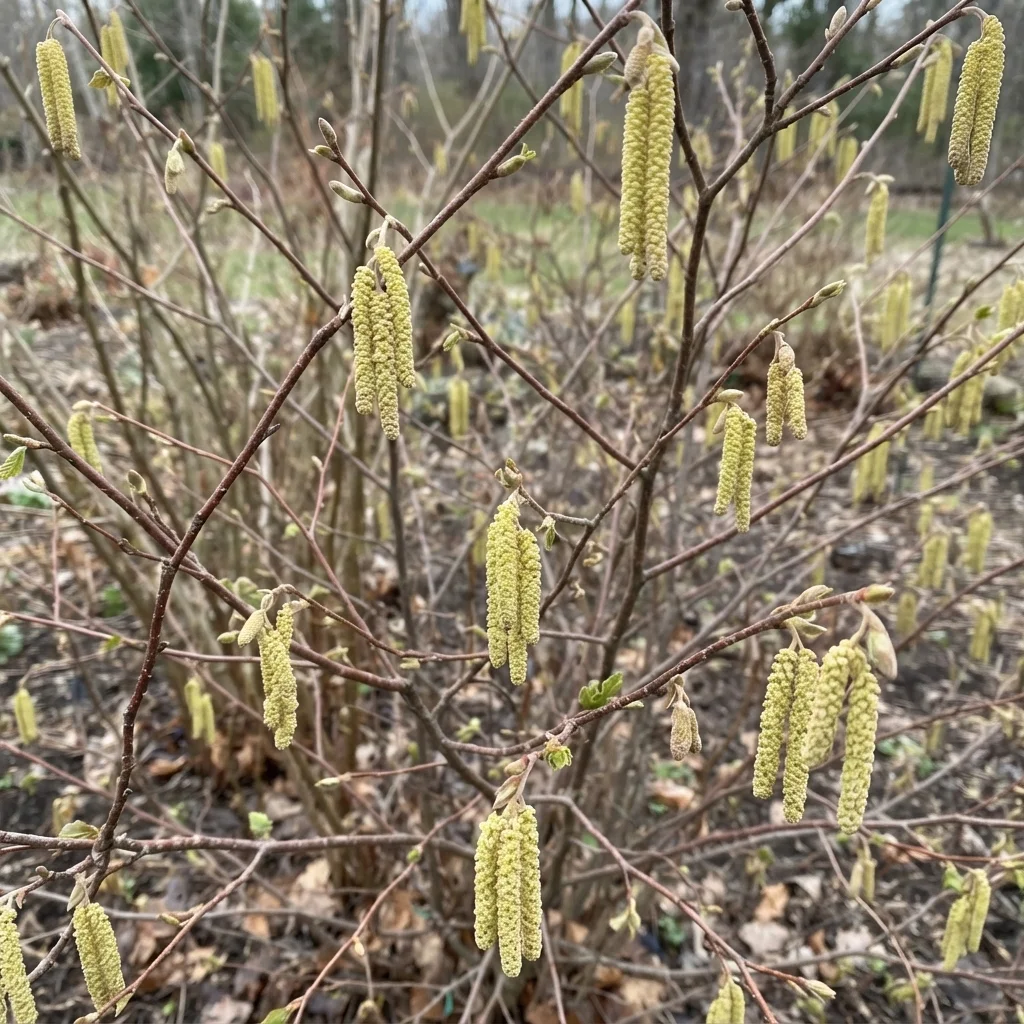
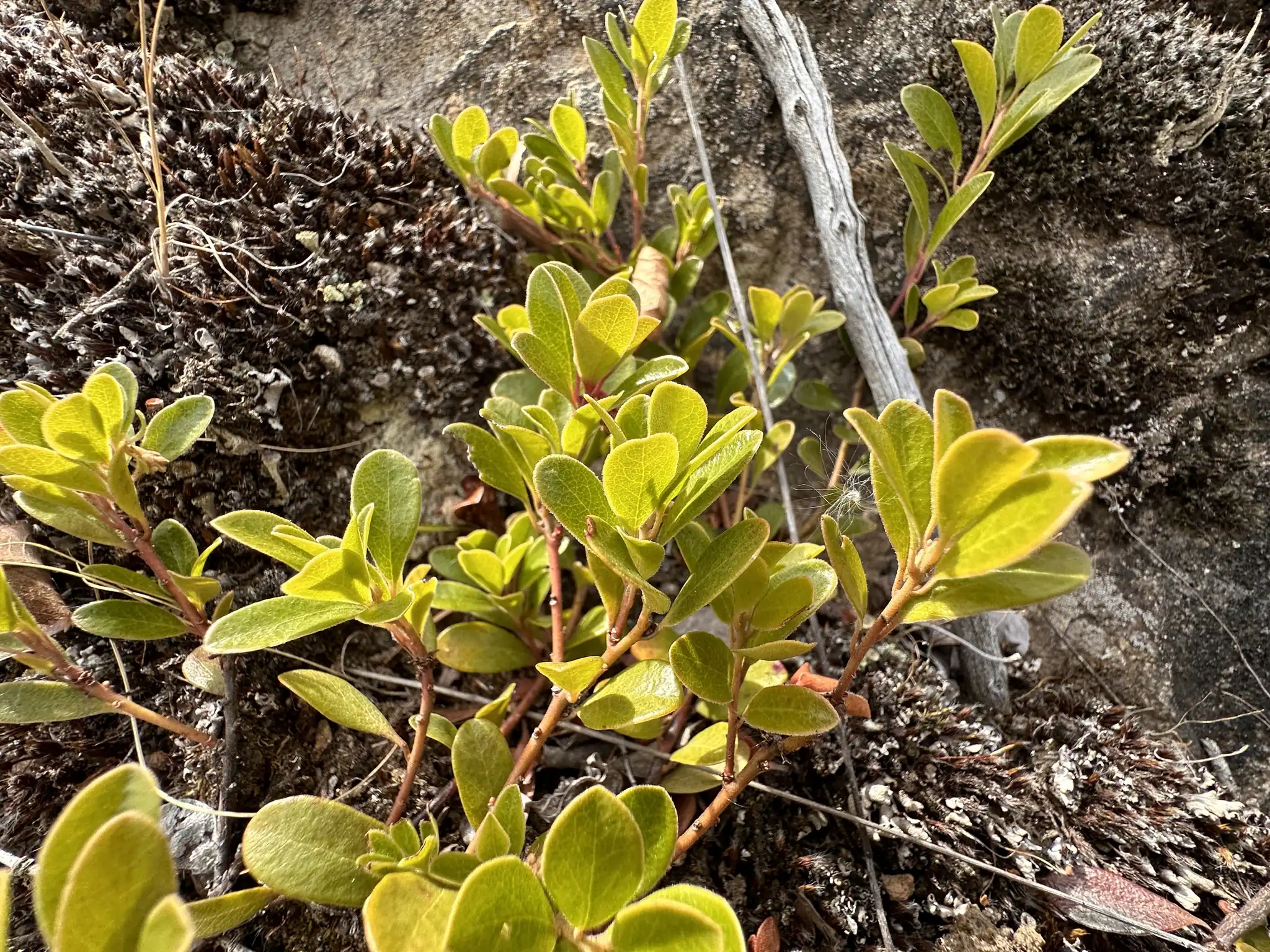
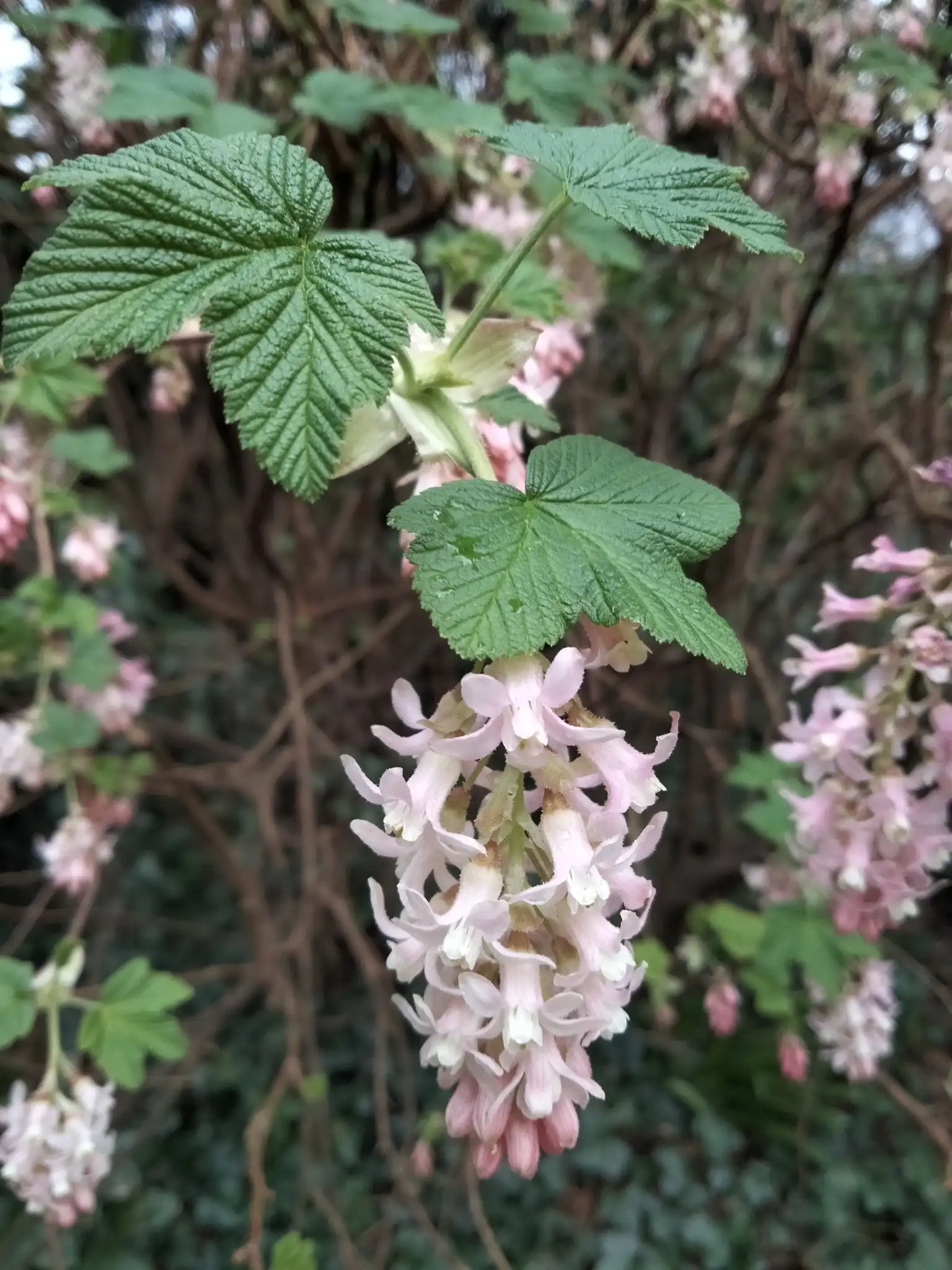
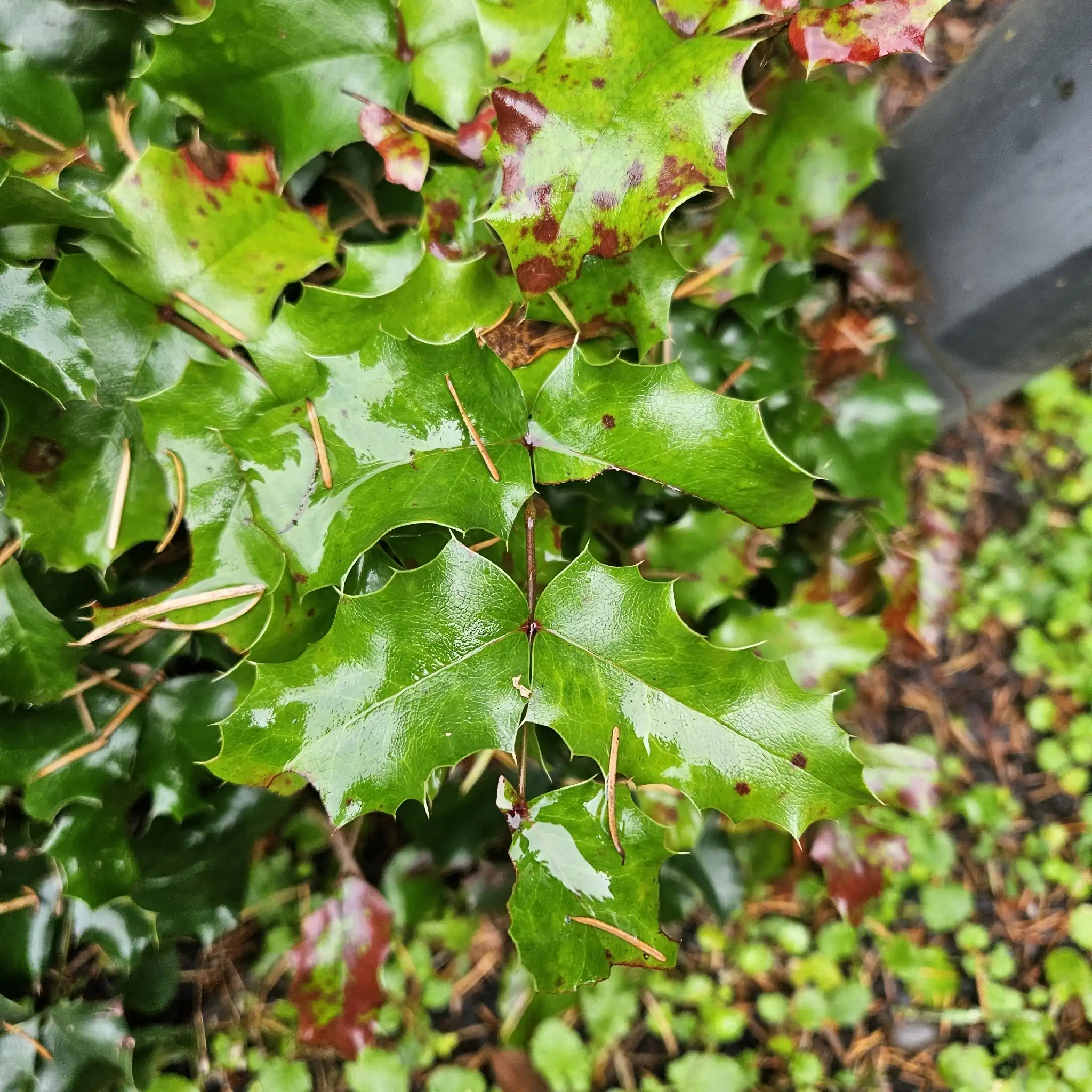
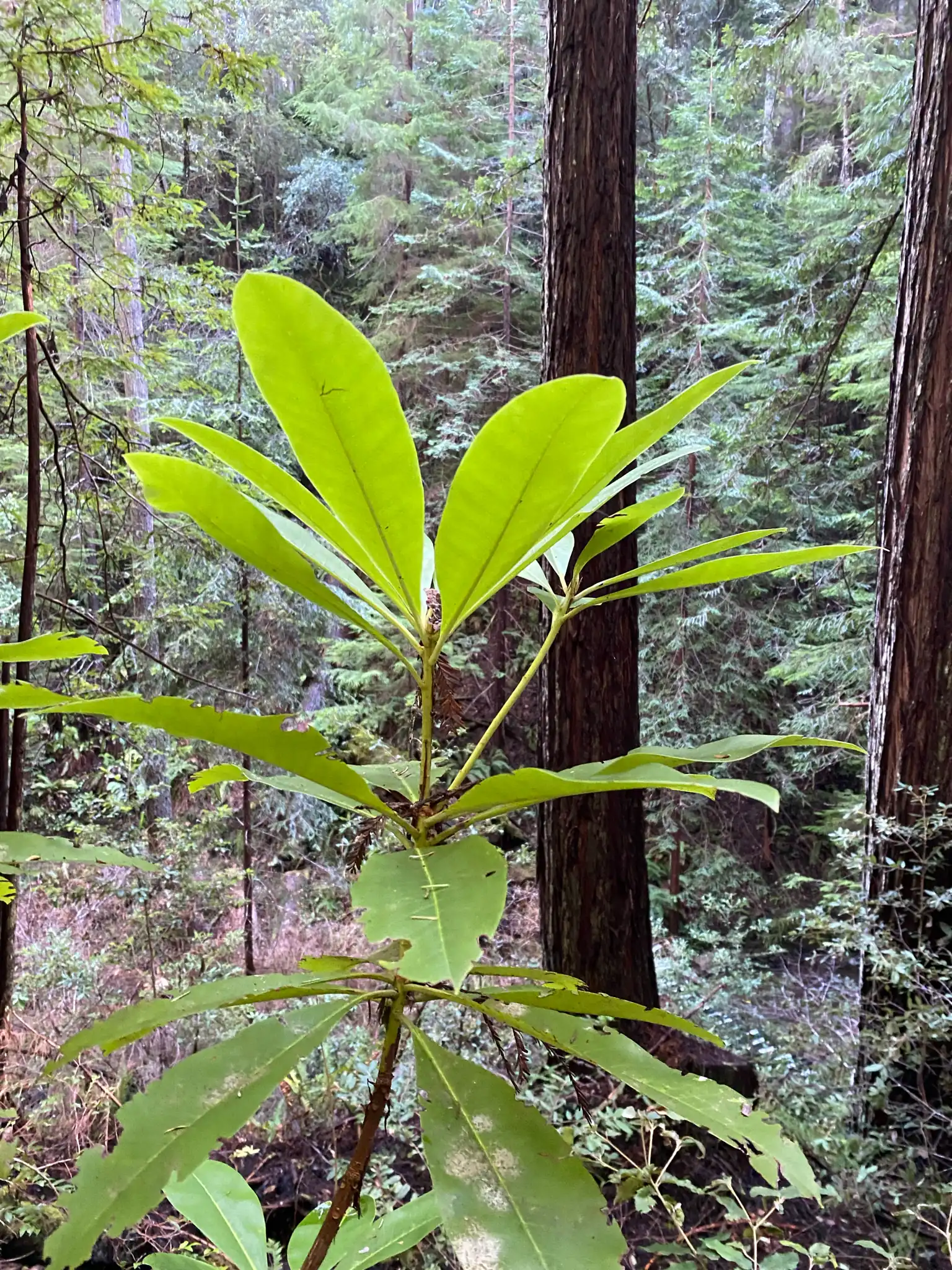
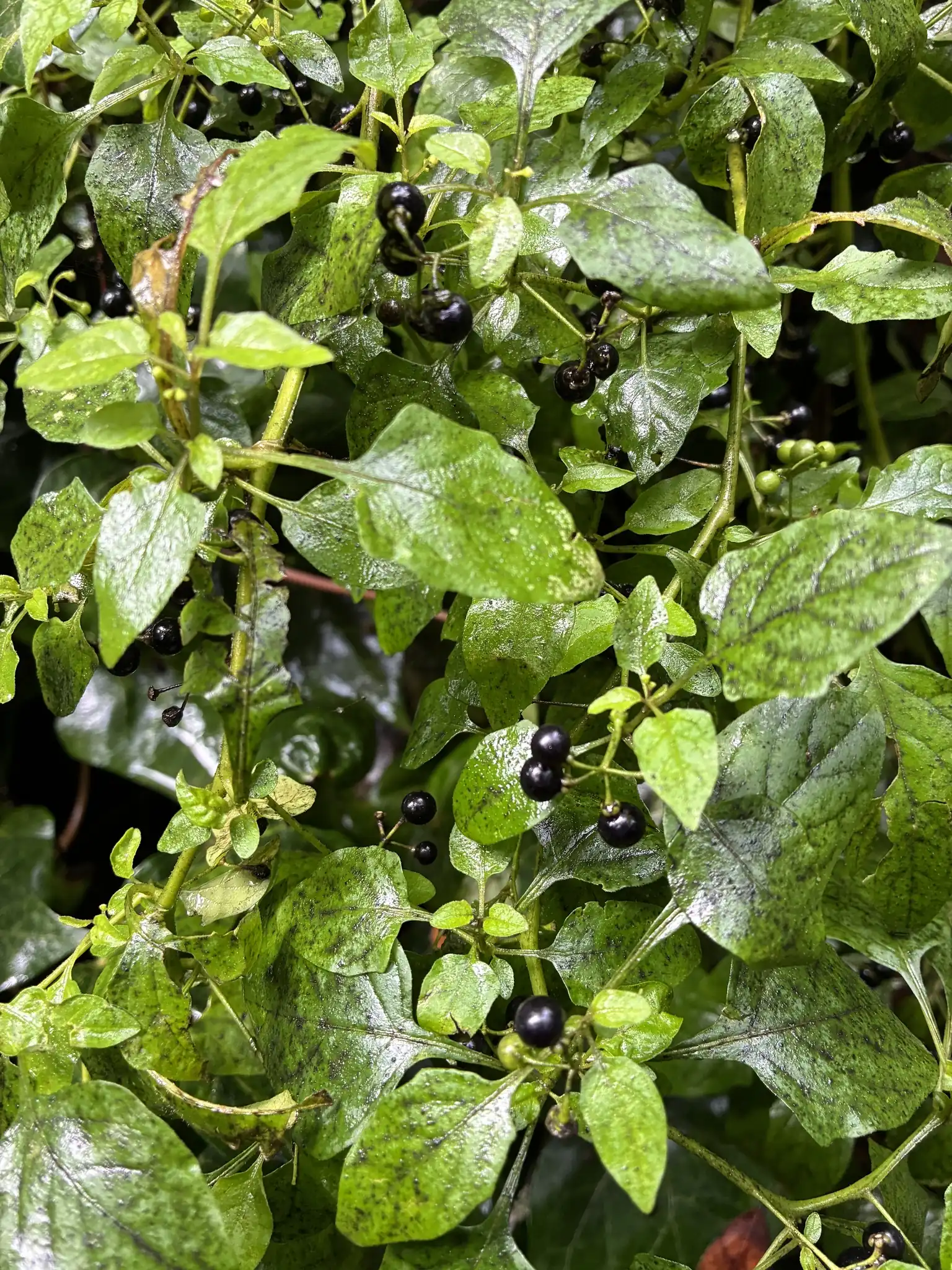
Shrubs26
Backbone planting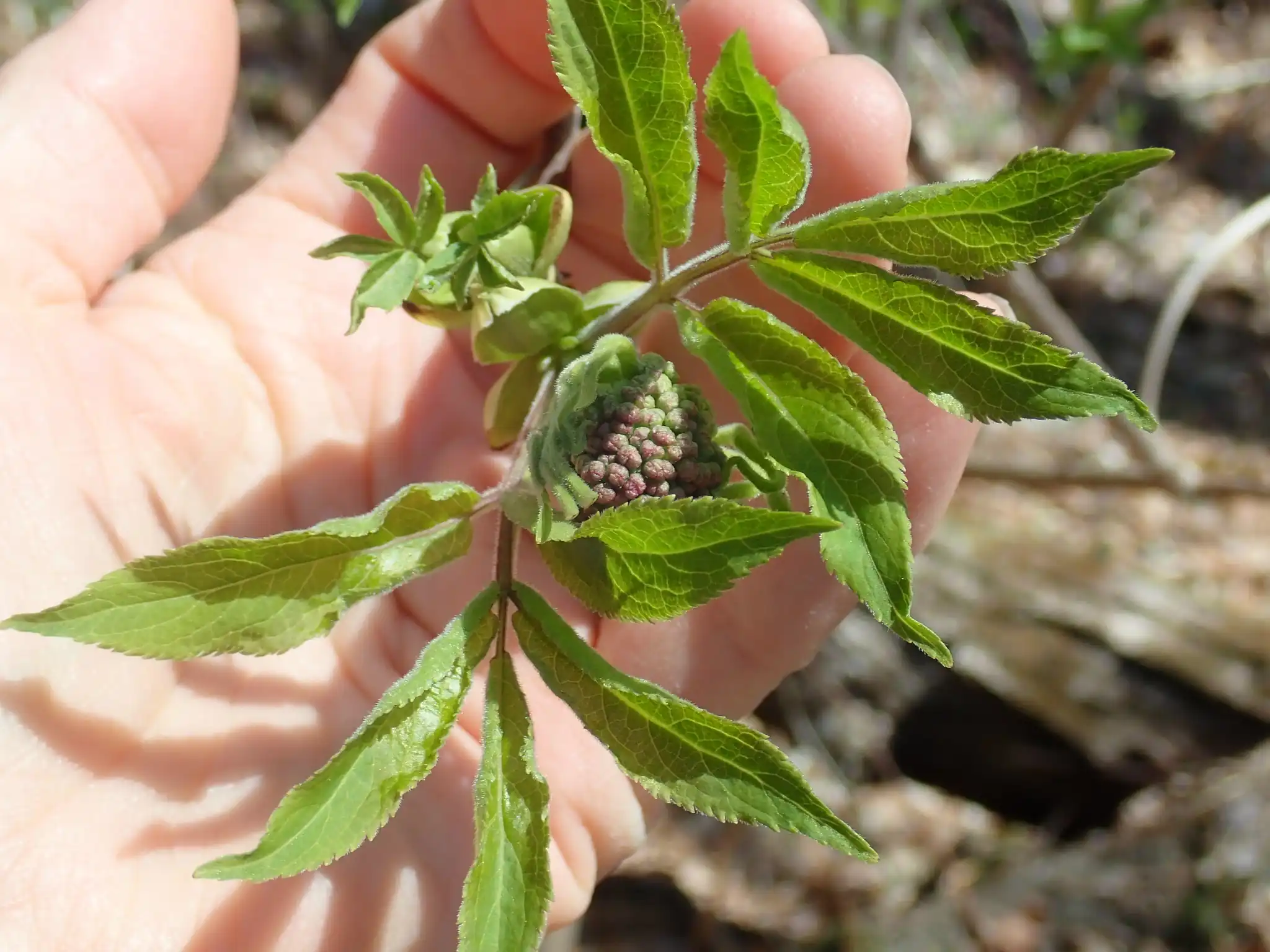
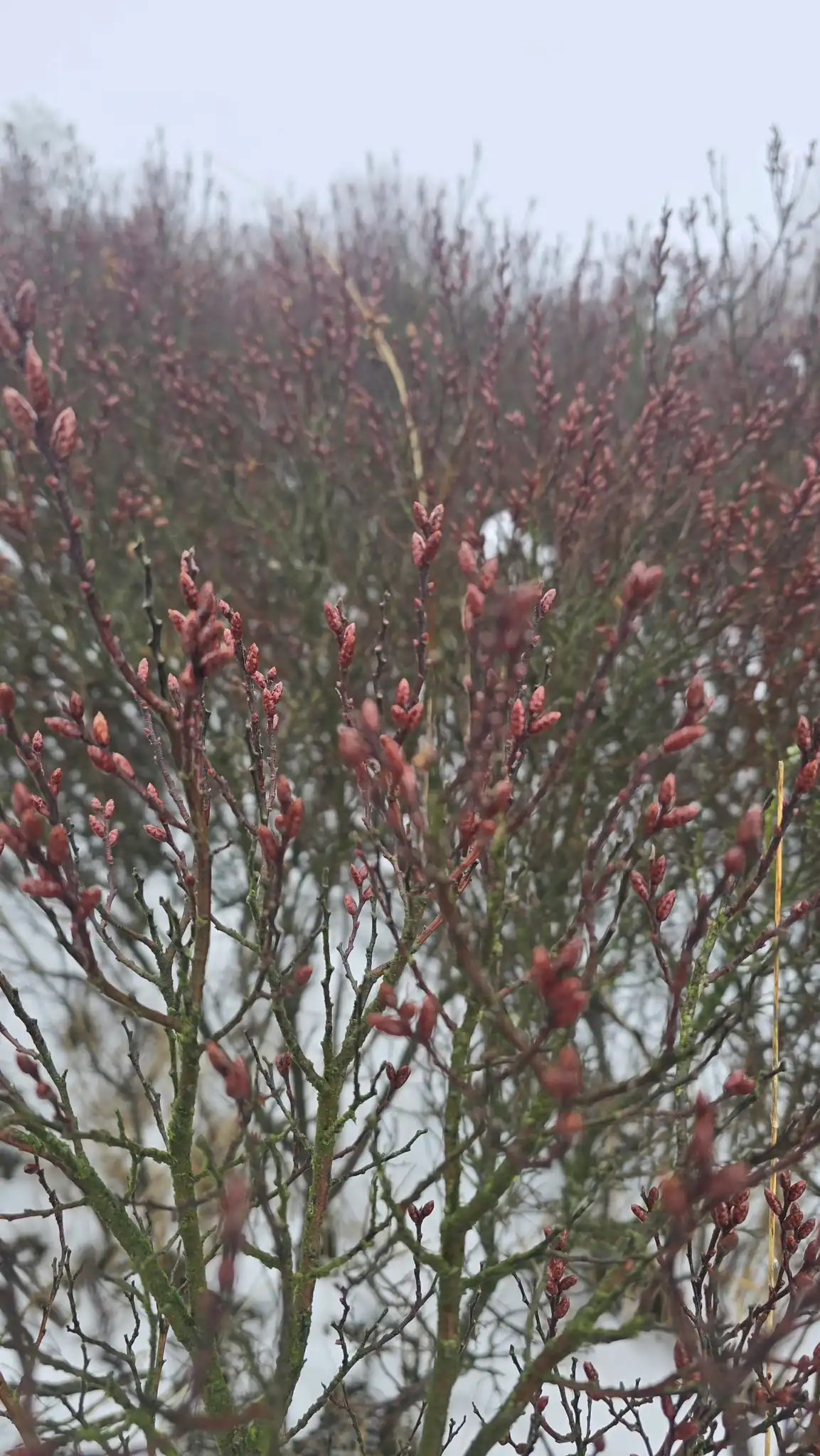
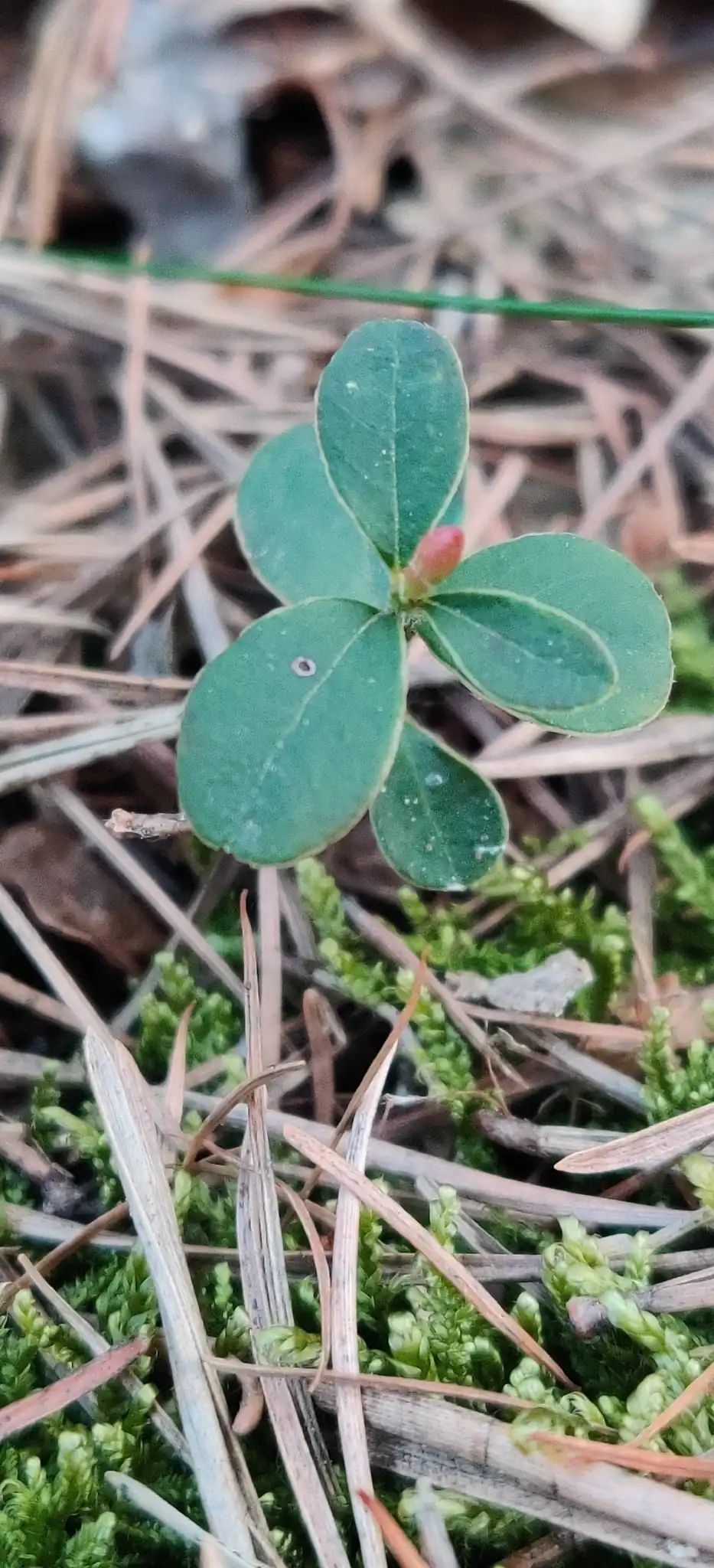
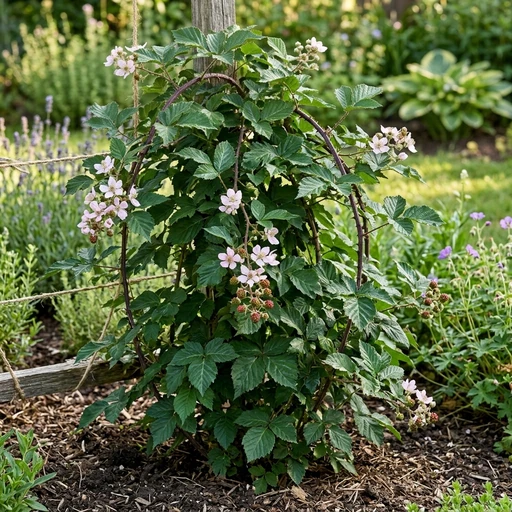
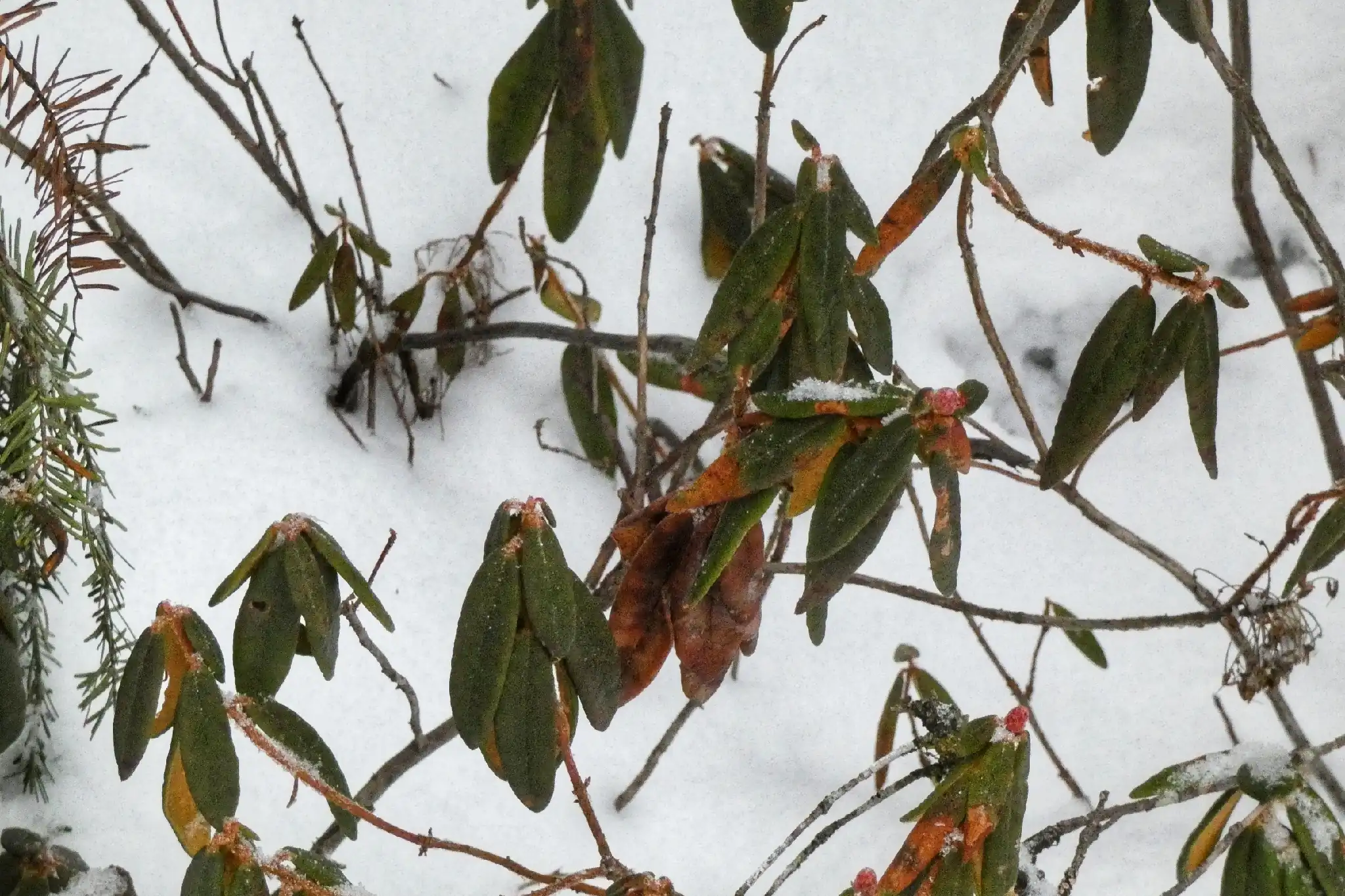
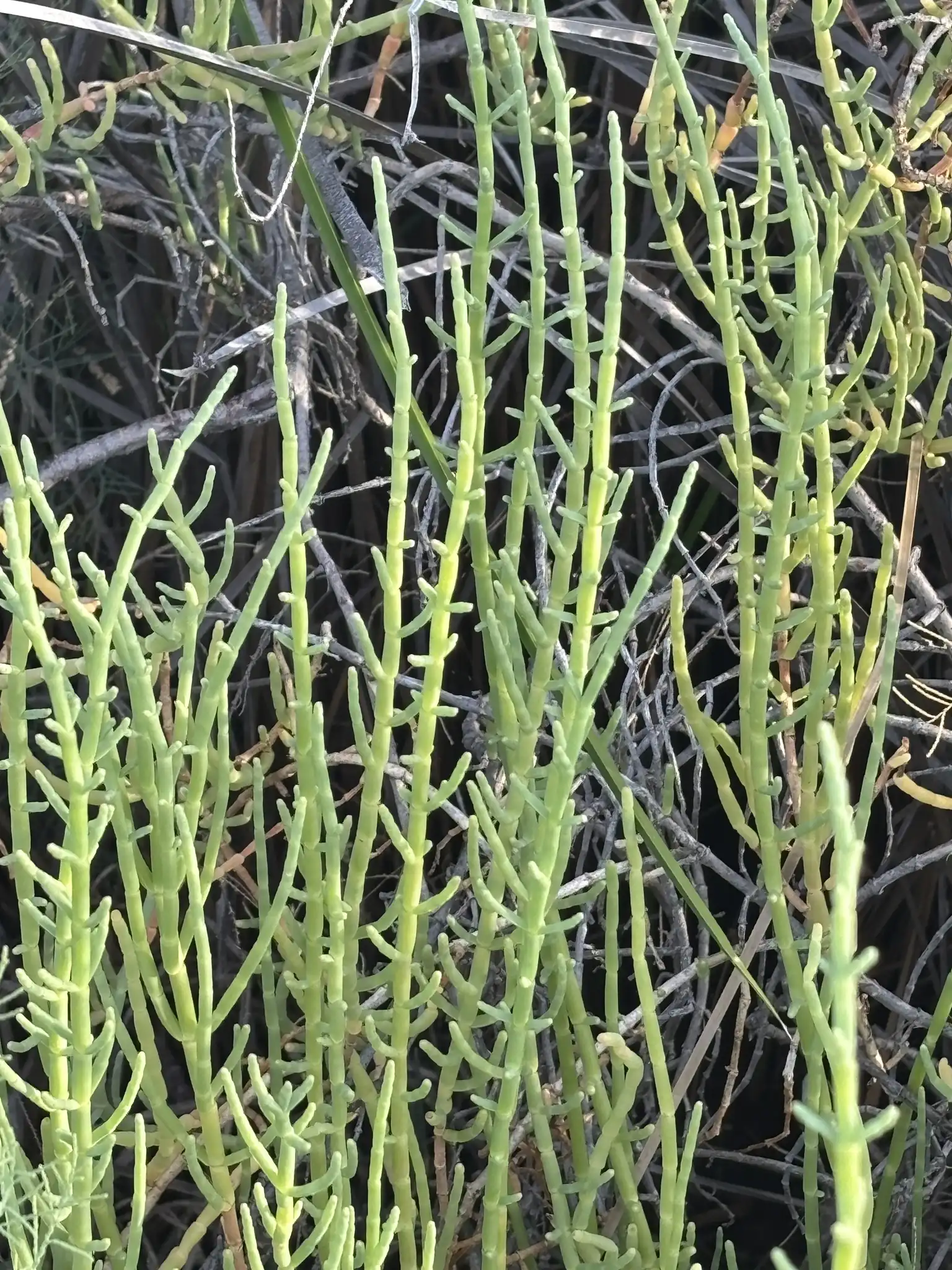
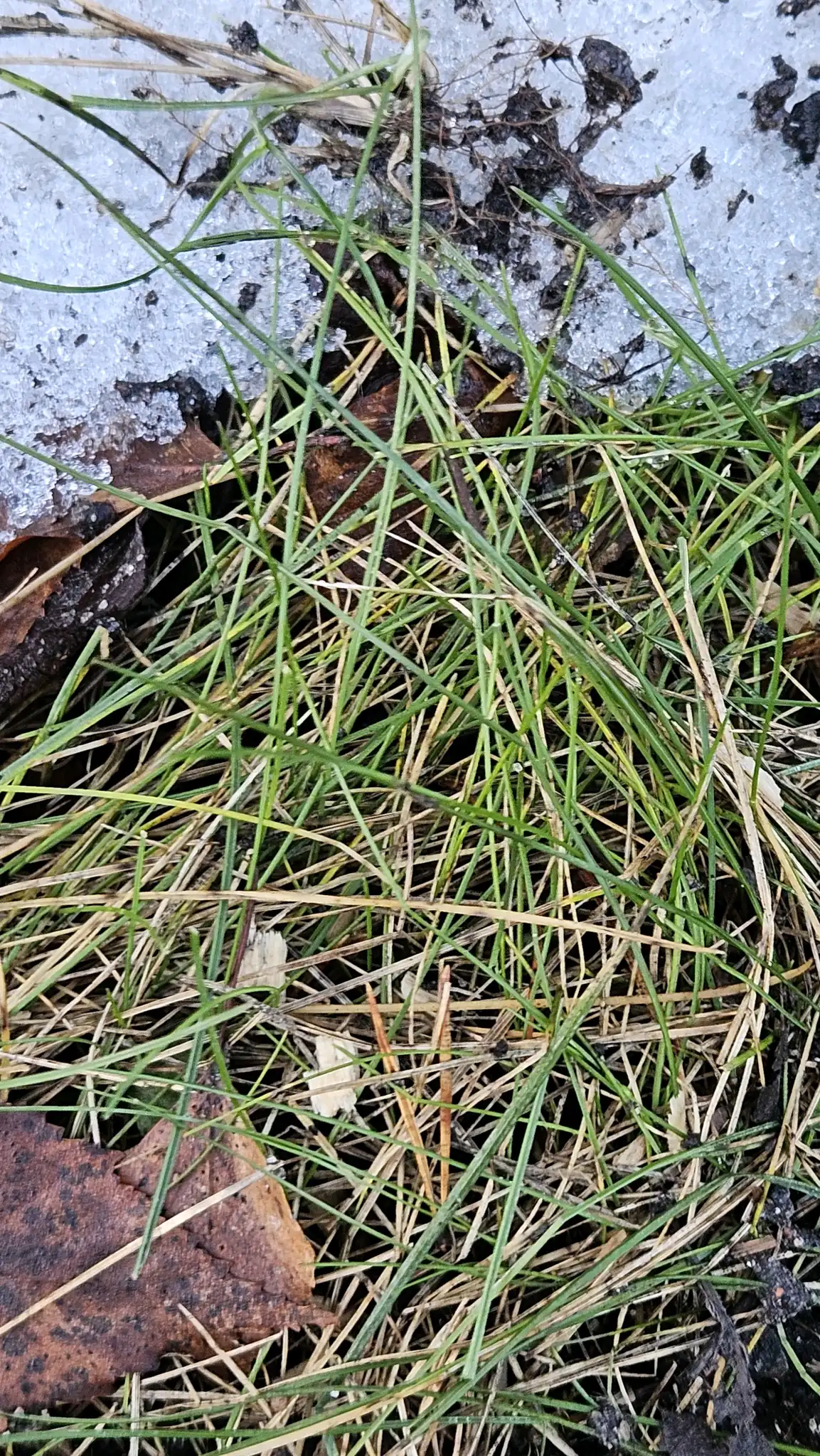
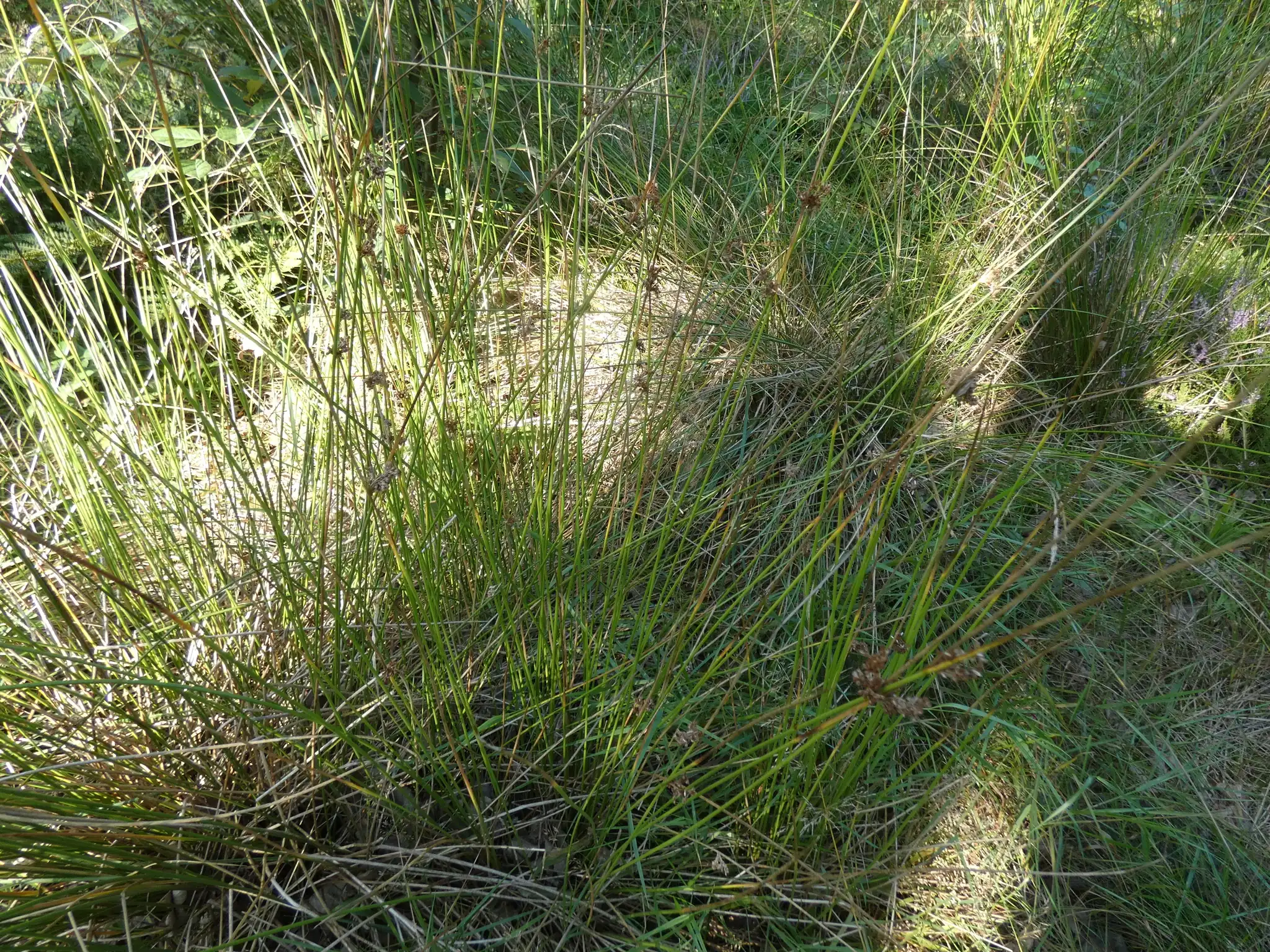
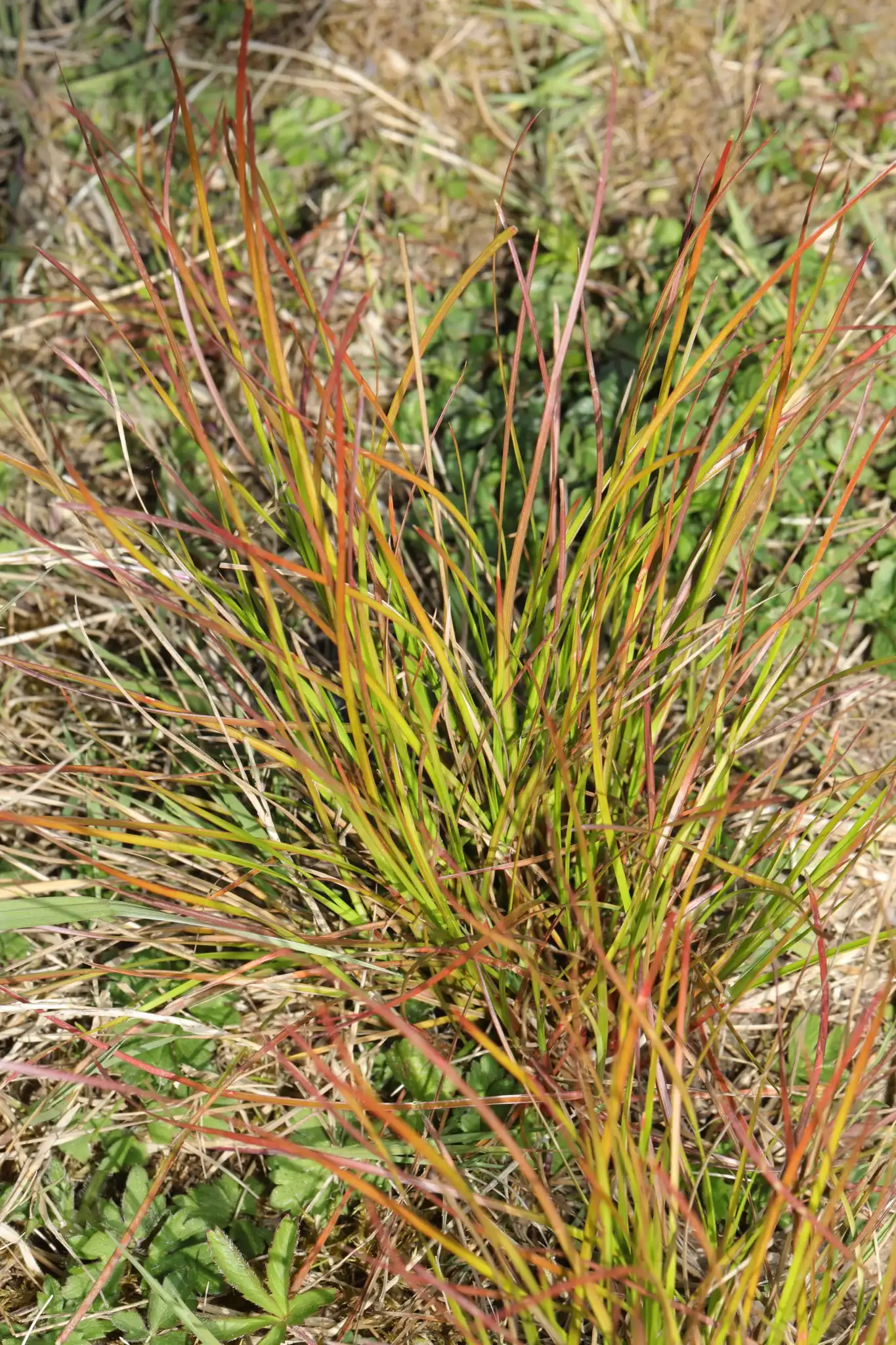
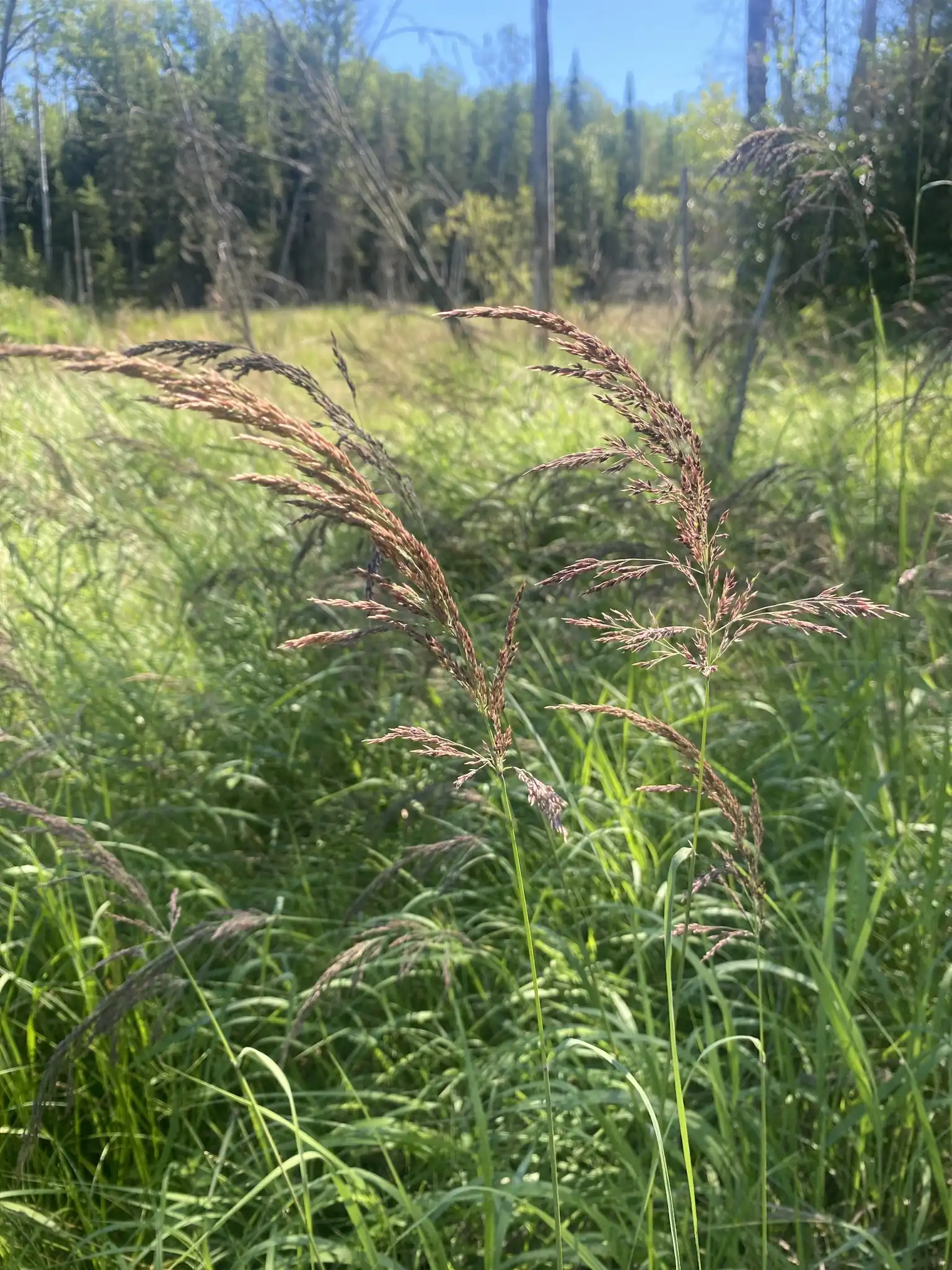
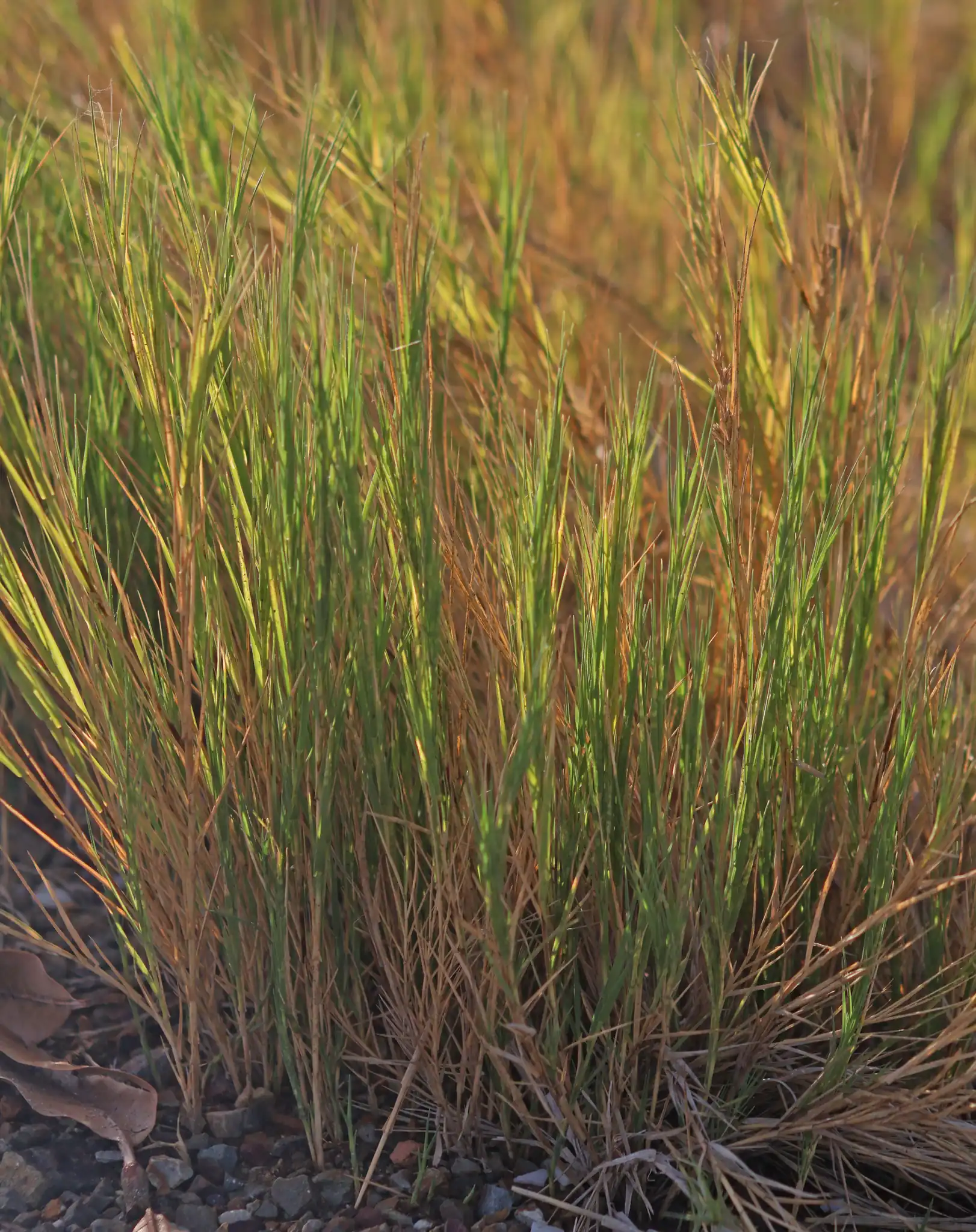
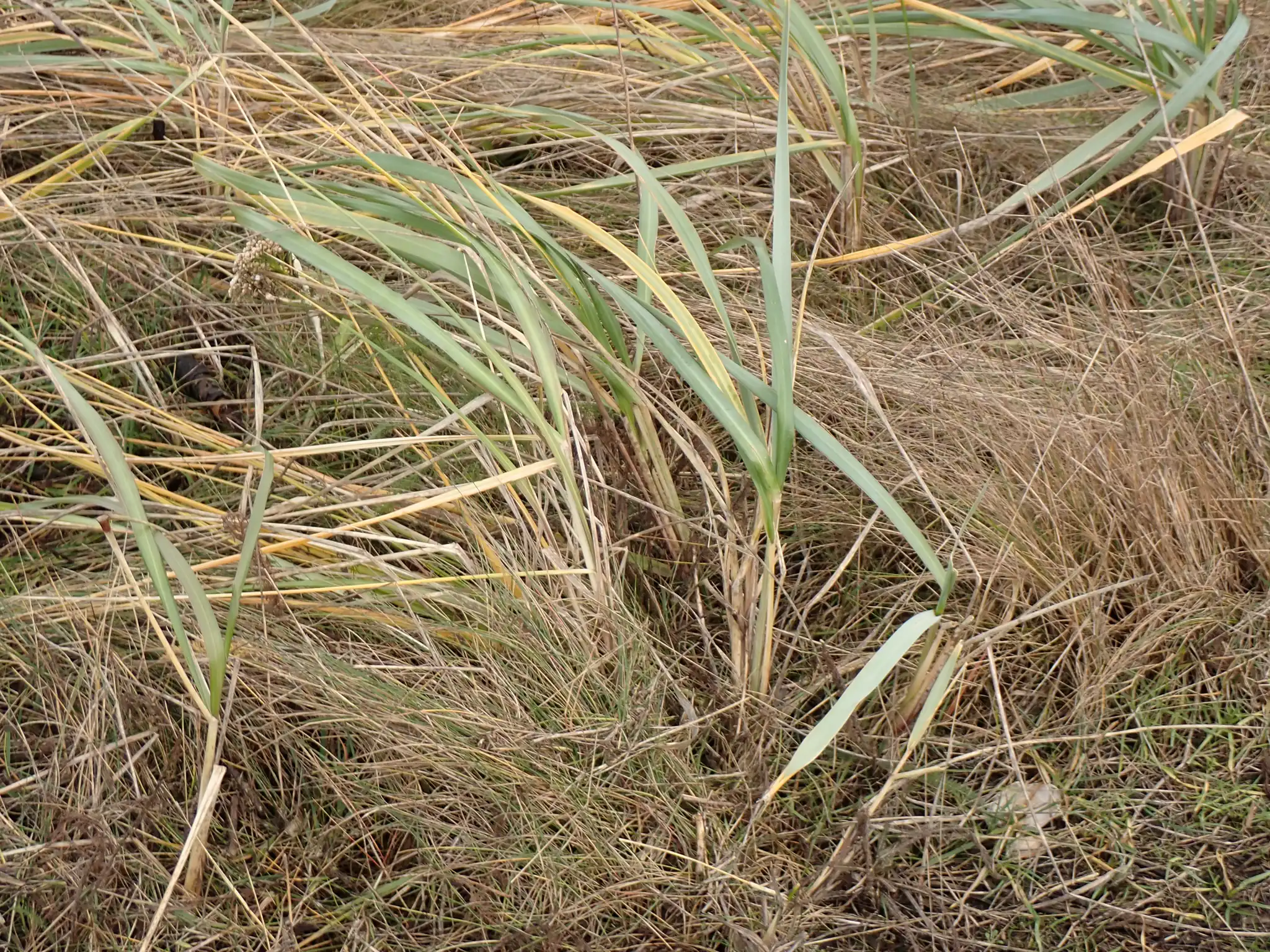
Grasses12
Movement and texture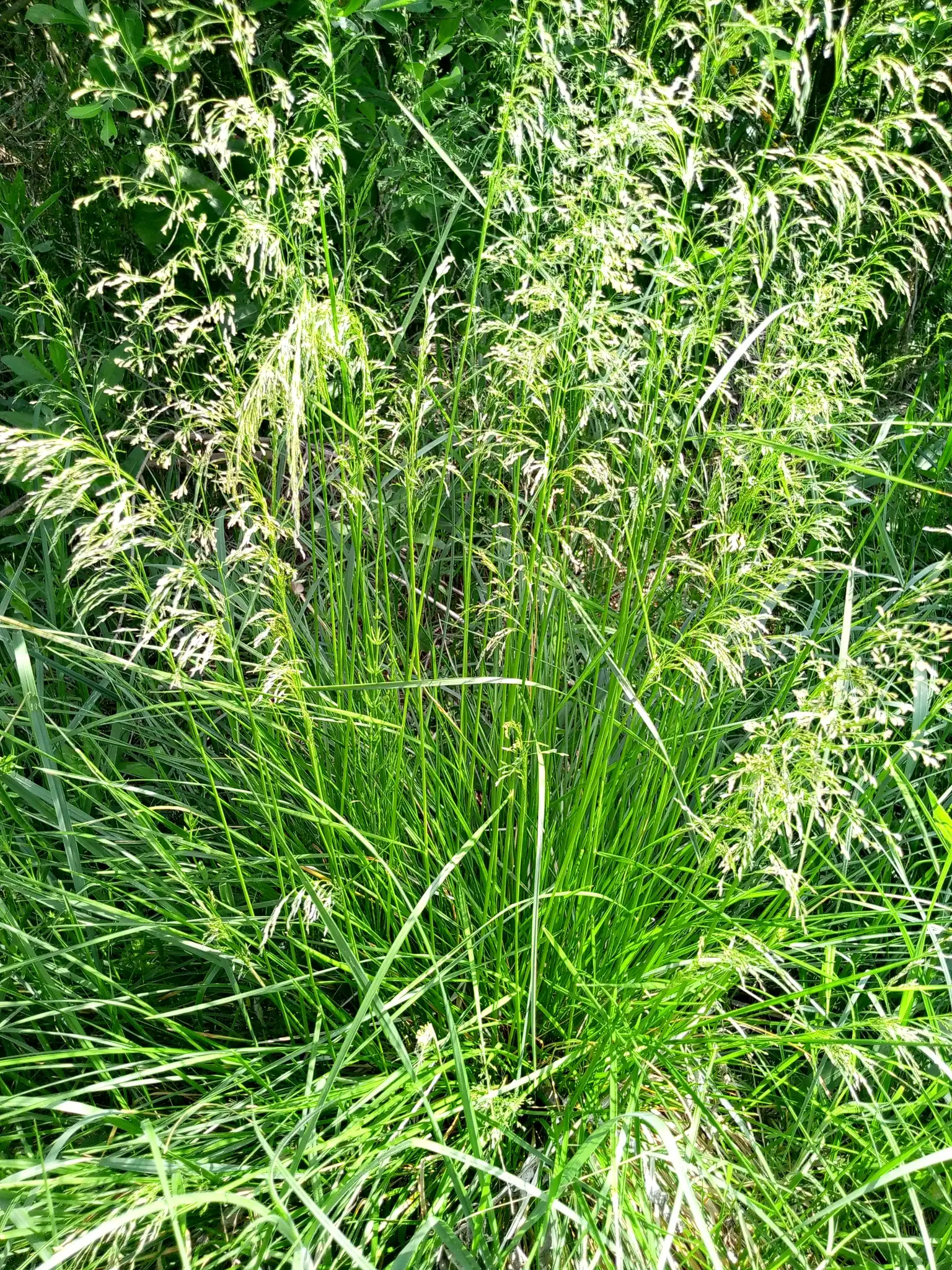
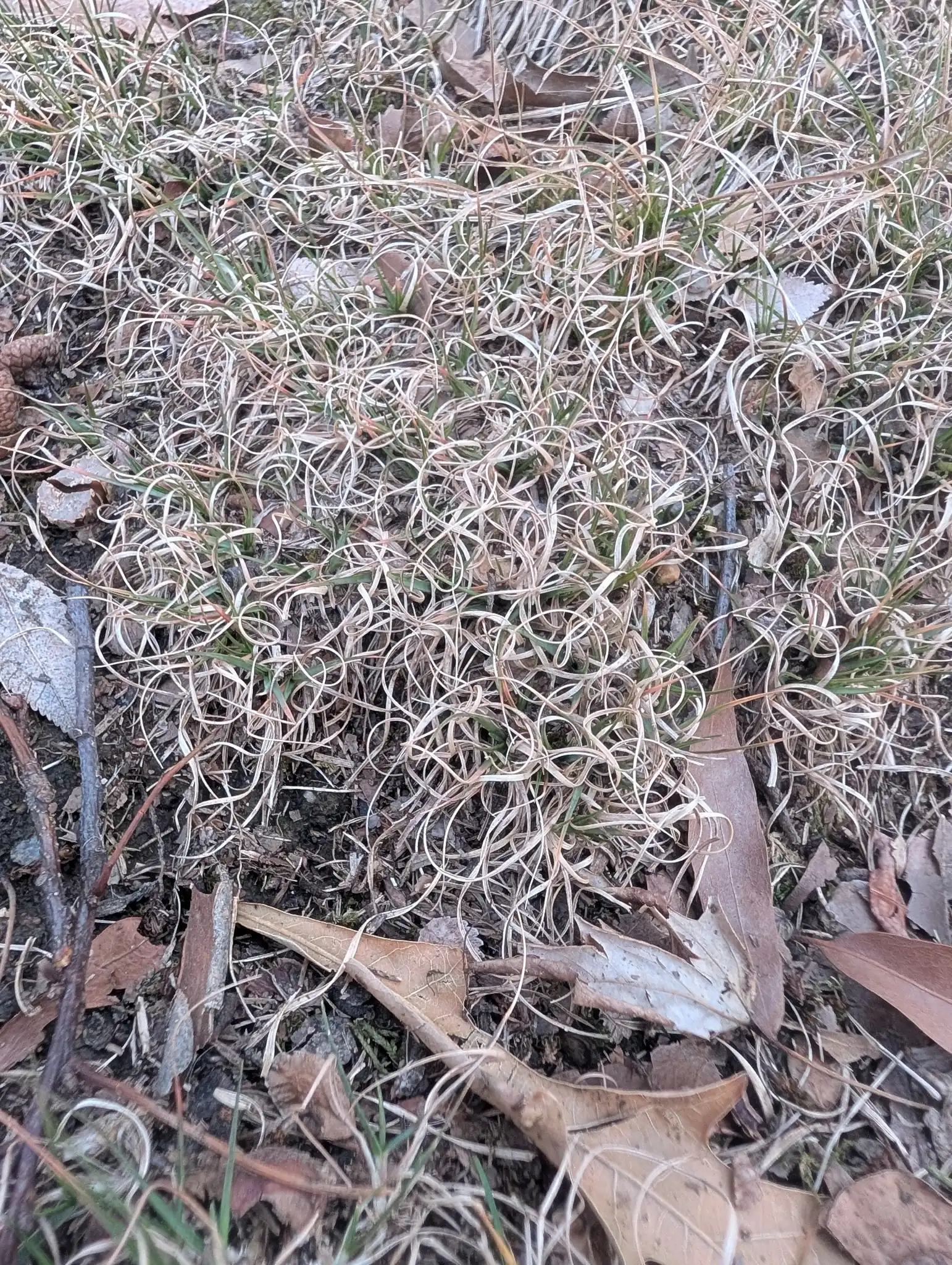
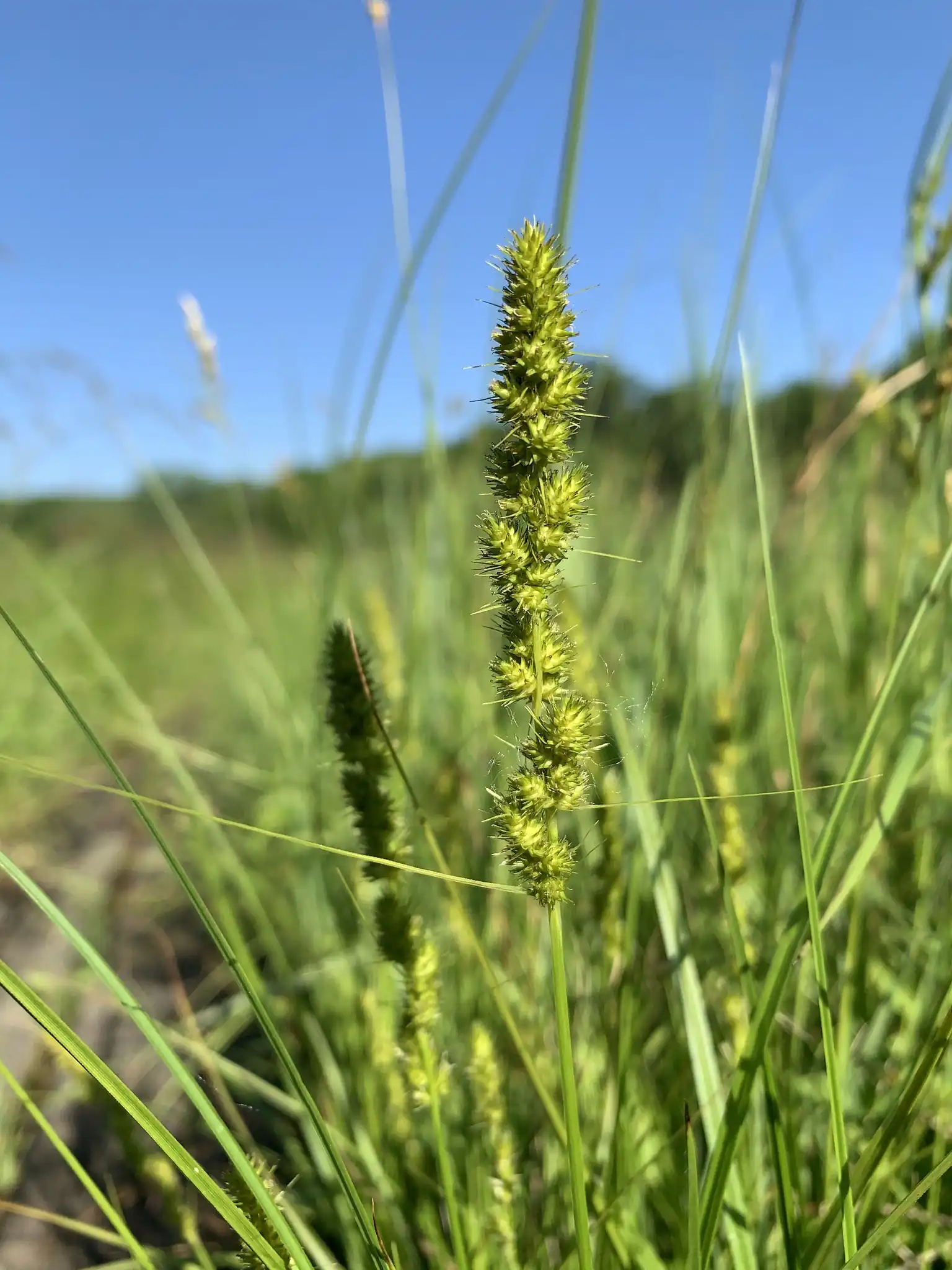
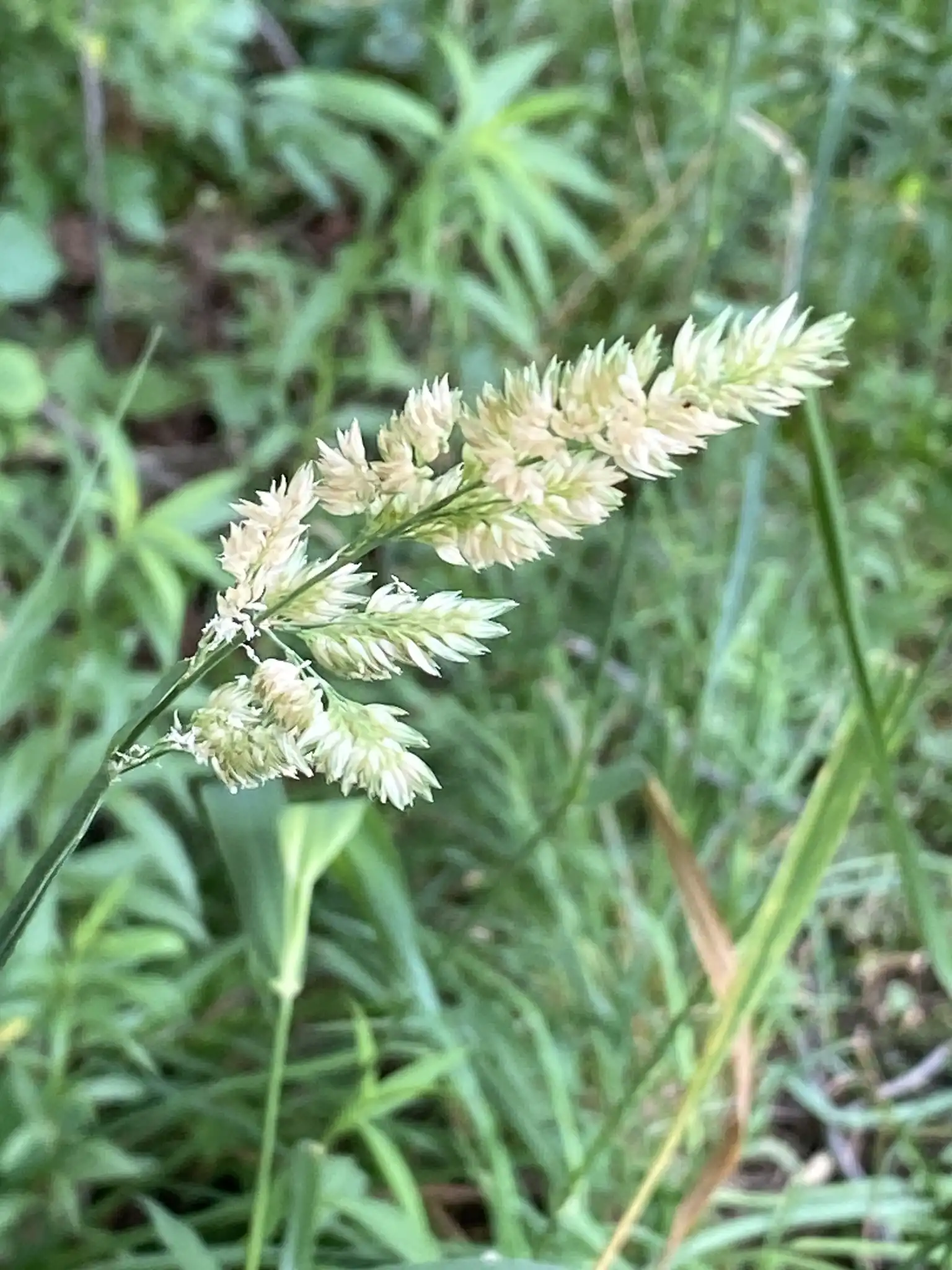
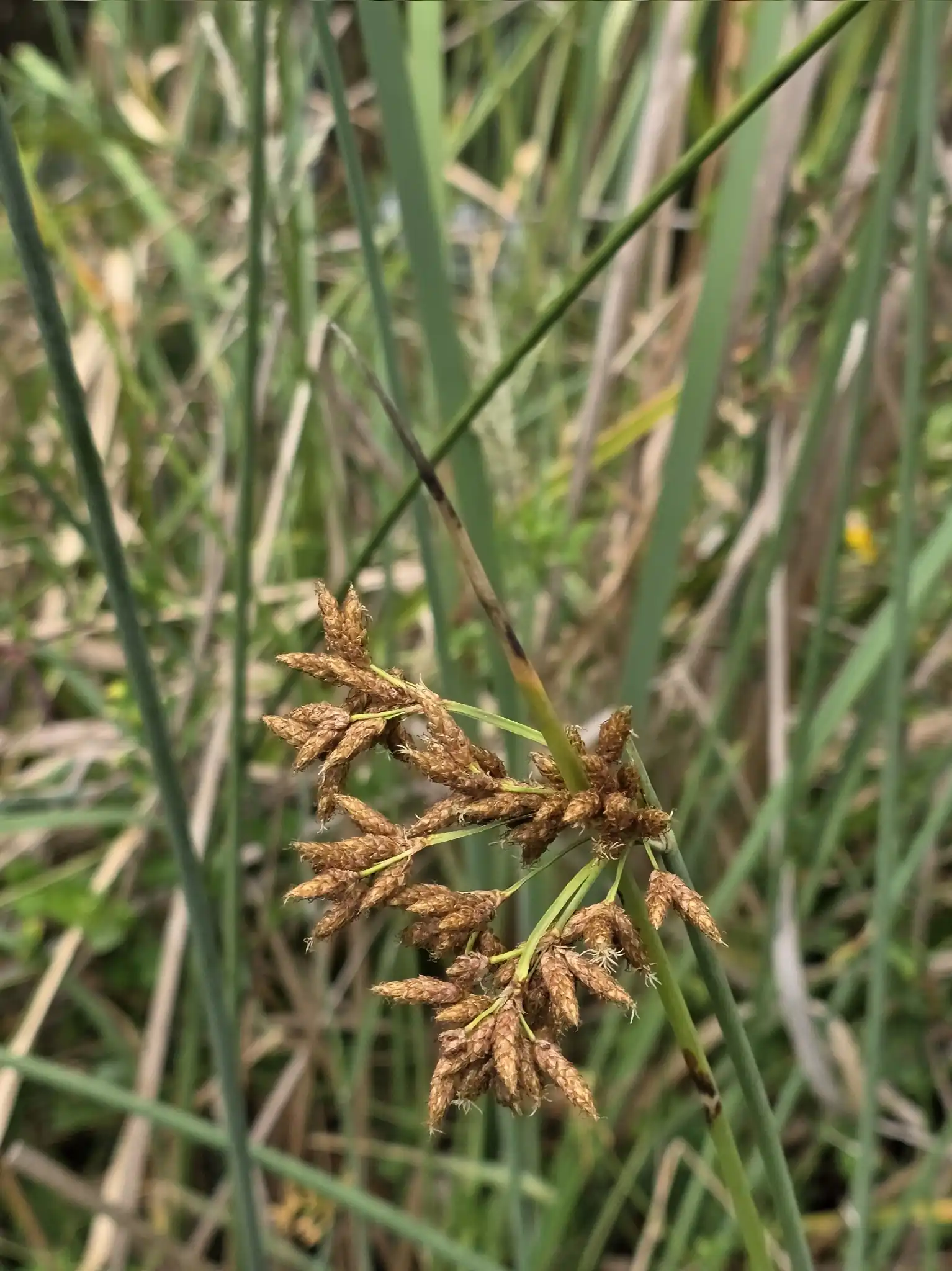
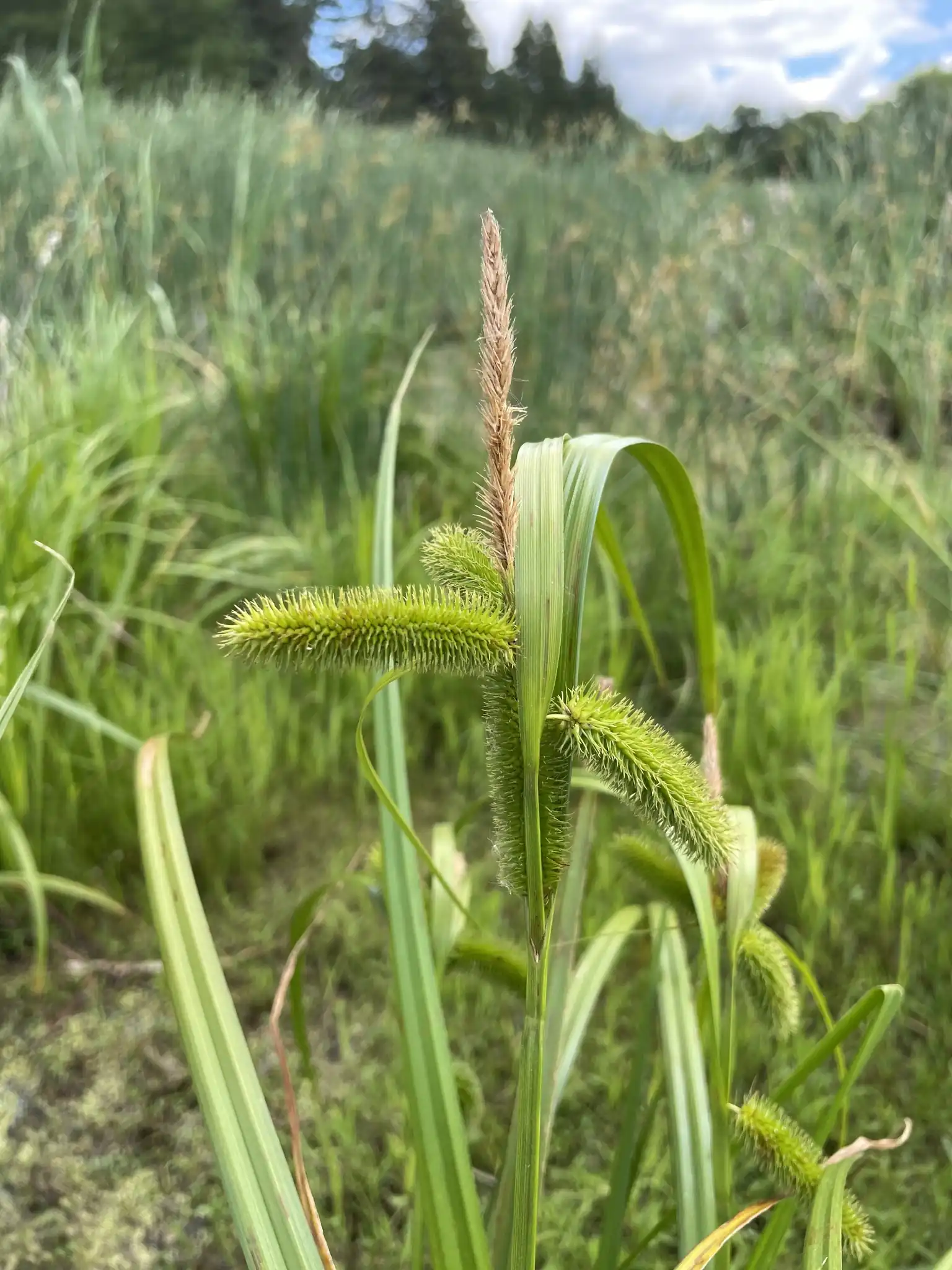
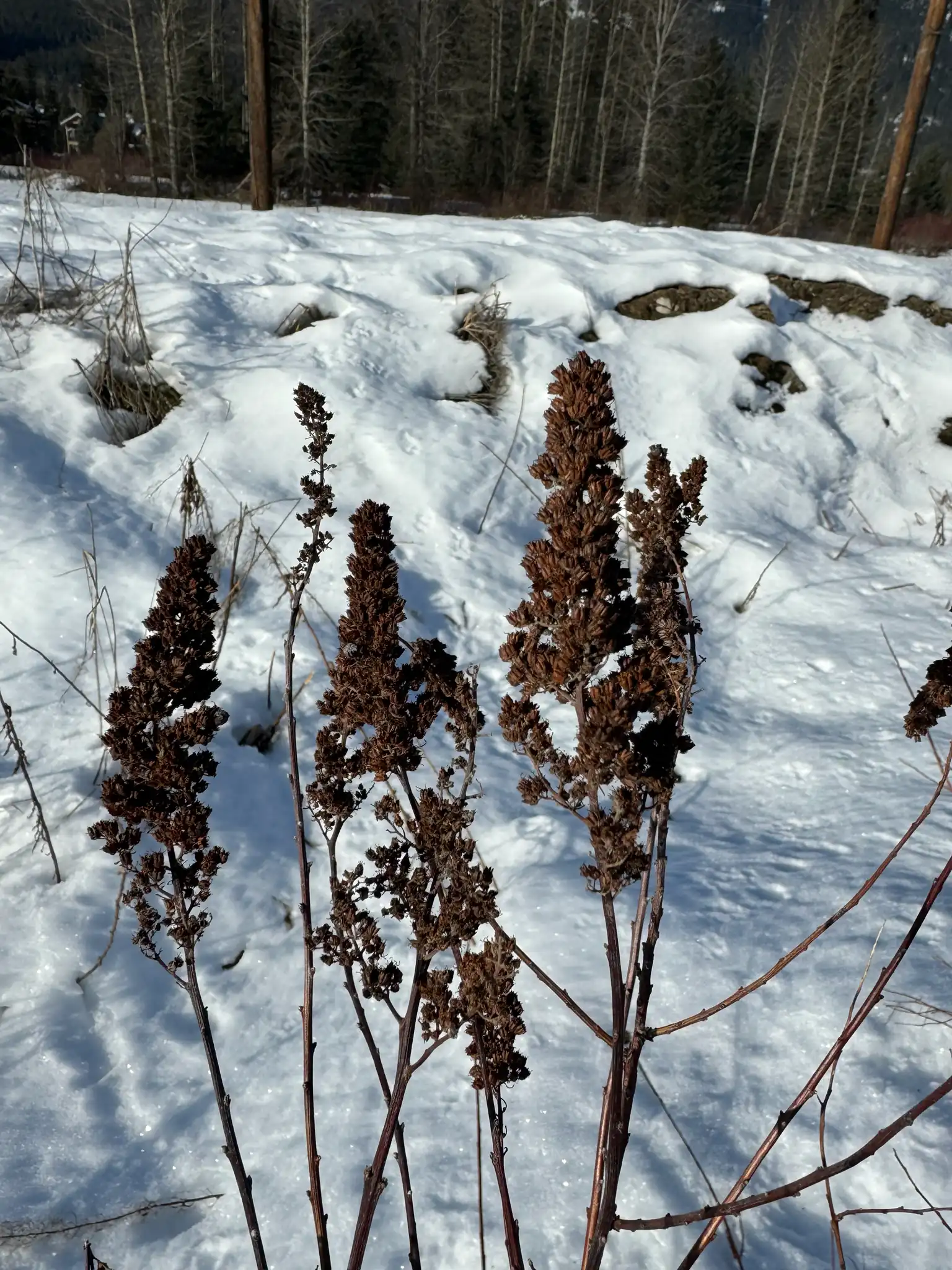
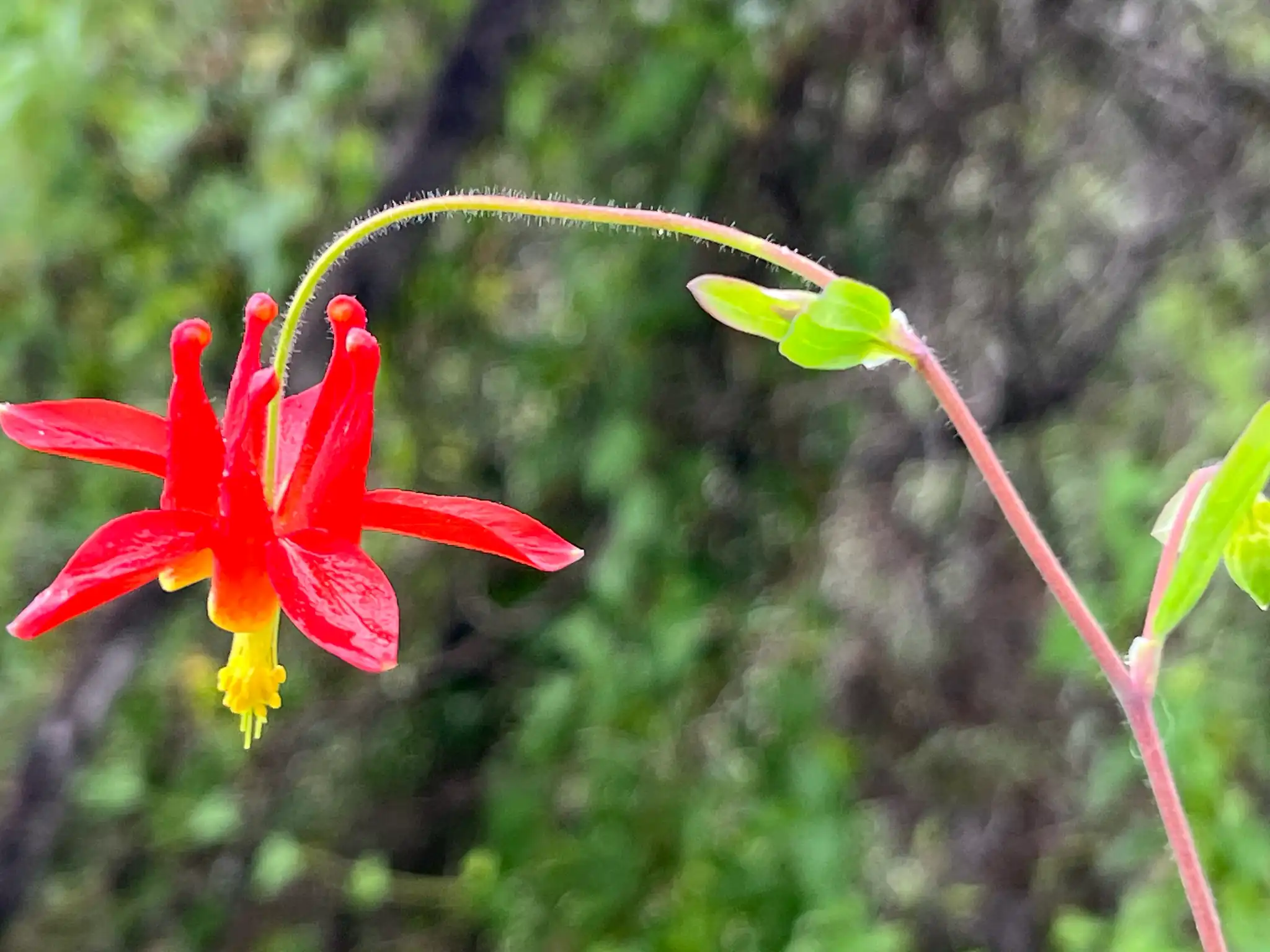
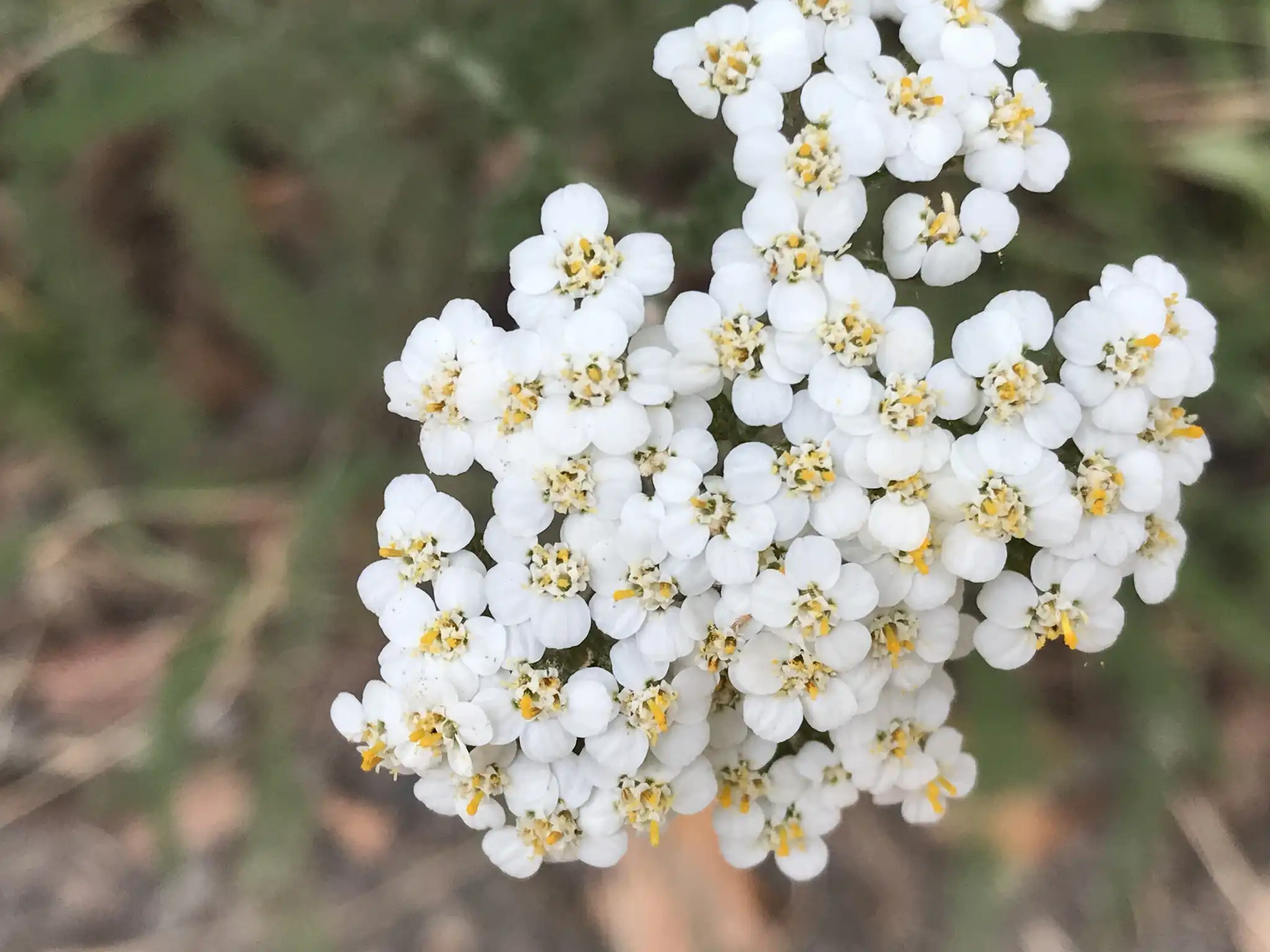
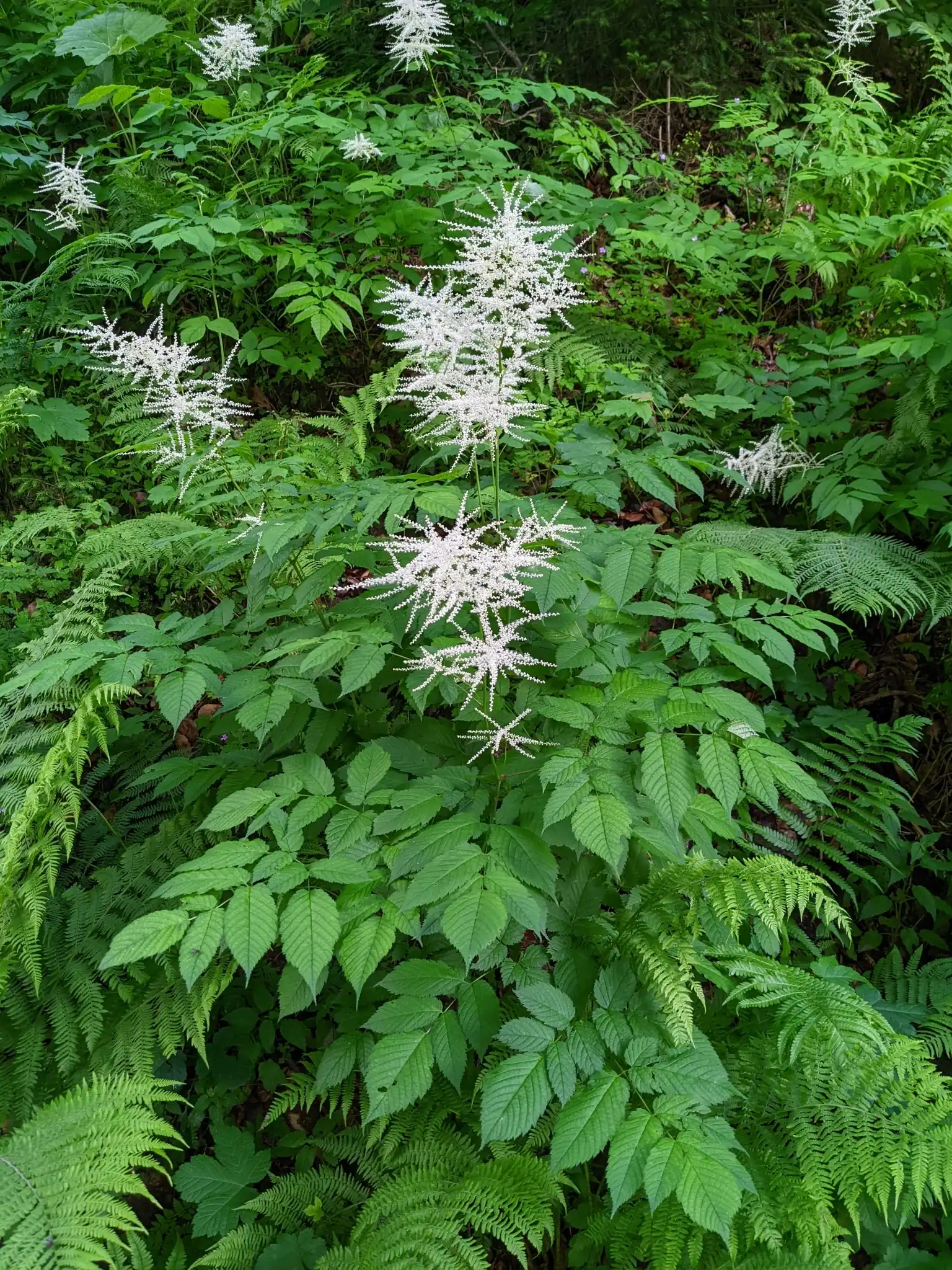
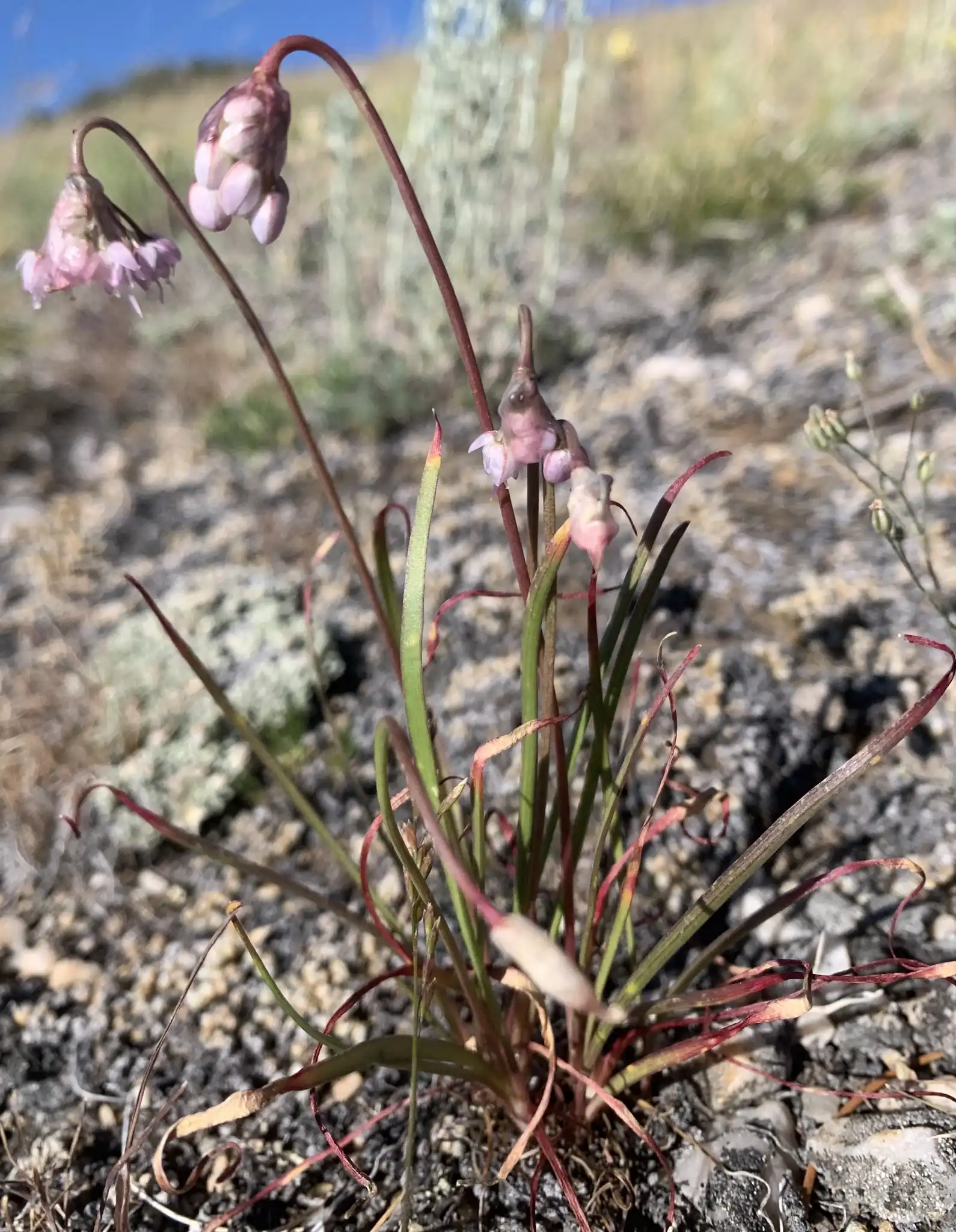
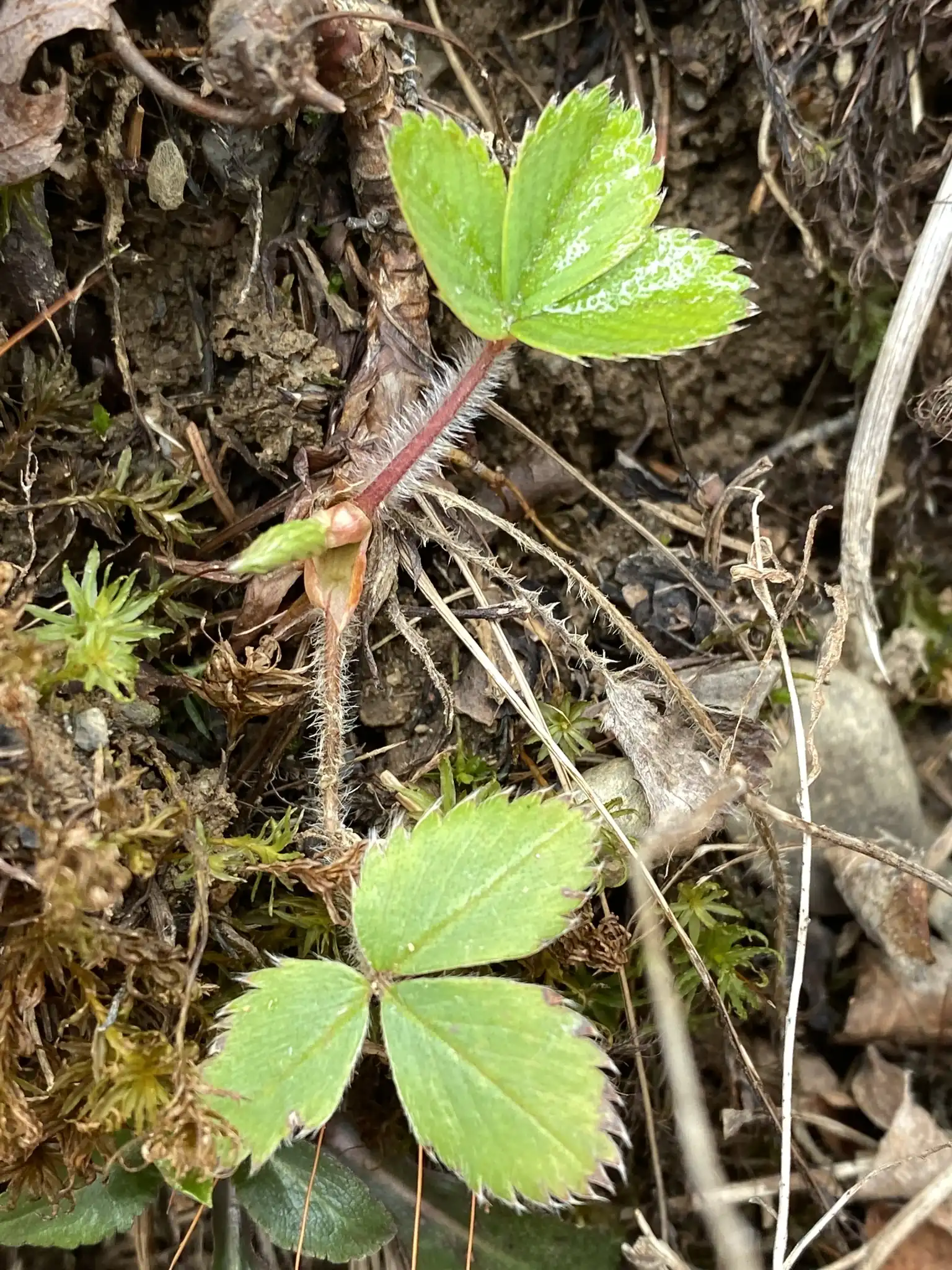
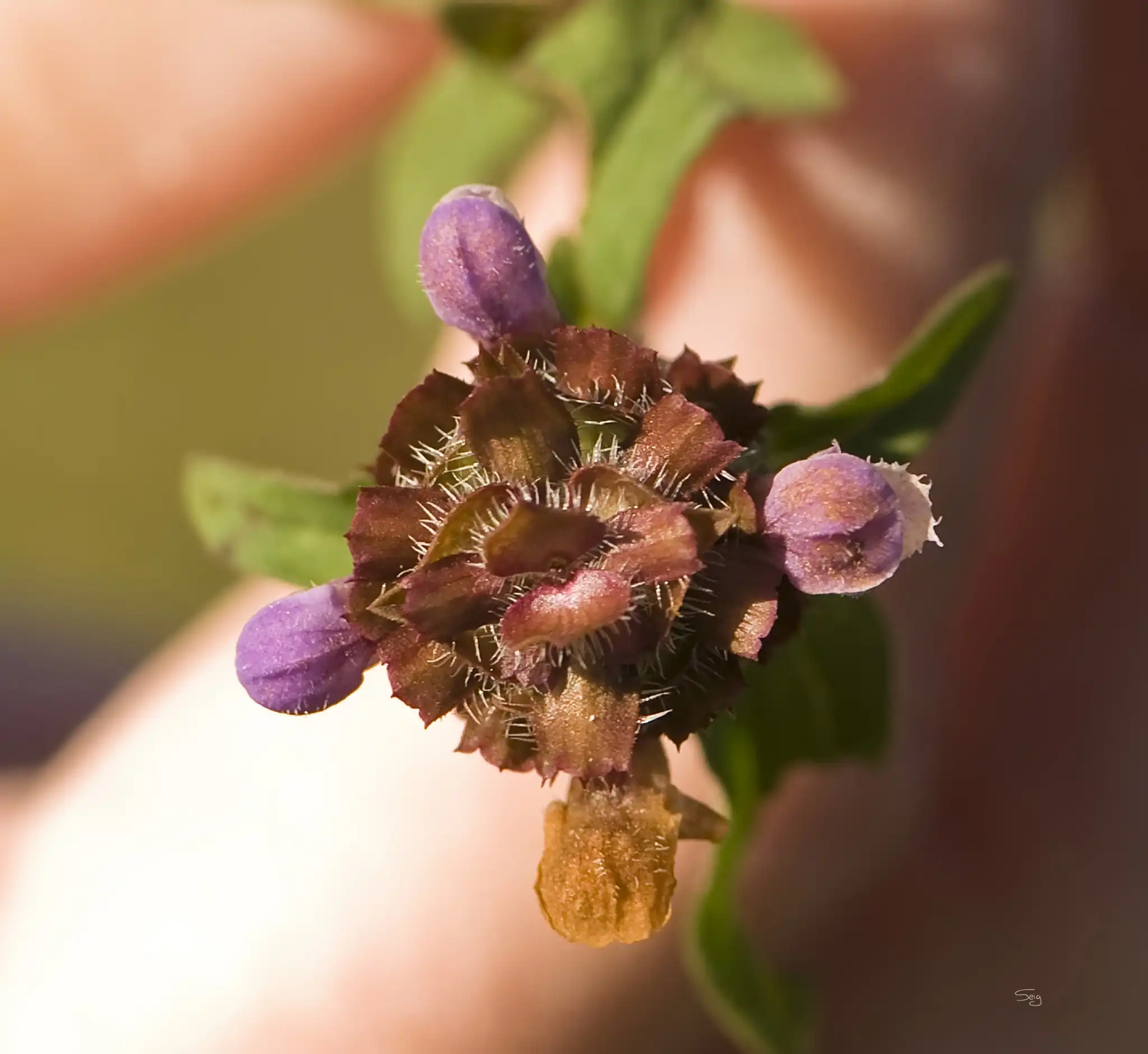
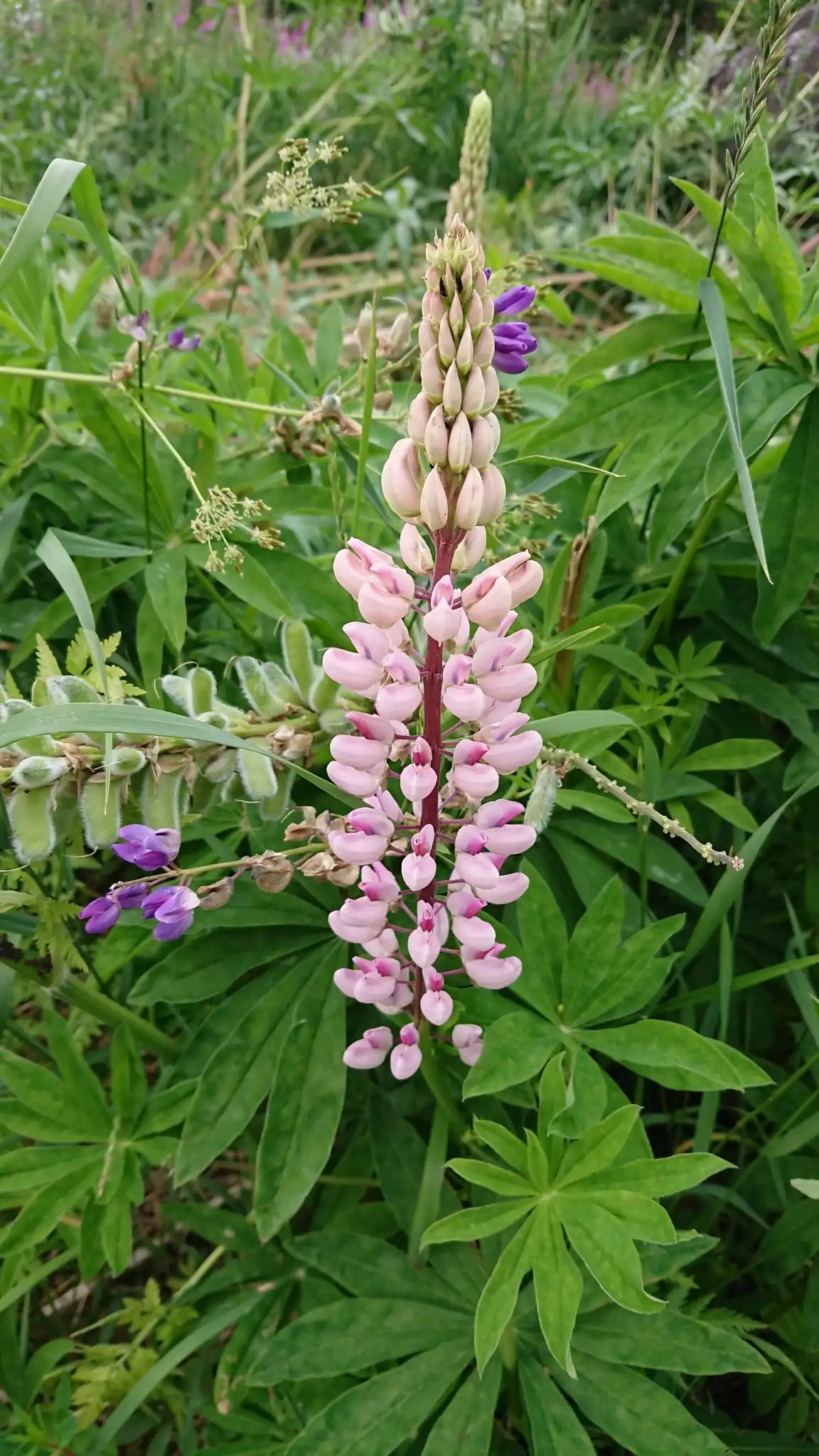
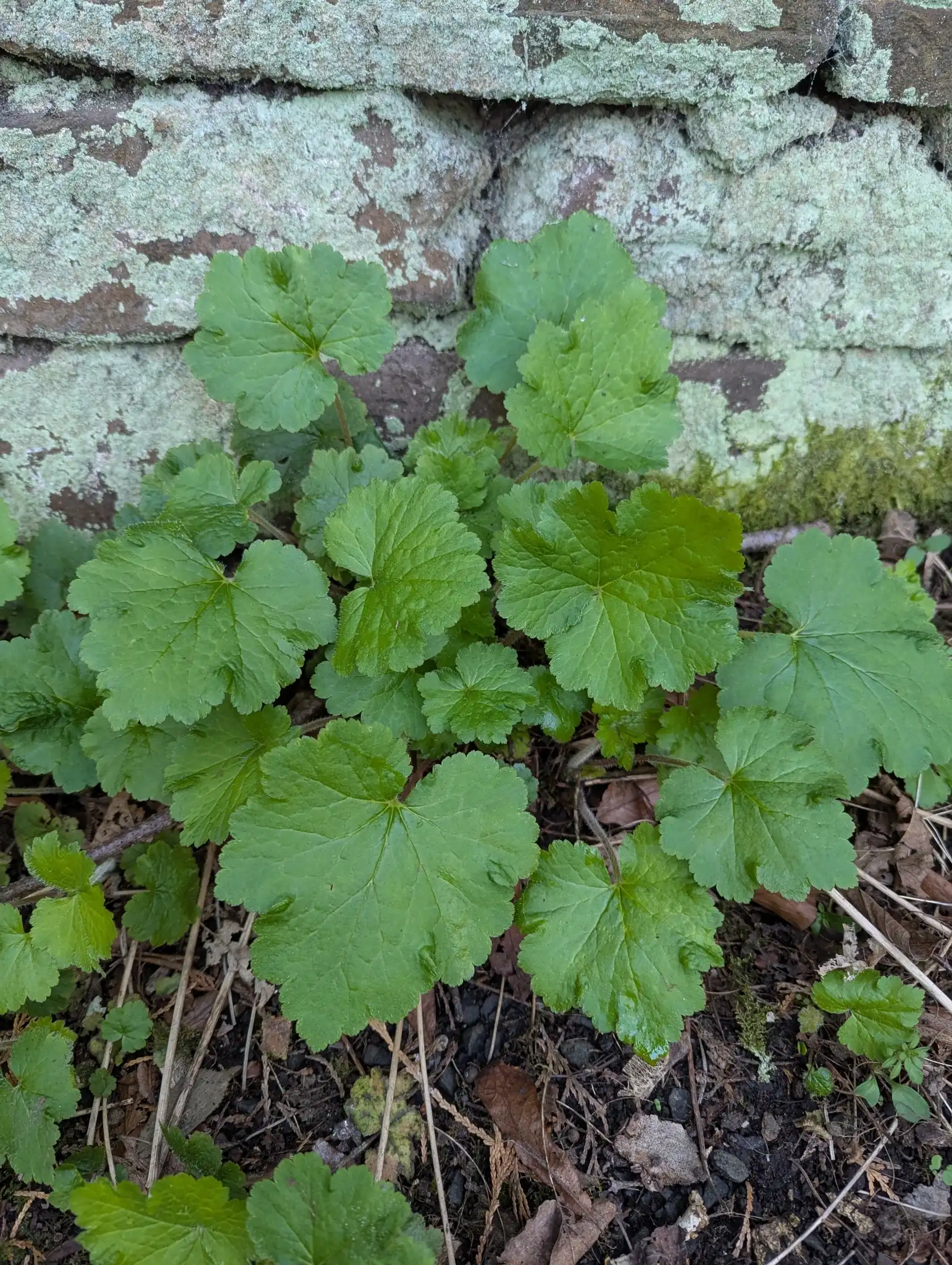
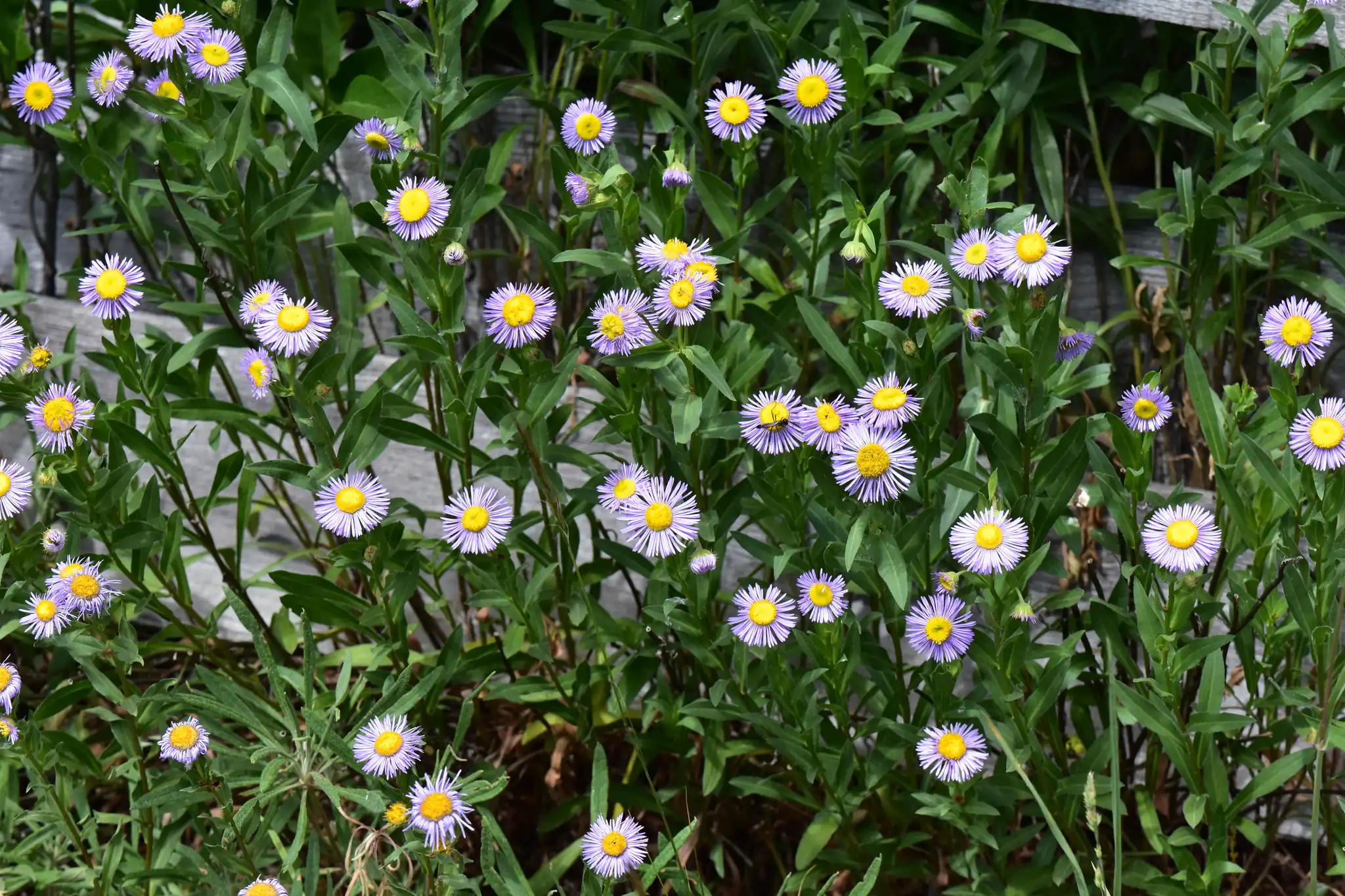
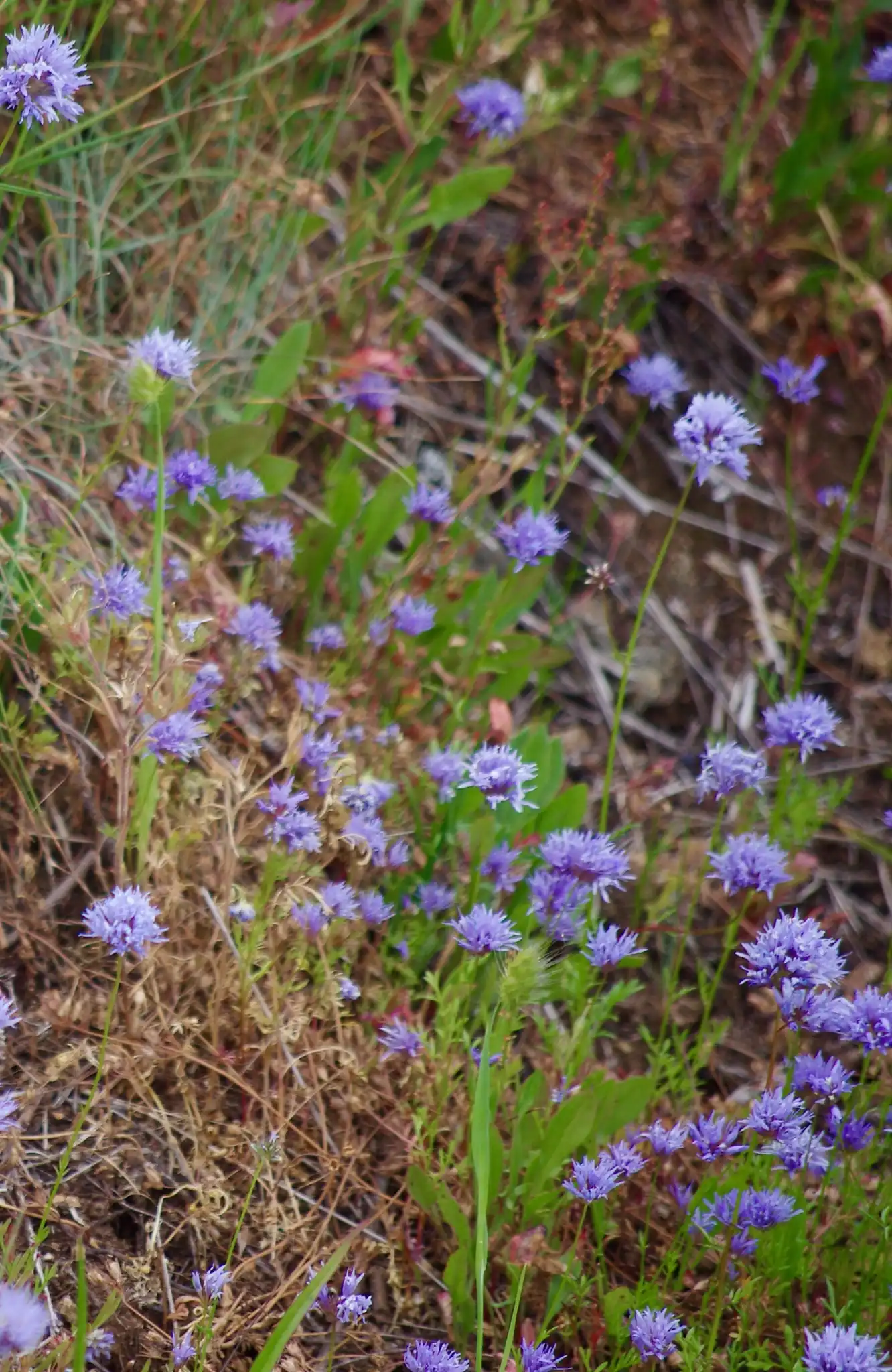
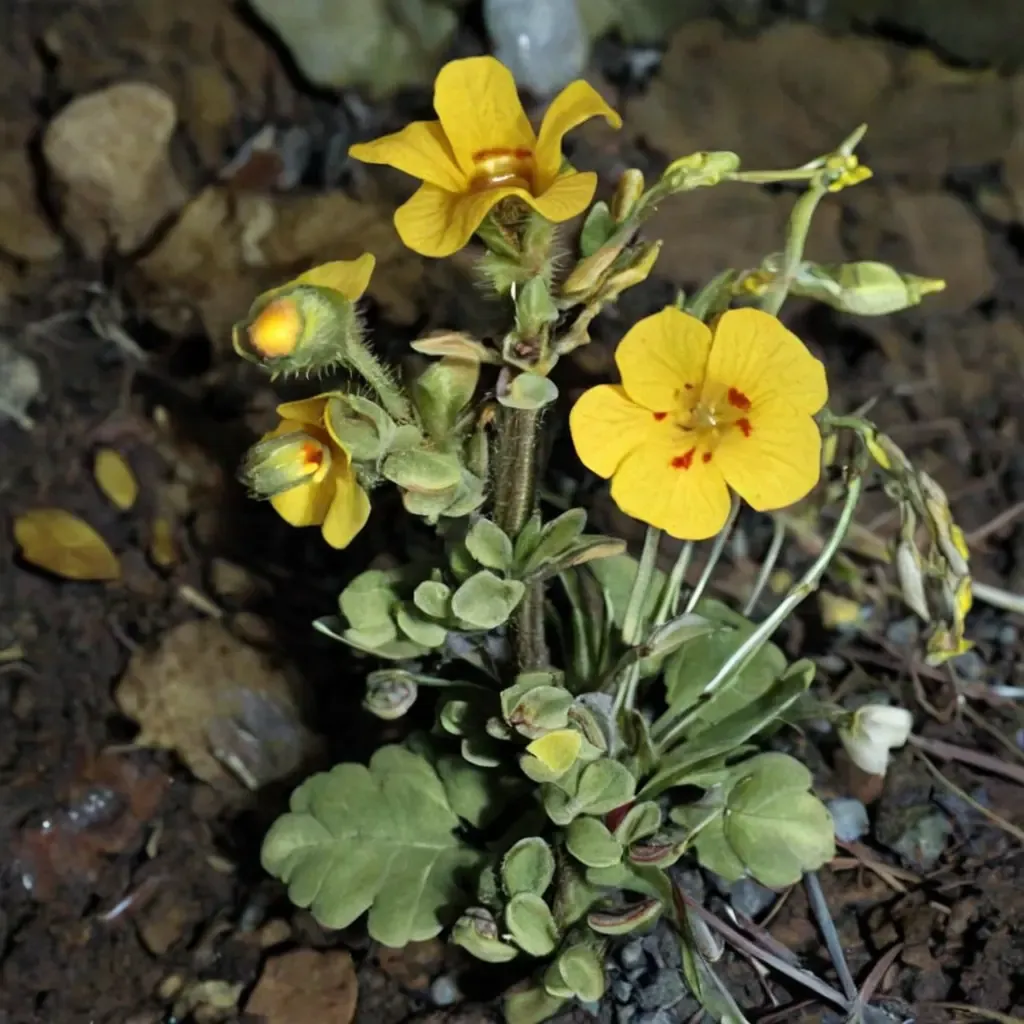
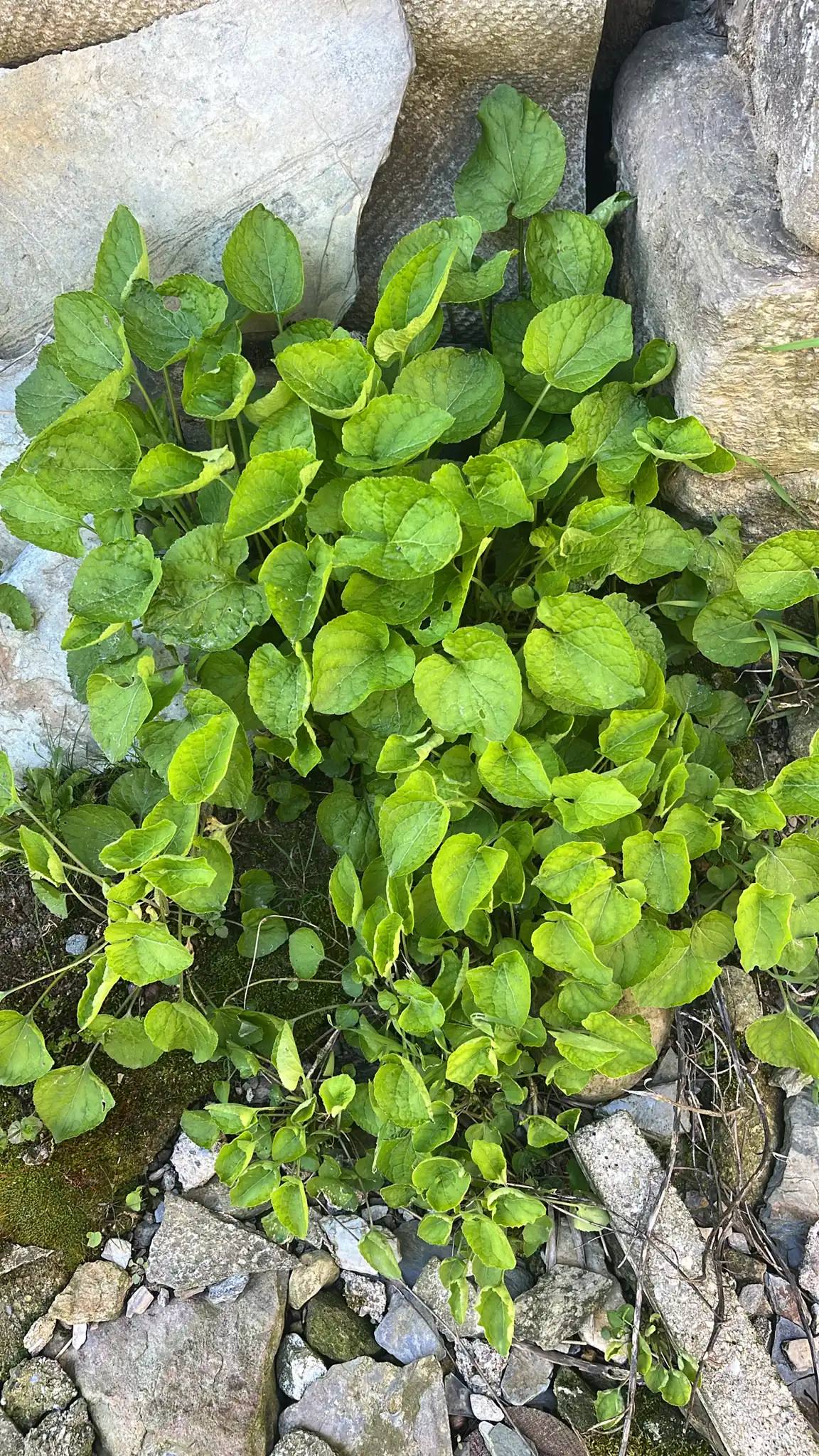
Perennials53
Seasonal colour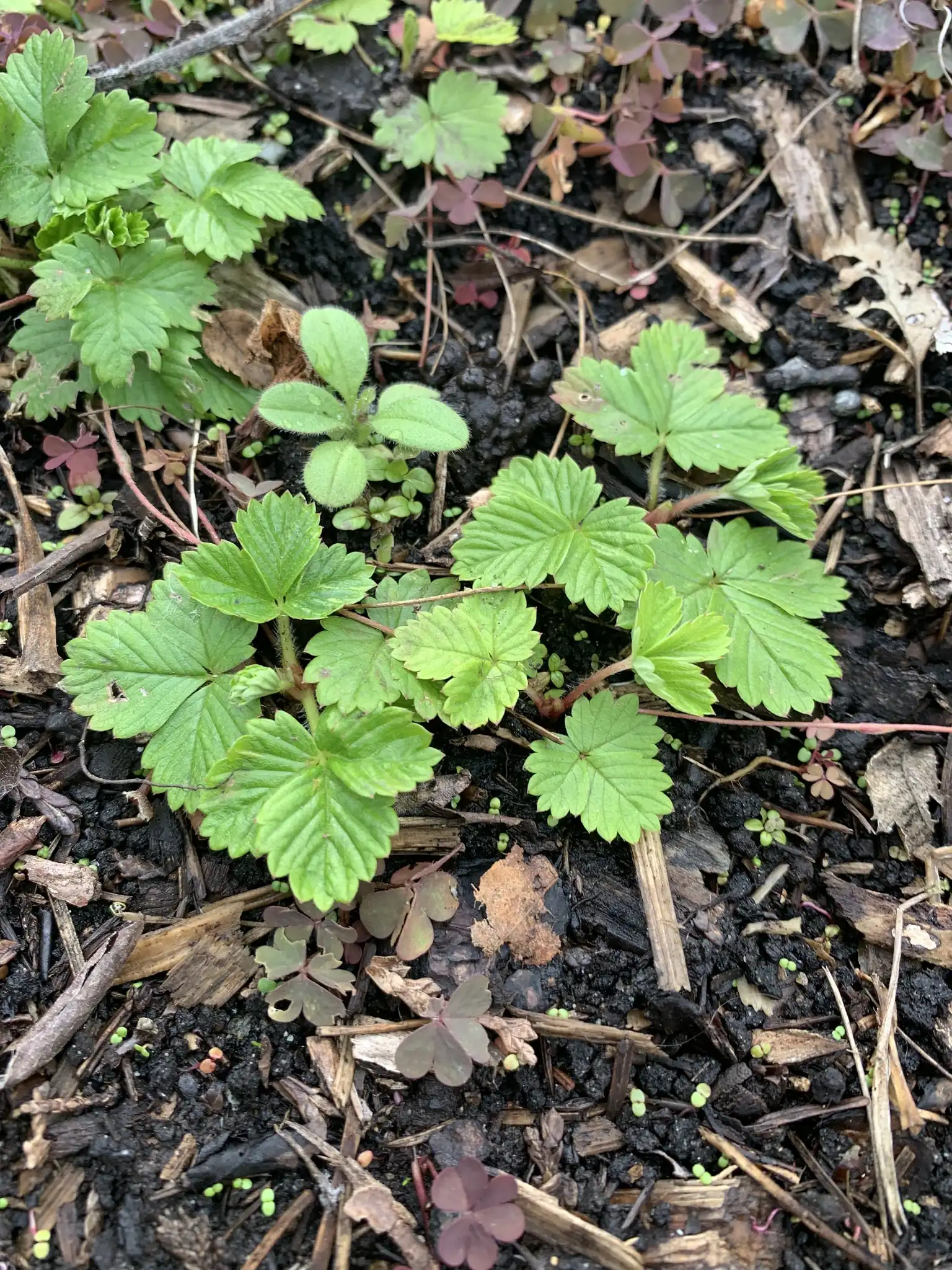
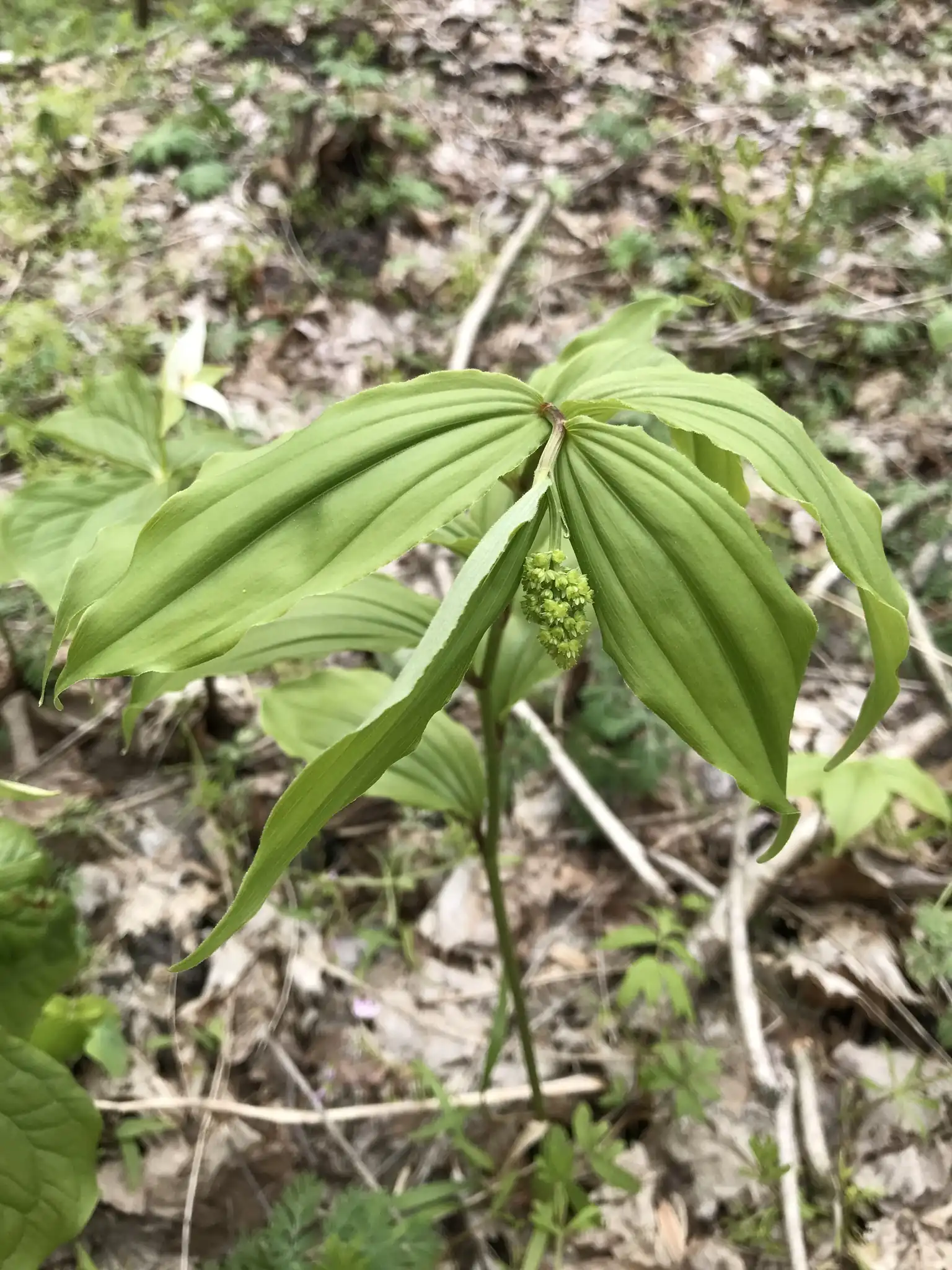
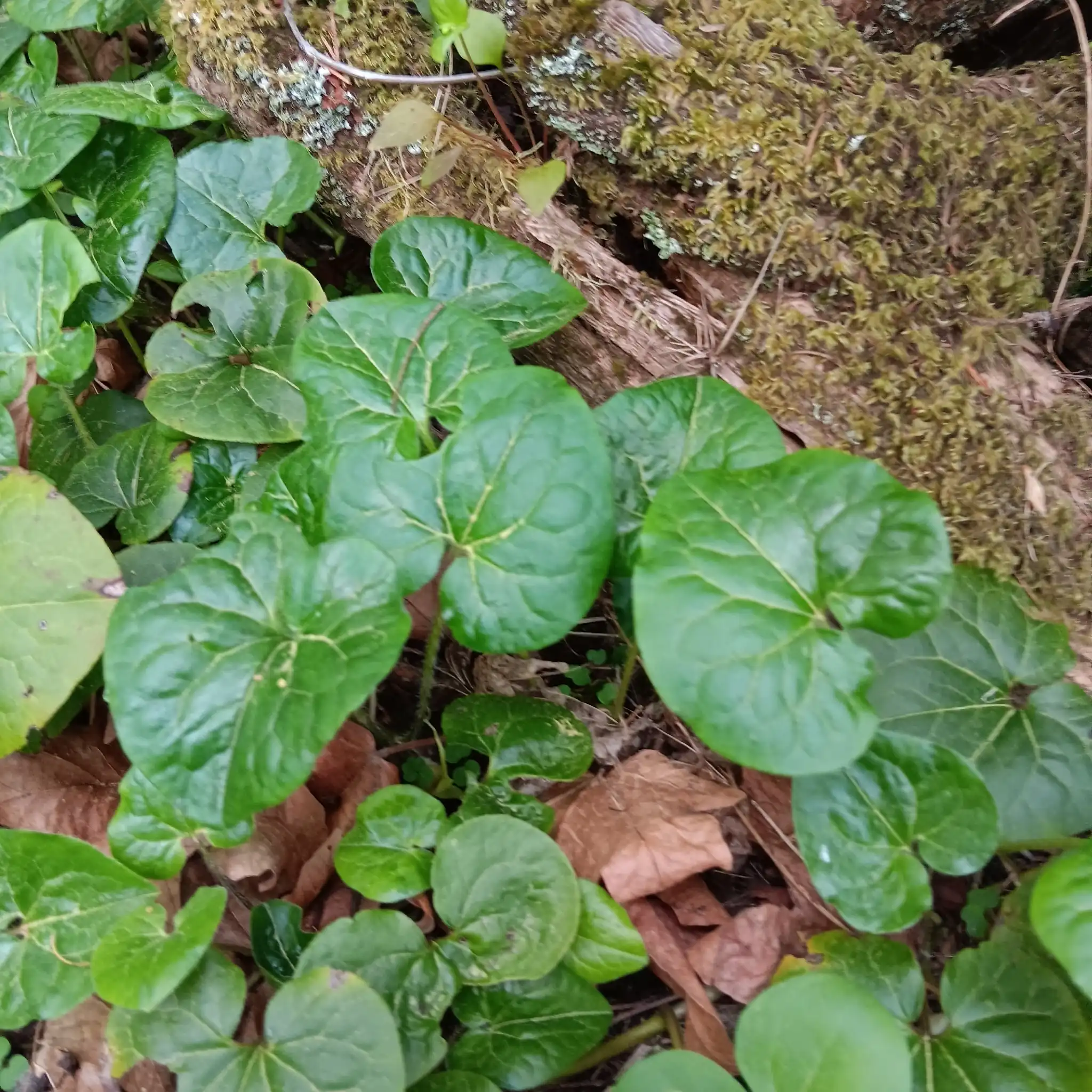
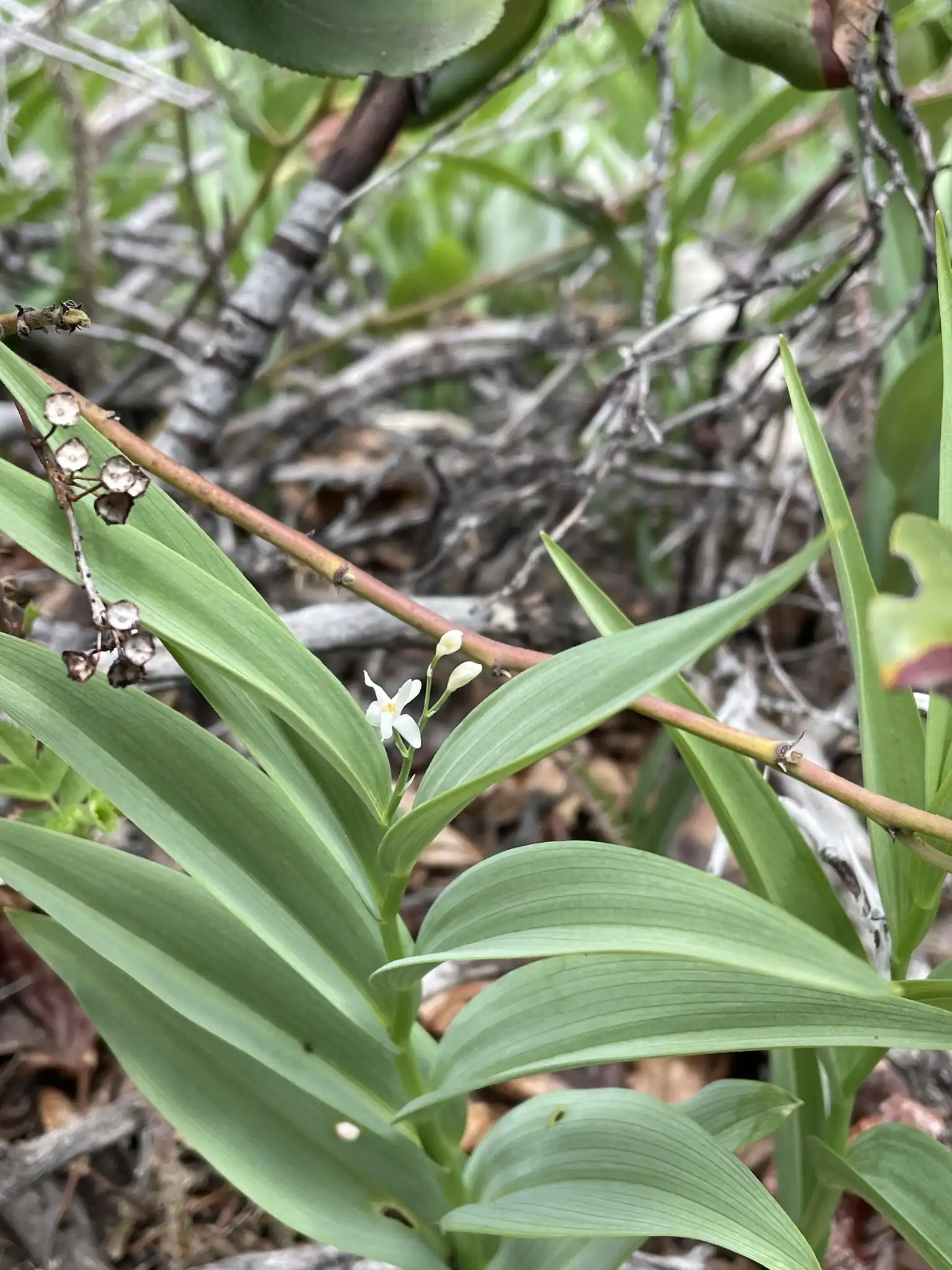
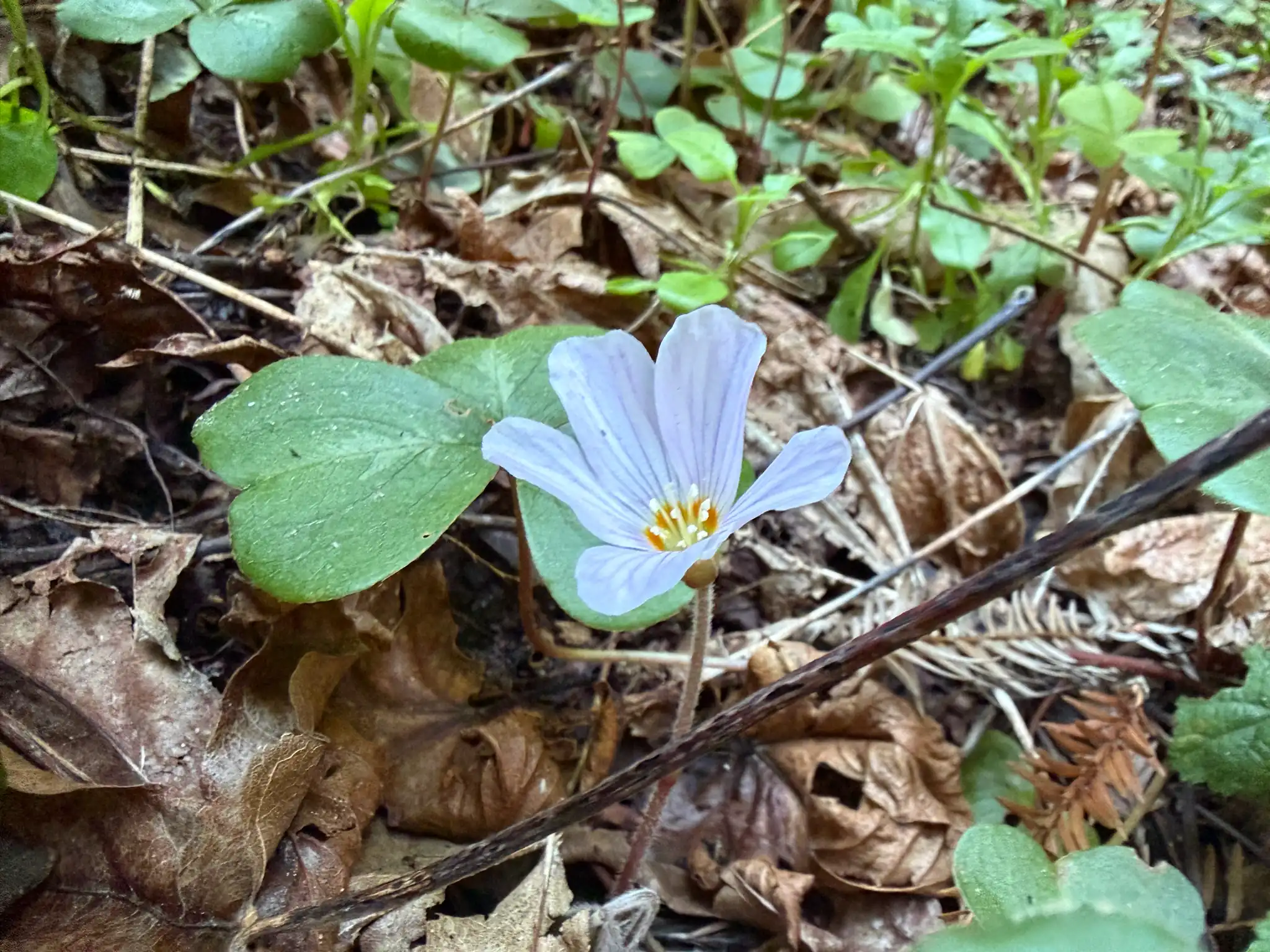
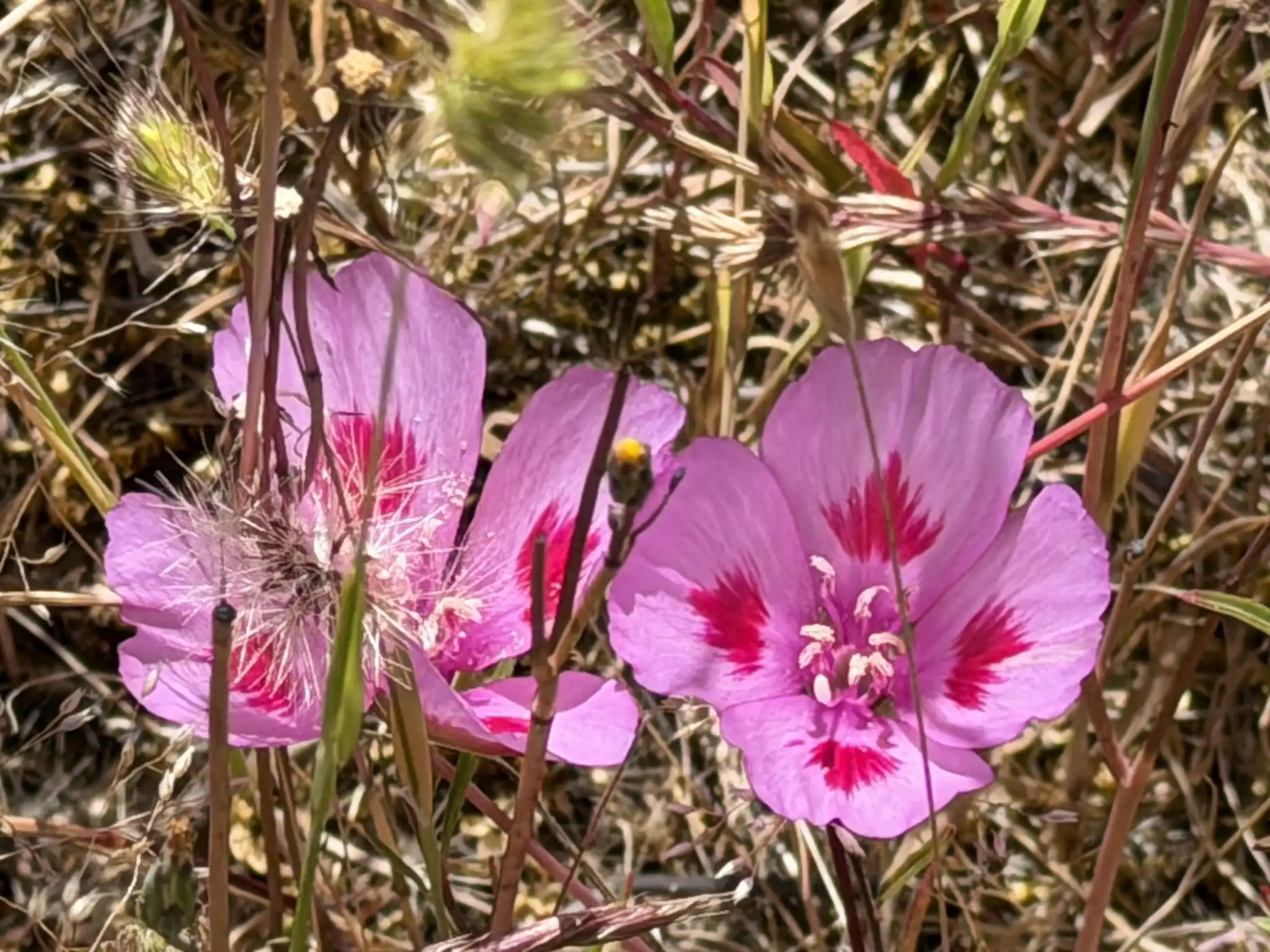
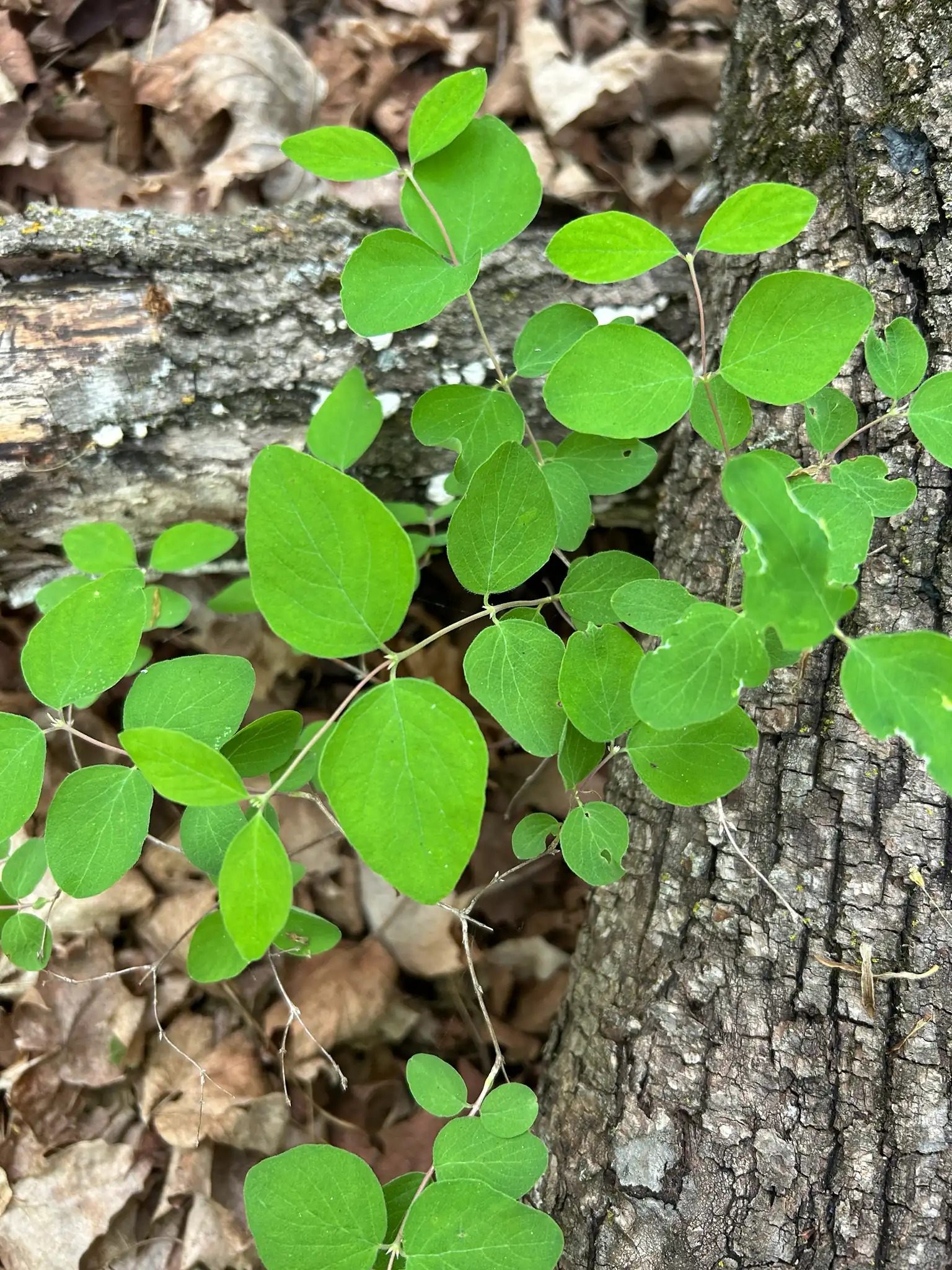
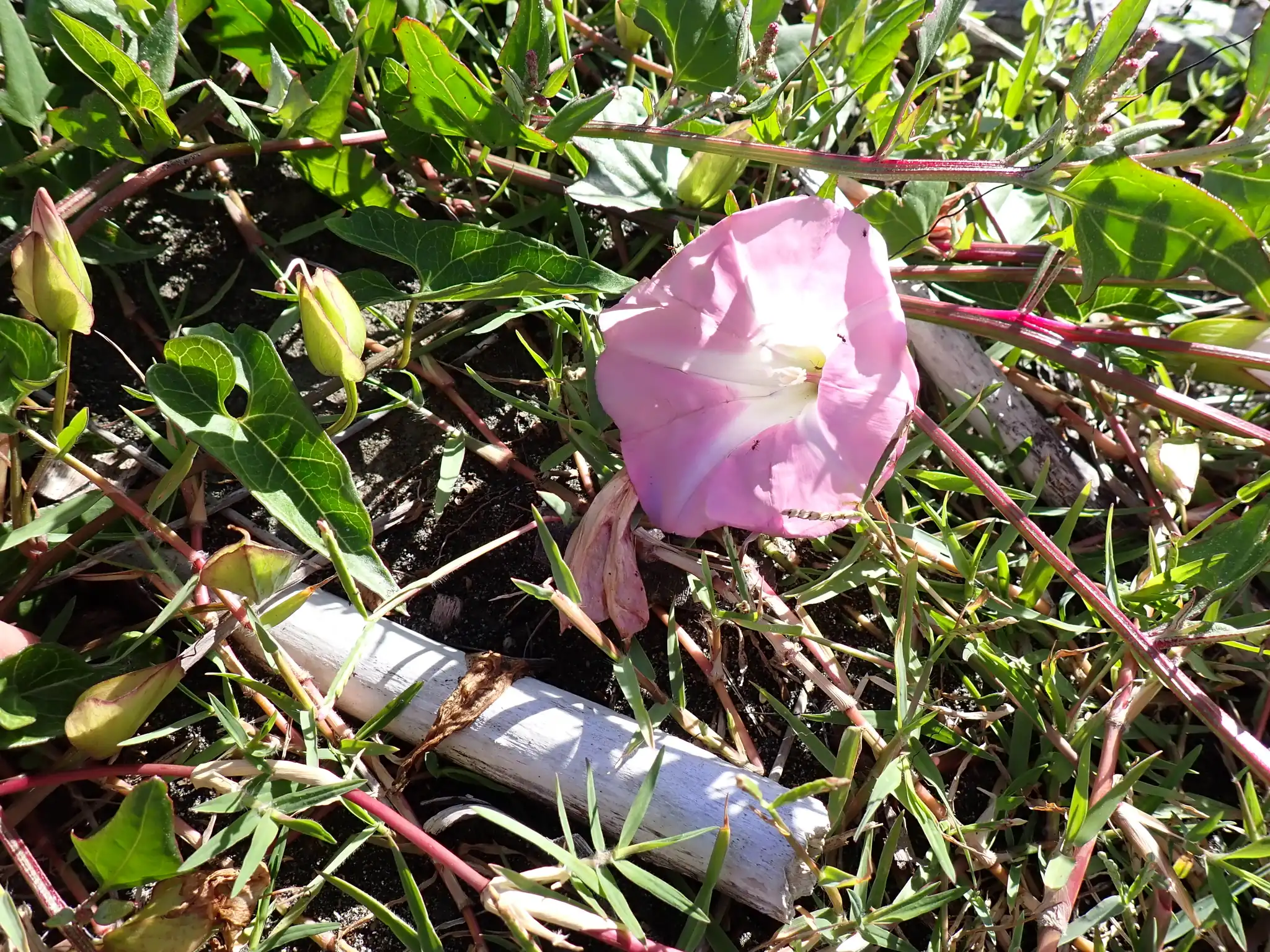
Vines2
Verticals and screens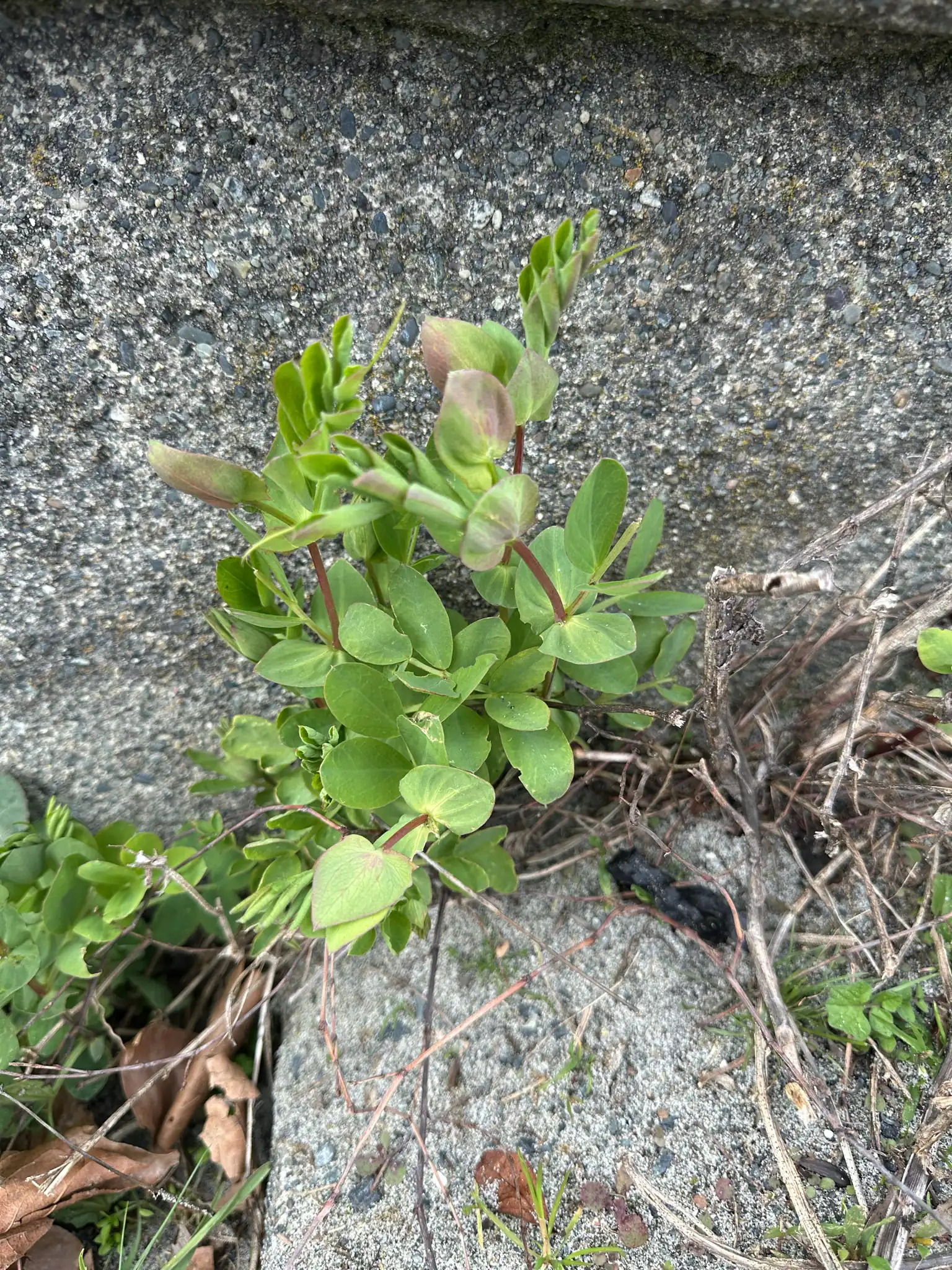
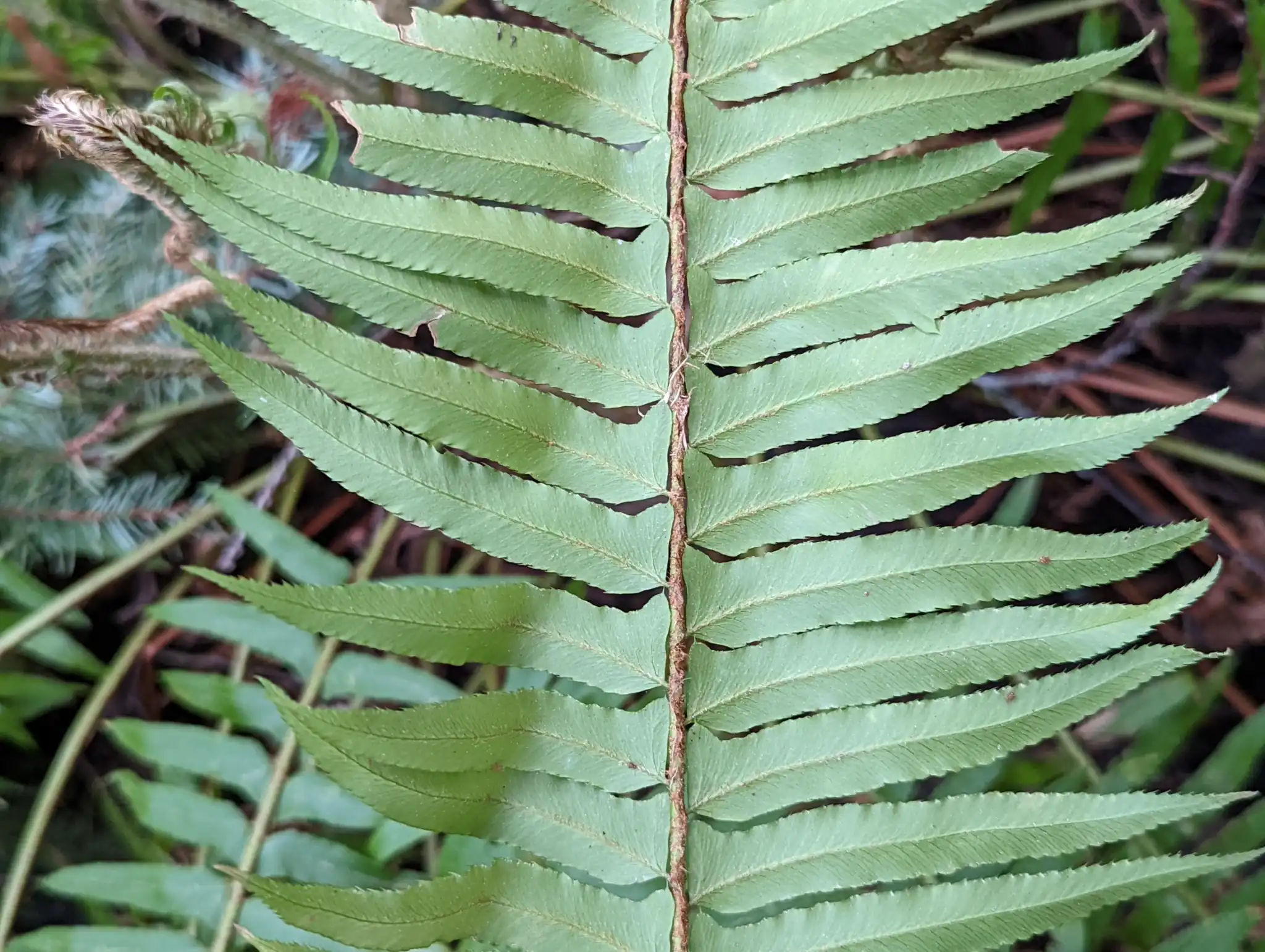
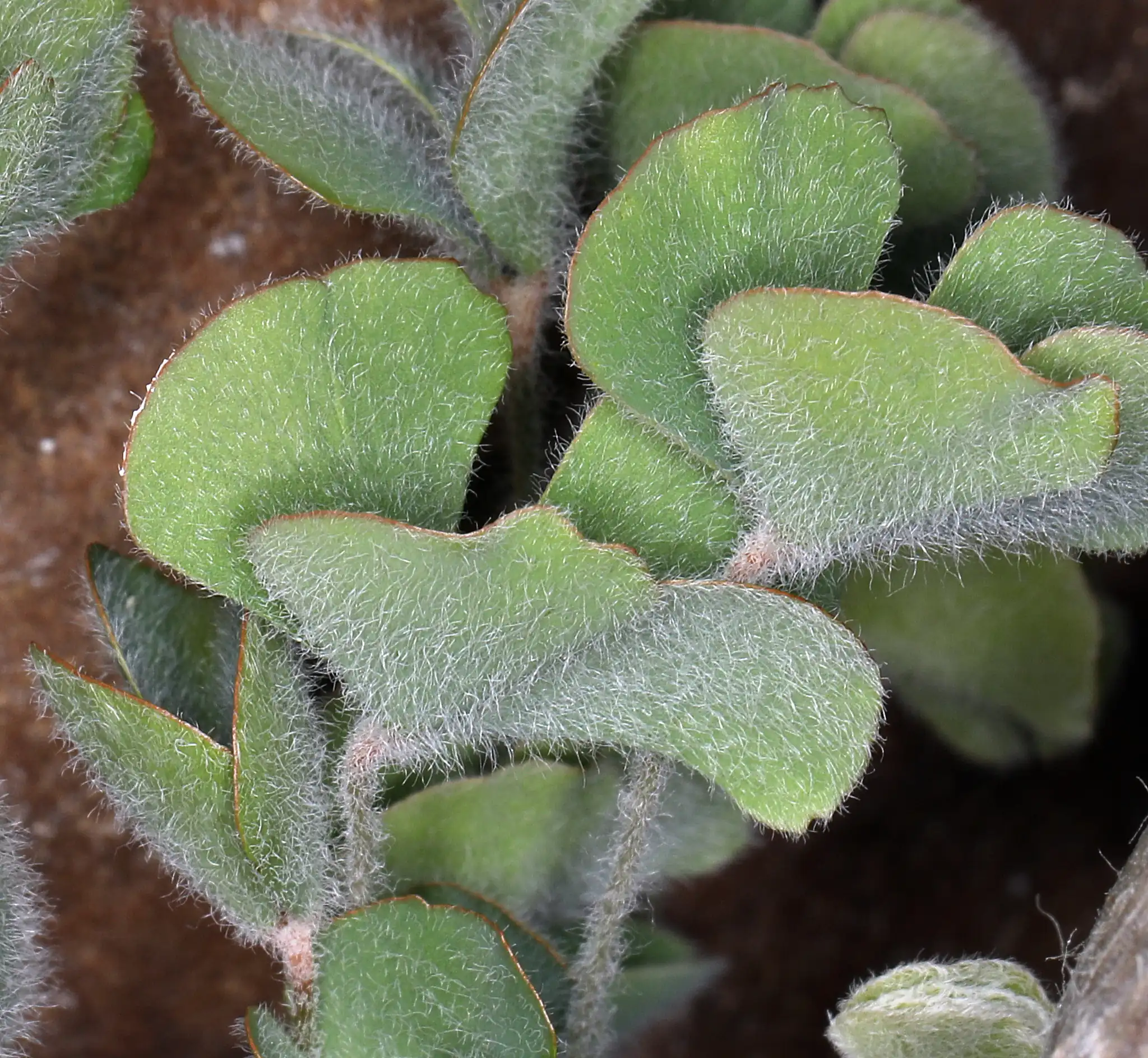
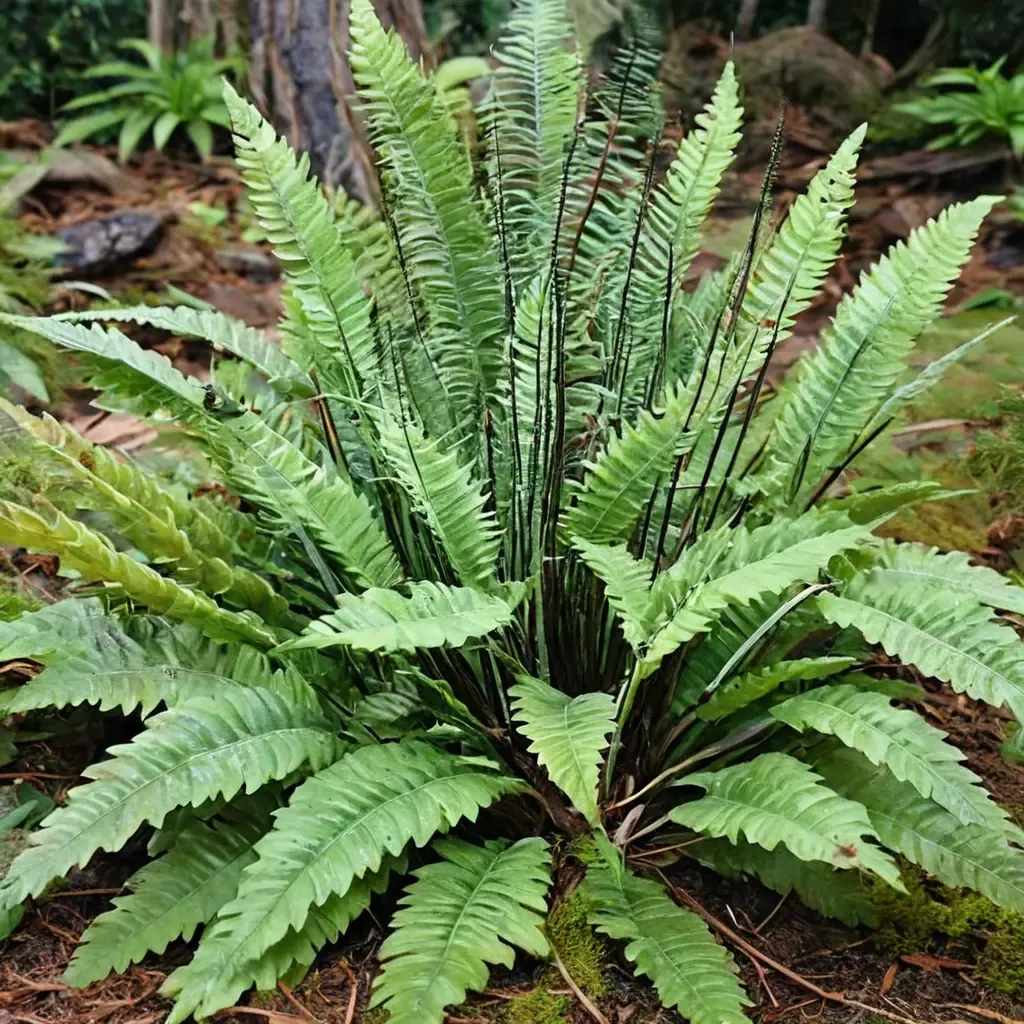
Ferns4
Shade and damp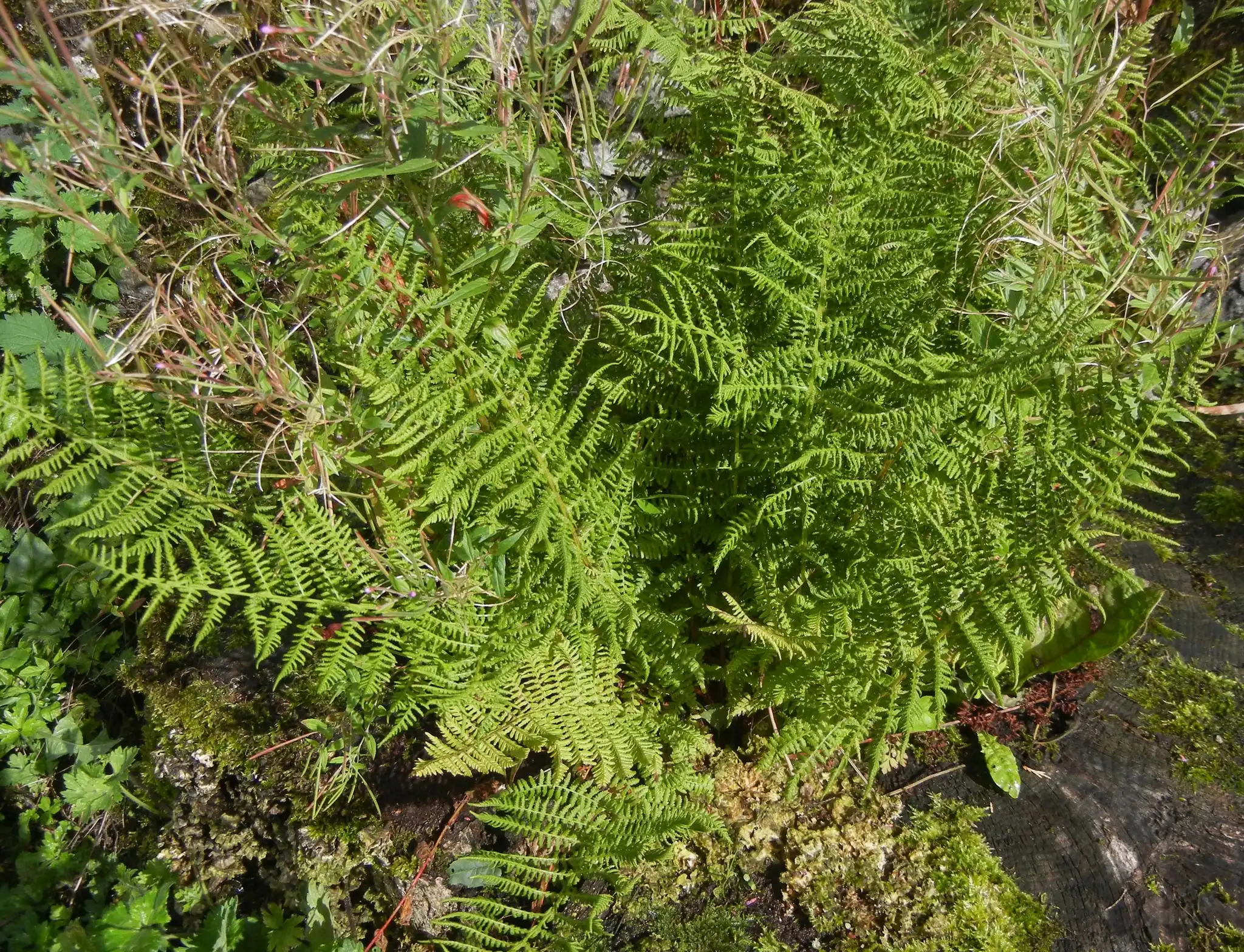
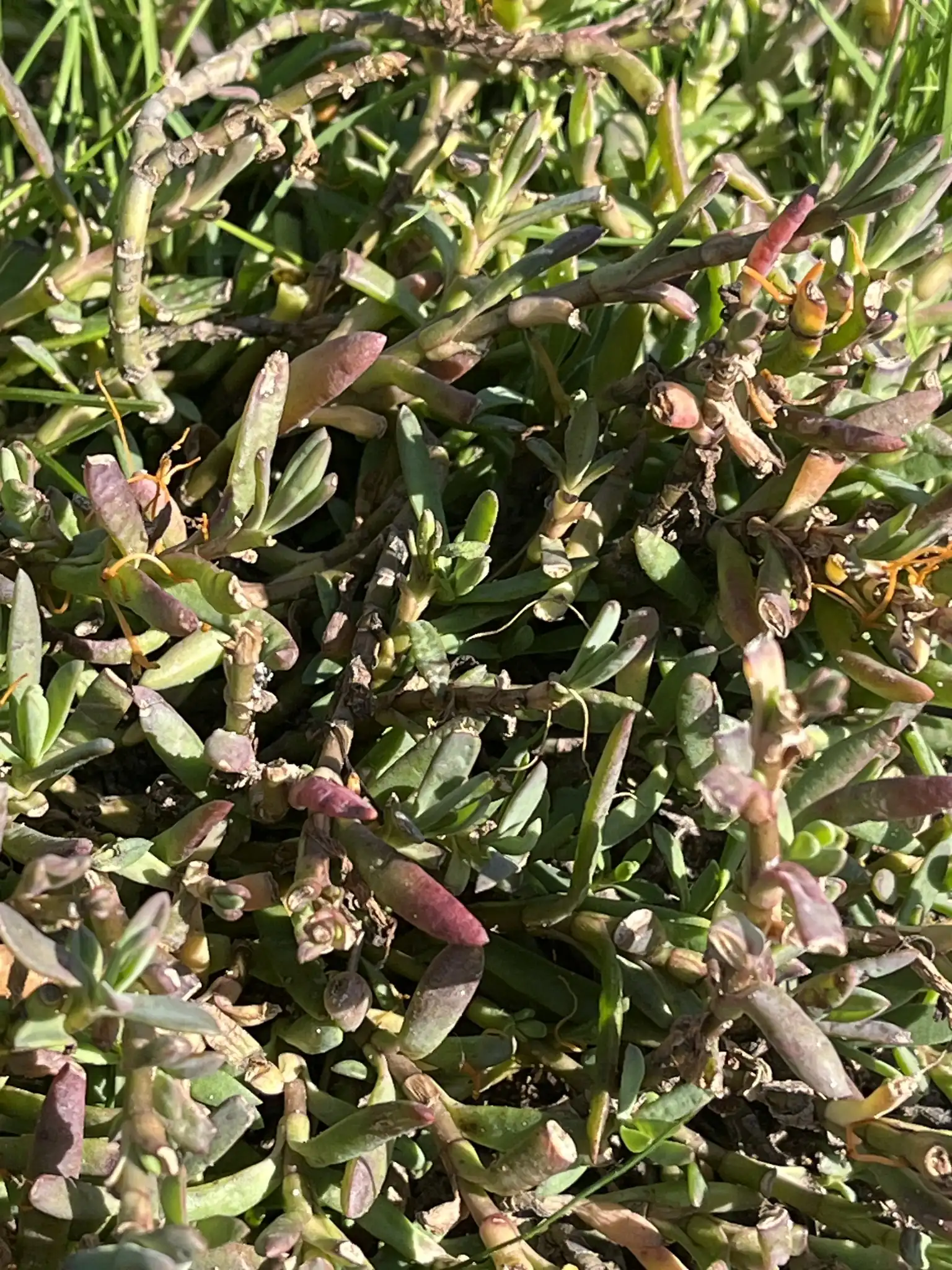
Succulents3
Dry and architectural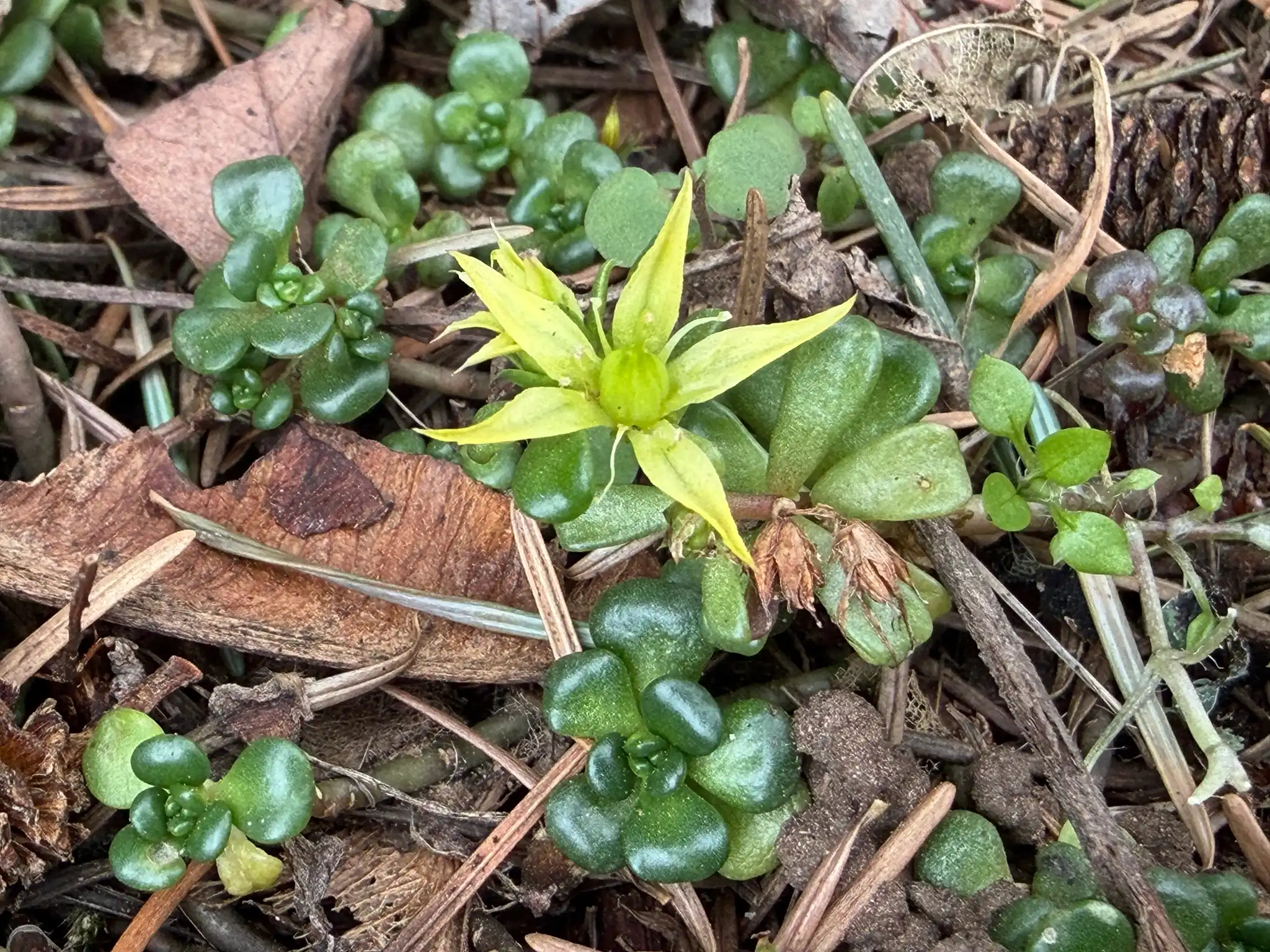
When to plant in Seattle
The median last spring frost is Mar 2 and the median first fall frost is Nov 23 at the Seattle weather station (NOAA 1991–2020 normals, USDA Zone 9a). Each crop’s guide explains the rule behind its dates.
- Broccoli
Spring transplant: Late May
Fall transplant: Aug 15 – Sep 14
- Cabbage
Spring transplant: Apr – late May; see below
Fall transplant: Sow winter cabbage early Aug
- Carrots
Spring sowing: Mid-Apr – mid-Jul
Fall crop sowing: Mid-Aug
- Corn
First sowing: Mid-May
Last sowing (early variety): Spring sowing only
- Cucumbers
Direct sow or transplant: May–Jun, when soil holds 60–70°F
Last sowing for fall harvest: By end of Jun
- Daffodil bulbs
Plant bulbs: Oct – Nov (to mid-Dec if soil is workable)
- Garlic
Plant cloves (Zones 3–5): See Zones 6–10 column
Plant cloves (Zones 6–10): Oct 19 – Nov 30
- Grass seed
Cool-season grass (best): Aug 15 – Sep 15
Warm-season grass: Use cool-season grass
- Green beans
Direct sow: Late May – early Jun
Last sowing for fall harvest: No separate fall sowing
- Hydrangeas
Spring planting: Mar 2 – Apr 13
Fall planting: Fall (second choice to spring)
- Lettuce
Spring sowing: Mid-Apr – early Aug, in rounds
Fall sowing: Early Sep (winter lettuce)
- Onions
Late winter or spring planting: Mar – May (long-day types)
Fall planting (short-day types): Overwintering types: sow mid-Aug – early Sep
- Peas
Direct sow: Late Feb – Apr
Fall sowing: Grow as a spring crop
- Potatoes
Plant seed potatoes: Mid-Apr
Fall crop (optional): Spring crop only
- Pumpkins
Direct sow: May; transplants do better
Sow for Halloween: Transplant late May to early June
- Radishes
Spring sowing: Mar – Sep, one season
Fall sowing: Same season
- Roses
Bare-root roses: Mid-Feb – Mar (March best)
Container roses: Spring to early summer
- Strawberries
Plant dormant crowns (spring): As soon as the soil is workable
Plant plugs (fall): Not advised; plant in spring
- Sweet potatoes
Plant slips outdoors: Mid-May – early Jul (black plastic)
- Tomatoes
Frost-safe window: Mar 23 – Apr 13
- Tulip bulbs
Plant bulbs: Oct – Nov (to mid-Dec if soil is workable)
Plant pre-chilled bulbs: Not needed (winter chills bulbs)
- Watermelon
Start planting (soil 65°F): Transplant in early June
Last sowing (early varieties): Early June (transplants)
- Wildflower seeds
Fall sowing window: Late Sept to early Nov
What sets the date: Fall rains
- Zucchini
Direct sow or transplant: Transplant early Jun; sow when soil reads 60°F (16°C)
Last sowing for fall harvest: —
More of Washington
Browse every cityView all North American native plants in WashingtonDesign a Seattle garden with these plants
Snap a photo of your yard and Sow places real, zone-matched plants into it — then keeps the watering and care schedule for everything you plant.