Quick answer
Plant bare-root peonies in fall, late August through October, before the ground freezes; September is ideal in the Upper Midwest. Set herbaceous eyes 1 to 2 inches (2.5–5 cm) deep in the North and about 1 inch (2.5 cm) in the South, Itoh crowns 1.5 to 2 inches (4–5 cm) deep, and a tree peony's graft union 4 to 6 inches (10–15 cm) down.
Key facts
- Best season
- Fall, late August through October, until the soil freezes
- Upper Midwest
- September, running into October in Wisconsin
- Herbaceous eye depth
- 1–2 in (2.5–5 cm) in the North; about 1 in (2.5 cm) or at the surface in the South
- Itoh crown depth
- 1.5–2 in (4–5 cm)
- Grafted tree peony
- Graft union 4–6 in (10–15 cm) below the soil
- Sun and spacing
- 6+ hours of direct sun; 3–4 ft (0.9–1.2 m) apart
- Full bloom
- By the third or fourth spring after planting
Plant peonies in fall. Bare-root divisions go into the ground from late August through October, and later in warm climates, for as long as the soil stays unfrozen. Autumn is when peonies make most of their root growth, and a fall-planted root already carries next spring's shoot buds, so it starts the season anchored.
Depth matters as much as the date, because a peony buried too deep grows leaves instead of flowers. The right depth changes with the type of peony and with how cold your winters get, so begin by working out which of the three groups you are planting.
Know which of the three peony types you have
Peonies fall into three groups that are planted, cut back and sited differently. Herbaceous peonies (Paeonia lactiflora and its hybrids) are the classic garden peony: they die to the ground every winter and regrow from eyes on the crown. Tree peonies (P. suffruticosa and related species) are woody shrubs whose stems stay above ground all year. Itoh, or intersectional, peonies such as ‘Bartzella’ are crosses between the two, with short, woody-looking stems that still die back to the ground in winter.
| Group | Hardiness zones | Height | Winter habit | Bloom order |
|---|---|---|---|---|
| Herbaceous | 3–8 | 2–3 ft (60–90 cm) | Dies to the ground | Middle |
| Tree | 4–8 | 3–5 ft (0.9–1.5 m) | Woody stems stay up | First, 1–2 weeks ahead of herbaceous |
| Itoh (intersectional) | 4–9 for ‘Bartzella’ | 2–3 ft (60–90 cm) | Dies to the ground | Last of the three |
Heights are typical mature sizes; some tree peonies reach 7 feet (2.1 m).
Note the group on the label when you buy, because it decides how deep the plant goes, and check your zone against these ranges with the plant hardiness checker.
When to plant peonies in your region
Plant bare-root peonies, and divide established ones, in fall: September in the Upper Midwest, later as you move south, and anywhere from late August through October in most of the country. Low air temperatures do not stop peony roots from growing, so the real deadline is frozen ground rather than a calendar date. Aim to plant early enough that the roots get several weeks in moist, unfrozen soil before winter. That is why September is preferred in the Upper Midwest.
| Region | Bare-root plants and divisions | Potted plants |
|---|---|---|
| Upper Midwest (Iowa, Wisconsin) | September, into October in Wisconsin | Any time in the growing season |
| Southeast (the Carolinas) | Fall; divide from late September through October | Keep in the pot through summer, plant in fall |
| Most growing zones | Late August through October, while the soil is unfrozen | Any time in the growing season, at pot depth |
The fall window applies to herbaceous, Itoh and tree peonies alike.
Why spring is the wrong time for bare roots
A bare-root peony planted in spring makes little if any new root, leans on its stored moisture through summer and ends the year no bigger than it started. Tree peonies fare worse: their roots do not grow in spring, and the ones that survive spring planting often wilt badly in summer. The one exception is a fully dormant imported tree peony, which can go in during spring.
Potted peonies are a different case because their roots are already established in soil. In the North, set one in the ground any time during the growing season at the level it grew in the container. In the South, do not plant a peony you bought in bloom in April or May while it is actively growing. Keep it watered and fed in its pot through summer and plant it in fall, because disturbing growing roots just before a hot, humid summer stunts the plant.
How deep to plant peonies
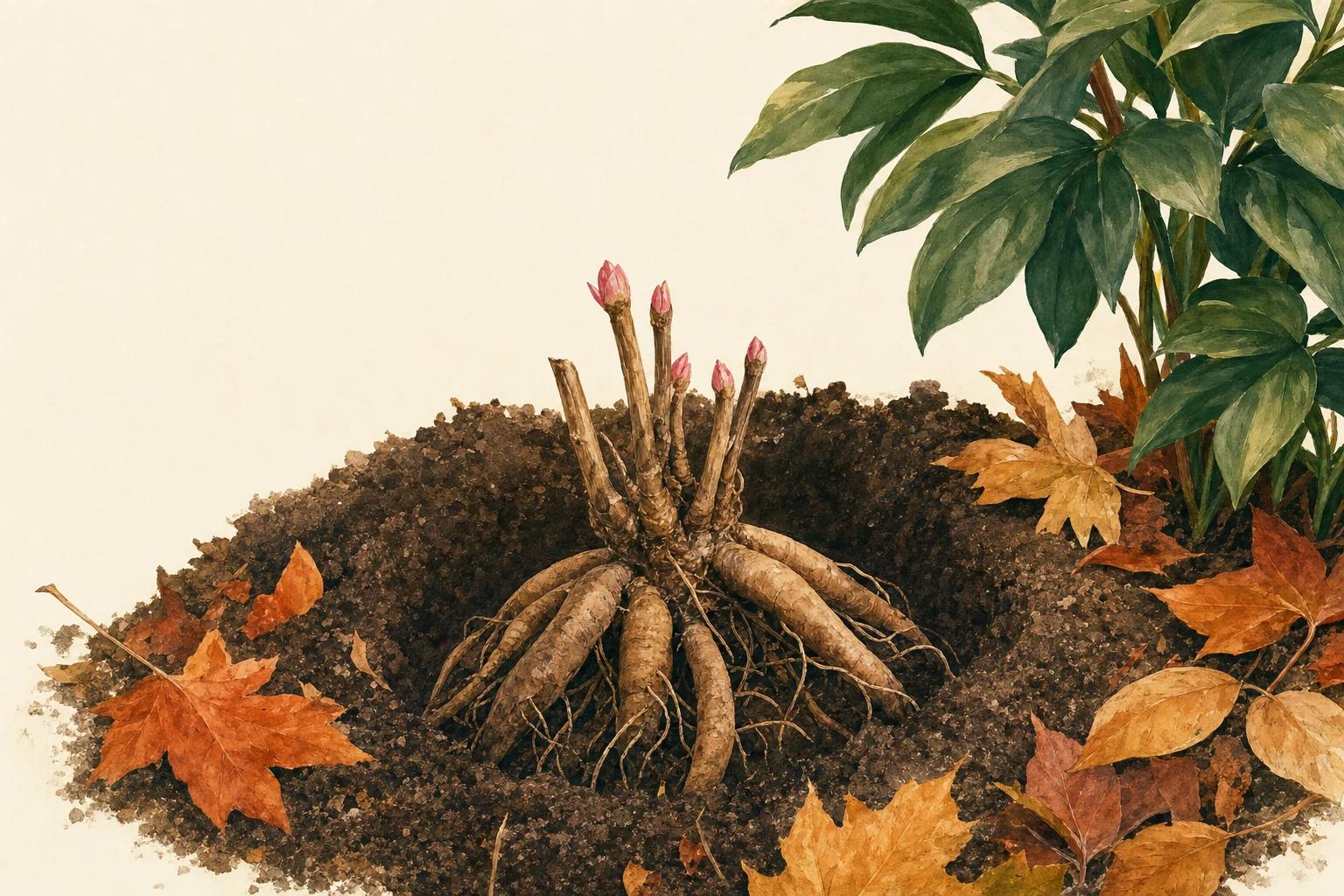
Herbaceous eyes go 1 to 2 inches (2.5–5 cm) deep where winters are cold and about 1 inch (2.5 cm) or less in the South. Itoh crowns sit a little deeper, and a grafted tree peony goes deepest of all, with its graft union 4 to 6 inches (10–15 cm) down. Eyes are the pink, red or white buds on top of the crown, and you measure from their tips.
| Peony type | Where | Depth | Note |
|---|---|---|---|
| Herbaceous, bare root | North and Midwest | Eyes 1–2 in (2.5–5 cm); 2 in is standard | Deeper means leaves, few flowers |
| Herbaceous, bare root | The South (Carolinas and similar) | Eyes about 1 in (2.5 cm) or at the surface | More winter chill on the buds |
| Herbaceous, potted | Anywhere | Same level as in the pot | Crown is already set |
| Itoh | Anywhere | Crown 1.5–2 in (4–5 cm) | Sprouting eyes may show above soil |
| Tree, grafted | Most of the US | Graft union 4–6 in (10–15 cm) | Buried stem grows its own roots |
| Tree, own root | Anywhere | Stem base about 2 in (5 cm) | No graft to bury |
Measure after the soil has been firmed, since loose backfill settles.
Too deep, too shallow
Deep planting is the fault behind most peonies that grow well but never flower. Going too shallow causes its own problems in the North: very shallow crowns can fail to flower, and freeze-thaw cycles can heave a new root out of the ground in its first winter. Aim for the full 2 inches (5 cm) in cold regions and keep the shallow settings for the South.
Grafted tree peonies go deep for a reason
Most tree peonies are sold grafted onto a rootstock, and burying the graft union lets the upper stem form roots of its own. A plant on its own roots can resprout from below ground if the stems above are killed. Bare-root tree peonies often arrive with most of their stems cut off, which helps: bury much of the remaining stem so it turns into crown tissue with its own roots and buds. In warm Southern gardens a shallower setting is also used, with the graft about 1 inch (2.5 cm) down and soil mounded over it the first winter. In cold-winter regions, stick with 4 to 6 inches (10–15 cm).
Choosing the site and preparing the soil
Give peonies at least 6 hours of direct sun, soil that drains in a few hours rather than a day, and a spot where they can stay for decades. A clump left alone can flower for 50 years or more, and peonies can live past 100.
Sun. Six to eight hours is ideal. With less than 4 to 6 hours, peonies do not bloom well. In hot-summer areas, afternoon shade keeps the flowers from fading fast, and tree peonies in the South need dappled or afternoon shade because strong sun scorches their large, silky petals. Morning sun suits tree peonies best.
Space and air. Plant 3 to 4 feet (0.9–1.2 m) apart, or as much as 5 feet (1.5 m); mature clumps spread 3 to 5 feet (0.9–1.5 m). The gap lets air move through the foliage so leaves dry quickly, which cuts down on disease. The plant spacing calculator will tell you how many fit a bed.
Neighbors. Keep peonies away from trees and large shrubs, whose shade and roots compete for light, water and nutrients. Black walnut and lilac are particularly poor neighbors.
Drainage. Peonies will not tolerate waterlogged roots, and root rot follows poor drainage. To test a site, dig a hole at least 18 inches (45 cm) deep, fill it with water to wet the surrounding soil, refill it and time the second drain. Under 30 minutes means a droughty site; 2 to 12 hours is good; water standing much longer marks a chronically wet spot that needs drainage or a different location.
Soil and pH. Aim for fertile, loamy soil with a pH of 6.5 to 7.0; tree peonies tolerate up to 7.5. Test first, and add lime if the soil is too acidic. Because the plant stays put, prepare the whole bed before planting. Work it about 2 feet (60 cm) deep if you can; at minimum, dig a hole 12 to 18 inches (30–45 cm) deep and 12 inches (30 cm) wide. Loosen heavy clay with compost or finely ground pine bark. Leave out fertilizer on planting day.
How to plant a bare-root peony, step by step
Plant a bare-root division on a cone of soil with its eyes measured to the correct depth, then firm and water it well.
- Choose a division with 3 to 5 eyes. Bigger divisions reach flowering size sooner; a piece with only one or two eyes can take several extra years to bloom.
- Keep the root cool and barely damp. Leave it in its packing, slightly damp but not wet, somewhere cool and out of the sun until you plant. If the root looks dry, soak it in clean water for about 10 minutes to rehydrate it before planting.
- Open the prepared bed. Dig into the loosened, amended bed and make the hole wide enough to spread the roots without bending them.
- Build a cone of soil. Mound soil in the center of the hole, sit the root on top with the eyes pointing up, and drape the roots down the sides. The cone holds the crown at a steady height while you fill.
- Measure the depth of the eyes. Lay a straight stick or tool handle across the hole and measure down to the tips of the eyes. Add or remove soil from the cone until the depth matches the table above for your type and climate.
- Backfill and firm. Work soil between the roots with your fingers and press it down to remove air pockets, so the root does not sink deeper the first time you water. Measure again.
- Water deeply. Soak the bed right away and keep the soil slightly damp until the ground freezes.
- Mark the spot. The crown shows nothing above ground from fall until the shoots come up in early spring, and a label keeps you from digging into it.
Peonies in the South and other difficult climates
Peonies need a cold winter to flower, so in Zones 8 and 9 success comes from shallow planting, early cultivars and afternoon shade. Herbaceous peonies perform best in Zones 5 to 7 and often do well in northern Zone 8. Farther south, too little winter chilling stops some cultivars from blooming at all.
The Southeast
Keep the crowns exposed to cold: plant shallow, and either skip winter mulch over the crown or keep it to about 1 inch (2.5 cm). There is no need to cover Southern peonies for a late frost. In South Carolina, tree peonies flower from March to May depending on cultivar and weather, and herbaceous peonies follow a week or two later.
Choose early-blooming cultivars, which flower before hot weather arrives (early tree peonies are also less prone to gray mold), and favor single and Japanese forms over heavy doubles. Herbaceous cultivars with a good Southern record include ‘Festiva Maxima’, ‘Kansas’ (one of the best doubles for the region), ‘Miss America’, ‘Paula Fay’, ‘Monsieur Jules Elie’, ‘America’ and ‘Coral Charm’. ‘Coral Charm’ is among the cultivars most prone to gray mold, so give it full sun and good air flow. Tree peonies suited to the region include ‘High Noon’ and ‘Black Pirate’.
South of Interstate 20, peonies are an experiment. Earlier-flowering hybrid herbaceous peonies and tree peonies are the best bets, while late, fully double cultivars often spoil in the bud in the heat.
The hot, dry West
In arid regions, site peonies where they get shade during the hottest part of the day and shelter from hot, drying winds. Water the outer root zone beyond the leaf canopy rather than at the base of the stems.
Cool, wet springs
Where springs stay cool and rainy, as in much of the Pacific Northwest, gray mold is the main threat, and cultivar choice helps. Itoh hybrids are among the least susceptible peonies, while coral-colored cultivars rank among the most. Of the woody peonies, the Suffruticosa tree peonies are the most prone.
Dividing and moving established peonies
Divide or move peonies in early fall, September in the Upper Midwest and late September through October in the Southeast, and only when you have a reason. Bearded irises in the same bed are divided on their own schedule, covered in when to divide irises. A healthy clump never needs routine division. Lift one to make more plants, to rescue it from shade, or to renew a clump that is flowering poorly.
Cut the stems off near the ground. Start digging 8 to 10 inches (20–25 cm) out from the stems and work around and under the clump, keeping roots at least 6 inches (15 cm) long. Hose the soil away so you can see the eyes. With a clean, sharp knife, cut the crown into pieces that each carry 3 to 5 eyes and 6 to 10 inches (15–25 cm) of storage root. Cut away from your body and keep your free hand clear of the blade. Replant the pieces like new bare-root divisions.
Do not shorten the roots of a whole clump and drop it back in the hole. A replanted intact clump declines slowly and can go years without flowering properly. If you only want a few new plants, cut a wedge 6 to 8 inches (15–20 cm) wide from the side of a large clump without lifting the rest, and backfill the gap with fertile soil.
Tree peonies are the exception. They take several years to establish, root deeply and transplant poorly, so choose their position carefully and leave them alone.
Common planting mistakes and how to fix them
Most new peonies that refuse to bloom were planted too deep, put in too much shade or moved too recently. The table pairs each common mistake with what you will see and how to correct it.
| Mistake | What you see | Fix |
|---|---|---|
| Eyes buried too deep | Healthy leaves, few or no flowers | Lift in early fall and reset shallower |
| Too much shade or tree roots | Weak growth, few buds | Move to a sunny spot in early fall |
| Bare root planted in spring | Little root growth, no gain in size | Plant bare roots in fall only |
| Graft union of a tree peony left shallow | Top never roots on its own; plant lost if the stem dies | Reset deeper in the first fall after planting, before the roots spread; mound soil over an established plant instead |
| High-nitrogen feed or manure on the crown | Lush leaves, few flowers, more blight | Low-nitrogen feed, kept off the crown |
| Foliage cut back in July or August | Fewer flowers next year | Leave leaves until frost |
| Tree peony cut to the ground in fall | No flowers the next spring | Remove only dead wood |
Herbaceous and Itoh peonies are the ones you cut down in fall; a tree peony's woody stems carry next year's flower buds.
Other reasons for a bloomless year include an immature plant, overcrowding, a hard freeze that kills the buds in spring, drought the previous summer, thrips, gray mold and, in Zones 8 and 9, too little winter chill. If a well-sited, correctly planted peony has been in the ground less than three years, patience is usually the answer.
First-year care and what to expect
Water the new plant through its first season, mulch it the first winter in cold regions, and expect little bloom until the third spring. Gardeners sum up the pattern as "sleep, creep, leap": roots in year one, modest growth in year two, a full show in year three or four.
First winter. In cold-winter regions, spread 4 to 6 inches (10–15 cm) of clean straw or pine needles over a new planting once the soil freezes, which falls in mid to late November in Iowa. The mulch stops freeze-thaw cycles from heaving the root. Pull it off in early spring before shoots emerge. Established plants rarely need it, except where winters are cold with little snow cover.
Water. Peonies tolerate drought once established, but water during dry spells, especially while buds form and open. Soak the soil to a depth of 12 inches (30 cm). In South Carolina that means a deep watering every 10 to 14 days in dry weather.
Bloom season. Each established plant flowers for about 7 to 10 days, and mixing early, midseason and late cultivars stretches the season to about six weeks. Grow tree, herbaceous and Itoh peonies together and Zones 6 and 7 can have flowers for 7 to 8 weeks, from late April to early June. For color after they finish, see these perennials that bloom all summer.
Feeding and support. Feed only established plants, and choose a low-nitrogen fertilizer, because nitrogen produces leaves at the expense of flowers. Apply 5-10-10 or 5-10-5 at 2 to 3 pounds per 100 square feet (about 1–1.5 kg per 10 m²) when shoots are 2 to 3 inches (5–8 cm) tall. Alternatively, work 1/4 cup (60 ml) of 10-10-10 into the soil in early spring, at least 6 inches (15 cm) from the crown. Set hoops over large doubles early in spring; single and Japanese forms flop less, and Itoh peonies hold their flowers up without staking.
Ants. Ants on the buds are harmless. They feed on sugary nectar the buds secrete, the flowers open fine without them, and there is no reason to spray.
Gray mold (botrytis blight). Gray mold is one of the most common peony diseases. Young shoots darken at the base, wilt and topple; buds turn brown or black and never open; fuzzy gray spores appear in humid weather. It is worst in cool, wet springs and survives the winter in old stems and leaves. After a hard frost, cut herbaceous and Itoh stems to the ground and bag or trash them rather than composting. Pick off infected buds and shoots, water at soil level, and keep manure off the crown.
Wildlife and pets. Deer and rabbits tend to leave peonies alone; see more deer-resistant plants to pair with them. Rabbits, mice and voles can gnaw tree peony stems at the base in winter. A girdled stem dies, but a deeply planted tree peony usually sends up new growth from below. Tree peonies appreciate winter protection in Zone 4 and the colder parts of Zone 5.
For pruning, feeding and long-term care once your plants are established, the peony growing guide picks up where this page stops, and you can place peonies alongside other long-lived perennial flowers in Sow's design studio.
From the Sow catalog
Perennials in the Sow catalog
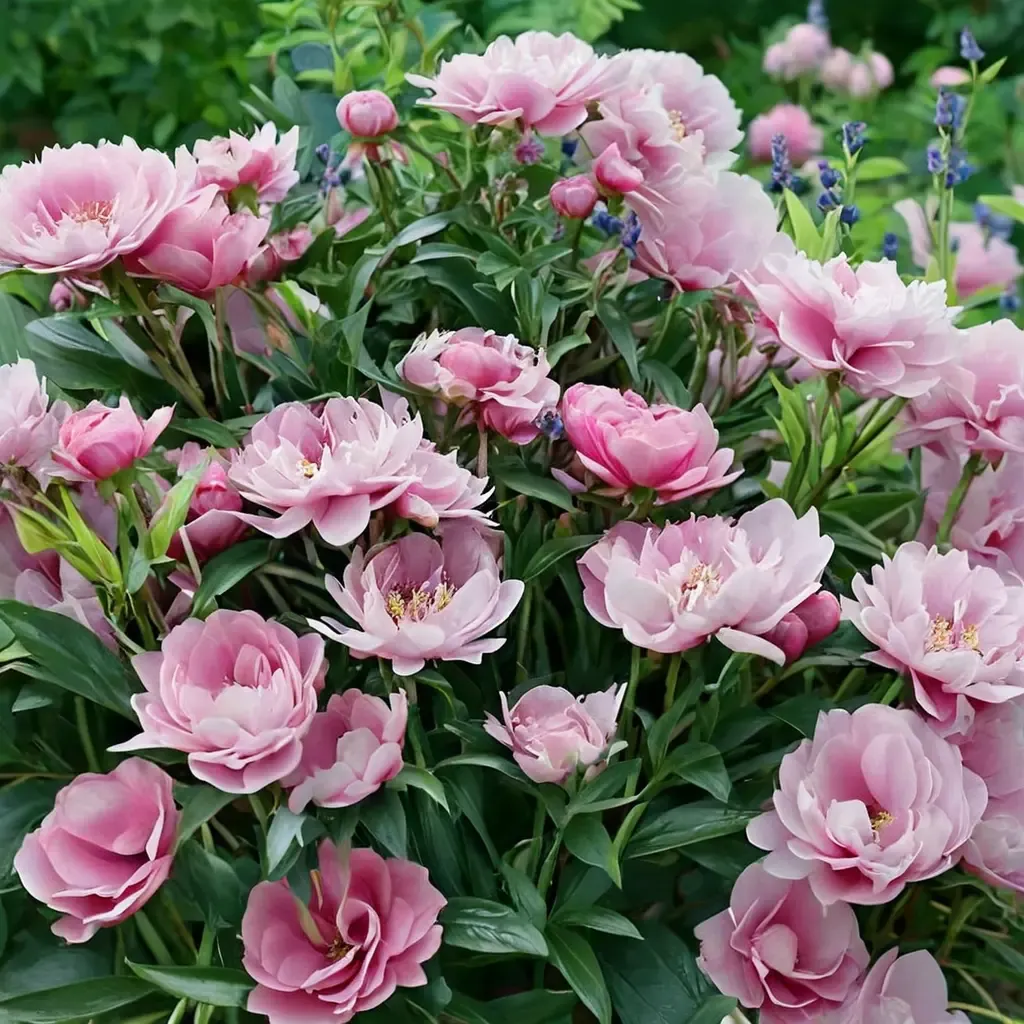
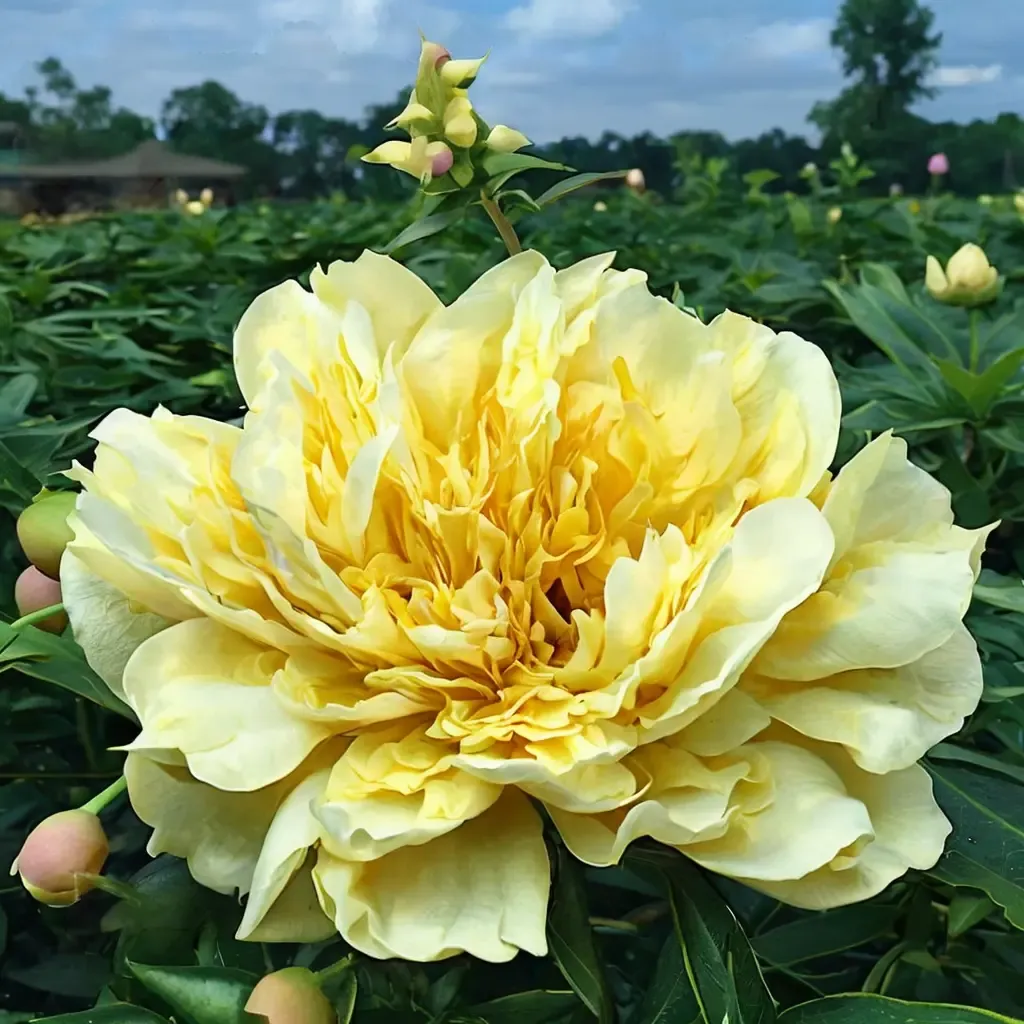
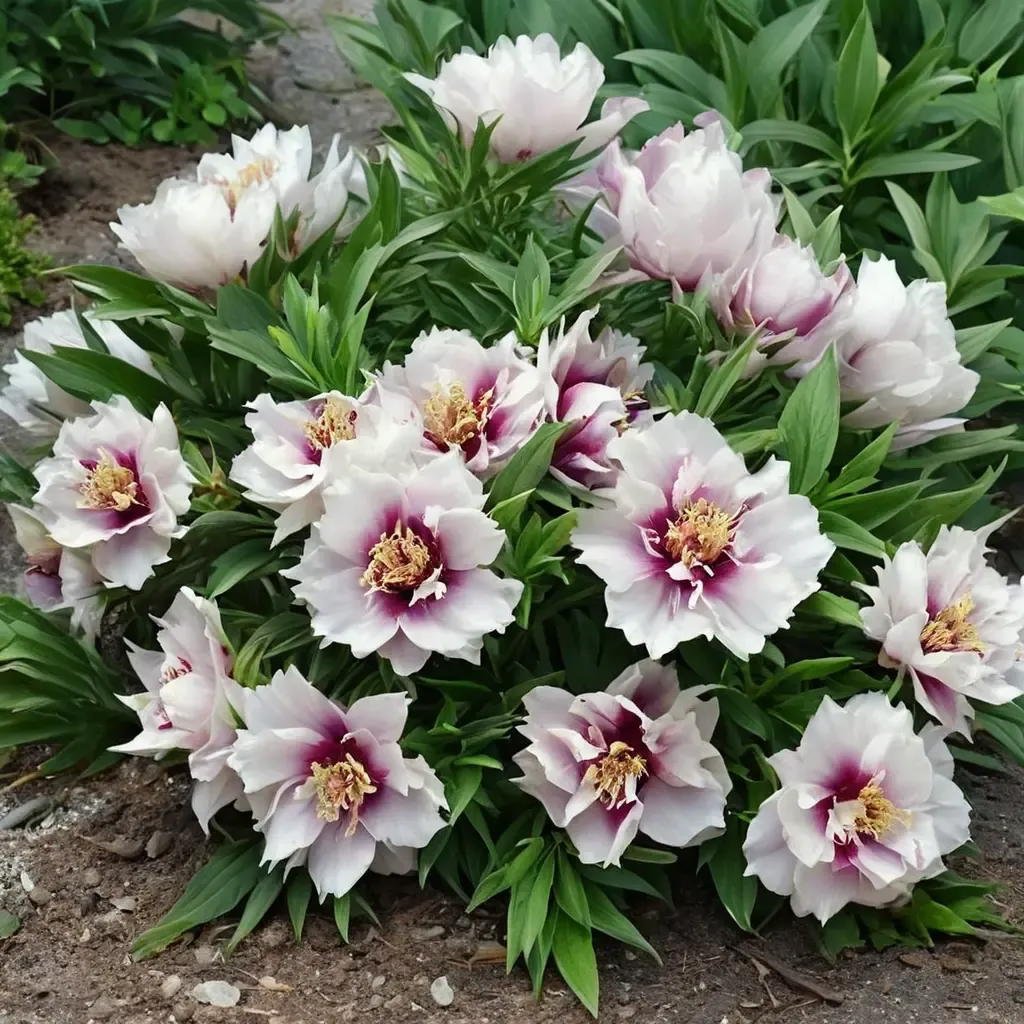
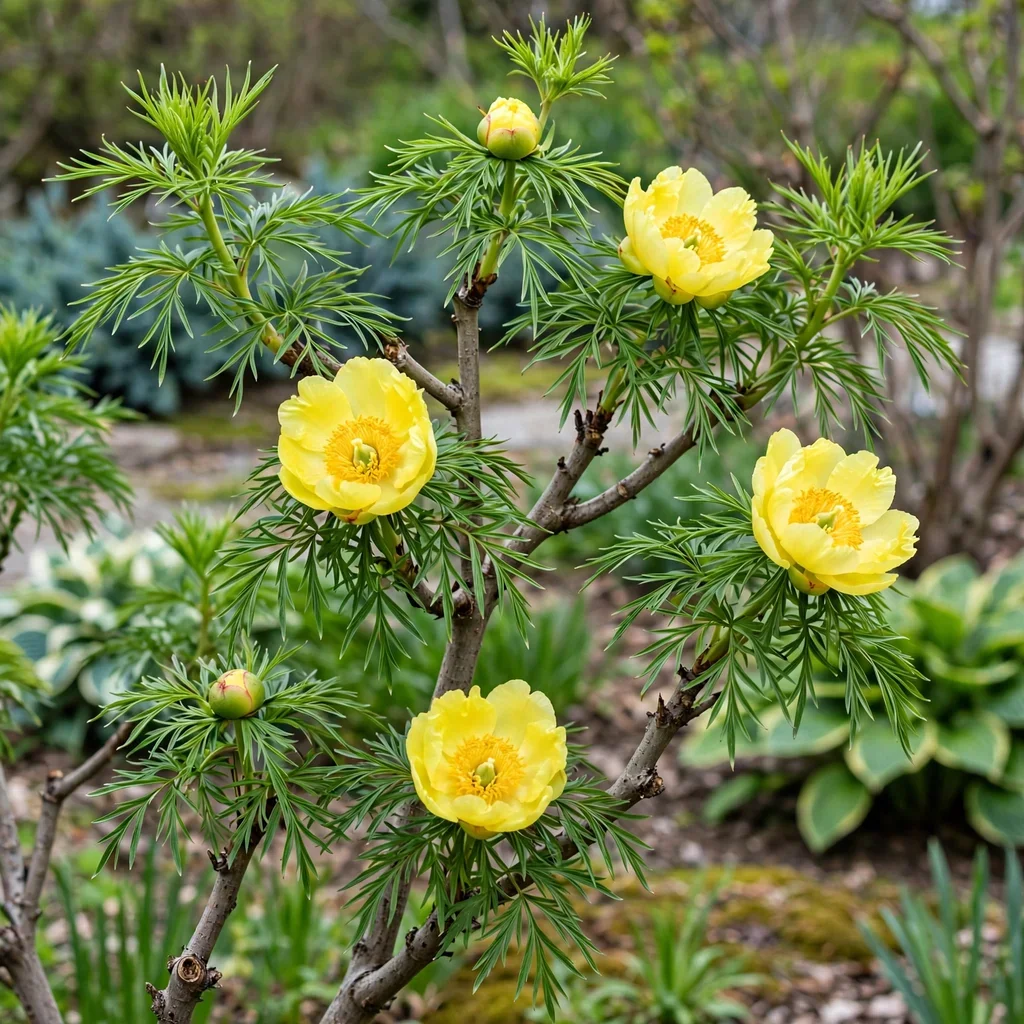
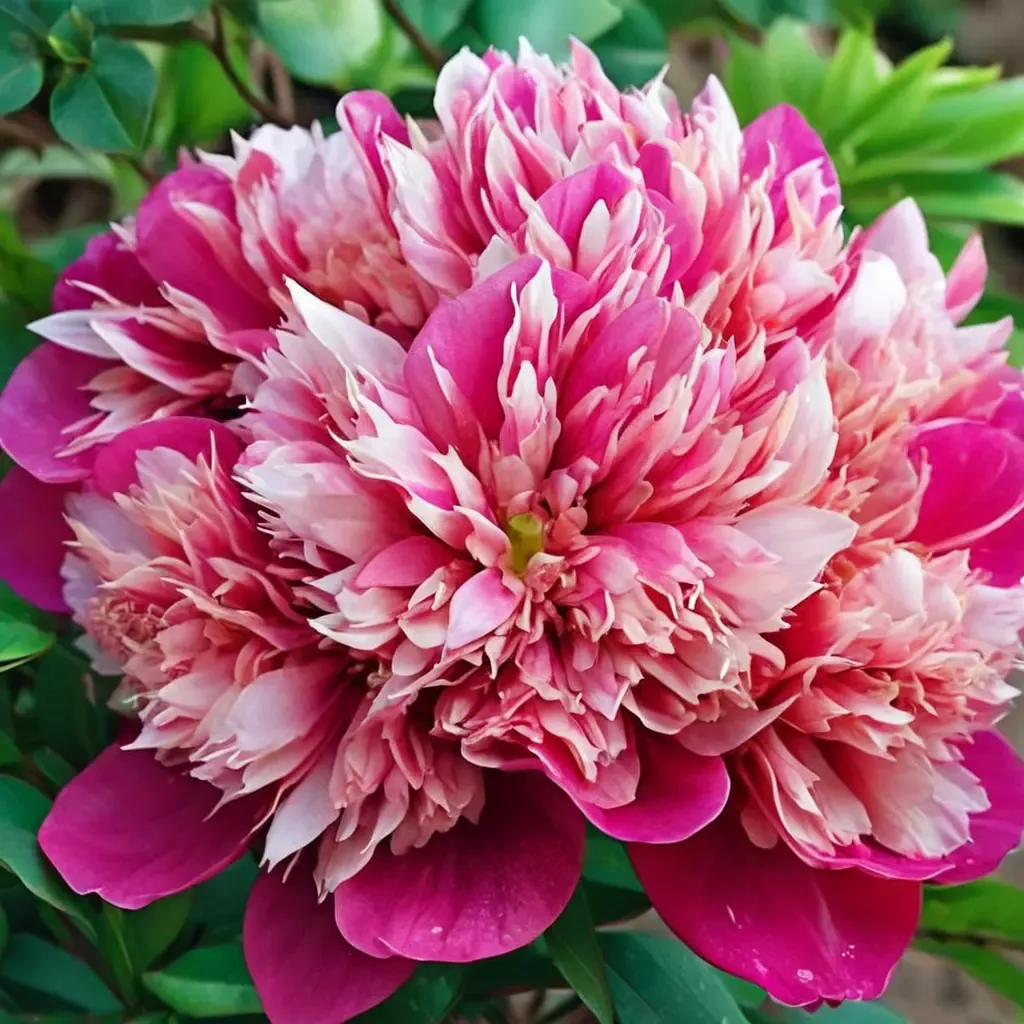
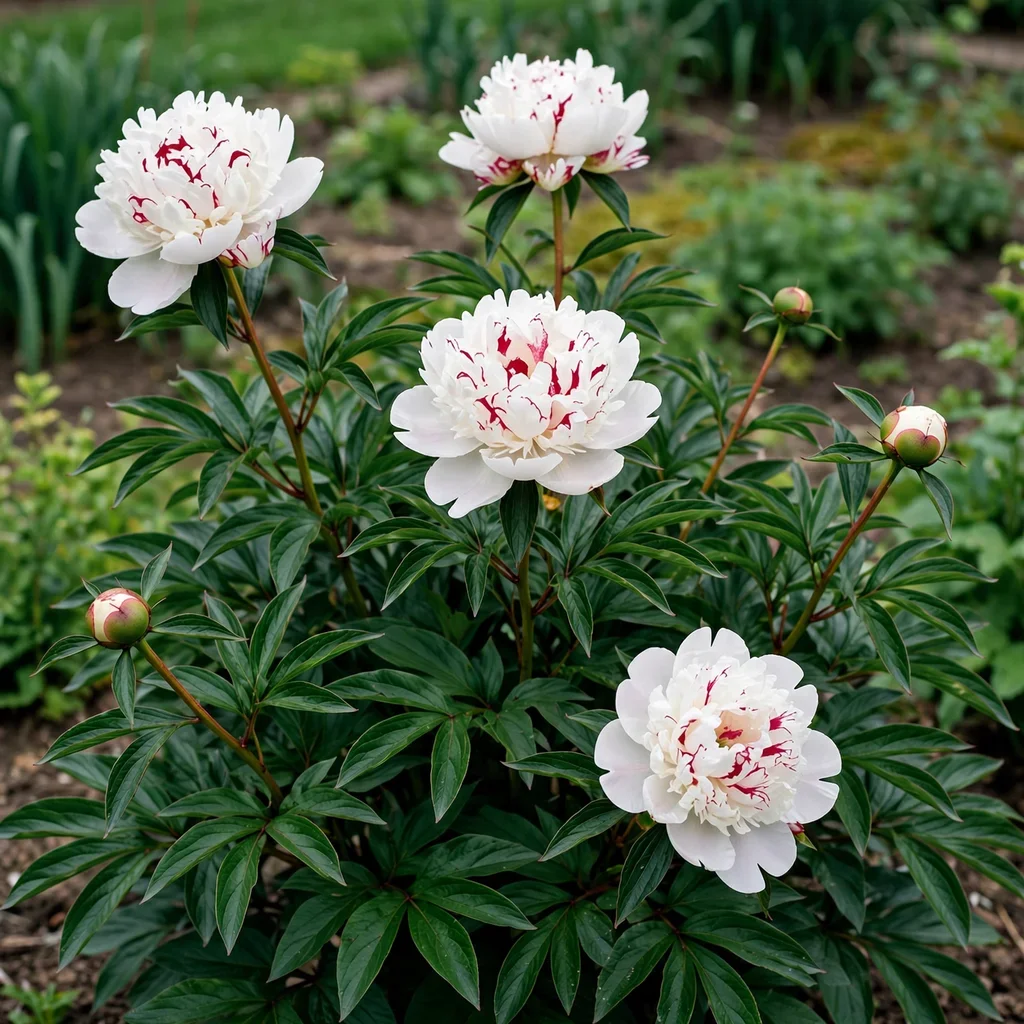
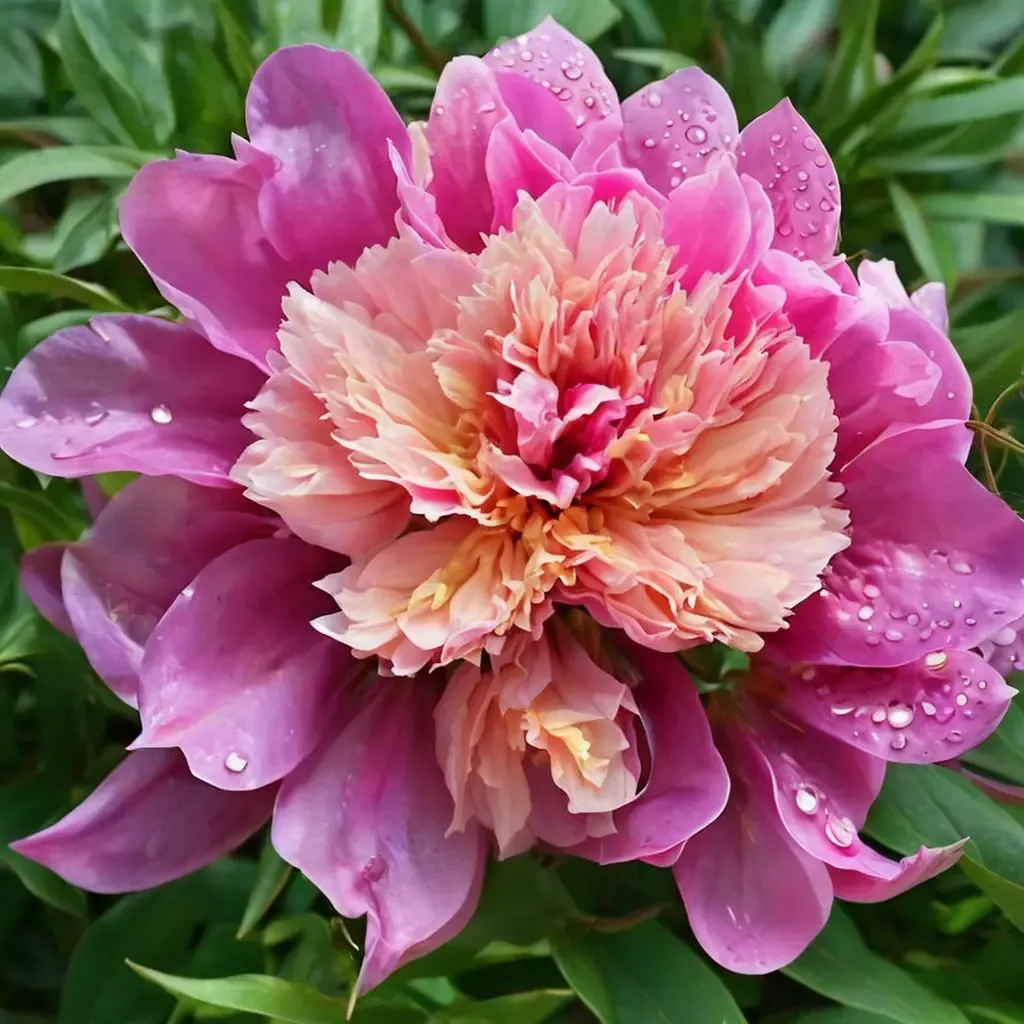
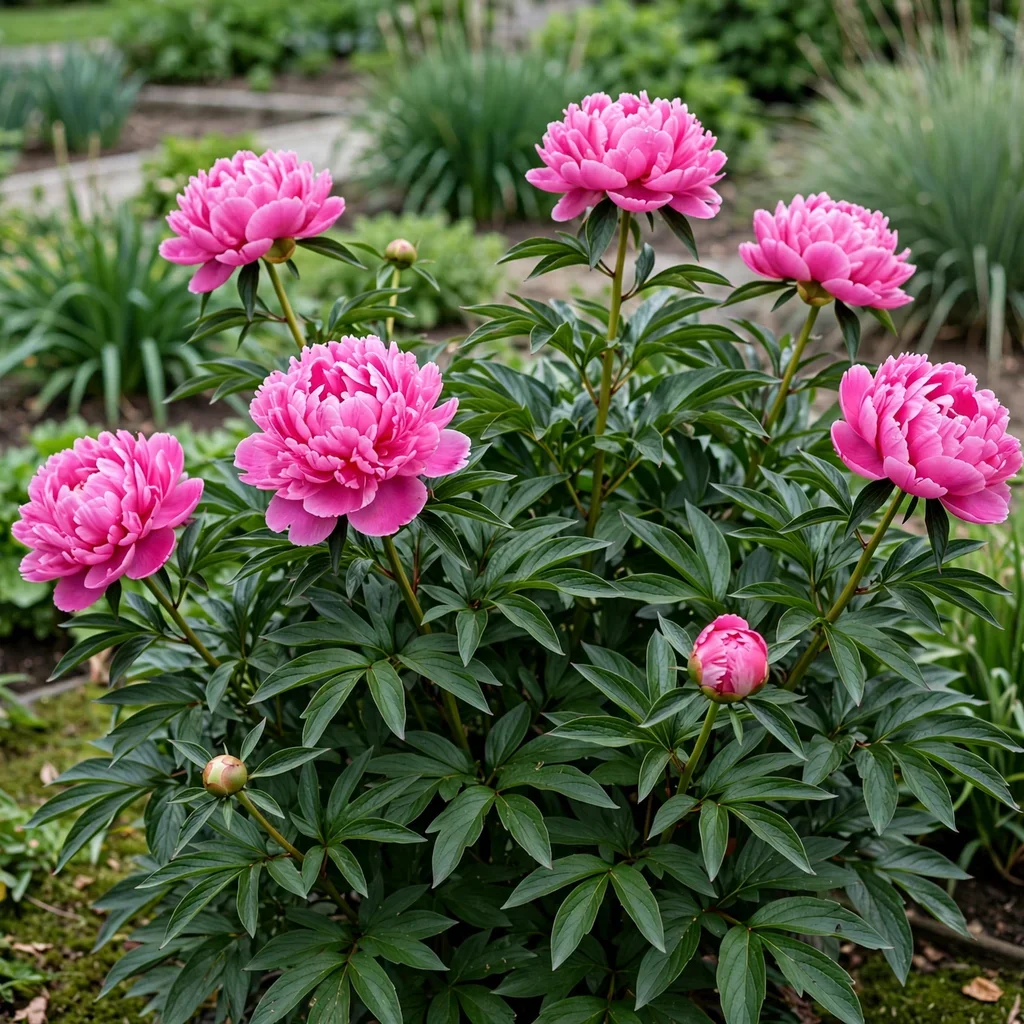
Sow tracks 91 Paeonia varieties, hardy across USDA Zones 4 to 9 between them. These are the 8 gardeners save most. Each one opens its own page with its zone range, sun, mature size and, where a nursery lists it, today's price.
Companions from real gardens
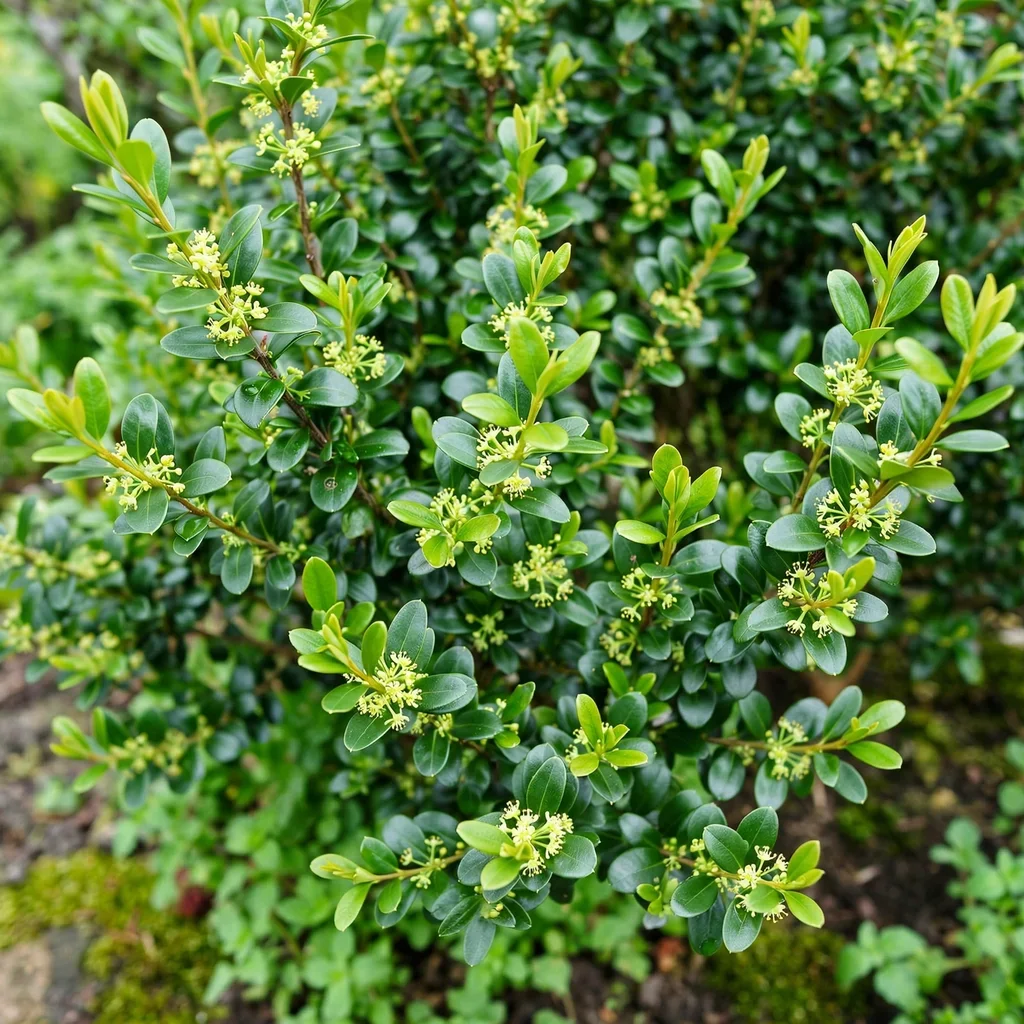
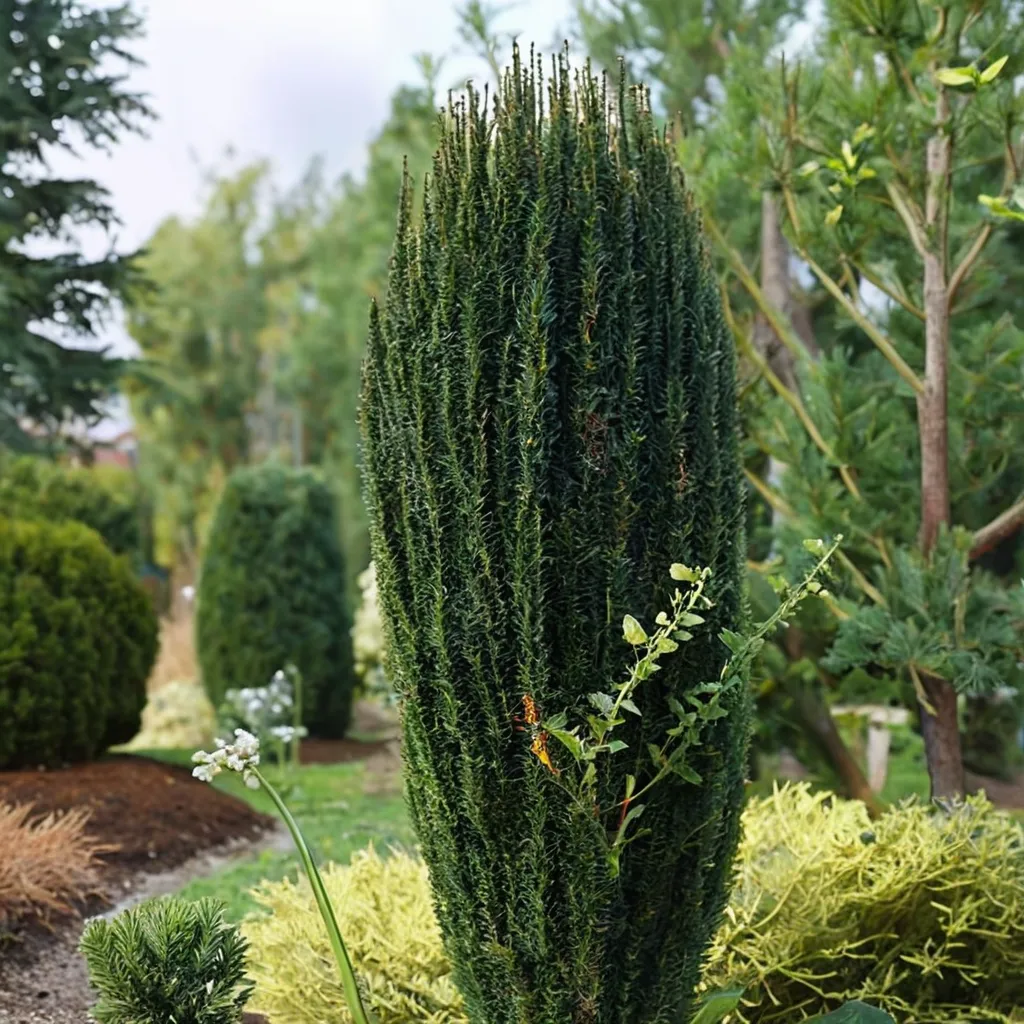
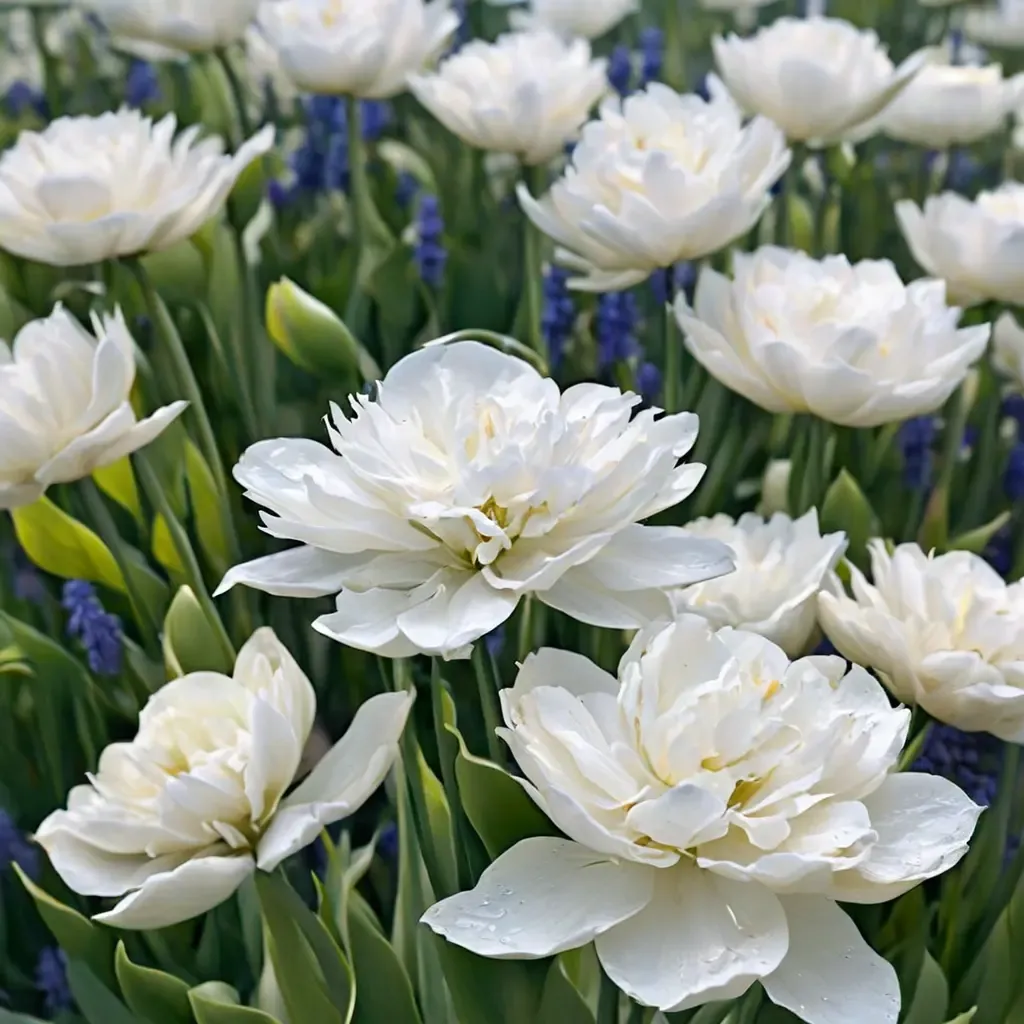
Among the 3.5k gardeners who designed with Paeonia in Sow, these are the plants they most consistently put beside it. Each was chosen by at least 20 different gardeners, so this is a palette people actually use, not a textbook list.

Prices across nurseries
31 Paeonia varieties are listed by the online nurseries Sow checks every day, from $13.49 to $159.99, with a median of $28.00. The cheapest listing is usually the smallest pot, so compare sizes as well as prices.
Frequently asked questions
How many years does it take for a peony to flower?
Count on three to four years for a full display from a new bare-root division. The first spring brings few if any flowers, the second a handful, and the third or fourth a properly flowering plant. A clump you have just moved or divided needs two to three years to rebloom well, and peonies raised from seed take about four to five years.
Will peonies bloom the first year after planting?
Usually only a little, and it depends on the size of the division. A generous piece with three to five eyes often opens a few smaller flowers in its first spring, while a piece with one or two eyes may take several years to flower at all. You can pinch off first-year buds to send that energy into roots and leaves, the sensible choice for a small division.
Where is the best place to plant a peony?
A permanent spot with at least 6 hours of direct sun, fertile soil that drains well, a pH near neutral and enough room for air to move around the plant. Keep it clear of tree and shrub roots. In hot-summer areas, a site with afternoon shade keeps the flowers from fading as quickly.
What are the downsides of growing peonies?
Each plant flowers for only 7 to 10 days, heavy double flowers flop without support, and new plants take about three years to hit their stride. Peonies resent being moved, gray mold can blacken buds in wet springs, and the plant is toxic to dogs, cats and horses. They also need cold winters, so they struggle in Zones 8 and 9.
How many peony bulbs should I plant?
Peonies grow from tuberous roots, not bulbs, and one division with three to five eyes becomes one plant. A single plant makes a specimen that spreads 3 to 5 feet (0.9–1.5 m) across in time. For a border or low hedge, space plants 3 to 4 feet (0.9–1.2 m) apart and divide the length of the bed by that spacing.
What plants should not be planted near peonies?
Avoid anything whose roots or foliage crowd the crown. Black walnut and lilac are poor neighbors, and lawn grass should not grow over a young peony's root zone until the plant can shade it out. Dense perennials planted tight against a peony keep its leaves wet and invite gray mold, so leave open space around each clump. When you weed or plant nearby, keep cultivation to the top 1 to 2 inches (2.5–5 cm) of soil.
Can you plant peonies in spring?
Potted peonies, yes in the North; bare roots, no. If you bought bagged bare roots at a garden center in spring, soak each one in clean water for about 10 minutes, pot it in a well-drained potting mix, and keep the pot watered through summer. Plant it in the ground in fall, at the depth for your type and climate. A root planted straight into a spring garden makes almost no new roots and gains no size by the next year.
References
- Iowa State University Extension and Outreach. How and where do I plant peonies?. Accessed October 16, 2026.
- Iowa State University Extension and Outreach. When is the best time to plant peonies?. Accessed October 16, 2026.
- Iowa State University Extension and Outreach. Growing Peonies in Iowa. Accessed October 16, 2026.
- Iowa State University Extension and Outreach. Transplanting and Dividing Peonies. Accessed October 16, 2026.
- Iowa State University Extension and Outreach. What is the proper way to divide peonies?. Accessed October 16, 2026.
- Iowa State University Extension and Outreach. Reasons Why Peonies Fail to Bloom. Accessed October 16, 2026.
- University of Wisconsin-Madison Division of Extension. Peony. Accessed October 16, 2026.
- Clemson Cooperative Extension Home & Garden Information Center. How to Grow Peonies in South Carolina (HGIC 1170). Accessed October 16, 2026.
- N.C. Cooperative Extension, Lee County Center. Plant Your Peonies in the Fall and Other Southern Peony Tips. Accessed October 16, 2026.
- Penn State Extension. The Beloved Peony. Accessed October 16, 2026.
- Missouri Botanical Garden. Paeonia lactiflora (Plant Finder). Accessed October 16, 2026.
- Missouri Botanical Garden. Paeonia suffruticosa (Plant Finder). Accessed October 16, 2026.
- American Peony Society. About the Peonies. Accessed October 16, 2026.
- American Peony Society. Herbaceous Peony Planting Instructions. Accessed October 16, 2026.
- American Peony Society. Digging, Dividing and Replanting a Peony. Accessed October 16, 2026.
- American Peony Society. Growing Fine Peonies Almost Anywhere. Accessed October 16, 2026.
- American Peony Society. Growing & Planting Woody (Tree) Peonies. Accessed October 16, 2026.
- Washington State University Extension. A Grower's Guide to the Most Common Diseases of Peony in the United States (FS338E). Accessed October 16, 2026.
- Walters Gardens, Inc.. Paeonia 'Bartzella' (Intersectional Peony). Accessed October 16, 2026.
- ASPCA Animal Poison Control. Peony (Toxic and Non-Toxic Plants). Accessed October 16, 2026.
Sow Editorial
Written by the Sow team from university extension services, botanical gardens, USDA and NOAA data and plant breeders. Every source is listed under References.