Quick answer
Prune by type. Bigleaf (mophead and lacecap), mountain, oakleaf and climbing hydrangeas flower from buds set on last summer's stems, so shape them as soon as the flowers fade and stop by August 1. Panicle hydrangeas such as Limelight and smooth hydrangeas such as Annabelle flower on new growth, so cut them in late winter or early spring, before the leaves open.
Key facts
- Bigleaf, mountain, oakleaf, climbing
- Right after flowering, finished by August 1
- Panicle and smooth
- Late winter to early spring, before leaves open
- Old-wood flower buds form
- August and September
- Rebloomers (Endless Summer, BloomStruck)
- Deadhead and clear dead wood; avoid heavy cuts
- Limelight
- Cut back by one-third of its height each spring
- Smooth (Annabelle)
- Can go to the ground in late winter
- Cold zones (3 to 5)
- Bigleaf where grown: wait for leaf-out, then remove dead wood only
- Safe in any month
- Deadheading and removing dead or broken stems
The right month to prune a hydrangea depends on one thing: whether next summer's flowers are already sitting on the stems. Bigleaf, mountain, oakleaf and climbing hydrangeas form their flower buds on this year's growth in late summer, so you shape them as soon as the blooms fade and put the pruners away by August 1. Panicle and smooth hydrangeas build their flowers on shoots that grow the same spring, so you cut them while the stems are bare, in late winter or early spring.
Everything else here, from how hard to cut to what a Minnesota winter changes, follows from that split. If you are not sure which type you have, there is a safe default. No hydrangea needs pruning to flower well, and a year of removing only dead wood costs you nothing.
Old wood or new wood: identify your hydrangea first
Each hydrangea flowers either on old wood (stems that grew last year) or on new wood (this season's shoots), and that one trait sets its pruning calendar.
The old-wood group is bigleaf hydrangea (Hydrangea macrophylla, in both its round mophead and flat lacecap forms), mountain hydrangea (H. serrata), oakleaf hydrangea (H. quercifolia) and climbing hydrangea (H. anomala subsp. petiolaris). The new-wood group is panicle hydrangea (H. paniculata, which includes the old peegee and Limelight) and smooth hydrangea (H. arborescens, which includes Annabelle). Reblooming bigleaf cultivars sit in between and flower on both.
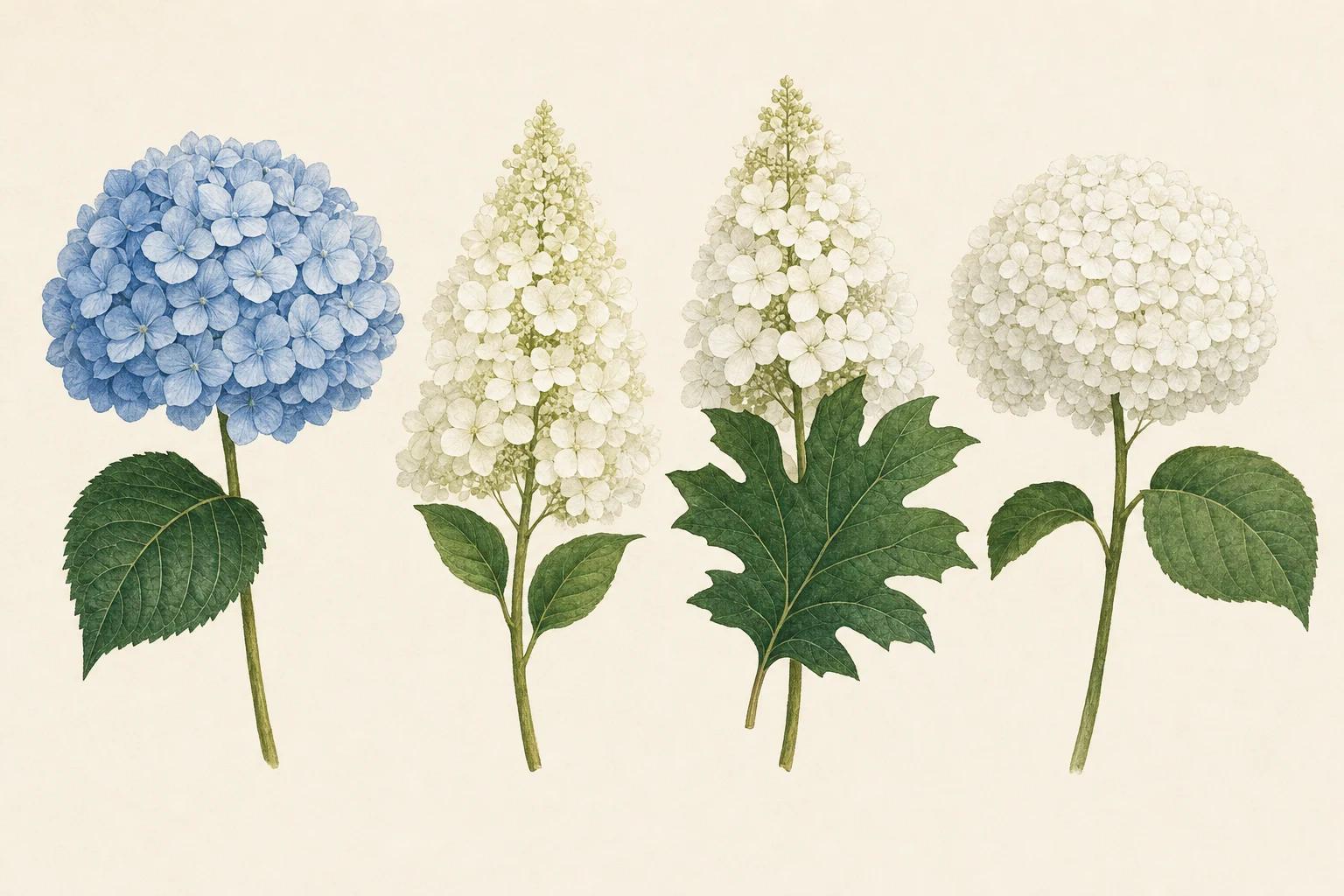
If the plant tag is long gone, the leaves and flowers will tell you. Bigleaf leaves are thick, glossy and coarsely toothed, while smooth hydrangea leaves are thinner. Oakleaf leaves are lobed like an oak's. Panicle hydrangeas often carry three leaves at each node and cone-shaped flower clusters, and climbing hydrangea is the only one that grows as a vine. For side-by-side descriptions, see how to tell the hydrangea types apart.
| Type | Blooms on | Best time to prune | Do not prune |
|---|---|---|---|
| Bigleaf (mophead, lacecap) | Old wood | As flowers fade; dead wood at spring leaf-out | After August 1, fall, winter |
| Reblooming bigleaf | Old and new wood | Light trim after the first flush or in early spring | Heavily, at any time |
| Mountain | Old wood | As flowers fade | Fall and winter |
| Oakleaf | Old wood | As flowers fade, only if needed | After August 1 |
| Climbing | Old wood | As flowers fade, long shoots only | Hard, all in one year |
| Panicle | New wood | Late winter to early spring, or late fall once dormant | After spring growth starts |
| Smooth | New wood | Late winter to early spring, or late fall once dormant | After spring growth starts |
The August 1 cutoff exists because old-wood hydrangeas begin forming next year's buds in August and September.
Bigleaf, mountain, oakleaf and climbing: prune as the flowers fade
Shape these shrubs in the weeks after their flowers fade, and stop by August 1.
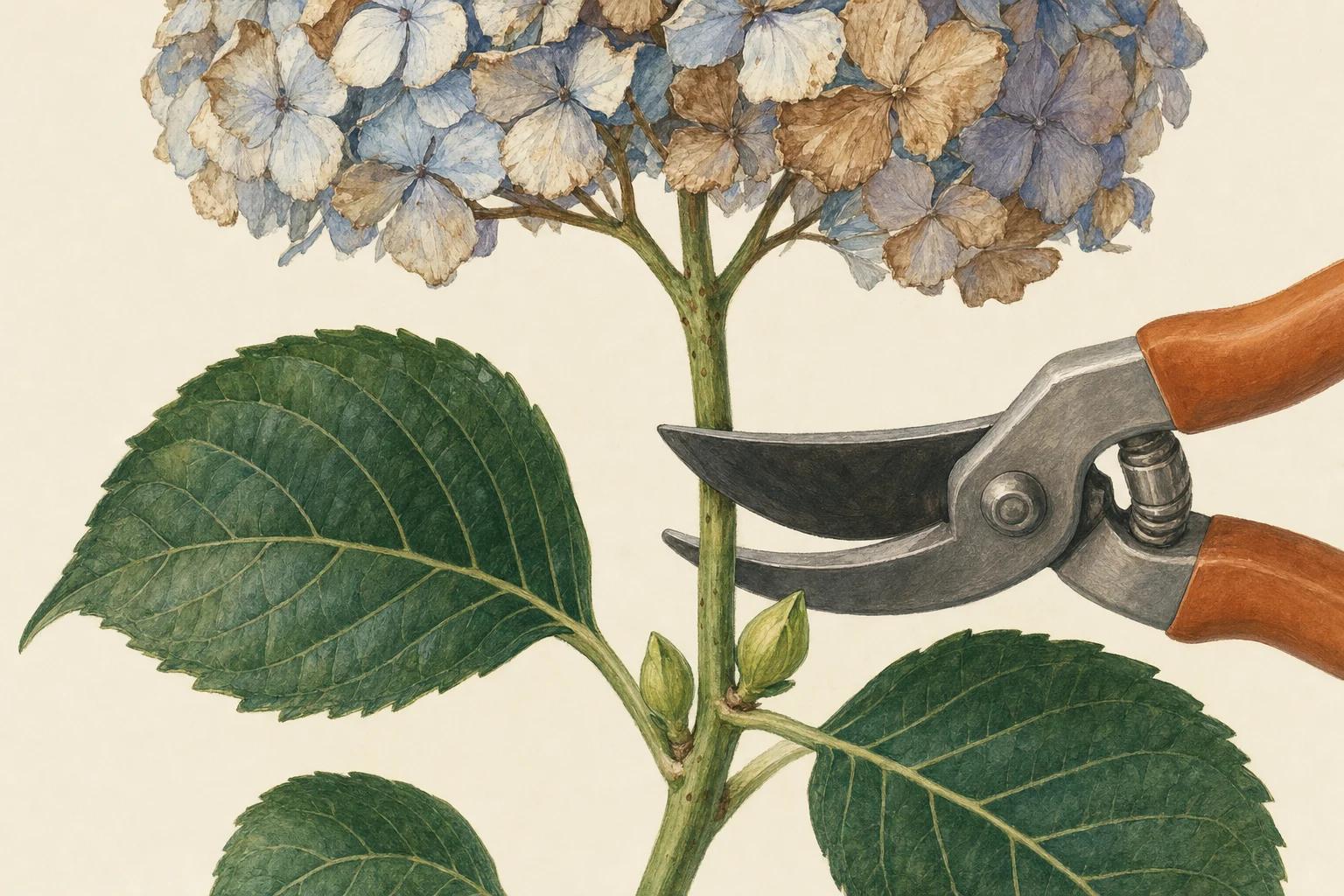
In August and September, old-wood hydrangeas form next year's flower buds on the stems that grew this summer. By October you can find them: plump, often reddish buds in the leaf joints of a bigleaf hydrangea, and a large bud at each stem tip of an oakleaf with smaller ones below it. Every one of those buds you remove between then and spring is a flower you will not see. That is why a bigleaf given a fall tidy-up or an early-spring haircut comes back leafy and nearly flowerless, the same result as a winter of heavy deer browsing.
How long the window stays open depends on when your plant finishes flowering. Bigleaf often blooms through July and August, which leaves little time before the cutoff. Where it is still flowering into August, keep that year's work to deadheading and dead wood, since next year's buds form in August and September.
Two jobs are safe in any month on every hydrangea: snipping off faded flowers and cutting out dead, broken or diseased stems. Only thinning and size reduction are tied to the calendar.
Lacecaps follow the mophead rules, and their faded heads can come off as soon as flowering ends. Dried mophead heads are worth leaving on in colder areas, where they give the buds just beneath some shelter from frost; take them off in early spring at the first strong pair of buds. Mountain hydrangea is handled like bigleaf, with one change in cold regions: leave its stems alone until new growth starts in spring, when you can see which buds came through the winter.
Oakleaf needs the least pruning of the group. Shorten a stem that has grown out of line right after flowering, and take out winter-damaged wood in spring once the new leaves have opened. It is hardy in Zones 5 to 9 and takes cold better than bigleaf, but below -10°F (-23°C) it can lose its flower buds or die to the ground.
Climbing hydrangea
Climbing hydrangea needs little beyond removing dead wood, and any shaping happens right after it flowers. The vine can climb to 50 feet (15 m) and carries most of its flowers near the top, so leave the upper growth alone wherever you can. When flowering ends, trim over-long or wayward shoots, cutting long side branches about 1/4 inch (6 mm) above a bud to take weight off the vine and its support. If a neglected vine needs a drastic cut, spread the work over three or four years; doing it at once costs you flowers.
Reblooming hydrangeas: Endless Summer, BloomStruck and Let's Dance
Rebloomers need the least pruning of any bigleaf: deadhead, clear dead wood in spring and skip heavy cuts, because they flower on new stems whether you prune or not.
These cultivars flower on both old and new wood. Endless Summer, BloomStruck, Twist-n-Shout and Blushing Bride are the familiar examples. The Let's Dance series, for example Let's Dance Rhythmic Blue, and the Tuff Stuff series share the habit.
Because new stems also bloom, a rebloomer still flowers after winter kills its old-wood buds. After a mild winter, expect an early-summer round from last year's stems and a late-summer round from new ones. After a hard winter the plant may die back to the ground and bloom only in late summer.
Timing is a trade-off rather than a fixed date. Pruning in early spring pushes back the first flowers, and pruning after the first flush can shorten the rebloom window. Whichever you choose, take off as little wood as you can. With Endless Summer, the safest course is close to doing nothing. Snip faded heads, which may bring the next flush on sooner, and clear dead stems once live buds show in spring.
Panicle and smooth: prune in late winter or early spring
Cut panicle and smooth hydrangeas while they are leafless, between late winter and the first flush of spring growth; late fall, after they go dormant, also works.
Neither species carries a flower bud through the winter. Their buds form on new shoots from mid- to late spring, which is why both are dependable in cold climates and why a cut made on bare stems removes nothing but wood. The window to avoid is spring after growth has started, when you would be cutting off the young shoots that carry this year's flowers.
Fall cutting suits gardens that carry a heavy snow load. Many gardeners wait for late winter instead, because the dried flower heads hold their shape well into the cold months. A hard cut every single fall is the one habit to avoid, since repeating it can weaken the plant; save drastic cuts for every second or third year.
Panicle hydrangea
Panicle hydrangea is among the hardiest hydrangeas, rated for Zones 3 to 8. The species grows 8 to 15 feet (2.4 to 4.6 m) tall and tends to look its best kept at 6 to 10 feet (1.8 to 3 m). In full bloom the heavy heads pull the branches into arches, which is part of its normal habit. It blooms from July into September.
Limelight matures at 6 to 8 feet (1.8 to 2.4 m), and the standard advice for this cultivar is to cut away one-third of its height each spring. Large-growing panicle cultivars are better left taller than the medium cut in the table below. Tree-form plants are the exception to every height option: prune only the head and never the trunk, because renewal cuts at the base turn a standard back into a shrub.
Smooth hydrangea
Smooth hydrangea, including Annabelle, can be cut to the ground in late winter or very early spring, like panicle hydrangea, and still flower that summer. How low you go decides what you get: the lower the cut, the fewer and larger the flower heads, while a plant left unpruned still blooms, with smaller heads. Give a newly planted one a season or two to settle in before its first hard cut.
| Cut | How far | What you get |
|---|---|---|
| Light | Remove one-third of the total height | A taller shrub that keeps its woody frame |
| Medium | Cut to 12 in (30 cm) to 2 ft (60 cm) | Moderate height |
| Hard | To the ground, or to the lowest buds (under 10 in, 25 cm) | Fewer, larger heads on a lower plant |
| Thin (panicle) | Keep only the 5 to 10 strongest main stems | Larger flower panicles |
Late-winter choices for panicle and smooth hydrangeas only; on old-wood types the same cuts would remove next summer's flowers.
A ground-level cut gives the biggest heads but leaves no woody framework under them, and advice is split on what that does to the stems. One view holds that removing more than about one-third of a new-wood shrub takes away the framework that keeps it upright; the other holds that a hard cut to the lowest buds produces strong, upright shoots. If heavy heads bend your stems to the ground after a hard cut, try the one-third cut the next spring.
How to prune, step by step
The first procedure covers both new-wood types in late winter. The second covers once-blooming bigleaf and mountain hydrangeas, whose work is split between a spring cleanup and a summer trim.
How to prune a panicle or smooth hydrangea
- Work before the buds break. Prune between late winter and leaf-out, which is March or early April in cold states such as Iowa. This year's flowers form on shoots that have not grown yet, so a cut on bare stems removes none of them.
- Clean the blades. Wipe the pruner blades with rubbing alcohol or a bleach solution before you start and again between plants, so you do not carry disease from shrub to shrub.
- Remove dead and damaged wood first. Take out dead, broken and diseased stems, then any that cross or crowd the center, so you can see the framework you are shaping.
- Choose your height. Pick a light, medium or hard cut from the table above for the size and flower heads you want: one-third off the top, 12 inches (30 cm) to 2 feet (60 cm), or close to the ground. On a tree-form panicle, keep the trunk and work only in the head.
- Cut just above a fat bud. Make each cut about 1/4 inch (6 mm) above a plump bud, or take a whole branch back to the branch collar, the slightly swollen ring where it joins a larger stem.
- Thin a panicle for bigger heads. If you chose to thin, finish by cutting the weakest main stems out at the base until only the 5 to 10 strongest remain, which gives larger flower panicles.
How to prune a bigleaf or mountain hydrangea
- Confirm the type. Check whether yours flowers once (old wood only) or reblooms (old and new wood). A rebloomer gets the lightest version of these steps.
- In spring, wait for leaf-out, then remove only dead wood. Live stems are green under the bark and dead ones are brown. Cut fully dead stems flush at the base, and cut winter-killed tips 1/4 inch (6 mm) above the first live buds. Leave healthy stems at full length, because shortening them removes flower buds.
- Deadhead and shape as the flowers fade. Cut each spent head back to the first pair of healthy buds below it, then shorten any stem that spoils the outline.
- Stop by August 1. Next year's buds start forming in August, so put the pruners away for the season.
- If a late cut cannot wait, limit it. Once buds have formed, remove no more than one-third of the canes so some flowers remain.
- Leave it alone in fall and winter. Skip fall pruning entirely, and leave mophead heads on if you want winter interest.
Renovating an overgrown hydrangea
Renew an old shrub gradually, taking out about a third of the oldest stems each year rather than the whole plant at once.
For an overgrown mophead or lacecap, cut about one-third of the oldest stems almost to the ground each summer right after flowering, and repeat the next summer and the one after. On an established shrub that is not badly overgrown, removing one or two of the oldest stems at the base each year is enough to bring on young replacement growth. Cutting every stem to the base in early spring renews the plant in one go, but it costs that summer's flowers. Renewal that takes out most of the old wood can leave a hydrangea blooming poorly for a year or longer while it recovers.
A large, old panicle hydrangea can be rejuvenated over three springs. In year one, cut a third of the oldest stems to the ground. In year two, cut half of the old stems that remain. In year three, remove the rest, leaving a shrub built entirely of young stems.
How your climate changes the timing
The rules hold everywhere, but your winters decide how much of an old-wood hydrangea is left to prune by spring.
| Region | Old-wood pruning | Why |
|---|---|---|
| Cold: Zones 3 to 5 | Wait for spring leaf-out; remove dead wood only | Winter often kills buds or whole stems |
| Middle: Zone 6 to 7a | As flowers fade, by August 1 | Buds form in August and September |
| Warm: Zones 7b to 9 | As flowers begin to fade, by August 1 | Late freezes can still hit buds |
Zones refer to the 2023 USDA Plant Hardiness Zone Map; many states span several zones, so go by your own zone rather than your state. Panicle and smooth hydrangeas follow the late-winter calendar in every region.
Cold regions. Where winters are as hard as Minnesota's, Iowa's and New Hampshire's, cold temperatures and drying winter winds often kill bigleaf hydrangea flower buds, leaving a leafy shrub with no flowers. Older once-blooming cultivars such as Nikko Blue bloom poorly in Iowa because they so often die back to the ground. Hold off on bigleaf and mountain hydrangeas until leaf-out there, and take only dead wood; buds lower on a stem can still flower. In Zone 5, a wire cylinder around the shrub filled 8 to 12 inches (20 to 30 cm) deep with leaves or straw helps buds through the winter; lift it only once they begin to expand. Rabbits browse hydrangea stems through Minnesota winters, and a 4-foot (1.2 m) ring of hardware cloth keeps them off. Panicle and smooth hydrangeas are the dependable choices in these zones; rebloomers still flower here after a hard winter, but often only in late summer, on new stems.
Middle regions. In Zone 6 and the colder half of Zone 7, the standard after-bloom calendar applies. Bigleaf is hardy in Zones 6 to 9, yet even a moderately severe winter can kill its flower buds or freeze it to the ground, so some years bring few flowers no matter how well you prune.
Warm regions. In the warmer Southeast, including much of Georgia and South Carolina, prune bigleaf and lacecap hydrangeas as the flowers begin to fade, because buds for the next season start forming in late summer. Cold snaps late in the season can still freeze those buds, so cover the canes with a frost blanket when a freeze is forecast. Bigleaf also needs at least 3 hours of morning sun to flower well.
Find your zone with Sow's hardiness zone checker.
Pruning mistakes: what you will see and what to do
Most pruning trouble shows up the following summer, so match what you see to its cause before you change anything.
| What you see | Likely cause | What to do |
|---|---|---|
| Bigleaf or oakleaf leafs out well but barely flowers | Stems shortened in fall, winter or spring | Nothing to repair; leave the new stems uncut after August 1 |
| Panicle or smooth flowers poorly after a spring cut | New shoots removed after growth began | Prune before the buds break next year |
| New-wood shrub grows weaker year after year | A drastic cut every fall | Cut hard only every second or third year |
| Rebloomer flowers only in late summer | Early-spring pruning, or a hard winter | Prune less; the new wood still flowers |
Bigleaf that flowers poorly despite well-timed pruning usually points to winter bud kill, shade, excess nitrogen or deer, not the pruners.
A bigleaf that lost a season of flowers to a mistimed cut needs no special treatment. The stems it grows this summer carry next year's buds, so the fix is to leave them alone after August 1. If timing was not the problem, work through the other causes in why a hydrangea isn't blooming.
Pruning cannot keep a large hydrangea small. However often you cut it back, it regrows to its full size or larger, and on old-wood types each cut risks next summer's flowers. Move an oversized plant while it is dormant in early spring (timing and planting steps are in when to plant hydrangeas), or replace it with a naturally compact cultivar. Check mature widths with the plant spacing calculator before you replant.
Aftercare and what to expect
After pruning, the jobs that matter are mulch, a light hand with fertilizer, and patience.
Spread 2 to 3 inches (5 to 8 cm) of organic mulch around the base in spring. Go easy on nitrogen: too much pushes leaves and can stop bigleaf hydrangeas from flowering. In the Southeast, feed bigleaf with a balanced 8-8-8 or 10-10-10 fertilizer at 1 pound (0.45 kg), about 2 cups, per 100 square feet (9.3 m²) in March, May and July, and water it in. Flower color comes from soil pH and the aluminum the roots can take up, not from anything you do with pruners; for bluer or pinker flowers, see how to change hydrangea color. Watering and siting are covered in the hydrangea growing guide.
If a late spring frost blackens new shoots after you have finished pruning, cut the damaged shoots back to just above the first undamaged pair of buds. Deer browsing does the same harm to old-wood types as a fall pruning. Peegee panicle hydrangeas seem to be browsed less often, but no hydrangea is deer-proof.
Panicle and smooth hydrangeas flower the same summer you cut them. A bigleaf pruned on time flowers the following summer, weather permitting. A shrub renewed with heavy cuts can take a year or longer to bloom fully again, which is the best argument for spreading renovation over three seasons.
Hydrangeas are toxic to dogs, cats and horses. They contain a cyanogenic glycoside, and eating the plant can cause vomiting, diarrhea and depression; true cyanide poisoning is rare. Gather up clippings rather than leaving them where pets or horses graze, and call your veterinarian or the ASPCA Animal Poison Control Center at (888) 426-4435 if you suspect an animal has eaten some.
Sketch where a new or renovated hydrangea will fit with Sow's garden planner.
From the Sow catalog
Hydrangeas in the Sow catalog
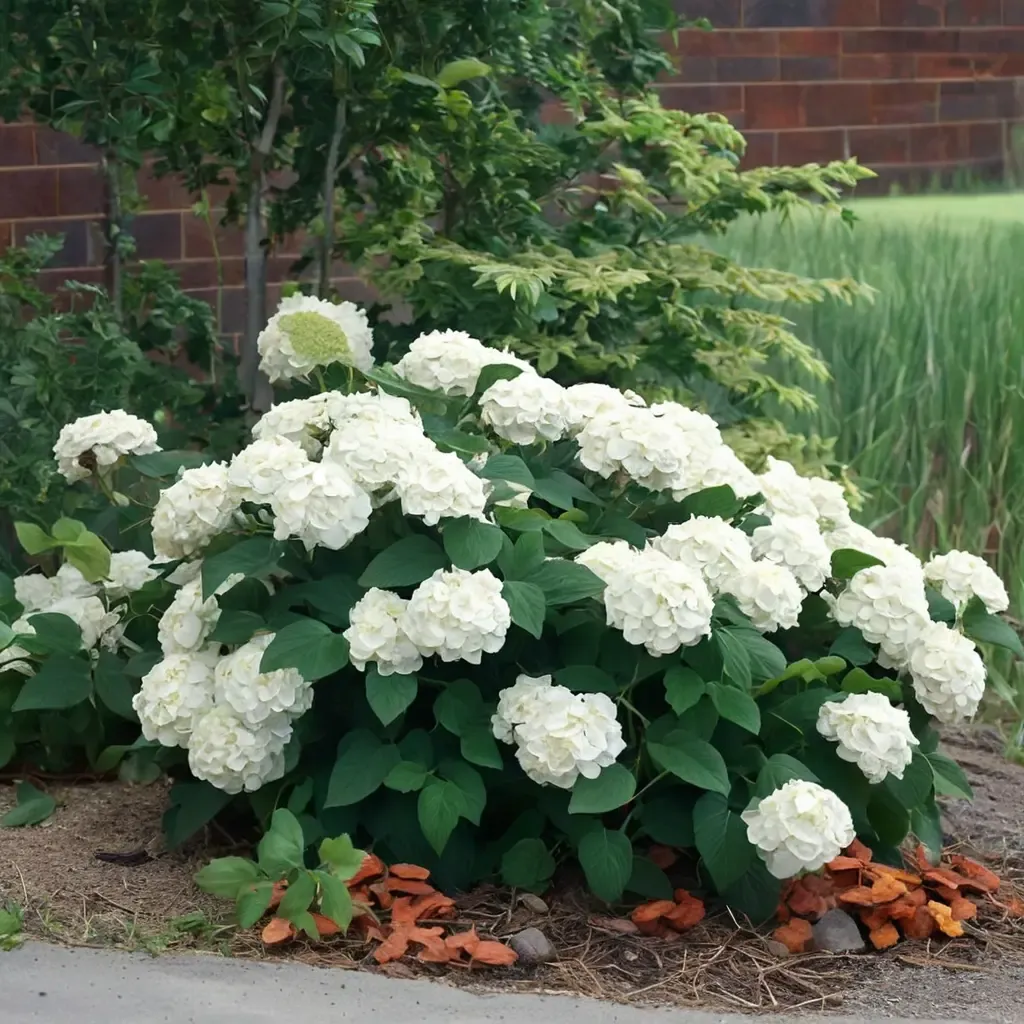
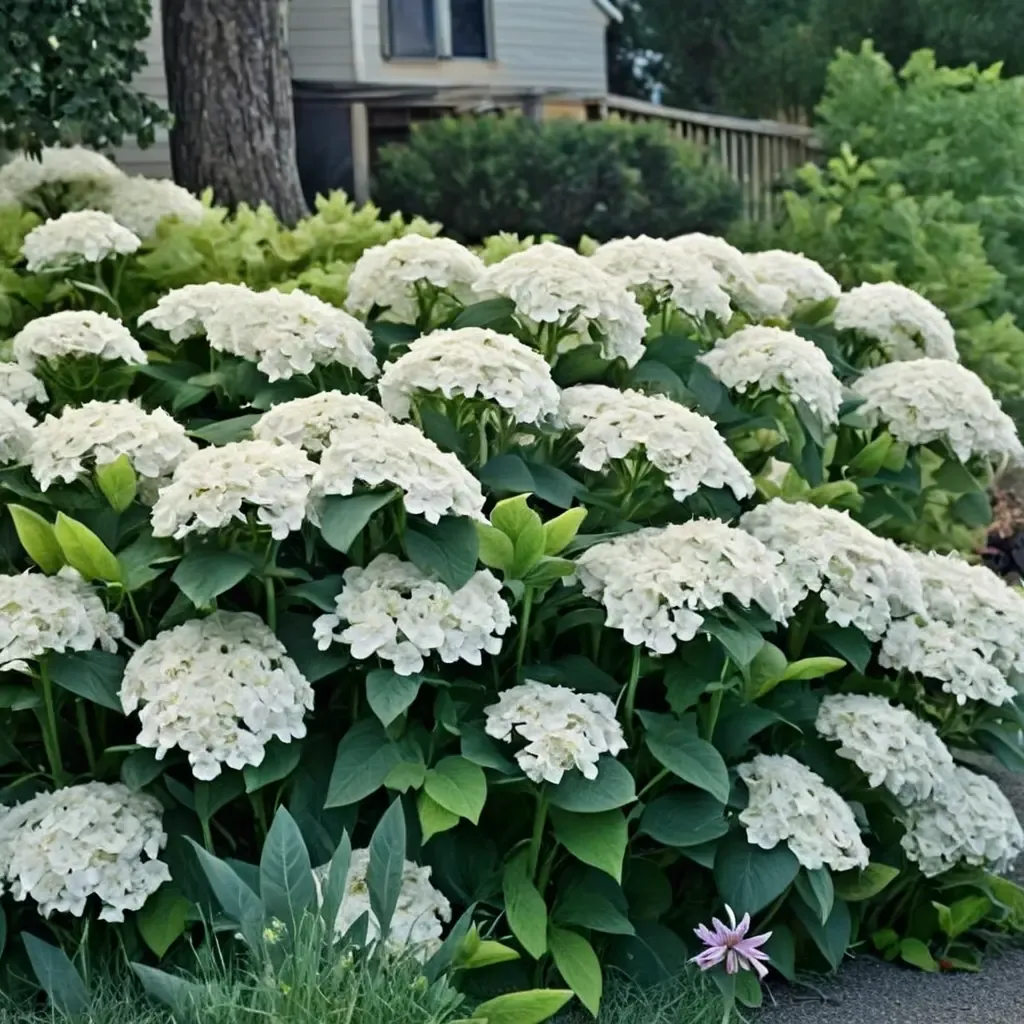
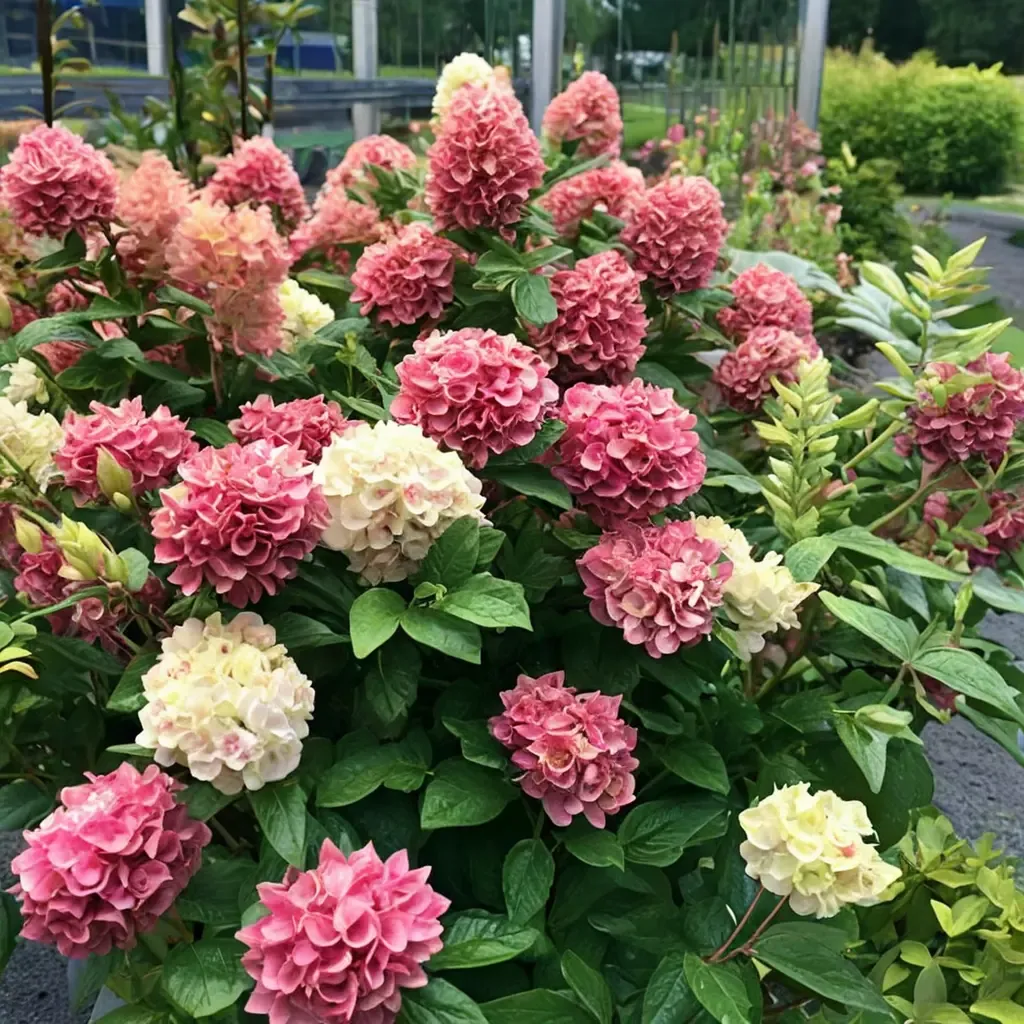
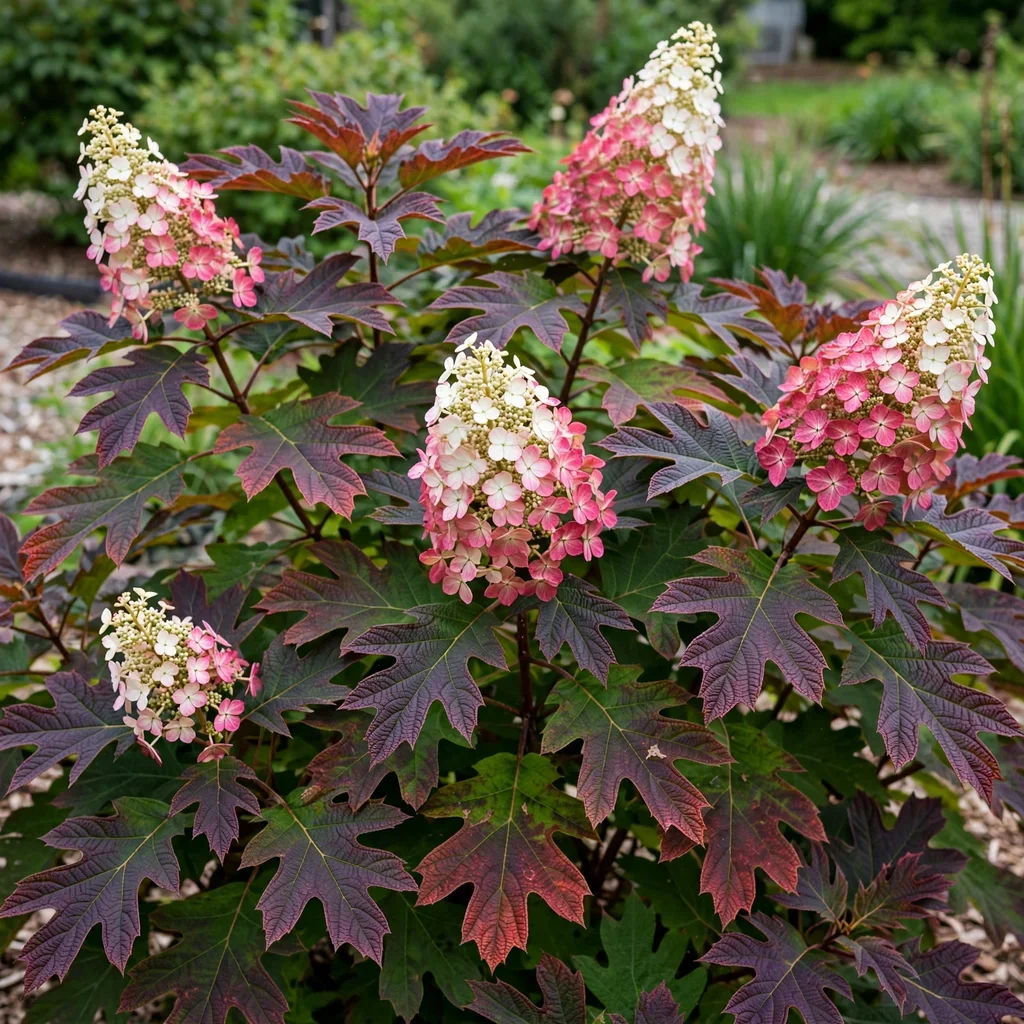
Sow tracks 127 Hydrangea varieties, hardy across USDA Zones 4 to 9 between them. These are the 8 gardeners save most. Each one opens its own page with its zone range, sun, mature size and, where a nursery lists it, today's price.
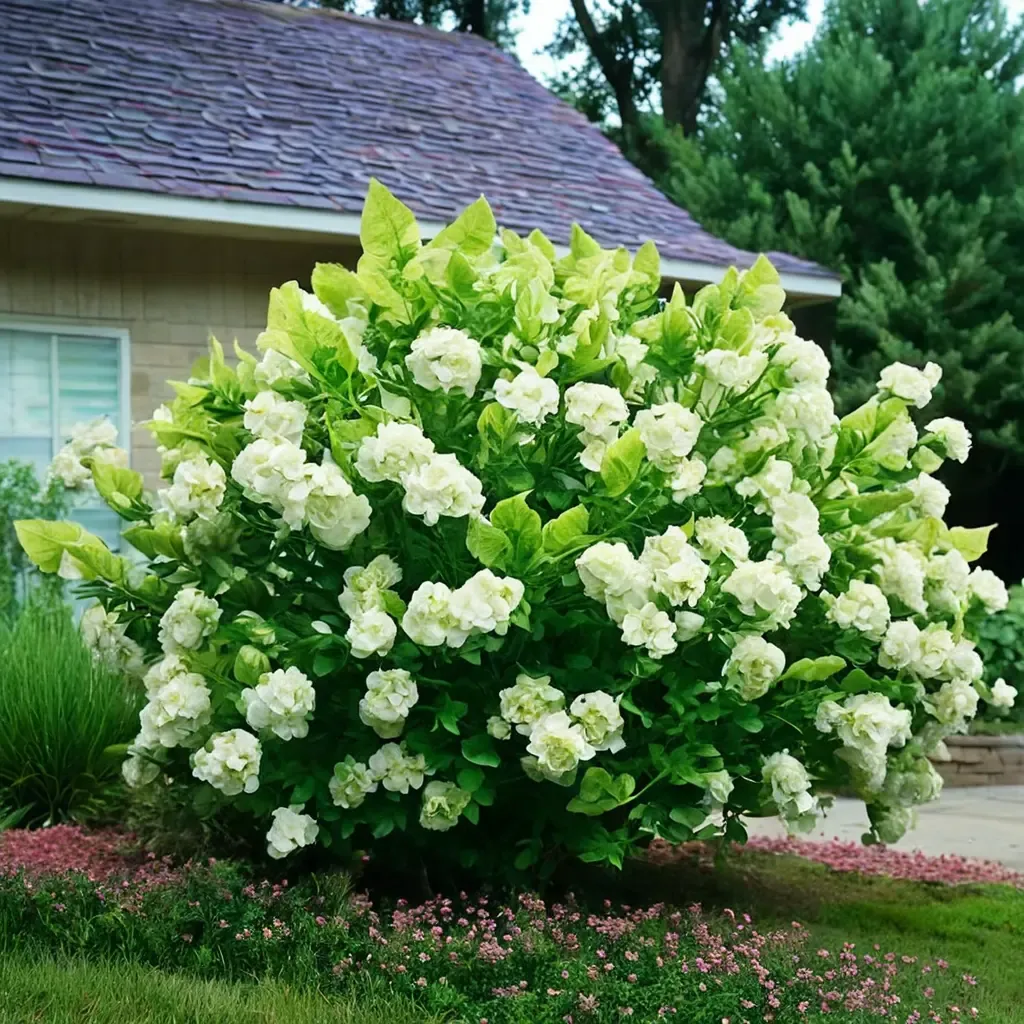
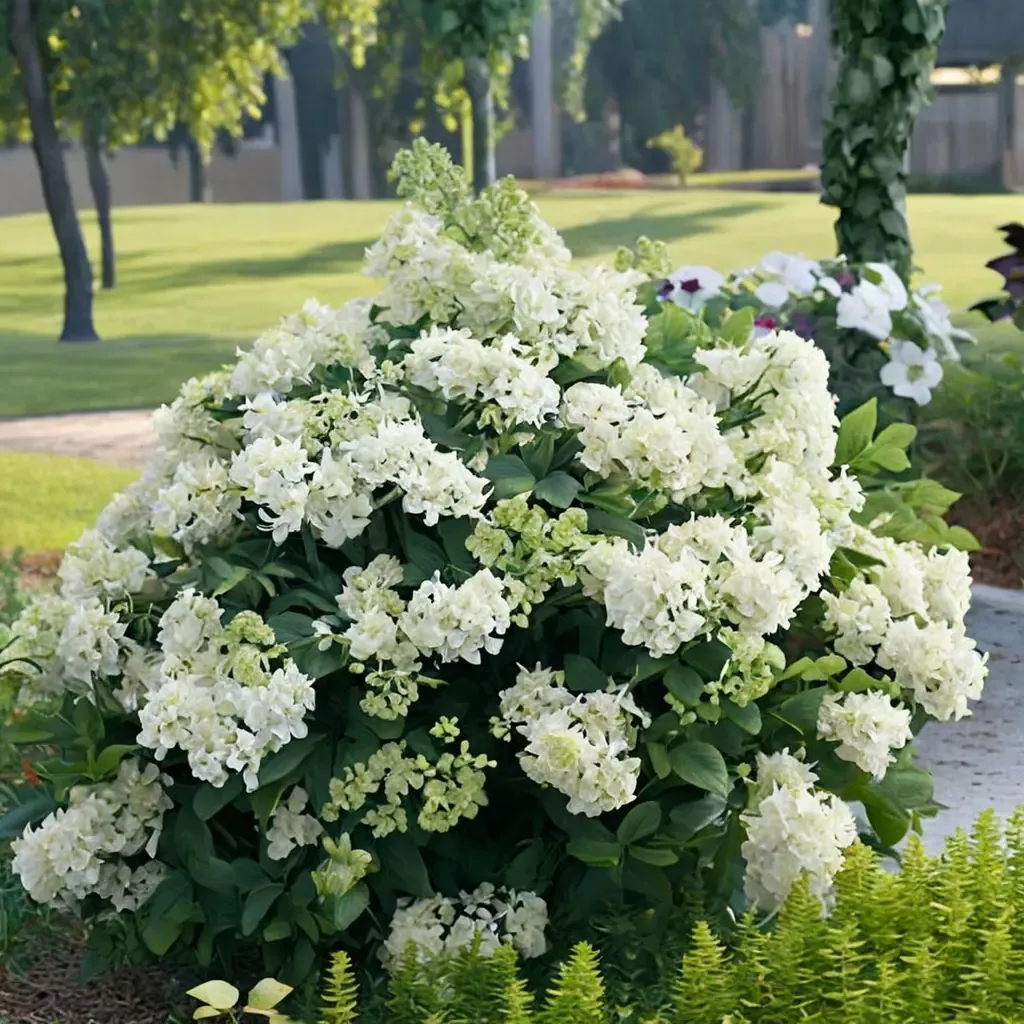
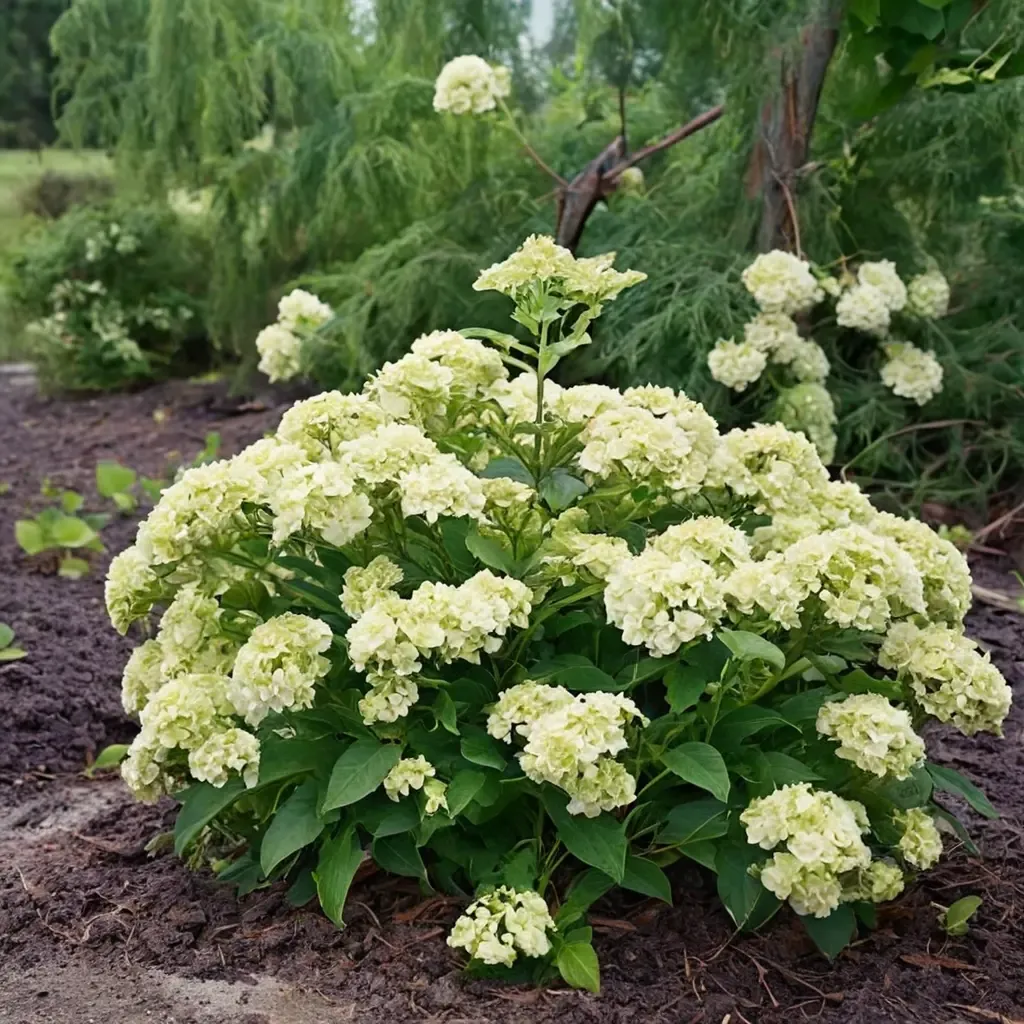
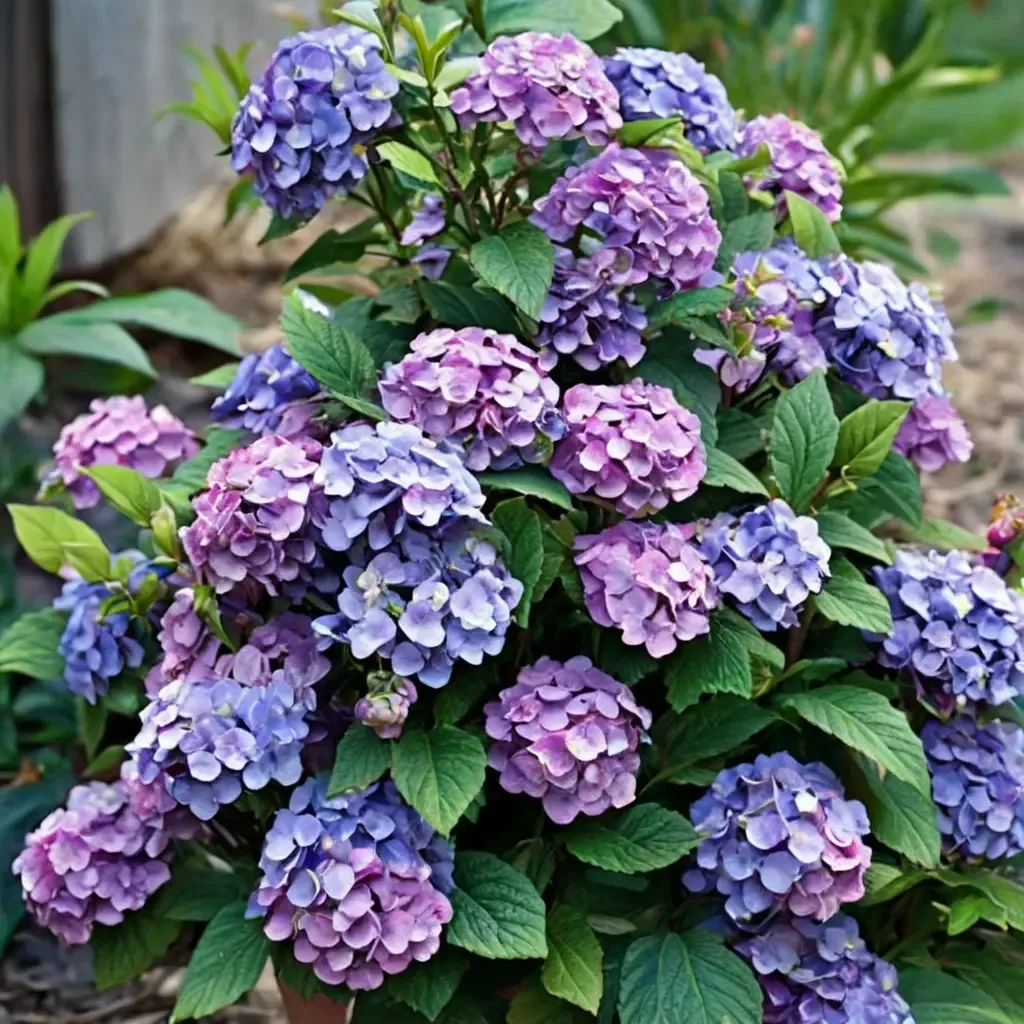
Companions from real gardens
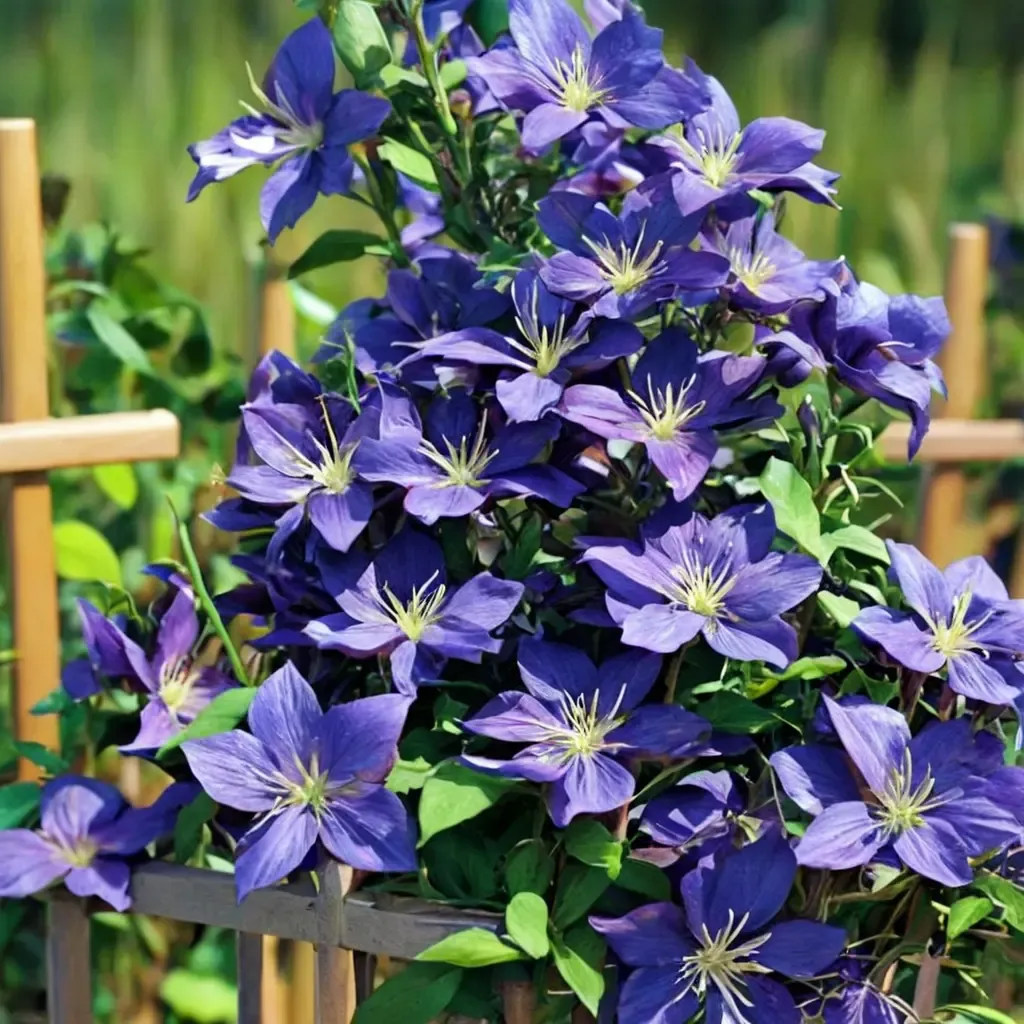
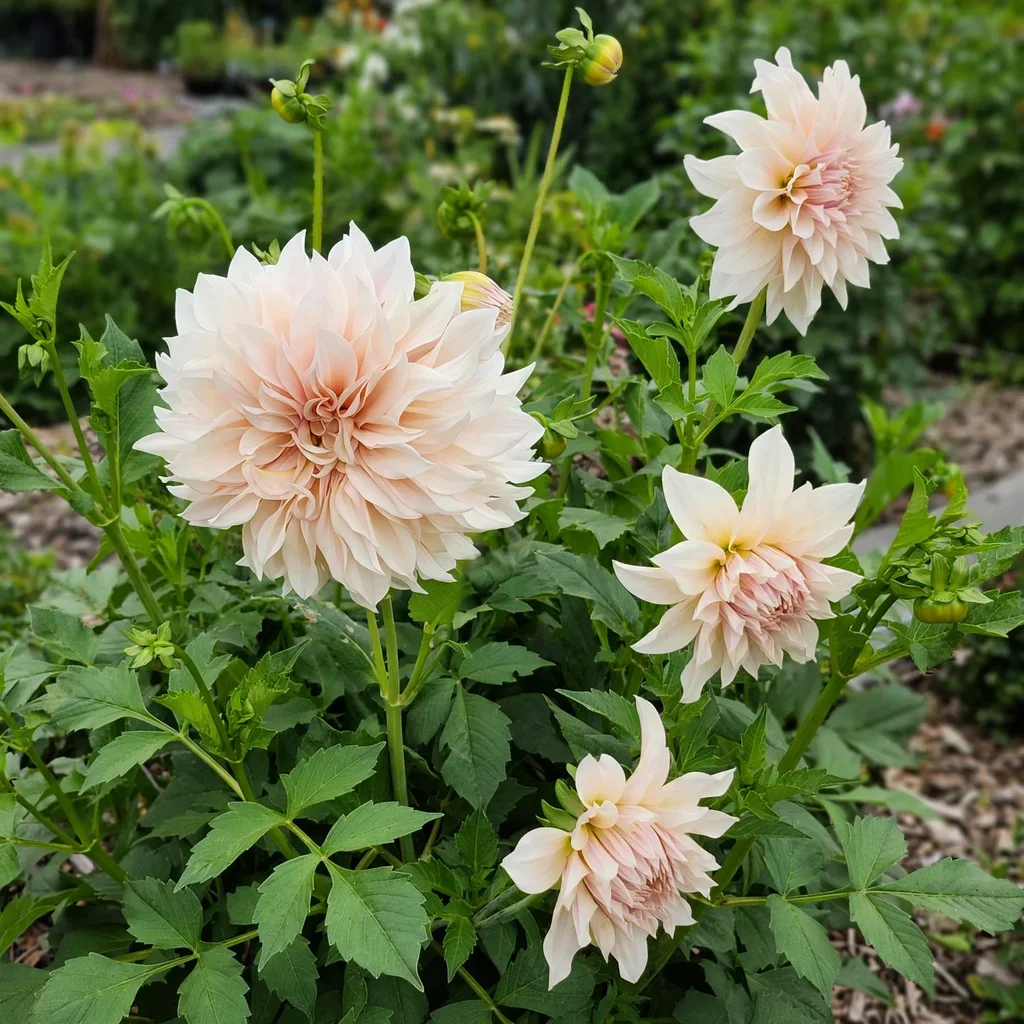
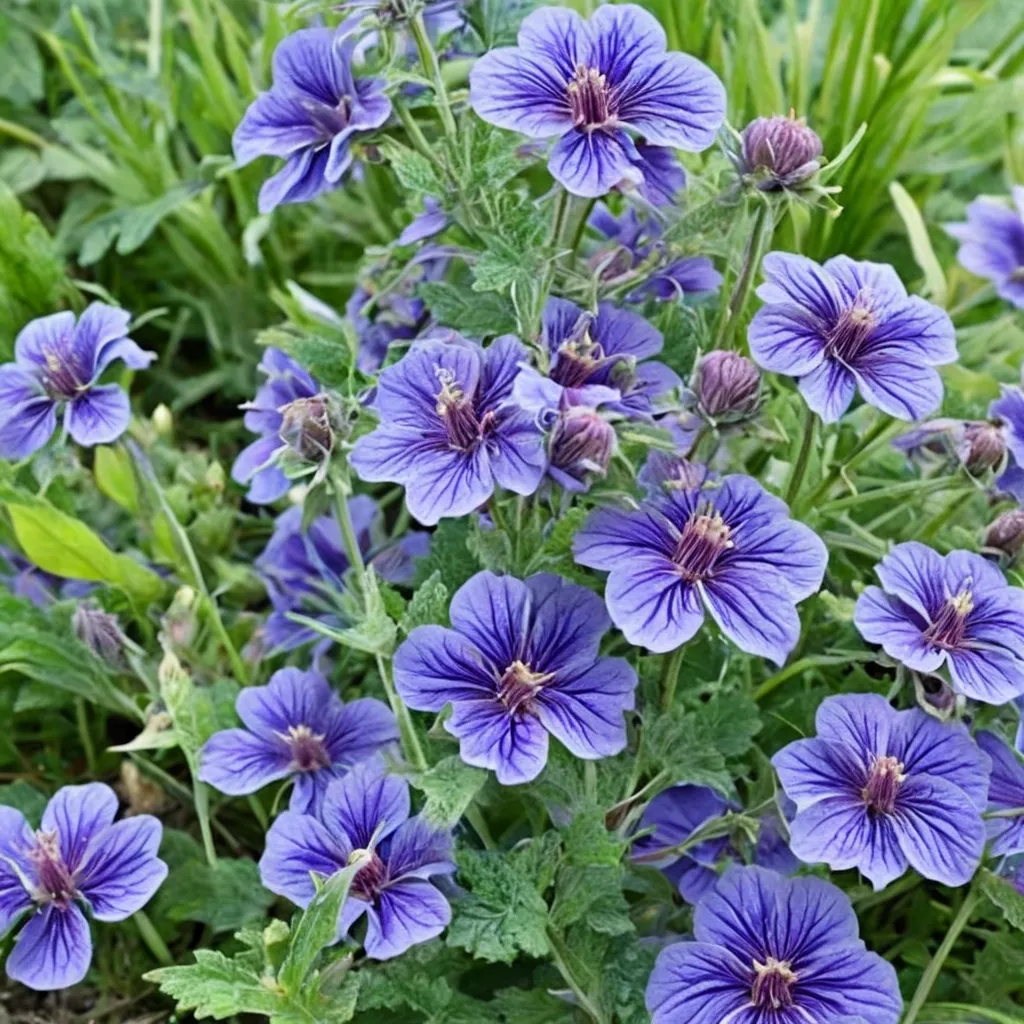
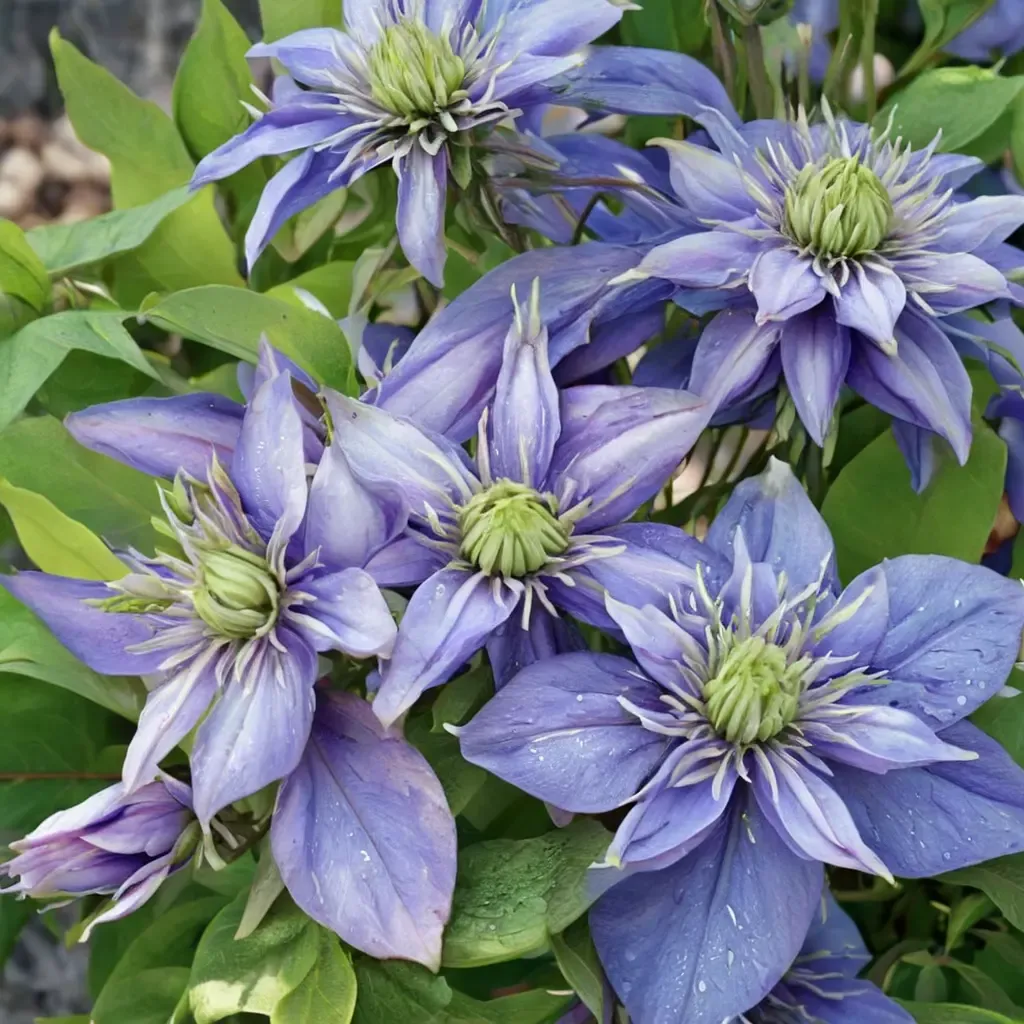
Among the 5.3k gardeners who designed with Hydrangea in Sow, these are the plants they most consistently put beside it. Each was chosen by at least 20 different gardeners, so this is a palette people actually use, not a textbook list.
Prices across nurseries
58 Hydrangea varieties are listed by the online nurseries Sow checks every day, from $15.99 to $155.75, with a median of $20.97. The cheapest listing is usually the smallest pot, so compare sizes as well as prices.
Frequently asked questions
What happens if you cut back hydrangeas too early?
It depends on the type. On bigleaf, mountain and oakleaf hydrangeas, a late-winter or early-spring cut takes off flower buds that formed the previous August and September, so the shrub leafs out normally but flowers little or not at all that summer. On panicle and smooth hydrangeas, late winter is exactly the right time; trouble starts only if you cut after the new shoots are growing.
How do you prune a Limelight hydrangea?
Limelight is a panicle hydrangea that matures at 6 to 8 feet (1.8 to 2.4 m) tall and wide and flowers on the current year's shoots, so prune it between late winter and leaf-out. The standard maintenance cut takes off one-third of its height each spring, bringing a 6-foot (1.8 m) shrub down to about 4 feet (1.2 m). Cutting much harder strips away the woody base that holds its heavy panicles up.
Can you prune hydrangeas in the fall?
Only panicle and smooth hydrangeas, and only once they are dormant. Their flower buds do not form until spring, so a fall cut removes nothing but wood, and it suits gardens with a heavy snow load. Beyond removing dead or broken stems and spent heads, never prune bigleaf, mountain, oakleaf or climbing hydrangeas in fall, because next summer's buds are already on the stems.
Is it too late to prune hydrangeas in August?
For old-wood types, yes. Bigleaf, mountain, oakleaf and climbing hydrangeas start building next year's buds in August, so any shaping should be finished by August 1. Snipping off faded flowers and taking out dead or broken stems is fine at any time. If a bigleaf or mountain hydrangea must be cut back after its buds have formed, remove no more than one-third of the canes so some flowers survive.
Should you deadhead hydrangeas?
Deadheading is optional, although removing faded flowers on reblooming cultivars may bring the next round on sooner. On bigleaf and mountain types, cut each spent head back to the first pair of healthy buds below it. Many gardeners leave panicle heads on for winter, and in cold areas dried mophead heads give the buds beneath them a little frost shelter until spring.
How do you care for hydrangeas in the spring?
On bigleaf, mountain and oakleaf hydrangeas, wait until buds swell or the first leaves appear before cutting anything, so you can see what survived the winter. Live wood is green under the bark and dead wood is brown. Cut fully dead stems at the base and winter-killed tips back to the first live buds. Finish any cuts on panicle and smooth types before their new shoots lengthen.
How far back can you cut an Annabelle hydrangea?
As far as the ground, in late winter or very early spring, once the plant has had a season or two to settle in. Annabelle is a smooth hydrangea that flowers on new growth, so it blooms the same summer however low you go. A ground-level cut gives the fewest, largest heads, while taking off about one-third keeps a woody base under them. An unpruned plant still flowers, with smaller heads.
What is a hydrangea plant?
Hydrangeas are woody plants in the family Hydrangeaceae. Gardeners mostly grow five shrubby species, bigleaf, mountain, oakleaf, panicle and smooth, plus climbing hydrangea, a vine. The genus name joins the Greek words for water and vessel, after the cup-shaped seed capsules. For pruning, the split that matters is whether a species flowers on last year's stems or on this year's growth.
What are the most common hydrangea pruning mistakes?
Most are timing mistakes. On bigleaf, mountain and oakleaf hydrangeas, cutting in fall, winter or early spring, or shaping after August 1, removes next summer's flower buds. On panicle and smooth hydrangeas, cutting after the new spring shoots have started removes this year's flowers. Other common errors are taking off more than about one-third of a plant at once, cutting every stem of an old shrub in a single year, and pruning a large cultivar again and again to keep it small, which never works.
References
- University of Illinois Extension. For showy blooms, pruning hydrangeas is all about the timing. Accessed October 16, 2026.
- Penn State Extension. When to Prune Which Hydrangea Species. Accessed October 16, 2026.
- University of Minnesota Extension. Pruning hydrangeas. Accessed October 16, 2026.
- University of Maryland Extension. Pruning Hydrangeas. Accessed October 16, 2026.
- University of New Hampshire Extension. Pruning Hydrangeas [fact sheet]. Accessed October 16, 2026.
- Iowa State University Extension and Outreach. Pruning Hydrangeas. Accessed October 16, 2026.
- Clemson Cooperative Extension Home & Garden Information Center. Pruning Hydrangeas (HGIC 1096). Accessed October 16, 2026.
- Clemson Cooperative Extension Home & Garden Information Center. Hydrangea Care in South Carolina (HGIC 1067). Accessed October 16, 2026.
- University of Georgia Cooperative Extension. Growing Bigleaf Hydrangea (Circular 973). Accessed October 16, 2026.
- University of Georgia Cooperative Extension, Fulton County. The Comprehensive Guide to Pruning Hydrangeas. Accessed October 16, 2026.
- New York Botanical Garden, Mertz Library. How can you tell whether to prune hydrangea in the fall or spring?. Accessed October 16, 2026.
- Royal Horticultural Society. Hydrangea pruning. Accessed October 16, 2026.
- Missouri Botanical Garden Plant Finder. Hydrangea macrophylla. Accessed October 16, 2026.
- Missouri Botanical Garden Plant Finder. Hydrangea paniculata. Accessed October 16, 2026.
- Missouri Botanical Garden Plant Finder. Hydrangea quercifolia. Accessed October 16, 2026.
- USDA Agricultural Research Service. 2023 USDA Plant Hardiness Zone Map. Accessed October 16, 2026.
- Proven Winners. When & How to Prune Your Hydrangea. Accessed October 16, 2026.
- Proven Winners. Limelight Panicle Hydrangea. Accessed October 16, 2026.
- ASPCA Animal Poison Control Center. Toxic and Non-toxic Plants: Hydrangea. Accessed October 16, 2026.
Sow Editorial
Written by the Sow team from university extension services, botanical gardens, USDA and NOAA data and plant breeders. Every source is listed under References.