Quick answer
Only bigleaf and mountain hydrangeas with pink or blue flowers can change color, because soil pH controls how much aluminum their roots absorb. For blue, bring the soil to pH 5.0 to 5.5 with sulfur or a drench of 1 tablespoon aluminum sulfate per gallon of water in March, April and May. For pink, lime it to pH 6.0 to 6.5. Expect results next season or later.
Key facts
- Types that change
- Bigleaf and mountain hydrangeas that bloom pink or blue
- Blue flowers
- Soil pH 5.0 to 5.5, low-phosphorus fertilizer
- Pink flowers
- Soil pH 6.0 to 6.5 or higher, plus lime
- Purple flowers
- Soil pH about 5.5 to 6.0, retested each season
- Fastest route to blue
- 1 tbsp aluminum sulfate per gallon (3.8 L), March to May
- Slow, lasting route
- Sulfur dosed from a soil test (blue) or 1 cup dolomitic lime per 10 sq ft (0.9 m²) (pink)
- Time to see a change
- Next season at the earliest; full color can take 2 to 3 bloom cycles
- Will not change
- White cultivars, panicle, oakleaf, smooth and climbing hydrangeas
A bigleaf hydrangea's flower color is a readout of its soil. The shrub makes one pigment whether it blooms pink or blue; what differs is aluminum, and soil pH decides whether the roots can reach it. Around pH 5.0 to 5.5, aluminum dissolves, the roots absorb it and the flowers open blue. From about pH 6.0 to 6.5 upward, it stays bound in the soil and the same shrub blooms pink.
So you change the color by changing the soil, in measured doses. Confirm the plant can respond, test the soil, choose the product that suits it and apply it well ahead of bloom, then give it at least a season. Flowers already open will not change; what you are treating is next year's buds.
Why hydrangeas turn blue or pink
Blue flowers carry aluminum and pink ones carry almost none, about one-twentieth as much, and soil pH controls the supply. Every shade in a bigleaf hydrangea's showy sepals comes from a single anthocyanin, delphinidin 3-glucoside. When aluminum reaches the sepal cells, each pigment molecule binds one aluminum ion and one molecule of a colorless helper compound, and that trio reads as blue. Blue sepals hold about 120 micrograms of aluminum per gram of fresh tissue, far more than red ones, and their cell sap is less acidic, near pH 4.1 against 3.3.
The soil decides how much aluminum arrives. Acidic soil keeps aluminum soluble, so roots take it up; as pH climbs toward neutral, it becomes unavailable and the flowers turn pink. Most garden soils already contain plenty of aluminum that high pH simply locks away, which is why lowering pH is the main lever. Commercial growers add aluminum sulfate to the soilless mixes they grow plants in, so a shrub bought blue may owe its color to the nursery mix. Once its roots grow into your garden, your soil sets the color.
| Flower color | Soil pH | What is happening |
|---|---|---|
| Blue | 5.0 to 5.5 | Aluminum dissolves and reaches the flowers. |
| Purple, mauve or mixed | About 5.5 to 6.0 | Partial uptake, and the color drifts easily. |
| Pink | 6.0 to 6.5 and up | Aluminum stays bound in the soil. |
| White | Any | White cultivars do not respond. |
Target soil pH for bigleaf and mountain hydrangeas. Published ranges differ by a few tenths of a point.
Purple is the hardest color to hold, because it sits in a narrow band where a small pH swing tips the flowers one way or the other. Cultivar, weather and plant health shade the result as well, so two shrubs in the same bed can bloom differently. A single shrub can even carry pink and blue heads at once when the pH varies across its root zone, for example where one side grows against a foundation that leaches lime.
Which hydrangeas can change color
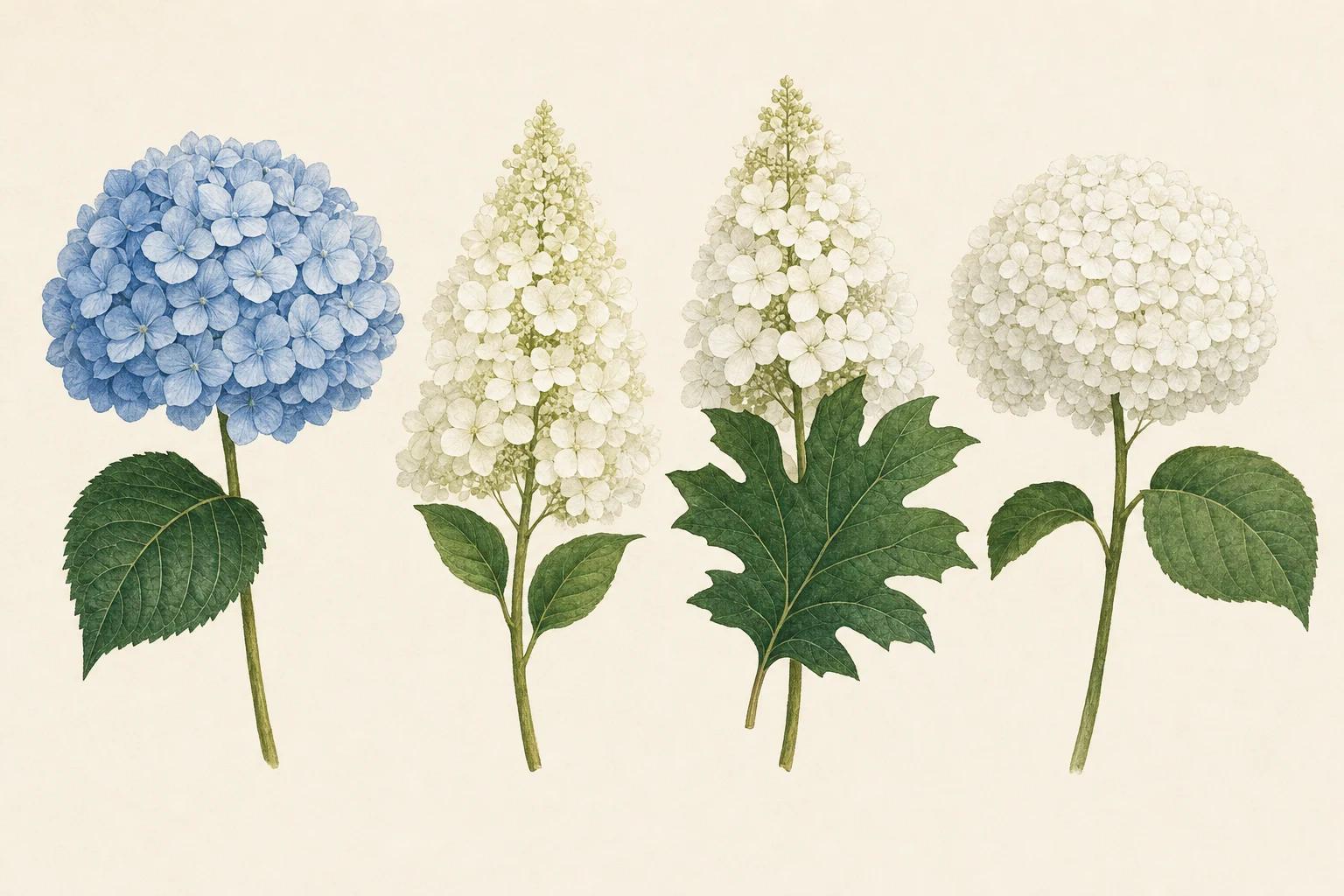
Only bigleaf hydrangea (Hydrangea macrophylla), in mophead and lacecap forms, and mountain hydrangea (H. serrata) turn blue or pink in response to soil. Every other hydrangea keeps its color whatever you add.
| Type | Botanical name | Responds to pH? | What you will see |
|---|---|---|---|
| Bigleaf, mophead or lacecap | Hydrangea macrophylla | Yes, except white cultivars | Blue in acidic soil, pink toward neutral. |
| Mountain | H. serrata | Yes | The same shifts on a smaller shrub. |
| Panicle | H. paniculata | No | Many age from white to pink. |
| Oakleaf | H. quercifolia | No | Some age to pink or pinkish purple. |
| Smooth | H. arborescens | No | White to pale green, or a bred pink that stays pink. |
| Climbing | H. anomala subsp. petiolaris | No | White. |
Only the first two rows respond to soil treatment.
The blush that spreads over a Limelight panicle hydrangea or an oakleaf hydrangea as its flowers mature is aging, not the soil at work. Annabelle smooth hydrangea stays white to pale green on any soil, and a climbing hydrangea stays white. White bigleaf cultivars stay white too, although an occasional one shows a pink or blue eye that tracks the aluminum supply.
Mountain hydrangeas behave exactly like bigleafs chemically. They are smaller shrubs, around 3 to 5 feet (0.9 to 1.5 m), and hardier in winter. If you are not sure what you are growing, leaf shape and bloom habit settle it quickly in this rundown of types of hydrangeas.
Sulfur, aluminum sulfate or lime: choosing a treatment
Use elemental sulfur for a lasting drop in pH, a dilute aluminum sulfate drench for a quicker push on an established shrub, and lime to raise pH for pink. Each works at a different speed and fails in a different way.
| Product | What it does | Speed | Best use | Main risk |
|---|---|---|---|---|
| Elemental (wettable) sulfur | Lowers pH | Several months | Lasting blue in soil with native aluminum | Little effect in limy soil. |
| Aluminum sulfate | Lowers pH and adds aluminum | Acts as it dissolves | Pushing an established shrub bluer | Overdose injures roots. |
| Dolomitic lime | Raises pH | Slow; needs moist soil | Pink, spread in fall | Excess yellows new leaves. |
| Hydrated lime | Raises pH | Faster, as a drench | Spring correction toward pink | Burns leaves, bark and skin. |
How the four standard color treatments compare.
Sulfur is the gentle tool. Soil bacteria have to convert it to sulfuric acid before the pH moves, which takes several months, so it suits a fall application and a long-term plan rather than a quick fix. Where soils already hold plenty of aluminum, as in Pennsylvania, sulfur is all a blue program needs.
Aluminum sulfate is faster and riskier. It acidifies the moment it dissolves and delivers aluminum straight to the roots. Used to shift pH in bulk, though, it takes far more product than sulfur. Moving loamy soil from pH 7.0 to 5.5 calls for roughly 2.1 pounds (0.95 kg) per 10 square feet (0.9 m²), against 0.3 pound (140 g) of sulfur. At that scale aluminum accumulates and injures roots. Treat it as a dilute spring program for established shrubs at least 2 to 3 years old, never as a soil conditioner.
Lime works the other way, and more slowly. Raising pH takes longer than lowering it, and lime barely reacts in dry soil. Spread in fall, it has the winter's moisture to work before next year's buds develop. A hydrated lime drench is the spring alternative when you need to correct course.
Fertilizer is a supporting player that can undo a blue program. Phosphorus binds aluminum in the soil so roots cannot take it up, which pulls flowers back toward pink. That is why a blue shrub gets a low-phosphorus feed and a pink one gets a higher-phosphorus feed alongside its lime.
How to change hydrangea color, step by step
Test first, treat before the buds color, then wait.
- Confirm the plant can respond. Check that it is a bigleaf or mountain hydrangea that blooms pink or blue. Treating a white cultivar or a panicle, oakleaf or smooth hydrangea wastes product and a season.
- Test the soil. Send a sample to your county Extension office before adding anything, and compare the result with the target ranges above. Knowing the starting pH is what prevents over-correction.
- For blue, spread sulfur in fall or early spring. Take the dose from the sulfur table below for your test result and soil texture, weigh it, scatter it over the root zone and water it in. Starting at pH 6.0, 0.1 pound (45 g) per 10 square feet (0.9 m²) is enough to bring loamy soil to 5.5. The general rate of 1/2 cup (120 mL) of wettable sulfur per 10 square feet is a heavier dose, meant for soil that tests pH 6.5 or higher. On soil already near 6.0 it can overshoot the target.
- For faster blue, drench an established shrub in spring. Dissolve 1 tablespoon (15 mL) of aluminum sulfate in 1 gallon (3.8 L) of water. Pour it onto bare soil under the canopy until the root zone is soaked, once in March, once in April and once in May, while new growth emerges and buds form. Use it only on established shrubs at least 2 to 3 years old, and read the warning below before you mix.
- Feed blue plants low in phosphorus. Choose a fertilizer for acid-loving plants with a low middle number, such as 12-4-8 or 25-5-30, and leave out bone meal and superphosphate. Apply it once in spring, worked into the top 2 to 3 inches (5 to 8 cm) of soil and watered in thoroughly.
- For pink, lime in fall. Broadcast 1 cup (240 mL) of dolomitic lime per 10 square feet (0.9 m²), then water it in. Alternatively, drench with 1 tablespoon of hydrated lime per gallon of water on the same March, April and May schedule. Feed with a higher-phosphorus fertilizer so leftover aluminum stays tied up.
- For purple, aim between the two. Purple, mauve and mixed heads come from soil around pH 5.5 to 6.0. Some definitions of the band run as wide as 5.5 to 6.5, others as narrow as 5.6 to 5.9. Move the soil in small steps. From pH 6.5, the lowest sulfur rate in the table, 0.1 pound per 10 square feet, aims for 6.0; soil that tests below 5.5 takes the lime rate your soil test report gives. Retest every season, because a small swing tips the flowers toward blue or pink.
- Retest before you repeat anything. Judge the flowers over the next season, test again before another round of aluminum sulfate or lime, and after that check pH every 2 to 3 years.
| Starting pH | To pH 6.0 | To pH 5.5 | To pH 5.0 |
|---|---|---|---|
| 8.0 | 0.4 | 0.5 | 0.6 |
| 7.5 | 0.3 | 0.4 | 0.5 |
| 7.0 | 0.2 | 0.3 | 0.4 |
| 6.5 | 0.1 | 0.2 | 0.3 |
| 6.0 | None | 0.1 | 0.2 |
Elemental sulfur in pounds per 10 square feet (0.9 m²) of loamy soil; 0.1 lb is about 45 g. Use two-thirds as much on sandy soil and half again as much on clay. In soil with free lime, no rate will hold the pH down.
Never mix aluminum sulfate stronger than 1 tablespoon per gallon, and never repeat a season of drenches without a fresh soil test. Excess aluminum burns roots and builds up in the soil. Pour aluminum sulfate and hydrated lime solutions onto bare soil only, because both scorch leaves, bark and skin on contact.
Coffee grounds, vinegar and other home remedies
None of the household shortcuts is a dependable way to change color, and none comes with a tested rate. The products in the steps above do the job; these mostly cost you a season.
| Remedy | The claim | What is known |
|---|---|---|
| Coffee grounds | Acidify soil for blue | Decomposing grounds have measured anywhere from pH 4.6 to 8.4. |
| Rusty nails, pennies | Supply metal for blue | Unproven, with no measured result. |
| Vinegar | Acidify soil for blue | Not a documented method. |
| Tea bags | Acidify soil for blue | No tested rate or result. |
| Baking soda | Turn flowers pink | Not a documented method; lime is the tested route. |
| Epsom salt | Change the color | Adds magnesium most soils already have, plus unneeded salt. |
Popular remedies set against what has been measured.
Coffee grounds change pH as they decompose and can end up alkaline, so a mulch of grounds cannot steer a bed toward 5.5. If you want to use them, they belong in the compost pile at no more than about a fifth of the mix. No test has shown that rusty nails or pennies change flower color, so there is nothing to gain from burying them.
When your soil works against you
Your starting soil decides how hard the job is. In naturally acidic soil blue comes free and pink takes work; in limy soil, blue flowers in the ground may be out of reach.
| Region | Starting point | Practical route |
|---|---|---|
| Georgia | Mostly acidic soils; bigleafs bloom blue unaided | Lime for pink. |
| Pennsylvania | Plenty of native aluminum | Sulfur to pH 5.2 to 5.5; skip aluminum sulfate. |
| Massachusetts | Enough native aluminum in most soils | Blue below pH 5.5, pink above 6.5. |
| Colorado and other limy soils | pH 7.0 to 8.3 with free lime | Grow blue hydrangeas in containers. |
Regional starting points for bigleaf and mountain hydrangeas.
Soil that contains free lime (calcium carbonate) resists acidification. The pH cannot be pulled down effectively, elemental sulfur often does little, and aluminum sulfate is a poor substitute because the extra aluminum is toxic to roots. Blue flowers need strongly acidic soil, and limy soil will not stay there.
Concrete creates the same problem on a smaller scale. Foundations, sidewalks and patios leach lime into the soil beside them, and a hydrangea planted against a house wall may never turn fully blue. Site blue shrubs well away from concrete, or test both sides of an existing plant and treat the alkaline side.
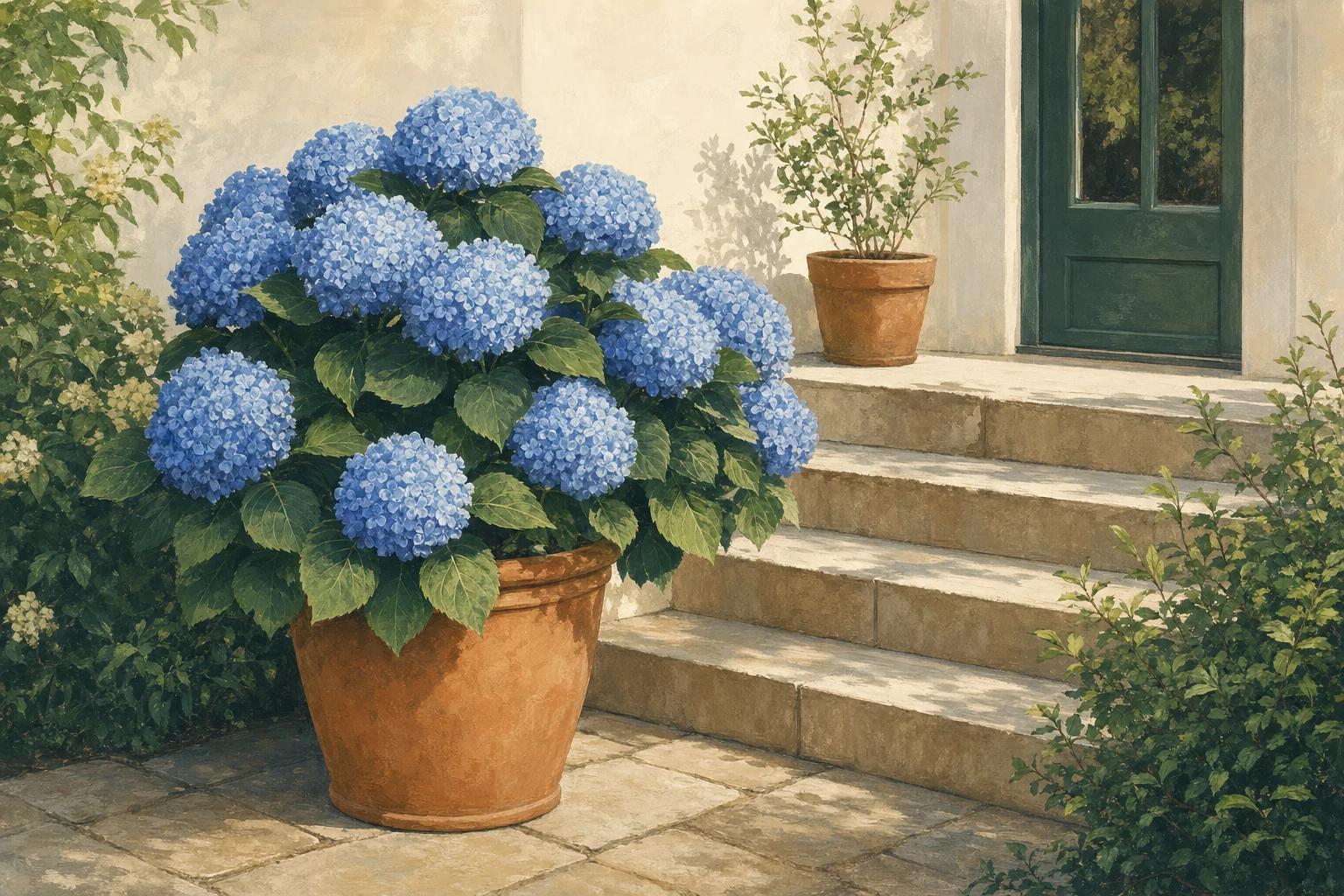
A container sidesteps native soil altogether, since you control the whole root zone. Fill it with an acidic potting mix and keep phosphorus low. No container-specific drench rate is well established, so test the mix and treat a potted plant more cautiously than one in the ground; this guide to growing hydrangeas in pots covers pot size, watering and winter protection.
Cultivars that change easily, and ones that hold their color
Cultivars differ in how readily they respond, and a few are bred to hold one color in any soil. Matching the cultivar to your soil and winter saves years of adjusting.
Winter matters as much as soil. In Zone 6 and colder, the old-wood flower buds of many older bigleaf cultivars do not reliably survive, which leaves nothing to color. Rebloomers that flower on both old and new wood get around that.
| Cultivar | Form | USDA zones | Height | Color by soil |
|---|---|---|---|---|
| Endless Summer The Original | Bigleaf mophead, reblooms | 4 to 9 | 3 to 5 ft (0.9 to 1.5 m) | Blue or soft pink. |
| BloomStruck | Bigleaf mophead on red stems, reblooms | 4 to 9 | 3 to 4 ft (0.9 to 1.2 m) | Blue-purple or rose-pink. |
| Tuff Stuff Ah-Ha | Mountain, double florets, reblooms | 5 to 9 | 2 to 3 ft (60 to 90 cm) | Blue or pink. |
| Nikko Blue | Bigleaf mophead, old wood only | 6 to 9 | 4 to 6 ft (1.2 to 1.8 m) | Good blue in acidic soil. |
Hardiness and height as published for each cultivar. Nikko Blue can also survive a sheltered site in Zone 5.
Endless Summer The Original flowers on both old and new wood. BloomStruck, another rebloomer, grows wider than tall, 4 to 5 feet (1.2 to 1.5 m). Tuff Stuff Ah-Ha blooms from early summer until frost, with flower buds that hold up in Zones 5 and 6. Let's Dance Rhythmic Blue, rated for Zones 5 to 9, swings between pink and a brilliant blue. Penny Mac, a rebloomer named for Penny McHenry, founder of the American Hydrangea Society, gives a clear blue or a clear pink. Nikko Blue, the long-standing industry mophead, blooms only on old wood, so it needs a winter mild enough to spare its buds. Among mountain hydrangeas, Bluebird is a lacecap of up to 5 feet (1.5 m) that runs from pink to violet-blue. In high-pH soil, Cityline Paris matures to a dark pinkish red.
Other cultivars resist change, and a few never turn blue whatever the pH. Pia, a dwarf of about 2.5 feet (75 cm), holds its pink and turns blue only with difficulty. Among whites, Blushing Bride, an Endless Summer rebloomer, opens pure white and matures to soft pink.
What to expect after treatment
The first shift shows the following season at the earliest, and full, even color often takes two or three bloom cycles. Pink comes more slowly than blue, because raising pH is the slower job. Granular sulfur and lime can take a year to show at all; a spring drench can act sooner, provided it reaches buds that are still forming.
If the result stalls or something looks wrong, the cause is usually one of these:
- Still pink after a year of sulfur. Check the fertilizer label for phosphorus, look for nearby concrete, and retest. If the soil holds free lime, move the plant into a container.
- New leaves yellowing between the veins. The pH has climbed too high, usually from over-liming, and the plant cannot take up enough iron. Stop liming and test before doing anything else.
- Healthy leaves but no flowers. That points to pruning or winter bud loss rather than the soil treatment; the causes are covered in why hydrangeas do not bloom.
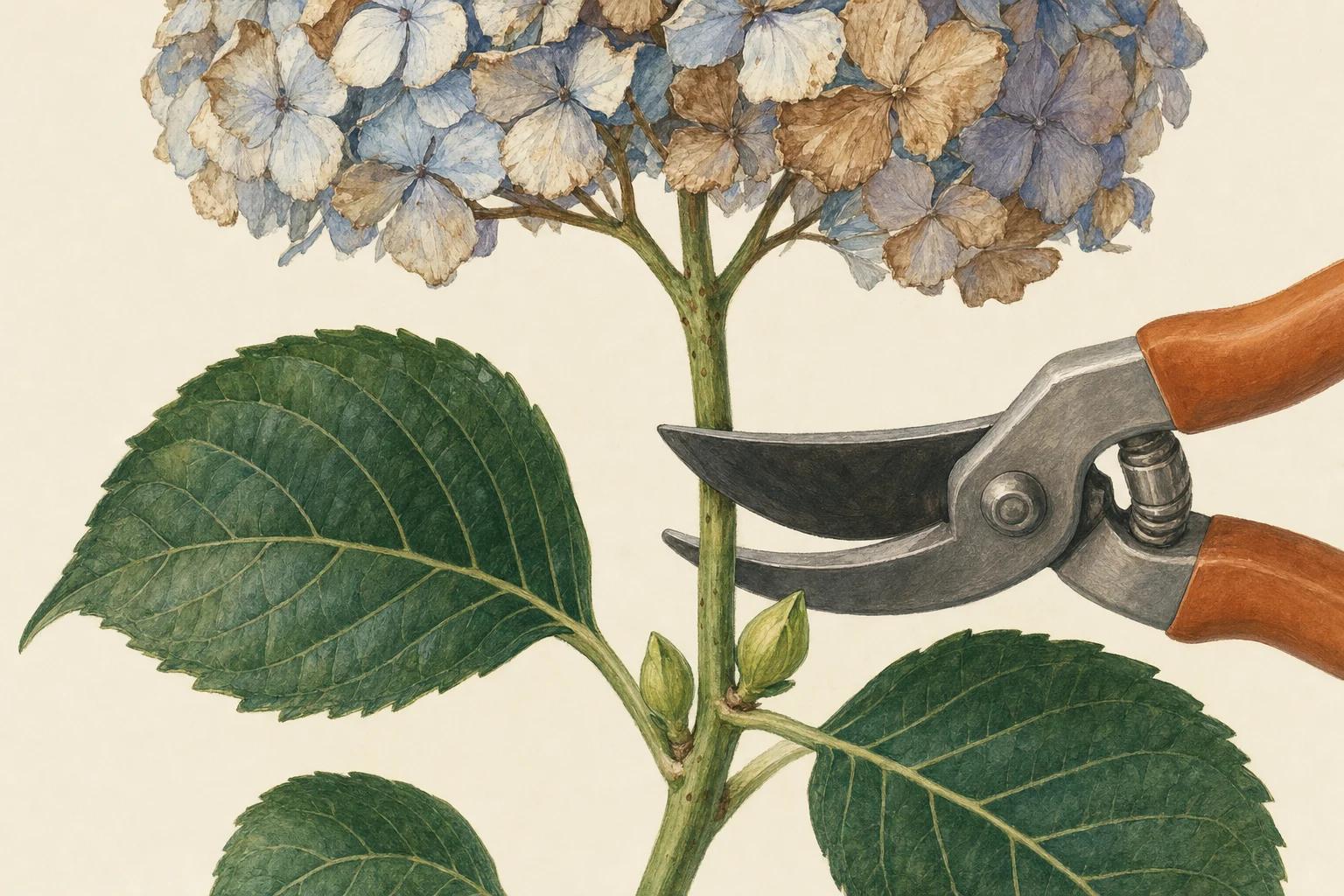
Protect the buds you are coloring. Bigleaf and mountain hydrangeas begin forming next year's flower buds in August, so avoid pruning them after August 1, and see when to prune hydrangeas for the timing by type. For siting, watering and routine feeding beyond color, the hydrangea growing guide picks up from here.
Hydrangeas are toxic to dogs, cats and horses. They contain a cyanogenic glycoside, and chewing leaves or flowers can cause vomiting, depression and diarrhea, although true cyanide poisoning is rare.
If you are planning a new blue or pink planting, sketch it in Sow's garden design studio first so the shrubs sit away from foundations and walks.
From the Sow catalog
Hydrangeas in the Sow catalog
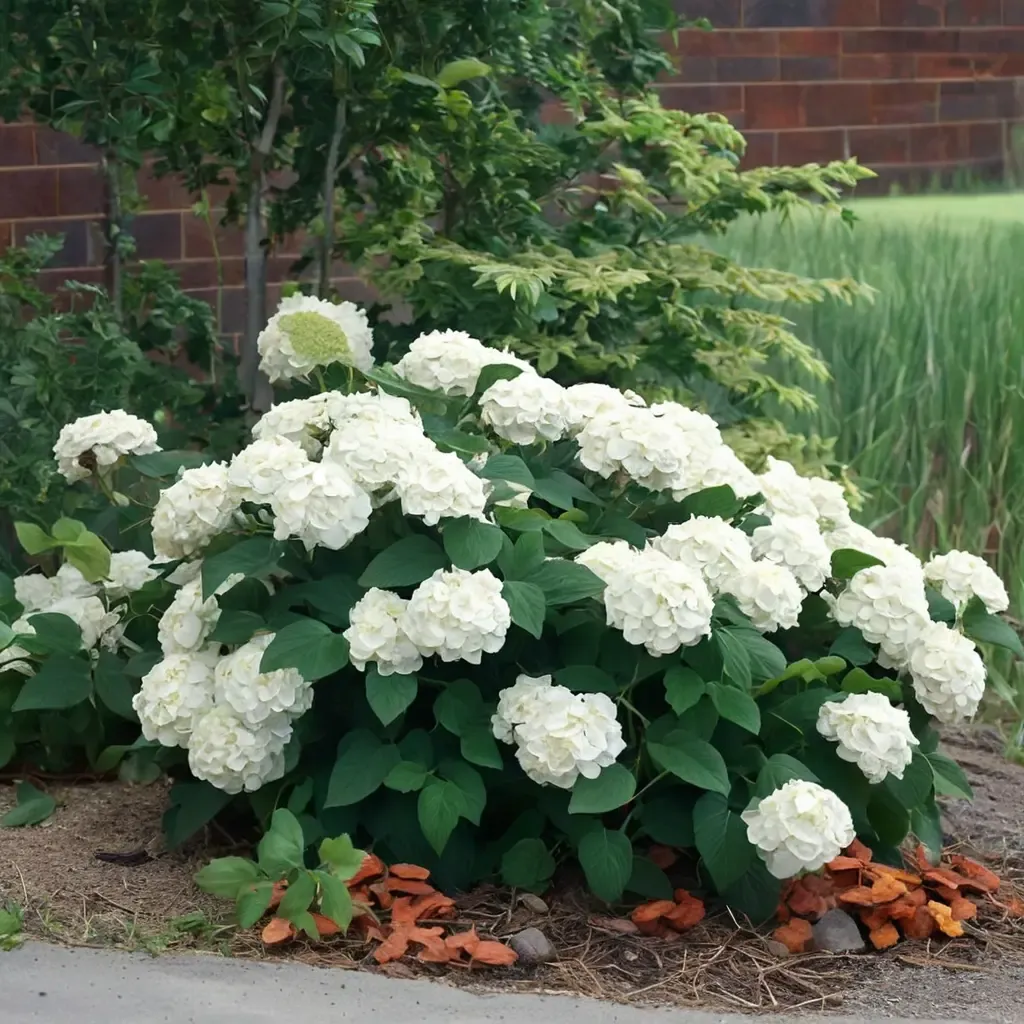
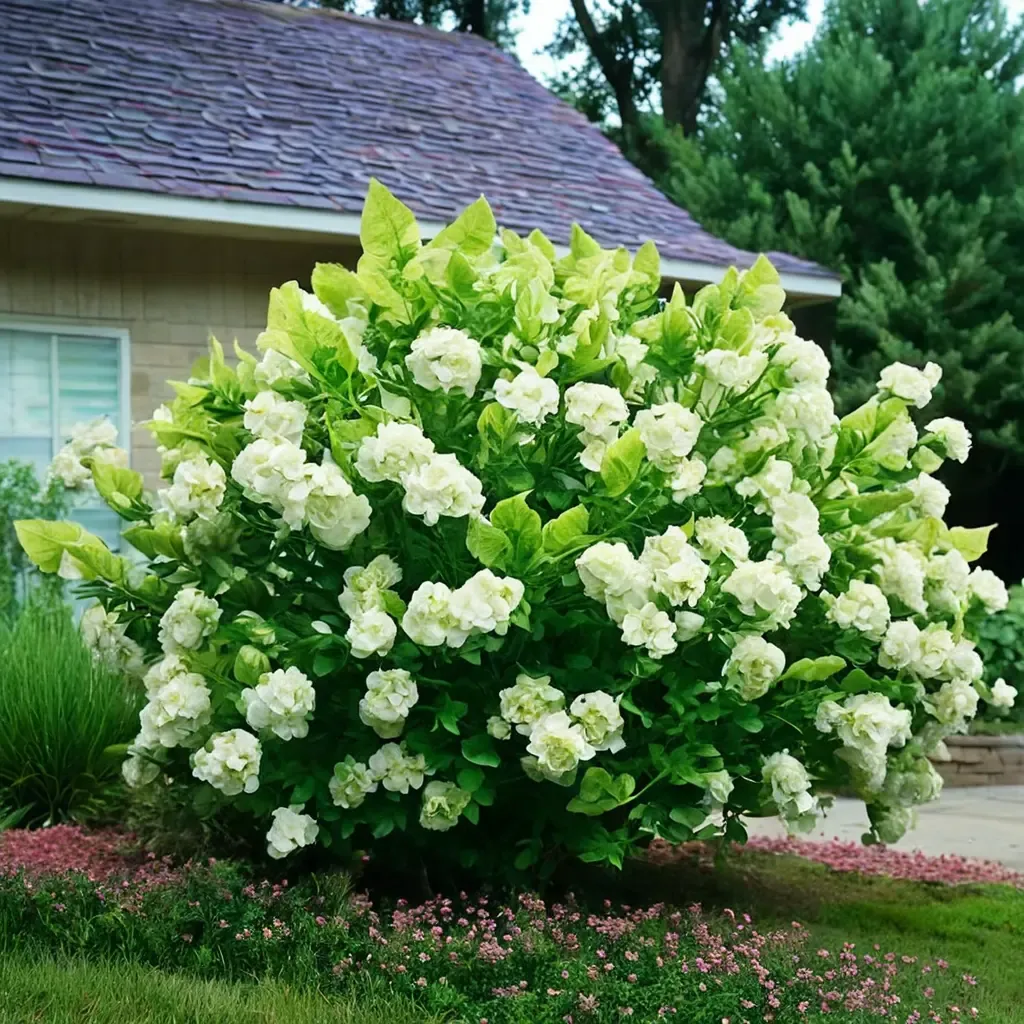
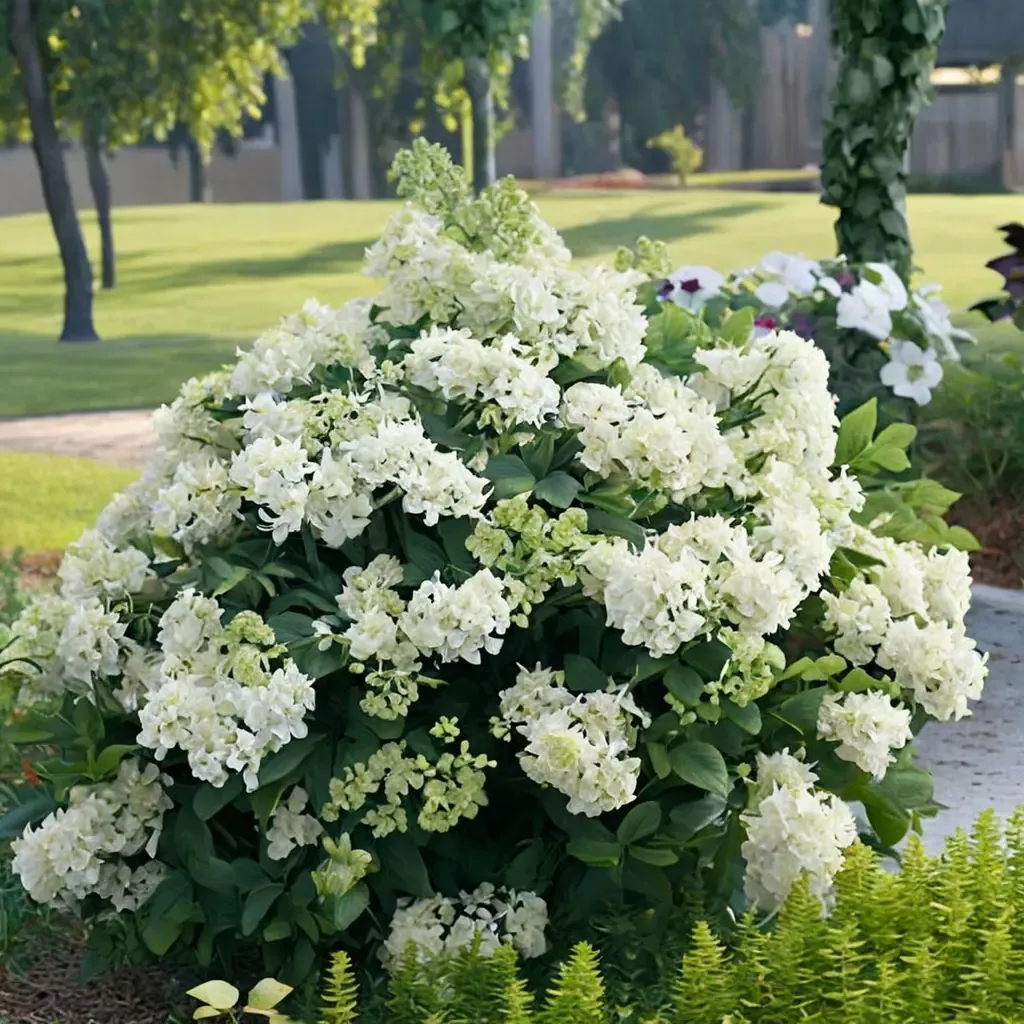
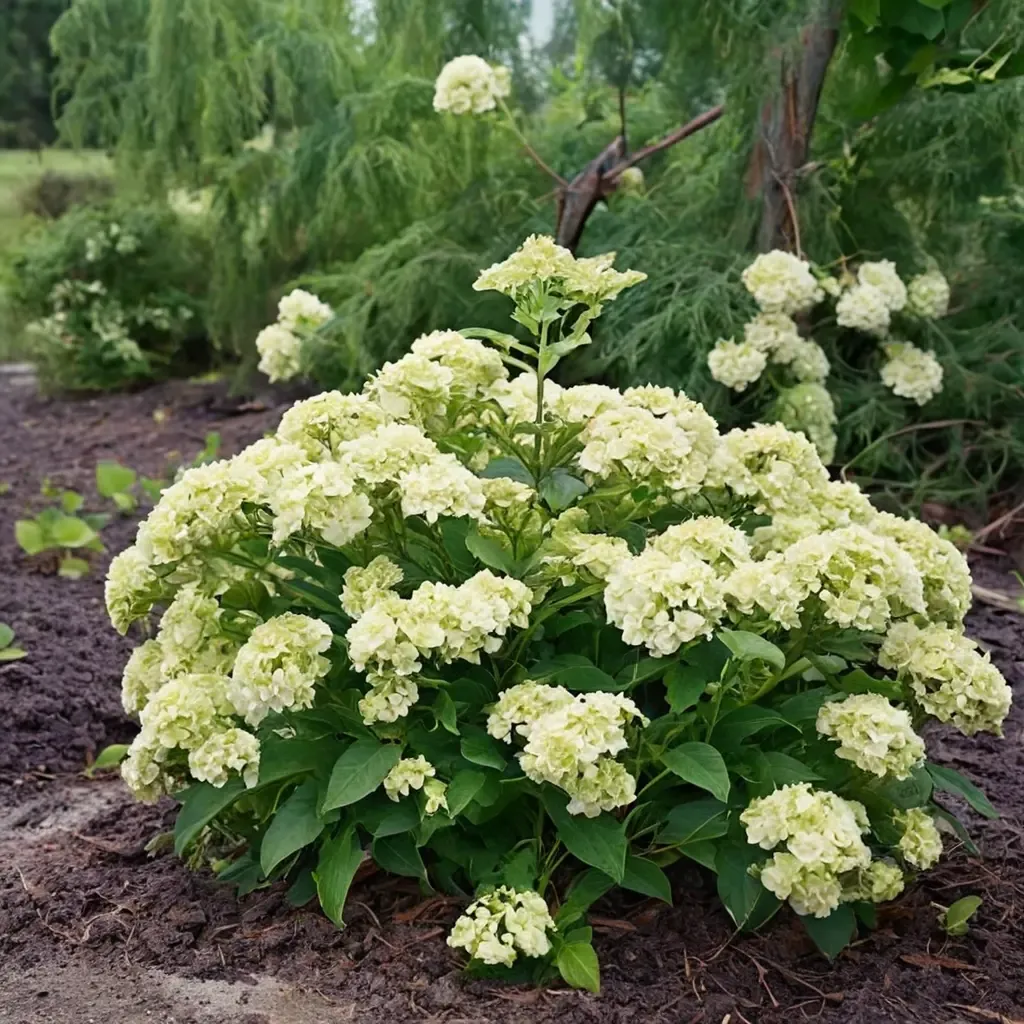
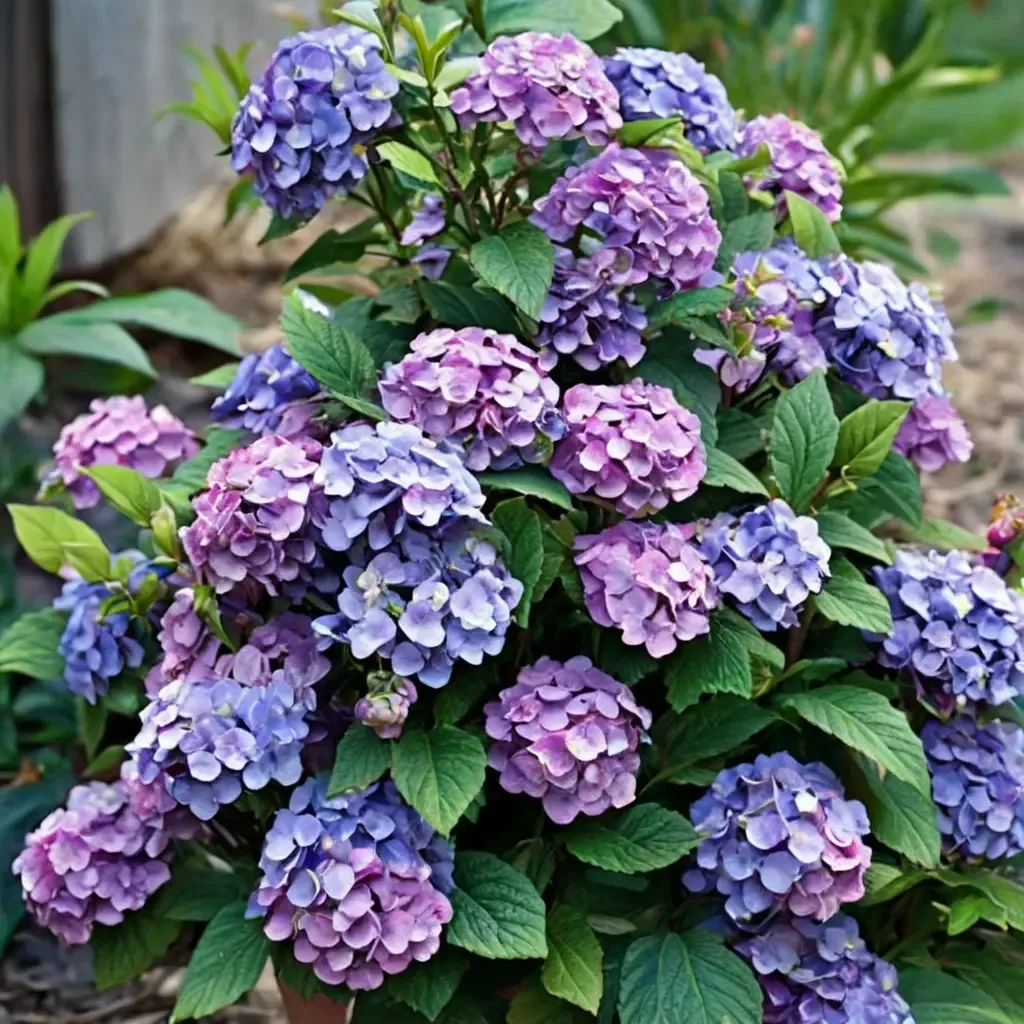
Sow tracks 127 Hydrangea varieties, hardy across USDA Zones 4 to 9 between them. These are the 8 gardeners save most. Each one opens its own page with its zone range, sun, mature size and, where a nursery lists it, today's price.
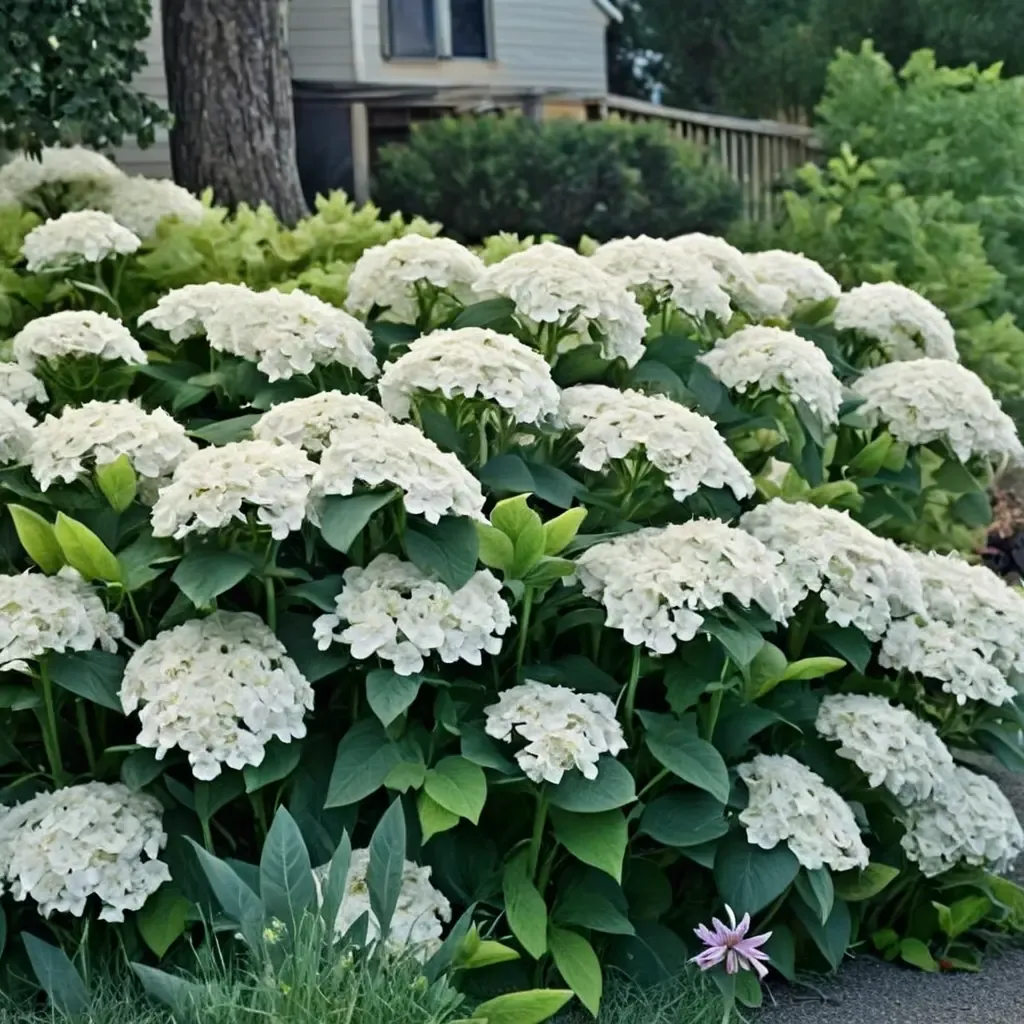
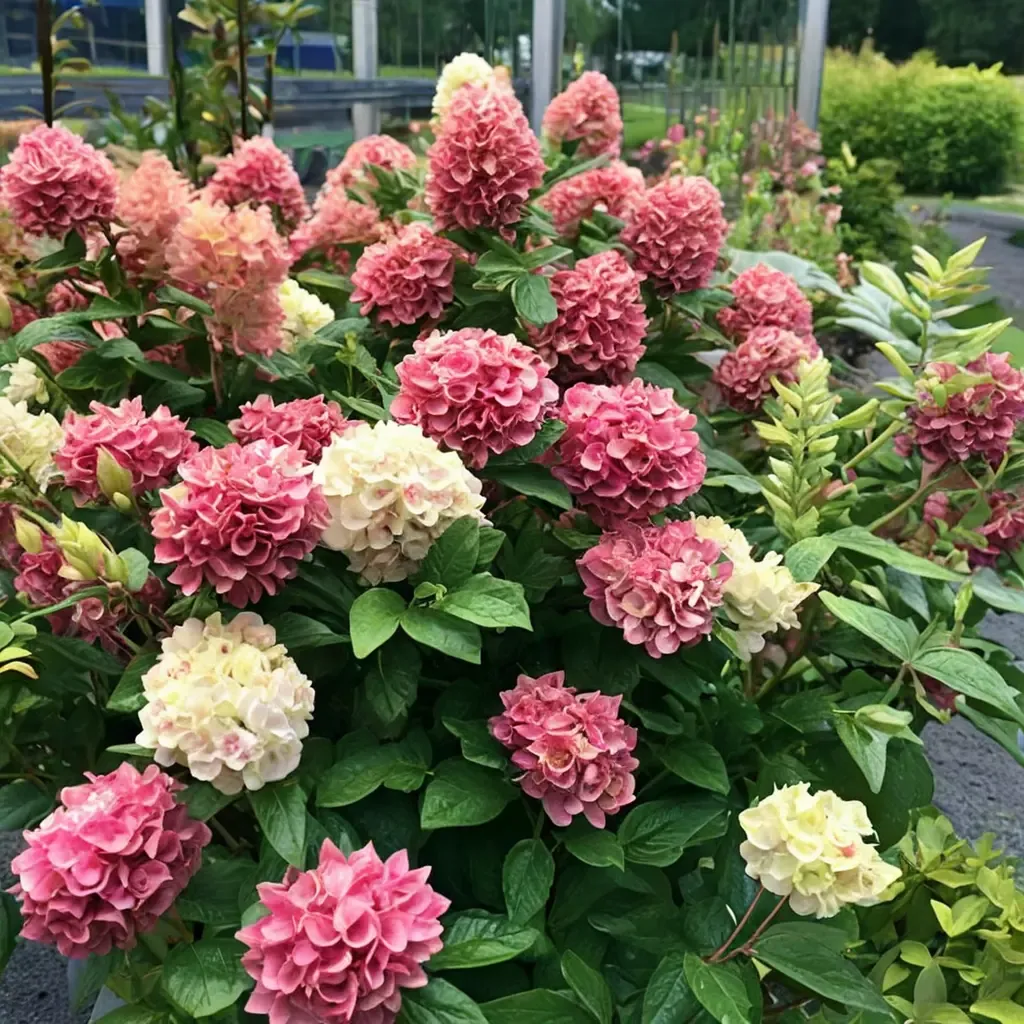
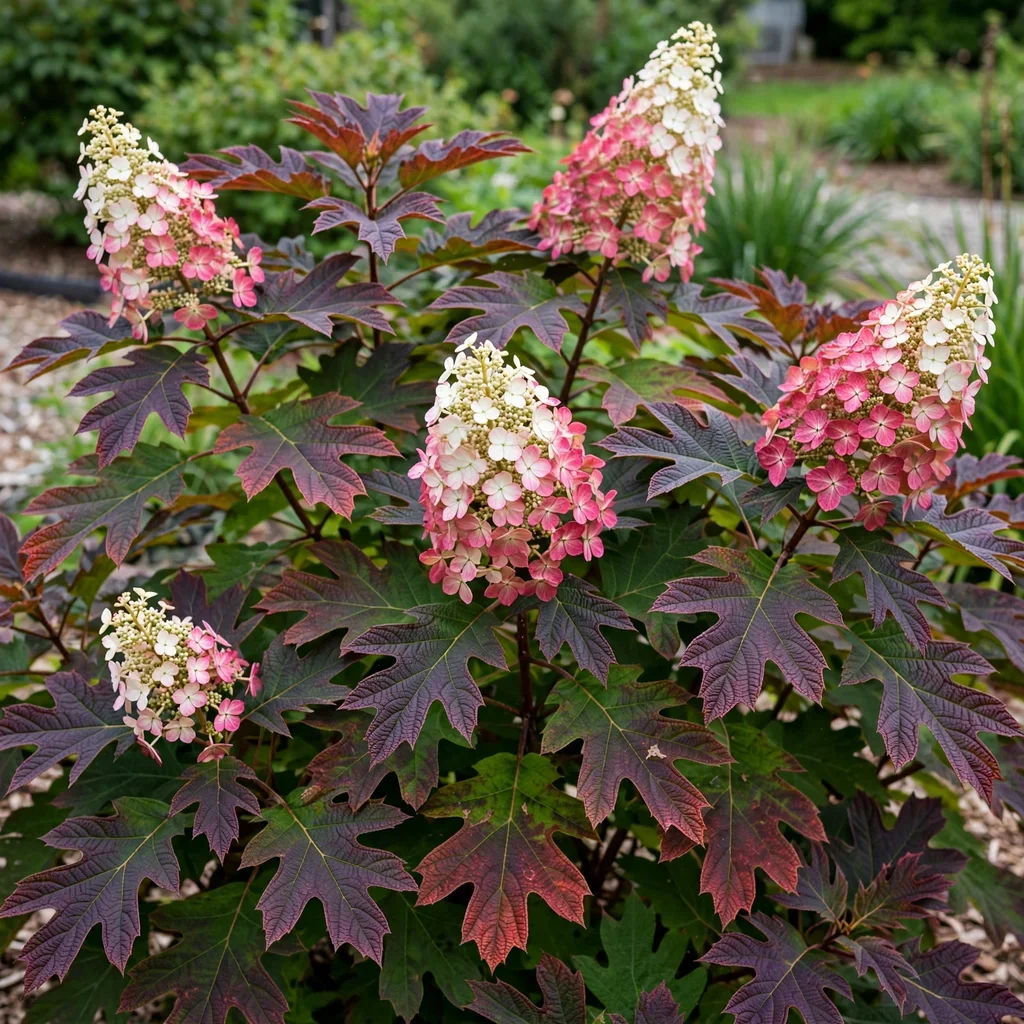
Companions from real gardens
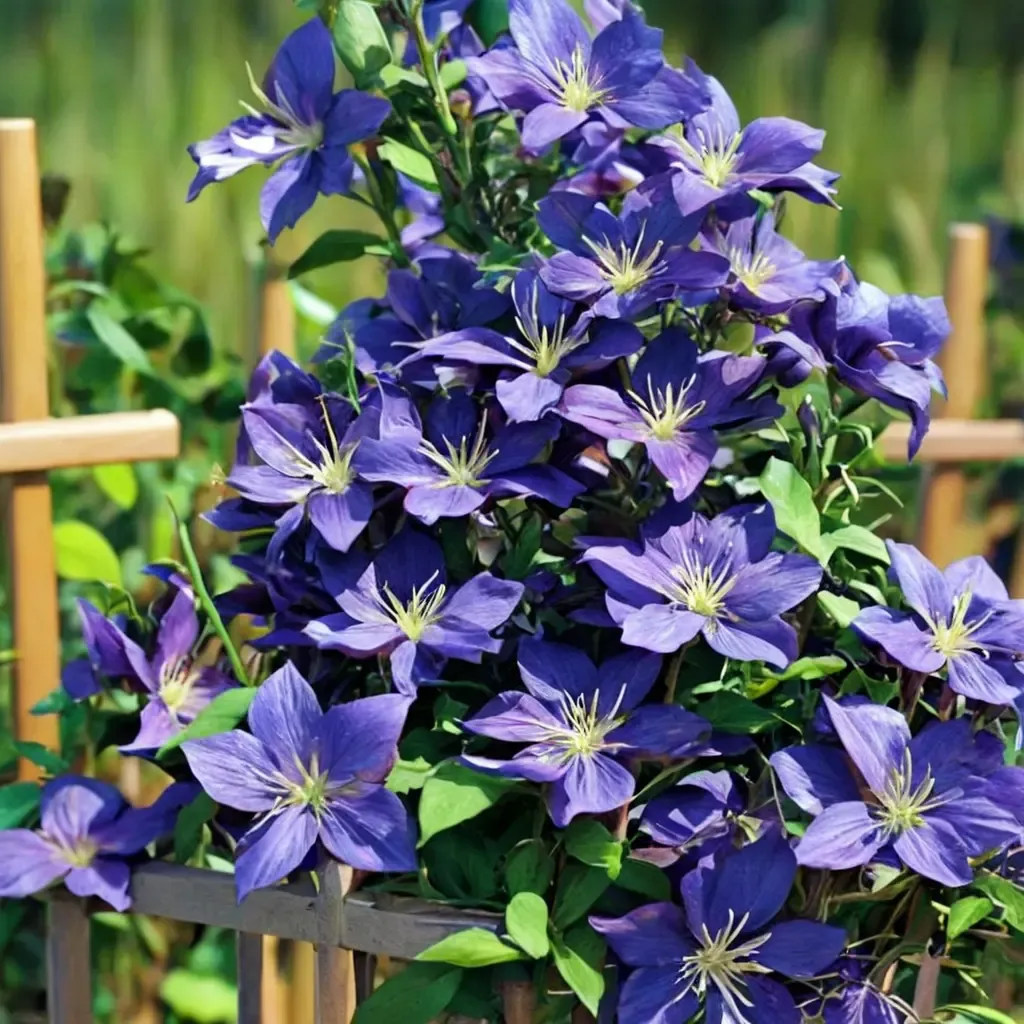
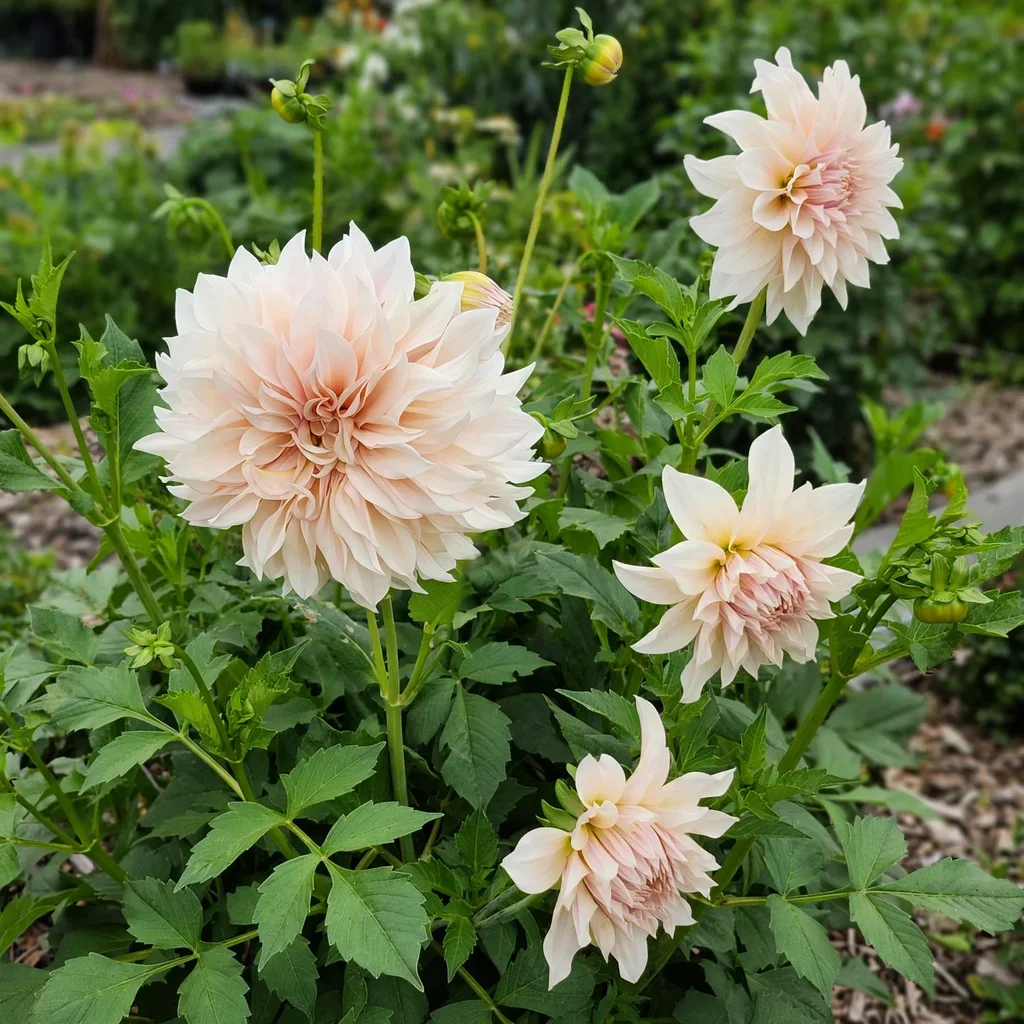
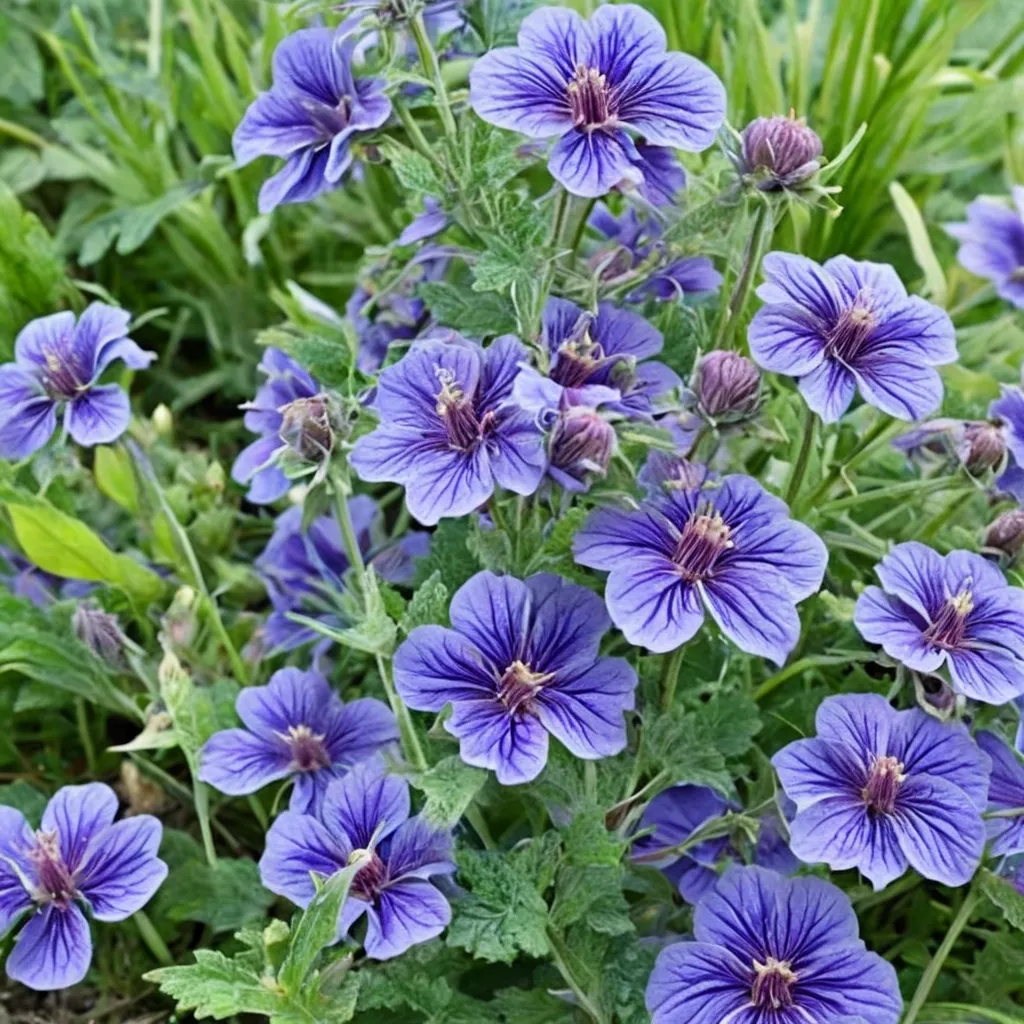
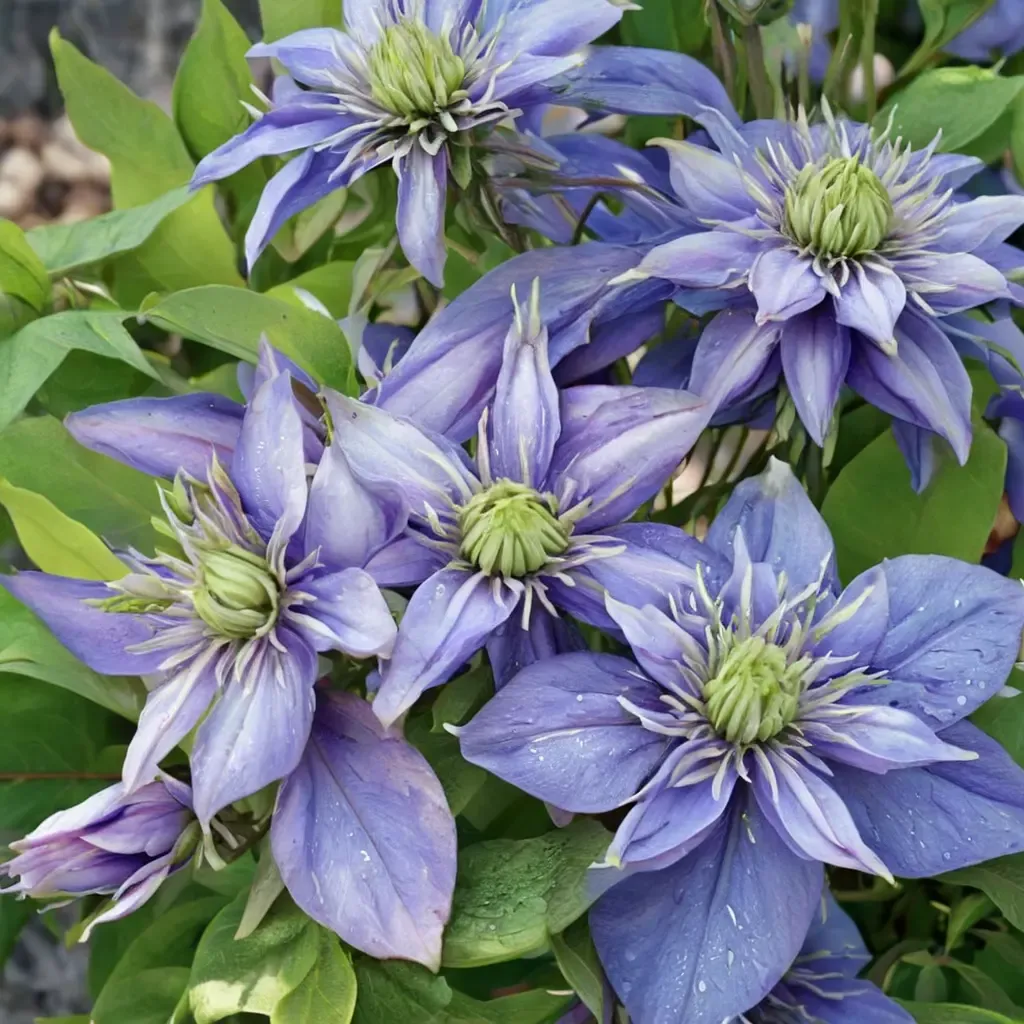
Among the 5.3k gardeners who designed with Hydrangea in Sow, these are the plants they most consistently put beside it. Each was chosen by at least 20 different gardeners, so this is a palette people actually use, not a textbook list.
Prices across nurseries
58 Hydrangea varieties are listed by the online nurseries Sow checks every day, from $15.99 to $155.75, with a median of $20.97. The cheapest listing is usually the smallest pot, so compare sizes as well as prices.
Frequently asked questions
How do I change my hydrangea from pink to blue?
Test the soil, then lower its pH to about 5.0 to 5.5 so the roots can reach aluminum. Elemental sulfur does it slowly, dosed from the test: 0.1 pound (45 g) per 10 square feet (0.9 m²) takes loamy soil from pH 6.0 to 5.5, and 1/2 cup (120 mL) per 10 square feet suits soil at pH 6.5 or higher. An established shrub can also take an aluminum sulfate drench, 1 tablespoon per gallon of water, in March, April and May. Switch to a low-phosphorus fertilizer and look for bluer flowers the following season.
What hydrangeas can change color?
Only bigleaf hydrangea (Hydrangea macrophylla), in both mophead and lacecap forms, and mountain hydrangea (H. serrata) switch between pink and blue with soil pH, and only cultivars that bloom pink or blue. White cultivars stay white. Panicle, oakleaf, smooth and climbing hydrangeas never turn blue, although many panicle and some oakleaf flowers fade from white to pink as they age, which has nothing to do with the soil.
Will coffee grounds change hydrangea color?
Not reliably. Decomposing coffee grounds have tested anywhere from mildly acidic, at pH 4.6, to alkaline, at pH 8.4, and their pH keeps shifting as they break down. That means they cannot hold soil near the 5.0 to 5.5 a blue hydrangea needs. To turn flowers blue, use elemental sulfur for a lasting change or a dilute aluminum sulfate drench on an established shrub.
Do tea bags change the color of hydrangeas?
There is no documented evidence that tea bags change hydrangea color, and no tested rate for using them. Color follows soil pH, and the methods with published rates are elemental sulfur or a dilute aluminum sulfate drench for blue and dolomitic or hydrated lime for pink. Start with a soil test so you know how far the pH has to move before you add anything.
Will vinegar change the color of hydrangeas?
Vinegar is not a documented way to change hydrangea color. There is no tested dilution, schedule or measured result for it. A color change depends on holding the soil in a target pH range for months while flower buds develop, which is the job elemental sulfur does. For a faster shift on an established plant, use the aluminum sulfate drench at 1 tablespoon per gallon of water.
What does baking soda do to hydrangeas?
Baking soda is not a documented way to turn hydrangeas pink, and there is no tested rate for it. The dependable route to pink is lime: 1 cup (240 mL) of dolomitic lime per 10 square feet (0.9 m²) spread in fall and watered in, or a hydrated lime drench in spring. Pair either one with a higher-phosphorus fertilizer to keep aluminum tied up in the soil.
Will Epsom salt turn hydrangeas pink?
No. Nothing links Epsom salt, which is magnesium sulfate, to pink flowers. Garden soils usually hold enough magnesium already, the extra adds salt the plant does not need, and surplus magnesium can cut calcium uptake. Pink comes from raising soil pH to about 6.0 to 6.5 with lime and feeding with a fertilizer that is higher in phosphorus.
Why did my blue hydrangea turn pink after I planted it?
The nursery mix likely made it blue. Commercial growers add aluminum sulfate to the soilless potting mix to produce blue flowers. Once the roots grow into your garden, your soil sets the color, and soil above about pH 6.0, or lime leaching from a nearby foundation or walk, turns the flowers pink. To bring the blue back, test the soil and lower it to pH 5.0 to 5.5 with elemental sulfur.
How long does it take for a hydrangea to change color?
Plan on the following season at the earliest. Flowers already open when you treat will not change, granular sulfur and lime can take a year to show, and a full, even color often needs two or three bloom cycles. Raising pH for pink is slower than lowering it for blue, which is why lime goes on in fall rather than spring.
Why does my hydrangea have pink and blue flowers on the same plant?
Its roots are reaching soil at different pH levels. One side of the root zone may sit in acidic soil where aluminum is available while the other sits in soil made alkaline, for example by lime leaching from a foundation, walk or patio. Test soil from each side separately and treat the alkaline side, or move a young shrub away from the concrete.
References
- University of Georgia Cooperative Extension. Growing Bigleaf Hydrangea (Circular 973). Accessed October 16, 2026.
- Mississippi State University Extension. Hydrangeas for Mississippi Gardens (Publication 2574). Accessed October 16, 2026.
- UMass Extension. Hydrangeas: Color + Fertilizing (Fact Sheet 5). Accessed October 16, 2026.
- Clemson Cooperative Extension Home & Garden Information Center. Hydrangea Care in South Carolina (HGIC 1067). Accessed October 16, 2026.
- Clemson Cooperative Extension Home & Garden Information Center. How to Change Soil pH in South Carolina (HGIC 1650). Accessed October 16, 2026.
- Penn State Extension. Why Doesn't My Hydrangea Bloom?. Accessed October 16, 2026.
- UF/IFAS Gardening Solutions. Hydrangeas. Accessed October 16, 2026.
- Alabama Cooperative Extension System. Hydrangeas. Accessed October 16, 2026.
- Virginia Cooperative Extension. Bigleaf Hydrangea, Hydrangea macrophylla (Publication 3010-1463). Accessed October 16, 2026.
- Colorado State University Extension. Soil pH (CMG GardenNotes #222). Accessed October 16, 2026.
- New York Botanical Garden, Mertz Library. How do I get my hydrangea flowers to turn blue?. Accessed October 16, 2026.
- Missouri Botanical Garden. Hydrangea macrophylla 'Nikko Blue' (Plant Finder). Accessed October 16, 2026.
- Proven Winners. The Art of Growing Stunning Blue Hydrangeas. Accessed October 16, 2026.
- Proven Winners. Tuff Stuff Ah-Ha Reblooming Mountain Hydrangea. Accessed October 16, 2026.
- Endless Summer Hydrangeas (Bailey Nurseries). The Original Reblooming Hydrangea. Accessed October 16, 2026.
- Endless Summer Hydrangeas (Bailey Nurseries). BloomStruck Reblooming Hydrangea. Accessed October 16, 2026.
- University of Arizona Cooperative Extension, Yavapai County. Using Coffee Grounds in the Garden (Backyard Gardener #140). Accessed October 16, 2026.
- Clemson Cooperative Extension Home & Garden Information Center. Epsom Salt in the Garden: Is it truly needed?. Accessed October 16, 2026.
- ASPCA Animal Poison Control Center. Hydrangea (Toxic and Non-Toxic Plant List). Accessed October 16, 2026.
- Ito, Aoki, Fukushima and Yoshida, Nagoya University (Scientific Reports). Direct mapping of hydrangea blue-complex in sepal tissues of Hydrangea macrophylla (Scientific Reports 9:5450, 2019). Accessed October 16, 2026.
Sow Editorial
Written by the Sow team from university extension services, botanical gardens, USDA and NOAA data and plant breeders. Every source is listed under References.