Quick answer
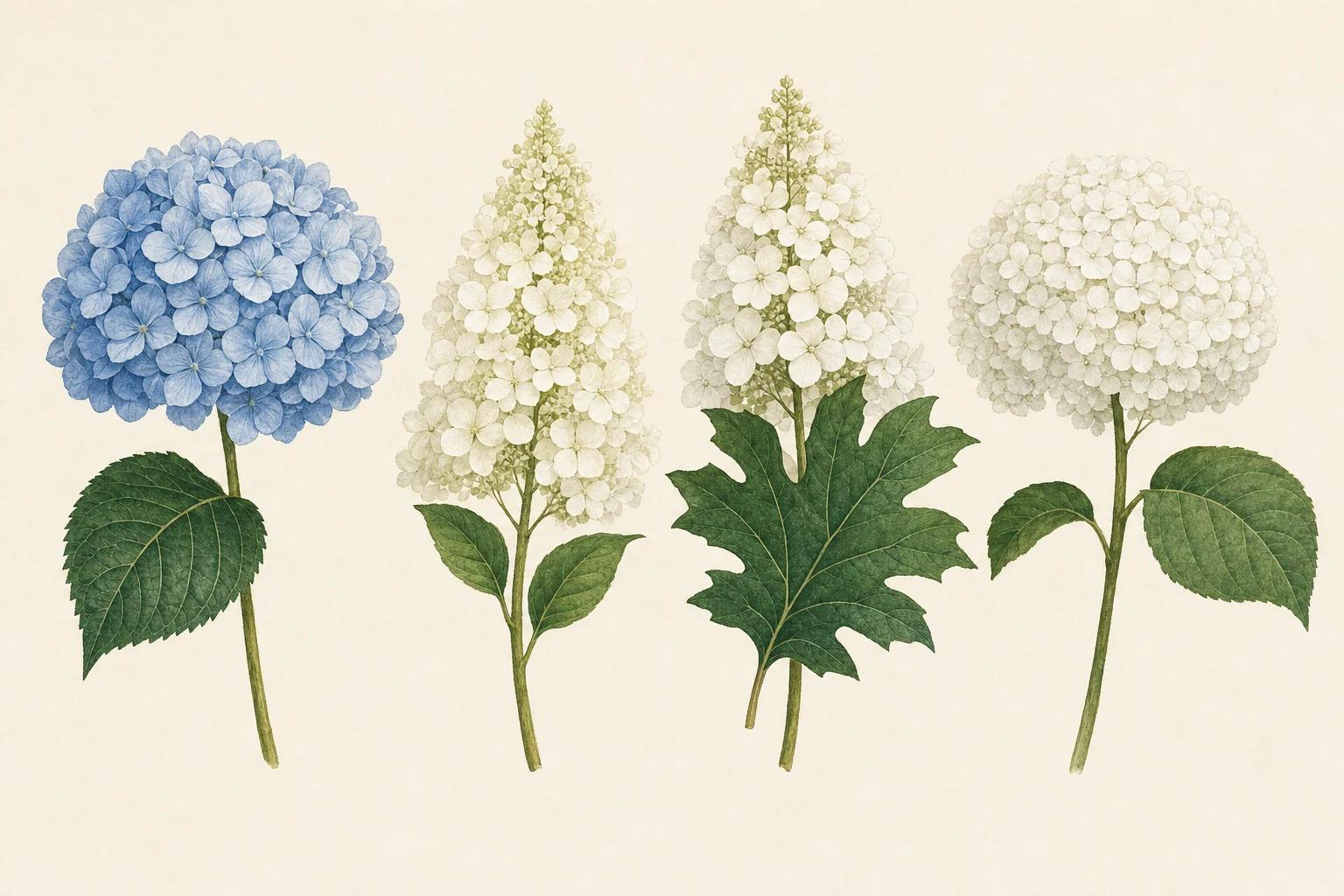
US gardens rely on six main types of hydrangeas: bigleaf, mountain, panicle, smooth, oakleaf and climbing. Only bigleaf and mountain turn blue or pink with soil pH, and both bloom on last year's stems. Panicle (Zones 3–8) and smooth (Zones 3–9) bloom on new growth, so they flower after any winter. Oakleaf takes heat best, and climbing hydrangea is a vine for shady walls.
Key facts
- The six main types
- Bigleaf, mountain, panicle, smooth, oakleaf, climbing
- Color follows soil pH
- Bigleaf and mountain only: blue at about pH 5.0 to 5.5, pink from about 6.0 to 6.5 up
- Bloom on new wood
- Panicle and smooth, plus reblooming bigleaf series
- Coldest gardens
- Panicle (Zones 3–8) and smooth (Zones 3–9)
- Most sun
- Panicle; oakleaf for hot summers
- Smallest picks
- Tiny Tuff Stuff, 1½–2 ft (45–60 cm); Bobo, Sky View and Ah-Ha, 2–3 ft (60–90 cm)
- Pet safety (ASPCA)
- Toxic to dogs, cats and horses
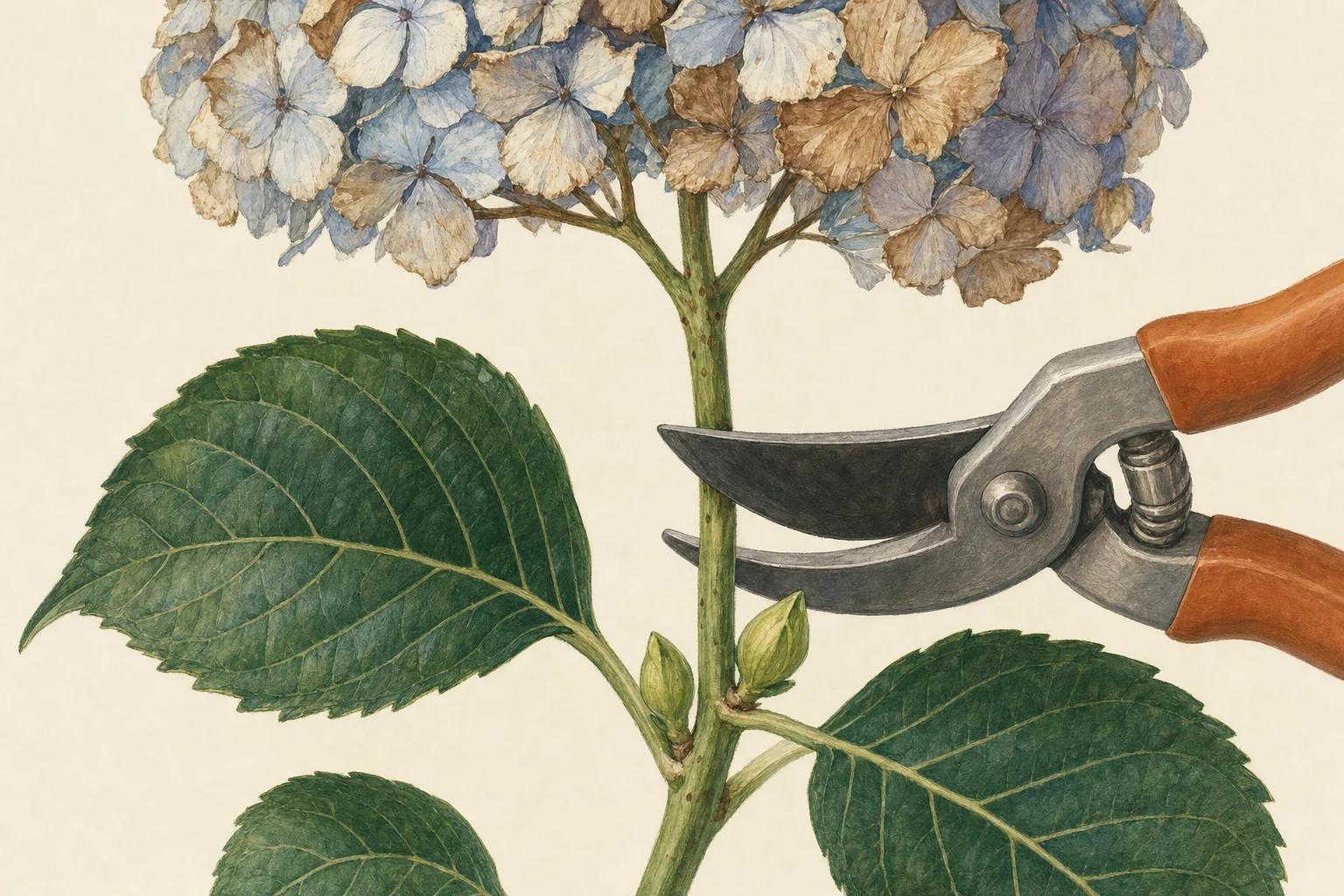
Six species do most of the work in American gardens: bigleaf, mountain, panicle, smooth, oakleaf and climbing hydrangeas. The split that matters most is where the flower buds form. Bigleaf, mountain, oakleaf and climbing hydrangeas carry next year's buds on stems that are already there in fall, so a cold snap or a fall haircut can wipe out a summer of bloom. Panicle and smooth hydrangeas bloom on stems that grow in spring, so they flower after any winter and any late-winter pruning.
The second split is color. Only bigleaf and mountain hydrangeas turn blue, purple or pink with soil chemistry. The others bloom white, or pink in a few smooth cultivars, and any shift toward pink, red or green as the flowers age has nothing to do with soil. Pick the type that fits your zone, your light and your patience, then choose a variety within it.
How these hydrangeas were chosen
Every variety below earned its place on hardiness and performance records, not catalog photos. The picks favor cultivars with long trial histories, including a 20-year panicle trial in Zone 5b (run in three phases) and north Florida bloom records from bigleaf plants established three or more years. They also favor cultivars that fix a known flaw of their species, such as floppy stems, lost buds or oversized shrubs. Sizes run from 1½-foot (45 cm) shrubs to a 50-foot (15 m) vine.
| Pick | Type | Zones | Size (ft) | Best for |
|---|---|---|---|---|
| Endless Summer The Original | Bigleaf, reblooming | 4–9 | 3–5 | Mopheads where winters kill buds |
| Blue Wave | Bigleaf lacecap | 5–9 | 3–6 | Classic blue lacecap in acid soil |
| Let's Dance Sky View | Bigleaf x mountain | 4–9 | 2–3 | Pots and small beds |
| Tuff Stuff Ah-Ha | Mountain, reblooming | 5–9 | 2–3 | Double lacecaps in a small space |
| Tiny Tuff Stuff | Mountain | 4–9 | 1.5–2 | The smallest beds |
| Limelight | Panicle | 3–9 | 6–8 | Sunny hedges and big borders |
| Little Lime | Panicle | 3–8 (species) | 3–5 | The Limelight look at half the height |
| Little Quick Fire | Panicle | 3–8 (species) | 3–5 | Earliest panicle color |
| Pinky-Winky | Panicle | 3–8 (species) | 4.5–8 | Two-tone heads on sturdy stems |
| Vanilla Strawberry | Panicle | 3–8 (species) | 6–8 | White heads that turn red |
| Tardiva | Panicle | 3–8 | 8–12 | Late bloom and pollinators |
| Bobo | Panicle | 3–8 (species) | 2.5–3 | The front of a bed |
| Annabelle | Smooth | 3–9 | 3–5 | Big white heads in cold, shady yards |
| Incrediball | Smooth | 3–8 | 4–5 | Annabelle-type heads that stay upright |
| Invincibelle Spirit II | Smooth | 3–8 | 3.5–4 | Pink flowers on a native species |
| Alice | Oakleaf | 5–9 (species) | 12–15 | Large native screen |
| Snowflake | Oakleaf | 5–9 (species) | 6–10 | Long-lasting, double-looking flowers |
| Snow Queen | Oakleaf | 5–9 | 4–6 | Flower heads that stand up after rain |
| Pee Wee | Oakleaf | 5–9 (species) | About 3 | Oakleaf character in a small garden |
| Miranda | Climbing | 4–7 (species) | Vine, 30–50 | Shady walls, cream-edged leaves |
Zones are USDA hardiness zones; check yours on the 2023 USDA map. "Species" means the range shown is the species' rating; the breeder may rate the cultivar differently, so check the tag. Sizes are typical mature height.
The six types side by side
The fastest way to choose is to match the type to your winter, your light and how much pruning you want to think about. Use this table to narrow the field, then read the type sections for the varieties.
| Type | Zones | Size (ft) | Light | Flowers on, and color |
|---|---|---|---|---|
| Bigleaf (H. macrophylla) | 6–9; rebloomers 4–9 | 3–6 | Morning sun, afternoon shade | Old wood (rebloomers also new); color follows soil |
| Mountain (H. serrata) | 6–9 | 1.5–5 | Part shade | Old wood (some cultivars also new); color follows soil |
| Panicle (H. paniculata) | 3–8; some cultivars 9 | 8–15; compact forms 2–5 | Full sun to part shade | New wood; white aging to pink or red |
| Smooth (H. arborescens) | 3–9 | 3–5 | Part shade; sun with steady moisture | New wood; white or pink |
| Oakleaf (H. quercifolia) | 5–9 | 4–8 | Full sun to part shade | Old wood; white aging to pink |
| Climbing (H. anomala subsp. petiolaris) | 4–7 | Vine, 50 or more | Part shade | Old wood; white |
Old wood means buds form on last year's stems; new wood means flowers come on this year's growth.
Two patterns stand out. The cold-hardy types, panicle and smooth, are also the forgiving ones, because a plant that blooms on new wood cannot lose its flowers to winter or to a mistimed cut. The old-wood types reward a gardener who leaves them alone: prune them only right after they bloom, before August, because bigleaf starts forming next year's flower buds in August. The full calendar by type is in when to prune hydrangeas.
Light is the other sorting rule. Hydrangeas are woodland shrubs, so most of them want some shade even when a tag says full sun, yet deep shade under big trees or on a north wall cuts flowering. Panicle is the exception that grows better in sun.
Bigleaf and mountain hydrangeas
Bigleaf is the classic blue-or-pink hydrangea and the most demanding of the six: it needs mild winters or a reblooming cultivar, afternoon shade, and pruning only right after bloom. Bigleaf hydrangea, also sold as French hydrangea, comes from coastal Japan and forms a rounded shrub about as wide as it is tall. It comes in two flower forms. Mopheads are balls made almost entirely of large sterile florets, while lacecaps are flat discs of small fertile flowers ringed by a few showy sterile ones, and those fertile centers are what bees visit.
The species is reliably hardy to Zone 6. In Zone 5 it needs a sheltered spot and winter protection, and even then some years bring no flowers because a hard freeze, a sudden temperature swing or a late frost kills the buds. Farther north it can die to the ground each winter, which takes every old-wood bud with it. Full sun works only where the soil stays consistently moist; elsewhere give it morning sun and afternoon shade. It is also the hydrangea most prone to powdery mildew.
Reblooming cultivars changed what bigleaf can do. Some cultivars are free-flowering, meaning extra old-wood buds along the stem open weeks after the first flush. True rebloomers also set buds on new growth that flower the same summer, so they bloom even after a winter that killed the stems back. In north Florida trials (Zone 8b) of plants established three or more years, 'David Ramsey', Penny Mac and 'Decatur Blue' flowered 23.5 to 24.5 weeks a year. Nikko Blue managed 17.5 weeks, while non-reblooming cultivars such as 'Lady in Red' (5.5 weeks) and Eclipse (2.1 weeks) flowered for only a few weeks.
How bigleaf and mountain flowers change color
Flower color depends on aluminum. When the flowers take it up they turn blue; without it they are pink. Soil pH decides how much aluminum the roots can reach.
| Soil pH | Aluminum the roots can reach | Flower color |
|---|---|---|
| 5.0 to 5.5 | Plenty | Blue |
| About 5.5 to 6.0 | Some | Purple or mixed |
| 6.0 to 6.5 and up | Little | Pink |
Applies to colored bigleaf and mountain cultivars; the exact thresholds shift a little by cultivar.
White bigleaf cultivars stay white, though they can pick up a faint pink or blue eye. High-phosphorus fertilizer locks up aluminum and pushes flowers pink, and concrete foundations and sidewalks leach lime that does the same to a shrub planted beside them. In the slightly alkaline soils of Iowa, most bigleaf hydrangeas bloom purplish pink. If you want to shift color, test the soil first and follow the measured approach in how to change hydrangea color.
Mountain hydrangea in brief
Mountain hydrangea is a smaller, finer-textured relative of bigleaf from the mountains of Japan. It rarely tops 5 feet (1.5 m), carries mostly lacecap flowers, and changes color with pH just as bigleaf does. Its buds are sometimes a little hardier than bigleaf's, but treat it as a Zone 6 plant unless the cultivar is rated colder, and keep it out of strong sun and wind. The two species cross readily, and their hybrids are usually treated as bigleaf.
Endless Summer The Original
Endless Summer The Original ('Bailmer') was the first reblooming bigleaf to be widely promoted. It was spotted at a Minnesota wholesale nursery and released in 1998, and it flowered about 24 weeks a year in north Florida. Expect a 3–5 foot (0.9–1.5 m) shrub with repeat flushes of mopheads from summer into fall in Zones 4 to 9, given morning sun and afternoon shade. The catch is color: it is blue only in acidic soil and blooms pink in alkaline soil.
Blue Wave
Blue Wave ('Mariesii Perfecta') is the lacecap to grow if you want rich blue in acid soil, and it has been in gardens since its introduction in 1904. It grows 3 to 6 feet (0.9 to 1.8 m) in part shade and flowers from July for up to two months, rated for Zones 5 to 9. Unlike the rebloomers, it flowers only on old wood, so in Zone 5 it needs a sheltered site to keep its buds.
Let's Dance Sky View
Let's Dance Sky View is a bigleaf-and-mountain hybrid ('SMNHSME') that stays 2 to 3 feet (60 to 90 cm) tall and blooms on both old and new wood in Zones 4 to 9. It is sized for containers and wants 4 to 6 hours of sun. Plants usually arrive pink; the sky-blue color needs acidic soil or an aluminum treatment.
Tuff Stuff Ah-Ha
Tuff Stuff Ah-Ha is a reblooming mountain hydrangea ('SMNHSDD') with double, waterlily-like florets in its lacecaps. It grows only 2–3 feet (60–90 cm) tall in Zones 5 to 9 and blooms on old and new wood from early summer to frost. Give it at least 4 hours of sun, with shade through the hottest part of the day. Its breeder advises against cutting it back at all; remove only dead stems.
Tiny Tuff Stuff
Tiny Tuff Stuff is a mountain hydrangea that stays just 1½ to 2 feet (45 to 60 cm) tall and wide, small enough for the edge of a shady path. It is rated to Zone 4, colder than most mountain hydrangeas, but check the tag's rating against your zone before you buy.
Panicle hydrangeas
Panicle hydrangea is the toughest and most sun-tolerant type, hardy to Zone 3 and reliable in bloom because it flowers on new wood. Panicle hydrangea comes from China and Japan, not North America. The species grows 8 to 15 feet (2.4 to 4.6 m), occasionally to 25 feet (7.6 m), and can be trained as a small single-trunk tree. Modern compact cultivars stay 2 to 5 feet (0.6 to 1.5 m). It also copes well with urban conditions.
Its upright, cone-shaped heads open in midsummer and carry on into September or October, when few other shrubs bloom. They open white or lime and age to pink, red or rose before drying tan, and that change is aging, not soil. Thinning a plant to 5 to 10 main stems gives larger heads, but heavier heads bend the branches. In a 20-year trial in Zone 5b, all 45 cultivars tested came through every winter with no losses or stem dieback. 'Bombshell' was the poor performer there, because its weak stems flopped open every year at bloom time.
Five-star panicles in a 20-year Zone 5b trial: 'Big Ben', Fire and Ice, Honeycomb, Limelight, Little Lime, Little Quick Fire, Pinky-Winky and White Diamonds. Honeycomb's large fertile florets drew crowds of bees.
The original peegee, 'Grandiflora', arrived from Japan in 1862, has been widely over-planted, and has naturalized in parts of eastern North America.
Limelight
Limelight is the benchmark panicle: heads about 9 inches (23 cm) long that open lime green and age to pink, on a shrub 6 to 8 feet (1.8 to 2.4 m) tall and wide. It is rated for Zones 3 to 9 and earned five stars in the long cold-climate trial. Give it full sun in the North and some afternoon shade in hot-summer areas. Young plants can have weak stems in the first year; annual pruning firms them up.
Little Lime
Little Lime ('Jane') is a compact shrub in the Limelight style, standing 3 to 5 feet (0.9–1.5 m), with lime-green heads that age to pink, and it also earned five stars in the trial. It suits foundation beds where a full-size panicle would block windows. The trade-off is head size: about 6 inches (15 cm), against roughly 9 inches (23 cm) on Limelight.
Little Quick Fire
Little Quick Fire is a scaled-down Quick Fire, 3–5 feet (0.9–1.5 m) tall, that opens in late June, ahead of most panicles. Its florets turn pink-purple within weeks and deep magenta by mid-August, and it earned a five-star rating in the cold-climate trial. Read the label before you buy, because full-size Quick Fire reaches 6 to 8 feet (1.8–2.4 m) in both height and spread.
Pinky-Winky
Pinky-Winky ('Dvppinky') carries two-tone heads about 11 inches (28 cm) long that darken to pink from the bottom up while the tips stay white, held on sturdy red stems. The pink shows from late August and holds into October, and it was another five-star performer. Plants reach about 8 feet (2.4 m) tall and wide, and the trial plants grew wider than tall, so give it elbow room.
Vanilla Strawberry
Vanilla Strawberry ('Renhy') is a panicle that finishes in red: its creamy white heads turn strawberry red as they age, on deep red stems. Plants mature at 6 to 8 feet (1.8–2.4 m), about 5 feet (1.5 m) across. The heavy heads arch the stems into a fountain shape, and in two trial years the flowers browned soon after mid-August.
Tardiva
Tardiva is one of the last shrubs of the year to flower, opening in late summer and carrying well into September. Its loose panicles, up to 8 inches (20 cm) long, show small fertile flowers beneath the white sterile ones, and bees and butterflies work those fertile flowers. Plan for its size: it grows 8 to 12 feet (2.4 to 3.7 m) tall, so it belongs at the back of a border or as a screen.
Bobo
Bobo ('Ilvobo') is a dwarf panicle, 2½–3 feet tall and 3–4 feet wide (75–90 cm by 0.9–1.2 m), that blooms heavily, with white flowers that start turning pink by mid-August. It fits the front of a bed where other panicles would tower. Its weak point is leaf spot: the trial plants showed minor spotting most years and a severe outbreak in one.
Smooth hydrangeas
Smooth hydrangea is the native, cold-hardy choice for part shade: hardy in Zones 3 to 9, blooming on new wood from June into September. Smooth hydrangea grows wild from New York to Florida and west to Iowa, Missouri, Oklahoma and Louisiana. Plants form loose mounds of thin stems topped with round white heads, or pink ones in newer cultivars. The old name sevenbark comes from stems that peel in thin, differently colored layers.
Because it blooms on new wood, you can cut it back hard in late winter without losing that summer's flowers. It adapts to most soils but not to drought, and its leaves decline quickly in dry spells. In the Deep South it needs afternoon shade, since its big, soft leaves wilt in hot sun even when the soil is moist. Rabbits tend to leave it alone.
Annabelle
Annabelle was found growing wild near Anna, Illinois. Its white heads reach 8 to 12 inches (20 to 30 cm) across. The shrub grows 3 to 5 feet (0.9 to 1.5 m) tall and spreads 4 to 6 feet (1.2 to 1.8 m). It is hardy in Zones 3 to 9, flowers from June for about two months, and sometimes adds a small repeat bloom in fall. Its known flaw is that the heads droop when wet.
Incrediball
Incrediball is the sturdier answer to Annabelle, with very large round white heads on thick stems that stay upright. It grows 4 to 5 feet (1.2 to 1.5 m) tall in Zones 3 to 8 and makes its largest heads and strongest stems with 6 or more hours of sun. That much sun only works with steady moisture.
Invincibelle Spirit II
Invincibelle Spirit II ('NCHA2') brings deep pink to a native species, on a compact plant 3½ to 4 feet (1.1 to 1.2 m) tall with sturdy stems. It blooms in waves from summer into fall in Zones 3 to 8, wants at least 4 hours of sun, and needs afternoon shade in hot regions. The pink does not last: the flowers fade to green as they age.
Oakleaf and climbing hydrangeas
Oakleaf hydrangea is the best type for hot summers and a true four-season shrub, while climbing hydrangea is a slow, shade-tolerant vine for walls and tree trunks. Both bloom on old wood with white flowers that do not respond to soil pH.
Oakleaf hydrangea is native to the Southeast, where it grows on bluffs, ravines and stream banks. It carries white cone-shaped flower heads from May to July, turns red, burgundy or bronze in fall, and shows peeling brown bark in winter. It handles heat and sun better than any other hydrangea. Compact cultivars stay near 3 feet (90 cm). It is rated Zones 5 to 9, but in Zone 5 it needs shelter, and below -10°F (-23°C) it can lose its flower buds or die to the ground. Its biggest weakness is wet soil: root rot can kill even large, established plants after long rains or in poorly drained beds.
Alice
Alice came out of the University of Georgia and is the oakleaf for scale, with flower heads 10 to 14 inches (25 to 36 cm) long, burgundy-red fall color and tolerance of full sun. It is among the largest oakleafs and can reach 12 to 15 feet (3.7–4.6 m) tall and wide, so it needs the room of a screen, not a foundation bed.
Snowflake
Snowflake ('Brido') has doubled sepals that make each floret look double, and its florets keep opening through summer, giving it a longer bloom than single-flowered oakleafs. It can grow to nearly 10 feet (3 m), and oakleafs including Snowflake have lasted nearly 30 years in Denver's dry climate. The huge heads are heavy enough to hang upside down.
Snow Queen
Snow Queen ('Flemygea') holds showier flower heads, 4 to 12 inches (10 to 30 cm) long, on rigid stems that stay upright even after soaking rain, flowering May to July on a 4–6 foot (1.2–1.8 m) shrub. It is the oakleaf to choose for a rainy site where nodding heads would look untidy. It can pick up leaf blight and powdery mildew, though neither is usually serious.
Pee Wee
Pee Wee is a compact oakleaf about 3 feet (90 cm) tall. It brings oakleaf bark, flowers and fall color to a small garden or a narrow bed beside a path.
Climbing hydrangea and Miranda
Climbing hydrangea clings to masonry and tree trunks with aerial rootlets and can climb 50 feet (15 m) or more. In early summer it carries flat white lacecaps 6 to 10 inches (15 to 25 cm) across, and older stems show peeling cinnamon-brown bark. It is hardy to Zone 4 and rated to Zone 7, and it may not grow well in the southern Deep South; a sheltered spot in part shade is the safe choice. Expect a wait of 3 to 5 years before it starts flowering. Deer browse it heavily, and its heavy woody stems need a sturdy wall or a mature tree for support.
Miranda is a climbing hydrangea whose leaves are edged in creamy yellow, which lightens a shady wall, and it grows 30 to 50 feet (9 to 15 m). It shares the species' slow start, so plant it expecting a few years of leaves before flowers.
Matching the type to your climate and space
Winter cold and summer heat narrow the choice fastest. Panicle and smooth suit cold regions, oakleaf and shaded bigleaf suit the humid South, and bigleaf and mountain do their best work in the Pacific Northwest. Check your zone with the plant hardiness checker before you buy, then time the planting with when to plant hydrangeas.
Cold North (Zones 3 to 5)
Panicle and smooth hydrangeas are the dependable choices in Zones 3 to 5, because they flower on growth made after winter ends. Standard bigleaf dies to the ground in Iowa winters, so if you want mopheads, plant a reblooming series rated to Zone 4. Oakleaf and lacecap bigleaf are rated only to Zone 5 and need a sheltered spot there.
Hot, humid South
Across the Deep South, most hydrangeas flower best with about 5 hours of direct sun, mostly in the morning. Afternoon shade is not optional for bigleaf or smooth hydrangeas there. Panicle takes the sunny spots, and oakleaf is the native that handles heat best, provided the soil drains. Climbing hydrangea struggles in the southern part of the region.
Pacific Northwest
Coastal humidity and dappled light suit bigleaf and mountain hydrangeas. Many Pacific Northwest soils are acidic enough to give blue flowers, but test first; some cultivars stay pink regardless. Panicle takes more sun here as long as the soil stays moist, and oakleaf grows well, with deep orange to burgundy fall color. A shrub beside a concrete foundation may still bloom pink because of lime leaching from the concrete.
Dry interior West
Around Denver, bigleaf struggles because it performs best in humid, wet, acidic conditions. Annabelle is a common sight there, and oakleaf has persisted for decades in Denver gardens. Give hydrangeas a sheltered spot with steady but not soggy moisture; in Denver even long-lived oakleafs do better slightly underwatered than overwatered.
Small gardens and containers
The shortest picks on this page, Tiny Tuff Stuff, Bobo, Let's Dance Sky View, Tuff Stuff Ah-Ha and Pee Wee, all stay at or under 4 feet (1.2 m). Bigleaf hydrangea in general also suits containers. Any hydrangea in a pot or in poorly drained soil is at risk of Phytophthora root rot, so use a free-draining mix and a pot with drainage holes. Pot size, winter storage and watering are covered in growing hydrangeas in pots.
All hydrangeas are toxic to dogs, cats and horses. The plant contains a cyanogenic glycoside that causes vomiting, depression and diarrhea; cyanide poisoning is rare. Site new shrubs away from where a pet that chews plants spends its time.
To see how a full-size panicle or an oakleaf will fit beside your house before you plant, sketch it in Sow's garden design studio.
How to identify a hydrangea you already have
You can identify most hydrangeas in one season by checking leaves, flower shape, bloom timing and color behavior, in that order. Knowing the type tells you when to prune, and pruning at the wrong time is one of the main reasons an inherited hydrangea stops blooming.
- Check the leaves. Deeply lobed leaves about 8 inches (20 cm) long, shaped like an oak's, mean oakleaf. Large, coarsely toothed oval leaves 4 to 8 inches (10 to 20 cm) long point to bigleaf; smaller leaves up to 6 inches (15 cm) on a low shrub suggest mountain. Thin, rounded or heart-shaped leaves with paler undersides mean smooth. Oval, toothed leaves up to about 6 inches (15 cm) on a tall shrub point to panicle. A vine clinging to a wall with small rootlets is climbing hydrangea.
- Look at the flower shape. Cone-shaped heads belong to panicle or oakleaf, and the leaves tell those two apart. Round white domes on thin, floppy stems with thin leaves point to smooth hydrangea; a white mophead on thicker stems with larger, heavier leaves is a white bigleaf. Round mopheads or flat lacecaps in blue, pink or purple are bigleaf or mountain.
- Note when it blooms. Oakleaf starts in May. Smooth begins in late May in the South and June farther north. Bigleaf and mountain open in June or July, climbing hydrangea flowers in early summer, and panicle waits until midsummer and carries on into fall.
- Watch the color over a season. Blue flowers, or flowers that drift between blue and pink from year to year, mean bigleaf or mountain. White flowers that age to pink, red or green usually belong to panicle, oakleaf or smooth, and that change is age, not soil. White bigleafs can blush pink or blue too, but they ignore any soil treatment.
- Think back to last winter and the last pruning. A plant that flowers every year even after a hard spring cutback blooms on new wood or is a reblooming bigleaf. One that skips a year after a cold winter or a fall trim is an old-wood type. On a bigleaf in spring, fat buds at the stem tips are flower buds and slender ones are leaf buds.
Keep the plant tag from every hydrangea you buy, or photograph it, and file it with your garden notes. The cultivar name settles the pruning question in seconds.
Once you know the type, the next steps follow from it. Old-wood types get a light trim right after flowering and nothing later; new-wood types can be cut in late winter. If an old-wood plant has been cut at the wrong time or frozen back, expect one lost summer, then work through the causes in why a hydrangea is not blooming. Feeding, watering and site preparation for every type are in the hydrangea growing guide.
From the Sow catalog
Hydrangeas in the Sow catalog
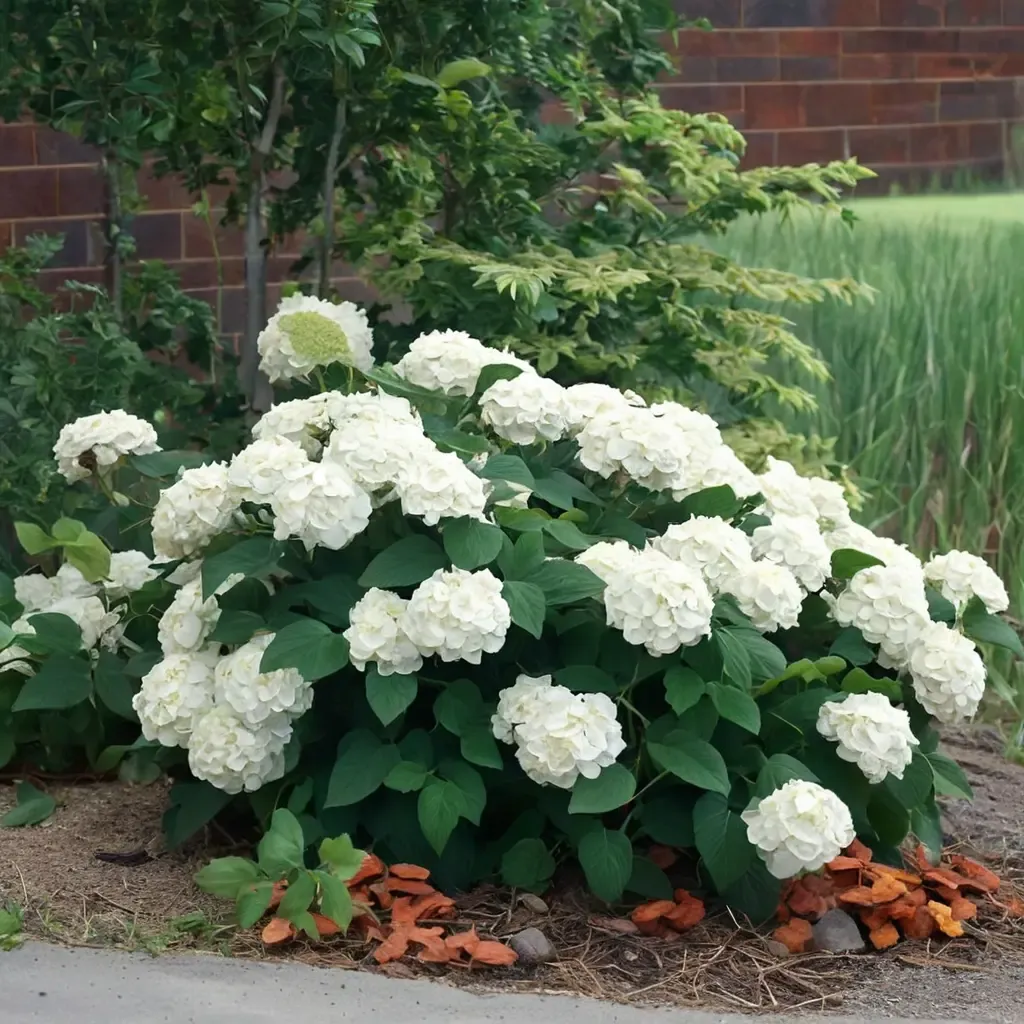
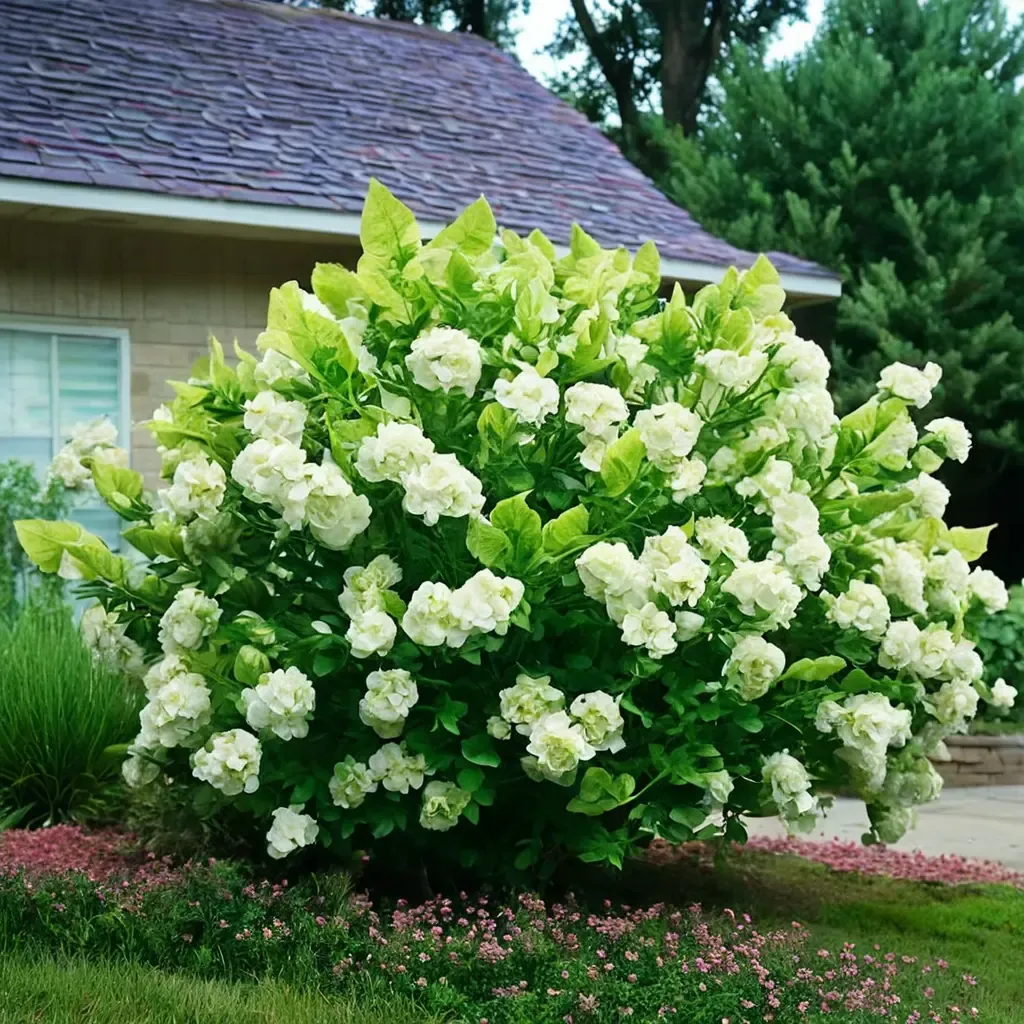
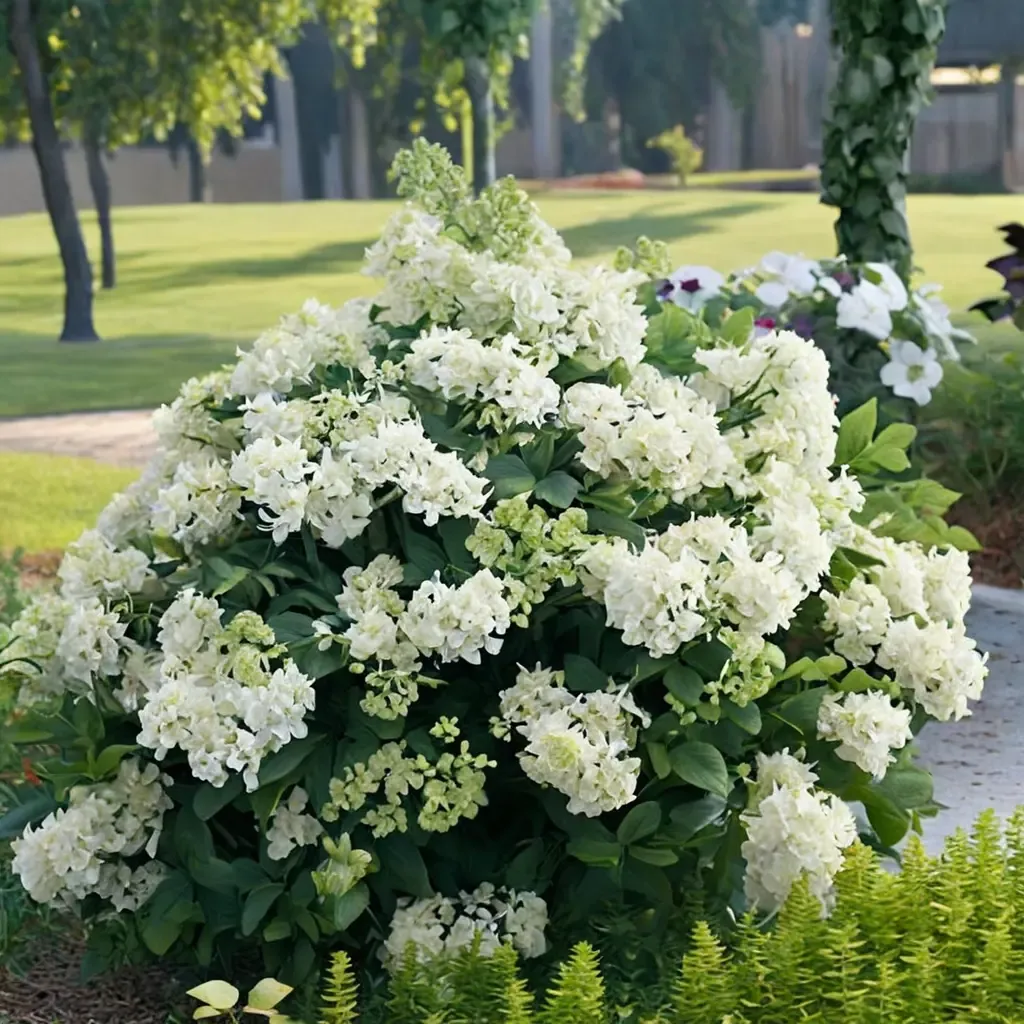
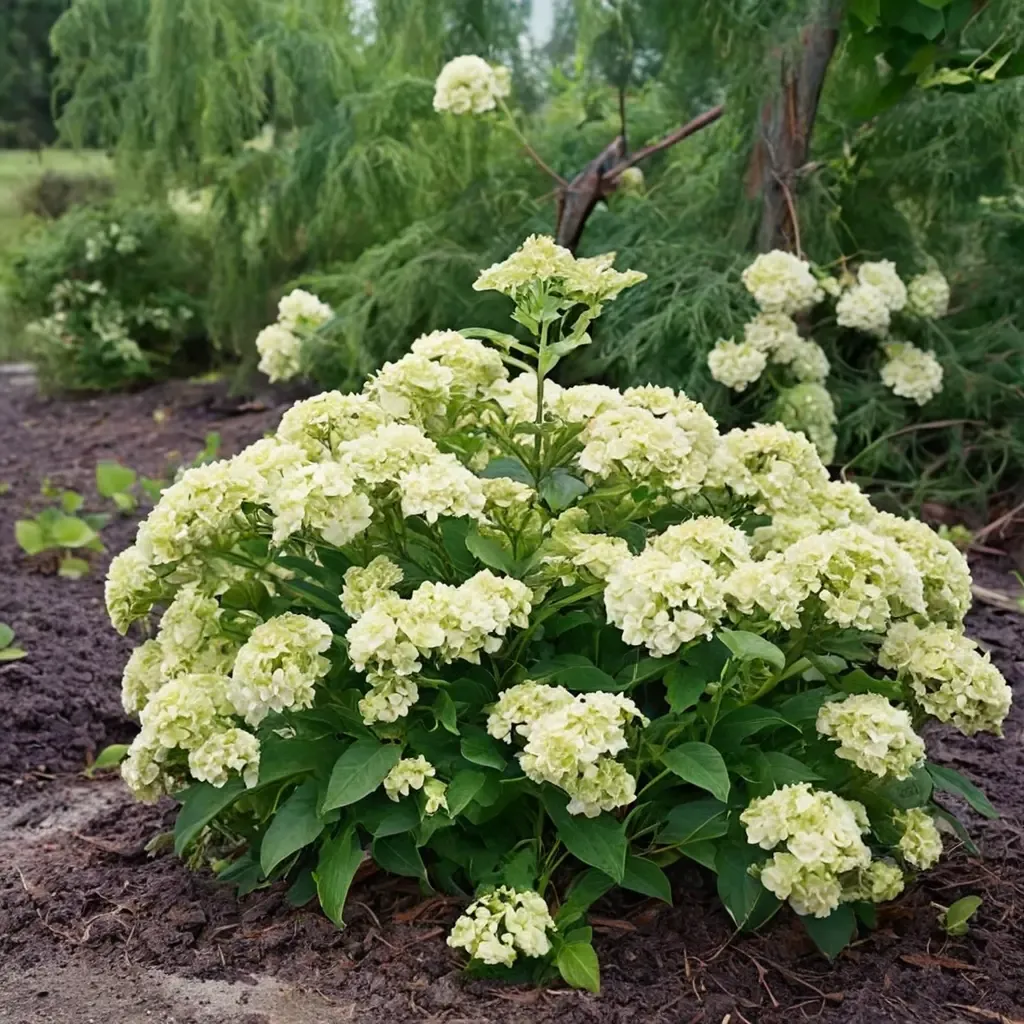
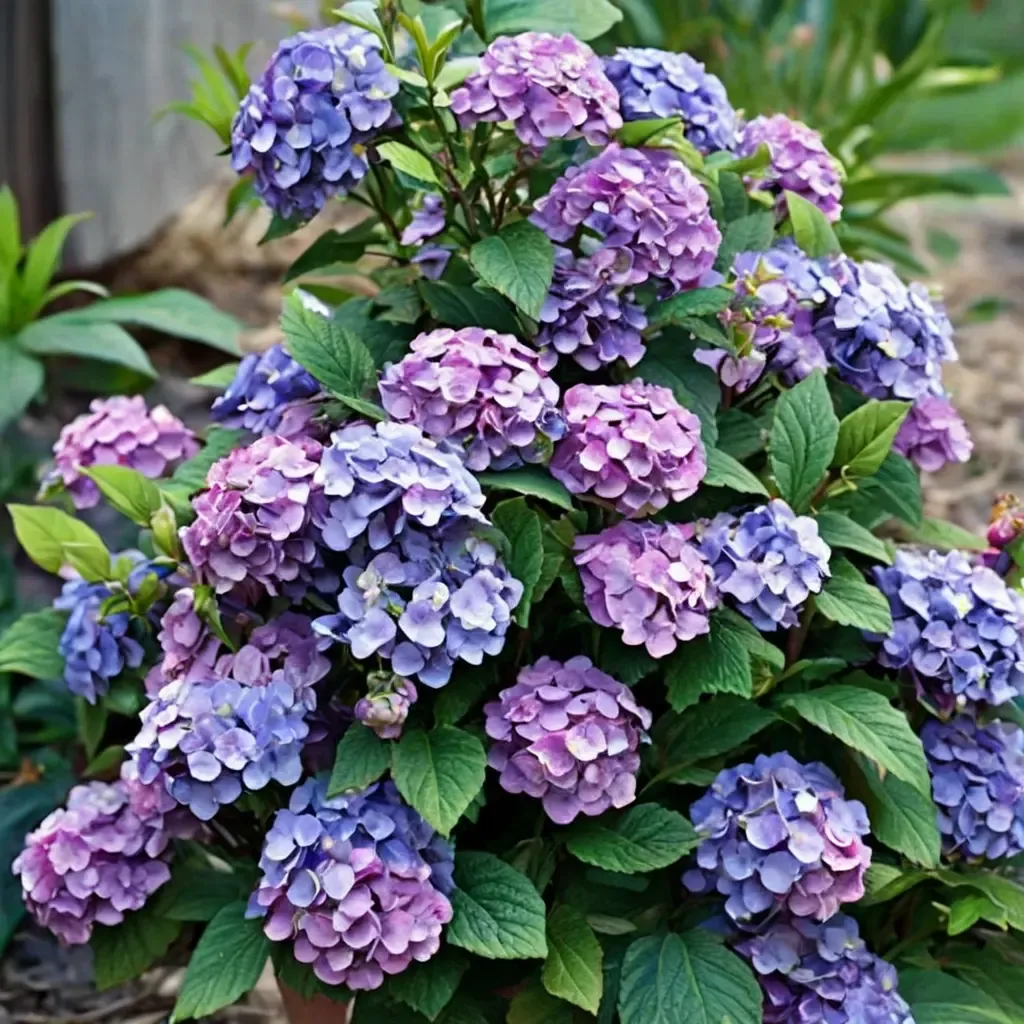
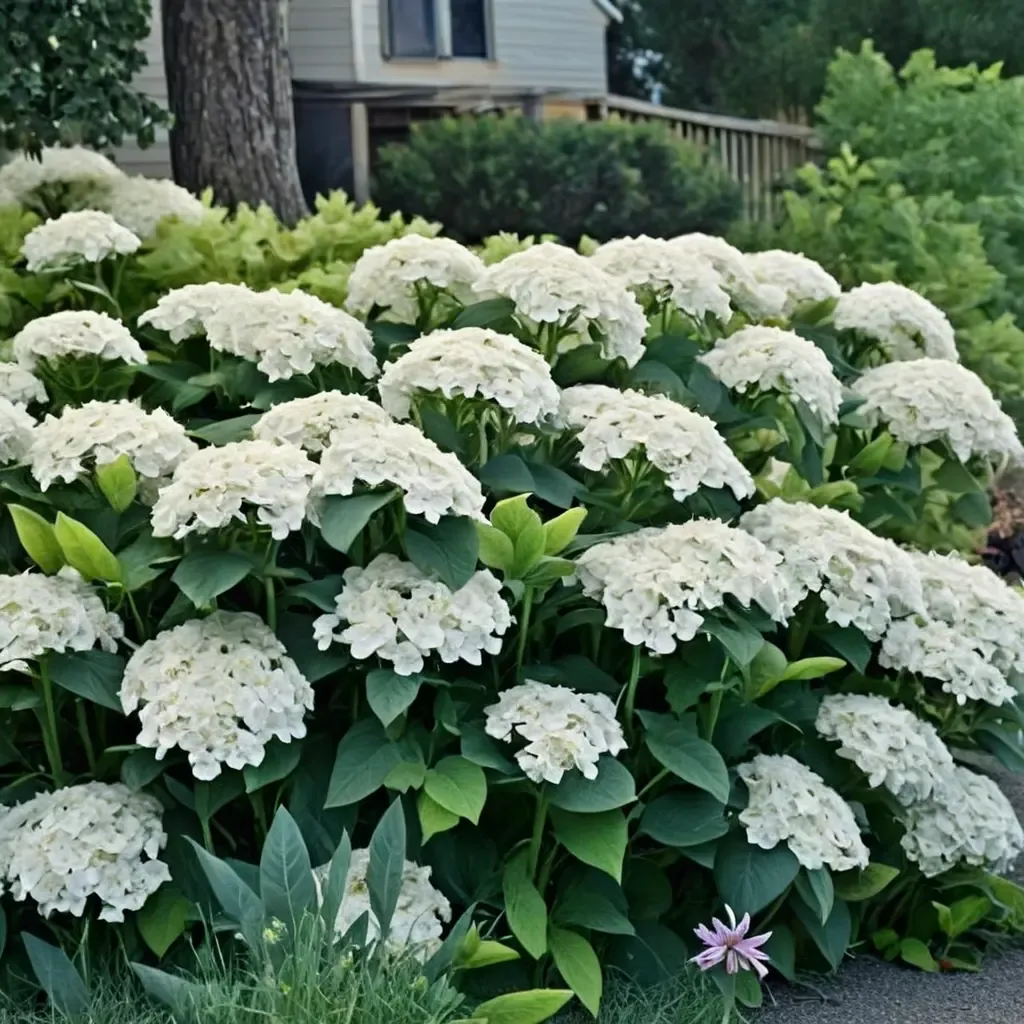
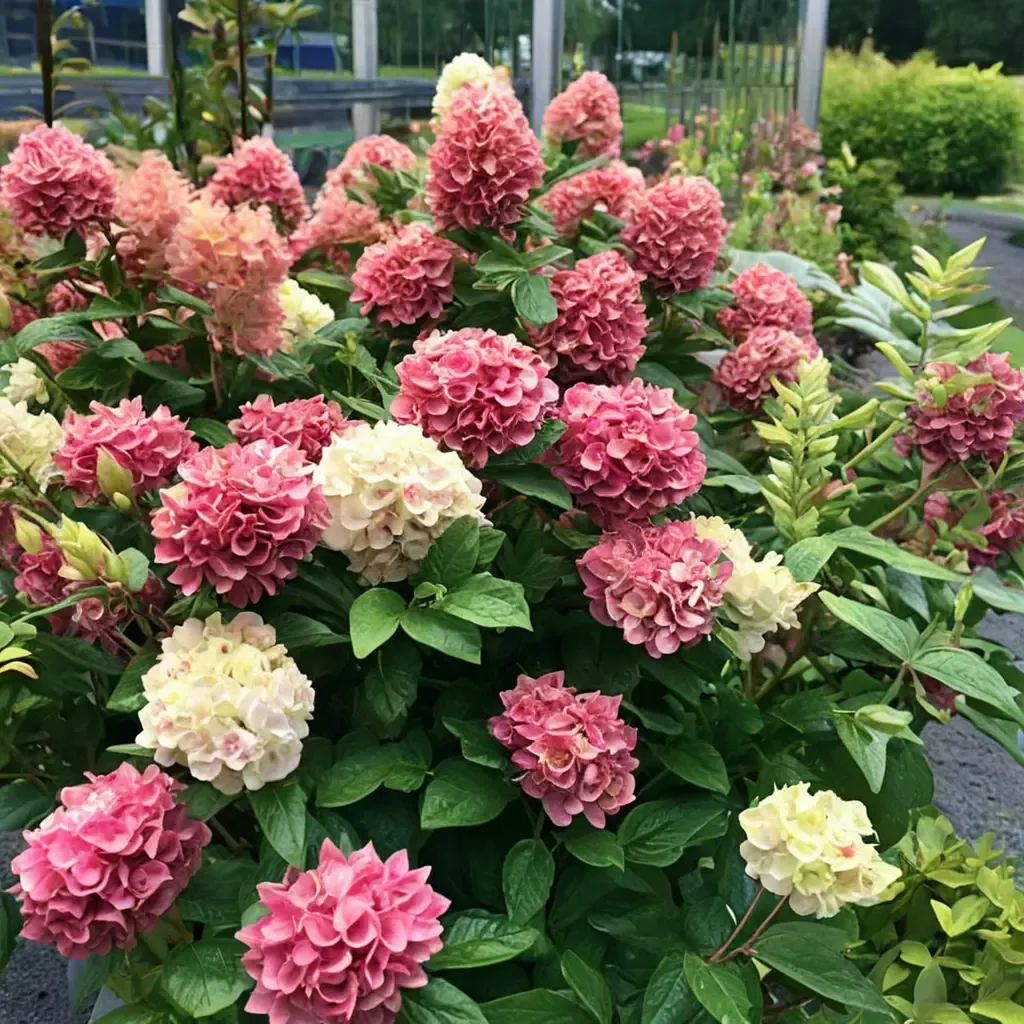
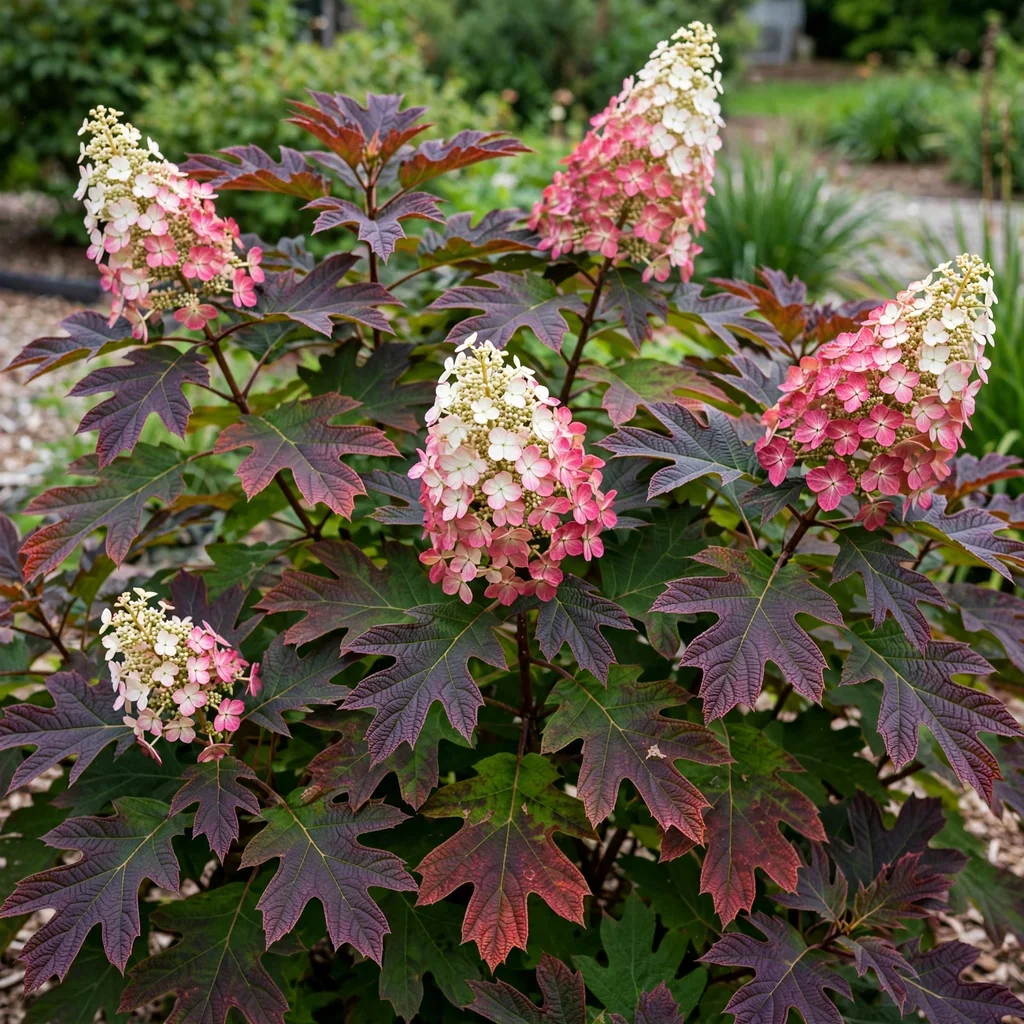
Sow tracks 127 Hydrangea varieties, hardy across USDA Zones 4 to 9 between them. These are the 8 gardeners save most. Each one opens its own page with its zone range, sun, mature size and, where a nursery lists it, today's price.
Companions from real gardens
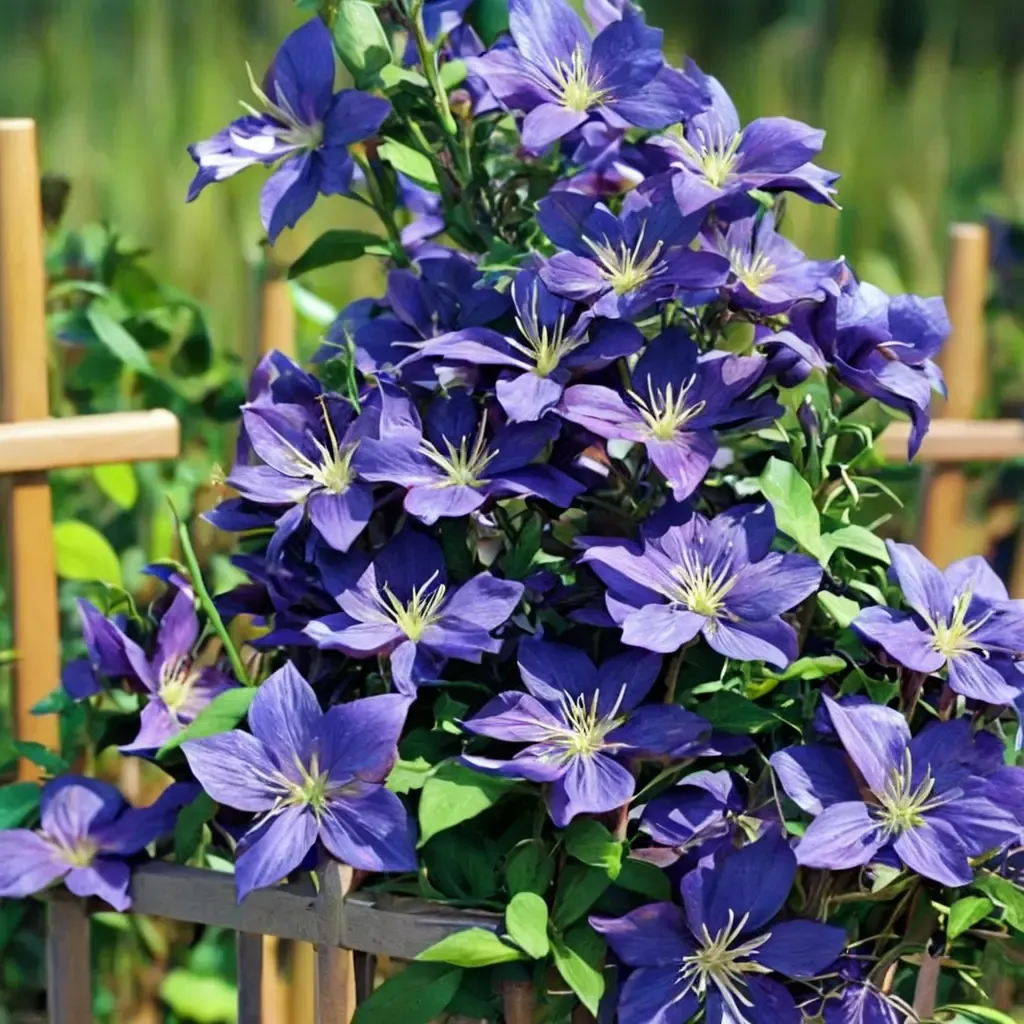
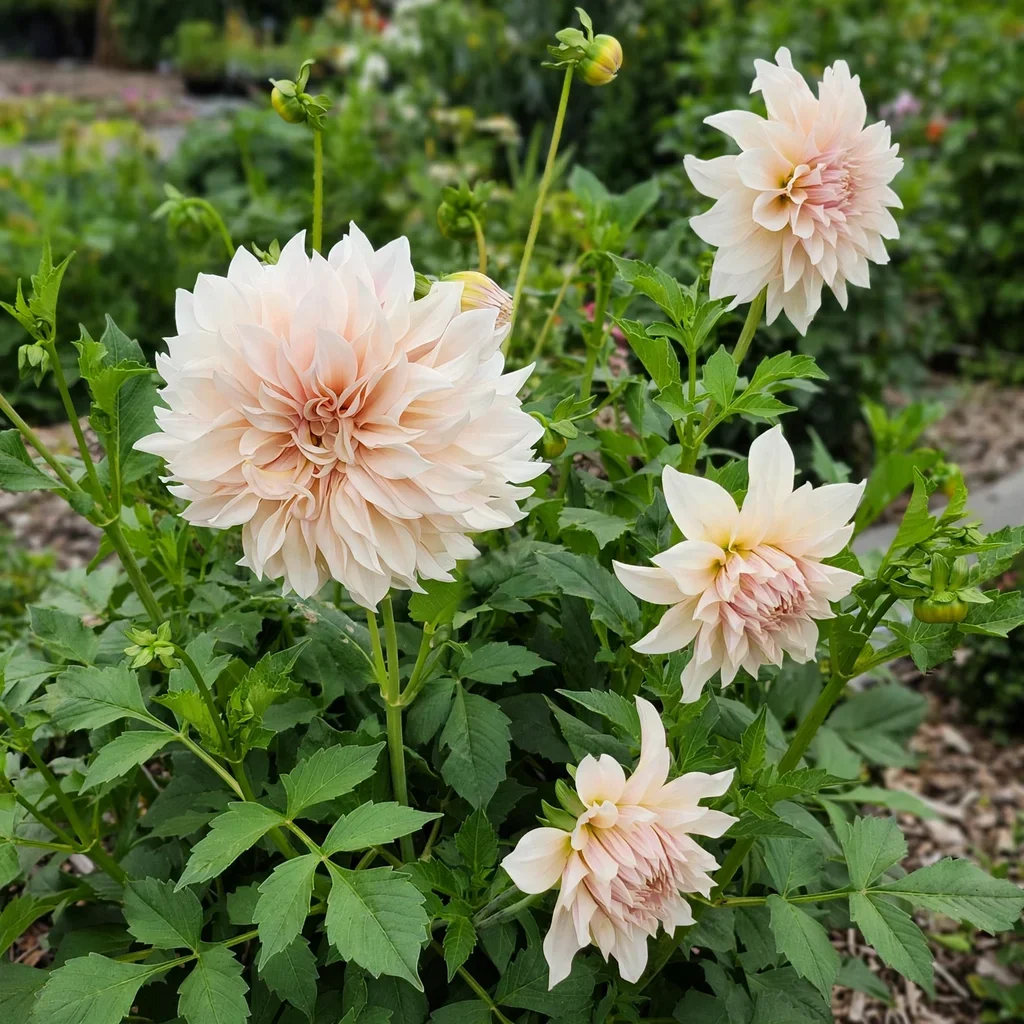
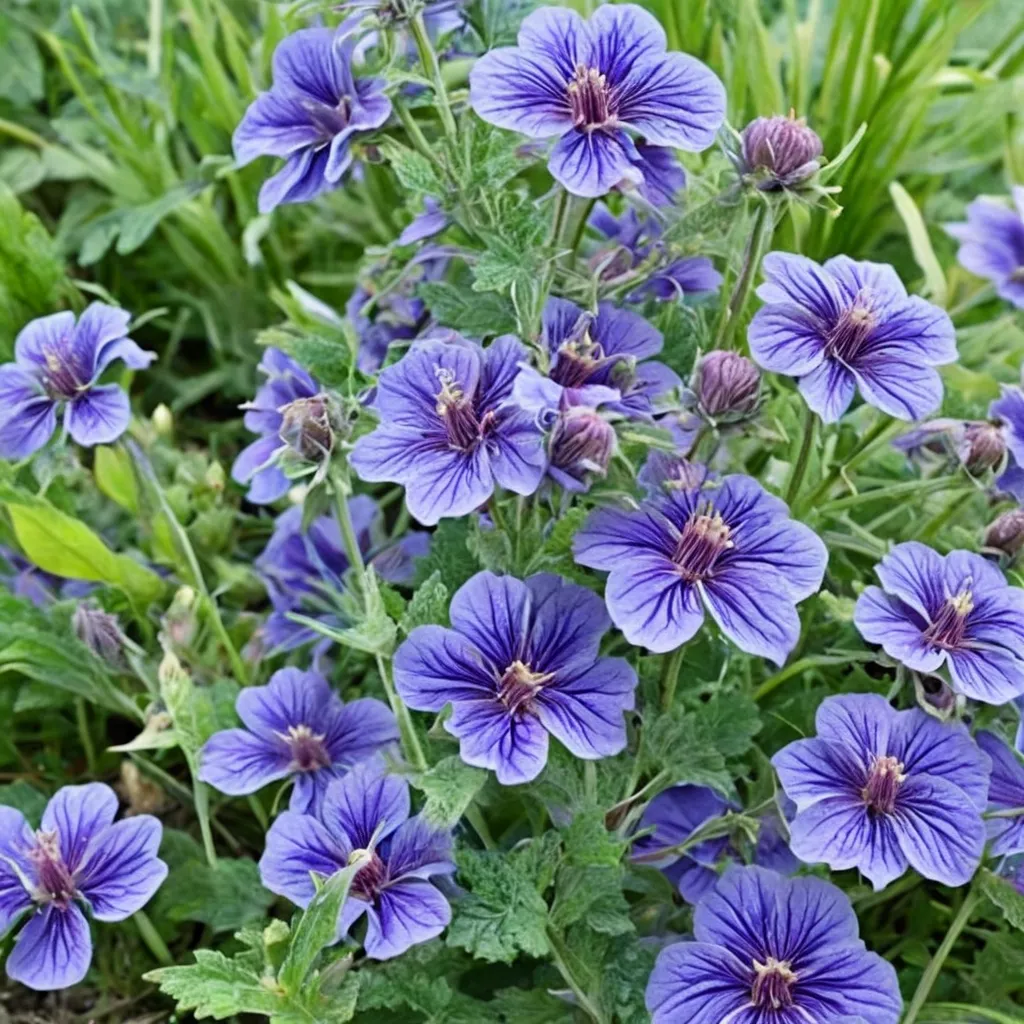
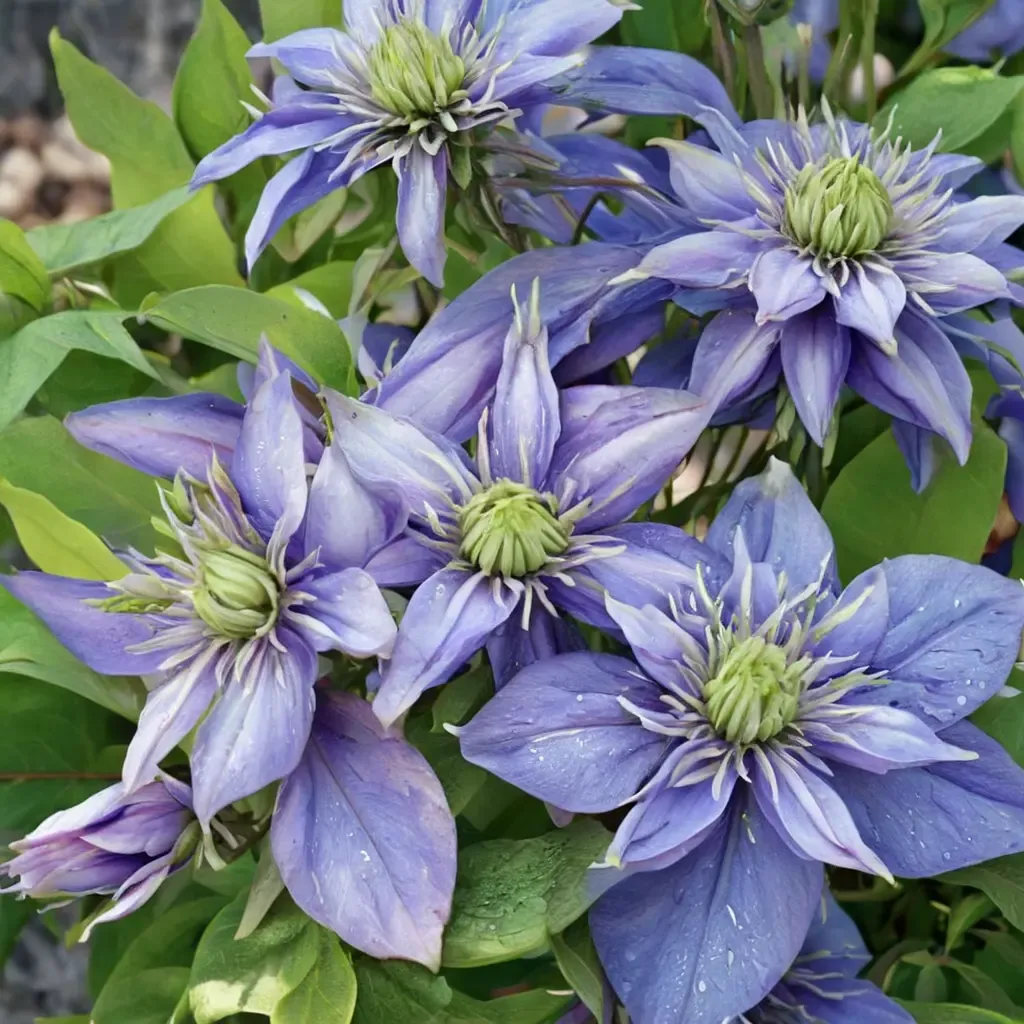
Among the 5.3k gardeners who designed with Hydrangea in Sow, these are the plants they most consistently put beside it. Each was chosen by at least 20 different gardeners, so this is a palette people actually use, not a textbook list.
Prices across nurseries
58 Hydrangea varieties are listed by the online nurseries Sow checks every day, from $15.99 to $155.75, with a median of $20.97. The cheapest listing is usually the smallest pot, so compare sizes as well as prices.
Frequently asked questions
How can I tell if my hydrangea blooms on old or new wood?
Work out the type first. Bigleaf, mountain, oakleaf and climbing hydrangeas flower from buds made on last year's stems, while smooth and panicle hydrangeas flower on stems that grow this spring. A plant that still blooms after being cut hard in March, or after a brutal winter, is a new-wood type or a reblooming bigleaf such as Endless Summer. One that goes leafy but flowerless after a fall trim is an old-wood type.
What is the difference between Hydrangea paniculata and Hydrangea macrophylla?
They differ in size, hardiness and care. Hydrangea paniculata (panicle) is a sun-tolerant shrub of 8 to 15 feet (2.4 to 4.6 m) as a species, hardy to Zone 3, with cone-shaped heads on new wood, so you can prune it in late winter. Hydrangea macrophylla (bigleaf) is a 3- to 6-foot (0.9 to 1.8 m) shrub for Zone 6 and warmer, with round or flat heads on old wood, so you prune it only right after flowering. Only bigleaf changes color with soil.
Which hydrangeas change color?
Only bigleaf and mountain hydrangeas, and hybrids between them, change color with the soil, and white cultivars stay white. Panicle and oakleaf heads that turn pink in late summer are simply aging. Rates and timing are on the change-color page.
Which hydrangeas are native to North America?
Of the six main garden types, two are native. Smooth hydrangea grows wild from New York to Florida and west to Iowa, Missouri, Oklahoma and Louisiana. Oakleaf hydrangea is native to the Southeast, from Georgia to Florida to Louisiana. Bigleaf, mountain and panicle hydrangeas come from Japan and eastern Asia. Panicle hydrangea has naturalized in parts of eastern North America, but that makes it an escaped garden plant, not a native.
Which hydrangea can take full sun?
Panicle hydrangea does better in sun than in shade and also handles city conditions. For Limelight and similar cultivars, full sun suits cold climates and some afternoon shade suits warm ones. Oakleaf takes heat and sun better than the other types as long as its soil drains. Smooth hydrangeas such as Incrediball make their largest heads with 6 or more hours of sun, but only when the soil stays evenly moist.
Are hydrangeas poisonous to dogs and cats?
Yes. Hydrangeas are listed as toxic to dogs, cats and horses because the plant contains a cyanogenic glycoside. A pet that chews the leaves or flowers may vomit, seem depressed or have diarrhea; true cyanide poisoning is rare. If your dog or cat eats a quantity of leaves or flower heads, call your veterinarian or an animal poison control line.
What is a peegee hydrangea?
Strictly, peegee is the name of Hydrangea paniculata 'Grandiflora', the first panicle hydrangea introduced to gardens, but people now call almost any panicle hydrangea a peegee. The old type is big: grown as a shrub it reaches 10 to 15 feet (3 to 4.6 m), and trained on a single trunk it can become a tree of up to 25 feet (7.6 m). If you want that look in less space, Limelight and the compact panicles below are far smaller.
References
- Mississippi State University Extension Service. Hydrangeas for Mississippi Gardens (Publication 2574). Accessed October 16, 2026.
- Ohio State University Extension (Ohioline). Selecting Hydrangeas for the Home Landscape (HYG-1263). Accessed October 16, 2026.
- Iowa State University Extension and Outreach. Hydrangeas for Iowa. Accessed October 16, 2026.
- Chicago Botanic Garden. Hydrangea paniculata cultivars (Plant Evaluation Notes). Accessed October 16, 2026.
- University of Florida IFAS Extension. New Hydrangeas for North and Central Florida: Bigleaf and Mountain Hydrangeas (ENH1034, archival). Accessed October 16, 2026.
- Oregon State University Extension Service. Hydrangeas bring beauty and variety to Oregon gardens. Accessed October 16, 2026.
- Washington State University Extension, Skagit County Master Gardeners. Hooray for Hydrangeas. Accessed October 16, 2026.
- Denver Botanic Gardens. Hydrangeas for Colorado?. Accessed October 16, 2026.
- ASPCA Animal Poison Control Center. Hydrangea. Accessed October 16, 2026.
- Missouri Botanical Garden Plant Finder. Hydrangea quercifolia 'Flemygea' SNOW QUEEN. Accessed October 16, 2026.
- Missouri Botanical Garden Plant Finder. Hydrangea paniculata 'Tardiva'. Accessed October 16, 2026.
- Missouri Botanical Garden Plant Finder. Hydrangea arborescens 'Annabelle'. Accessed October 16, 2026.
- Missouri Botanical Garden Plant Finder. Hydrangea macrophylla 'Mariesii Perfecta' BLUE WAVE. Accessed October 16, 2026.
- Bailey Nurseries (Endless Summer). Endless Summer The Original Reblooming Hydrangea. Accessed October 16, 2026.
- Proven Winners. Let's Dance Sky View Reblooming Hydrangea. Accessed October 16, 2026.
- Proven Winners. Tuff Stuff Ah-Ha Reblooming Mountain Hydrangea. Accessed October 16, 2026.
- Proven Winners. 'Limelight' Panicle Hydrangea. Accessed October 16, 2026.
- Proven Winners. Incrediball Smooth Hydrangea. Accessed October 16, 2026.
- Proven Winners. Invincibelle Spirit II Smooth Hydrangea. Accessed October 16, 2026.
- Proven Winners. Tiny Tuff Stuff Mountain Hydrangea. Accessed October 16, 2026.
Sow Editorial
Written by the Sow team from university extension services, botanical gardens, USDA and NOAA data and plant breeders. Every source is listed under References.
The plants Sow gardeners save most