The Story
Plant Bio
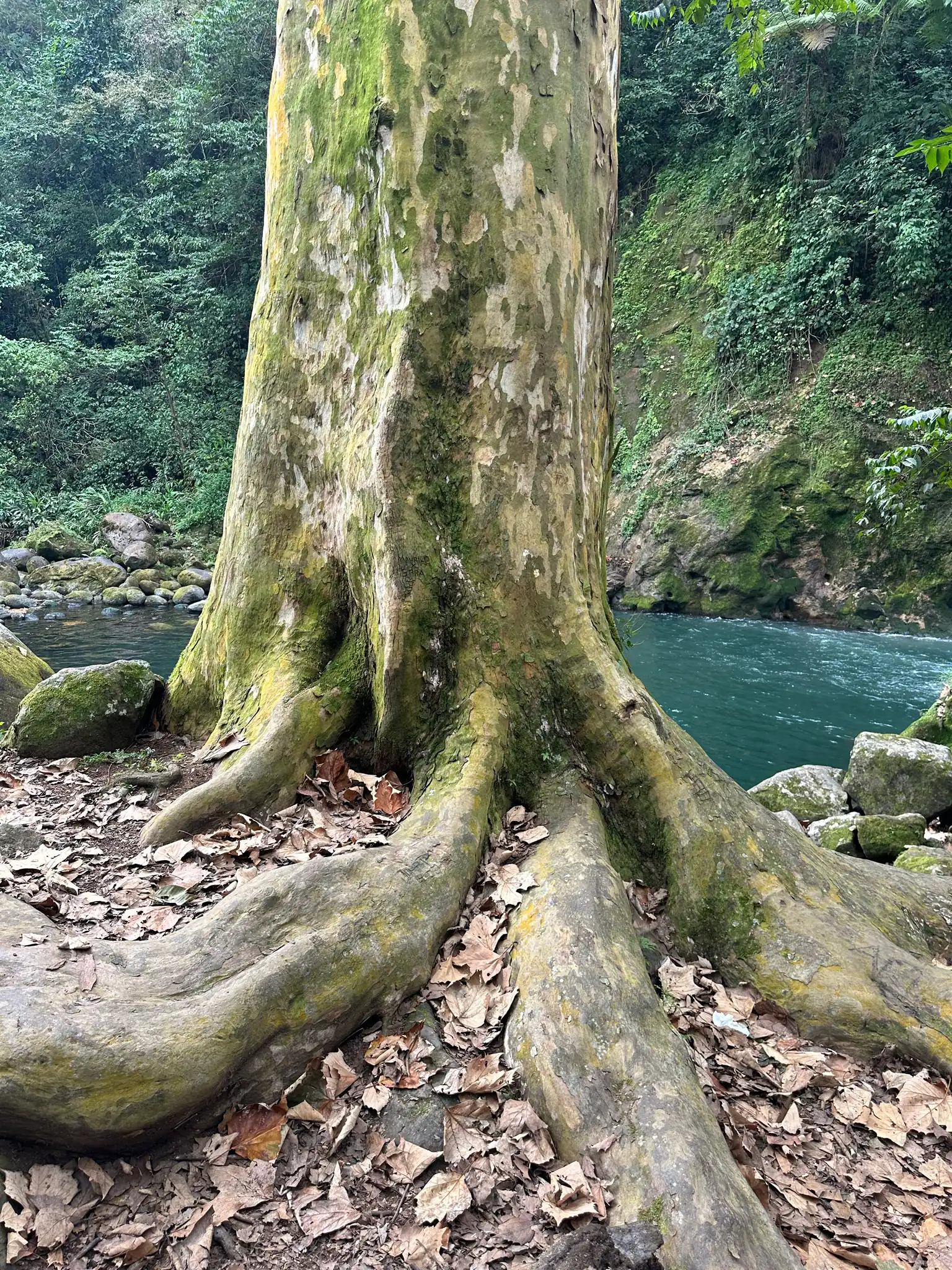
Platanus mexicana is a large fast-growing deciduous tree with an upright rounded crown reaching 50 feet in gardens and more in rich riverside soil, often multistemmed and spreading. Its large maple-like leaves are green above and coated below with dense starry hairs that form a silvery-white felt, while mature bark exfoliates in patches to reveal white and tan.
It holds its velvety white leaf undersides through the season and tolerates alkaline soil, heat, floods and drought once established better than American sycamore, with less leaf loss to anthracnose in cool wet springs. Female flowers mature into spherical fuzzy balls of achenes borne one to four to a stalk that persist into fall and winter.
Uses & Benefits:
Essentials
At a Glance
Plant Type
Tree
Height
600"
Width
480"
Light
Full Sun, Partial Sun
Zones
7, 8, 9, 10
Water
Medium, low once established
Humidity
Tolerant, disease worse in cool wet springs
Lifespan
Long-lived tree
Native To
Northeast to central Mexico to northern Guatemala
Toxicity
Pollen may cause allergic reaction
Bloom period
Spring – Late spring
In flower about 3 months of the year
Planting
How to Grow
- Choose a large open site in full sun to partial shade with moist sandy soil, well clear of buildings and pavement.
- Dig a hole twice as wide as the container and no deeper, set the root ball level, backfill with native soil and water deeply.
- Spread 2 to 3 inches of mulch in a wide ring, keeping mulch off the trunk.
- Water weekly through the first two growing seasons, then reduce once roots are established.
Pro Tip
Site it well clear of buildings and pavement and prune out crowded interior wood each dormant season to admit air and reduce anthracnose pressure.
Keep It Thriving
Care Guide
Do
- Water weekly during establishment and in extended dry spells.
- Mulch widely and improve drainage to keep foliage dry and reduce splash.
- Prune in winter to open the crown and remove diseased twigs.
Don't
- Do not plant close to buildings, driveways or pavement where large roots cause damage.
- Do not use overhead irrigation that keeps spring foliage wet.
- Do not leave fallen diseased leaves and twigs under the tree.
Seasonal Care Calendar
| Task | Jan | Feb | Mar | Apr | May | Jun | Jul | Aug | Sep | Oct | Nov | Dec |
|---|---|---|---|---|---|---|---|---|---|---|---|---|
| Mulch | ||||||||||||
| Pest Check | ||||||||||||
| Plant | ||||||||||||
| Propagate | ||||||||||||
| Prune |
Watch Out For
Pests & Diseases
Common Pests
Common Diseases
In the Garden
Landscape Uses & Companions
Landscape Uses
Multiply
Propagation Methods
Good to Know
Common Questions
Mexican Sycamore questions
What zones can Mexican Sycamore grow in?
Mexican Sycamore is hardy in USDA Zones 7–10: in that range it survives winter in the ground. Colder than Zone 7, winters are too cold for it to survive outdoors.
When does Mexican Sycamore bloom?
Mexican Sycamore typically blooms in spring. Exact timing shifts a week or two with your zone — Sow's bloom calendar maps it to your garden.
Does Mexican Sycamore need full sun?
Mexican Sycamore does best in full sun to part shade. In hot climates, afternoon shade keeps blooms fresher longer.
Is Mexican Sycamore drought tolerant?
Yes — once established (usually after the first full season), Mexican Sycamore handles dry spells with minimal watering. Water deeply its first year to build the root system that makes that possible.
More Platanus to compare
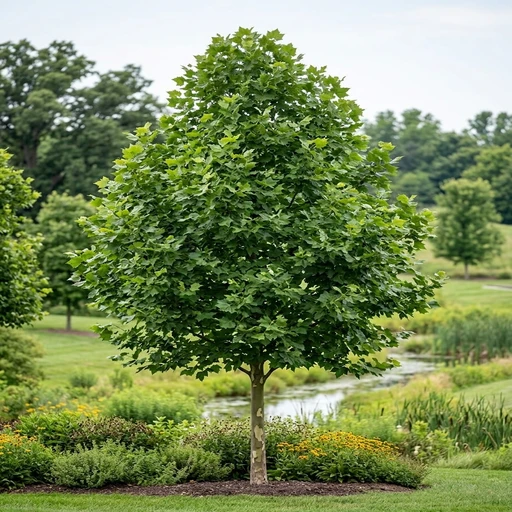
Exclamation! London Planetree
Platanus acerifolia 'Morton Circle'
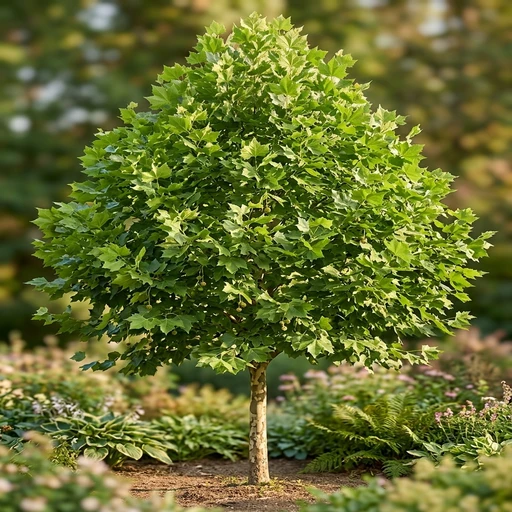
Bloodgood London Planetree
Platanus acerifolia 'Bloodgood'
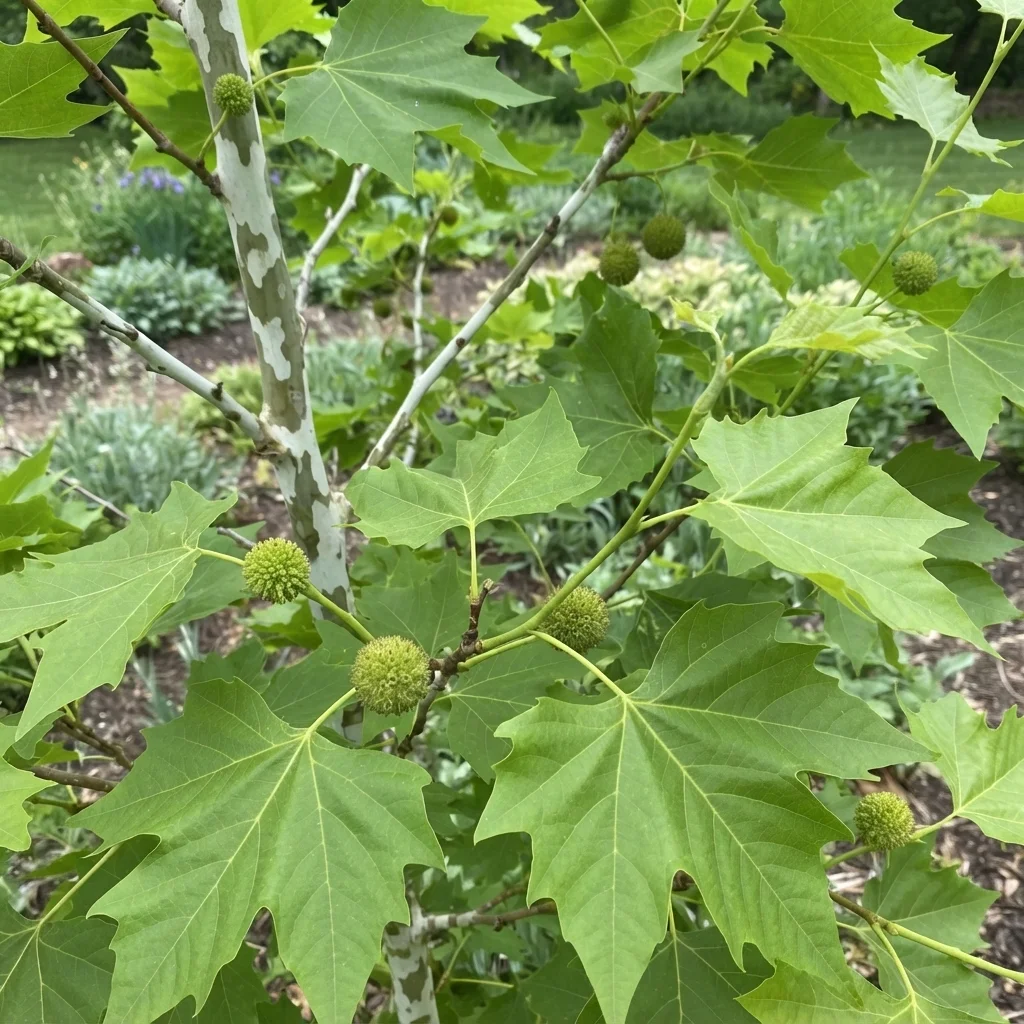
American Sycamore
Platanus occidentalis
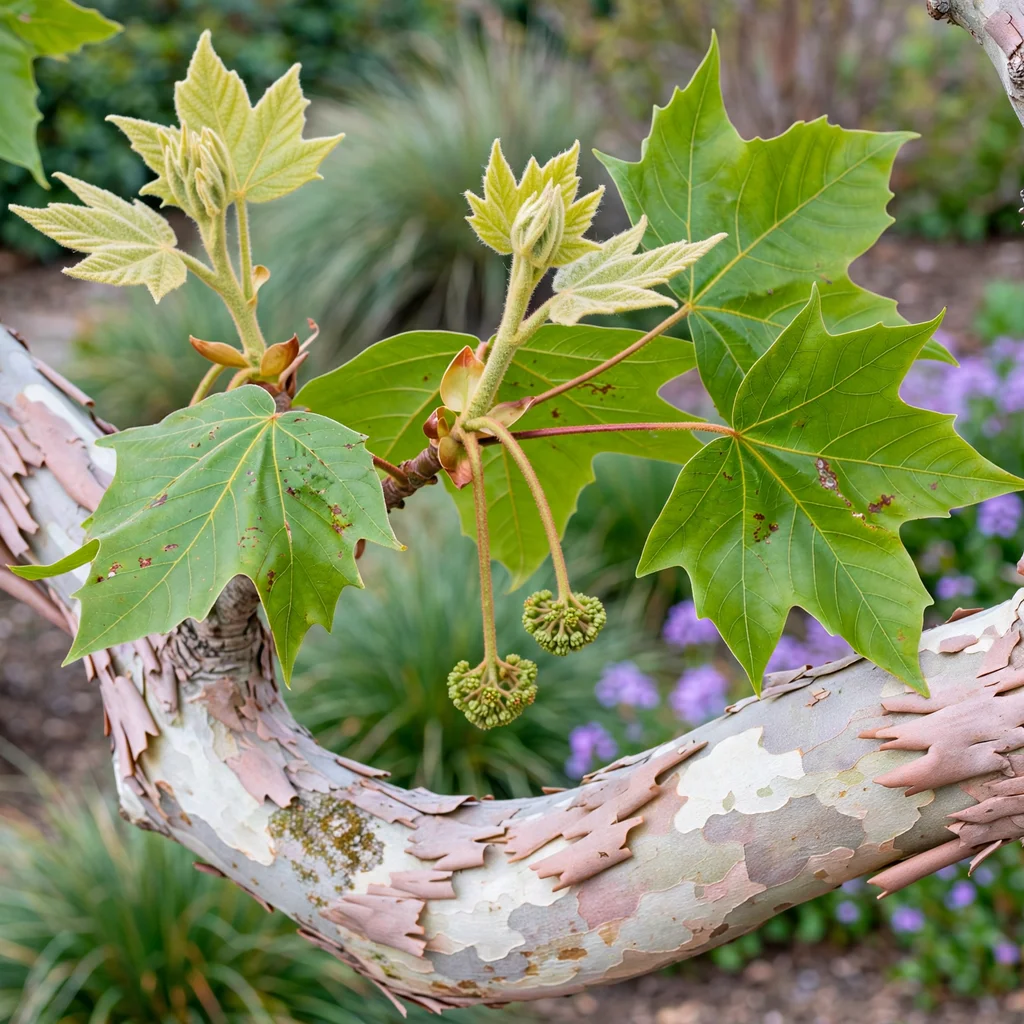
California Sycamore
Platanus racemosa
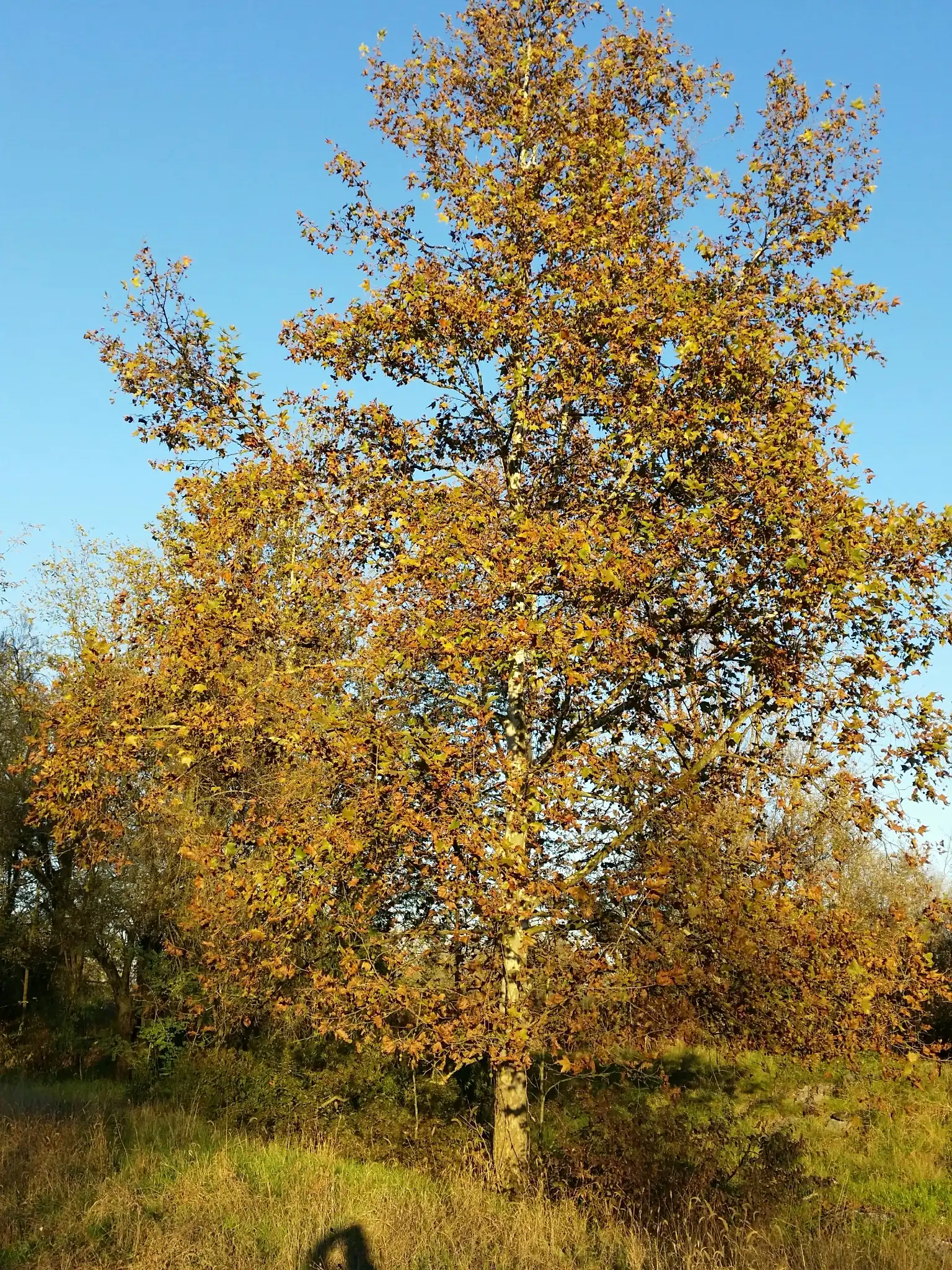
London Plane
Platanus acerifolia
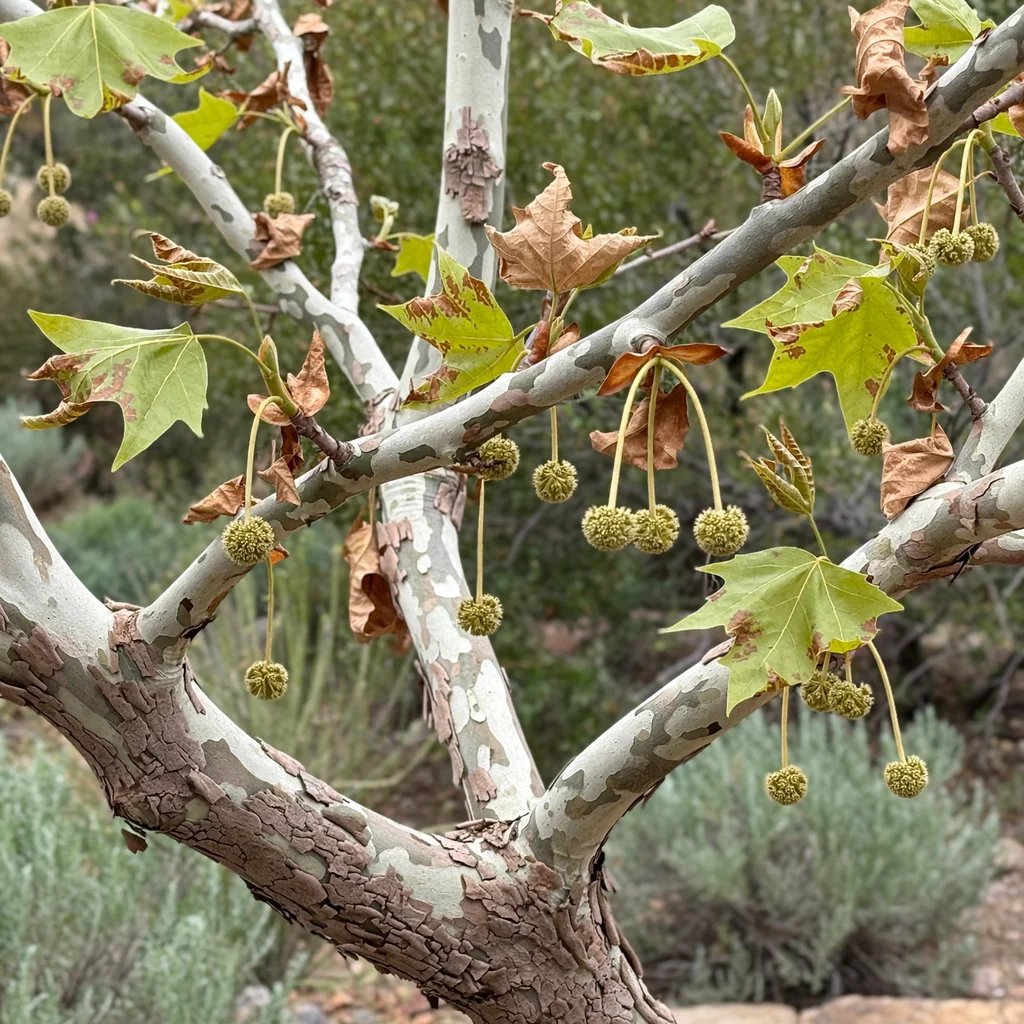
Arizona Sycamore
Platanus wrightii
Keep exploring
Explore the genus
Hardy in your zone?
Grow Mexican Sycamore with confidence
See it in a design of your actual yard, get zone-matched care reminders, and track it season by season in your garden journal.