The Story
Plant Bio
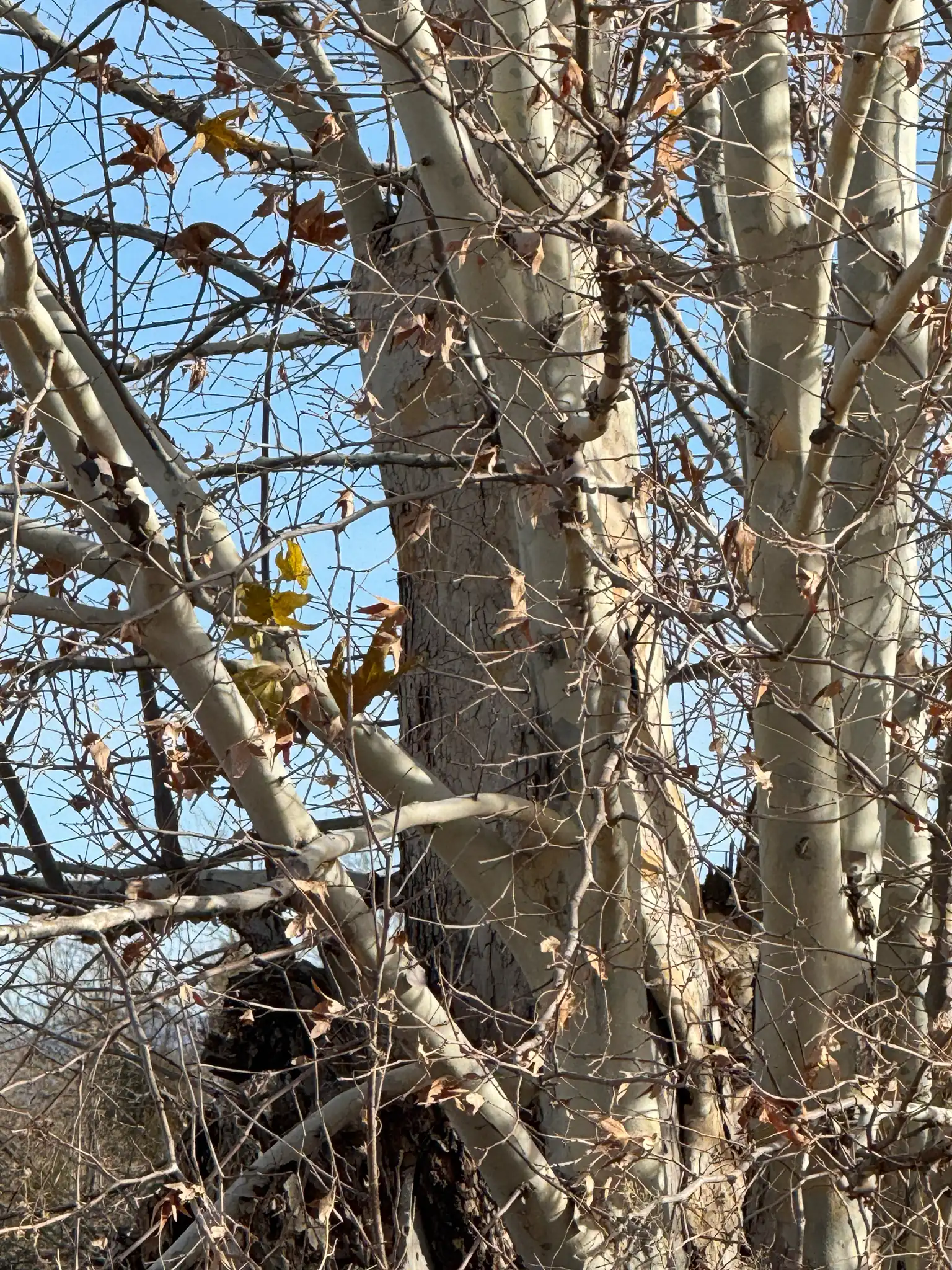
Platanus wrightii is a large deciduous tree reaching 40 to 80 feet with a broad open, often multi-trunked crown and exfoliating bark that sheds in patches to expose mottled white and gray. Leaves are alternate, palmate with 3 to 5 lobes and 4 to 8 inches wide, green above and softly hairy below, turning golden-brown in fall.
Arizona sycamore holds to desert canyon bottoms, streams and springs where roots reach reliable groundwater, growing fast and living long where water persists. In dry air it resists anthracnose better than California sycamore, yet cool wet springs still curl leaves, brown veins and strip new growth.
Uses & Benefits:
Essentials
At a Glance
Plant Type
Tree
Height
960"
Width
720"
Light
Full Sun, Partial Sun
Zones
6, 7, 8, 9, 10
Water
Moderate to high
Humidity
Unknown
Lifespan
Long-lived
Native To
Arizona, New Mexico, northern Mexico
Toxicity
Unknown
Bloom period
Spring
In flower about 3 months of the year
Planting
How to Grow
- Plant in full sun to part shade in moist humus-rich, well-drained soil with access to groundwater or irrigation.
- Space trees 40 to 50 feet apart to develop the broad spreading crown.
- Water deeply and reliably, especially in desert yards, never letting young trees dry out.
- Rake and dispose fallen leaves and prune out only dead or diseased wood.
Pro Tip
Give it floodplain water in desert ground with deep reliable irrigation, and rake up all fallen leaves to break anthracnose carryover.
Keep It Thriving
Care Guide
Do
- Provide deep reliable moisture tied to riparian soil or irrigation.
- Rake and dispose fallen leaves to reduce anthracnose.
- Remove dead and diseased wood to keep the crown open.
Don't
- Do not plant in dry upland soil without irrigation or groundwater.
- Do not shear or over-prune; this tree needs only minimal pruning.
- Do not leave blighted leaves and twigs on the ground through winter.
Seasonal Care Calendar
| Task | Jan | Feb | Mar | Apr | May | Jun | Jul | Aug | Sep | Oct | Nov | Dec |
|---|---|---|---|---|---|---|---|---|---|---|---|---|
| Mulch | ||||||||||||
| Pest Check | ||||||||||||
| Plant | ||||||||||||
| Prune | ||||||||||||
| Spring Cleanup |
Watch Out For
Pests & Diseases
Common Pests
Common Diseases
In the Garden
Landscape Uses & Companions
Landscape Uses
Multiply
Propagation Methods
Good to Know
Common Questions
Arizona Sycamore questions
What zones can Arizona Sycamore grow in?
Arizona Sycamore is hardy in USDA Zones 6–10: in that range it survives winter in the ground. Colder than Zone 6, winters are too cold for it to survive outdoors.
When does Arizona Sycamore bloom?
Arizona Sycamore typically blooms in spring. Exact timing shifts a week or two with your zone — Sow's bloom calendar maps it to your garden.
Does Arizona Sycamore need full sun?
Arizona Sycamore does best in full sun to part shade. In hot climates, afternoon shade keeps blooms fresher longer.
More Platanus to compare
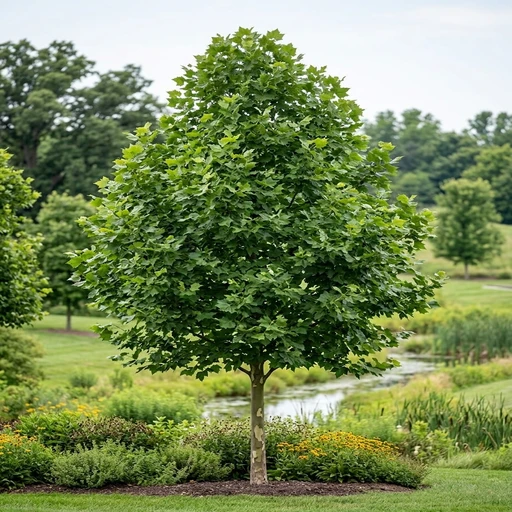
Exclamation! London Planetree
Platanus acerifolia 'Morton Circle'
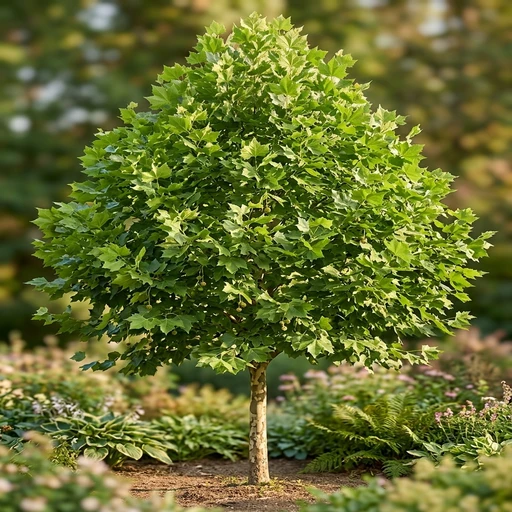
Bloodgood London Planetree
Platanus acerifolia 'Bloodgood'
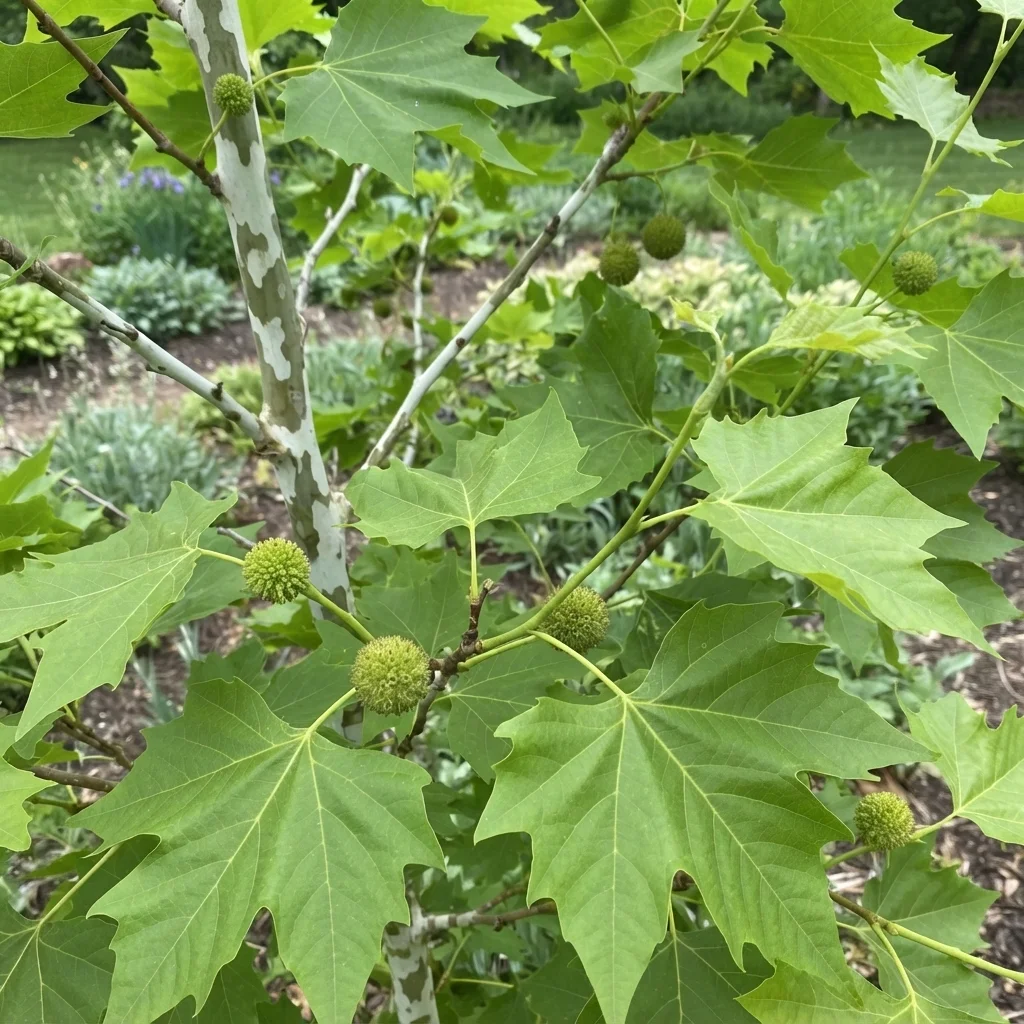
American Sycamore
Platanus occidentalis
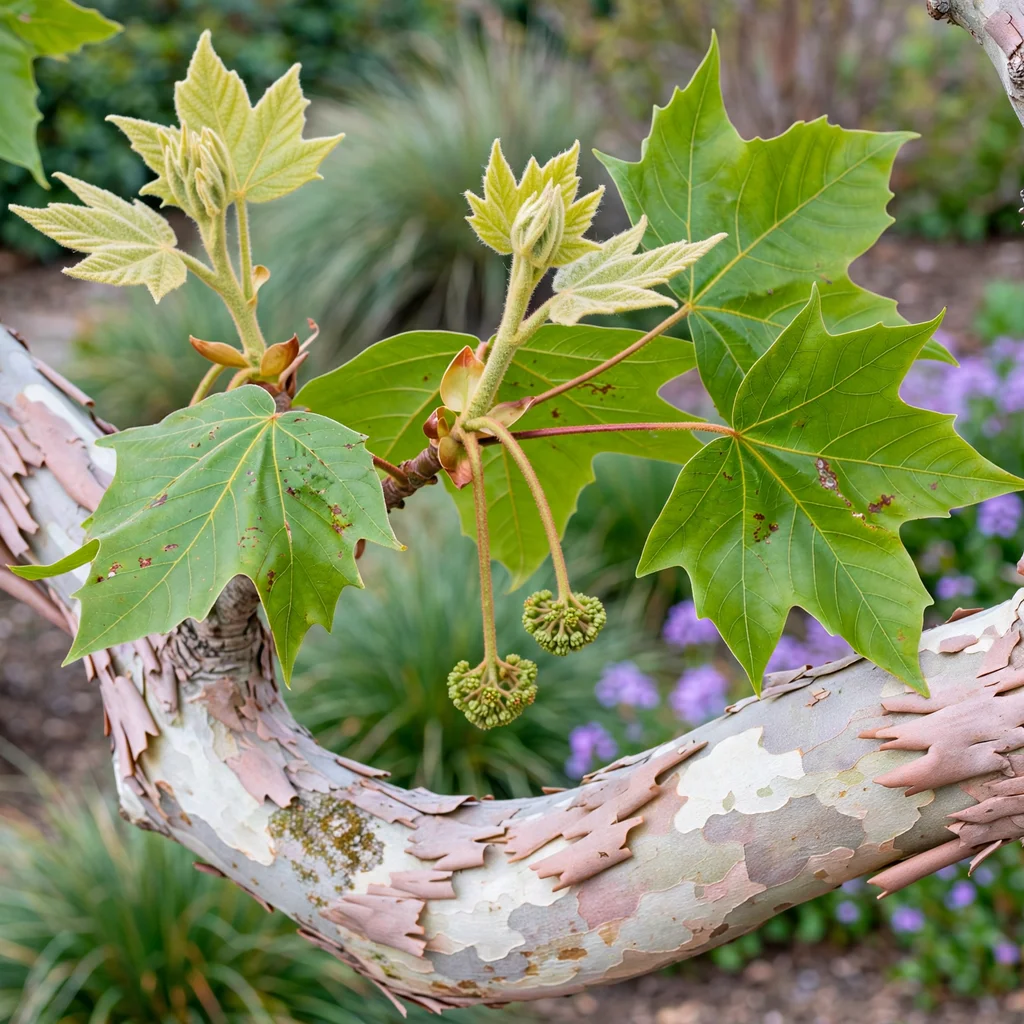
California Sycamore
Platanus racemosa
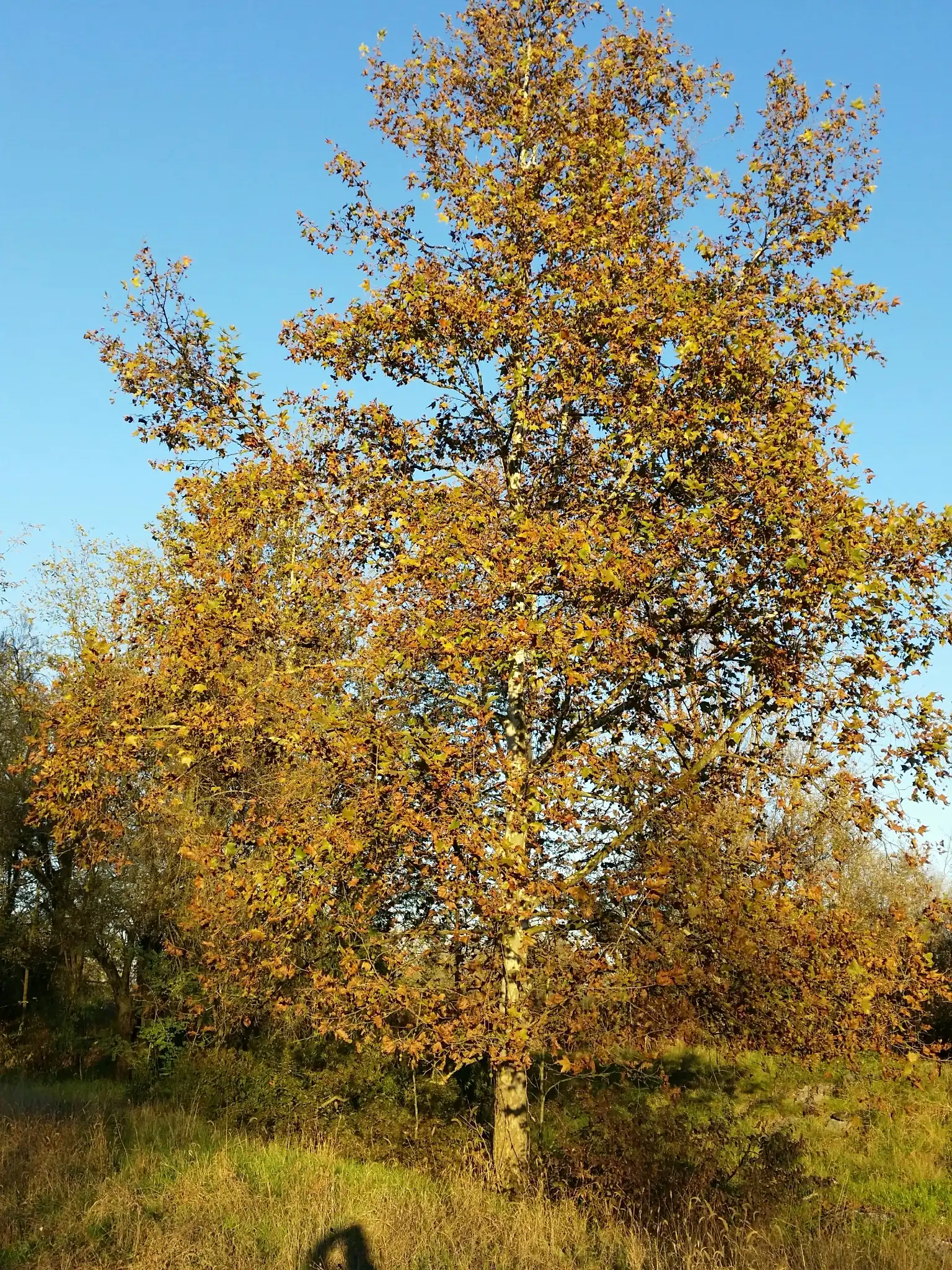
London Plane
Platanus acerifolia
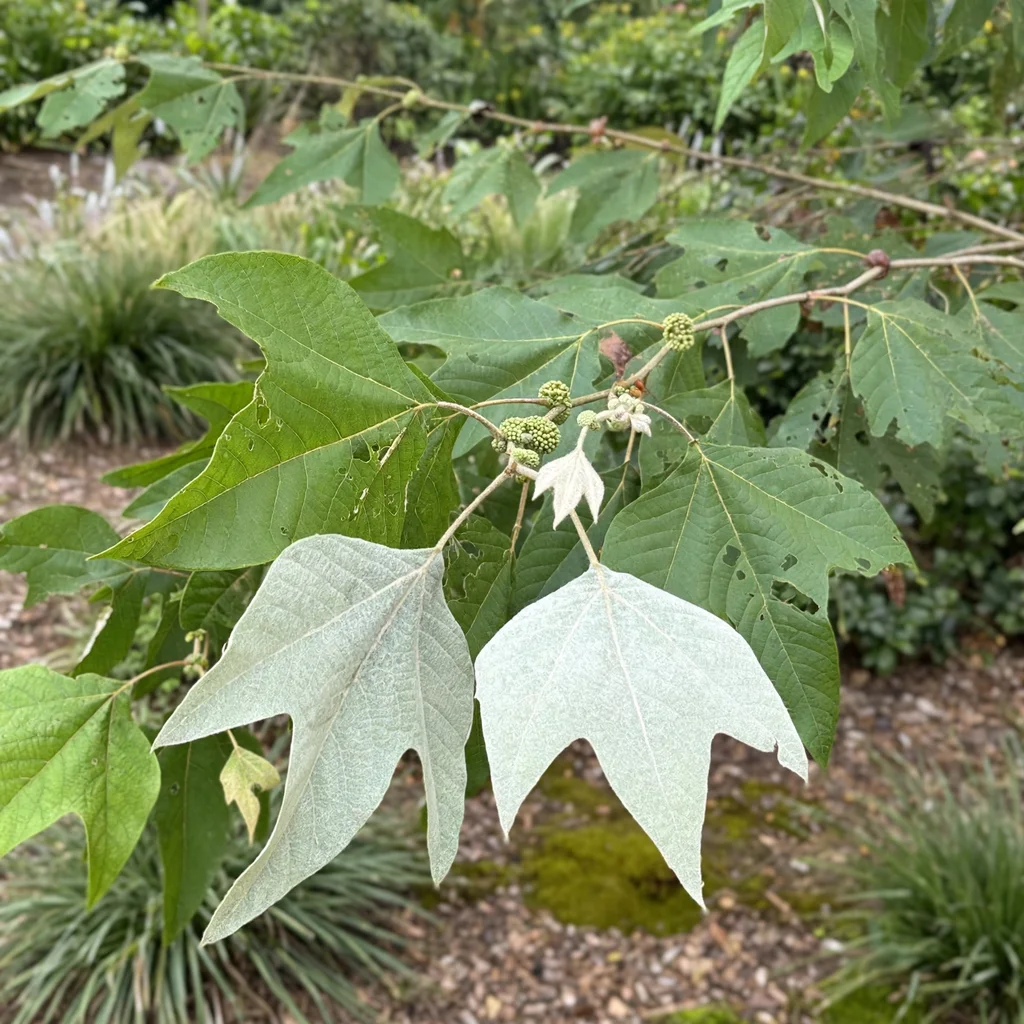
Mexican Sycamore
Platanus mexicana
Keep exploring
Explore the genus
Hardy in your zone?
Grow Arizona Sycamore with confidence
See it in a design of your actual yard, get zone-matched care reminders, and track it season by season in your garden journal.