The Story
Plant Bio
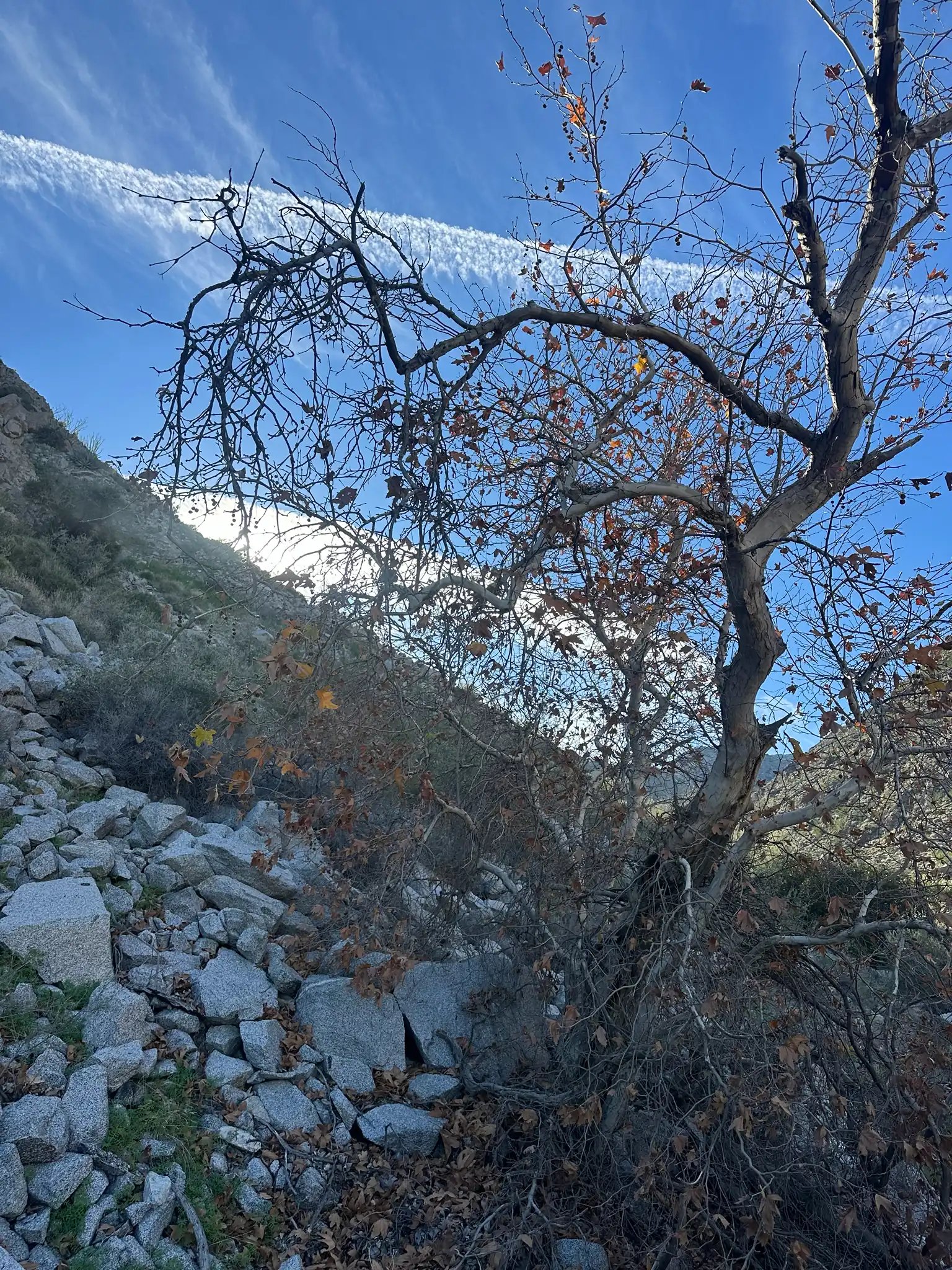
Platanus racemosa is a massive, fast-growing deciduous tree native to stream banks and alluvial floodplains across California and Baja California. It forms a thick, barrel-shaped trunk with patchily peeling white, tan, and pinkish bark supporting an irregular, wide-spreading canopy of deeply lobed leaves.
Young leaves open covered in a yellowish woolly fuzz that sloughs off as foliage matures into broad, palm-shaped hand patterns up to ten inches across. Tiny greenish-red flower clusters hang in spherical beads during spring, ripening into persistent seed balls that provide structure into winter.
Uses & Benefits:
Essentials
At a Glance
Plant Type
Tree
Height
1181"
Width
590"
Light
Full Sun, Partial Sun
Zones
7, 8, 9, 10
Water
Moderate to high
Humidity
Tolerates dry summer heat
Lifespan
Long-lived
Native To
California, Baja California
Toxicity
Fuzz and pollen irritate skin and respiratory tracts
Bloom period
Spring
In flower about 3 months of the year
Planting
How to Grow
- Select a broad planting site at least thirty feet away from foundations, driveways, and underground utility lines.
- Dig a planting hole twice the width of the root ball and equal in depth, keeping the root flare level with surrounding soil.
- Backfill with native soil without adding organic amendments, firming gently to remove air pockets.
- Soak the root zone thoroughly and maintain weekly deep waterings during the first two growing seasons.
Pro Tip
Plant where roots can tap into deep sub-surface moisture; surface soil drought without a water table causes premature leaf drop and dieback.
Keep It Thriving
Care Guide
Do
- Prune during winter dormancy to remove crossing or dead branches.
- Rake and destroy fallen leaf litter in autumn to limit fungal spore carryover.
- Provide deep, occasional irrigation during prolonged dry spells if groundwater is deep.
Don't
- Do not plant near paved walkways or septic lines due to aggressive surface roots.
- Do not pollard or top mature trees, which weakens branch attachments.
- Do not apply high-nitrogen fertilizers that encourage weak, disease-prone sap growth.
Seasonal Care Calendar
| Task | Jan | Feb | Mar | Apr | May | Jun | Jul | Aug | Sep | Oct | Nov | Dec |
|---|---|---|---|---|---|---|---|---|---|---|---|---|
| Mulch | ||||||||||||
| Pest Check | ||||||||||||
| Prune | ||||||||||||
| Spring Cleanup |
Watch Out For
Pests & Diseases
Common Pests
Common Diseases
In the Garden
Landscape Uses & Companions
Landscape Uses
Multiply
Propagation Methods
Good to Know
Common Questions
California Sycamore questions
What zones can California Sycamore grow in?
California Sycamore is hardy in USDA Zones 7–10: in that range it survives winter in the ground. Colder than Zone 7, winters are too cold for it to survive outdoors.
When does California Sycamore bloom?
California Sycamore typically blooms in spring. Exact timing shifts a week or two with your zone — Sow's bloom calendar maps it to your garden.
Does California Sycamore need full sun?
California Sycamore does best in full sun to part shade. In hot climates, afternoon shade keeps blooms fresher longer.
Is California Sycamore drought tolerant?
Yes — once established (usually after the first full season), California Sycamore handles dry spells with minimal watering. Water deeply its first year to build the root system that makes that possible.
More Platanus to compare
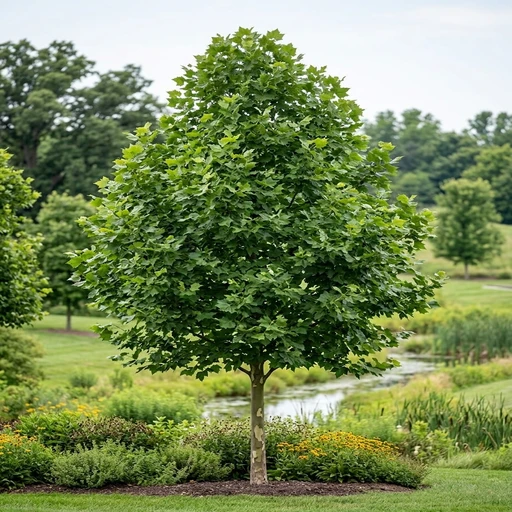
Exclamation! London Planetree
Platanus acerifolia 'Morton Circle'
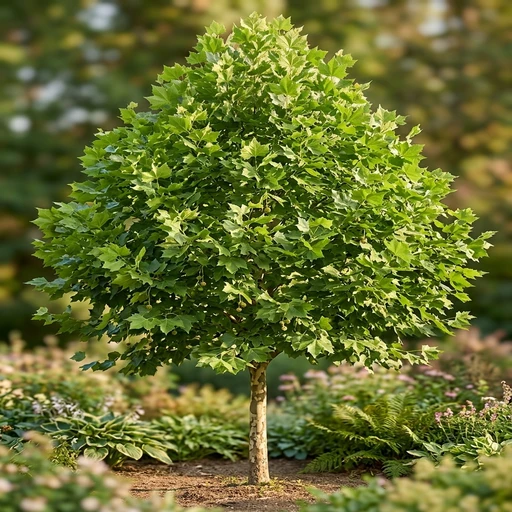
Bloodgood London Planetree
Platanus acerifolia 'Bloodgood'
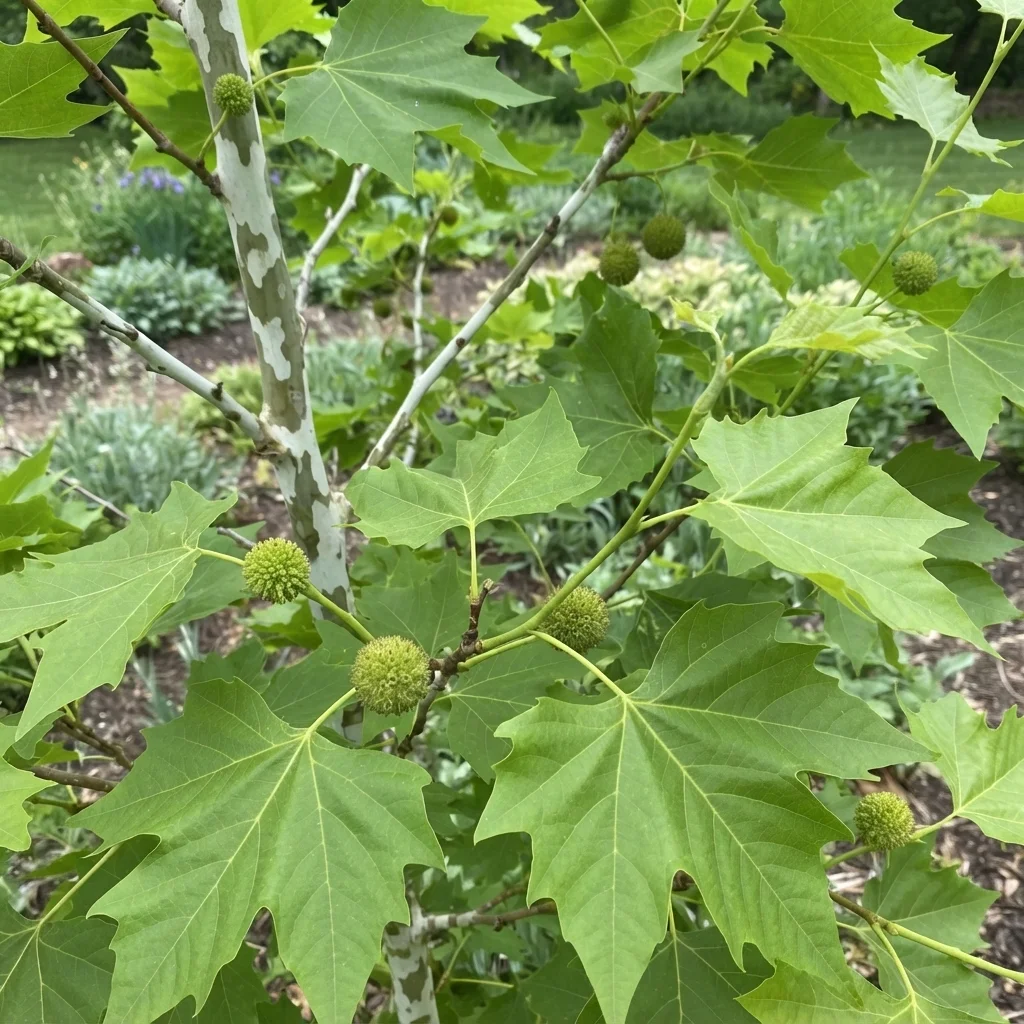
American Sycamore
Platanus occidentalis
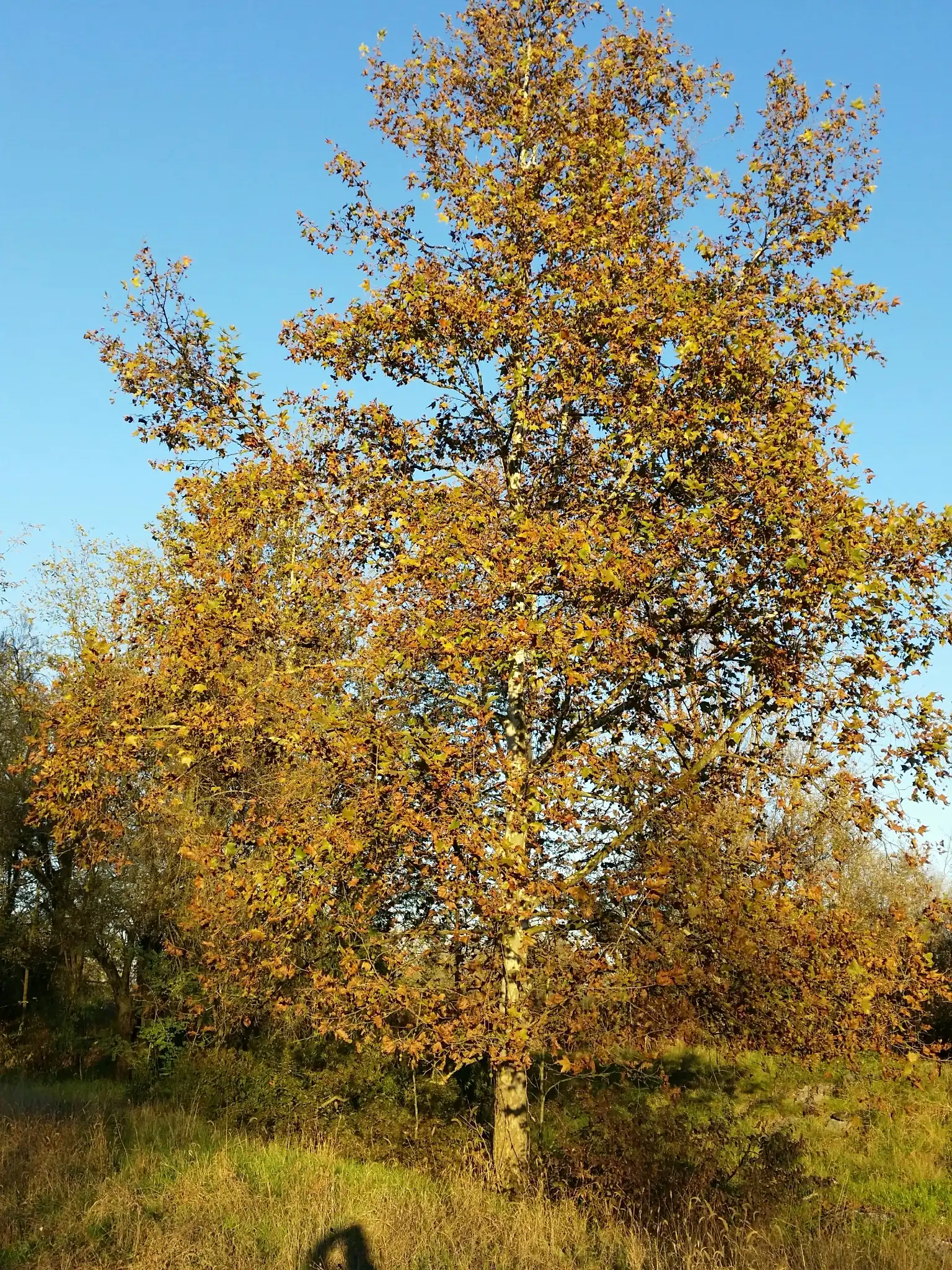
London Plane
Platanus acerifolia
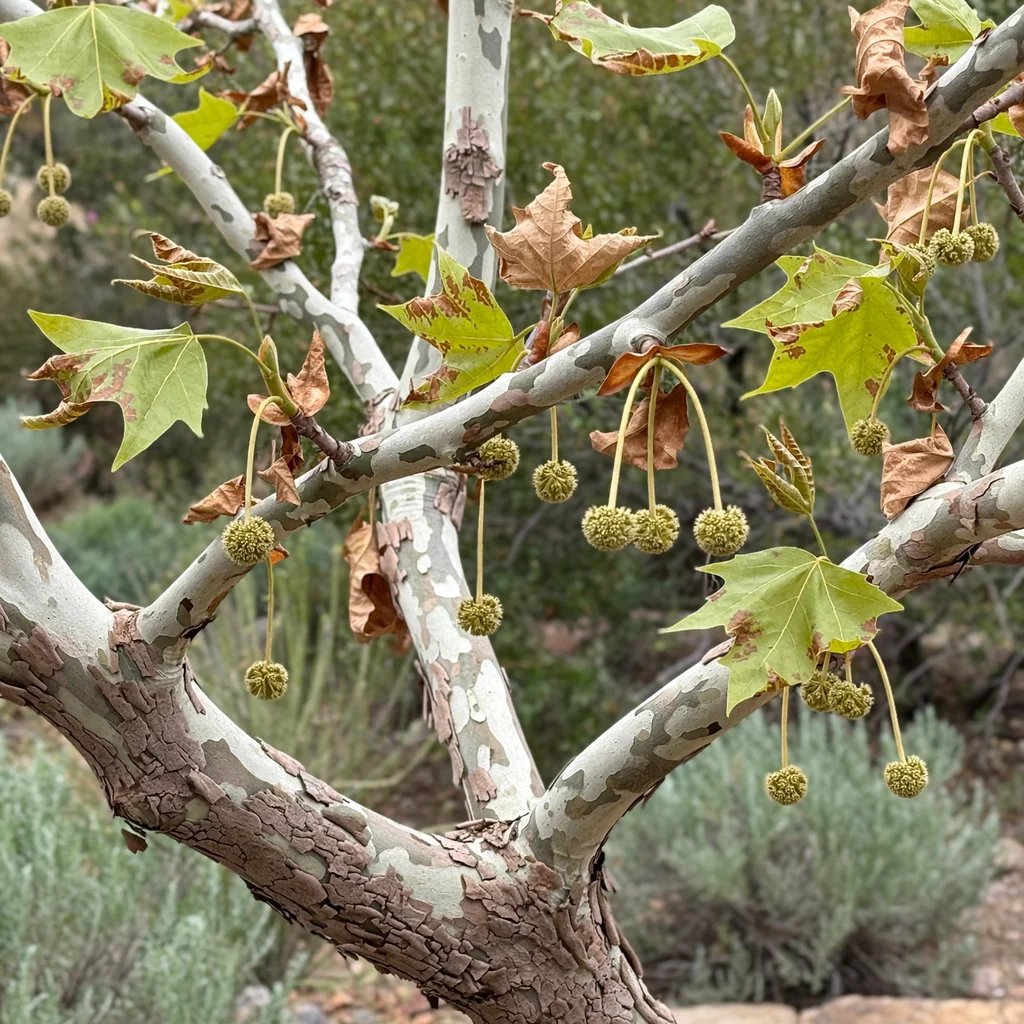
Arizona Sycamore
Platanus wrightii
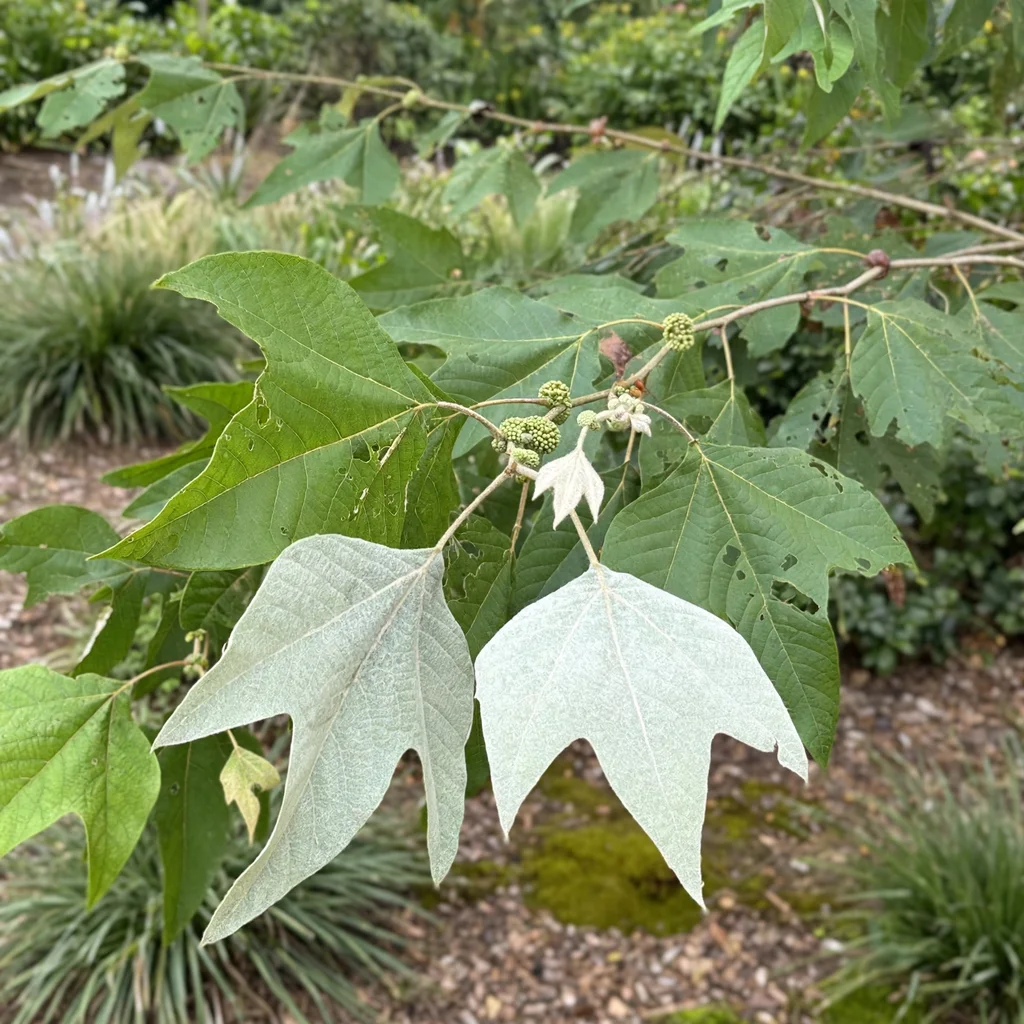
Mexican Sycamore
Platanus mexicana
Keep exploring
Explore the genus
Hardy in your zone?
Grow California Sycamore with confidence
See it in a design of your actual yard, get zone-matched care reminders, and track it season by season in your garden journal.