The Story
Plant Bio
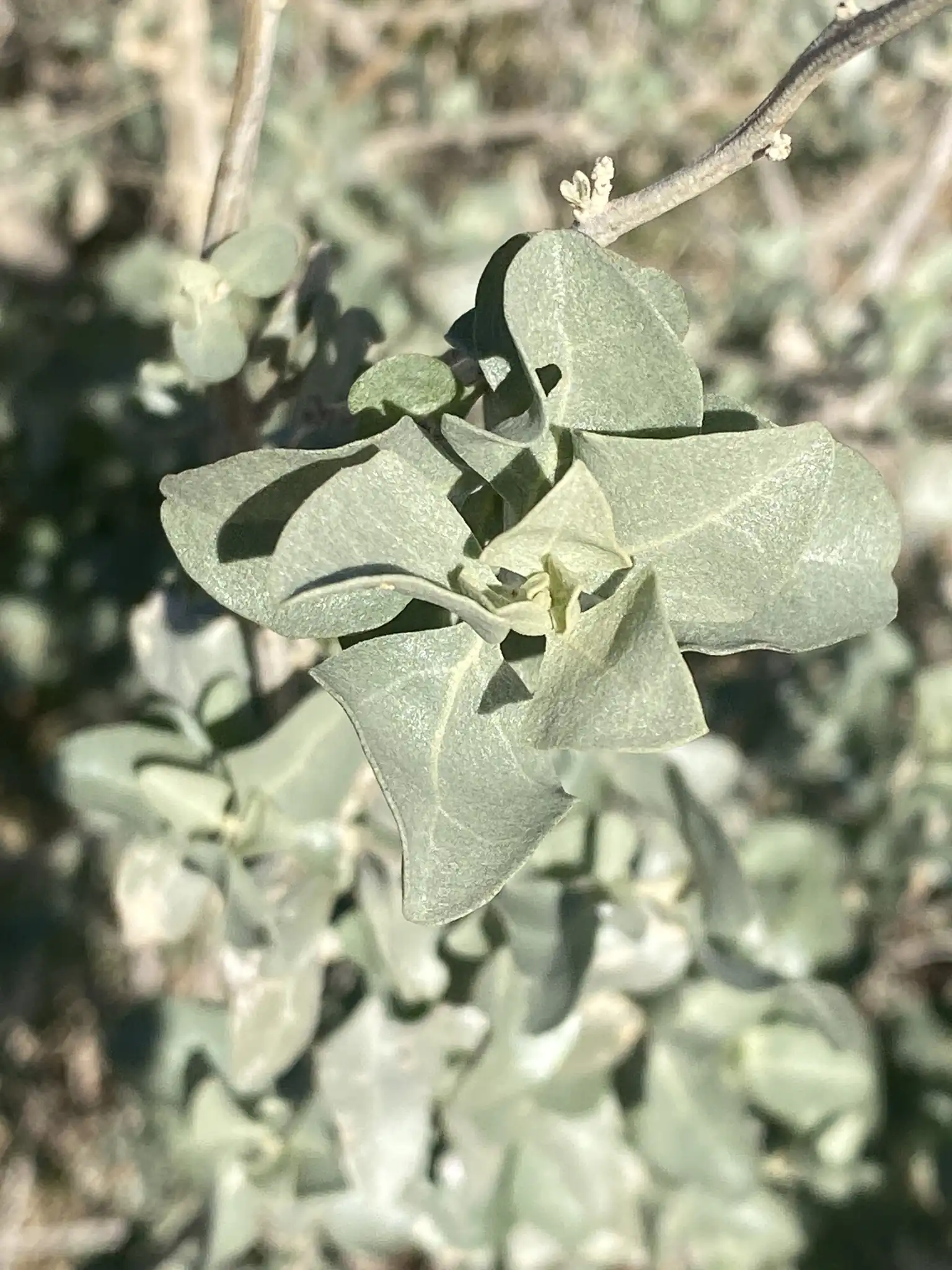
Atriplex halimus, the Mediterranean saltbush, is an evergreen, much-branched shrub reaching 6 to 8 feet tall and to 10 feet wide in gardens, with pale silvery-grey leaves held all year. The flowers have no showy petals; the bloom is loose sprays of small greenish-yellow flowers borne in summer and pollinated by wind.
It is distinguished by extreme tolerance of drought, saline soil, and salt-laden gales, holding silver foliage where most shrubs scorch or defoliate. Its value is as a dense maritime hedge and stabilizer for poor sandy or loamy ground, not as a flower display.
Uses & Benefits:
Essentials
At a Glance
Plant Type
Shrub
Height
79"
Width
118"
Light
Full Sun
Zones
7, 8, 9, 10
Water
Low
Humidity
Low, prefers dry air
Lifespan
Evergreen shrub
Native To
Mediterranean Basin to W Asia
Toxicity
Non-toxic; oxalates risk to livestock in quantity
Bloom period
Summer
In flower about 3 months of the year
Planting
How to Grow
- Choose the sunniest, most open site with sandy or loamy soil that drains fast.
- Dig a hole no deeper than the root ball and twice as wide, then backfill with native soil only.
- Water deeply at planting, then taper off; once established water only during extended drought.
- Top with a thin layer of gravel or sand, not rich compost, to keep the crown dry.
- Shear lightly after summer bloom to shape; remove dead wood in early spring.
Pro Tip
Plant in full sun in poor, sharply drained soil and keep winter-wet and rich ground away from it; excess water and fertilizer cause soft growth and root failure.
Keep It Thriving
Care Guide
Do
- Give full sun and sharp drainage in poor, saline-tolerant soil.
- Water sparingly once established and allow soil to dry between waterings.
- Shear lightly after bloom to keep a hedge dense and silver.
Don't
- Do not plant in heavy clay or low ground that stays wet in winter.
- Do not enrich with rich compost or heavy fertilizer.
- Do not overwater in summer; soggy soil rots the crown.
Seasonal Care Calendar
| Task | Jan | Feb | Mar | Apr | May | Jun | Jul | Aug | Sep | Oct | Nov | Dec |
|---|---|---|---|---|---|---|---|---|---|---|---|---|
| Mulch | ||||||||||||
| Pest Check | ||||||||||||
| Plant | ||||||||||||
| Prune | ||||||||||||
| Winter Prep |
Watch Out For
Pests & Diseases
Common Pests
Common Diseases
In the Garden
Landscape Uses & Companions
Landscape Uses
Multiply
Propagation Methods
Good to Know
Common Questions
Mediterranean Saltbush questions
What zones can Mediterranean Saltbush grow in?
Mediterranean Saltbush is hardy in USDA Zones 7–10: in that range it survives winter in the ground. Colder than Zone 7, grow it in a container you can move to shelter for the winter.
When does Mediterranean Saltbush bloom?
Mediterranean Saltbush typically blooms in summer. Exact timing shifts a week or two with your zone — Sow's bloom calendar maps it to your garden.
Does Mediterranean Saltbush need full sun?
Mediterranean Saltbush does best in full sun (6+ hours).
Is Mediterranean Saltbush drought tolerant?
Yes — once established (usually after the first full season), Mediterranean Saltbush handles dry spells with minimal watering. Water deeply its first year to build the root system that makes that possible.
More Atriplex to compare
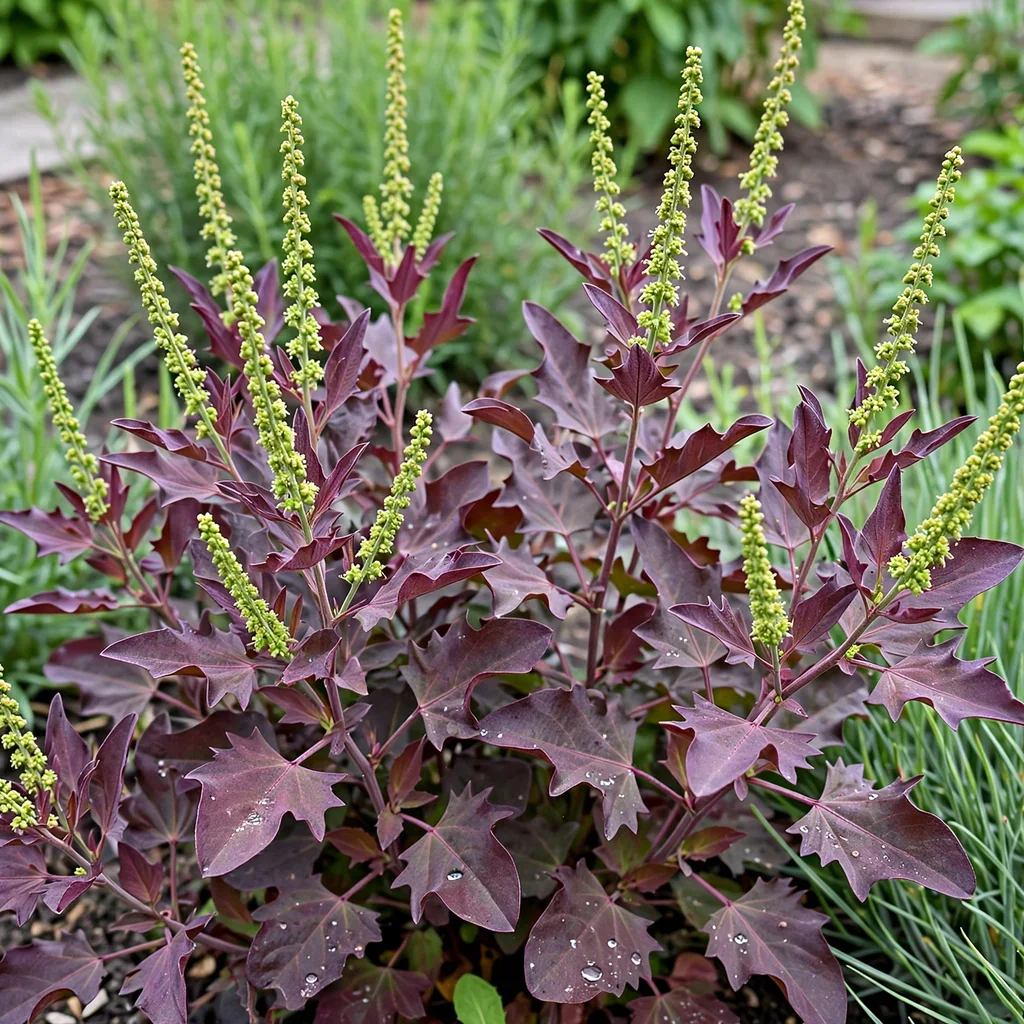
Garden Orach
Atriplex hortensis
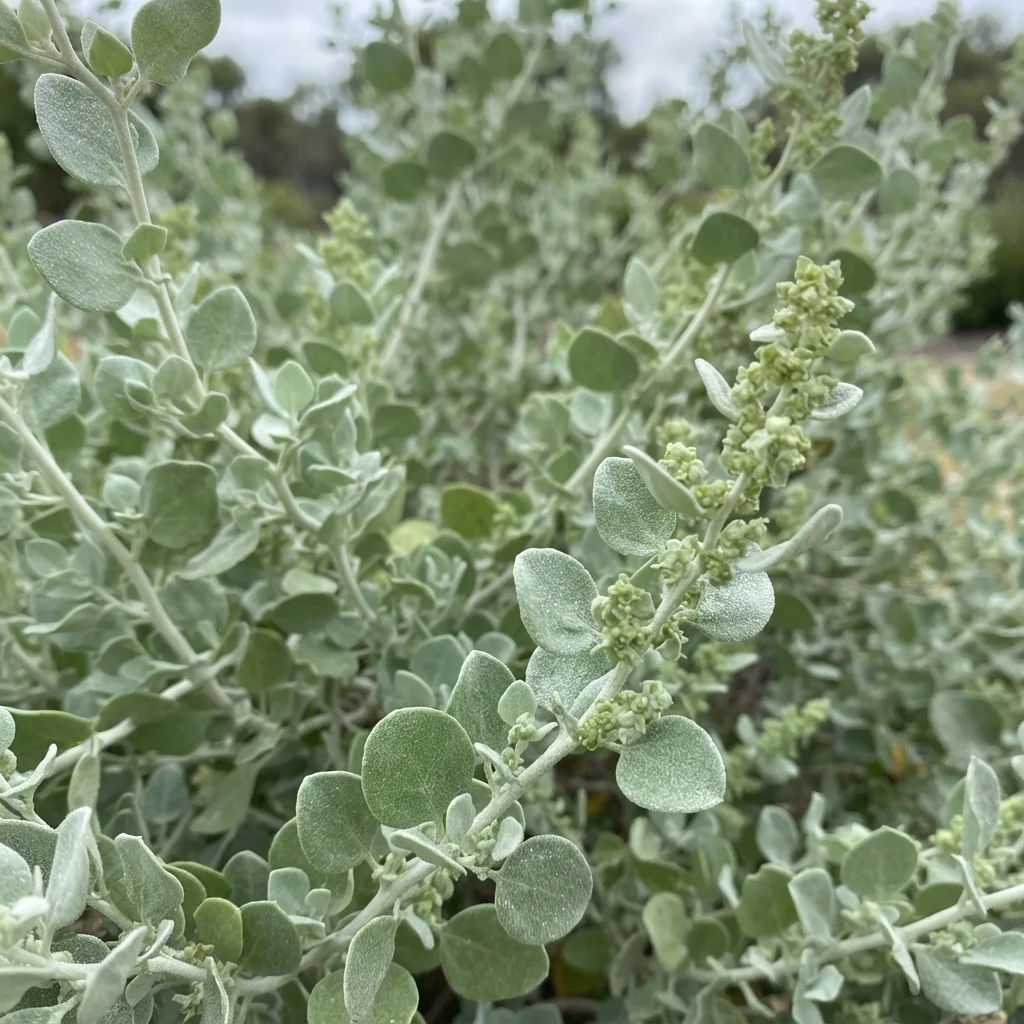
Old Man Saltbush
Atriplex nummularia
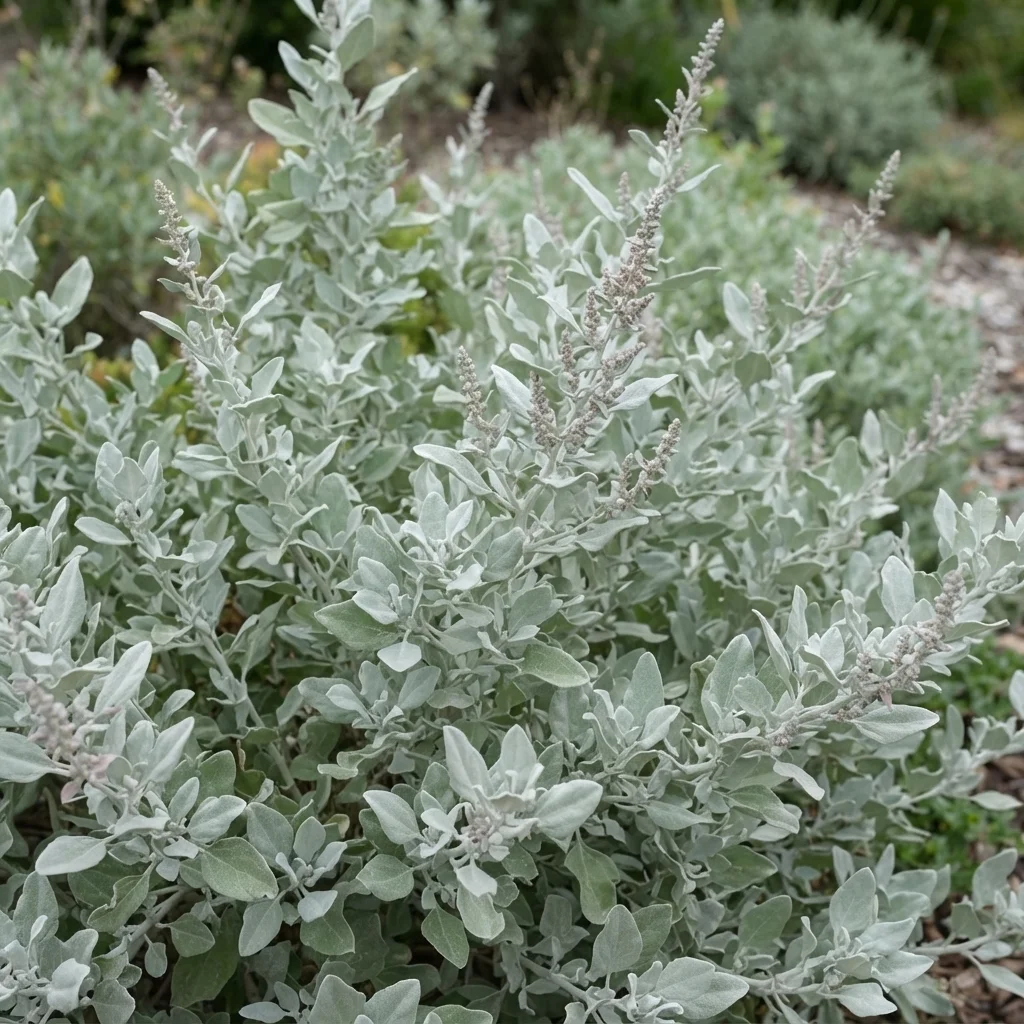
Grey Saltbush
Atriplex cinerea
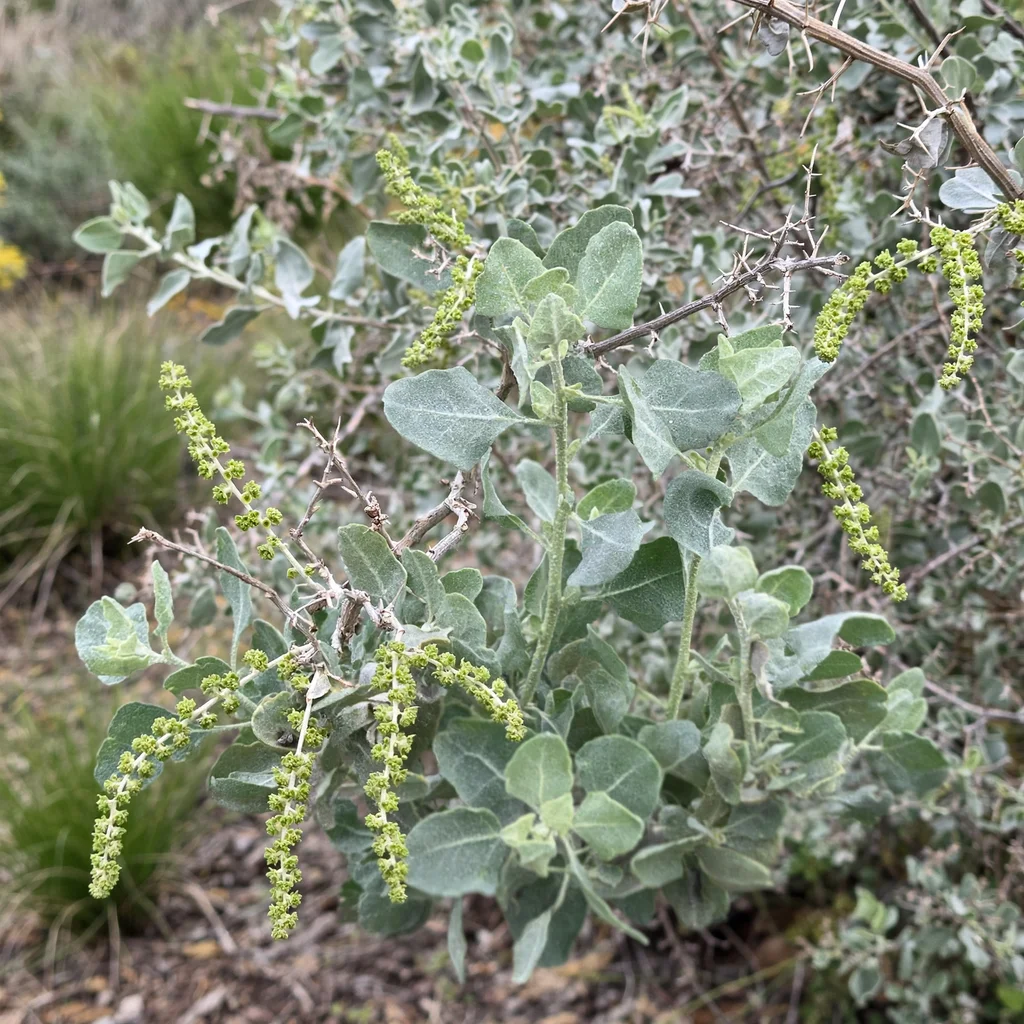
Big Saltbush
Atriplex lentiformis
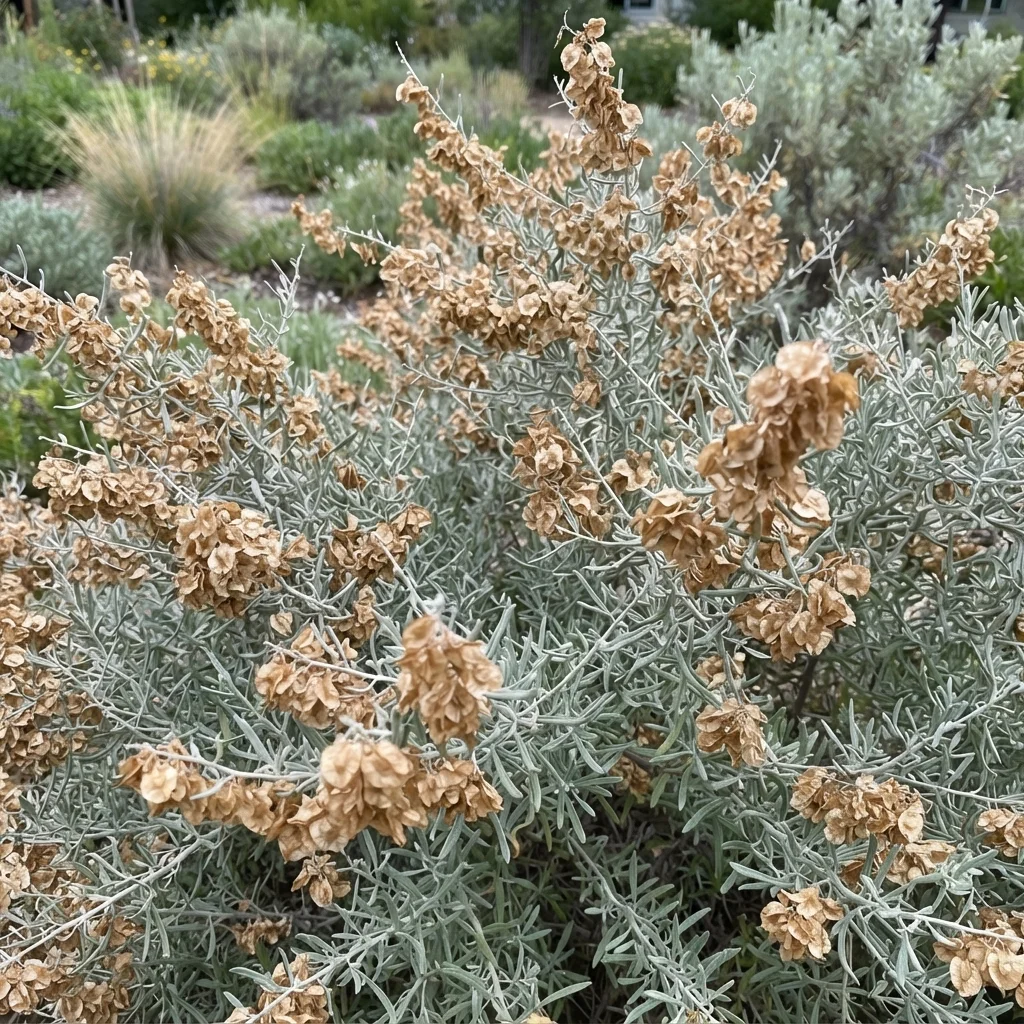
Fourwing Saltbush
Atriplex canescens
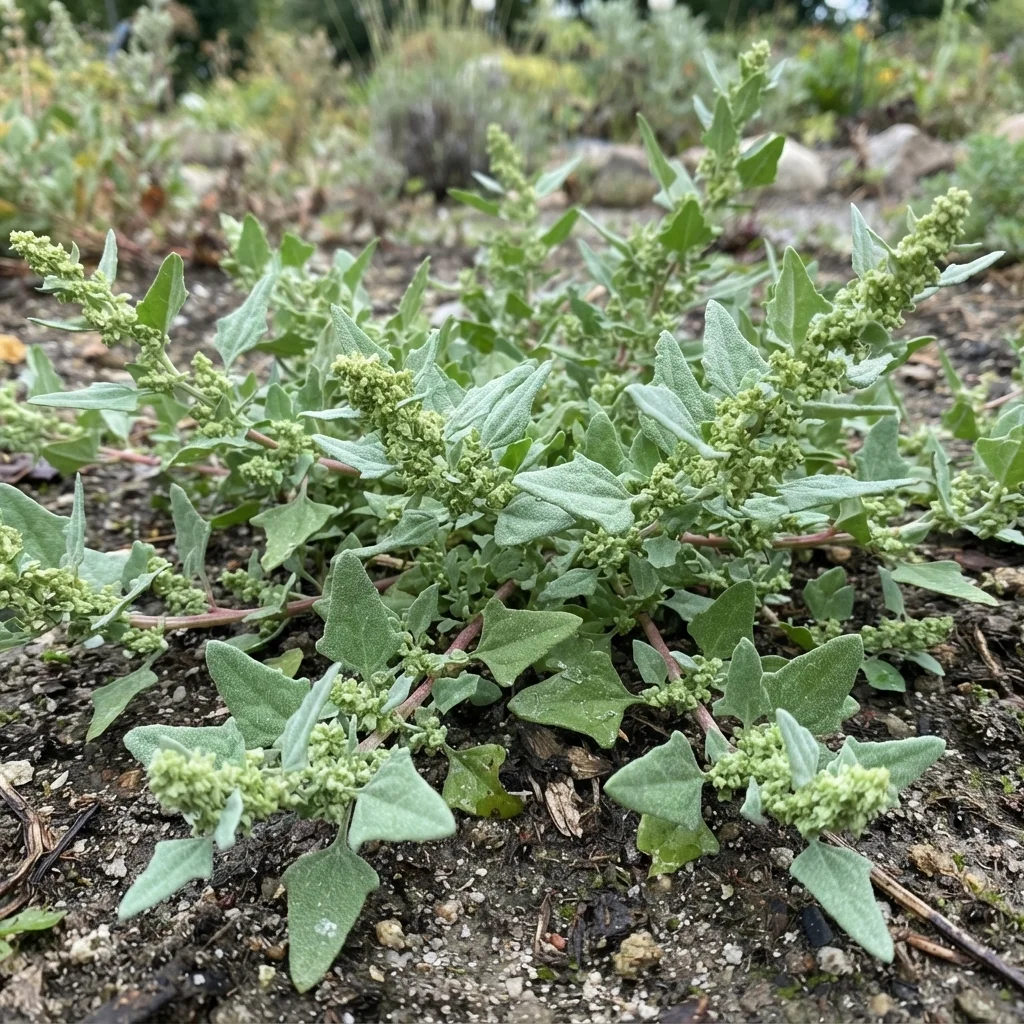
Spearscale
Atriplex prostrata
Keep exploring
Explore the genus
Hardy in your zone?
Grow Mediterranean Saltbush with confidence
See it in a design of your actual yard, get zone-matched care reminders, and track it season by season in your garden journal.