The Story
Plant Bio
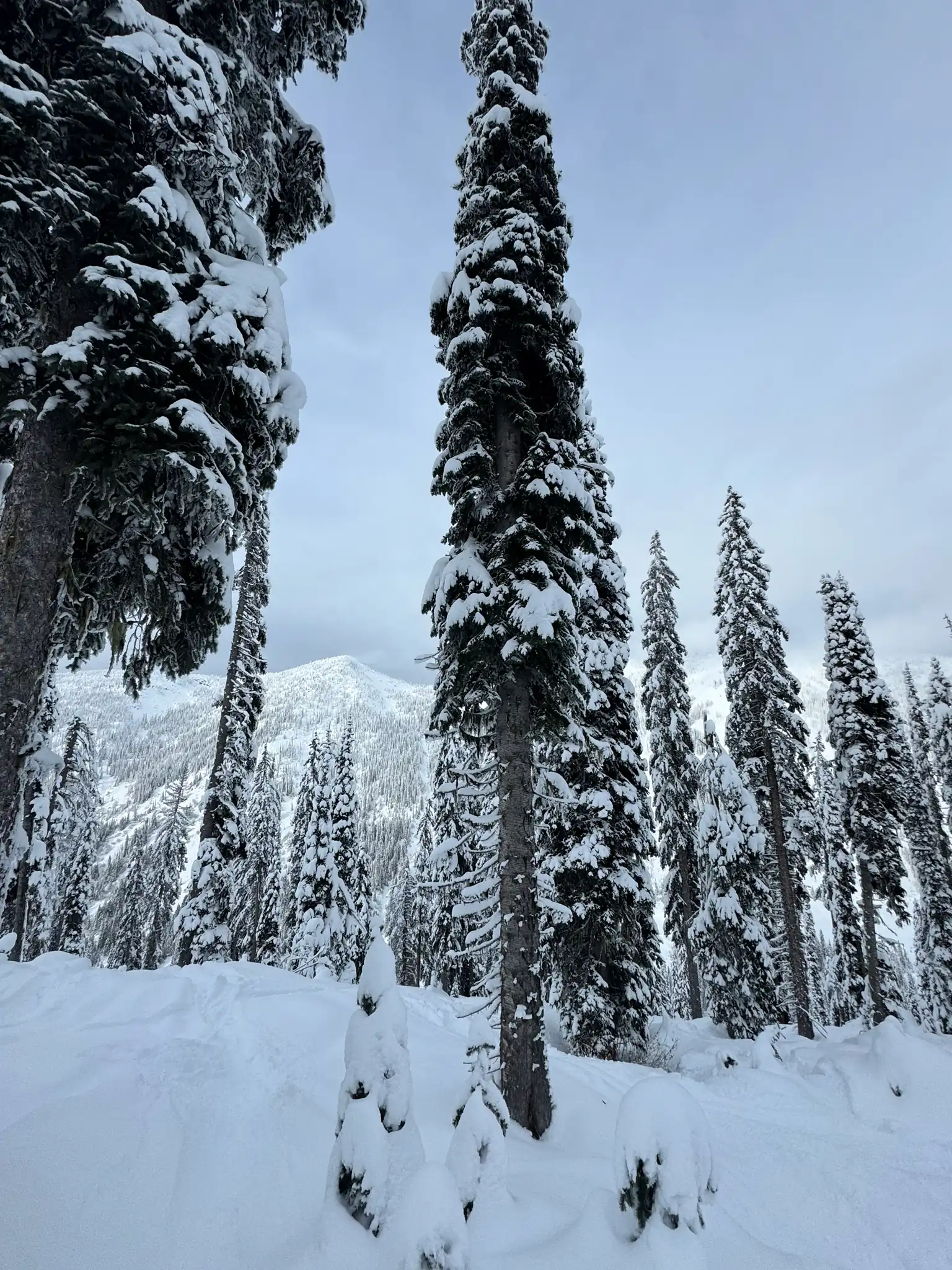
Abies lasiocarpa, commonly known as subalpine fir, is a spire-like evergreen conifer native to high-elevation mountain forests across western North America. It forms a dense, narrowly conical crown of short, upcurved branches clad in aromatic needles that range from silvery blue-green to gray-white.
The upright female cones emerge dark purple-blue in spring before ripening brown in fall. Its narrow, architectural profile and cool foliage color make it an ideal specimen for mountain and northern cold-climate landscapes.
Uses & Benefits:
Essentials
At a Glance
Plant Type
Tree
Height
1181"
Width
240"
Light
Full Sun, Partial Sun
Zones
5, 6, 7, 8
Water
Moderate to high
Humidity
Moderate
Lifespan
Long-lived
Native To
Western North America
Toxicity
Non-toxic (resin may irritate skin)
Bloom period
Mid spring – Late spring
In flower about 2 months of the year
Planting
How to Grow
- Select a planting site in full sun or partial shade with moist, acidic to neutral, well-draining soil.
- Dig a hole twice as wide as the root ball, setting the root collar level with the surrounding soil grade.
- Backfill with native soil, press gently to remove air pockets, and water thoroughly.
- Apply a 2- to 3-inch layer of organic mulch around the root zone, keeping it several inches away from the trunk.
Pro Tip
Provide cool root zones and acidic, sharply drained soil; true firs do not break dormant buds on bare old wood, so prune only active green shoots.
Keep It Thriving
Care Guide
Do
- Keep soil consistently moist around the root system, especially during dry spells.
- Maintain a deep layer of organic mulch to cool root temperatures.
- Prune dead or damaged branches back to live side shoots.
Don't
- Do not prune into old leafless wood, as stems cannot regenerate new growth.
- Do not plant in heavy, compacted clay or sites prone to standing water.
- Do not attempt to grow in hot, humid lowland regions.
Seasonal Care Calendar
| Task | Jan | Feb | Mar | Apr | May | Jun | Jul | Aug | Sep | Oct | Nov | Dec |
|---|---|---|---|---|---|---|---|---|---|---|---|---|
| Fertilize | ||||||||||||
| Mulch | ||||||||||||
| Pest Check | ||||||||||||
| Prune | ||||||||||||
| Winter Prep |
Watch Out For
Pests & Diseases
Common Pests
Common Diseases
In the Garden
Landscape Uses & Companions
Landscape Uses
Multiply
Propagation Methods
Good to Know
Common Questions
Subalpine Fir questions
What zones can Subalpine Fir grow in?
Subalpine Fir is hardy in USDA Zones 5–8: in that range it survives winter in the ground. Colder than Zone 5, winters are too cold for it to survive outdoors. Warmer than Zone 8, winter isn't the problem: it prefers colder winters, and summer heat can shorten its life.
Is Subalpine Fir deer resistant?
Not reliably. Deer may browse Subalpine Fir, especially tender spring growth — plan on repellents or fencing where pressure is high.
When does Subalpine Fir bloom?
Subalpine Fir typically blooms in mid- to late spring. Exact timing shifts a week or two with your zone — Sow's bloom calendar maps it to your garden.
Does Subalpine Fir need full sun?
Subalpine Fir does best in full sun to part shade. In hot climates, afternoon shade keeps blooms fresher longer.
More Abies to compare
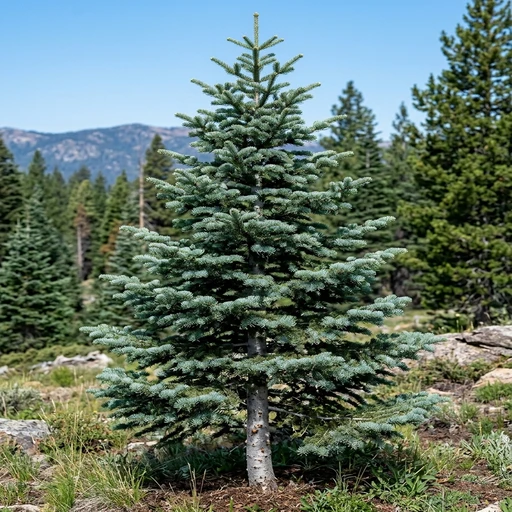
White Fir
Abies concolor
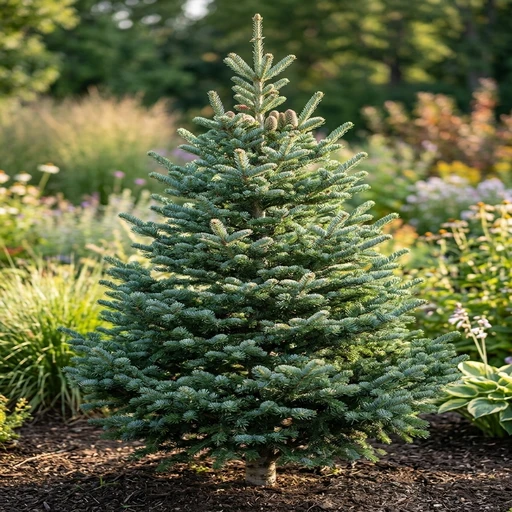
Fraser Fir
Abies fraseri
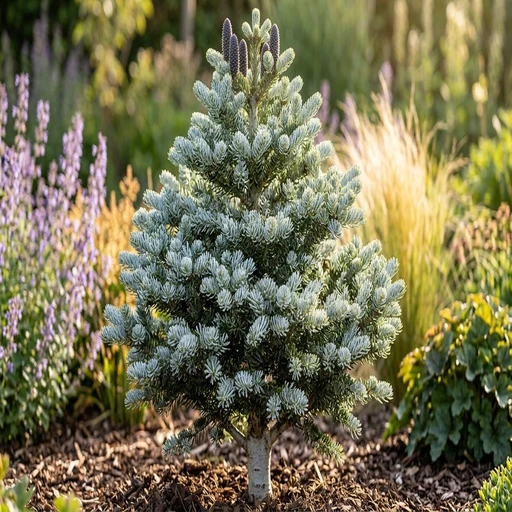
Horstmann's Silberlocke Korean Fir
Abies koreana 'Horstmann Silberlocke'
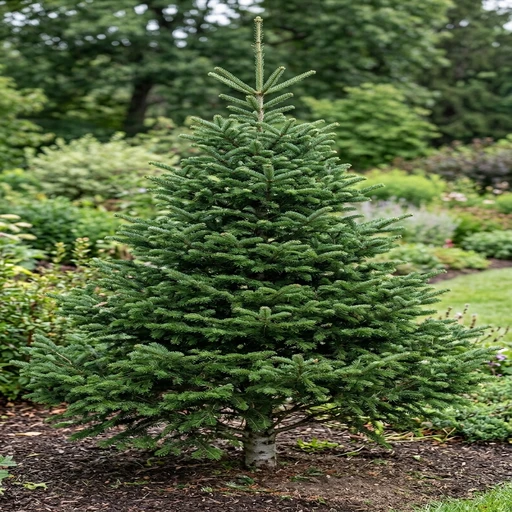
Balsam Fir
Abies balsamea
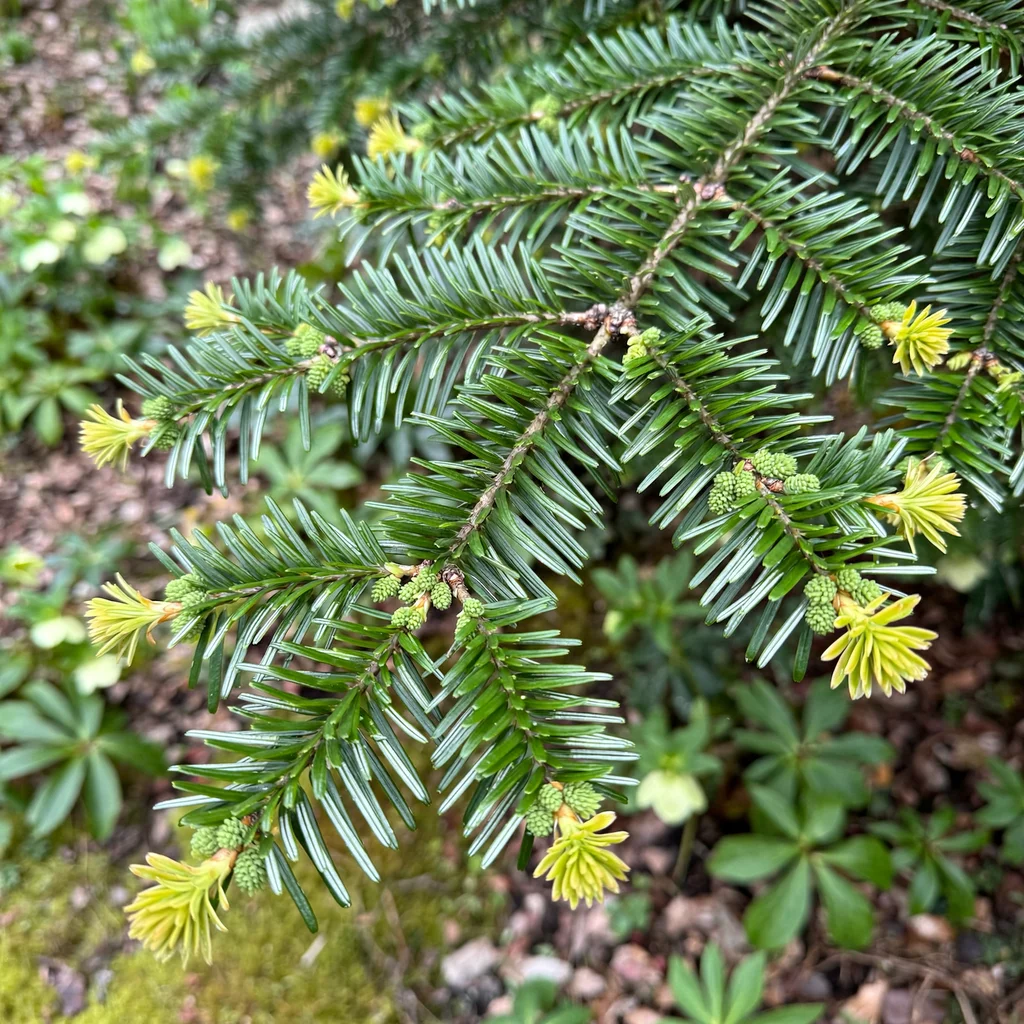
Grand Fir
Abies grandis
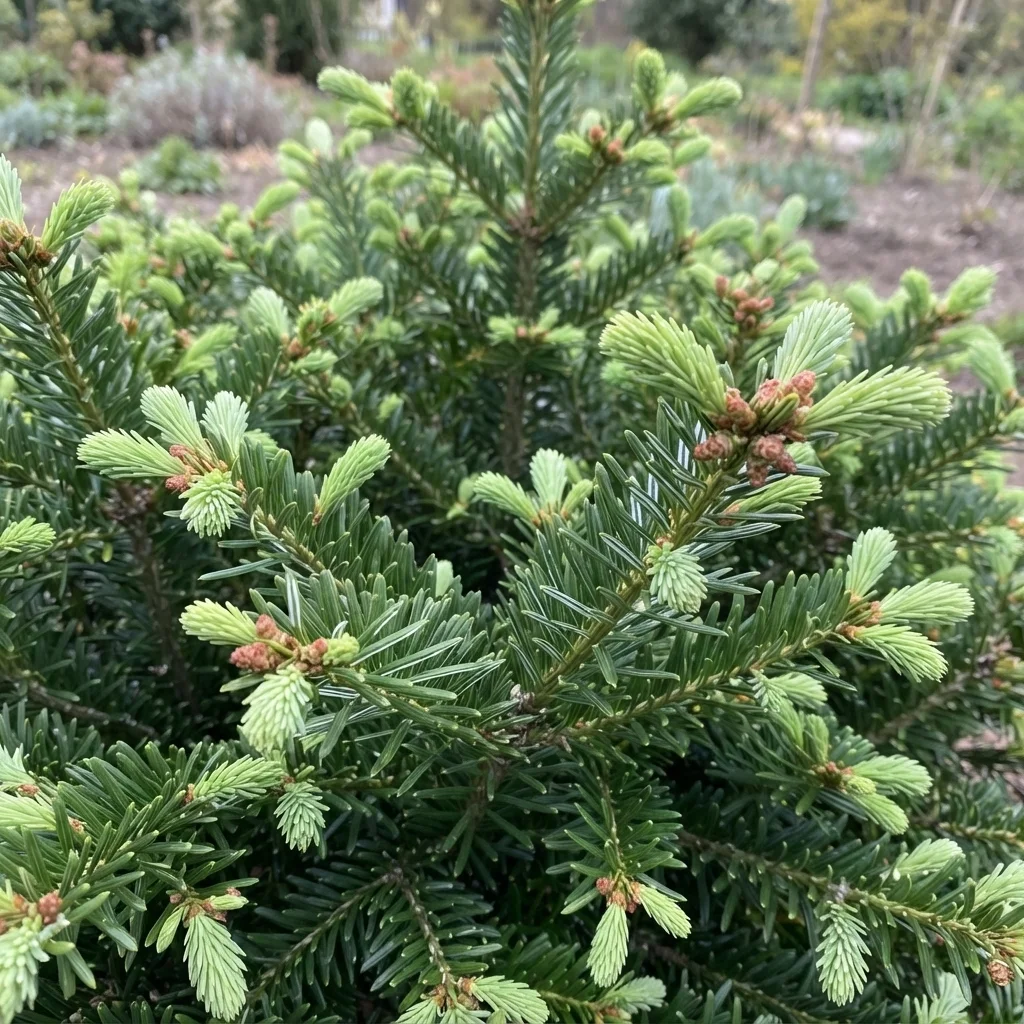
Nordmann Fir
Abies nordmanniana
Keep exploring
Explore the genus
Hardy in your zone?
Grow Subalpine Fir with confidence
See it in a design of your actual yard, get zone-matched care reminders, and track it season by season in your garden journal.