The Story
Plant Bio
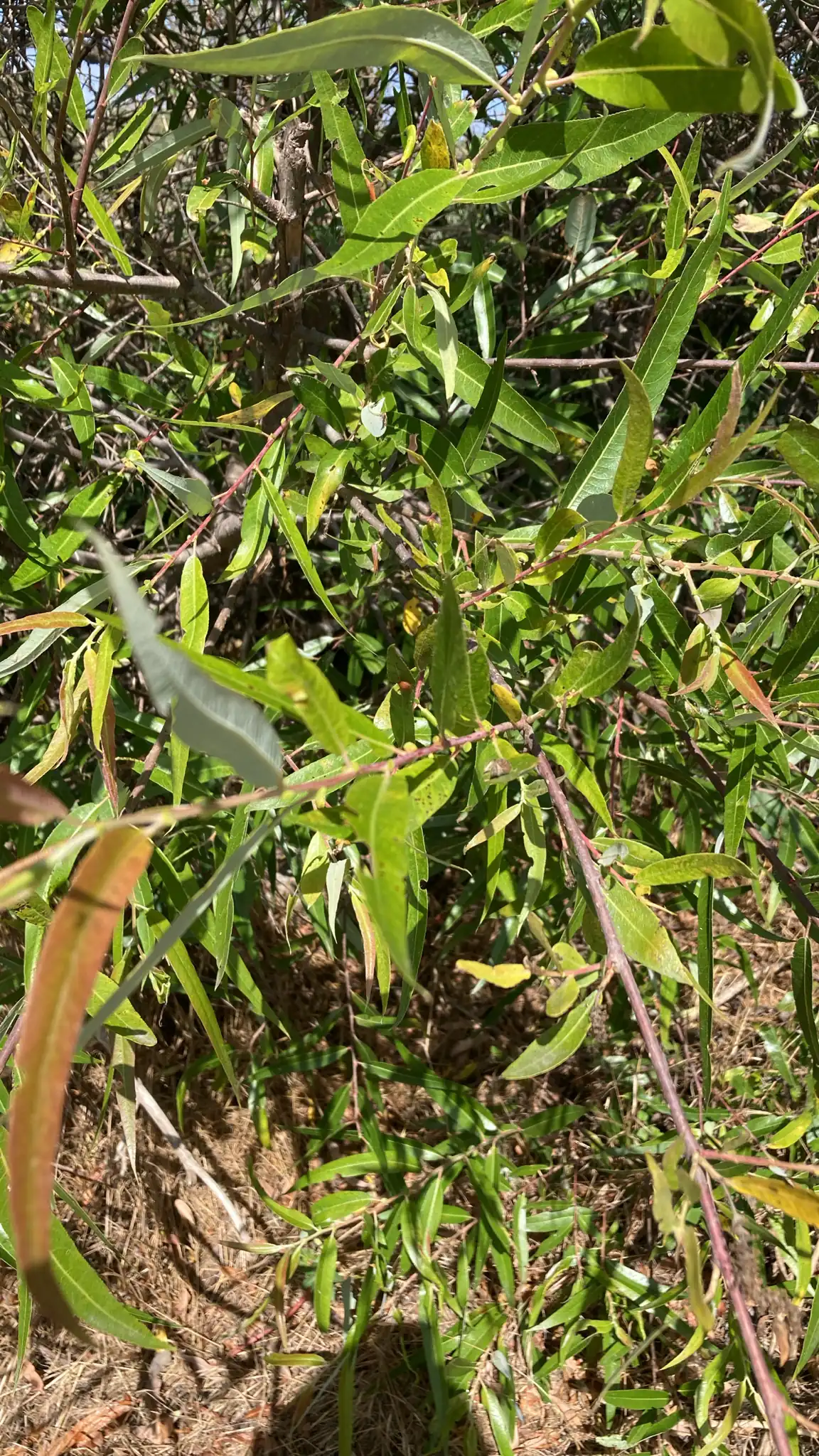
Salix laevigata is a deciduous small tree or large multi-stemmed shrub native to riparian corridors across the western United States and northern Mexico. It develops reddish-brown to yellow flexible twigs and narrow lanceolate leaves that are shiny bright green above and pale whitish green beneath.
Yellow catkins emerge on short leafy stems before or alongside new foliage in late winter through spring. The bark matures into dark, deeply fissured ridges while the flexible young stems give branches an arching, winding form along waterways.
Uses & Benefits:
Essentials
At a Glance
Plant Type
Tree
Height
539"
Width
417"
Light
Full Sun, Partial Sun
Zones
5, 6, 7, 8, 9, 10
Water
High
Humidity
Moderate
Lifespan
Perennial
Native To
Western North America
Toxicity
Non-toxic
Bloom period
Winter – Late spring
In flower about 6 months of the year
Planting
How to Grow
- Select a planting site in full sun to partial shade with reliable soil moisture or a high groundwater table.
- Dig a hole twice as wide as the root container, ensuring the root crown sits level with the surrounding soil grade.
- Backfill with native clay, loam, or sandy soil and tamp down firmly to remove air pockets.
- Water thoroughly at planting and maintain consistently saturated soil conditions while root systems establish.
Pro Tip
Avoid pruning hard into old leafless wood unless coppicing to the base, as severe top-pruning weakens mature scaffold branches.
Keep It Thriving
Care Guide
Do
- Maintain high soil moisture or plant directly near permanent water margins.
- Sow fresh seed immediately after harvest onto wet soil beds.
- Prune out dead or damaged wood only during winter dormancy.
Don't
- Do not allow young root systems to dry out completely during establishment.
- Do not prune heavily into old, leafless stem wood.
- Do not apply synthetic fertilizers in rich alluvial soils.
Seasonal Care Calendar
| Task | Jan | Feb | Mar | Apr | May | Jun | Jul | Aug | Sep | Oct | Nov | Dec |
|---|---|---|---|---|---|---|---|---|---|---|---|---|
| Pest Check | ||||||||||||
| Plant | ||||||||||||
| Propagate | ||||||||||||
| Prune |
Watch Out For
Pests & Diseases
Common Pests
Common Diseases
In the Garden
Landscape Uses & Companions
Landscape Uses
Multiply
Propagation Methods
Good to Know
Common Questions
Red Willow questions
What zones can Red Willow grow in?
Red Willow is hardy in USDA Zones 5–10: in that range it survives winter in the ground. Colder than Zone 5, winters are too cold for it to survive outdoors.
Is Red Willow deer resistant?
Not reliably. Deer may browse Red Willow, especially tender spring growth — plan on repellents or fencing where pressure is high.
When does Red Willow bloom?
Red Willow typically blooms from winter to spring. Exact timing shifts a week or two with your zone — Sow's bloom calendar maps it to your garden.
Does Red Willow need full sun?
Red Willow does best in full sun to part shade. In hot climates, afternoon shade keeps blooms fresher longer.
More Salix to compare
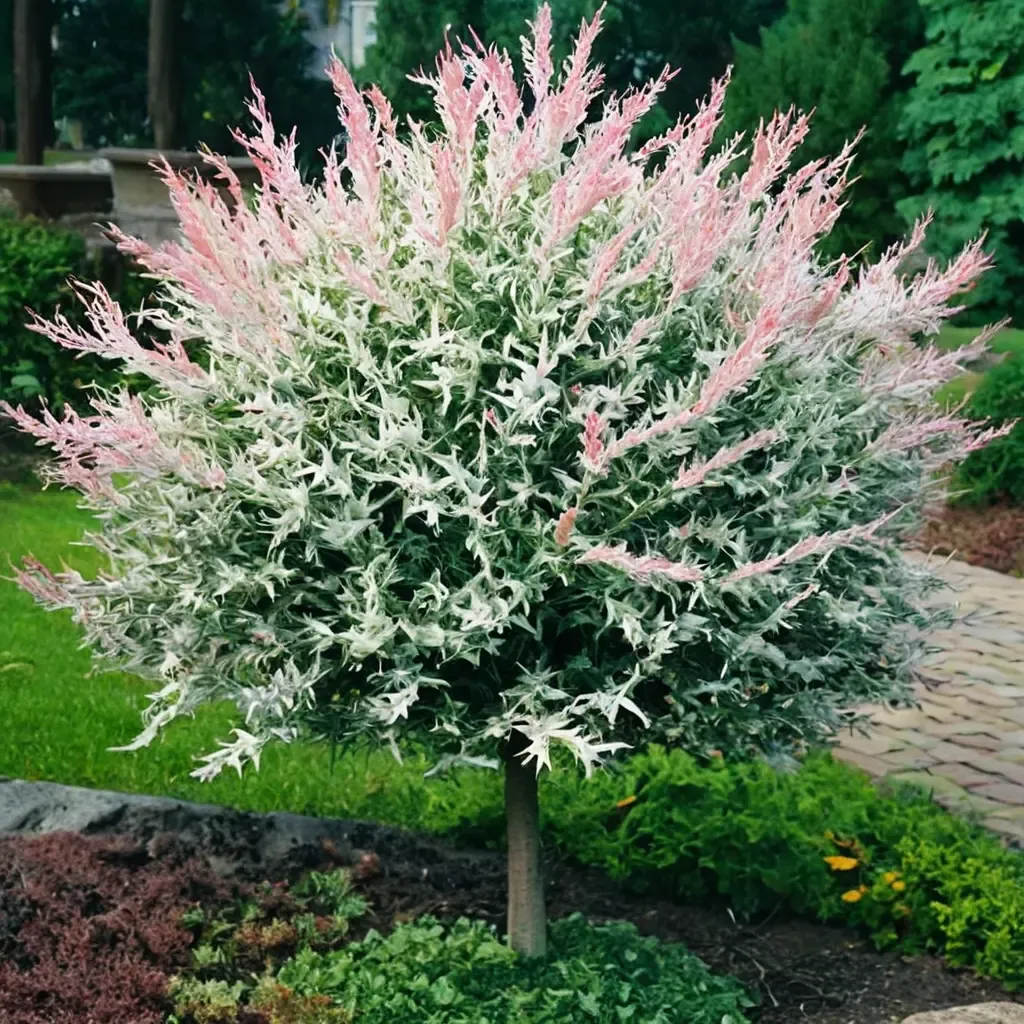
Hakuro-nishiki Dappled Willow
Salix integra 'Hakuro-nishiki'
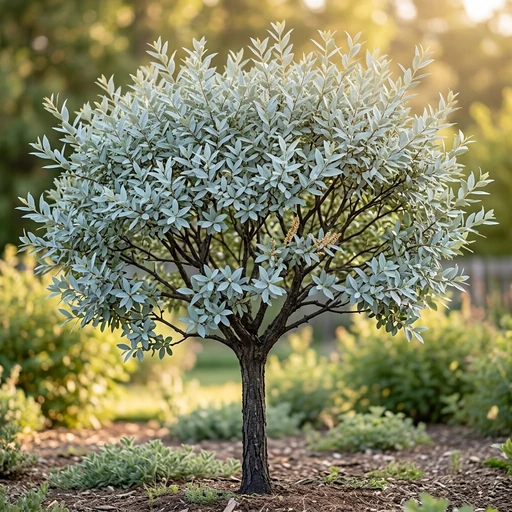
Black Willow
Salix nigra
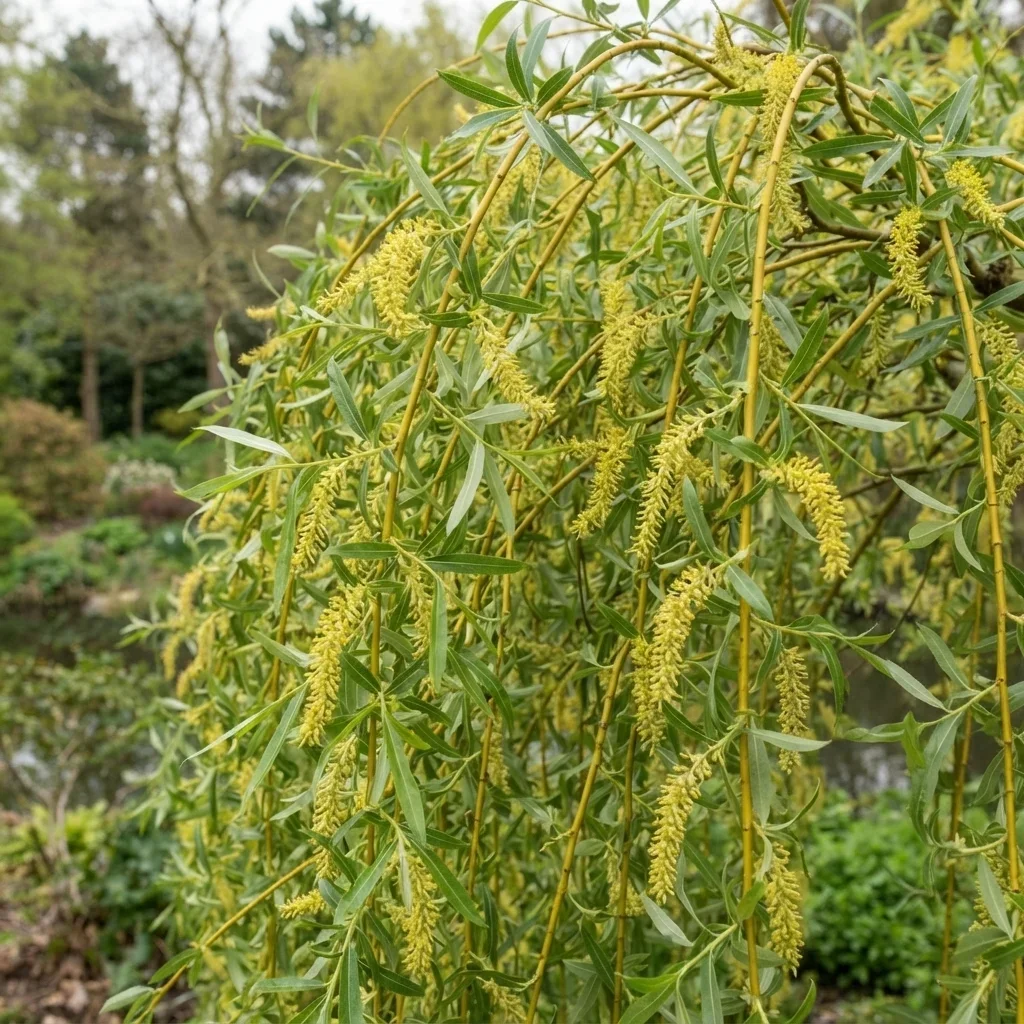
Weeping Willow
Salix x sepulcralis 'Mix'
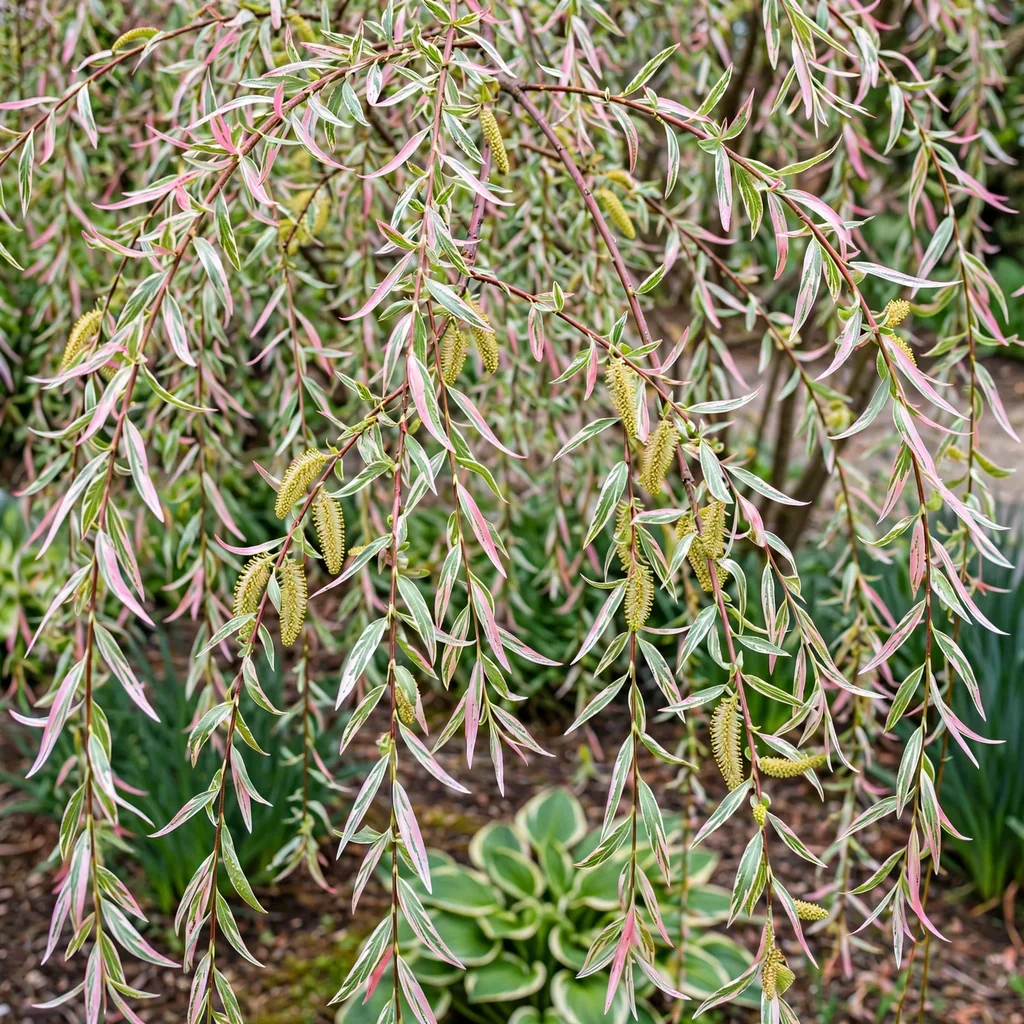
Flamingo Dappled Willow
Salix integra 'Flamingo'
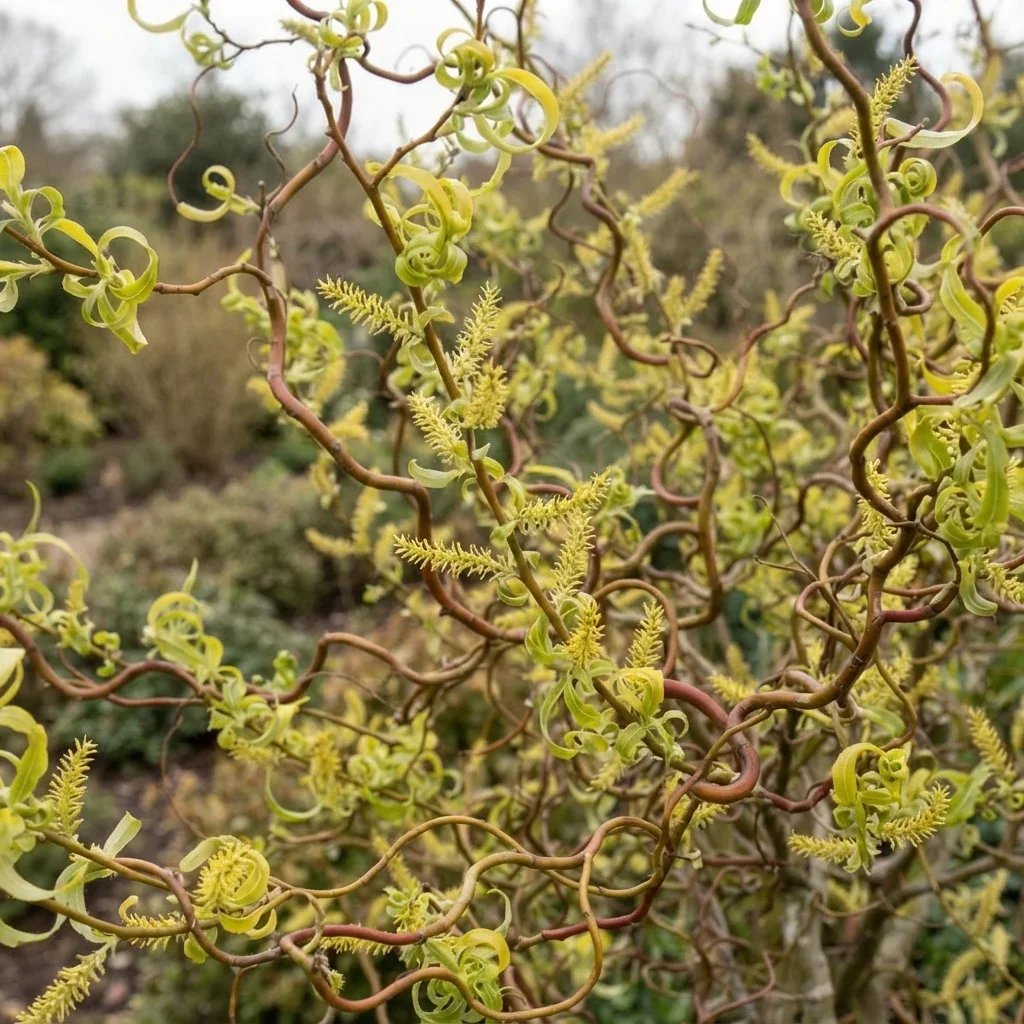
Corkscrew Willow 'Tortuosa'
Salix babylonica 'Tortuosa'
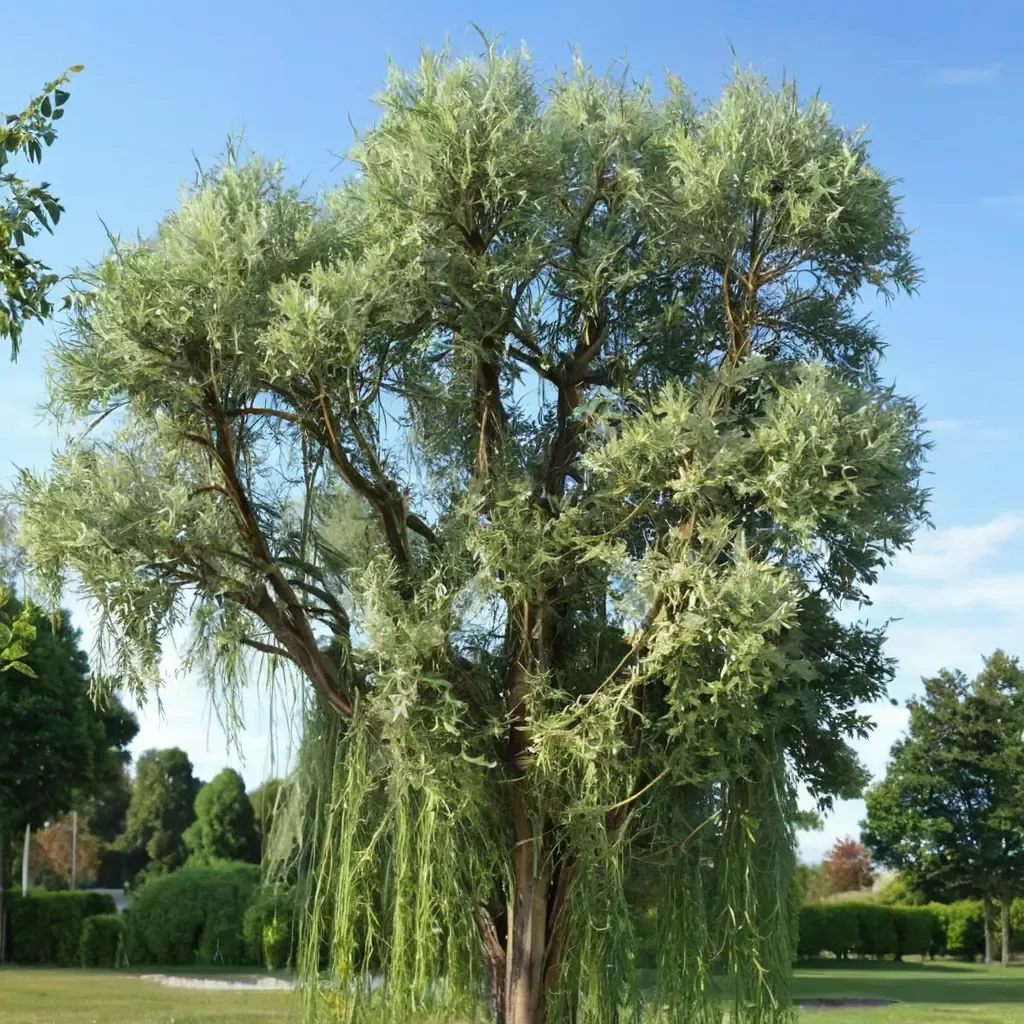
White Willow
Salix alba
Keep exploring
Explore the genus
Grow Red Willow with confidence
See it in a design of your actual yard, get zone-matched care reminders, and track it season by season in your garden journal.