The Story
Plant Bio
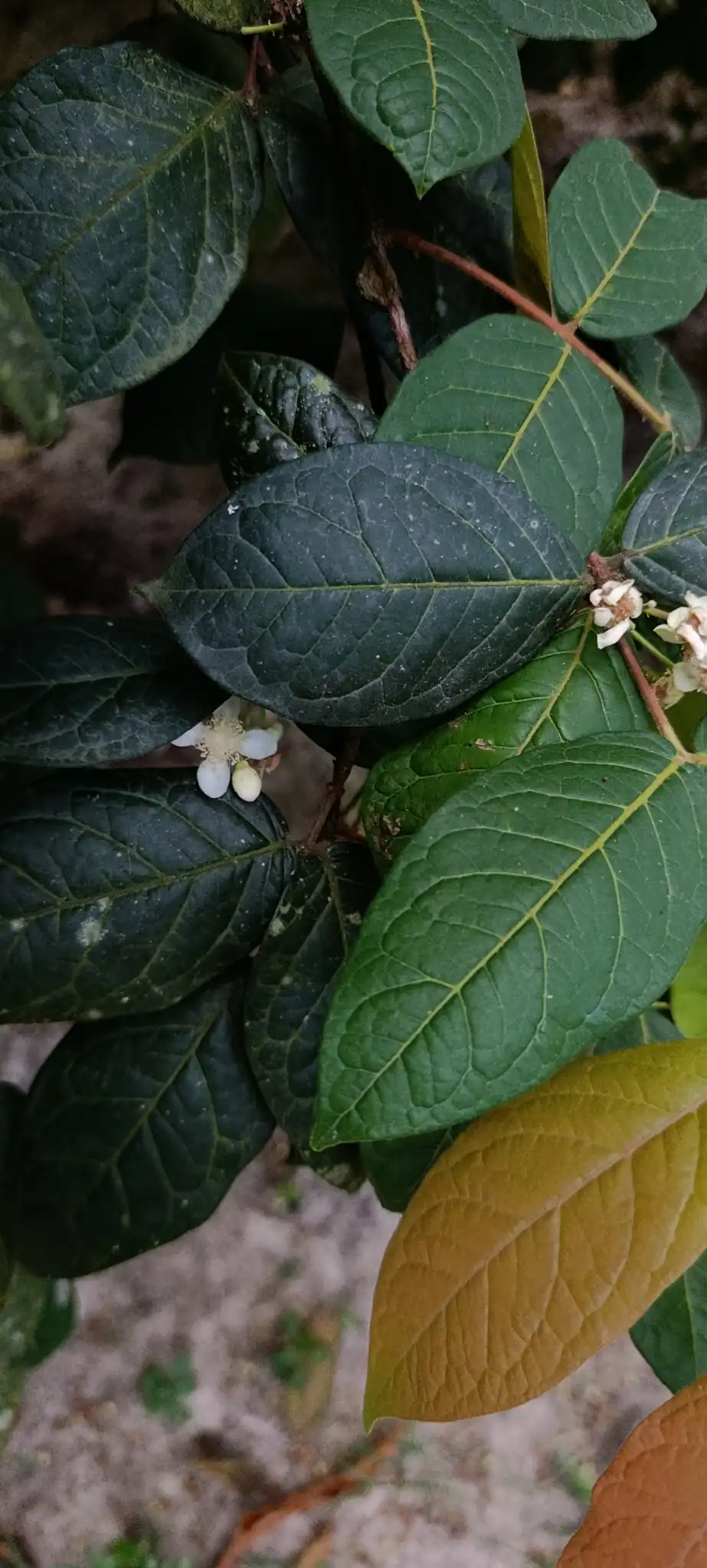
Eugenia stipitata, the araza of the western Amazon, is an evergreen shrub to small tree reaching 8 to 12 feet in cultivation, with smooth gray-brown bark that flakes with age and a densely branched rounded crown. The leaves are elliptical, glossy dark green and evergreen, with young stems clothed in short brown velvety hairs that are lost as the wood matures.
What sets it apart is its flowering habit: clusters of 1 to 5 fragrant white flowers with four petals and a burst of conspicuous stamens open on new growth in the early morning hours. It lacks strong apical dominance, so plants branch low into a dense bushy head that can flower and fruit while still small when kept warm, humid and consistently watered.
Uses & Benefits:
Essentials
At a Glance
Plant Type
Fruit Vegetable
Height
144"
Width
120"
Light
Full Sun, Partial Sun
Zones
9, 10
Water
High - needs regular watering
Humidity
High
Lifespan
Long-lived evergreen shrub
Native To
W Amazon Basin - Brazil, Colombia, Peru, Ecuador
Toxicity
Non-toxic - fruit edible
Bloom period
Year round
In flower about 12 months of the year
Planting
How to Grow
- Plant in full sun to partial shade in rich, well-drained loam with pH 5.5 to 6.5, spacing plants about 10 feet apart.
- Dig a 20-inch planting hole enriched with about 1 pound of composted manure and set the rootball level with the soil surface.
- Water deeply and regularly to keep soil evenly moist; do not allow drought beyond a few weeks and never leave roots waterlogged.
- Mulch 2 to 3 inches deep, keeping mulch clear of the stem, and feed with balanced fertilizer through the growing season.
- Protect from frost and cold wind; grow in a large container moved under cover in marginal zones so plants fruit small.
Pro Tip
Sow seed fresh from ripe fruit without drying or chilling; viability falls sharply after a few weeks and cold storage kills most of it.
Keep It Thriving
Care Guide
Do
- Keep soil consistently moist with regular deep watering and mulch.
- Form young plants to a single stem or 3 to 4 strong branches for a sturdy frame.
- Remove fallen fruit and leaves promptly to reduce fruit-fly and fungal pressure.
- Bag developing fruit where fruit flies are active.
Don't
- Do not store or dry seed before sowing; sow fresh from ripe fruit.
- Do not prune heavily or cut back into old leafless wood, which does not reliably reshoot.
- Do not plant in waterlogged soil or allow pots to sit in saucers of water.
- Do not expose young plants to frost or prolonged drought.
Seasonal Care Calendar
| Task | Jan | Feb | Mar | Apr | May | Jun | Jul | Aug | Sep | Oct | Nov | Dec |
|---|---|---|---|---|---|---|---|---|---|---|---|---|
| Fertilize | ||||||||||||
| Mulch | ||||||||||||
| Pest Check | ||||||||||||
| Prune | ||||||||||||
| Winter Prep |
Watch Out For
Pests & Diseases
Common Pests
Common Diseases
In the Garden
Landscape Uses & Companions
Landscape Uses
Companion Plants
Multiply
Propagation Methods
Good to Know
Common Questions
Araza questions
What zones can Araza grow in?
Araza is hardy in USDA Zones 9–10: in that range it survives winter in the ground. Colder than Zone 9, grow it in a container you can move to shelter for the winter, or as an annual.
When does Araza bloom?
Araza typically blooms year-round. Exact timing shifts a week or two with your zone — Sow's bloom calendar maps it to your garden.
Does Araza need full sun?
Araza does best in full sun to part shade. In hot climates, afternoon shade keeps blooms fresher longer.
More Eugenia to compare
Surinam Cherry
Eugenia uniflora
Savannah Cherry
Eugenia calycina
Cherry of the Rio Grande
Eugenia aggregata
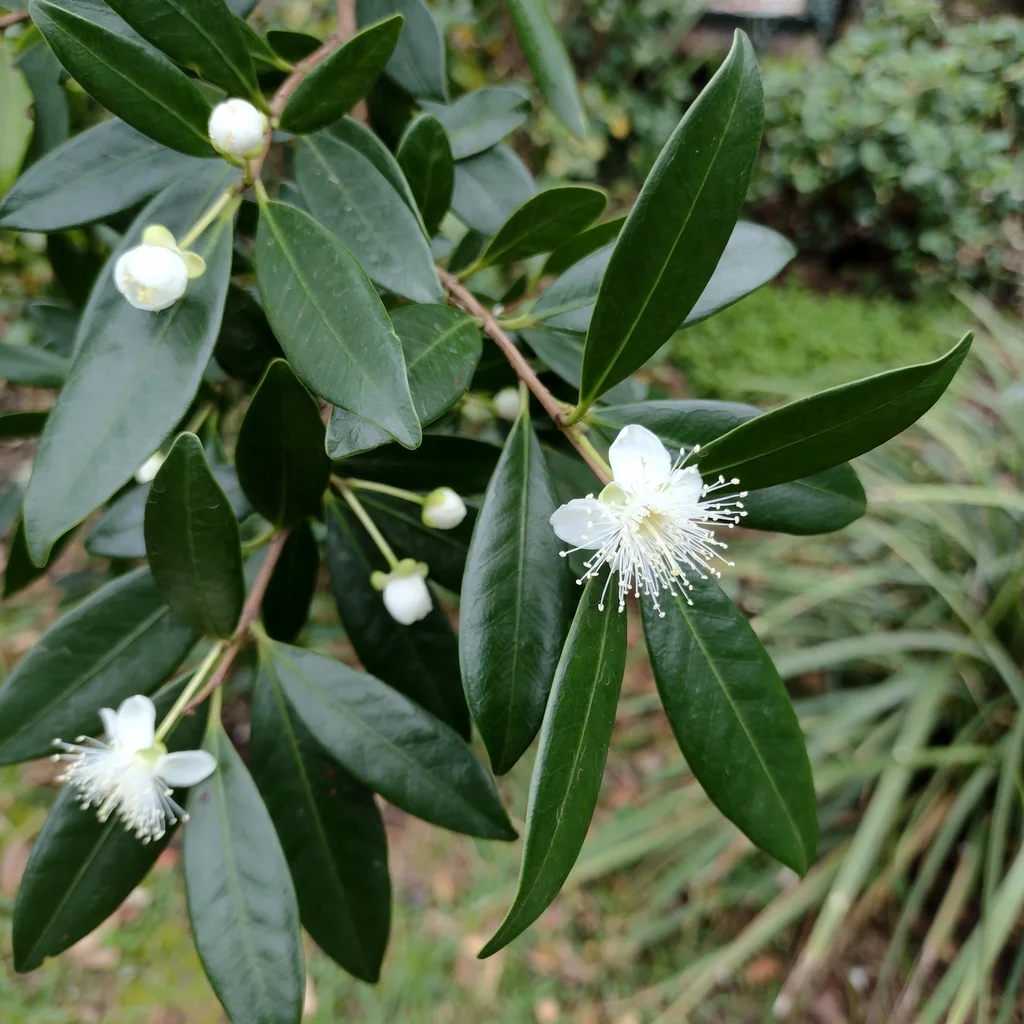
Pitomba
Eugenia luschnathiana
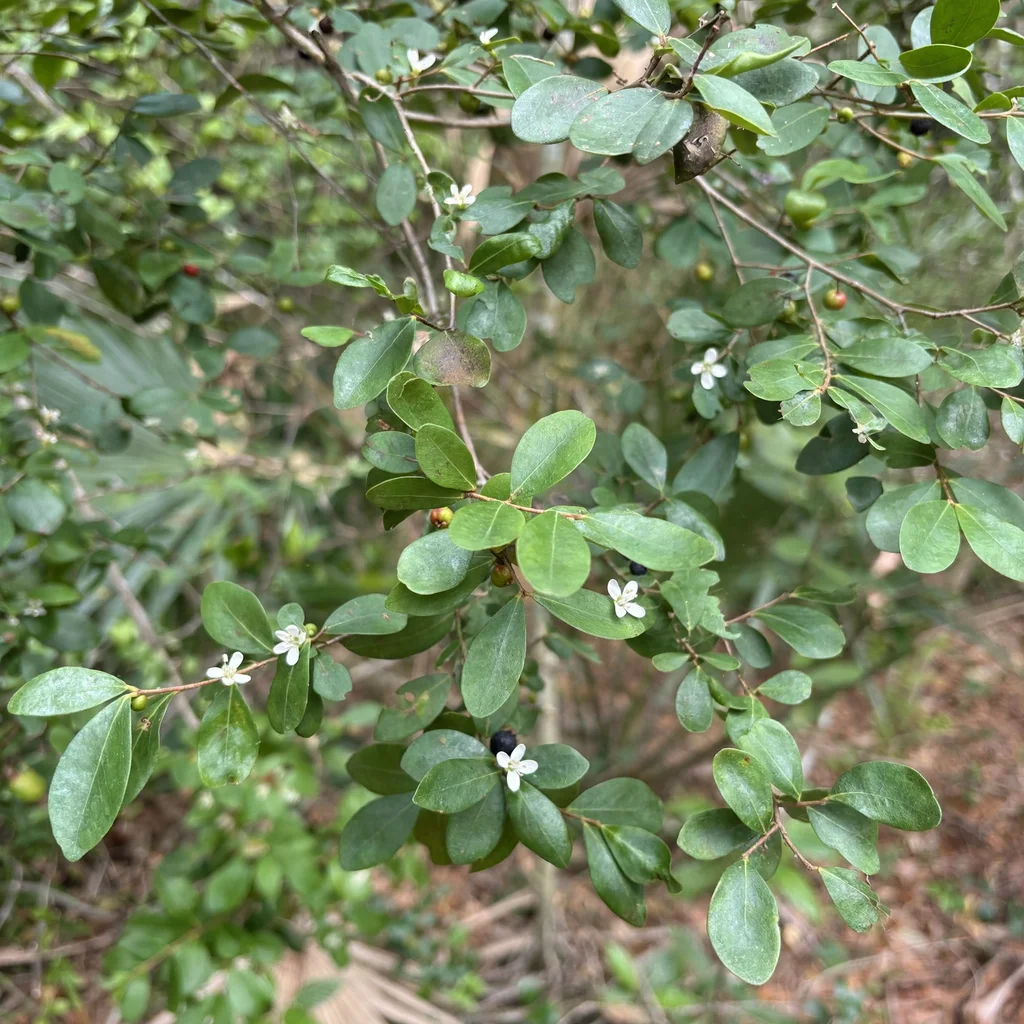
Spanish Stopper
Eugenia foetida
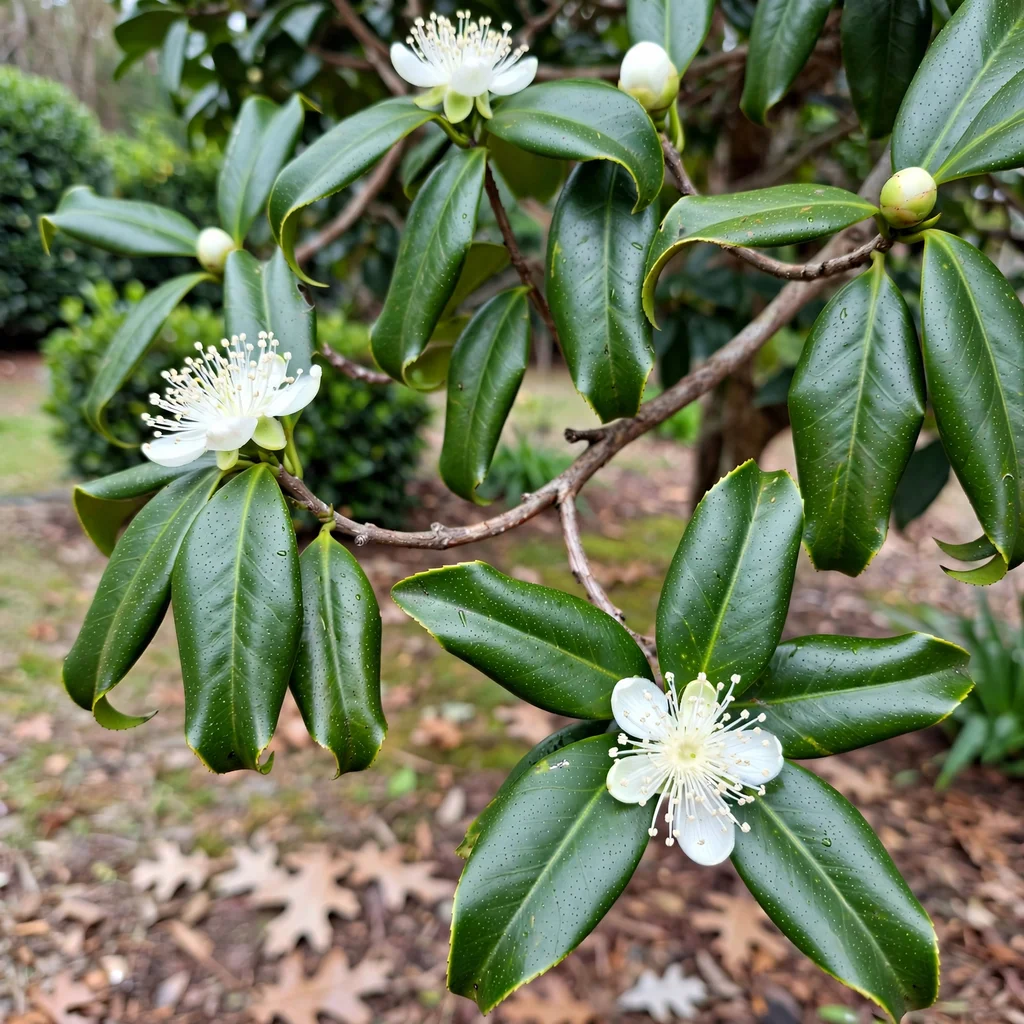
Grumichama
Eugenia brasiliensis
Keep exploring
Explore the genus
Hardy in your zone?
Grow Araza with confidence
See it in a design of your actual yard, get zone-matched care reminders, and track it season by season in your garden journal.