The Story
Plant Bio
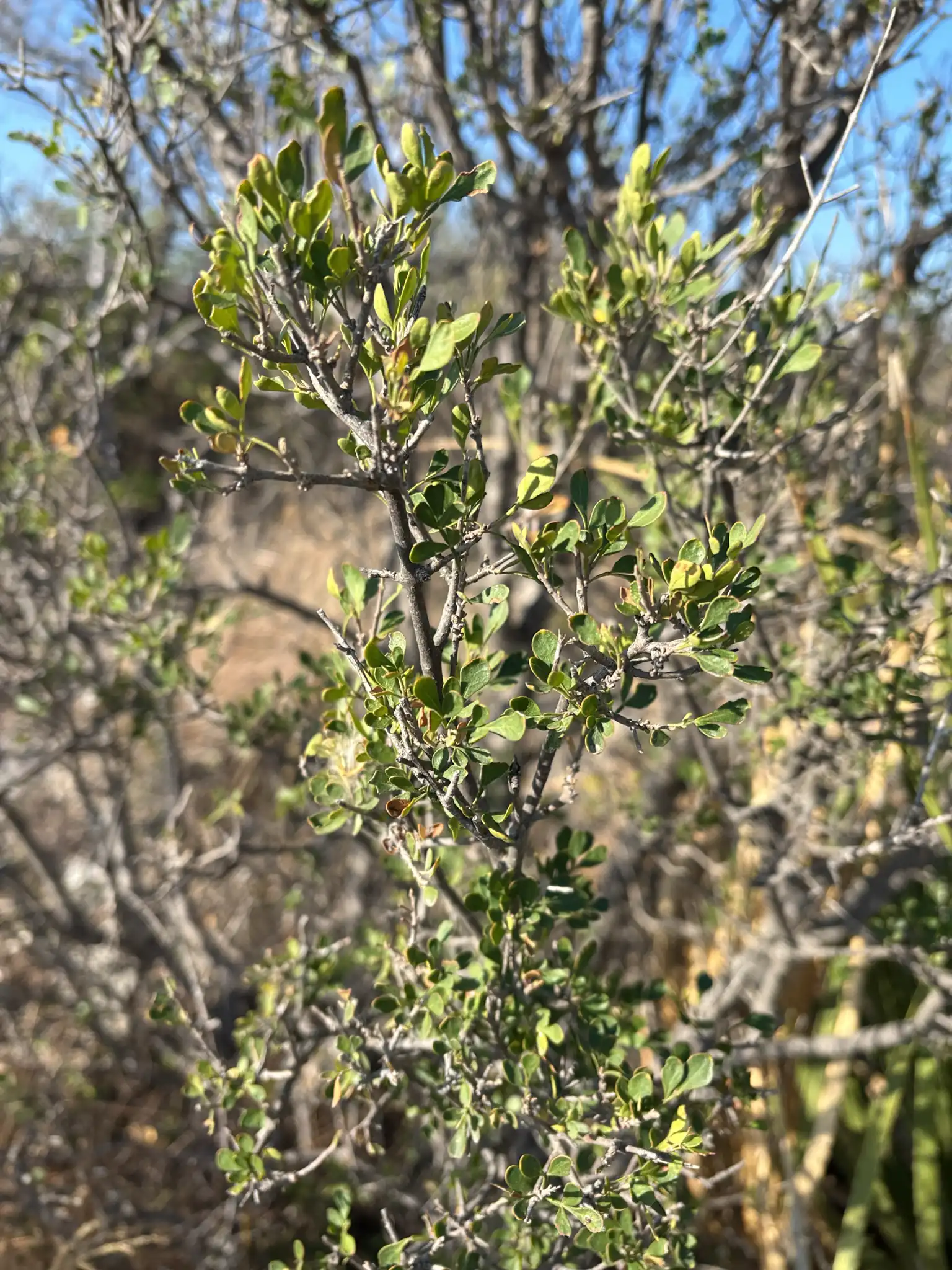
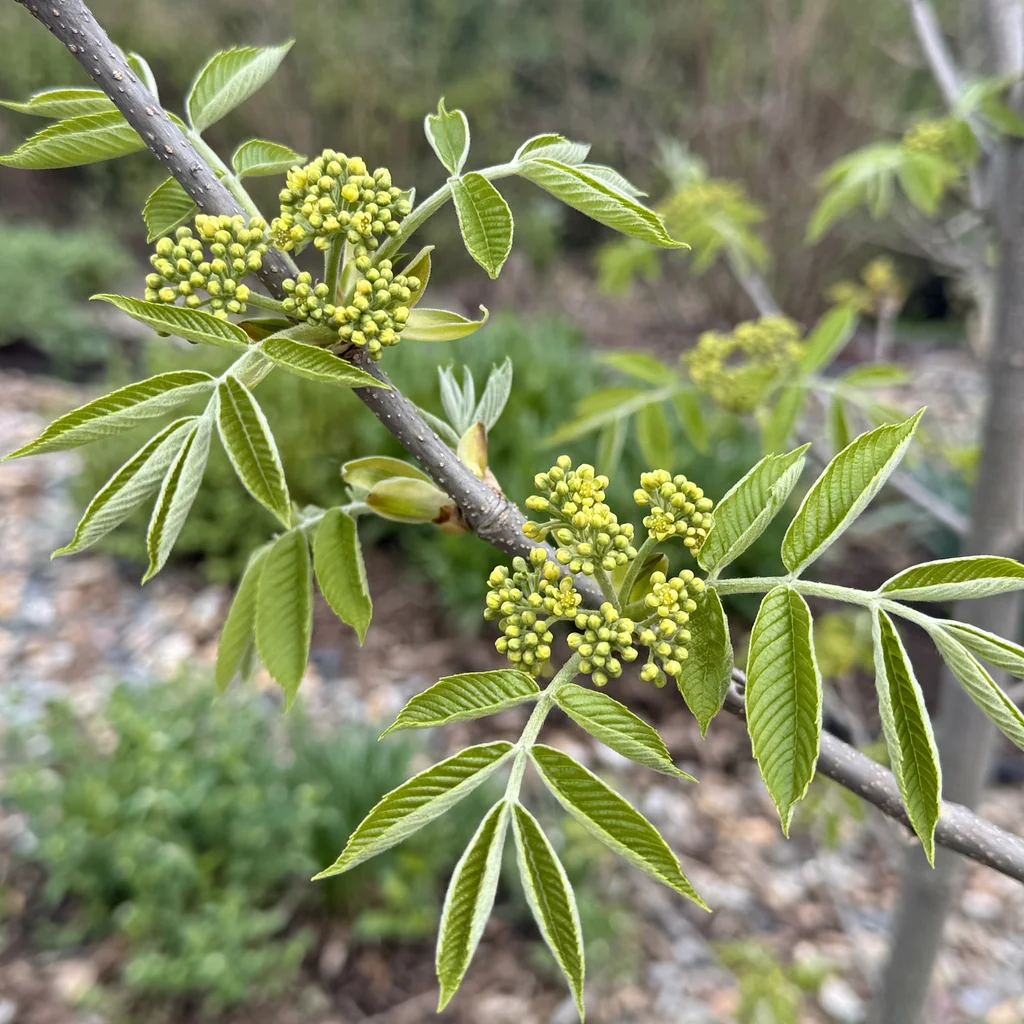
Fraxinus greggii, Gregg's ash, is a semi-evergreen small tree or large shrub from limestone canyons of Texas, New Mexico, Arizona and northern Mexico, reaching 15 to 18 feet tall and 10 to 15 feet wide with slender branches and smooth thin gray bark. Leaves are pinnate, dark green and leathery, less than 2 inches long and held nearly year-round; tiny green male and female flowers borne on separate plants in spring clusters mature to winged samaras on females.
Unlike northern ashes that drop all leaves in winter, Gregg's ash keeps small dark-green leaflets through most winters and keeps a dense shrubby multi-trunk form suited to screens and containers. It grows in dry caliche, sand and rocky loam at 2500 to 7000 feet and tolerates heat, drought and alkaline soil down to about 12 degrees.
Uses & Benefits:
Essentials
At a Glance
Plant Type
Tree
Height
216"
Width
180"
Light
Full Sun, Partial Sun
Zones
7, 8, 9, 10
Water
Low
Humidity
Unknown
Lifespan
Long-lived woody perennial
Native To
Texas, New Mexico, Arizona to Mexico
Toxicity
Mildly toxic if ingested; allergenic pollen
Bloom period
Spring
In flower about 3 months of the year
Planting
How to Grow
- Plant in full sun to part shade in well-drained limestone, sandy or loamy soil with neutral to alkaline pH.
- Water deeply at planting, then water low to moderately, adding supplemental water in the hottest months the first two summers.
- Mulch 2 to 3 inches deep, keeping mulch clear of the stems.
- Prune only in late winter to lift the crown or remove crossing limbs.
Pro Tip
Train to a tree form by removing lower limbs in late winter; shearing the canopy ruins its dense natural shape and regrowth is slow.
Keep It Thriving
Care Guide
Do
- Plant in well-drained rocky or sandy loam in full sun.
- Water sparingly once established, more in extreme heat.
- Prune lightly to train form and elevate the crown.
Don't
- Do not shear annually or cut hard into old bare wood.
- Do not plant in soggy soil or overwater.
- Do not plant where emerald ash borer is active without a management plan.
Seasonal Care Calendar
| Task | Jan | Feb | Mar | Apr | May | Jun | Jul | Aug | Sep | Oct | Nov | Dec |
|---|---|---|---|---|---|---|---|---|---|---|---|---|
| Mulch | ||||||||||||
| Pest Check | ||||||||||||
| Plant | ||||||||||||
| Propagate | ||||||||||||
| Prune |
Watch Out For
Pests & Diseases
Common Pests
Common Diseases
In the Garden
Landscape Uses & Companions
Landscape Uses
Multiply
Propagation Methods
Good to Know
Common Questions
Gregg's Ash questions
What zones can Gregg's Ash grow in?
Gregg's Ash is hardy in USDA Zones 7–10: in that range it survives winter in the ground. Colder than Zone 7, winters are too cold for it to survive outdoors.
Is Gregg's Ash deer resistant?
Not reliably. Deer may browse Gregg's Ash, especially tender spring growth — plan on repellents or fencing where pressure is high.
When does Gregg's Ash bloom?
Gregg's Ash typically blooms in spring. Exact timing shifts a week or two with your zone — Sow's bloom calendar maps it to your garden.
Does Gregg's Ash need full sun?
Gregg's Ash does best in full sun to part shade. In hot climates, afternoon shade keeps blooms fresher longer.
Is Gregg's Ash drought tolerant?
Yes — once established (usually after the first full season), Gregg's Ash handles dry spells with minimal watering. Water deeply its first year to build the root system that makes that possible.
More Fraxinus to compare
Keep exploring
Explore the genus
Hardy in your zone?
Grow Gregg's Ash with confidence
See it in a design of your actual yard, get zone-matched care reminders, and track it season by season in your garden journal.