The Story
Plant Bio
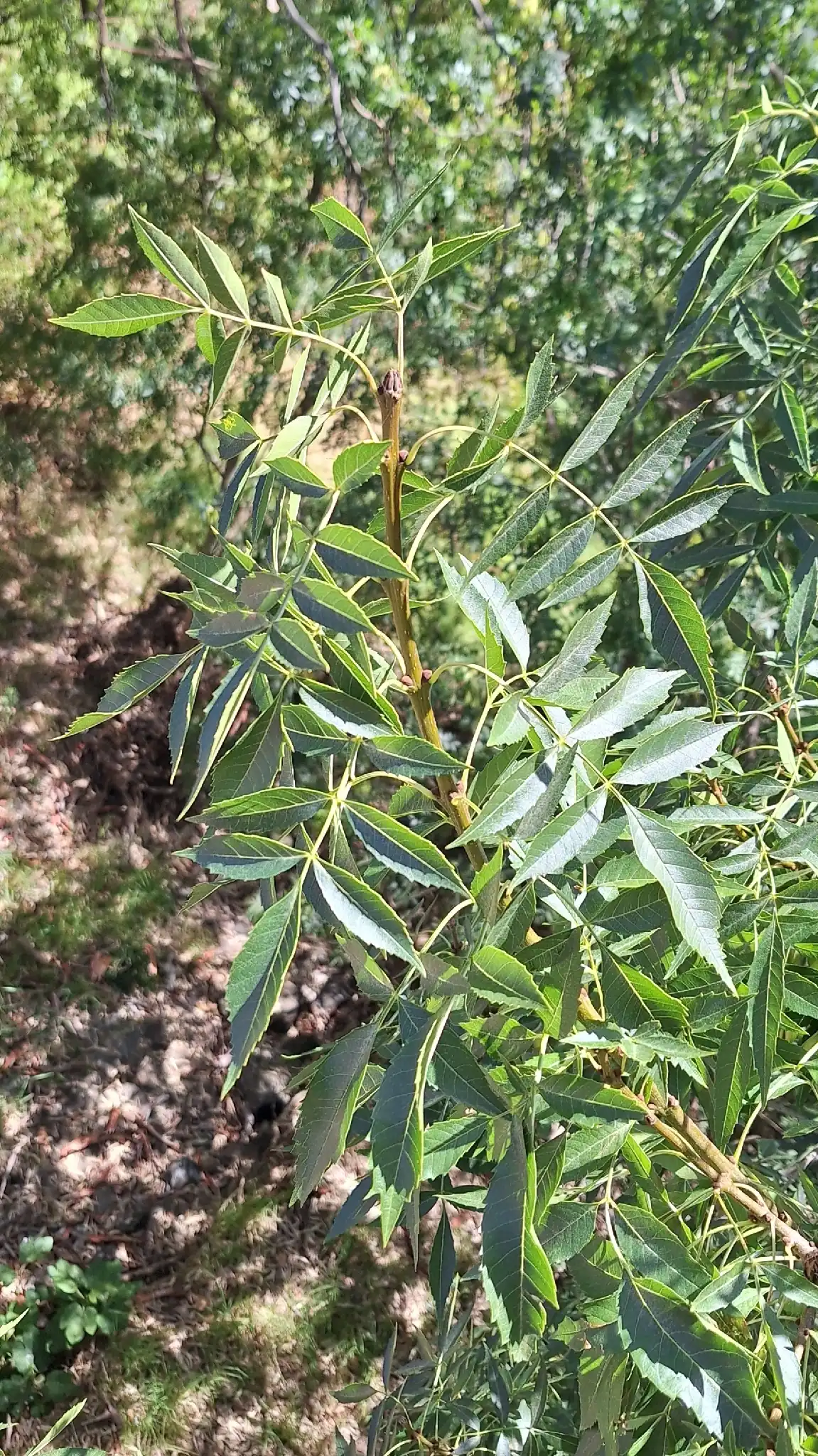
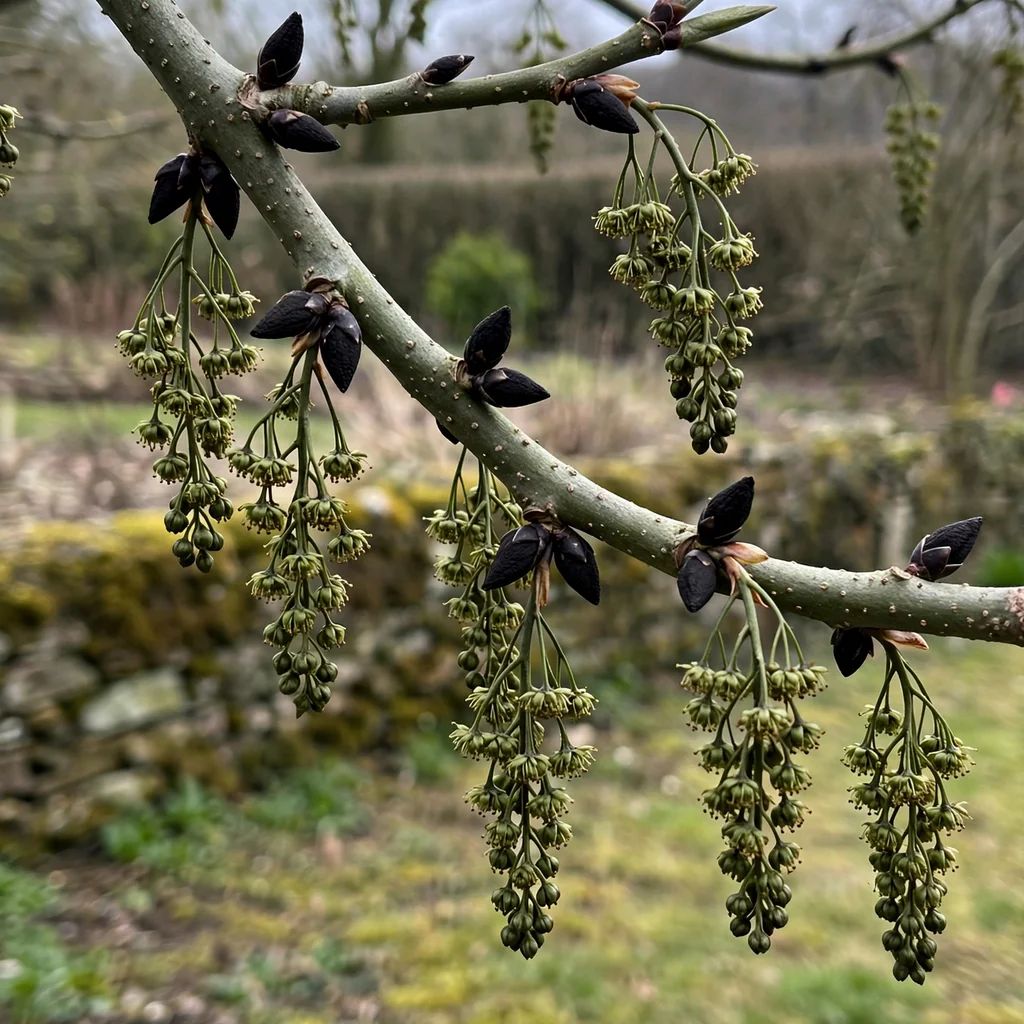
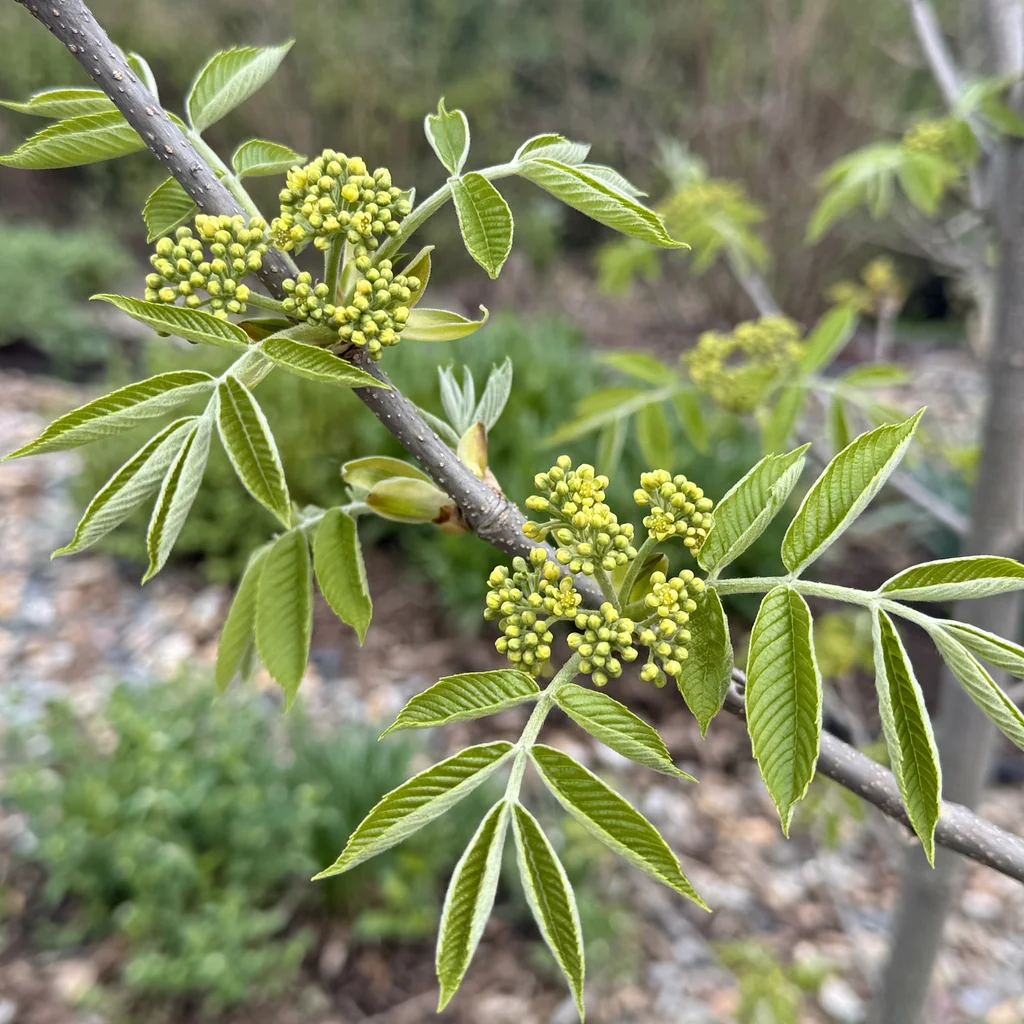
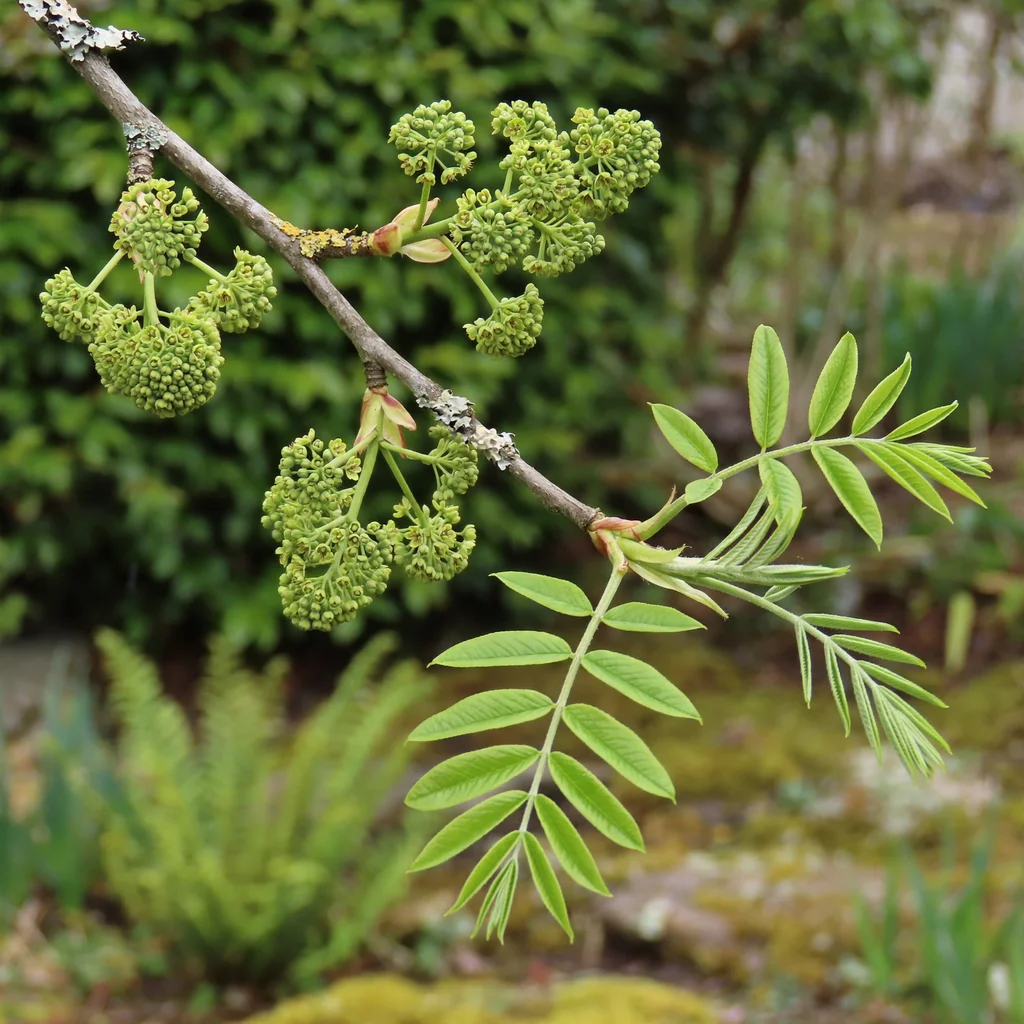
Fraxinus angustifolia, the narrow-leaved ash, is a small to medium deciduous tree with a wide-ovoid to rounded crown and opposite leaves of three to nine slender leaflets, pale-hairy along the midrib beneath. In late winter it bears tiny wind-pollinated flowers under 1 inch long, followed by winged samaras, on brittle branches over vigorous roots.
It differs from other ashes in its very narrow leaflets, fast establishment on clay, loam or sand at acid to neutral pH, and tolerance of drought, wind, pollution and urban soils in full sun. Garden trees reach 20 to 40 feet tall and 8 to 10 feet wide at a medium rate, with weak wood that needs structural training and no tolerance of shade or coastal exposure.
Uses & Benefits:
Essentials
At a Glance
Plant Type
Tree
Height
480"
Width
120"
Light
Full Sun
Zones
5, 6, 7, 8, 9
Water
Low to moderate
Humidity
Low to moderate
Lifespan
Long-lived tree
Native To
S. Europe to C. Asia, N. Africa, W. Asia
Toxicity
Non-toxic, allergenic pollen
Bloom period
Late winter – Early spring
In flower about 2 months of the year
Planting
How to Grow
- Plant in full sun with 6 or more hours of direct sun in well-drained clay, loam or sand.
- Dig a hole twice the root-ball width, set the crown level with grade, backfill and water deeply.
- Spread a 2 to 3 inch mulch ring clear of the trunk and water through the first dry season.
- Prune while dormant to keep a single leader and remove crossing or brittle limbs.
- Monitor the canopy each summer for emerald ash borer and call an arborist at first sign.
Pro Tip
Train to a single leader while young and inspect the canopy each year for emerald ash borer.
Keep It Thriving
Care Guide
Do
- Plant in full sun in drained soil that dries between waterings.
- Water deeply during establishment, then rely on drought tolerance.
- Mulch to hold moisture and keep equipment off vigorous surface roots.
- Check yearly for D-shaped borer holes, canopy thinning and suckering.
Don't
- Do not plant in shade or in wet, poorly drained or salt-exposed sites.
- Do not plant over paving or pipes where vigorous roots lift hardscaping.
- Do not over-prune mature limbs; weak wood tears and decays.
- Do not ignore borer symptoms; all ash are killed without prompt treatment.
Seasonal Care Calendar
| Task | Jan | Feb | Mar | Apr | May | Jun | Jul | Aug | Sep | Oct | Nov | Dec |
|---|---|---|---|---|---|---|---|---|---|---|---|---|
| Mulch | ||||||||||||
| Pest Check | ||||||||||||
| Plant | ||||||||||||
| Prune |
Watch Out For
Pests & Diseases
Common Pests
Common Diseases
In the Garden
Landscape Uses & Companions
Landscape Uses
Companion Plants
Multiply
Propagation Methods
Good to Know
Common Questions
Narrowleaf Ash questions
What zones can Narrowleaf Ash grow in?
Narrowleaf Ash is hardy in USDA Zones 5–9: in that range it survives winter in the ground. Colder than Zone 5, winters are too cold for it to survive outdoors. Warmer than Zone 9, winter isn't the problem: it prefers colder winters, and summer heat can shorten its life.
When does Narrowleaf Ash bloom?
Narrowleaf Ash typically blooms from late winter to early spring. Exact timing shifts a week or two with your zone — Sow's bloom calendar maps it to your garden.
Does Narrowleaf Ash need full sun?
Narrowleaf Ash does best in full sun (6+ hours).
Is Narrowleaf Ash drought tolerant?
Yes — once established (usually after the first full season), Narrowleaf Ash handles dry spells with minimal watering. Water deeply its first year to build the root system that makes that possible.
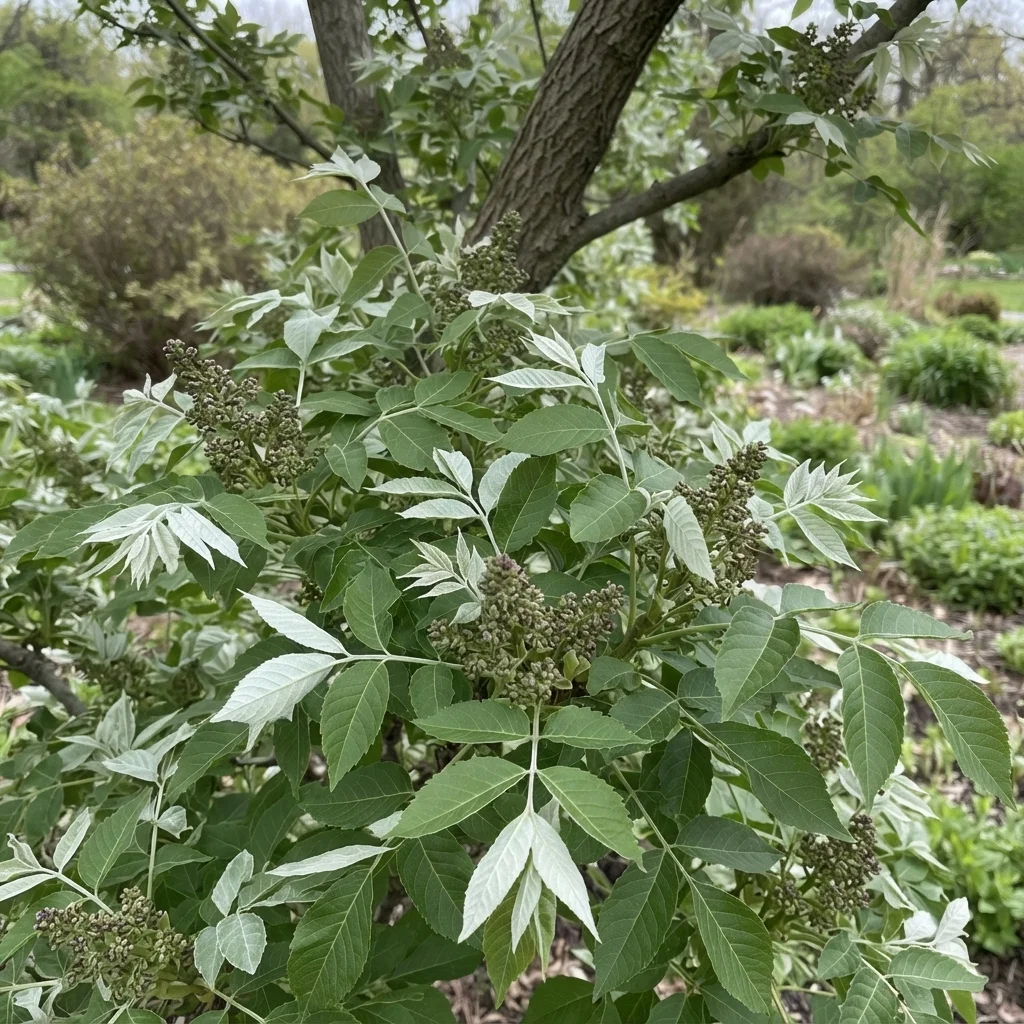
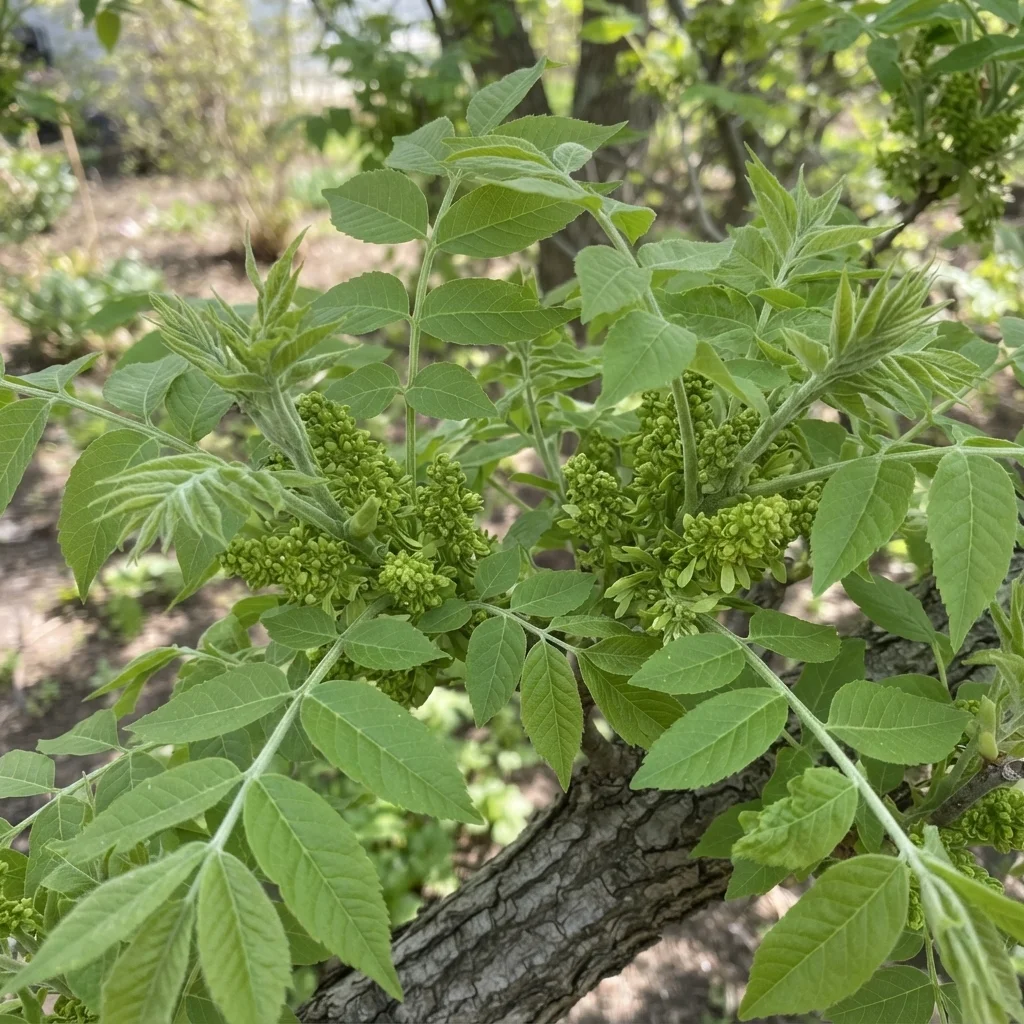
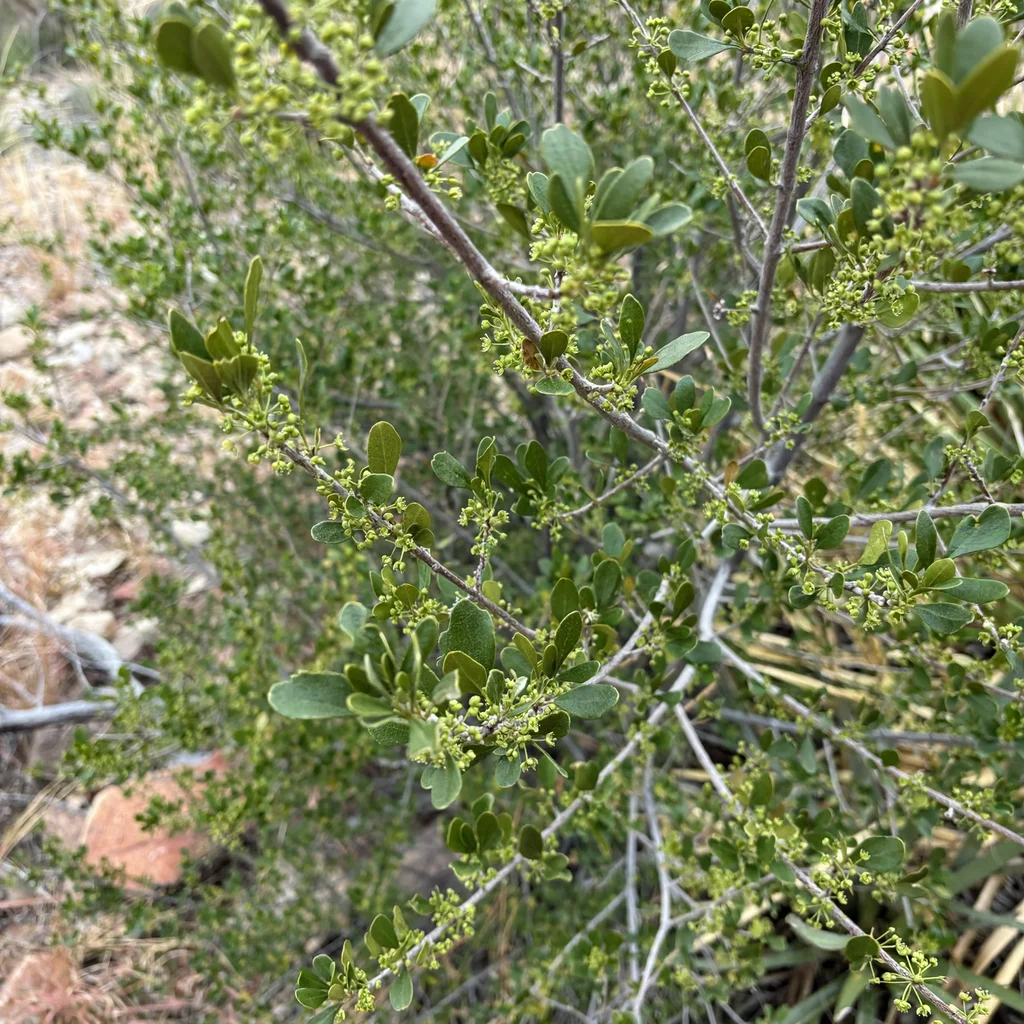
More Fraxinus to compare
Keep exploring
Explore the genus
Hardy in your zone?
Grow Narrowleaf Ash with confidence
See it in a design of your actual yard, get zone-matched care reminders, and track it season by season in your garden journal.