The Story
Plant Bio
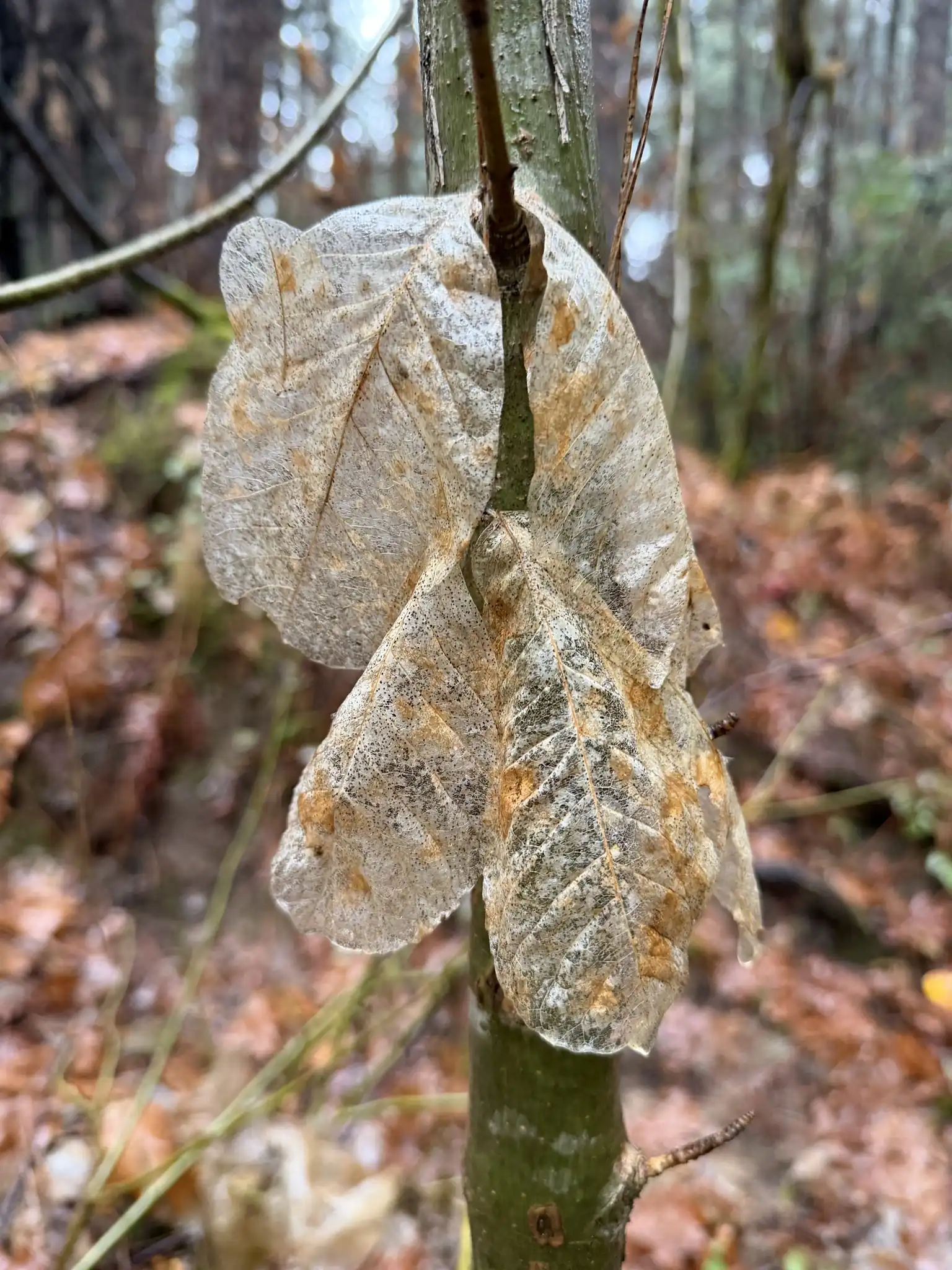
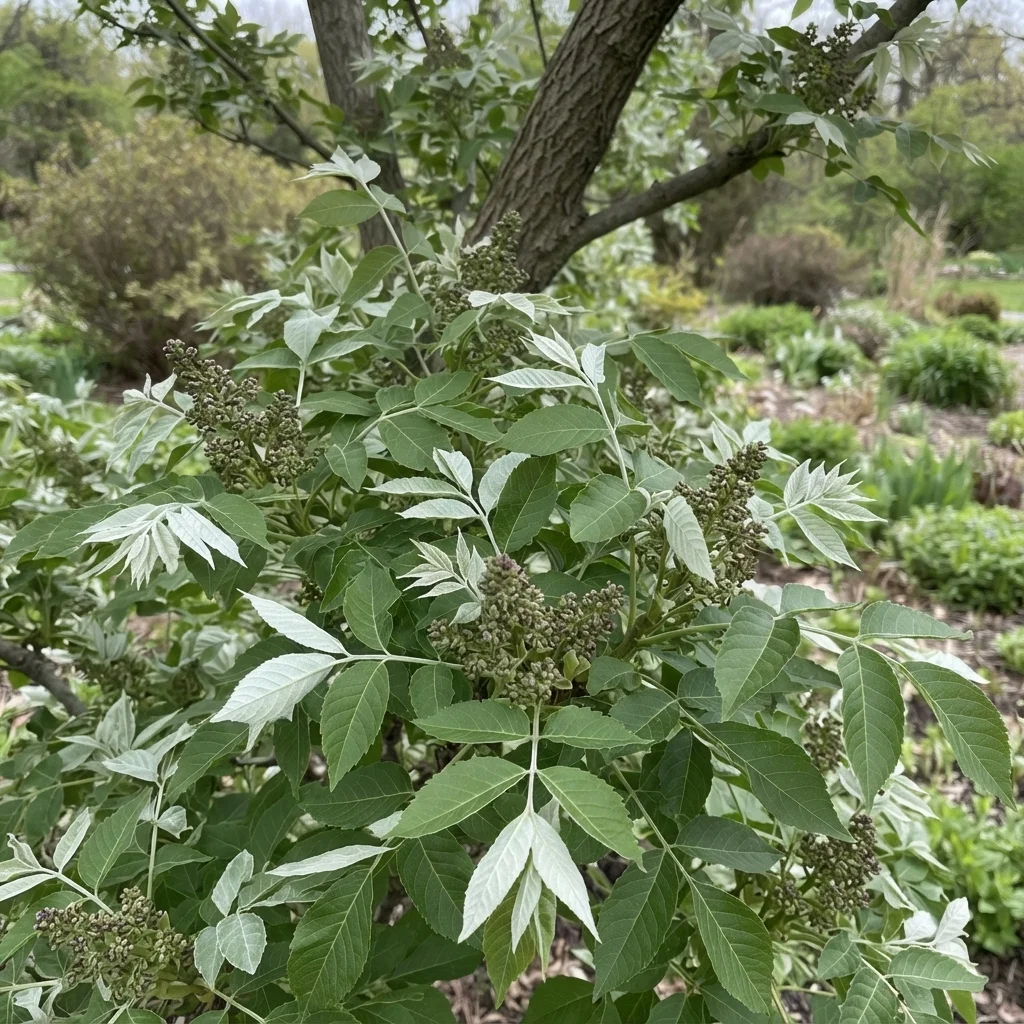
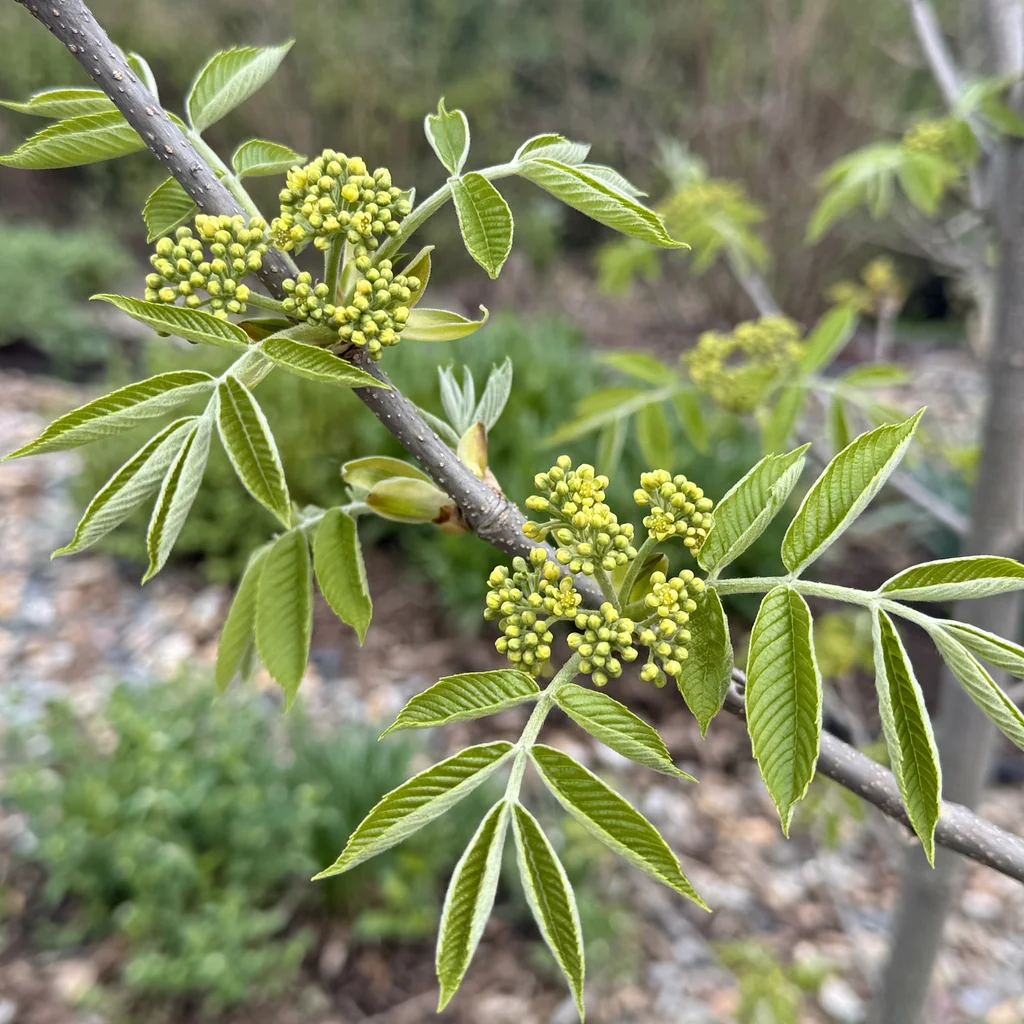
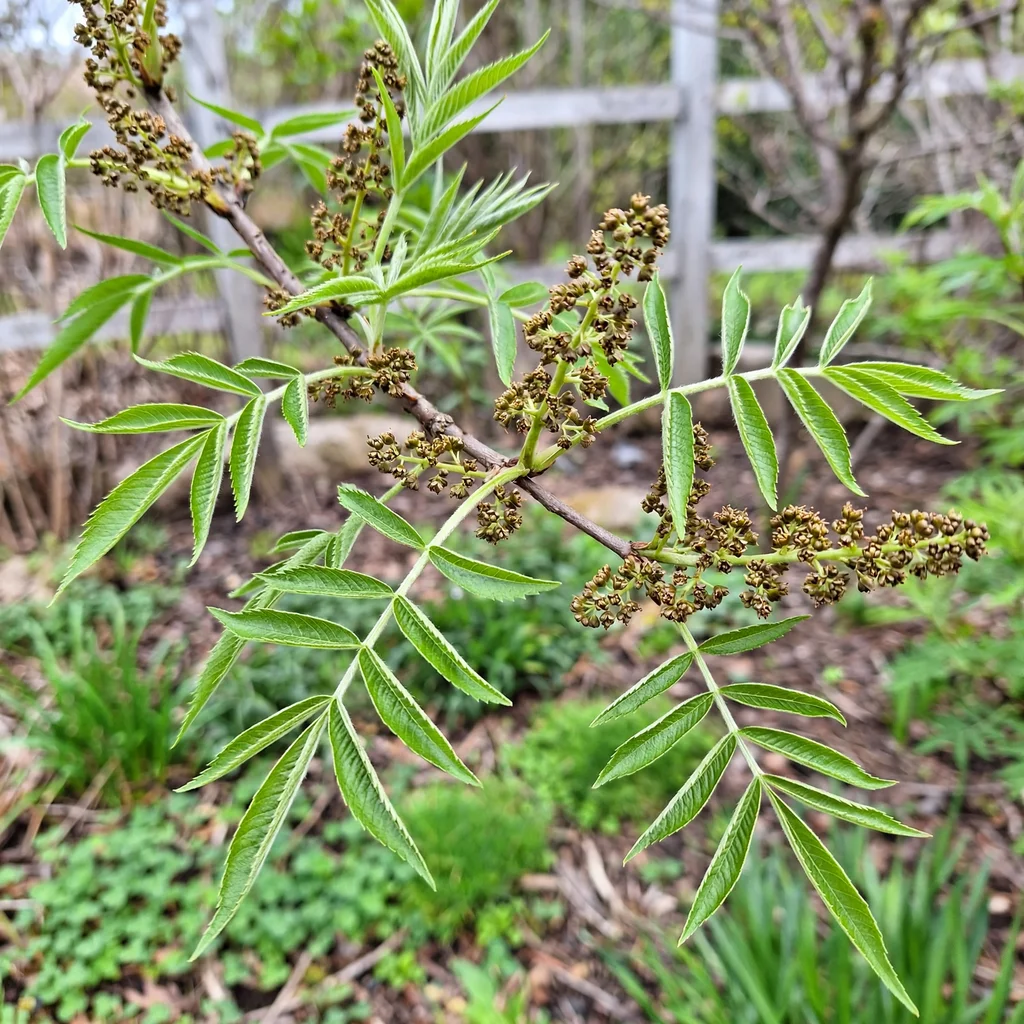
Fraxinus latifolia, the Oregon ash, is a broad-canopied deciduous tree native to riparian corridors across western North America. It produces pinnately compound leaves up to 12 inches long with five to seven leaflets that turn bright yellow in fall.
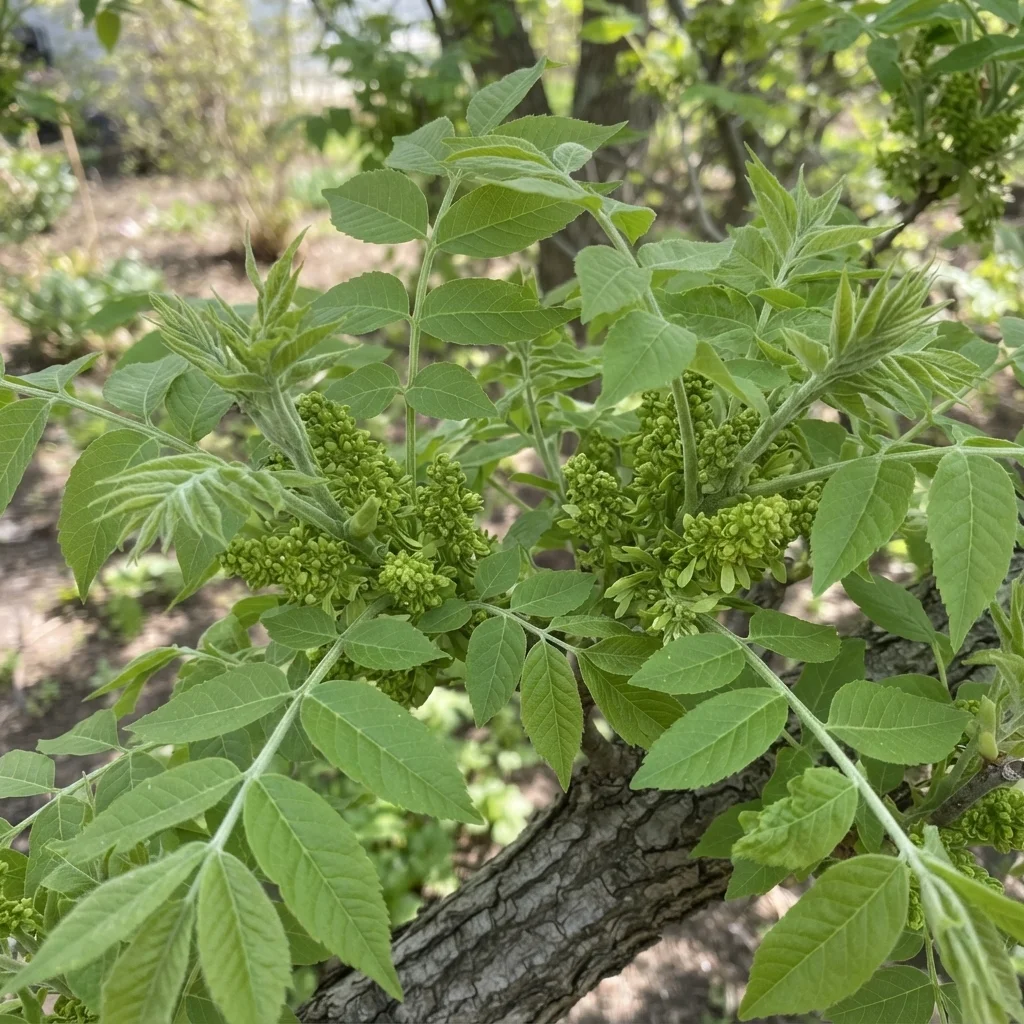
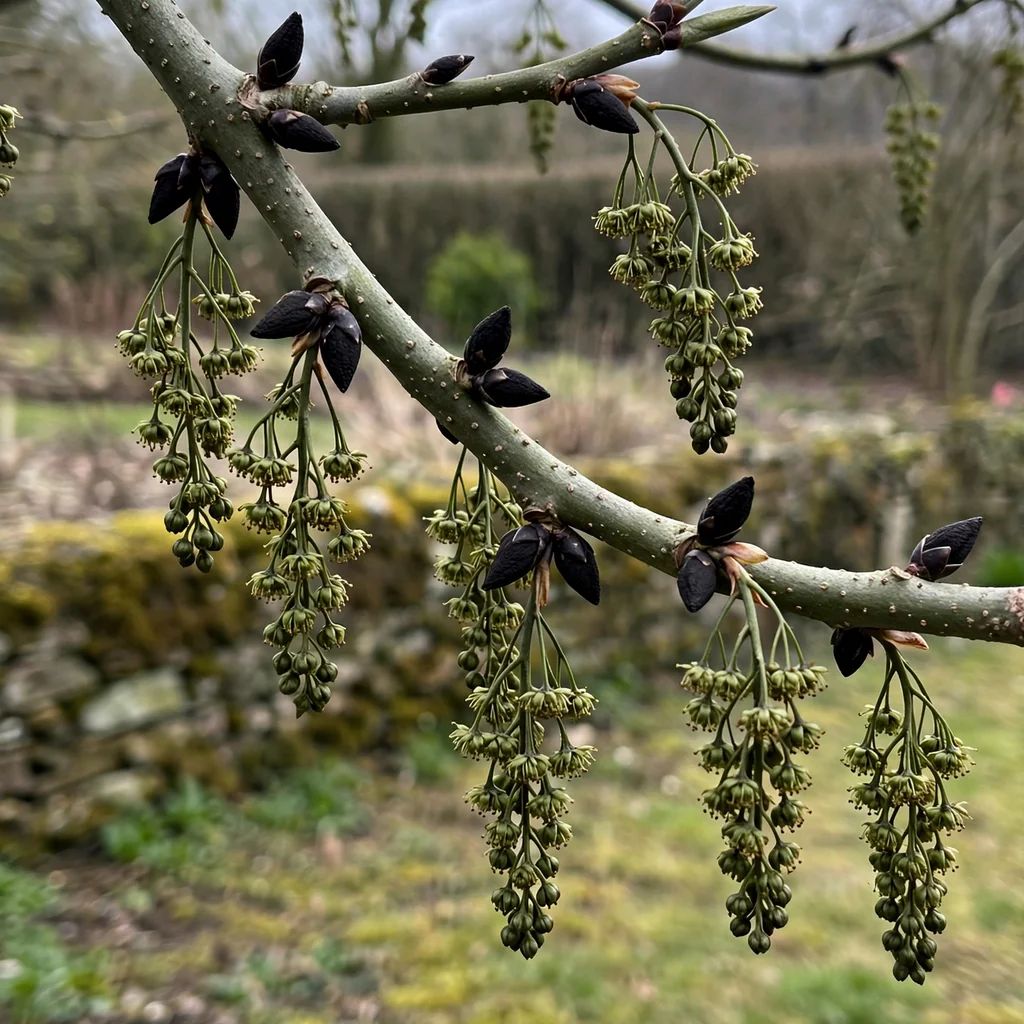
Unlike many shade trees, this species thrives in deep, poorly drained clay soils and withstands seasonal winter flooding along waterways. Dense clusters of small, apetalous, wind-pollinated flowers open in spring before the leaves expand.
Uses & Benefits:
Essentials
At a Glance
Plant Type
Tree
Height
984"
Width
708"
Light
Full Sun, Partial Sun
Zones
6, 7, 8, 9
Water
Medium to High
Humidity
Prefers cool, humid summers
Lifespan
Perennial
Native To
Western North America
Toxicity
Non-toxic
Bloom period
Spring
In flower about 3 months of the year
Planting
How to Grow
- Select a planting site in full sun to partial shade with moist, organically rich soil.
- Dig a planting hole twice as wide as the root ball and match the existing root collar depth.
- Backfill with native soil and soak deeply to eliminate air pockets around the fibrous roots.
- Maintain consistent soil moisture throughout the first two growing seasons until roots establish.
Pro Tip
Avoid planting in dry, compacted soils without irrigation, and inspect young trunks regularly for emerald ash borer larvae which sever vascular flow beneath the bark.
Keep It Thriving
Care Guide
Do
- Plant in flood-prone or saturated sites where other native trees struggle to survive.
- Prune young trees sparingly in late winter to maintain a strong central leader.
- Water regularly during extended dry periods to prevent leaf drop and dieback.
Don't
- Do not prune heavily into old leafless wood, as regrowth from old branches is poor.
- Do not apply excessive fertilizer unless soil tests show severe nutrient deficits.
- Do not plant in dry, unirrigated urban streetscapes with compacted soils.
Seasonal Care Calendar
| Task | Jan | Feb | Mar | Apr | May | Jun | Jul | Aug | Sep | Oct | Nov | Dec |
|---|---|---|---|---|---|---|---|---|---|---|---|---|
| Mulch | ||||||||||||
| Pest Check | ||||||||||||
| Plant | ||||||||||||
| Prune | ||||||||||||
| Spring Cleanup |
Watch Out For
Pests & Diseases
Common Pests
Common Diseases
In the Garden
Landscape Uses & Companions
Landscape Uses
Companion Plants
Multiply
Propagation Methods
Good to Know
Common Questions
Oregon Ash questions
What zones can Oregon Ash grow in?
Oregon Ash is hardy in USDA Zones 6–9: in that range it survives winter in the ground. Colder than Zone 6, winters are too cold for it to survive outdoors. Warmer than Zone 9, winter isn't the problem: it prefers colder winters, and summer heat can shorten its life.
When does Oregon Ash bloom?
Oregon Ash typically blooms in spring. Exact timing shifts a week or two with your zone — Sow's bloom calendar maps it to your garden.
Does Oregon Ash need full sun?
Oregon Ash does best in full sun to part shade. In hot climates, afternoon shade keeps blooms fresher longer.
Is Oregon Ash drought tolerant?
Yes — once established (usually after the first full season), Oregon Ash handles dry spells with minimal watering. Water deeply its first year to build the root system that makes that possible.
More Fraxinus to compare
Keep exploring
Explore the genus
Hardy in your zone?
Grow Oregon Ash with confidence
See it in a design of your actual yard, get zone-matched care reminders, and track it season by season in your garden journal.