The Story
Plant Bio
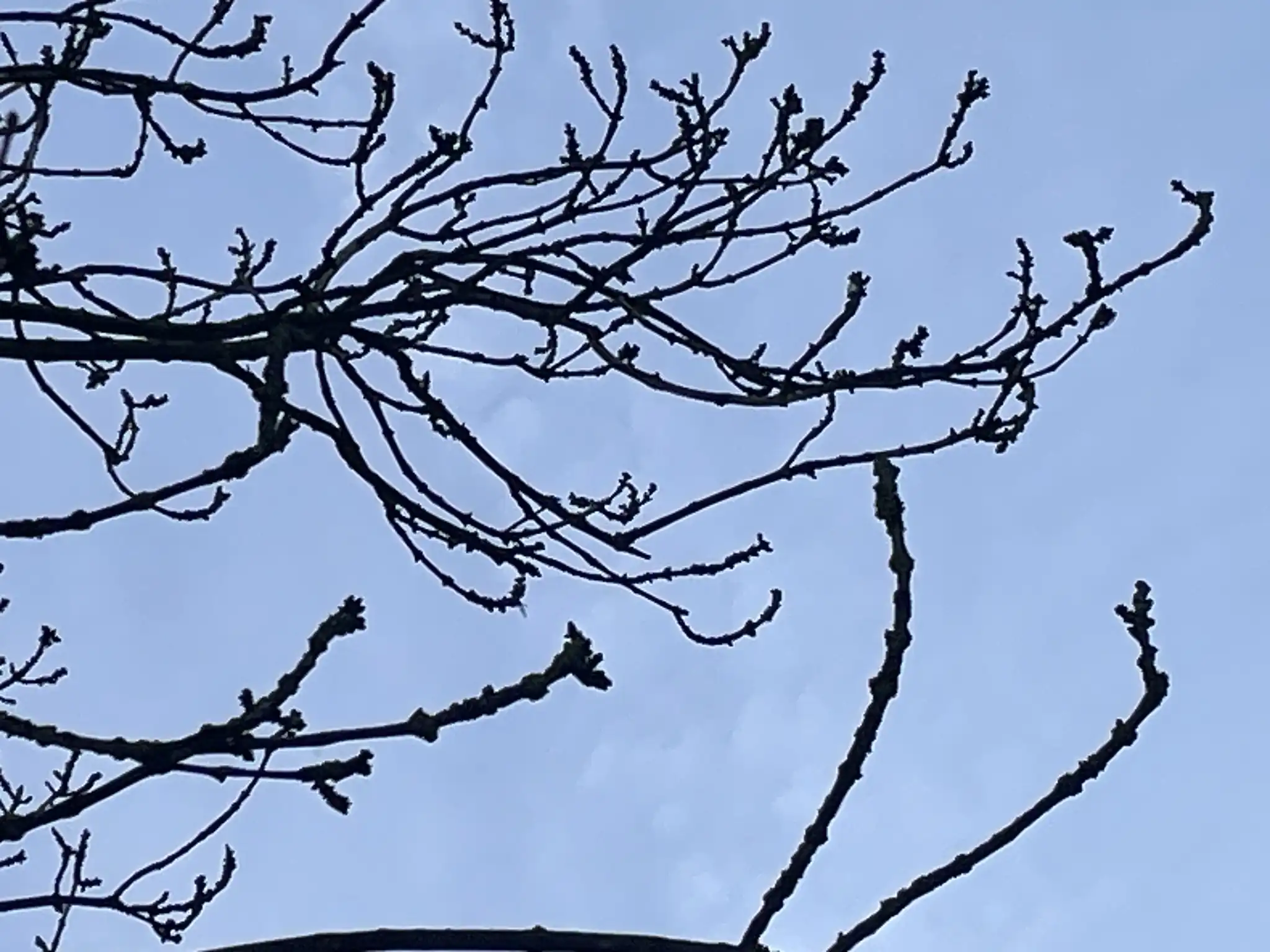
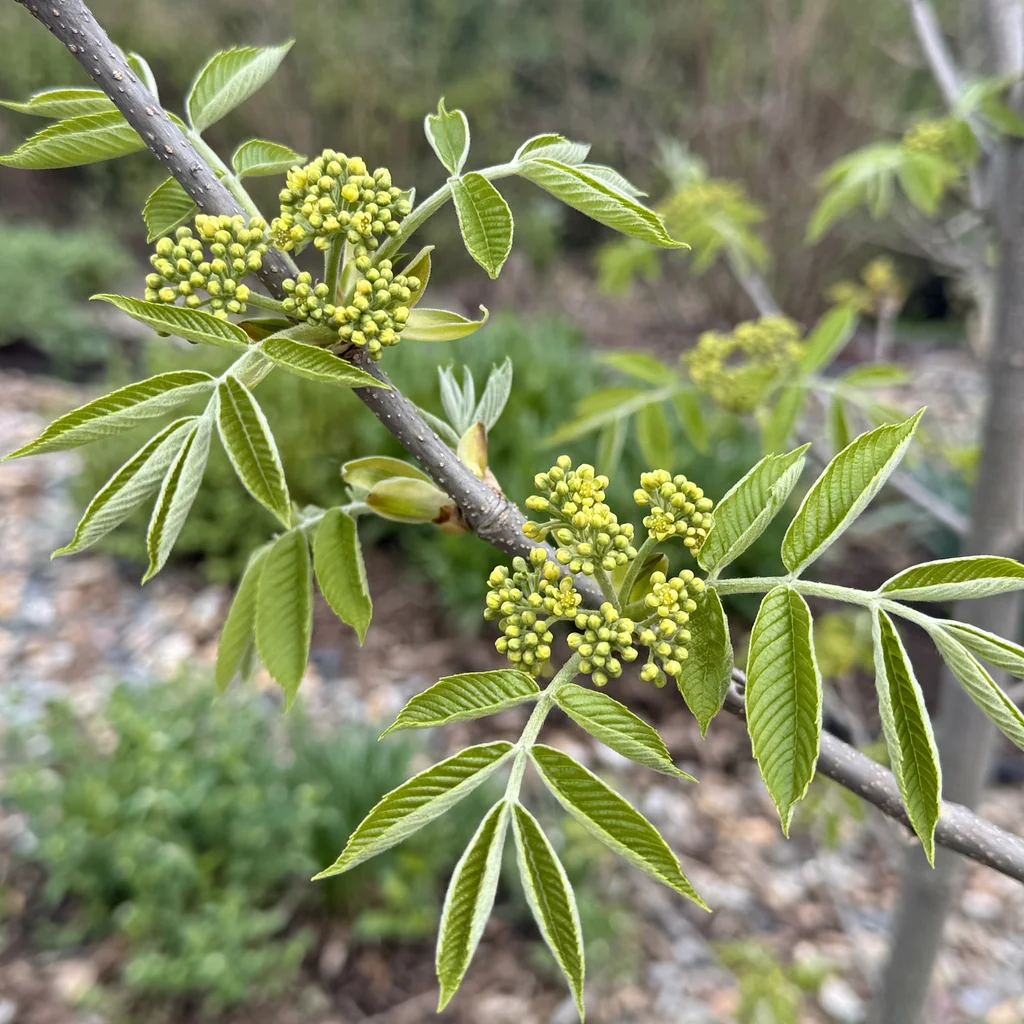
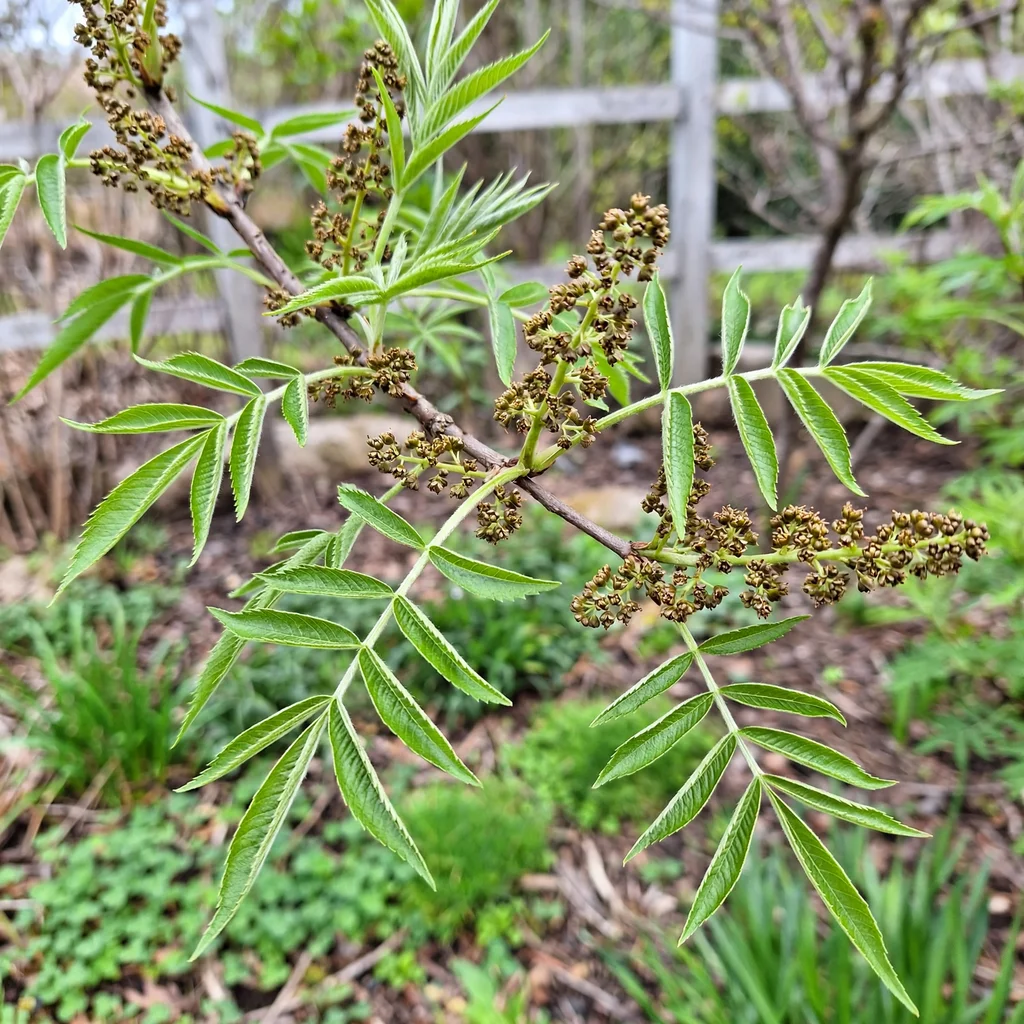
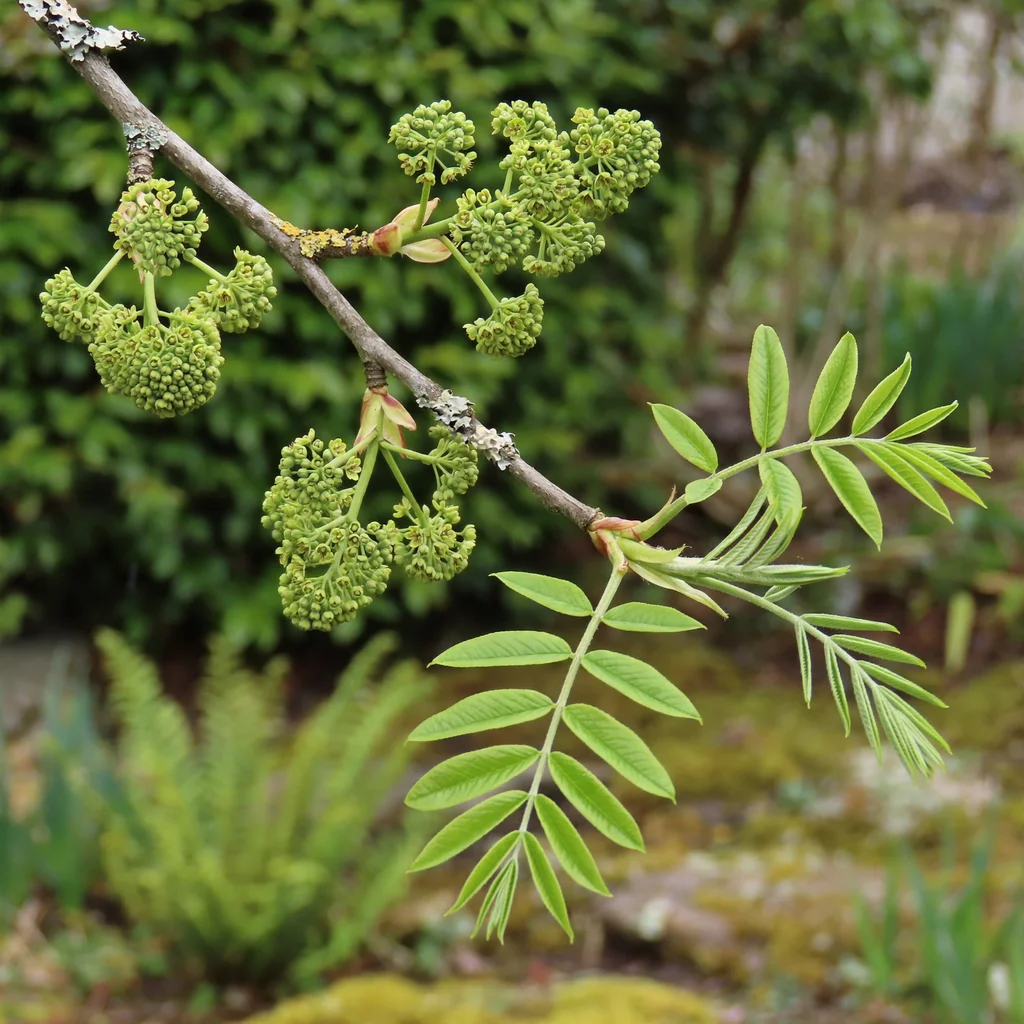
Fraxinus excelsior, commonly called European ash, is a large deciduous tree that develops a tall, upright to domed crown over a straight central trunk. Its opposite, pinnately compound leaves feature 7 to 13 serrated leaflets, and inconspicuous petalless flowers emerge in short panicles before the foliage opens in spring.
Stout greenish-grey twigs bear jet-black winter buds, which provide a definitive diagnostic feature distinguishing this species from native North American ash trees. The foliage holds a dull green tone late into fall before dropping without a major color change.
Uses & Benefits:
Essentials
At a Glance
Plant Type
Tree
Height
1378"
Width
787"
Light
Full Sun, Partial Sun
Zones
4, 5, 6, 7, 8
Water
Moderate
Humidity
Moderate
Lifespan
Long-lived
Native To
Eurasia
Toxicity
Non-toxic
Bloom period
Spring
In flower about 3 months of the year
Planting
How to Grow
- Select a planting location in full sun to partial shade with deep, moist, well-drained soil.
- Dig a planting hole twice as wide as the root ball and position the crown flush with the soil surface.
- Water thoroughly at planting and maintain consistent soil moisture throughout the first two growing seasons.
- Apply a 2- to 3-inch layer of organic mulch around the root zone, keeping it clear of direct trunk contact.
Pro Tip
Limit pruning to dormant winter months and avoid cutting into old, leafless wood, as epicormic shoot recovery is poor.
Keep It Thriving
Care Guide
Do
- Mulch annually with organic matter to help maintain root-zone moisture.
- Plant in fertile, well-drained neutral to alkaline soil for optimal growth.
- Inspect trunk bark regularly for D-shaped exit holes and canopy thinning.
Don't
- Do not plant in areas subject to prolonged standing water or severe waterlogging.
- Do not perform heavy structural pruning during active spring growth.
- Do not cut back into old bare wood where epicormic bud sprouting is weak.
Seasonal Care Calendar
| Task | Jan | Feb | Mar | Apr | May | Jun | Jul | Aug | Sep | Oct | Nov | Dec |
|---|---|---|---|---|---|---|---|---|---|---|---|---|
| Fertilize | ||||||||||||
| Mulch | ||||||||||||
| Pest Check | ||||||||||||
| Prune |
Watch Out For
Pests & Diseases
Common Pests
Common Diseases
In the Garden
Landscape Uses & Companions
Landscape Uses
Multiply
Propagation Methods
Good to Know
Common Questions
European Ash questions
What zones can European Ash grow in?
European Ash is hardy in USDA Zones 4–8: in that range it survives winter in the ground. Warmer than Zone 8, winter isn't the problem: it prefers colder winters, and summer heat can shorten its life.
When does European Ash bloom?
European Ash typically blooms in spring. Exact timing shifts a week or two with your zone — Sow's bloom calendar maps it to your garden.
Does European Ash need full sun?
European Ash does best in full sun to part shade. In hot climates, afternoon shade keeps blooms fresher longer.
Is European Ash drought tolerant?
Yes — once established (usually after the first full season), European Ash handles dry spells with minimal watering. Water deeply its first year to build the root system that makes that possible.
More Fraxinus to compare
Keep exploring
Explore the genus
Hardy in your zone?
Grow European Ash with confidence
See it in a design of your actual yard, get zone-matched care reminders, and track it season by season in your garden journal.