The Story
Plant Bio
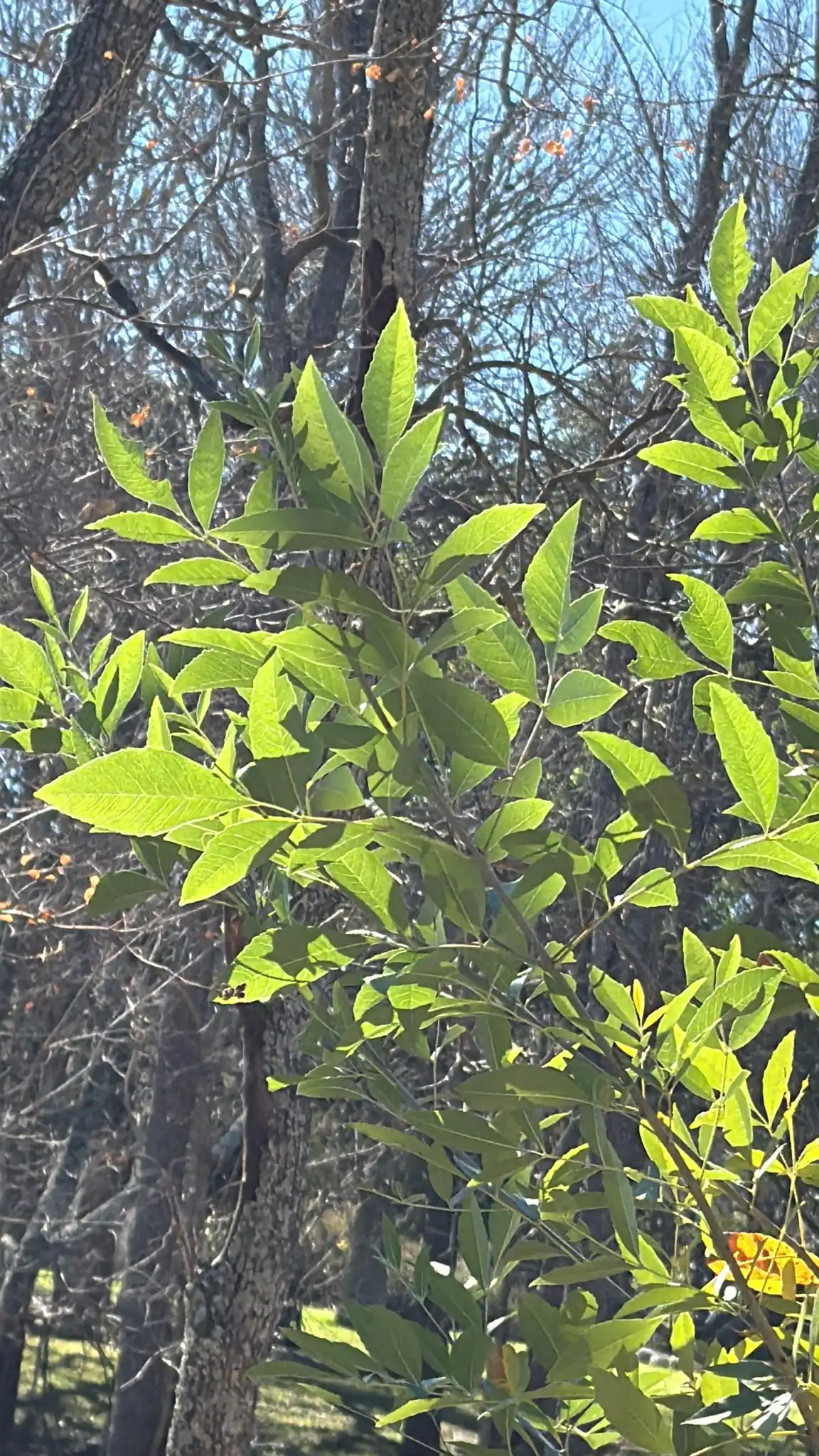
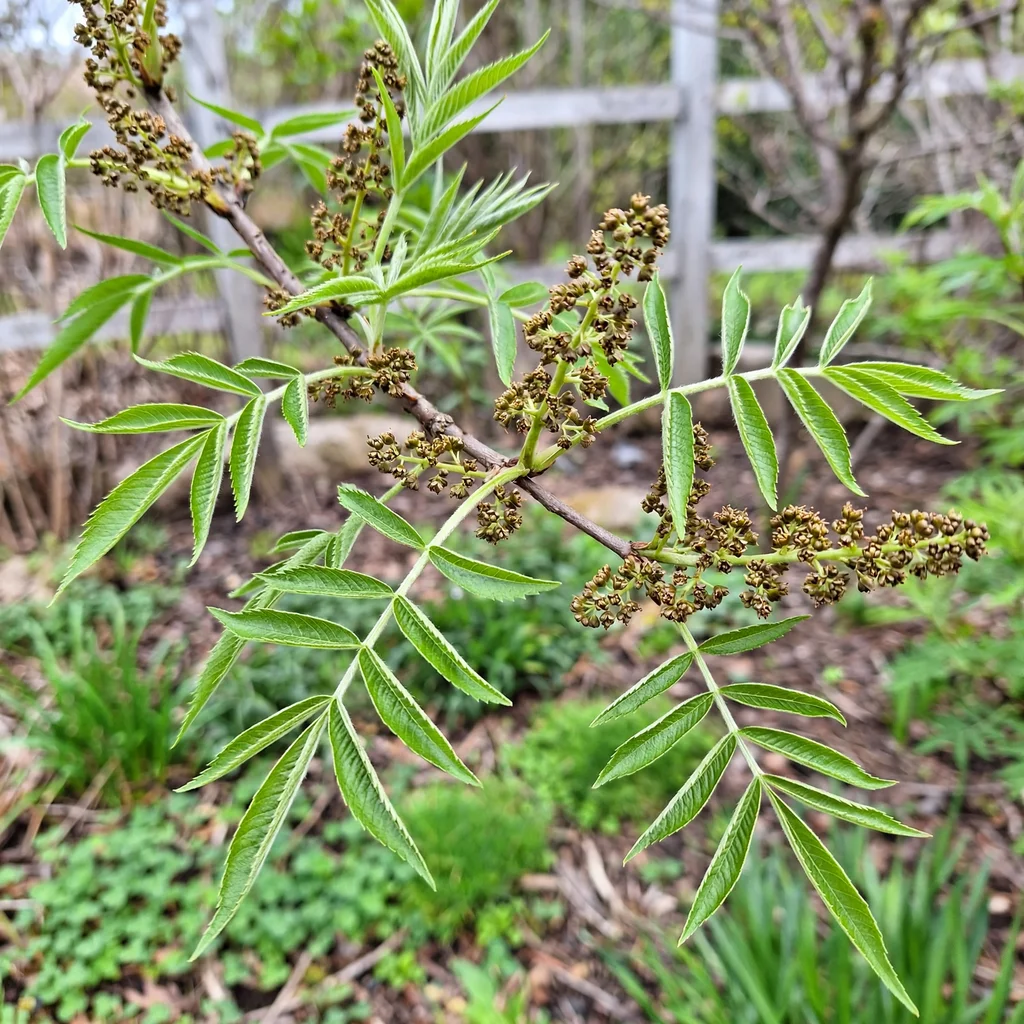
Fraxinus velutina is a deciduous tree native to the arid Southwestern United States and northern Mexico, reaching up to forty feet in height with a broad, rounded canopy. Its compound leaves feature three to five leaflets with velvety-downy undersides that turn clear bright yellow in fall.
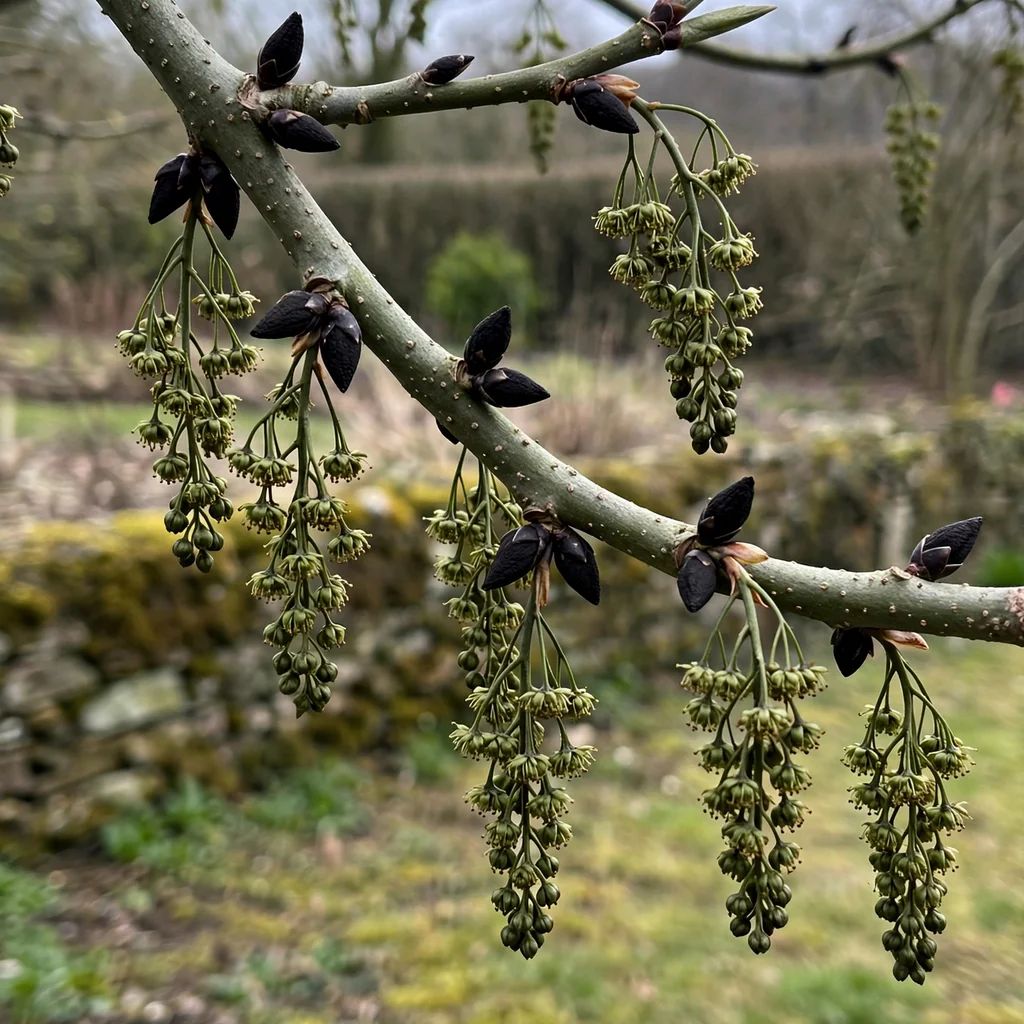
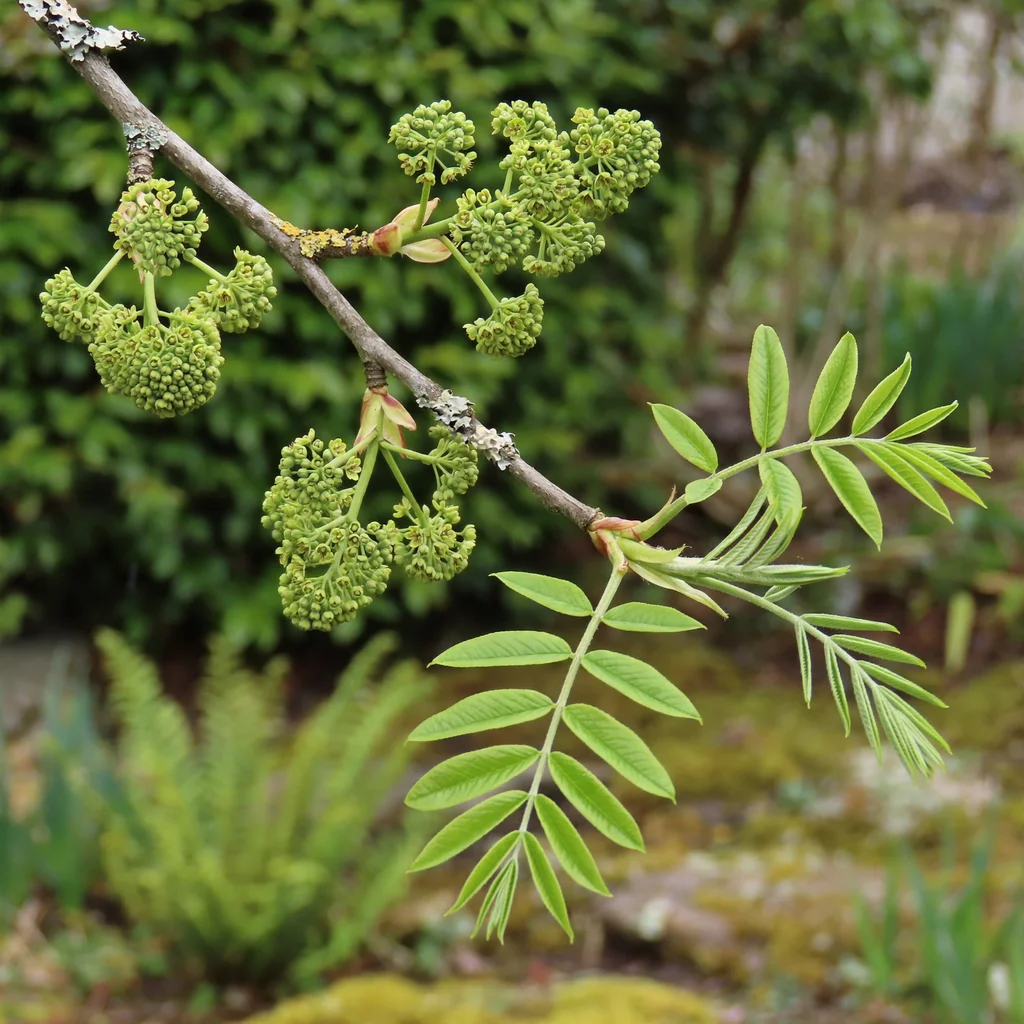
Young branchlets are densely velvety-pubescent, giving rise to its common name. The inconspicuous apetalous flowers open in dense clusters during spring before or alongside the emerging leaves.
Uses & Benefits:
Essentials
At a Glance
Plant Type
Tree
Height
480"
Width
394"
Light
Full Sun
Zones
6, 7, 8, 9
Water
Low to Moderate
Humidity
High tolerance for low humidity
Lifespan
Perennial
Native To
Southwestern United States, Mexico
Toxicity
Non-toxic
Bloom period
Spring
In flower about 3 months of the year
Planting
How to Grow
- Select a site in full sun with well-drained soil, accommodating anything from coarse sand to heavy clay.
- Dig a planting hole twice as wide as the root ball and position the flare level with the surrounding grade.
- Backfill with native soil and water deeply to settle the root system and remove air pockets.
- Apply a three-inch layer of organic mulch over the root zone, keeping it clear of the main trunk.
Pro Tip
Perform formative pruning on young trees to build a strong structural scaffold, and avoid heavy topping on mature specimens.
Keep It Thriving
Care Guide
Do
- Water deeply during extended dry spells to maintain canopy density.
- Prune young trees early to establish a balanced branch structure.
Don't
- Do not top or severe-head mature limbs, which induces weak structural regrowth.
- Avoid planting where emerald ash borer is active without a management plan.
Seasonal Care Calendar
| Task | Jan | Feb | Mar | Apr | May | Jun | Jul | Aug | Sep | Oct | Nov | Dec |
|---|---|---|---|---|---|---|---|---|---|---|---|---|
| Fertilize | ||||||||||||
| Mulch | ||||||||||||
| Pest Check | ||||||||||||
| Prune |
Watch Out For
Pests & Diseases
Common Pests
Common Diseases
In the Garden
Landscape Uses & Companions
Landscape Uses
Companion Plants
Multiply
Propagation Methods
Good to Know
Common Questions
Velvet Ash questions
What zones can Velvet Ash grow in?
Velvet Ash is hardy in USDA Zones 6–9: in that range it survives winter in the ground. Colder than Zone 6, winters are too cold for it to survive outdoors. Warmer than Zone 9, winter isn't the problem: it prefers colder winters, and summer heat can shorten its life.
When does Velvet Ash bloom?
Velvet Ash typically blooms in spring. Exact timing shifts a week or two with your zone — Sow's bloom calendar maps it to your garden.
Does Velvet Ash need full sun?
Velvet Ash does best in full sun (6+ hours).
Is Velvet Ash drought tolerant?
Yes — once established (usually after the first full season), Velvet Ash handles dry spells with minimal watering. Water deeply its first year to build the root system that makes that possible.
More Fraxinus to compare
Keep exploring
Explore the genus
Hardy in your zone?
Grow Velvet Ash with confidence
See it in a design of your actual yard, get zone-matched care reminders, and track it season by season in your garden journal.