The Story
Plant Bio
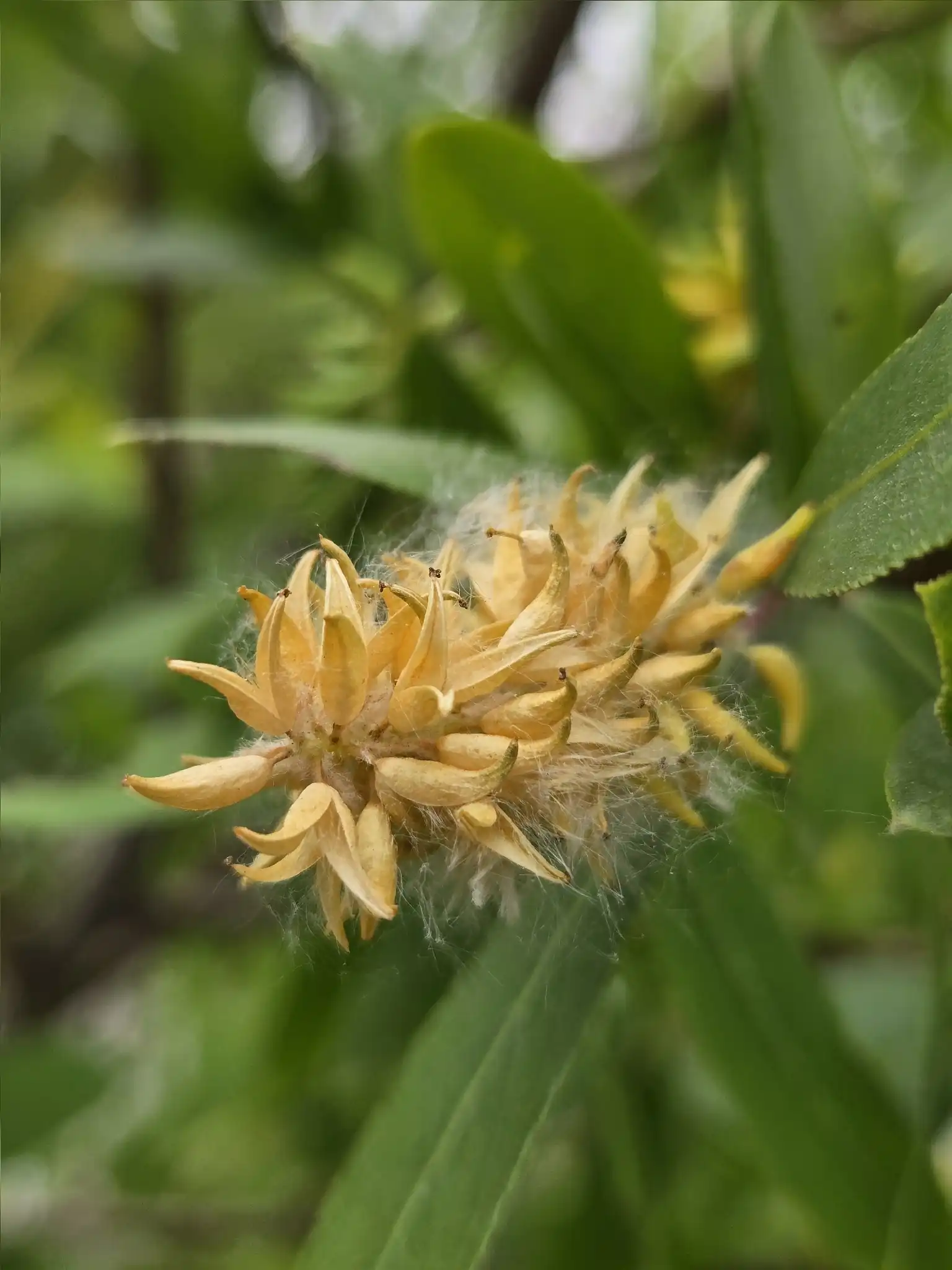
Salix gooddingii, commonly known as Goodding's willow, is a fast-growing deciduous tree native to riparian corridors across the southwestern United States and northern Mexico. It develops a heavy, deeply furrowed trunk and a broad, spreading canopy clad in narrow, finely serrated medium-green leaves.
This dioecious species produces slender green to yellow catkins in spring, followed by cottony seed masses on female trees in early summer. Its deep root system stabilizes riverbanks and desert washes where permanent subterranean water is accessible.
Uses & Benefits:
Essentials
At a Glance
Plant Type
Tree
Height
839"
Width
591"
Light
Full Sun
Zones
6, 7, 8, 9, 10
Water
High
Humidity
High
Lifespan
Perennial
Native To
North America
Toxicity
Non-toxic
Bloom period
Spring – Late spring
In flower about 3 months of the year
Planting
How to Grow
- Select a full-sun site with moist soil or accessible subsurface groundwater.
- Plant dormant stakes, bare-root whips, or containerized stock during late winter or early spring.
- Water deeply and regularly during establishment to encourage deep root growth toward the water table.
- Protect young stems from browsing deer and rabbits using wire mesh cylinders.
Pro Tip
Prune strictly during winter dormancy and avoid cutting back into thick, old wood that lacks active adventitious buds.
Keep It Thriving
Care Guide
Do
- Maintain high soil moisture around young trees during their first two growing seasons.
- Prune structural branches exclusively during the winter dormant period.
- Install physical tree guards to prevent bark damage from browsing wildlife.
Don't
- Do not plant in dry upland locations lacking a continuous subsurface water source.
- Do not hard-prune into thick, leafless old wood where adventitious buds fail to break.
- Do not apply synthetic high-nitrogen fertilizers in naturalized alluvial soils.
Seasonal Care Calendar
| Task | Jan | Feb | Mar | Apr | May | Jun | Jul | Aug | Sep | Oct | Nov | Dec |
|---|---|---|---|---|---|---|---|---|---|---|---|---|
| Mulch | ||||||||||||
| Pest Check | ||||||||||||
| Prune | ||||||||||||
| Spring Cleanup |
Watch Out For
Pests & Diseases
Common Pests
Common Diseases
In the Garden
Landscape Uses & Companions
Landscape Uses
Multiply
Propagation Methods
Good to Know
Common Questions
Goodding's Willow questions
What zones can Goodding's Willow grow in?
Goodding's Willow is hardy in USDA Zones 6–10: in that range it survives winter in the ground. Colder than Zone 6, winters are too cold for it to survive outdoors.
Is Goodding's Willow deer resistant?
Not reliably. Deer may browse Goodding's Willow, especially tender spring growth — plan on repellents or fencing where pressure is high.
When does Goodding's Willow bloom?
Goodding's Willow typically blooms in spring. Exact timing shifts a week or two with your zone — Sow's bloom calendar maps it to your garden.
Does Goodding's Willow need full sun?
Goodding's Willow does best in full sun (6+ hours).
More Salix to compare
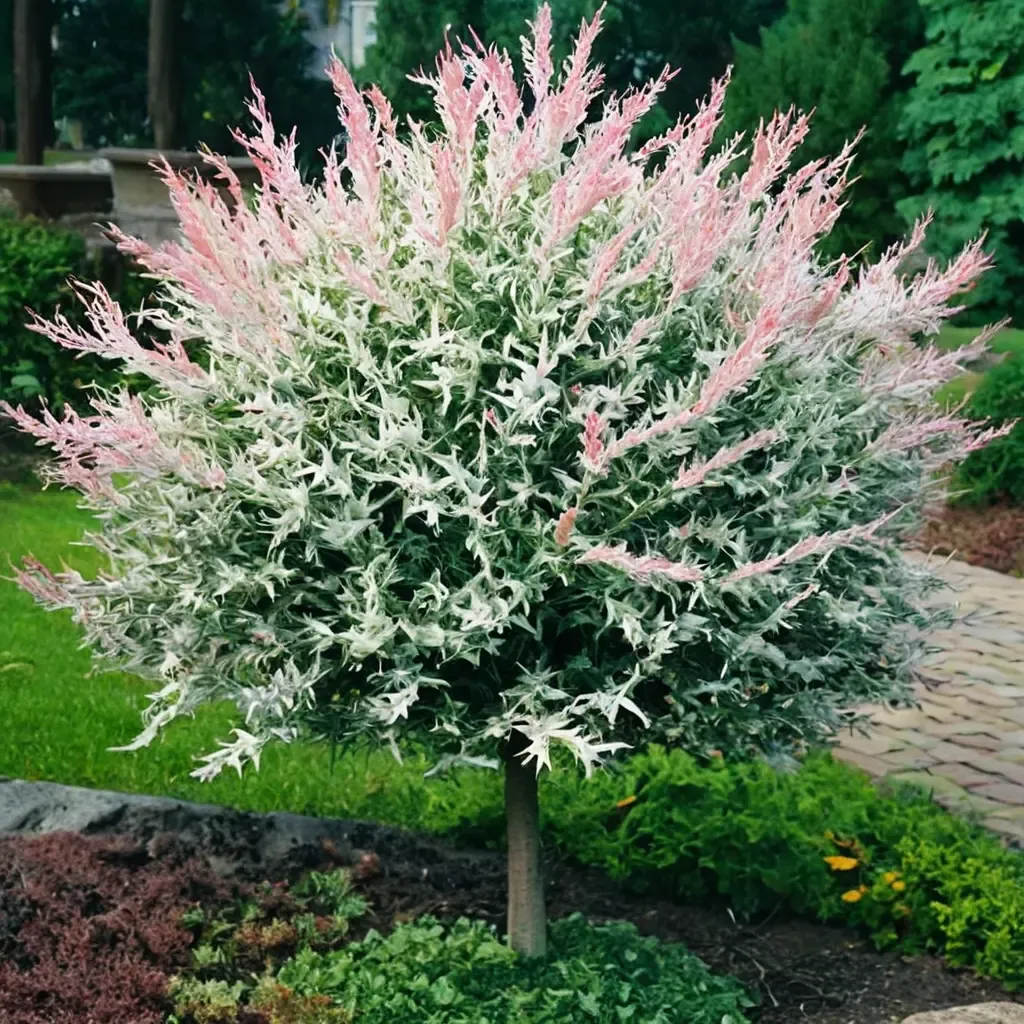
Hakuro-nishiki Dappled Willow
Salix integra 'Hakuro-nishiki'
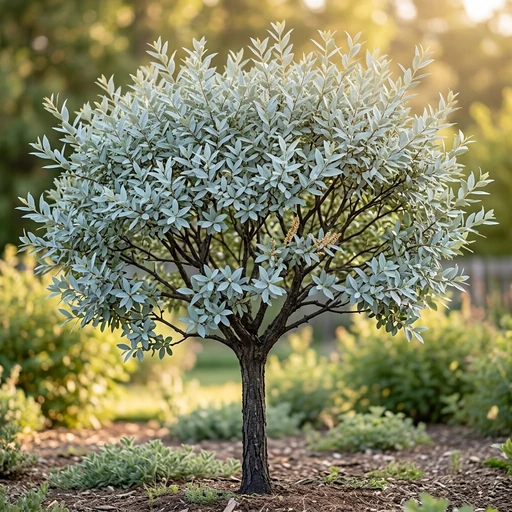
Black Willow
Salix nigra
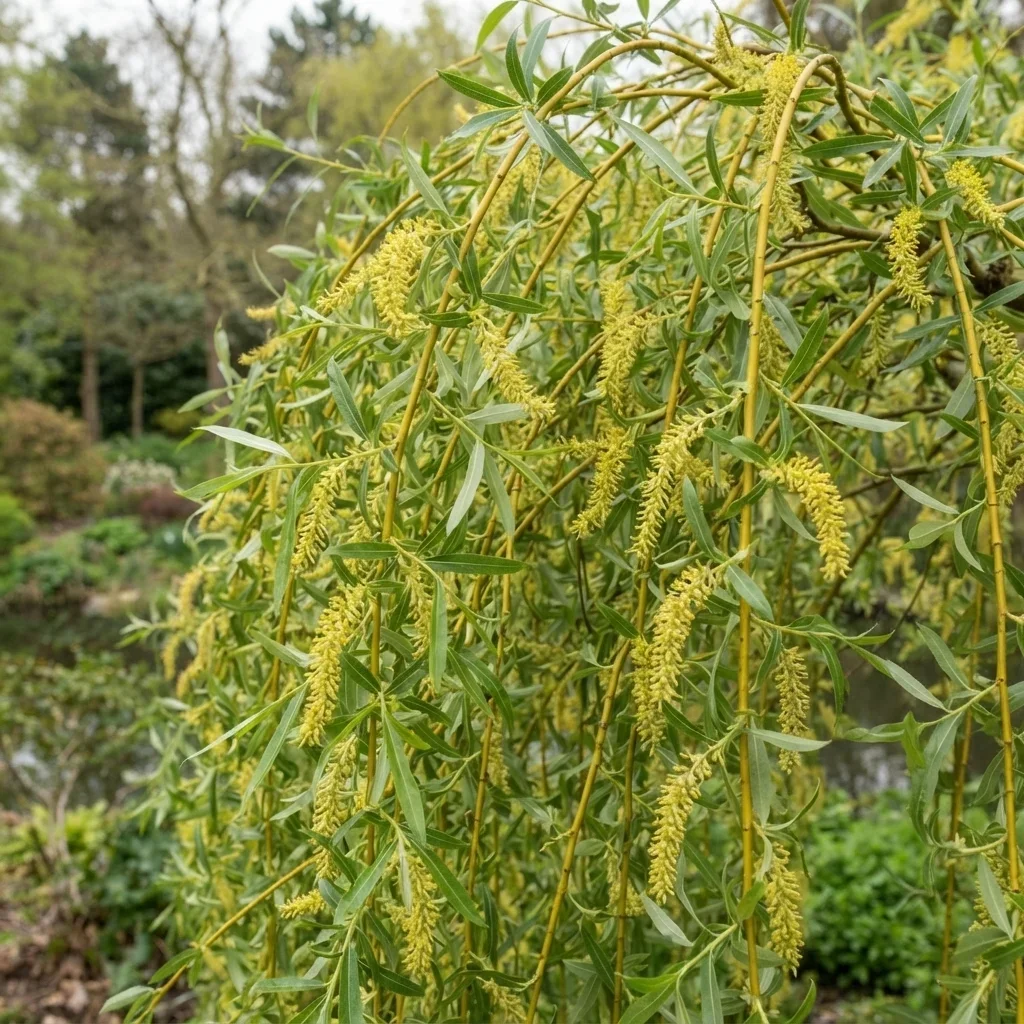
Weeping Willow
Salix x sepulcralis 'Mix'
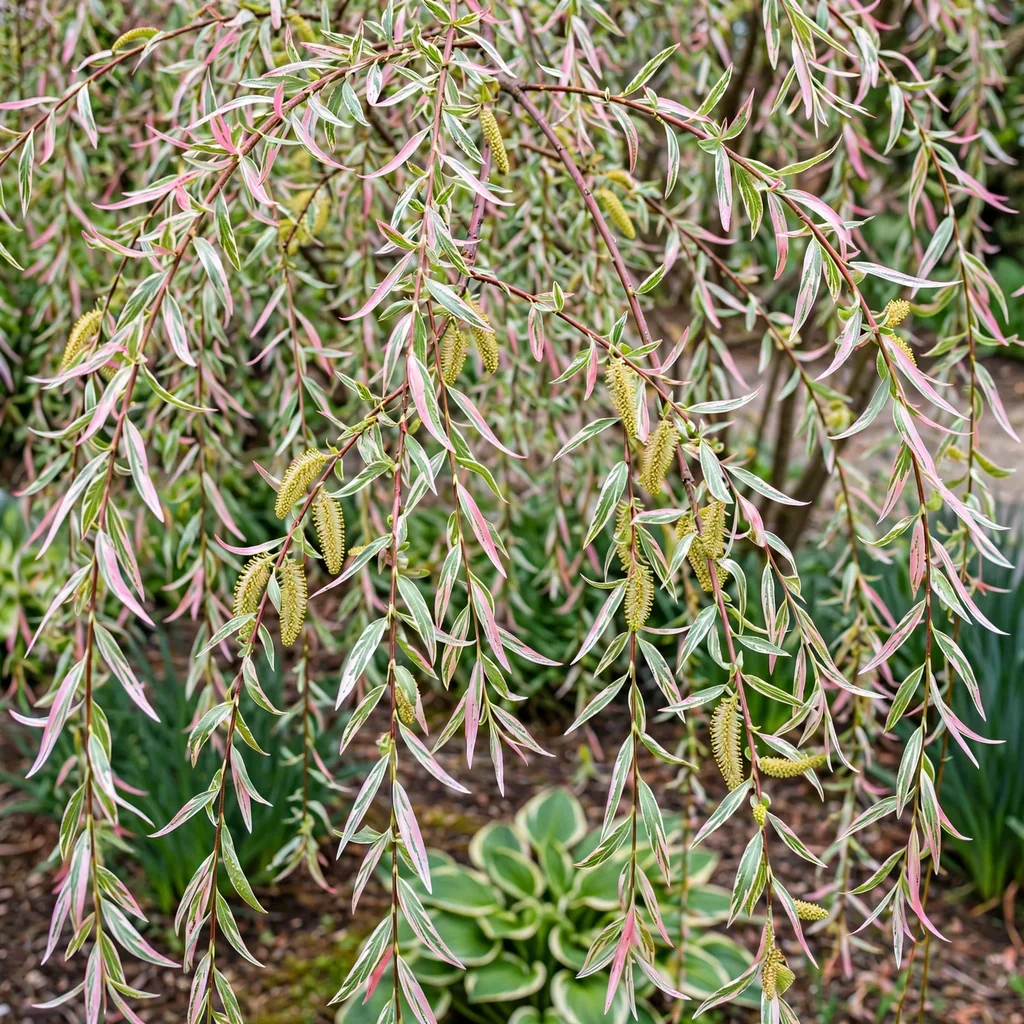
Flamingo Dappled Willow
Salix integra 'Flamingo'
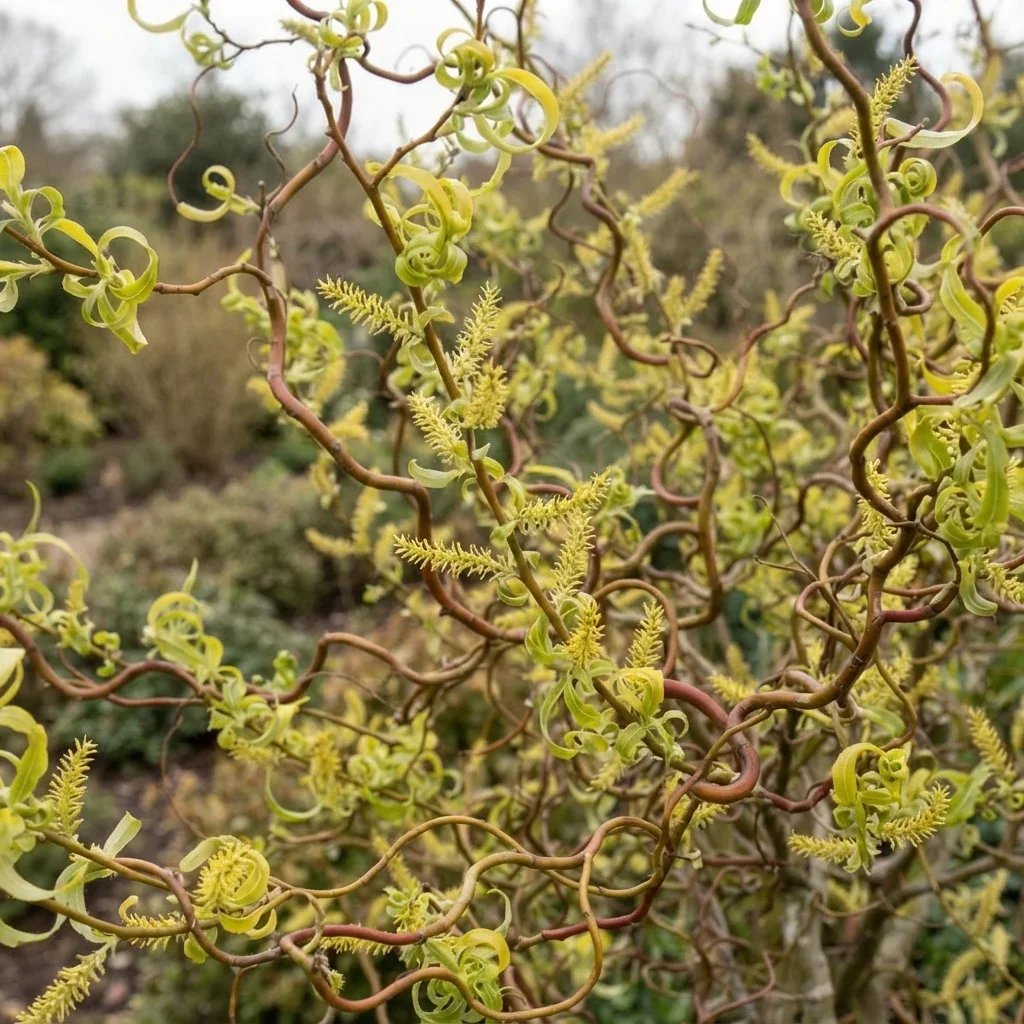
Corkscrew Willow 'Tortuosa'
Salix babylonica 'Tortuosa'
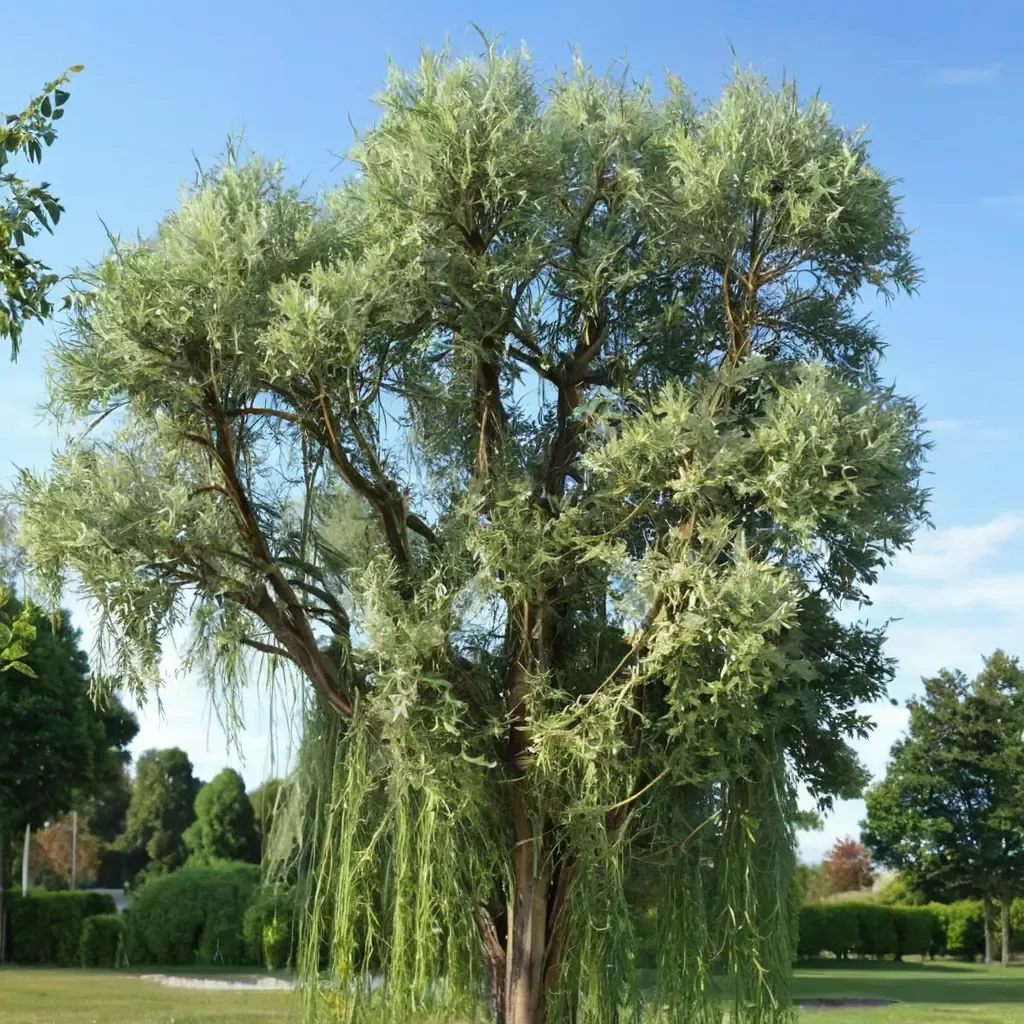
White Willow
Salix alba
Keep exploring
Explore the genus
Hardy in your zone?
Grow Goodding's Willow with confidence
See it in a design of your actual yard, get zone-matched care reminders, and track it season by season in your garden journal.