Popularity, clearly labeled
The Most Popular Fall-Blooming Perennials in Zone 9
Among perennials carrying the catalog’s fall-interest designation, these are the genera Sow gardeners save most. Verify the exact species’ bloom period in your climate. Every representative here is catalog-rated hardy in Zone 9, whose standard minimum-temperature band begins near 20°F. The popularity ranking is recomputed only among matching Zone 9 records; hardiness alone does not establish that a plant will thrive on a particular site.
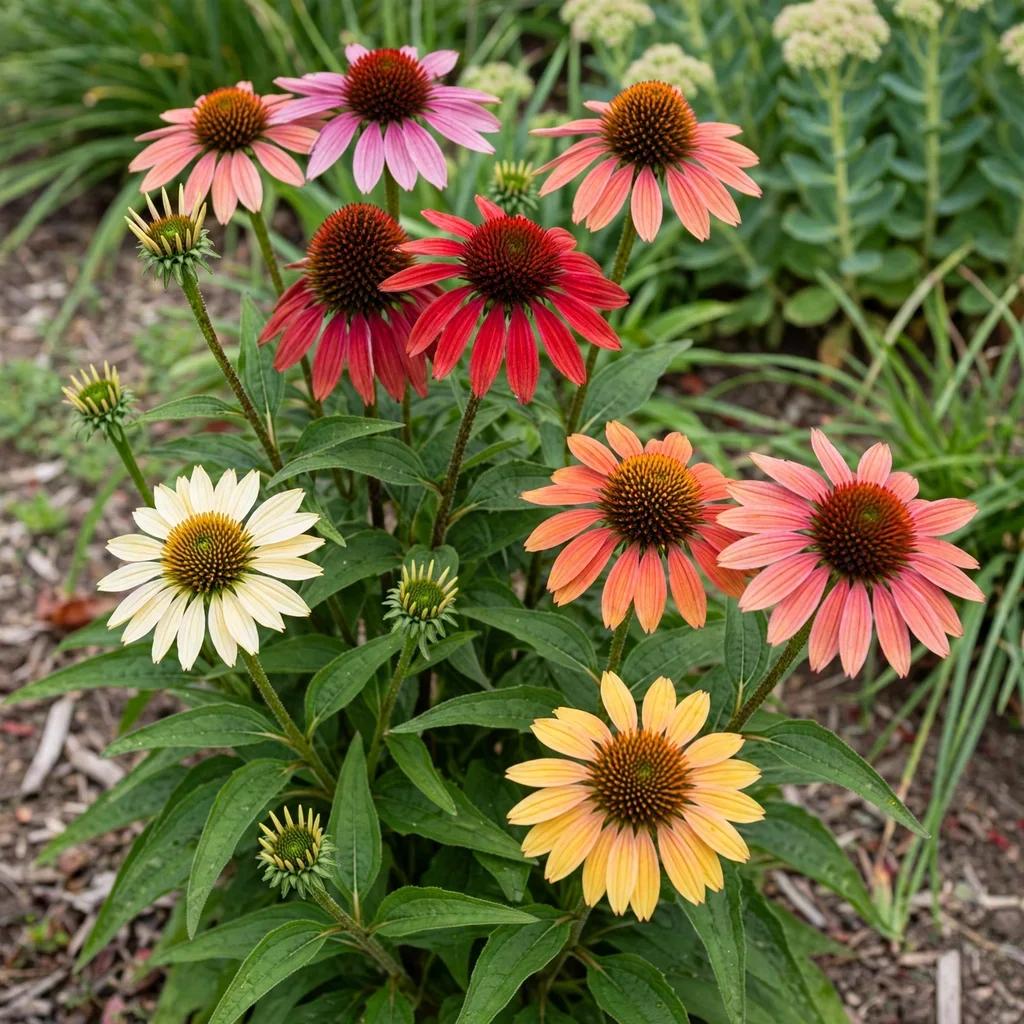
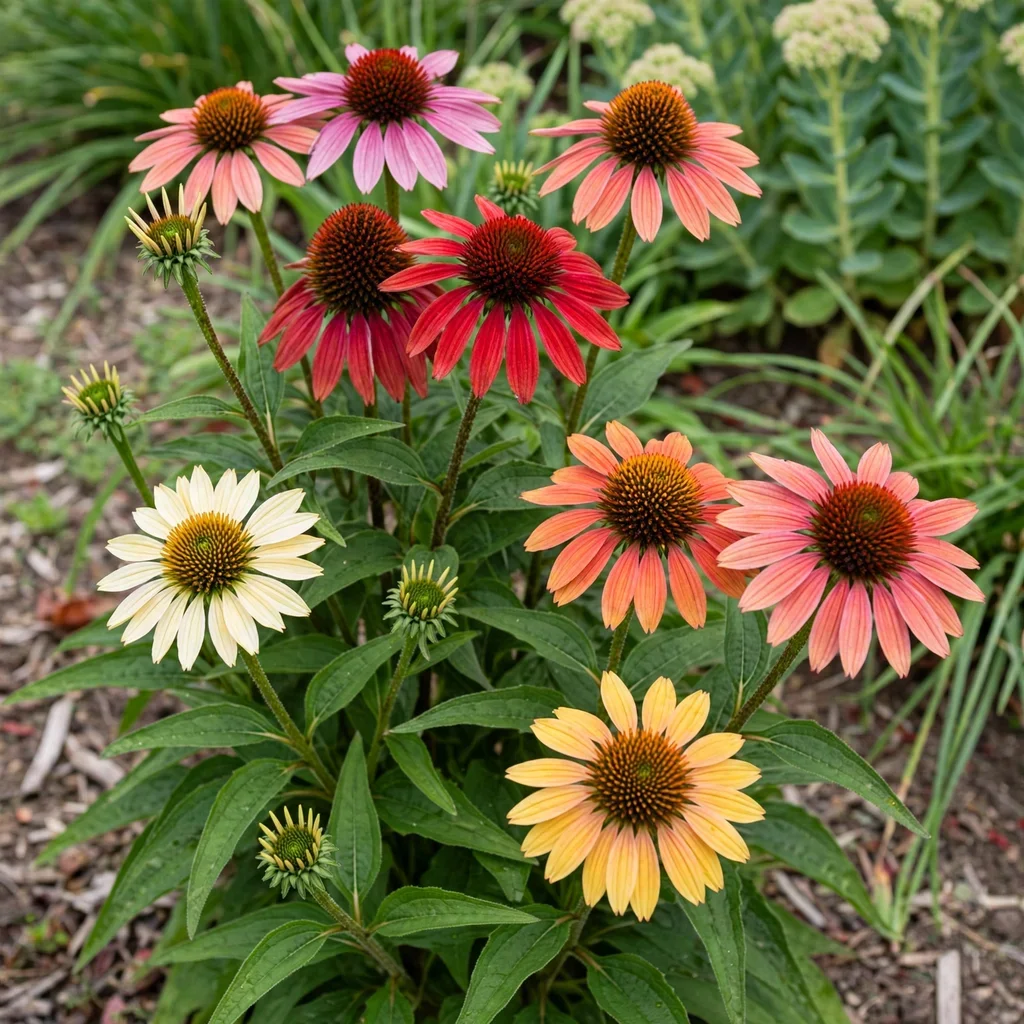
Coneflower
Ranked by its most-saved matching variety; the full catalog includes 183 varieties. Prominent cones support pollinators, then leave seed heads that feed birds.
Zones 4–9All 183 varieties →
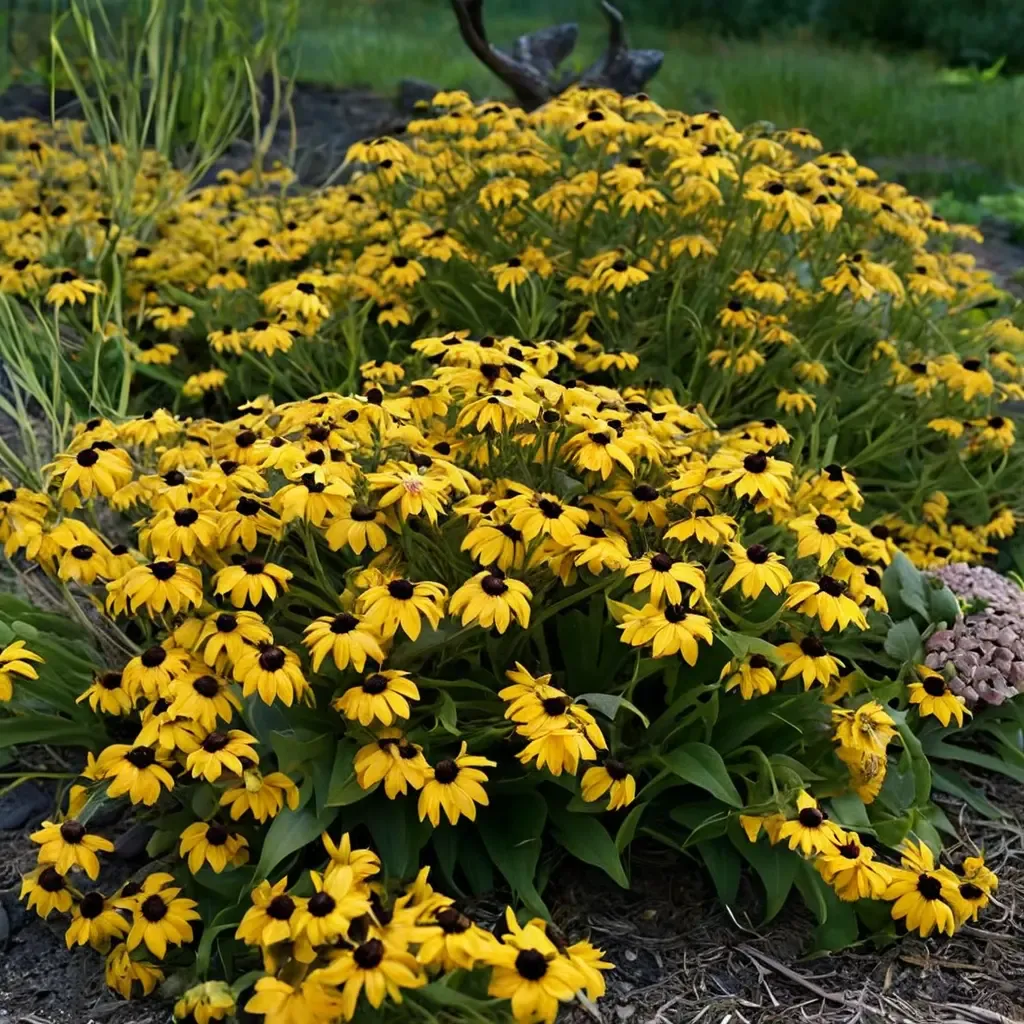
Black-eyed Susan
Ranked by its most-saved matching variety; the full catalog includes 32 varieties. Dark-centered gold daisies create a durable bridge from summer into fall.
Zones 4–10All 32 varieties →
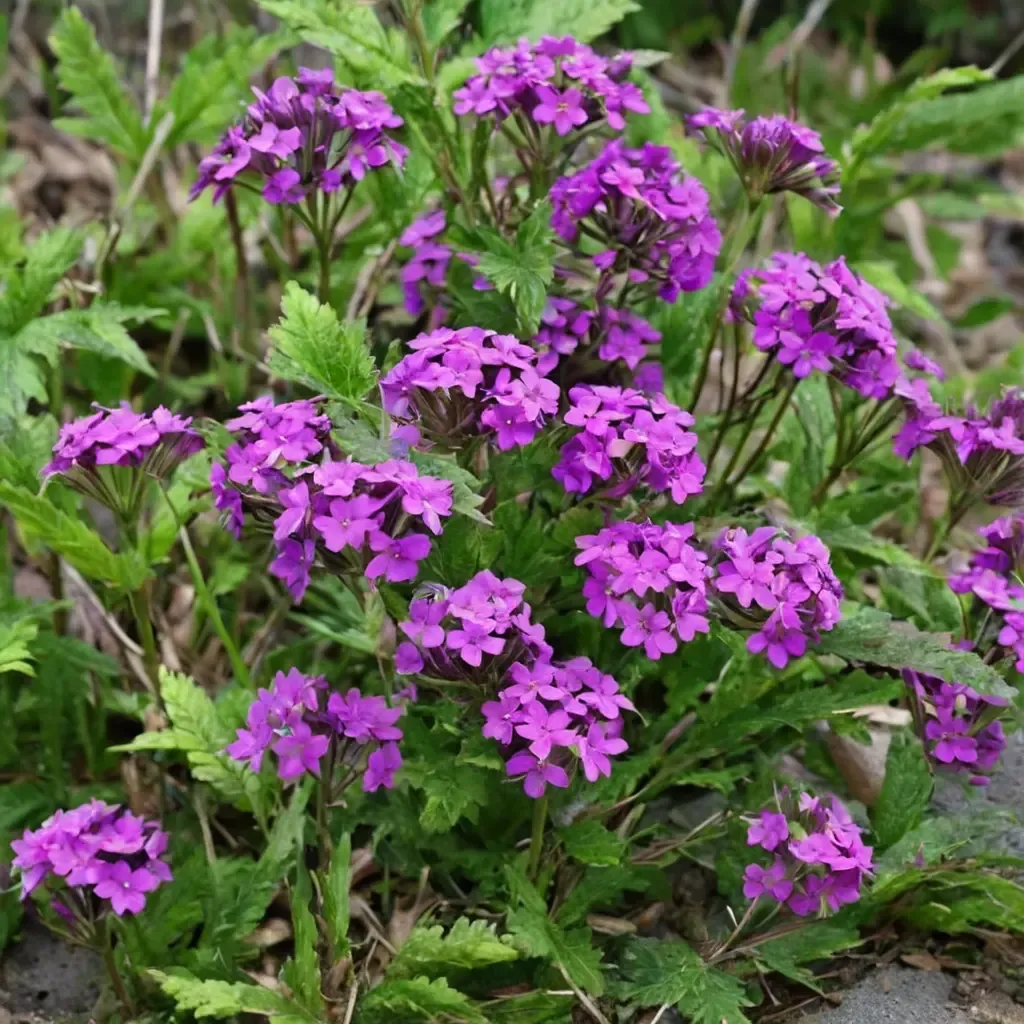
Ranked by its most-saved matching variety; the full catalog includes 54 varieties. Small flower clusters on airy stems add nectar without visually crowding a border.
Zones 5–10All 54 varieties →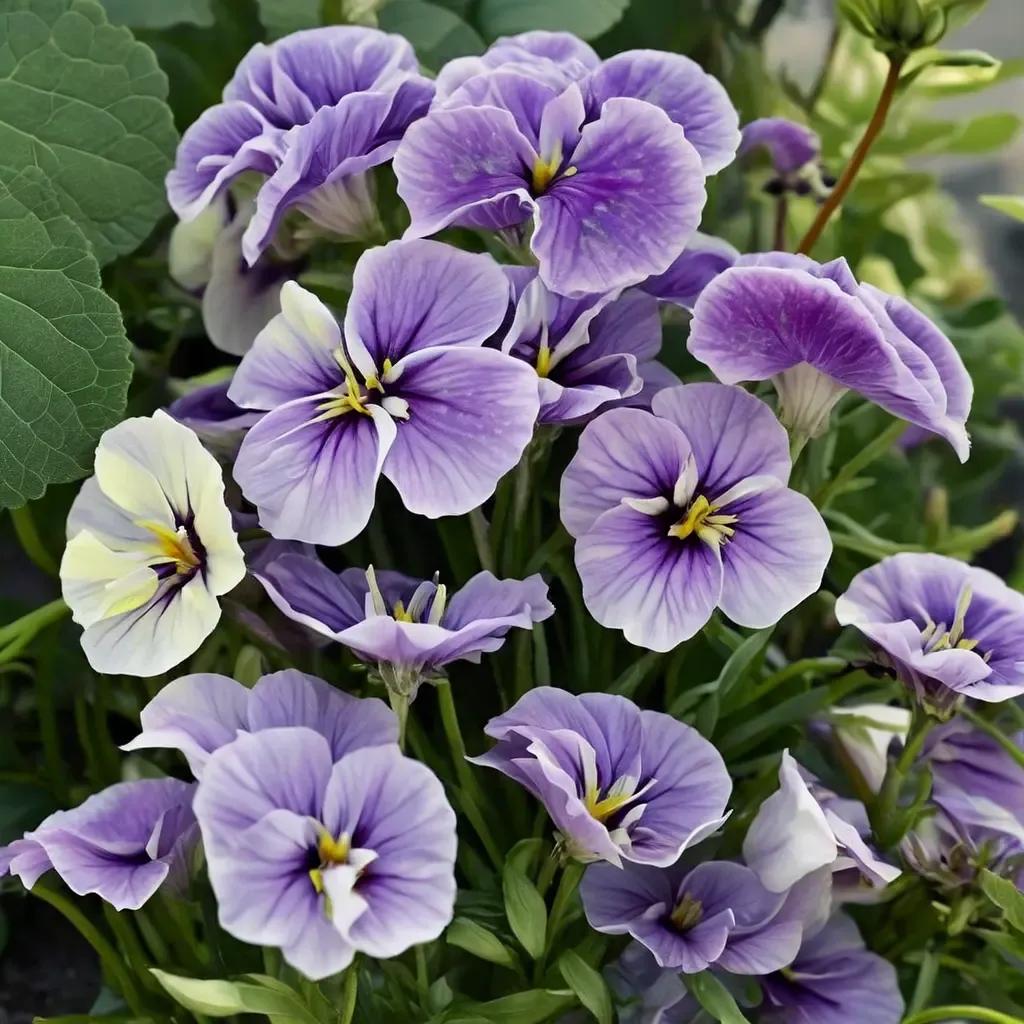
Violet / Pansy
Ranked by its most-saved matching variety; the full catalog includes 39 varieties. Small, expressive flowers bring early color and often seed into charming colonies.
Zones 4–10All 39 varieties →
Stonecrop
Ranked by its most-saved matching variety; the full catalog includes 105 varieties. Water-storing foliage and late flower plates keep sunny beds useful through drought.
Zones 4–9All 105 varieties →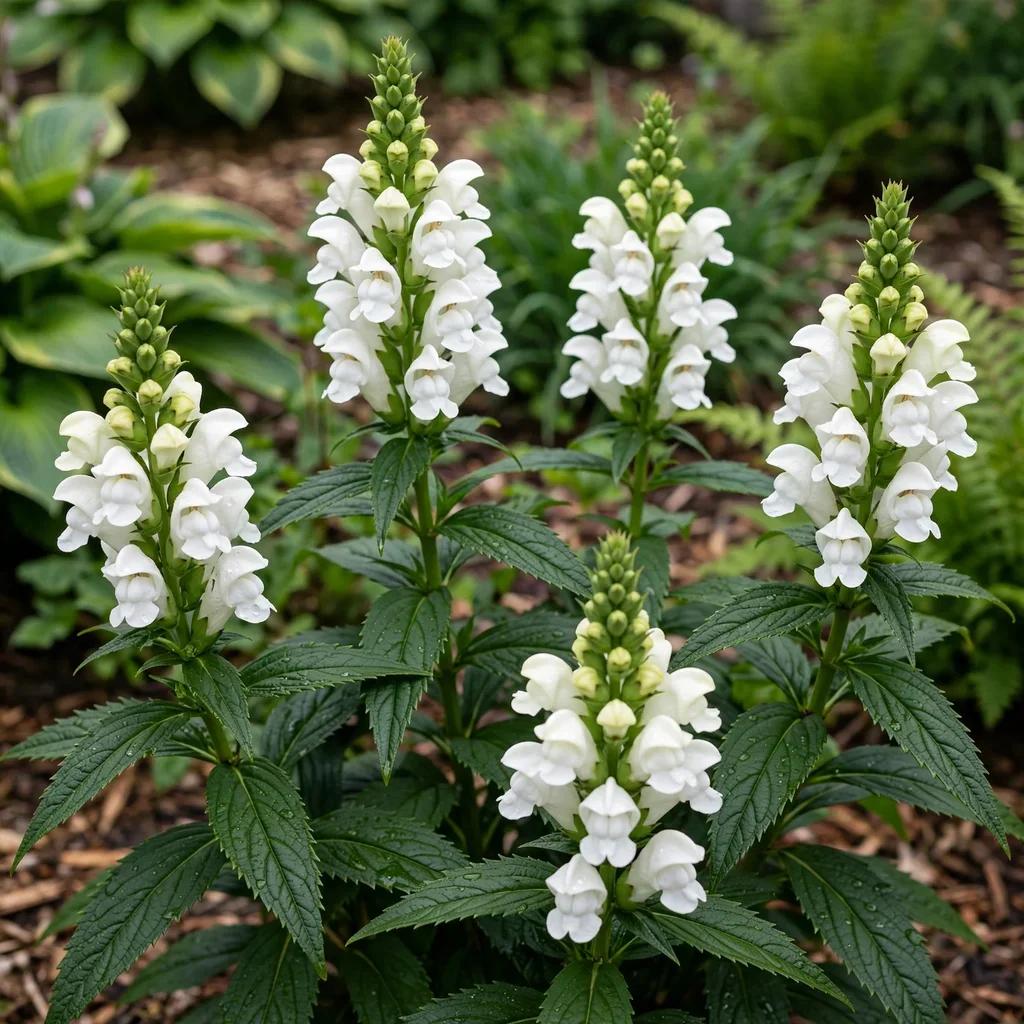
Turtlehead
Ranked by its most-saved matching variety; the full catalog includes 6 varieties. Turtle-shaped flowers add late color to moist soil and streamside plantings.
Zones 4–9All 6 varieties →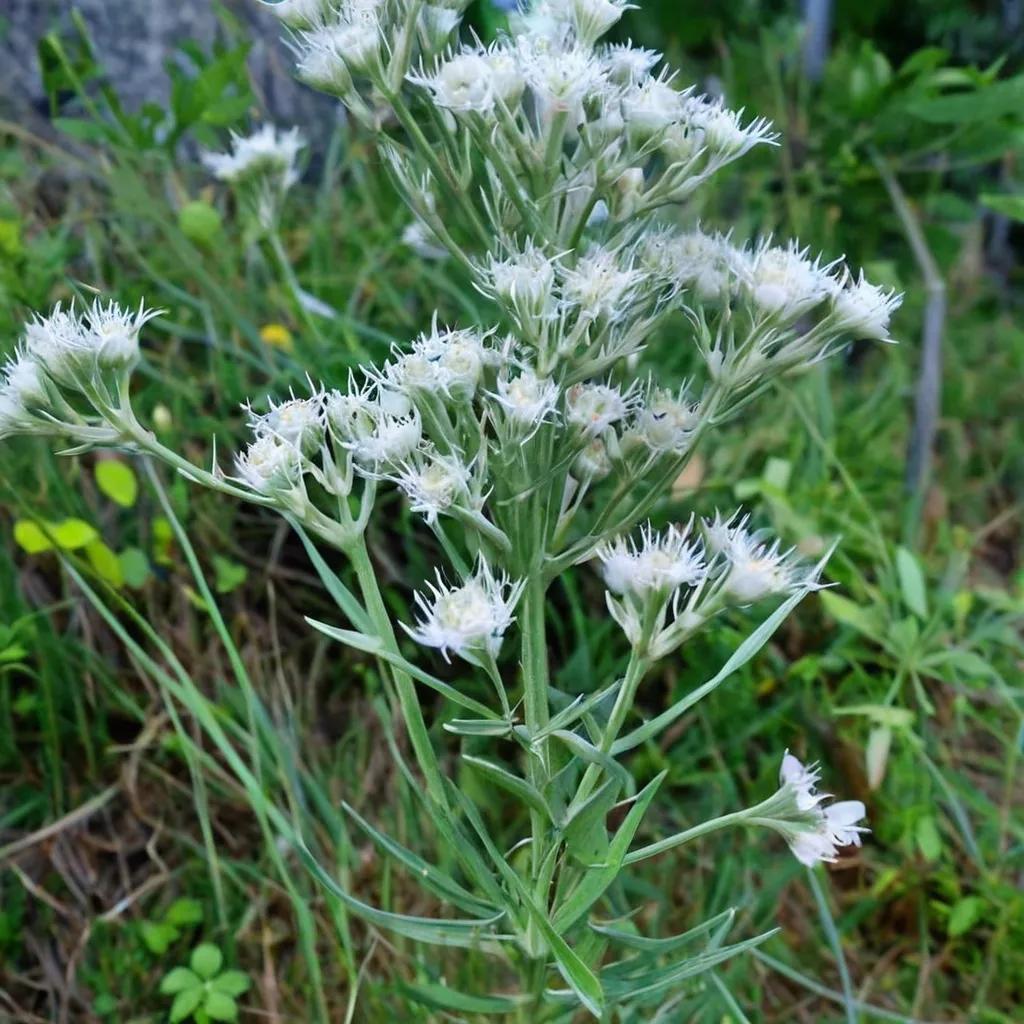
Joe Pye Weed
Ranked by its most-saved matching variety; the full catalog includes 27 varieties. Broad, nectar-rich flower clusters crown tall stems in moist late-season borders.
Zones 4–9All 27 varieties →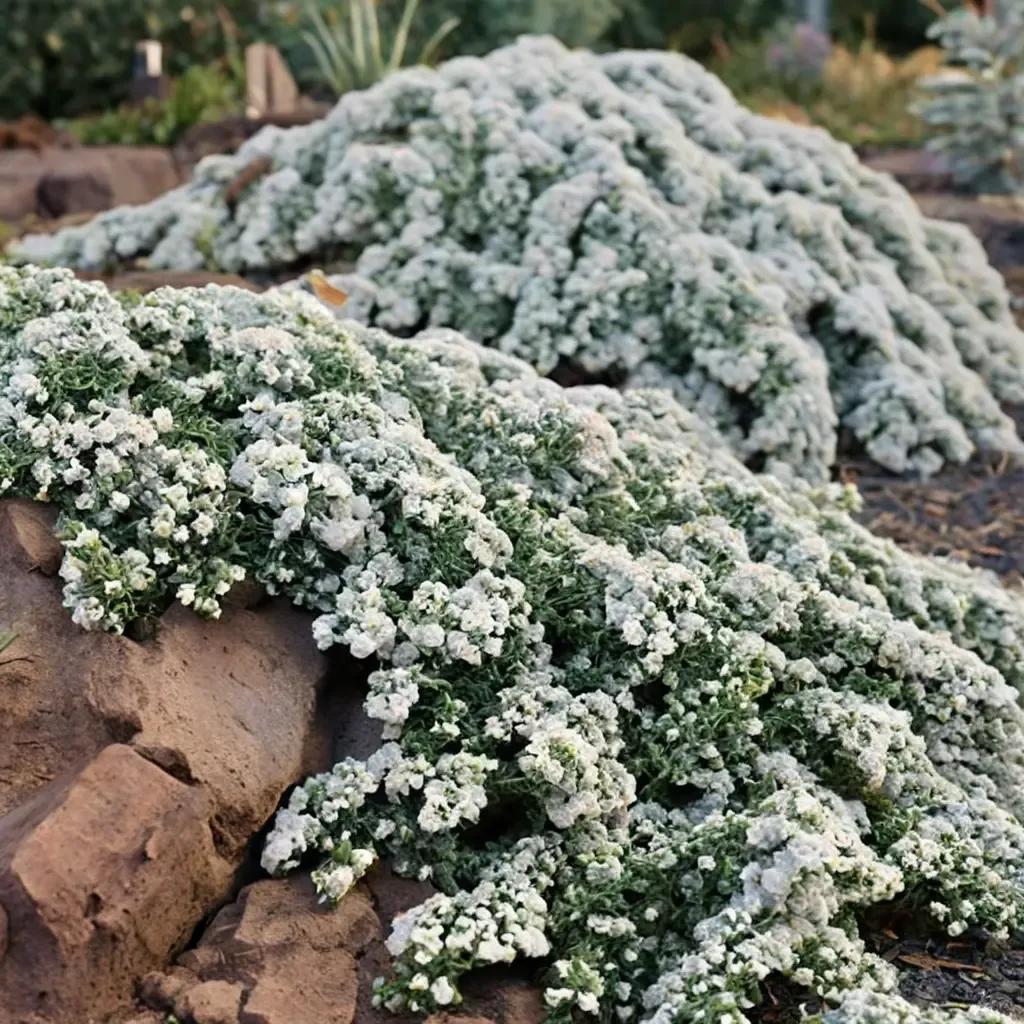
American Aster
Ranked by its most-saved matching variety; the full catalog includes 28 varieties. North American asters provide essential late nectar in clouds of small daisies.
Zones 4–9All 28 varieties →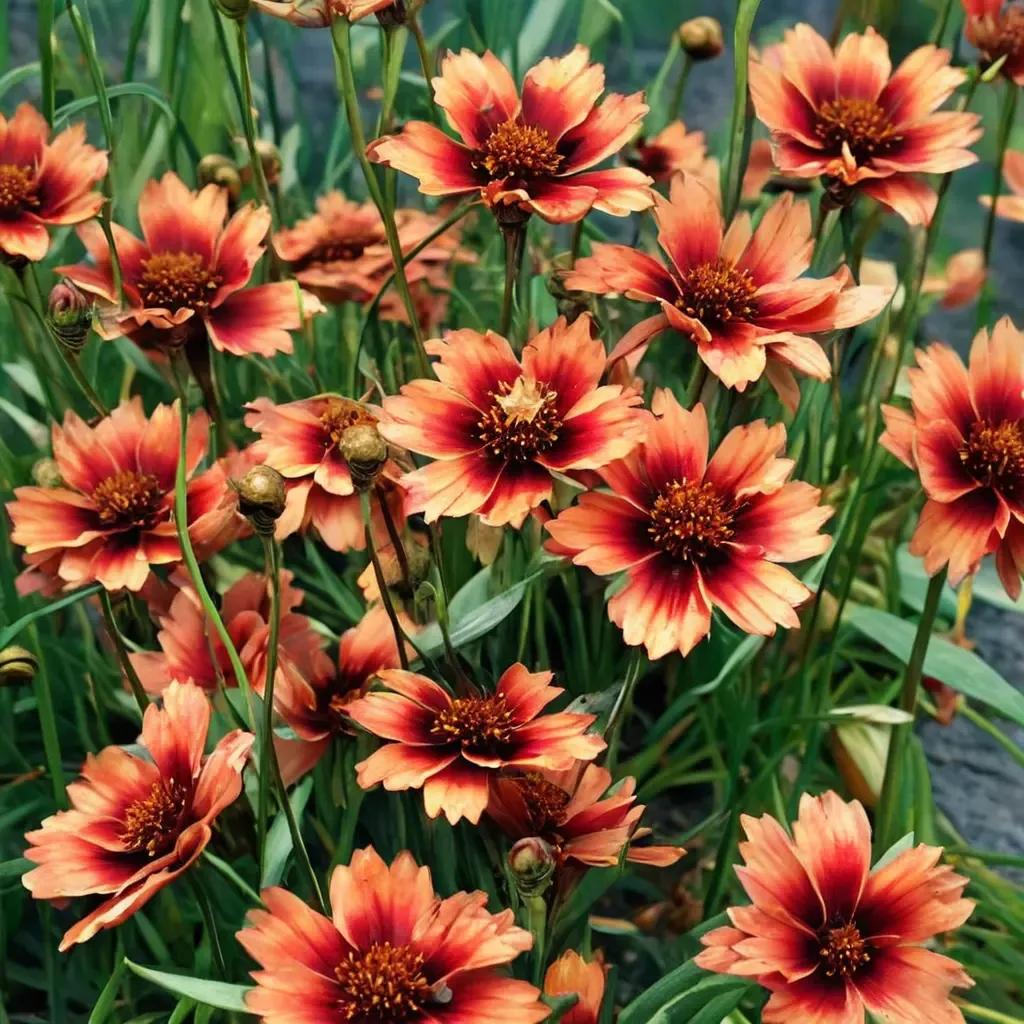
Tickseed
Ranked by its most-saved matching variety; the full catalog includes 63 varieties. Cheerful daisies keep coming over airy foliage through the heat of summer.
Zones 4–10All 63 varieties →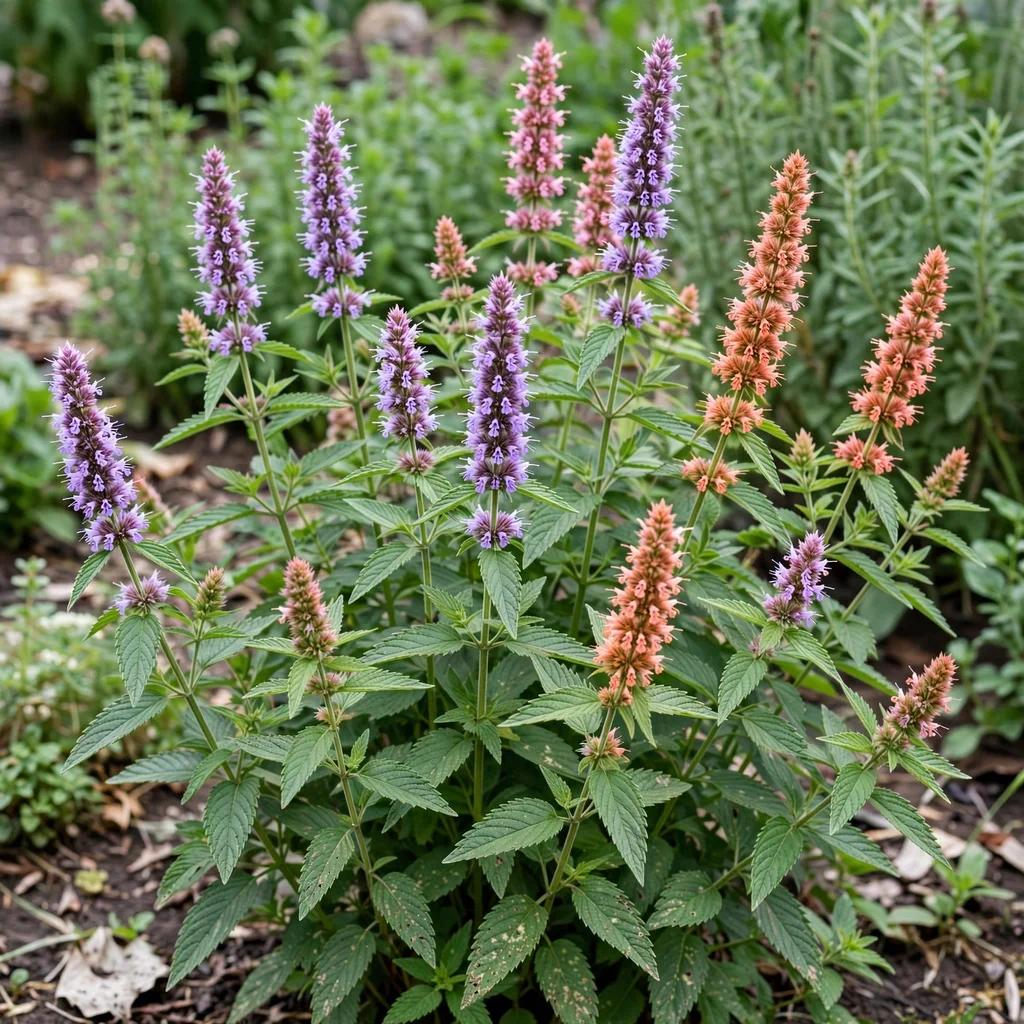
Hyssop
Ranked by its most-saved matching variety; the full catalog includes 57 varieties. Aromatic foliage and nectar-rich flower spikes keep pollinators returning for weeks.
Zones 4–10All 57 varieties → 11
11Gaura
Beeblossom
Ranked by its most-saved matching variety; the full catalog includes 19 varieties. Butterfly-like flowers dance on wiry stems without weighing down a planting.
Zones 5–9All 19 varieties → 12
12Iris
Ranked by its most-saved matching variety; the full catalog includes 258 varieties. Sword-like leaves and intricate flowers give beds a strong architectural rhythm.
Zones 4–10All 258 varieties →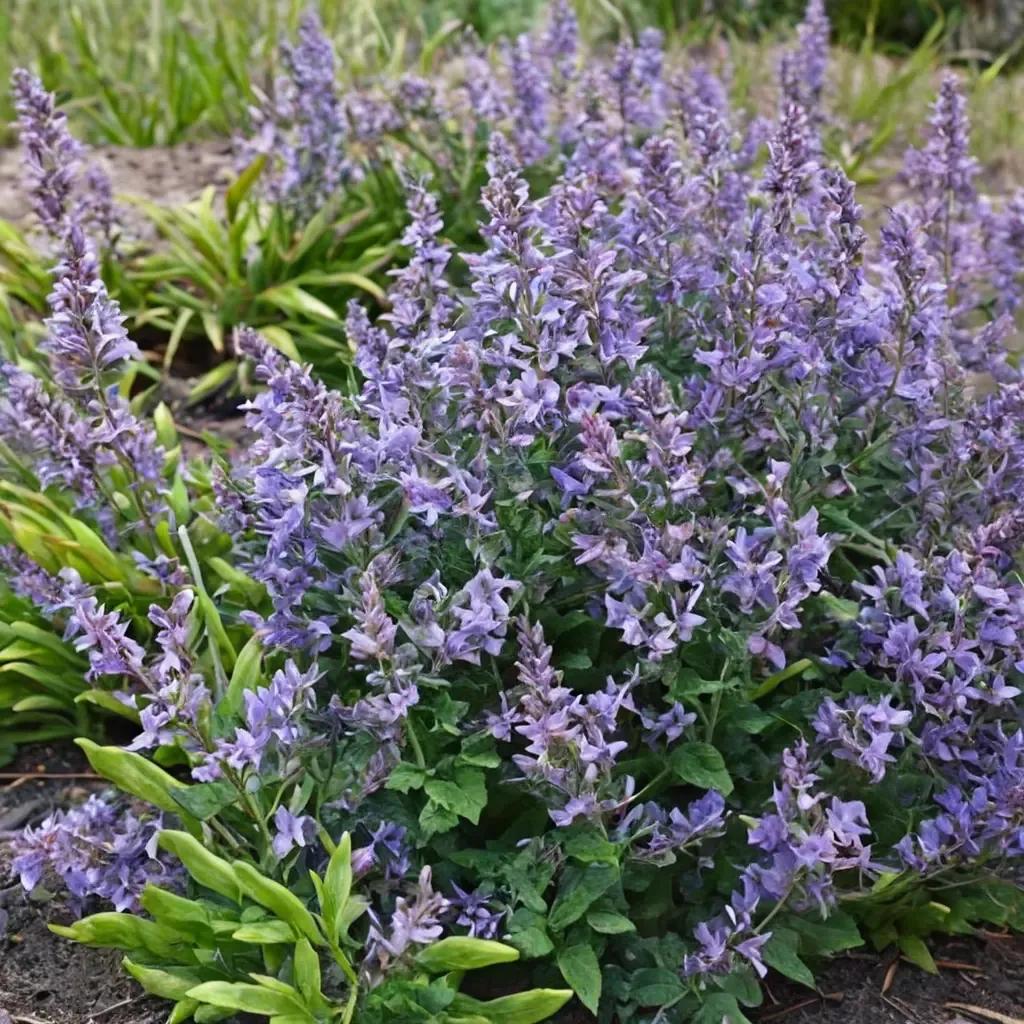 13
13Nepeta
Catmint
Ranked by its most-saved matching variety; the full catalog includes 26 varieties. Aromatic gray foliage and blue flower haze make an easy, billowing edge.
Zones 5–9All 26 varieties →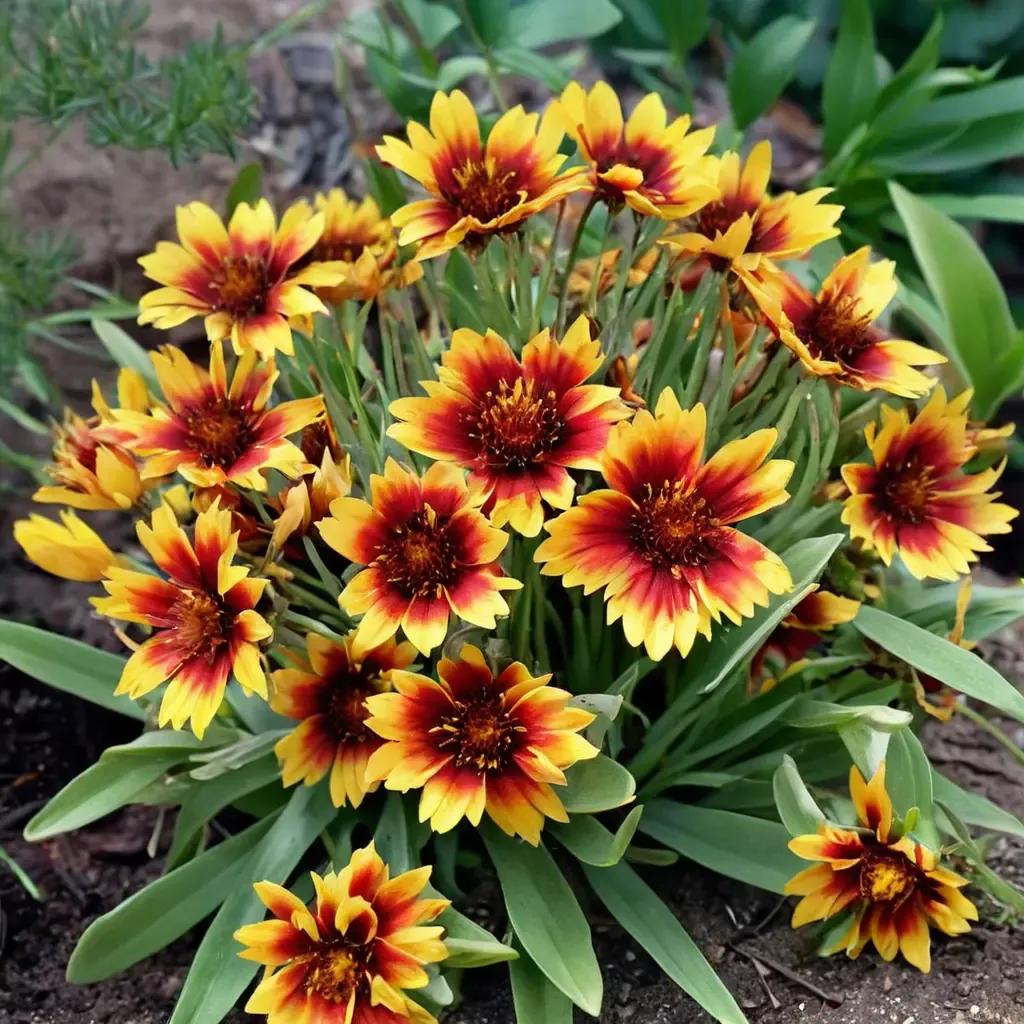
Blanket Flower
Ranked by its most-saved matching variety; the full catalog includes 25 varieties. Warm, banded daisies keep flowering through heat that slows many perennials.
Zones 4–10All 25 varieties →
Toad Lily
Ranked by its most-saved matching variety; the full catalog includes 33 varieties. Orchid-like, speckled flowers appear in shade at the close of the season.
Zones 4–9All 33 varieties → 16
16Ruellia
Wild Petunia
Ranked by its most-saved matching variety; the full catalog includes 11 varieties. Its representative is notable for being North American native and dry-spell tolerant.
Zones 4–9All 11 varieties →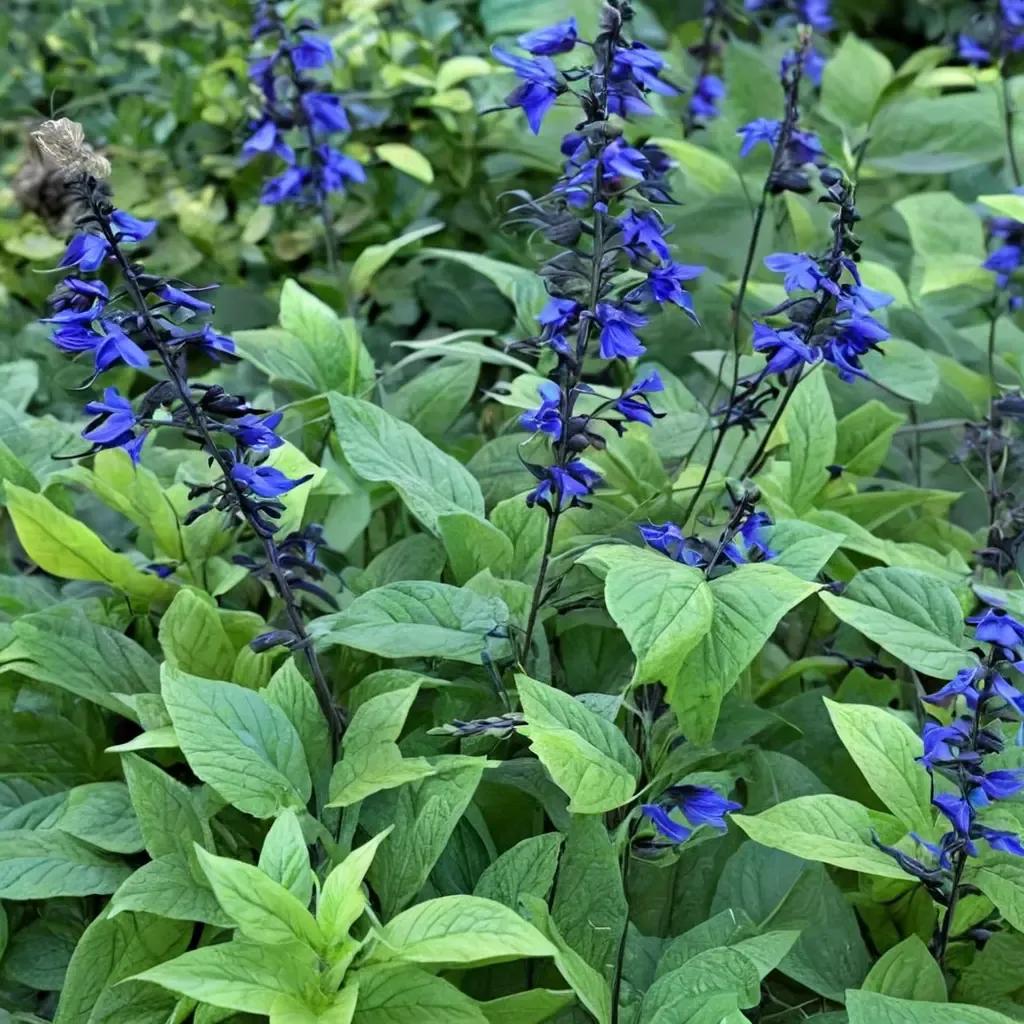 17
17Salvia
Sage
Ranked by its most-saved matching variety; the full catalog includes 179 varieties. Aromatic leaves and upright nectar-rich flowers perform through heat and lean soil.
Zones 7–10All 179 varieties →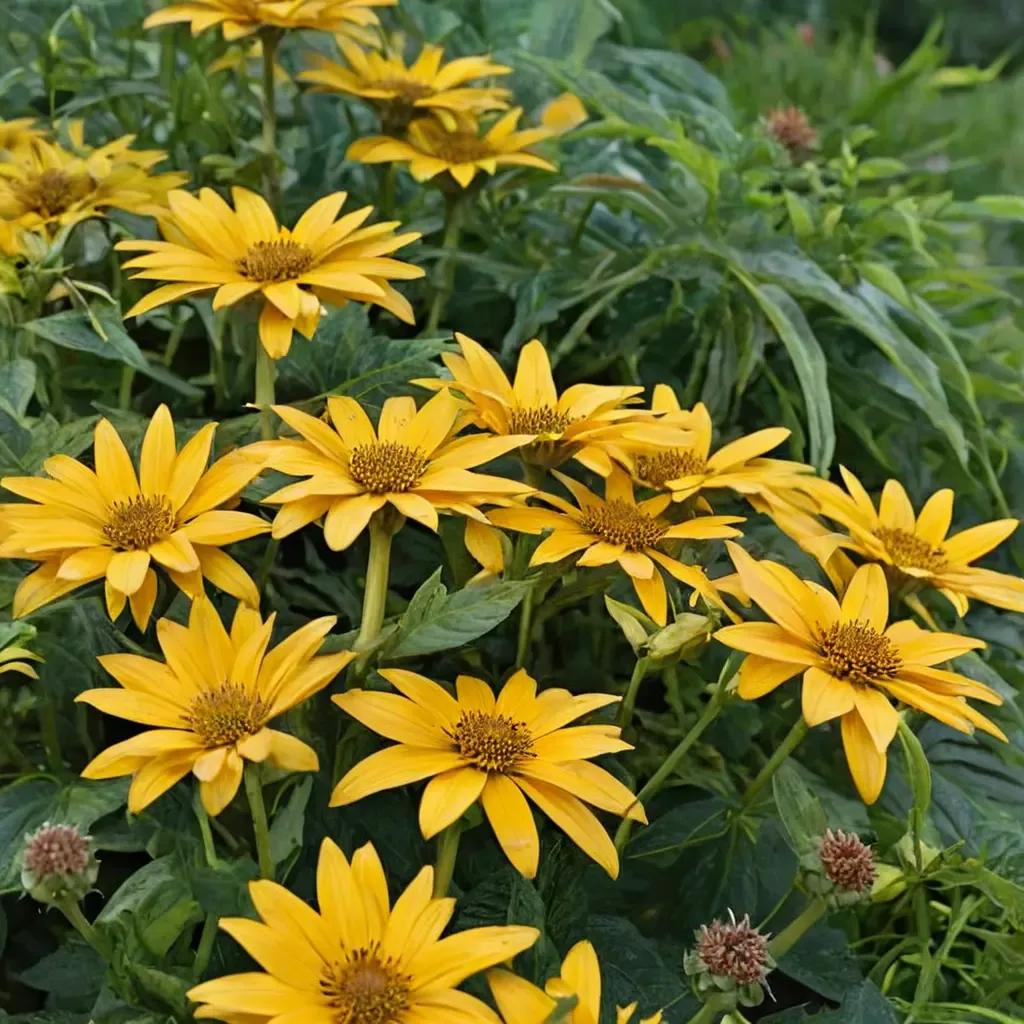
False Sunflower
Ranked by its most-saved matching variety; the full catalog includes 13 varieties. Sturdy stems hold sunny daisies for weeks without hiding plants behind them.
Zones 4–9All 13 varieties → 19
19Euthamia
Grass-leaved Goldenrod
Ranked by its most-saved matching variety; the full catalog includes 2 varieties. Its representative is notable for being North American native and dry-spell tolerant.
Zones 5–9All 2 varieties →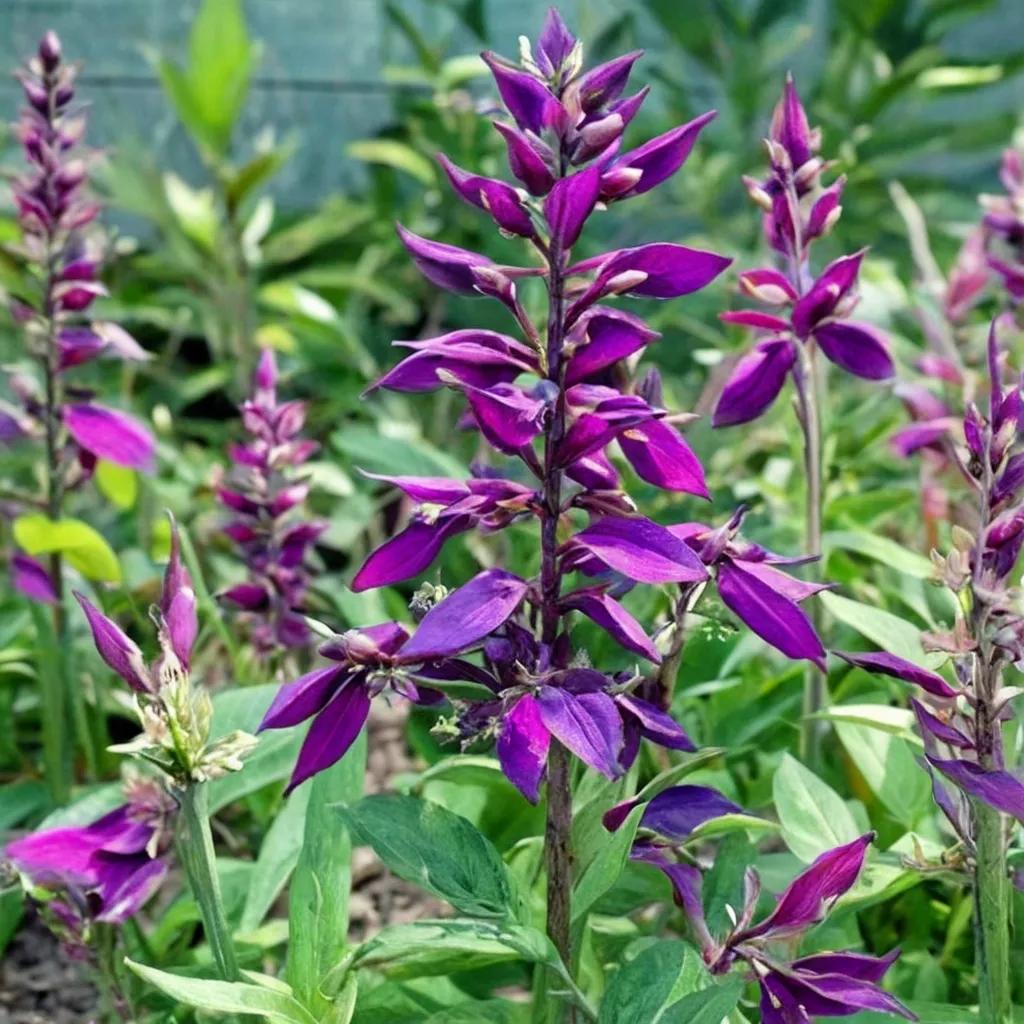 20
20Lobelia
Ranked by its most-saved matching variety; the full catalog includes 46 varieties. Intensely colored flower spikes bring hummingbirds to both borders and damp ground.
Zones 4–9All 46 varieties →
About this list
How was this the most popular fall-blooming perennials in zone 9 list ranked?
A plant must first match the catalog filters named in the title. Each genus is represented and ranked by its most-saved matching variety, so genera with many cultivars do not receive an automatic advantage.
Are all of these hardy in Zone 9?
Yes — every plant on this list is rated for Zone 9. Plants that could not survive a Zone 9 winter were excluded before ranking.
Why plant for fall bloom?
September–October is when gardens usually collapse, monarchs migrate, and you’re still outside. Fall bloomers fix all three at once.
Track these in your garden
Save the ones you plant and get care reminders timed to Zone 9.
Keep exploring
More popularity lists
- Most Popular Perennials for Shade
- Most Popular Deer-Resistant Perennials
- Most Popular Plants Tagged for Pollinators
- Most Popular Drought-Tolerant Plants
- Most Popular Flowering Shrubs
- Most Popular Groundcovers for Shade
- Most Popular Privacy Shrubs and Screening Plants
- Most Popular North American Native Perennials