Quick answer
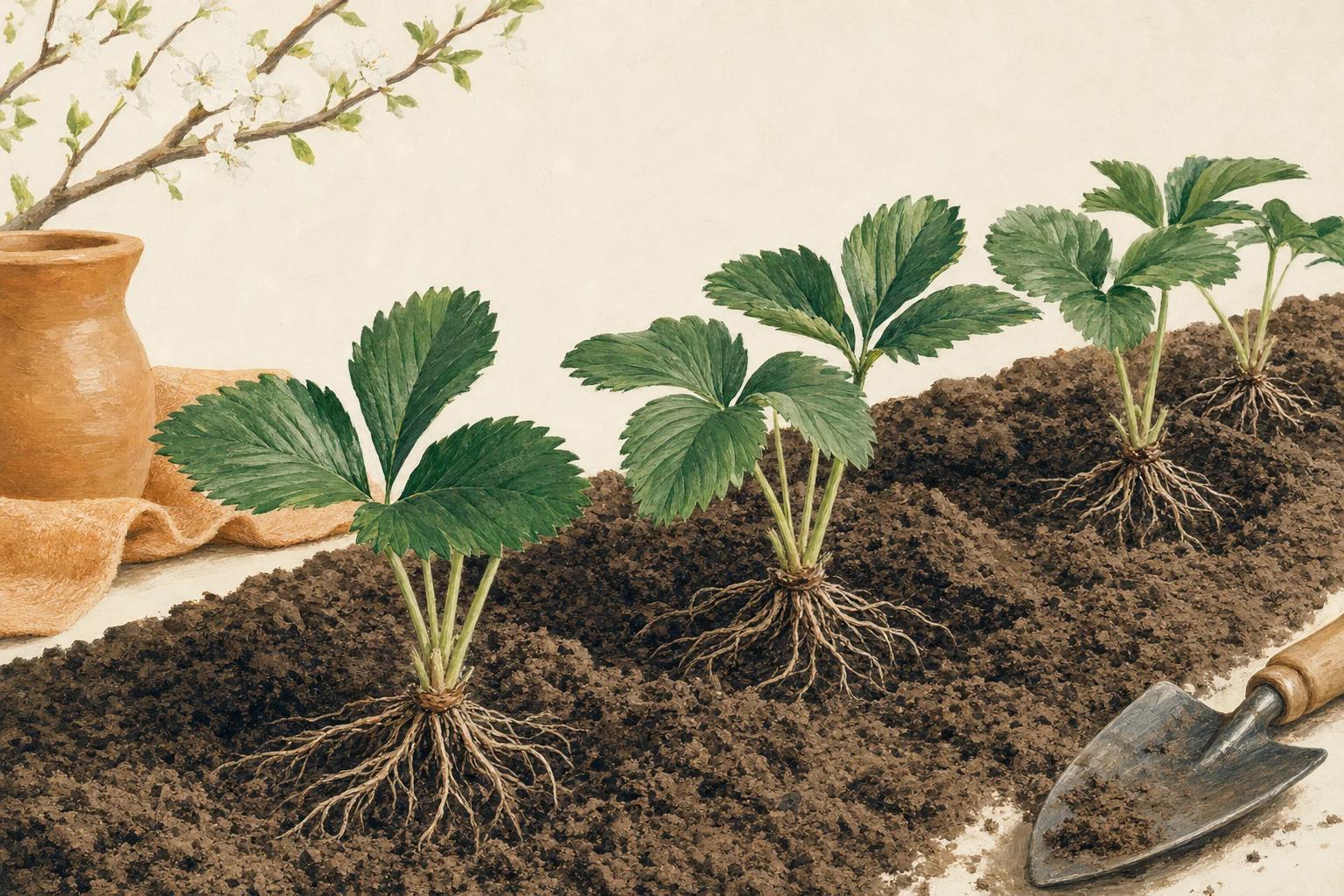
Plant dormant bare-root strawberry crowns in early spring as soon as the soil can be worked, in the 4 weeks before your median last frost: February to May, depending on latitude. In most of Zones 8 to 10, set plugs in fall instead, 7 to 4 weeks before the first frost. The Pacific Northwest plants in spring, and California's Central Valley in summer.
Key facts
- Spring timing rule
- From 4 weeks before the median last frost up to that date, once soil is workable
- Zones 8–10 timing rule
- Fall plugs 7 to 4 weeks before the median first frost
- Soil temperature
- No published threshold for dormant crowns; plant once soil is workable and not wet
- Days to maturity
- June-bearers: next spring; day-neutrals: same summer; fall plugs: next spring (Florida: first berries 90–110 days after planting)
- Crown depth
- Midpoint of the crown level with the soil surface
- Spacing
- Matted row 18–24 in (45–60 cm) in rows 3–4 ft (0.9–1.2 m); hills about 12 in (30 cm)
- Frost limit in bloom
- Open blossoms die at 30°F (−1°C); tight buds survive to 25°F (−4°C)
- Soil pH
- Slightly acidic, about 5.5–6.5
Plant dormant bare-root strawberry crowns in early spring, on the first days the soil can be dug without smearing. Across most of the country that moment falls in the 4 weeks before your median last frost; in Minnesota and the far north it runs into May. A dormant crown handles spring frost, so there is no reason to hold it back for the frost-free date; only potted plants already in leaf need that wait.
In most of Zones 8 to 10 the calendar flips. There, strawberries are a fall-planted annual: plugs go in 7 to 4 weeks before the median first frost, grow through the mild winter and fruit the following spring before summer heat wears them down. Two mild-winter regions break that pattern: the Pacific Northwest plants in spring, and California's Central Valley plants in summer. Wherever you garden, crown depth decides more than the exact week, and the type you buy decides when you first pick.
Strawberry planting dates by city
Each spring window opens 28 days before the city's median last frost and closes on that date, through Zone 8a. The fall window runs from 49 to 28 days before the median first frost and applies to Zones 8 to 10. Cells written in words follow regional practice where the rule does not fit.
| City (USDA zone) | Median last frost | Median first frost | Plant dormant crowns (spring) | Plant plugs (fall) |
|---|---|---|---|---|
| Fargo, ND (4a) | May 10 | Sep 30 | Apr 12 – May 10 | Not advised; plant in spring |
| Minneapolis, MN (5a) | Apr 23 | Oct 18 | Apr – May, once soil is workable | Not advised; plant in spring |
| Chicago, IL (5b) | Apr 16 | Oct 28 | Mar 19 – Apr 16 | Not advised; plant in spring |
| Denver, CO (6a) | May 5 | Oct 9 | Apr 7 – May 5 | Not advised; plant in spring |
| Detroit, MI (6b) | Apr 20 | Oct 27 | Mar 23 – Apr 20 | Not advised; plant in spring |
| Kansas City, MO (6b) | Apr 13 | Oct 24 | Mar 16 – Apr 13 | Not advised; plant in spring |
| Boston, MA (7a) | Apr 4 | Nov 9 | Mar 7 – Apr 4 | Not advised; plant in spring |
| Salt Lake City, UT (7b) | Apr 8 | Oct 31 | Mar 11 – Apr 8 | Not advised; plant in spring |
| New York, NY (7b) | Mar 30 | Nov 20 | Mar 2 – Mar 30 | Not advised; plant in spring |
| Nashville, TN (7b) | Mar 31 | Nov 3 | Mar 3 – Mar 31 | Optional: plugs in fall |
| Raleigh, NC (8a) | Mar 31 | Nov 4 | Mar 3 – Mar 31 | Sep 16 – Oct 7 |
| Atlanta, GA (8a) | Mar 15 | Nov 20 | Feb 15 – Mar 15 | Oct 2 – Oct 23 |
| Dallas-Fort Worth, TX (8b) | Mar 8 | Nov 24 | Plant plugs in fall (next column) | Oct 6 – Oct 27 |
| Seattle, WA (9a) | Mar 2 | Nov 23 | As soon as the soil is workable | Not advised; plant in spring |
| Sacramento, CA (9b) | Feb 2 | Dec 2 | Day-neutrals Feb – Mar; short-day types in summer | Not fall: plant late Jul – early Aug |
| Houston, TX (9b) | Feb 13 | Dec 9 | Plant plugs in fall (next column) | Oct 21 – Nov 11 |
Frost dates are medians from NOAA 1991–2020 climate normals for each city's main weather station; in half of years the last frost falls later than the date shown.
For any other town, find your median last frost date and count back 4 weeks. Plant crowns between those two dates on a day the soil is dry enough to work. In Zones 8 to 10, count back 7 weeks and then 4 weeks from your median first fall frost to get the plug window.
A few cells need local judgment. Minneapolis plants in April or May, once the ground thaws and drains. Missouri's own window, early March to early April, opens about two weeks ahead of the Kansas City dates and closes about a week earlier, so plant early in well-drained soil. Seattle sets crowns in spring as soon as the soil can be worked and does not plant in fall. Sacramento follows Central Valley practice: short-day types in summer and day-neutrals in late winter.
Nashville sits where gardens can choose between spring crowns and fall plugs. Raleigh and Atlanta get both windows because South Carolina and north Georgia still set matted rows in early spring alongside fall plugs. Houston's later window fits Texas guidance for the southeast of the state: wait until average daytime temperatures fall below 85°F (29°C).
Spring crowns or fall plugs: the rule by region
Cold-winter regions plant dormant crowns in spring and keep the bed for several years, while the Southeast, Texas, Florida and coastal California plant plugs in fall and grow the crop as an annual.
| Region | Planting system | Planting dates |
|---|---|---|
| Minnesota | Dormant crowns; potted plants | April–May; May–June |
| Illinois | Matted row | March–April |
| Missouri | Matted row | Early March to early April |
| Maryland | Bare-root crowns | March to early April |
| Virginia | Dormant crowns; plugs | 3–4 weeks before the average last frost; fall |
| Ohio | Matted row | Early spring; not fall |
| Utah | Dormant crowns; summer hills | Early spring; mid- to late summer |
| Oregon | All types | As soon as soil is workable |
| North Carolina | Fall plugs | Mid-Sept to early Oct |
| South Carolina | Annual hill | Sept 15 – Nov 15 |
| Georgia (middle and south) | Annual hill | Sept 15 – Nov 1; early Oct best |
| Texas | Fall transplants | Mid-Sept to late Oct |
| Florida | Annual | North Sept 15 – Oct 15; Central Sept 25 – Oct 25; South Oct 1 – Dec 1 |
| California | Short-day types | Central Coast mid-Aug to early Sept; San Joaquin Valley Jul 20 – Aug 5; South Coast Oct 10 – Nov 1 |
Published state planting windows; within each one, choose a day when the soil is workable.
North, Midwest and Mountain West. Fall planting is a poor bet here for a mechanical reason: repeated freezing and thawing heaves the soil and lifts plants that have not rooted in. Utah adds a second option, setting June-bearers in mid- to late summer as an annual hill, but day-neutrals struggle in its summer heat.
Pacific Northwest. Spring is the only planting season, even in Zones 8 and 9: set crowns as soon as the soil can be worked. In the Willamette Valley, spring-set day-neutrals fruit from May into early October.
Upper South. Zone 7 gardens from Tennessee and Virginia to the Carolina mountains can plant either way. Dormant crowns go in 3 to 4 weeks before the average last frost, or plugs go into plastic-mulched rows in fall and are grown as an annual. Fall plugs go in earlier here than farther south: the North Carolina mountains plant ahead of the Piedmont, and South Carolina's Upstate prefers September.
Southeast. North Carolina's Piedmont and Coastal Plain plant plugs from mid-September to early October, and Chandler is the variety most likely to perform across that state. South Carolina's Coastal Plain plants in October. Harvest runs from late March in the Midlands and coast to late April in the mountains, and April into May in North Carolina. North Georgia, Atlanta included, defaults to a spring-planted matted row that fruits the following year, though fall plugs also work there in normal winters.
Texas. Spring plantings made in March or April run straight into heat that stops growth, yet most local nurseries stock plants in spring. Order fall plants ahead, by June or July. Fall-set plants fruit from late February into May or early June, and on the High Plains they come through winter under low tunnels.
Florida. Plants are grown as annuals and replaced each fall. First berries arrive 90 to 110 days after planting, and picking runs from November into April or May.
California. The Central Coast plants short-day types from mid-August to early September, and the San Joaquin Valley from late July to early August. The Oxnard Plain and South Coast plant only in fall, from October 10 into early November. Day-neutrals can also go in during February and March, and the heaviest crop comes in May and June.
The low deserts of Arizona and southern Nevada follow their own calendar, which these dates do not cover; your county extension office publishes local planting times.
How strawberry type changes timing and the first harvest
Type barely moves the planting date in the North, but it decides whether you pick this year or next and how long you pinch flowers first.
June-bearing (short-day) strawberries form next year's flower buds in late summer and fall, as days shorten and nights cool. A bed planted in spring therefore fruits the following spring, about 13 to 14 months after planting, with picking concentrated into about 3 weeks. Everbearing (long-day) types give a spring crop and a second one in late summer. Day-neutral types flower regardless of day length while the weather stays cool: bud formation drops off above about 70°F (21°C), and fruiting stops near 90°F (32°C).
| Type | Examples | When to plant | First-year flowers | First harvest |
|---|---|---|---|---|
| June-bearing | Earliglow, Jewel, Honeoye, Allstar | Early spring | Remove all season | Next spring; about 3 weeks of picking |
| Everbearing | Ozark Beauty, Ogallala, Fort Laramie | Early spring | Pinch the first flush | Small crop the first year; then June and late summer |
| Day-neutral | Albion, Seascape, Tribute, Tristar | Early spring; fall in mild winters | Pinch for 4–6 weeks | Same year, through summer while it stays cool |
| Southern annual hill | Chandler, Camarosa, Sweet Charlie, Festival, Florida Brilliance | Fall plugs | Keep them | November to June, by state |
Southern harvests run November to May in Florida, late February to early June in Texas and March to May in the Carolinas.
Pinching is the first-year step that pays off a year later. A spring-planted June-bearer allowed to fruit spends its energy on berries instead of runners and roots, and next year's crop shrinks. Everbearers and day-neutrals need only a short pause, after which the flowers stay. Southern fall plugs keep every flower, because their harvest is the point of the planting.
Berries ripen about 4 to 5 weeks after the flowers open. In Ohio, June-bearers ripen from late May to the end of June, and day-neutrals carry on from August into October.
A few other strawberries widen the choice. Elan is an F1 day-neutral grown from seed and does well in containers. Mara des Bois is grown for its flavor and fragrance and also suits containers. Alpine strawberries tolerate part shade and make no runners, so they stay where you put them. For hot summers, Evie-2 is a heat-tolerant day-neutral.
How to tell the soil and site are ready
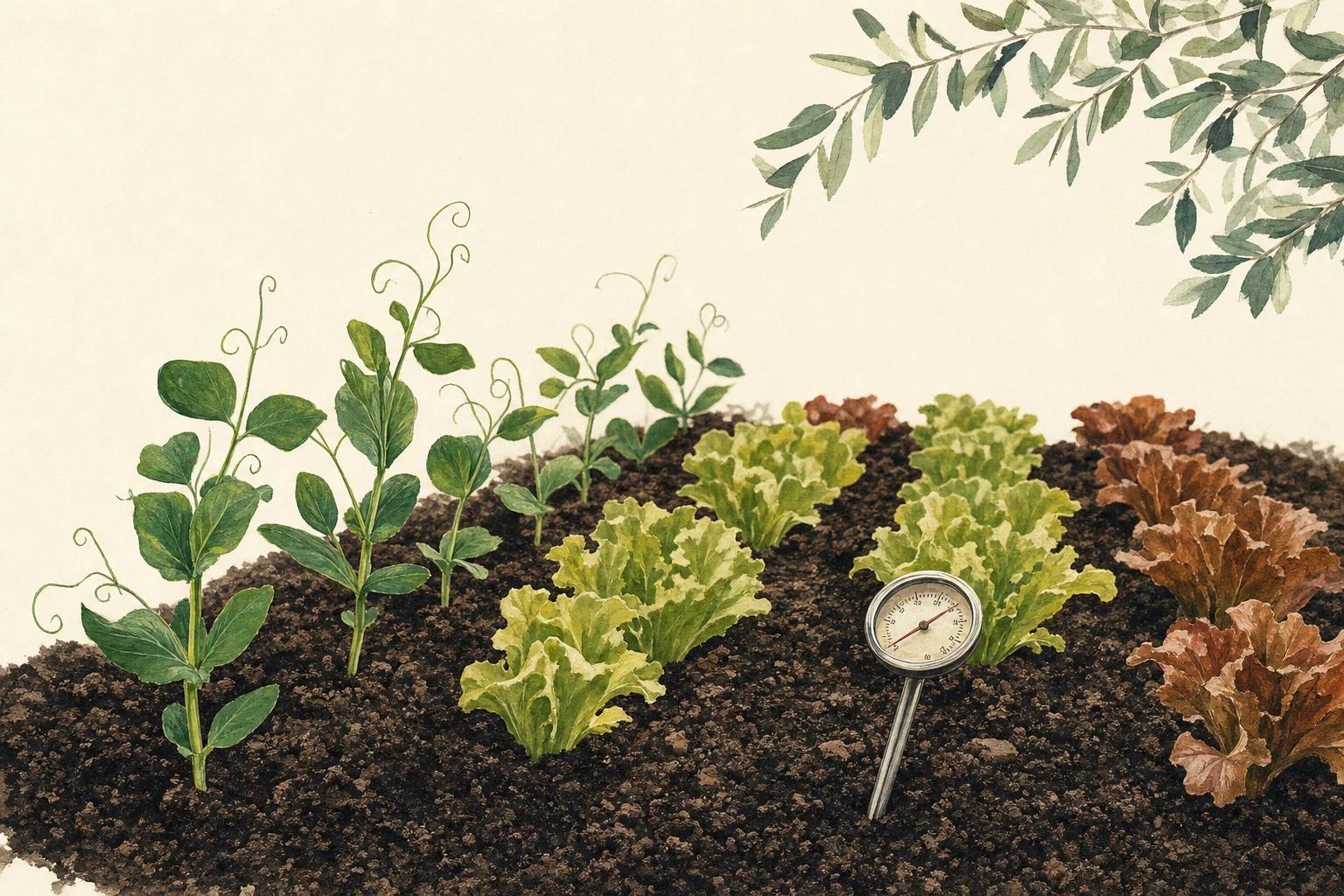
Extension services set no soil-temperature threshold for dormant crowns; the test is workability: squeeze a handful, and plant when it crumbles rather than holding a wet, sticky ball.
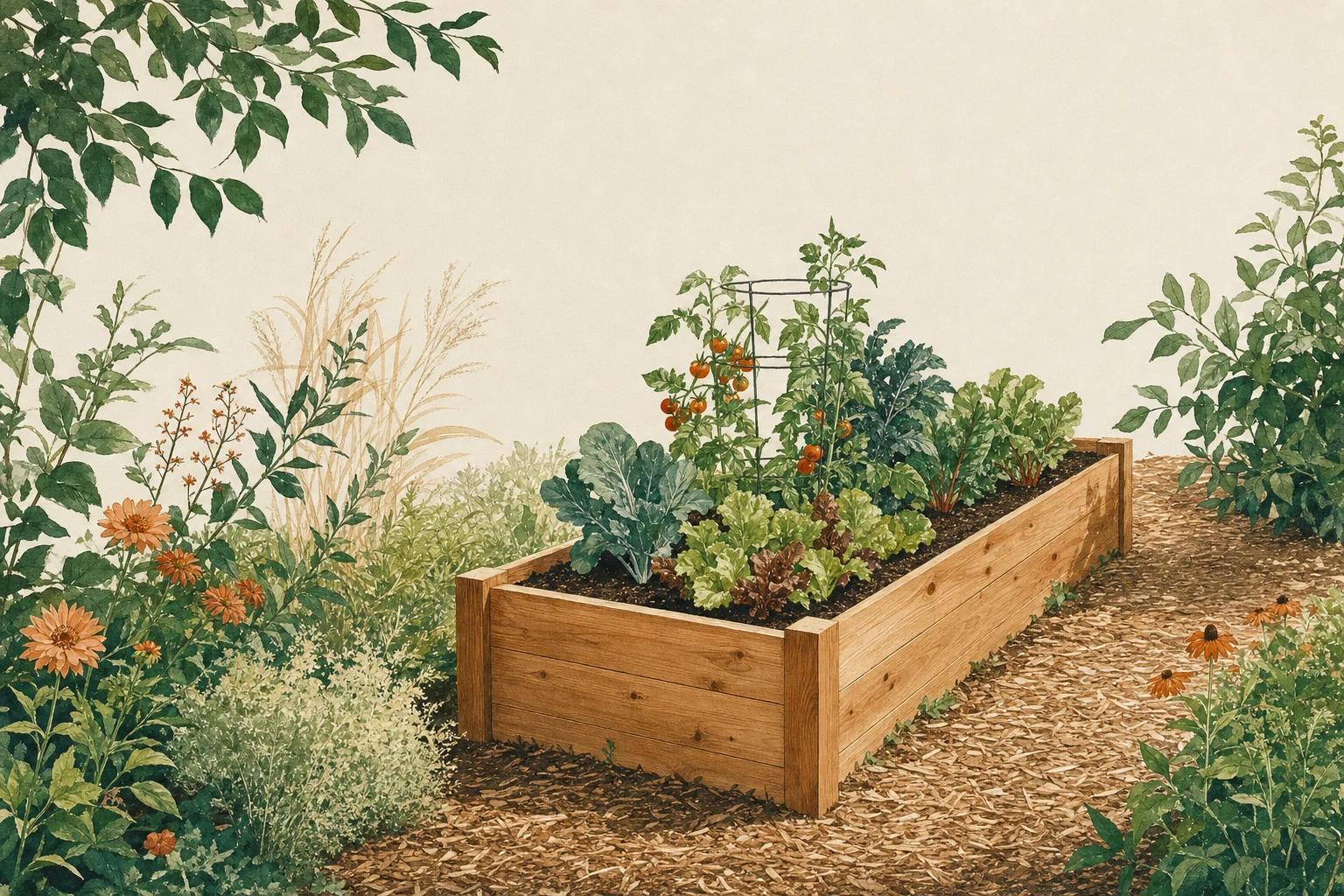
Choose full sun, at least 6 hours a day and ideally 8 or more, in well-drained loam or sandy loam. Where drainage is poor, build a raised bed about 12 inches (30 cm) high rather than planting into heavy ground. Aim for slightly acidic soil, pH about 5.5 to 6.5, and test it before planting, ideally a year ahead so there is time to correct it.
Site history matters as much as soil. Skip beds that recently grew tomatoes, peppers, eggplant or potatoes, which carry verticillium wilt over to strawberries.
How to plant strawberry crowns and plugs
Set each plant so the midpoint of its crown sits level with the soil surface, every root buried and the growing tip in open air.
- Buy certified plants for your system. Use certified virus-free stock rather than runners dug from an old patch. Order dormant crowns for spring early (Maryland gardeners order in January) and fall plugs months ahead.
- Hold bare-root crowns cool and moist. Plant within a few days of arrival, and refrigerate the crowns if the weather or soil forces a delay.
- Spread the roots in a wide hole. Dig wide enough to fan the roots out instead of folding them into a narrow slot.
- Set the crown at the soil line. Too deep, and the growing tip smothers and rots before leaves emerge; too shallow, and the exposed roots and crown dry out and the plant dies. Annual hills in the South sit a touch higher, with the crown just above the soil and the top roots about ¼ inch (6 mm) down.
- Firm the soil and water in. Press the soil around the roots, then water at once. Bare-root plants need frequent watering for 1 to 2 weeks; plugs keep their root ball and need much less.
Instructions that say "cover half the crown" describe the same position as "midpoint at the soil line". What every method agrees on: roots fully covered, growing tip never buried.
Spacing by planting system
Spacing depends on the system: a matted row is left to fill in with runners, so its mother plants start farther apart than plants in a hill.
| System | Plant spacing | Row layout |
|---|---|---|
| Matted row (June-bearers) | 18–24 in (45–60 cm) | Rows 3–4 ft (0.9–1.2 m) apart |
| Hill or annual hill | About 12 in (30 cm) | Staggered double rows on raised beds about 26 in (66 cm) wide |
| Day-neutral, close planting | 5–12 in (13–30 cm) | Rows 30–36 in (75–90 cm) apart |
About 25 plants keep an average family in berries; a 3 by 15 ft (0.9 by 4.6 m) bed holds 30.
The plant spacing calculator turns those distances into a plant count for your bed.
Strawberries in containers
Day-neutrals are the practical container choice, since they fruit in the first season. Use pots 10 to 18 inches (25–45 cm) deep, with up to four plants in a 12-inch (30 cm) pot, and water them more often than a bed in warm weather. Pot size and mix are covered in container gardening for beginners.
What happens if you plant too early or too late
Early is rarely the problem with dormant spring crowns; for every other planting, the calendar matters more, because heat or winter can arrive before the roots establish.
Spring crowns. Wet soil, not frost, limits an early start, because a sodden bed cannot be worked. Plant late in hot regions and the plants meet summer before they have rooted, which is why Texas plants in fall. Day-neutrals planted late get fewer cool weeks to fruit before midsummer heat slows flowering.
Fall plugs, too early. Lingering heat stresses new plugs, so Gulf Coast gardens wait for cooler days. Within Georgia's mid-September to November 1 span, early October gives the best results.
Fall plugs, too late. Later plantings give smaller crops. In California, healthy summer plantings yield about 1 quart (0.95 L) of berries per plant, while fall plantings yield closer to 1 pint (0.47 L).
Protecting blossoms from a late frost
Open blossoms die at 30°F (−1°C), so cover the bed on any night forecast to fall near freezing once flowers show.
| Stage | Critical temperature |
|---|---|
| Tight bud | 25°F (−4°C) |
| Popcorn (white bud) | 26°F (−3°C) |
| Open blossom | 30°F (−1°C) |
| Green fruit | 28°F (−2°C) |
Critical temperatures at plant level; below them, frost kills the flower or fruit at that stage.
The first flowers to open, the king blossoms, bear the largest berries, so the first frost of bloom season costs the most. Leaves and crowns survive into the low 20s °F (around −6°C); it is the flowers and green fruit that need cover.
Lay row cover, straw, old sheets or blankets over the plants in the afternoon or early evening before the frost. Spunbond fabric protects blossoms down to about 23–25°F (−5 to −4°C). Straw left in the alleys after winter can be raked back over the plants on a frost night.
Sprinkler irrigation also protects blossoms, but only if it starts before the temperature at ground level falls to 32°F (0°C), and 34°F (1°C) is a safer trigger. Keep it running until all the ice has melted off the plants the next morning.
Site choice prevents frost damage before it happens. A bed on a slope where cold air drains away loses fewer flowers than one in a low pocket. In Utah, a north-facing slope or the north side of a building delays bloom until late frosts have passed.
First-year care, winter mulch and what to expect
Water new plants steadily, keep to the flower-pinching schedule for your type, mulch with straw once winter sets in, and expect the first full June-bearer crop the spring after planting.
In cold regions, winter mulch is not optional. Crown tissue is injured from 10–20°F (−12 to −7°C) depending on how hardened the plants are, and a crown can be killed near 15°F (−9°C). Wait until two or three hard frosts have hardened the plants, then cover the bed before nights fall below about 20°F (−7°C). Use 2 to 6 inches (5–15 cm) of clean straw, with the deeper layer in the coldest zones. That usually lands between mid-November and early December. Western Oregon is the exception: straw mulch invites rot there, so skip it.
Pull the mulch back in early spring as growth starts, around the time the soil holds 40°F (4°C) for 3 or 4 days. Left on too long, it yellows the new leaves. Park the straw in the alleys for frost nights.
A matted row yields up to about 1 quart (0.95 L) per plant in its first fruiting year, and well-grown plants can produce 1 to 2 pounds (0.45–0.9 kg). Florida's annual varieties give 1 to 2 pints (0.47–0.95 L) per plant. Birds are a major pest in Texas plantings, so have netting ready as the first berries color.
June-bearing beds give their biggest crop the year after planting, the first fruiting year, and decline over the next two or three seasons. Renovate within 1 to 2 weeks after harvest by mowing off the old foliage; in Minnesota, finish mowing before August 1. In the North, the fall planting slot that strawberries skip suits garlic planting, and spring crowns share the calendar with your vegetable planting dates. Put your strawberry window and frost watch on Sow's garden calendar.
Frequently asked questions
What month should you plant strawberries?
It depends on your winter. Northern and Midwestern gardens plant dormant crowns from March to May: early March to early April in Missouri, March or April in Illinois, April or May in Minnesota. The Carolinas, Georgia and Texas plant plugs from mid-September to late October or early November. Florida plants from mid-September to as late as December 1 in the south. California's Central Coast plants in late summer and its South Coast in October and November.
Do strawberries bear fruit the first year you plant them?
Day-neutral and everbearing types do, once you stop pinching their flowers after the first 4 to 6 weeks. Spring-planted June-bearers should not: removing every flower in year one builds the runners and roots that carry the first real crop the following June. Fall-planted plugs fruit the next spring, from late February in Texas and from March in the Carolinas. In Florida, first berries arrive 90 to 110 days after planting.
Do strawberries grow better in pots or in the ground?
Both work, for different types. In the ground, a matted row of June-bearers spreads by runners into a bed that crops for several years. Day-neutral types fruit in their first season, which makes them the practical choice for pots. Use containers 10 to 18 inches (25–45 cm) deep, with up to four plants per 12-inch (30 cm) pot, and water them more often than a bed.
What should you not plant strawberries next to or after?
Keep strawberries out of ground that recently grew tomatoes, peppers, eggplant or potatoes. Those crops share verticillium wilt, a soilborne disease, with strawberries, so a bed that grew them can infect a new planting. Choose a different spot in full sun with well-drained soil, and test the pH there before you plant.
Can you plant strawberries in the fall up north?
Not in cold-winter regions. Plants set in fall go into winter with shallow roots, and frost heaving can push them out of the ground. Fall planting with plugs is an option from Tennessee and Virginia south, and it is the standard method from the Carolina Piedmont to Georgia, Texas, Florida and coastal California. In the North, use the fall slot to prepare and test the soil, then set dormant crowns in early spring.
Should I buy bare-root crowns or plugs?
Buy dormant bare-root crowns for a spring planting in the North; they are the standard way to start a perennial bed and are usually cheaper. Plugs keep a root ball, need far less watering to establish and suit the fall plantings of the South. They cost more but are usually available sooner in the season. Either way, insist on certified disease-free stock.
Can you grow strawberries from seed?
Yes, with seed-grown day-neutral types such as Elan, which also suits containers. Start the seed indoors well ahead of your last frost and transplant once frost has passed. Some strawberry seed germinates better after about a month of cold storage, so follow the packet. June-bearing and everbearing beds are started from certified crowns or plugs instead.
Can you still plant strawberries in late spring or summer?
In some regions, yes. Utah gardeners set June-bearers in mid- to late summer as an annual hill crop. California's Central Coast plants short-day types from mid-August to early September, and the San Joaquin Valley from late July to early August. In Texas and the Deep South, spring and summer plantings meet heat before the roots establish, so wait for fall.
What's the trick to growing strawberries?
Start with certified disease-free plants and set each crown with its midpoint at the soil line, roots buried and the growing tip in open air. Remove the first season's flowers on spring-planted June-bearers so they build roots and runners instead of fruit. Then cover the bed whenever frost threatens open blossoms, which die at 30°F (−1°C).
References
- University of Minnesota Extension. Growing strawberries in home gardens. Accessed October 16, 2026.
- University of Illinois Extension. Growing Strawberries. Accessed October 16, 2026.
- Ohio State University CFAES Extension. Growing Strawberries in the Home Garden (HYG-1424). Accessed October 16, 2026.
- University of Maryland Extension. Growing Strawberries in the Home Garden. Accessed October 16, 2026.
- UMass Amherst Center for Agriculture, Food, and the Environment. New England Small Fruit Management Guide: Strawberries. Accessed October 16, 2026.
- University of Missouri Extension. Home Fruit Production: Strawberry Cultivars and Their Culture (G6135). Accessed October 16, 2026.
- Virginia Cooperative Extension (Virginia Tech). Small Fruit in the Home Garden (426-840). Accessed October 16, 2026.
- University of Tennessee Extension. Strawberry Diseases in Tennessee (W018). Accessed October 16, 2026.
- Clemson Cooperative Extension Home & Garden Information Center. Growing Strawberries in South Carolina (HGIC 1405). Accessed October 16, 2026.
- University of Georgia Cooperative Extension. Home Garden Strawberries (Circular 883). Accessed October 16, 2026.
- NC State Extension (Grow For It). Get Growing: Strawberries in the Garden. Accessed October 16, 2026.
- University of Florida IFAS Extension. Growing Strawberries in the Florida Home Garden (HS403). Accessed October 16, 2026.
- University of Florida IFAS Gardening Solutions. Strawberries. Accessed October 16, 2026.
- Texas A&M AgriLife Research & Extension Center at Lubbock. Low Tunnel Strawberry Guide for Home Gardeners on the Texas High Plains. Accessed October 16, 2026.
- Texas A&M AgriLife Extension. Production Guide for Texas-Grown Strawberries (EHT-047). Accessed October 16, 2026.
- Oregon State University Extension Service. Growing Strawberries in Your Home Garden (EC 1307). Accessed October 16, 2026.
- Utah State University Extension. Strawberries in the Garden. Accessed October 16, 2026.
- UC Statewide IPM Program (UC Agriculture and Natural Resources). Cultural Tips for Growing Strawberry. Accessed October 16, 2026.
- Johnny's Selected Seeds. Strawberry plants and seeds (catalog). Accessed October 16, 2026.
- NOAA National Centers for Environmental Information. U.S. Climate Normals 1991–2020: Annual/Seasonal freeze data. Accessed October 16, 2026.
Sow Editorial
Written by the Sow team from university extension services, botanical gardens, USDA and NOAA data and plant breeders. Every source is listed under References.