The Story
Plant Bio
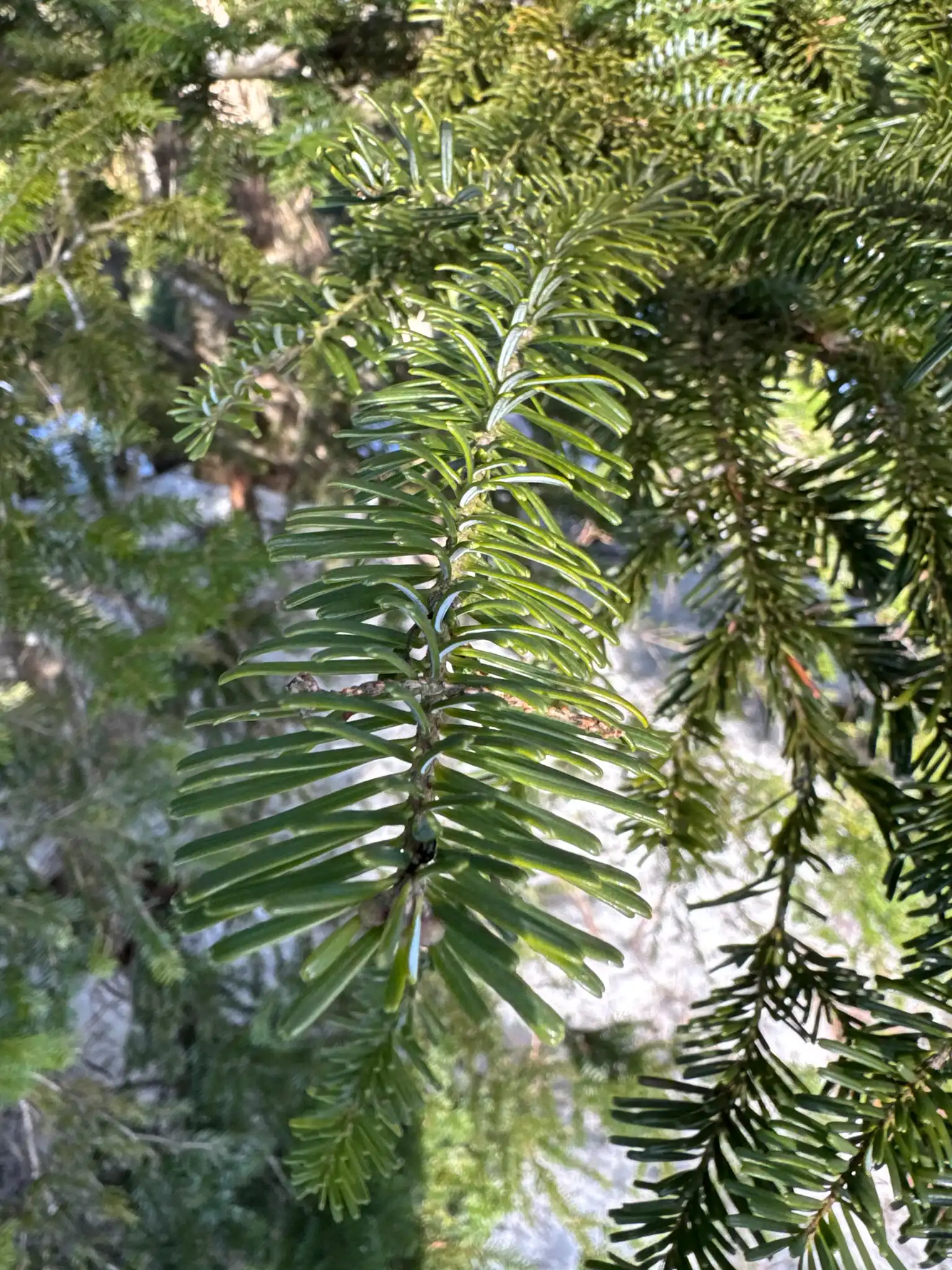
Abies amabilis is a tall, narrow evergreen conifer featuring a spire-like conical crown and flattened, dark green needles with distinct white stomatal bands on their undersides. The tree produces upright, purple-blue seed cones that ripen to brown before disintegrating directly on the branch.
Its glossy needles twist at the base to face forward and upward, releasing a citrus scent when crushed and displaying bright light green new growth each spring. Highly shade-tolerant in youth, it relies on cool, humid summers and moist, organic soils to thrive.
Uses & Benefits:
Essentials
At a Glance
Plant Type
Tree
Height
1181"
Width
236"
Light
Full Sun, Partial Sun, Shade
Zones
5, 6, 7
Water
Medium
Humidity
High
Lifespan
Perennial
Native To
Western North America
Toxicity
Non-toxic (sap may irritate skin)
Planting
How to Grow
- Select a site in full sun or partial shade with protection from ambient urban heat and dry summer winds.
- Prepare rich, well-draining soil amended with acidic organic matter such as leaf mold.
- Plant at the same depth as the nursery container, ensuring the root flare sits flush with the surrounding grade.
- Water thoroughly after planting and maintain consistent root moisture with a thick layer of organic mulch.
Pro Tip
Never prune into bare, leafless wood, as branch bases lack dormant buds and will not regenerate new growth.
Keep It Thriving
Care Guide
Do
- Keep root zones consistently moist, especially during dry spells in summer.
- Mulch annually with leaf mold or bark to cool the root zone and retain moisture.
- Plant in sheltered locations offering high humidity and cool summer conditions.
Don't
- Do not plant in heavy, poorly drained clay or sites prone to standing water.
- Do not prune back into old bare wood lacking needles.
- Do not attempt to grow in hot, dry urban environments or southern heat zones.
Seasonal Care Calendar
| Task | Jan | Feb | Mar | Apr | May | Jun | Jul | Aug | Sep | Oct | Nov | Dec |
|---|---|---|---|---|---|---|---|---|---|---|---|---|
| Fertilize | ||||||||||||
| Mulch | ||||||||||||
| Pest Check | ||||||||||||
| Prune |
Watch Out For
Pests & Diseases
Common Pests
Common Diseases
In the Garden
Landscape Uses & Companions
Landscape Uses
Multiply
Propagation Methods
Good to Know
Common Questions
Pacific Silver Fir questions
What zones can Pacific Silver Fir grow in?
Pacific Silver Fir is hardy in USDA Zones 5–7: in that range it survives winter in the ground. Colder than Zone 5, winters are too cold for it to survive outdoors. Warmer than Zone 7, winter isn't the problem: it prefers colder winters, and summer heat can shorten its life.
Is Pacific Silver Fir deer resistant?
Not reliably. Deer may browse Pacific Silver Fir, especially tender spring growth — plan on repellents or fencing where pressure is high.
Does Pacific Silver Fir need full sun?
Pacific Silver Fir does best in full sun to part shade. In hot climates, afternoon shade keeps blooms fresher longer.
More Abies to compare
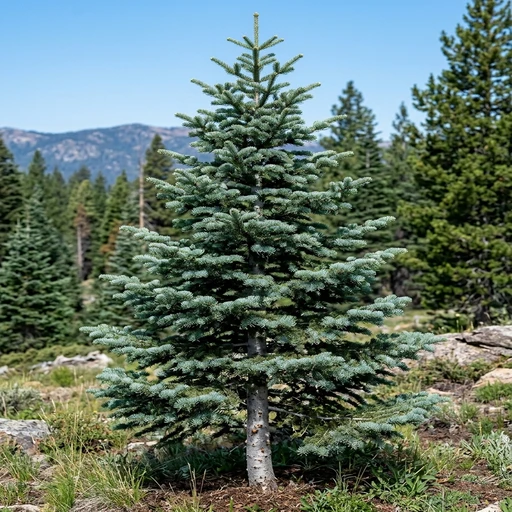
White Fir
Abies concolor
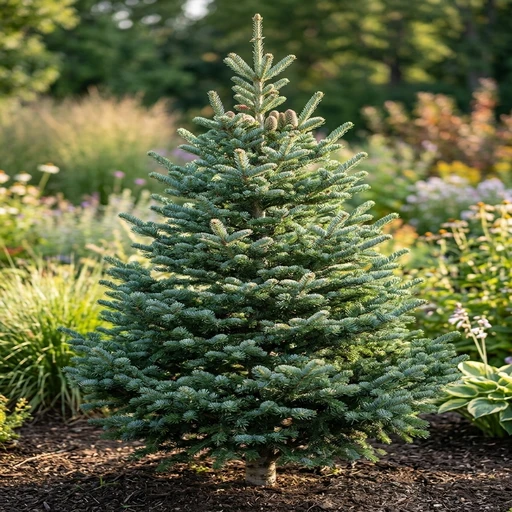
Fraser Fir
Abies fraseri
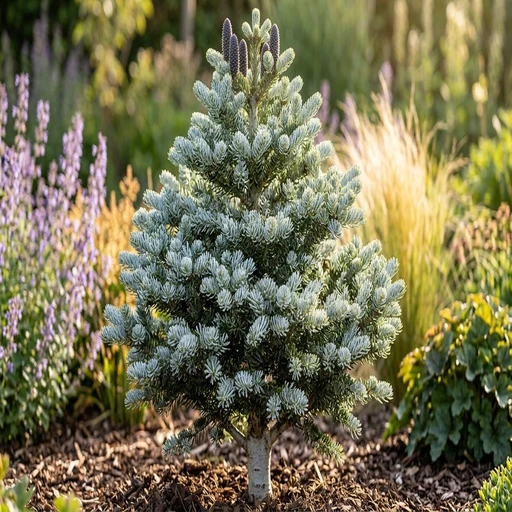
Horstmann's Silberlocke Korean Fir
Abies koreana 'Horstmann Silberlocke'
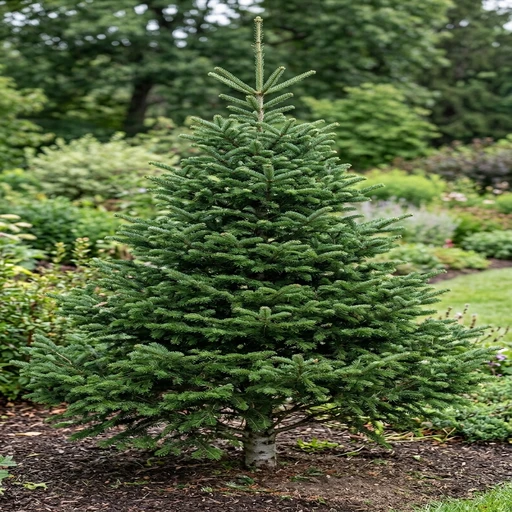
Balsam Fir
Abies balsamea
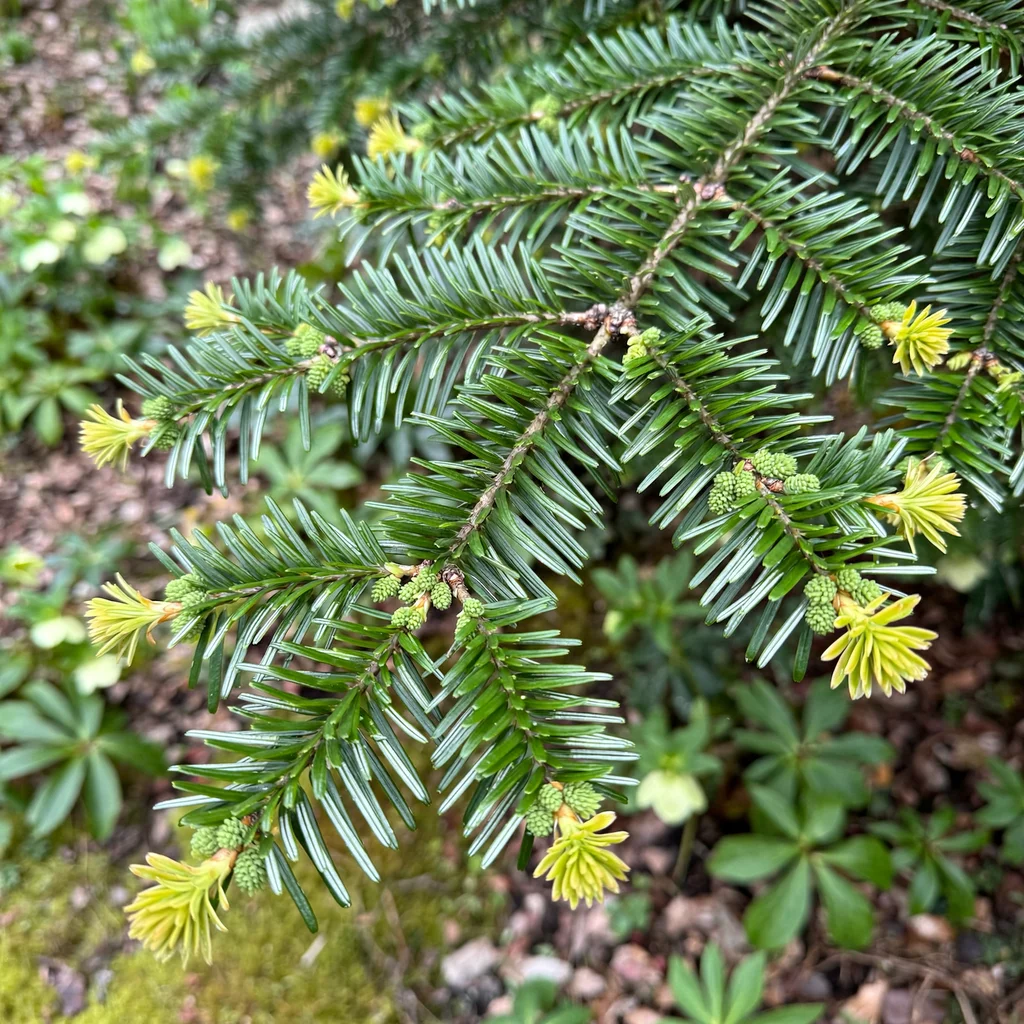
Grand Fir
Abies grandis
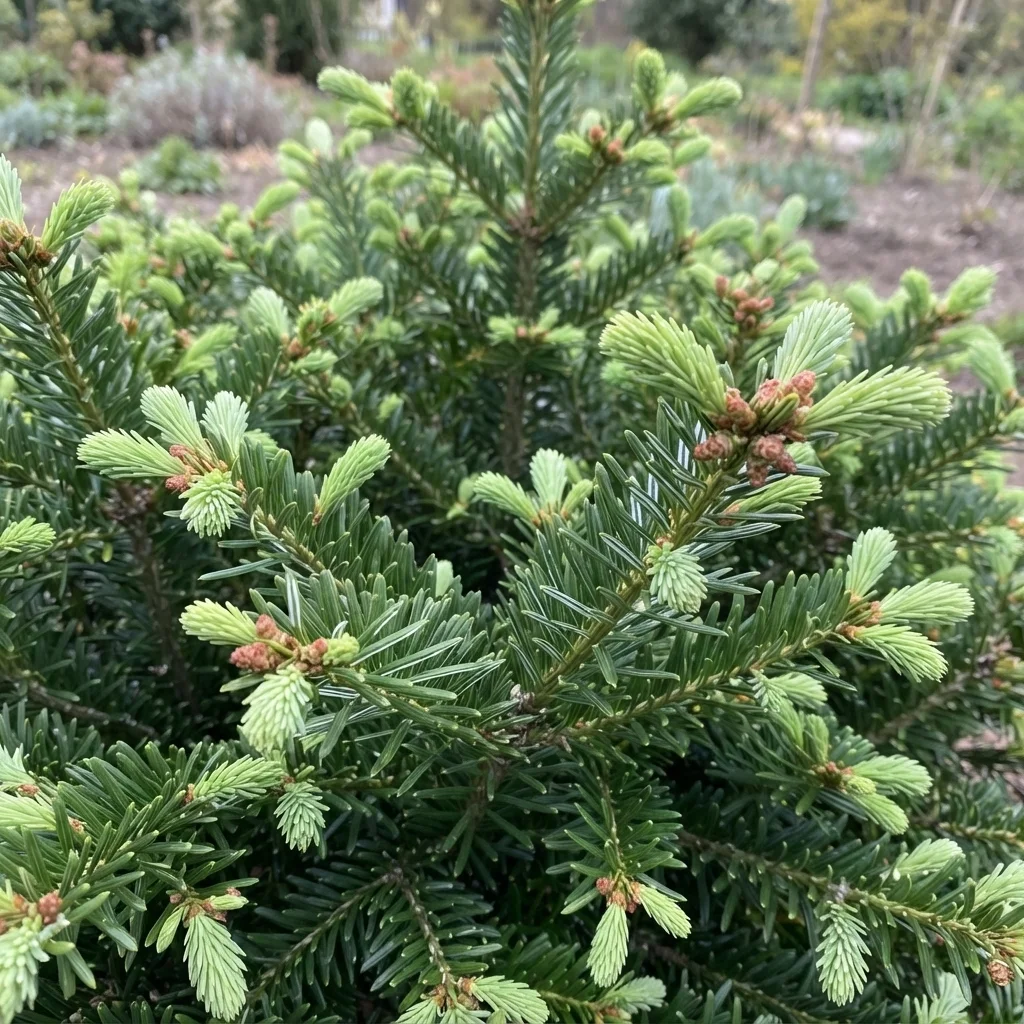
Nordmann Fir
Abies nordmanniana
Keep exploring
Explore the genus
Hardy in your zone?
Grow Pacific Silver Fir with confidence
See it in a design of your actual yard, get zone-matched care reminders, and track it season by season in your garden journal.