Popularity, clearly labeled
The Most Popular Climbing Vines
Among plants cataloged as vines, these are the genera Sow gardeners save most. Check mature size, support needs, and local invasiveness guidance before planting.
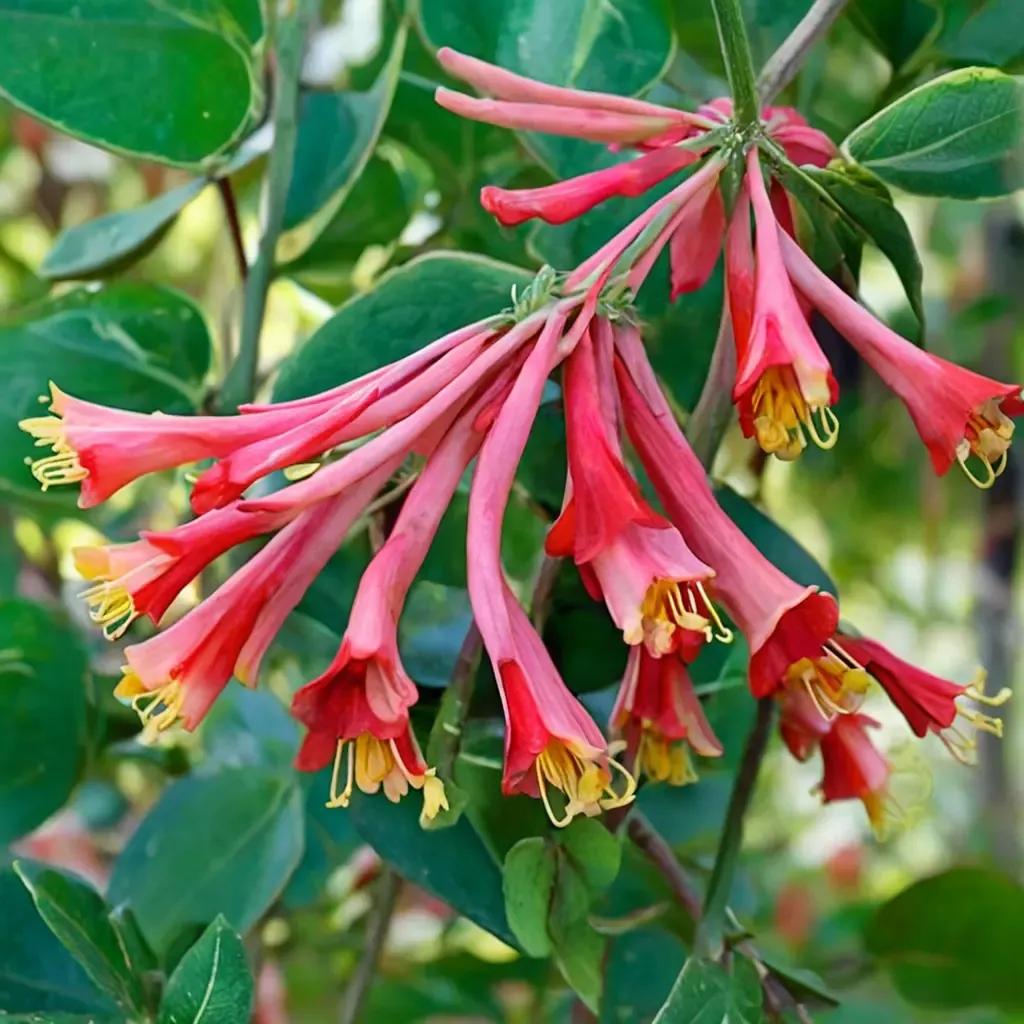
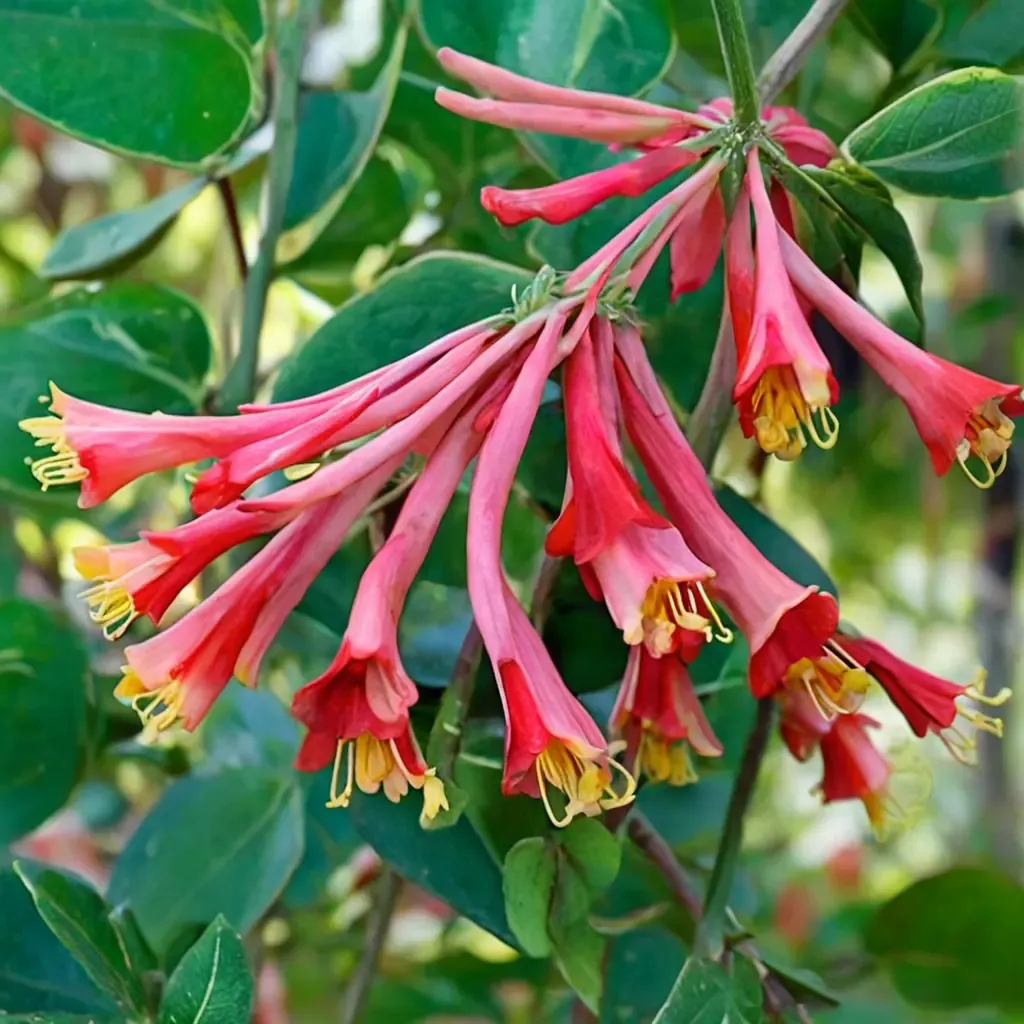
Honeysuckle
Ranked by its most-saved matching variety; the full catalog includes 23 varieties. Tubular, often fragrant flowers turn fences into nectar-rich habitat.
Zones 4–10All 23 varieties →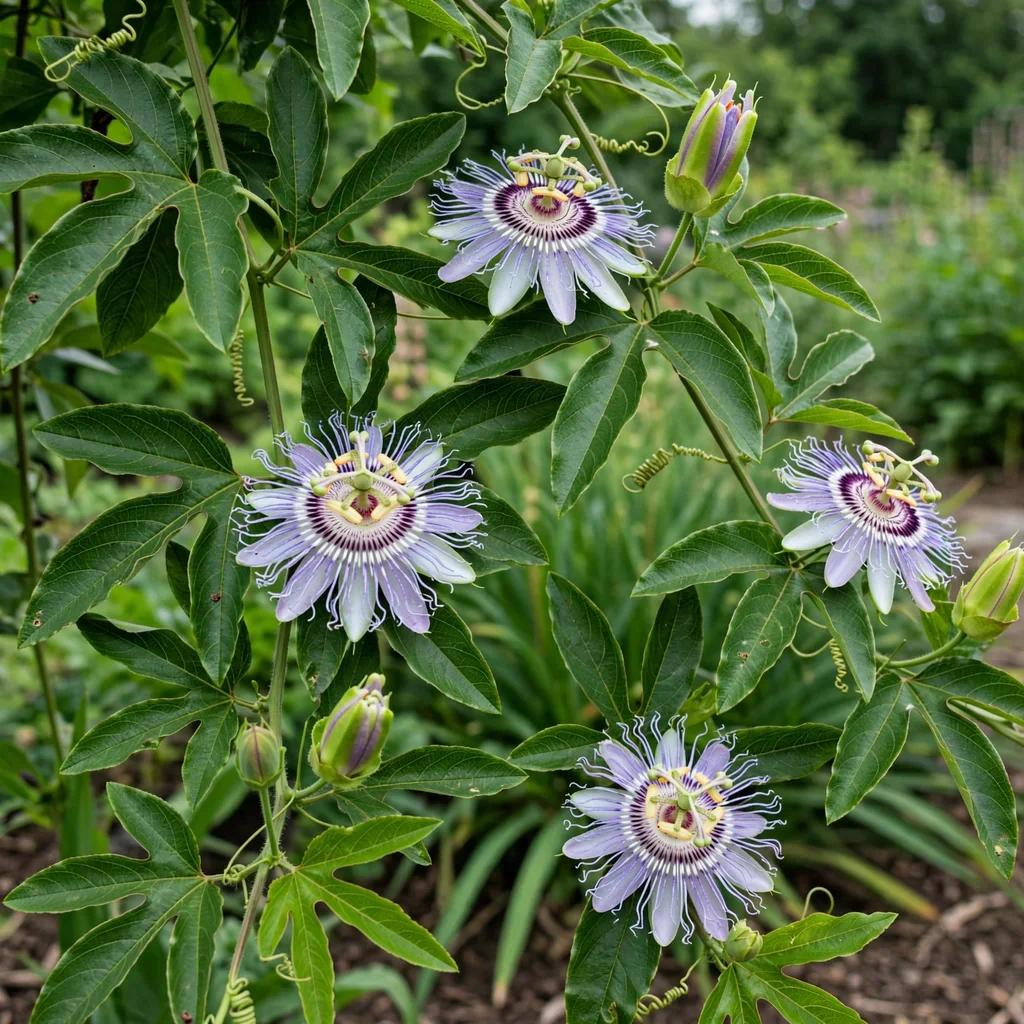
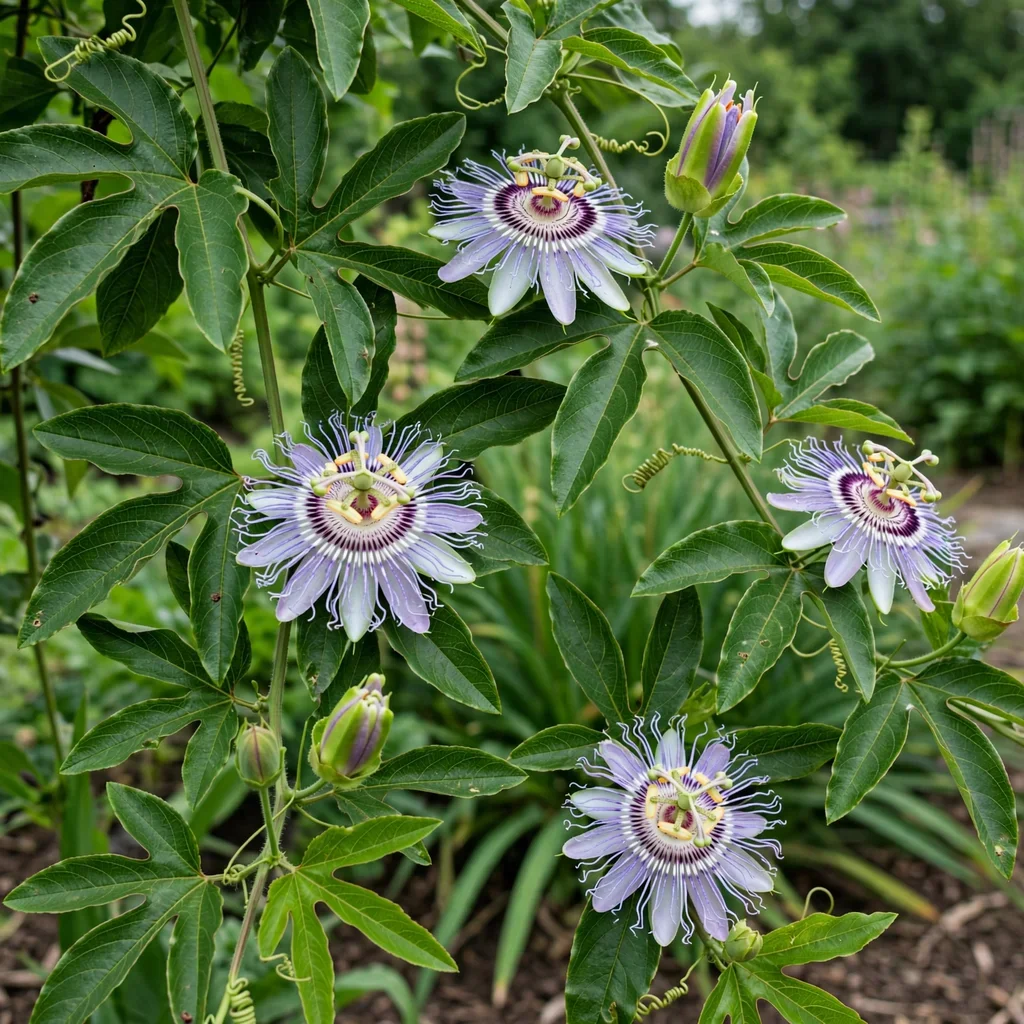
Passion Flower
Ranked by its most-saved matching variety; the full catalog includes 13 varieties. Intricate flowers look almost engineered, followed by fruit on many species.
Zones 5–10All 13 varieties →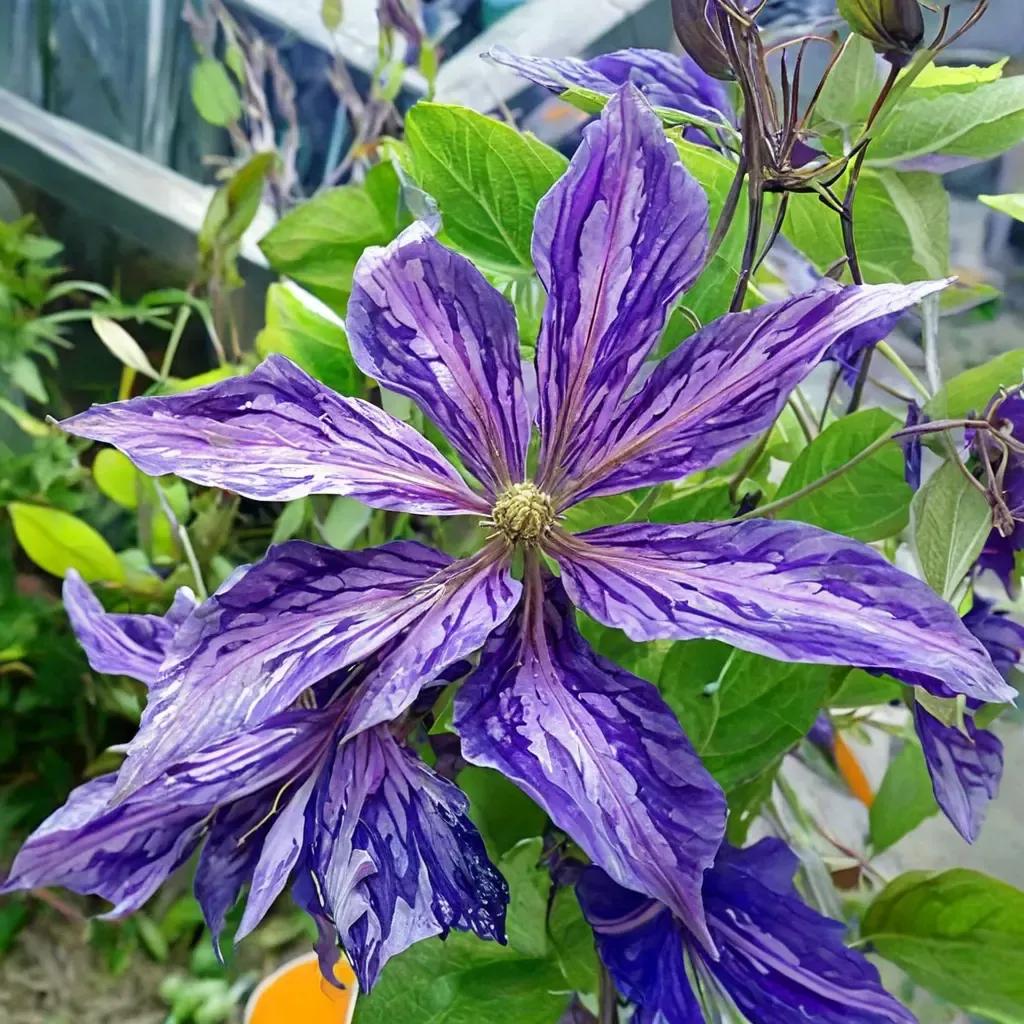
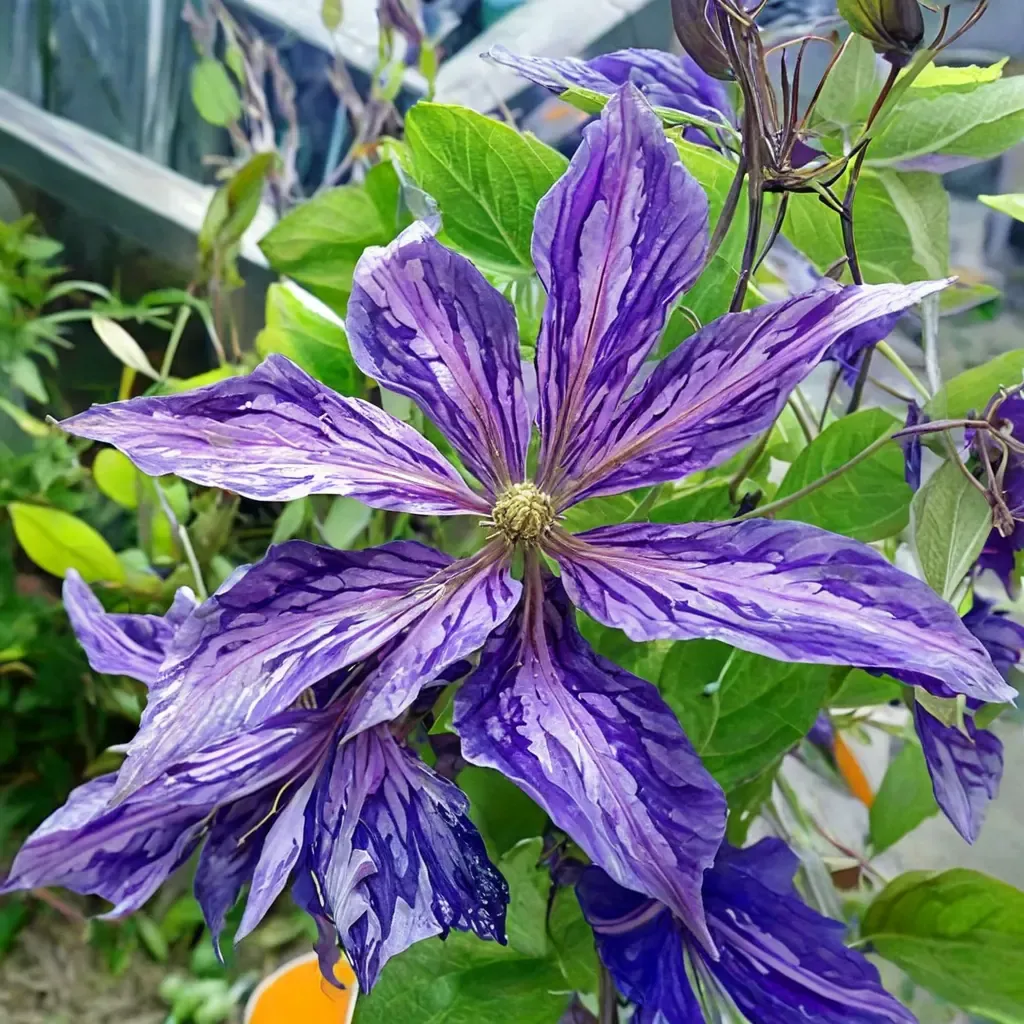
Ranked by its most-saved matching variety; the full catalog includes 225 varieties. A remarkable range of flower forms brings vertical color without a heavy footprint.
Zones 4–9All 225 varieties →
Ranked by its most-saved matching variety; the full catalog includes 12 varieties. Pendant, fragrant flower clusters create a remarkable canopy on a very strong support.
Zones 5–9All 12 varieties →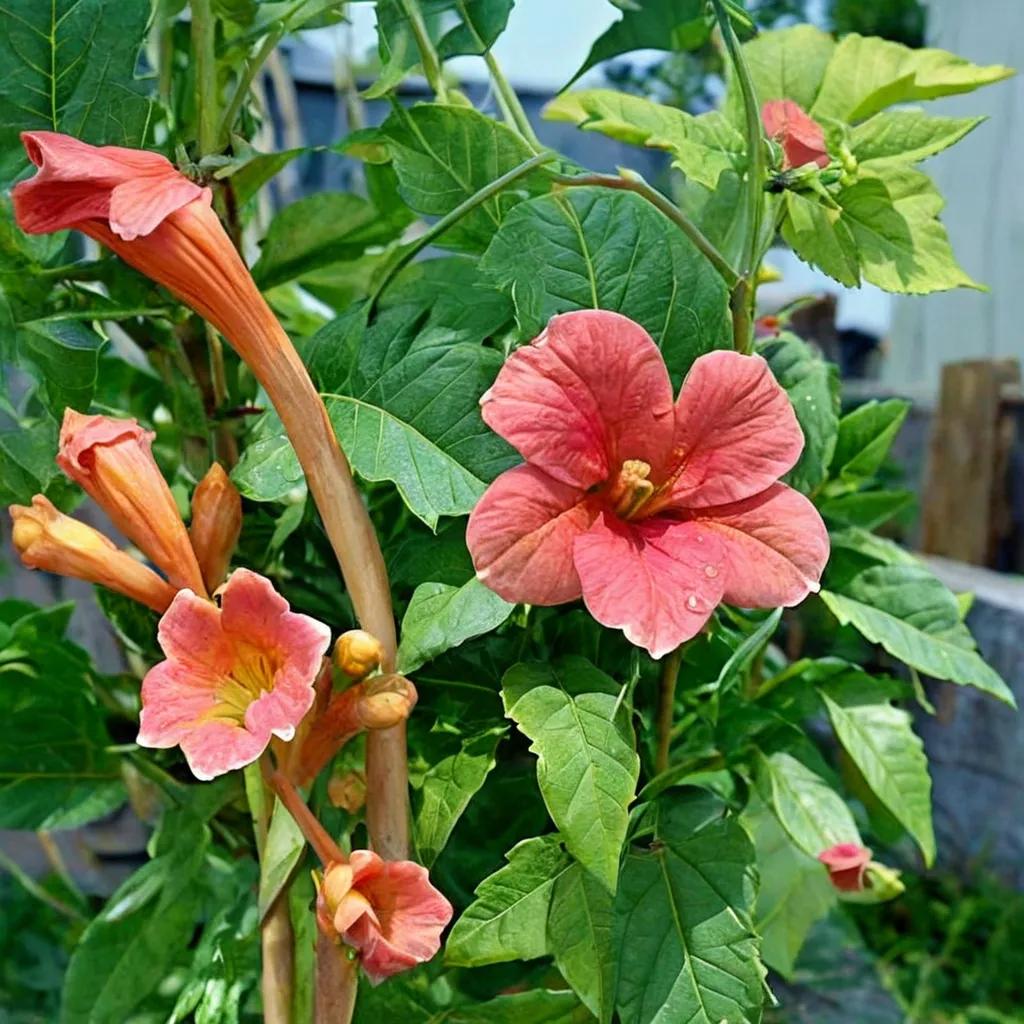
Trumpet Vine
Ranked by its most-saved matching variety; the full catalog includes 4 varieties. Trumpet-shaped summer flowers turn a sturdy support into a hummingbird destination.
Zones 4–9All 4 varieties →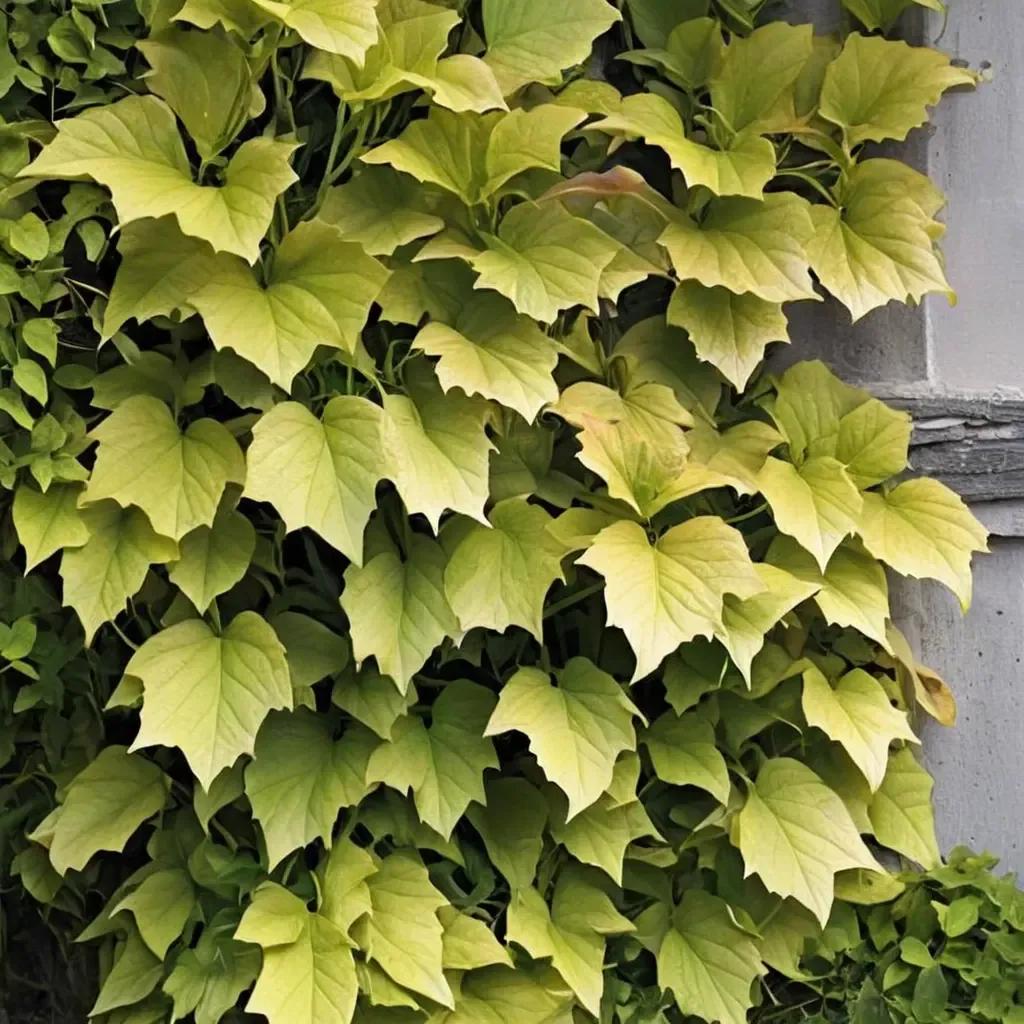
Virginia Creeper
Ranked by its most-saved matching variety; the full catalog includes 5 varieties. Self-clinging foliage covers broad surfaces and finishes with brilliant fall color.
Zones 4–8All 5 varieties →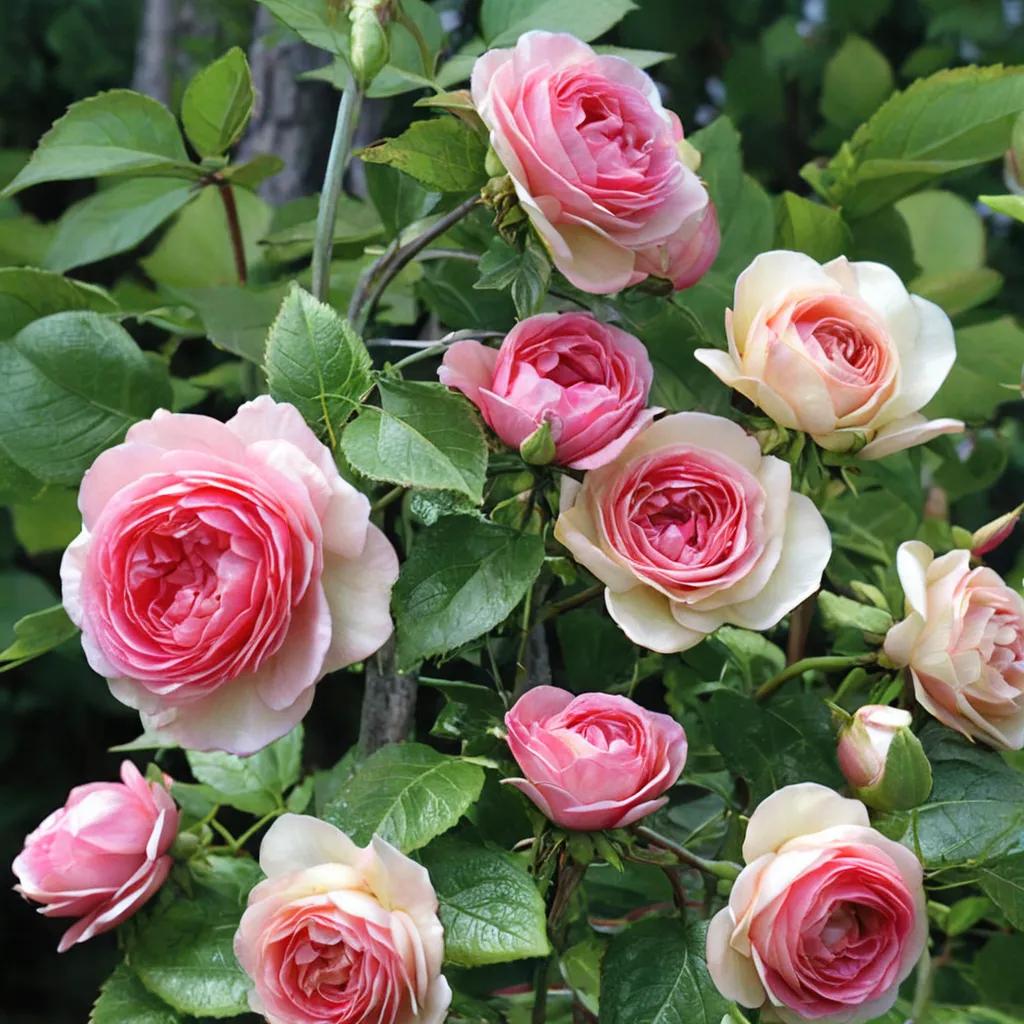 7
7Rosa
Rose
Ranked by its most-saved matching variety; the full catalog includes 293 varieties. No other shrub matches roses for range of habit, fragrance, color, and repeat bloom.
Zones 5–9All 293 varieties →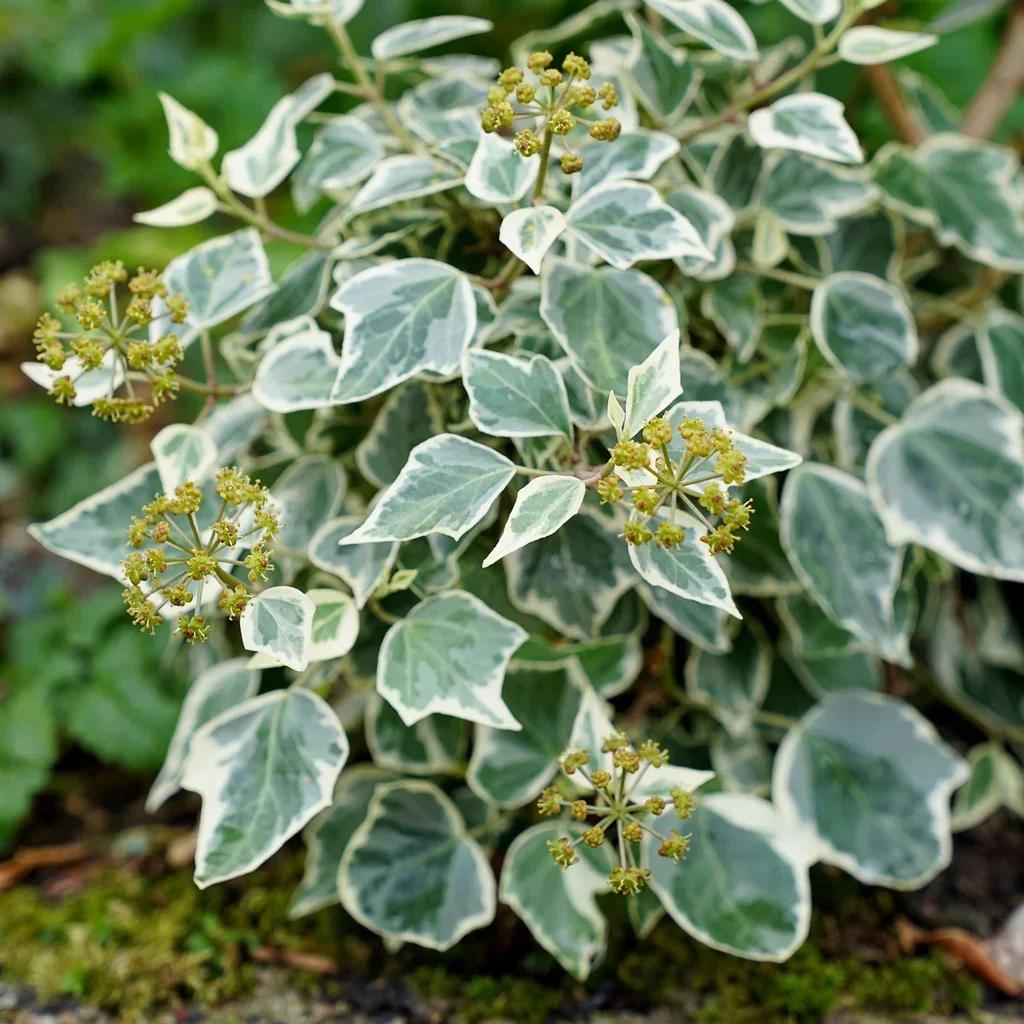
Ivy
Ranked by its most-saved matching variety; the full catalog includes 38 varieties. Evergreen leaves cover walls and ground rapidly, where its vigorous spread can be contained.
Zones 4–10All 38 varieties →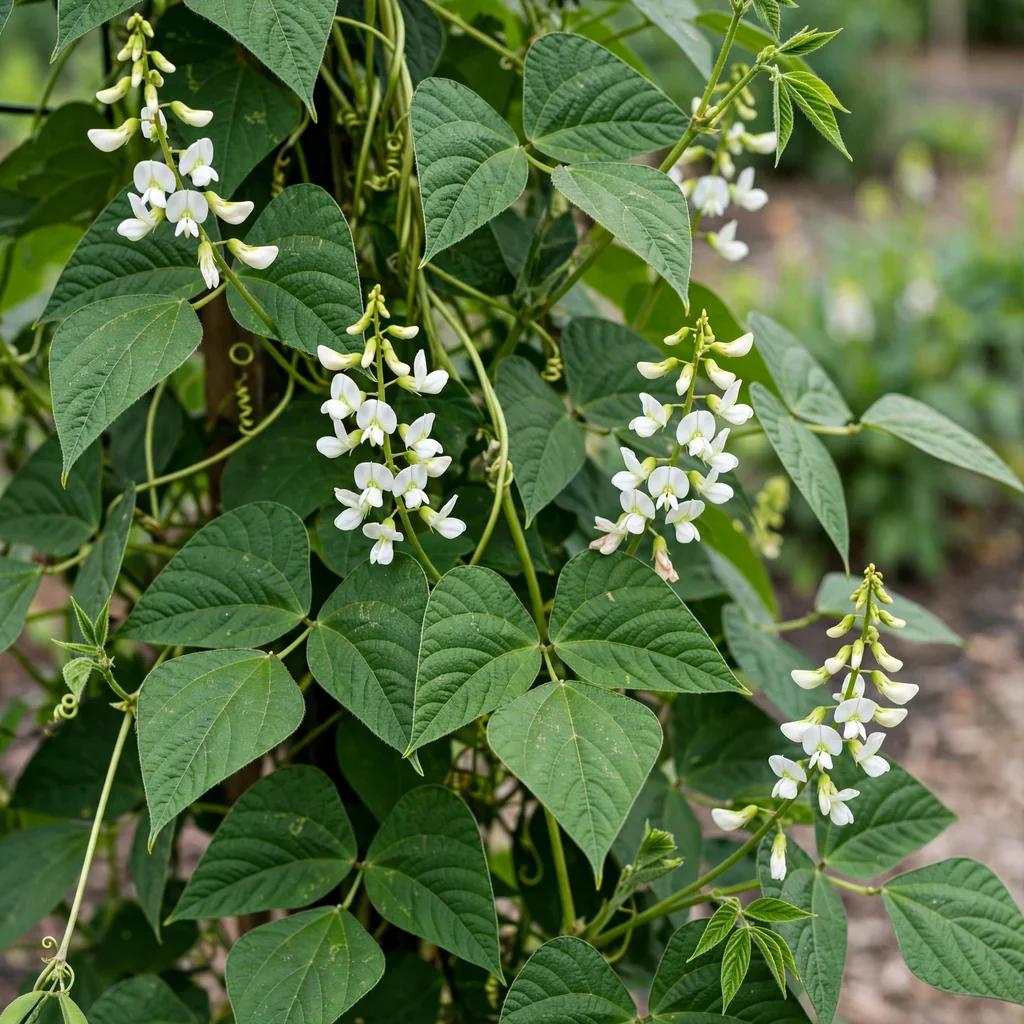
Bean
Ranked by its most-saved matching variety; the full catalog includes 4 varieties. Climbing beans turn vertical space into edible pods while enriching garden variety.
Zones 5–8All 4 varieties →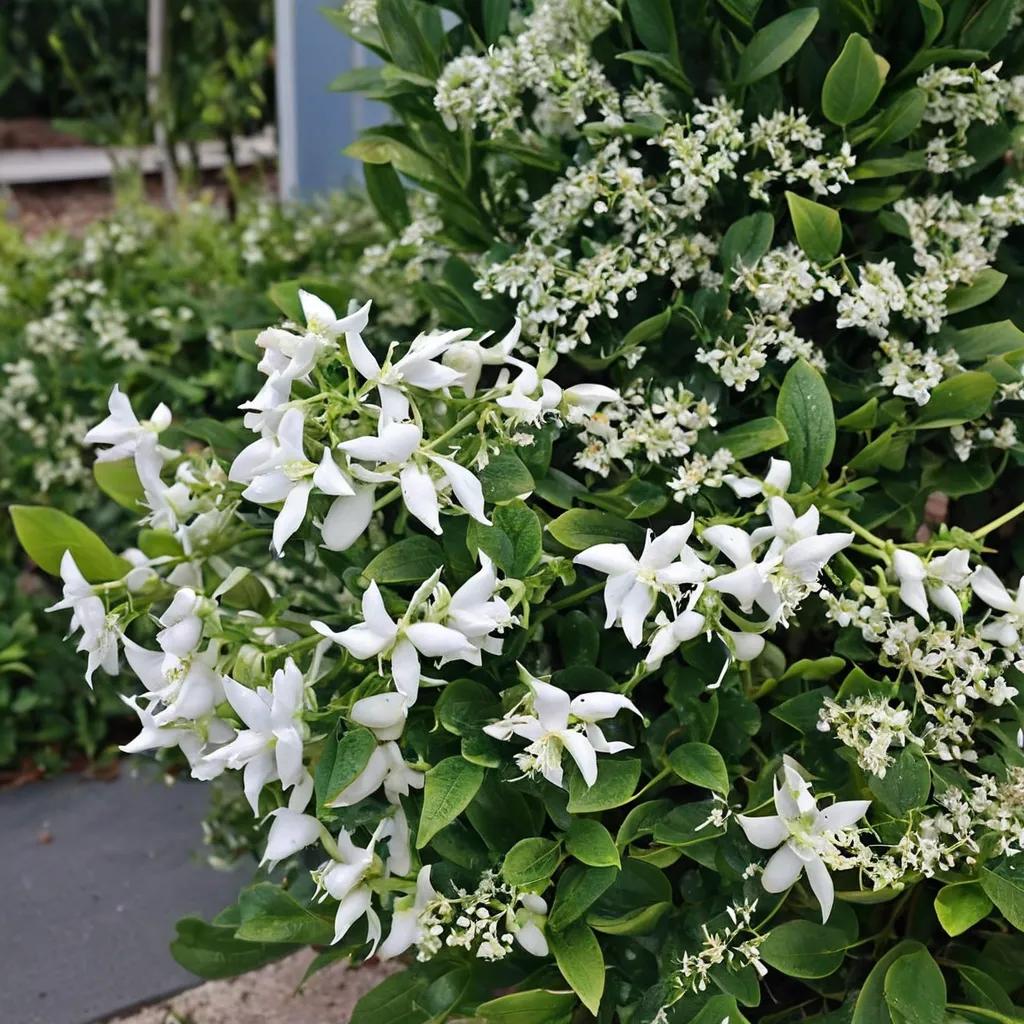
Star Jasmine
Ranked by its most-saved matching variety; the full catalog includes 6 varieties. Glossy evergreen leaves and intensely fragrant white flowers refine a warm wall.
Zones 8–10All 6 varieties →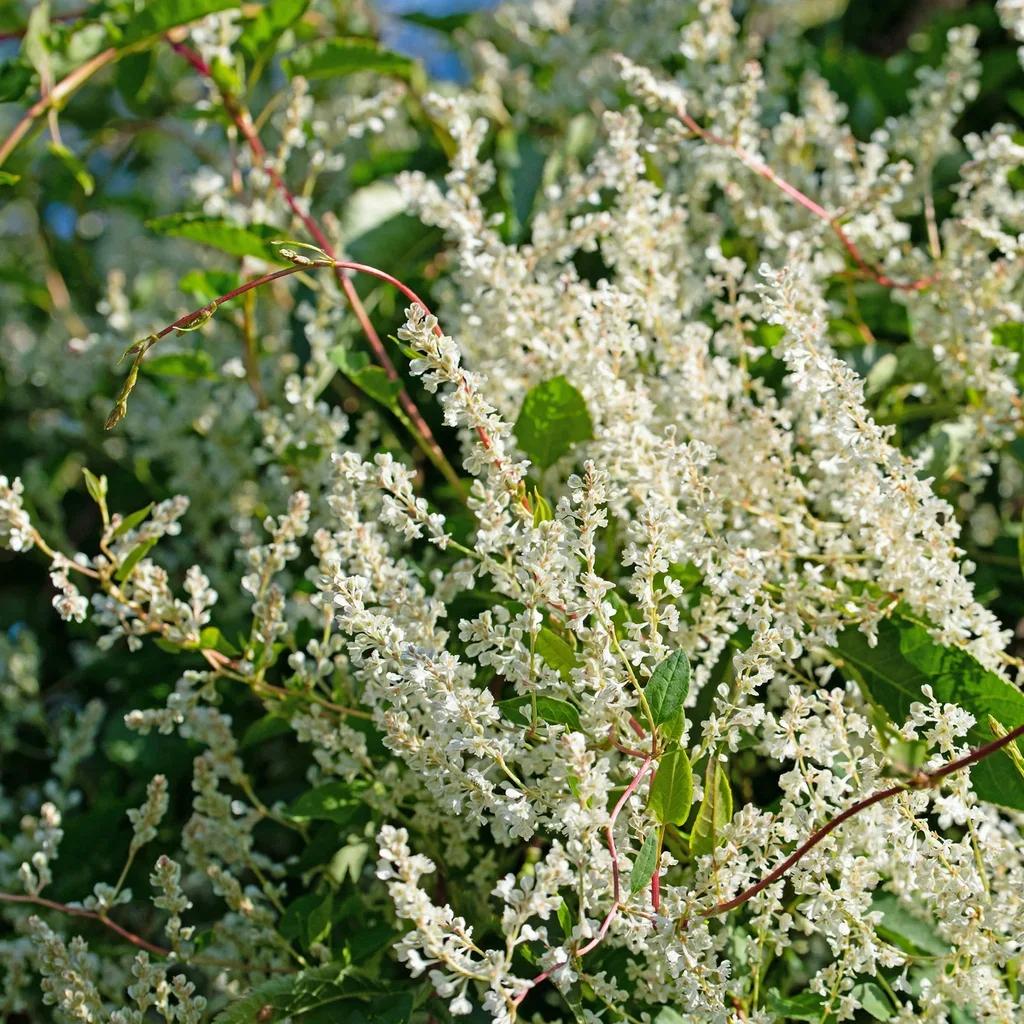
Knotweed
Ranked by its most-saved matching variety; the full catalog includes 5 varieties. Fast twining growth can cover large structures quickly, where spread is carefully managed.
Zones 4–8All 5 varieties →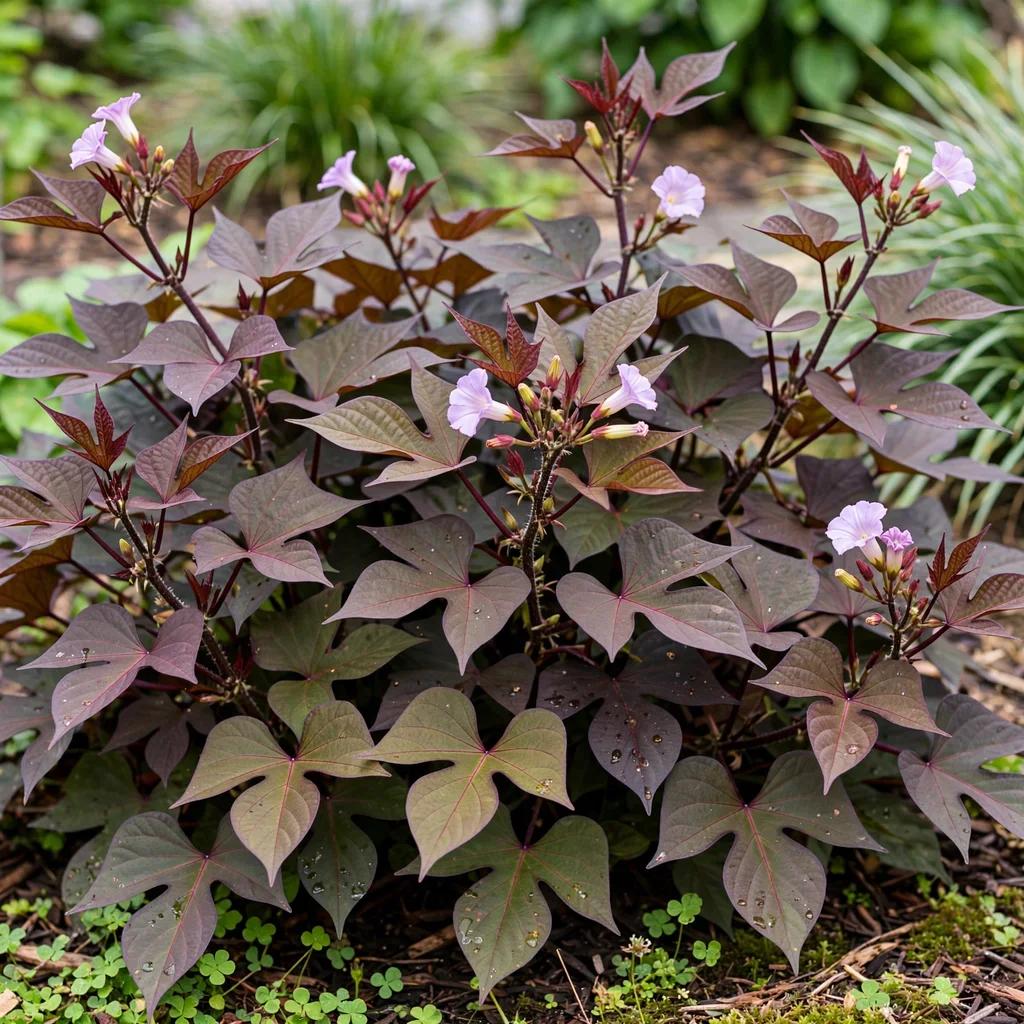 12
12Ipomoea
Morning Glory
Ranked by its most-saved matching variety; the full catalog includes 15 varieties. Heart-shaped leaves and trumpet flowers rapidly dress a sunny vertical surface.
Zones 4–9All 15 varieties →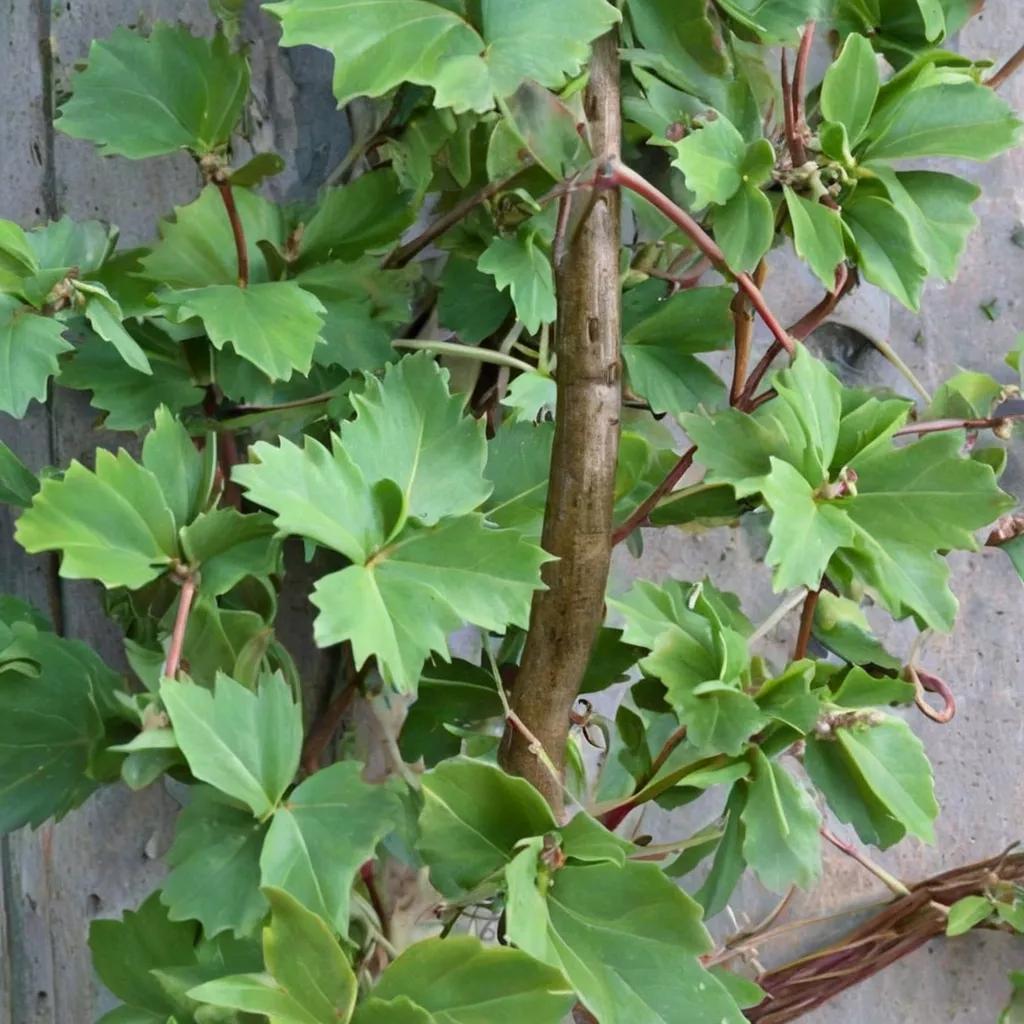 13
13Cissus
Grape Ivy
Ranked by its most-saved matching variety; the full catalog includes 3 varieties. Glossy divided leaves quickly clothe a trellis with a grapevine-like texture.
Zones 4–9All 3 varieties → 14
14Apios
Groundnut
Ranked by its most-saved matching variety; the full catalog includes 1 variety. This North American native vine pairs fragrant pea-like flowers with edible underground tubers.
Zones 5–8All 1 variety →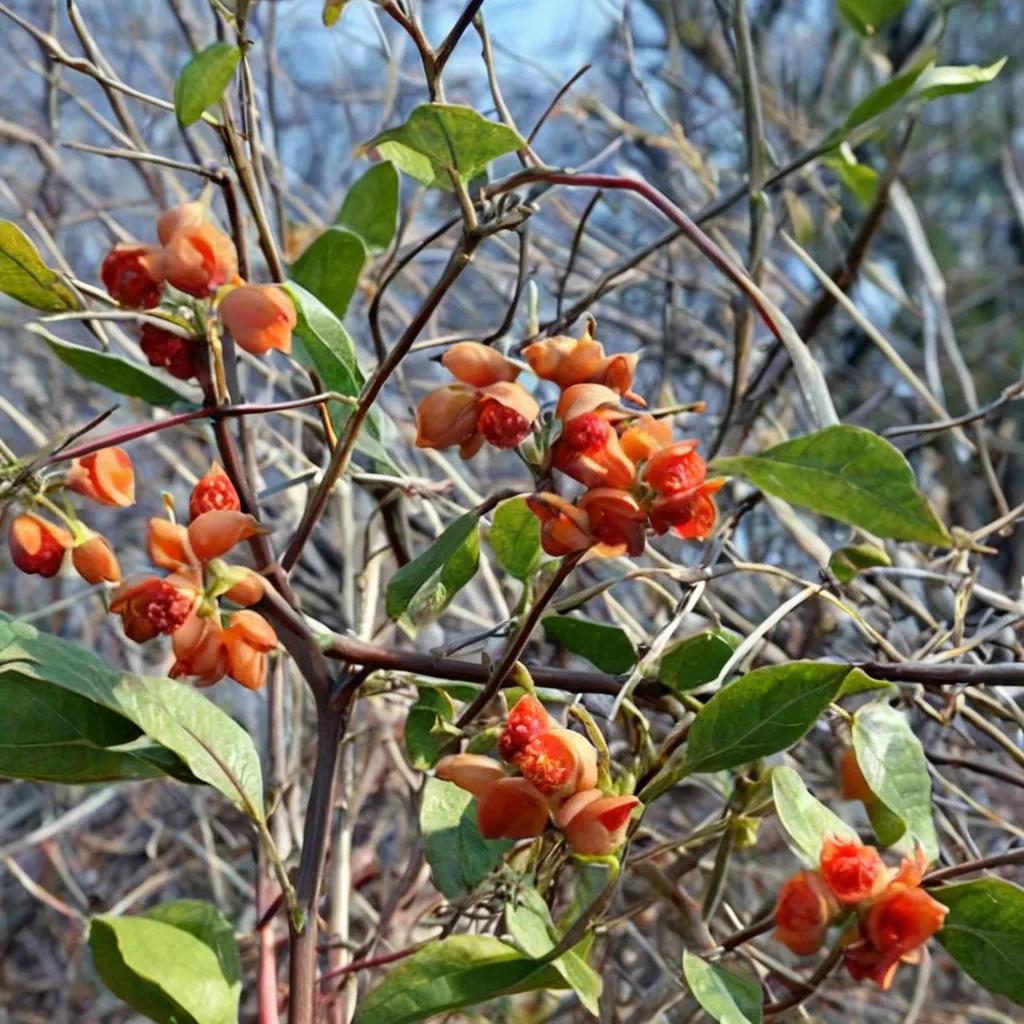
Bittersweet
Ranked by its most-saved matching variety; the full catalog includes 4 varieties. Twining stems and colorful fruit make a strong seasonal screen, where spread is managed.
Zones 4–8All 4 varieties →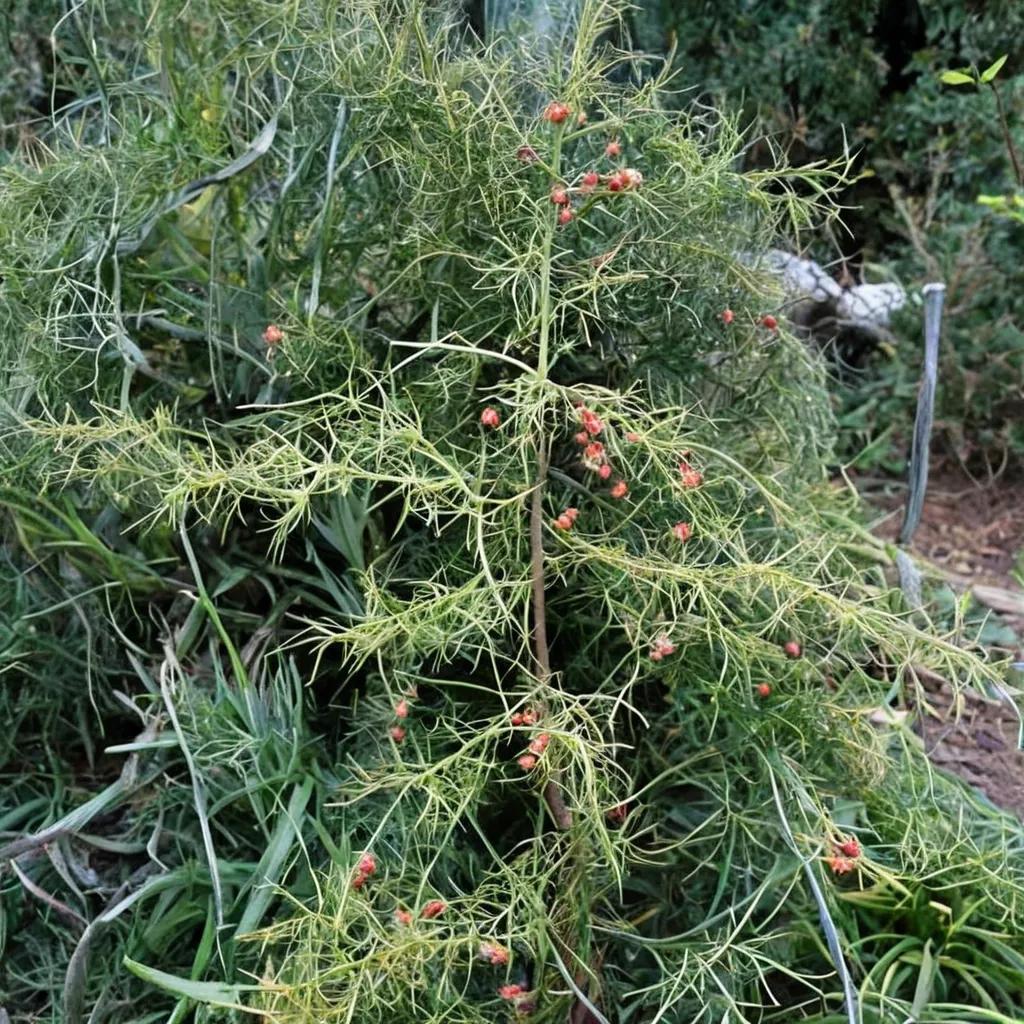
Ranked by its most-saved matching variety; the full catalog includes 19 varieties. One established crown can produce spring spears for many years.
Zones 4–9All 19 varieties →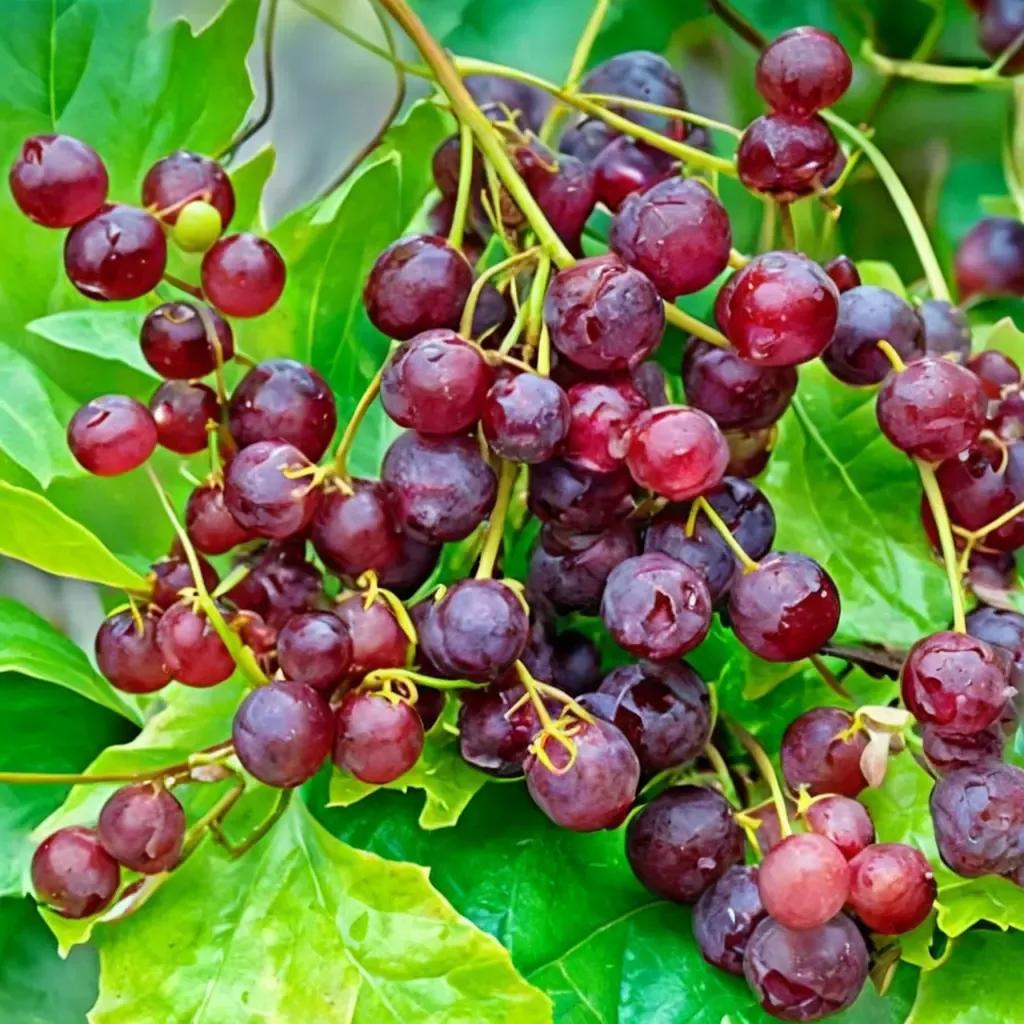 17
17Vitis
Grape
Ranked by its most-saved matching variety; the full catalog includes 11 varieties. Grapevines combine generous shade, sculptural trunks, fall color, and edible clusters.
Zones 6–10All 11 varieties →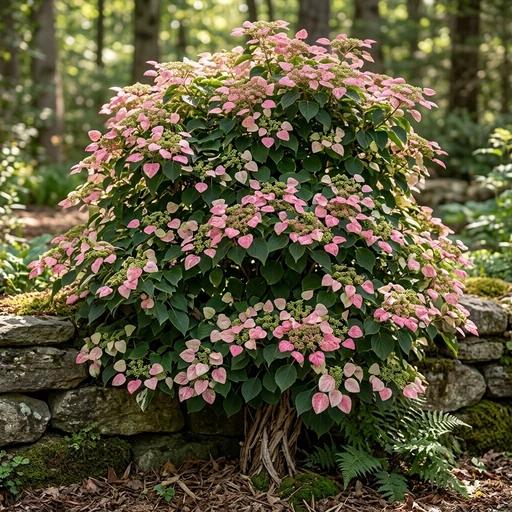
Ranked by its most-saved matching variety; the full catalog includes 110 varieties. Generous flower heads and long-lasting structure carry a border from summer onward.
Zones 5–9All 110 varieties →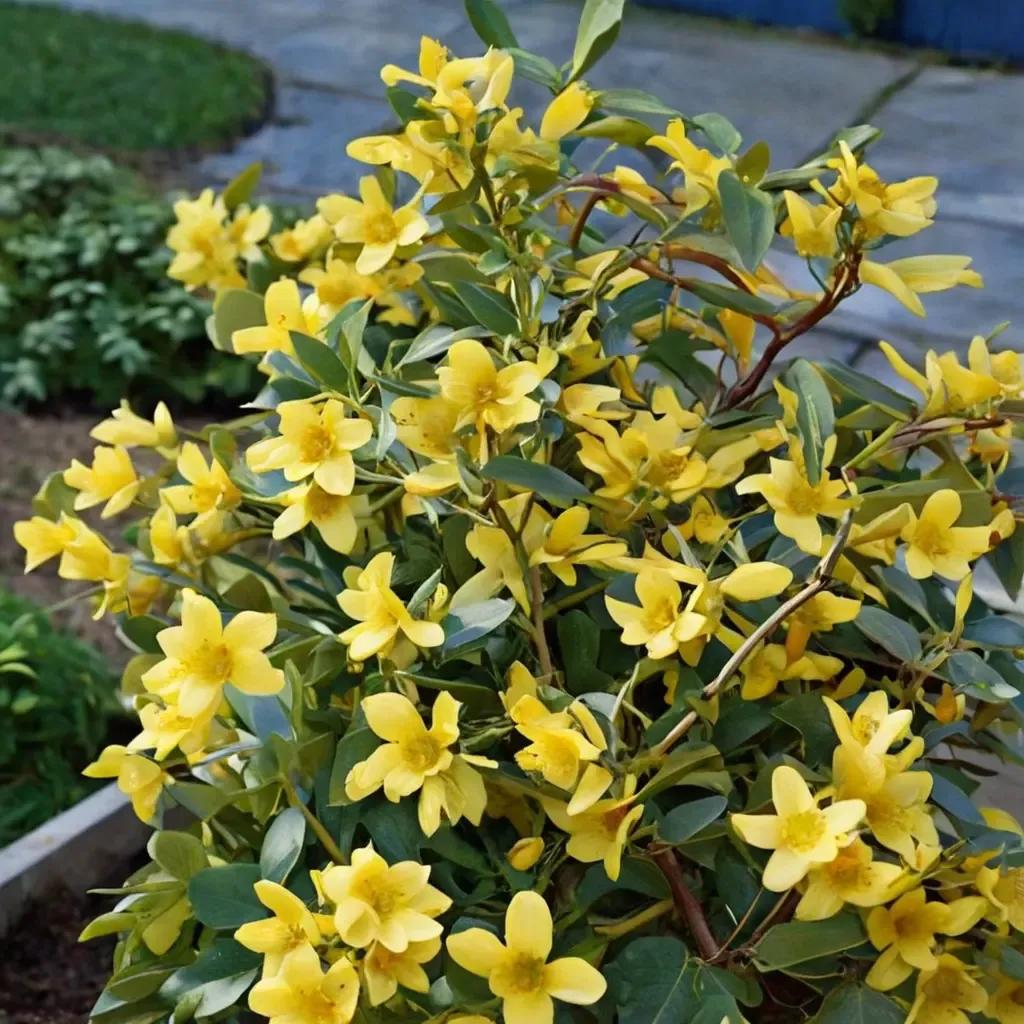
Jessamine
Ranked by its most-saved matching variety; the full catalog includes 2 varieties. Its representative is notable for being North American native and dry-spell tolerant.
Zones 6–10All 2 varieties → 20
20Akebia
Ranked by its most-saved matching variety; the full catalog includes 1 variety. Fine leaflets and unusual chocolate-scented flowers soften screens and pergolas.
Zones 4–8All 1 variety →
About this list
How was this the most popular climbing vines list ranked?
A plant must first match the catalog filters named in the title. Each genus is represented and ranked by its most-saved matching variety, so genera with many cultivars do not receive an automatic advantage.
How do vines climb — do they need support?
It depends how they grip: twiners (clematis, honeysuckle) need something thin to wrap; tendril climbers (passionflower) need wire or trellis; clingers (climbing hydrangea, ivy) attach to masonry on their own — great on stone, risky on wood or siding.
Which vines are aggressive?
Wisteria, trumpet vine, and some honeysuckles can overwhelm structures and neighbors if unmanaged. Give them a sturdy support and a yearly prune, or choose a better-behaved clematis for smaller spaces.
Track these in your garden
Save the ones you plant and get care reminders timed to your zone.
Keep exploring
Browse & shop
More popularity lists
- Most Popular Perennials for Shade
- Most Popular Deer-Resistant Perennials
- Most Popular Plants Tagged for Pollinators
- Most Popular Drought-Tolerant Plants
- Most Popular Flowering Shrubs
- Most Popular Groundcovers for Shade
- Most Popular Privacy Shrubs and Screening Plants
- Most Popular North American Native Perennials