Popularity, clearly labeled
The Most Popular Climbing Vines in Zone 4
Among plants cataloged as vines, these are the genera Sow gardeners save most. Check mature size, support needs, and local invasiveness guidance before planting. Every representative here is catalog-rated hardy in Zone 4, whose standard minimum-temperature band begins near -30°F. The popularity ranking is recomputed only among matching Zone 4 records; hardiness alone does not establish that a plant will thrive on a particular site.
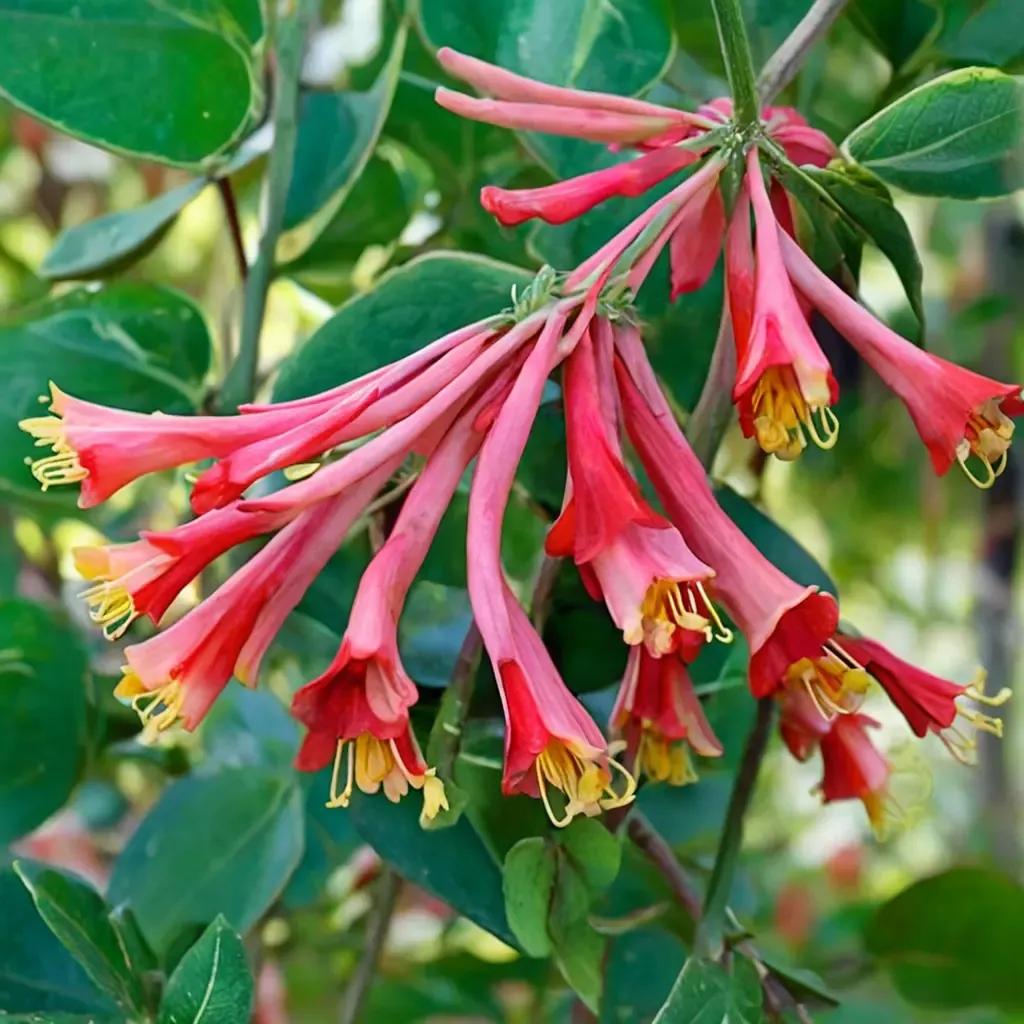
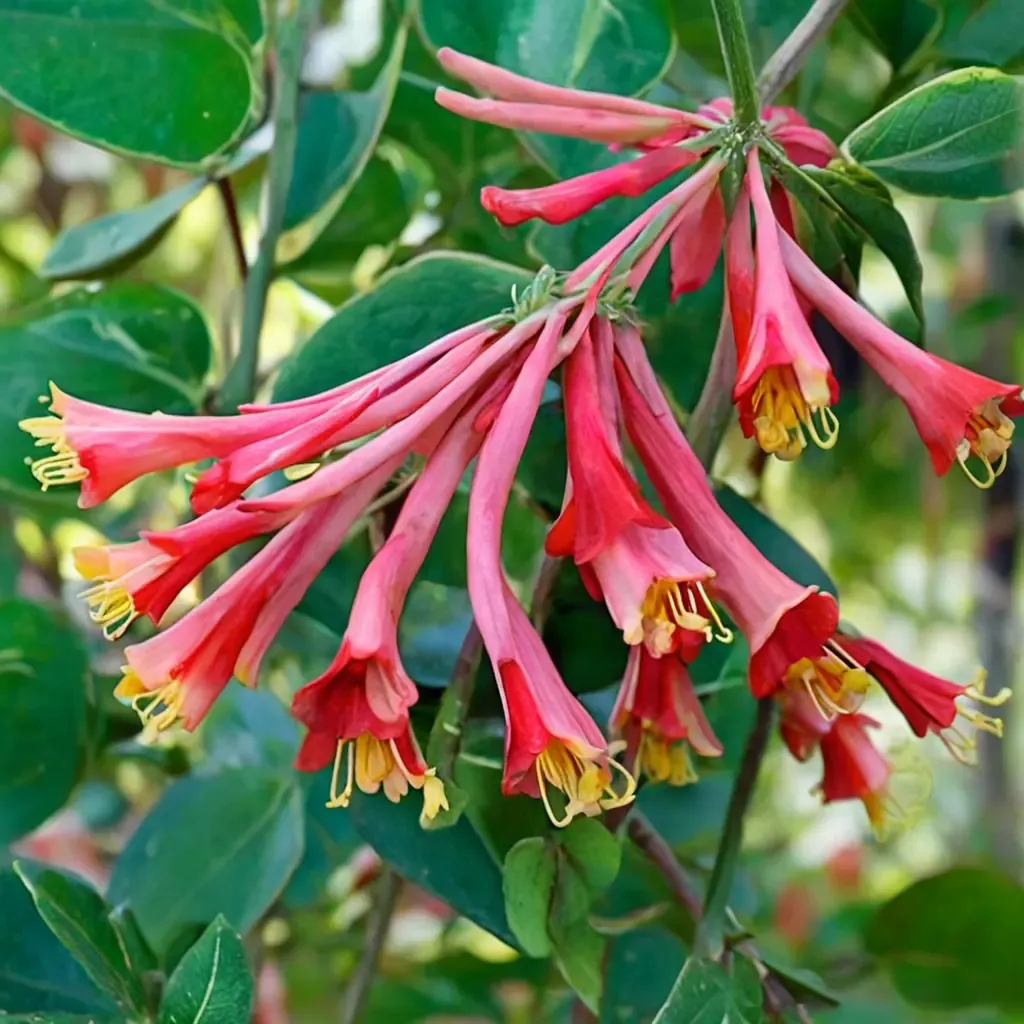
Honeysuckle
Ranked by its most-saved matching variety; the full catalog includes 23 varieties. Tubular, often fragrant flowers turn fences into nectar-rich habitat.
Zones 4–10All 23 varieties →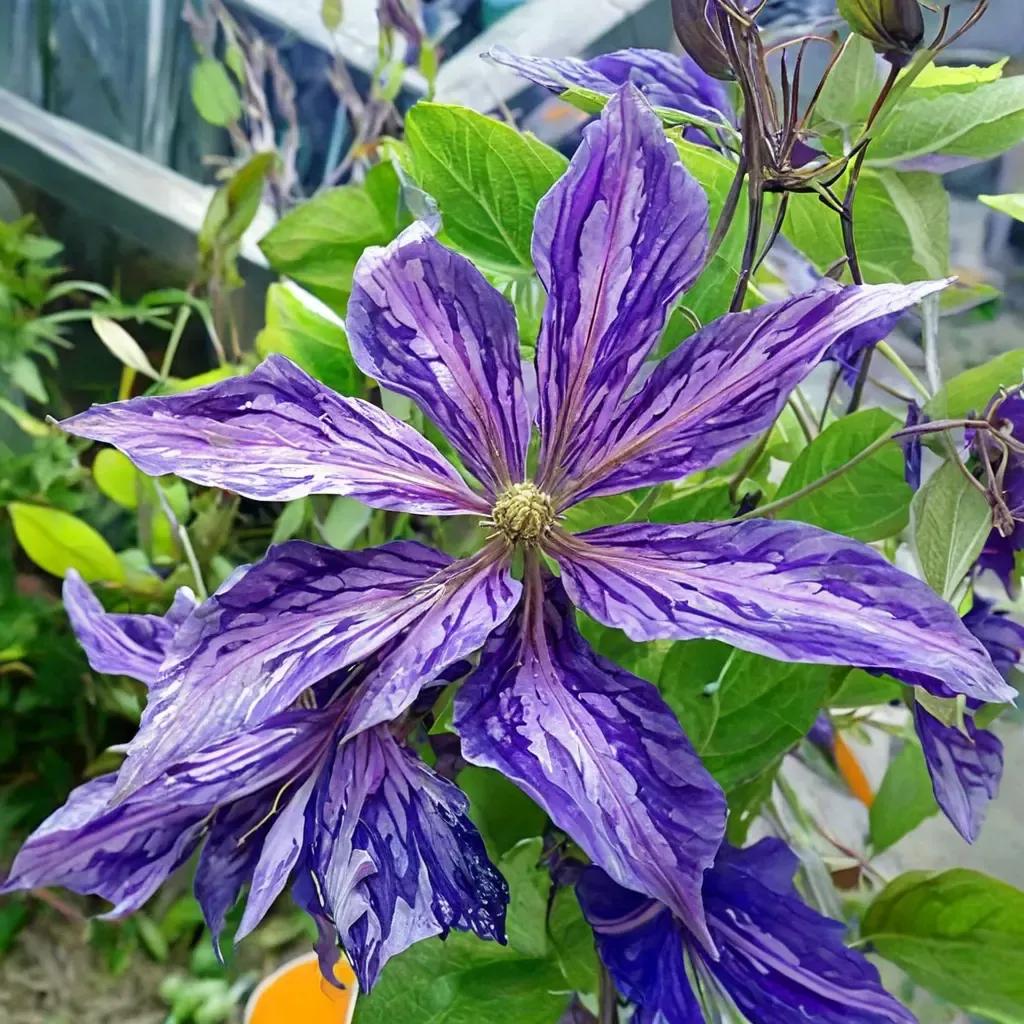
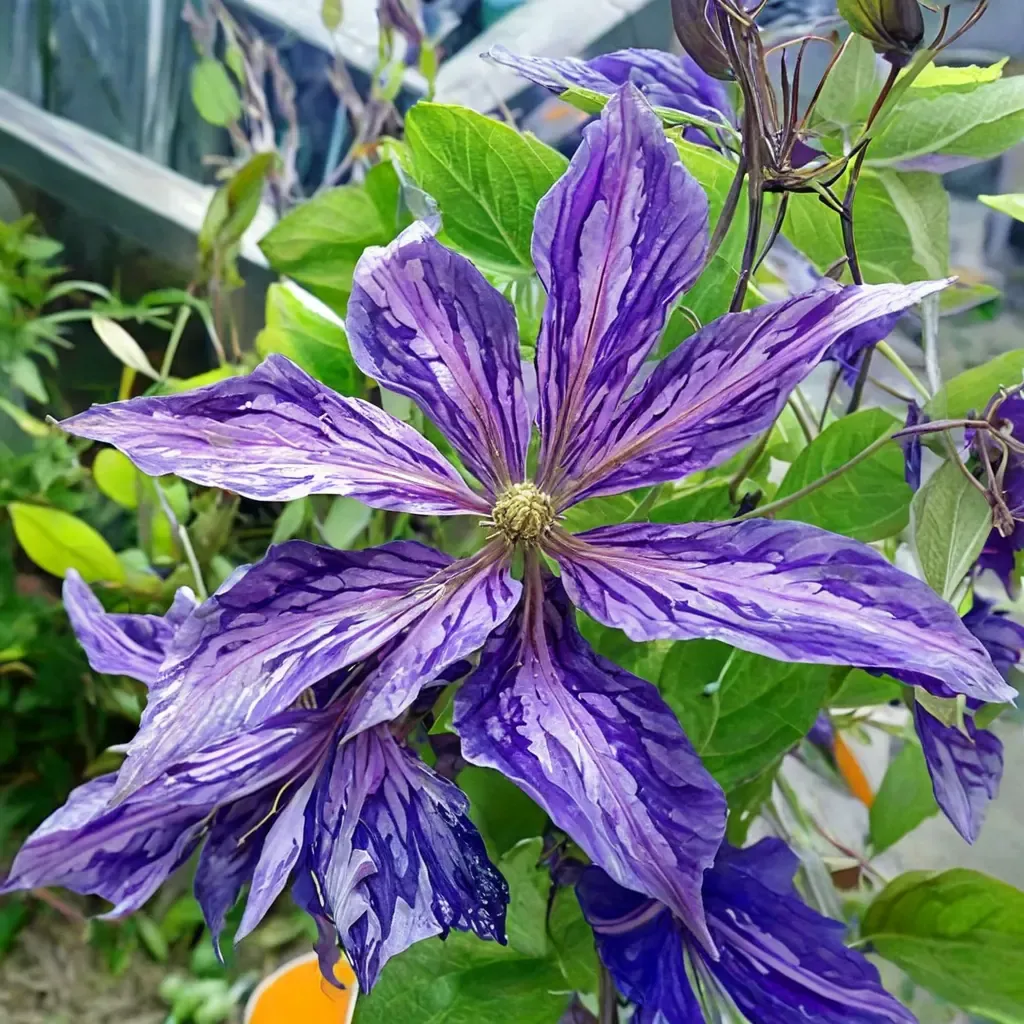
Ranked by its most-saved matching variety; the full catalog includes 225 varieties. A remarkable range of flower forms brings vertical color without a heavy footprint.
Zones 4–9All 225 varieties →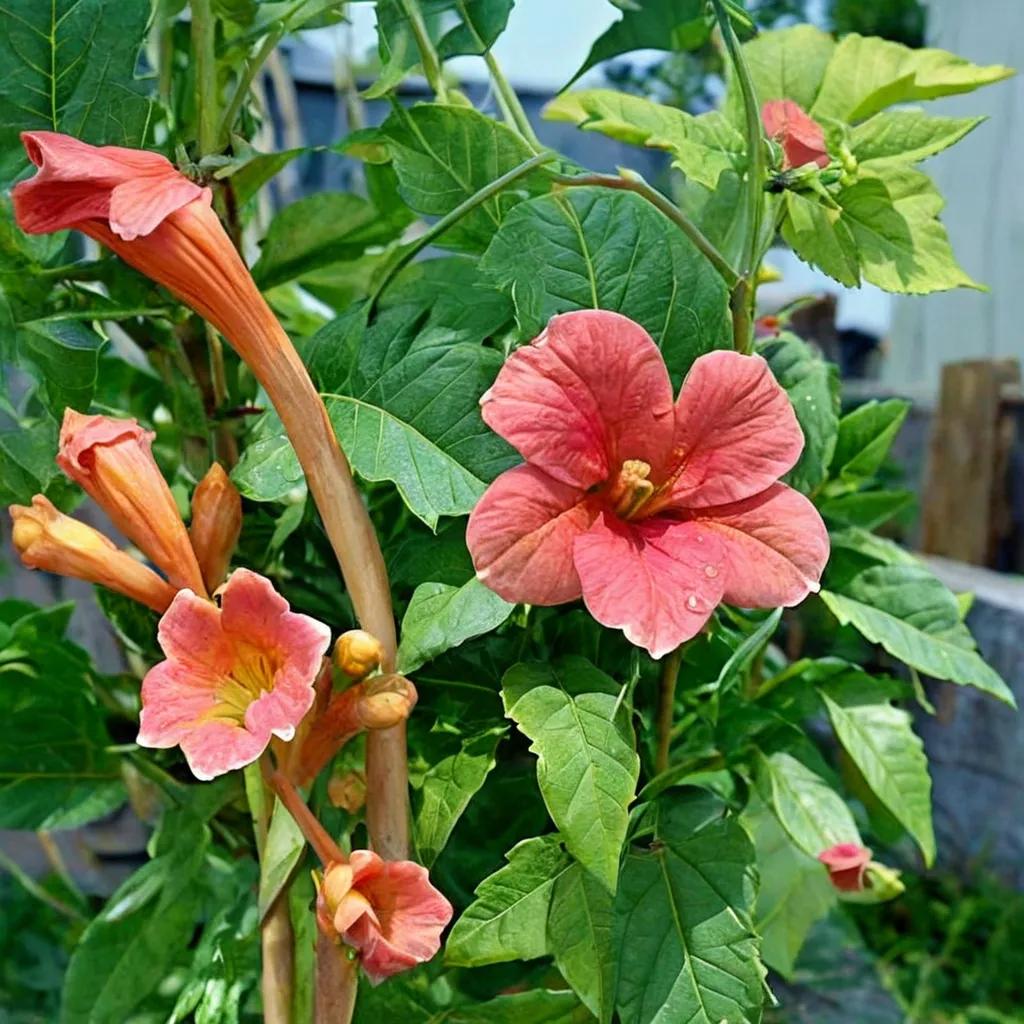
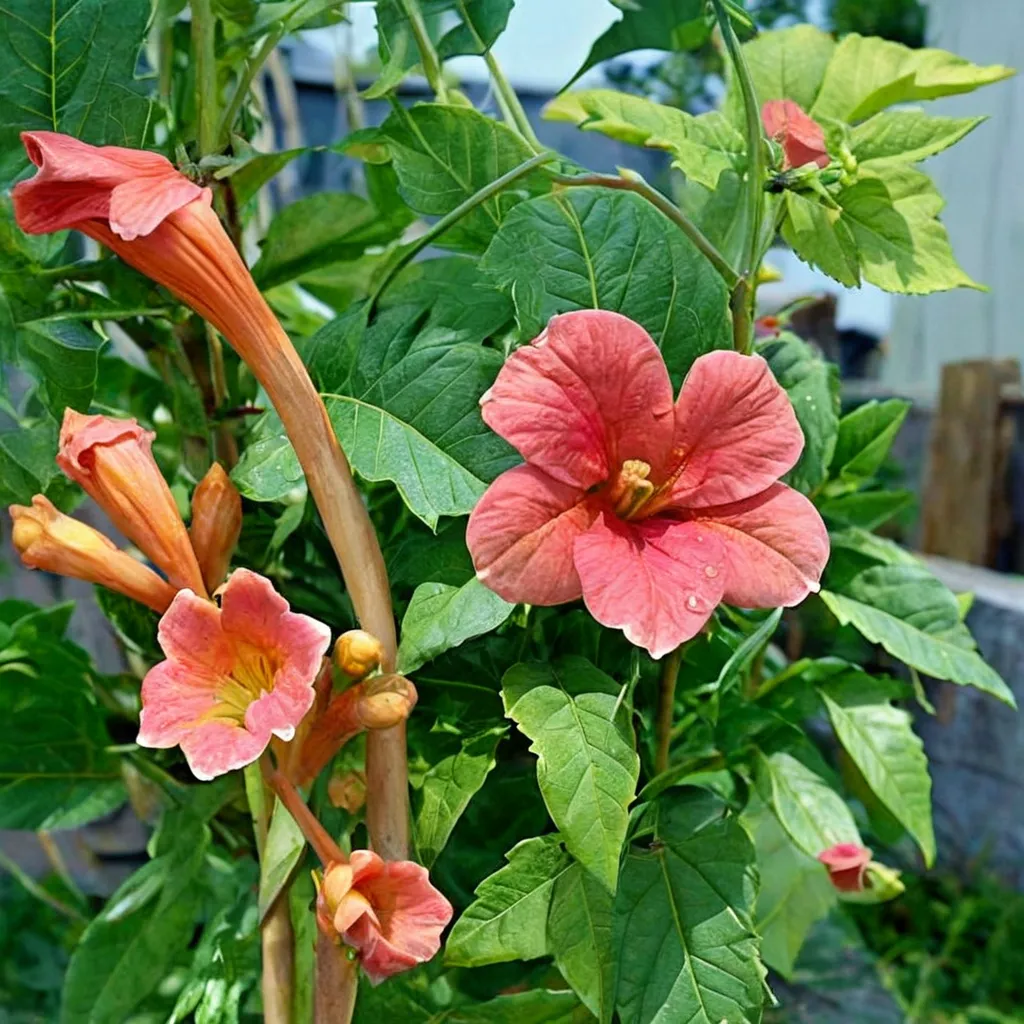
Trumpet Vine
Ranked by its most-saved matching variety; the full catalog includes 4 varieties. Trumpet-shaped summer flowers turn a sturdy support into a hummingbird destination.
Zones 4–9All 4 varieties →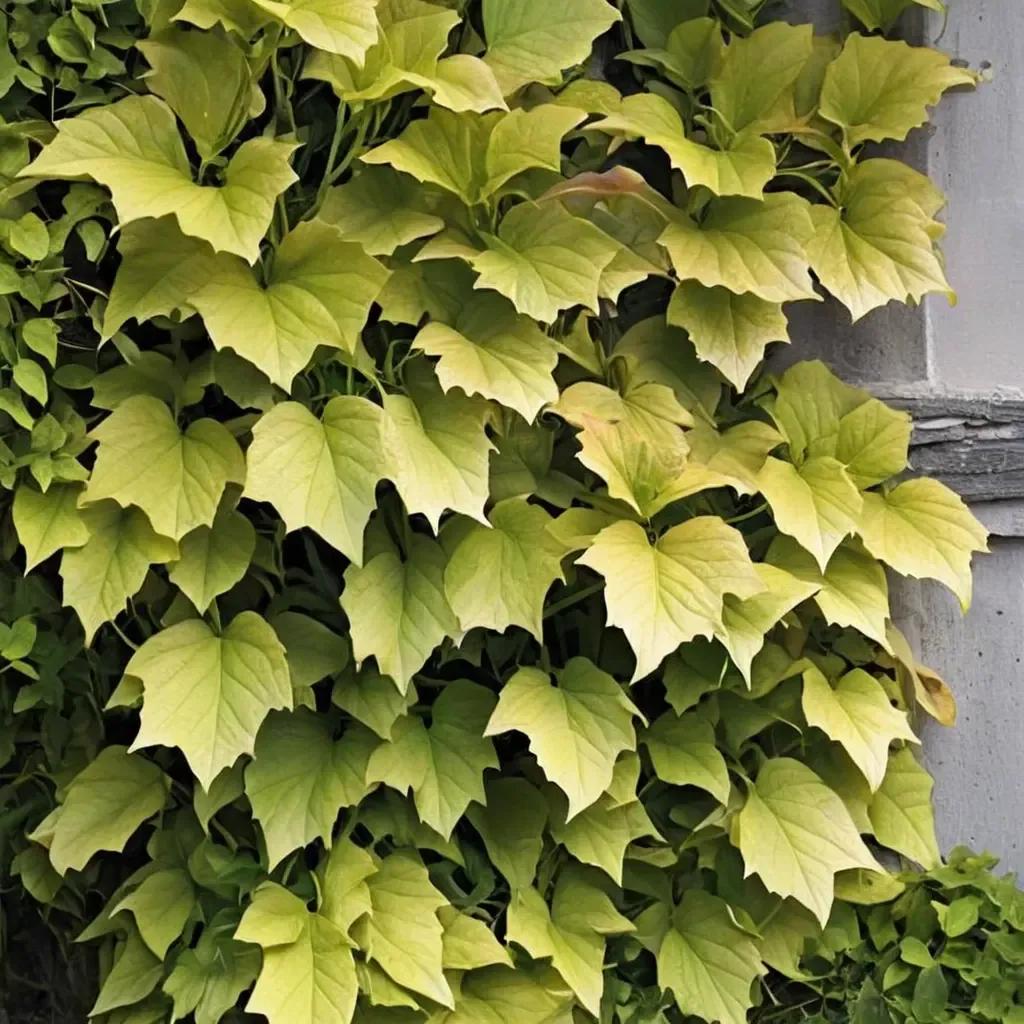
Virginia Creeper
Ranked by its most-saved matching variety; the full catalog includes 5 varieties. Self-clinging foliage covers broad surfaces and finishes with brilliant fall color.
Zones 4–8All 5 varieties →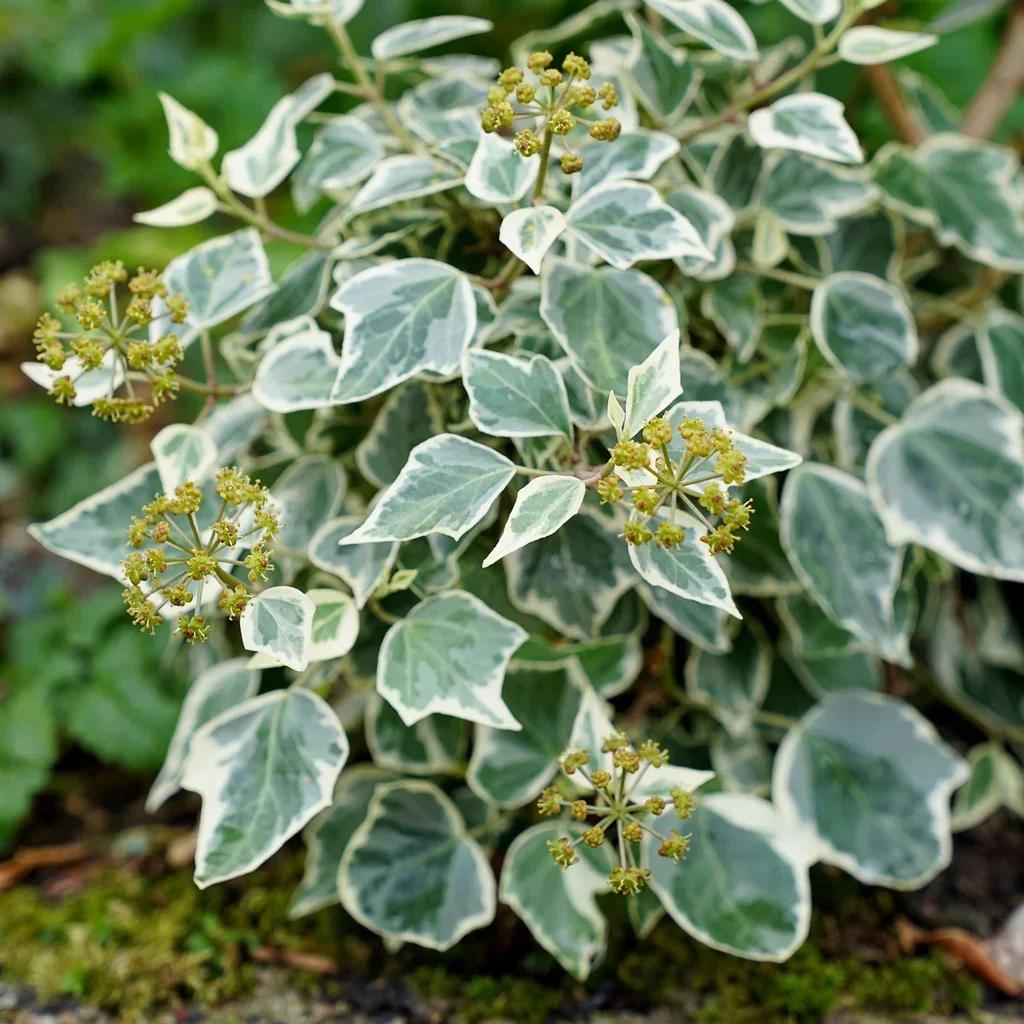
Ivy
Ranked by its most-saved matching variety; the full catalog includes 38 varieties. Evergreen leaves cover walls and ground rapidly, where its vigorous spread can be contained.
Zones 4–10All 38 varieties →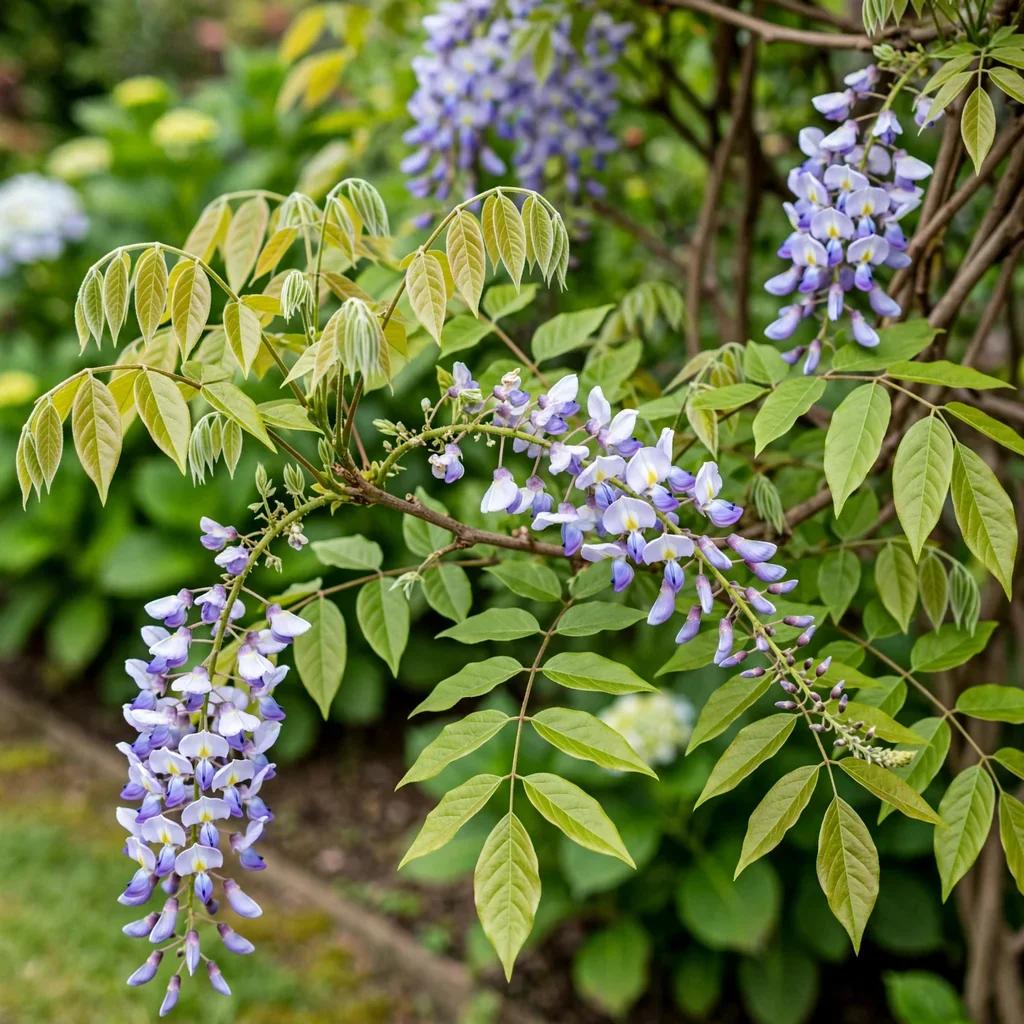
Ranked by its most-saved matching variety; the full catalog includes 12 varieties. Pendant, fragrant flower clusters create a remarkable canopy on a very strong support.
Zones 4–9All 12 varieties →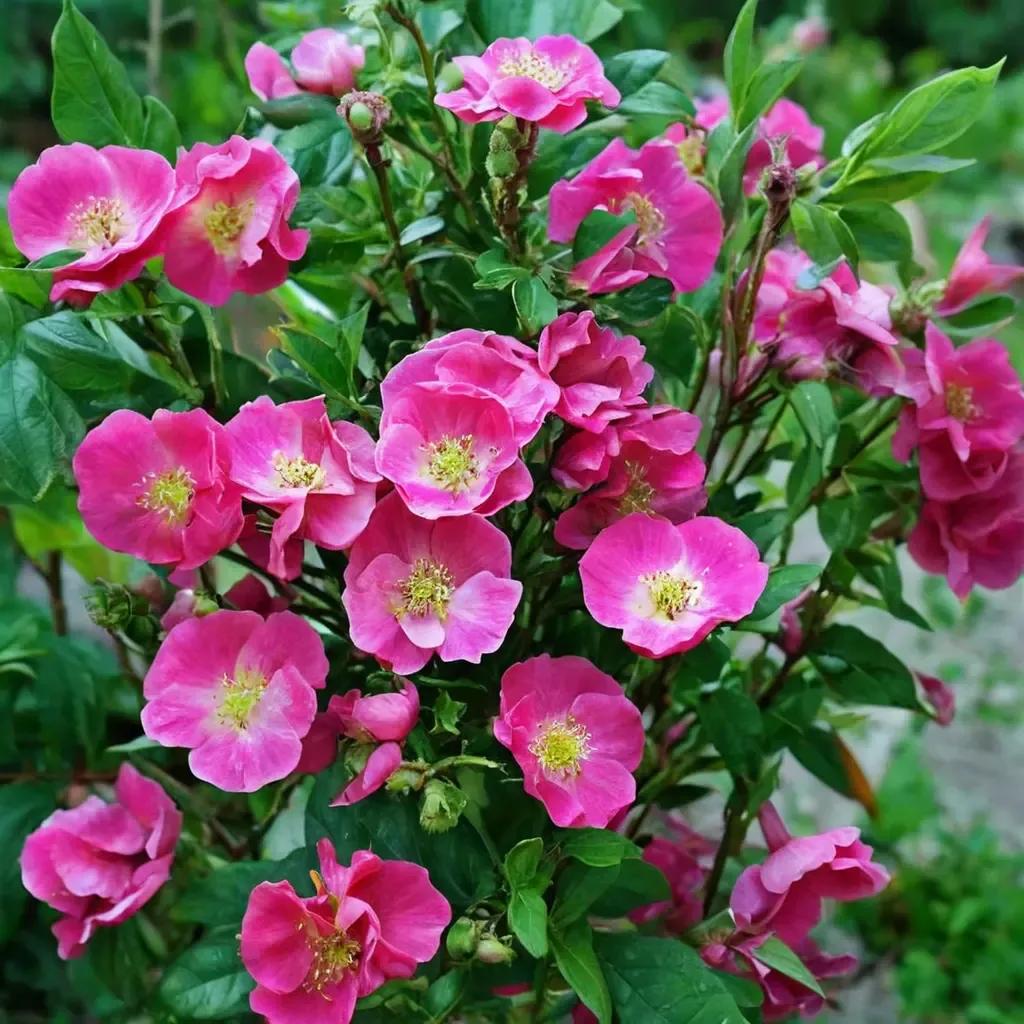 7
7Rosa
Rose
Ranked by its most-saved matching variety; the full catalog includes 293 varieties. No other shrub matches roses for range of habit, fragrance, color, and repeat bloom.
Zones 4–8All 293 varieties →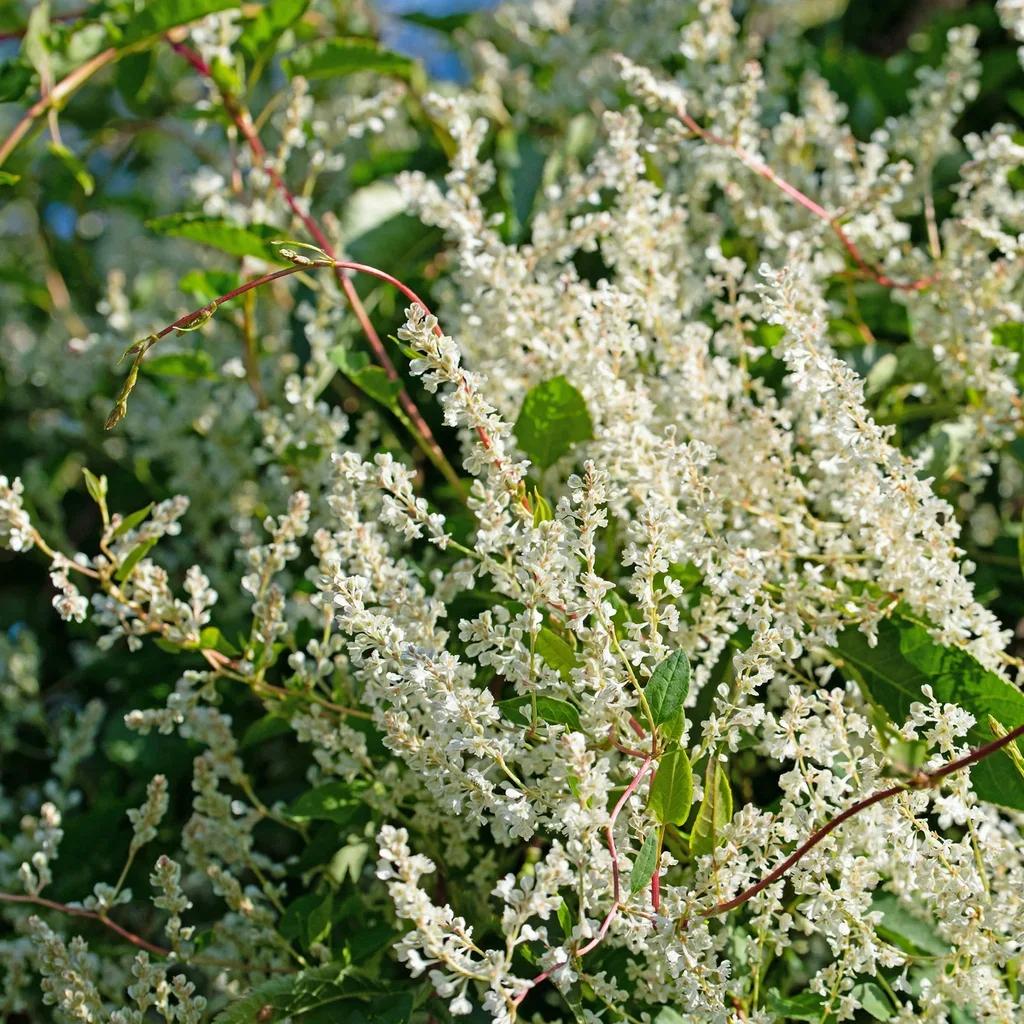
Knotweed
Ranked by its most-saved matching variety; the full catalog includes 5 varieties. Fast twining growth can cover large structures quickly, where spread is carefully managed.
Zones 4–8All 5 varieties →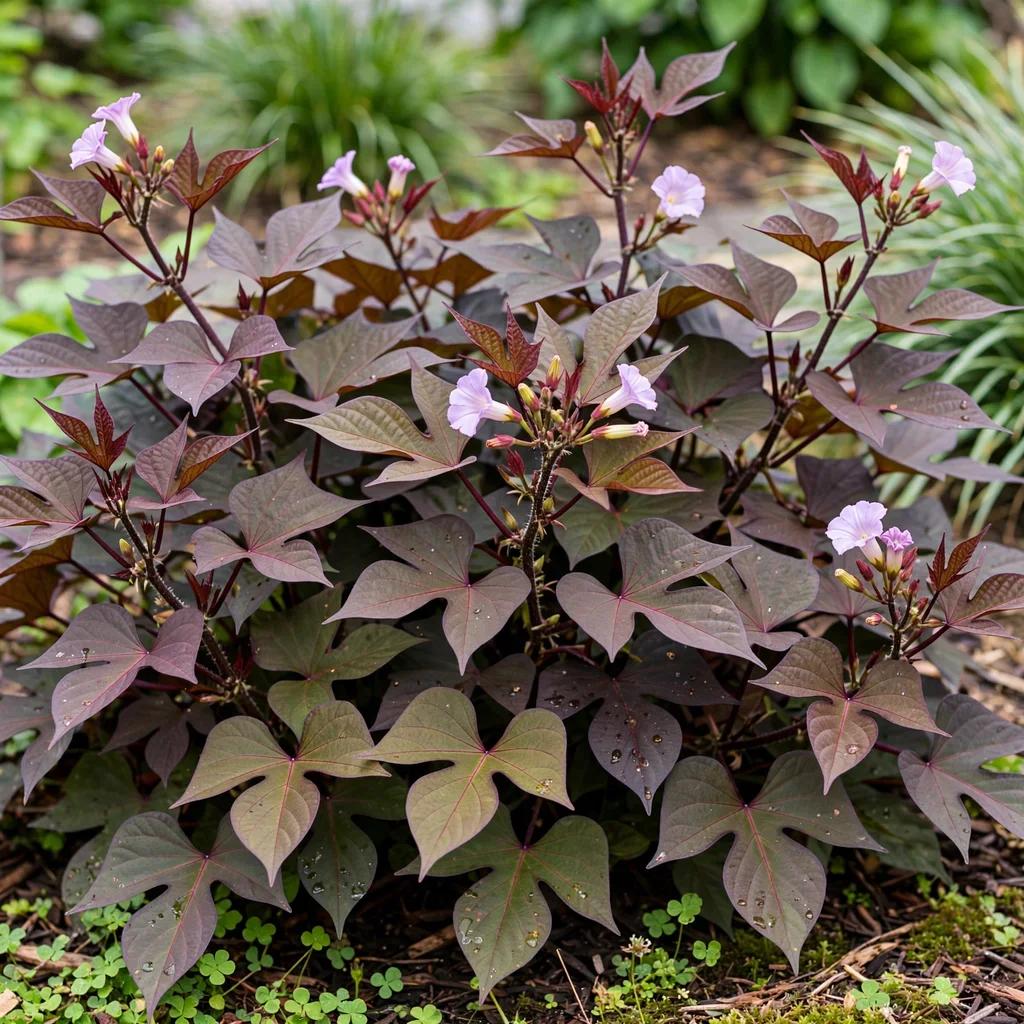
Morning Glory
Ranked by its most-saved matching variety; the full catalog includes 15 varieties. Heart-shaped leaves and trumpet flowers rapidly dress a sunny vertical surface.
Zones 4–9All 15 varieties →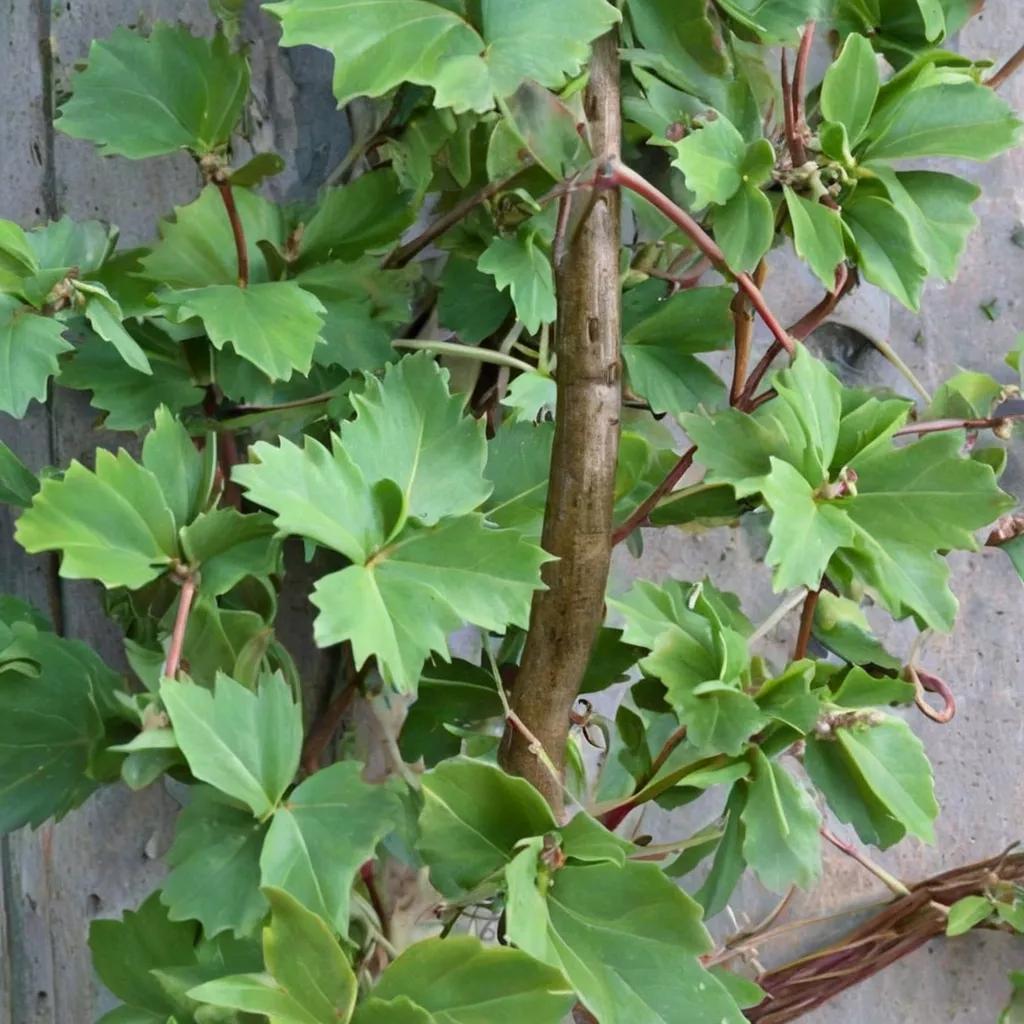 10
10Cissus
Grape Ivy
Ranked by its most-saved matching variety; the full catalog includes 3 varieties. Glossy divided leaves quickly clothe a trellis with a grapevine-like texture.
Zones 4–9All 3 varieties →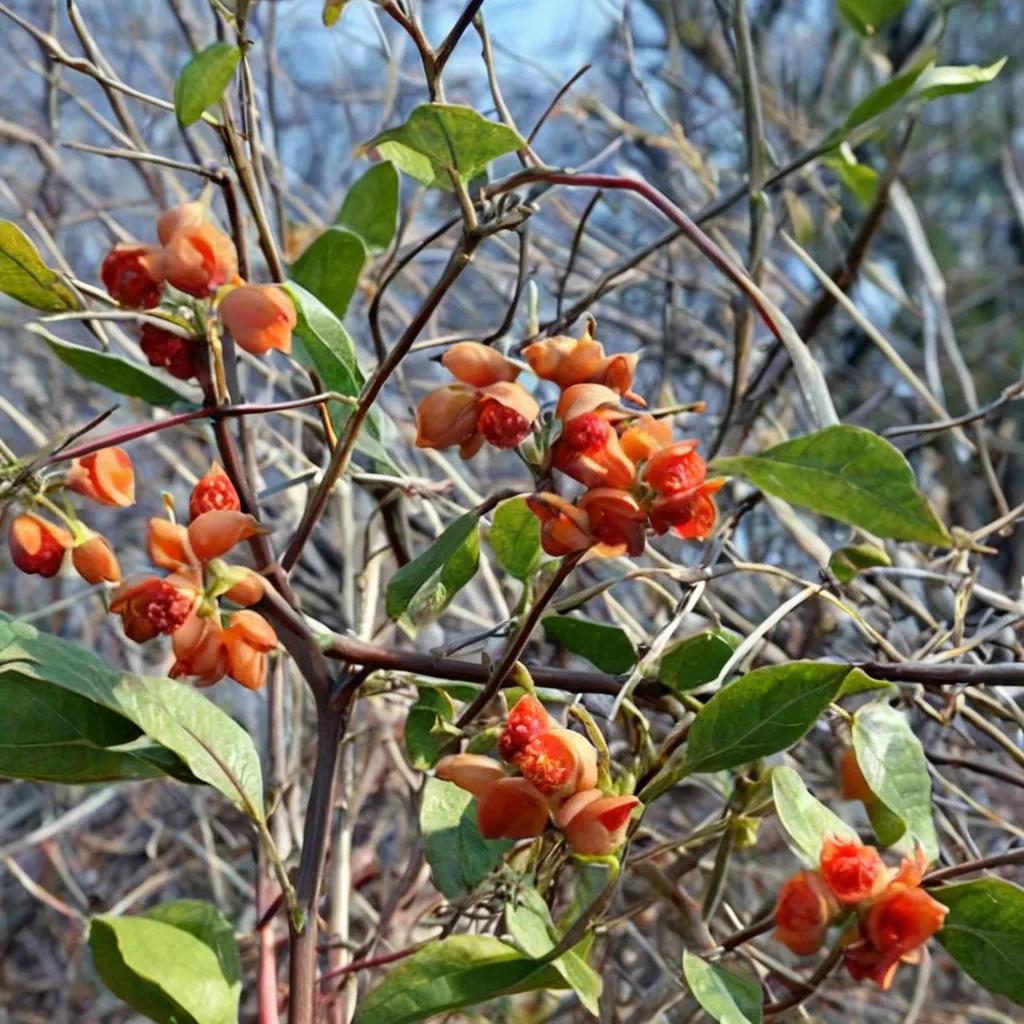
Bittersweet
Ranked by its most-saved matching variety; the full catalog includes 4 varieties. Twining stems and colorful fruit make a strong seasonal screen, where spread is managed.
Zones 4–8All 4 varieties →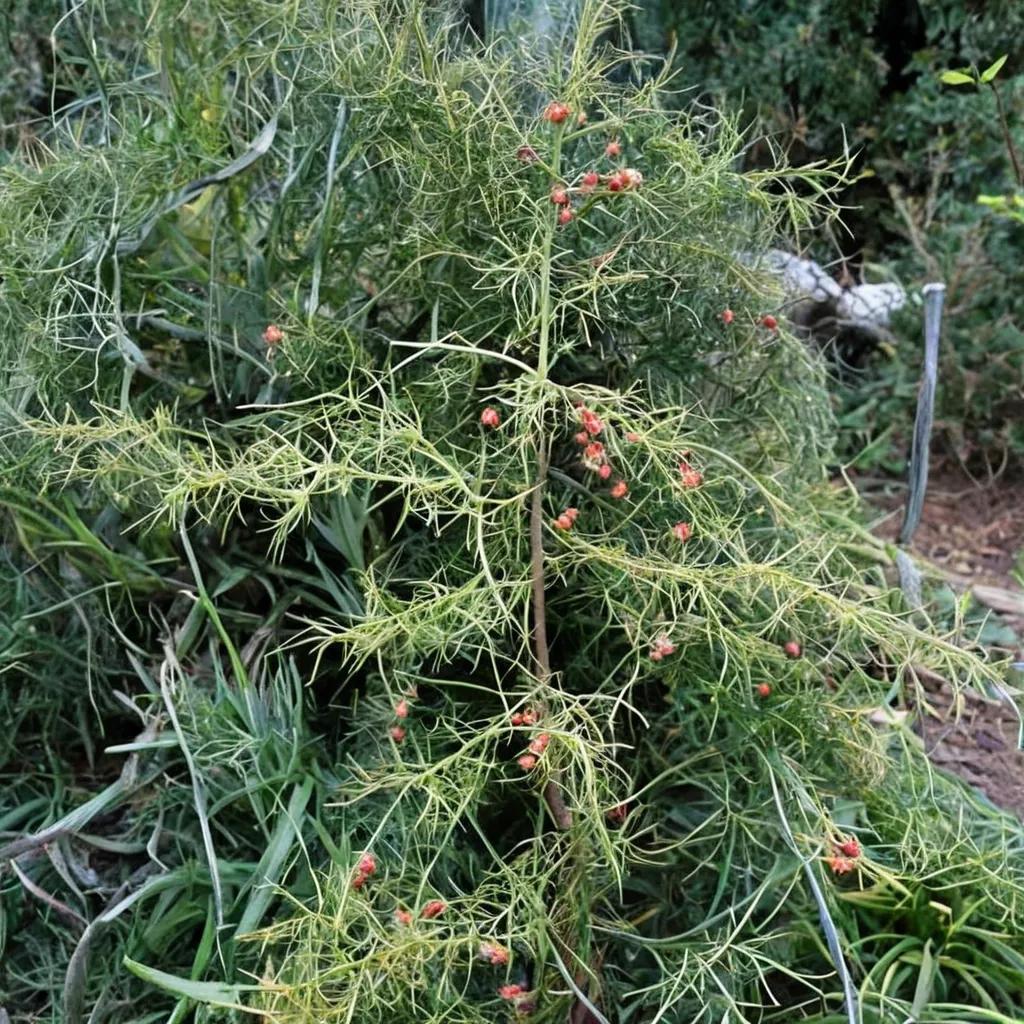
Ranked by its most-saved matching variety; the full catalog includes 19 varieties. One established crown can produce spring spears for many years.
Zones 4–9All 19 varieties → 13
13Akebia
Ranked by its most-saved matching variety; the full catalog includes 1 variety. Fine leaflets and unusual chocolate-scented flowers soften screens and pergolas.
Zones 4–8All 1 variety →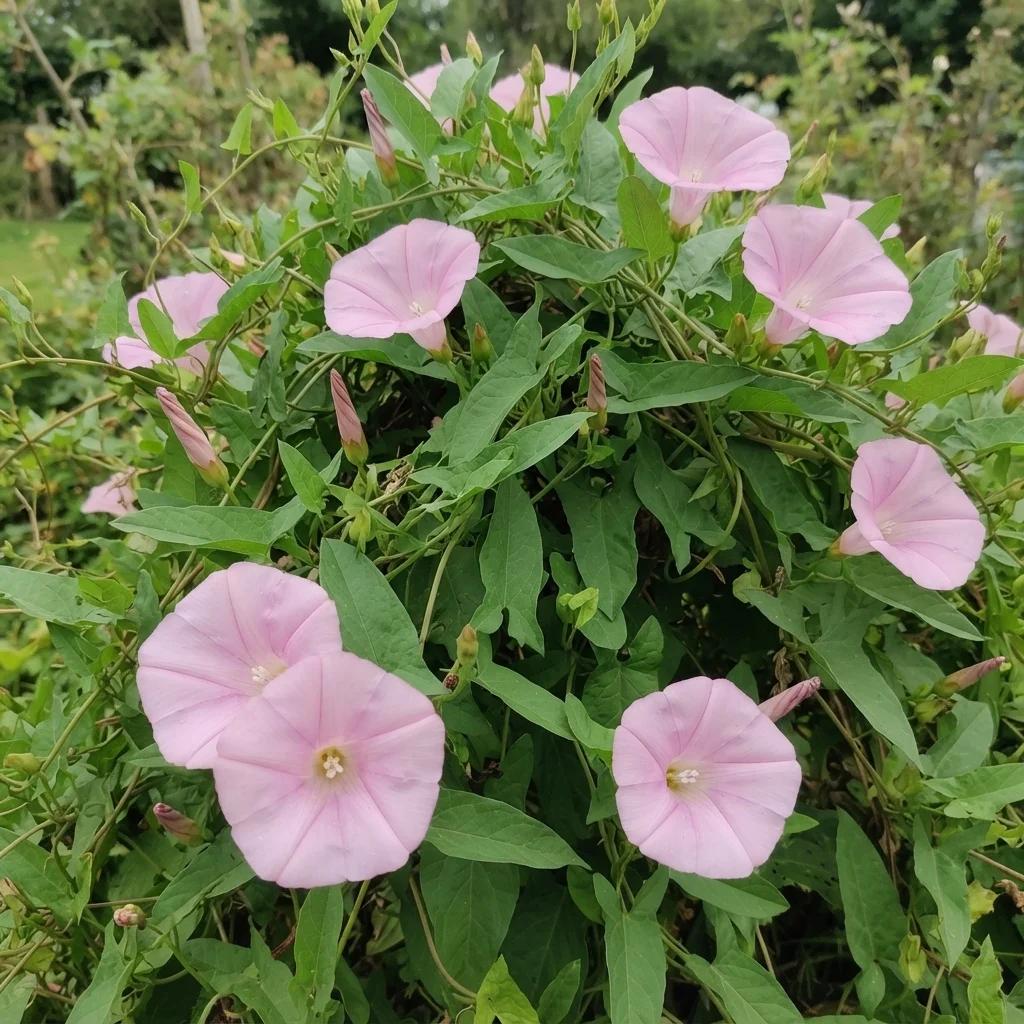
Ranked by its most-saved matching variety; the full catalog includes 2 varieties. Its representative is notable for being North American native and dry-spell tolerant.
Zones 4–9All 2 varieties → 15
15Vitis
Grape
Ranked by its most-saved matching variety; the full catalog includes 11 varieties. Grapevines combine generous shade, sculptural trunks, fall color, and edible clusters.
Zones 4–8All 11 varieties →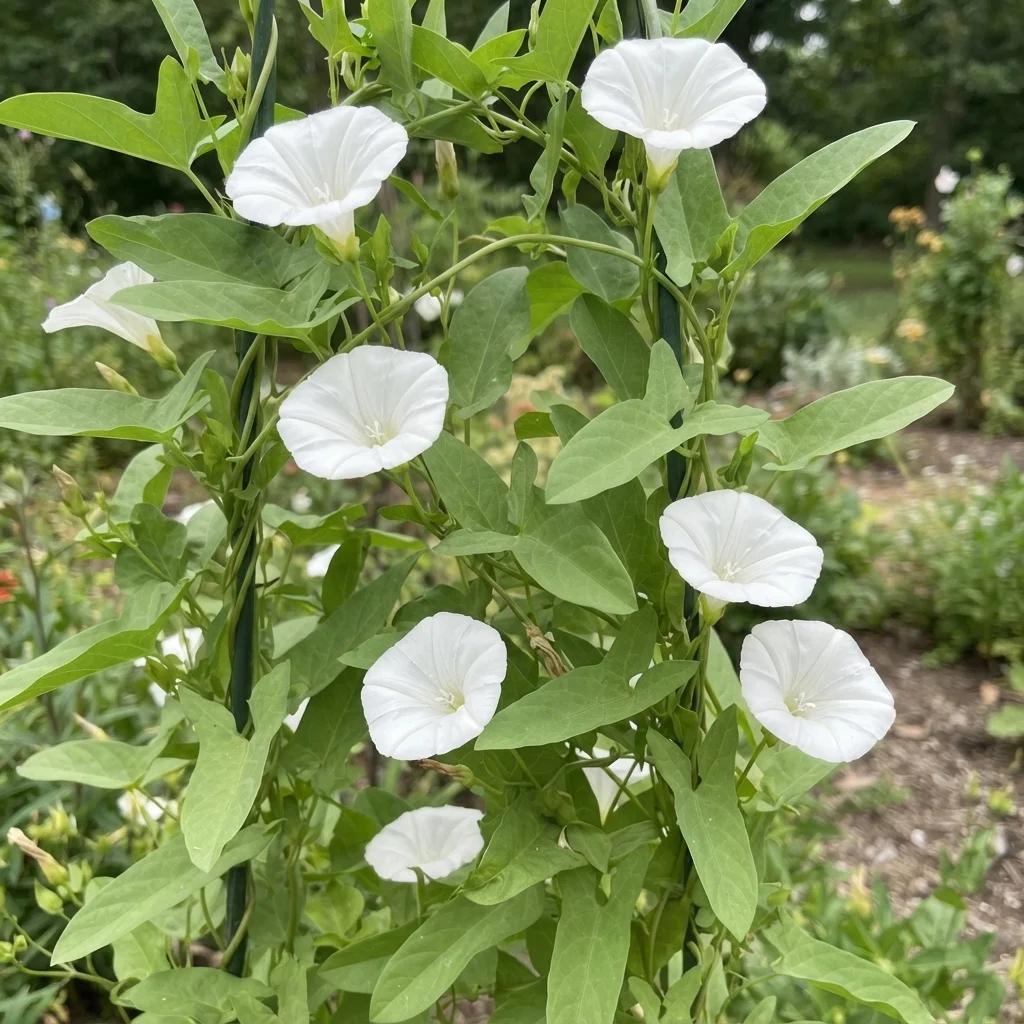
Bindweed
Ranked by its most-saved matching variety; the full catalog includes 5 varieties. Its representative is notable for being dry-spell tolerant and summer flowering.
Zones 4–9All 5 varieties → 17
17Smilax
Ranked by its most-saved matching variety; the full catalog includes 3 varieties. Its representative is notable for being North American native and dry-spell tolerant.
Zones 4–9All 3 varieties →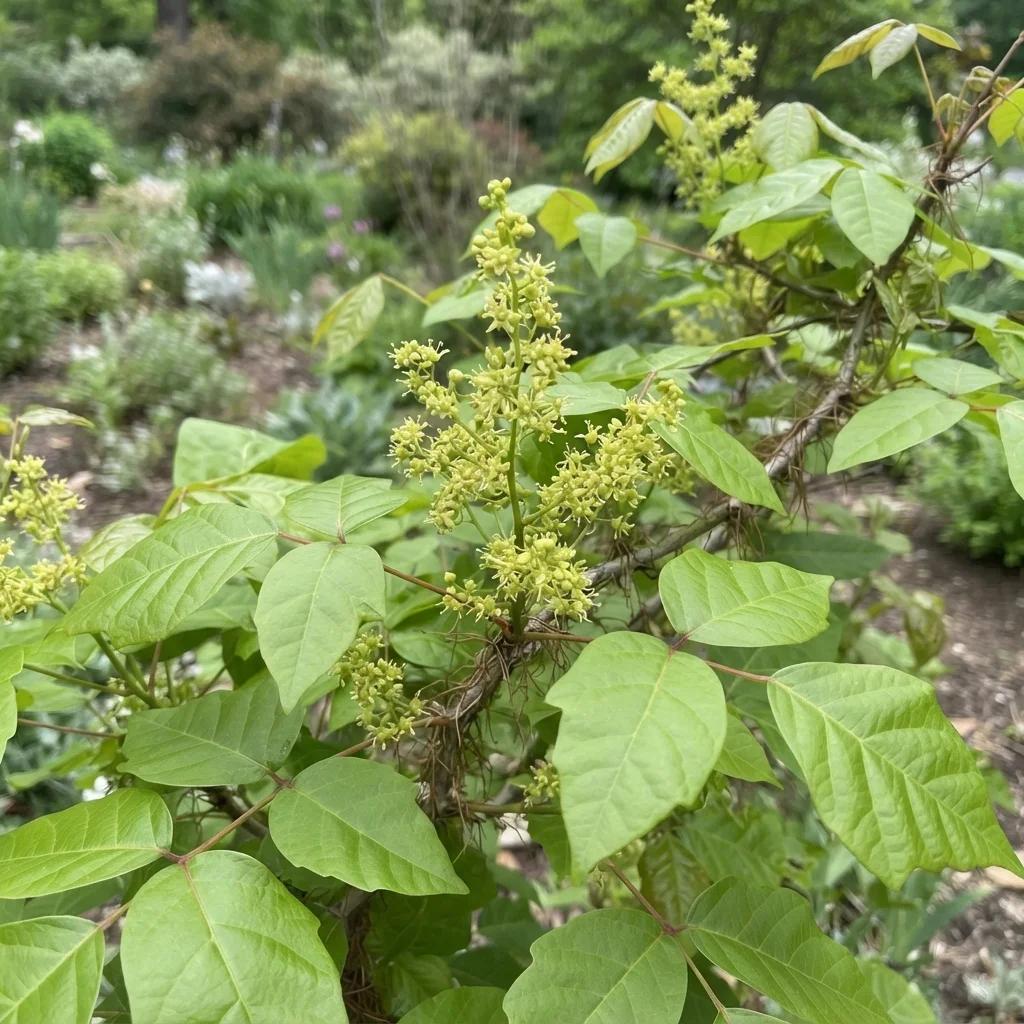
Ranked by its most-saved matching variety; the full catalog includes 1 variety. Its representative is notable for being North American native and dry-spell tolerant.
Zones 4–9All 1 variety → 19
19Fallopia
Ranked by its most-saved matching variety; the full catalog includes 1 variety. Its representative is notable for being dry-spell tolerant and summer flowering.
Zones 4–9All 1 variety → 20
20Solanum
Nightshade
Ranked by its most-saved matching variety; the full catalog includes 48 varieties. From tomatoes to potatoes, this genus turns summer heat into staple harvests.
Zones 4–8All 48 varieties →
About this list
How was this the most popular climbing vines in zone 4 list ranked?
A plant must first match the catalog filters named in the title. Each genus is represented and ranked by its most-saved matching variety, so genera with many cultivars do not receive an automatic advantage.
Are all of these hardy in Zone 4?
Yes — every plant on this list is rated for Zone 4. Plants that could not survive a Zone 4 winter were excluded before ranking.
How do vines climb — do they need support?
It depends how they grip: twiners (clematis, honeysuckle) need something thin to wrap; tendril climbers (passionflower) need wire or trellis; clingers (climbing hydrangea, ivy) attach to masonry on their own — great on stone, risky on wood or siding.
Which vines are aggressive?
Wisteria, trumpet vine, and some honeysuckles can overwhelm structures and neighbors if unmanaged. Give them a sturdy support and a yearly prune, or choose a better-behaved clematis for smaller spaces.
Track these in your garden
Save the ones you plant and get care reminders timed to Zone 4.
Keep exploring
More popularity lists
- Most Popular Perennials for Shade
- Most Popular Deer-Resistant Perennials
- Most Popular Plants Tagged for Pollinators
- Most Popular Drought-Tolerant Plants
- Most Popular Flowering Shrubs
- Most Popular Groundcovers for Shade
- Most Popular Privacy Shrubs and Screening Plants
- Most Popular North American Native Perennials