Popularity, clearly labeled
The Most Popular Flowering Shrubs in Zone 4
Among plants cataloged as flowering shrubs, these are the genera Sow gardeners save most. The order reflects popularity, not a universal judgment about form or garden fit. Every representative here is catalog-rated hardy in Zone 4, whose standard minimum-temperature band begins near -30°F. The popularity ranking is recomputed only among matching Zone 4 records; hardiness alone does not establish that a plant will thrive on a particular site.
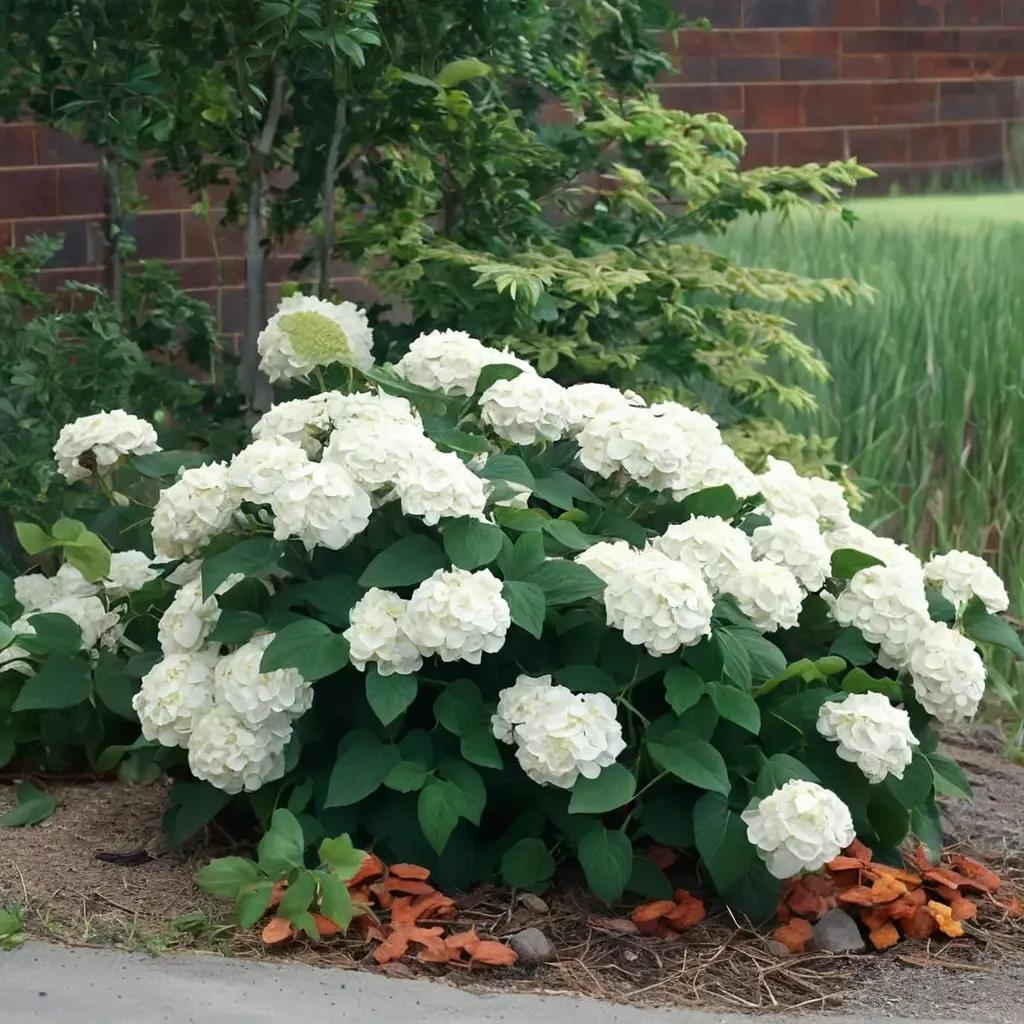
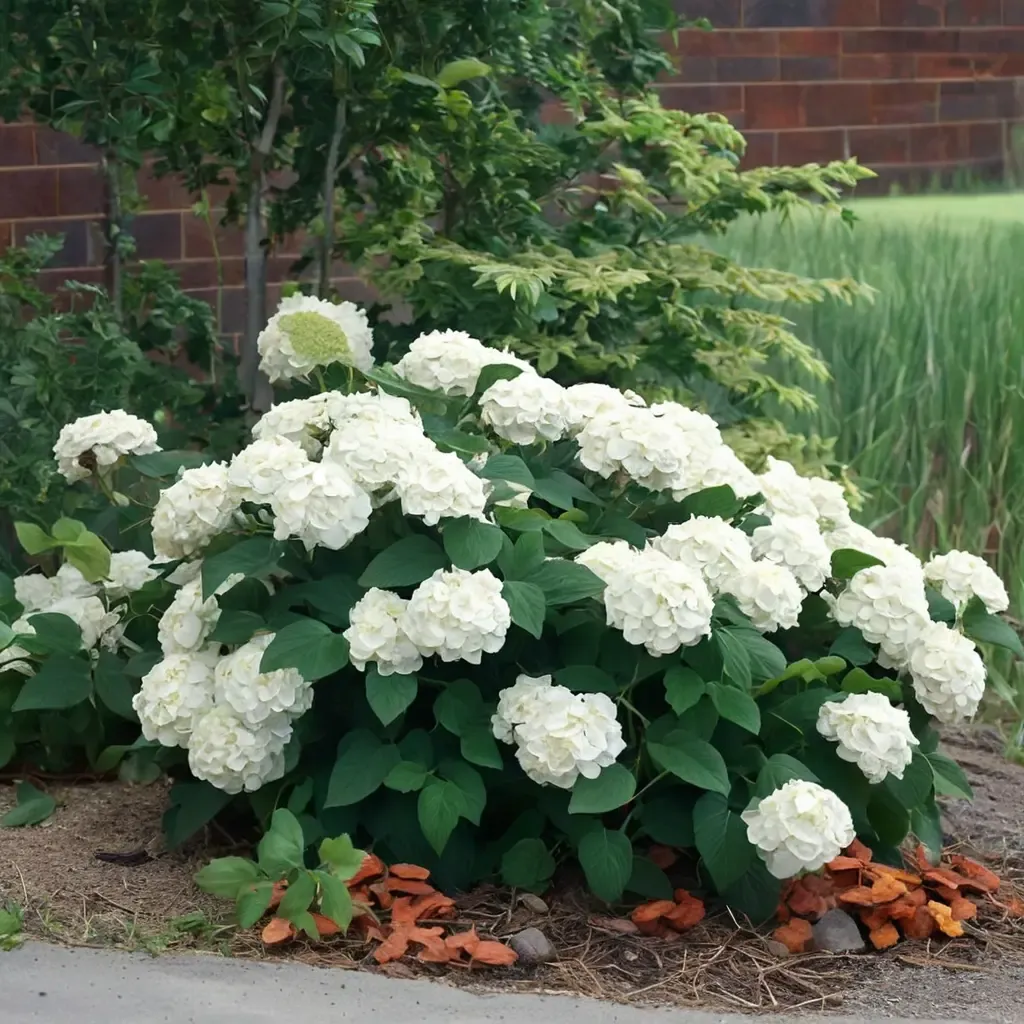
Ranked by its most-saved matching variety; the full catalog includes 109 varieties. Generous flower heads and long-lasting structure carry a border from summer onward.
Zones 4–9All 109 varieties → 2
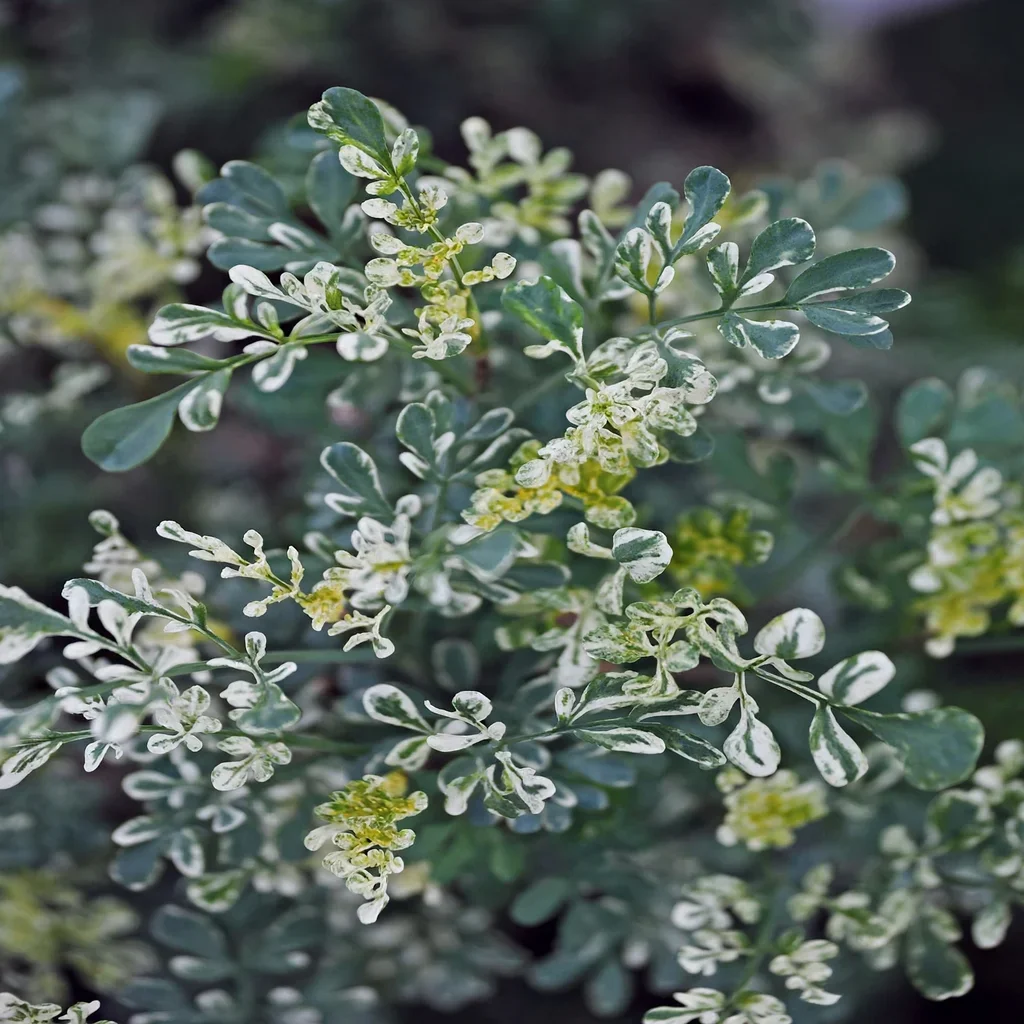
2Ruta
Rue
Ranked by its most-saved matching variety; the full catalog includes 2 varieties. Its representative is notable for being dry-spell tolerant and usually passed over by deer.
Zones 4–9All 2 varieties →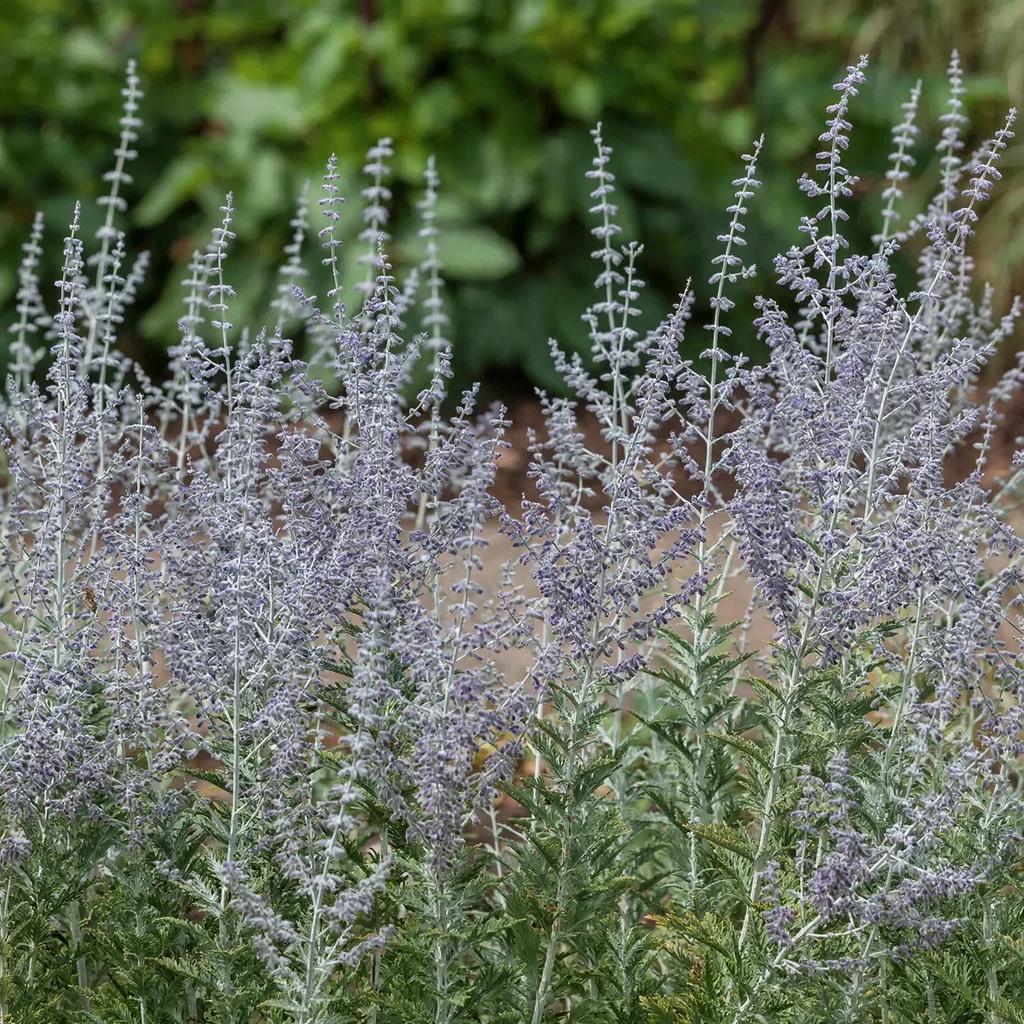
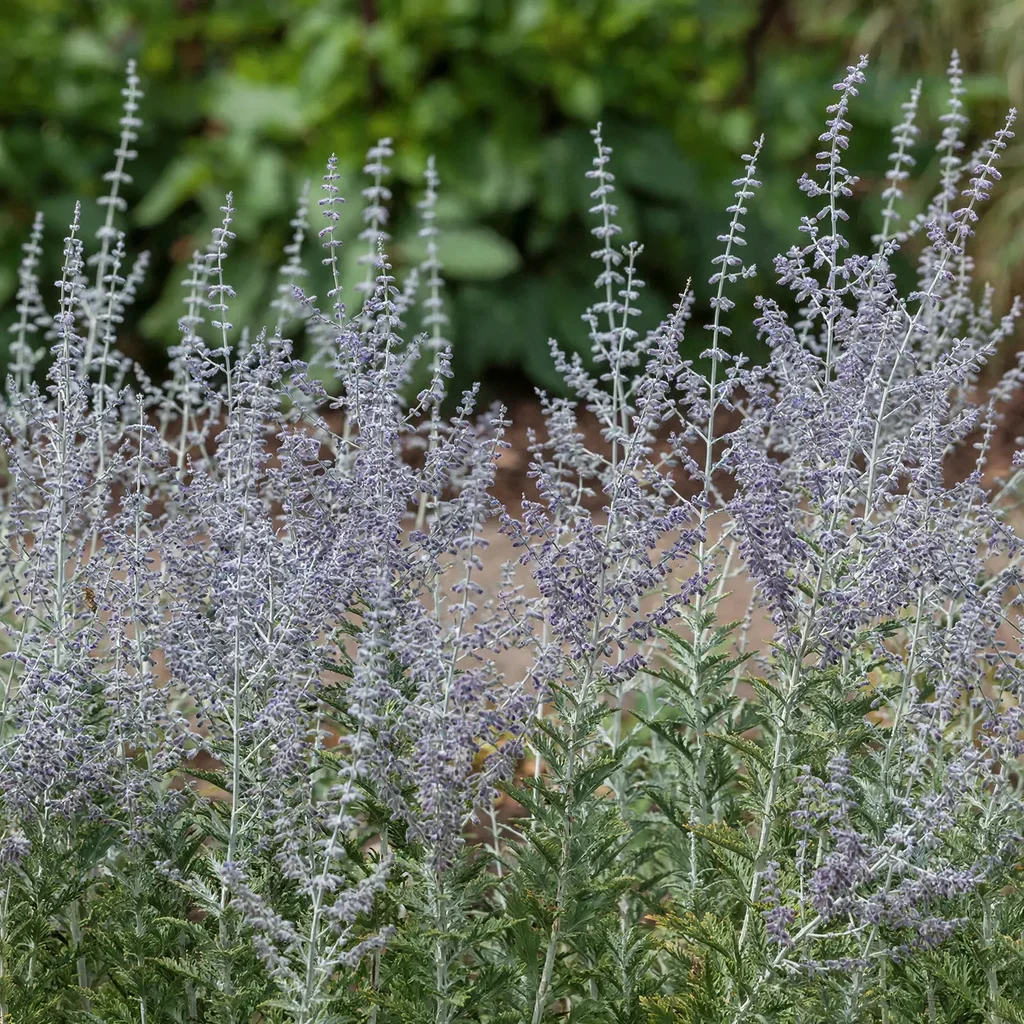
Russian Sage
Ranked by its most-saved matching variety; the full catalog includes 12 varieties. Silver stems and a long blue haze bring cool color to hot, dry beds.
Zones 4–9All 12 varieties →
Ranked by its most-saved matching variety; the full catalog includes 1 variety. Its representative is notable for being North American native and usually passed over by deer.
Zones 4–9All 1 variety →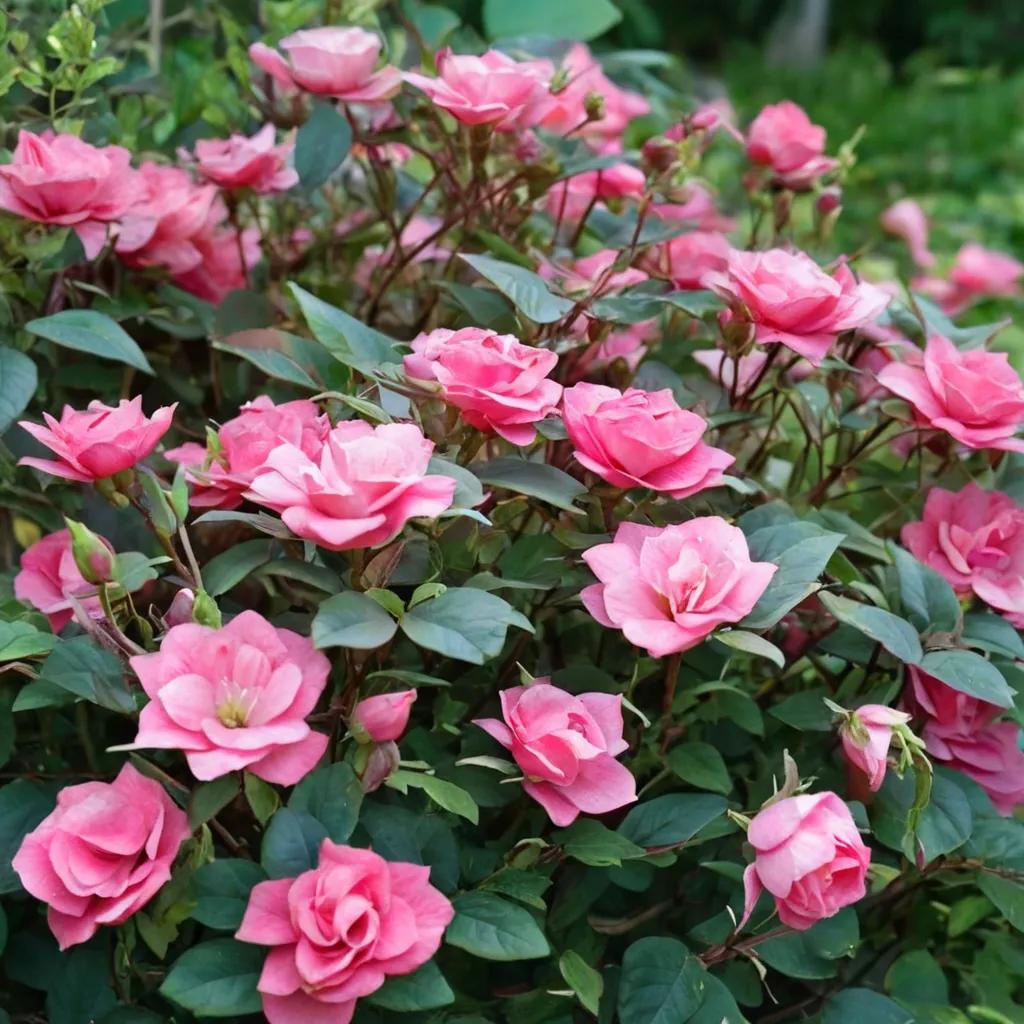 5
5Rosa
Rose
Ranked by its most-saved matching variety; the full catalog includes 293 varieties. No other shrub matches roses for range of habit, fragrance, color, and repeat bloom.
Zones 4–10All 293 varieties →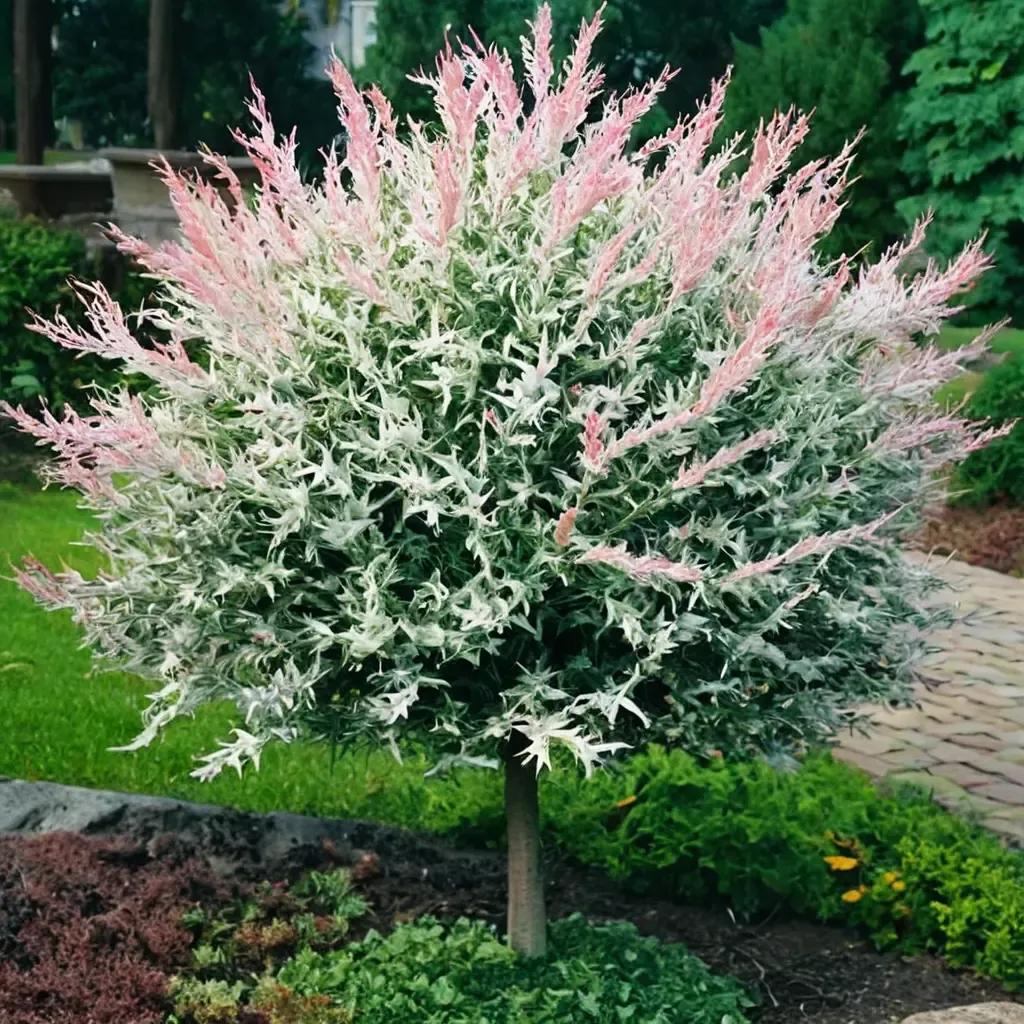
Willow
Ranked by its most-saved matching variety; the full catalog includes 20 varieties. Rapid growth and flexible stems bring movement and fast screening to moist ground.
Zones 4–9All 20 varieties →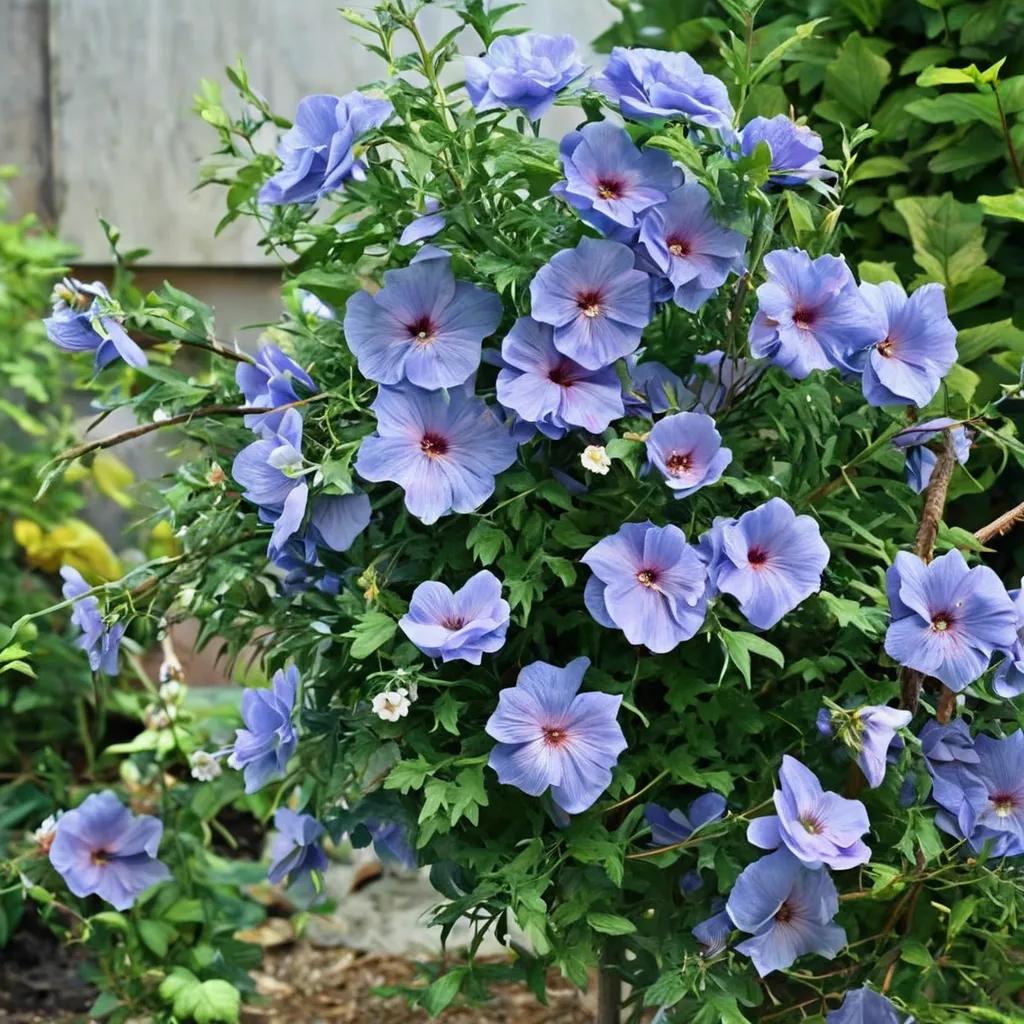
Ranked by its most-saved matching variety; the full catalog includes 92 varieties. Oversized, tropical-looking flowers create a dramatic focal point in summer.
Zones 4–9All 92 varieties →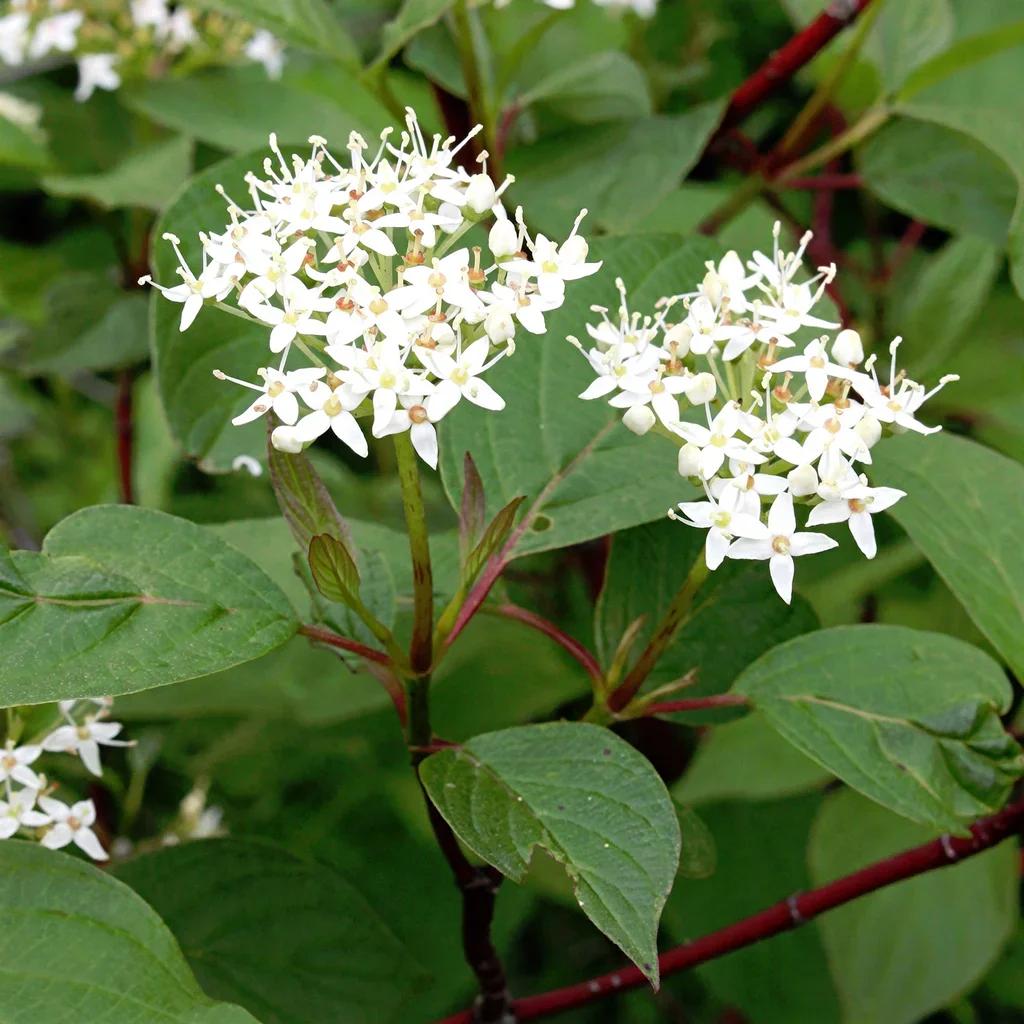
Dogwood
Ranked by its most-saved matching variety; the full catalog includes 59 varieties. Dogwoods layer flowers or bracts, berries, fall color, and elegant branching.
Zones 4–7All 59 varieties →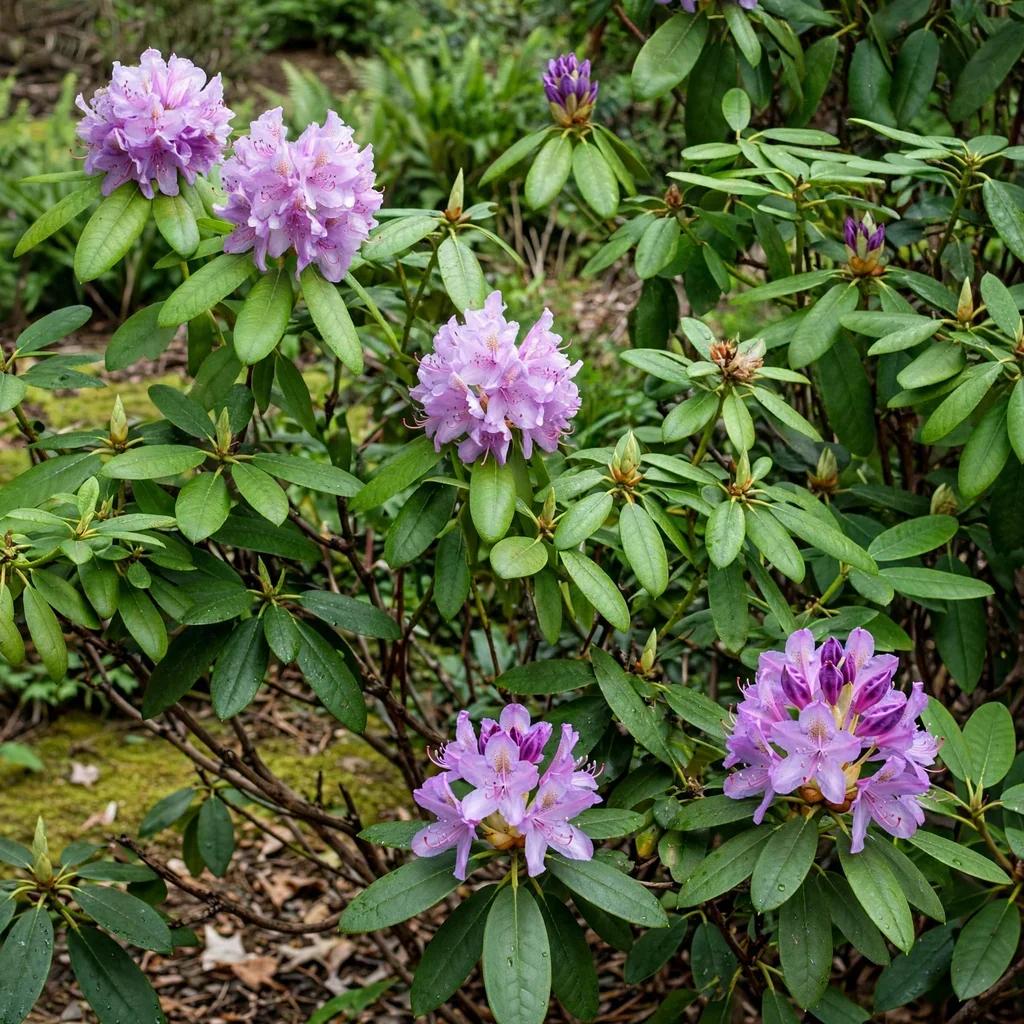
Rhododendron / Azalea
Ranked by its most-saved matching variety; the full catalog includes 119 varieties. Evergreen mass and generous spring trusses make a shaded border feel established.
Zones 4–8All 119 varieties → 10
10Ilex
Holly
Ranked by its most-saved matching variety; the full catalog includes 89 varieties. Its representative is notable for being dry-spell tolerant and usually passed over by deer.
Zones 4–8All 89 varieties →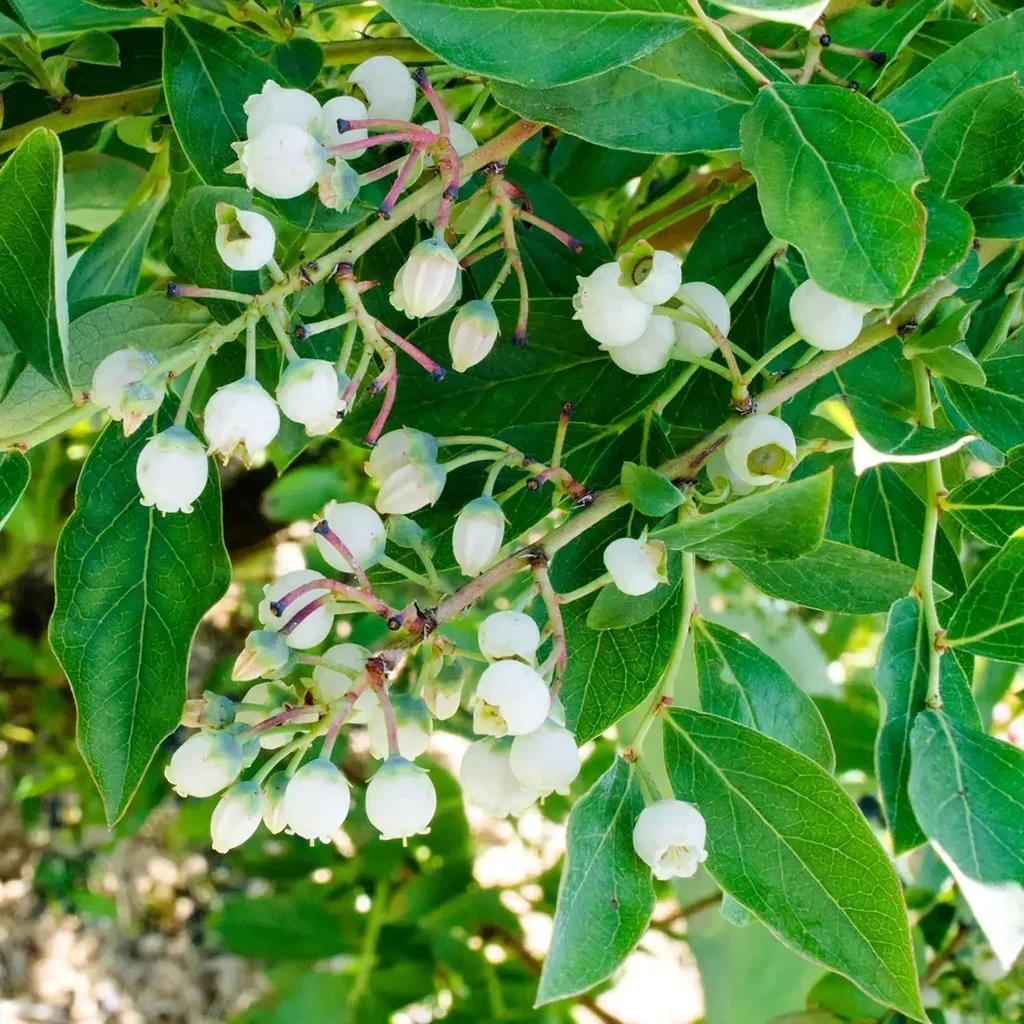
Blueberry / Cranberry
Ranked by its most-saved matching variety; the full catalog includes 26 varieties. Blueberries combine delicate spring bells, edible fruit, and vivid fall foliage.
Zones 4–9All 26 varieties → 12
12Cotinus
Smokebush
Ranked by its most-saved matching variety; the full catalog includes 6 varieties. Cloudlike flower panicles and richly colored leaves give smoke bush its theatrical depth.
Zones 4–8All 6 varieties →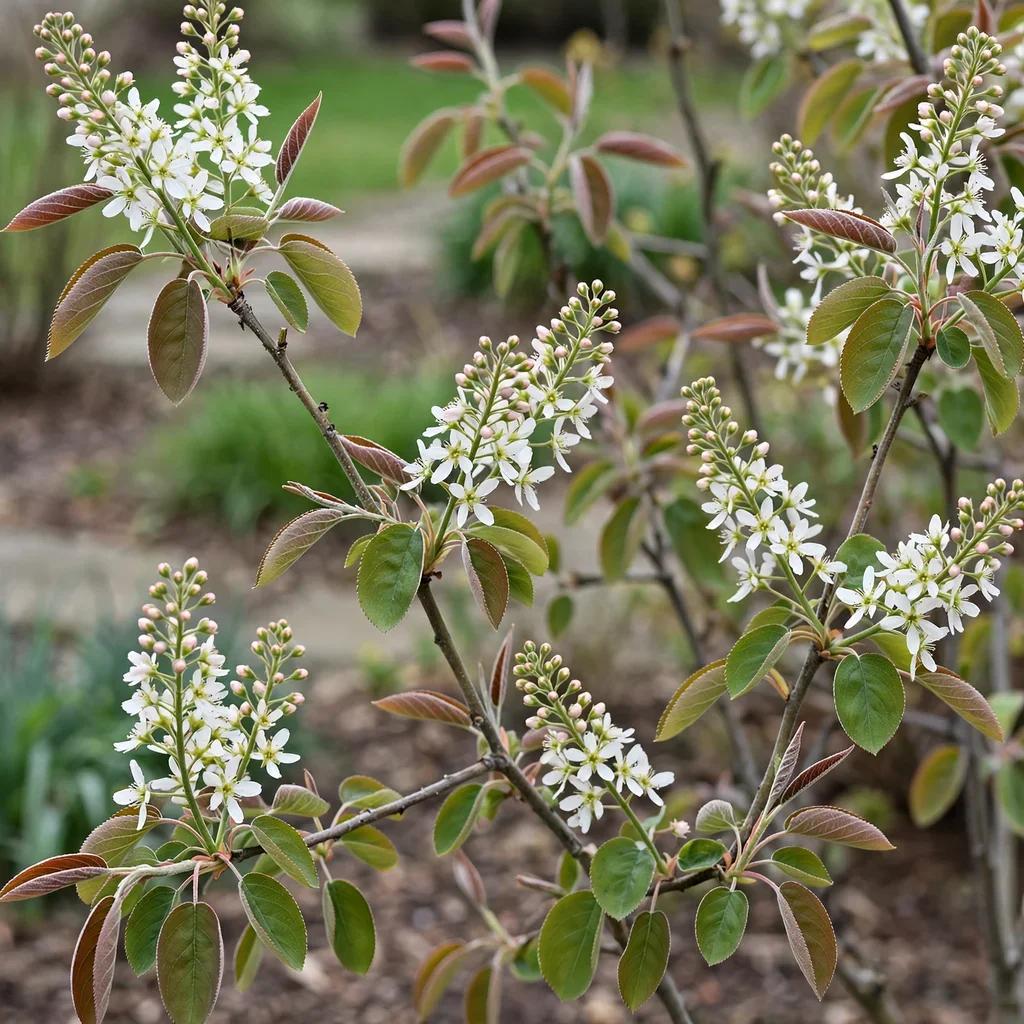
Serviceberry
Ranked by its most-saved matching variety; the full catalog includes 11 varieties. Spring blossom, summer fruit, and fall color earn serviceberry three seasons of interest.
Zones 4–9All 11 varieties →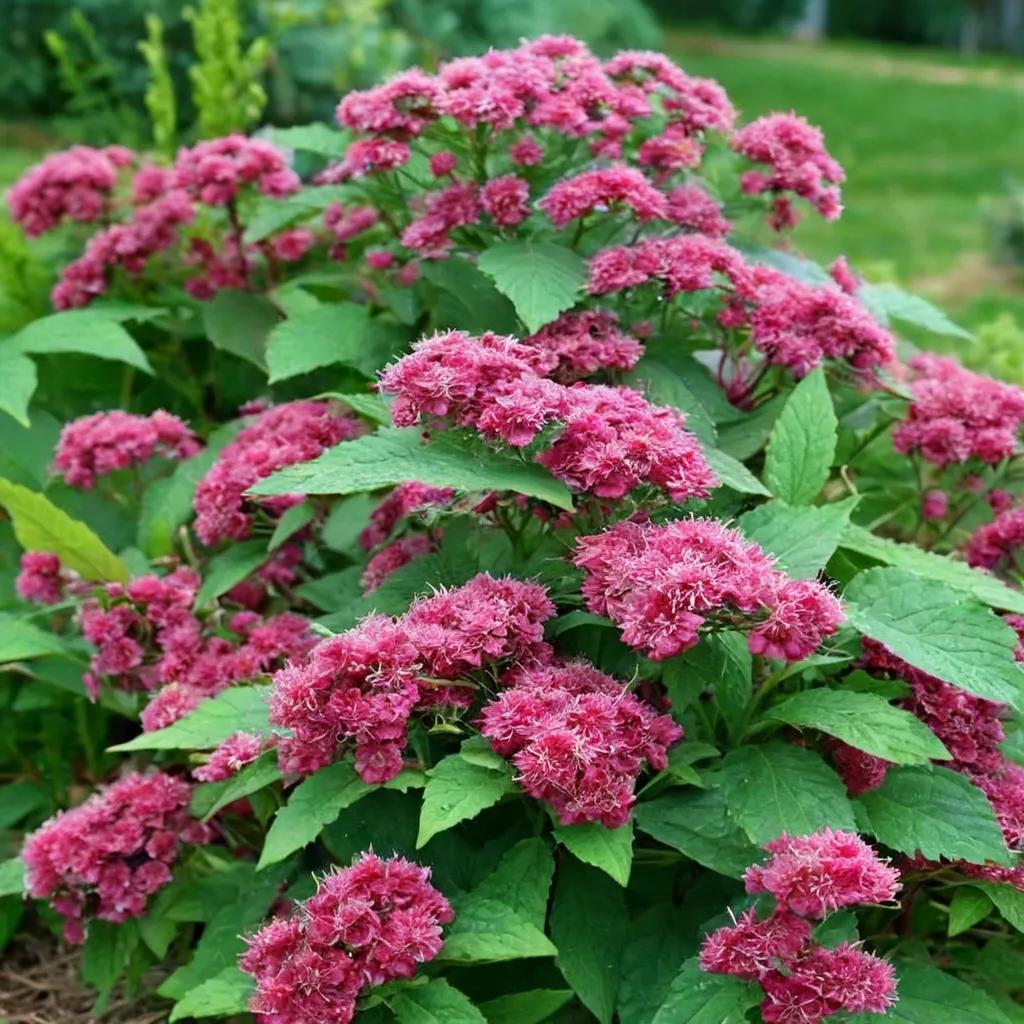 14
14Spiraea
Spirea
Ranked by its most-saved matching variety; the full catalog includes 42 varieties. Dense flower clusters and compact branching deliver dependable color with easy shaping.
Zones 4–9All 42 varieties →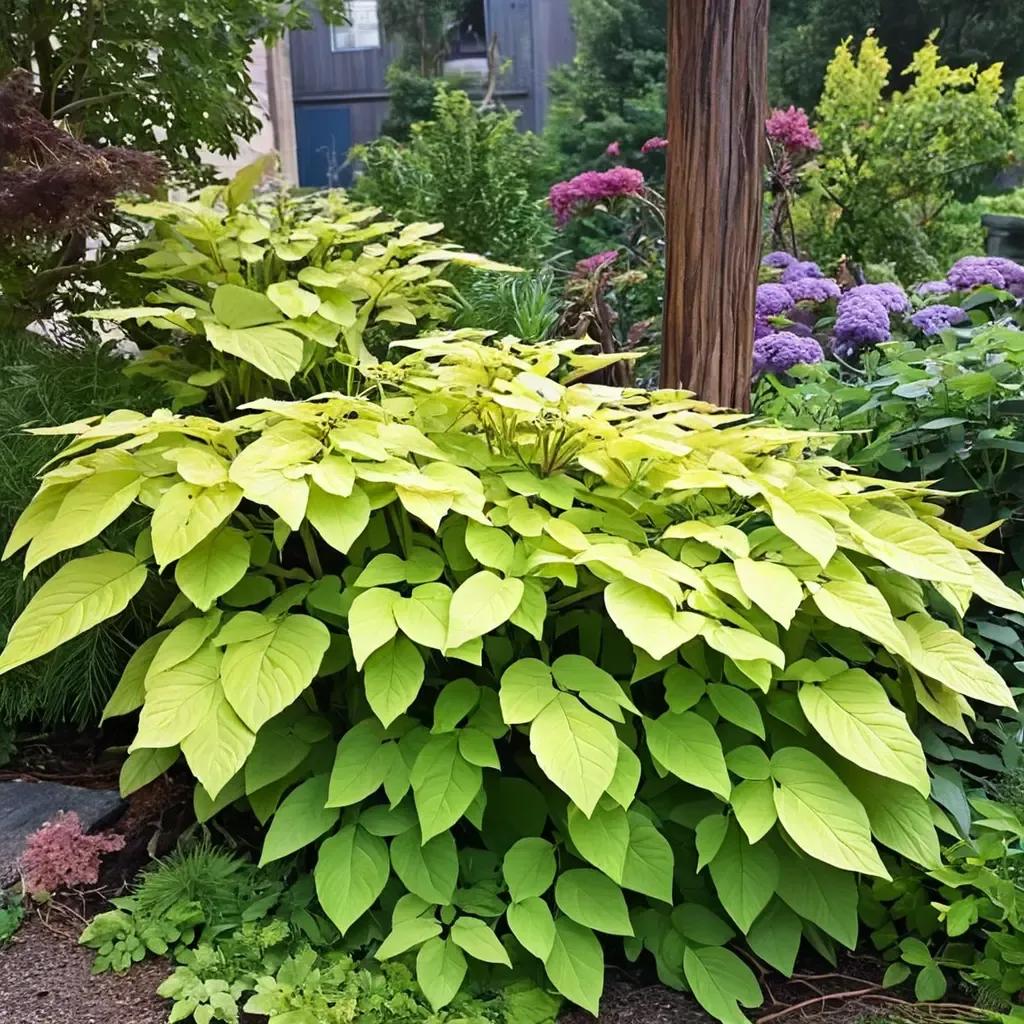 15
15Aralia
Spikenard
Ranked by its most-saved matching variety; the full catalog includes 5 varieties. Its representative is notable for being usually passed over by deer and late summer flowering.
Zones 4–9All 5 varieties →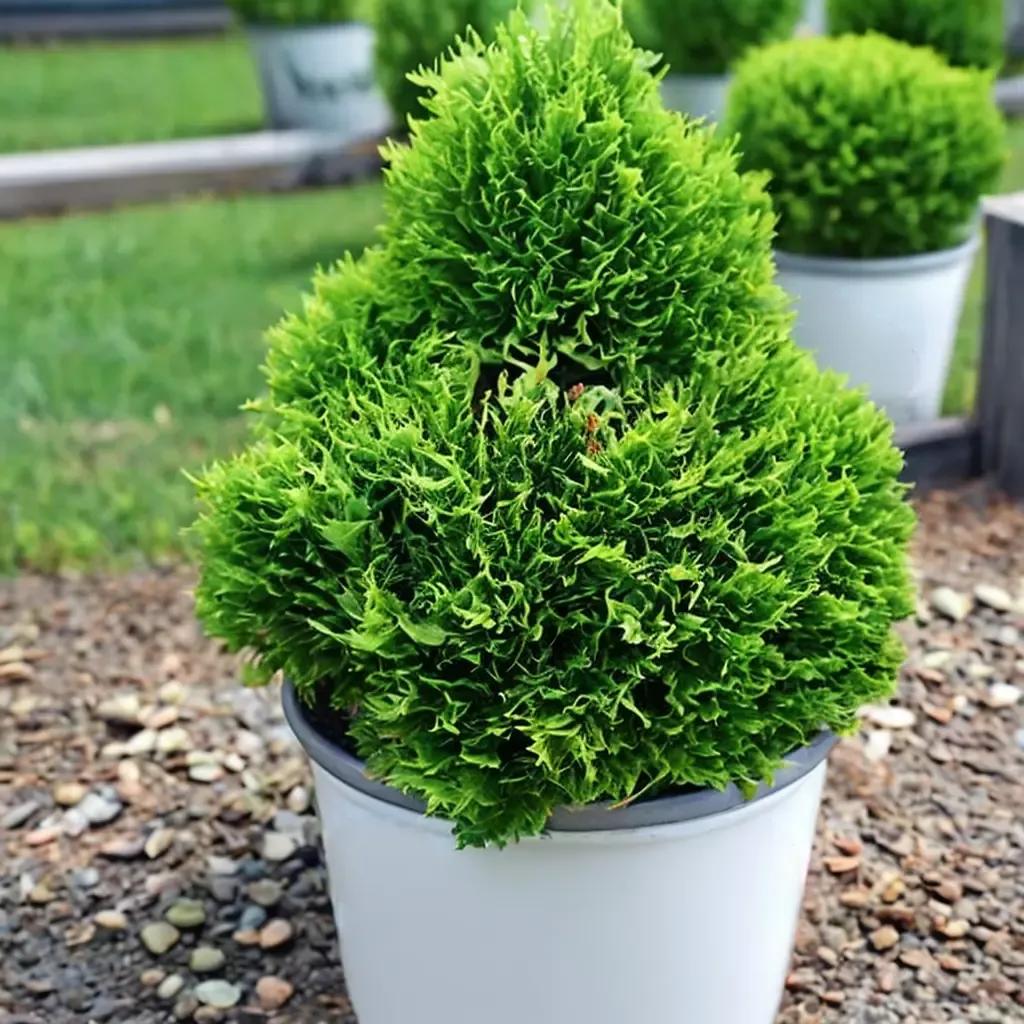 16
16Thuja
Arborvitae
Ranked by its most-saved matching variety; the full catalog includes 47 varieties. Dense evergreen fans make one of the most adaptable living screens.
Zones 4–8All 47 varieties →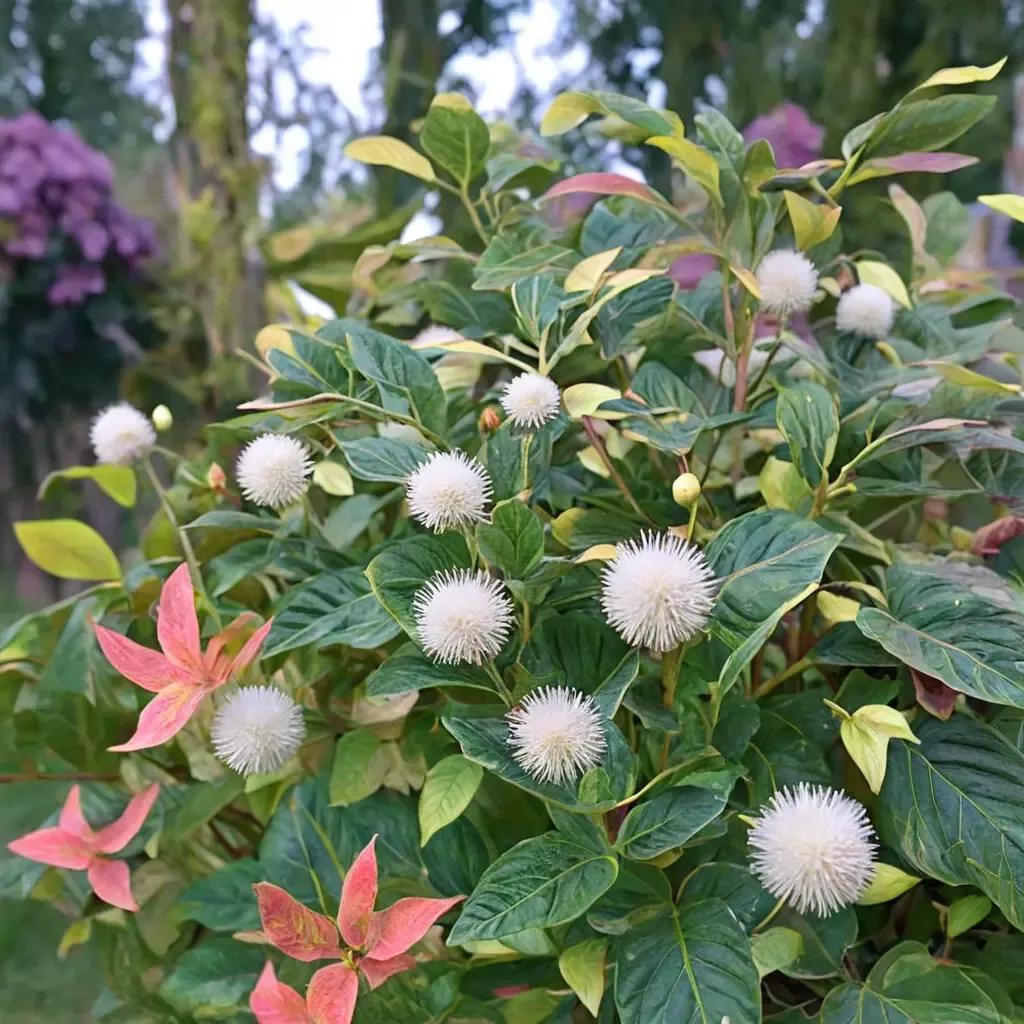
Buttonbush
Ranked by its most-saved matching variety; the full catalog includes 4 varieties. Its representative is notable for being North American native and usually passed over by deer.
Zones 4–10All 4 varieties →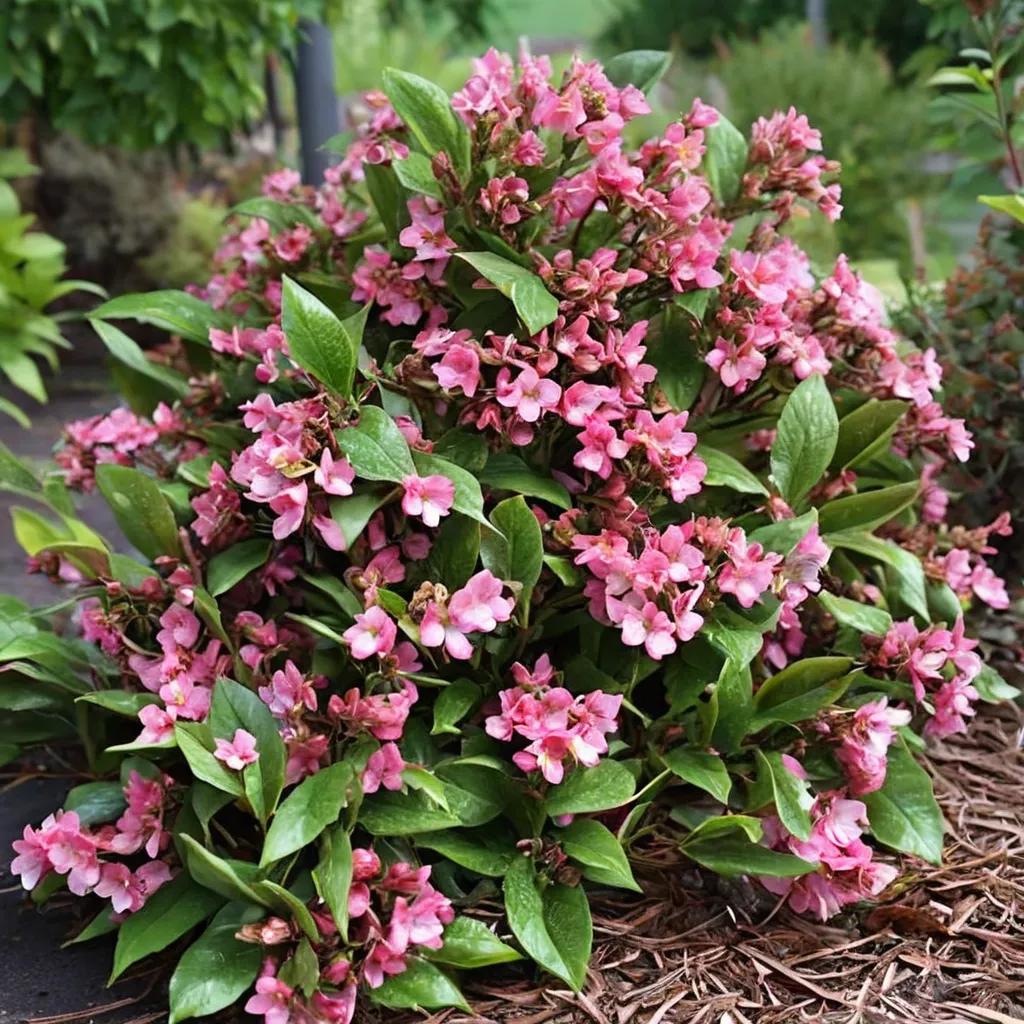 18
18Weigela
Ranked by its most-saved matching variety; the full catalog includes 21 varieties. Arching branches load up with hummingbird-friendly trumpets in late spring.
Zones 4–8All 21 varieties →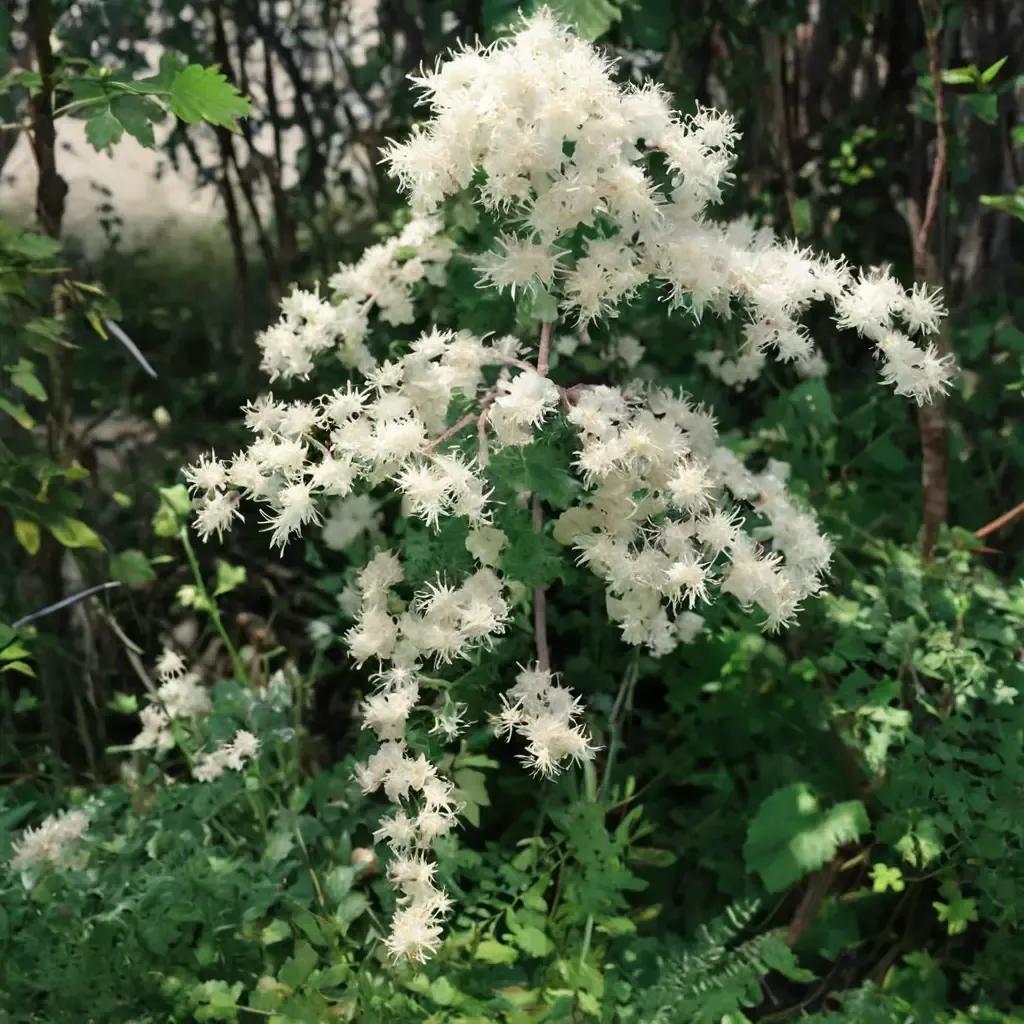
Oceanspray
Ranked by its most-saved matching variety; the full catalog includes 1 variety. Its representative is notable for being North American native and dry-spell tolerant.
Zones 4–9All 1 variety →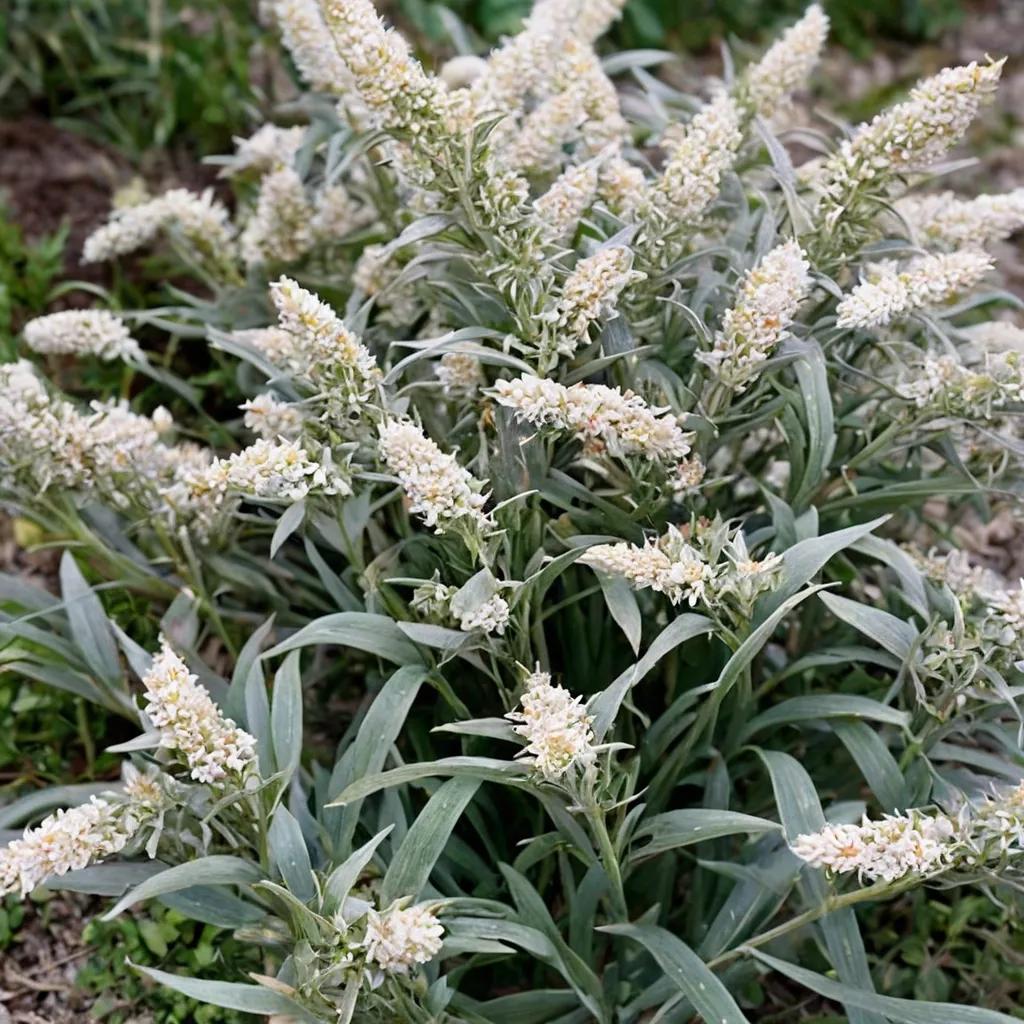 20
20Buddleja
Butterfly Bush
Ranked by its most-saved matching variety; the full catalog includes 83 varieties. Long, fragrant flower panicles become busy landing strips for butterflies.
Zones 4–9All 83 varieties →
About this list
How was this the most popular flowering shrubs in zone 4 list ranked?
A plant must first match the catalog filters named in the title. Each genus is represented and ranked by its most-saved matching variety, so genera with many cultivars do not receive an automatic advantage.
Are all of these hardy in Zone 4?
Yes — every plant on this list is rated for Zone 4. Plants that could not survive a Zone 4 winter were excluded before ranking.
When do I prune flowering shrubs?
It depends on where they bloom: old-wood bloomers (lilac, oakleaf hydrangea) get pruned right after flowering; new-wood bloomers (panicle hydrangea, butterfly bush) in late winter. Pruning at the wrong time is the #1 reason shrubs skip a year of bloom.
Track these in your garden
Save the ones you plant and get care reminders timed to Zone 4.
Keep exploring
More popularity lists
- Most Popular Perennials for Shade
- Most Popular Deer-Resistant Perennials
- Most Popular Plants Tagged for Pollinators
- Most Popular Drought-Tolerant Plants
- Most Popular Flowering Shrubs
- Most Popular Groundcovers for Shade
- Most Popular Privacy Shrubs and Screening Plants
- Most Popular North American Native Perennials