Popularity, clearly labeled
The Most Popular North American Native Perennials in Zone 8
Every perennial here is cataloged as North American native, and the order reflects gardener saves. Use regional guidance to determine which North American native species occur where you live. Every representative here is catalog-rated hardy in Zone 8, whose standard minimum-temperature band begins near 10°F. The popularity ranking is recomputed only among matching Zone 8 records; hardiness alone does not establish that a plant will thrive on a particular site.
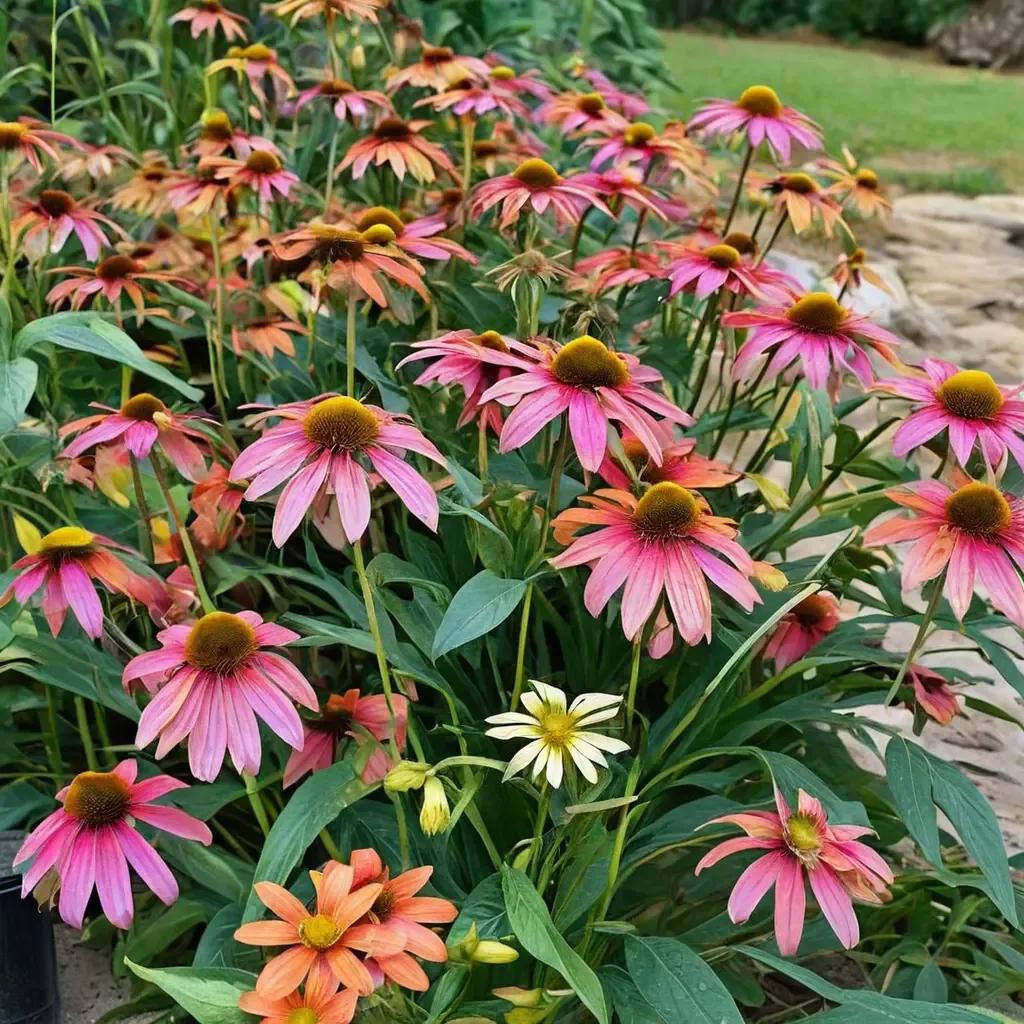
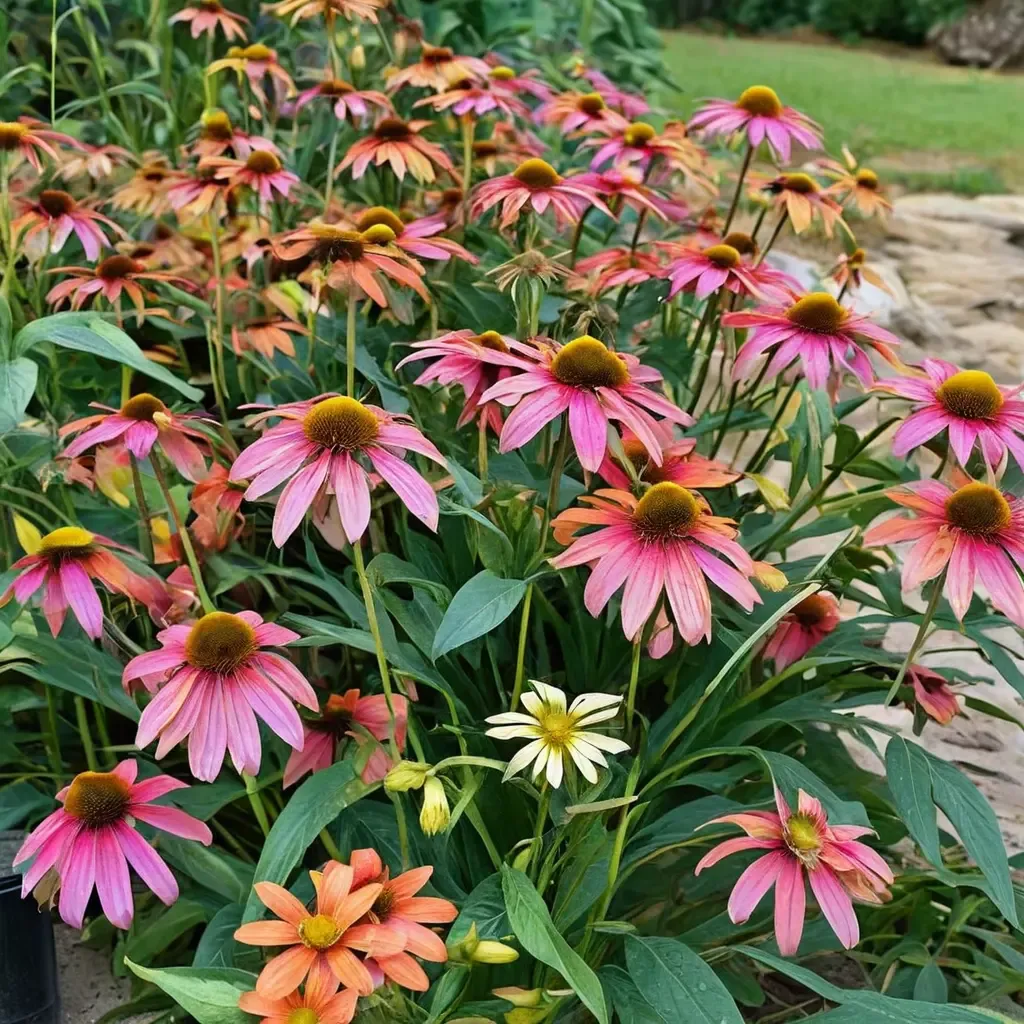
Coneflower
Ranked by its most-saved matching variety; the full catalog includes 190 varieties. Prominent cones support pollinators, then leave seed heads that feed birds.
Zones 4–9All 190 varieties →
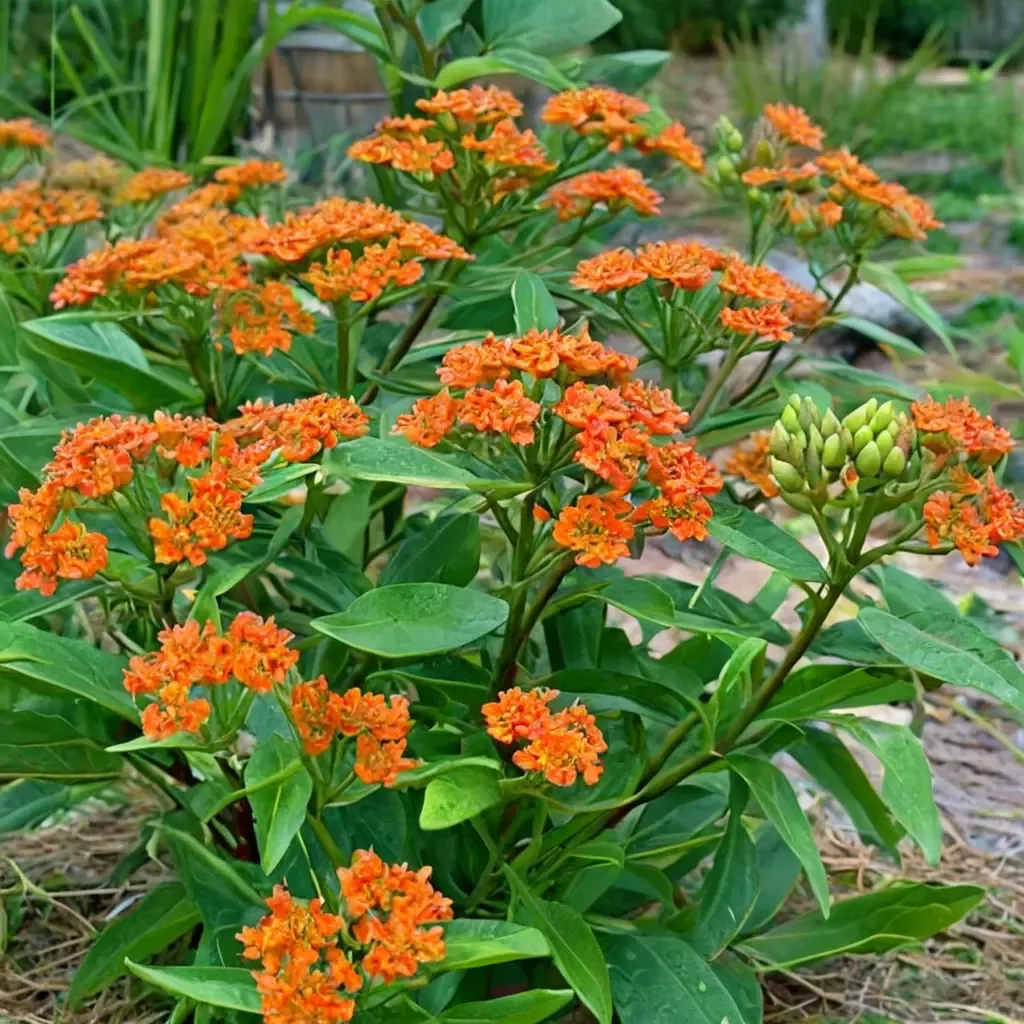
Milkweed
Ranked by its most-saved matching variety; the full catalog includes 18 varieties. Milkweeds are essential monarch host plants as well as rich nectar sources.
Zones 4–9All 18 varieties →
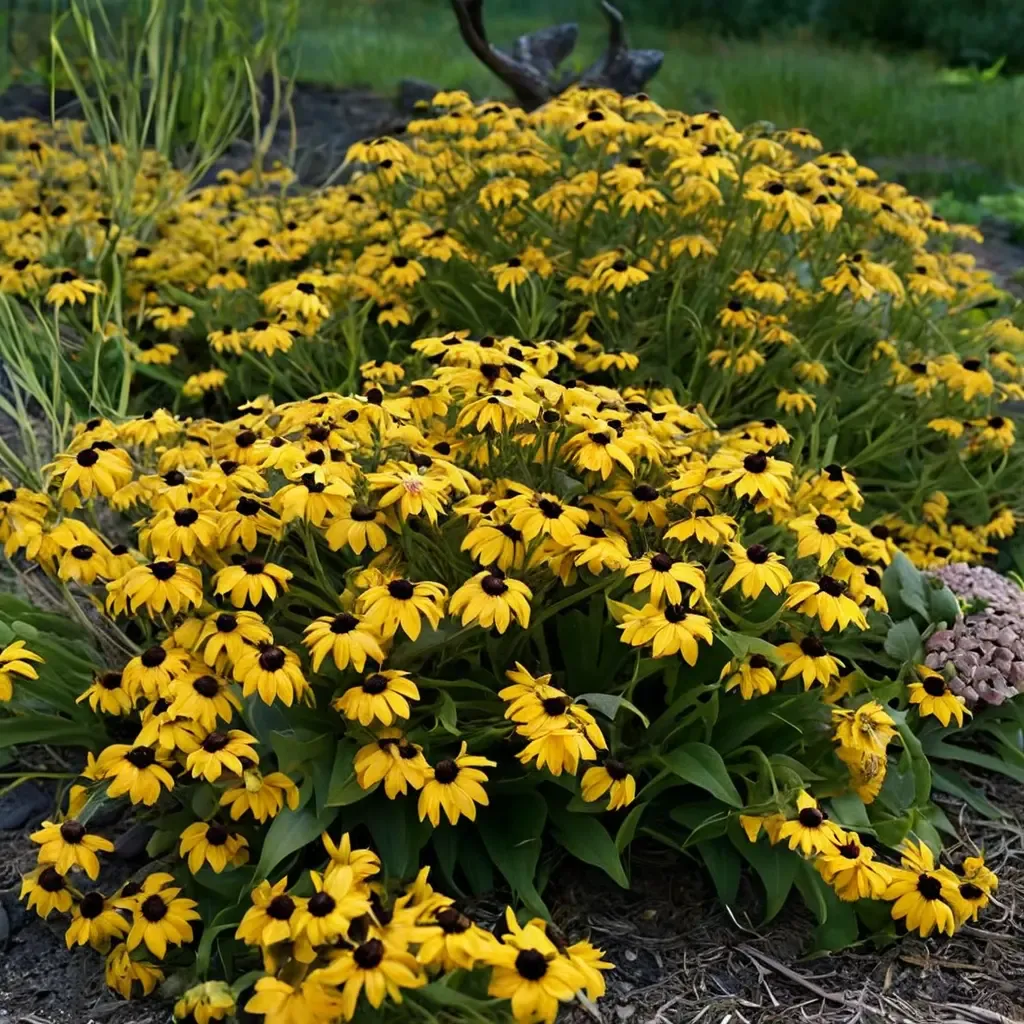
Black-eyed Susan
Ranked by its most-saved matching variety; the full catalog includes 31 varieties. Dark-centered gold daisies create a durable bridge from summer into fall.
Zones 4–10All 31 varieties →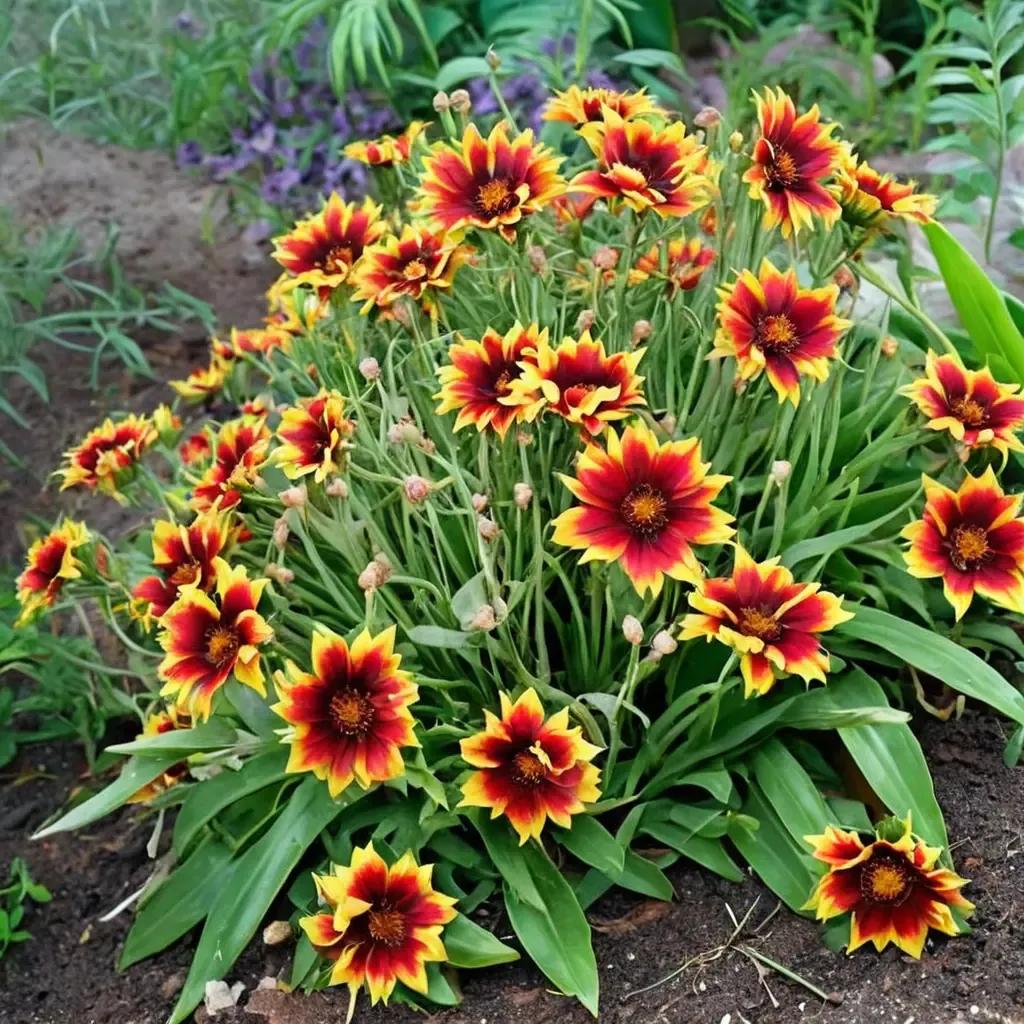
Blanket Flower
Ranked by its most-saved matching variety; the full catalog includes 25 varieties. Warm, banded daisies keep flowering through heat that slows many perennials.
Zones 4–10All 25 varieties →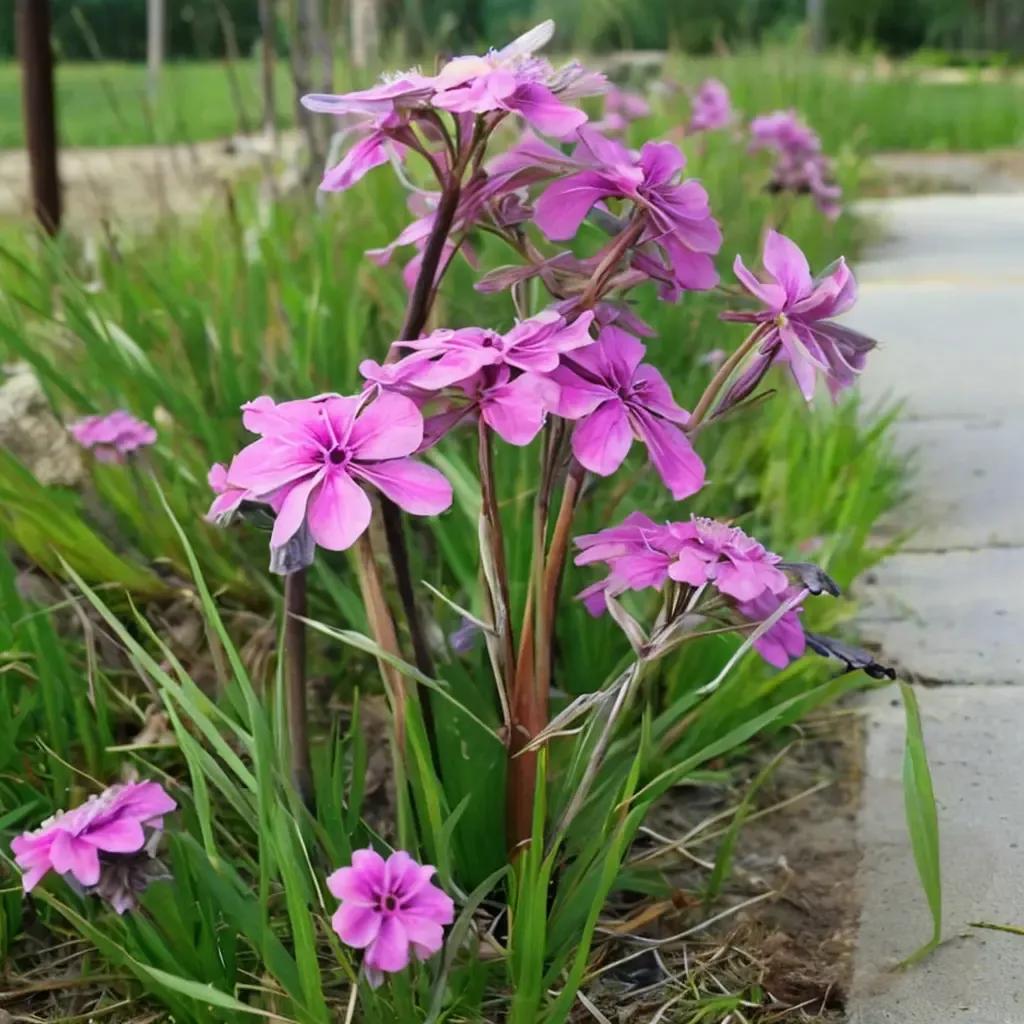
Ranked by its most-saved matching variety; the full catalog includes 132 varieties. From creeping mats to tall fragrant panicles, phlox fills several garden layers.
Zones 4–9All 132 varieties →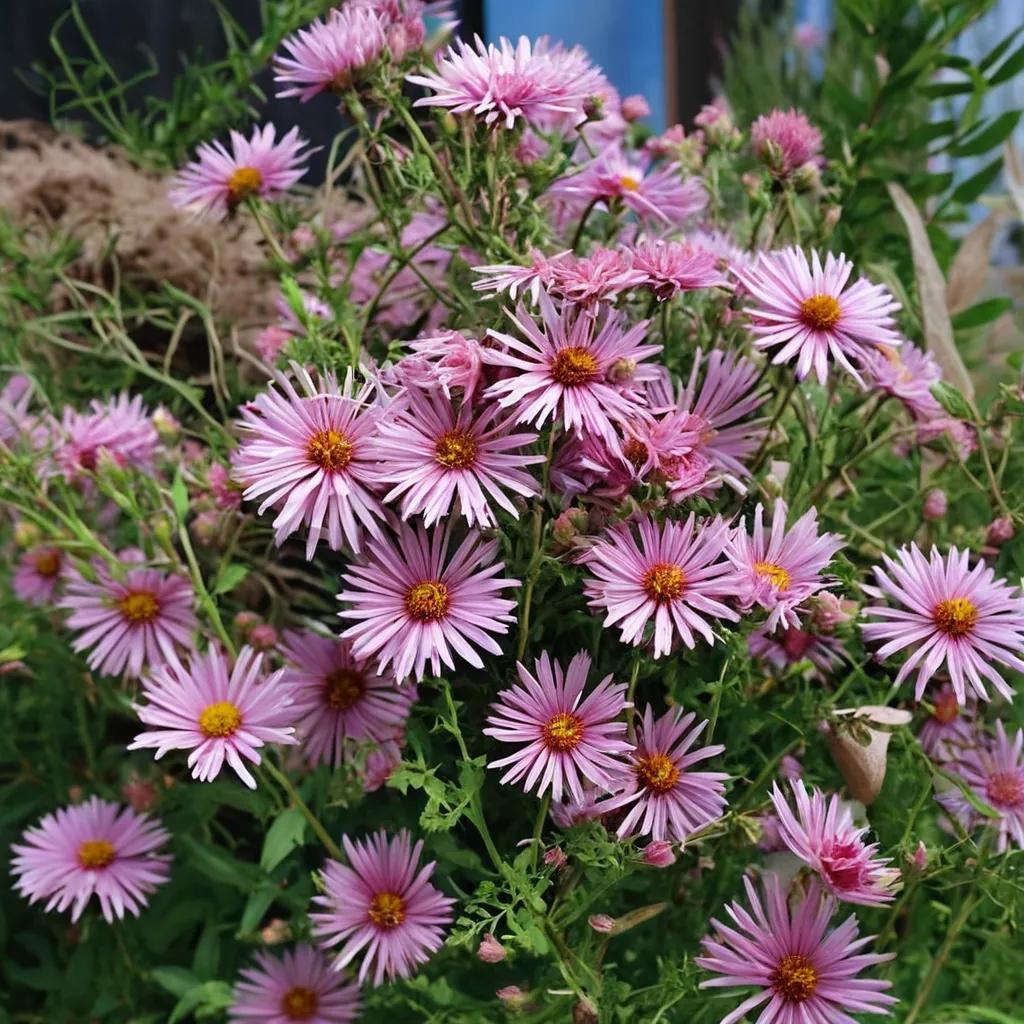
American Aster
Ranked by its most-saved matching variety; the full catalog includes 28 varieties. North American asters provide essential late nectar in clouds of small daisies.
Zones 4–8All 28 varieties →
Ranked by its most-saved matching variety; the full catalog includes 39 varieties. Daisy flowers extend the border season and offer late forage for insects.
Zones 4–8All 39 varieties →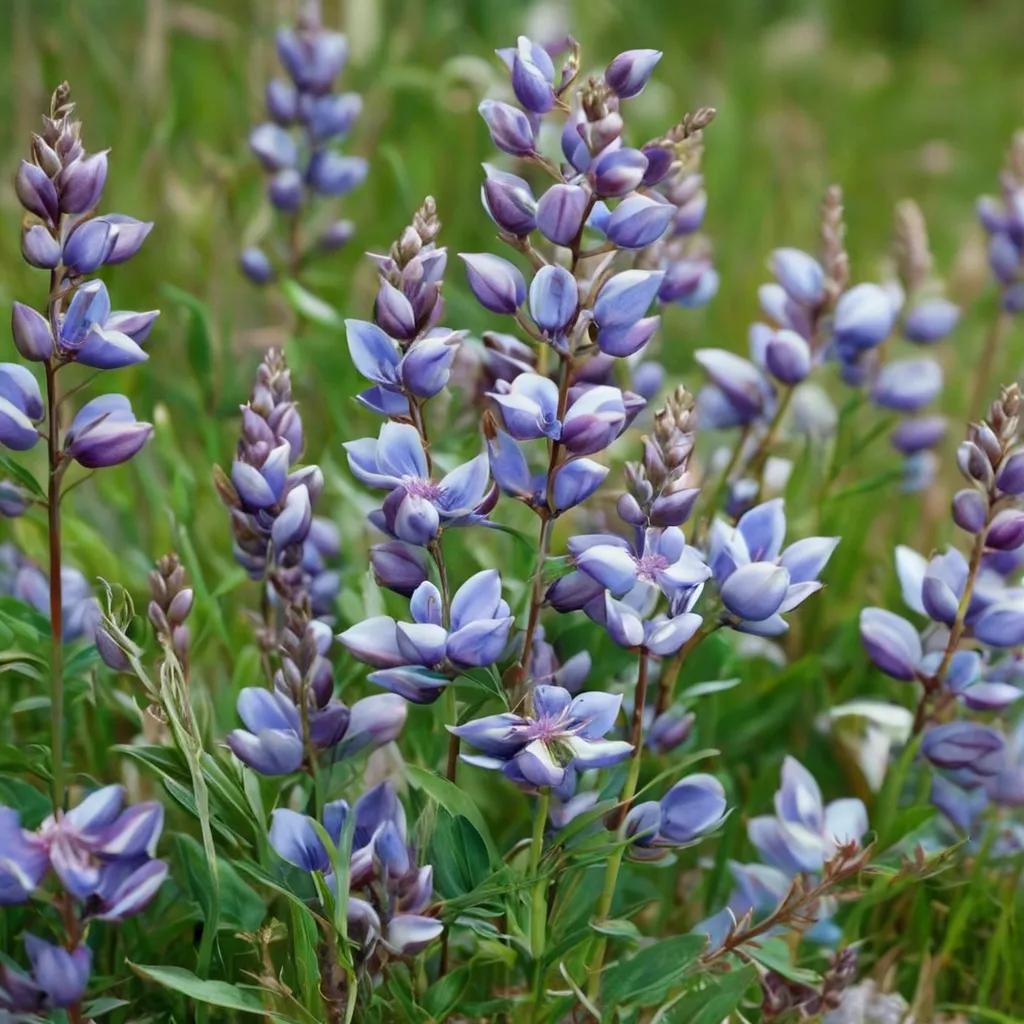
Lupine
Ranked by its most-saved matching variety; the full catalog includes 39 varieties. Palm-shaped leaves and dense flower spires bring bold meadow structure.
Zones 4–9All 39 varieties →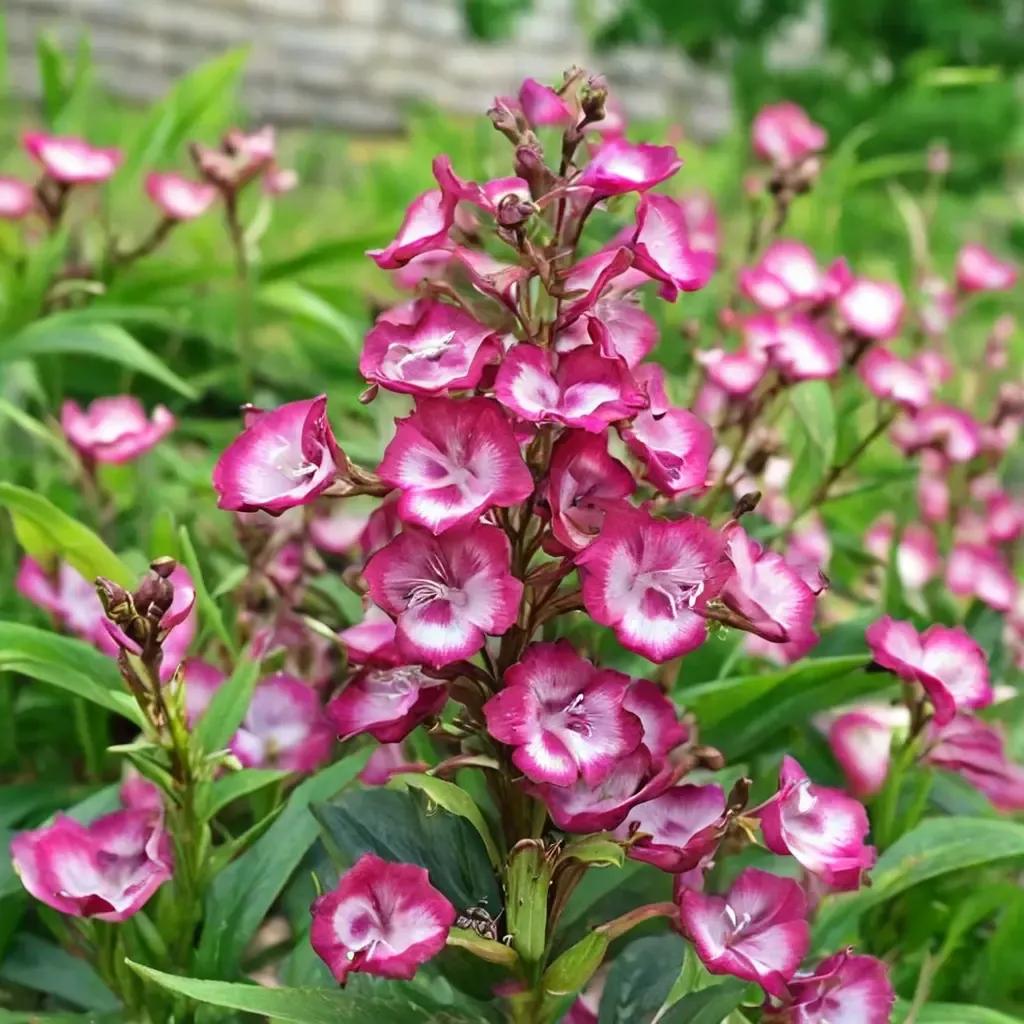
Beardtongue
Ranked by its most-saved matching variety; the full catalog includes 49 varieties. Tubular flowers rise above tidy foliage and supply nectar in lean, sunny soil.
Zones 4–8All 49 varieties →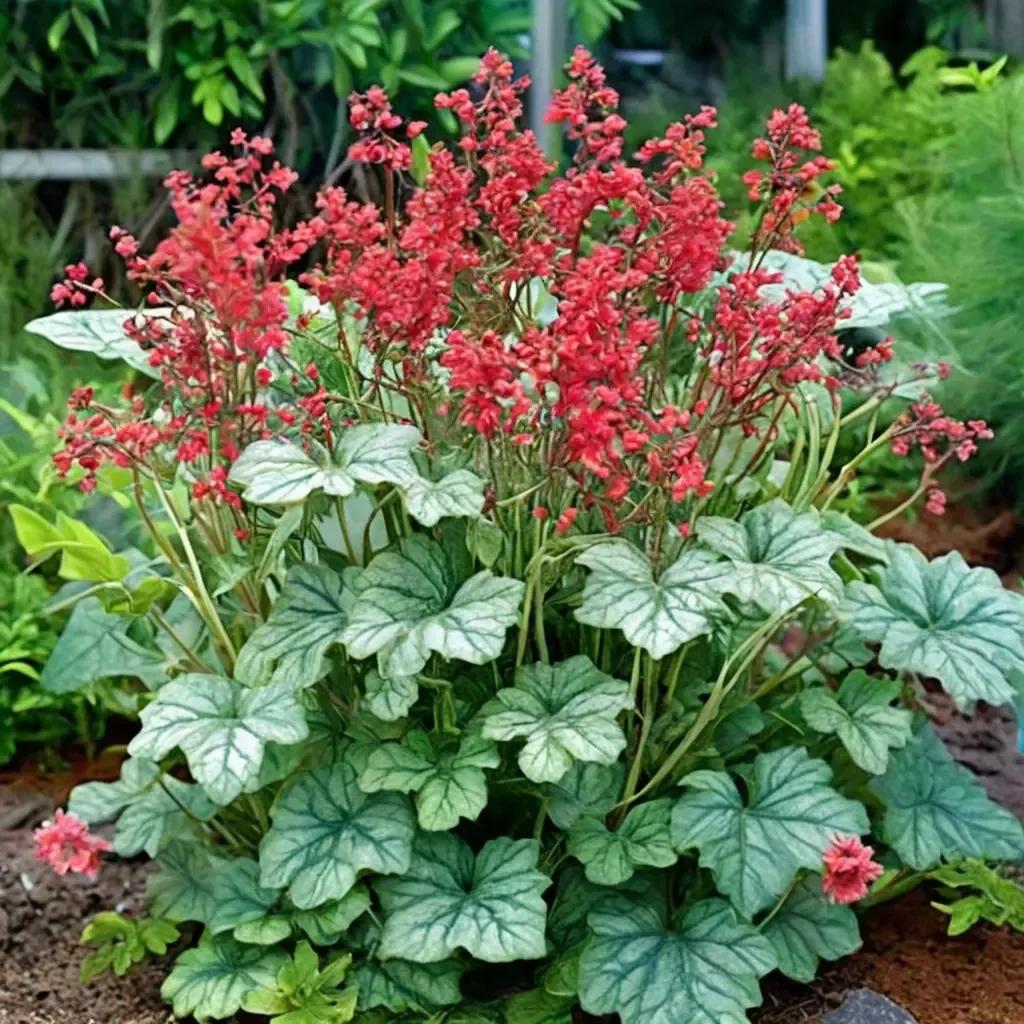 10
10Heuchera
Coral Bells
Ranked by its most-saved matching variety; the full catalog includes 180 varieties. Scalloped foliage supplies season-long color in shades few perennials can match.
Zones 4–8All 180 varieties →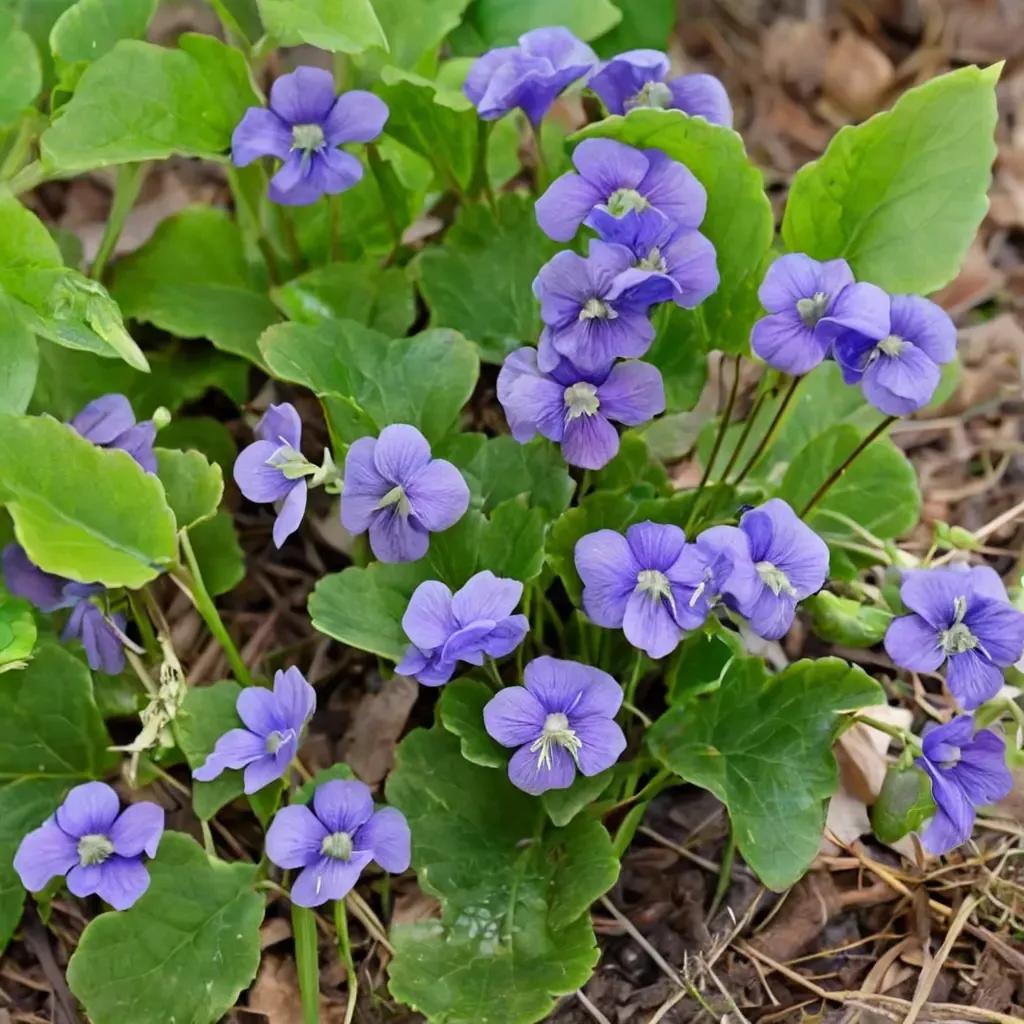 11
11Viola
Violet / Pansy
Ranked by its most-saved matching variety; the full catalog includes 39 varieties. Small, expressive flowers bring early color and often seed into charming colonies.
Zones 4–8All 39 varieties →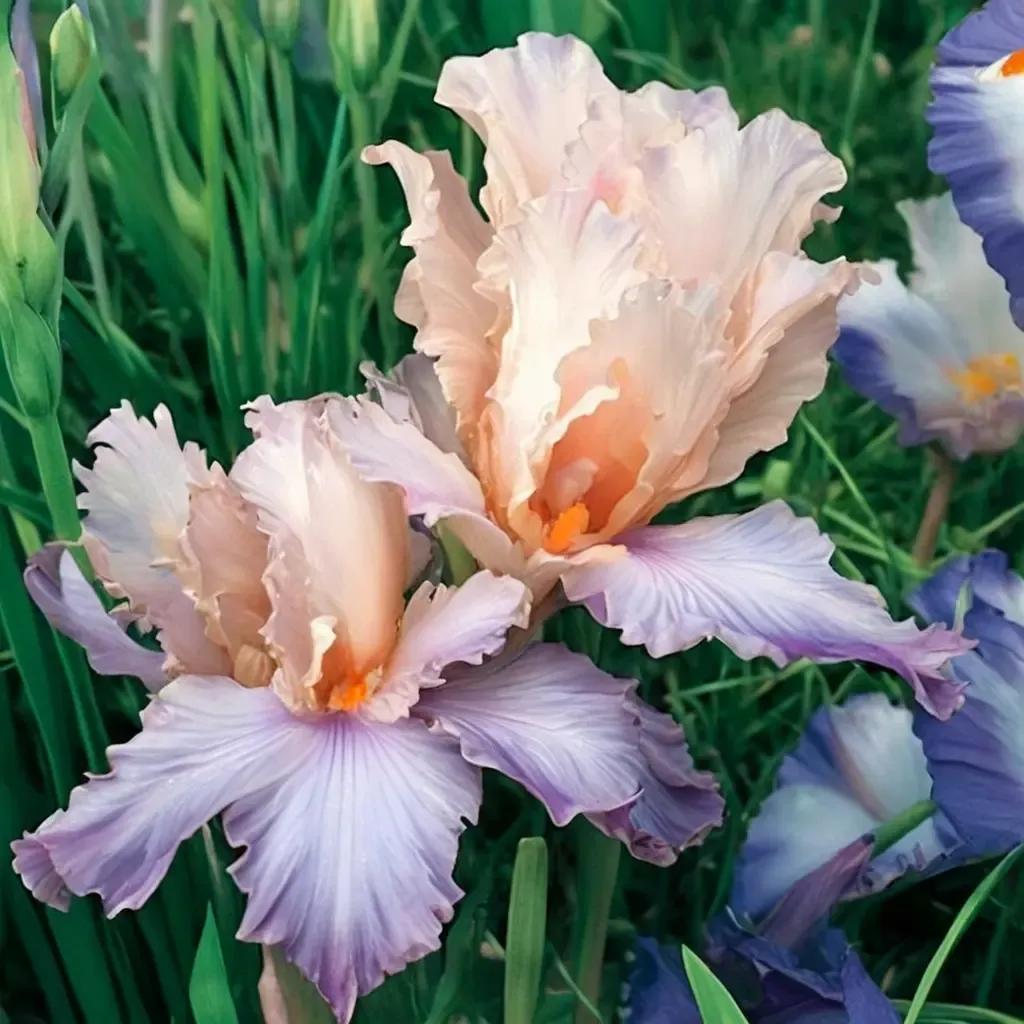 12
12Iris
Ranked by its most-saved matching variety; the full catalog includes 262 varieties. Sword-like leaves and intricate flowers give beds a strong architectural rhythm.
Zones 4–9All 262 varieties →
Wild Buckwheat
Ranked by its most-saved matching variety; the full catalog includes 5 varieties. Its representative is notable for being North American native and dry-spell tolerant.
Zones 4–8All 5 varieties →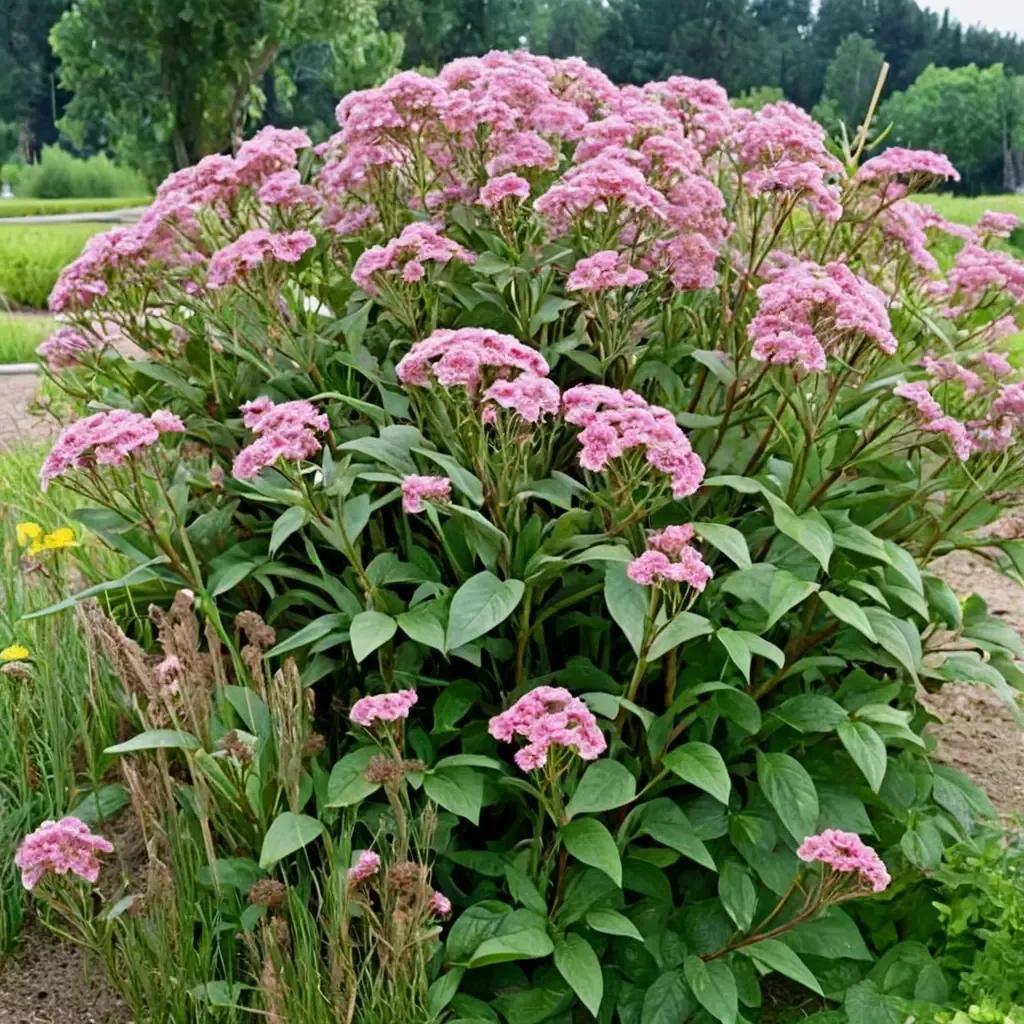
Joe Pye Weed
Ranked by its most-saved matching variety; the full catalog includes 29 varieties. Broad, nectar-rich flower clusters crown tall stems in moist late-season borders.
Zones 4–8All 29 varieties →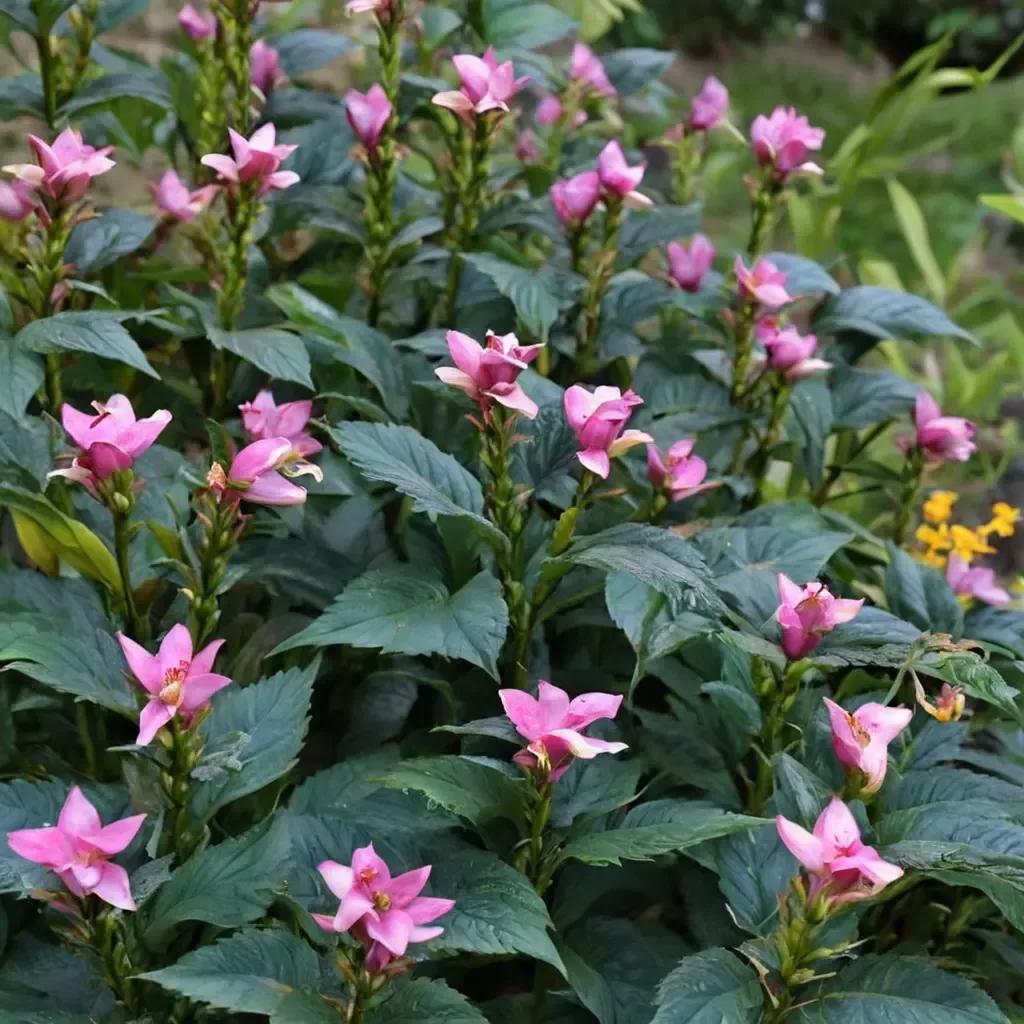 15
15Chelone
Turtlehead
Ranked by its most-saved matching variety; the full catalog includes 6 varieties. Turtle-shaped flowers add late color to moist soil and streamside plantings.
Zones 4–8All 6 varieties → 16
16Verbena
Ranked by its most-saved matching variety; the full catalog includes 54 varieties. Small flower clusters on airy stems add nectar without visually crowding a border.
Zones 5–10All 54 varieties → 17
17Zizia
Golden Alexanders
Ranked by its most-saved matching variety; the full catalog includes 1 variety. Its representative is notable for being North American native and usually passed over by deer.
Zones 4–8All 1 variety →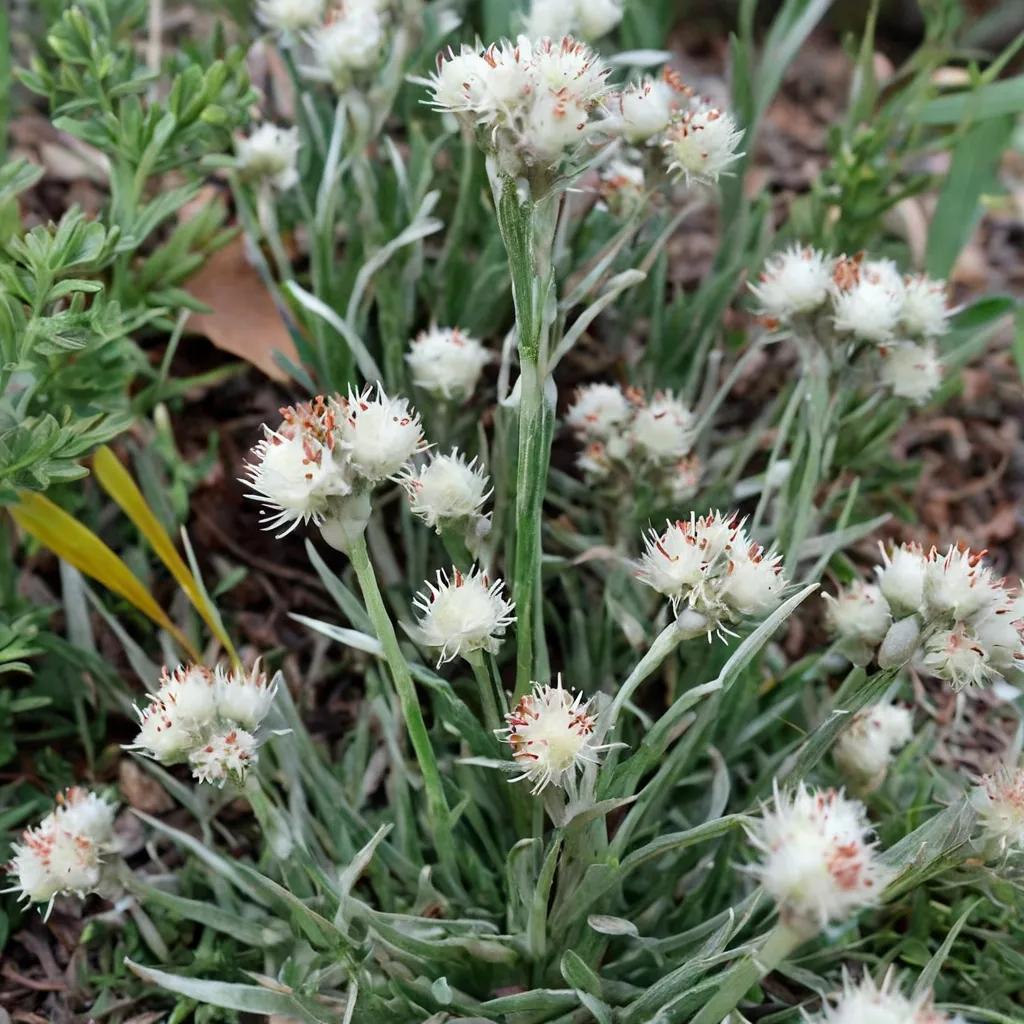
Pussytoes
Ranked by its most-saved matching variety; the full catalog includes 2 varieties. Its representative is notable for being North American native and dry-spell tolerant.
Zones 4–8All 2 varieties →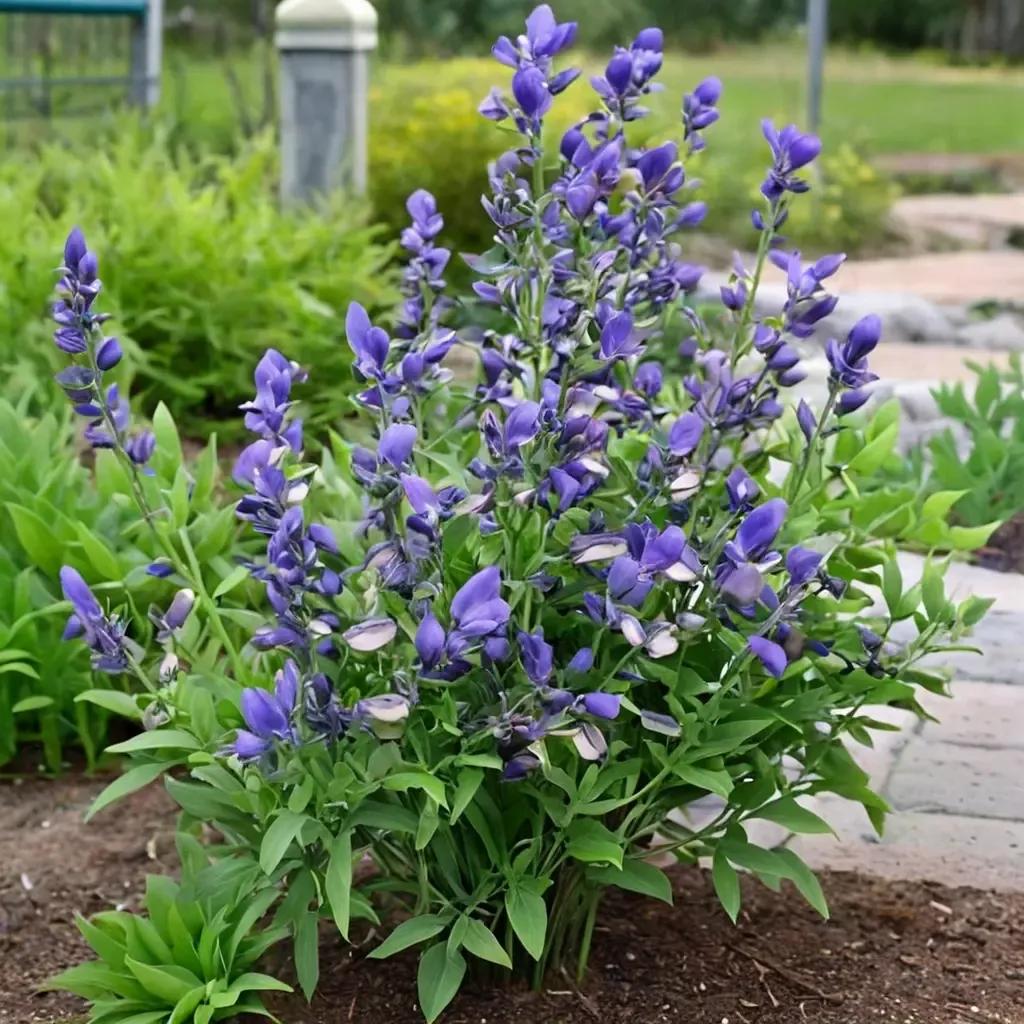 19
19Baptisia
False Indigo
Ranked by its most-saved matching variety; the full catalog includes 38 varieties. Shrub-like clumps carry lupine-shaped flowers, then ornamental charcoal seedpods.
Zones 4–9All 38 varieties →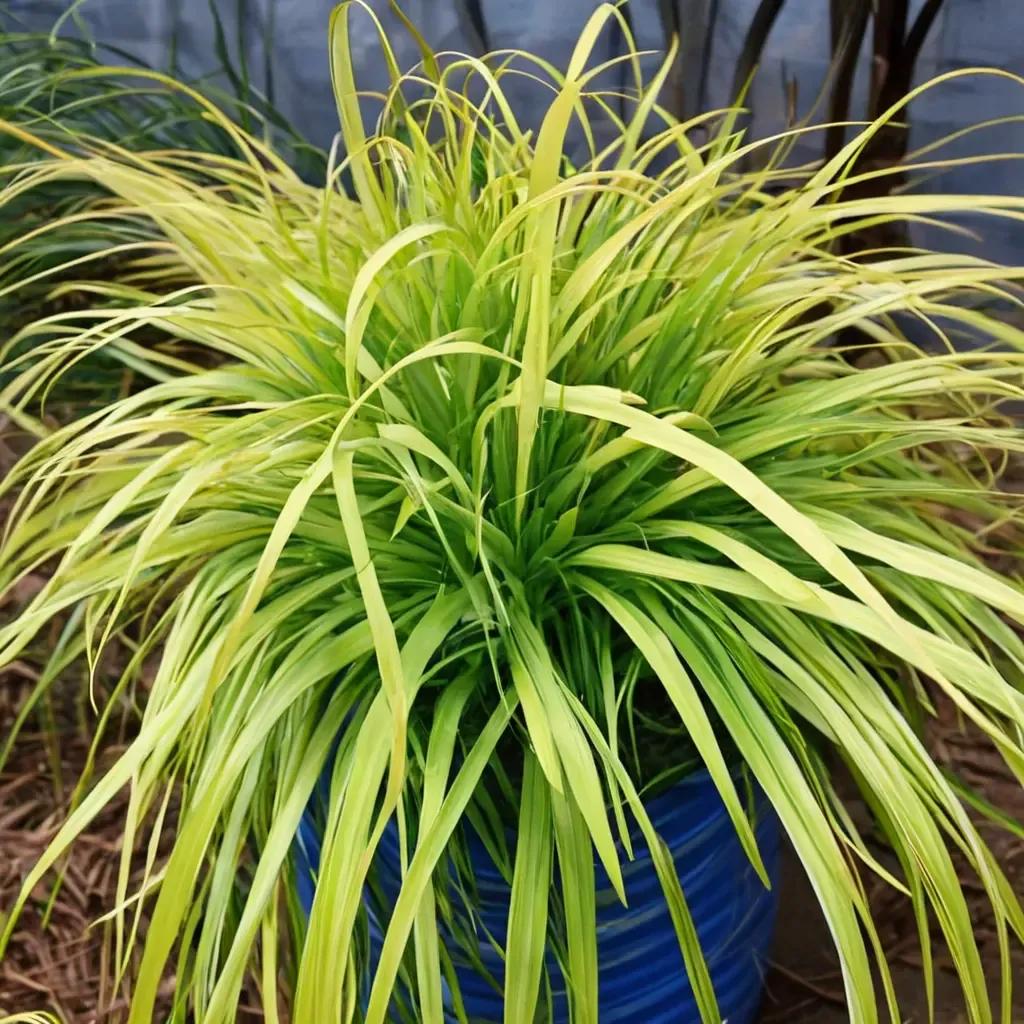 20
20Carex
Sedge
Ranked by its most-saved matching variety; the full catalog includes 91 varieties. Sedges offer an exceptional range of textures for weaving through difficult sites.
Zones 5–9All 91 varieties →
About this list
How was this the most popular north american native perennials in zone 8 list ranked?
A plant must first match the catalog filters named in the title. Each genus is represented and ranked by its most-saved matching variety, so genera with many cultivars do not receive an automatic advantage.
Are all of these hardy in Zone 8?
Yes — every plant on this list is rated for Zone 8. Plants that could not survive a Zone 8 winter were excluded before ranking.
Why plant North American native plants?
Regionally appropriate North American native plants can support specialist insects and other wildlife that depend on plants with which they evolved.
Are North American native plants low maintenance?
They can be when matched to the site, but “North American native” is not a care requirement. A wet-prairie plant still needs moisture, and a desert plant still needs drainage.
Track these in your garden
Save the ones you plant and get care reminders timed to Zone 8.
Keep exploring
More popularity lists
- Most Popular Perennials for Shade
- Most Popular Deer-Resistant Perennials
- Most Popular Plants Tagged for Pollinators
- Most Popular Drought-Tolerant Plants
- Most Popular Flowering Shrubs
- Most Popular Groundcovers for Shade
- Most Popular Privacy Shrubs and Screening Plants
- Most Popular North American Native Perennials