Popularity, clearly labeled
The Most Popular Succulents and Hardy Sedum
Among plants cataloged as cacti or succulents, these are the genera Sow gardeners save most. Cold hardiness and water needs vary widely within this category.
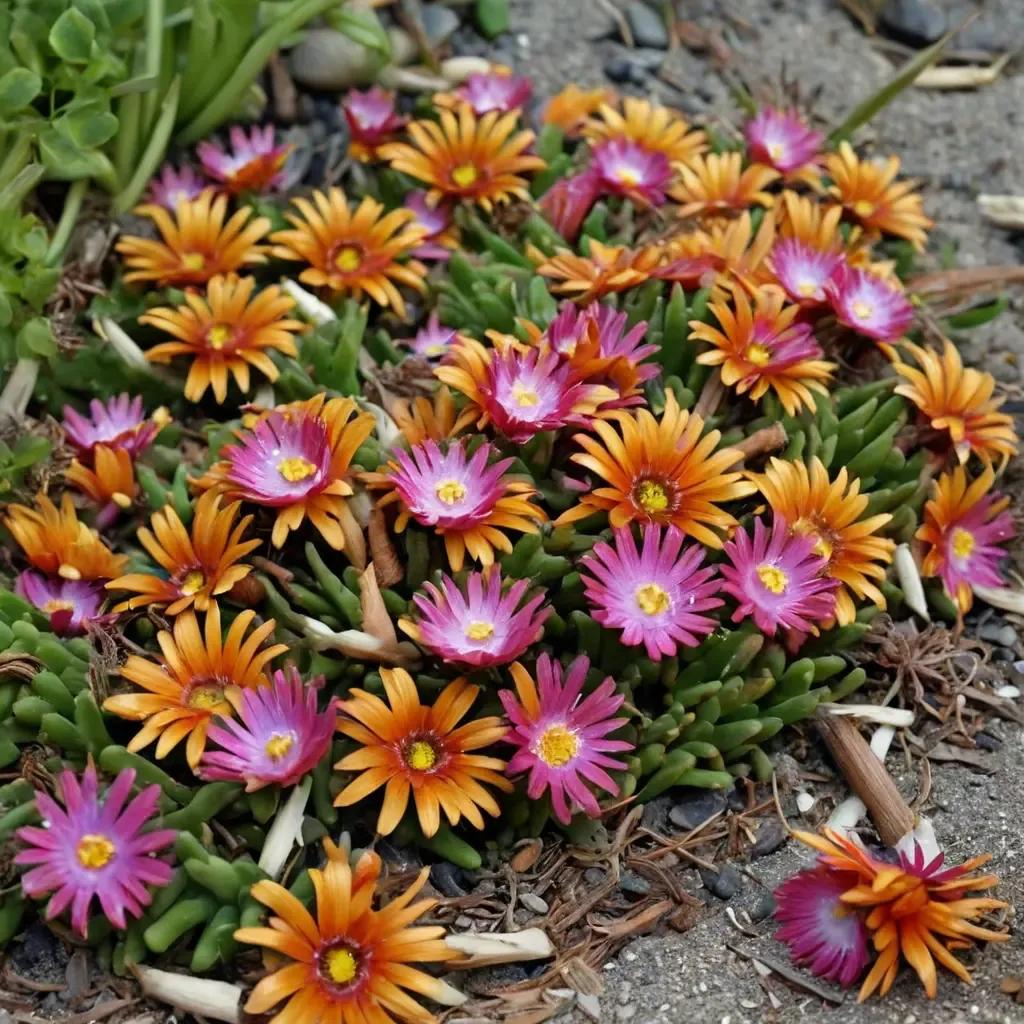
Ice Plant
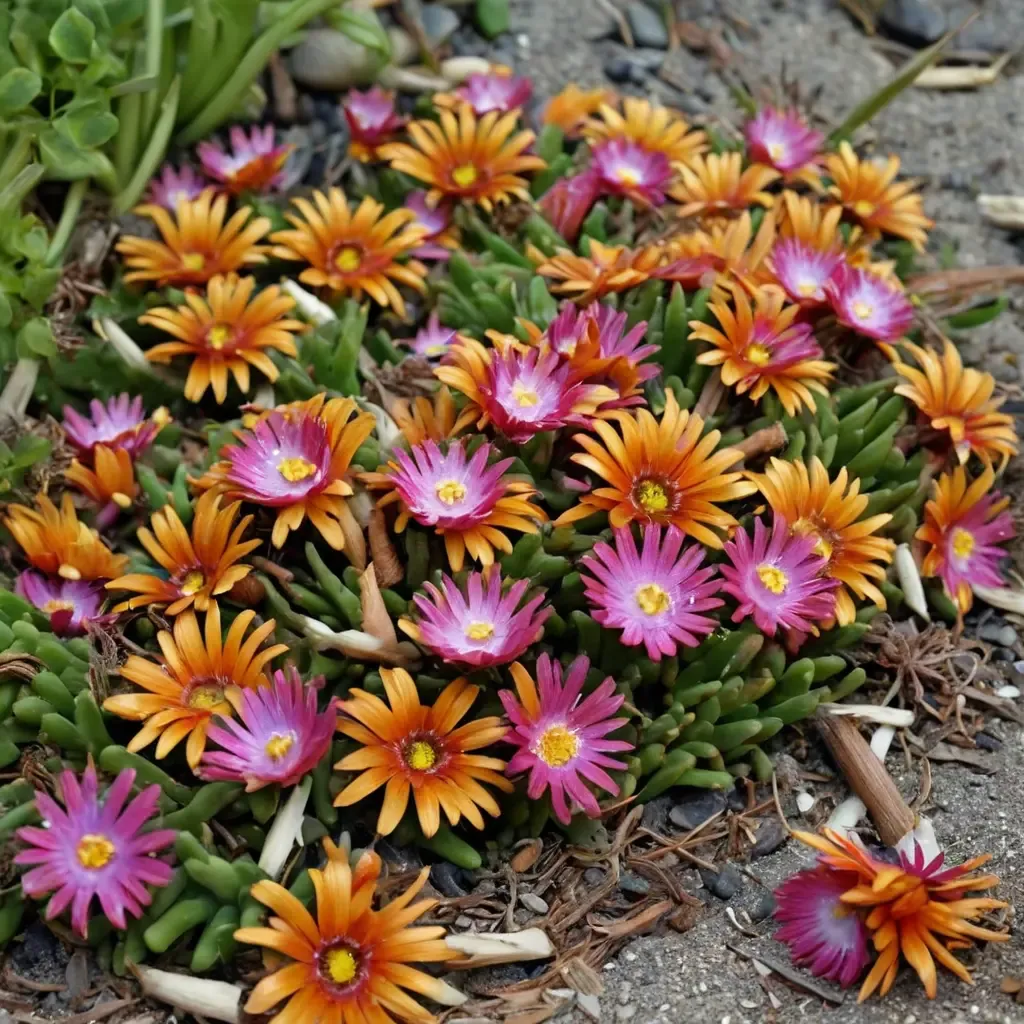
Ranked by its most-saved matching variety; the full catalog includes 19 varieties. Jewel-bright daisies open over a water-storing mat in hot, dry ground.
Zones 5–10All 19 varieties →
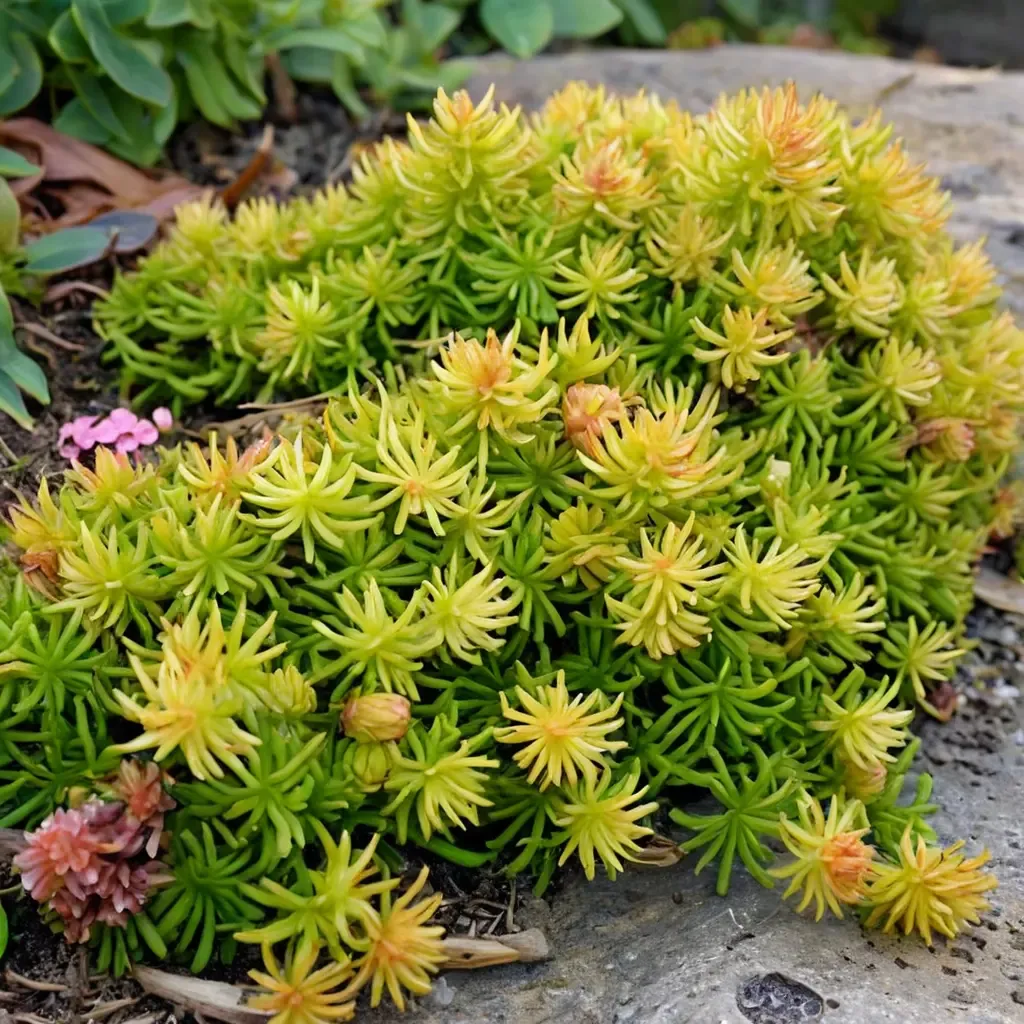
Stonecrop
Ranked by its most-saved matching variety; the full catalog includes 105 varieties. Water-storing foliage and late flower plates keep sunny beds useful through drought.
Zones 4–10All 105 varieties →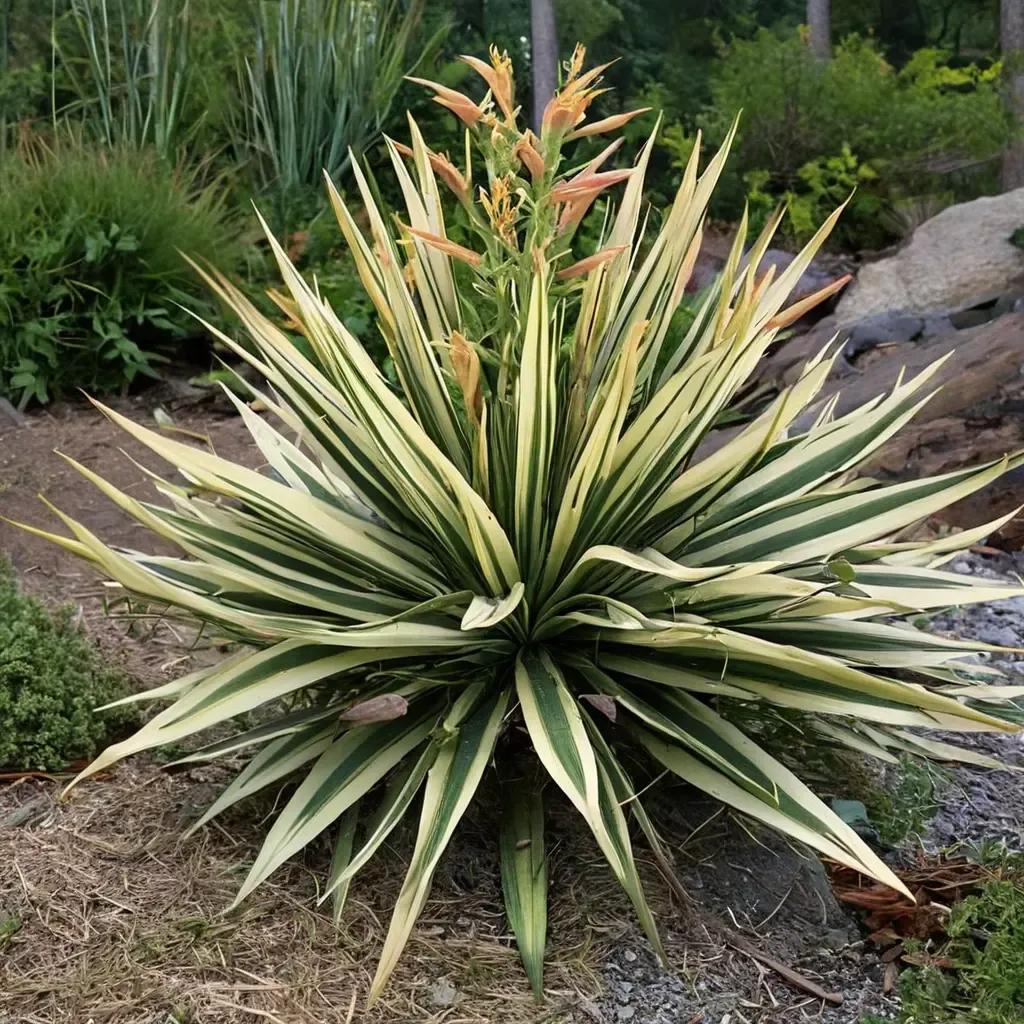
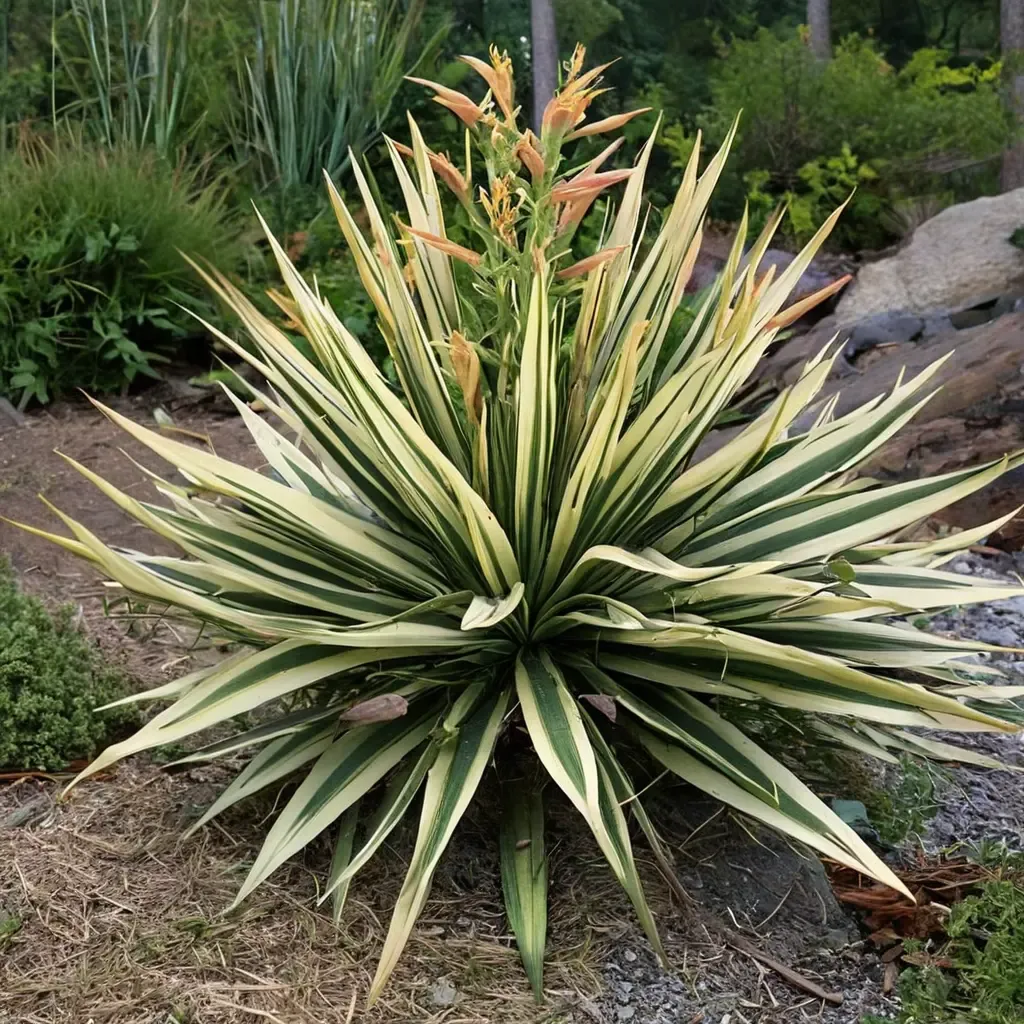
Ranked by its most-saved matching variety; the full catalog includes 47 varieties. Sword-like evergreen rosettes and towering flower stalks thrive in exposed ground.
Zones 4–10All 47 varieties →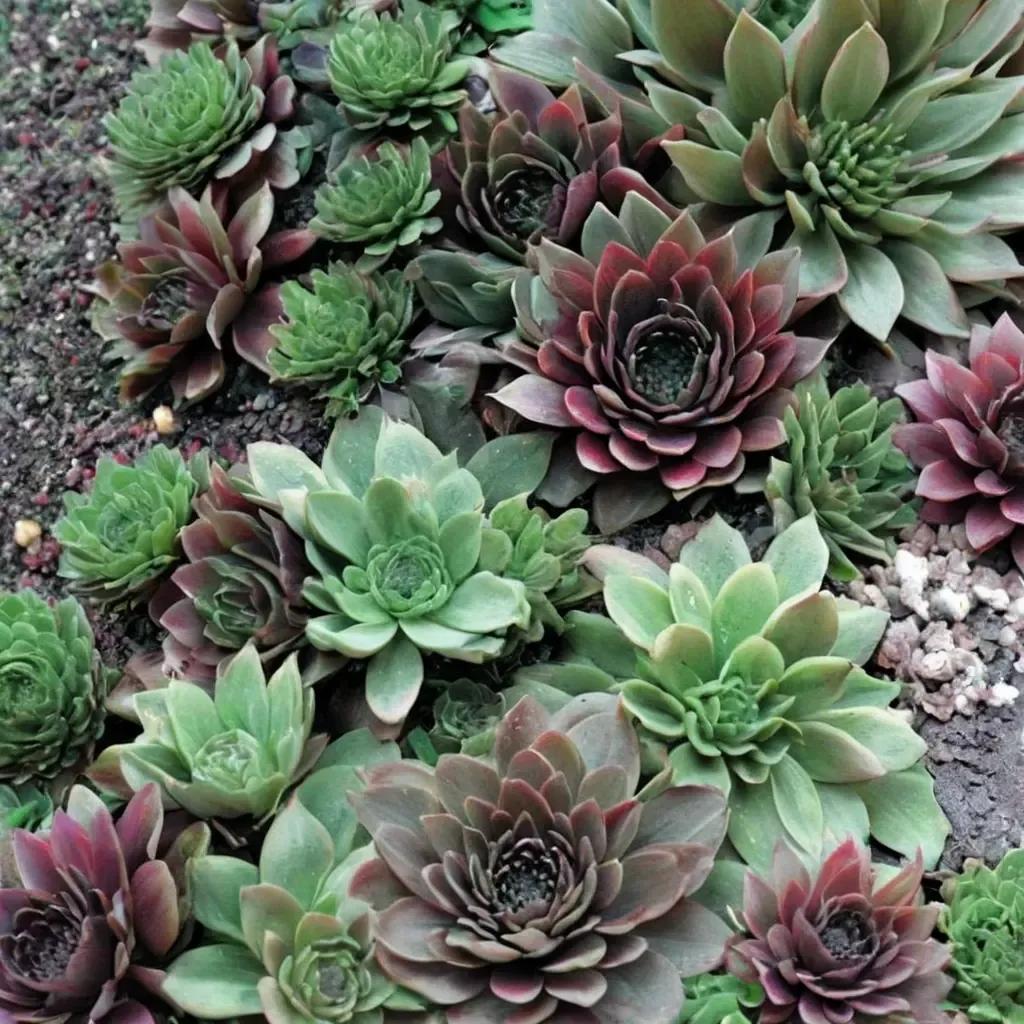
Hens and Chicks
Ranked by its most-saved matching variety; the full catalog includes 16 varieties. Hen-and-chick rosettes multiply into colorful mosaics through cold and drought.
Zones 4–8All 16 varieties →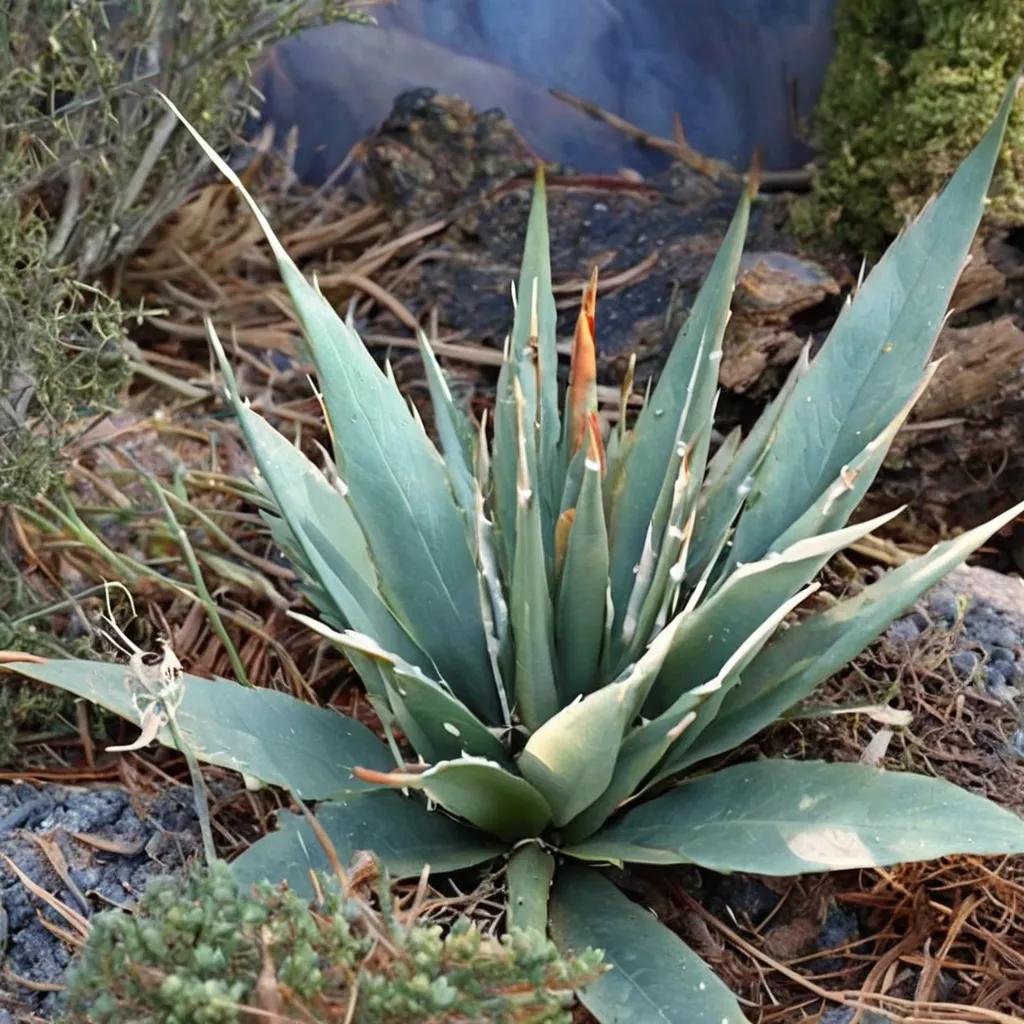
Ranked by its most-saved matching variety; the full catalog includes 90 varieties. Bold, geometric rosettes create living architecture in hot, sharply drained sites.
Zones 5–10All 90 varieties →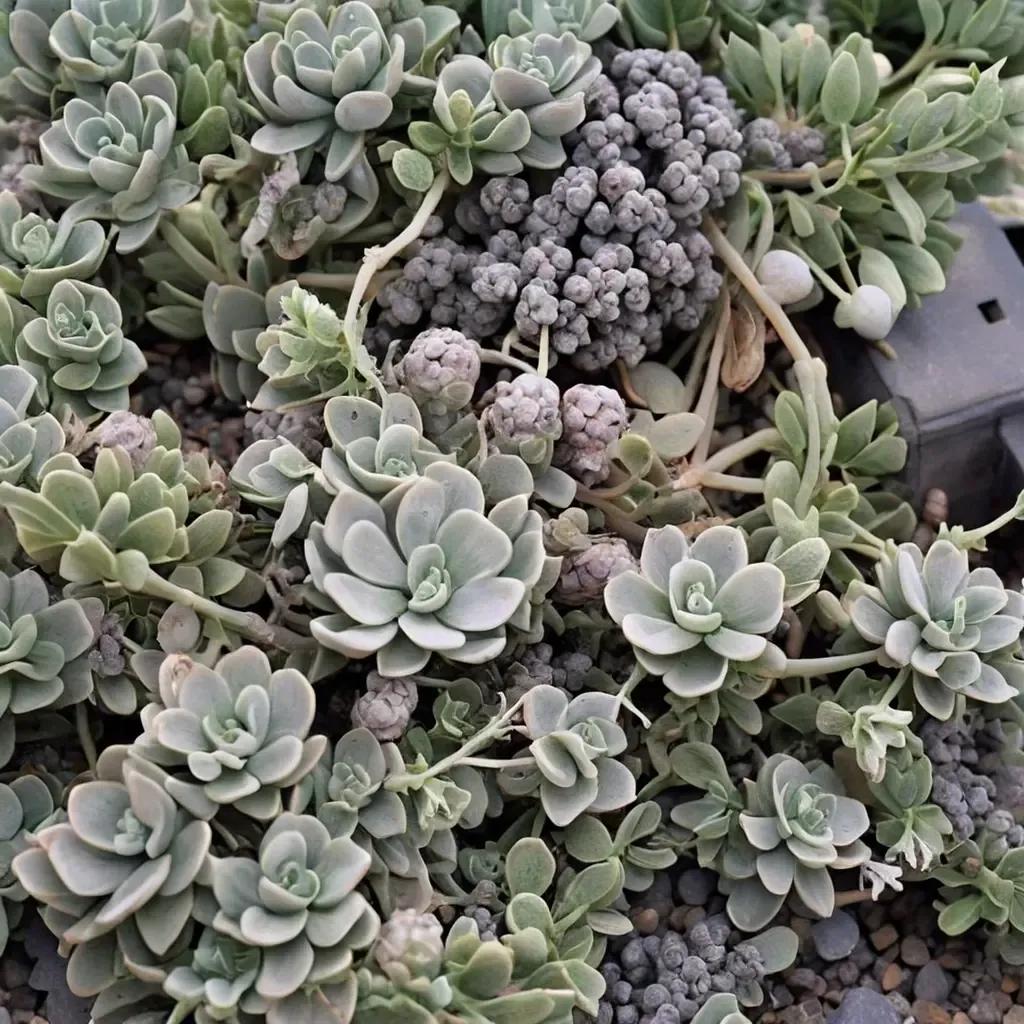
Dunce Cap
Ranked by its most-saved matching variety; the full catalog includes 5 varieties. Concentric rosettes multiply around curious cone-like flower spikes in gritty soil.
Zones 5–10All 5 varieties →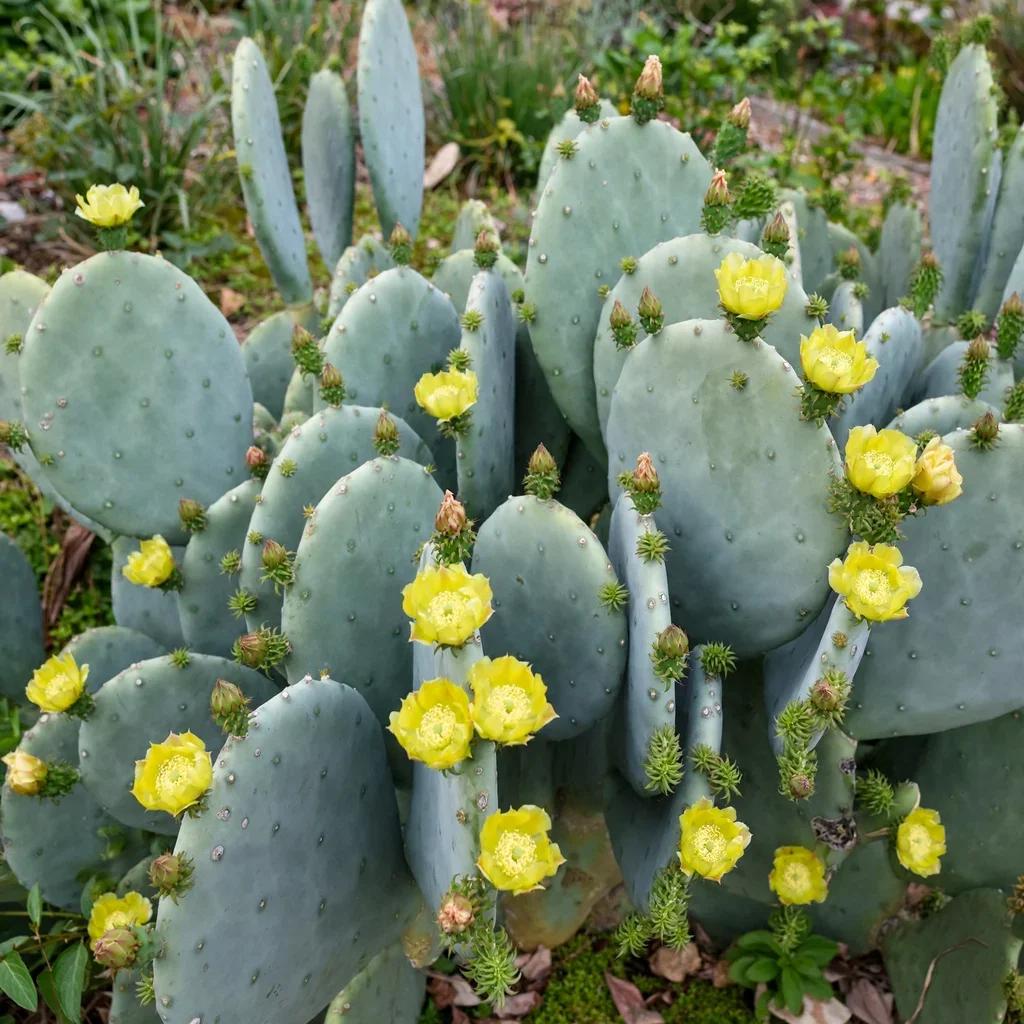
Prickly Pear
Ranked by its most-saved matching variety; the full catalog includes 2 varieties. Paddle-shaped stems prove a cactus can bring flowers and strong form outdoors.
Zones 6–10All 2 varieties →
Ranked by its most-saved matching variety; the full catalog includes 8 varieties. Tough, spreading rosettes and starry flowers cover lean soil with little water.
Zones 4–9All 8 varieties →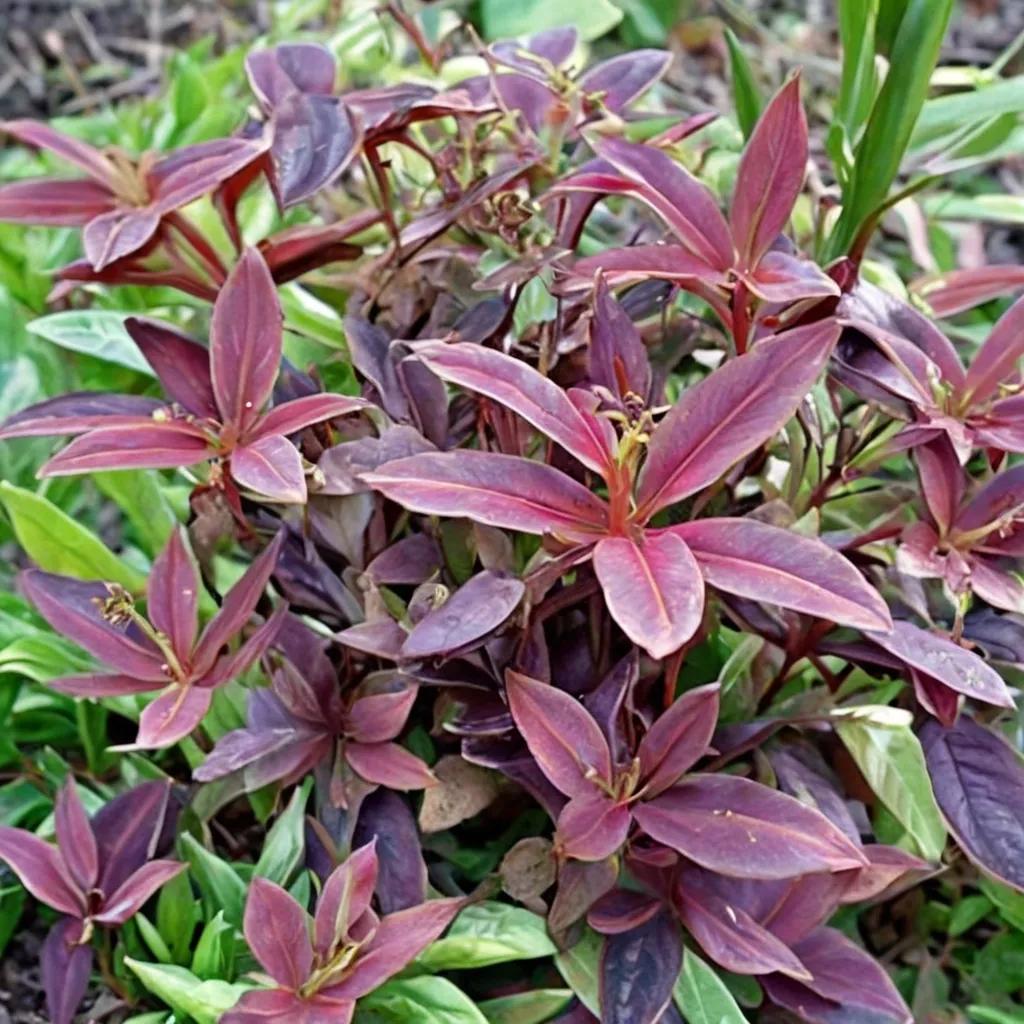
Spurge
Ranked by its most-saved matching variety; the full catalog includes 51 varieties. Graphic bracts and sculptural foliage bring months of form to sharply drained beds.
Zones 4–9All 51 varieties →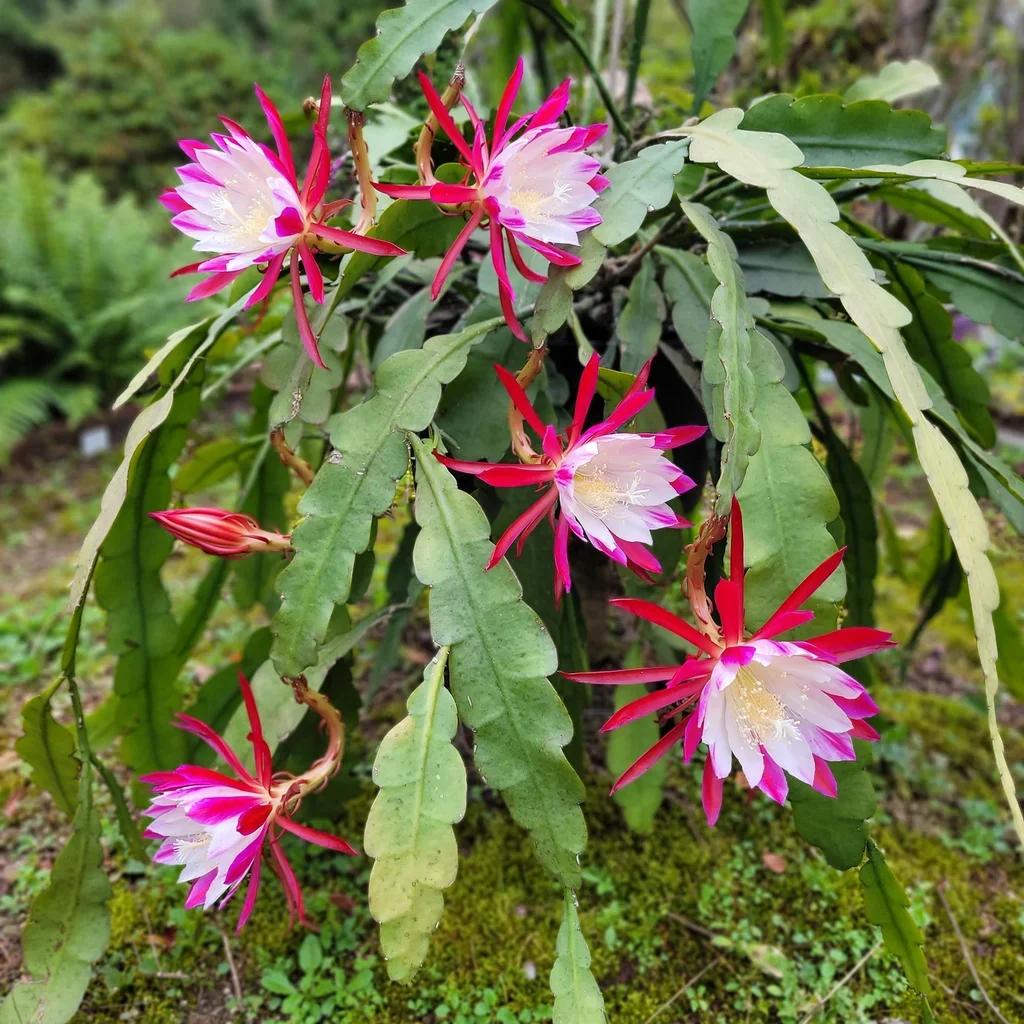
Orchid Cactus
Ranked by its most-saved matching variety; the full catalog includes 5 varieties. Flattened cascading stems produce huge, luminous flowers on a surprisingly compact plant.
Zone 10All 5 varieties →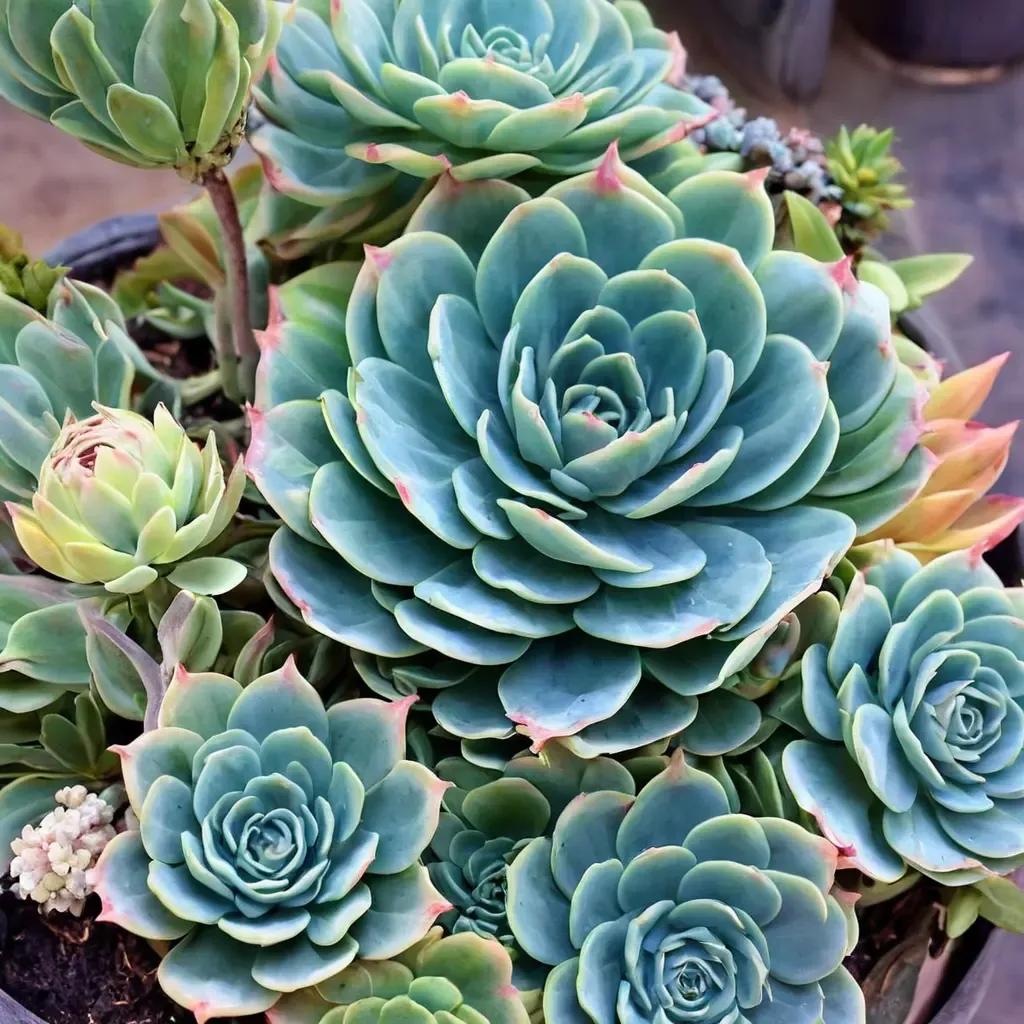
Ranked by its most-saved matching variety; the full catalog includes 13 varieties. Symmetrical rosettes offer living color and geometry for pots and warm borders.
Zones 9–10All 13 varieties →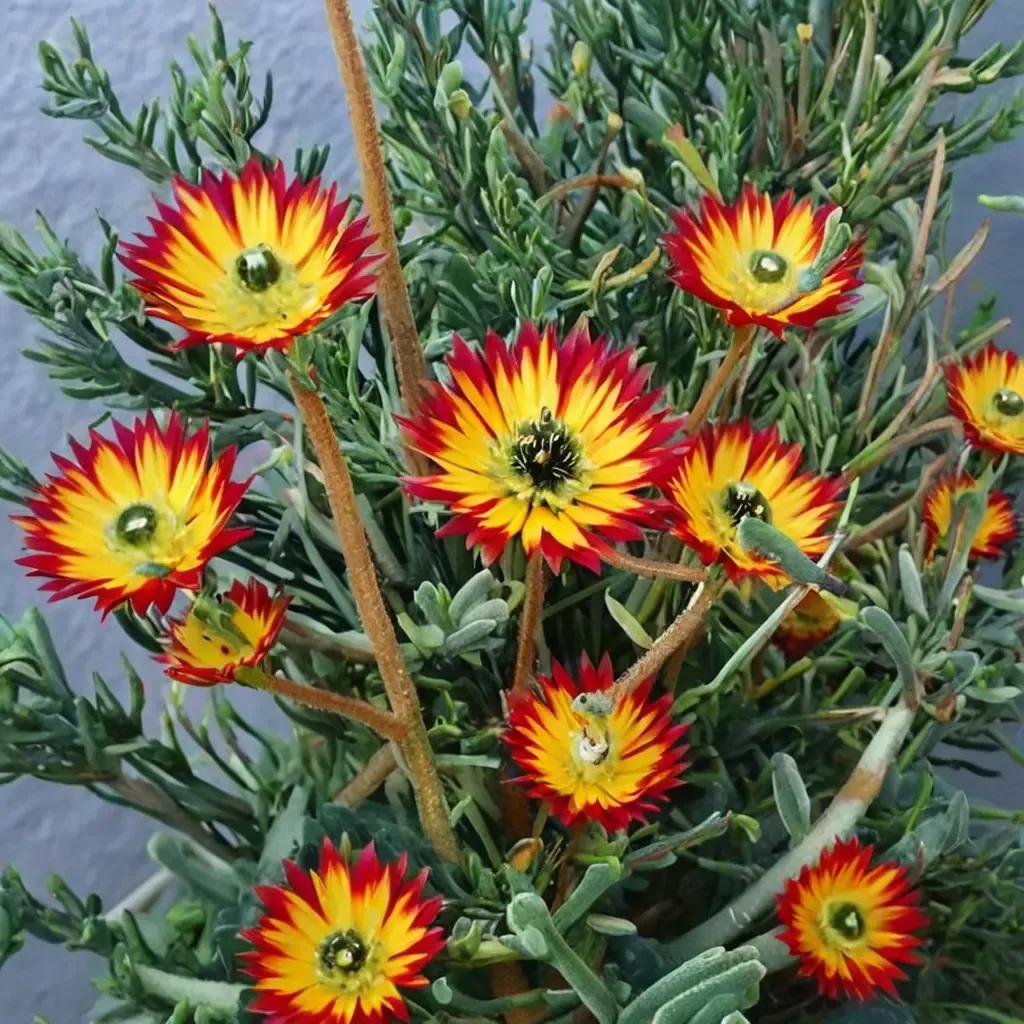
Dewflower
Ranked by its most-saved matching variety; the full catalog includes 1 variety. Shimmering flowers cover low, bead-like foliage when sun and drainage are plentiful.
Zones 6–9All 1 variety →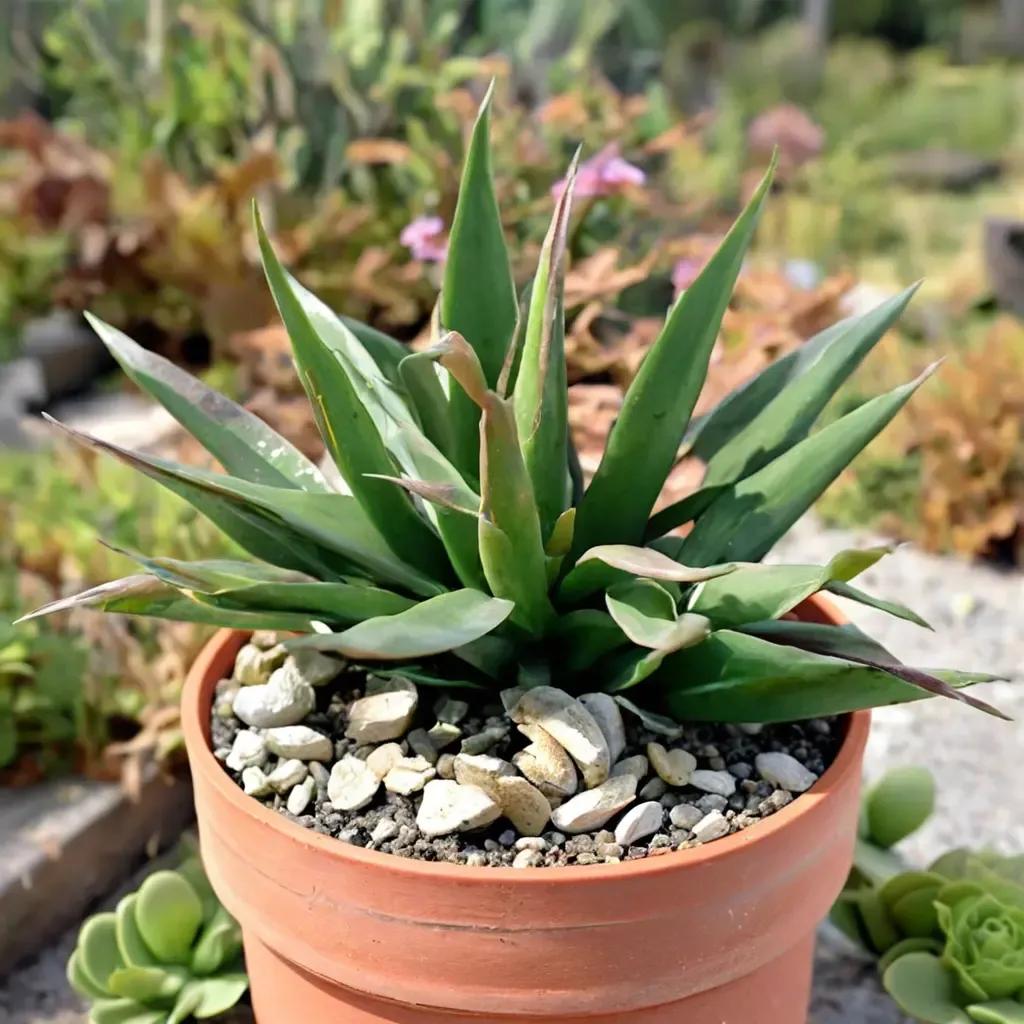
Ranked by its most-saved matching variety; the full catalog includes 1 variety. Its representative is notable for being dry-spell tolerant and usually passed over by deer.
Zones 9–10All 1 variety →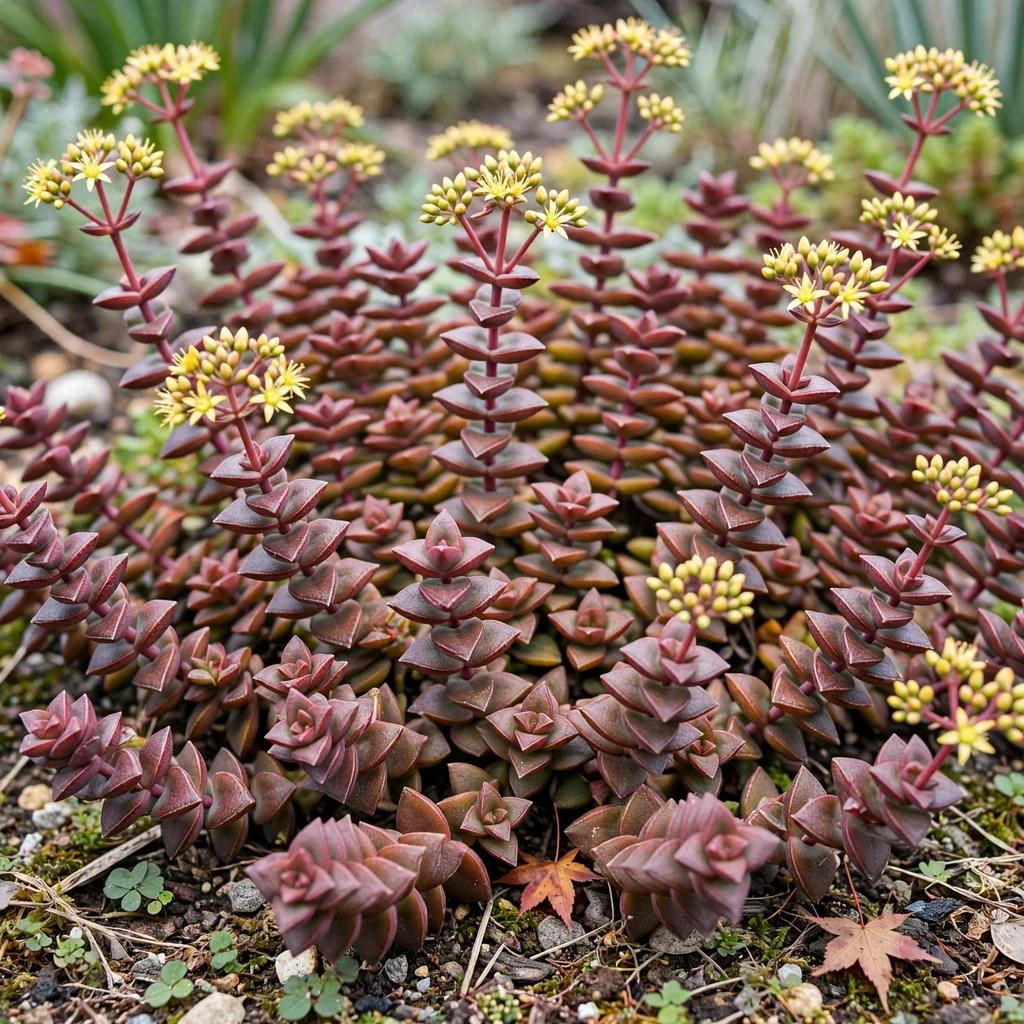 14
14Crassula
Jade Plant
Ranked by its most-saved matching variety; the full catalog includes 9 varieties. Stacked or branching succulent leaves offer extraordinary shape in a small footprint.
Zones 9–10All 9 varieties → 15
15Aloe
Ranked by its most-saved matching variety; the full catalog includes 13 varieties. Fleshy rosettes store water efficiently, while many species add striking flower spikes.
Zones 9–10All 13 varieties → 16
16Aeonium
Ranked by its most-saved matching variety; the full catalog includes 8 varieties. Rosettes held on branching stems give containers a sculptural, tree-like silhouette.
Zones 9–10All 8 varieties →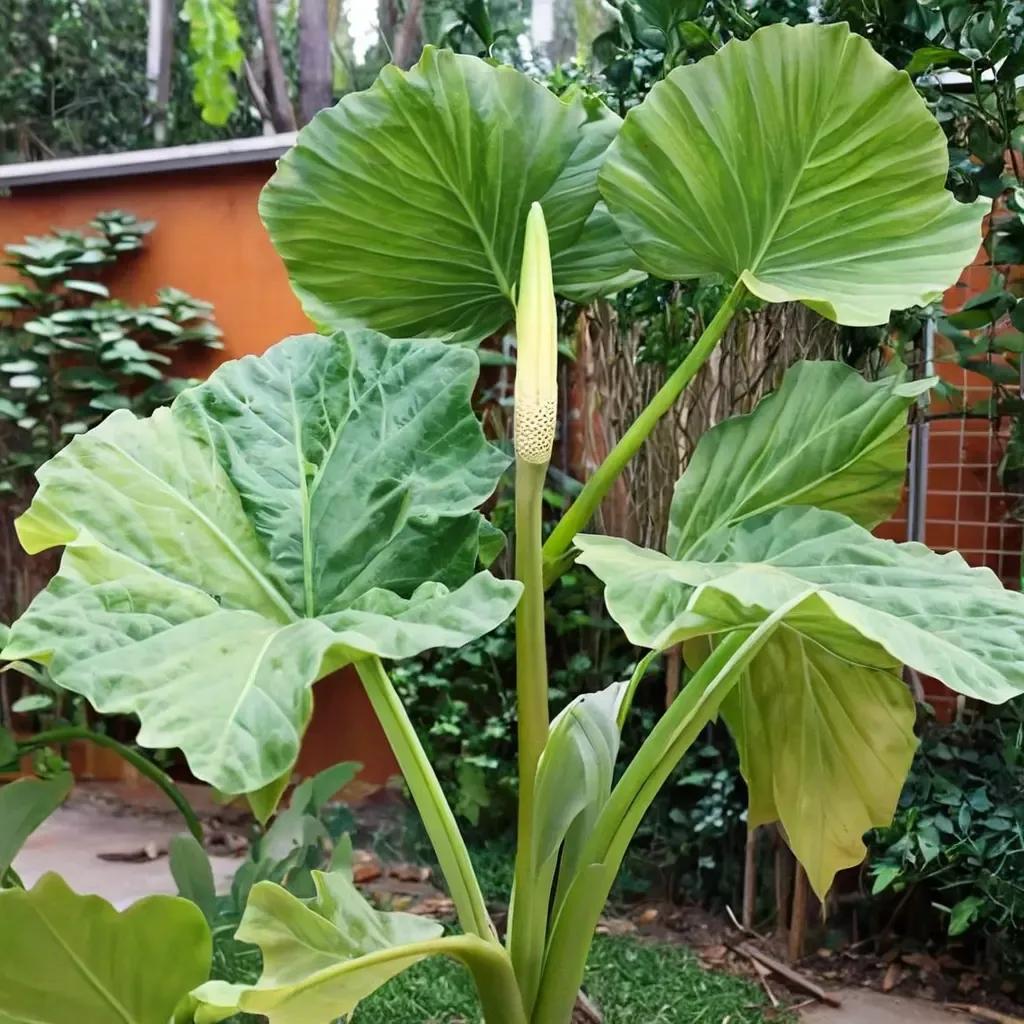 17
17Alocasia
Elephant Ear
Ranked by its most-saved matching variety; the full catalog includes 15 varieties. Monumental, shield-shaped leaves make a single plant feel instantly lush.
Zones 9–10All 15 varieties →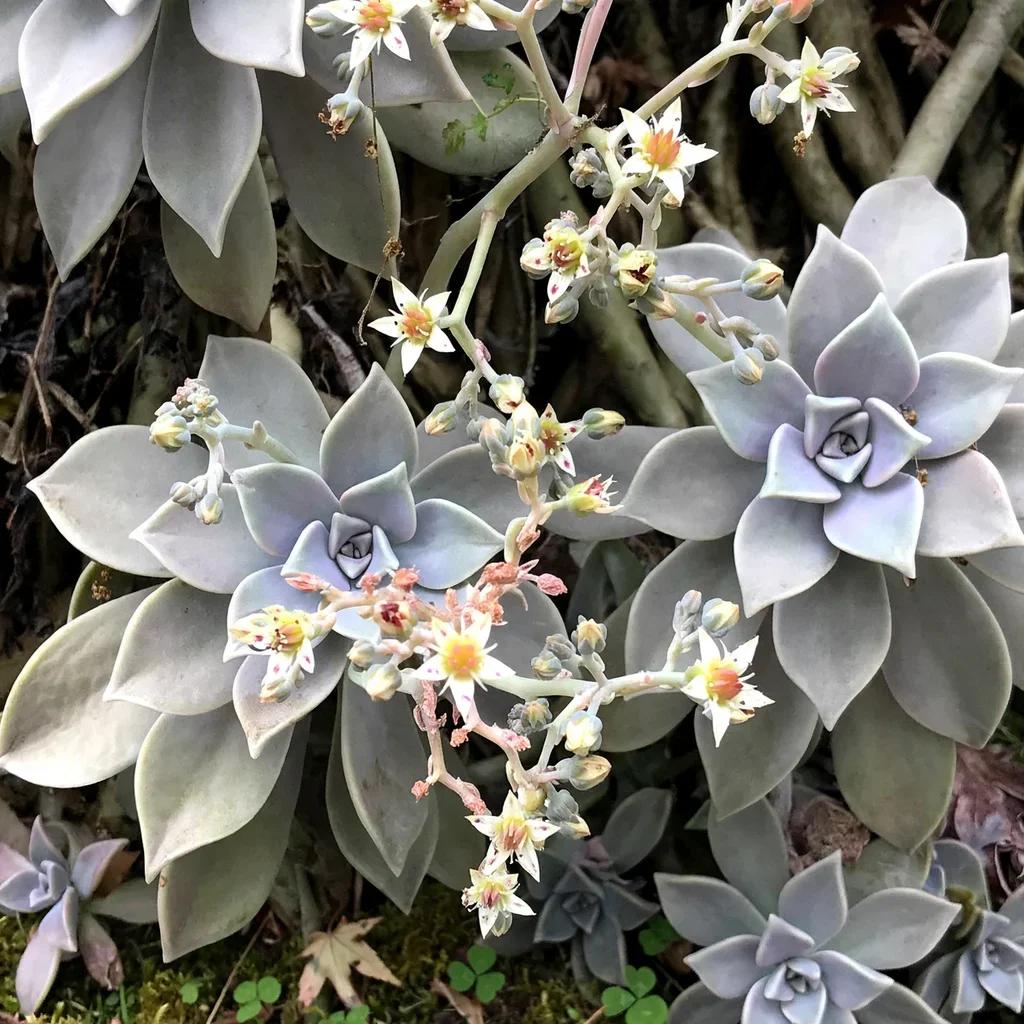
Ghost Plant
Ranked by its most-saved matching variety; the full catalog includes 2 varieties. Its representative is notable for being North American native and dry-spell tolerant.
Zones 9–10All 2 varieties → 19
19Dudleya
Liveforever
Ranked by its most-saved matching variety; the full catalog includes 5 varieties. Chalky North American native rosettes bring refined form to dry gardens without summer irrigation.
Zones 8–10All 5 varieties →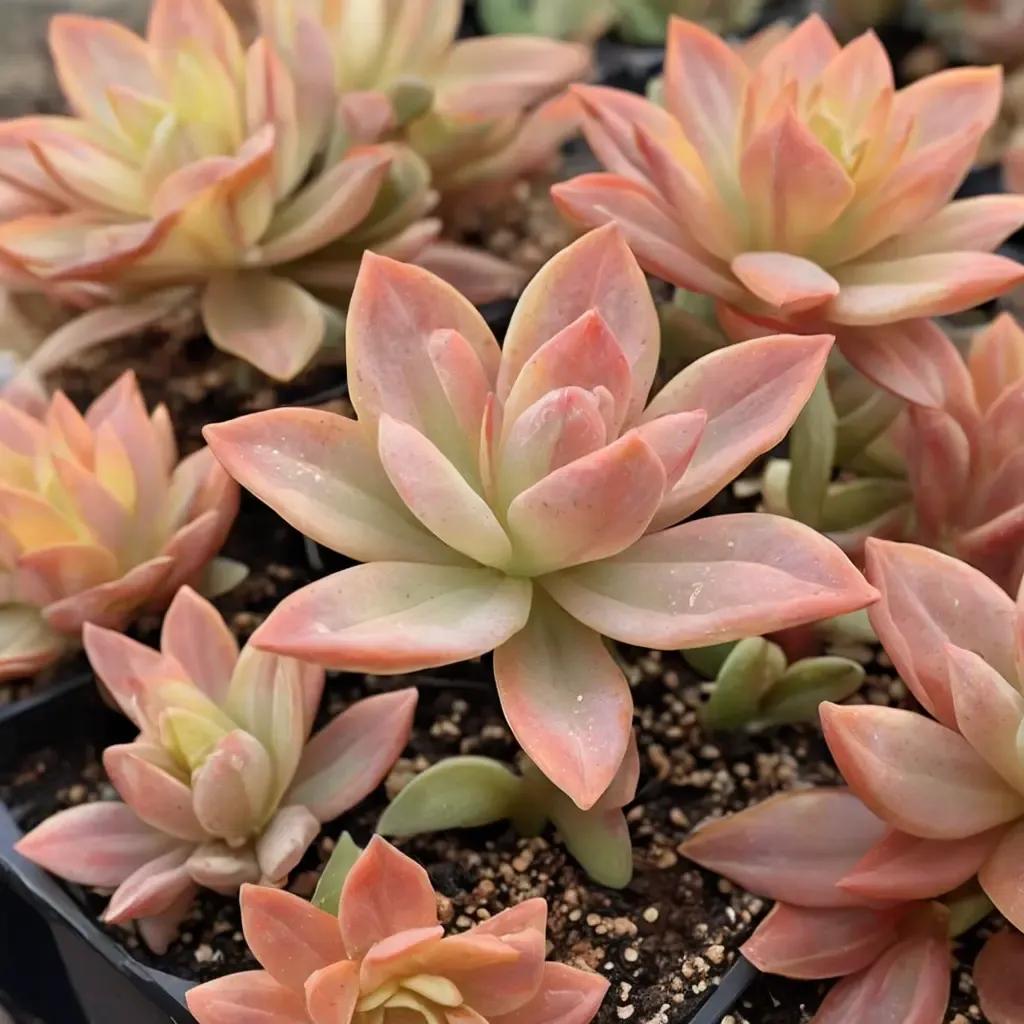
Ranked by its most-saved matching variety; the full catalog includes 2 varieties. Color-shifting rosettes trail and multiply readily, quickly filling sunny containers.
Zones 9–10All 2 varieties →
About this list
How was this the most popular succulents and hardy sedum list ranked?
A plant must first match the catalog filters named in the title. Each genus is represented and ranked by its most-saved matching variety, so genera with many cultivars do not receive an automatic advantage.
Are any succulents winter-hardy in the ground?
Plenty — hardy sedum, sempervivum (hens-and-chicks), and some agave and opuntia take hard freezes as long as they have excellent drainage. Wet feet in winter kills far more of them than cold does.
What soil do outdoor succulents need?
Fast-draining and lean. Amend heavy clay with grit or coarse sand, or plant on a slope or raised area — the goal is that water never sits around the roots.
Track these in your garden
Save the ones you plant and get care reminders timed to your zone.
Keep exploring
Browse & shop
More popularity lists
- Most Popular Perennials for Shade
- Most Popular Deer-Resistant Perennials
- Most Popular Plants Tagged for Pollinators
- Most Popular Drought-Tolerant Plants
- Most Popular Flowering Shrubs
- Most Popular Groundcovers for Shade
- Most Popular Privacy Shrubs and Screening Plants
- Most Popular North American Native Perennials