The Story
Plant Bio
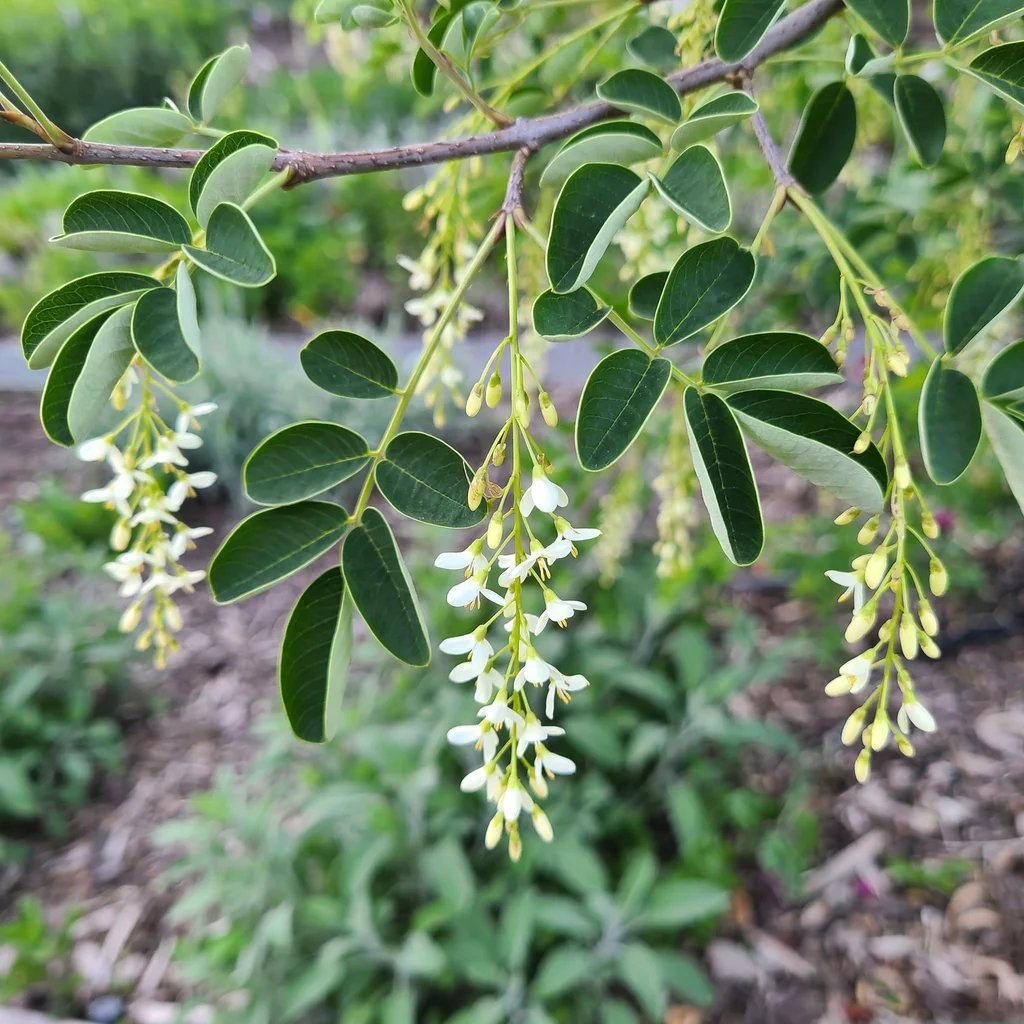
Fraxinus dipetala is a deciduous multi-stemmed small tree or large shrub native to dry slopes and canyons across the southwestern United States and northern Mexico. Distinctive four-angled branchlets carry pinnately compound leaves that emerge dark green and remain smooth above with paler undersides.
Unlike most ash species, it bears bisexual flowers featuring two long white petal-like lobes arranged in airy hanging clusters during spring. The fragrant blooms attract native pollinators and serve as a larval host plant for the pale tiger swallowtail butterfly.
Uses & Benefits:
Essentials
At a Glance
Plant Type
Tree
Height
276"
Width
157"
Light
Full Sun, Partial Sun
Zones
7, 8, 9, 10
Water
Low
Humidity
Low to Moderate
Lifespan
Perennial
Native To
Southwestern United States, Northern Mexico
Toxicity
Non-toxic (foliage can cause contact dermatitis)
Bloom period
Spring – Late spring
In flower about 3 months of the year
Planting
How to Grow
- Plant in a full-sun to partial-shade location with sharply draining soil, constructing a raised mound if planting in heavy clay.
- Water thoroughly at planting and maintain moderate soil moisture during the first dry season to anchor roots.
- Taper irrigation after establishment, restricting deep soakings to periods of extreme summer heat.
- Prune minimally in late winter to remove dead or crossing stems and shape the multi-trunked habit.
Pro Tip
Frequent summer lawn irrigation triggers root rot; allow the soil to dry out completely between occasional deep waterings once established.
Keep It Thriving
Care Guide
Do
- Ensure sharp drainage around the root zone, especially on clay soils.
- Allow soil to dry thoroughly between summer soakings once established.
- Prune during winter dormancy to remove dead wood and preserve form.
Don't
- Do not overwater during hot summer months or allow standing water near the base.
- Do not cut hard into old wood lacking active dormant buds.
- Do not apply heavy nitrogen fertilizer, as native soils provide adequate nutrients.
Seasonal Care Calendar
| Task | Jan | Feb | Mar | Apr | May | Jun | Jul | Aug | Sep | Oct | Nov | Dec |
|---|---|---|---|---|---|---|---|---|---|---|---|---|
| Mulch | ||||||||||||
| Pest Check | ||||||||||||
| Prune | ||||||||||||
| Spring Cleanup |
Watch Out For
Pests & Diseases
Common Pests
Common Diseases
In the Garden
Landscape Uses & Companions
Landscape Uses
Companion Plants
Multiply
Propagation Methods
Good to Know
Common Questions
California Ash questions
What zones can California Ash grow in?
California Ash is hardy in USDA Zones 7–10: in that range it survives winter in the ground. Colder than Zone 7, winters are too cold for it to survive outdoors.
Is California Ash deer resistant?
Not reliably. Deer may browse California Ash, especially tender spring growth — plan on repellents or fencing where pressure is high.
When does California Ash bloom?
California Ash typically blooms in spring. Exact timing shifts a week or two with your zone — Sow's bloom calendar maps it to your garden.
Does California Ash need full sun?
California Ash does best in full sun to part shade. In hot climates, afternoon shade keeps blooms fresher longer.
Is California Ash drought tolerant?
Yes — once established (usually after the first full season), California Ash handles dry spells with minimal watering. Water deeply its first year to build the root system that makes that possible.
More Fraxinus to compare
Keep exploring
Explore the genus
Hardy in your zone?
Grow California Ash with confidence
See it in a design of your actual yard, get zone-matched care reminders, and track it season by season in your garden journal.