The Story
Plant Bio
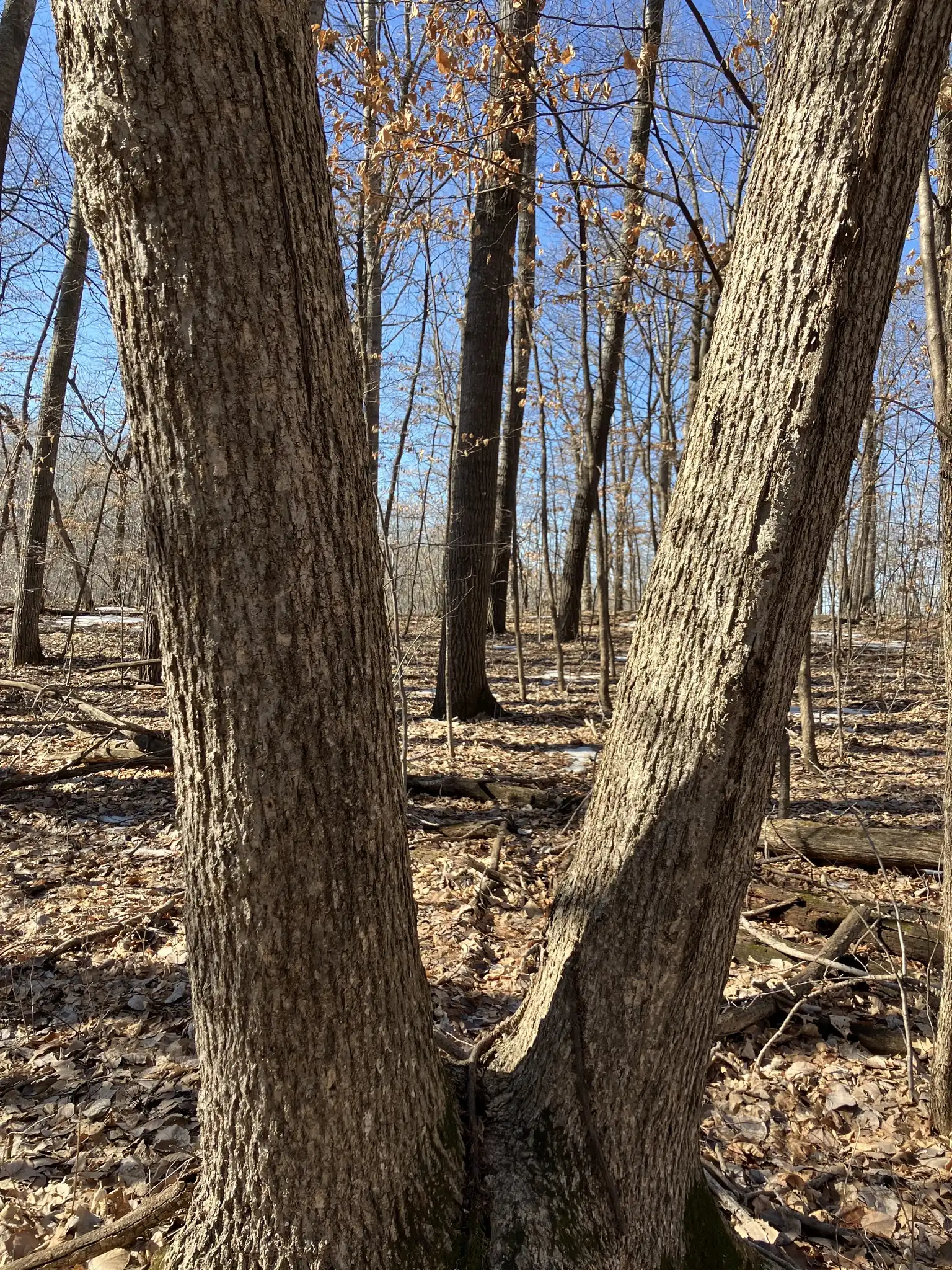
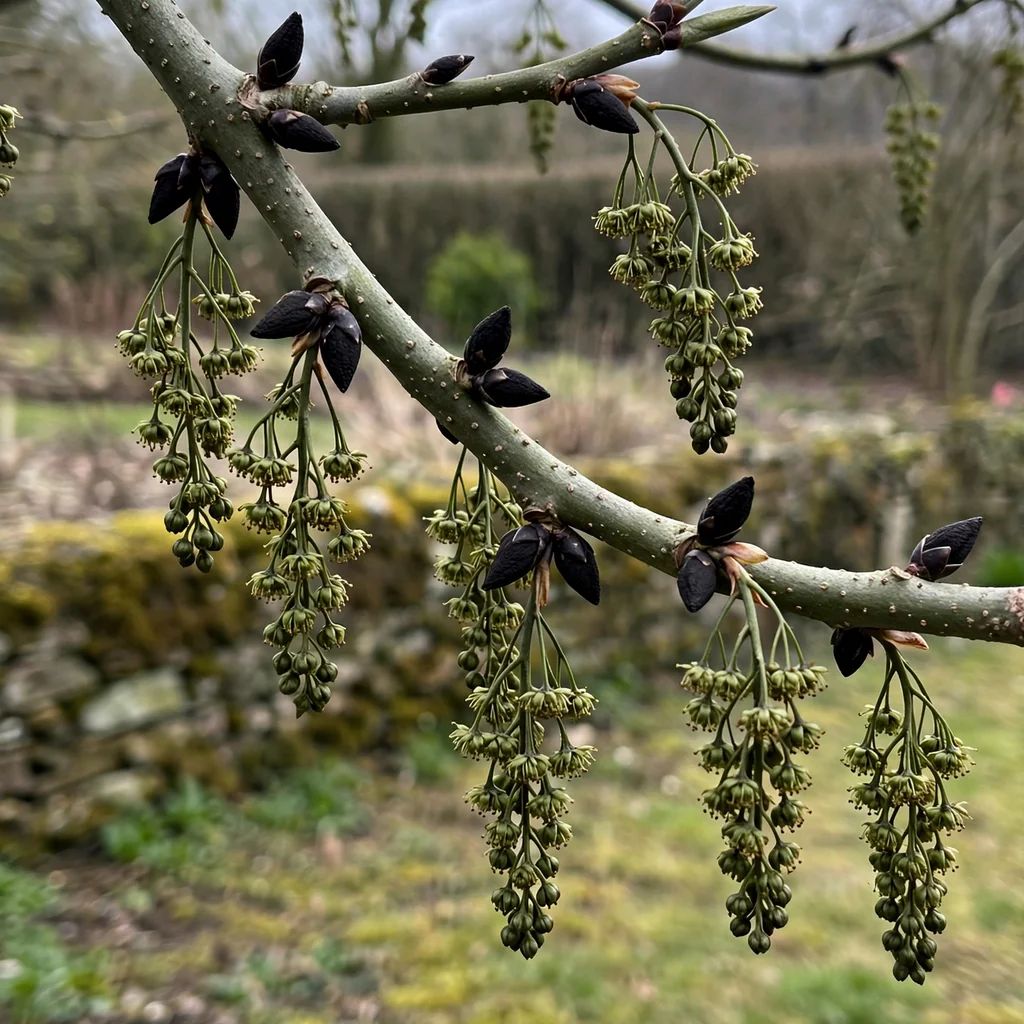
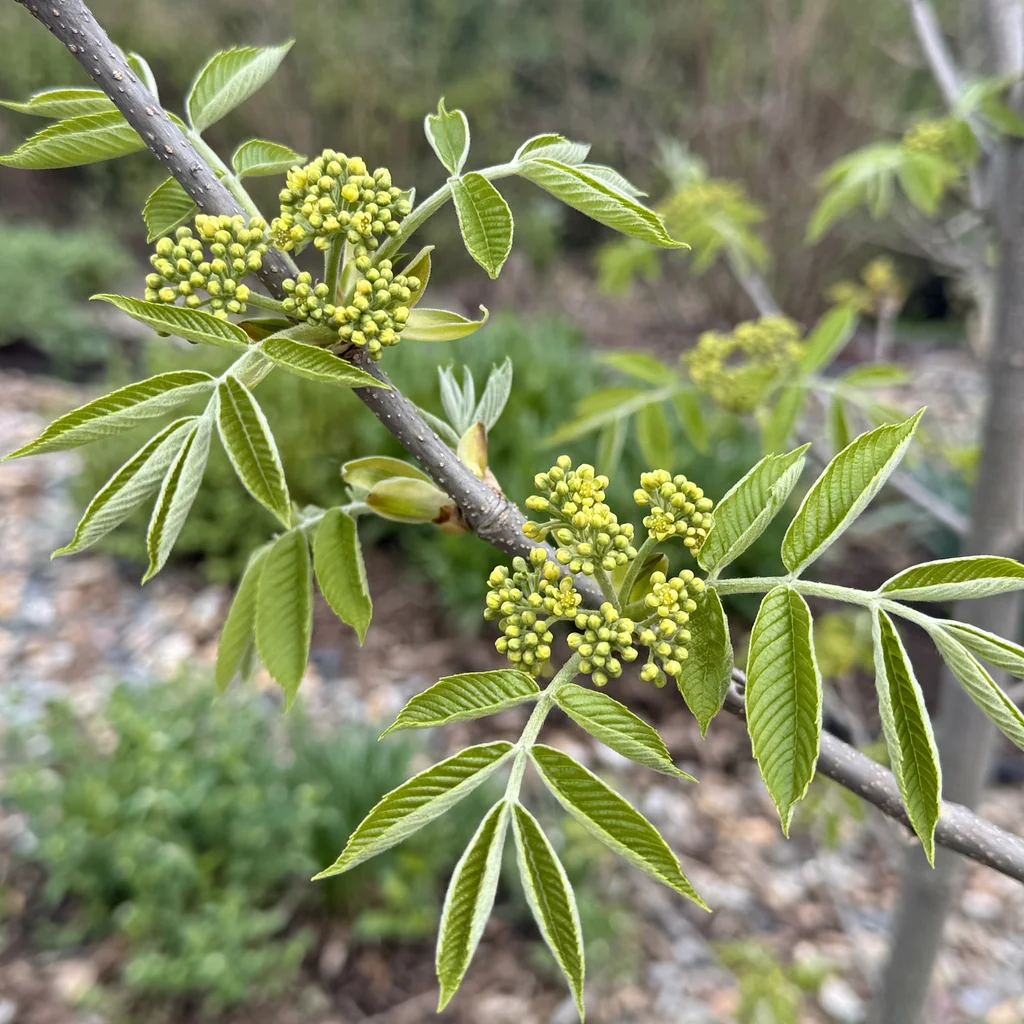
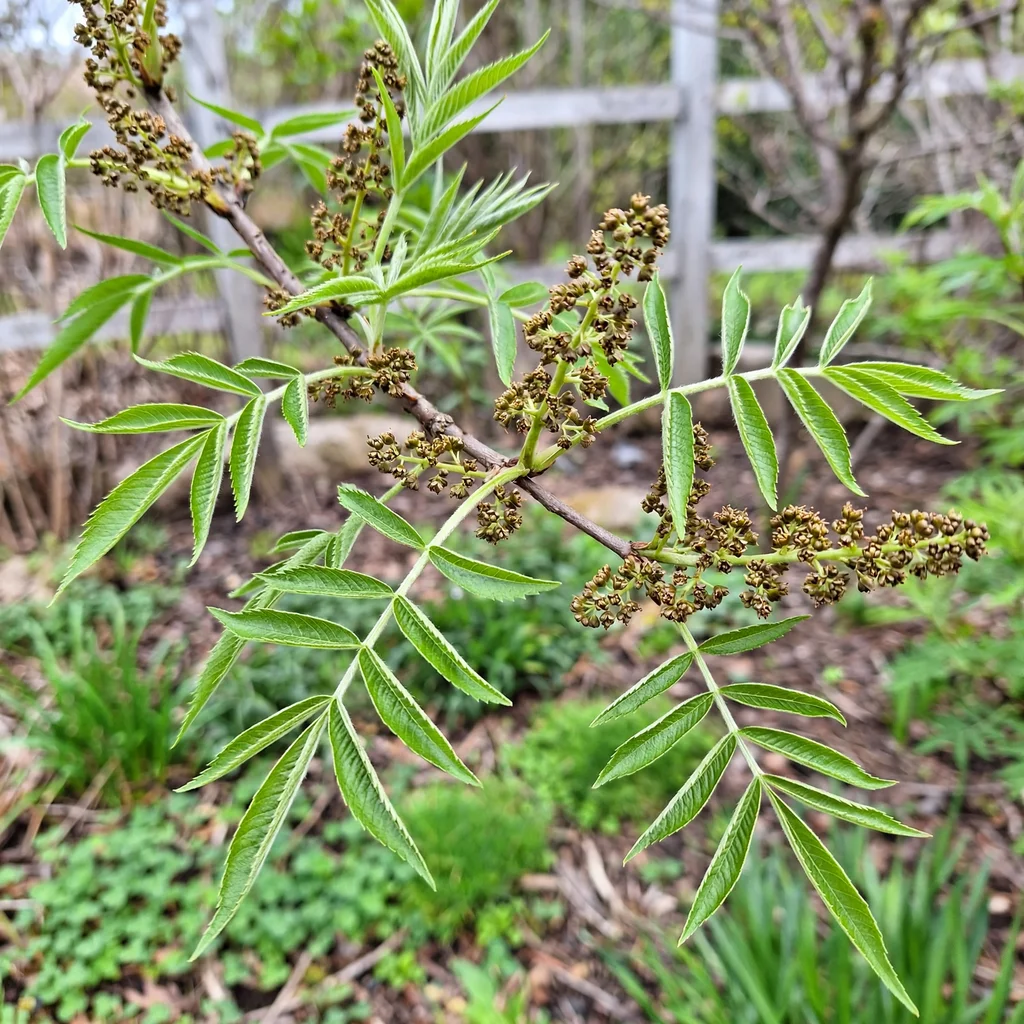
Fraxinus nigra is a medium-sized deciduous tree native to swamps and riverbanks of eastern North America, growing 50 to 65 feet tall with an upright oval crown. Its pinnately compound leaves feature 7 to 13 sessile leaflets that turn yellow in fall, emerging after inconspicuous, wind-pollinated green flowers open in spring.
Unlike most ashes, black ash is an obligate wetland species that thrives in standing water, deep peat, and saturated muck. The mature trunk develops soft, corky bark that separates into spongy layers, and plants occasionally spread via root suckers.
Uses & Benefits:
Essentials
At a Glance
Plant Type
Tree
Height
787"
Width
591"
Light
Full Sun, Partial Sun
Zones
4, 5, 6, 7, 8
Water
High (Wet/Saturated)
Humidity
High
Lifespan
Perennial
Native To
North America (US and Canada)
Toxicity
Non-toxic
Bloom period
Spring
In flower about 3 months of the year
Planting
How to Grow
- Select a planting site with full sun or partial shade and acidic to neutral, permanently moist soil.
- Plant saplings in spring, ensuring the root collar sits flush with the surrounding grade.
- Apply an organic mulch layer around the base to keep soil cool and retain surface moisture.
- Maintain saturated soil conditions year-round, accommodating seasonal standing water or bog conditions.
Pro Tip
Plant exclusively in sites with continuous soil moisture or standing water; dry upland soils trigger severe leaf chlorosis, dieback, and rapid decline.
Keep It Thriving
Care Guide
Do
- Keep soil continuously moist or wet throughout the growing season
- Prune strictly during winter dormancy to shape young growth
- Monitor trees regularly for signs of emerald ash borer activity
Don't
- Do not plant in dry, well-drained upland garden beds
- Do not cut excessively into old leafless wood when pruning
- Do not apply heavy synthetic nitrogen fertilizers in naturalized wetland sites
Seasonal Care Calendar
| Task | Jan | Feb | Mar | Apr | May | Jun | Jul | Aug | Sep | Oct | Nov | Dec |
|---|---|---|---|---|---|---|---|---|---|---|---|---|
| Mulch | ||||||||||||
| Pest Check | ||||||||||||
| Prune | ||||||||||||
| Spring Cleanup |
Watch Out For
Pests & Diseases
Common Pests
Common Diseases
In the Garden
Landscape Uses & Companions
Landscape Uses
Companion Plants
Multiply
Propagation Methods
Good to Know
Common Questions
Black Ash questions
What zones can Black Ash grow in?
Black Ash is hardy in USDA Zones 4–8: in that range it survives winter in the ground. Warmer than Zone 8, winter isn't the problem: it prefers colder winters, and summer heat can shorten its life.
Is Black Ash deer resistant?
Not reliably. Deer may browse Black Ash, especially tender spring growth — plan on repellents or fencing where pressure is high.
When does Black Ash bloom?
Black Ash typically blooms in spring. Exact timing shifts a week or two with your zone — Sow's bloom calendar maps it to your garden.
Does Black Ash need full sun?
Black Ash does best in full sun to part shade. In hot climates, afternoon shade keeps blooms fresher longer.
More Fraxinus to compare
Keep exploring
Explore the genus
Hardy in your zone?
Grow Black Ash with confidence
See it in a design of your actual yard, get zone-matched care reminders, and track it season by season in your garden journal.