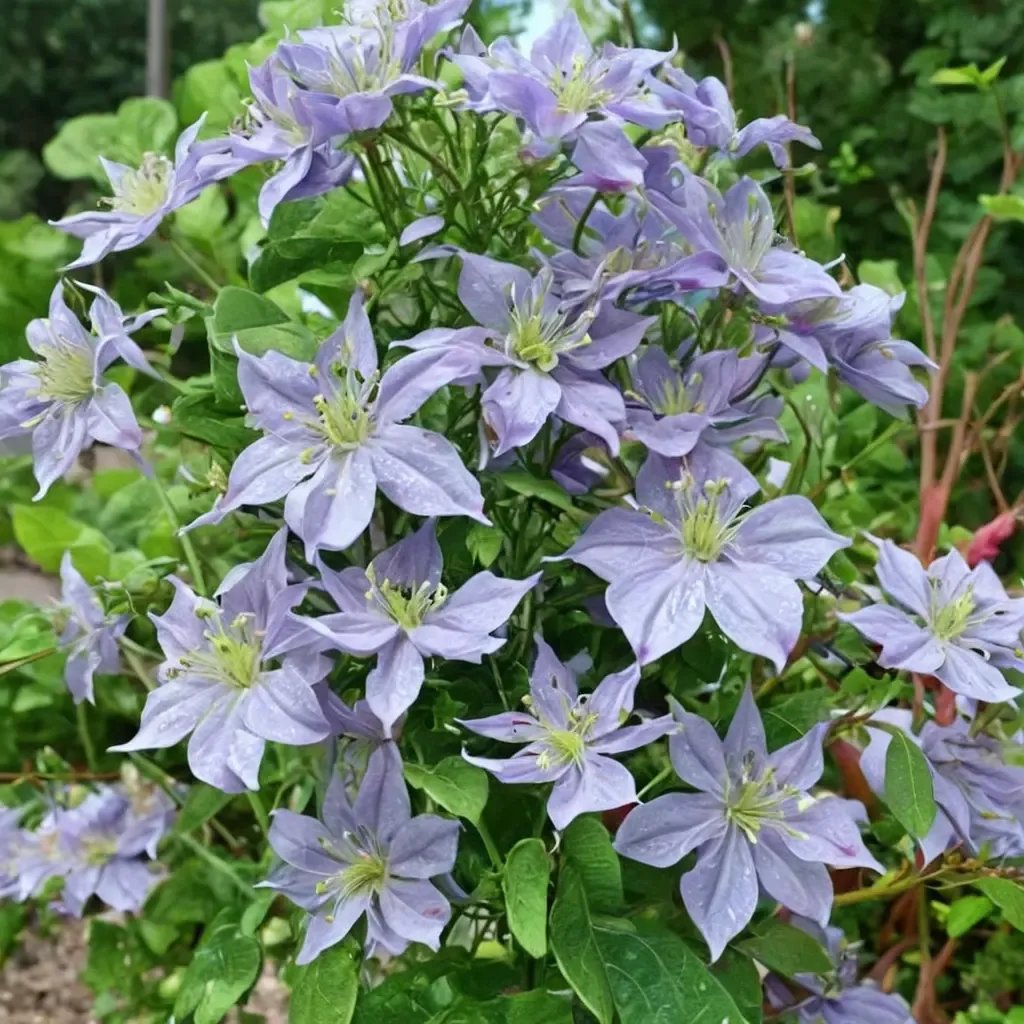
Species
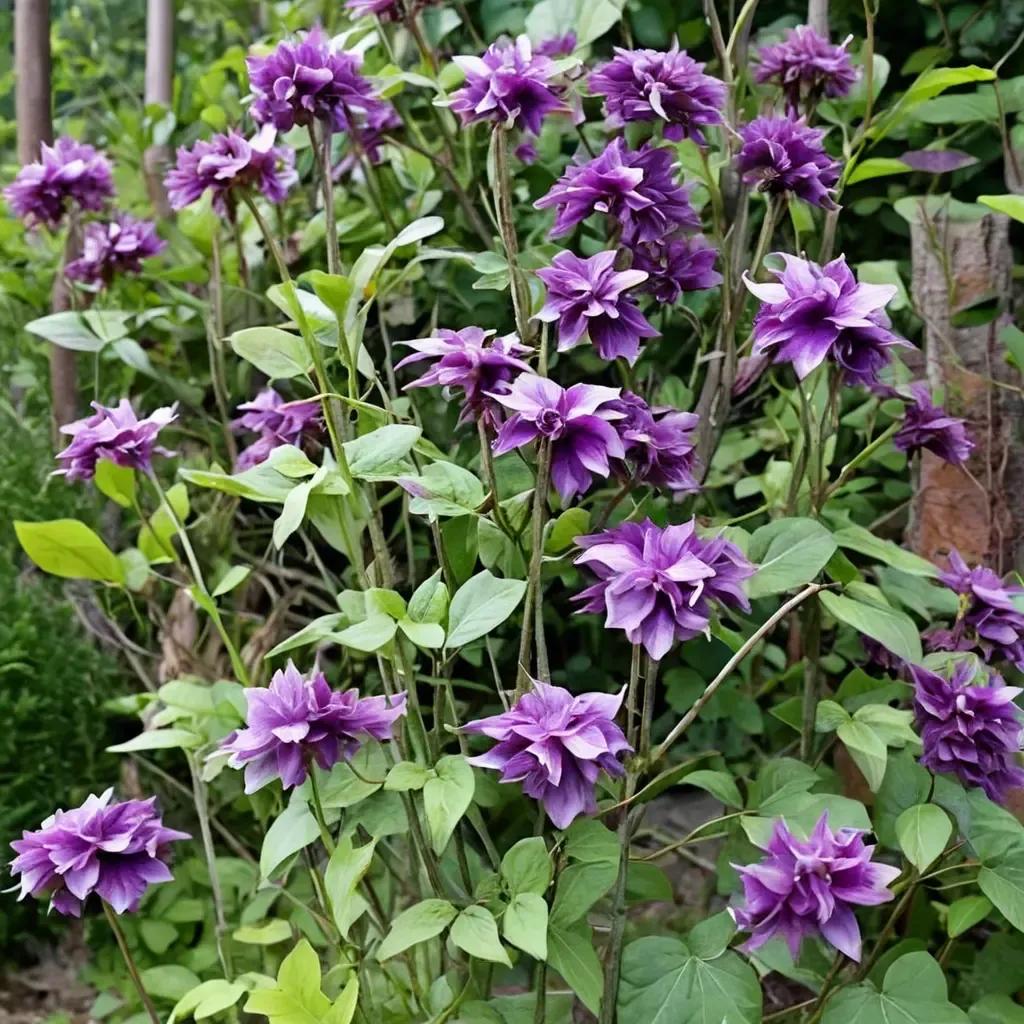 Clematis viticellaItalian Clematis
55 other cultivars
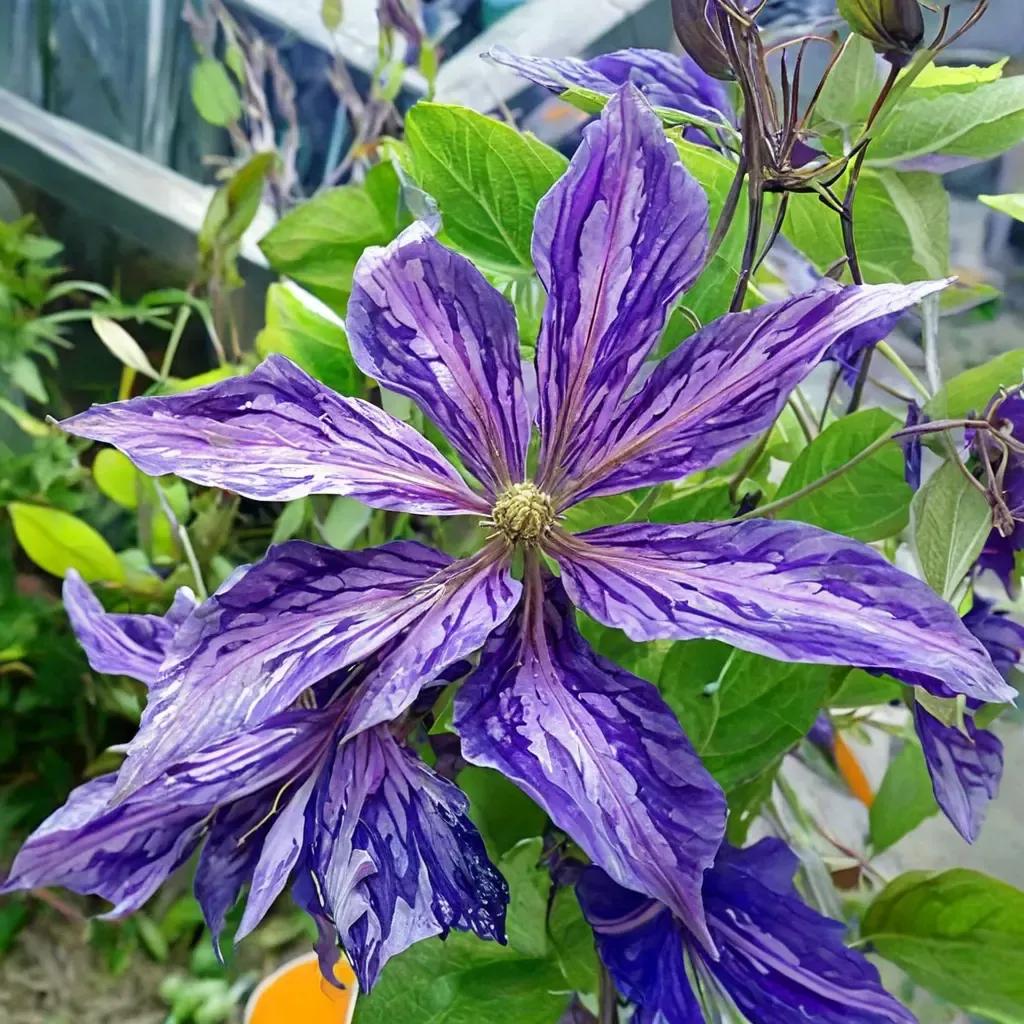 ‘Tie Dye’Tie Dye Clematis
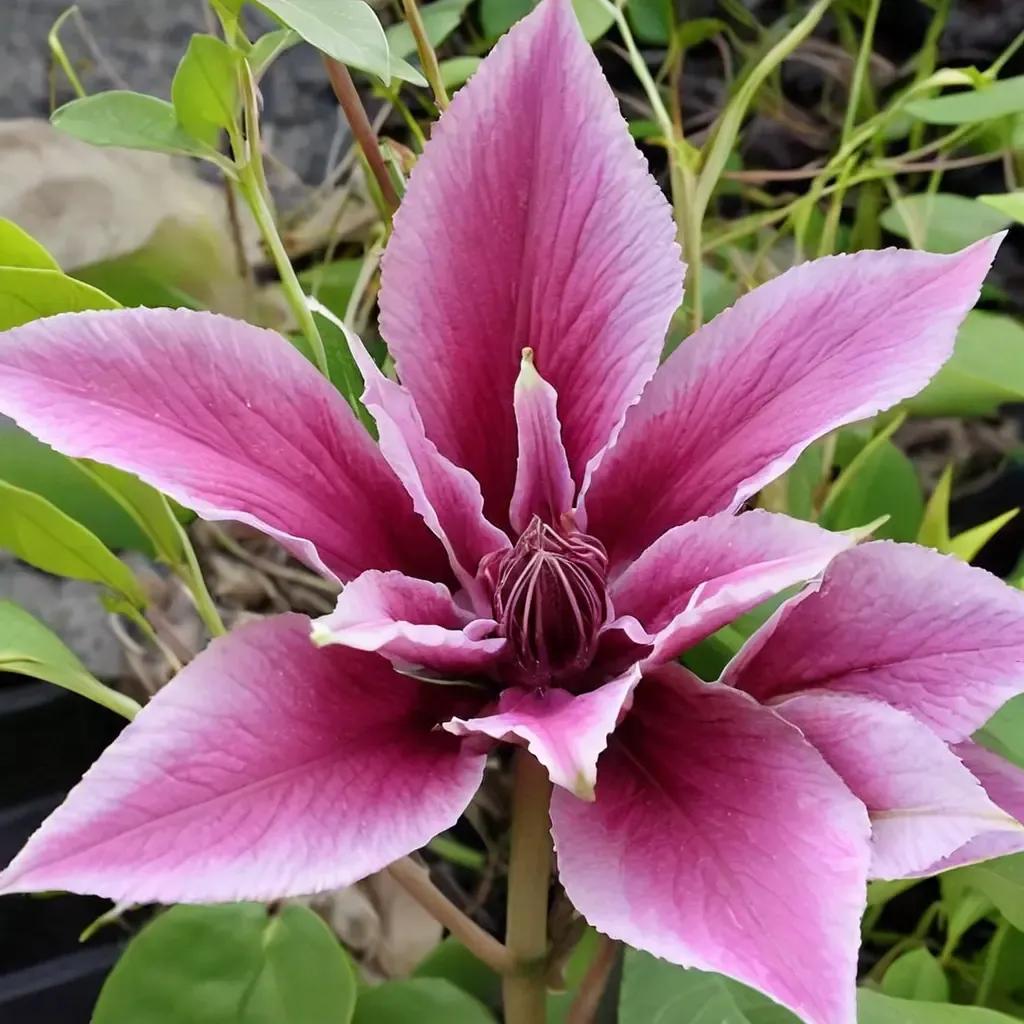 ‘Yuan’Yuan Clematis
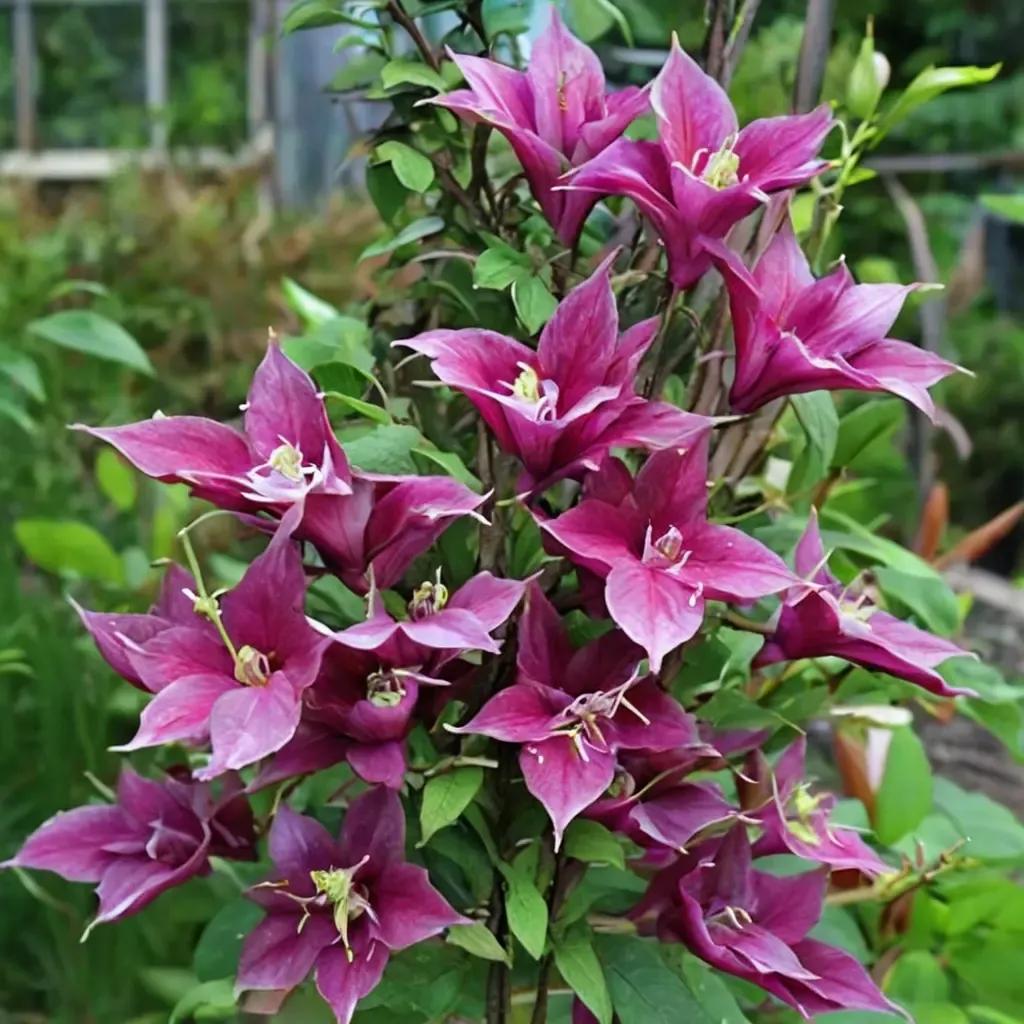 ‘Fireflame’Fireflame Clematis
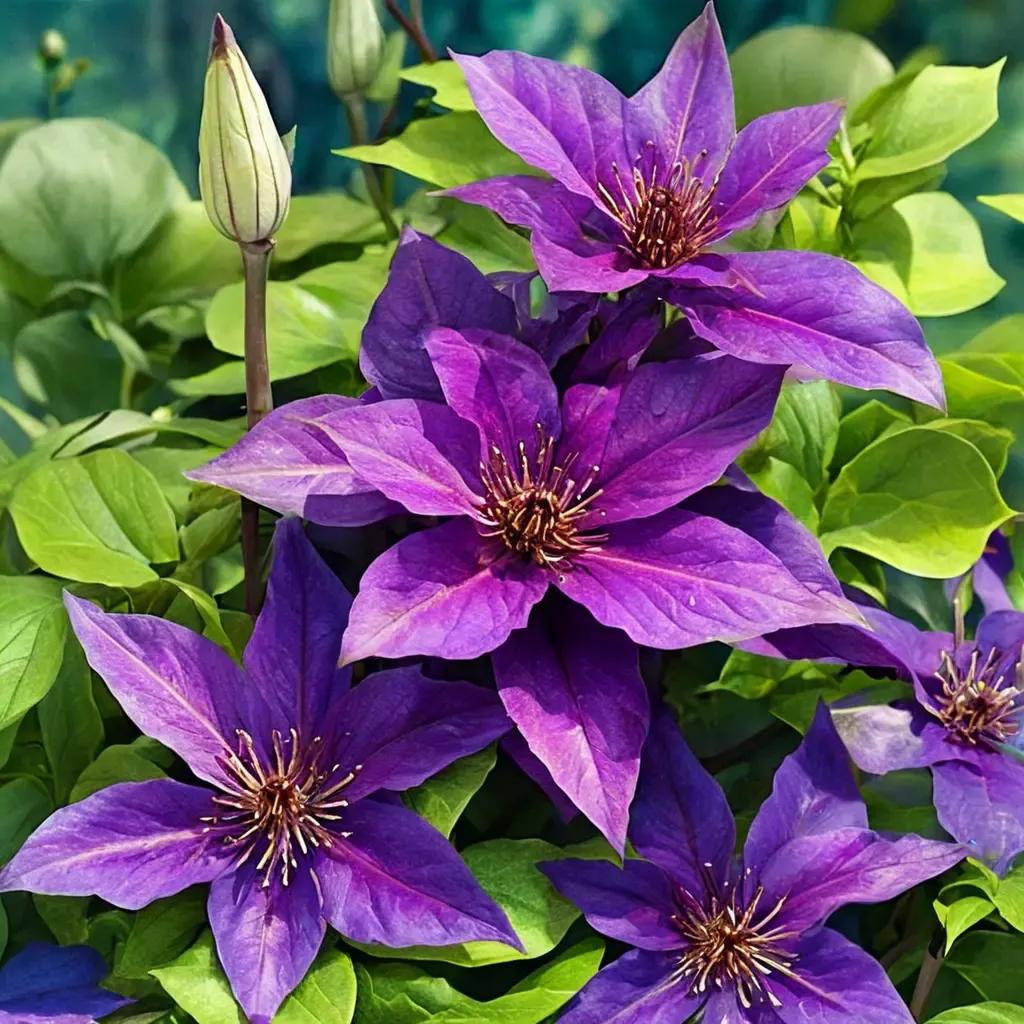 ‘The President’The President Clematis
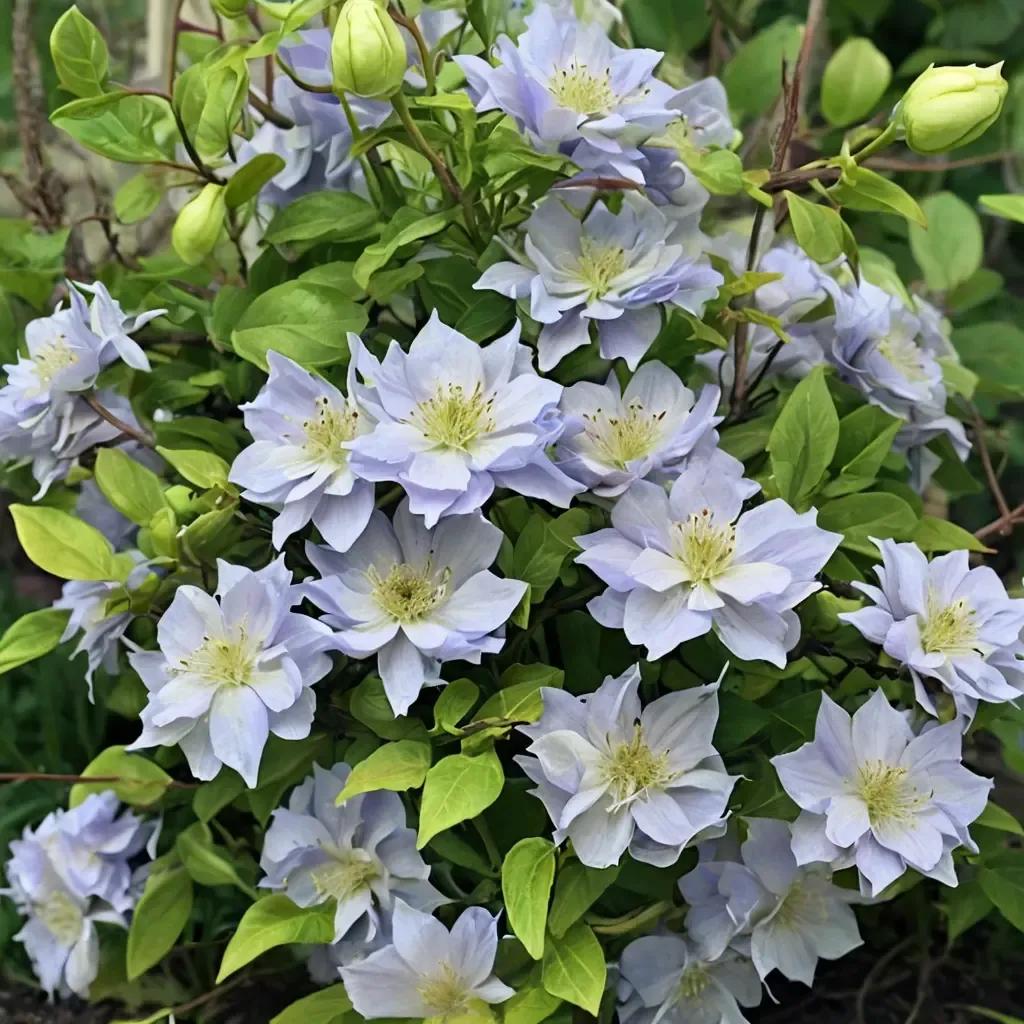 ‘Diamond Ball’Diamond Ball Clematis
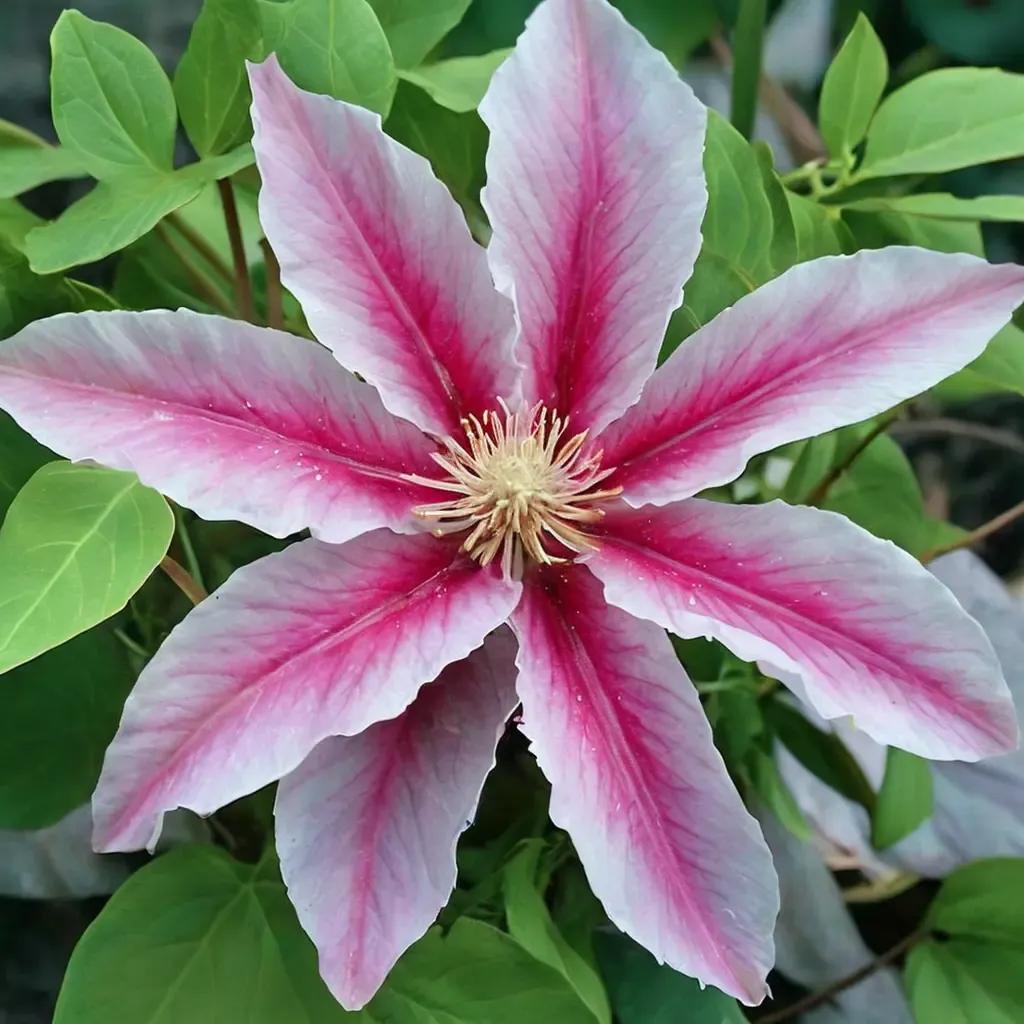 ‘Bees Jubilee’Bees Jubilee Clematis
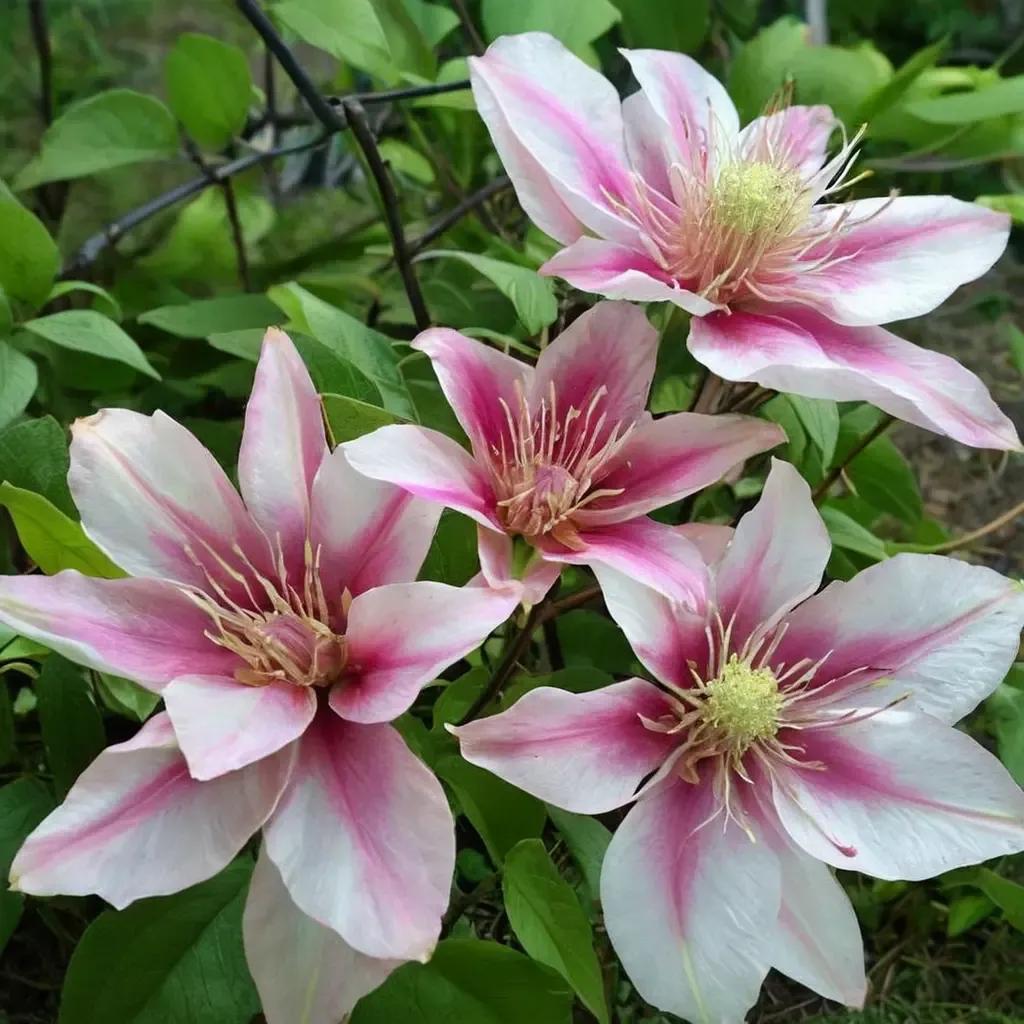 ‘Maria Therese’Maria Therese Clematis
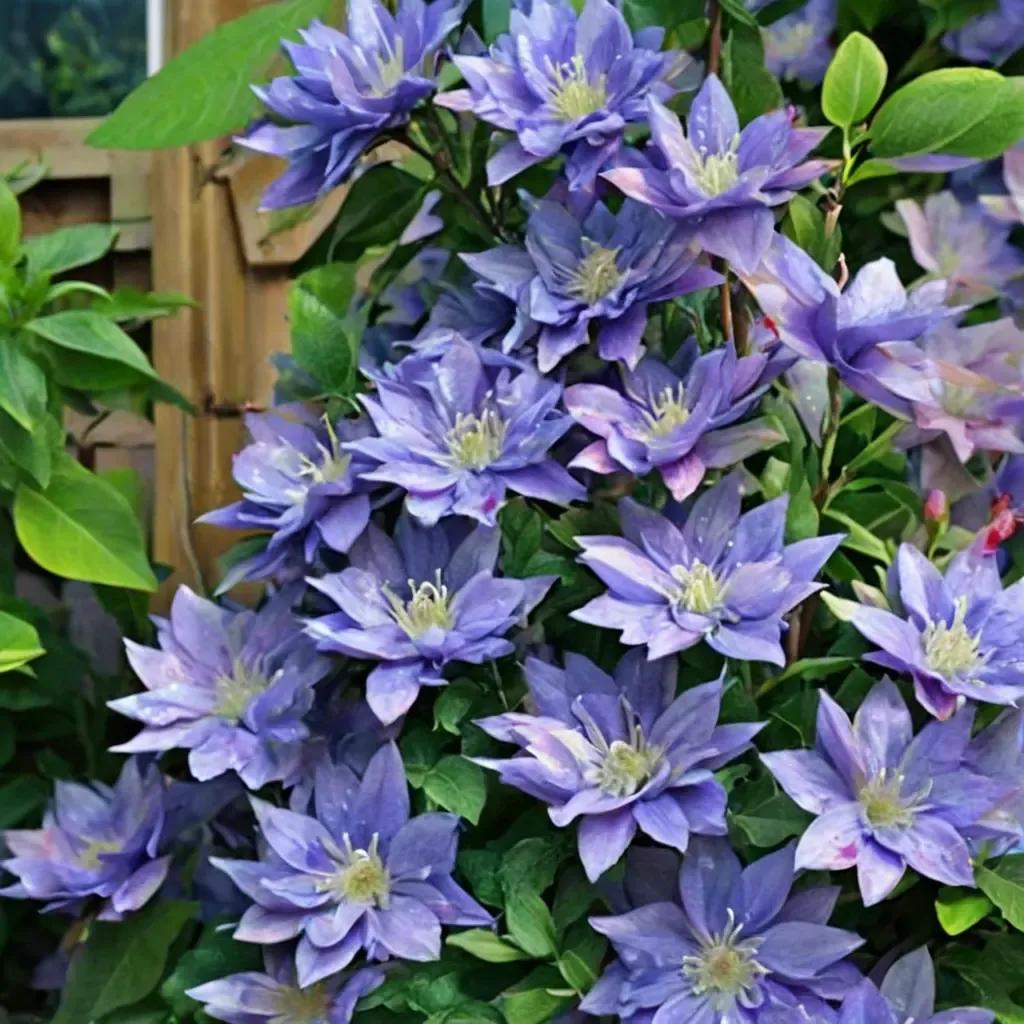 ‘Blue Explosion’Blue Explosion Clematis
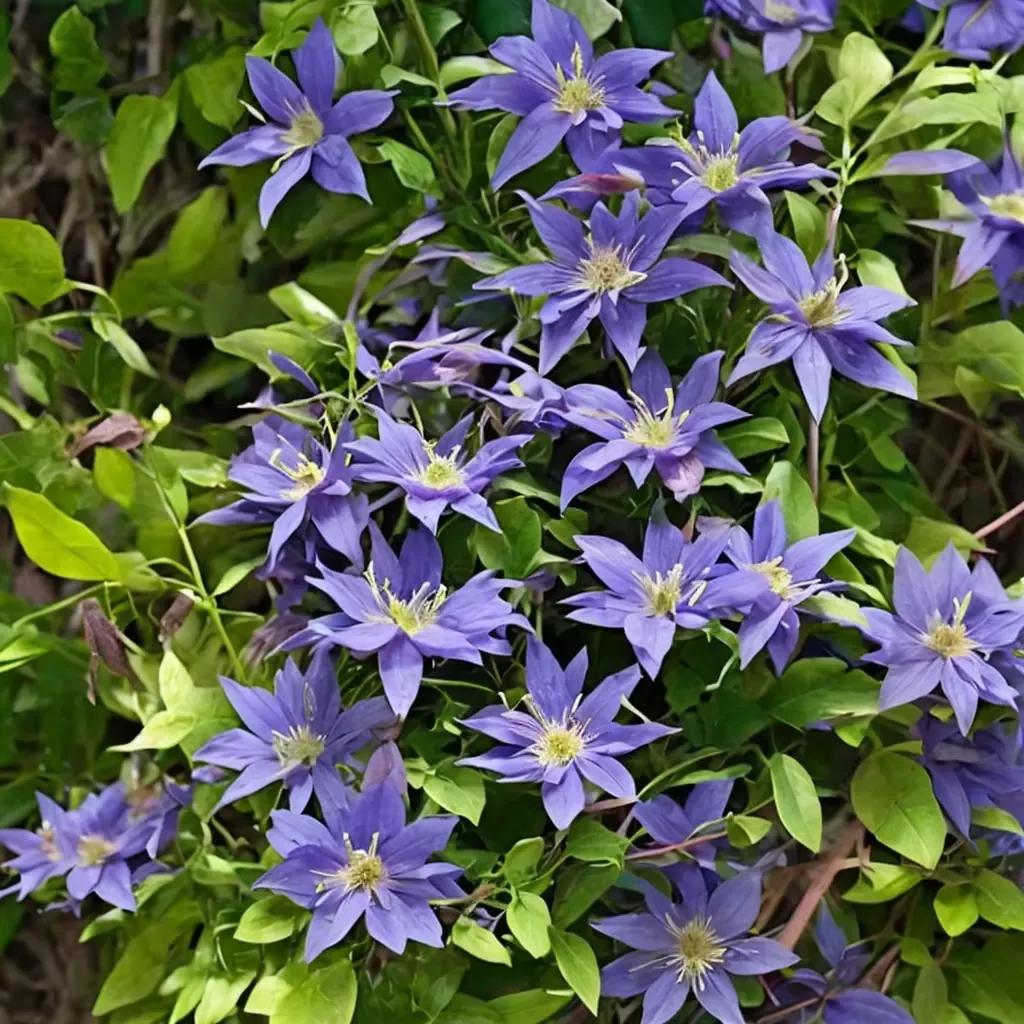 ‘Copernicus’Copernicus Clematis
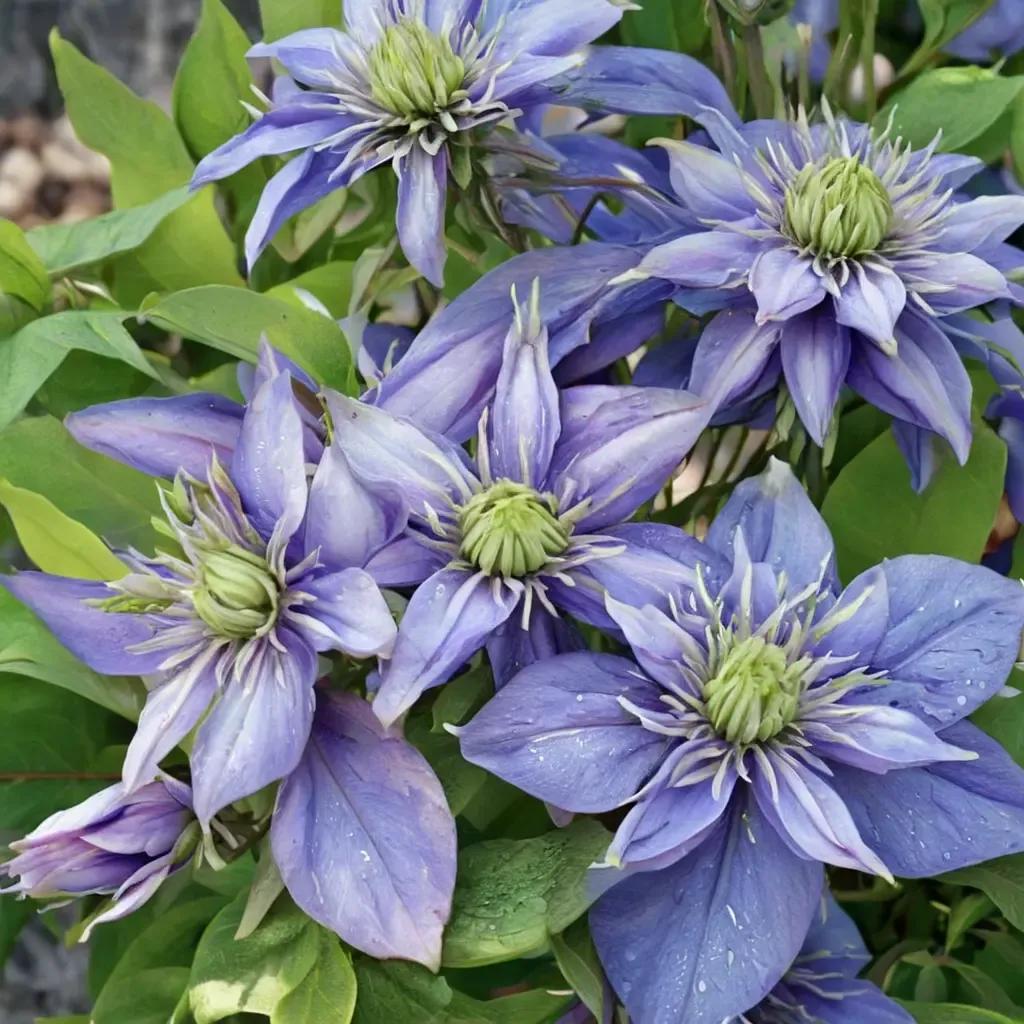 ‘Blue Light’Blue Light Clematis
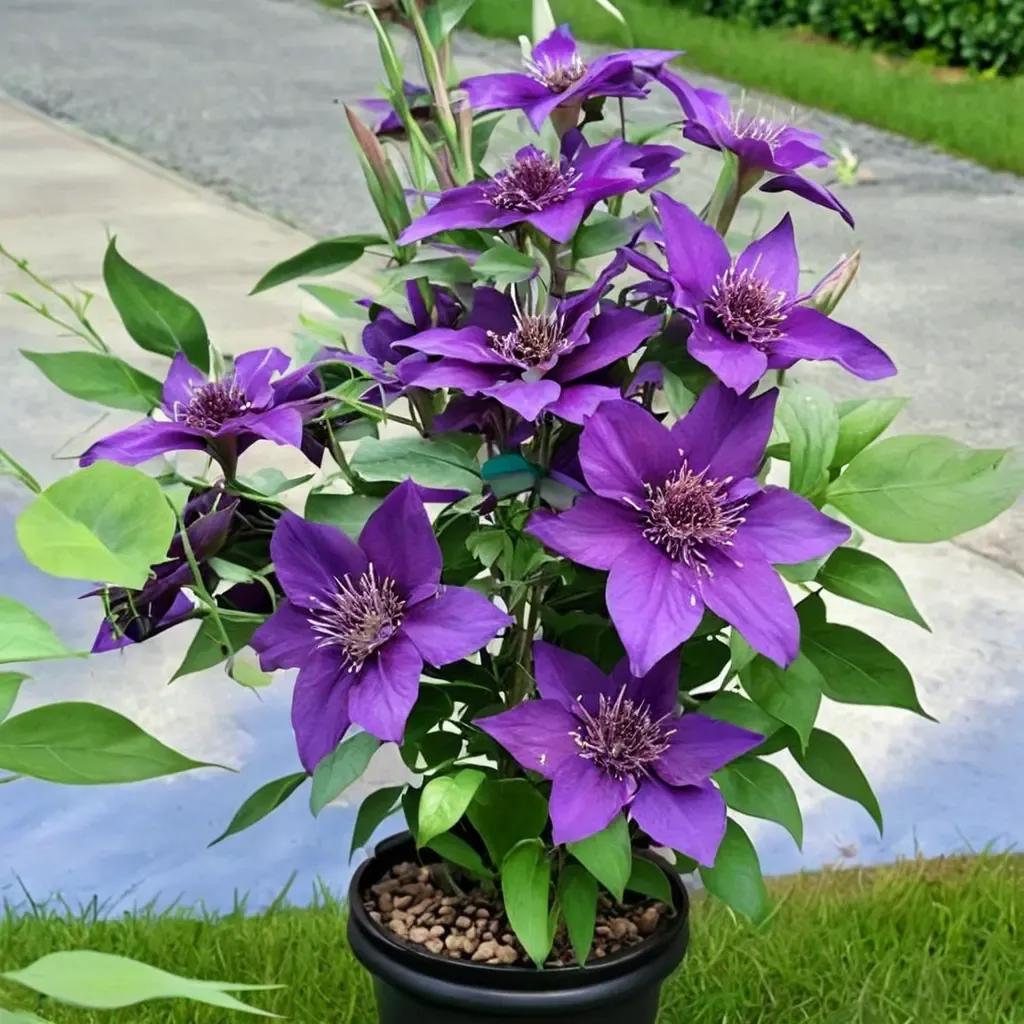 ‘Suzy Mac’Suzy Mac Clematis
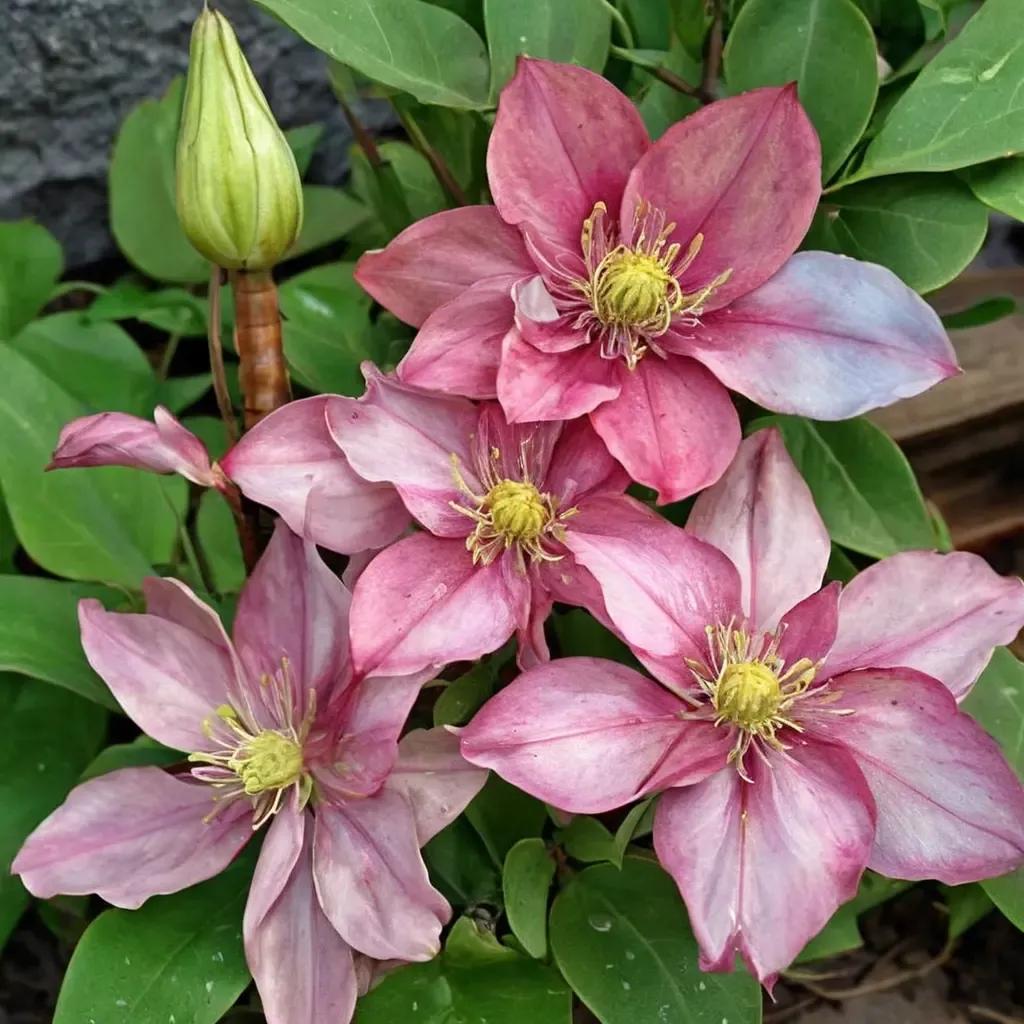 ‘Little Mermaid’Little Mermaid Clematis
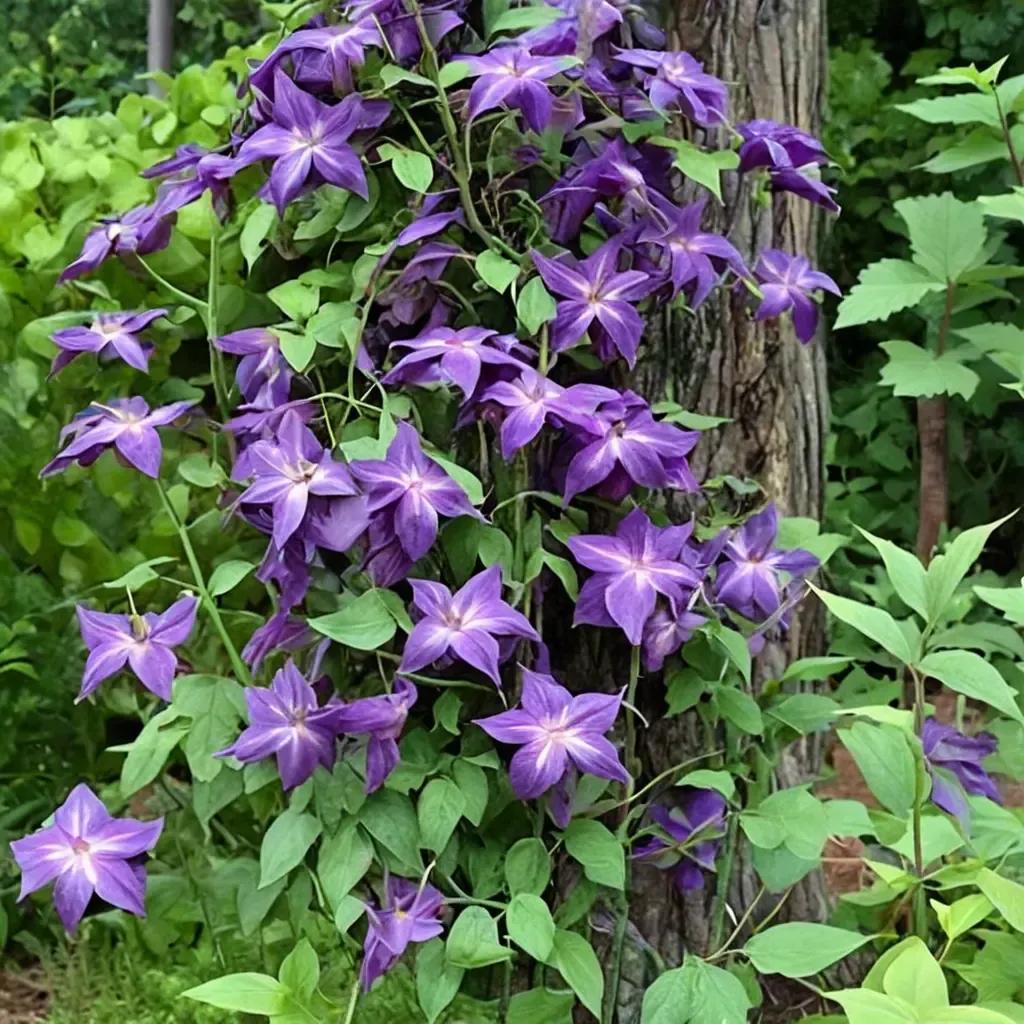 ‘Minipuna’Minipuna Clematis
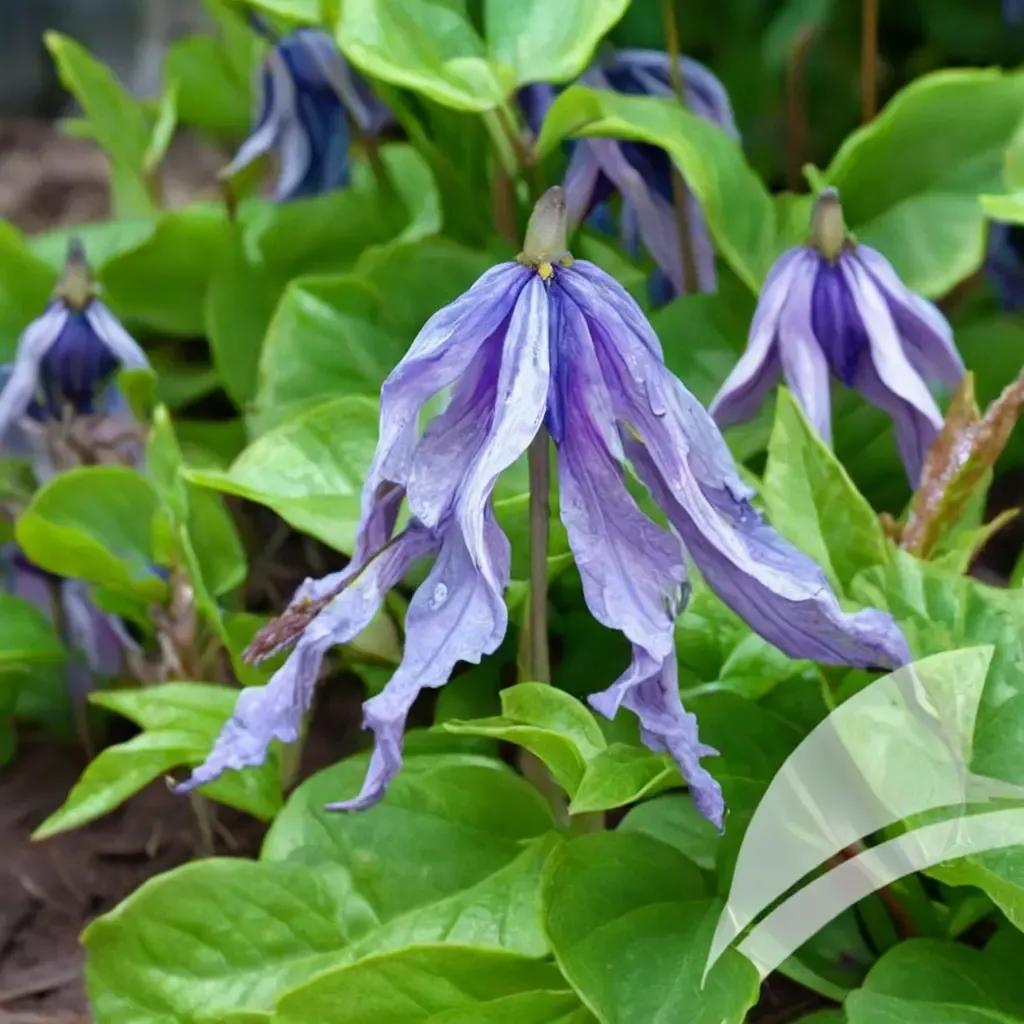 ‘Little Artist’Little Artist clematis
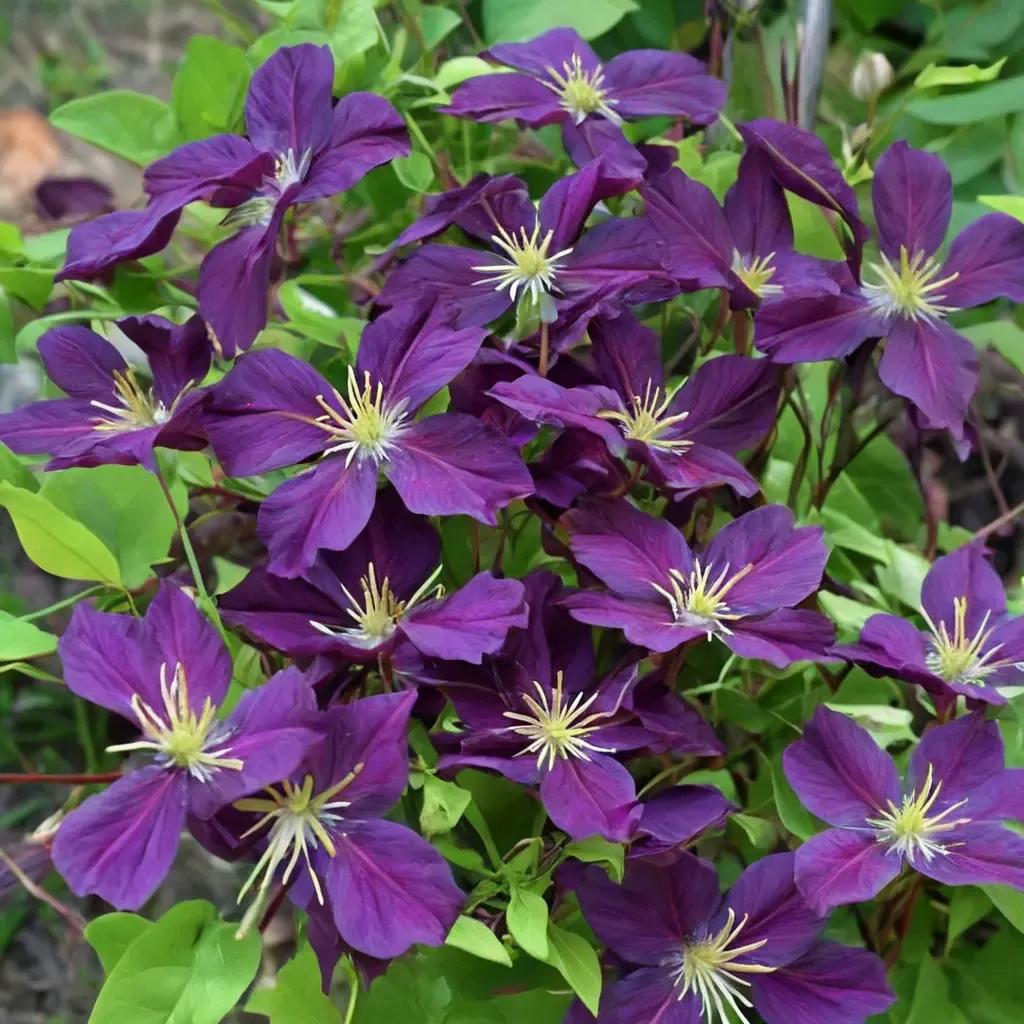 ‘Etoile Violette’Etoile Violette Clematis
 ‘Jackmanii’Jackmanii Jackman's Clematis
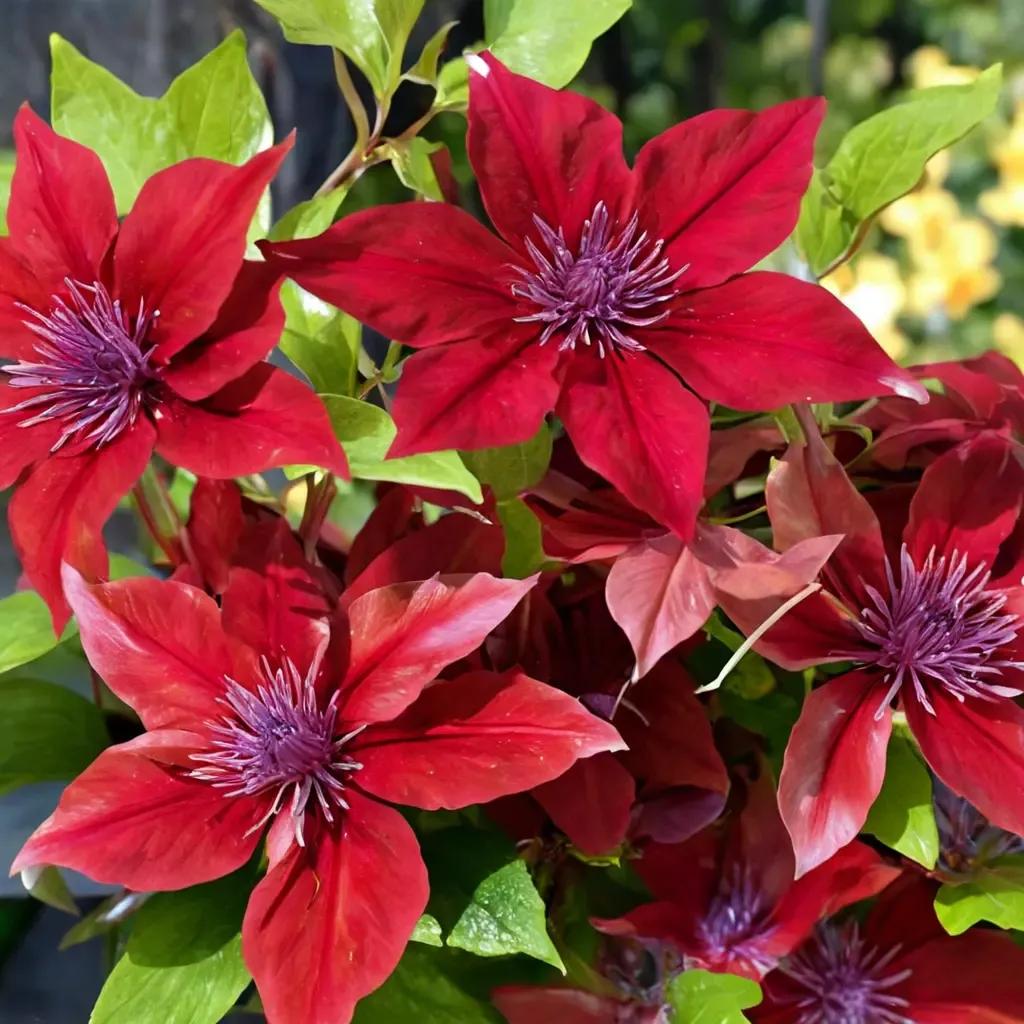 ‘Nubia’Nubia Clematis
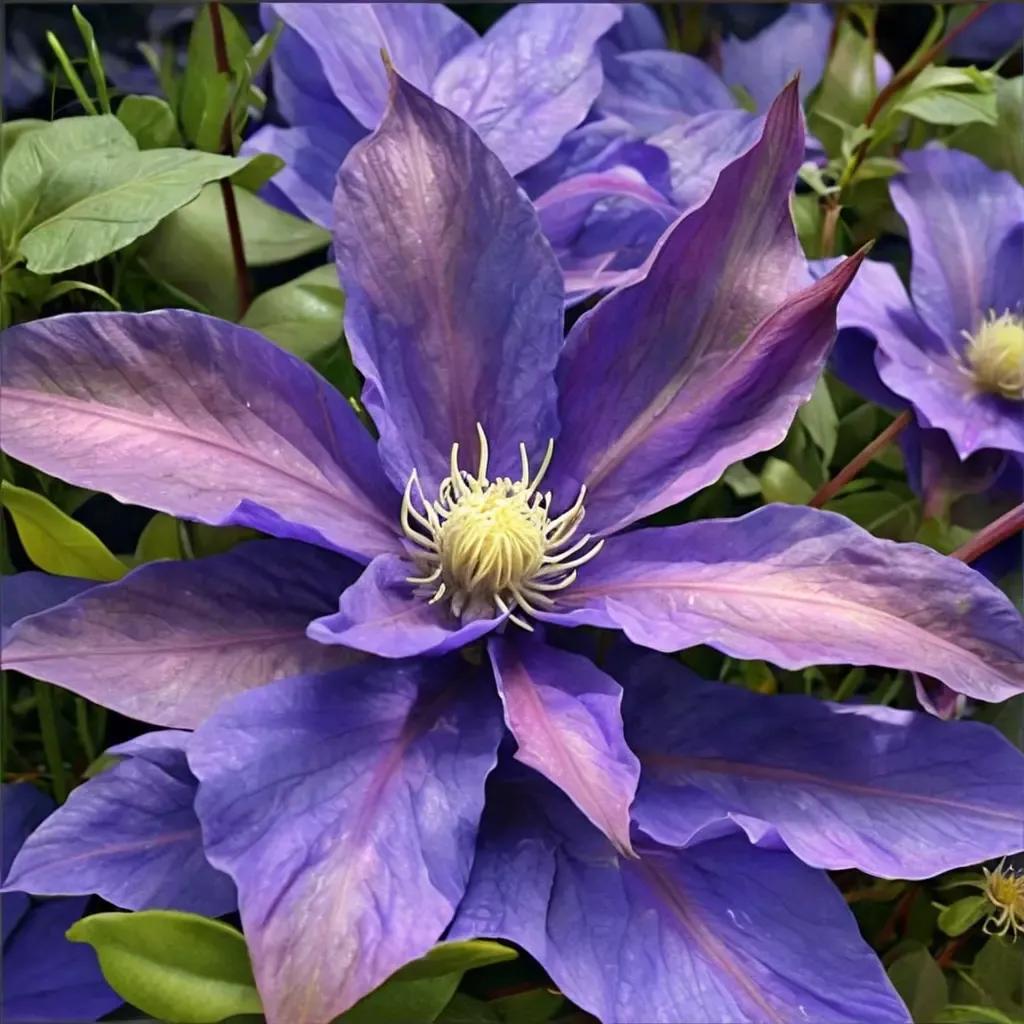 ‘HF Young’'H.F. Young' Clematis
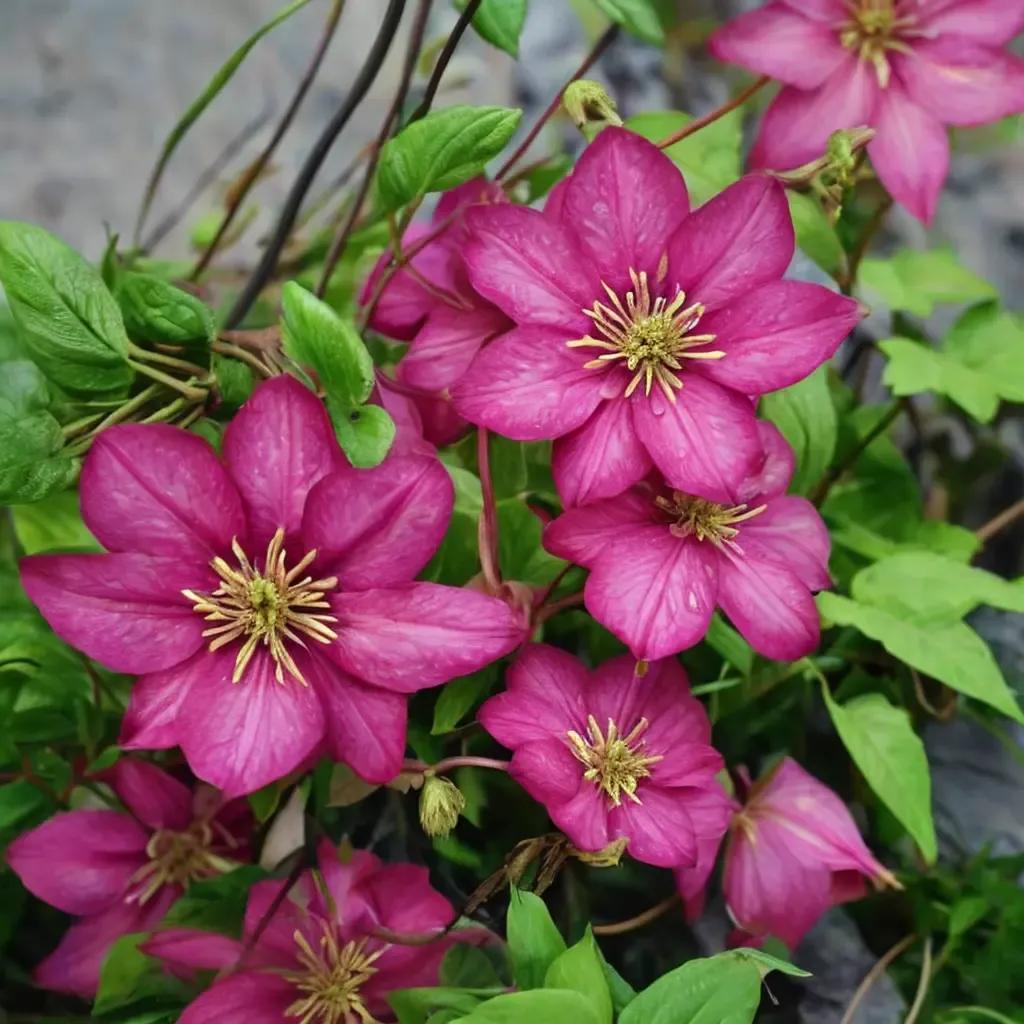 ‘Ville de Lyon’Ville de Lyon clematis
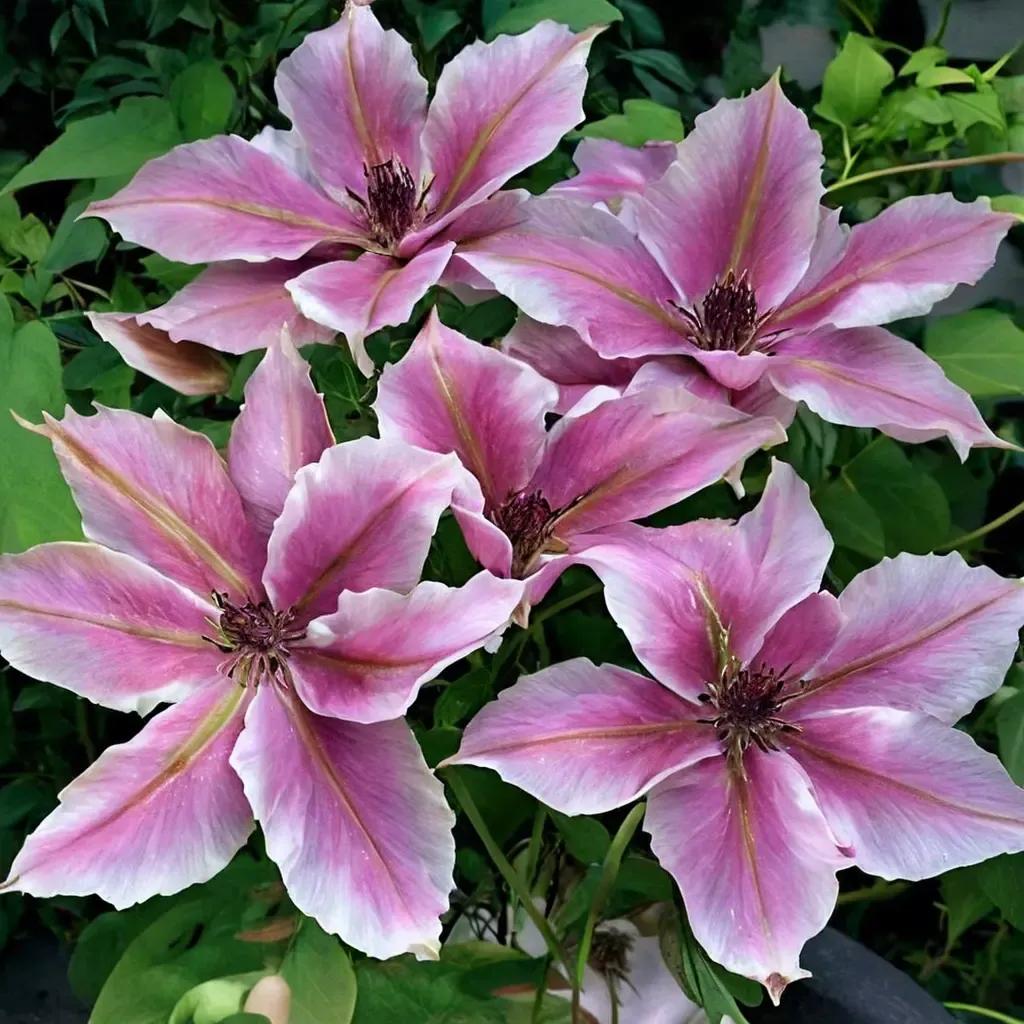 ‘Mystic Gem’Mystic Gem Clematis
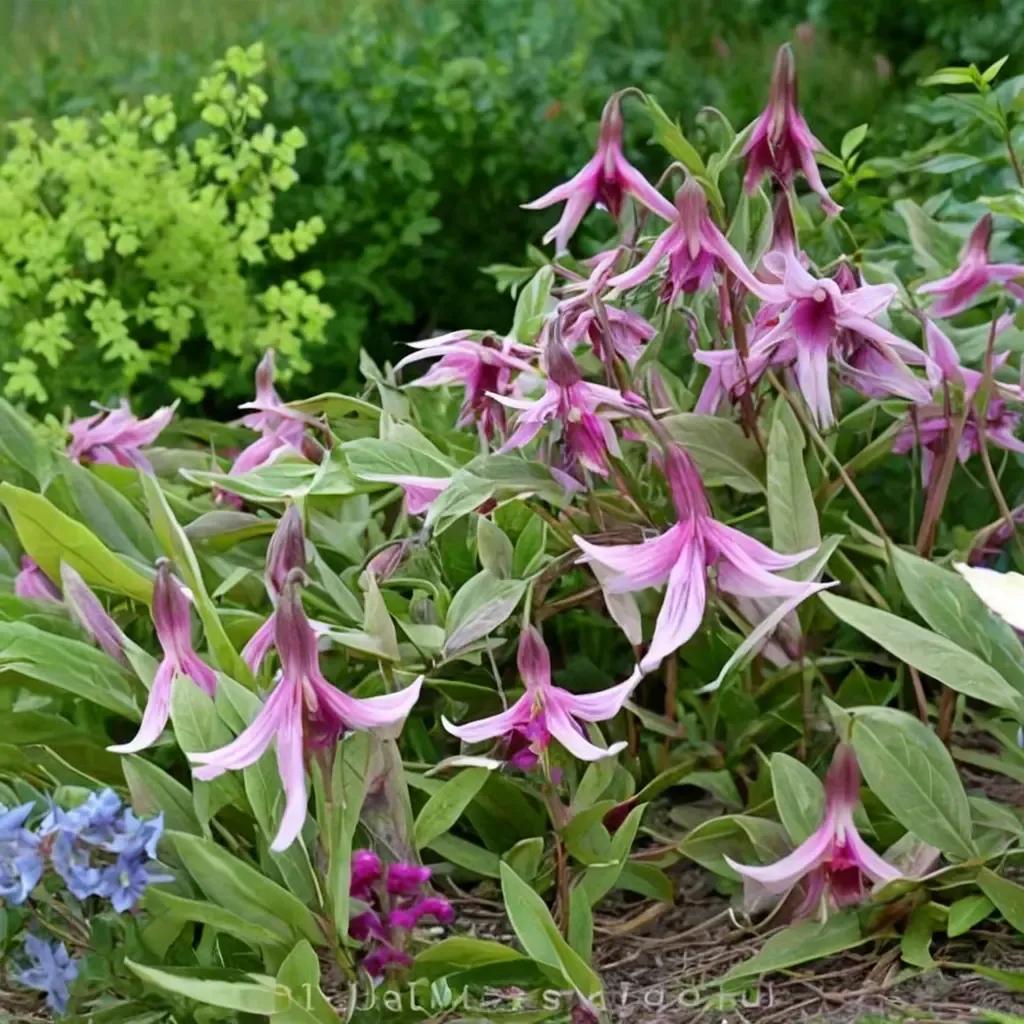 ‘Hanajima’Hanajima Clematis
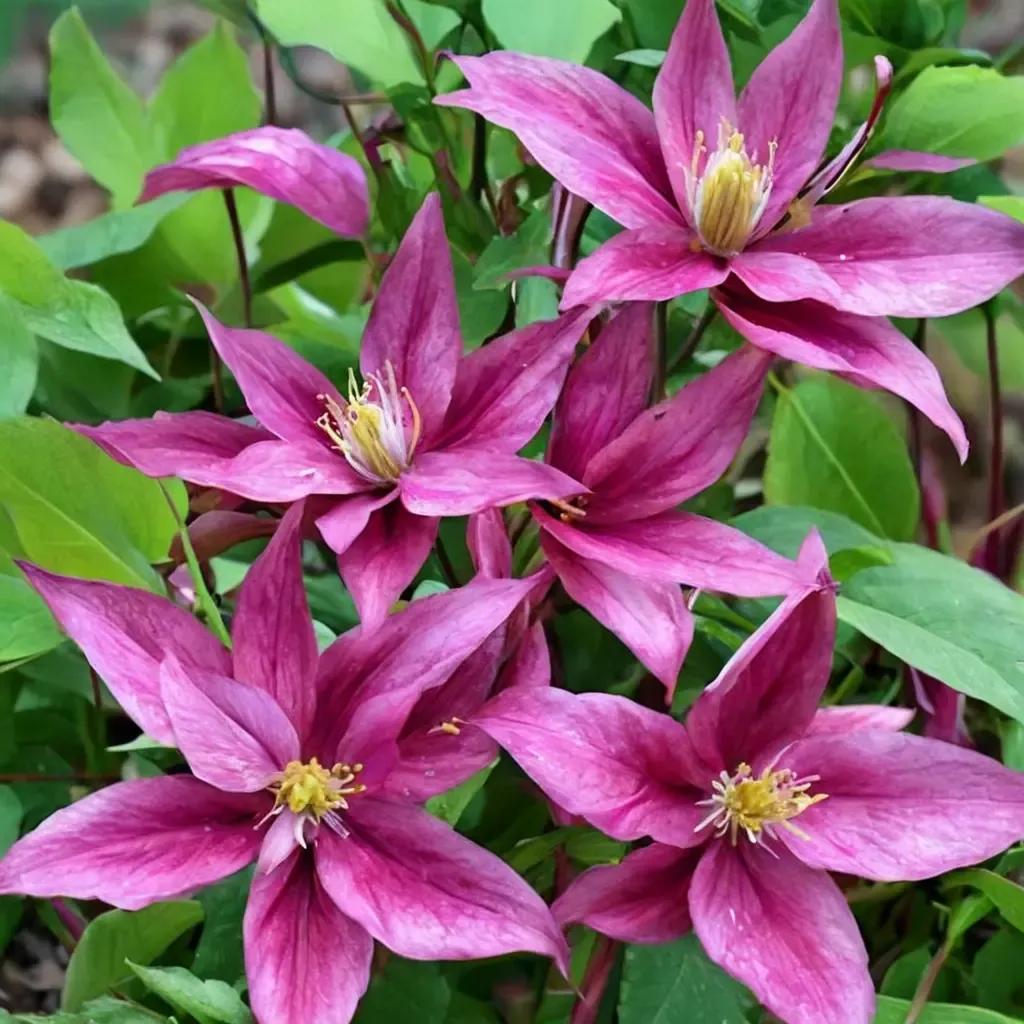 ‘Sabine’Sabine clematis
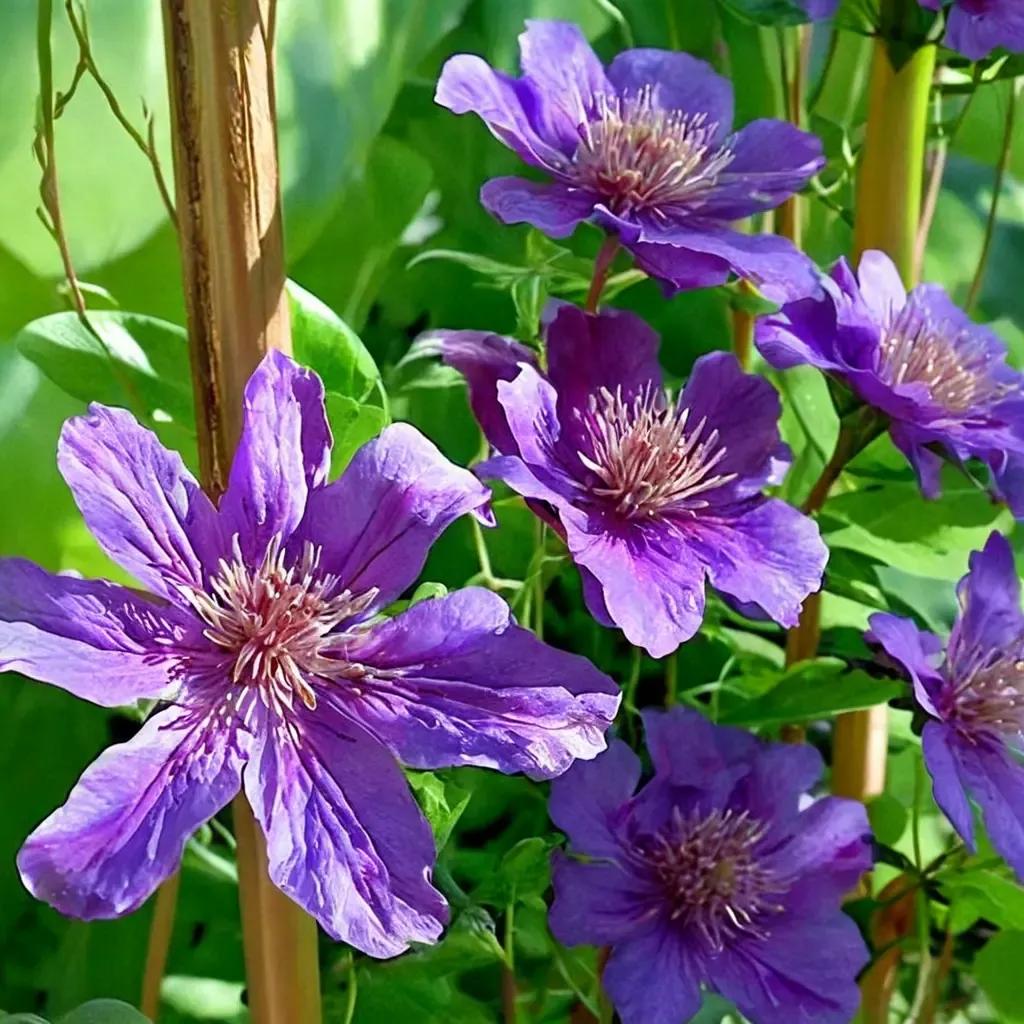 ‘Ashva’Ashva Clematis
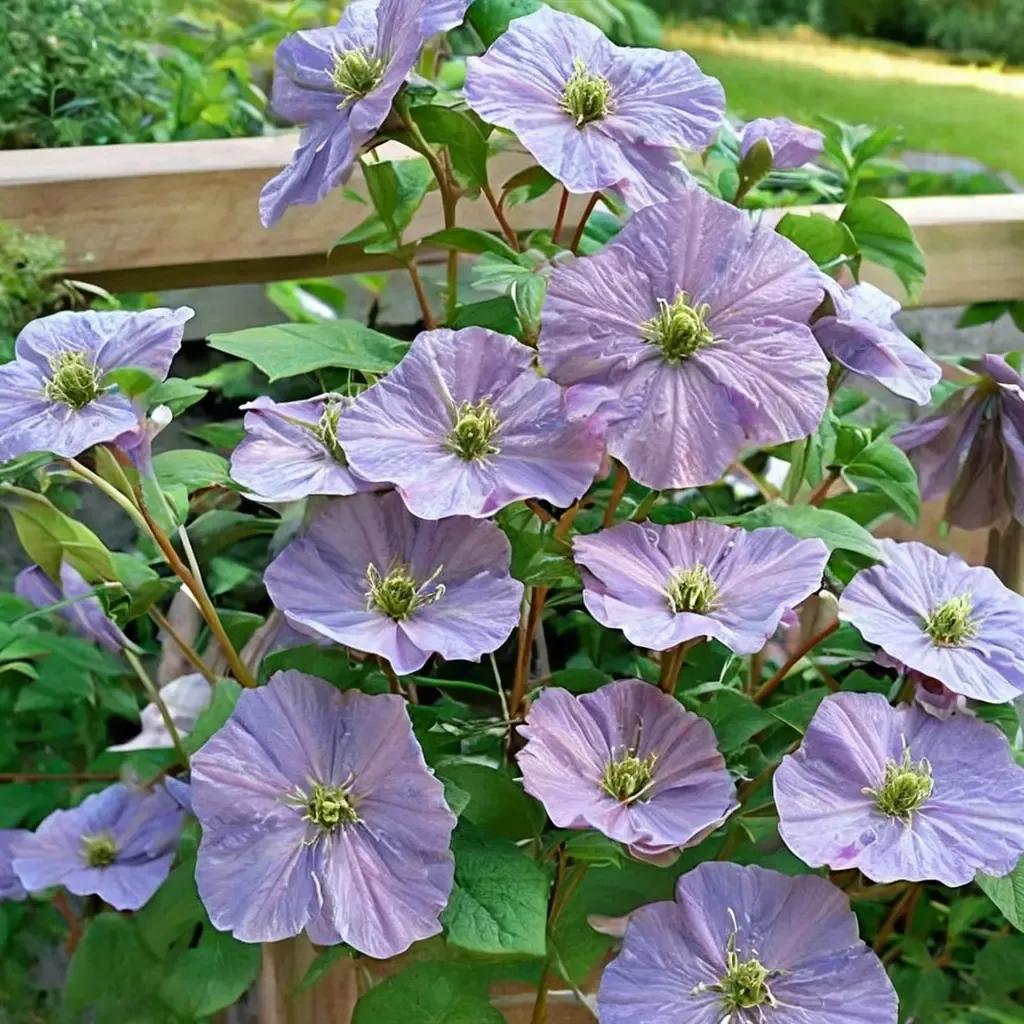 ‘Emilia Plater’Polish Vale
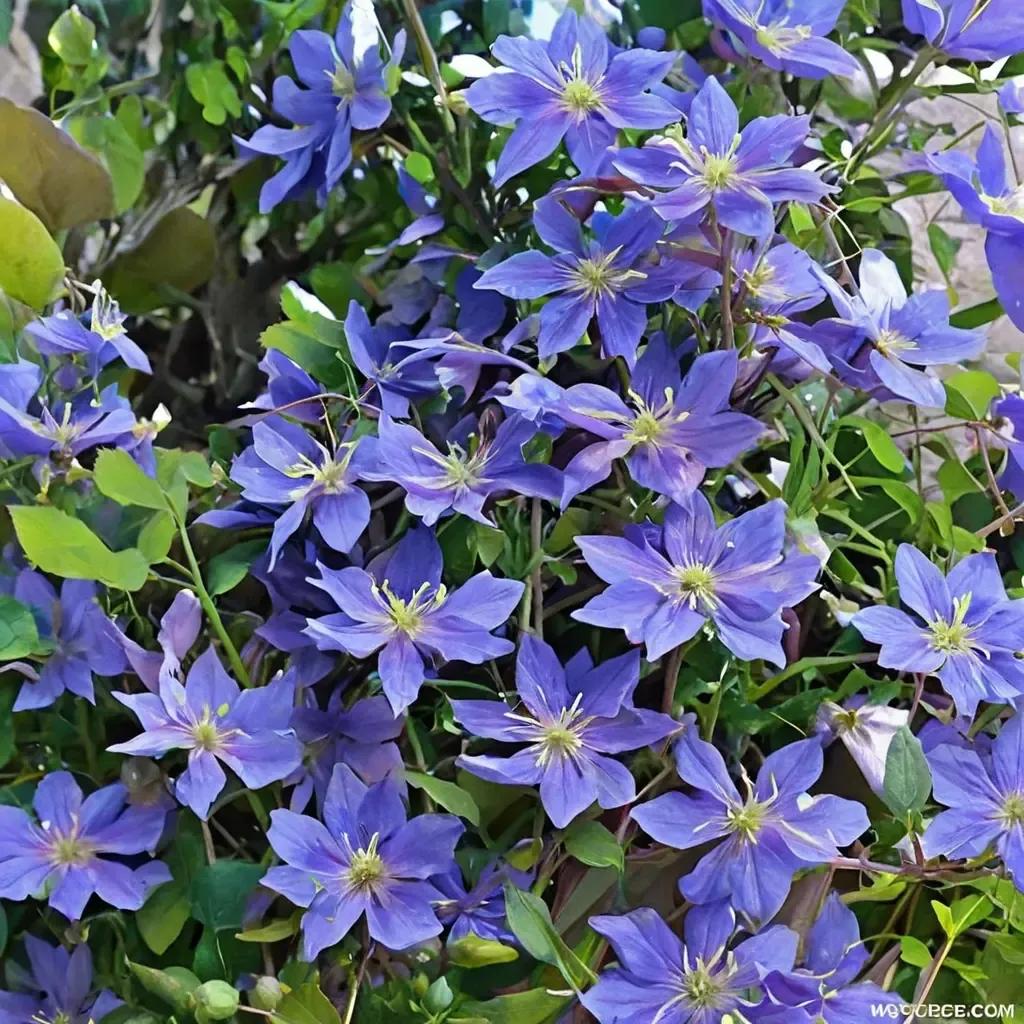 ‘Perle d’Perle d'Azur Clematis
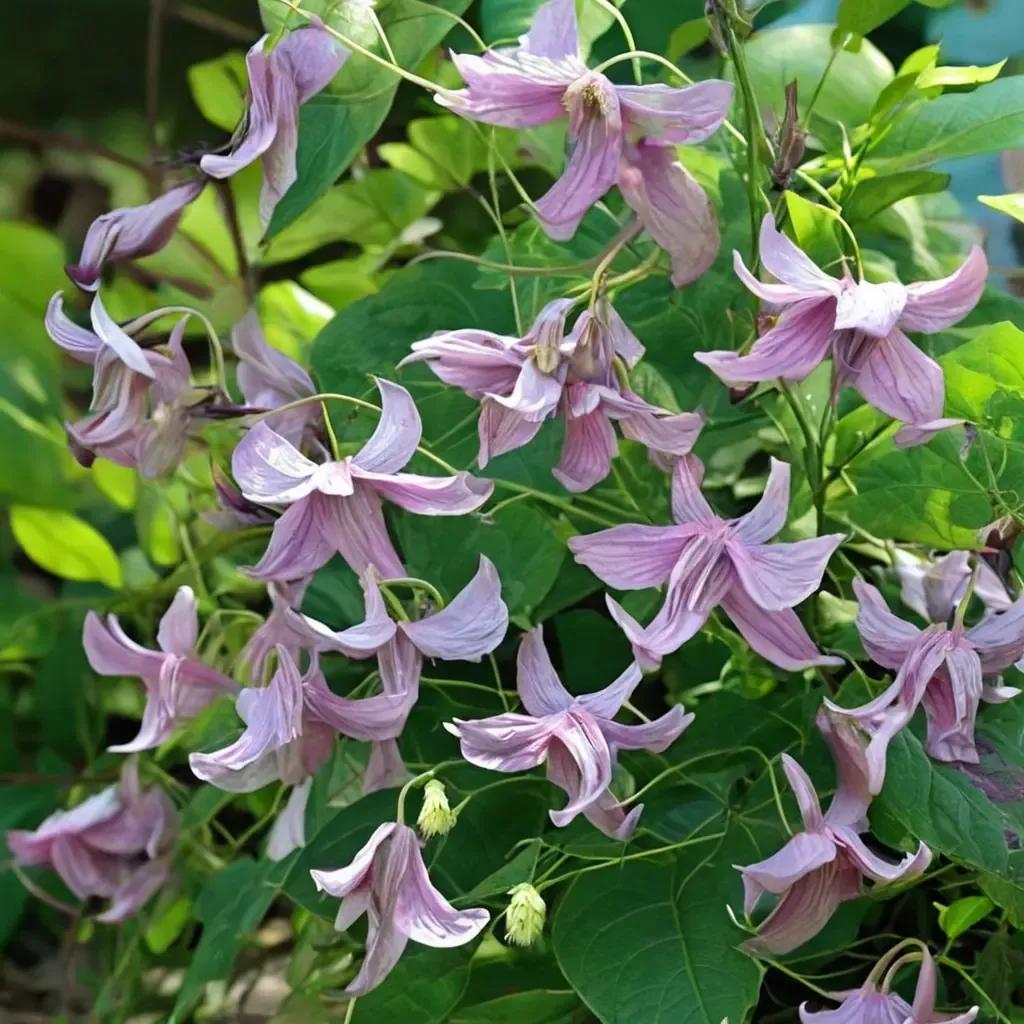 ‘Pagoda’Pagoda clematis
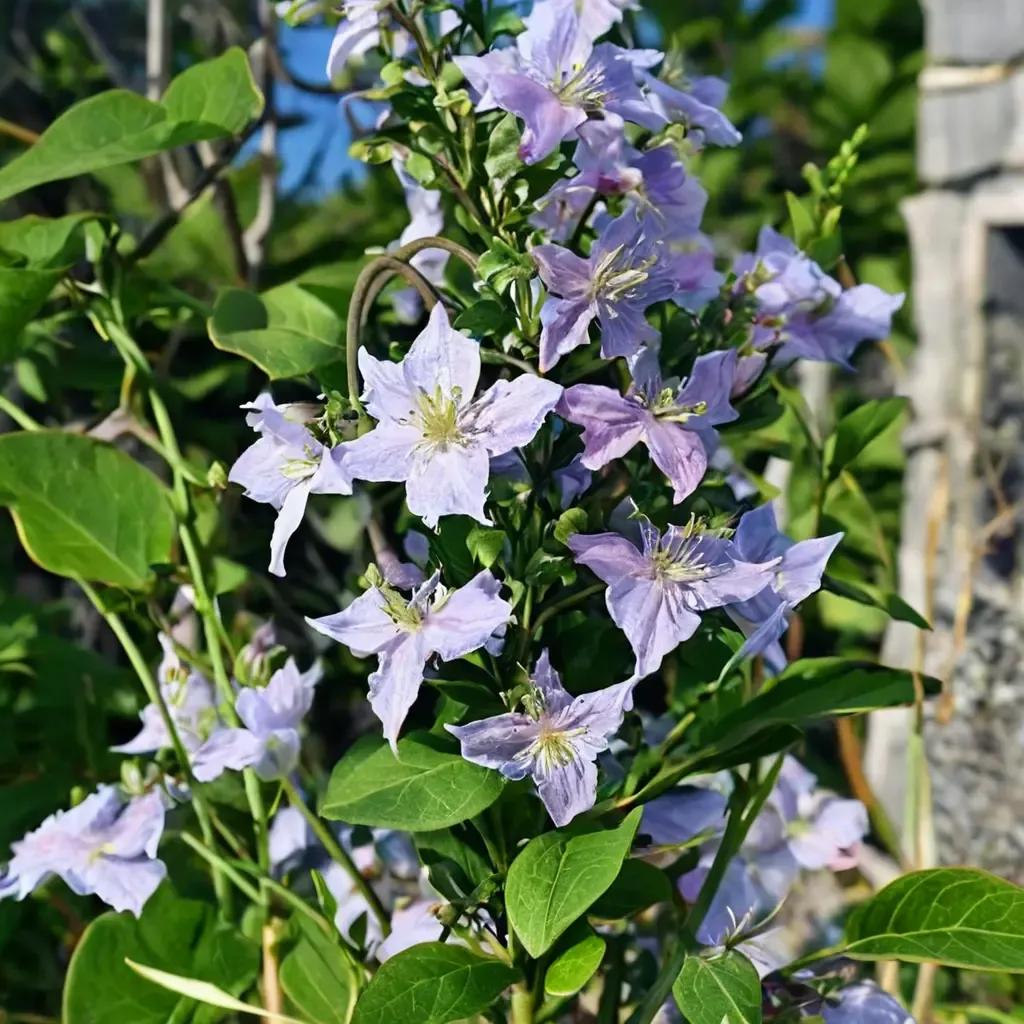 ‘Exciting’Exciting clematis
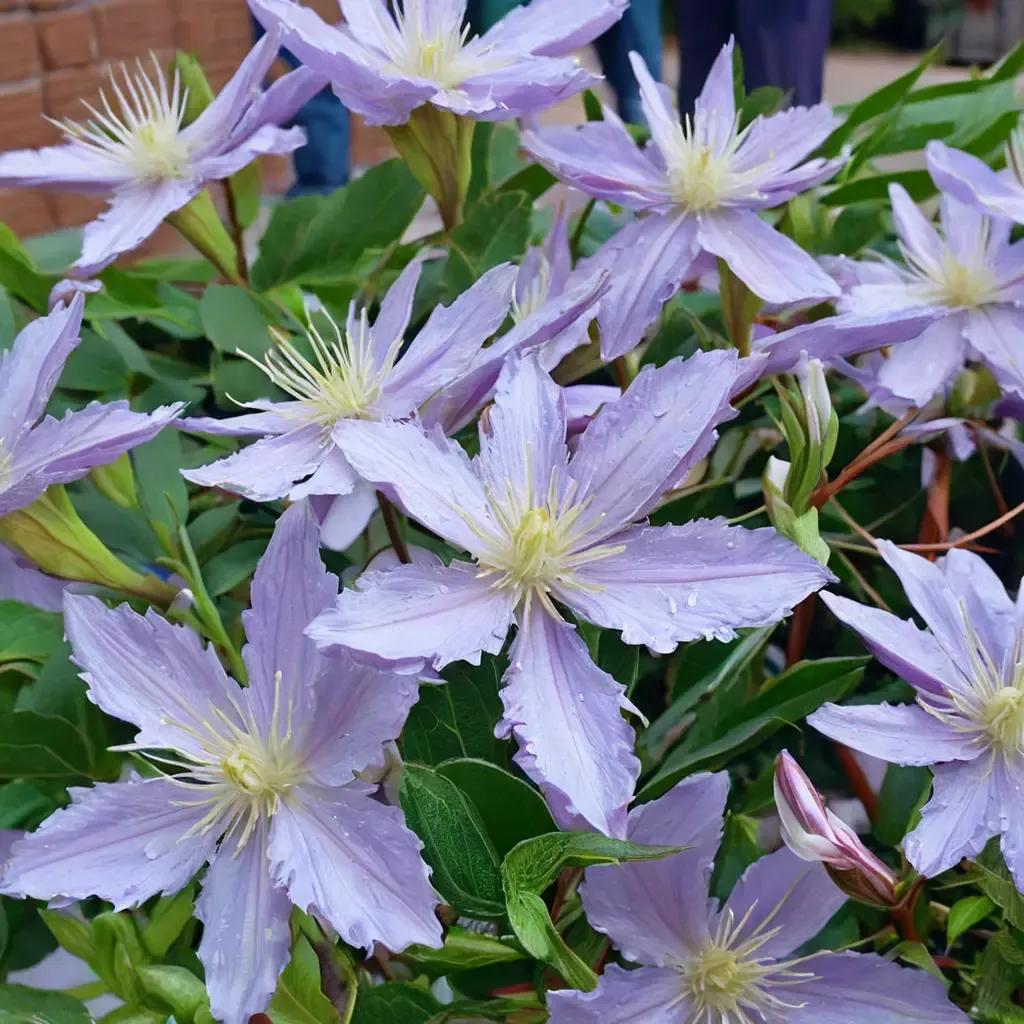 ‘Star River’Star River Clematis
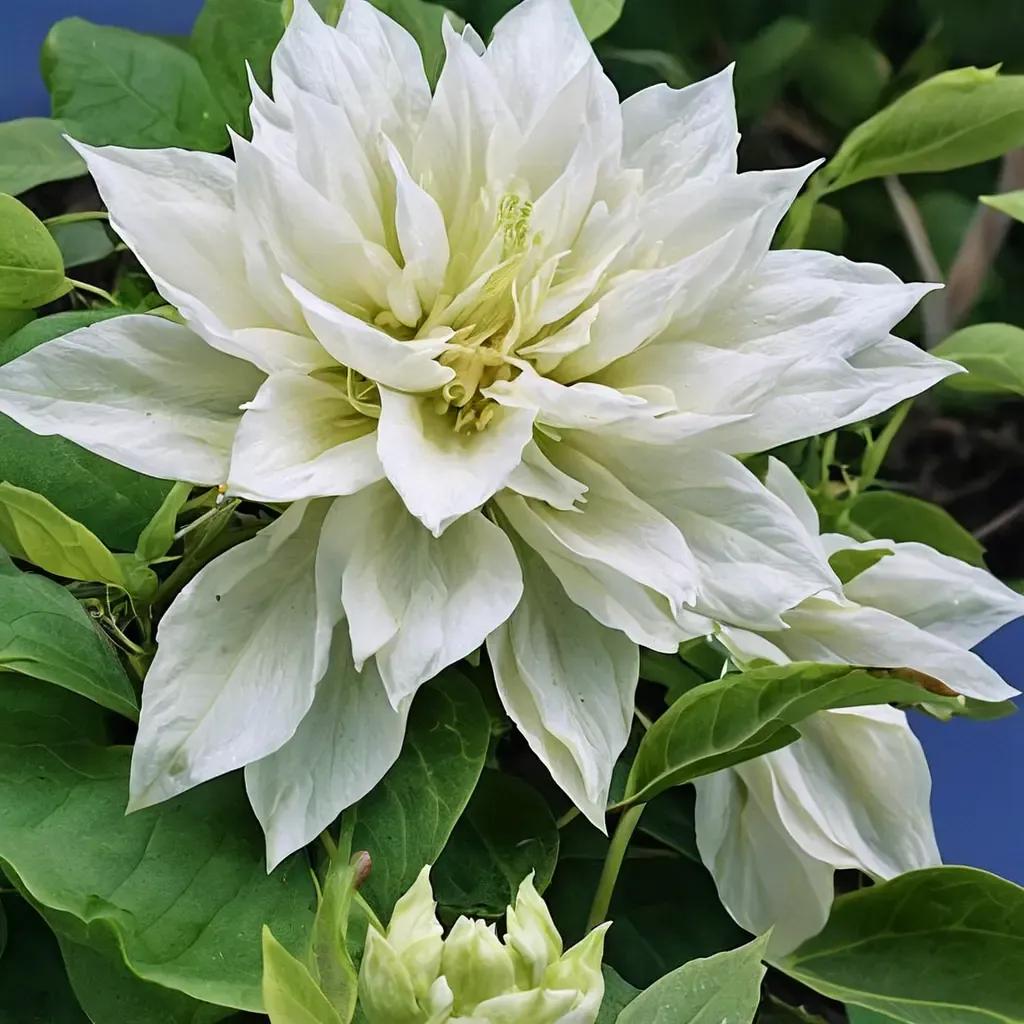 ‘Duchess of Edinburgh’Duchess of Edinburgh Clematis
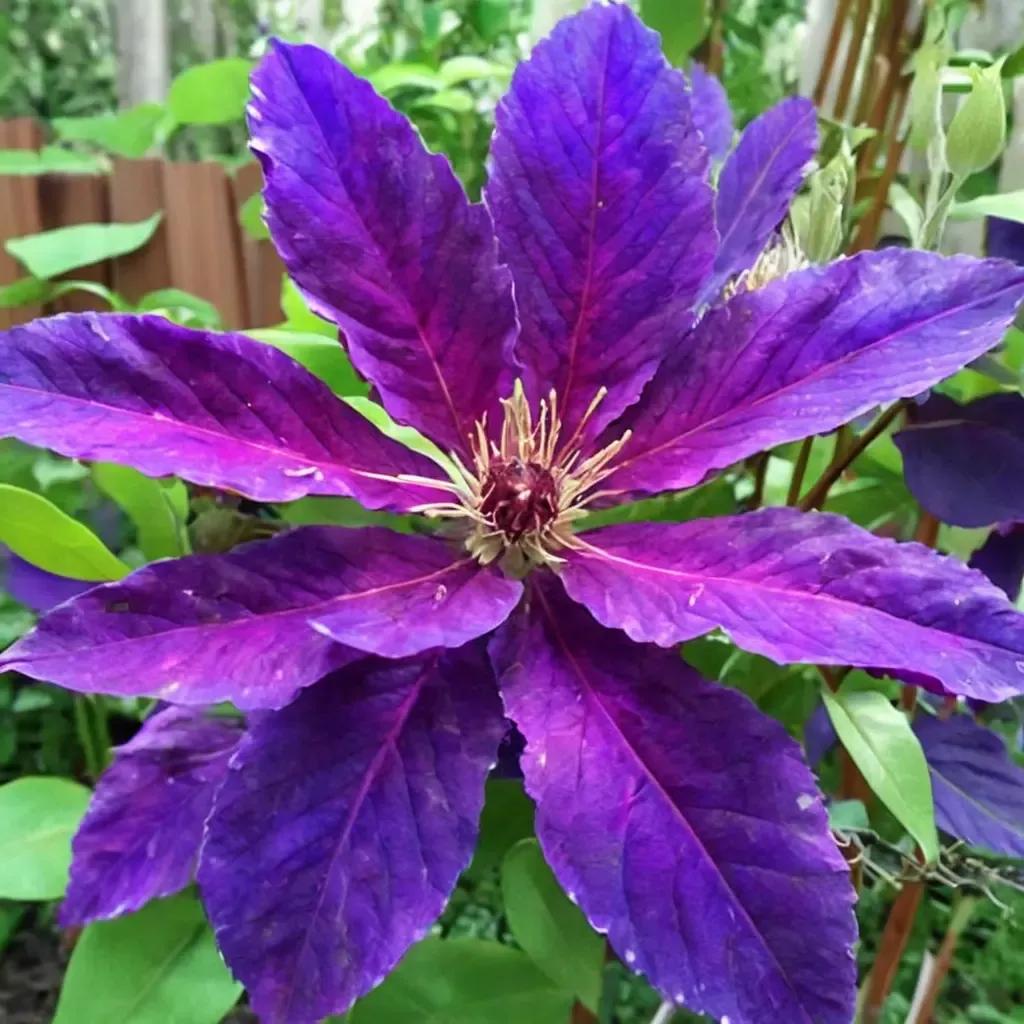 ‘Plum Gorgeous’Plum Gorgeous Clematis
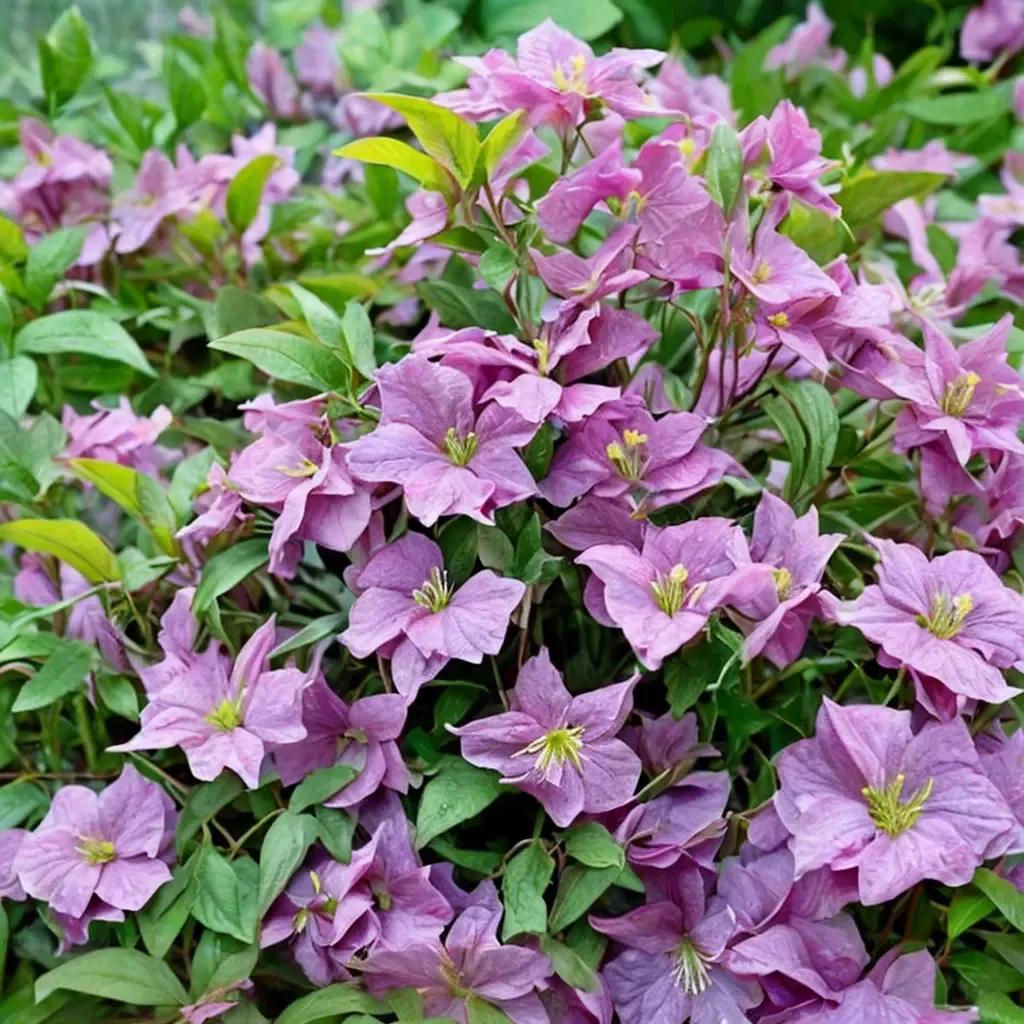 ‘Mazurek’Mazurek Clematis
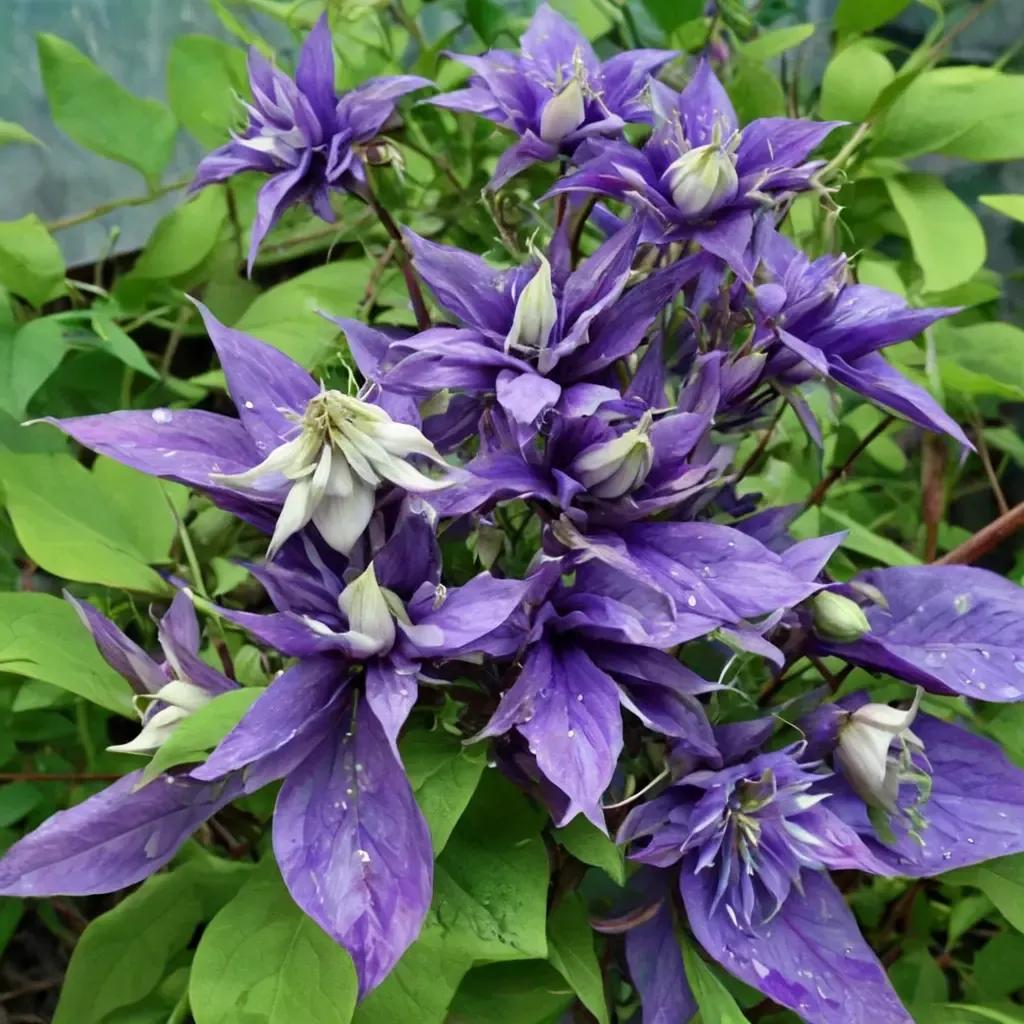 ‘Belle of Taranaki’Belle of Taranaki Italian Clematis
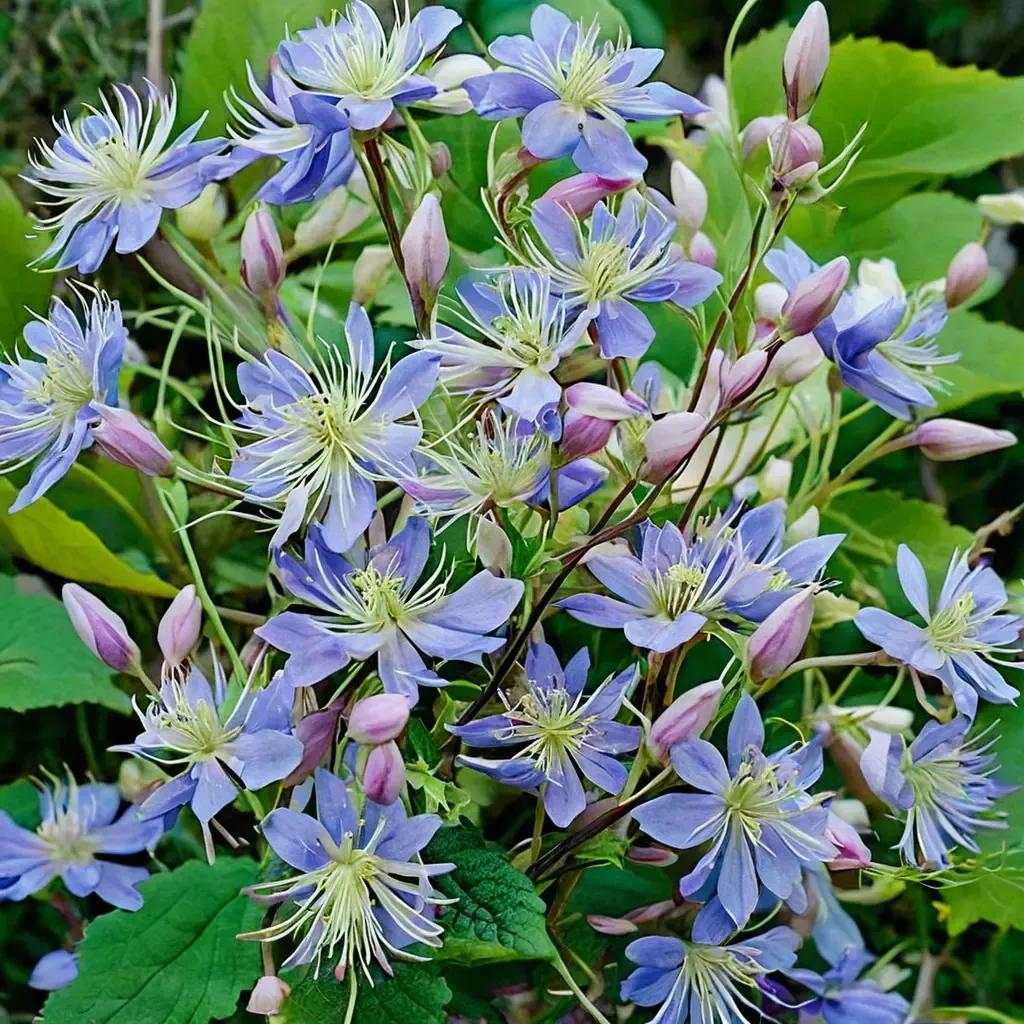 ‘Mrs Robert Brydon’Mrs. Robert Brydon clematis
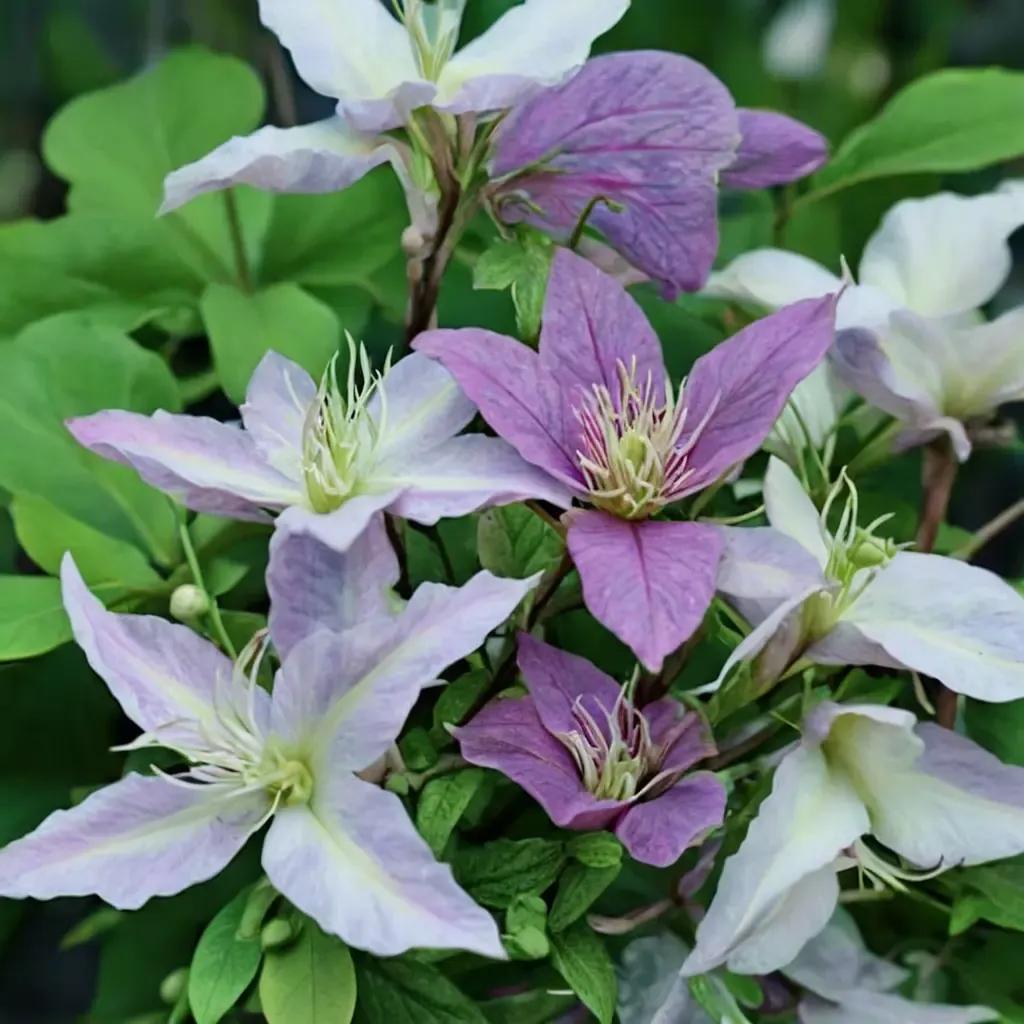 ‘Kitty’Kitty clematis
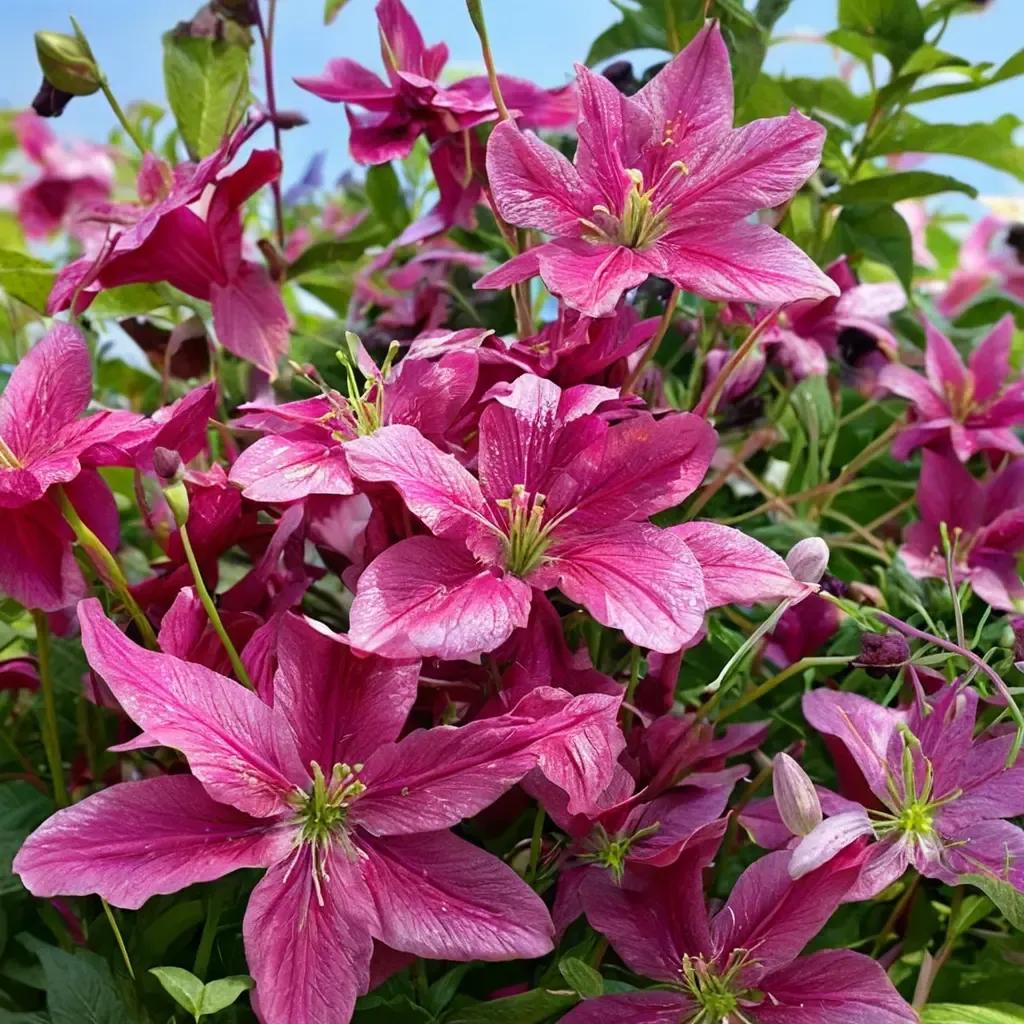 ‘Abundant Flowers’Abundant Flowers Clematis
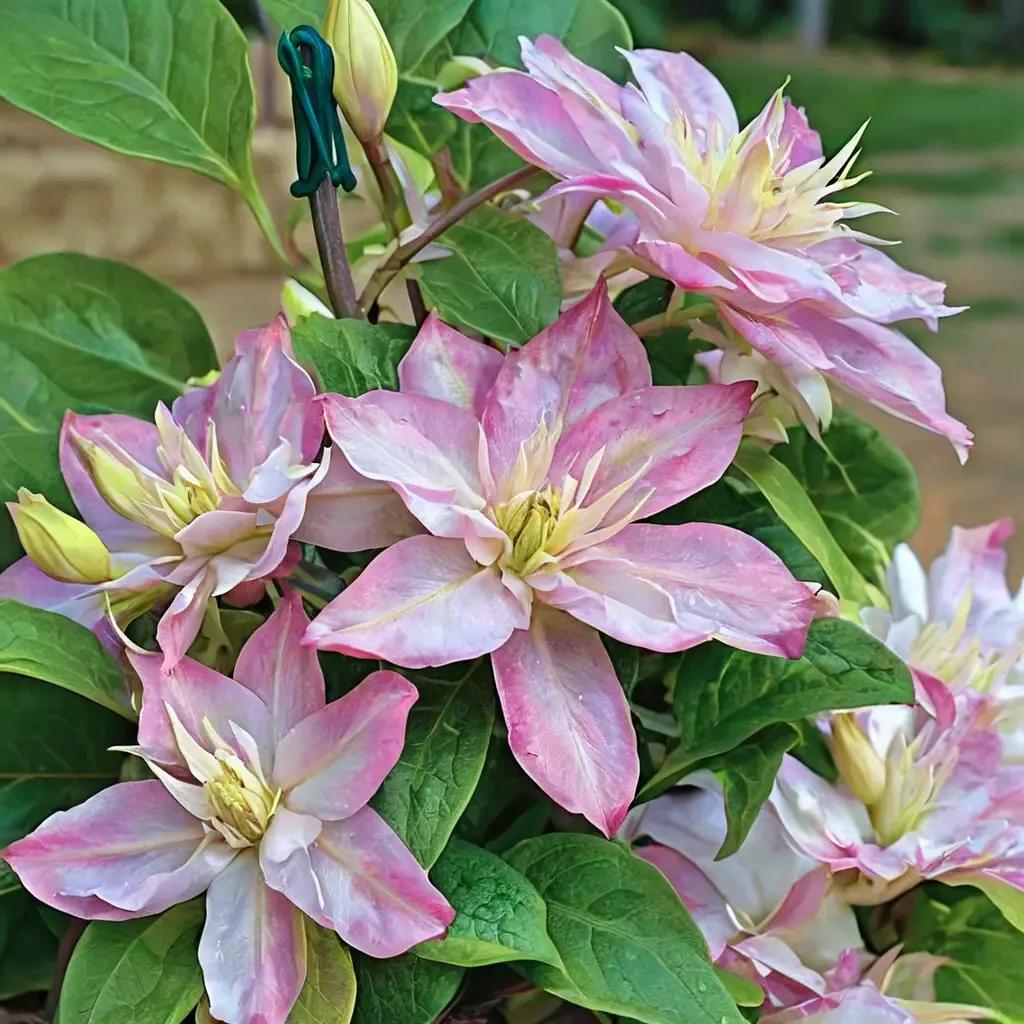 ‘Innocent Blush’Innocent Blush Clematis
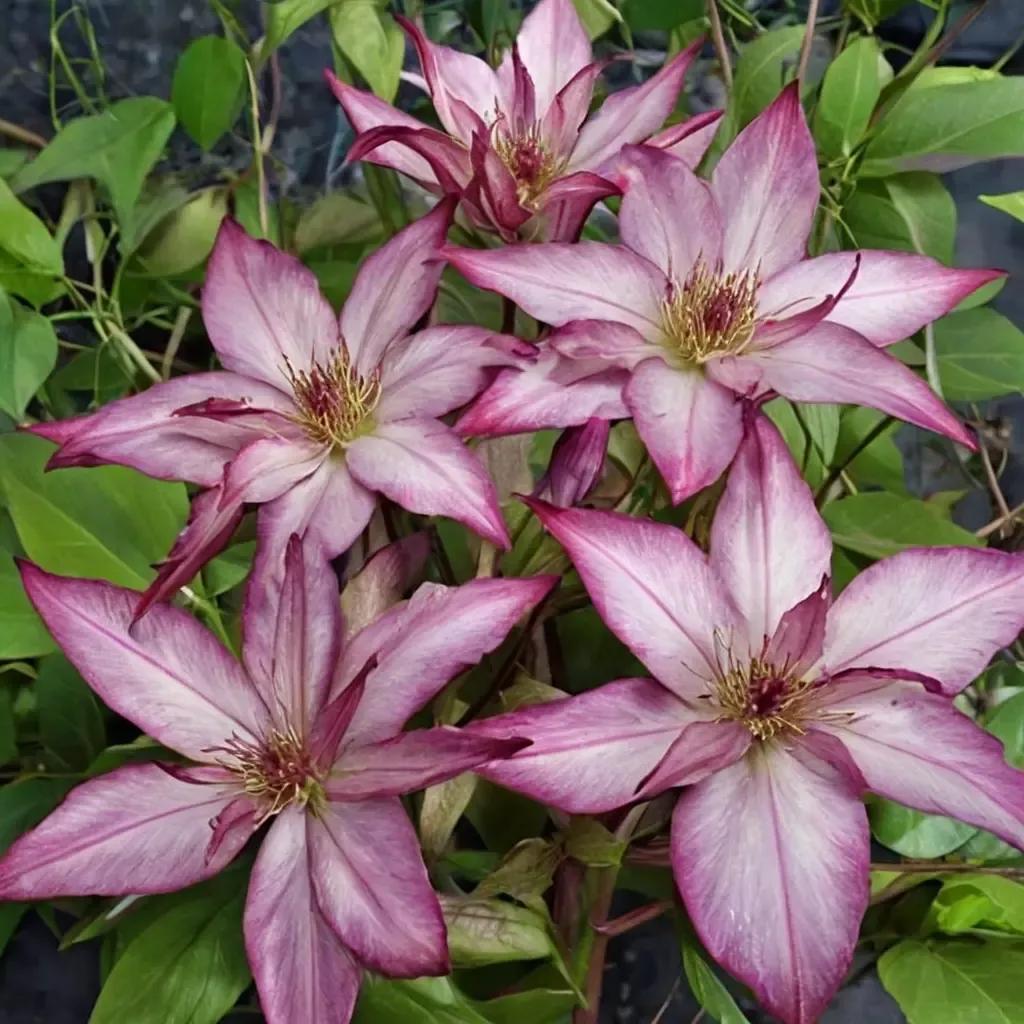 ‘Tae’Tae Clematis
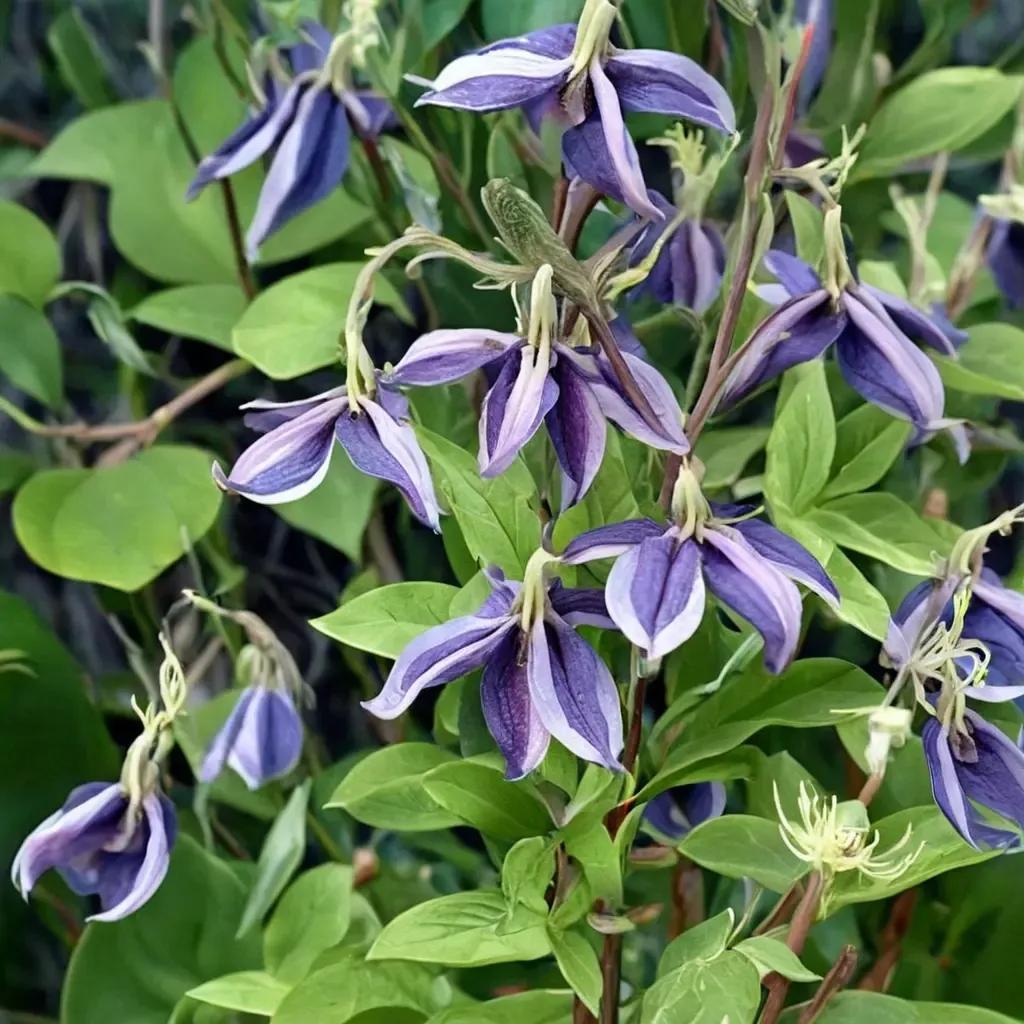 ‘Fascination’Fascination Clematis
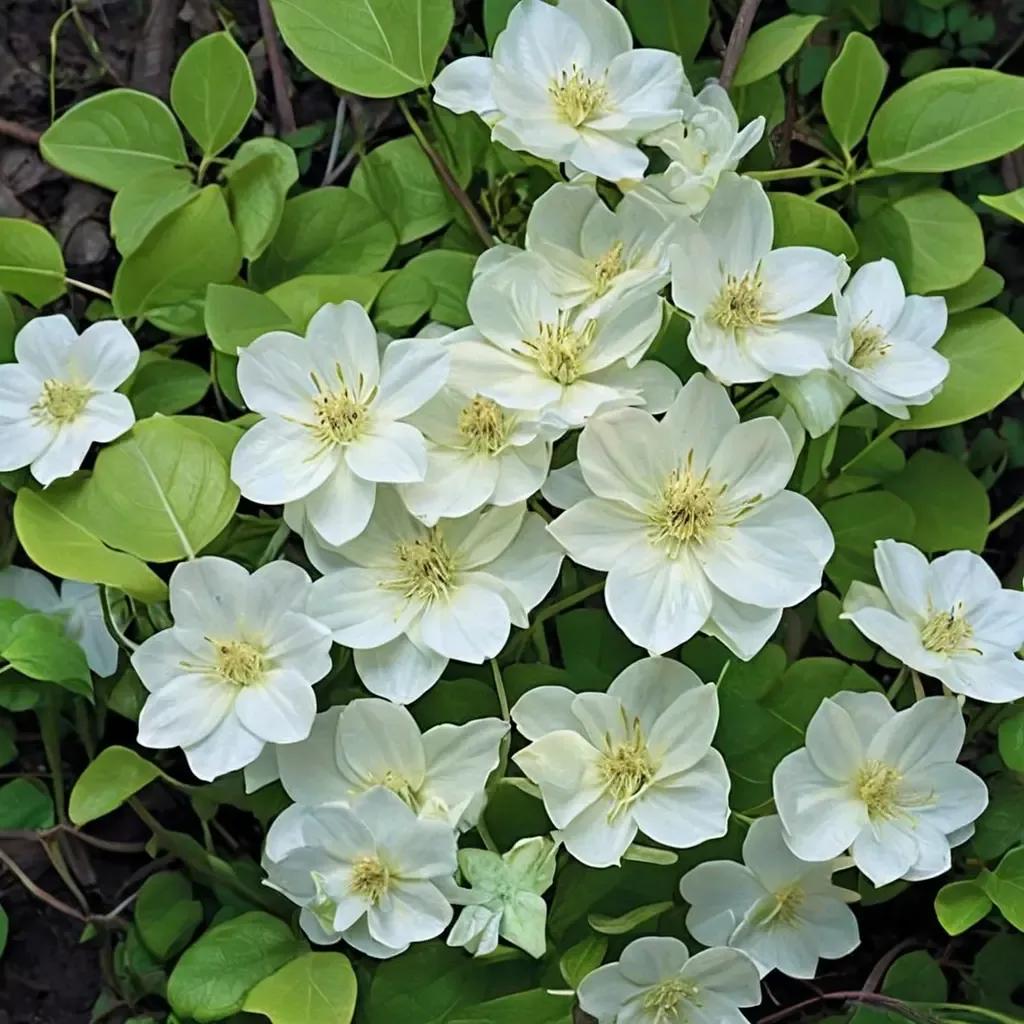 ‘Guernsey Cream’Guernsey Cream Clematis
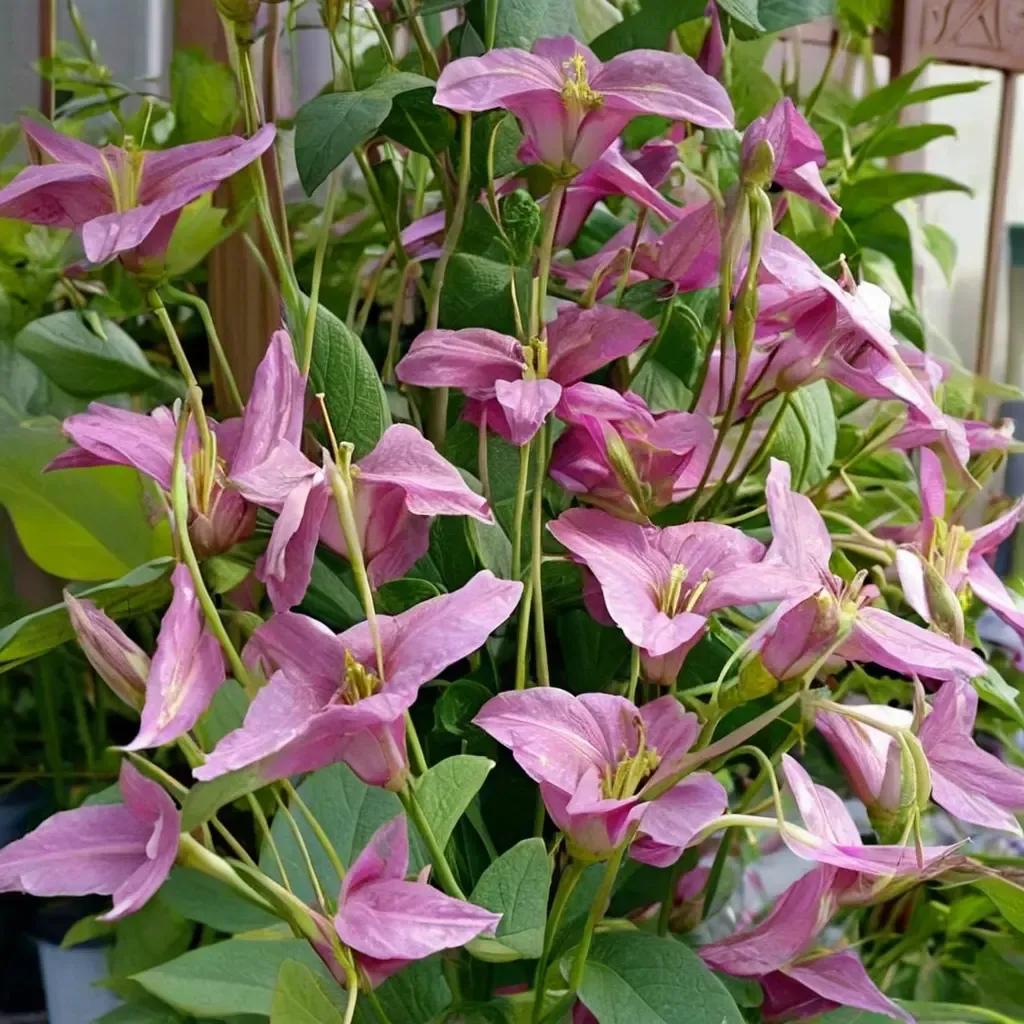 ‘Heather Herschell’Heather Herschell clematis
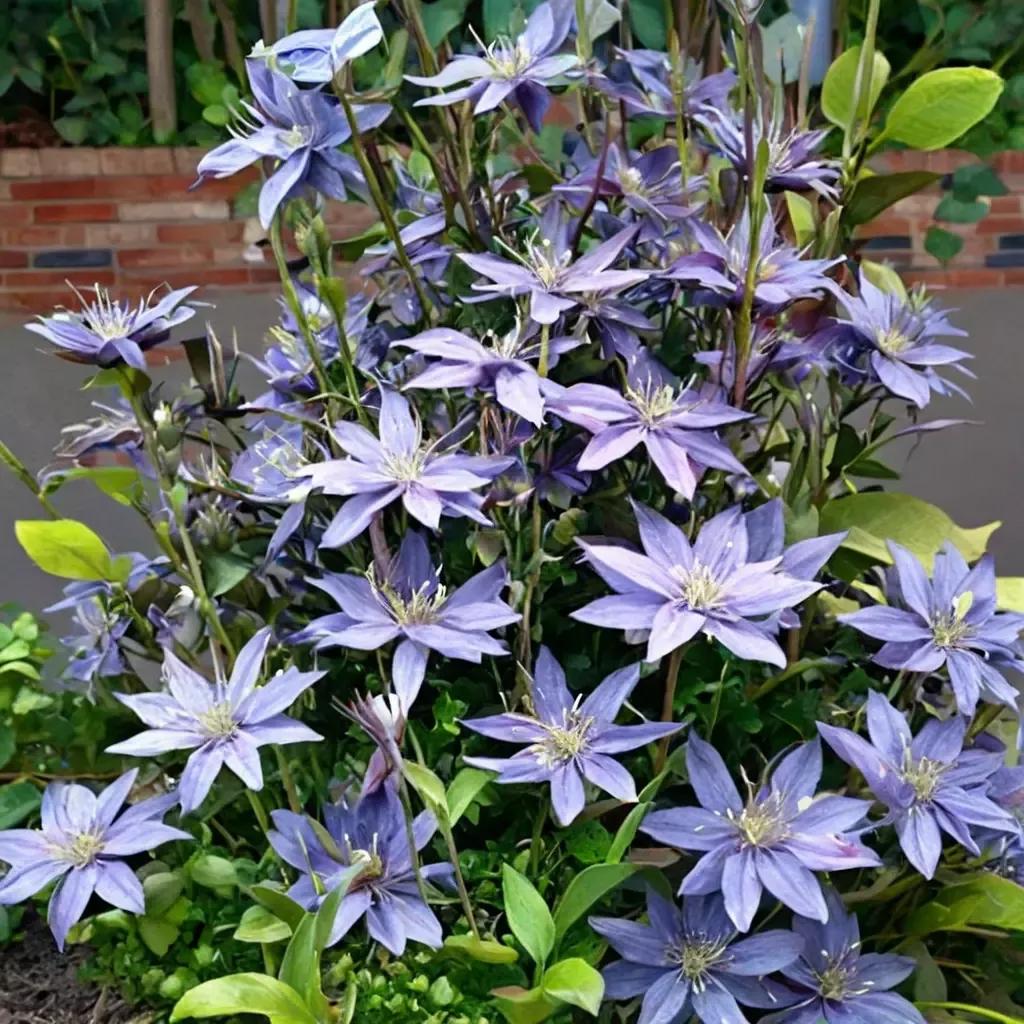 ‘Arabella’Arabella clematis Clematis Arabella
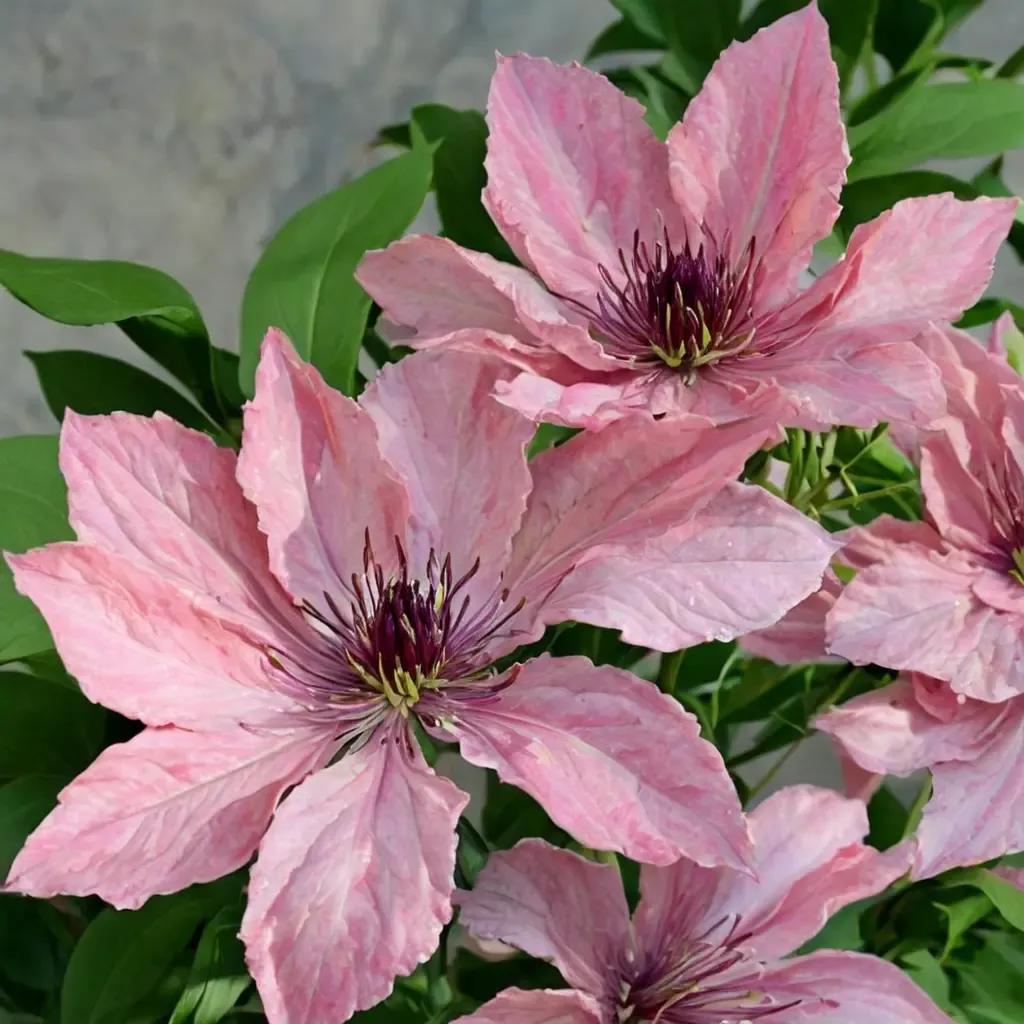 ‘Sarah Elizabeth’Sarah Elizabeth clematis
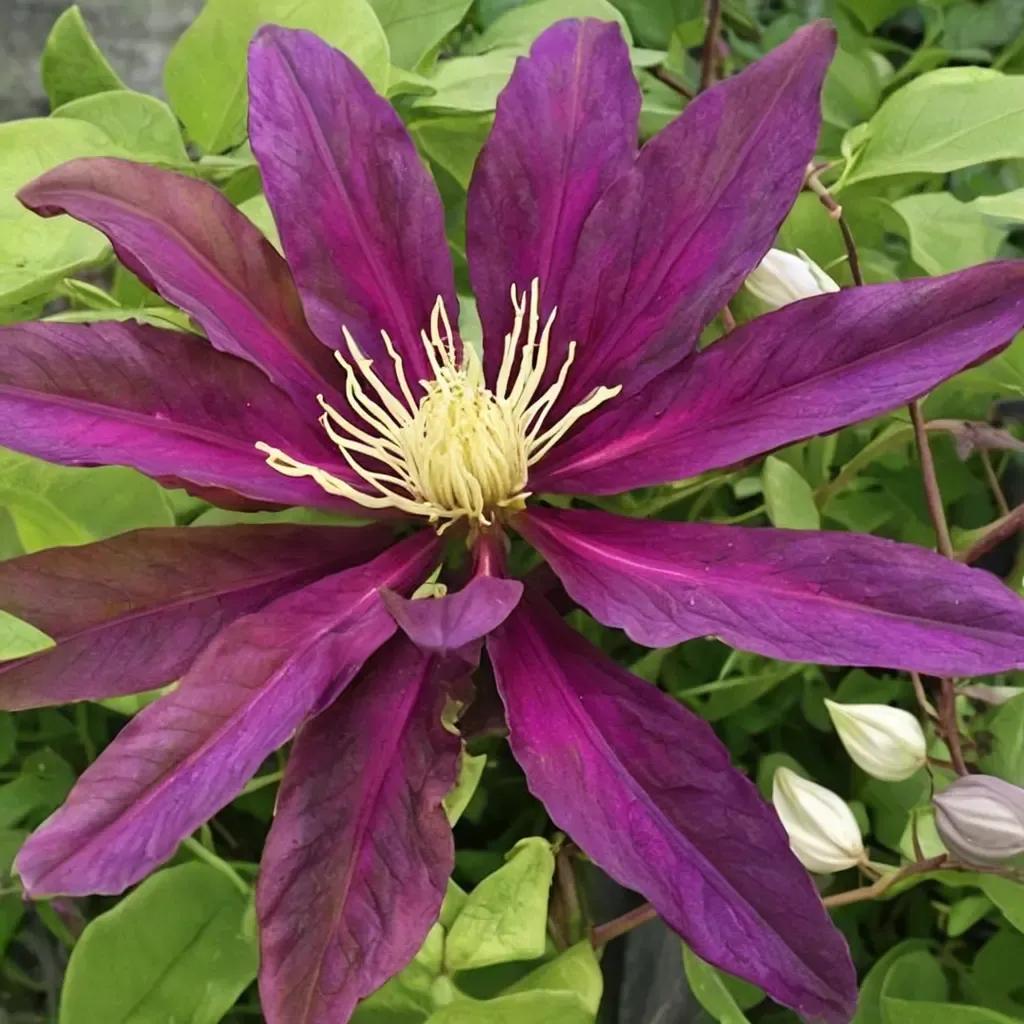 ‘Mrs Yuki’Mrs Yuki Clematis
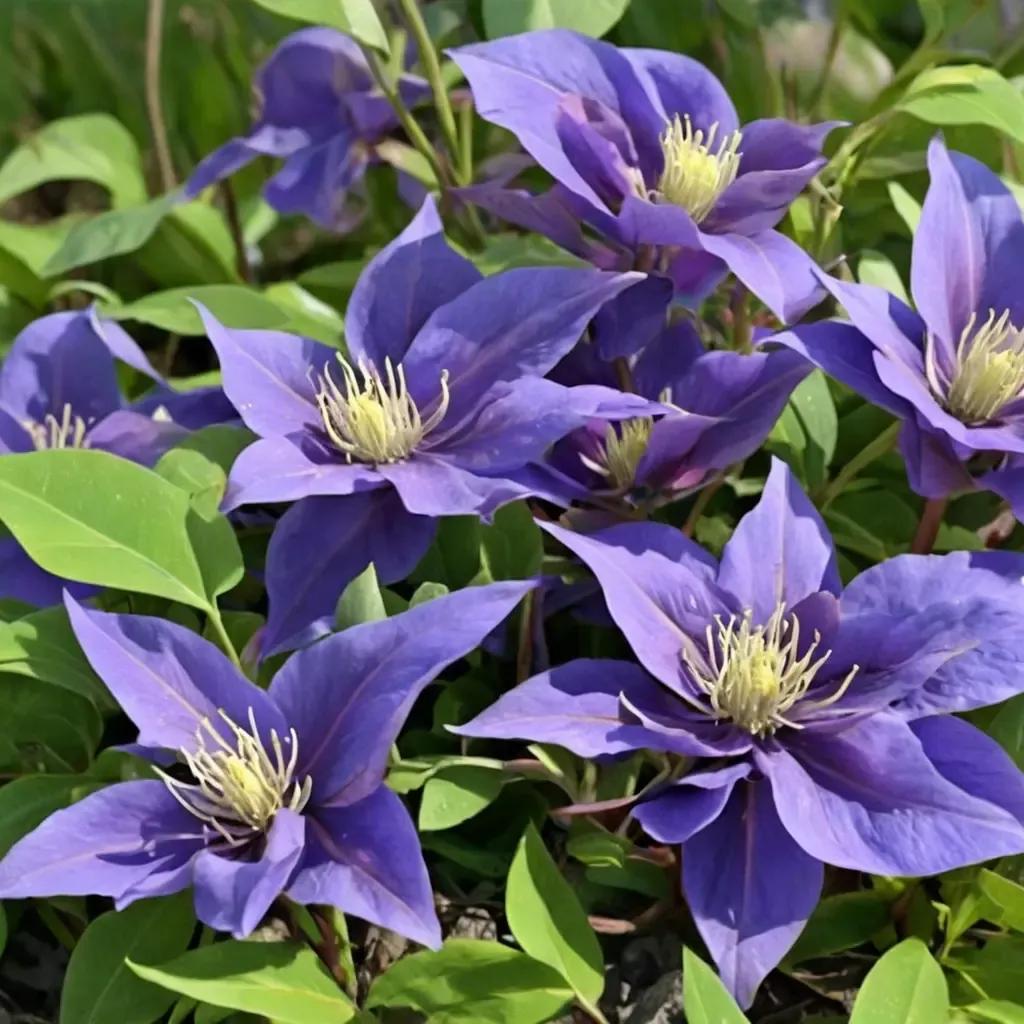 ‘Olympia’Olympia clematis
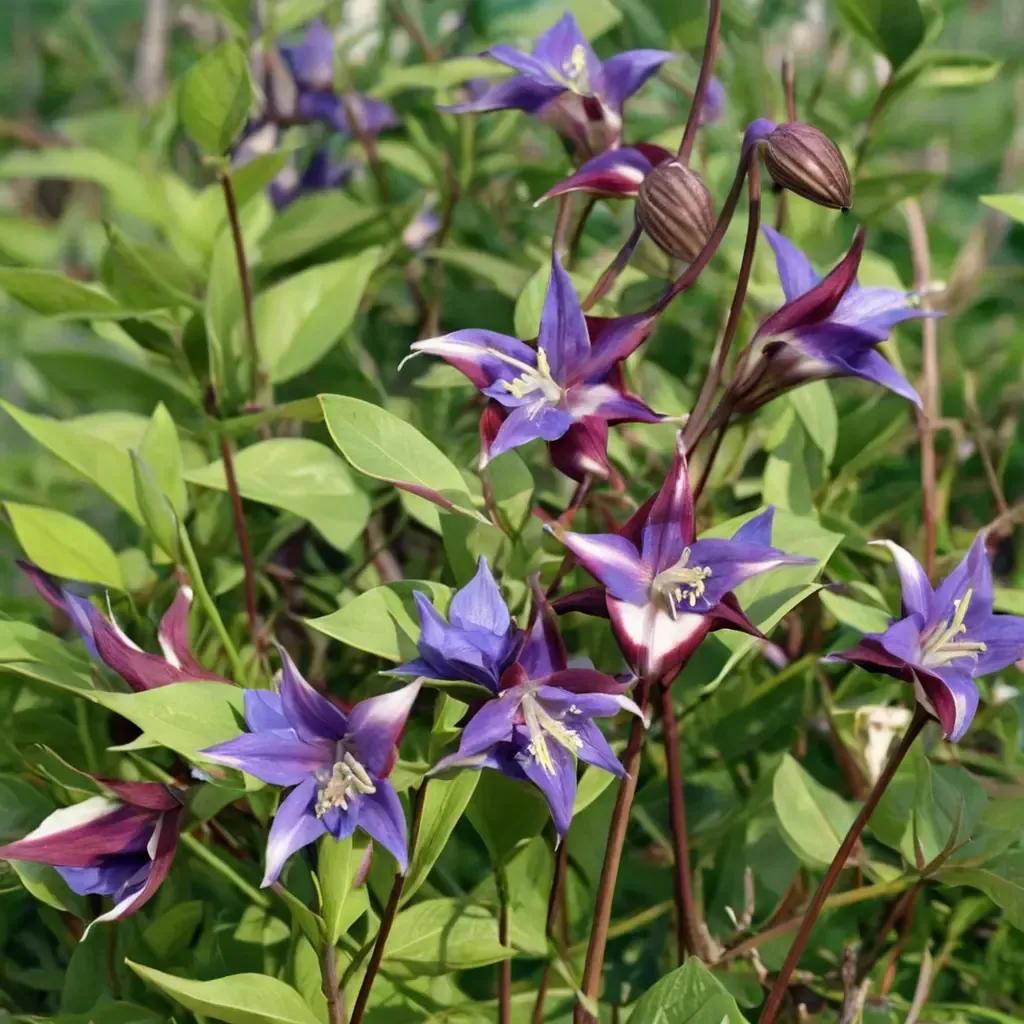 ‘Prince William’Prince William clematis
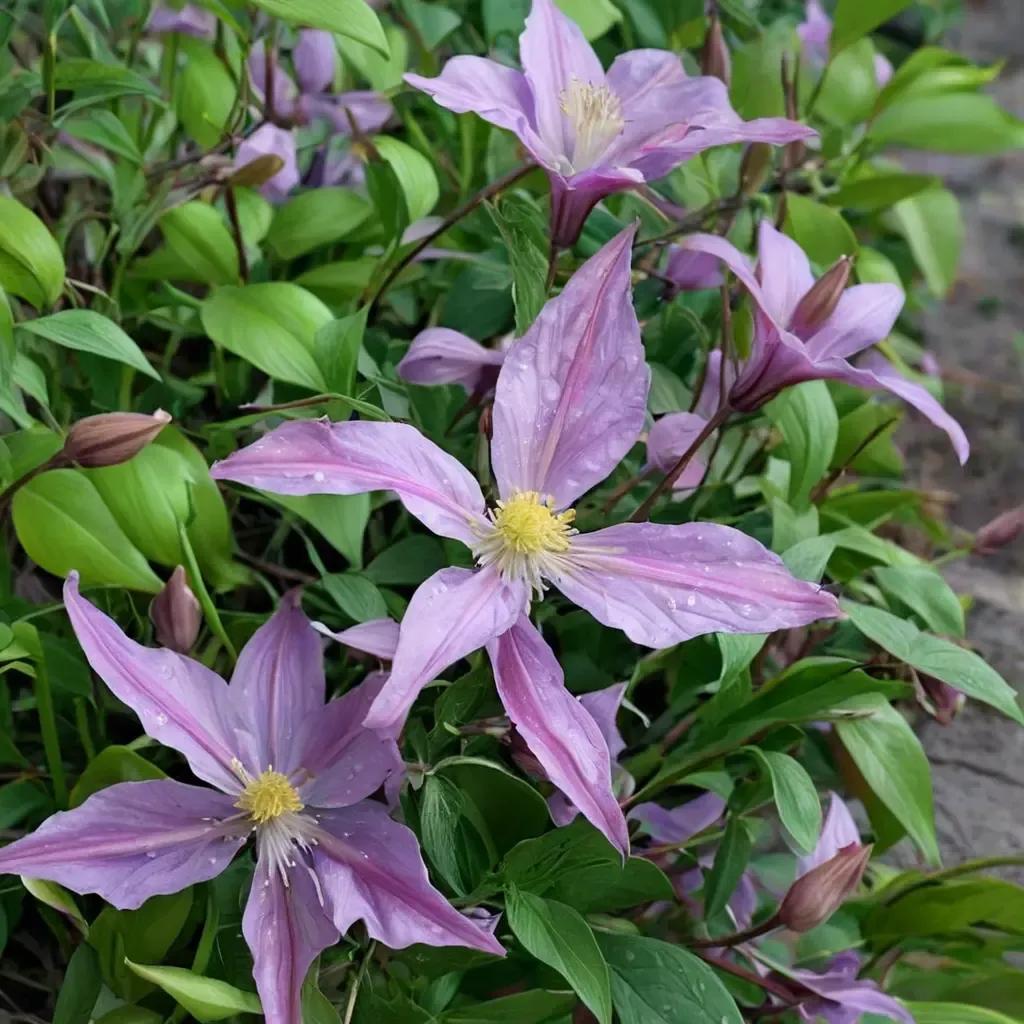 ‘East River’East River Clematis
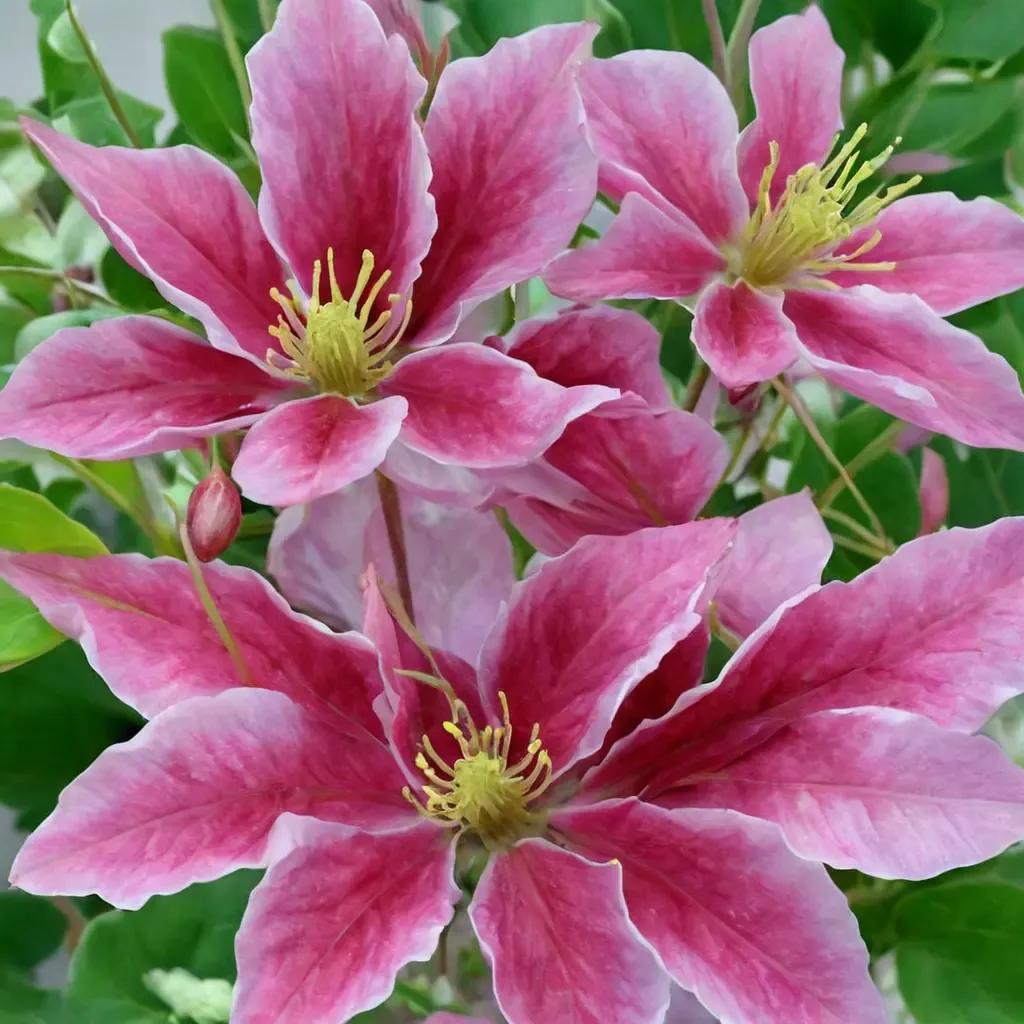 ‘Vicki’Clematis 'Vicki'
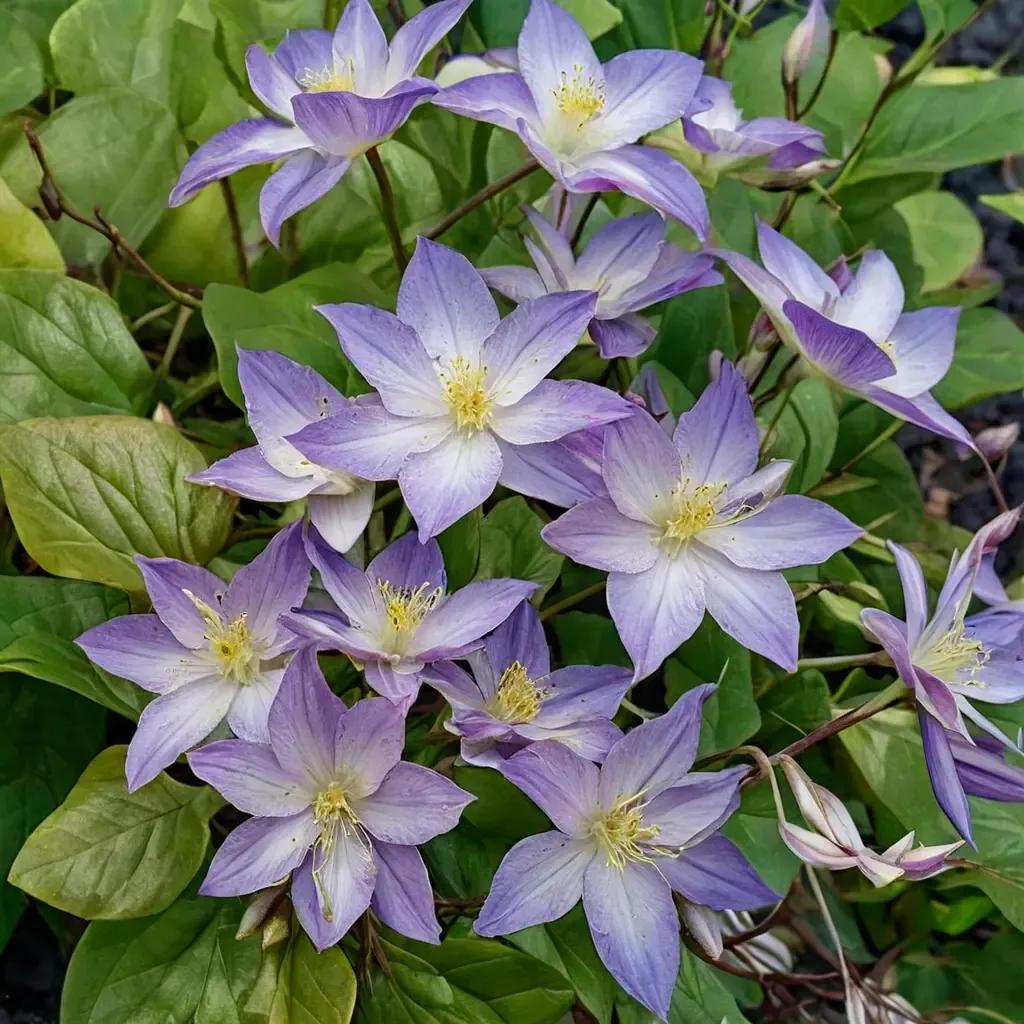 ‘Lucky Charm’Lucky Charm Clematis
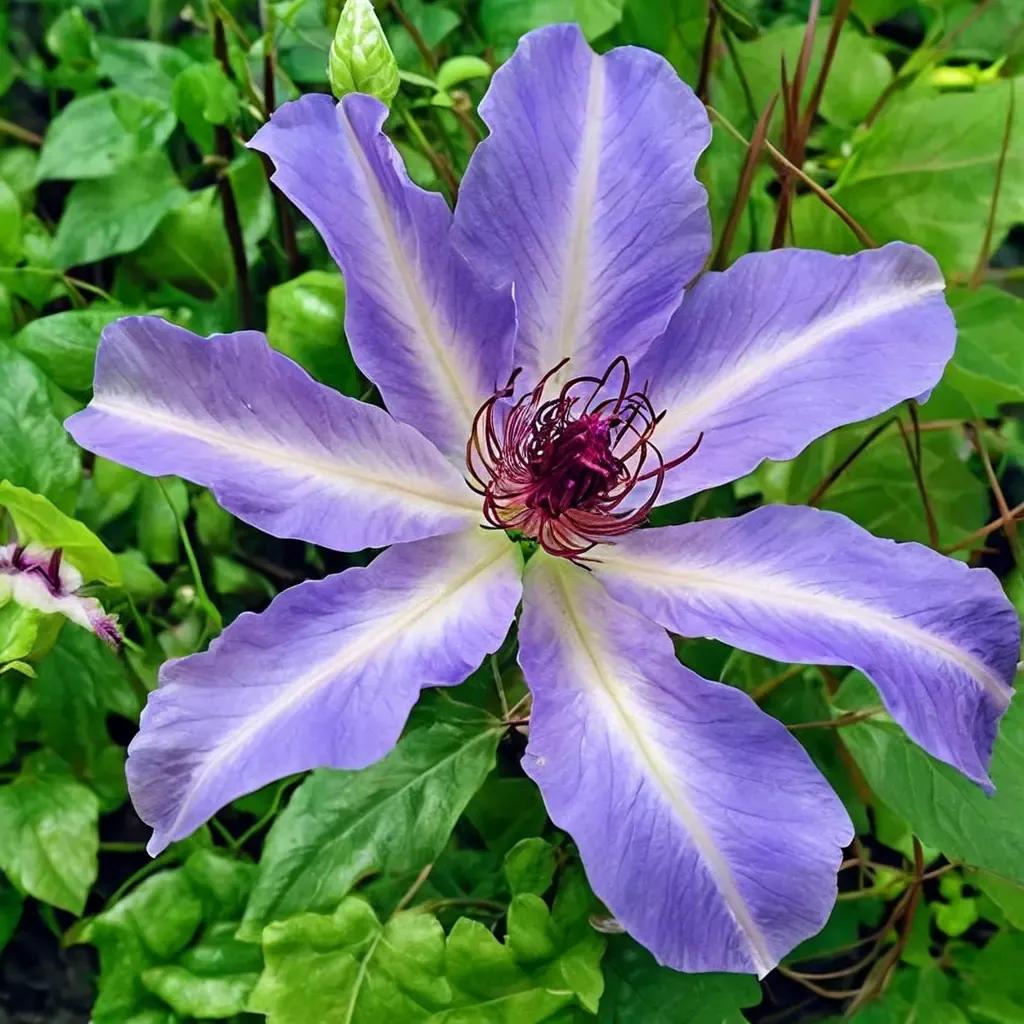 ‘Daybreak Vancouver’Vancouver Daybreak Clematis
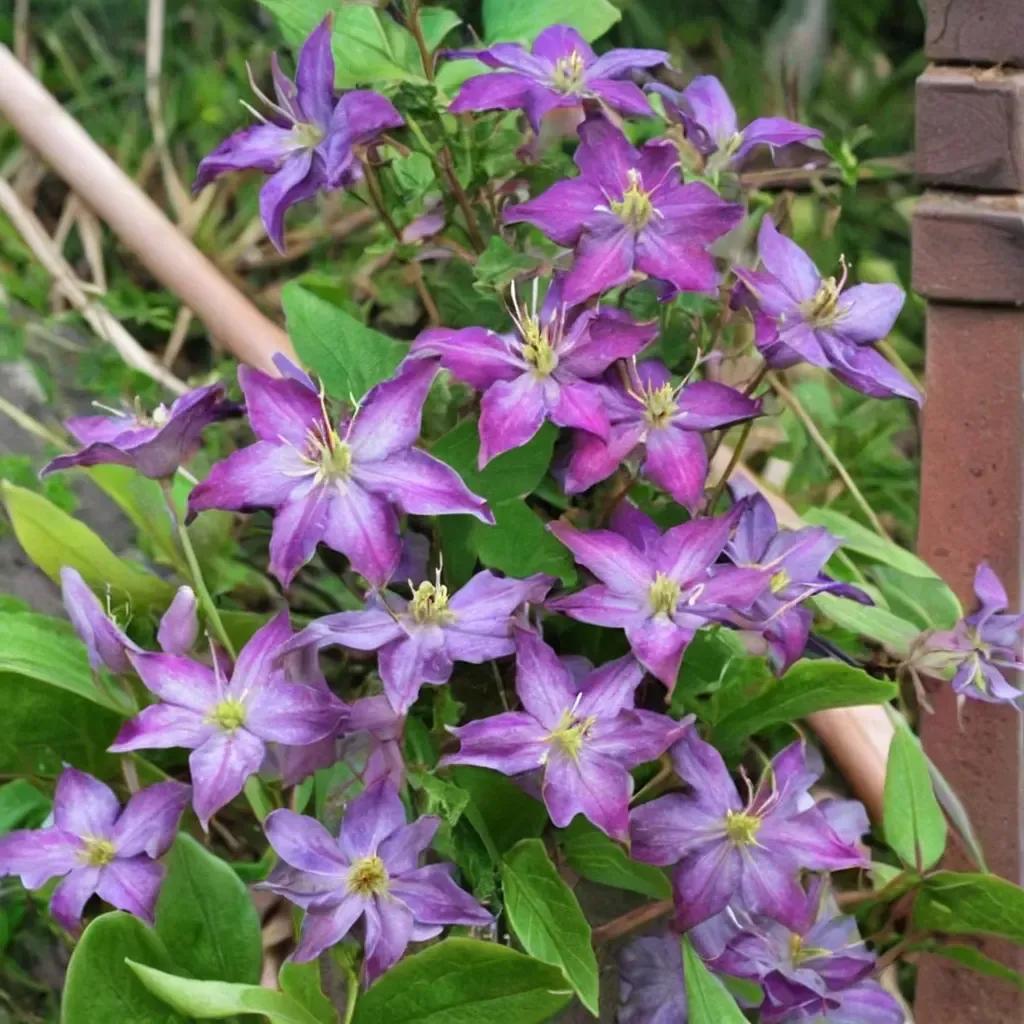 ‘Rituaal’Ritual Clematis
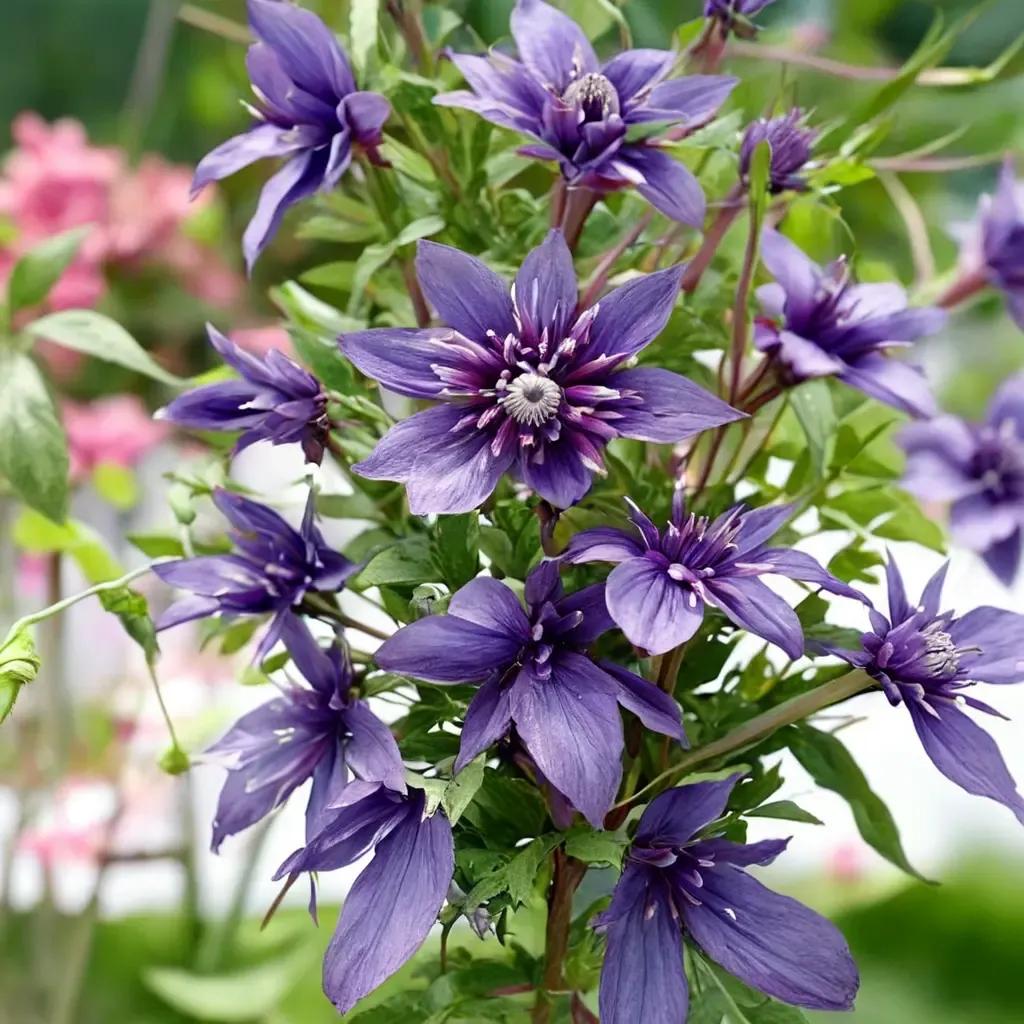 ‘Kokonoe’Kokonoe Clematis
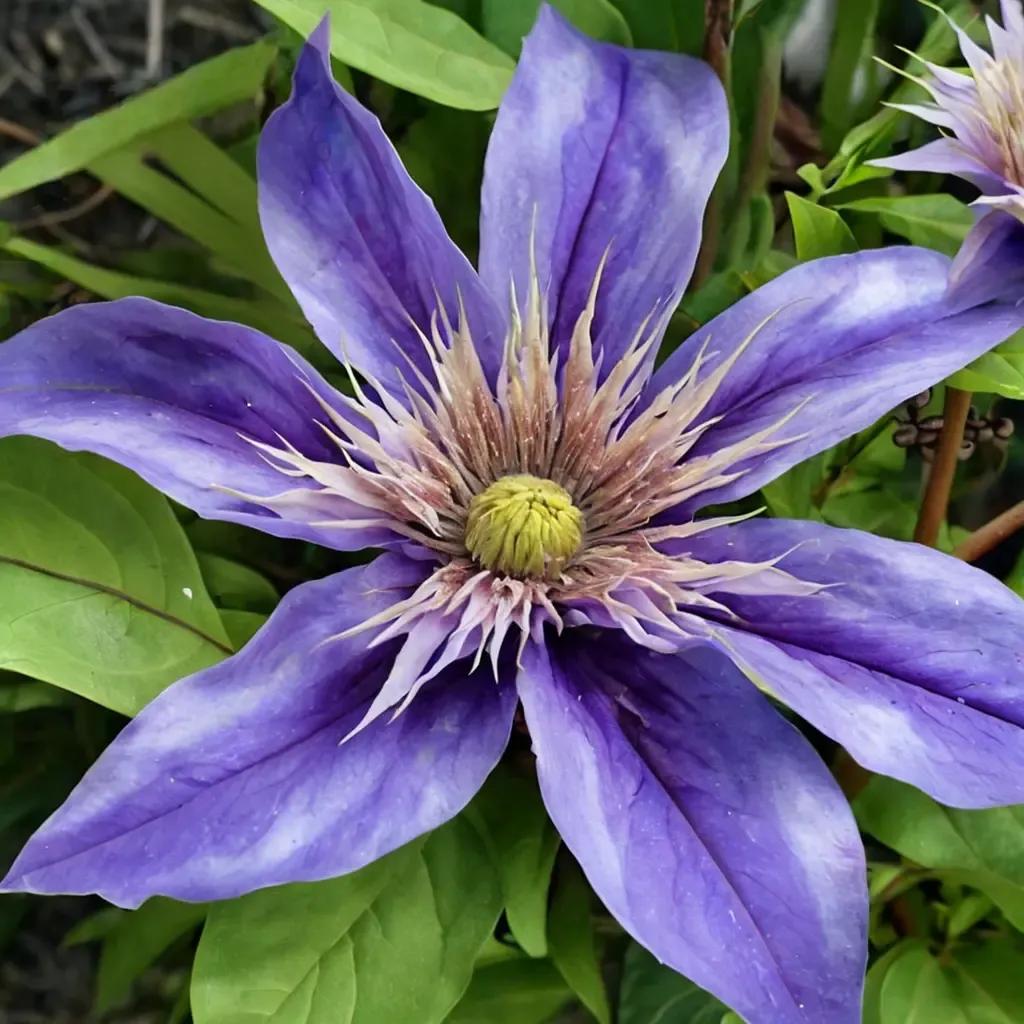 ‘Multi Blue’Multi Blue Clematis
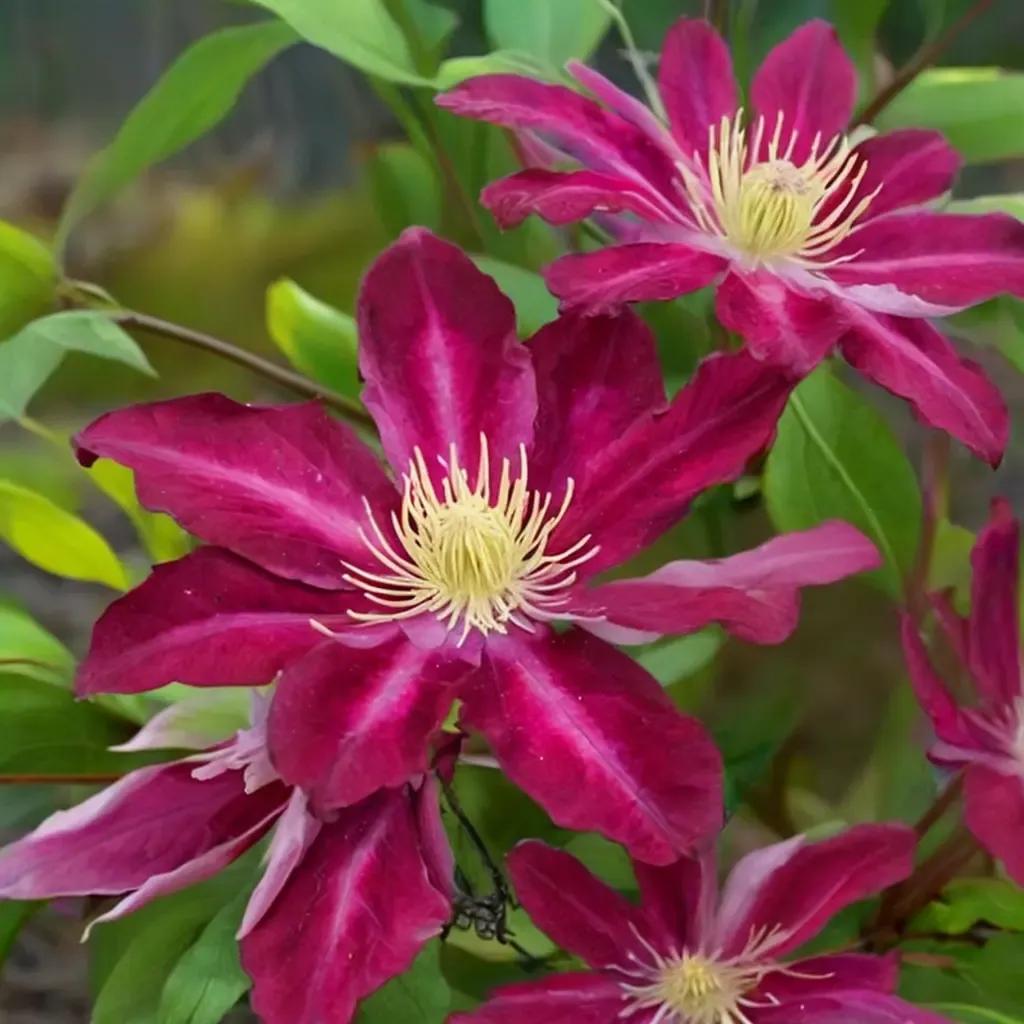 ‘Hoshi-no-Flamenco’Hoshi-no-Flamenco clematis
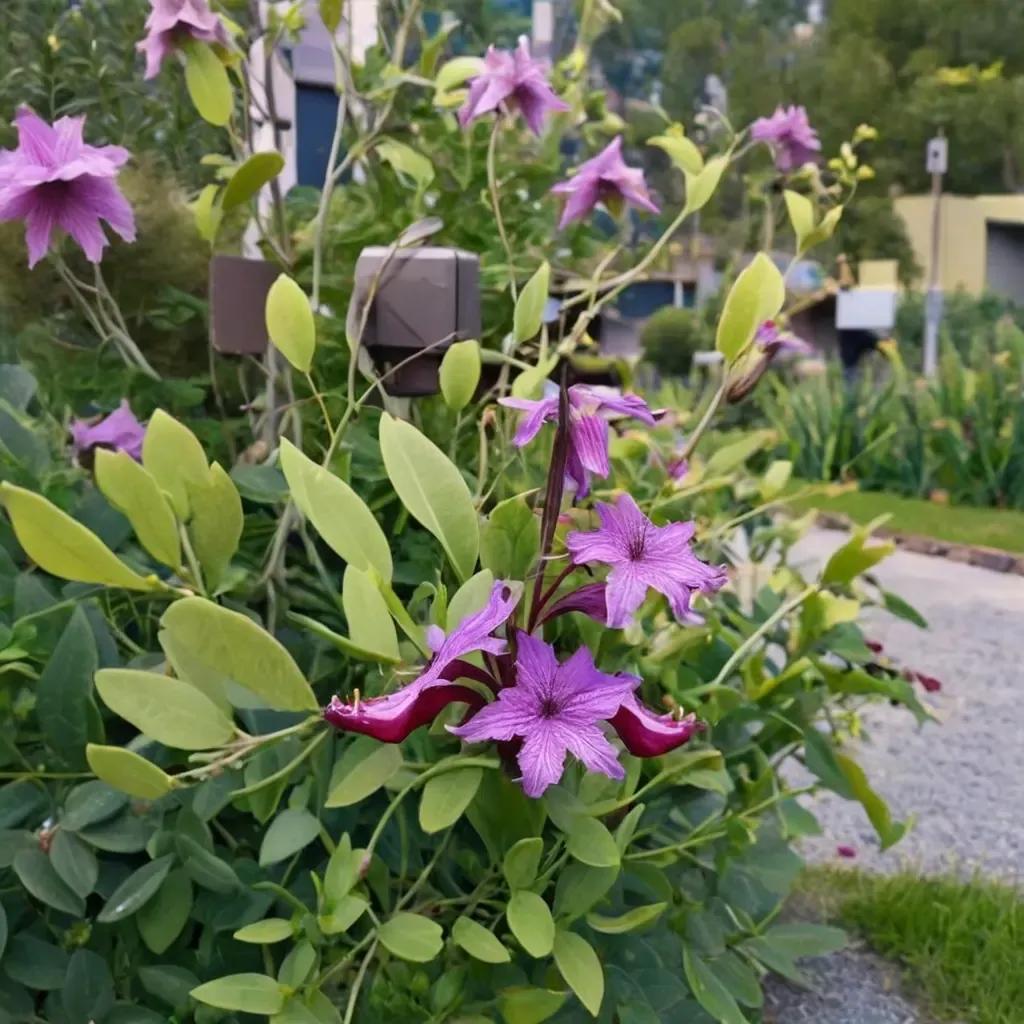 ‘Garden Glory’Garden Glory Clematis
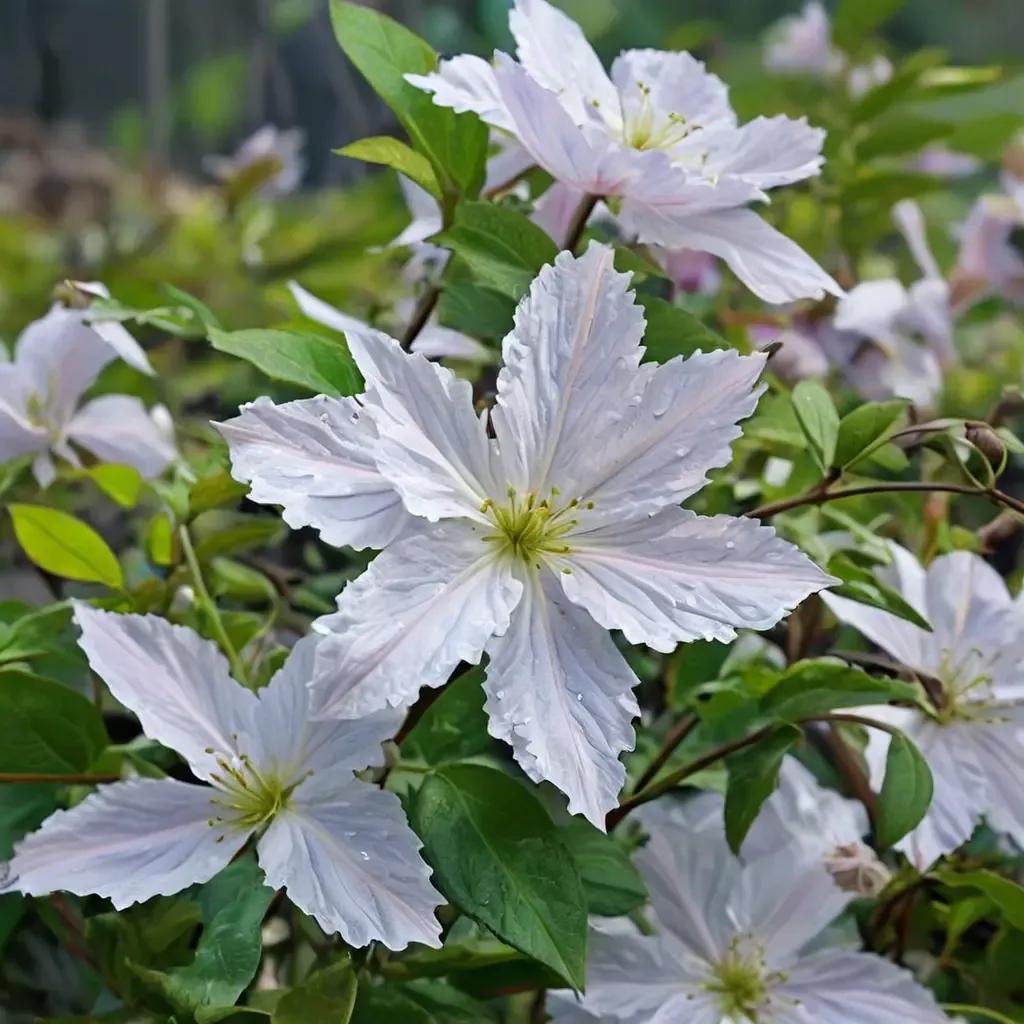 ‘Prince George’Prince George Clematis
The Story
Plant Bio
Clematis viticella 'Prince Charles' is a vigorous climber known for its beautiful blue flowers.
This cultivar is noted for its resistance to wilt and prolific blooming.
Uses & Benefits:
Essentials
At a Glance
Plant Type
Vine
Height
96"
Width
36"
Light
Full Sun, Partial Sun
Zones
4, 5, 6, 7, 8, 9, 10
Water
Moderate
Humidity
Average
Lifespan
Perennial
Native To
Europe and Asia
Toxicity
Toxic
Bloom period
Mid-summer to early autumn – Late summer
In flower about 2 months of the year
Planting
How to Grow
- Select a sunny or partially shaded spot with well-draining soil.
- Tuck young vines 6 inches deep into the soil, covering the roots completely.
- Mist cuttings with water and place in a warm, bright location for rooting.
- Train the vine onto a trellis or support structure as it grows.
- Water regularly during the first growing season to establish roots.
- Feed with a balanced fertilizer once new growth appears.
Pro Tip
Provide sturdy support early to guide the vine's growth and prevent damage.
Keep It Thriving
Care Guide
Do
- Water deeply during dry spells to keep soil moist 🌱
- Prune after flowering to maintain shape and encourage new growth
- Use a balanced fertilizer in spring for healthy blooms
- Mulch around the base to retain moisture and suppress weeds
Don't
- Avoid overwatering, which can cause root rot ❌
- Don’t prune in late summer or fall, as it may remove next season’s buds
- Never allow the plant to sit in waterlogged soil
- Avoid using excessive fertilizer that can lead to weak growth
Seasonal Care Calendar
| Task | Jan | Feb | Mar | Apr | May | Jun | Jul | Aug | Sep | Oct | Nov | Dec |
|---|---|---|---|---|---|---|---|---|---|---|---|---|
| Fertilize | ||||||||||||
| Mulch | ||||||||||||
| Prune |
Watch Out For
Pests & Diseases
Common Pests
Common Diseases
In the Garden
Landscape Uses & Companions
Landscape Uses
Companion Plants
Multiply
Propagation Methods
Good to Know
Common Questions
Prince Charles Clematis questions
What zones can Prince Charles Clematis grow in?
Prince Charles Clematis is hardy in USDA Zones 4–10. Inside that range it survives winter in the ground; outside it, grow it as an annual or a container plant you protect.
Is Prince Charles Clematis deer resistant?
Not reliably. Deer may browse Prince Charles Clematis, especially tender spring growth — plan on repellents or fencing where pressure is high.
When does Prince Charles Clematis bloom?
Prince Charles Clematis typically blooms in mid-summer to early autumn through late summer. Exact timing shifts a week or two with your zone — Sow's bloom calendar maps it to your garden.
Does Prince Charles Clematis need full sun?
Prince Charles Clematis does best in full sun to part shade. In hot climates, afternoon shade keeps blooms fresher longer.
More Clematis to compare
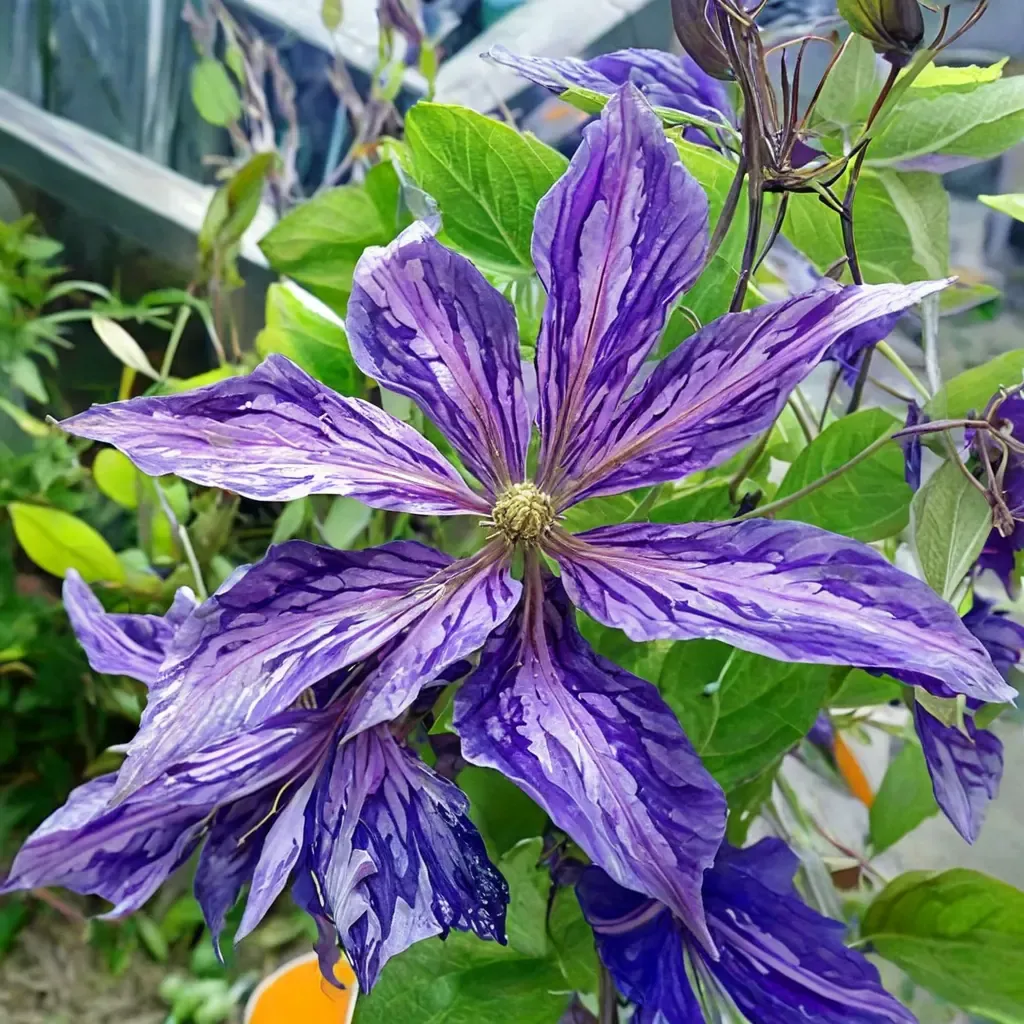
Tie Dye Clematis
Clematis viticella 'Tie Dye'
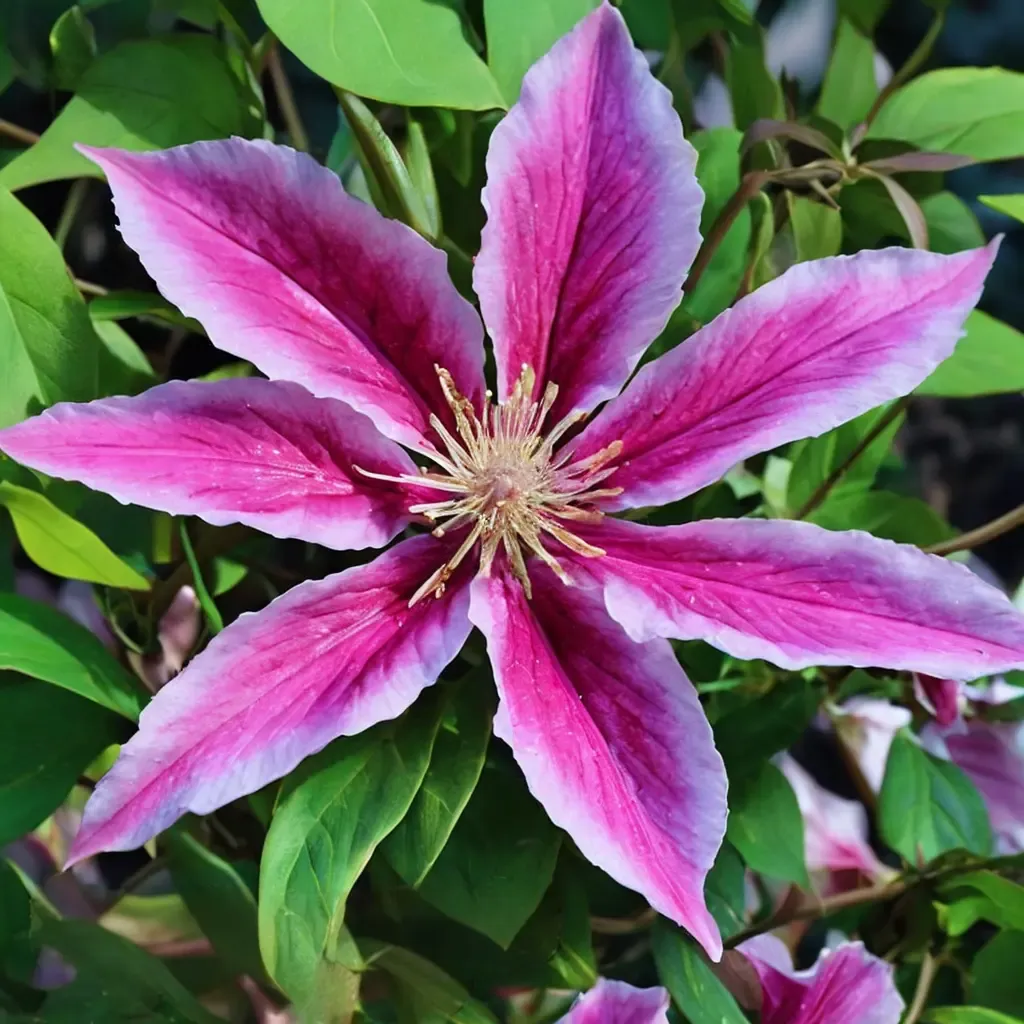
Dr. Ruppel Clematis
Clematis x jackmanii 'Dr Ruppel'
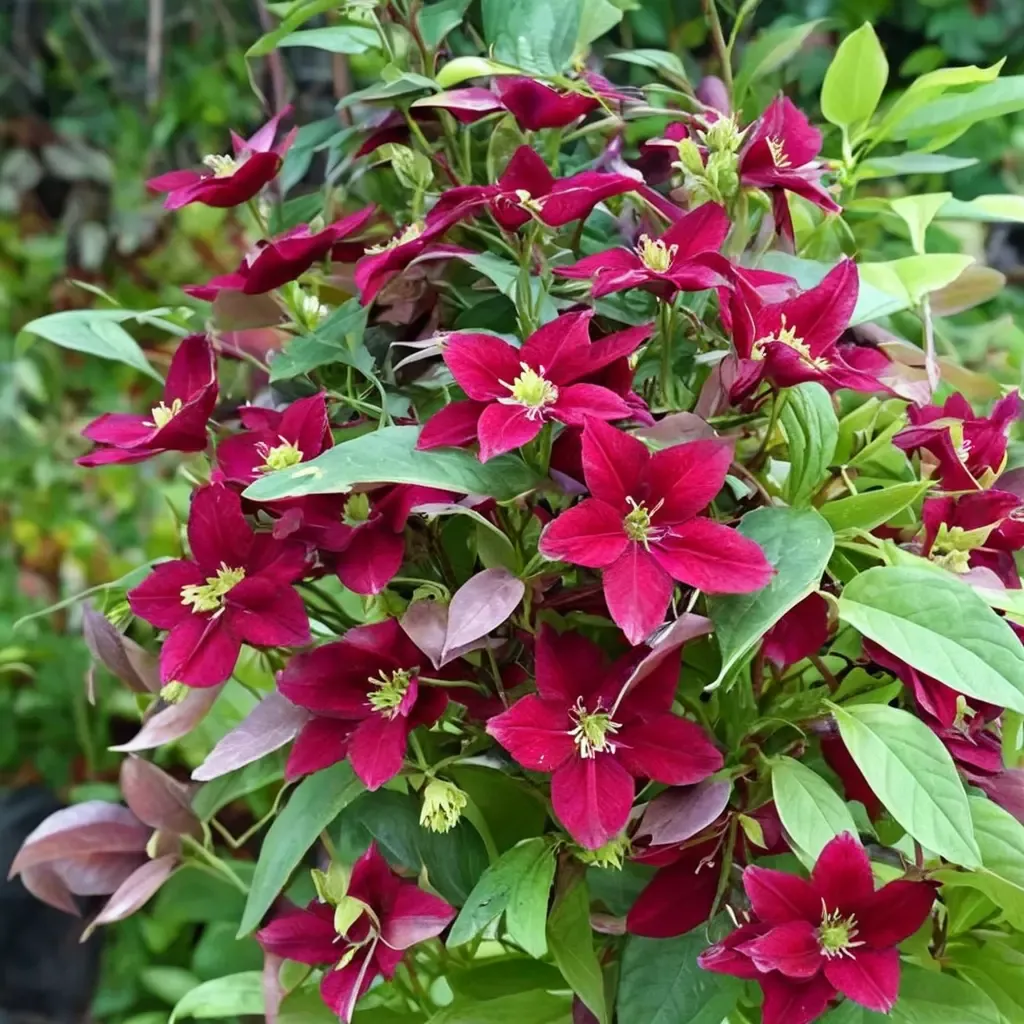
Burning Love Clematis
Clematis x cartmanii 'Burning Love'
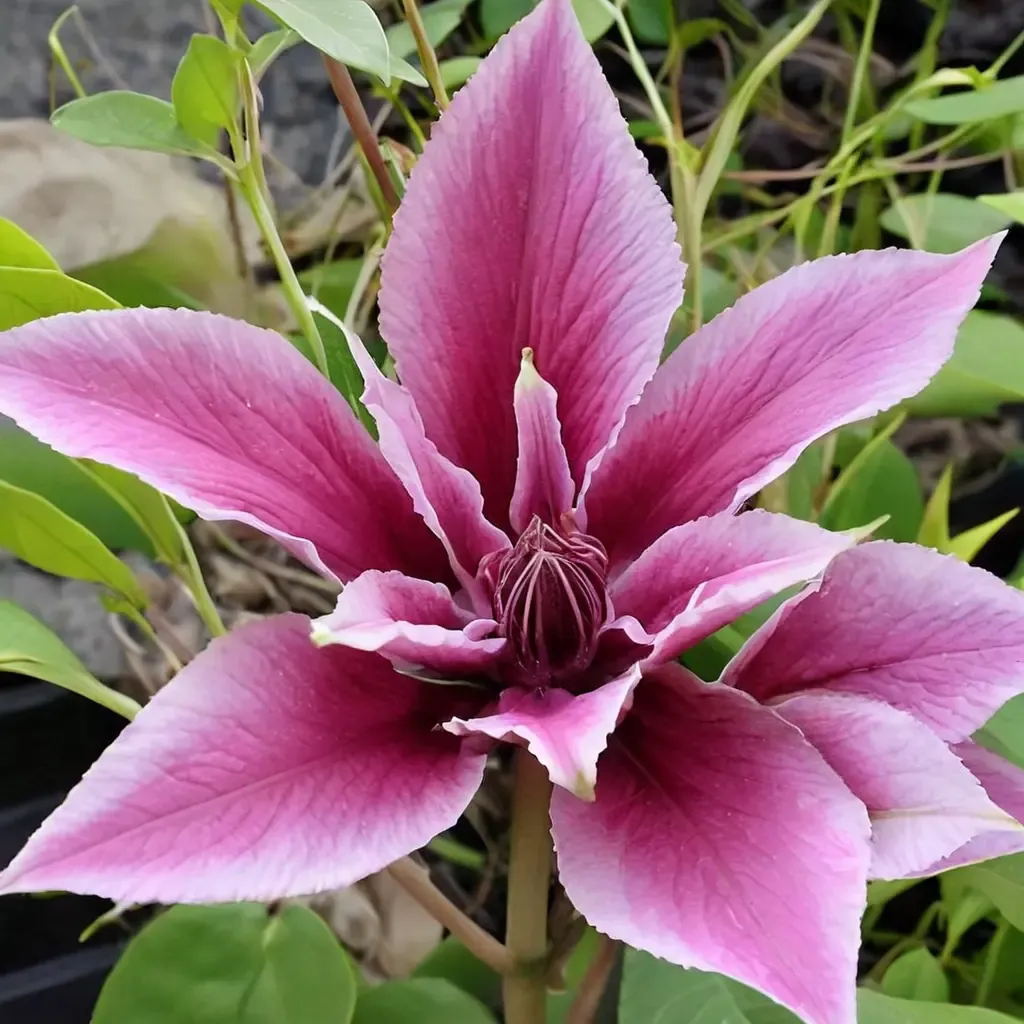
Yuan Clematis
Clematis viticella 'Yuan'
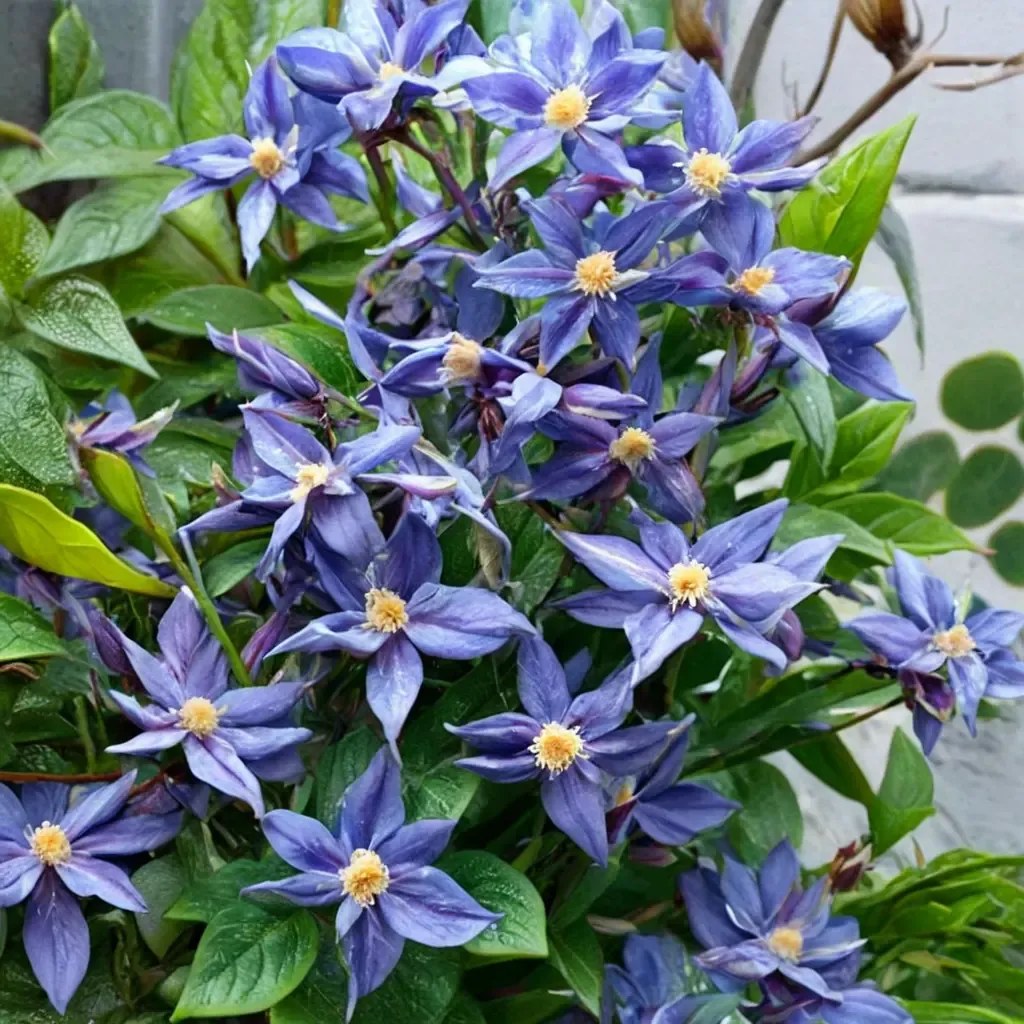
Tsukiko Clematis
Clematis x durandii 'Tsukiko'
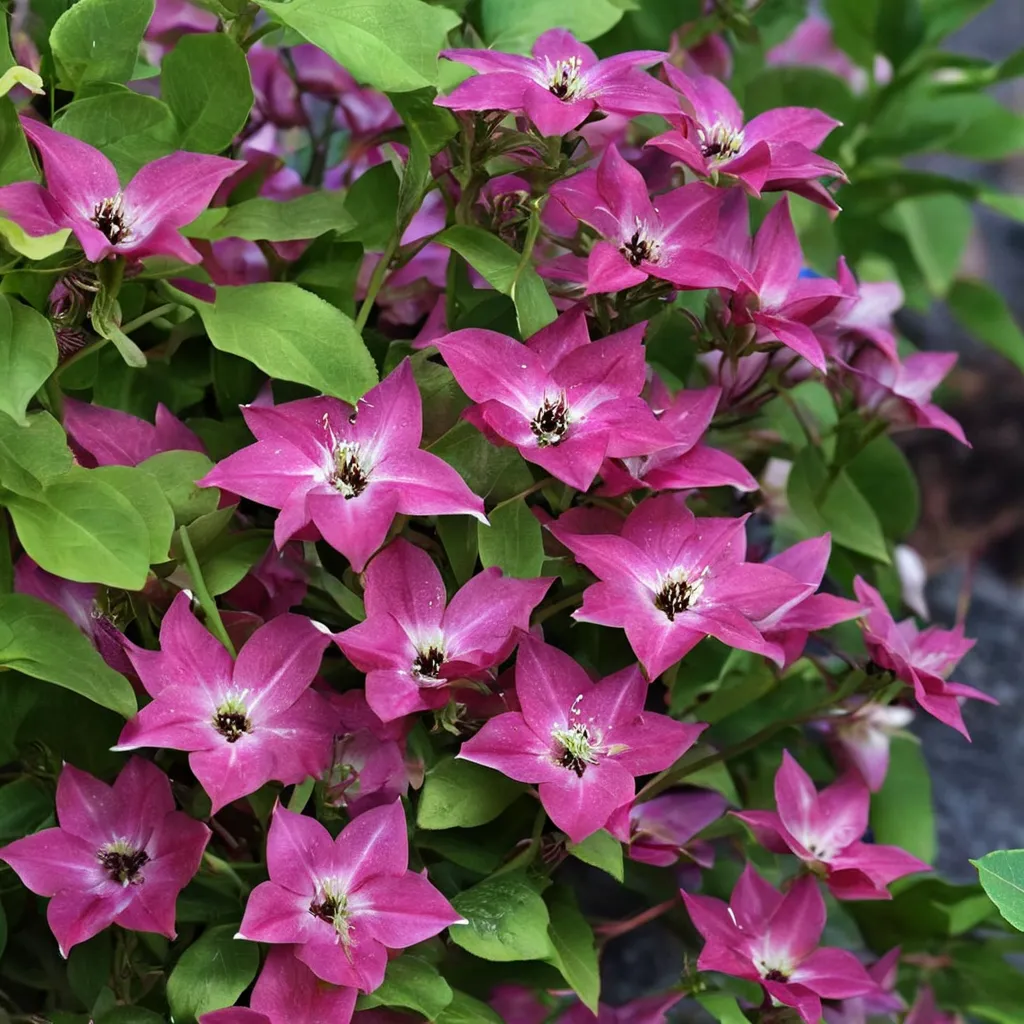
Viva Polonia Clematis
Clematis x hybrida 'Viva Polonia'
Keep exploring
Explore the genus
Grow Prince Charles Clematis with confidence
See it in a design of your actual yard, get zone-matched care reminders, and track it season by season in your garden journal.