The Story
Plant Bio
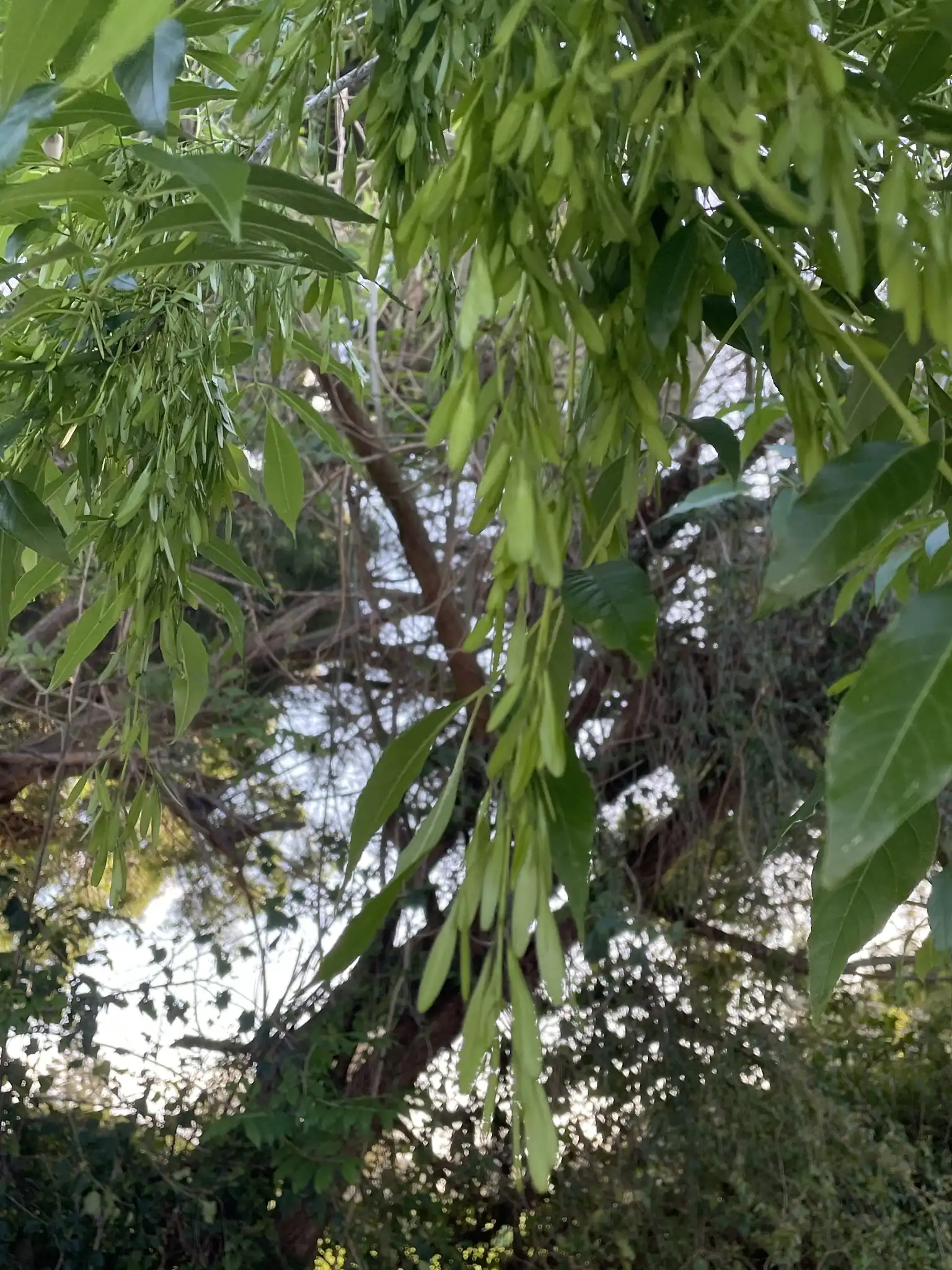
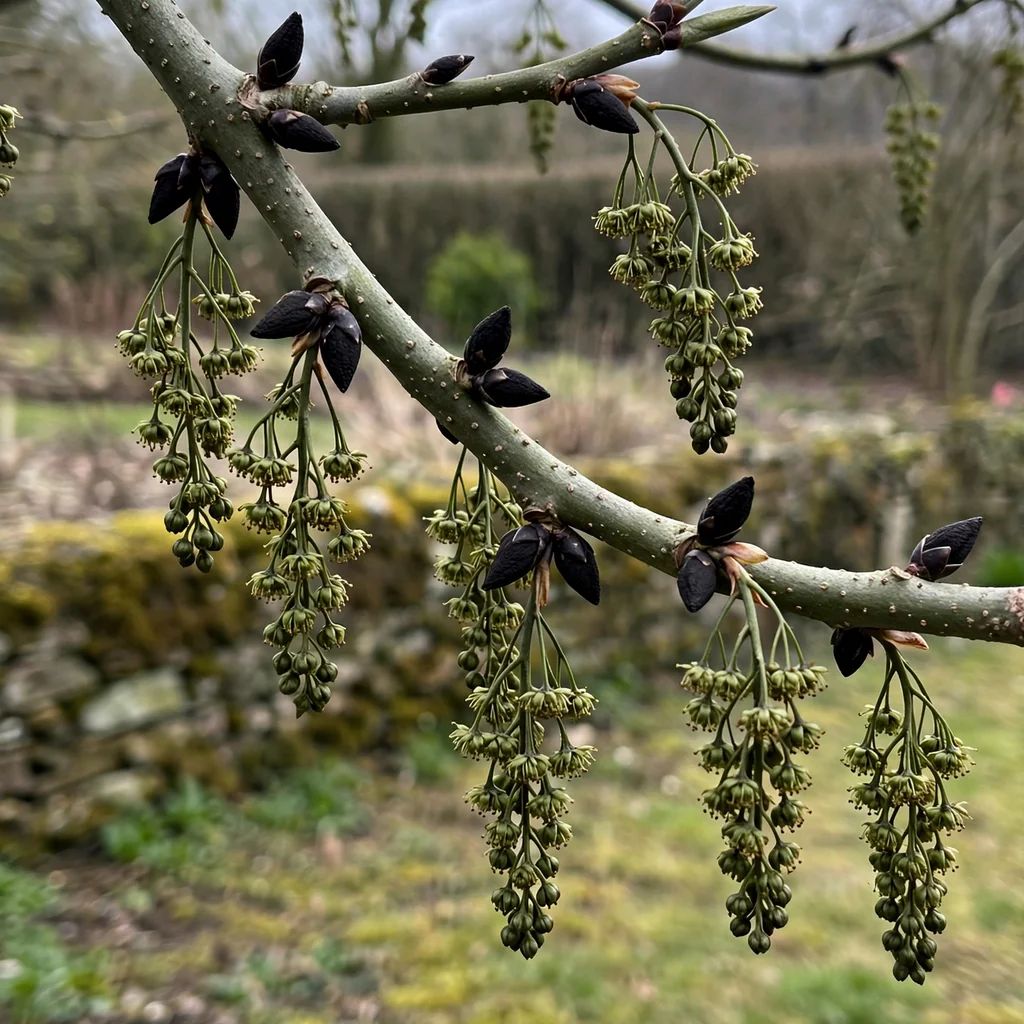
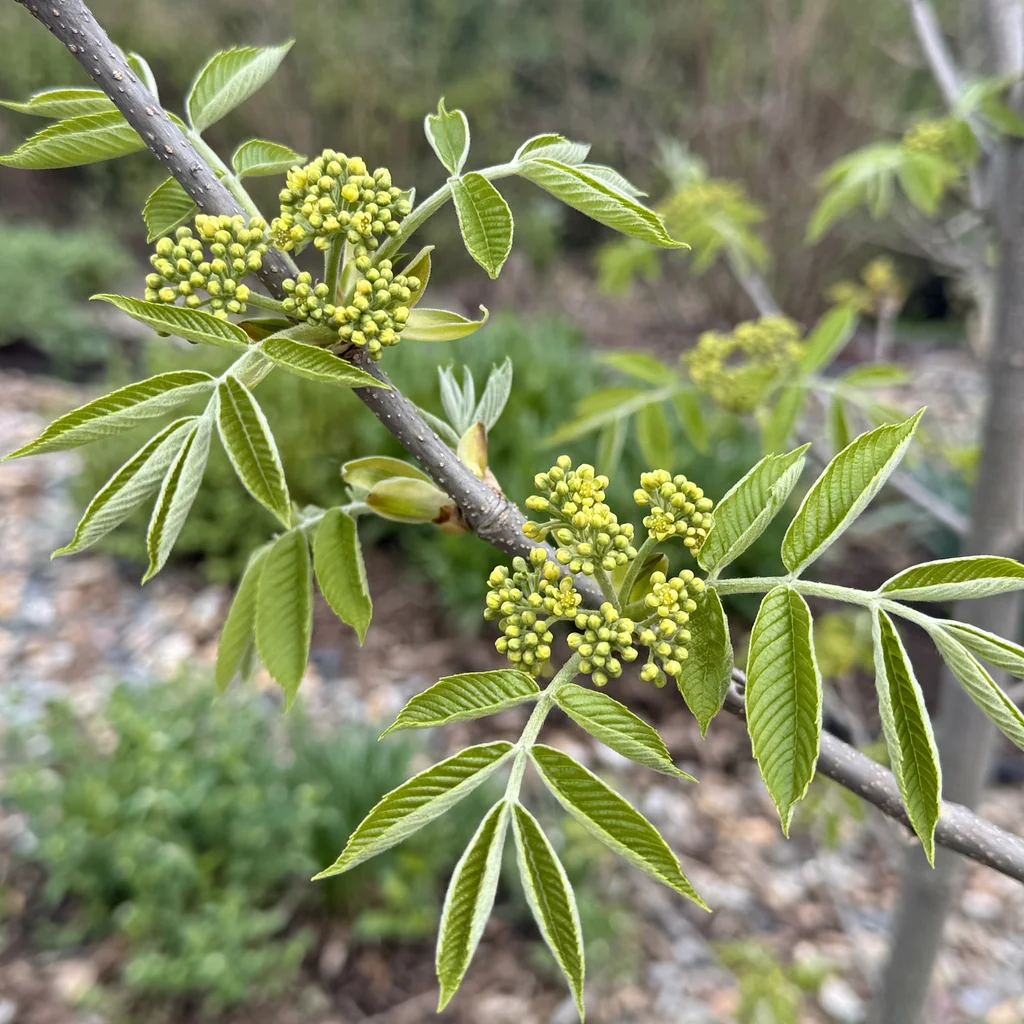
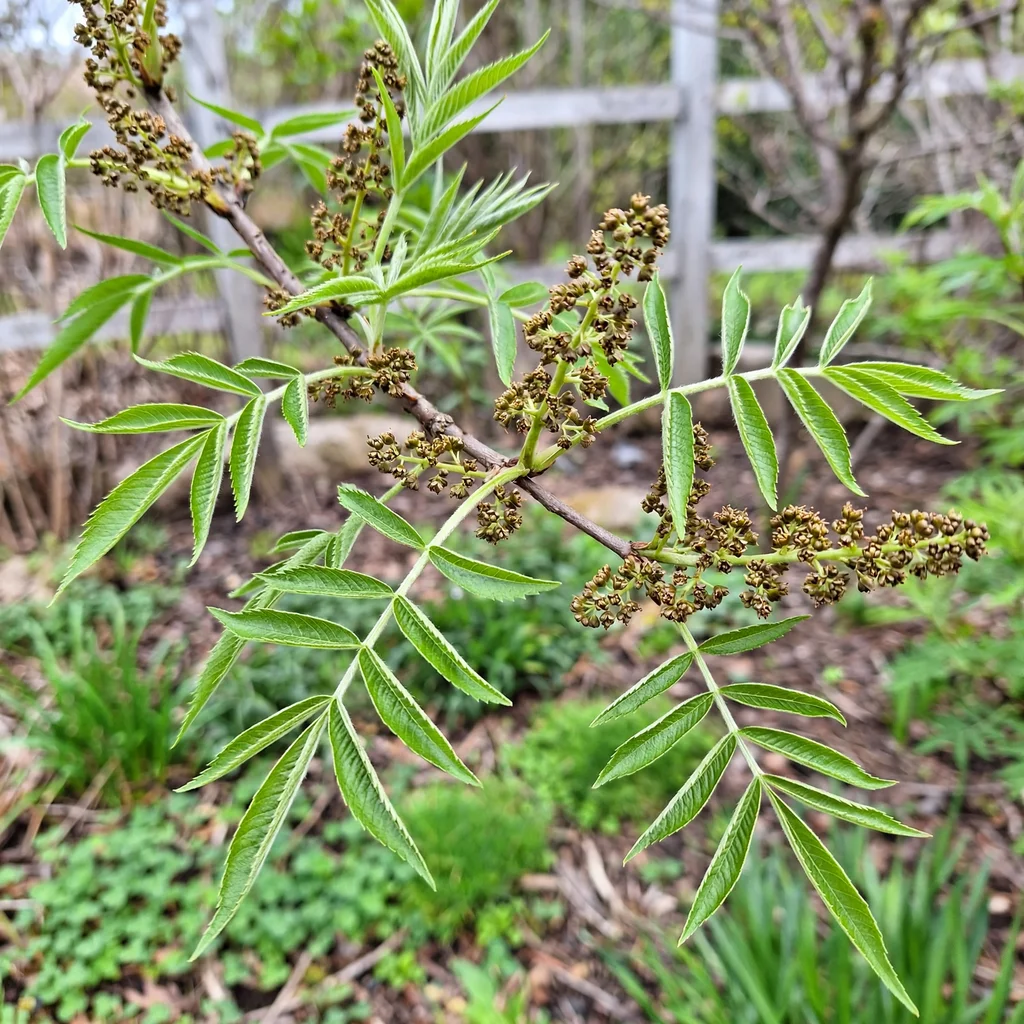
Fraxinus uhdei is a large evergreen to semi-evergreen ash from mixed mountain forests of Mexico to Central America, narrow and upright when young and developing a spreading oval to broad crown with age. The leaves are glossy dark green and pinnate with five to nine toothed narrow leaflets about four inches long, and male and female flowers grow on separate trees as inconspicuous petal-less creamy panicles followed by winged samaras on females.
Unlike the deciduous ashes of the eastern United States, it holds its canopy through winter in frost-free climates and grows fast, more than three feet in a season to forty to fifty-five feet in gardens. It is often sold as a California native but is native to Mexico and Central America, and male trees shed allergenic wind-borne pollen while females drop heavy crops of winged seed.
Uses & Benefits:
Essentials
At a Glance
Plant Type
Tree
Height
600"
Width
600"
Light
Full Sun, Partial Sun
Zones
8, 9, 10
Water
Moderate
Humidity
Low to moderate
Lifespan
40+ years
Native To
Mexico to Central America
Toxicity
Non-toxic, allergenic pollen
Bloom period
Early spring – Spring
In flower about 3 months of the year
Planting
How to Grow
- Dig a hole twice as wide as the container and no deeper than the root ball, in full sun with room for a 50-foot crown.
- Set the tree so the root flare sits slightly above grade and backfill with native soil, firming to remove air pockets.
- Build a wide watering basin and soak deeply at planting to settle the soil around the roots.
- Mulch 3 inches deep in a wide ring, keeping mulch off the trunk, and stake loosely only if needed for one season.
Pro Tip
Water deeply every 7 to 14 days through the first two summers, then shift to deep infrequent soakings; keep a single straight leader and choose a male tree where seed litter would be a problem.
Keep It Thriving
Care Guide
Do
- Deep-water to 18 inches during establishment and in summer heat.
- Mulch widely to keep soil cool and moist.
- Train to a single leader with structural pruning when young.
Don't
- Do not plant in soggy or constantly wet soil where root rot develops.
- Do not top or head back limbs into large stubs.
- Do not plant females over patios or drains where samara litter collects.
Seasonal Care Calendar
| Task | Jan | Feb | Mar | Apr | May | Jun | Jul | Aug | Sep | Oct | Nov | Dec |
|---|---|---|---|---|---|---|---|---|---|---|---|---|
| Fertilize | ||||||||||||
| Mulch | ||||||||||||
| Pest Check | ||||||||||||
| Plant | ||||||||||||
| Prune |
Watch Out For
Pests & Diseases
Common Pests
Common Diseases
In the Garden
Landscape Uses & Companions
Landscape Uses
Multiply
Propagation Methods
Good to Know
Common Questions
Shamel Ash questions
What zones can Shamel Ash grow in?
Shamel Ash is hardy in USDA Zones 8–10: in that range it survives winter in the ground. Colder than Zone 8, winters are too cold for it to survive outdoors.
When does Shamel Ash bloom?
Shamel Ash typically blooms in spring. Exact timing shifts a week or two with your zone — Sow's bloom calendar maps it to your garden.
Does Shamel Ash need full sun?
Shamel Ash does best in full sun to part shade. In hot climates, afternoon shade keeps blooms fresher longer.
Is Shamel Ash drought tolerant?
Yes — once established (usually after the first full season), Shamel Ash handles dry spells with minimal watering. Water deeply its first year to build the root system that makes that possible.
More Fraxinus to compare
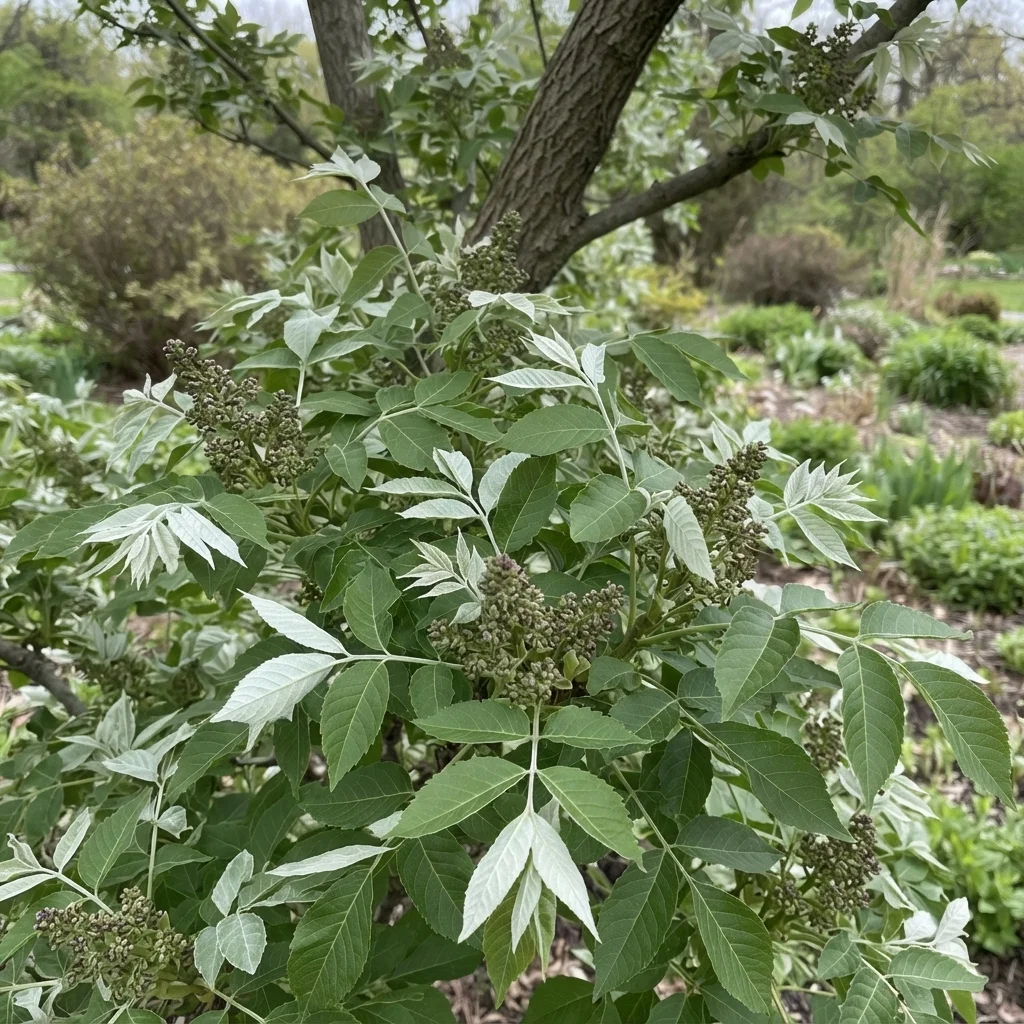
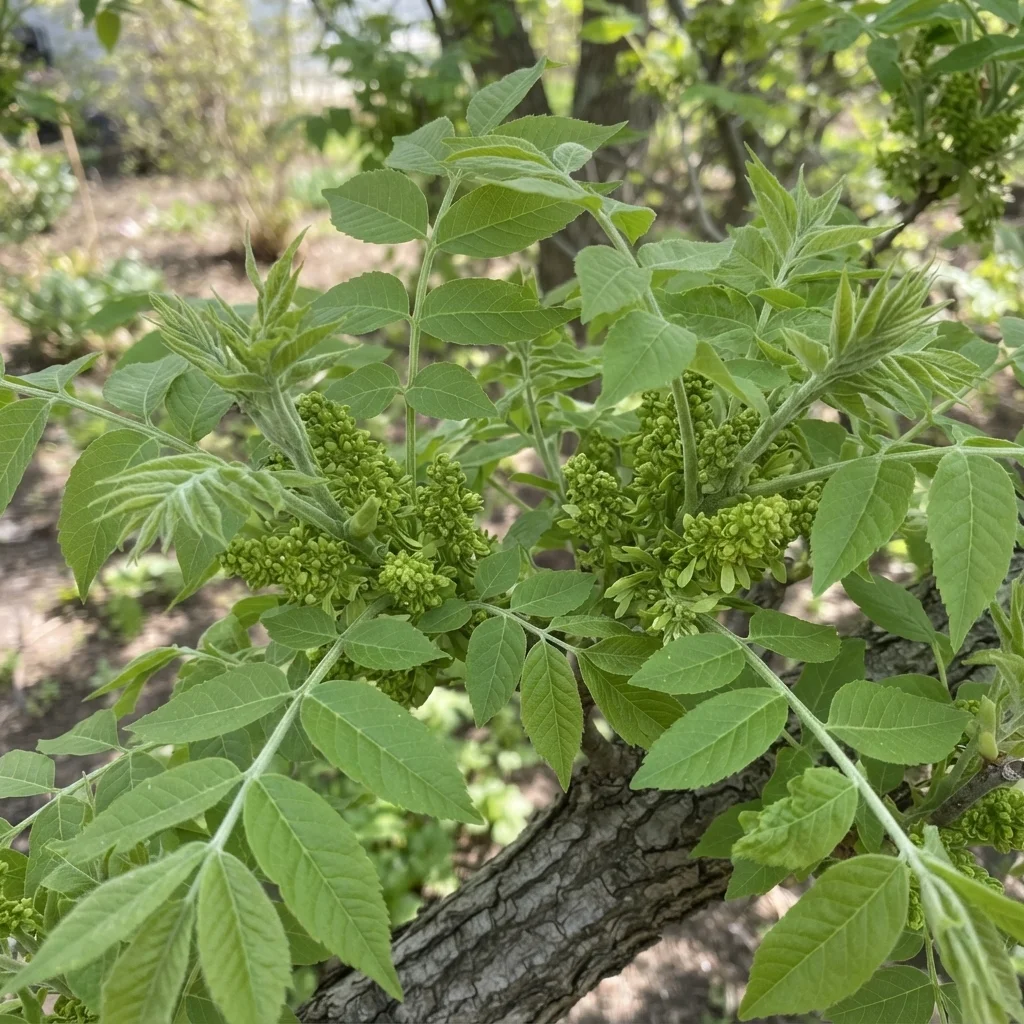
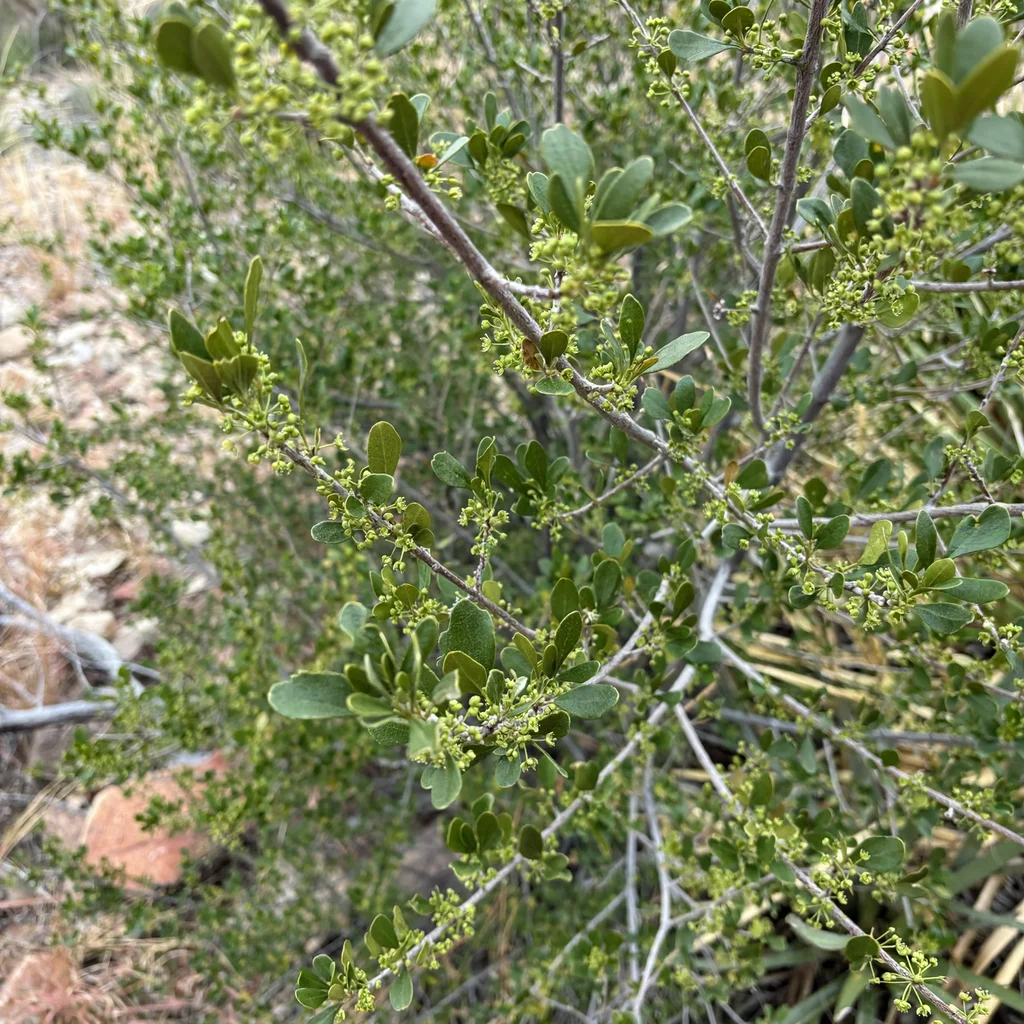
Keep exploring
Explore the genus
Hardy in your zone?
Grow Shamel Ash with confidence
See it in a design of your actual yard, get zone-matched care reminders, and track it season by season in your garden journal.