Popularity, clearly labeled
The Most Popular Privacy Shrubs and Screening Plants in Zone 5
Among taller shrubs and trees cataloged for screening, these are the genera Sow gardeners save most. Mature width, growth rate, and local suitability still need variety-level review. Every representative here is catalog-rated hardy in Zone 5, whose standard minimum-temperature band begins near -20°F. The popularity ranking is recomputed only among matching Zone 5 records; hardiness alone does not establish that a plant will thrive on a particular site.
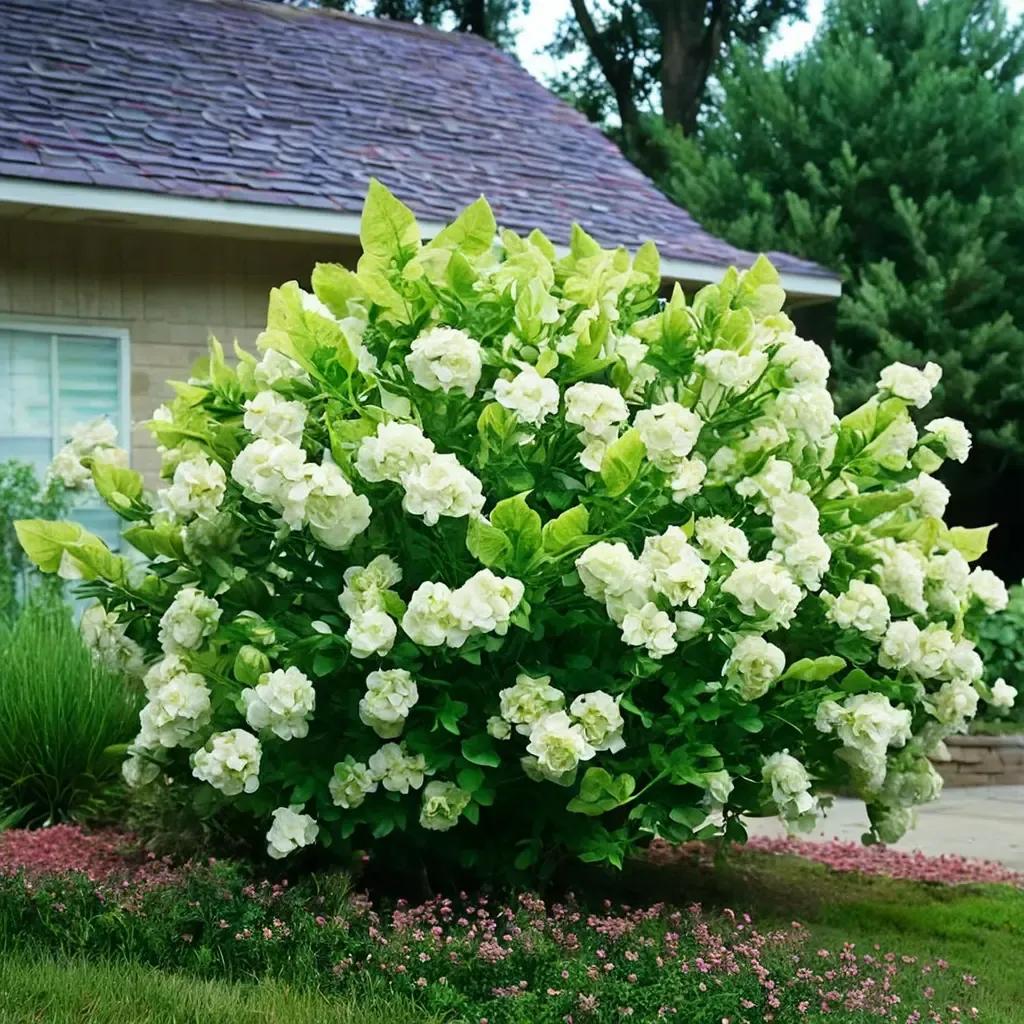
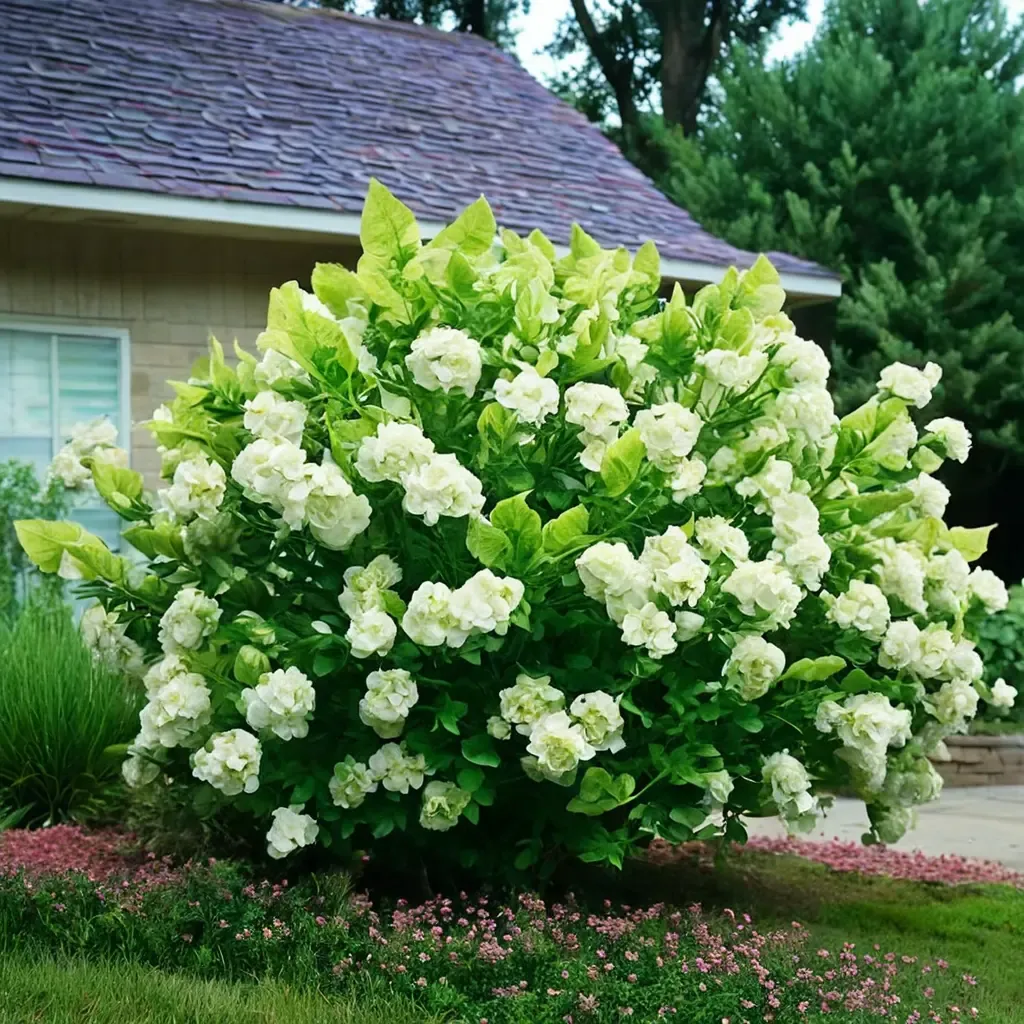
Ranked by its most-saved matching variety; the full catalog includes 109 varieties. Generous flower heads and long-lasting structure carry a border from summer onward.
Zones 4–9All 109 varieties →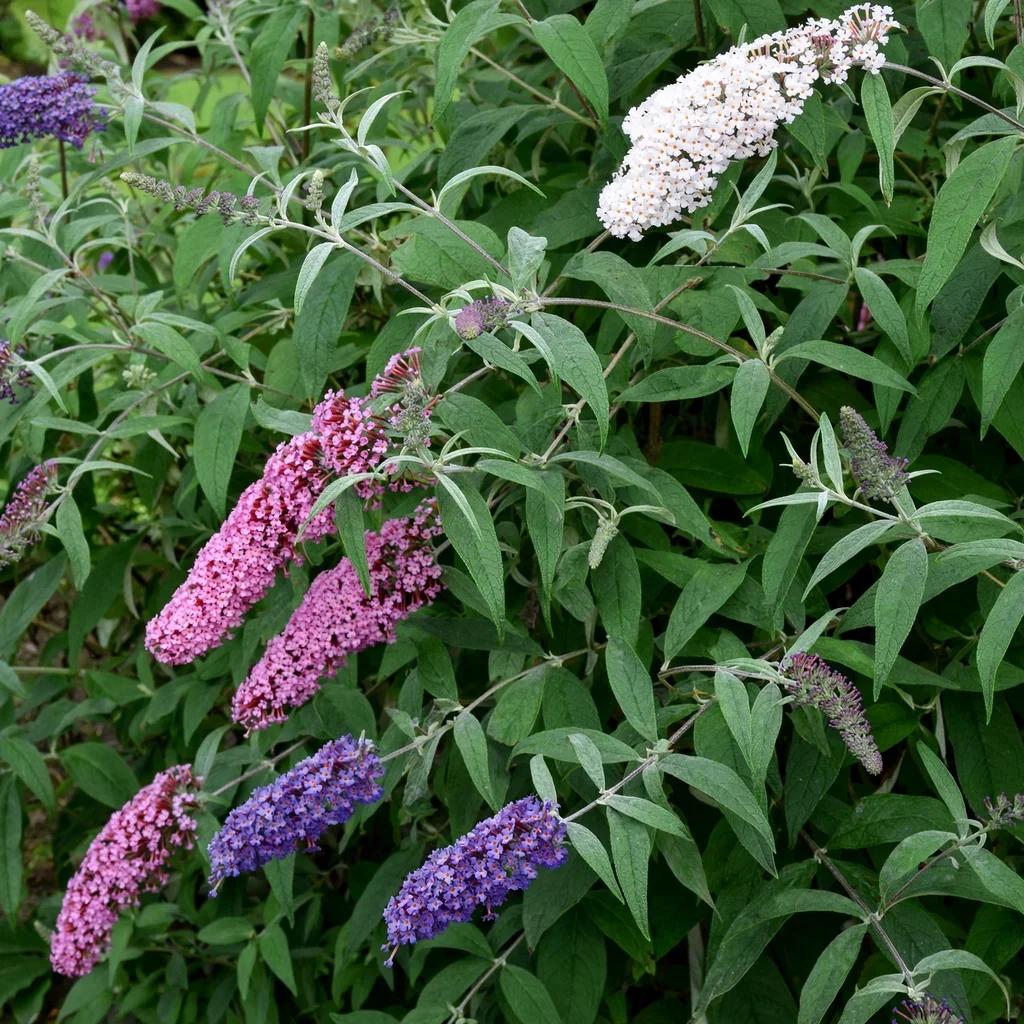
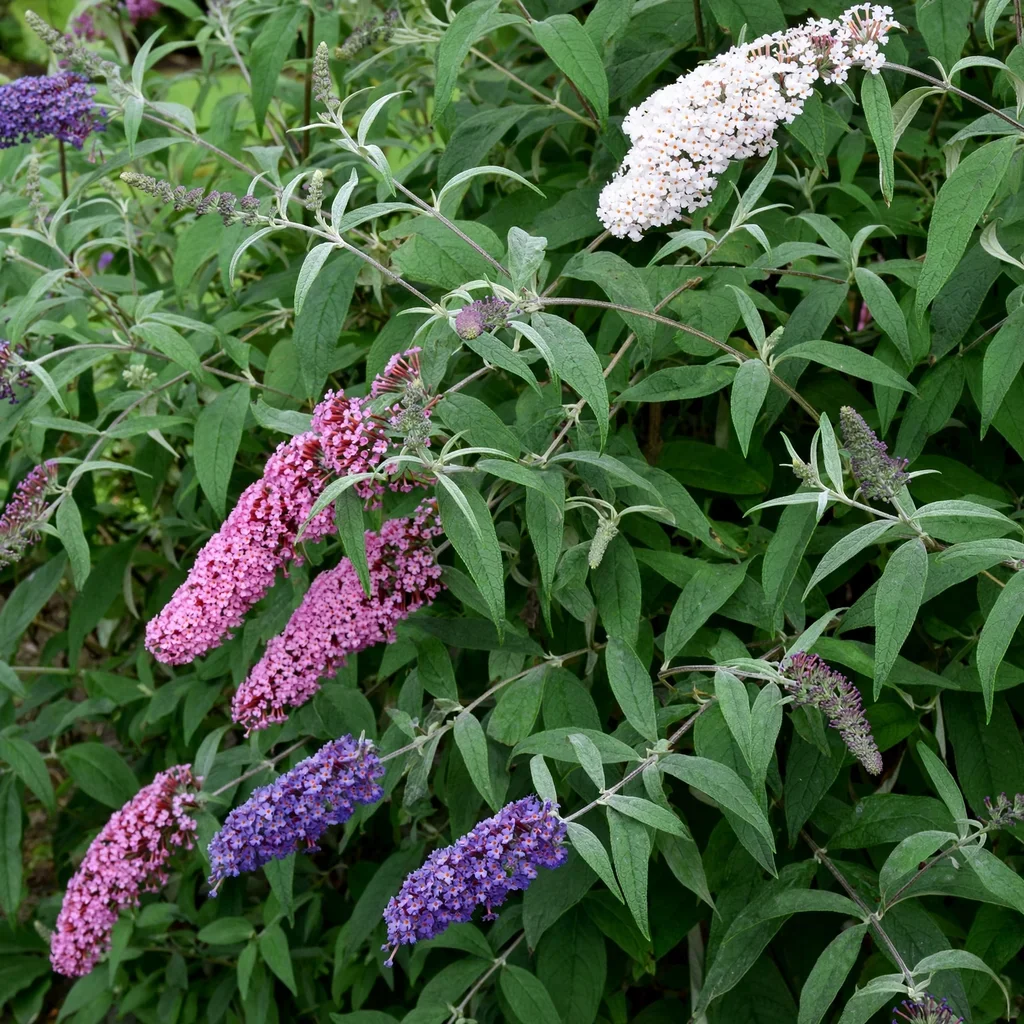
Butterfly Bush
Ranked by its most-saved matching variety; the full catalog includes 83 varieties. Long, fragrant flower panicles become busy landing strips for butterflies.
Zones 5–9All 83 varieties →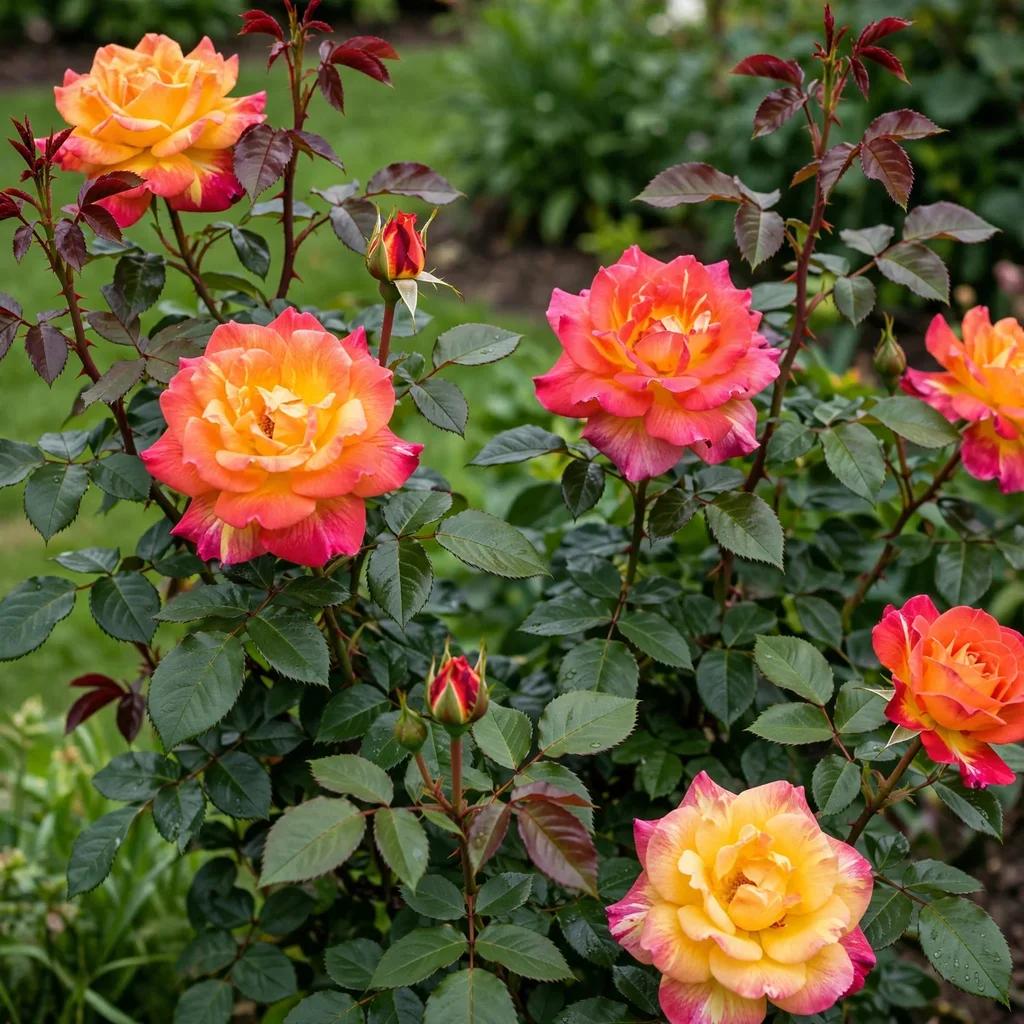 3
3Rosa
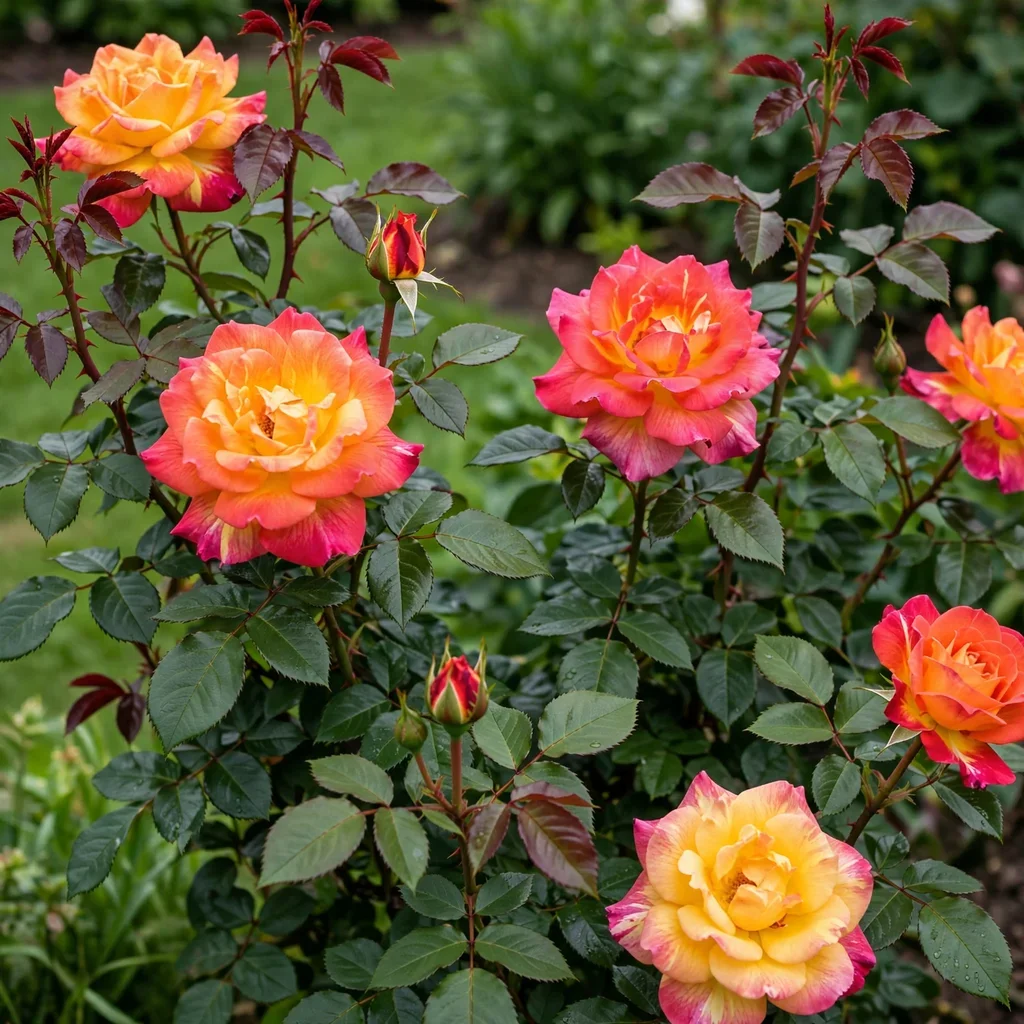
Rose
Ranked by its most-saved matching variety; the full catalog includes 293 varieties. No other shrub matches roses for range of habit, fragrance, color, and repeat bloom.
Zones 5–10All 293 varieties →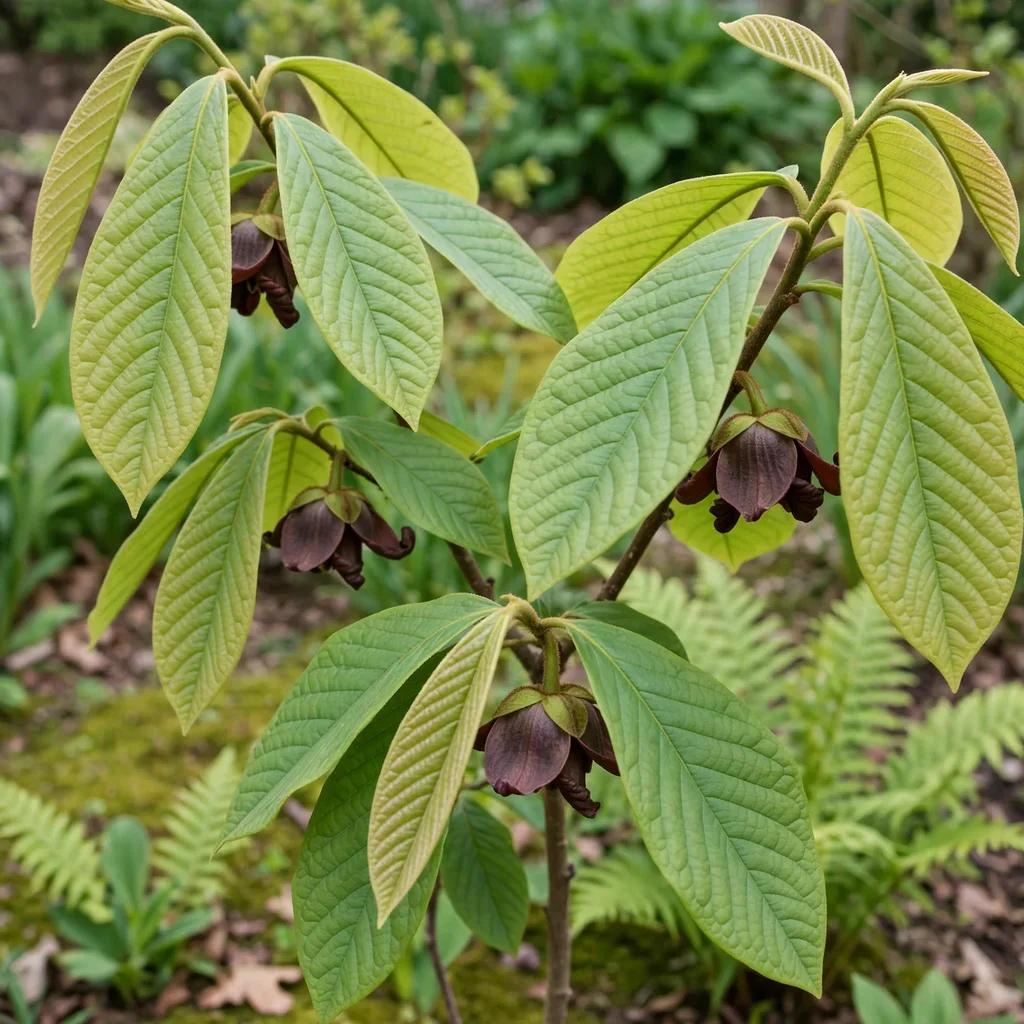
Pawpaw
Ranked by its most-saved matching variety; the full catalog includes 1 variety. Its representative is notable for being North American native and usually passed over by deer.
Zones 5–9All 1 variety →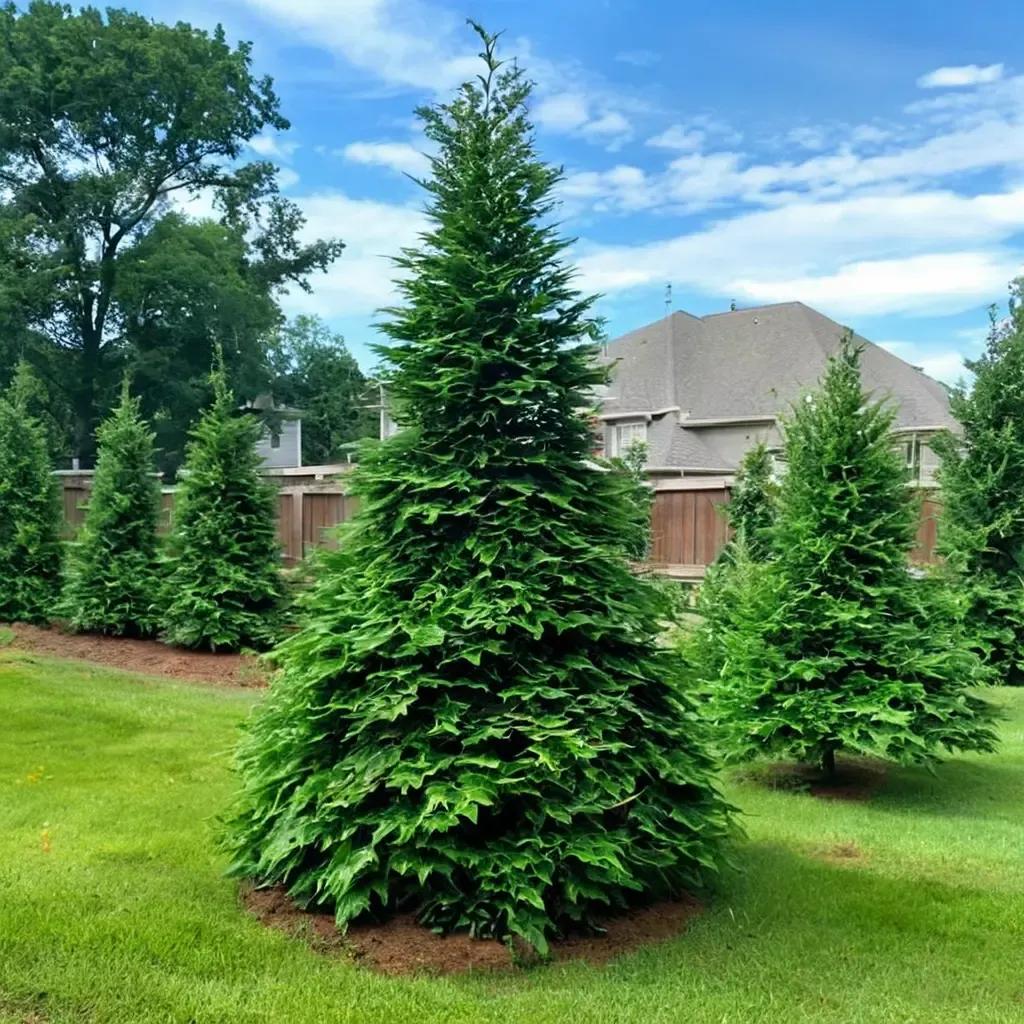
Arborvitae
Ranked by its most-saved matching variety; the full catalog includes 47 varieties. Dense evergreen fans make one of the most adaptable living screens.
Zones 5–8All 47 varieties → 6
6Acer
Maple
Ranked by its most-saved matching variety; the full catalog includes 88 varieties. Layered branching and memorable fall color make maples year-round anchors.
Zones 5–8All 88 varieties →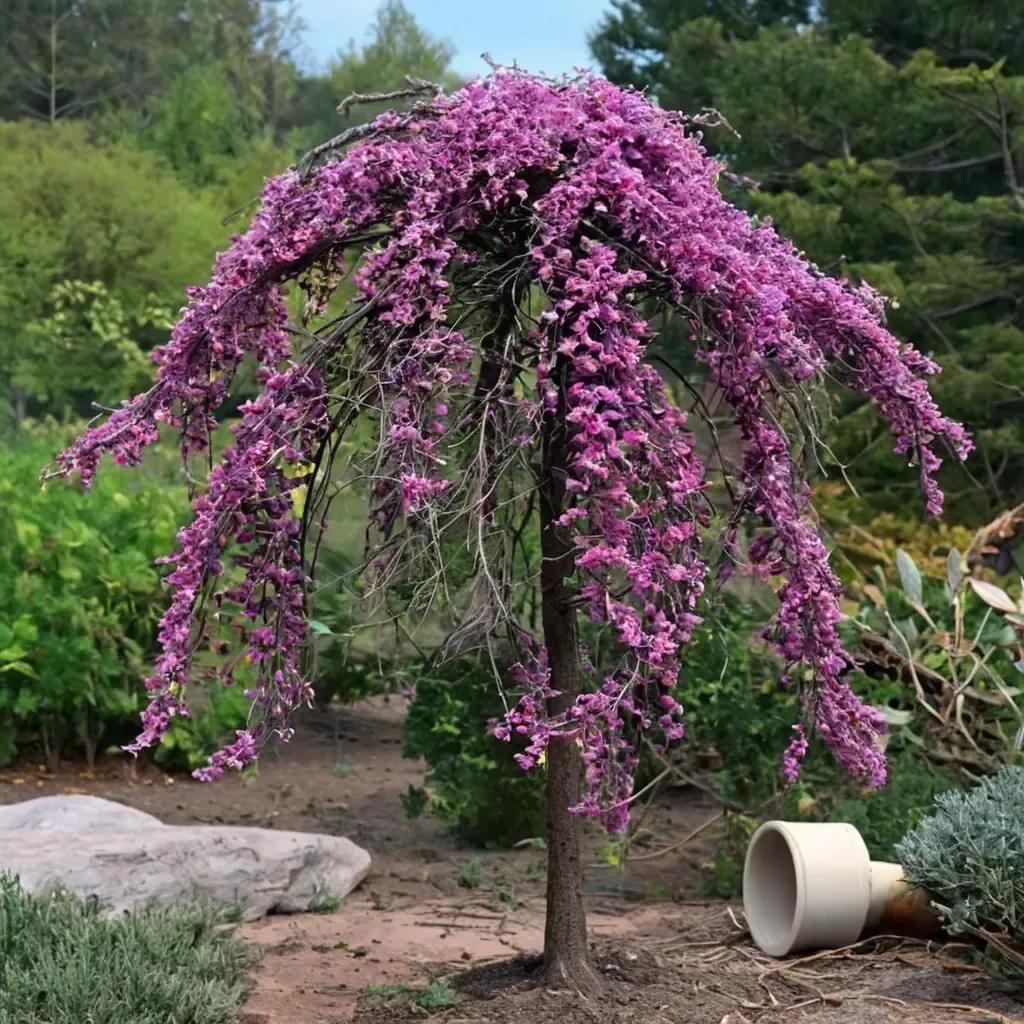
Redbud
Ranked by its most-saved matching variety; the full catalog includes 26 varieties. Redbud flowers open directly on bare branches before heart-shaped leaves emerge.
Zones 5–9All 26 varieties →
Ranked by its most-saved matching variety; the full catalog includes 37 varieties. Oaks combine monumental structure with exceptional food and habitat value for wildlife.
Zones 4–9All 37 varieties →
Cherry / Plum
Ranked by its most-saved matching variety; the full catalog includes 81 varieties. This broad genus pairs spring blossom with stone fruit and handsome woody structure.
Zones 4–9All 81 varieties →
Ranked by its most-saved matching variety; the full catalog includes 1 variety. Its representative is notable for being North American native and dry-spell tolerant.
Zones 4–9All 1 variety →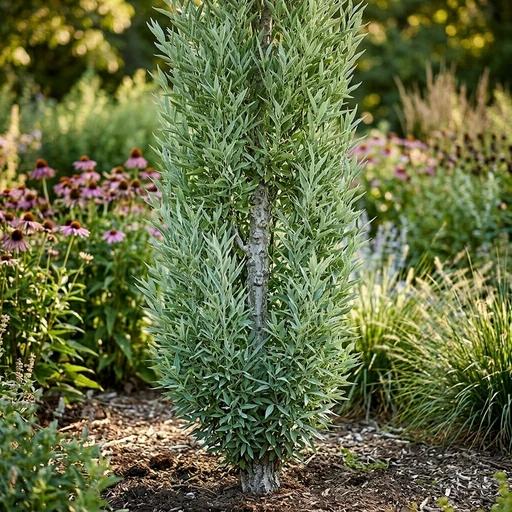 11
11Celtis
Ranked by its most-saved matching variety; the full catalog includes 3 varieties. Its representative is notable for being North American native and dry-spell tolerant.
Zones 4–9All 3 varieties → 12
12Lindera
Ranked by its most-saved matching variety; the full catalog includes 1 variety. Its representative is notable for being North American native and usually passed over by deer.
Zones 4–9All 1 variety → 13
13Lonicera
Honeysuckle
Ranked by its most-saved matching variety; the full catalog includes 23 varieties. Tubular, often fragrant flowers turn fences into nectar-rich habitat.
Zones 5–9All 23 varieties →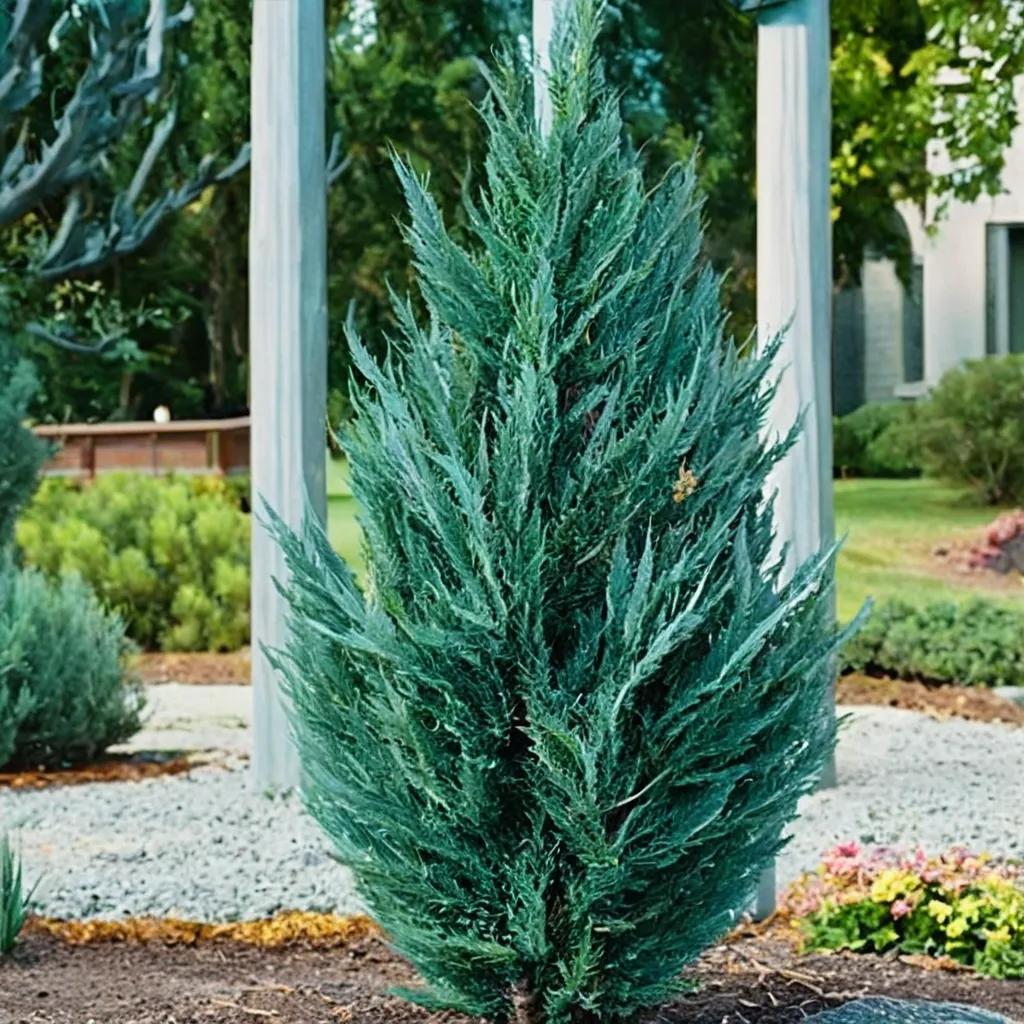
Juniper
Ranked by its most-saved matching variety; the full catalog includes 82 varieties. Needled evergreen texture, ground-hugging to upright, solves exposed sites year-round.
Zones 4–9All 82 varieties → 15
15Salix
Willow
Ranked by its most-saved matching variety; the full catalog includes 20 varieties. Rapid growth and flexible stems bring movement and fast screening to moist ground.
Zones 4–8All 20 varieties →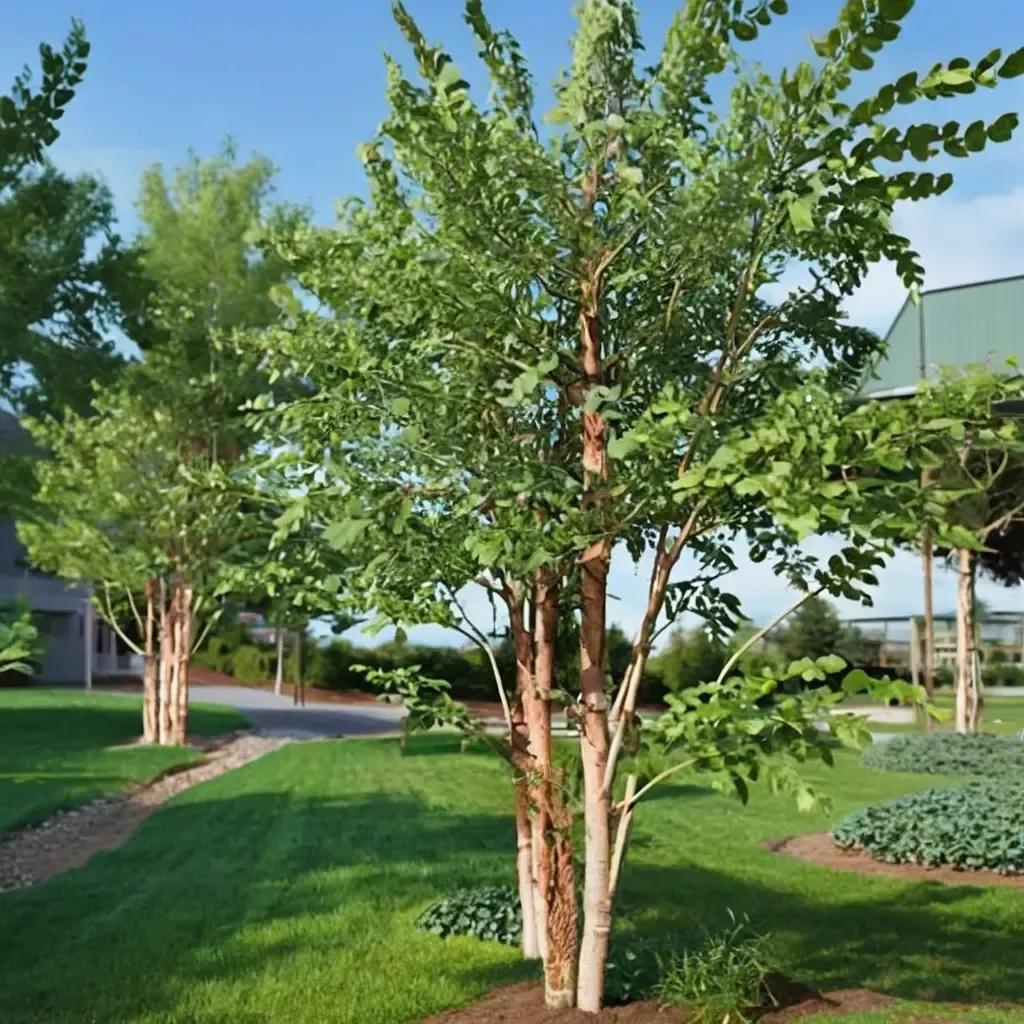 16
16Betula
Birch
Ranked by its most-saved matching variety; the full catalog includes 14 varieties. Its representative is notable for being North American native and usually passed over by deer.
Zones 4–9All 14 varieties →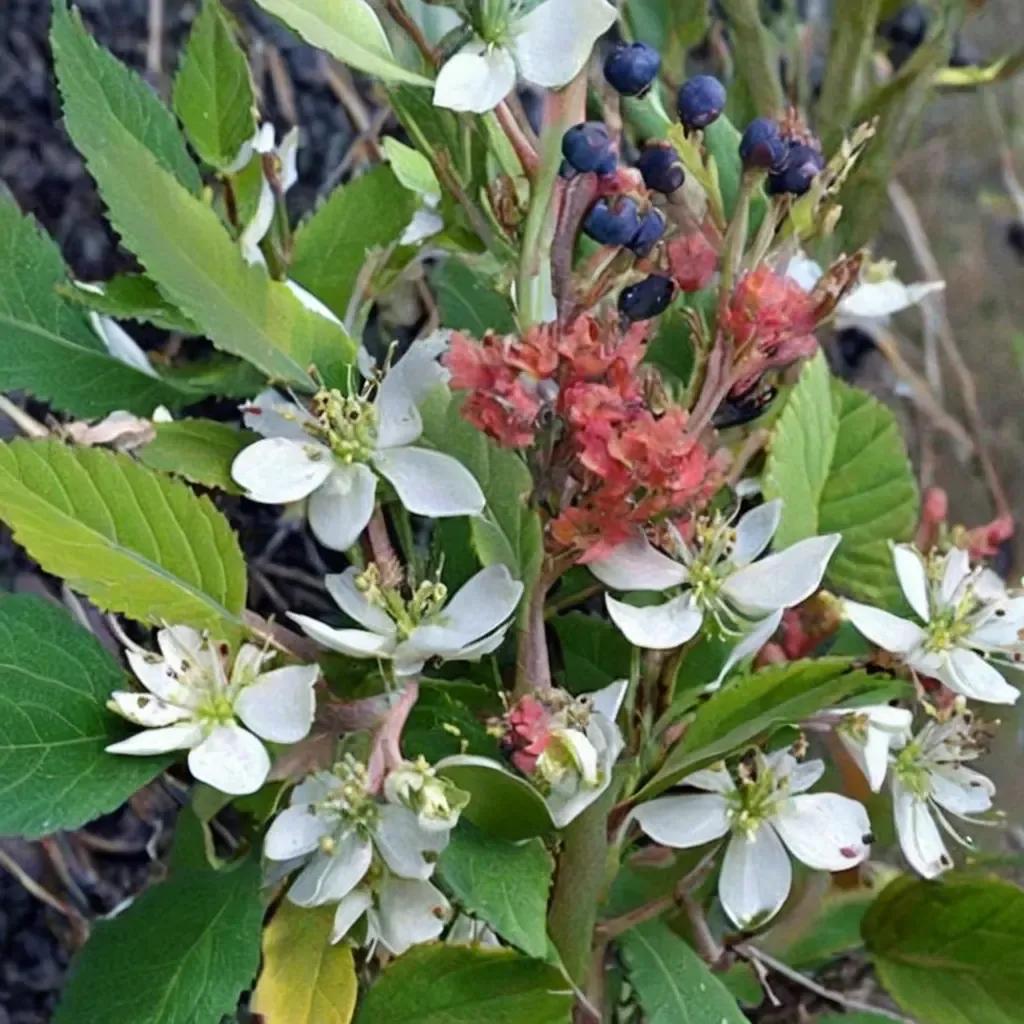
Serviceberry
Ranked by its most-saved matching variety; the full catalog includes 11 varieties. Spring blossom, summer fruit, and fall color earn serviceberry three seasons of interest.
Zones 4–9All 11 varieties →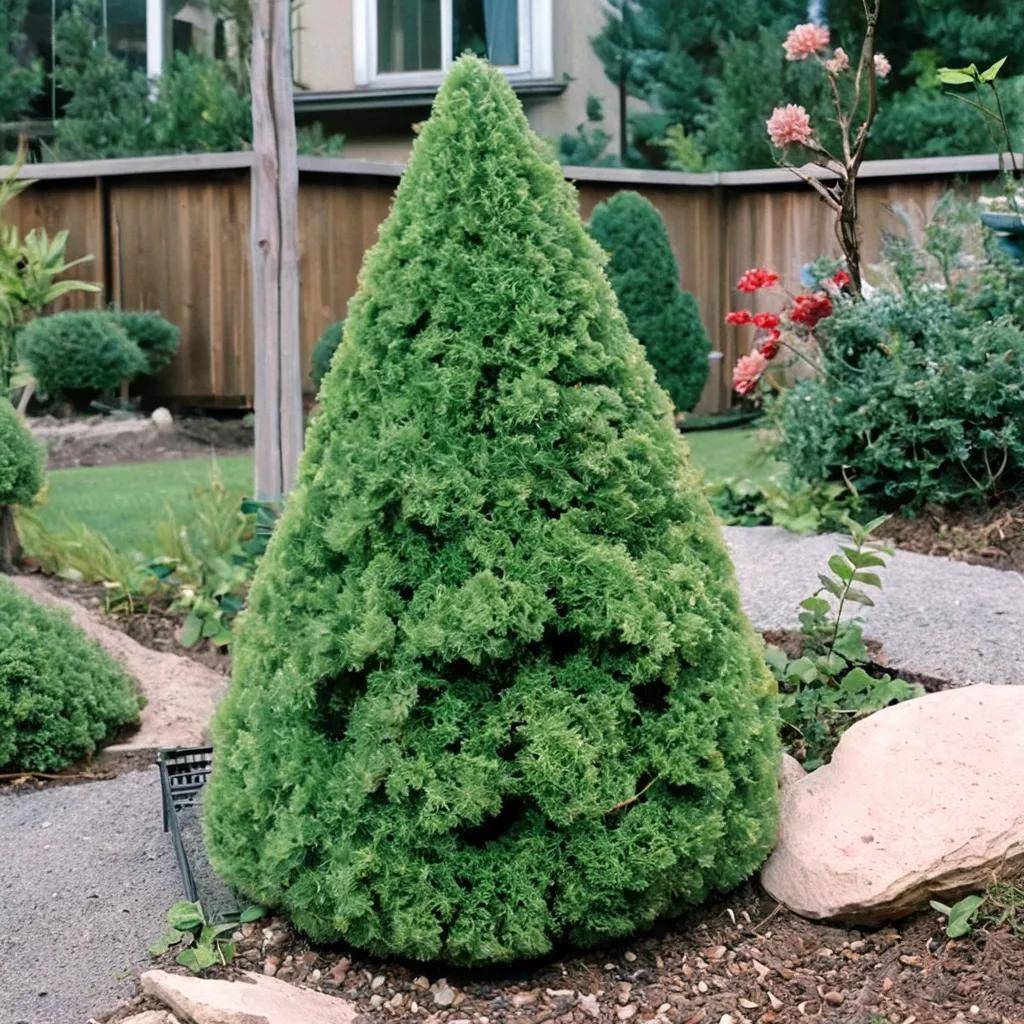 18
18Picea
Spruce
Ranked by its most-saved matching variety; the full catalog includes 12 varieties. Dense needled tiers provide year-round screening and a strong winter silhouette.
Zones 4–6All 12 varieties → 19
19Magnolia
Ranked by its most-saved matching variety; the full catalog includes 36 varieties. Sculptural branching and large, luminous flowers create a true specimen tree.
Zones 5, 7, 8, 9All 36 varieties →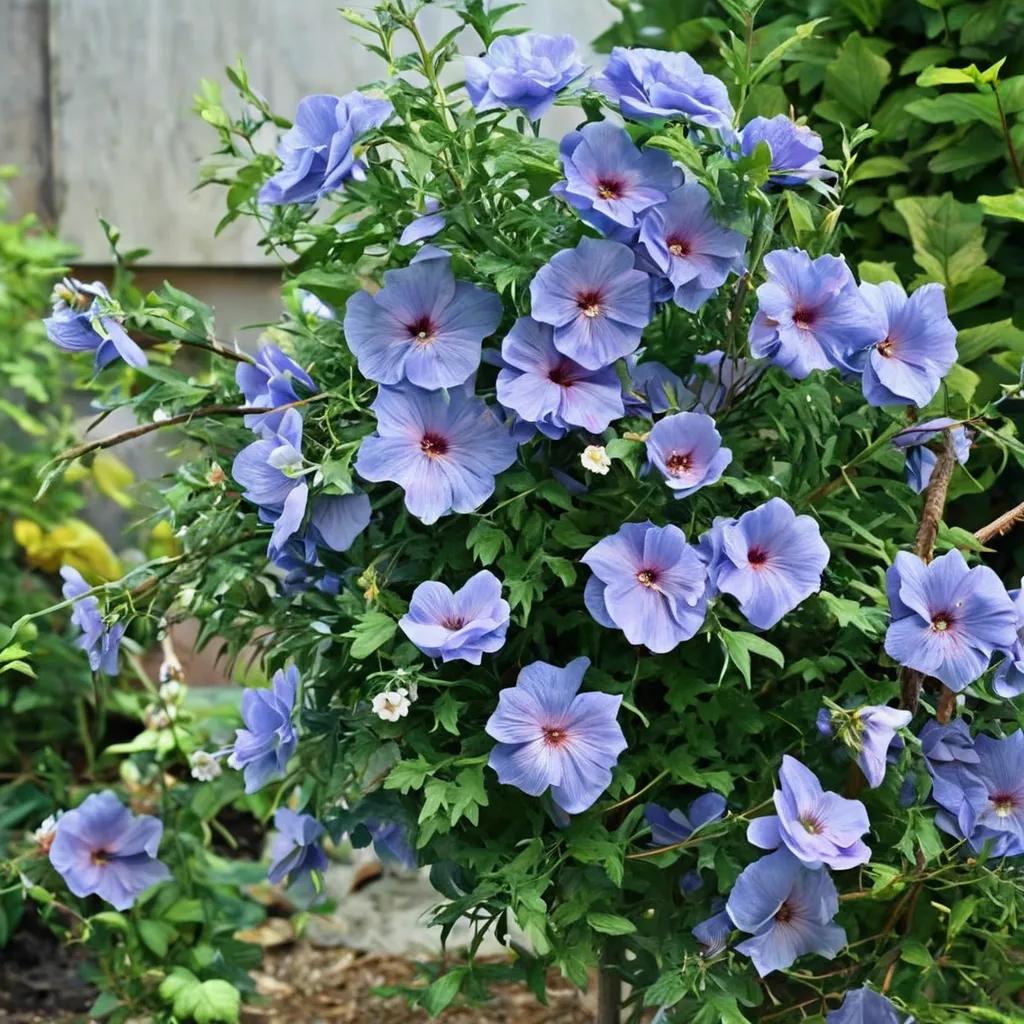 20
20Hibiscus
Ranked by its most-saved matching variety; the full catalog includes 92 varieties. Oversized, tropical-looking flowers create a dramatic focal point in summer.
Zones 4–9All 92 varieties →
About this list
How was this the most popular privacy shrubs and screening plants in zone 5 list ranked?
A plant must first match the catalog filters named in the title. Each genus is represented and ranked by its most-saved matching variety, so genera with many cultivars do not receive an automatic advantage.
Are all of these hardy in Zone 5?
Yes — every plant on this list is rated for Zone 5. Plants that could not survive a Zone 5 winter were excluded before ranking.
What’s the fastest way to a living privacy screen?
Plant larger stock of fast growers (arborvitae, viburnum, ornamental grasses as a stopgap) at proper spacing — cramming plants closer buys a year now and costs the screen later when they crowd out.
Track these in your garden
Save the ones you plant and get care reminders timed to Zone 5.
Keep exploring
More popularity lists
- Most Popular Perennials for Shade
- Most Popular Deer-Resistant Perennials
- Most Popular Plants Tagged for Pollinators
- Most Popular Drought-Tolerant Plants
- Most Popular Flowering Shrubs
- Most Popular Groundcovers for Shade
- Most Popular Privacy Shrubs and Screening Plants
- Most Popular North American Native Perennials