Popularity, clearly labeled
The Most Popular Fruits and Vegetables to Grow
Among cataloged fruits and vegetables, these are the genera Sow gardeners save most. Yield still depends on cultivar, climate, pollination, and care.
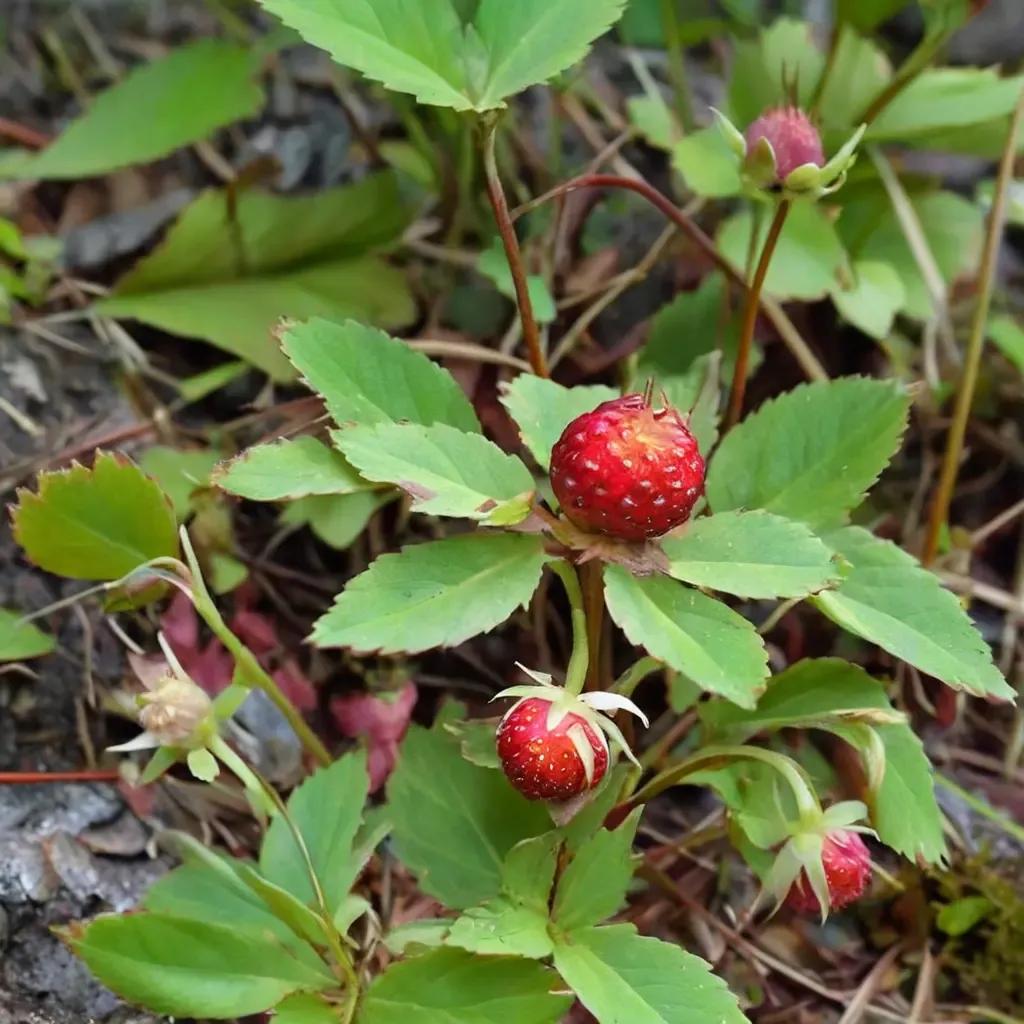
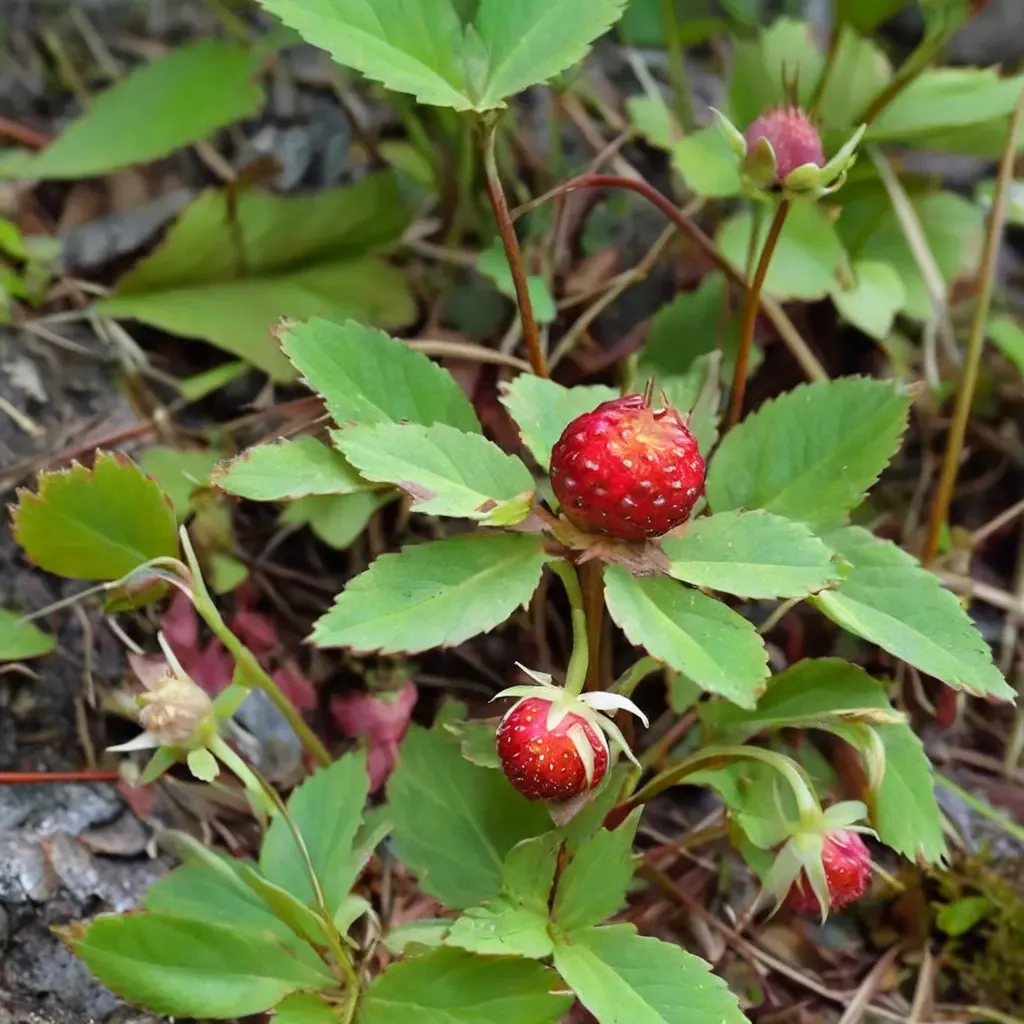
Strawberry
Ranked by its most-saved matching variety; the full catalog includes 13 varieties. Low runners knit into a fruitful ground layer with spring flowers and summer berries.
Zones 4–9All 13 varieties →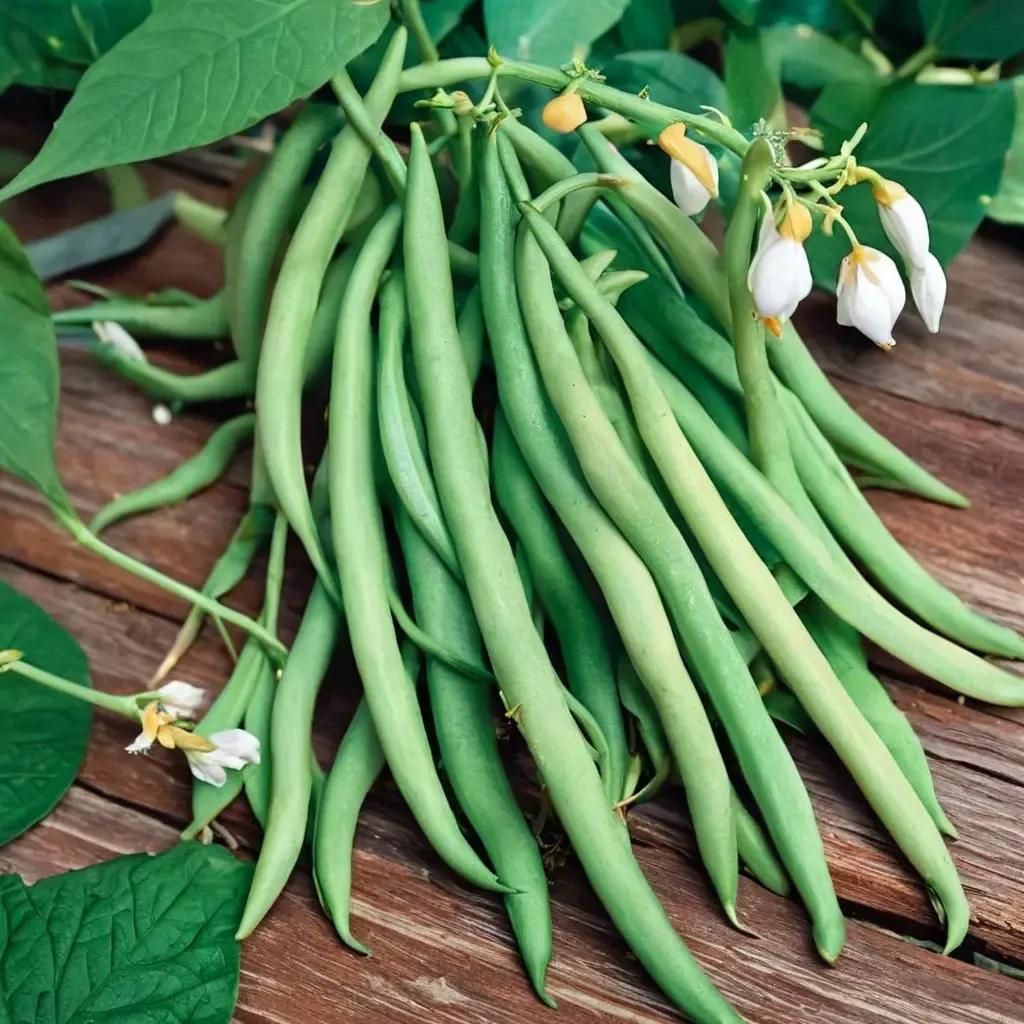
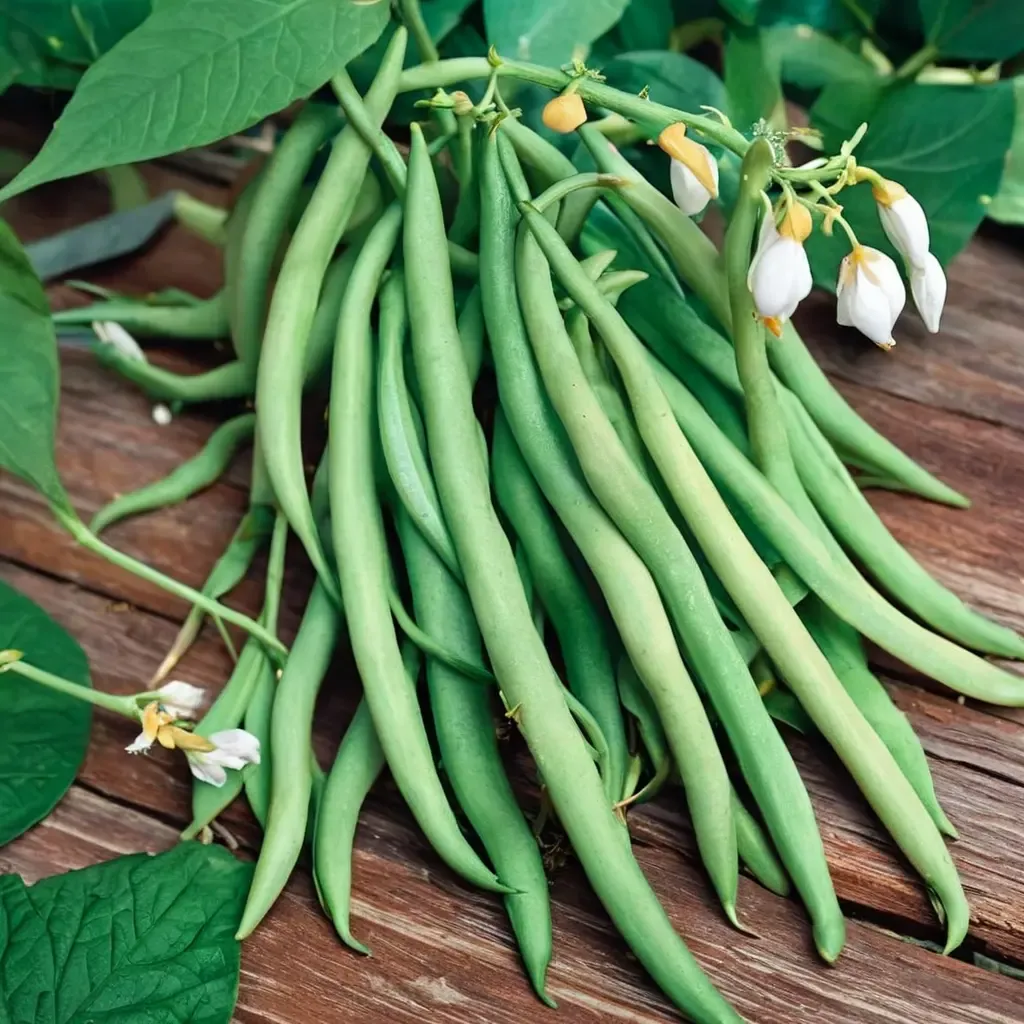
Bean
Ranked by its most-saved matching variety; the full catalog includes 4 varieties. Climbing beans turn vertical space into edible pods while enriching garden variety.
Zones 4–10All 4 varieties →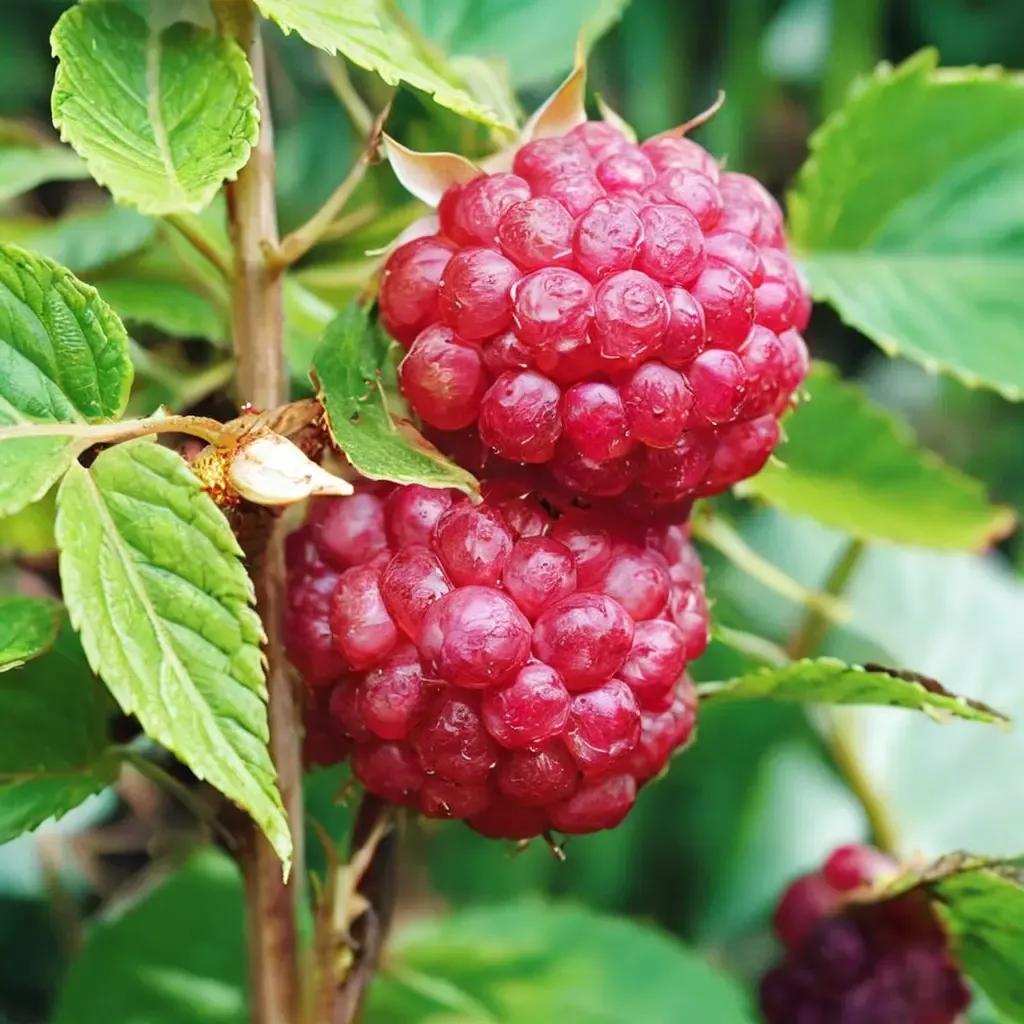
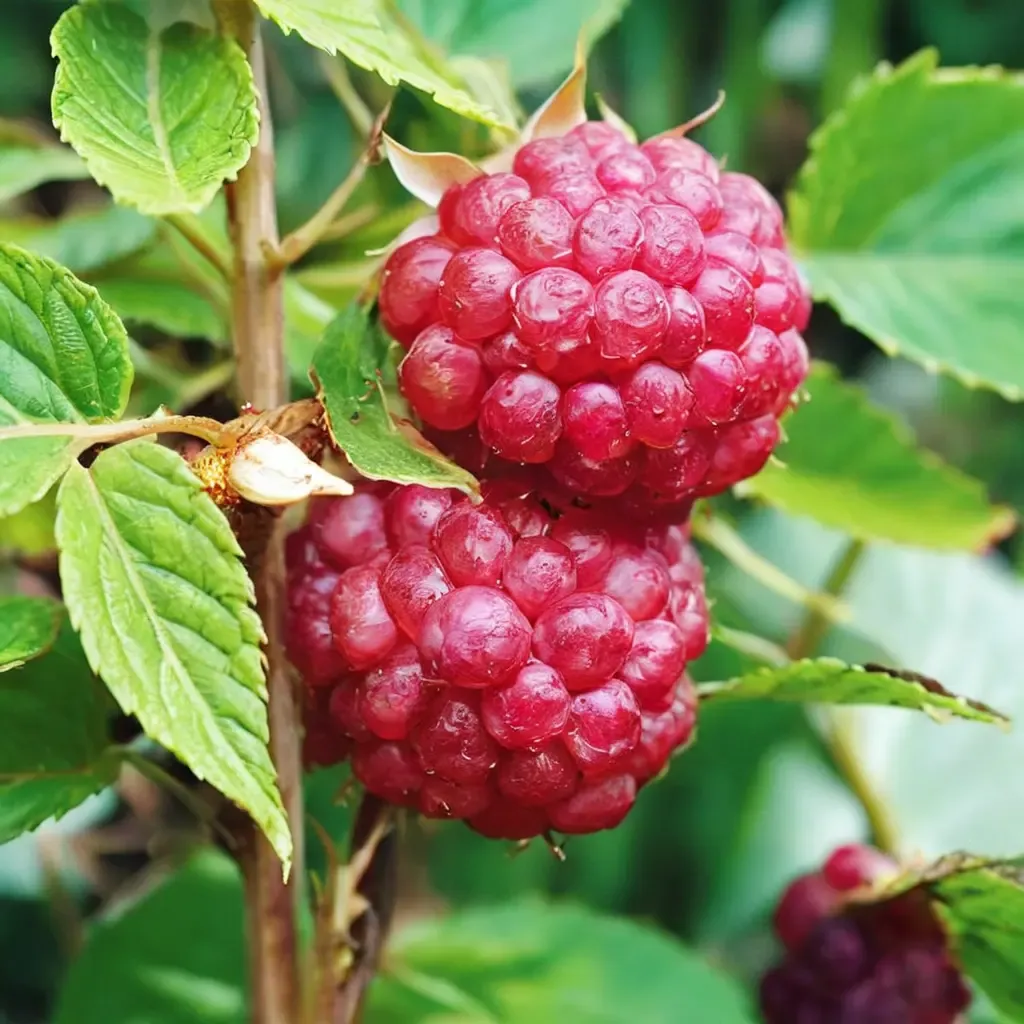
Bramble
Ranked by its most-saved matching variety; the full catalog includes 30 varieties. Arching canes turn a boundary into a generous crop of berries.
Zones 4–8All 30 varieties →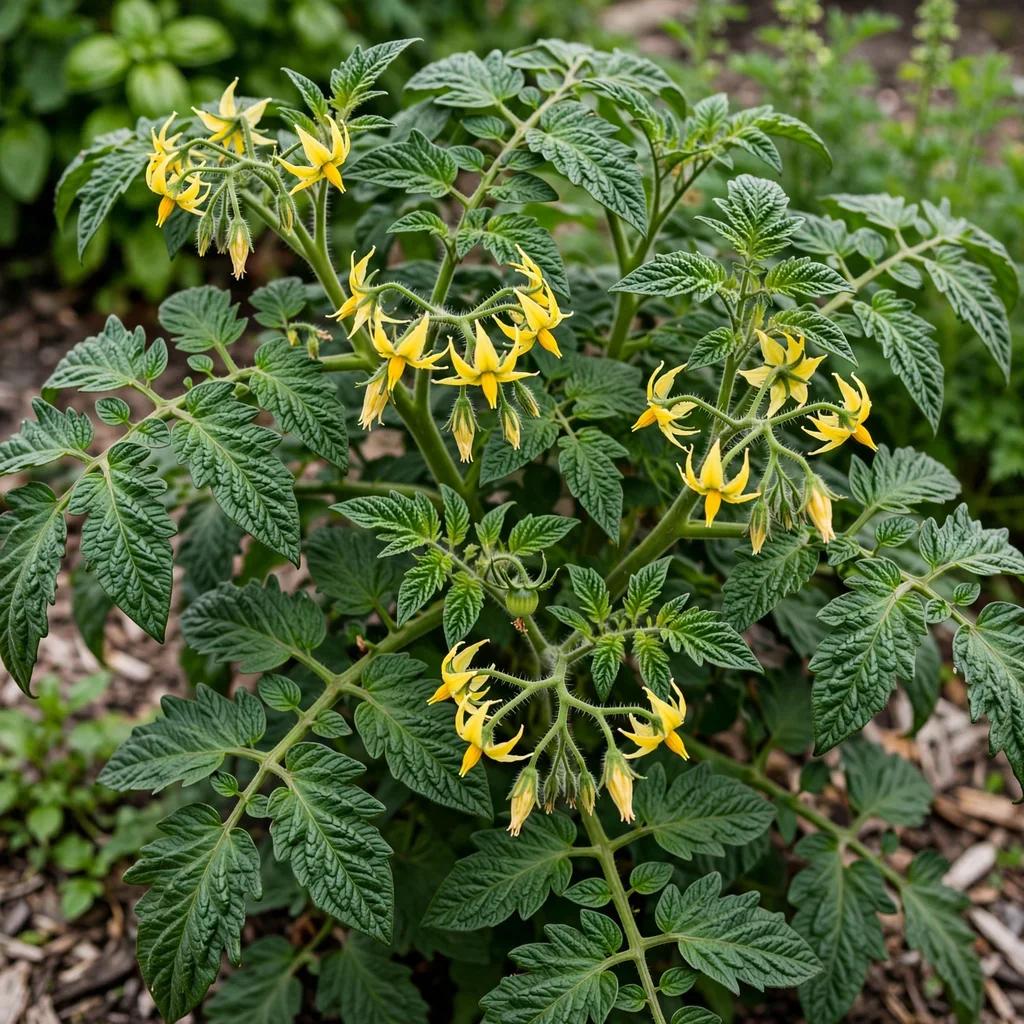
Nightshade
Ranked by its most-saved matching variety; the full catalog includes 48 varieties. From tomatoes to potatoes, this genus turns summer heat into staple harvests.
Zones 5–10All 48 varieties →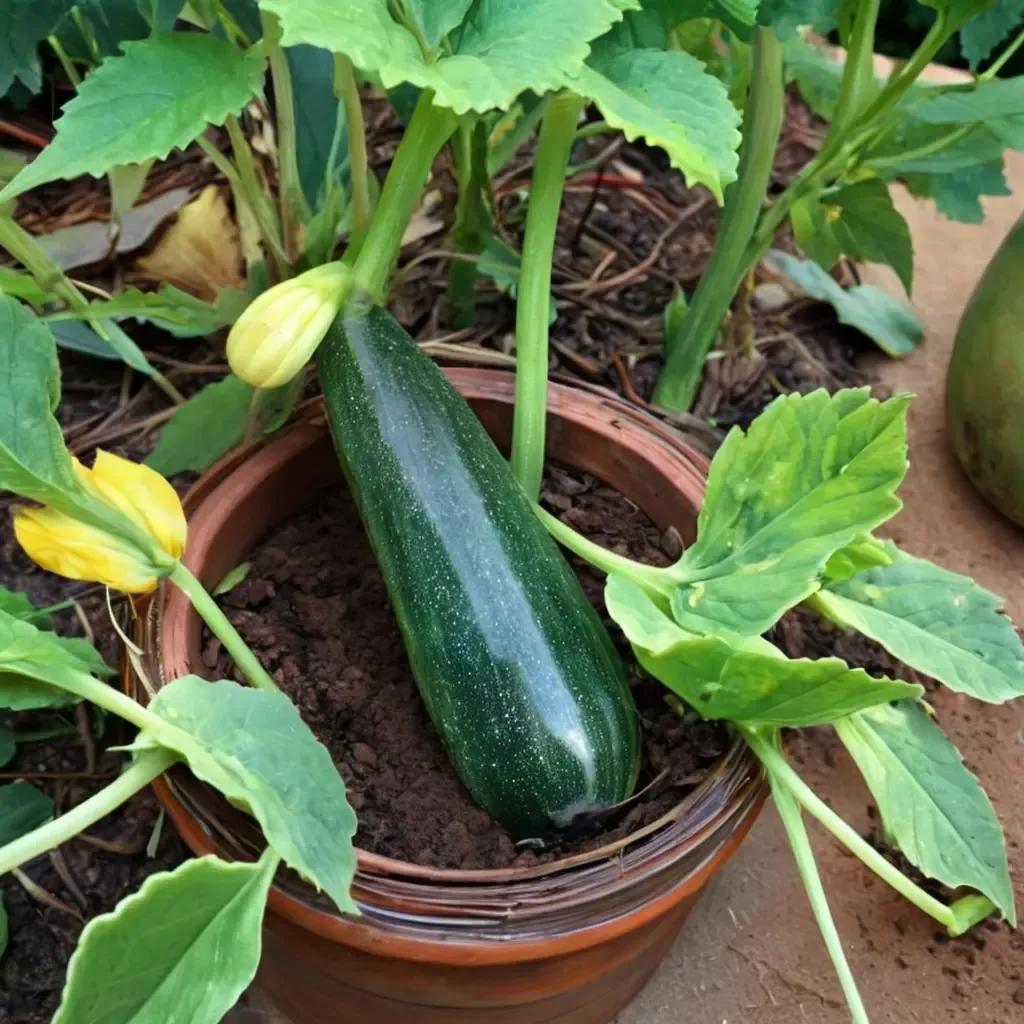
Squash
Ranked by its most-saved matching variety; the full catalog includes 10 varieties. Fast vines produce squash and pumpkins in an astonishing range of forms.
Zones 4–10All 10 varieties →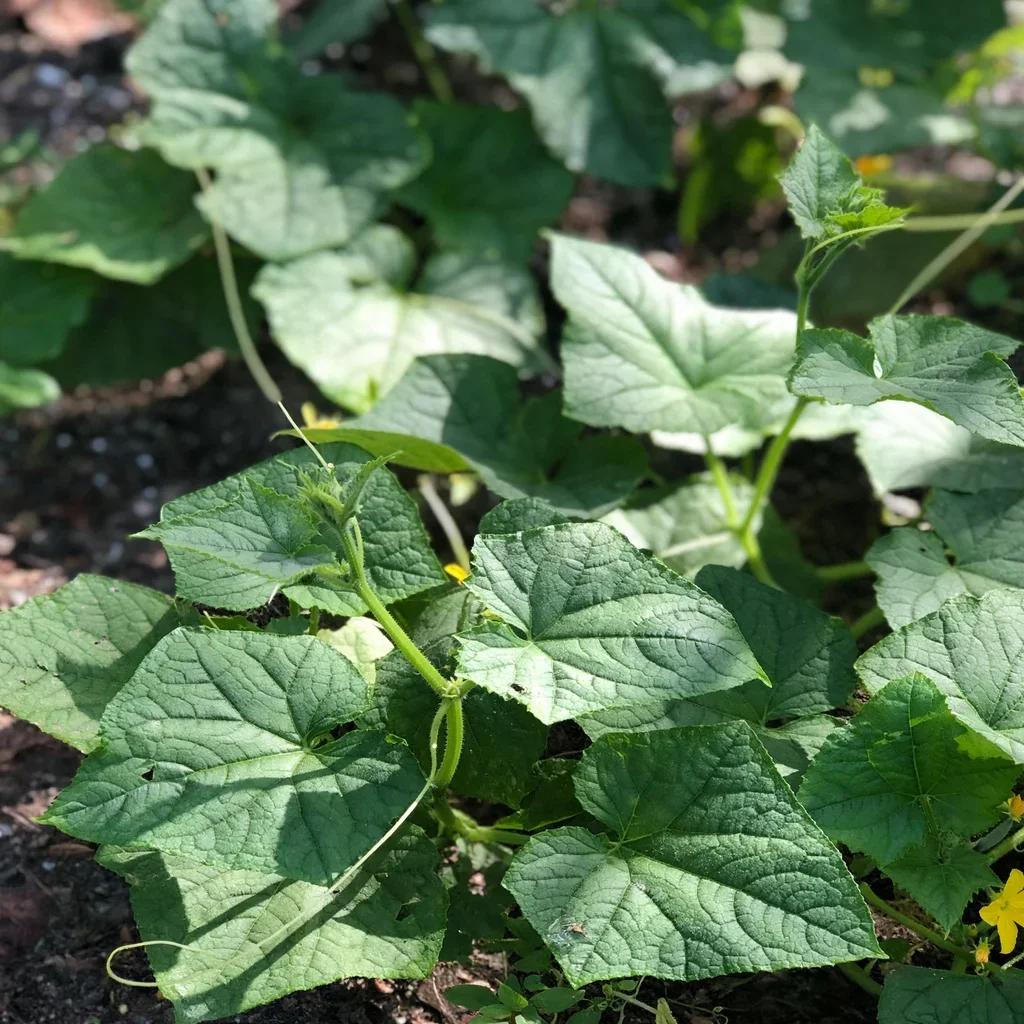
Cucumber / Melon
Ranked by its most-saved matching variety; the full catalog includes 7 varieties. Vining plants turn summer warmth into crisp cucumbers and aromatic melons.
Zones 4–10All 7 varieties →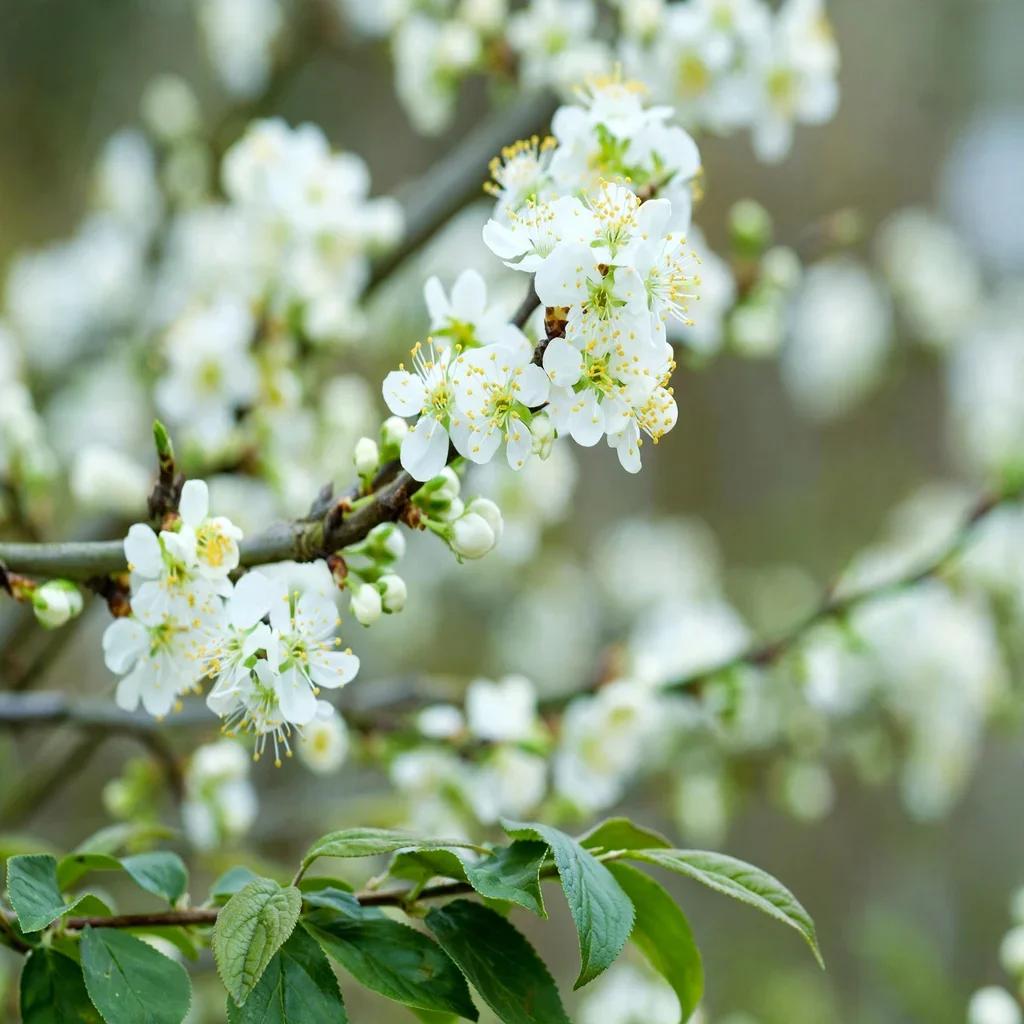
Cherry / Plum
Ranked by its most-saved matching variety; the full catalog includes 81 varieties. This broad genus pairs spring blossom with stone fruit and handsome woody structure.
Zones 5–9All 81 varieties →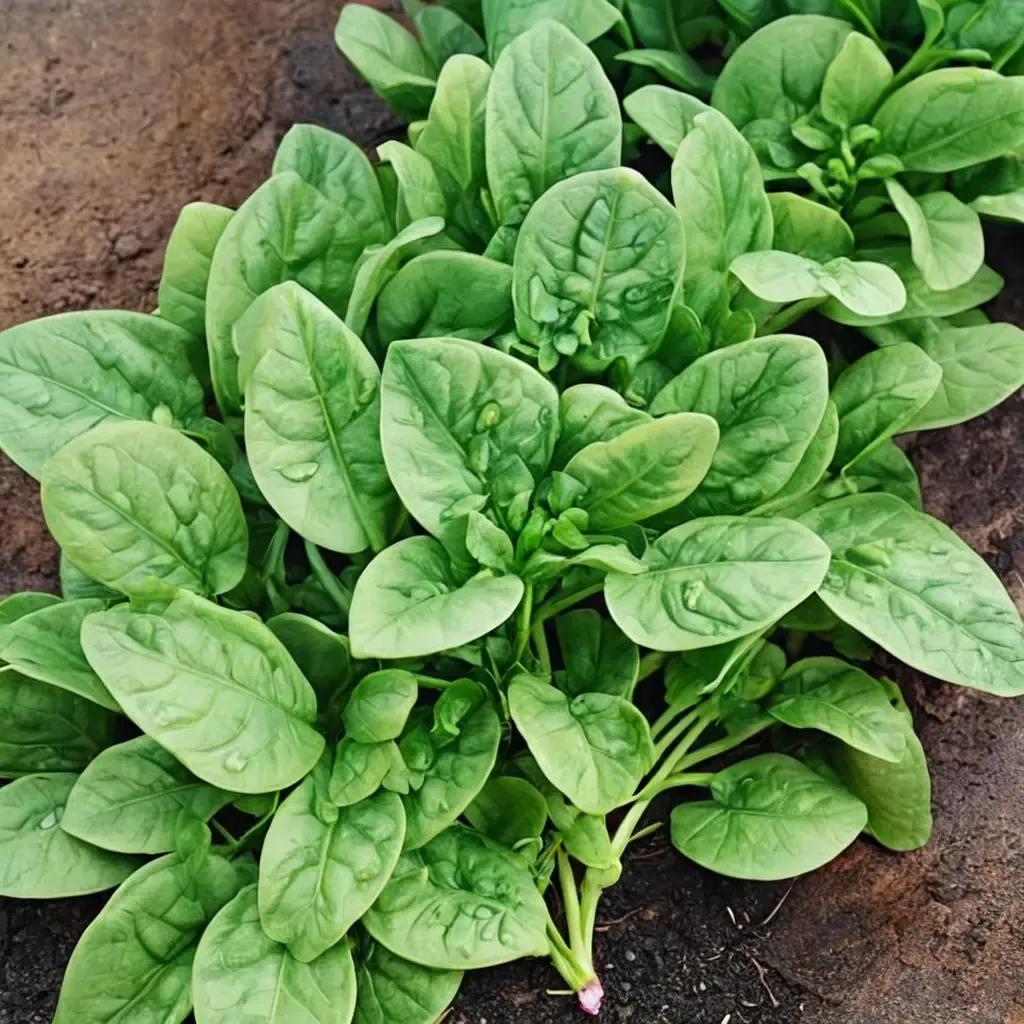
Spinach
Ranked by its most-saved matching variety; the full catalog includes 3 varieties. Tender leaves thrive in cool weather when many kitchen crops are idle.
Zones 4–10All 3 varieties →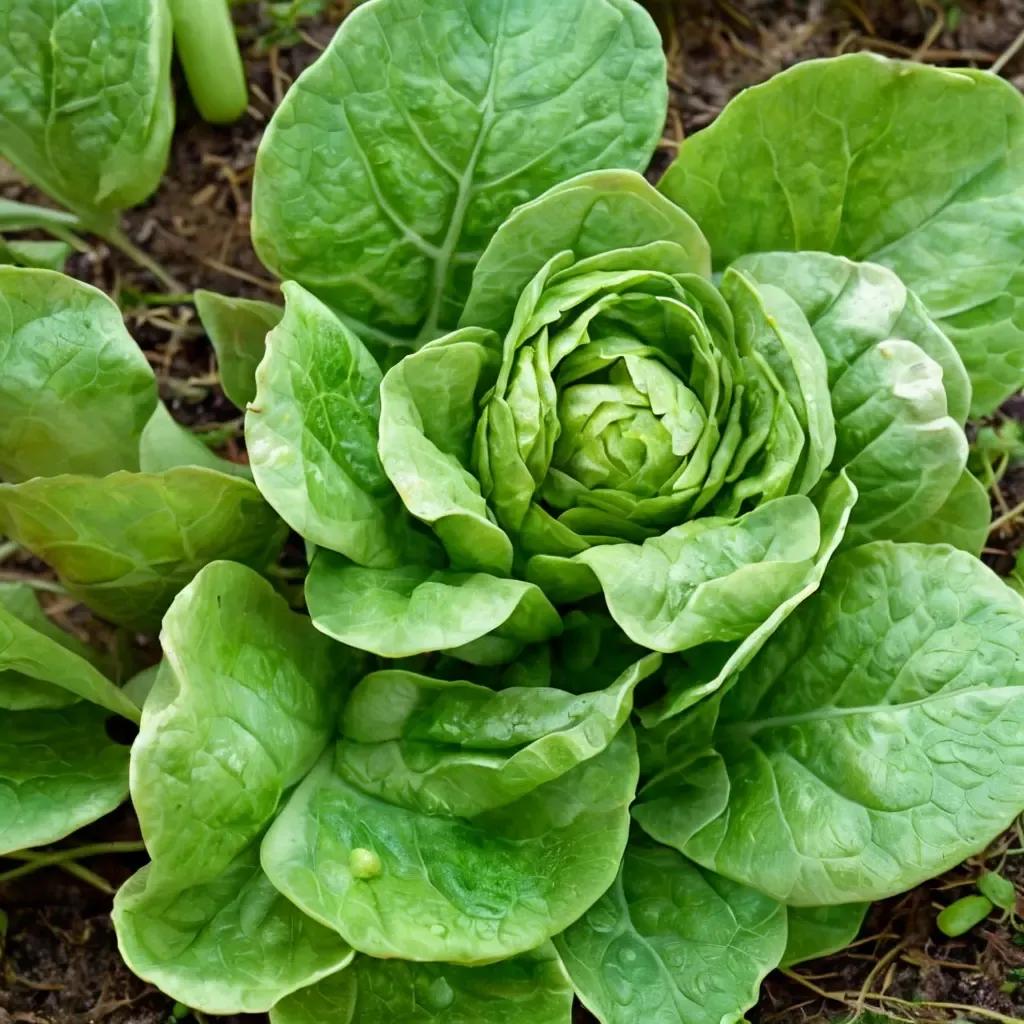
Lettuce
Ranked by its most-saved matching variety; the full catalog includes 11 varieties. Quick-growing rosettes provide a steady harvest of crisp leaves in cool weather.
Zones 4–10All 11 varieties → 10
10Malus
Apple / Crabapple
Ranked by its most-saved matching variety; the full catalog includes 55 varieties. Spring blossom, pollinator value, and colorful fruit make apples productive landscape trees.
Zones 4–7All 55 varieties →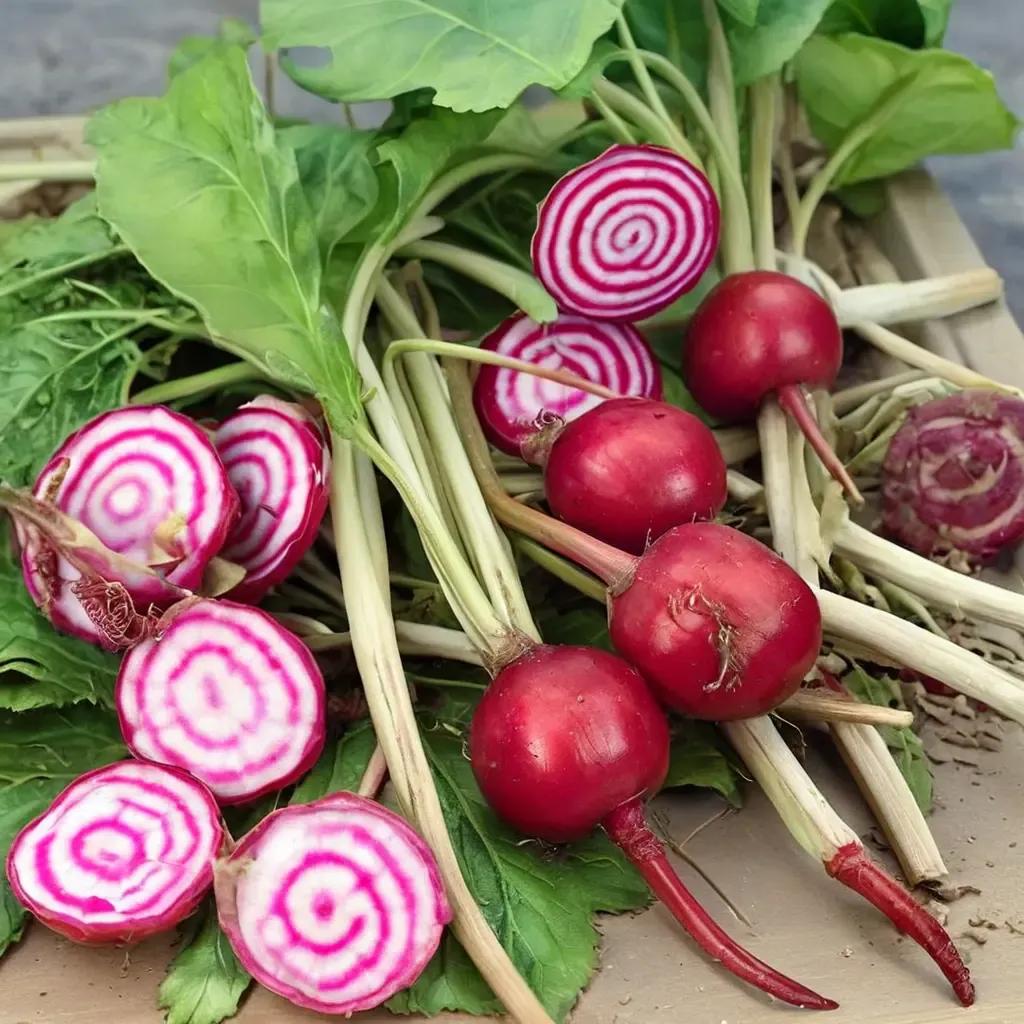 11
11Beta
Beet
Ranked by its most-saved matching variety; the full catalog includes 6 varieties. Beets offer two harvests from one crop: tender leaves and sweet roots.
Zones 4–10All 6 varieties →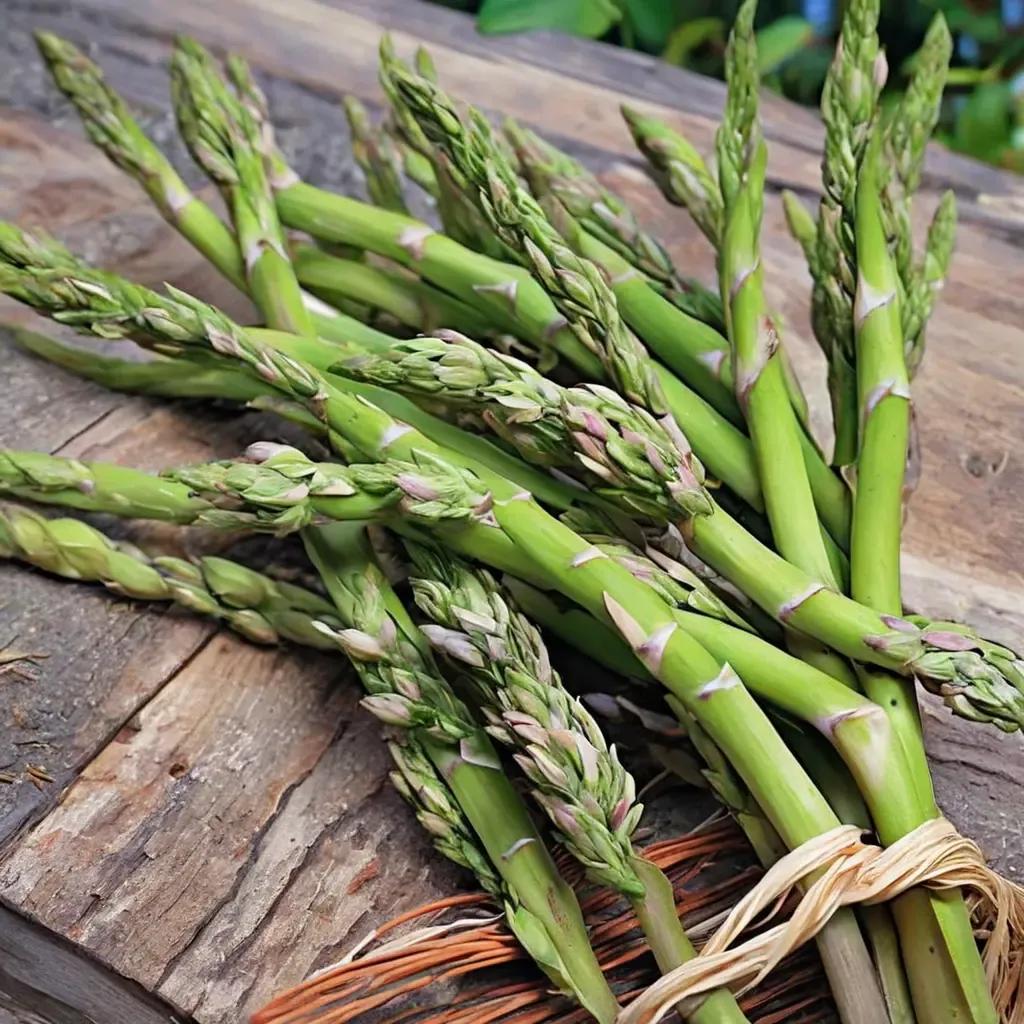
Ranked by its most-saved matching variety; the full catalog includes 19 varieties. One established crown can produce spring spears for many years.
Zones 4–9All 19 varieties → 13
13Brassica
Mustard Plant
Ranked by its most-saved matching variety; the full catalog includes 23 varieties. One remarkably diverse genus supplies leafy greens, roots, buds, and flower heads.
Zones 4–10All 23 varieties →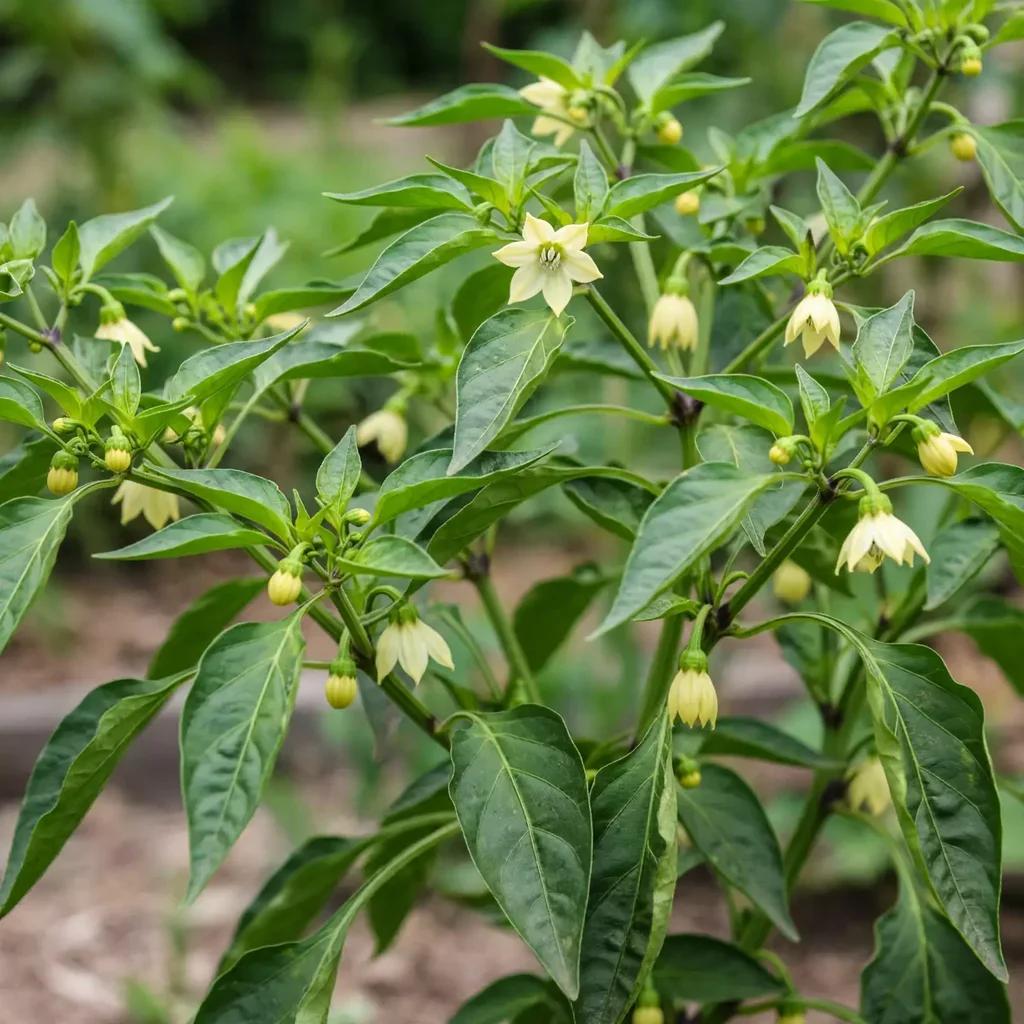 14
14Capsicum
Pepper
Ranked by its most-saved matching variety; the full catalog includes 24 varieties. Compact plants carry bright fruit that can be ornamental, sweet, or fiery.
Zones 5–9All 24 varieties →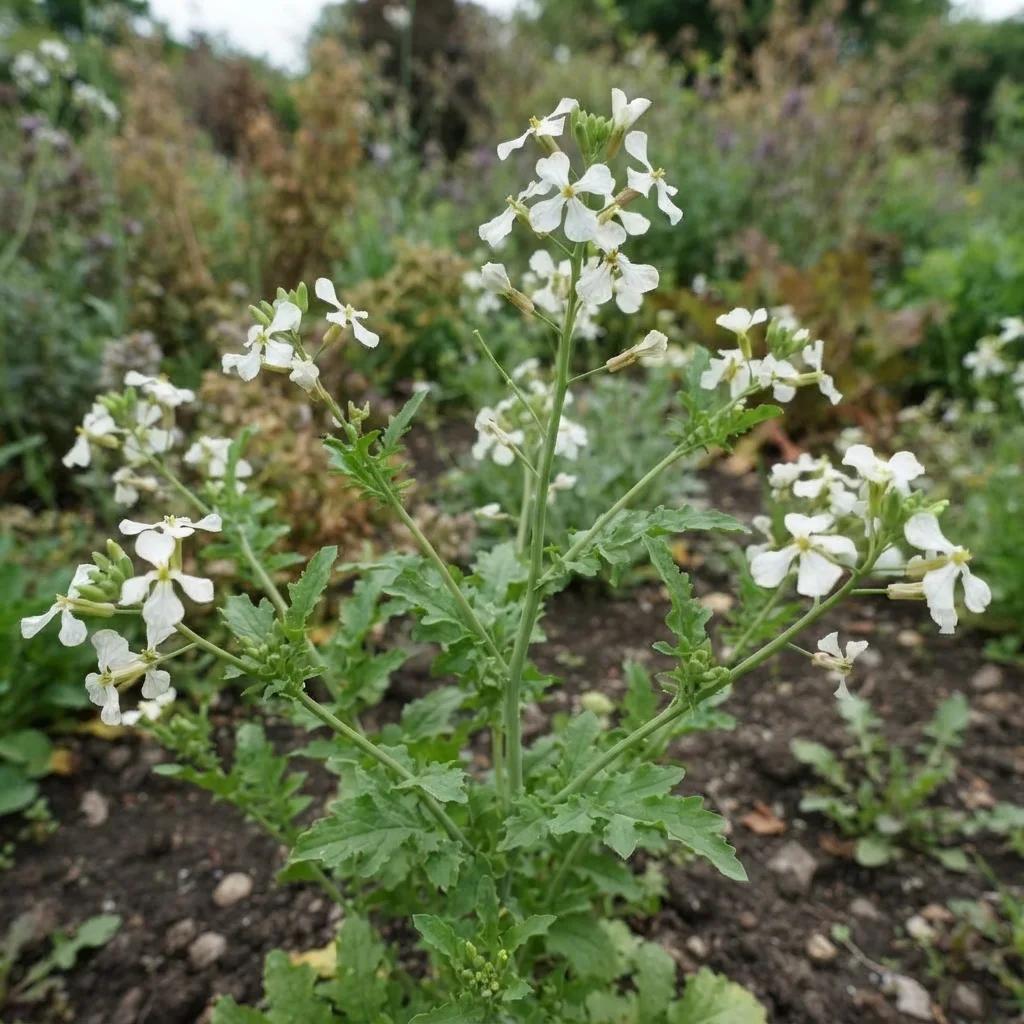 15
15Raphanus
Radish
Ranked by its most-saved matching variety; the full catalog includes 3 varieties. Radishes move from seed to crisp harvest with unusual speed.
Zones 4–10All 3 varieties →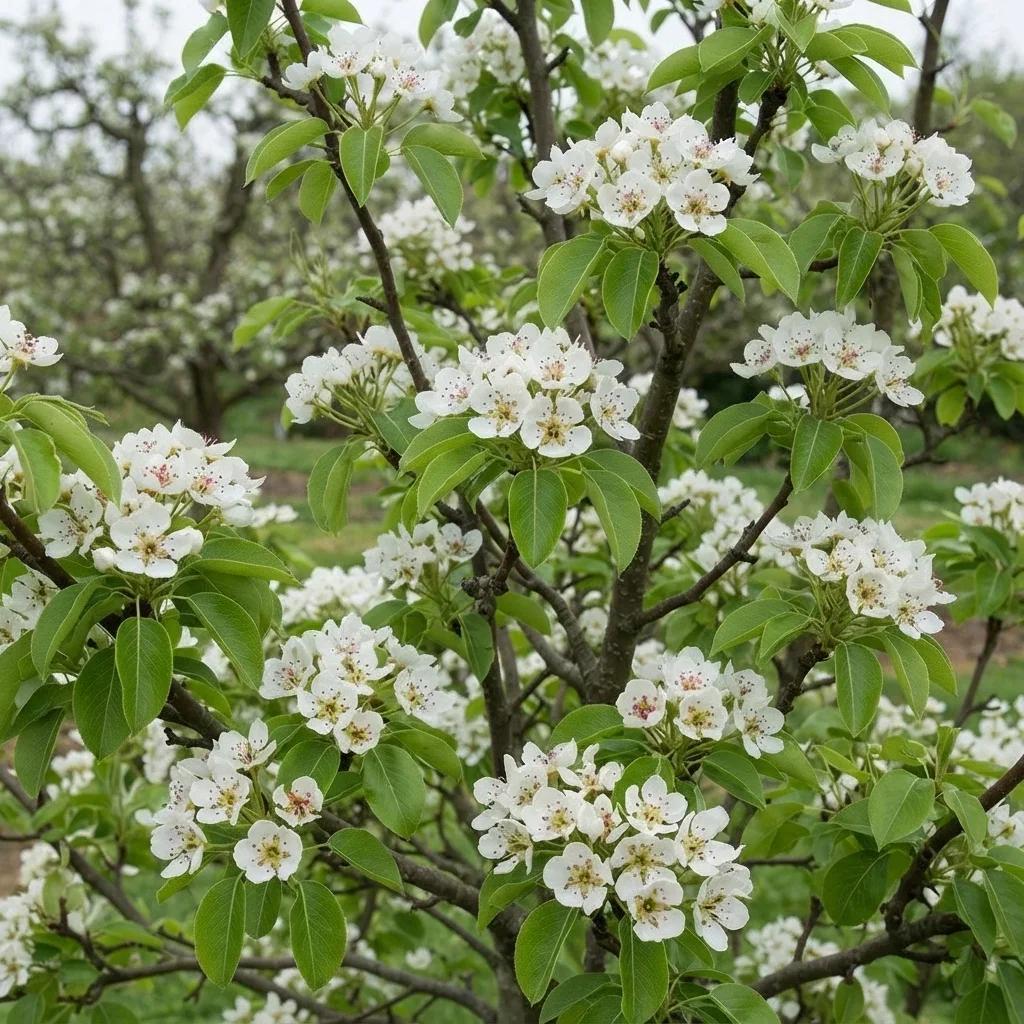 16
16Pyrus
Pear
Ranked by its most-saved matching variety; the full catalog includes 17 varieties. A cloud of spring blossom gives way to pears on a compact orchard tree.
Zones 4–8All 17 varieties →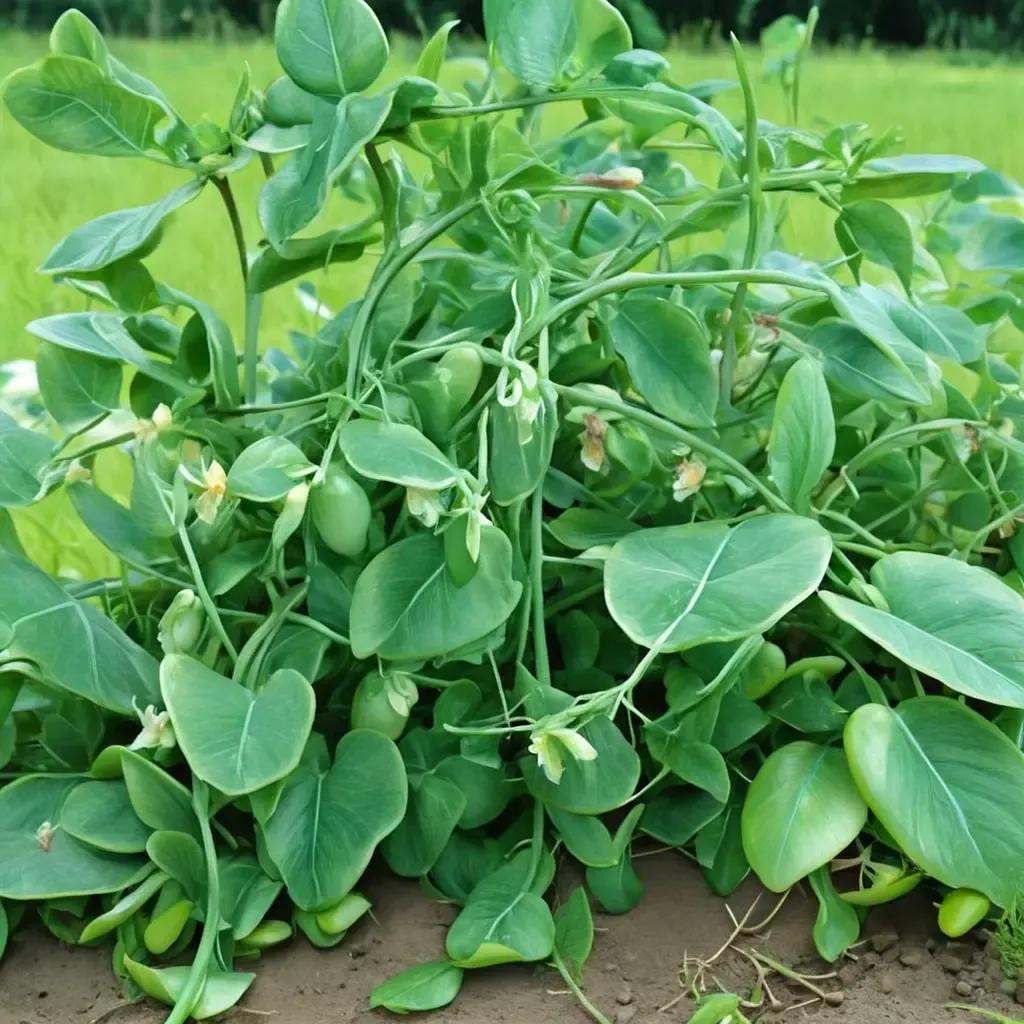 17
17Pisum
Pea
Ranked by its most-saved matching variety; the full catalog includes 5 varieties. Cool-season vines offer fragrant flowers, crisp pods, shoots, and shelling peas.
Zones 4, 5, 6, 7, 8, 10All 5 varieties → 18
18Atriplex
Saltbush
Ranked by its most-saved matching variety; the full catalog includes 3 varieties. Edible leaves and notable salt tolerance suit exposed or coastal kitchen gardens.
Zones 4–10All 3 varieties → 19
19Apium
Celery
Ranked by its most-saved matching variety; the full catalog includes 1 variety. Crisp stalks and aromatic leaves make celery useful from garden bed to kitchen.
Zones 4–8All 1 variety →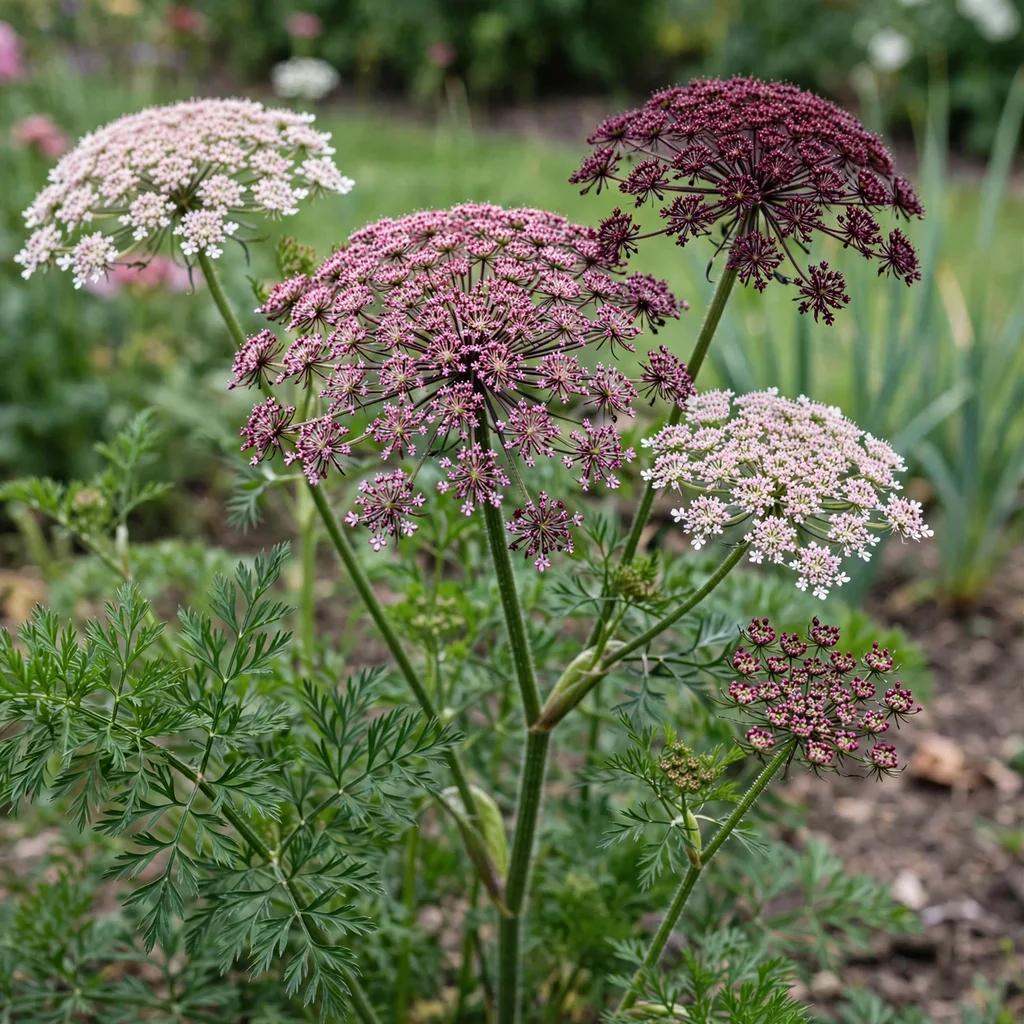 20
20Daucus
Carrot
Ranked by its most-saved matching variety; the full catalog includes 2 varieties. Its representative is notable for being mid-summer flowering and easy-care.
Zones 4–10All 2 varieties →
About this list
How was this the most popular fruits and vegetables to grow list ranked?
A plant must first match the catalog filters named in the title. Each genus is represented and ranked by its most-saved matching variety, so genera with many cultivars do not receive an automatic advantage.
How much sun do fruits and vegetables need?
Most fruiting crops want full sun — six-plus hours — to ripen well. Leafy greens and herbs are the forgiving exception and will produce in part shade.
What’s easiest to grow for a first edible garden?
Start with high-reward, low-fuss crops: bush beans, lettuce, cherry tomatoes, zucchini, and a few herbs. Among fruit, strawberries and raspberries reward beginners fastest.
Track these in your garden
Save the ones you plant and get care reminders timed to your zone.
Keep exploring
Browse & shop
More popularity lists
- Most Popular Perennials for Shade
- Most Popular Deer-Resistant Perennials
- Most Popular Plants Tagged for Pollinators
- Most Popular Drought-Tolerant Plants
- Most Popular Flowering Shrubs
- Most Popular Groundcovers for Shade
- Most Popular Privacy Shrubs and Screening Plants
- Most Popular North American Native Perennials